Blog

  • Foodpanda’s sister Foodora Singapore bound

    Foodpanda’s sister Foodora Singapore bound

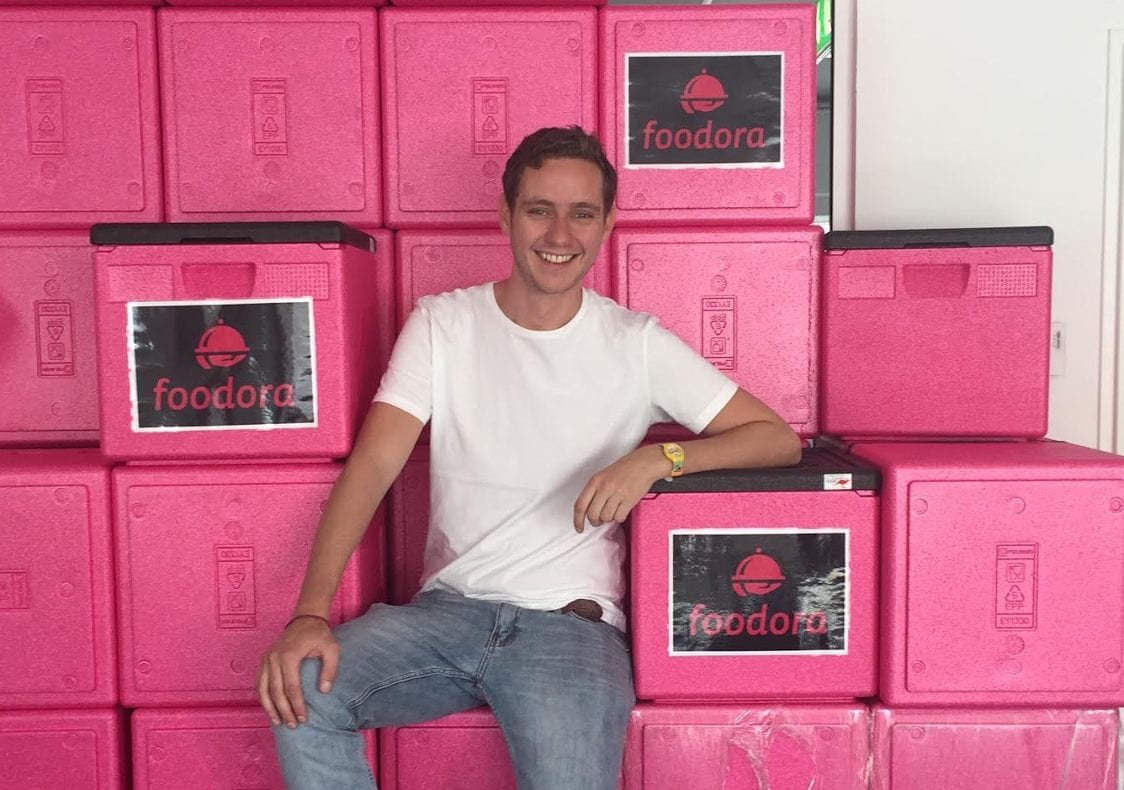
    Foodora – an upmarket little sister of mass market food delivery monopoly Foodpanda – is destined for Singapore.

    Foodora Singapore is best described as an “upscale Foodpanda”, a high-end food delivery service targeting cashed-up Millennials who want a higher standard of meal than quick service restaurant fare and faster delivery – and who parent Rocket Internet expects are happy to pay a premium for it.

    Rocket launched Foodora in Hong Kong earlier this year and a trial continues in two suburbs with more postcodes to be added later this year.

    A quick look at the Hong Kong website shows a clear family resemblance to the Foodpanda site, just a different coloured search button and a silver service platter logo in place of the smiling panda.

    But behind the scenes it is all different, we are assured.

    Chris Parrott, marketing MD with Foodora, said in an interview with e27 about the Hong Kong site that the two brands are targeting different clientele, albeit meeting the same need: food delivered to the door as quickly as possible.

    “Foodpanda is a sister company, so there is scope for knowledge-sharing. We have different target clientele, as our minimum basket size is US$25.8 (HK$200) and Foodpanda’s is variable,” Parrott explained.

    A key difference is the delivery time: Foodora promises within 30 minutes, which seems an overly ambitious promise; Foodpanda can take an hour or more, depending on the customer’s location.

    Foodora is now active in 14 countries and early this month took over Delivery Hero which is in 34 countries. Singapore will be next, with a website page already visible announcing “Coming soon”.

    The Hong Kong business is initially being promoted through blogs, food critics and Instagram.
  • Inside Wuhan 1818 mall

    Inside Wuhan 1818 mall

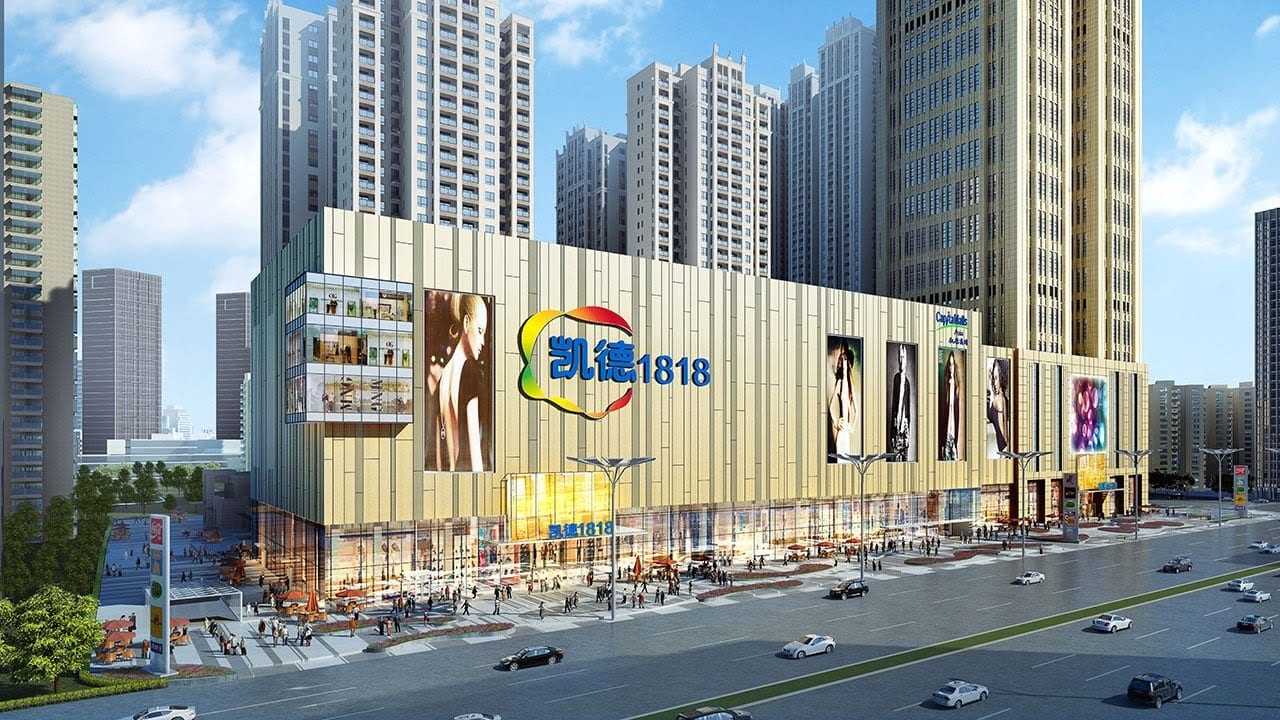
    Wuhan 1818 mall has recently opened in China, delivering a new generation retail and lifestyle centre set to energise the precinct’s urban core.

    The 70,000 sqm, seven storey mall was developed by CapitaMalls Asia  and caters to the needs of the 2.4 million people living and working in the district. It provides a diverse range of quality lifestyle, food and entertainment tenancies, anchored by rooftop cinemas and a basement supermarket and car parking.

    Capitalmall-1818-Wuhan-China1

    “The project opens at a dynamic point in space and time for Wuhan, coinciding with a period of unprecedented change,” said Buchan Group principal, David Macleod.

    “Our design for the centre fits well with the contemporary facelift of the district as Wuhan rapidly evolves into a Future City.”

    The design for the development was inspired by the unique cultural catchment and captures the essence of its past, whilst responding to evolving retail trends of the future.

    “We felt both a responsibility to be respectful of Wuhan’s history and culture in our design, but to look to its future,” said Macleod.  “We felt a need to embrace the needs and aspirations of the new modern urban community.”

    Capitalmall-1818-Wuhan-China

    The interior design concept for the mall expresses aspects of this dynamic through restrained organic patterns crowned by splashes of vibrant colour and dappled light effects.  The prominent podium facade creates an impressive street-edge to the integrated office and residential mixed use precinct, and adds an impressive addition to the quality development portfolio of The Buchan Group and CapitaMalls Asia.

    The centre’s planning was engineered to ensure the mall performs a civic function as an urban meeting place for the local community, encouraging social connections and redefining the art of placemaking in the district. This informed the predominance of formal and informal food and entertainment spaces in the planning and tenancy mix.

    The Buchan Group provided integrated design and delivery services for this ambitious project, including facade and interior architecture, interior design and graphic and wayfinding design services from concept design through to construction site services.

  • Fast Retailing launches refugee initiative

    Fast Retailing launches refugee initiative

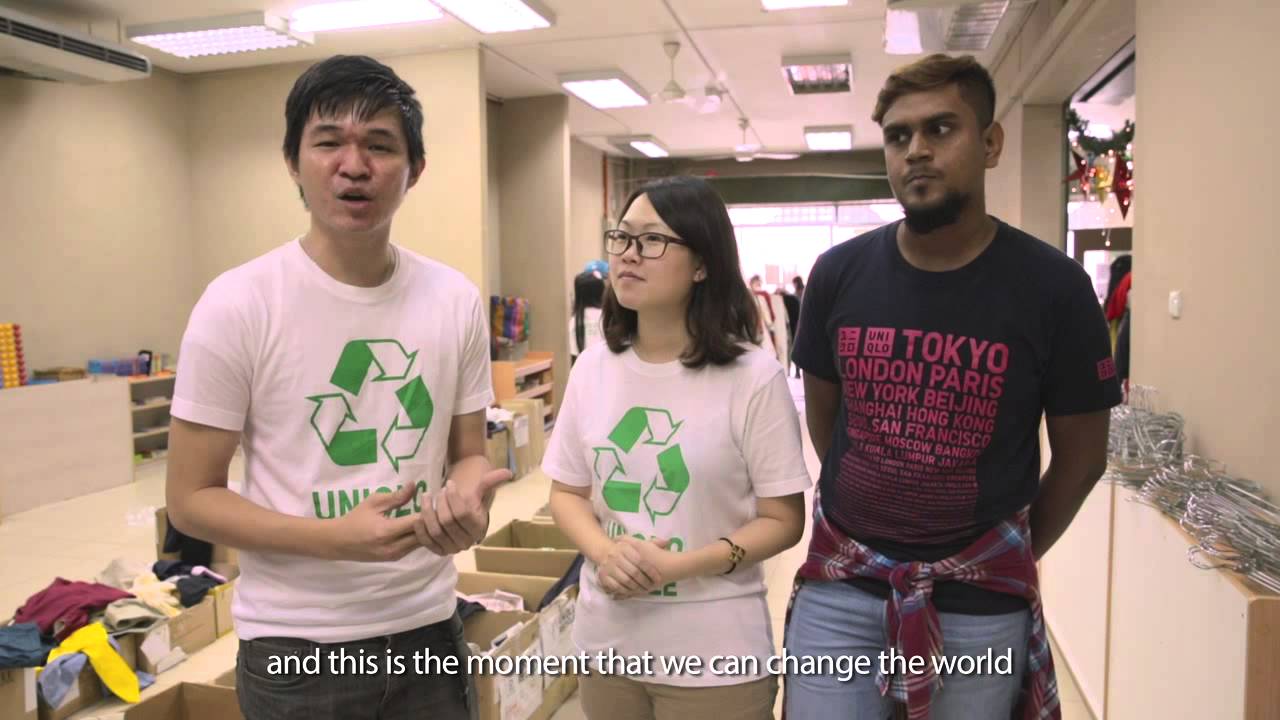
    Japanese retail company Fast Retailing has launched HELP, a global initiative to help clothe refugees.

    The project – dubbed 10 Million Ways to HELP will be run in conjunction with the UNHCR.

    Collection starts at Uniqlo and GU on October 2 at stores around Japan and from mid-October in other markets.

    According to a Uniqlo statement, UNHCR estimates the number of women, men, and children forcibly displaced owing to armed conflict and other causes reached 59.5 million by the end of 2014 – the highest since the end of World War II – prompting Fast Retailing to respond.

    Fast Retailing has been implementing an All-Product Recycling Initiative to provide clothing to refugees since 2006, and in 2011 became the first company headquartered in Asia to establish a global partnership with UNHCR. As part of the initiative, Fast Retailing has also launched a drive to collect clothing from employees.

    Around 90 per cent of the clothing that Fast Retailing has collected to date through its All-Product Recycling Initiative has been in wearable condition. As of the end of April 2015, more than 10 million items from the company had been delivered to refugees in 37 countries by UNHCR, including those in Jordan, Syria, Thailand and Nepal.

    As another contribution to alleviate the plight of displaced people, from 2011 Fast Retailing has operated an internship program at Uniqlo stores in Japan for refugees and their family members, offering invaluable work experience to promote their self-reliance.

  • Ikea Malaysia sets Cheras opening date

    Ikea Malaysia sets Cheras opening date

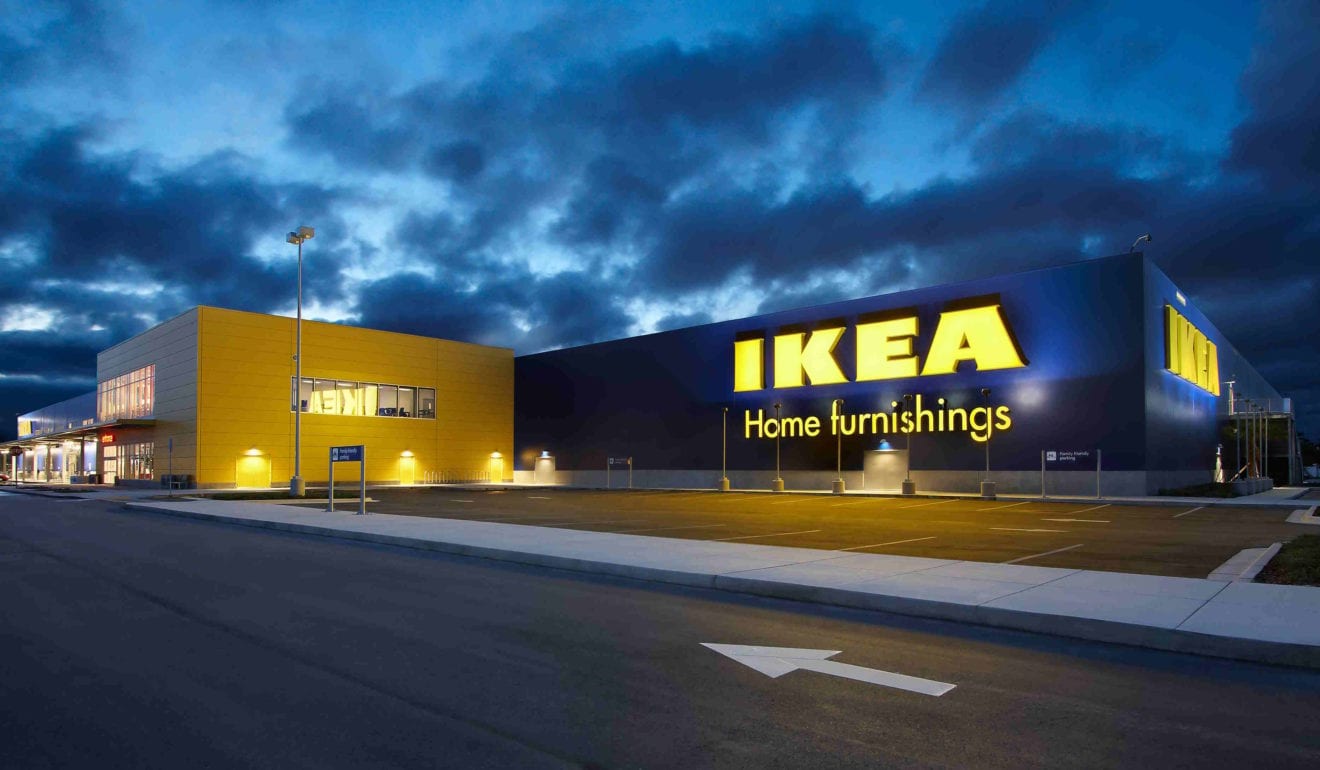
    Ikea Malaysia says its second store located at Jalan Cochrane, Cheras. is on track to open at the end of November.

    The timing was revealed at the store’s roof capping ceremony, a Swedish tradition to celebrate the end of construction and thank neighbours who helped out in the building phase.

    “Come November, Ikea Cheras will provide more Malaysians with Swedish home furnishings that are well-designed, functional, affordable and good quality,” said Mike King, retail director, Ikea Malaysia, Singapore and Thailand.

    “The new Ikea store is part our overall ambition to expand in Southeast Asia. Our entry into Cheras neighbourhood reflects our vision to create a better everyday life for the many people.”

    Ikea Cheras will provide Malaysians with greater convenience and a wide selection of home furnishing inspiration and solutions at incredibly low prices. The store has 41,000 sqm of shopping space, 20 per cent more than the Damansara store. Ikea Cheras is also located a five minute drive from the city centre, accessible from MAJU Expressway and Smart highways, and connects to the Cochrane MRT station (to be completed in 2017).

    As the opening fast approaches, the team is now in the midst of interior fittings, operational setup and co-workers’ training. To support its overall operation, a nationwide recruitment exercise was carried out recently.

    “We had an overwhelming response of which we hired a great mix of over 300 co-workers of various talent and expertise. With the passionate and committed co-workers we have on-board, this new store ensures more Malaysians will get a chance to enjoy the unique Ikea store experience many have come to know and love,” added King.

    Ikea Cheras will be one of the first few retail developments to be ready in the booming township. The new iconic landmark spots the potential in transforming Cheras into a vibrant retail destination, drawing upon the liveliness Ikea brings to Mutiara Damansara with its standalone store since 2003.

  • KidZania India enters Delhi

    KidZania India enters Delhi

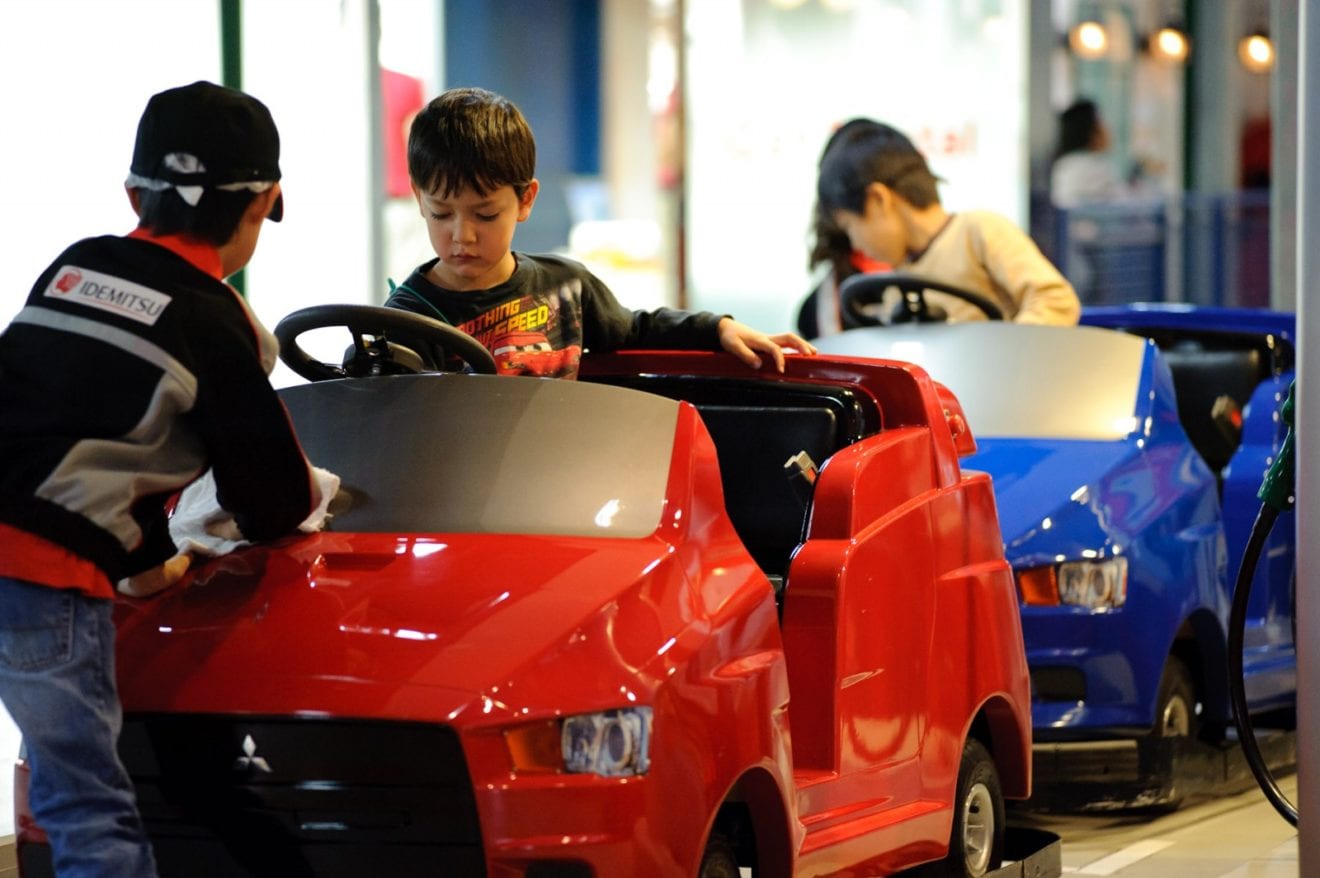
    KidZania, the global chain of role-play centres for children, will invest over US$15 million in a facility in Delhi-NCR, CEO Sanjeev Kumar, has said.

    “The project funding will be done through 70 per cent equity and 30 per cent debt, Kumar said.

    The new KidZania will be located on a 147-acre facility in Noida and will open in 2016.

    The Kidzania India franchise rights are owned by Imagination Edutainment. Singapore-based KidZ Inc, whose shareholders are Comcraft Group, Xander Group and Maxfield Management, owns 74 per cent of the franchise and actor Shah Rukh Khan the remaining 26 per cent.

    “We are very bullish about the Delhi NCR market. While we will be targeting kids between four and 14 years and their parents residing in Delhi, Noida and Gurgaon and we feel there is a great potential in the surrounding cities of Sonipat, Panipat, Mathura, Agra and Meerut.

    “Our feasibility report has also shown interest of inbound tourists and school groups from Punjab and Haryana. We are confident of hosting 600,000+ visitors in the first year,” said Kumar.

    The indoor theme-park, built-to-scale across three levels, will be spread over nearly 100,000 sqft and have a capacity for 1800 visitors a day – 65 per cent children and 35 per cent adults.

    The KidZania Delhi operation will follow on from the successful Mumbai destination which has now hosted 700,000 children in the last two years.

    But this one will feature new zones, including an underground archaeology facility, a stadium and a hanging aircraft at the entrance.

    There are now 20 KidZanias, operating in cities including London, Dubai, Jeddah, Lisbon, Tokyo and Santa Fe.

    KidZania Delhi facility has signed on brands including Parle-G for a biscuit factory, Bajaj Electricals for a culinary school and an energy conservation hub, Kellogg’s for a cereal factory, Big Bazaar for a supermarket, and E-Zone for an electronics store.

  • H&M backs China, India

    H&M backs China, India

    Sweden’s H&M has followed in the footsteps of archrival Uniqlo in voicing its confidence in the China market despite the economic slowdown.

    Like Uniqlo H&M is aimed at the mass market, not the high end luxury sector most hit by the tightened spending of Chinese consumers.

    H&M says it will open 70 stores in China in the year to November 30, taking its network up to just over 300.

    Like Uniqlo, the company says it sees itself appealing to cost-conscious shoppers.

    In an interview in Hong Kong on Monday, H&M country manager for Greater China, Magnus Olsson, said the brand’s customers say they enjoy spending with H&M and they plan to shop more in future.

    “Those signs we think override some other maybe noise in the marketplace right now. We’re humble but confident.”

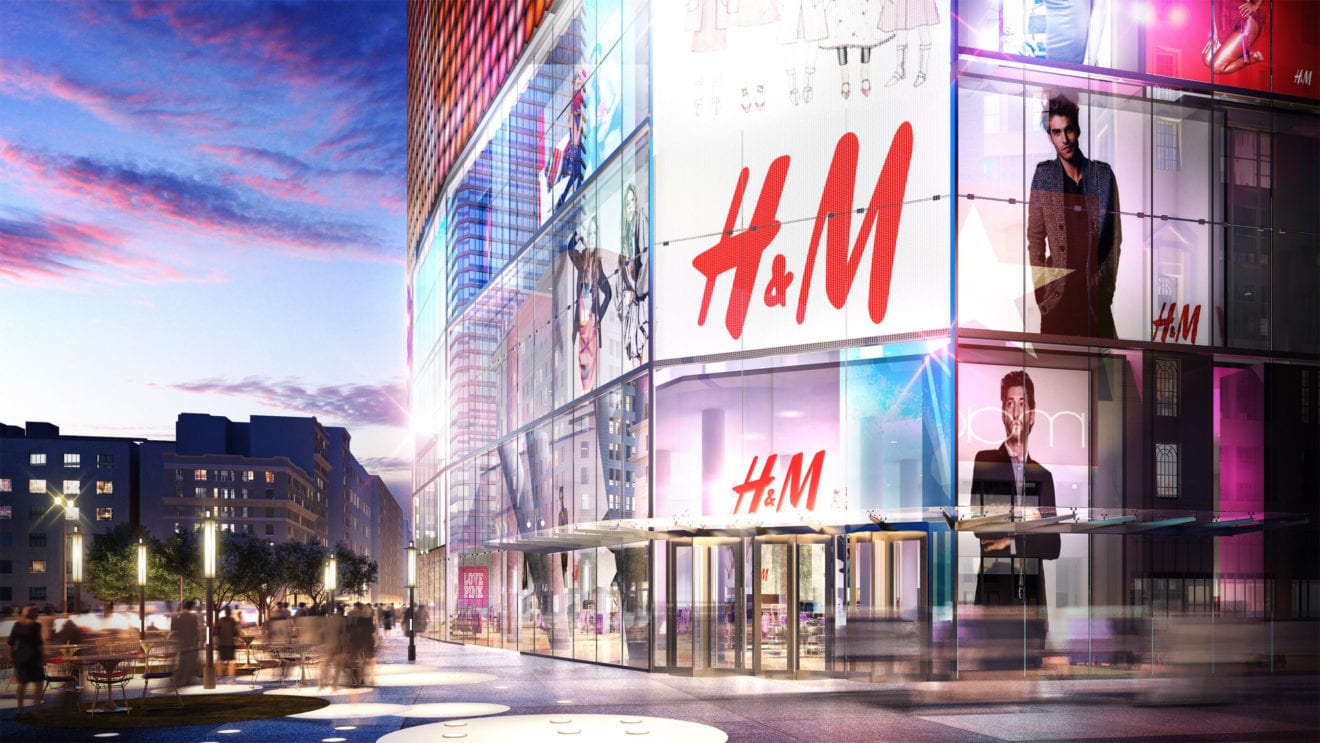
    H&M will open its largest store yet in Asia in Causeway Bay, Hong Kong, on October 30.

    H&M group’s sales in the nine months to August rose 22 per cent globally; expressed in local currency, by 12 per cent.

    In the fourth quarter of this year H&M plans to open about 240 new stores – almost three per day.

    It will enter India and South Africa this autumn, with maiden stores in New Delhi this week and in Cape Town in October.

  • Peri-Peri Charcoal Chicken goes global

    Peri-Peri Charcoal Chicken goes global

    After 10 years serving Filipinos, Peri-Peri Charcoal Chicken & Sauce Bar has opened its first store overseas and says more will follow.

    The popular quick service restaurant concept has opened in Myanmar, the first test in an offshore market.

    Parent I-Foods Inc, which also owns the Stackers Burger Cafe, Kogi Bulgogi and Wafu, says more stores will follow in other markets, with a focus initially on Southeast Asia.

    “We entered Myanmar and we opened two weeks ago. It’s a good market,” I-Foods owner Bryan Tiu told a press briefing.

    He said the chicken concept is one that can be appreciated by anyone, making it an idea export concept.

    With Myanmar only recently opening its doors to foreign businesses, Peri-Peri Charcoal Chicken & Sauce Bar has the advantage of being an early arrival and establishing a solid customer base before larger competitors come along.

    Meanwhile, the chain is continuing its expansion in its home market. Last month it opened its largest restaurant yet, in Capitol Commons in Pasig.

    Peri-Peri Charcoal Chicken & Sauce Bar also has branches at SM City North Edsa Annex, Promenade Greenhills and Robinsons Mall Bacolod, with others soon to open at SM Megamall, Solenad Mall in Nuvali and Eastwood City Mall.

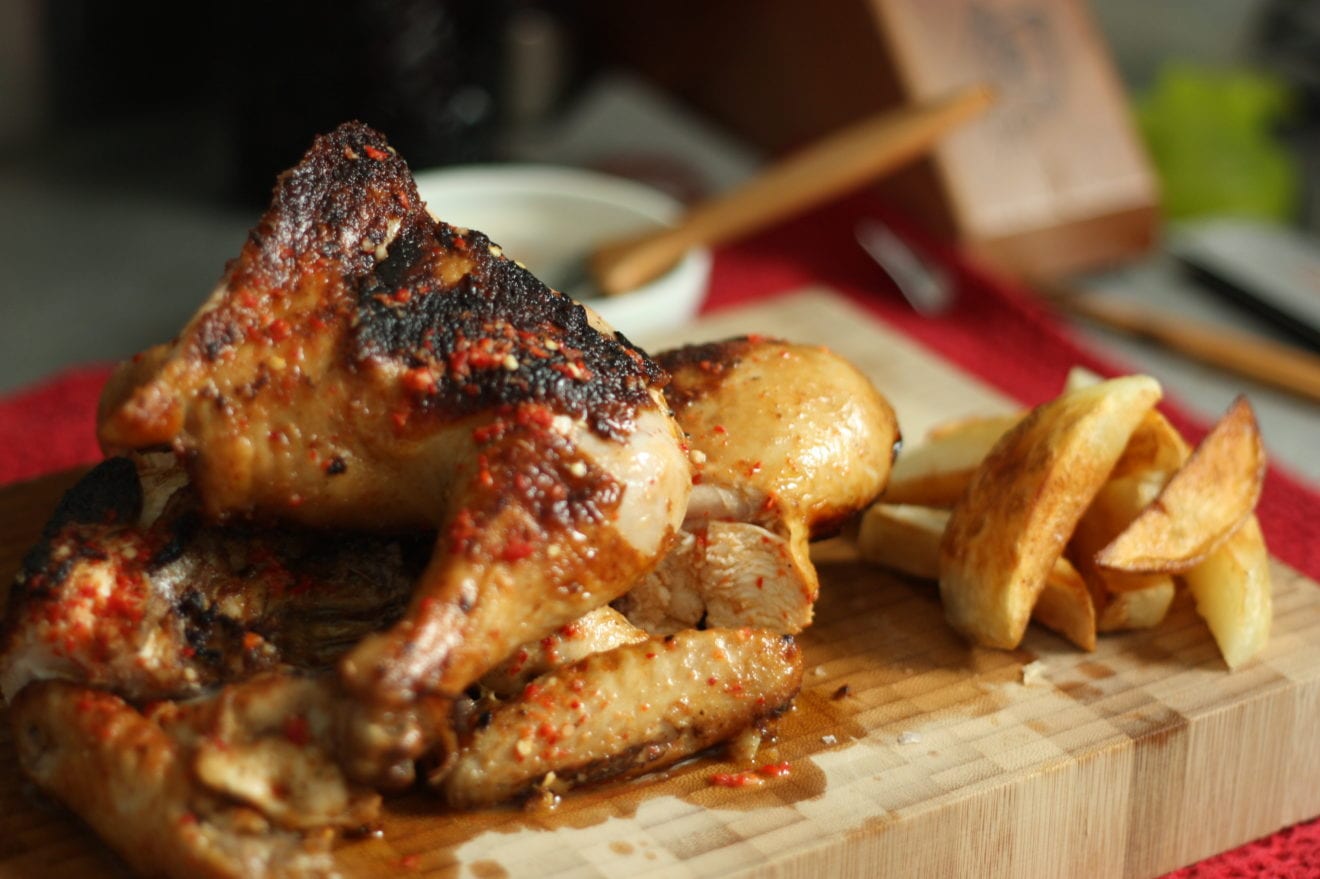
    The concept is based on grilled chicken marinated in a blend of herbs and spices sourced from Africa and served with a selection of eight sauces ranging from hot and spicy to mild.

  • Where Muslim tourists shop

    Where Muslim tourists shop

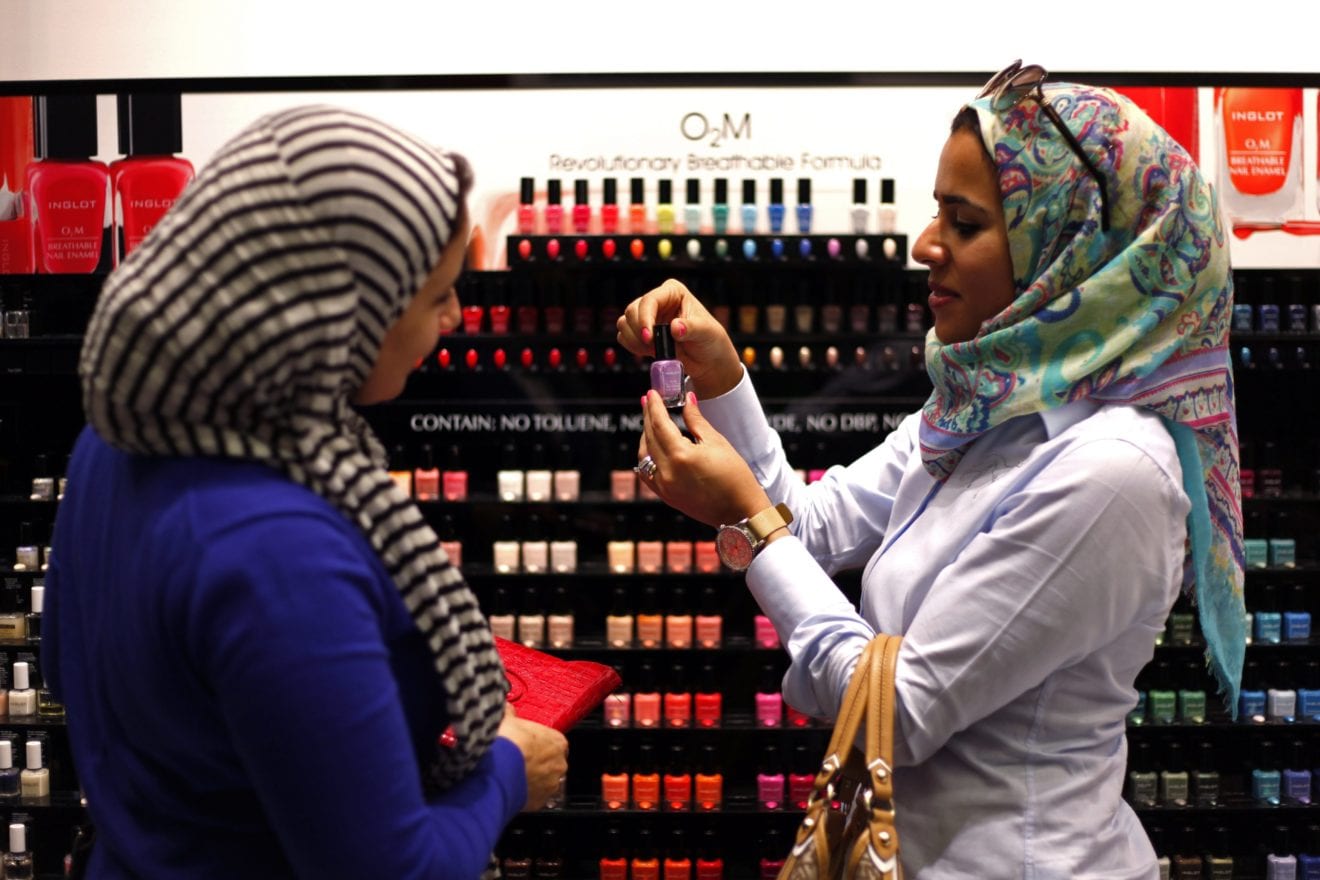
    Muslim tourists spent $62 billion shopping and dining last year – and Asia got a huge share.

    Malaysia and Singapore were the second and third most popular shopping destinations for Muslim tourists last year, lagging behind only Dubai, according to the MasterCard-CrescentRating Muslim Shopping Travel Index 2015 just released.

    Fourteen cities from Asia Pacific made it onto the overall list of 40 destinations.

    The research shows shopping expenditure by Muslims in 2014 amounted to $36 billion, while dining expenditure amounted to $26 billion

    The MTSI 2015 looks at in-depth data covering Muslim travel shopping from 40 international cities creating an overall index, based on a number of criteria. It is the first time detailed insights have been provided on the consumer spending behaviour of Muslim travellers.

    The MTSI 2015 is the latest research collaboration between MasterCard and CrescentRating on this sector following the launch of the Global Muslim Travel Index (GMTI) 2015 earlier this year.

    “The MasterCard-CrescentRating Muslim Travel Shopping Index is a fascinating insight into the shopping habits of Muslim consumers and will prove to be an invaluable tool to the entire sector,” said Fazal Bahardeen, CEO of CrescentRating & HalalTrip.

    “The research looks at two of the most important expenditure components of Muslim travellers which are shopping and dining. The index reveals how important Asia Pacific is to the sector and the vital contribution they are making.”

    The 40 international cities covered in the MTSI 2015 were scored against a comprehensive set of metrics which included suitability as a shopping destination, Muslim friendly services and facilities and ease of travel. Each criterion was then weighted to make up the overall index score.

    Dubai topped the ranking for overall Muslim Travel Shopping with a score of 79.5 followed by Kuala Lumpur with a score of 73.3.  Singapore scored 71.6 on the Index making it the number one ranked city from the non-OIC countries and third in the overall list.

    Bali also made into the top 10 scoring 58.2 closely followed by Penang with 56.9. In total, Asia Pacific contributed 14 cities to the overall top 40 list.

    A significant highlight of the MTSI 2015 was the high number of non-OIC countries featuring in the top 40 list.

    Singapore, secured a rank among the top five overall destinations for Muslim traveller shopping.  This further revealed the potential for non-OIC destinations, with 25 on the list, to attract Muslim travellers by proactively catering to this segment.

    Earlier this year, the GMTI 2015 showed that in 2014, the Muslim travel segment was worth $145 billion with 108 million Muslim travellers representing 10 per cent of the entire travel economy.

    This is forecasted to grow to 150 million visitors by 2020 and 11 per cent of the market segment with a market value projected to grow to $200 billion.

    MTSI 2015 will be updated on an annual basis and will feature more cities in future releases.

    “The MTSI 2015 provides a deeper look at two key components of the traveler consumer experience – shopping and dining. We see this as an important resource not only for us to better understand this significant and fast-growing traveller segment, but also a source of data that will inform and support the efforts of our partners in the travel industry,” said Matthew Driver, group executive, global products and solutions, Asia Pacific, MasterCard.

    Shopping chart

  • La Perla Hong Kong revamps flagship

    La Perla Hong Kong revamps flagship

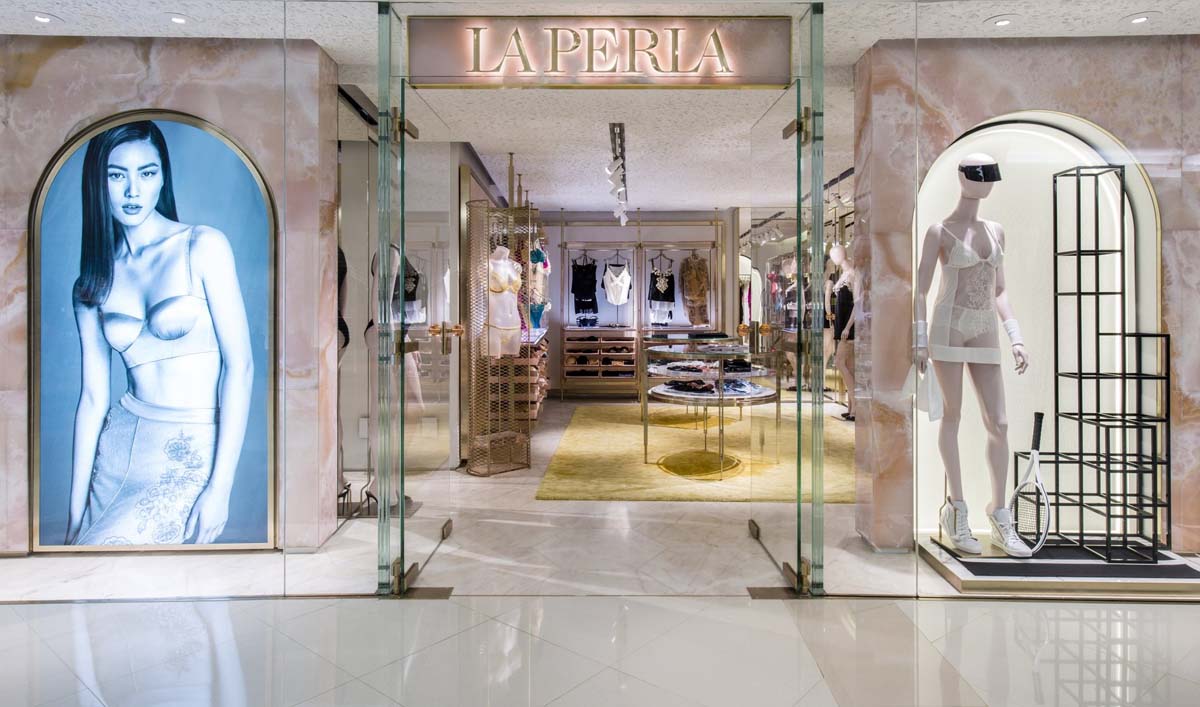
    Italian luxury lingerie brand La Perla has reopened its Russell St flagship store after renovation.

    Laperia - Russel street Hong Kong 2

    La Perla Hong Kong first opened in 2006 in Lane Crawford at pacific Place. Since then the brand has expanded to four stores – and the Russell St shop is described as its main showcase.

    Laperia - Russel street Hong Kong 3

    The newly revamped La Perla store features the new interior design concept of the brand and includes all La Perla Collections for women and men.

    Laperia - Russel street Hong Kong 1

    Gruppo La Perla is one of the leading international lingerie and beachwear groups, with 2000 employees globally. Since its establishment in 1954, the Gruppo La Perla has directed its production towards various market sectors including lingerie, beachwear and nightwear. The company has created a chain of exclusive boutiques in the main fashion capitals of 30 countries.

    Laperia - Russel street Hong Kong 4

  • Salvatore Ferragamo confident despite China woes

    Salvatore Ferragamo confident despite China woes

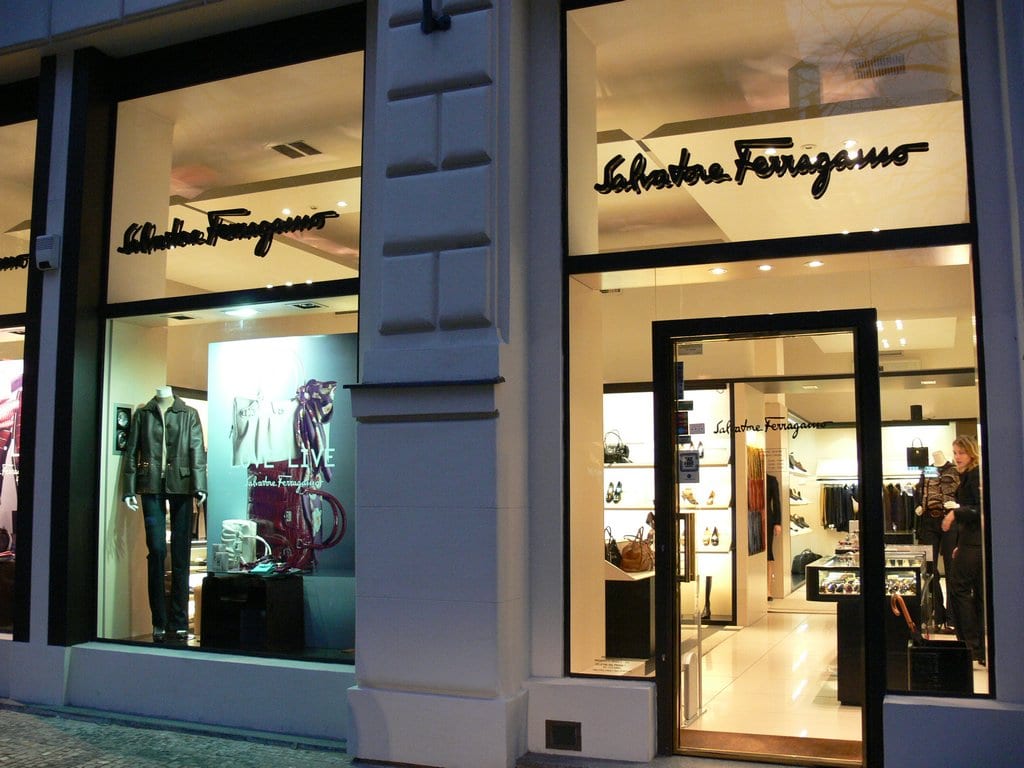
    Italian luxury goods brand Salvatore Ferragamo is confident it can weather the impact of falling sales in China, Hong Kong and Macau.

    The company has admitted to slowing growth in Asia, its largest market, but says it will stick to its previous profit guidance and is confident activities in other markets can balance the impact. That guidance is an EBITDA or about euro 320 million – 27 million more than it achieved in 2014.

    In the first half of this year, Asia-Pacific, the brand’s largest market, was the only one where it posted a sales decline, expressed in constant exchange rates. Most of the damage was done in Hong Kong and Macau where the downturn in luxury spending has been well documented.

    In China, most of Salvatore Ferragamo’s peers are reporting challenging conditions, revising their overall expectations based on slowing luxury and discretionary spending there.

    But Salvatore Ferragamo CEO Michele Norsa told journalists at the Milan Fashion Week: “We’ve been giving a very constant and consistent indication regarding this year.”

    However, the company said it would be reviewing prices in markets where the local currency was under pressure. While he did not name China, he did cite Russia and Brazil as examples.

  • Croesus Singapore buys Fukuoka mall

    Croesus Singapore buys Fukuoka mall

    Singapore’s Croesus Retail Trust  has bought Torius Property in Fukuoka Prefecture, Japan, for JPY 7,997 million (S$95.2 million).

    Torius, comprising 36 separate retail buildings, will be Croesus Singapore’s eighth Japanese property and marks its first foray into Kyushu Island. It is the fourth property to be bought by the trust since its IPO in May 2013.

    One of the largest properties in Fukuoka Prefecture with a diverse and unique tenant mix, Torius has a yield of 7.8 per cent.

    The deal will be funded by a rights issue.

    Torius is a large-scale suburban retail mall located in the satellite town of Hisayama-machi of Kasuya-gun, which is approximately 13 km from central Fukuoka City in Fukuoka Prefecture, on Japan’s Kyushu Island. The property occupies a land area of 257,173 sqm and has a net lettable area of 77,032 sqm. Torius Property is situated on leasehold land, with the leasehold interest in respect of the main parcel of land on which Torius Property is sited (comprising a land area of 205,543 sqm) expiring in February 2060.

  • HK eyewear brand breaks into Europe

    HK eyewear brand breaks into Europe

    Eyewear brand Mujosh has made its first appearance in Europe.

    The Hong Kong-registered label made its debut at the Silmo Paris optical fair this year, presenting its usual distinguished green wood booth concept and showcasing its select boutique products and brand new 2015 designer series containing seven authentic conceptual glasses products, two of which – the Frametone and KAO – have been introduced on Silmo Studio TV.

    Silmo is the first step for Mujosh in Europe, as the company seeks franchise and distribution partners in the European market. After Silmo, Mujosh will also attend in Hong Kong Optical fair this November.

    Established in 2010, Mujosh was created by a group with the belief that eyewear is never just about correcting bad eyesight, but about enhancing stylish looks. After five years of rapid expansion, there are now 500 Mujosh specialty stores, including standard stores and gallery boutiques.

    After the international plan was initiated at the beginning of 2015, Mujosh opened its first overseas stores in Malaysia and Thailand in August, and will open in Australia this coming November. The brand’s objective is to develop itself into a truly international player during the next five years, with at least 1000 specialty stores and mature distribution channels spreading throughout the world.

    Mujosh is owned and operated by Yfeng Group.

  • Dell Inc Announces $125B Investment In China, Including Artificial Intelligence Lab

    Dell Inc Announces $125B Investment In China, Including Artificial Intelligence Lab

    Computer manufacturer Dell Inc. will invest $125 billion in China over the next five years, as part of a new strategy to expand in the world’s second-largest economy. The company’s CEO, Michael Dell, said in a statement Thursday that the investment would contribute $175 billion to imports and exports and help sustain one million jobs in the country.

    “The Internet is the new engine for China’s future economic growth and has unlimited potential,” Dell wrote in a statement, cited by Reuters.  “Dell will embrace the principle of ‘In China, for China’ and closely integrate Dell China strategies with national policies,” he added. The company also announced that it would be expanding its research and development team in the country, with a view to producing products tailored to the Chinese market.

    As part of the investment, Dell announced that it will create an artificial intelligence lab, in partnership with the Chinese Academy of Sciences, in the country. Dell will work with the state-controlled institute to develop advanced technology relating to cognitive systems and deep learning. It has also signed a strategic partnership agreement with Kingsoft Corp. of Beijing to co-develop and sell products relating to big data and cloud computing, Bloomberg reported.

    Dell currently has three plants, two service centers and two research and development facilities in China, as well as 11,700 retail outlets, according to China Daily. The company already employs nearly 2,000 senior engineers in its research and development team in China.

    Dell’s investment appears to follow a pattern set by other U.S. tech firms, which have made large investments to win over government and business, and partnered with Chinese firms in a bid to navigate the local market more successfully. Late last year Intel announced an investment in Chinese microchip firms, and Hewlett-Packard announced in May that it would sell a majority stake in its server, technology services and storage business in China to a Tsinghua Holdings subsidiary, IT World reported.

    Dell ranked third in global PC shipments in the second quarter after Lenovo Group Ltd and Hewlett-Packard Co, according to research firm International Data Corp. China is the company’s second-largest market, after the U.S.

  • Central Bank of Myanmar plans first real-time payments system

    Central Bank of Myanmar plans first real-time payments system

    The Central Bank of Myanmar (CBM) plans to introduce a real-time gross settlement (RTGS) system by the end of 2015.

    Deputy governor Winston Set Aung says the country’s first ever RTGS will help to reduce the size of the cash economy, as the system will allow transfers between banks to be settled immediately.

    An unnamed CBM official adds that RTGS will also support capital market development, making it easier and safer to trade stocks and bonds.

    Last year, CBM worked with NTT Data to develop a new core banking system for the settlement of government bonds, funds and collateral management. The project was funded by the Japanese government, and was part of CBM’s plans to establish a fully modernised financial sector.

    At that time, Asako Toyoda, senior manager for the Myanmar core banking project team at NTT Data, said: ‘The team suggested that the IT vendor that established the Bank of Japan’s BOJ Net [an RTGS system in Japan], which was NTT Data, should develop the CBM Net application too, and CBM agreed on it.’

    In Myanmar’s move to modernisation, CBM has the backing of the Japan International Cooperation Agency (JICA) and the World Bank. CBM is also assisting local banks and foreign banks’ branch offices in preparation of the new system.

    According to the Myanmar Times, only about 5-10% of Myanmar’s population has access to any form of banking services.

    In addition to CBM’s work, the Yangon Stock Exchange, Myanmar’s first modern bourse, is set to open in the first week of December. At present, the government issues treasury bonds, but these are illiquid, and the nation has no corporate bond market yet.

    Also, the Myanmar Payment Union (MPU) is upgrading its retail payment and settlement system, to help promote card payments. The organisation’s 21 member banks first offered debit card services in 2012 and introduced credit cards earlier this year.

  • Metro opens on Tmall

    Metro opens on Tmall

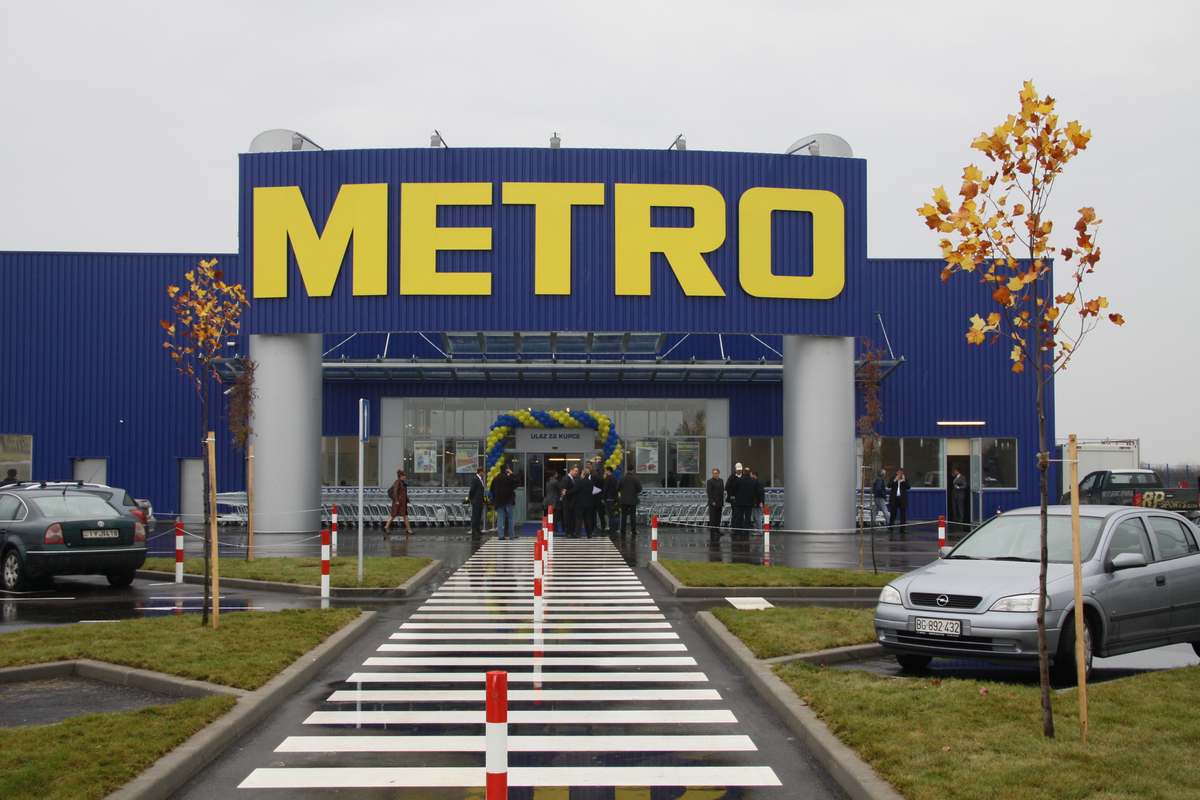
    German hypermarket retailer Metro has opened a flagship store on Alibaba’s Tmall.com, reports Inside Retail Asia.

    Metro Group has entered into a strategic alliance with Alibaba Group’s Tmall.com platform to offer German goods to Chinese consumers, according to the report.

    The firms said they are committed to exploring further collaboration opportunities in sourcing and supply chain, Inside Retail Asia said.

    Metro said its new cross-border e-shop platform will further tap the potential of the Chinese consumer market, where it already operates more than 80 stores.

    “The online storefront will sell products of Metro Group’s sales divisions’ private labels as well as supplier brands from Germany. In the first phase, over 100 products in the categories of dairy, canned foods, coffee, and chocolate from Metro Cash & Carry Germany, as well as cosmetics goods from Real are to be offered online,” Metro said in a statement.