Blog

  • Despite Slowdown, China’s Outbound Tourists Reach 242 Million

    Despite Slowdown, China’s Outbound Tourists Reach 242 Million

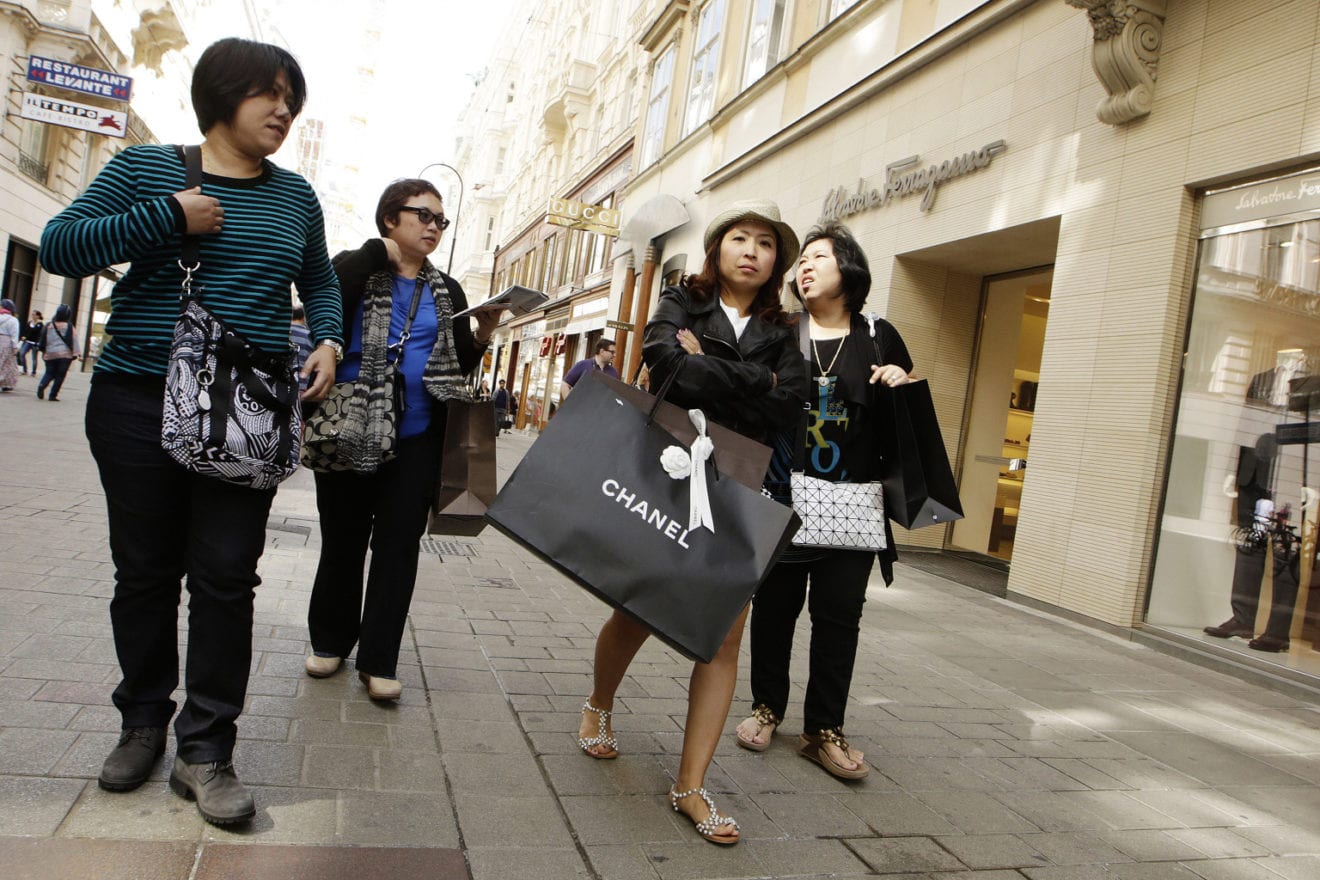
    As Chinese tourists head across the globe for Golden Week this week, luxury retailers are worried that an ailing stock market and devalued yuan will lead to muted growth compared to holiday seasons of the past. But according to newly released figures, long-term growth prospects remain strong for Chinese travelers, who are expected to double in number over the next decade.

    Some destinations may be in for a Chinese spending slump when it comes to luxury shopping over the holiday. According to recent figures released by Global Blue, UK luxury retailers are especially expected to feel the pain of China’s current economic woes during Golden Week.

    The retail tourism firm reported that the devaluation of the yuan in June led to a 2 percent year-on-year decline in Chinese tourist spending in August for the UK, down from 8 percent growth in spending between January and July.

    According to an official statement, “Global Blue is anticipating the Golden Week rush will be significantly weaker this year, and the decline could continue throughout the fourth quarter as Chinese are left disinclined to book trips abroad.”

    But retailers shouldn’t fret too much about long-term prospects, as a recent study published by HSBC found that outbound Chinese traveler numbers are expected to hit 242 million by 2024—a number more than double last year’s amount, which was estimated by HSBC to be 116 million. In addition, a recent report by the Fung Business Intelligence Center and China Luxury Advisors found that outbound Chinese traveler spending will hit $422 billion by 2020, up from an estimated $200 billion this year.

    Even as retailers fret about their sales prospects for this Golden Week, not everyone is expected to lose out. A weak euro still makes Europe a popular destination despite the devalued Chinese currency, and Global Blue found that Chinese shopper numbers in Europe rose by 74 percent in the first half of this year.

    Online travel agency Ctrip still expects outbound tour bookings to double for the period, and has reported that Hong Kong, Tokyo, and Bangkok are the top three holiday destinations for Chinese tourists. While luxury retailers in some destinations may be noticing the slowdown much more than others, those that keep their eye on the prize when it comes to Chinese travelers are more likely to have a fruitful decade to come.


  • Sri Lanka to revive Sathosa with help from Singapore

    Sri Lanka to revive Sathosa with help from Singapore

    Sri Lanka’s state owned retail chain Lanka Sathosa, plans to get support to revive from Singapore as the retail chain is making continues losses, ministry of industry and commerce said in a release.

    Lanka Sathosa owned more than 310 outlets around the Island.

    “We are restructuring LAKSATHOSA and are still experiencing monthly losses,” Rishad Bathiudeen, minister of industry and commerce was quoted saying in the release.

    In 2014, Singapore became the fourth in importing products and services to Sri Lanka representing 6.6 percent of Sri Lanka’s total import.

    Sri Lanka import petroleum oils, milk & creams, fertilizers, iron, steel and plastics from Singapore at around 1.2 billion dollars.

    “I recommend you to follow Singapore’s NTUC Fairprice Co-operative model for LAKSATHOSA. NTUC Fairprice is Singapore’s largest retailer with multiple retail formats,” Chandra Das, High Commissioner of Singapore and the former Member of Parliament of Singapore from Chong Boon was quoted saying in the release.

    “I see that SATHOSA too is basically a cooperative model. I was NTUC Chairman for 33 years therefore I can see that it’s a good model you can adopt. We have made NTUC Fairprice shops world-class. NTUC Fairprice competes on a “patronage rebate and a 10 percent lower price than comparable popular brands” model of retail, which brought it a revenue of 2.2 billion dollars in 2014,”

    “NTUC Fairprice belongs to workers and trade unions and NTUC profits are given back to Singaporeans who buy its shares,”

    “I notice that there is no central warehouse for LAKSATHOSA! You need to establish central logistics,”

    Das had asked to send a study team from sathosa to Singapore for a NTUC Fairprice training.

    “We’ll do this for Sri Lanka. Singapore is pleased to support LAKSATHOSA.” He added.

    Since it was founded by the labour movement in 1973, NTUC Fairprice today sells more than 2000 house-brand products across 120 outlets in Singapore serving more than 400,000 shoppers daily.

    However in June the industry and commerce ministry said the Lanka Sathosa, will be given a 7.5 billion rupee bail out from the treasury and audit firm  KPMG has been appointed to look into ways of re-structuring it.

    “The Finance Minister Ravi Karunanayake had agreed to give 7.5 billion rupees from the treasury to keep the firm out of trouble,” Rishard Bathiudeen, Minister of Trade and Commerce said in June.

    “Lanka Sathosa owes 10 billion rupees to two state banks and three billion rupees to suppliers and we are facing problems to keep it profitable,”

    “KPMG is expected to find ways to sustain Lanka Sathosa in a profitable manner.”

  • Gold at Discount for Fourth Week in India, China Goes on Holiday

    Gold at Discount for Fourth Week in India, China Goes on Holiday

    Gold prices in India continued to trade at a discount for a fourth straight week, while premiums in China fell before it went on a week-long national holiday, in signs of sluggish demand in top consuming region Asia.

    Persistent weakness in India and China, which together account for about half of global demand, could add more pressure on gold prices, already reeling from a looming US interest rate hike.

    In India, retail demand dwindled due to the start of Shradh, a two-week period considered an inauspicious time to buy gold, property or any big purchases.

    Demand was also reduced by a weak monsoon that has eroded farmers’ income. Two-thirds of Indian gold demand comes from rural areas, where jewellery is a traditional store of wealth.

    “Prices are attractive, but retail demand has moderated due to the start of Shradh,” said Kumar Jain, vice-president of the Mumbai Jewellers Association.

    Discounts remained steady from last week at $6-$8 an ounce to the global benchmark.

    “Local refiners are aggressively selling due to duty advantage they are getting on dore import,” said a Mumbai-based bullion dealer with a private bank.

    A lower import duty of 8.24 per cent on dore, versus the 10.30 per cent on refined gold, is helping refiners offer a bigger discount than banks, he said.

    In top consumer China, premiums slipped to $1-$2 an ounce this week, from around $5 early last week, before markets closed on Thursday for a week-long holiday.

    Robust imports across the region since July, when gold price dropped to a 5-1/2-year low, was also adding to woes in the physical market.

    “There is an oversupply in the precious space,” said a dealer with a bullion bank in Hong Kong. “There was a lot of enthusiasm earlier with the price drop but now not so much.”

    “Physical demand is subdued so we are in a situation where we are stuck with the metal,” he said.

    However, things could pick up as the fourth quarter is a seasonally strong period for gold demand in both the countries.

    Chinese demand is expected to pick up from the ongoing Golden Week holiday, when millions of people travel and spend more than usual, boosting retail sales, and lasts until Lunar New Year early next year.

    In India too, an auspicious period kicks off around mid-October.

    “After Shradh, demand will improve significantly as festivals and wedding season are lined up,” said Mumbai Jewellers Association’s Jain.


  • Hong Kong retail sales slump by widest margin since January

    Hong Kong retail sales slump by widest margin since January

    Retail sales in Hong Kong declined for a sixth straight month in August due to a slowdown in inbound tourism and sluggish economic conditions.

    The value of total retail sales in August declined 5.4 per cent year on year to HK$37.9 billion, following a 2.8 per cent drop in July, according to the latest figures from the Census and Statistics Department.

    The fall was the biggest since January’s year-on-year decline of 14.5 per cent.

    The government said on Friday that the tourism downturn and recent stock market gyrations might have dented consumer sentiment.

    The total number of visitors dropped 6.6 per cent to 5.6 million in August, while the largest source of visitors -from the mainland – declined by 7.1 per cent.

    The spokesman also said the different timing of the MidAutumn Festival, which fell in late September this year but early September last year, pushed back some sales and added weakness to the performance in August.

    Sales of Chinese drugs and herbs recorded the biggest drop of 17.4 per cent among the various sectors.

    Apparel and department store sales suffered further retreats of 13.5 per cent and 8.6 per cent respectively, after dropping 13.1 per cent and 7.3 per cent in July. The value of jewellery, watches and clocks and valuable gifts dropped for an eleventh month, with a decline of 8.8 per cent in August.

    Bank of Communications economist and strategist Kelvin Lau Gin-yip said the continued fall in retail sales was expected, and warned that the worst was yet to come.

    “It is just the beginning,” Lau said.

    “The tourism downturn results in downsizing for the retail sector, which further dents local consumer sentiment. This is reflected in the decline in apparel and department store sales.”

    Lau also said the near-term outlook for retail sales remained subject to uncertainties, and he could not see any prospect for recovery in the short run because of the strong US dollar to which the local currency is pegged.

    However, there was some positive news. Sales of miscellaneous consumer durable goods surged 50.2 per cent in August. No explanation was given.

    Commerce minister Greg So Kam-leung said yesterday that the spending pattern of tourists, especially mainlanders, had changed.

    He added that the government noted weakening Asian currencies had prompted tourists to visit alternative destinations, and economic uncertainties had dented tourist sentiment, which had led to slumping retail sales. He said the government would closely monitor the situation and consider possible strategies to help tourism.

  • Davidoff & Sparkle Roll seal huge China deal

    Davidoff & Sparkle Roll seal huge China deal

    Oettinger Davidoff AG and the Hong Kong listed Sparkle Roll Group have rubber stamped their earlier agreed multi-million dollar Davidoff cigar and cigar accessories joint venture for China, with Davidoff taking 49.9 % and Sparkle Roll 50.1%.

    While the framework agreement was announced several months ago, the development is nevertheless a huge commitment for both companies with Oettinger Davidoff agreeing to subscribe for 499 Shares in the New Joint Venture Company, representing 49.9% of the total number of the issued shares at a total purchase price of US$1.497m (equivalent to approximately HK11.677m).

    For its part, Sparkle Roll/CGL is subscribing for 501 Shares representing the 50.1% balance at a total purchase price of US$1.503m (equivalent to approximately HK$11.723m).

    Commenting on the landmark arrangement, Hans-Kristian Hoejsgaard (left), CEO and Board member of Oettinger Davidoff AG, said: “The signing of this Joint Venture agreement heralds a new era in our relationship with Sparkle Roll and in our commitment to building the Davidoff business in China.

    “This market represents the single largest business opportunity for Davidoff in our time and I am convinced that with this new Joint Venture we will be able to exploit that opportunity to its fullest.”

    Mr. Tong Kai Lap, Chairman of Sparkle Roll, said: “Since the individual customers of Sparkle Roll’s existing principal business in top-tier automobiles are predominantly people with high spending power, the Joint Venture will create synergies for both companies. The end products in both businesses are perceived to have the same target customer group and market positioning in the premium segment.”

    The Sparkle Roll Group’s business reads like the Who’s Who of the luxury goods industry, with its main business principally engaged in the trading of top-tier automobiles, high-end watches and jewellery, fine wines and other branded consumer goods in the PRC, Hong Kong, Macau and Malaysia. It also operates dealerships for top-tier automobiles such as Bentley in Beijing and Tianjin, Lamborghini and Rolls-Royce in Beijing.

    The original announcement relating to this deal was made earlier this year and referred to in Davidoff’s results statement earlier this year.

    The first part of a comprehensive interview with Hans-Kristian Hoejsgaard also appeared in the September issue of TRBusiness, with the second due to appear in the October TFWA show issue in a few week’s time.

  • On Pedder’s largest store yet

    On Pedder’s largest store yet

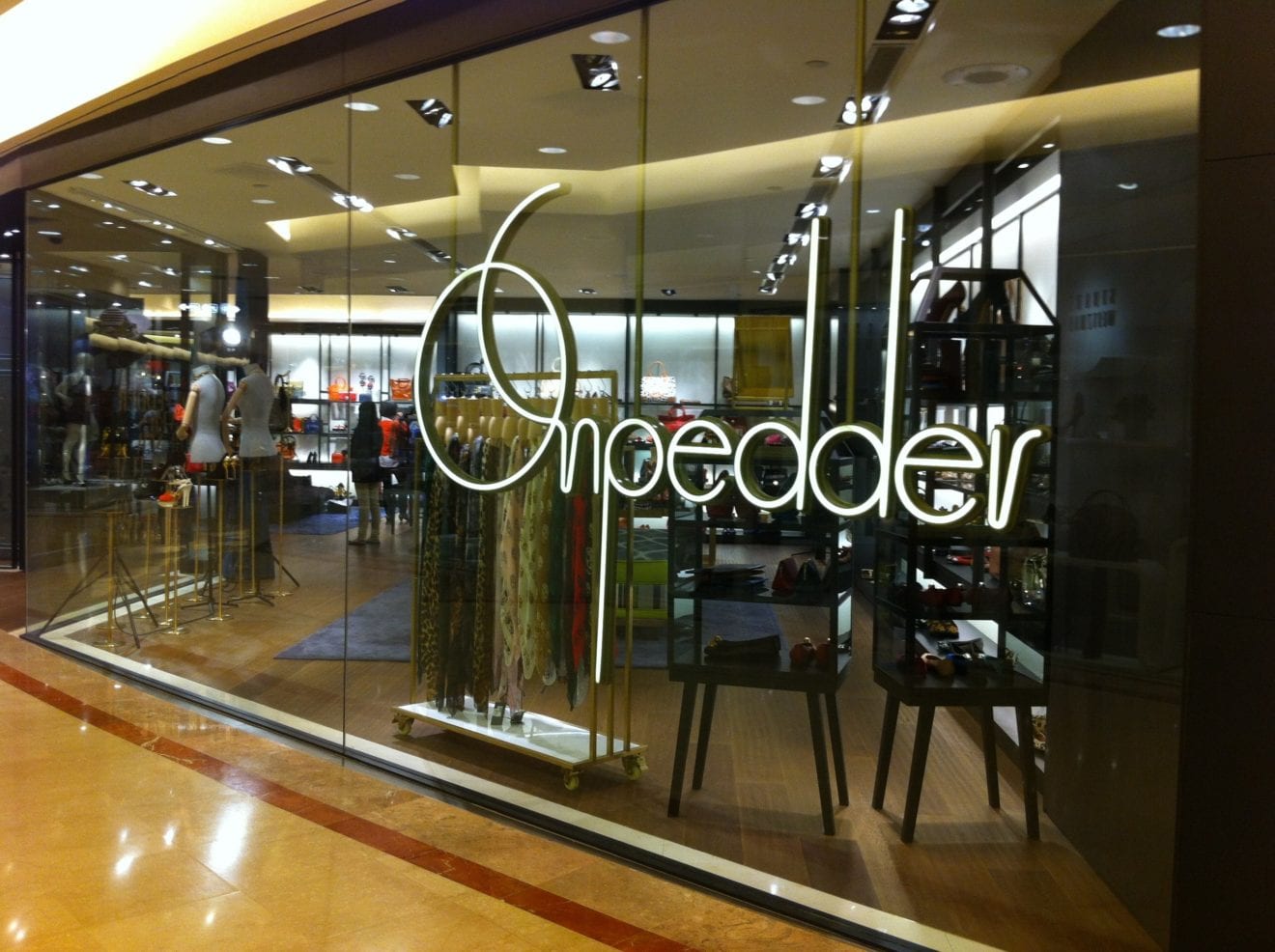
    Pedder Group has opened a 20,000 sqft flagship on Scotts Rd – its largest store in Asia.

    The new store dwarves the Hong Kong-headquartered brand’s stores in China and Hong Kong, which are 3000 to 3500 sqft. And it’s four times the size of the On Pedder store it replaces, which closed in June for refurbishment after four years. On Pedder also has a 2000 sqft store at nearby Ngee Ann City.

    On Pedder Scotts Rd Singapore

    The Lane Crawford Joyce Group subsidiary has curated a mixture of brands into a high end fashion department store. About 40 brands are exclusive to Pedders, the rest selected from the growing stable of brands Lane Crawford Joyce Group works with in Greater China. The exclusive ranks include American label Sam Edelman, British shoemakers George Cleverley and Foster & Sons, and milliners Lock & Co Hatters from England.

    A key highlight of the new shop is the first dedicated menswear store for the brand outside Hong Kong, featuring 35 designer labels, six exclusive, including Giuseppe Zanotti, Lorenzo Villoresi and Japanese cult brand Tomorrowland.

    A kidswear section features 20 designer labels along with streetwear brands including Vans, Onitsuka Tiger, Stuart Weitzman and Charlotte Olympia.

    And a sportswear department features limited-edition collections from Adidas, Nike, Vans and Converse.

    On Pedder plans a regularly roster of pop up stores from a variety of brands to showcase one-off designer collaborations, new brands or special promotions.

    On Pedder Singapore Scotts rd


    And anchoring the whole store from the end of this month will be the first Singapore outlet of successful Hong Kong cafe chain The Coffee Academics, serving breakfast, lunch and dinner. The Coffee Academy has built a strong reputation in Hong Kong for quality espresso-style coffees and holds courses on coffee roasting and blending.

    Pedder Group president Peter Harris told the Straits Times in an interview its customers are now shopping vertically across price points and products that suit their lifestyle needs.

    “When you talk about luxury now, it applies to a broad section of fashion. The designer footwear that they’re looking for could be the perfect sandals to take on holiday or a pair of sports shoes.

    “We want to offer a broader range of footwear and accessories, which cannot be done well with the retail space and format we had at Scotts Square previously.”

    Pedder on Scotts officially opens on October 16.

  • Asia mCommerce shopping soars

    Asia mCommerce shopping soars

    Asia Pacific consumers are increasingly likely to make their online purchases and bill payments through mobile devices (mobile phone or tablet), rather than via desktops, according to Visa’s 2015 Regional eCommerce Monitor Survey.

    The survey, which polled 11,760 respondents from 13 markets in Asia Pacific, found respondents reported an average 22 per cent increase from 2014 in Asia mCommerce shopping.

    Respondents from Indonesia (36 per cent), Mainland China (34 per cent) and Taiwan (28 per cent) reported the greatest growth in mCommerce during the year.

    The rising popularity of mCommerce among Asia Pacific consumers is narrowing the gap with traditional eCommerce channels such as laptops or desktop computers across the region. In Thailand, consumers are as likely to purchase using their mobile devices as through desktops, while the mCommerce-eCommerce gap in markets such as Mainland China (eight per cent), Korea (nine per cent) and Indonesia (nine per cent) is decreasing.

    Visa’s regional director for eCommerce, Conor Lynch said the results show that making purchases on the go through mobile devices is becoming the norm in Asia Pacific.

    “As consumers get more comfortable using their smart devices to research, browse and purchase, mCommerce should soon overtake traditional eCommerce habits, strengthening this channel of engagement between consumers and retailers.”

    The survey also found travel, bill payments and movies were the top spending categories for eCommerce in general across Asia.

    For mCommerce, the top three categories are also fashion, bills and movies at 27 per cent each.

    “Across Asia Pacific, we are seeing that ticket-size, as well as the nature of the purchase, impacts how consumers purchase goods and services online. Consumers in this part of the world, are already comfortable purchasing smaller ticket-sized, everyday items by clicking the purchase button on an app or checkout button on a mobile device,” Lynch said.

    Another continuing trend revealed by the survey is the tendency for consumers to engage in cross-border online shopping. In particular, consumers from Singapore (77 per cent), Australia and Hong Kong (75 per cent) and New Zealand (74 per cent), are the most likely to make online purchases from retailers abroad, well above the regional average of 55 per cent. On the other hand, consumers from Japan (81 per cent), Taiwan (61 per cent) and Vietnam (57 per cent) are more likely to shop at domestic online stores.

    When shopping online with an overseas retailer, price (68 per cent), access to products (60 per cent), paying and delivery processes (40 per cent) and reputation of products (29 per cent) are key motivations for Asia Pacific consumers.

    The Visa eCommerce Monitor Survey 2015 was conducted by ORC International Singapore with 11,760 consumers, aged 15 to 55 years and across 13 countries and markets – Australia, Mainland China, Hong Kong, India, Indonesia, Japan, Malaysia, New Zealand, Singapore, South Korea, Taiwan, Thailand and Vietnam in May and June 2015.

  • AirAsia makes Tune Money its wholly owned unit

    AirAsia makes Tune Money its wholly owned unit

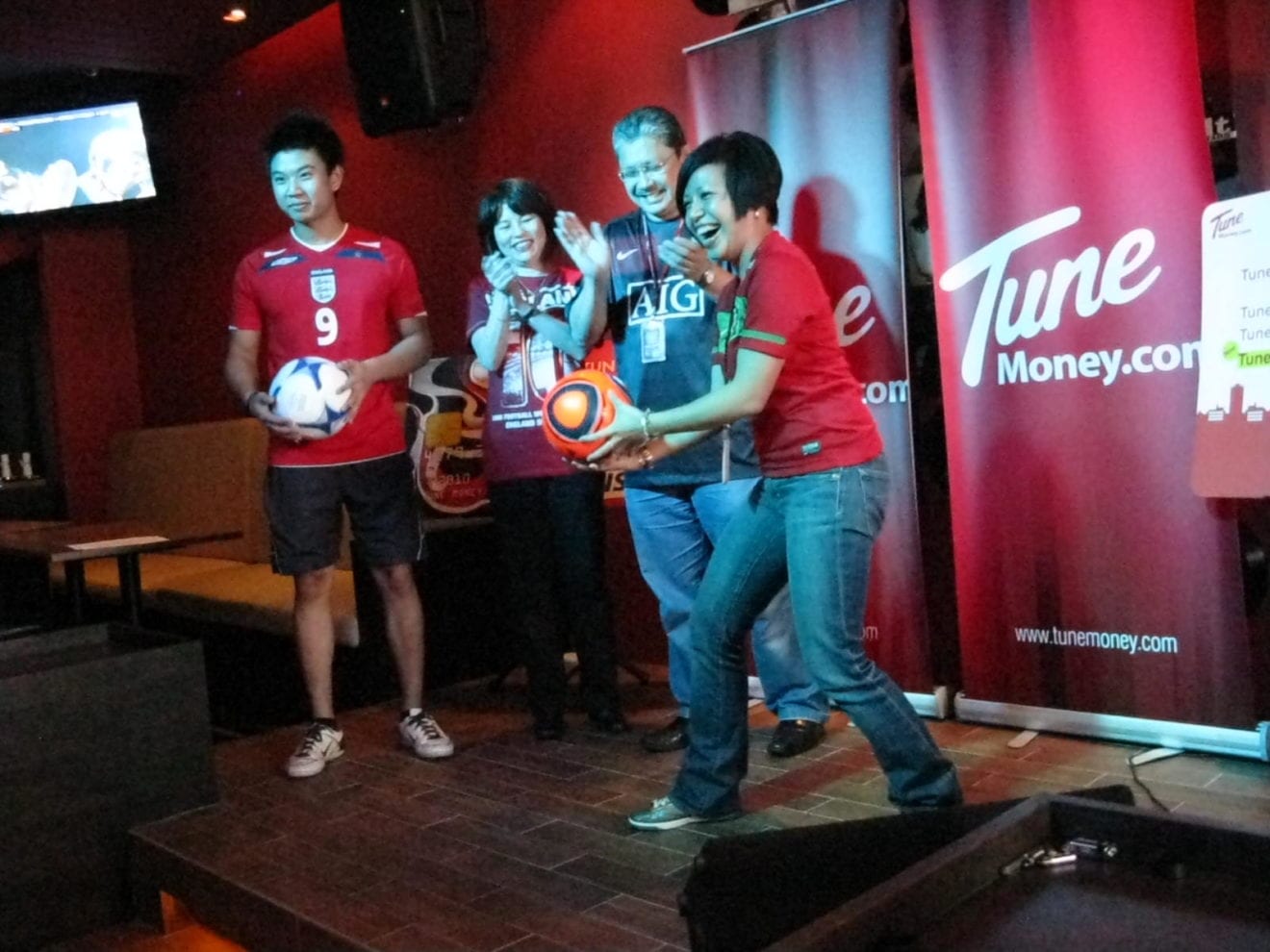
    AirAsia Bhd is acquiring the remaining 60% interest in financial services provider Tune Money Sdn Bhd as well as its entire issued redeemable preference shares (RPS) for RM6.36mil in cash.

    In a filing with Bursa Malaysia, AirAsia said the payment of about RM0.038 per ordinary 10 sen share and RM150,000 per RPS to vendor Tune Money International Sdn Bhd (TMI) would be financed by the company’s internally generated funds.
    TMI and AirAsia share two common shareholders and directors, namely Tan Sri Tony Fernandes and Datuk Kamarudin Meranun.
    AirAsia said Bank Negara had stated on Sept 30 that it had no objections to the transaction.
    On the rationale for the acquisition, it said this would give additional benefits that could only be realised through full ownership and control of Tune Money.
    “Full ownership would allow greater control and facilitate accelerated decision-making with regards to AirAsia priority items that would help support the company’s business plan and commercial objectives.
    “Additionally, once AirAsia increases its stake in Tune Money to above 50%, Tune Money will no longer be classified as an associate and AirAsia will be able to incorporate Tune Money’s contributions to company revenue, which would improve AirAsia’s top line as well as ancillary revenue,” the low-cost carrier said.
    These, it added, were on top of the existing benefits that AirAsia enjoyed through its ownership of a stake in Tune Money, such as lower merchant discount rate, increasing ancillary spend by incentivising guests with meal and baggage discounts, and accelerating deployment of the BIG Loyalty programme by allowing points accrual from purchases outside the AirAsia ecosystem.
  • CRMNEXT Launches Indonesian Digital Operations in Alliance with Dimension Data

    CRMNEXT Launches Indonesian Digital Operations in Alliance with Dimension Data

    CRMNEXT, Global Leader in commutable cloud, Digital-Customer Relationship Management (CRM) solutions, today announced, launch of its full-fledged Indonesian operations in alliance with Dimension Data, a leader in cloud architecture solutions. The 2-day (7th & 8th October) launch event kicked-off today at Hotel Sultan in Jakarta, Indonesia.

    Indonesia is the fastest growing economy in south-east Asia. In order to cope with a growing economy amidst a wave of global Digital disruption, businesses such as Banking, Financial Services & Insurance in particular, need smarter tools to manage and nurture their customers.

    Elaborating on the inaugural event, Sushil Tyagi, Director – Global Sales for CRMNEXT, said “We are truly excited with the launch, as Indonesia not only has an impressive economic growth, but is also coupled with well-functioning financial systems. It’s imperative that technology solutions would advance organization’s efficiency and overall progress.  CRMNEXT is the world’s only true auto-upgrade, scalable and agile CRM Solution for the digital age. Dimension Data brings the right synergies to deliver cloud CRM solution on private or public cloud. Together, we would be able to offer the right solutions to the Indonesian customer to implement a true cloud solution for today’s digital Age.”

    Delivering a seamless delightful customer experience that propels companies to accelerate growth is the need of the hour. Acknowledging this need, CRMNEXT’s partnership with Dimension Data will provide Digital-CRM solutions that are custom made and designed for Indonesian business.

    Manish Pratap, General Manager, IT as a Service, Dimension Data Asia Pacific said, “In the digital economy, organizations need to innovate faster than ever before. They must think big, start small and scale fast. We at Dimension Data are committed to making industry leading solutions available to enterprises on our Managed Cloud Platform™. It is our pleasure to partner with CRMNext, a leader in the Digital CRM market, to jointly deliver their solution on cloud.”

    Speaking on the occasion, said Hitesh K. Arora, Director of Strategy and Customer Advocacy for CRMNEXT, “Businesses can start small, do a thorough pilot and then scale up as per need on a reliable true-cloud infrastructure. We’ve proven this for Asia’s largest enterprises including the largest Digital-Native Bank. This kind of convenience driven by agile, cost-effective technology has repeatedly given significant savings on running costs and is primarily offered only by CRMNext. Hence, we believe we’re here to stay and serve the Indonesian business community.”

    Insurance Companies, Banks & Financial Services Enterprises of Indonesia would especially be impacted by this new partnership that offers smarter tools to manage and nurture their expanding customer-base.

  • Jakarta Fashion Week 2016 to Open on 24 October

    Jakarta Fashion Week 2016 to Open on 24 October

    Jakarta Fashion Week 2016, the main fashion week in Indonesia and the largest in Southeast Asia, will open on October 24 at Senayan City, Jakarta. The Fashion Week will be a landmark for Indonesian fashion, in which hundreds of Indonesian and foreign designers, including designers from Japan, Thailand, and South Korea, will celebrate and showcase their best work, with full international coverage.

    In its eighth year, Jakarta Fashion Week is receiving full support from Senayan City, a complex dedicated to high-end shopping in Jakarta. Svida Alisjahbana, CEO of Femina Group & Chairman of Jakarta Fashion Week 2016, expressed gratitude to Senayan City for their support of JFW 2016, “Support from Senayan City is very meaningful to Jakarta Fashion Week as Senayan City is a premium shopping destination that represents high-end boutiques from Italy and France, as well as various other fashion brands from around the world.

    “With the convening of JFW 2016 in Senayan City, Jakarta Fashion Week will have a value comparable to the fashion brands stationed there, and this is something that is very encouraging. It is time to introduce Indonesian fashion labels to the public so that they can understand and love the creativity apparent in our local products that is no less great than those in the products of international brands.”

    Veri Y. Setiady, CEO of Senayan City stated, “For the third time, Senayan City warmly welcomes the presence of Jakarta Fashion Week as a barometer, and a means of welcoming new fashion trends in our homeland. Along with the celebration of Senayan City 9 Infinite Years, Senayan City will present an exclusive collaboration entitled Capsule Collection F/W 2015 which will feature designers DanjyoHiyoji, KLE, and Hunting Fields, with creations made specifically for JFW 2016. The Capsule Collection F/W 2015 and TIKprive X Stella Rissafashion show will present at the Fashion Tent in JFW 2016 on October 29.”

    More than ready to welcome fashion lovers’ enthusiasm for JFW 2016, Senayan City will also present fashion shows featuring the latest collections from tenant brands, such as Bebe, Promod, and Debenhams.

    Supporting the fashion industry in Indonesia, Jakarta Fashion Week is also sponsored by the National Craft Council / Dewan Kerajinan Daerah (Dekranasda) DKI Jakarta. “The collaboration between Jakarta Fashion Week and Dekranasda DKI Jakarta is a journey we’ve been taking for years. Together with Jakarta Fashion Week, Dekranasda aims to hone the creativity of members who have the talent and desire to move forward and expand worldwide,” said Svida.

    As an organization involved in developing handicraft products, Dekranasda Jakarta seeks to encourage quality crafts, which have become an icon of the capital. Jakarta itself is a metropolitan city that has become a melting pot of various cultures, and its dynamic city life works as a source of inspiration which is translated into a variety of creative products. Yet the translation into creative products, particularly crafts, has not been explored to the fullest.

    Dekranasda attempts to present a variety of innovations in product development for Jakarta’s artisans by improving the quality, design, packaging and branding of crafts, facilitating access to finance for entrepreneurial initiatives, and organizing various promotional events such as exhibitions, curations, and competitions.

    Recognizing the need for cooperation with various parties who have similar values in craft development, and especially in fashion, Dekranasda is delighted to collaborate with Jakarta Fashion Week. From June until the end of 2015 in collaboration with JFW, Dekranasda and the Wanita Wirausaha Femina program are providing a series of training programs aimed at improving the competence of artisans in production and business management. In addition, JFW supports Dekranasda in curating products that will be presented at JFW 2016, with an eye to international markets. Dekranasda also participates in the Indonesia Fashion Forward program, featuring creative fashion products that represent the city.

  • Muvi Studio announces the Launch of its Roku App

    Muvi Studio announces the Launch of its Roku App

    Muvi Studio, a leading Cloud based Video Streaming Platform solution backed by New York-based tech firm Muvi LLC, has announced the release of a new Roku App for its clients. After the launch of this new feature and the recent launches of Apple TV and Chromecast apps, VOD businesses can now go multi-screen in a very short launch window, delivering a multi-platform performance via one screen.

    With the development of this new app, it has finally become a possibility for a video streaming business to launch their Roku app directly with Muvi Studio in a matter of couple of days! Apart from the stunning turnaround time, the opportunity of transcending beyond Apple TV to reach out directly to a huge subscriber base that Roku enjoys is a dream come true for many online video startups today. It may also be noted that Muvi Studio is one of a kind cloud-based self service platform that offers a video streaming solution and bundle of this scale and with such a TAT, it’s worth the attention.

    There is a reason why a Roku app has become so critical for online video. We break it down in to a set here:

    1. Engagement : In between April 2013 – September 2014, viewer engagement rose from an average of 35 hours per month to 48 hours per Roku per month; both numbers were higher than the average number of hours people spent watching any form of TV in the United States.
    2. Active User Volume: There are over 8 million Roku devices in active use currently. While this represents only 3 percent of total Internet users in the United States, it points toward a dramatic growth trajectory.
    3. Content: Roku is no ordinary streaming box. While availing you VOD services like Netflix and HBO GO, Roku also gives you local TV channels too. In case of an internet outage, you revert to TV and in case of a TV outage, you revert to the web. This leads to higher customer engagement and higher box sales as well, which implies a steadily growing customer base.

    A Roku app today is as crucial as an iOS or an Android app because it has an enormous reach and telecasts directly to the TV. At the time of publishing, ISKCON’s VOD Service has become the first platform to launch its Roku App with Muvi Studio.

    ISKCON’s VOD service has become the first Muvi Studio powered service to publish their own Roku app and seem confident on a wide audience reach.

    Not just ISKCON VOD, but online video startup launching today has to publish his apps across different platforms in short timeframe and Muvi Studio makes it possible for them to launch those multi-platform apps in 2 days. Yes, just, 2 days! Normally, this would take months of time and a staggeringly high budget but both of them don’t seem to be an issue onboard the Muvi Studio platform with a 2-day window and minimal app pricing.

    It would not be too soon to believe that Muvi Studio has stirred the cup very well here without spilling the content and raised the bar for others to come.

    Muvi Studio take care of all the streaming needs, live or on-demand allowing a content owner to launch a live IPTV channel to a catch-up TV or on-demand site like Netflix or Hulu at a click of a button in matter of few minutes and with Zero CapEx Cost!

    Muvi Studio handles everything from provisioning of the IT Infrastructure to build, deploy and management of front end applications like Website, Mobile Apps for iOS and Android, Apps for Media boxes like Amazon Fire, Roku, Apple TV to apps for Gaming Consoles like PlayStation and Xbox. All out-of-the-box at a click of a button without incurring any upfront CapEx cost.

  • Hamleys Vietnam sets opening date

    Hamleys Vietnam sets opening date

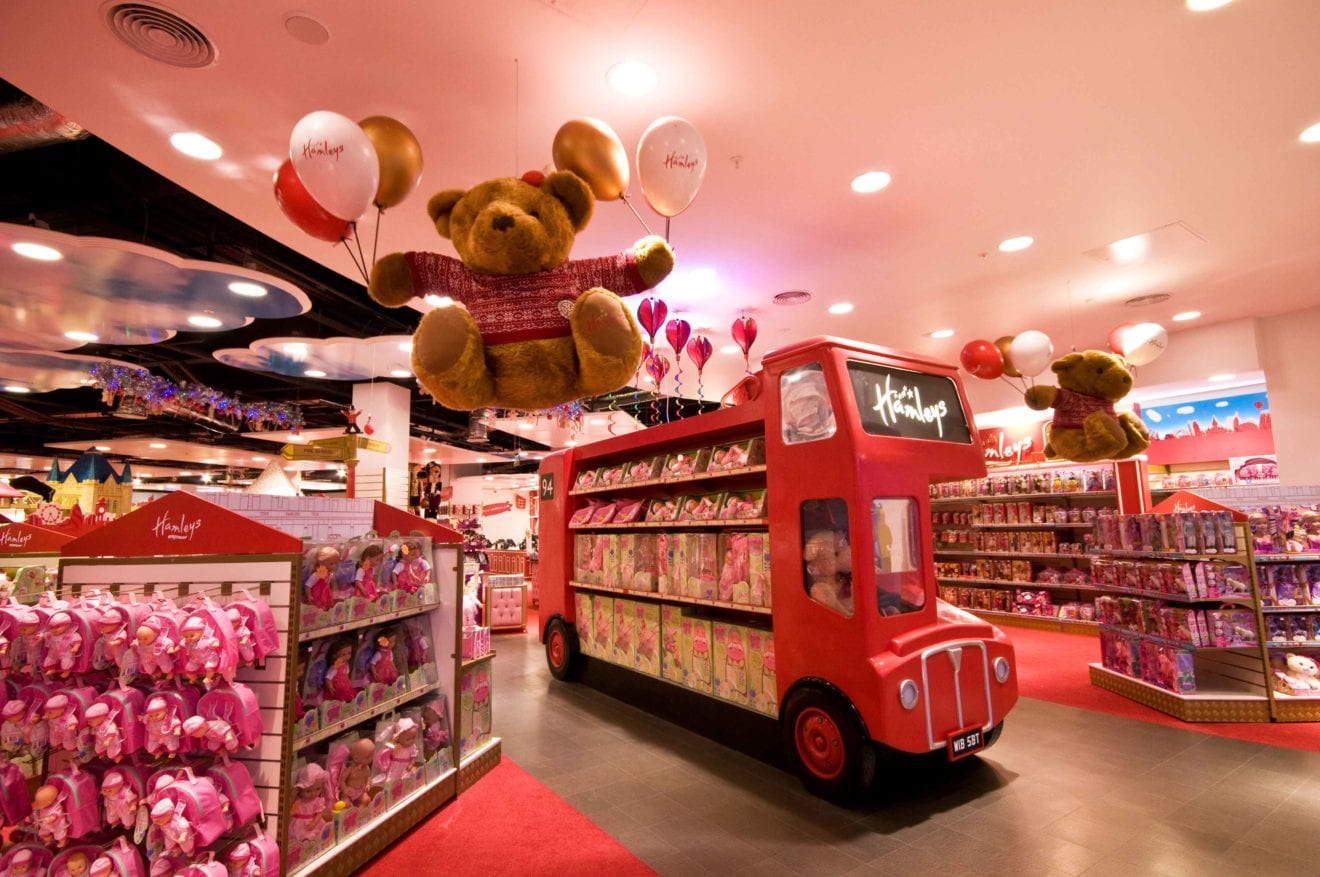
    Hamleys Vietnam will stage a mobile roadshow around the shopping centres and schools of downtown Ho Chi Minh to help build brand awareness ahead of the store’s Vietnam debut.

    Hamleys Vietnam will open its doors on October 21 in the recently opened SC Vivo City mall in District 7, a popular expat enclave.

    Hamleys, the world’s oldest toy shop established in 1760, announced in June it would open its first store in Vietnam. It promises to be the largest toy shop in Vietnam when it opens its doors to the general public, with a character parade and ceremony at 7pm.

    In the lead up to the opening, Hamley Bear will be touring the city in a specially marked red minibus, visiting international schools, shopping malls, and other areas. The tour will be held from October 9 to 10, and 16 to 17.

    In addition to the Hamley Bear visits, there will be a competition on social media to a win prize and exclusive tickets to the VIP and media event, taking place from 5.30pm on October 21 at SC VivoCity.

    Nina Komolova, Hamleys’ PR and marketing manager says the London Bus Tour will bring excitement to families in advance of the store’s opening.

    Hamleys Vietnam

    Wee Keng, general director of SC VivoCity said with Hamleys’ tradition internationally of lively store demonstrators, strong brand identity and immersive environment, the new store will take VivoCity’s concept of a one-stop family lifestyle destination mall to a new level.

    In Hamleys Vietnam, shoppers will step into a magical toy wonderland that is stocked with thousands of safe, quality approved toys ranging from the traditional to the high-tech, games and puzzles to arts and crafts, magic, the Luvley Boutique – where children will find a selection of hair and nail products to dress themselves up with – and of course the iconic Hamleys Teddy Bears.

    Hamleys’ unique approach focuses on ‘bringing toys to life’ for children and families by actively encouraging children to play with the toys in store or by engaging with toy demonstrators.

    Hamleys Vivo city

    Memories underpin the essence of the Hamleys brand – customers will be able to meet the Hamleys Bear, characters from television and film on special occasions and participate in interactive workshops and events.

    The Hamleys Vietnam franchise is owner by Maison Joint Stock Company, founded in 2002 by Richard Trinh and Mai Son Pham. The company operates 61 stores in Vietnam selling brands including Christian Louboutin, Topshop/Topman, Miss Selfridge, Dorothy Perkins, Max Mara, Max & Co, Mango, Karen Millen, Coast, Warehouse, Oasis, Bebe, Charles & Keith, Pedro, Accessorize, Monsoon Children, Havaianas and NYS Sunglasses. It will soon open the nation’s first CH by Carolina Herrera and Santoni stores.

  • Tesco Asia sell-off ruled out

    Tesco Asia sell-off ruled out

    Tesco has ruled out selling any more of its Asian operations in the wake of the Homeplus South Korea divestment.

    At least for now.

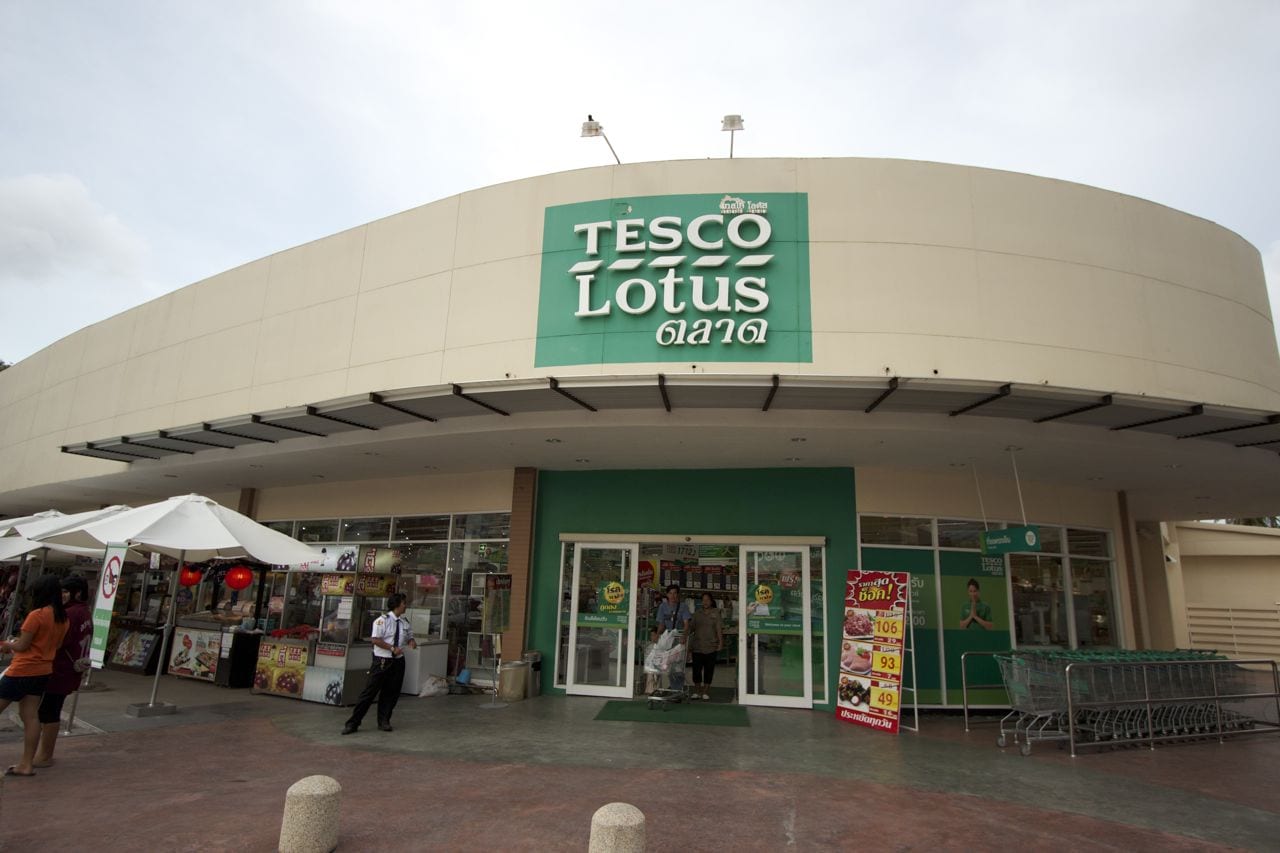
    After the US$6 billion sale of Homeplus and an earlier divestment of a stake in its Chinese operation, Tesco Asia retains a large business in Thailand, trading as Tesco Lotus, and in Malaysia.

    Tesco Chairman John Allan has assured shareholders there are “no immediate plans” to sell off any of the company’s remaining overseas arms, including those in Asia.

    “As we sit here today we believe that we have the right sort of assembly of geographies that we are in,” said Allan.

    “At the moment our intention is to hold what we have and to develop it and make the very best of it.”

    When Tesco’s troubles came to light at the end of last year the company received several opportunistic approaches by parties to buy out the Thai and Malaysian operations. But it ruled out any fire sale at the time and now appears committed to retaining and growing the businesses. The company also has operations in Central Europe and Ireland.

    While Allan conceded he could “envisage circumstances” the company might change its mind, that comment was perceived as a safeguard.

    Selling Homeplus has allowed Tesco to retire about £4.2 billion of its massive £21.7 billion debt mountain.

    The company is still looking for a buyer for its Dunnhumby data business, nine months after it ut the business on the market. Dunnhumby analyses grocery sales data from across the store network and sells it to manufacturers.

    “We have looked at the options around Dunnhumby… We’ve not concluded that. As soon as we conclude it we would announce what it is we intend to do,” CEO Dave Lewis told shareholders.

  • Origami launches payment service

    Origami launches payment service

    Origami, a social eCommerce startup for fashion and lifestyle products, is entering the offline payments fold.

    The startup, one of Japan’s most-funded, has announced the beta release of ‘Pay with Origami’ and ‘Shop Reward Program’. The new services allow existing users to pay for items at bricks-and-mortar retailers with credentials stored in the Origami app. They will also help retailers connect the dots between their customer’s online and offline purchases, data that can be used to provide special perks and incentives for repeat shoppers.

    Founded in February 2012, Origami unveiled its online-to-offline (O2O) mobile shopping app in April 2013. Users can follow their favorite brands within the app and receive updates when new items are introduced. It also recommends lesser-known brands and boutiques based on existing likes and purchase history. Users can share their likes and follows on social media, creating free advertising for the startup’s partner merchants.

    Approximately 100 influential brands – including Hankyu Men’s Tokyo, Urban Research, Head Porter, Toms, and MoMA Design Store – are scheduled to join Origami’s payments beta.

    “I created Origami to become a fintech company, but we decided to start with fashion- and lifestyle-focused mobile commerce” Origami founder and CEO Yoshiki Yasui told Tech in Asia.

    “They already have the followers on Facebook and Twitter, they have the best retail locations, and they set the benchmarks for other brands to look up to.”

    With its focus on O2O from the outset, it makes sense for Origami to offer an offline payments solution that keeps users and merchants within a single ecosystem. But becoming a force in Japan’s crowded offline payments space will be easier said than done.

    When you step up to a cash register in Japan, you’re often met by one or more contactless payment terminals for a seemingly endless variety of RFID-compatible cards and mobile phones (though NFC options remain slim to none). You can use your subway pass to buy a bottled water or your flip phone to buy a Big Mac, for example, but these options are largely limited to convenience stores and fast-food chains.

    Fashion retail is almost entirely cash or credit, and nearly 40 per cent of all consumer transactions in Japan are done with cash.

    ‘Origami for Business’ will use an iPad-based payment terminal without replacing the merchant’s existing POS systems. When an Origami user wants to make an in-store purchase, they simply scan a QR code with their smartphone or enter a six-digit pin code. Since Origami was born as an eCommerce platform, Yoshiki says that many users’ credit card details are already registered with the app.

    Pay with Origami and the startup’s new reward program are currently available in beta for iOS, with an Android version in the works. Origami accepts Visa and MasterCard for in-store payments, with more credit card options coming soon. They charge partner shops 3.25 per cent per transaction.

    The startup’s two biggest advantages over existing offline payment options will be that captive app audience and its founder’s connections in the financial world – Yoshiki was an investment banker and venture capitalist before becoming an entrepreneur.

    “Payments and eCommerce are the same, the only difference is online versus offline,” Yoshiki said.

    “If you buy three items from a retailer’s online store, then the fourth purchase is made in-store, you get treated like a first-time customer. That’s just wrong.”

    According to Techlist data, Origami is among Japan’s top-10 most highly-funded startups.

  • Sa Sa opens JD.com flagship

    Sa Sa opens JD.com flagship

    Sa Sa International says its online arm sasa.com will launch a Sa Sa flagship store on JD.com’s eCommerce platform, JD Worldwide .

    The move opens the way for more than 100 million JD shoppers to access Sa Sa products in the Mainland as well as in Hong Kong.

    “As a leading cosmetics retailing group in Asia, Sa Sa has been striving its best to provide quality products, best value and professional service to its customers,” said the company in a statement.

    “To flexibly respond to the huge demand from Mainland Chinese customers for cosmetics products and the increasing popularity of eCommerce in the mainland, the group proactively expands its eCommerce business in China through sasa.com and continues to improve its service, making every effort to offer a better shopping experience for more consumers.”

    JD.com is China’s largest online direct sales company with over 100 million active users. Its online shopping mall is content-rich, user-friendly and trustworthy and has an efficient delivery service.

    Sa Sa and JD.com say they share a common mission to provide consumers with the best shopping experience, which put the two parties together in forming this partnership.

    Dr Guy Look, CFO & executive director of Sa Sa, said: “By launching a flagship store on JD Worldwide, sasa.com will expand its customer reach in China, while over a hundred million JD users will be able to enjoy direct access to Sa Sa’s wide selection of globally renowned cosmetic and skincare brands.

    “We believe that the strengths of Sa Sa and JD will complement each other to realise synergies in this win-win partnership. We are looking forward to working with them to deliver a premium online shopping experience to customers throughout China.”