Blog

  • Neteven to help Europeans sell on Tmal

    Neteven to help Europeans sell on Tmal

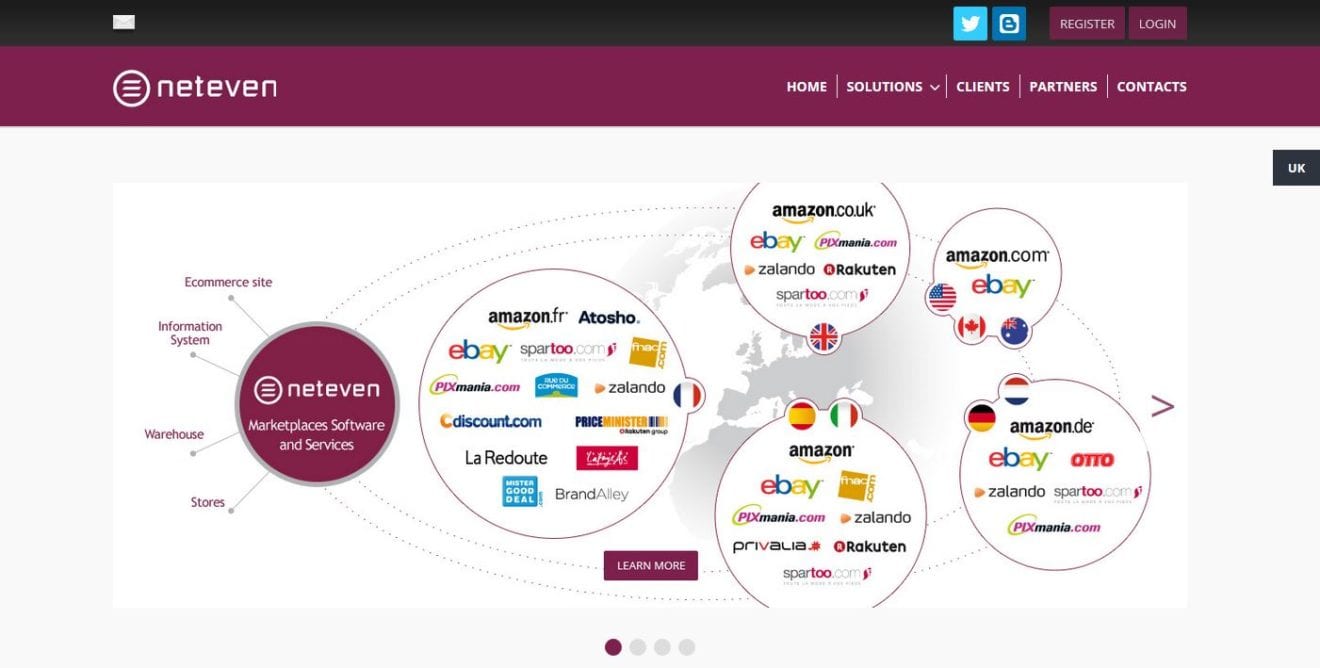
    Online marketplaces management solution provider Neteven has partnered with China’s Tmall Global to help European brands sell to Chinese consumers online.

    The partnership with Alibaba Group’s Tmall Global marketplace will allow European brands to launch their business across China’s vast consumer market.

    It opens the way for brands and retailers in fashion, home and garden, kids, accessories and many more categories to sell their products to the Chinese market and drive incremental revenues.

    Neteven says its has worked closely with Tmall Global in order to launch “a fully managed solution” which includes the technical integration of the Tmall Global marketplace within Neteven’s platform and the adapted services for brands.

    Launched in April 2008, Tmall provides a premium shopping experience for Chinese consumers seeking quality branded merchandise. Tmall Global allows international brands and retailers to sell on China’s largest third-party platform, with very few localisation constraints. For example, overseas companies without Chinese business licenses are eligible to apply to sell on Tmall Global. Orders can be fulfilled and shipped from outside of China, and customer payments are settled in the preferred origin currency such as US Dollars, Euros, etc.

    For the past 10 years, Neteven has collaborated with leading brands and marketplaces to provide its clients with a comprehensive offering. Thanks to the API integration of Tmall Global within Neteven’s software, European brands and retailers have now access to the most effective entry point for China e-commerce market.

    Greg Zemor, Neteven CEO, says more than half of Neteven’s clients are based outside of France.

    “All our European clients use our solution to trade locally, in Europe or in the US. The logical next step was to open their distribution to the largest and fastest growing e-commerce market in the world – China. Beyond technology, we needed to offer the market a good value proposition.”

    Shaoming Yang, head of Tmall Global Europe said Europe is a key strategic focus for Tmall Global. “Our aim is to help brands and retailers reach Chinese consumers that are eager for their products. To extend our reach we work with trusted and respected organisations such as Neteven to build an ecommerce ecosystem that works for both consumers and brands.”

     

  • KFC China moves into ‘premium’ coffee

    KFC China moves into ‘premium’ coffee

    t’s a hard concept to grasp: ‘quality coffee’ at a fried chicken chain.

    But KFC China is reportedly planning a serious move into the ‘premium’ coffee market, aiming to become a low cost alternative to Starbucks.

    Yum! Brands-owned KFC is the leading fast food player in China already and Starbucks has built a strong and loyal following in the market after 16 years there.

    According to a report on Bloomberg News, KFC China will start selling freshly ground hot coffee this year.

    The new coffee offer made its debut in several restaurants in December and the company is “very pleased with the results” according to CFO Pat Grismer, commending at an investors conference last week.

    So by the end of 2015, KFC China will add ‘premium’ coffee to 2500 outlets – 1000 more than the size of Starbucks’ network. It’s following in the footsteps of McDonald’s, which has McCafes at most of its 2000 Chinese outlets.

    “Trying to beat Starbucks on higher-quality coffee in China makes more sense than it might seem for KFC, which has a long-established breakfast menu featuring such local fare as congee,” Bloomberg observed.

    A premium coffee is priced at about 10 RMB (US$1.60) which is about half the price of a like cup at Starbucks.

    While it is not clear quite the range of coffee styles on offer, it is unlikely to be as broad as Starbucks, which is also gaining favour in Asia for its range of teas.

    “While Starbucks coffee is positioned as a more luxurious product, the entry of a large competitor such as KFC at a midrange price will certainly complicate those expansion plans in a country where tea is far more popular,” observed Bloomberg.

  • China retail sales ‘sluggish’

    China’s retail sector is continuing to expand faster than in any other major market in the world – but the growth rate continues to slow.

    The National Bureau of Statistics said on Wednesday that China retail sales grew 10.7 per cent year on year to 4.8 trillion yuan (US$779 billion) in the first two months of 2015.

    That’s a full 1.3 percentage points slower than the annual growth rate for 2014.

    According to the bureau, the restaurant and catering sector achieved an 11.2 per cent year-on-year sales rise in revenue and sales of ‘other consumer products’ increased by 10.7 per cent.

    Online retail sales soared 44.6 per cent year on year to 475.1 billion yuan.

    Analysts attributed the slowing growth rate to sluggish property sales (reducing demand for housewares and furniture, etc) and the ongoing government clampdown on corruption and gift-giving, as well as general economic malaise.

    The growth rate was lower than the 11.7 per cent consensus of analysts prior to the bureau’s announcement.

  • Profit surge for 7-Eleven Philippines

    Profit surge for 7-Eleven Philippines

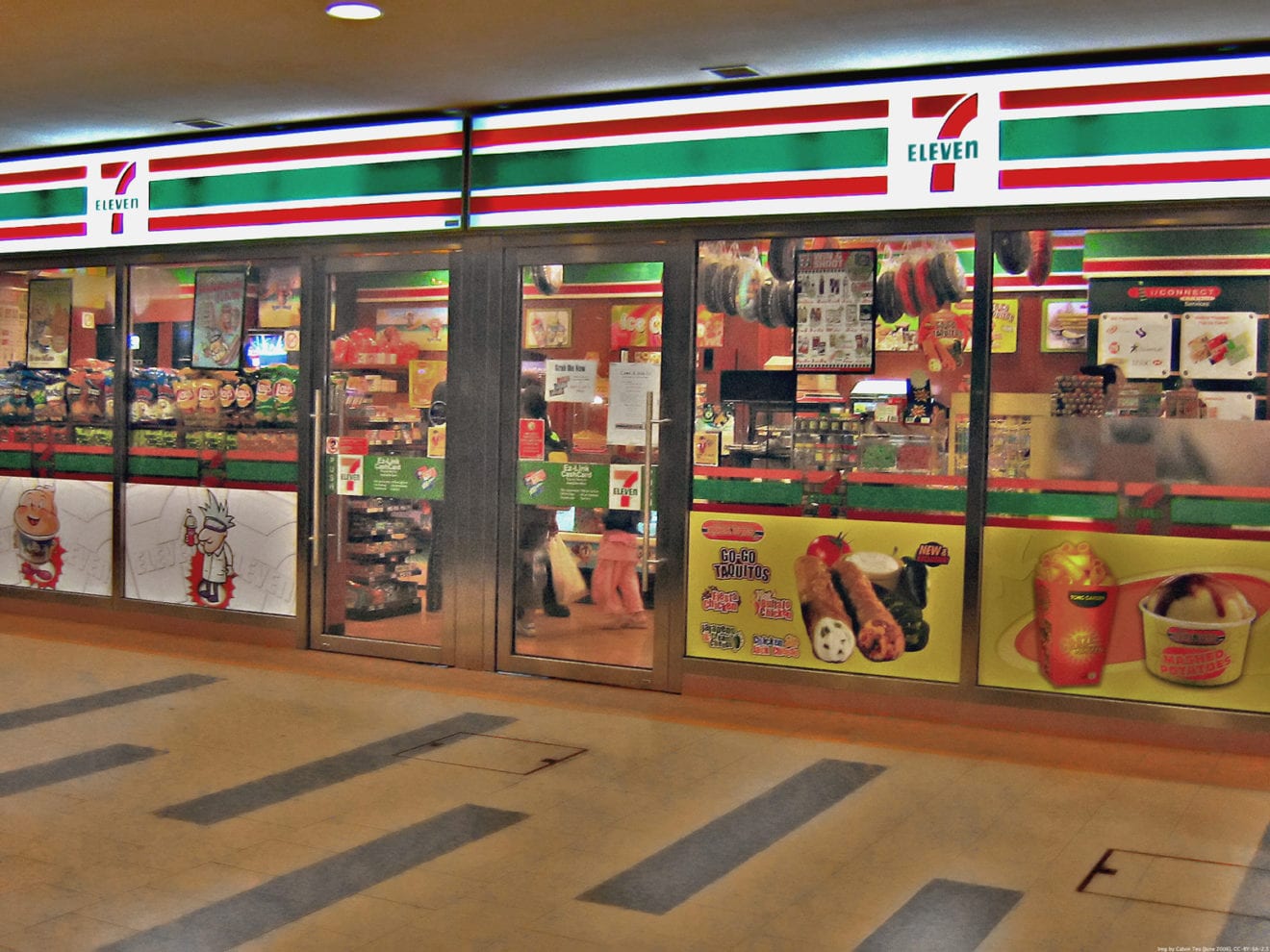
    Philippine Seven Corp, which operates the 7-Eleven Philippines network, has reported a 27.9 per cent jump in income for 2014.

    Its income rose from P682.6 million in 2013 to P873.3 million (US$19.7 million) last year, according to a statement filed with the stock exchange today.

    The result was powered by an aggressive store network expansion program, with a net 273 new stores opened last calendar year – a 27 per cent increase – and higher operating margin.

    In 2015 PSC expects to add as many as 350 more, expanding its network to more than 1600. It will make its first foray into the southern province of Mindanao, in the cities of Cagayan de Oro and Davao.

    About two-thirds of the company’s stores are franchised.

    Network wide store sales rose 19.3 per cent from P17.2 billion to P20.6 billion

    “PSC has taken steps to protect and expand its leadership in light of increased competition, recognising that rewards for market share are especially strong in the convenience store sector,” said PSC president and CEO Jose Victor Paterno.

    “This involves not only an increased pace of expansion in areas contested by competition, but strategic entry into new territories. The latter may be unprofitable for the first few years due to the high fixed costs of logistics, but we believe will later be rewarded with strong first mover advantages.”

    Paterno said the long-term growth prospects for convenience store retailing in the nation are favourable.

    Philippine Seven Corporation operates the largest convenience store network in the country. It acquired the licence for 7-Eleven in the Philippines from Southland Corporation (now Seven Eleven Inc.) of Dallas, Texas in December 1982.

  • Le Saunda sales strengthen

    Le Saunda sales strengthen

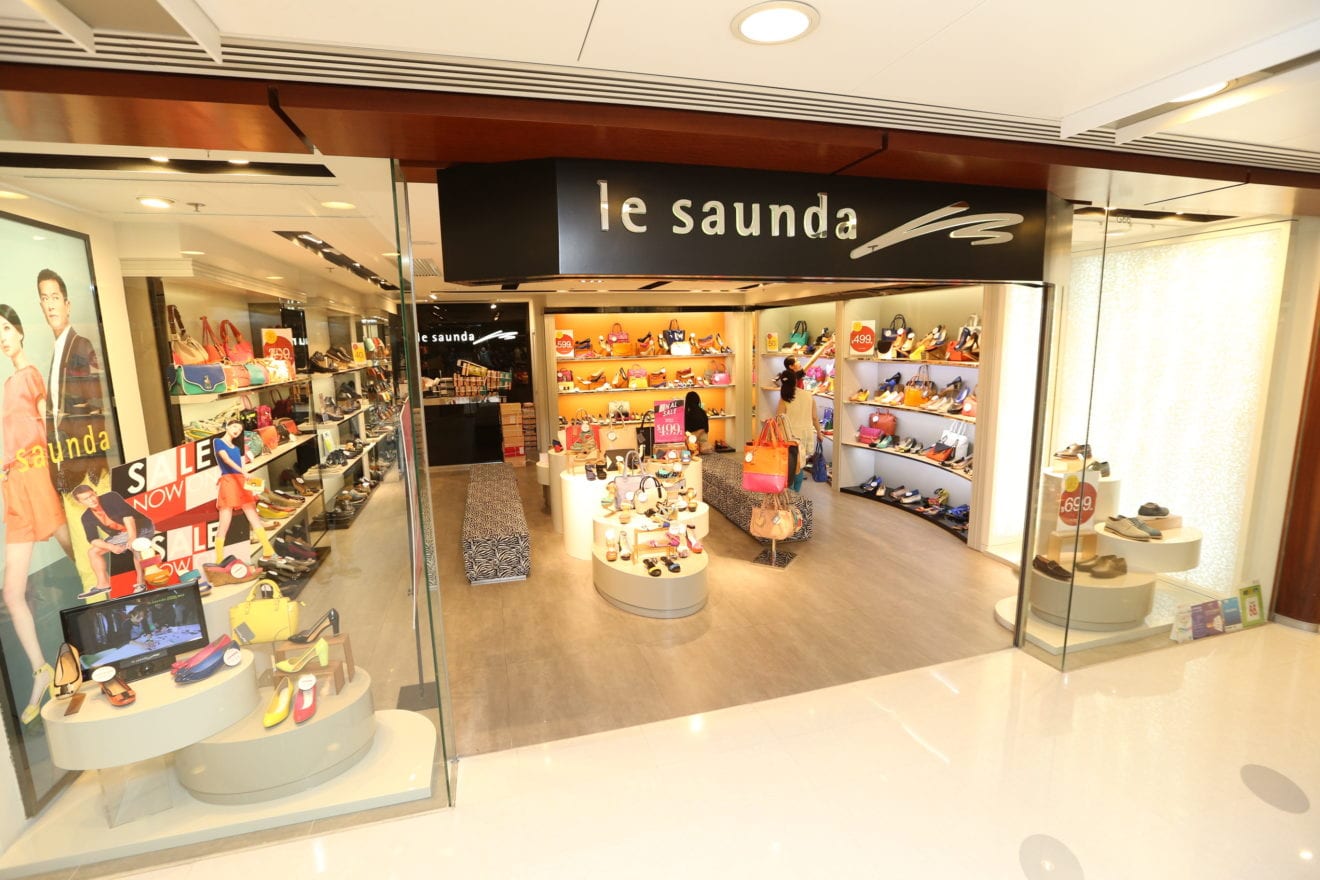
    Listed Hong Kong shoe and handbag retailer Le Saunda says same store sales rose in the last quarter.

    In the final three months of Le Saunda’s financial year, which ended on February 28, the group achieved a 3.9 per cent same store sales growth in its self-owned retail business, and a 1.1 per cent rise overall.

    In the preceding quarter, same store sales rose 1.9 per cent.

    Le Saunda operates 904 stores in mainland China, Hong Kong and Macau, 24 fewer than at the same time last year. Of the total, 770 are self owned and 134 franchised, all of the latter in mainland China.

    Le Saunda Hong Kong 315In its half year report last year, Le Saunda said it expected the ratio of sales between mainland China and Hong Kong-Macau would continue to trend towards the mainland in coming quarters.

    In the first half, Hong Kong and Macau store sales slid 9.9 per cent to HK$95.7 million.

    The company has not yet released financial data for the full year.

  • Gap, H&M and Levi’s among the most ethical brands

    Gap, H&M and Levi’s among the most ethical brands

    Gap, H&M and Levi’s are the three fashion brands that have been named on the Ethisphere Institute’s ninth annual list of the World’s Most Ethical Companies. The New York-based research firm listed 132 groups and companies that it believes foster a culture of ethics and transparency at every level from 21 countries, representing over 50 industries.

    Gap is one of only fifteen to have been honoured every year since the list’s inception. It received qualifying scores across five categories including ethics and compliance; corporate citizenship and responsibility; culture of ethics, governance, and leadership; innovation; and reputation. French cosmetic giant L’Oreal, Brazil’s Natura Cosméticos and Japanese brand Shiseido are also honoured in the list at the Health and Beauty category. Marks & Spencer and US pet food retailer Petco Animal Supplies are featured in the list at the retail category.

  • Benetton takes heat over Rana Plaza fund

    Benetton takes heat over Rana Plaza fund

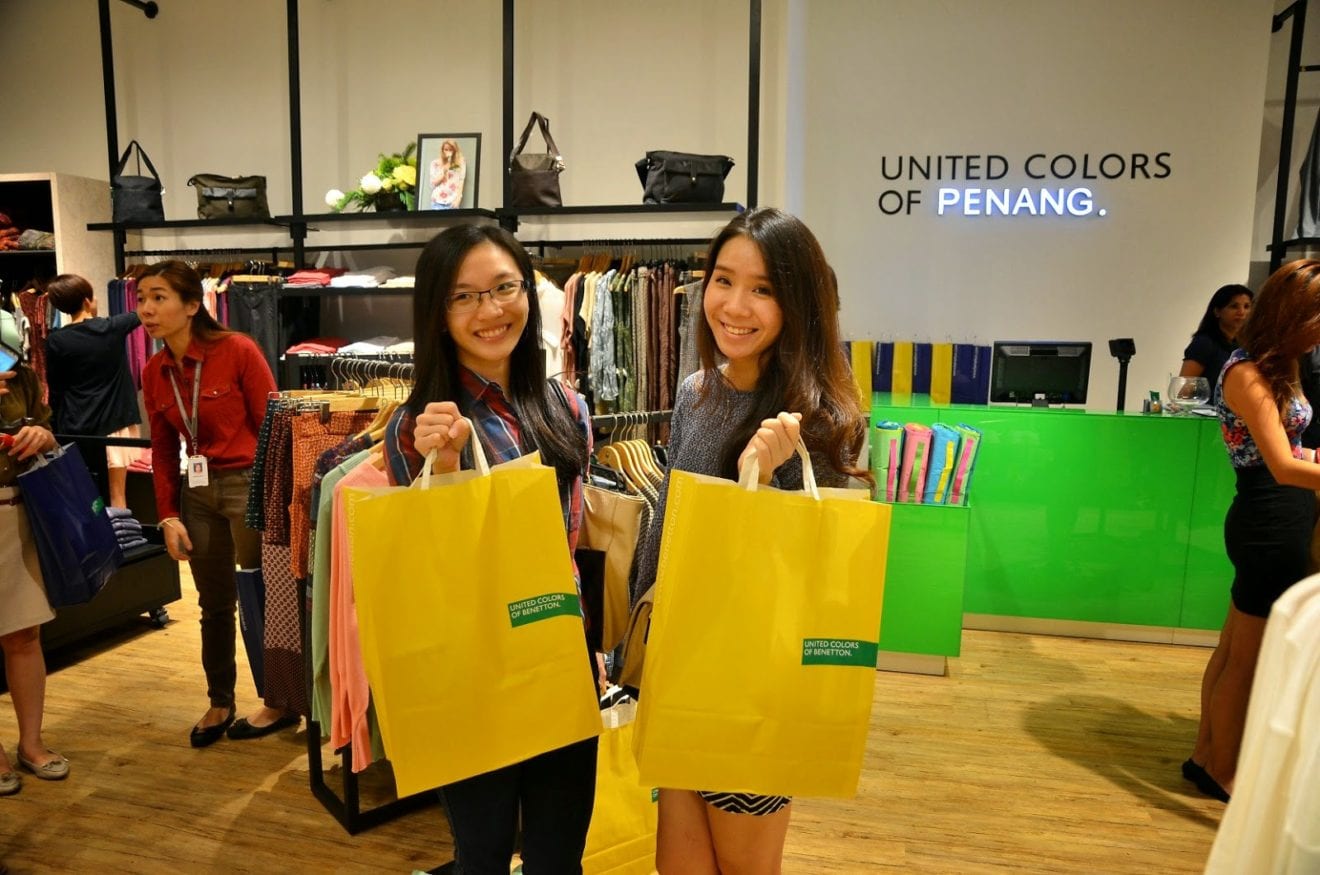
    The Clean Clothes Campaign says it has confirmed authorization of another round of compensation payments to victims of the Rana Plaza clothing factory collapse.

    Rana Plaza, in the Bangladesh town of Savar, was the scene of the 2013 disaster where 1129 workers were crushed to death in the collapse of sweatshops producing clothing for western fashion brands.

    The Rana Plaza Coordination Committee has this month approved compensation payments to 5000 claimants, who are dependents of the deceased and injured workers. This round of payment is sufficient to pay an additional 30 per cent of each award, making the total amount received by each eligible beneficiary only 70 per cent of the amount they are entitled to.

    The Clean Clothes Campaign has singled out Italian fashion house Benetton for failing to make a promised payment, inferring the company is largely responsible for the short payment.

    “Other companies such as Children’s Place, Inditex (Zara), Mango, Matalan, and Walmart have failed to contribute a significant and proportional amount.

    “With this payment the majority of the funds received into the fund will be distributed and the payment of the final 30 per cent of each compensation claim will only take place once more donations are made to the Rana Plaza Donors Trust Fund, which remains at a US $9 million shortfall,” the campaign said in a statement.

    In the past year, the fund, set up by the International Labour Organisation in January 2014, has received around US $21 million in donations from global brands, the Bangladeshi Prime Minister’s Fund, trade unions and civil society.

    Benetton released a statement at the end of February confirming its intention to donate to the fund, but since then Benetton has remained silent on the matter.

    “Benetton claims it is delaying to allow time for a consultant to advise it on a fair amount of payment, but refuses to disclose any information about who will carry out this work, the methodology with which they will determine the amount, or a date for when a donation will be announced,” said the campaign.

    “The Clean Clothes Campaign urges Benetton to make an immediate payment of at least $5 million to the Rana Plaza Donors Trust Fund – an amount believed to be proportional according to Benetton’s ability to pay, the size of its relationship with Bangladesh and its relationship with Rana Plaza.”

    The campaign says compensation payment amounts are calculated “in line with international standards”. Despite this, brands continue to be reluctant to make “meaningful payments” to ensure that the victims of the Rana Plaza collapse receive full and fair compensation.

    “Now that the next round of payments have been authorised, the fund urgently needs more donations. There will be no more money in the fund, which means that families will then be placed in a precarious situation of not knowing if they will ever receive the full compensation that they are entitled to”, said Sam Maher of the Clean Clothes Campaign.

    “Every single brand has the responsibility to ensure that the victims receive full and fair compensation. Until this is accomplished, brands should recognise that their responsibility to the victims has not been fulfilled.

    “The $9 million shortfall is totally unacceptable, and we need to see all stakeholders involved, particularly Benetton and other brands, step up and fulfill their responsibility”, said Maher.

    “In the immediate aftermath of the disaster, when the industry made all sorts of commitments to the victims of Rana Plaza, we never imagined that full and fair compensation would still be an issue almost two years later.  Any of the companies – Benetton, Walmart, Inditex, Mango – have the ability to fill the gap.  All earn hundreds of millions of dollars in profit each year; money earned on the backs of the workers like those who died in the Rana Plaza collapse.

    “Its time for these brands to stop playing politics with people’s lives, and fill the gap immediately.”

  • Revamp plan for Robinsons Singapore

    Revamp plan for Robinsons Singapore

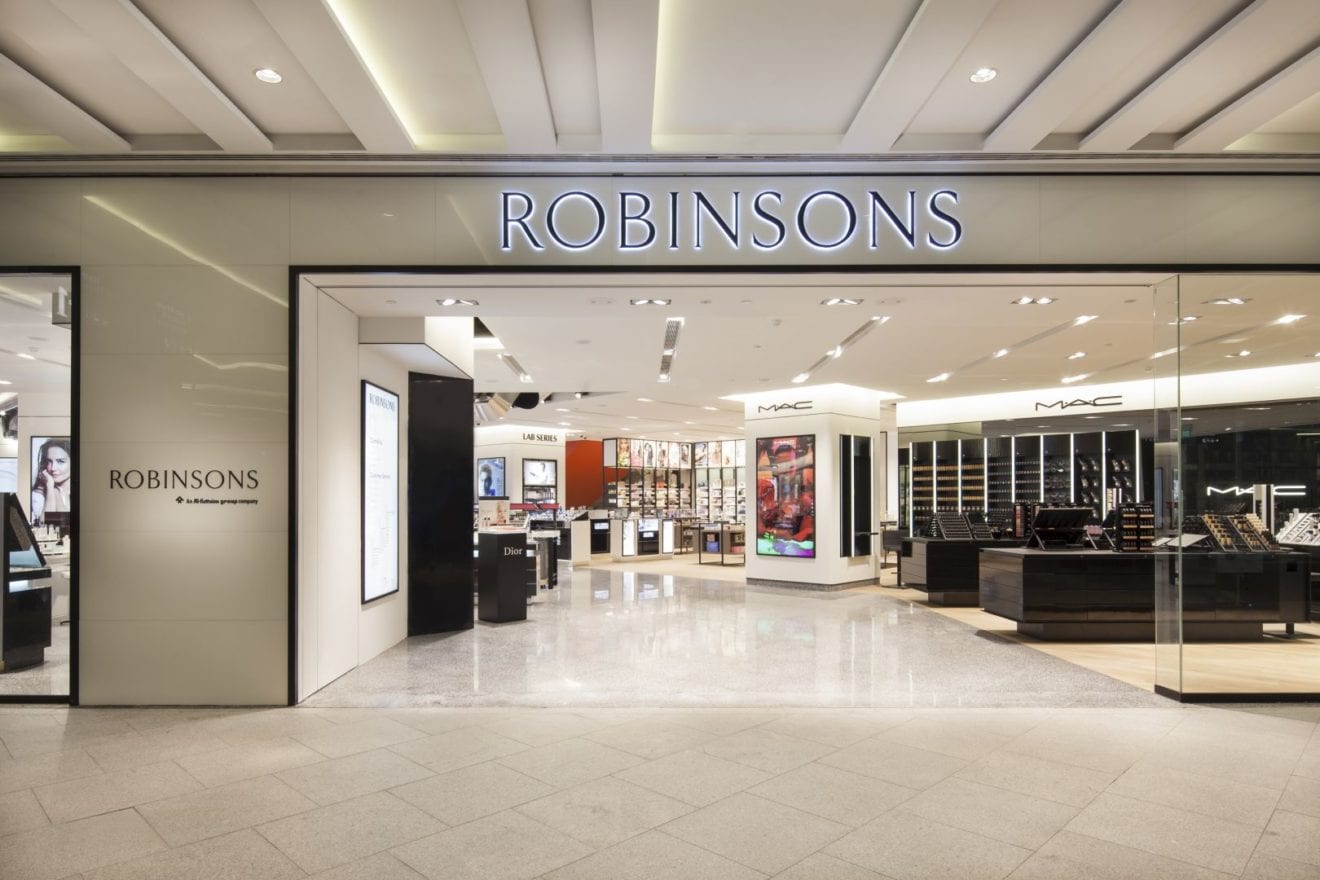
    Store closures lie ahead as the parent of Robinsons Singapore and the local M&S franchise refocuses on its key flagships.

    Dubai-based Al-Futtaim Group will close several stores in the city state and revamp others.

    The Marks & Spencer store at Centrepoint will close on March 29 to allow resources to be focused on the Wheelock Place flagship.

    The John Little store at Marina Square will close on April 26 and the Tiong Bahru Plaza store will close in the last quarter of this year. The closures would allow the company to “focus manpower and resources on enhancing the Plaza Singapura and Jurong Point stores”.

    In a statement, Kesri Kapur, head of business in Asia, said the moves were intended as a response to the fast evolving retail scene.

    “This consolidation move is part of our group’s ongoing business strategy to ensure the long-term sustainability of our businesses.”

    A “major upgrade” will be undertaken of the Robinsons and Marks & Spencer stores at Raffles City and the Paragon store, the group said, with work commencing early next year.

    A Marks & Spencer’s food hall will be added to the Robinsons The Heeren store towards the end of this year.

  • Prada Hong Kong opens 9th store

    Prada Hong Kong opens 9th store

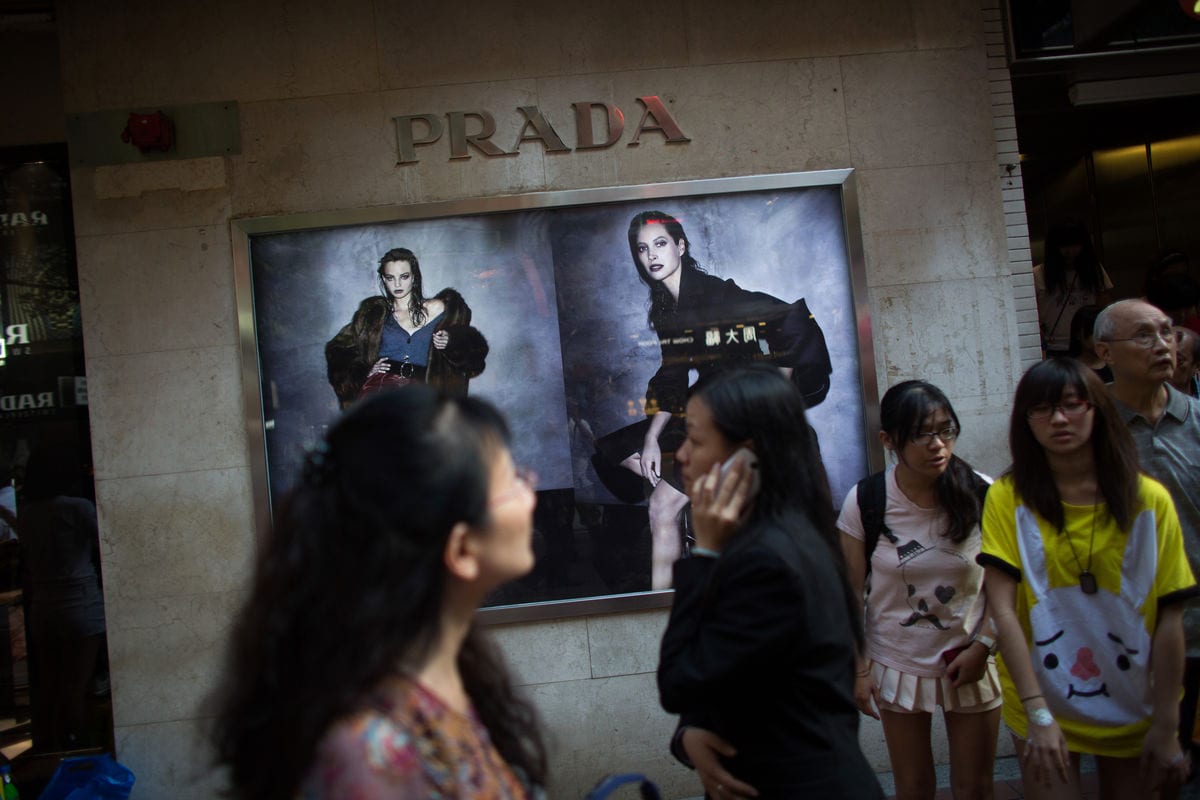
    Prada Hong Kong has opened its ninth store – inside the prestigious Plaza 2000 in Causeway Bay.

    The space, designed by architect Roberto Baciocchi, covers a total area of 1320 sqm and features women’s and men’s ready-to-wear, leather goods, accessories and footwear collections three floors.

    Prada Plaza 2000 Hong Kong 315

    A stunning external facade pays tribute to French-Venezuelan artist Carlo Cruz-Diez. The large entrance, light boxes and windows are inserted into the lower part of the facade, which is clad in black marble and crowned by an imposing bronze and steel-coloured aluminium structure backlit to create a unique kinetic effect both day and night.

    Prada Plaza 2000 Hong Kong 1 315

    Overall, the facade stands 15 metres tall and stretches 45 metres in length on both sides of the building, located on the corner of Russel St and Canal Rd East.

    The entrance on the ground floor opens up on an area dedicated to the women’s leather goods, accessories and travel collections. The space is characterised by the signature black- and-white marble chequered flooring and green fabric-clad walls with alcoves heroing the product. Ultra-slim polished steel cases and display counters with drawers covered in coloured saffiano leather complete the furnishing.

    Prada Plaza 2000 Hong Kong 315 2

    An imposing black elevator leads to the upper floors.

    The second floor houses the women’s ready-to-wear and footwear collections. The area is defined by beige carpeting and green fabric-clad walls with polished steel-framed display niches. Transparent perspex display cases, crystal and steel tables and green velvet sofas enrich the space.

    Prada Plaza 2000 Hong Kong 2 315

    An elliptical black Marquinia marble staircase leads to the upper floor, where the men’s ready-to-wear, leather goods, accessories and footwear collections are displayed. The space wields masculine materials and finishes: ebony floorboards and walls, and palladium display counters. Ostrich leather sofas and lush pony skin carpeting in the area dedicated to footwear complete the setting and lend an elegant atmosphere to the entire floor.

  • Online shopping on the rise in Vietnam

    Online shopping on the rise in Vietnam

    Online shopping in Vietnam was continuing to increase and was well-positioned to hold the key to success for e-commerce in Vietnam, according to the MasterCard Survey on Online Shopping 2014.

    The MasterCard Survey is commissioned annually and was conducted online from October to December last year in 14 Asia-Pacific countries and 11 Middle Eastern and African countries with a minimum of 500 respondents per country.

    The number of Vietnamese people who shopped online in the last three months increased from 68.4 to 80.2 percent, recording the second highest growth rate (11.8 percent) in the Asia-Pacific region, the survey revealed.


  • Gap surpasses Street 4Q forecasts on rising Old Navy sales

    Gap surpasses Street 4Q forecasts on rising Old Navy sales

    Gap Inc. reported stronger-than-expected fourth-quarter results on Thursday as sales continued to improve for Old Navy, its largest brand.

    Gap reported net income of USD319 million, or 75 cents per share, on USD4.71 billion in revenue. A year earlier the retailer earned USD307 million, or 68 cents per share, on USD4.58 billion in revenue.

    The company said sales at Old Navy stores open at least a year grew 5 percent for the year, including growth of 11 percent in the fourth quarter. Sales at locations open at least a year are considered important measurements of retailer health because they strip out results from stores that recently opened or closed.

  • Samsung to freeze salaries in South Korea

    Samsung to freeze salaries in South Korea

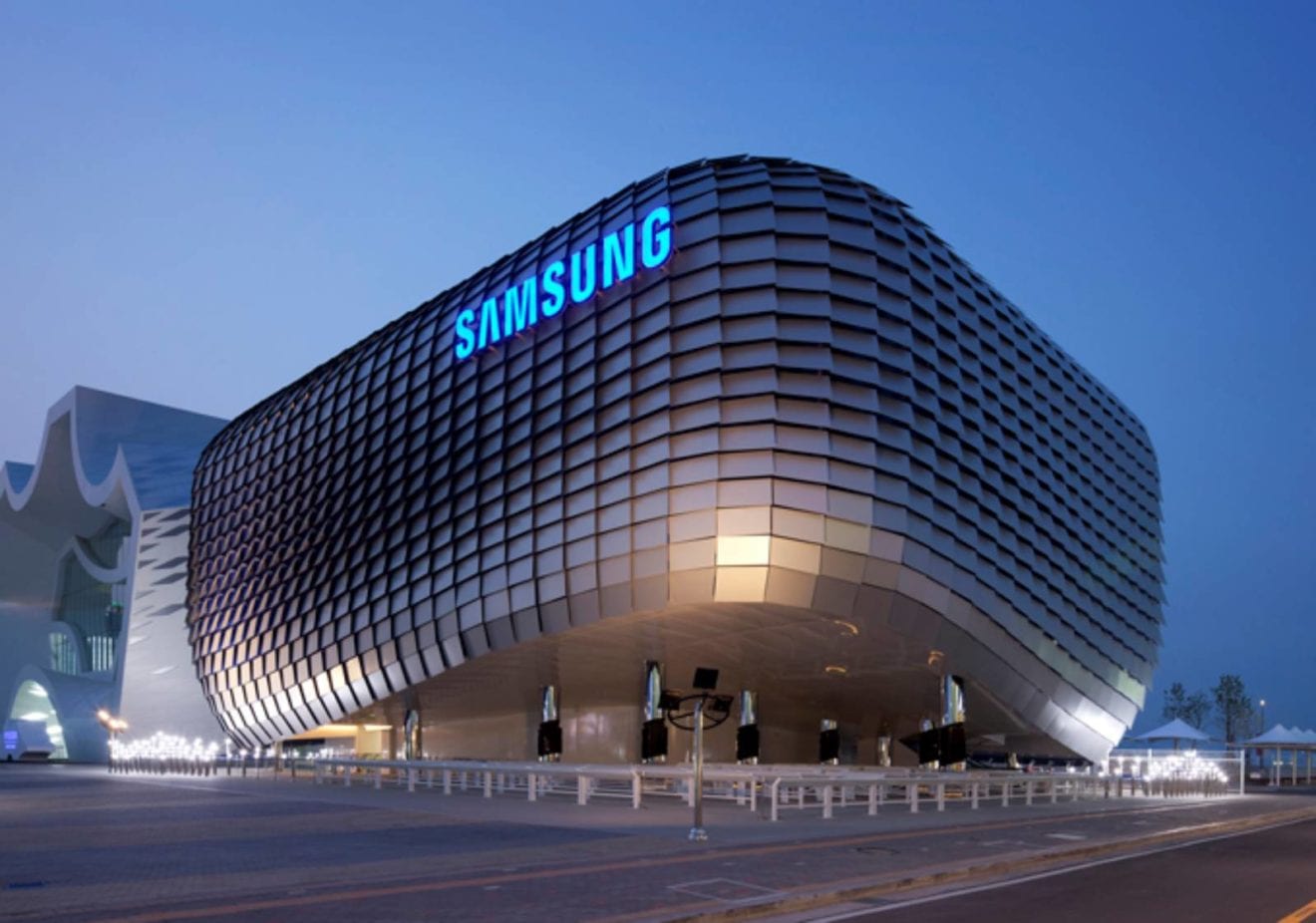
    Samsung Electronics will freeze wages in 2015 for employees in South Korea for the first time in six years, after the world’s biggest smartphone maker saw profits fall in the face of rising competition.

    The cost-cutting move is the latest by Samsung Electronics, which in January reported its first annual profit decline since 2011, as it lost market share to Apple Inc’s new iPhones and cheaper Chinese rivals like Xiaomi Inc.

    The wage freeze also comes as the electronics giant is widely expected to unveil its next Galaxy S smartphone at a March 1 event, hoping to revive sales growth momentum.

  • Kate Middleton’s brush is top-seller on Chinese site

    Kate Middleton’s brush is top-seller on Chinese site

    From high street brand Top Shop to tea retailer Twinings, UK retailers have been flocking to set up virtual shops on Alibaba’s business-to-consumer site Tmall, and the move appears to be paying off handsomely.

    In 2014, sales of British products on Tmall.com surged 94 percent on-year, reflecting both increased supply – as more UK labels opened up sales channels – and growing demand among the country’s burgeoning middle class.

    Tmall, China’s biggest e-commerce site, currently hosts over 130 UK companies, most of them in the apparel, food and baby products categories.

  • Lego sales boosted by blockbuster movie

    Lego sales boosted by blockbuster movie

    Lego A/S, the world’s second-largest toy maker, said on Wednesday that annual revenue rose by 13 percent, boosted by its blockbuster movie and toys from its Star Wars and Friends ranges.

    Chief executive Joergen Vig Knudstorp danced on stage and sang the theme song from last year’s The Lego Movie, called “Everything is awesome” as he announced the rise in turnover to DKK28.6 billion (USD4.35b).

    The result narrows the gap to American rival and Barbie maker Mattel Inc, which posted a 7 percent drop in annual revenue to USD6.0b.

  • Furla reports 13pc sales increase for 2014

    Furla reports 13pc sales increase for 2014

    Furla reports 13pc sales increase for 2014

    https://www.cpp-luxury.com/furla-reports-13-percent-sales-increase-for-2014/

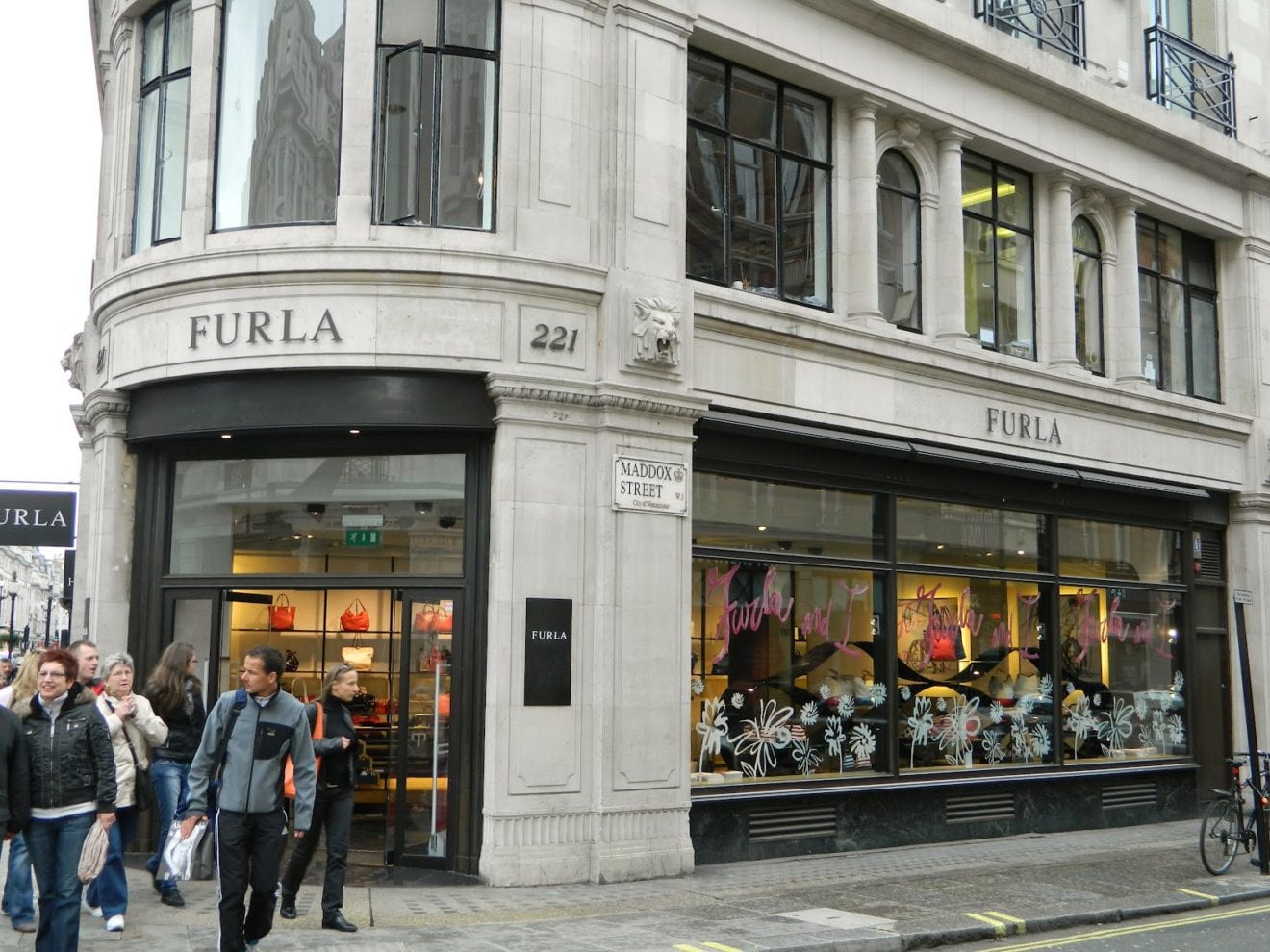
    Leather-wear maker Furla reports rising sales in 2014 of EUR258 million (USD288.2 million), a +13 percent increase on 2013. “This growth is the result of hard work, both in terms of product distribution. We are growing in all segments and in all regions in which we operate.