Blog

  • Isabel Marant to launch in China

    Isabel Marant to launch in China

    Paris-based fashion brand Isabel Marant will expand across Greater China after entering into a partnership with Lane Crawford subsidiary ImagineX Group.

    The two companies have entered into an exclusive strategic partnership to develop the Isabel Marant brand as well as its second line, Isabel Marant Étoile, to open a 12 points of sale within five years.

    The first free-standing Isabel Marant boutique will be launched in Hong Kong at On Lan St in July 2015. Rollout plans include high profile stores in Hong Kong, Beijing, Shanghai, and Macau.

    Isabel Marant started designing jewellery and knitwear in 1990 and established her collection of ready-to-wear four years later. She opened her first store in Paris in 1998 and today her designs are located in 18 Isabel Marant boutiques and more than 800 luxury multi-brand retailers worldwide.

    Isabel Marant CEO Sophie Duruflé said Isabel has always remained true to her design DNA with each of her collections and has never compromised on her vision.

    “Our partnership with ImagineX is in line with this spirit and we have great confidence in their management of the brand, the collections and our growth in Greater China.”

    Since 1992 ImagineX has built a portfolio of 21 international luxury and contemporary fashion, beauty and lifestyle businesses in the region, including Salvatore Ferragamo, Marc Jacobs, Donna Karan, Paul & Shark, Paul Smith, DKNY, Tumi and Scotch & Soda.

    Executive director Alice Wong described the addition of Isabel Marant to its brand portfolio as “a coup”.

    “It is also strategic for our continued appeal to both luxury and contemporary consumers. Her eponymous brand, Isabel Marant caters for our luxury clientele and for those consumers seeking value, her diffusion line, Isabel Marant Étoile is ideal.

    “This fresh and effortless urban style is very appealing for the Chinese consumer who is looking for an inspirational look worn by many style icons such as Kate Moss or Gisele Bündchen. We just see the brand having enormous potential in this market due to its heritage of carefully constructed design and eclectic essence of Isabel herself,” she added.
  • Prada South Korea opens men only store

    Prada South Korea opens men only store

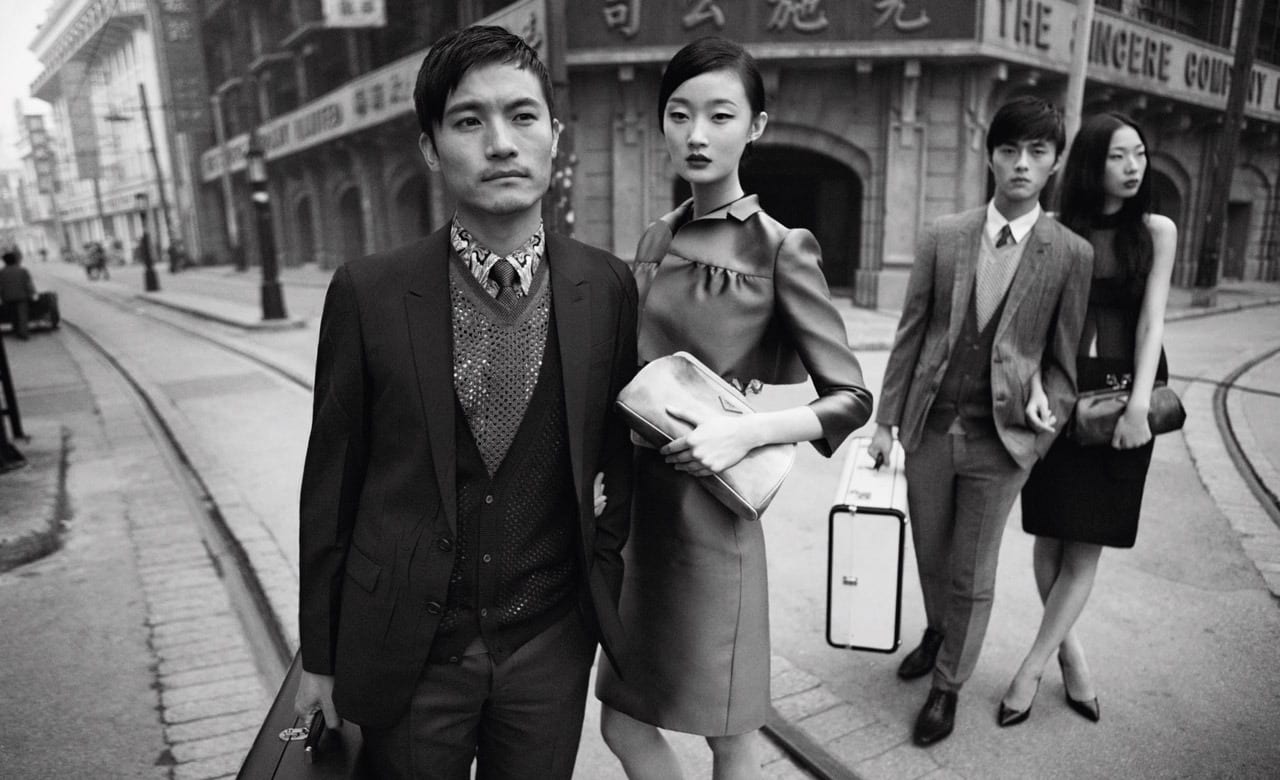
    Prada has opened its first store in South Korea selling only menswear.

    The new shop is hosted inside the Shinsegae luxury department store in Seoul, but features its own distinctive entrances.

    The new space, designed by architect Roberto Baciocchi, covers about 165 sqm and houses the men’s ready-to-wear, leather goods, accessories and footwear collections.

    The internal façade, clad in Saint Laurent marble, is characterised by two large corner entrances. Slim strips of steel frame the window and the light box.

    The entrances lead to an area where the leather goods and accessories collections are displayed.

    The next area features masculine materials and finishes and hosts the ready-to-wear and footwear collections. The space is defined by ebony floorboards and walls, dark brown carpeting and cotto-coloured leather sofas.

  • 361 Degrees turnaround

    361 Degrees turnaround

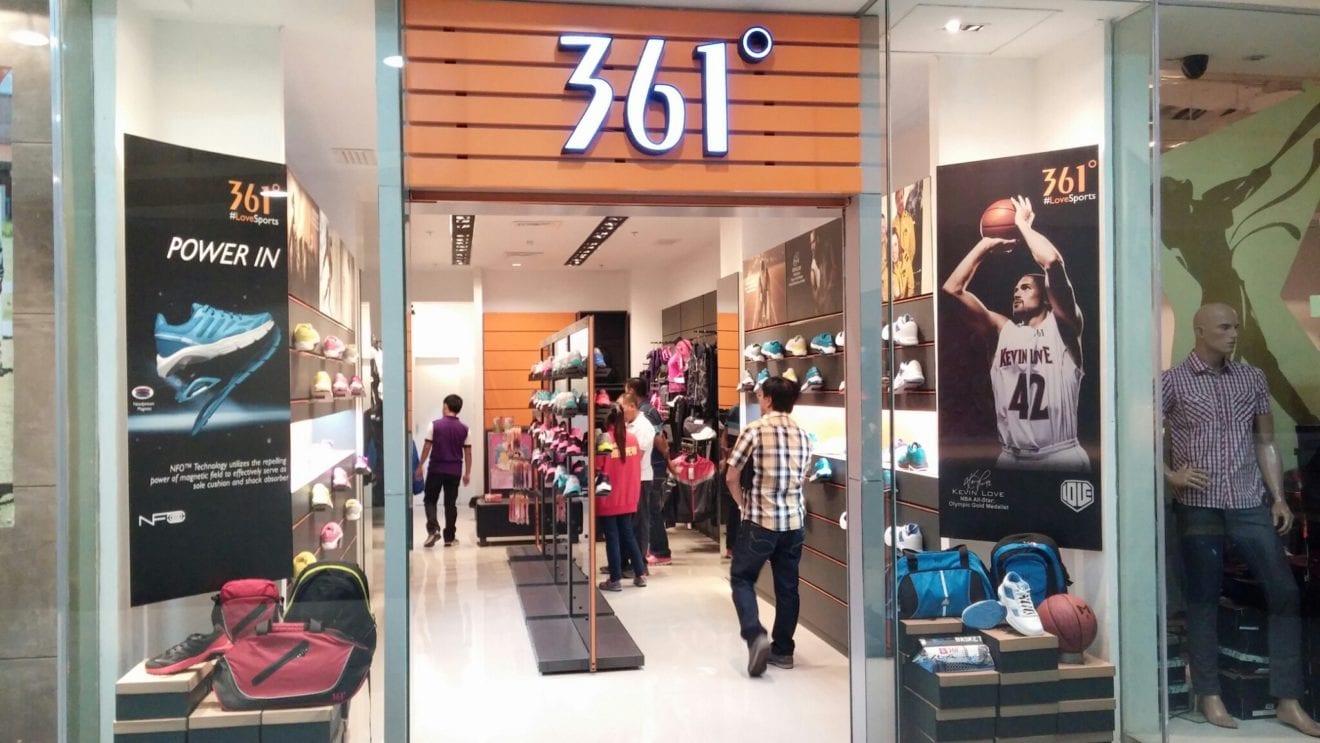
    Chinese sports brand 361 Degrees International has defied China’s sportswear glut and posted a nine per cent increase in sales and a 105.6 per cent increase in profit for 2014.

    361 Degrees is one of the leading sports brand enterprises in China, designing, manufacturing, distributing and retailing footwear, apparel, accessories and equipment for sport and leisure through 7319 franchised stores and authorised distributors across China.

    Group turnover was subdued because the bulk of orders were taken in the previous year when the prevailing sentiment remained weak in the face of the industry’s inventory glut.. The company said the rise in operating profit was primarily due to a fully justifiable write-back in impairment provision as a result of a vastly-improved control on trade debtors, “and a generally well-balanced oversight on most of the key operational issues”.

    “There was a general improvement in volumes for all the product groups and despite a reduction in wholesale prices which became effective in the year, average selling prices were on an upward trend. This augurs well for the future as product differentiation and price segmentation become increasingly important in what is still a highly competitive industry.”

    Gross profit margin improved by 140 basis points to 40.9 per cent, as the group juggled between in-house production and OEM sourcing for the best results and higher productivity in the in-house apparel unit also contributing.

    “As there is still an over-capacity in the OEM manufacturing sector, there are good reasons to believe that this level of profitability can still be maintained in the foreseeable future,” the company said.

    The company’s 361° Kids unit reported a 20.7 per cent increase in revenue, buoyed by an improvement in both volume and average selling prices, as it sets a new benchmark in the industry with the launch of ‘Smart’ shoes.

    Over the last three years when the industry has been in the doldrums with the overhang of inventories resulting in severe discounting, the Group has quietly implemented a rack subsidy scheme to help retailers improve the store image and shopping experience. In 2014, the Group accelerated on this promotion, bringing a further 2125 stores into full compliance with the latest corporate and operational standards, which resulted in a charge of RMB214.1 million, up 25.6 per cent from the previous year.

    The company achieved a substantial improvement in credit control: as at December 31, over 62 per cent of the trade debtors are within 90 days (2013: 49 per cent) with none over 180 days (2013: RMB192 million).

    Almost all of the 7319 franchised stores are now re-fitted with a new rack display merchandising system and many of these stores operate as 3-in-1 outlets, offering the full complement of the group’s lines: 361° Sport, 361° Kids and Innofashion, the group’s casual sub-brand.

    “Foot traffic has reportedly been much better in such stores and with the adjustment in the product pricing mechanism, many retailers could now operate profitably.”

    Looking forwards, the group said it is confident that despite a slowing economy in China, the fundamentals of the sportswear industry have never been better, “particularly as the Central Government is resolute in its reforms to encourage a fitter and healthier society and to drive domestic consumption as an engine for sustainable growth”.

    “With a strong order book on hand for 2015, and a good pipeline of value-for-money products, the board is confident of another strong year of earnings.”

  • South Korea retail sales rebound

    South Korea retail sales rebound

    Reported retail sales in South Korea’s largest department stores rebounded in February from the dismal January figures.

    Analysts say the turnaround is related to the later timing of Lunar New Year in 2105 – the same reason given last week for a 14 per cent plunge in Hong Kong retail sales in January.

    The Lunar New Year, a typically strong season for retail sales given the associated holiday season, occurred in January in 2014 and in February this year.

    South Korea’s Finance Ministry says combined sales at department stores owned by Lotte Shopping, Shinsegae Co and Hyundai Department Store rose by 7.1 per cent year-on-year.

    This was the biggest rise since August last year when sales increased by 10.5 per cent.

    It follows a drop of 11 per cent in January, the worst drop on record.

    South Korea retail sales at discount stores gained a stunning 30.5 per cent year-on-year after an 18.3 per cent slump in January, which was the worst drop in 11 months.

  • Alibaba taps Jeff Zhang to oversee consolidated retail division

    Alibaba taps Jeff Zhang to oversee consolidated retail division

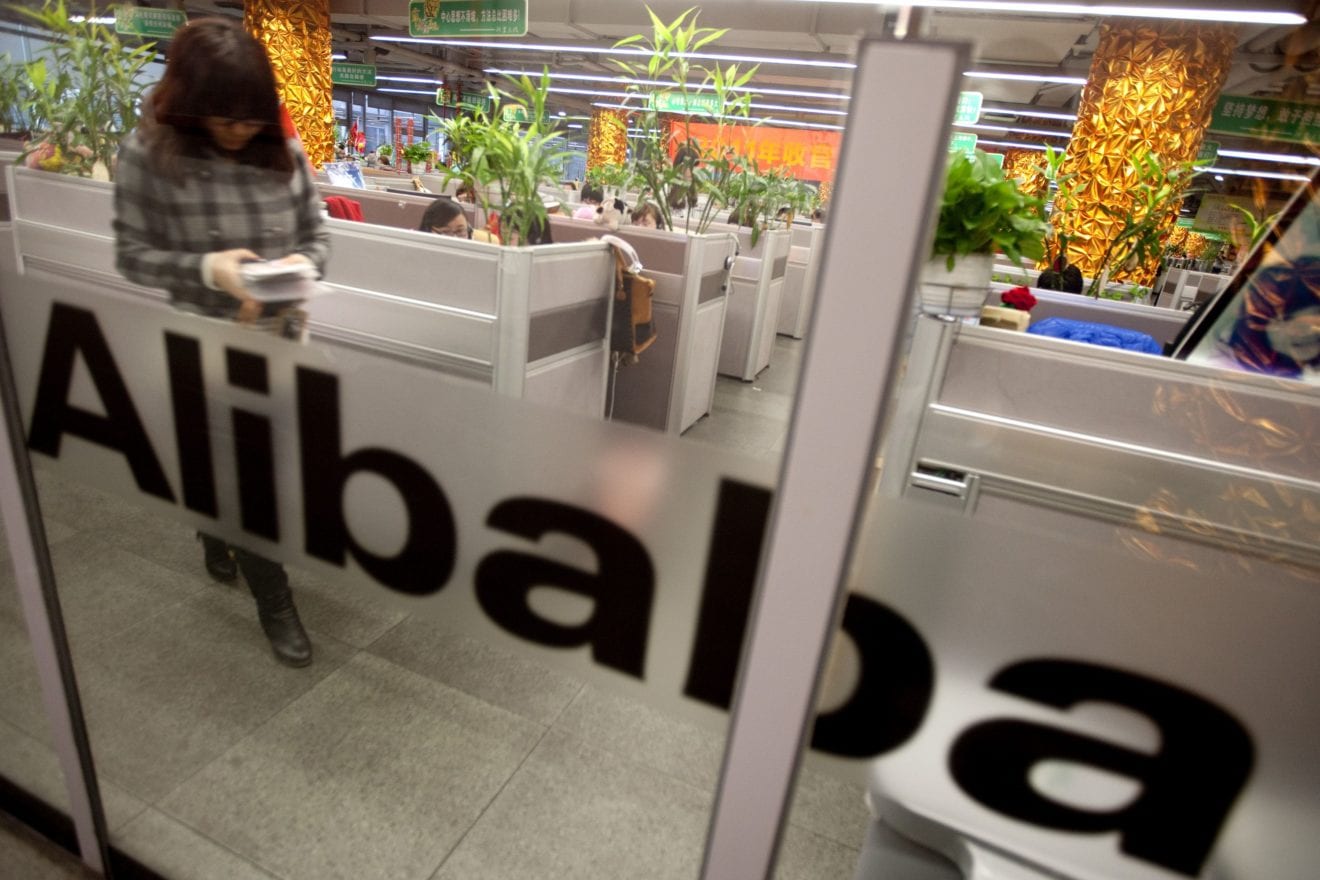
    Alibaba Group Holding Ltd appointed Jeff Zhang to oversee its main services on Monday, bringing Taobao, Tmall and Juhuasuan into a newly created “China Retail Marketplaces” division.

    The appointment marks one of the highest-profile personnel shuffles since China’s largest e-commerce company went public in September. Together with the creation of the new division, the move will streamline operations and enhance efficiency.

    The company, which now handles more ecommerce than Amazon.com and eBay Inc combined, has been struggling to sustain the rip-roaring pace of growth it enjoyed in past years as it gains scale.

  • John Lewis to enter Singapore

    John Lewis to enter Singapore

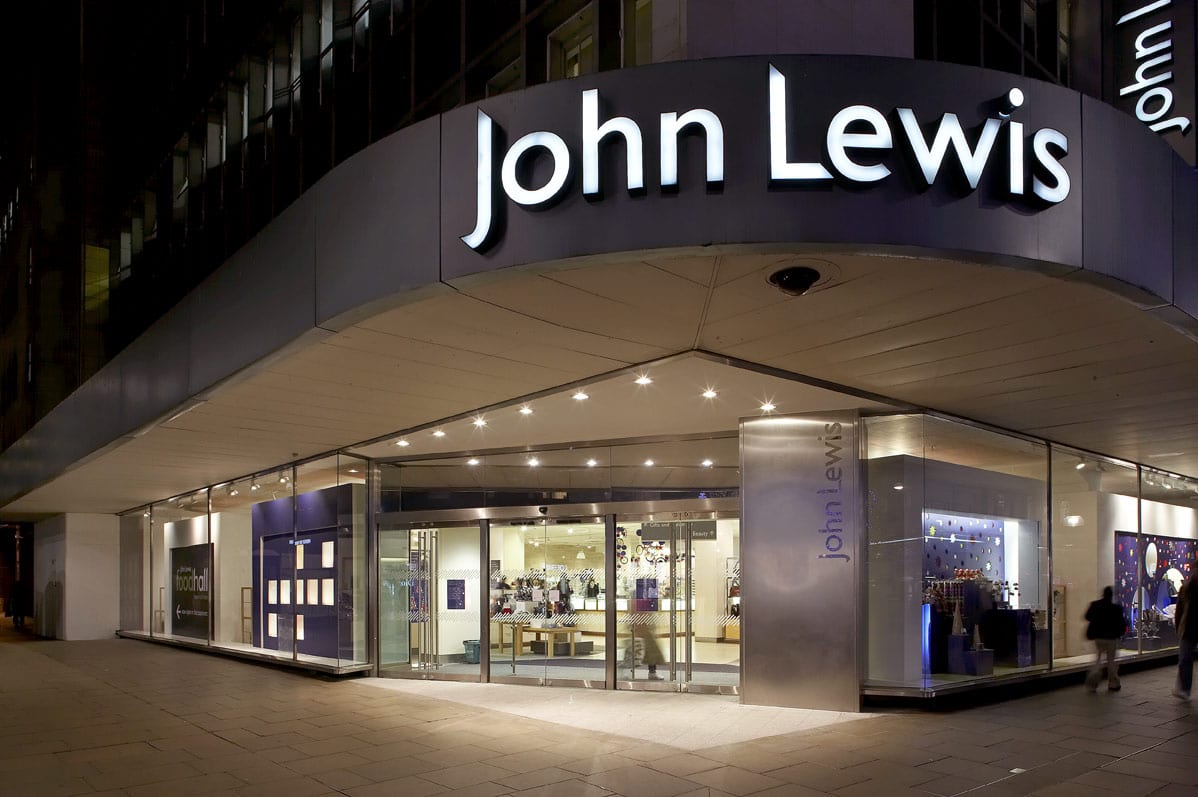
    UK department store John Lewis has chosen Singapore as the first of 15 new international markets it will expand into during the next few years. Founded in 1864, John Lewis has never opened its own stores beyond England, Scotland and Wales. But in 2012 it entered into a partnership with South Korea’s Shinsegae Department Store Co, selling linen and homewares in seven stores. The Singapore presence will be via concessions in two Robinsons department stores, scheduled to open in July, which will primarily sell homewares. CEO Andy Street says he expects to confirm deals to open in a further five foreign markets in 2015. “We have been very successful in Korea. We are really pleased and surprised that, in a market where the John Lewis brand isn’t really known, it has cut through.”

    Further expansion of the John Lewis brand abroad will for now be restricted to exclusive licensing arrangements, similar to those with Robinsons and Shinsegae. The company recently hosted executives of international department stores to an exhibition of its products in London, courting distribution partnerships. Street told The Guardian newspaper its overseas push was an attempt to “seed” the John Lewis brand abroad for the long term. “Anybody taking their eye off the domestic ball at the moment would really regret it. We are not opening shops overseas and diverting management time. This is the icing on the cake,” he said. “Our fundamental strategy is developing bricks and clicks in the UK. We have just got to put a chip or two down on the table with a view on how the world is going to be in 10 years’ time,” he said.

  • Google unveils world first store

    Google unveils world first store

    Google has unveiled its first ever shop in shop concept at Currys PC World, in the technology hub of London’s Tottenham Court Rd.

    This is the first Google Shop experience anywhere in the world. There will be two more later on in the year in Currys PC World’s Fulham and Thurrock Megastores, in the UK.

    The Google Shop offers customers the chance to sample Google’s range of android phones and tablets, Chromebook laptops and Chromecasts and learn about how they work together.

    Visitors can also sample Google’s software tools and apps on a surround screen installation called The Portal, which enables users to search through Google Earth on the big screen.

    The store features a doodle wall where budding graffiti artists can use digital spray cans to paint their own take on Google’s logo, which they are then encouraged to share on social media.

    Customers can use a Chromecast pod to watch Google Play movies, YouTube and more, through a Chromecast dongle that converts any TV into a smart TV.

    The Google Shop will host regular classes and events for the public.

    Classes will range from online security to simply learning how devices work, and understanding how different devices work together to enable a more connected lifestyle.

    Virtual Space Camps will be offered to teach children the basics of coding and teachers will be invited to Open House events, to keep up to speed on the free educational tools on offer from Google.

    Google’s James Elias said the new store concept is a genuinely unique try before you buy experience.

    “The pace of innovation of the devices we all use is incredible, yet the way we buy them has remained the same for years. With the Google shop, we want to offer people a place where they can play, experiment and learn about all of what Google has to offer; from an incredible range of devices to a totally connected, seamless online life.”

  • Portugalia Beerhouse lands in Macau

    Portugalia Beerhouse lands in Macau

    Portugalia, the Portuguese beerhouse chain, has marked its 90th anniversary by opening its first restaurant away from home – in Macau.

    The new restaurant, officially opening today (March 6), is the result of an international expansion plan developed over several years and marks the first of several direct investments planned for Asia.

    Located in Taipa Village (Mercadores St No 5), Portugalia is designed in the tradition of a Portuguese house. Three floors are open for dining and are accented with classic tiles brought directly from Portugal.

    Patrons will also find historic images from the beerhouse’s early days, a custom-built wine cellar and a private room adorned with cork decor elements, plus two outdoor terraces.

    The restaurant serves genuine Portuguese cuisine – fitting for Macau, a former Portuguese colony before its handover to China in 1997.

    The steak is the brand’s iconic dish, but patrons can also find fresh seafood and traditional fare such as codfish and “Alentejana” pork.

    Draught beer and exclusively selected Portuguese wines are offered alongside the restaurant’s famous fresh snacks including octopus salad and meat croquettes. For desserts, it offers traditional Portuguese delicacies like egg pudding, rice pudding and the national version of creme brulee.

    The restaurant is designed to create “a relaxed, family ambience together with modern decor plus excellent service” and the management team, including chef Ricardo Alves, came from Portugal for the challenge to represent Portugalia in Macau.

  • Tous Les Jours China expands

    Tous Les Jours China expands

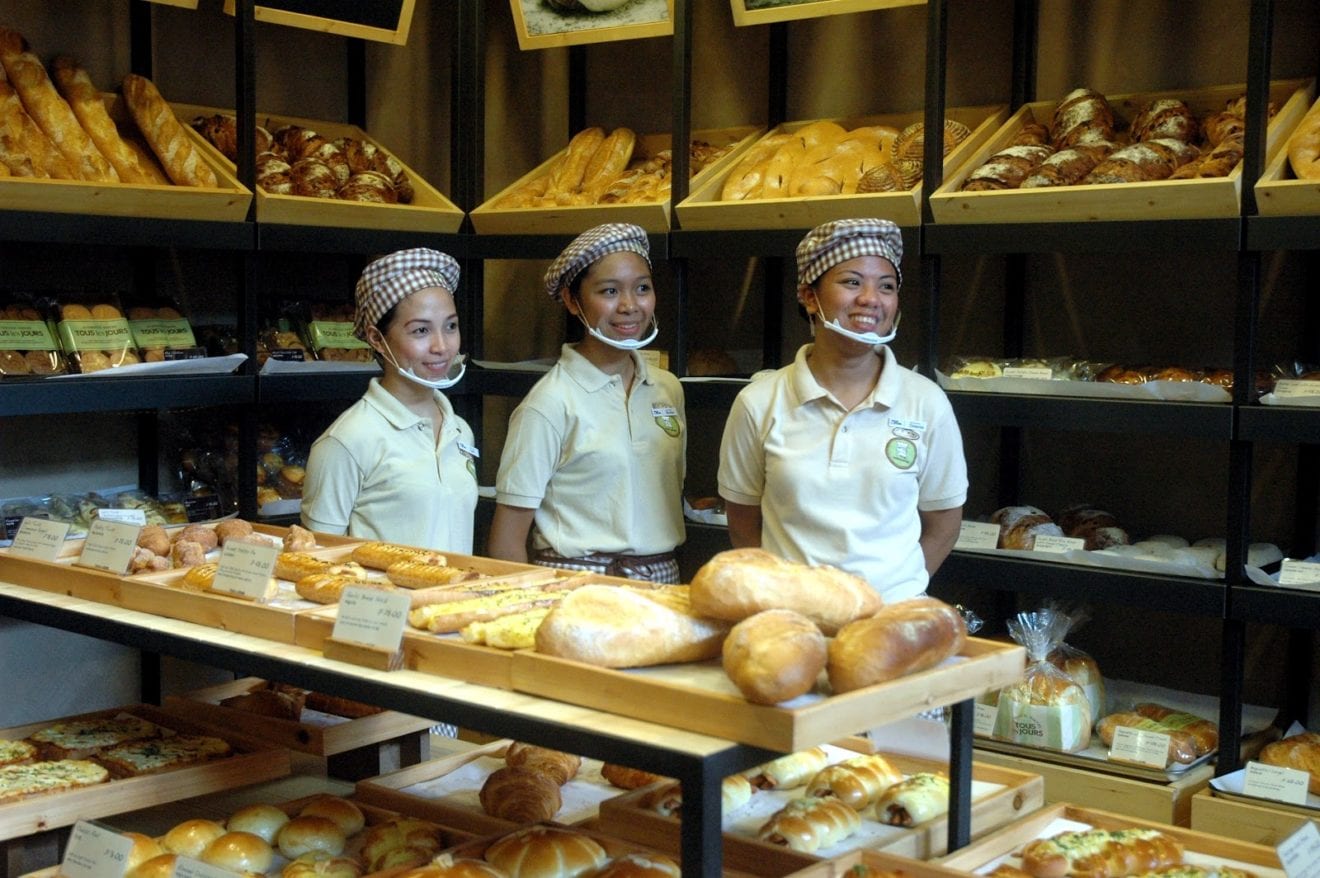
    Korea’s CJ Foodville has opened its first Tous Les Jours store in the Xinjiang Uyghur Autonomous Region of China.

    CJ Foodville now has Tous Les Jours stores in 14 regions of China and more business region-based contracts than any other Korean bakery franchise company in the world’s most populous nation. It says it is committed to opening more than 1000 stores in China by 2020.

    Tous les Jours China inside 315

    The new bakery is located on the first floor of a landmark department store in Xinjiang’s capital city of Ürümqi, and saw more than 1000 customers on its opening day.

    CJ Foodville established a master franchise contract with a local restaurant operating company last October.

    One of the best-selling baked goods at the store is a Halal sandwich, which accounts for more than 20 per cent of overall sales, reflecting the unique demographic of Xinjiang Uyghur.

    The company has 172 overseas stores in seven countries including the US and Vietnam.

  • Kim Soo-Hyun: Caffe Bene’s new face

    Kim Soo-Hyun: Caffe Bene’s new face

    Korean-based coffee shop franchise Caffe Bene has named famous Korean actor Kim Soo-Hyun as its global face for the next year.

    Korean film and television drama has massive following throughout China and southeast Asia making Kim Soo-Hyun a recognised personality throughout the region.

    Caffe Bene will use the actor’s image in TV commercials, print advertisements and online, promoting its brand in 13 countries, with particular focus on Taiwan and China.

    Caffe Bene is the largest coffee franchise in Korea, based on store numbers, and now has 1500 cafes in Korea, China, Taiwan, Vietnam, the US, the Philippines, Indonesia, Saudi Arabia, Mongolia, Malaysia, Cambodia, Singapore and Japan.

    Kim Soo-Hyun has been chosen for his pan-Asian popularity, which will help Caffe Bene to make inroads globally.

    The company said that Kim Soo-Hyun has risen to be a global star based on a very hard earned filmography, which can be related to Caffe Bene’s success on the global scene.

    According to Wikipedia, he is an actor, model and singer best known for his roles in the television dramas Dream High, Moon Embracing the Sun, and My Love from the Star, as well as the movies The Thieves and Secretly, Greatly.

  • New northeast Bangkok mall

    New northeast Bangkok mall

    Thailand’s The Mall Group has budgeted US$91 million to build a new shopping centre in Bangkok’s northeastern outskirts.

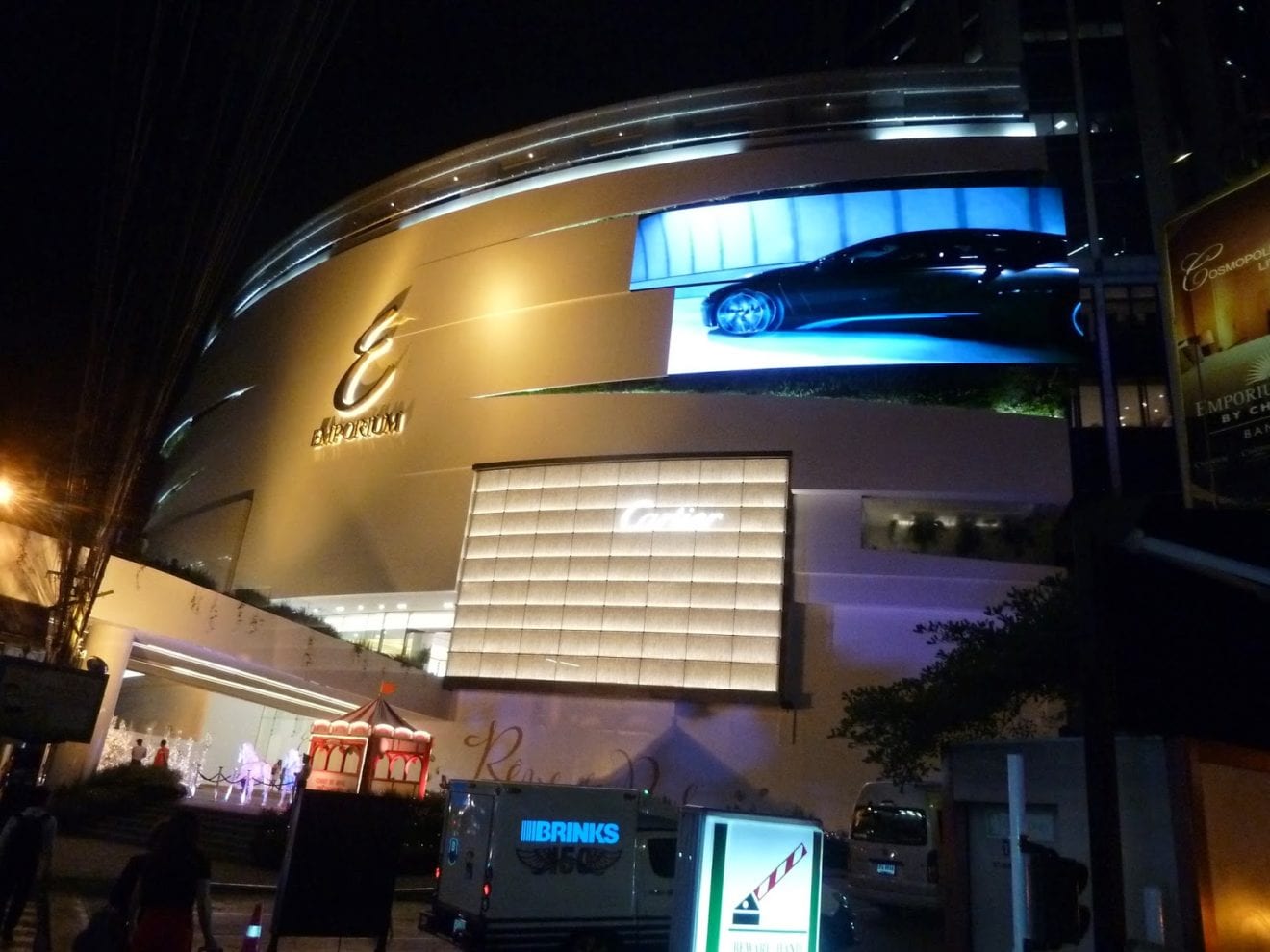
    A final decision on the new Bangkok mall will be made within weeks, and represents an additional capital commitment beyond the $2 billion investment in the Emporium, EmQuartier and EmSphere developments in Bangkok and new malls in Phuket, previously announced.

    The new mall would be built on land across the road from Fashion Island on Ram Intra Rd, a key Bangkok arterial route.

    CEO Paiboon Kanokwattanawan told the Bangkok Post newspaper that having a shopping mall in the Ram Intra area “will fulfil our goal to serve customers in all important areas of Bangkok”.

    The Bangkok focus is aimed at cashing in on the establishment of the AEC later this year, of which Bangkok will be the capital.

    Paiboon told the Bangkok Post his company will not be following rival Central Group’s strategy of establishing centres in border towns.

    “We never planned to open our retail projects in special economic zones or border towns because Bangkok will be the capital of the AEC. It’s not necessary for us to develop projects in other locations as Bangkok is bigger than we thought.”

    He said people travelling from AEC member countries like Vietnam or Laos to Malaysia or Myanmar had to transit in Bangkok and while there “they will go shopping”.

    According to a report from Colliers International (Thailand) some 30 new shopping centres are scheduled to open in Bangkok and its suburbs during 2015 and 2016, adding about 1.52 million sqm of retail space to the Thai capital.

  • Vietnam’s Vingroup announces new retail venture in electronics

    Vietnam’s Vingroup announces new retail venture in electronics

    A Vingroup official announced the establishment of the firm’s new technology and electronics retail brand on Wednesday called VinPro.

    A group representative said opening the chain was part of the group’s strategy to become a leading retail brand in Vietnam, adding that it will open four VinPro stores in Hanoi and HCM City on 21 March.

  • Tesco food chief exits

    Tesco food chief exits

    Tesco’s in-store restaurant and cafe concepts may be doomed after the man heading the division exited the company this week.

    Analysts are interpreting the departure of Michael Holmes, who headed the Tesco food division, as an admission the concepts had failed.

    Giraffe restaurants and Harris + Hoole cafe chains were opened in a number of larger Tesco supermarkets in the UK as part of former CEO Philip Clarke’s strategy to draw customers back to its stores. Holmes also oversaw Euphorium bakeries and Decks, an in-store restaurant created by Tesco.

    The grocer paid £50 million to buy Giraffe and took a strategic stake in Harris + Hoole. Harris + Hoole reportedly lost £13 million in the year to February 2014 and Giraffe is understood to have also been booking losses.

    Critics of the former Tesco CEO have long said the company should be focusing its investment on cutting prices and improving product quality, focusing on the core grocery business instead of such initiatives like in-store cafes and restaurants.

  • Seven & I in grocery pact

    Seven & I in grocery pact

    Japanese retail giant Seven & I Holdings is to partner with an Osaka supermarket chain in product development and supply chain initiatives.

    Its new partner, Mandai Co, has about 150 stores in Osaka and four other prefectures in Kansai and achieved ¥279.3 billion (US$2.2 billion) in sales in the year to February.

    While the initial partnership is a working relationship, the Japan Times reports Seven & I, which owns the 7-Eleven convenience store network and Ito-Yokado supermarket chain, may take an equity stake in Mandai.

    Commentators say the partnership will give Seven & I local product and sourcing knowledge, improving its Ito-Yokado offer in Kansai region. Especially beneficial will be food product development and know-how.

    Seven & I, will dominant in Japan’s retail industry, wants to improve the localisation of its offer, reflecting regional characteristics in its food range in particular.

    For Mandai, the partnership could have benefits in its buying power with suppliers and reduce product development costs.

  • Sony US exits direct retail

    Sony US exits direct retail

    Sony US is to close down its direct retail business, closing the 10 remaining stores this year.

    The decision follows the failure of a new Sony store concept which superseded its Sony Style format about four years ago. It has run its own retail stores for more than a decade in the US, but never achieved the sales or awareness of Apple which set a global standard in electronics retailing.

    Instead, the Japanese electronics giant will focus on partnering with specialist retail chains to boost sales in the US market, where it has struggled to achieve profitability for years, against tough competition from Korean and Chinese rivals.

    Sony Electronics, now renamed Sony North America and managing sales, marketing, distribution and customer service throughout the US, Canada and Puerto Rico, will maintain a brand-building flagship in New York and another showcase near its motion picture studio in California.

    Mike Fasulo, president of Sony North America, confirmed this week that 20 stores were closed last year and the remaining 10 will be closed as leases expire or are renegotiated.

    It would now focus on stores-within-multi-brand-stores like Best Buy, a strategy which has worked well for Samsung.

    Most of the Sony US stores were in shopping centres with high rents and were not selling sufficient volume to justify their continued trading.

    Mike Fasulo, president of Sony North America, said Sony US now has concessions in about 400 Best Buys across the US and aims to boost that to 500 this year in that and other chains.