Blog

  • Iconix takes control in China

    Iconix takes control in China

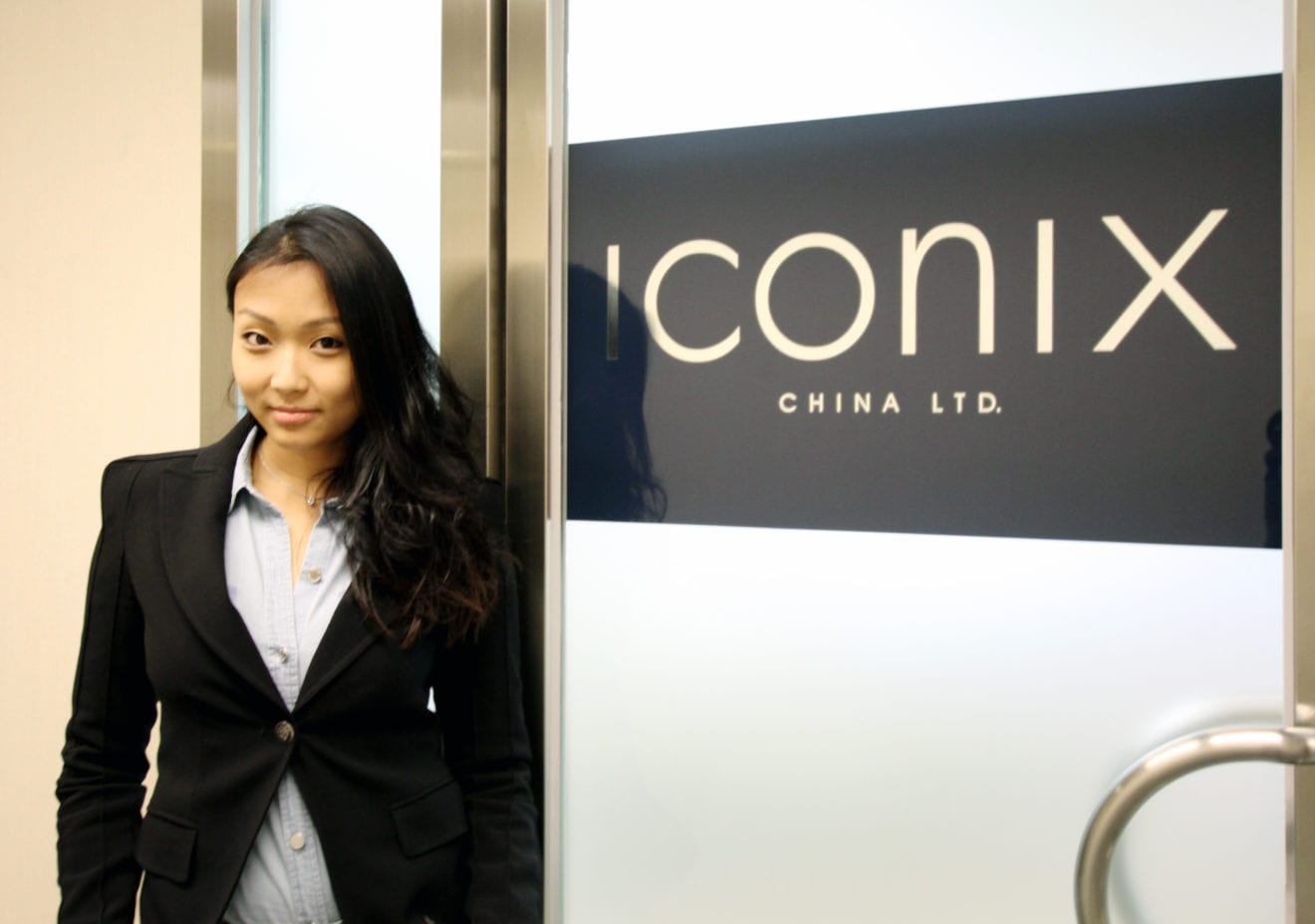
    Iconix Brand Group has bought the 50 per cent stake in its China joint venture from partner Novel Fashion Brands.

    Iconix paid Novel’s owners, the Chou family, $56.4 million for the share, of which $40.4 million was paid in cash and $16 million was paid in the company’s common stock.

    “We view China as a major growth opportunity. Through Silas and Veronica Chou’s expertise and relationships, Iconix China has successfully launched nine of our brands with more than 900 standalone stores, shop-in-shops and counters throughout China,” said Neil Cole, chairman and CEO of Iconix.

    “Now that our business has gained sufficient scale, we have decided to acquire management and control of the business, consistent with the next phase of our international growth strategy.”

    Iconix China was formed in September 2008 and to date has successfully launched Candie’s and Marc Ecko Cut & Sew with Shanghai La Chapelle Fashion; London Fog with China Outfitters; Material Girl with Ningbo Peacebird; Ed Hardy with Landmark International;  Ecko Unltd with Xi Ha Clothing; Badgley Mischka with Eve NY, Joe Boxer with Northeast Socks and Royal Velvet with Qingdao Hongfang.

    The company’s operating model, different from the US parent company’s traditional licensing model, has been to attract entrepreneurs and fast-growing local Chinese companies, providing them with an Iconix brand in which they invest through the build-out of stand-alone stores and shop-in-shops, and in return Iconix China receives an equity stake in the newly formed venture.

    The largest brand in the Iconix China joint venture is Candie’s, which partnered with Shanghai La Chapelle in 2010. The Candie’s business in China expanded to more than 700 stores and shop-in-shops by 2014 and is poised for continued growth.

    The company’s business platform in China also includes its three global brands of Peanuts, Umbro and Lee Cooper which have been managed outside of the joint venture.

    China has been one of the fastest growing territories for the Peanuts brand. Today, Peanuts has over 2000 points of distribution across China including 20 Charlie Brown Cafe’s, and significant growth potential with the highly anticipated launch of the Peanuts movie.

    Last year, Iconix partnered with Global Brands Group (a spin-off of Li & Fung) to build out the Lee Cooper and Umbro brands in China, both of which have strong brand recognition in the region.

    Willy Burkhardt, EVP, MD international, said the transaction will take the company closer to the Chinese market, which is strategically important to the business.

    “It will help us to identify potential brand acquisitions and develop new business opportunities for our unplaced brands.”

    This transaction provides Iconix with full control and ownership of Iconix China, which also includes equity stakes in an additional six retail ventures of which four have plans to go public in the next five years and control over a portfolio of 15 unplaced brands.

    Iconix Brand Group’s global portfolio also includes Rampage, Mudd, Mossimo, Ocean Pacific, Danskin, Rocawear, Charisma, Starter, Zoo York, Sharper Image, Strawberry Shortcake and partnerships in Billionaire Boys Club, Ice Cream, Buffalo, Nick Graham and Pony brands.

    In 2014, the company signed a joint venture with Global Brands Group and is experiencing solid gains in both the top line and equity earnings.


  • WeChat owner’s profit soars

    WeChat owner’s profit soars

    WeChat parent Tencent says its profit soared 54 per cent in the year to December.

    Tencent, which also owns instant messaging service QQ, says profit was boosted by breakthroughs in the technology behind online security and mobile payments.

    With Facebook banned in mainland China, WeChat is one of the most-used social networking services and has a growing role in providing retail chains with eCommerce and brand marketing touchpoints with consumers in China and beyond.

    Shenzhen-based Tencent reported a profit of 23.81 billion yuan (US$3.82 billion) on sales of 78.93 billion yuan, up 31 per cent year-on-year.

    Chairman Ma Huateng said its social platforms QQ and WeChat continued to “innovate and grow”. More than 500 million people used WeChat as at the end of 2014 – 41 per cent more than at the end of 2013 – an astonishing figure for an app launched only in 2011.

    Online game revenues rose 40 per cent to 44.76 billion yuan with social media revenue up 43 per cent to 18.56 billion yuan.

    WeChat users can book and pay for taxis, share text, photos, videos and voice messages and meet strangers by shaking phones or searching for people located close by.

    Last year, Tencent launched WeBank, an online bank which has no physical branches.

  • Jimmy Choo China plots expansion

    Jimmy Choo China plots expansion

    Jimmy Choo China plans more stores as Asia drives the newly-listed brand’s global growth.

    This week, Jimmy Choo posted its first results since floating on the London Stock Exchange last year – a small pre-tax loss, largely attributable to IPO costs.

    About half of the nine new stores the company opened In 2014 were in China. Now it plans to open up to 15 stores a year for the foreseeable future.

    “We are expanding in Asia and selected new markets where we are underpenetrated compared to our peers,” said CEO Pierre Denis in a statement.

    “This has been a year of great financial, strategic and operational progress for the company.

    With our unique DNA and experienced team we have continued to deliver products that resonate strongly with our clients. As a specialist brand we have invested to outperform in this attractive and complex category thus delivering operating leverage.”

    Jimmy Choo’s designs are clearly resonating with Asian consumers, particularly those in China. Asia is its strongest growth region and when it launched its IPO the company said funds raised would help its strategic focus on the market.

    Meanwhile, the company says men’s shoes and its Made to Order service helped drive a 5.7 per cent year-on-year sales increase in its retail operation to £192 million.

    “We remain focused on executing our growth strategy and pursuing growth without compromising our brand or its luxury position despite the more challenging macroeconomic environment,” said Denis.

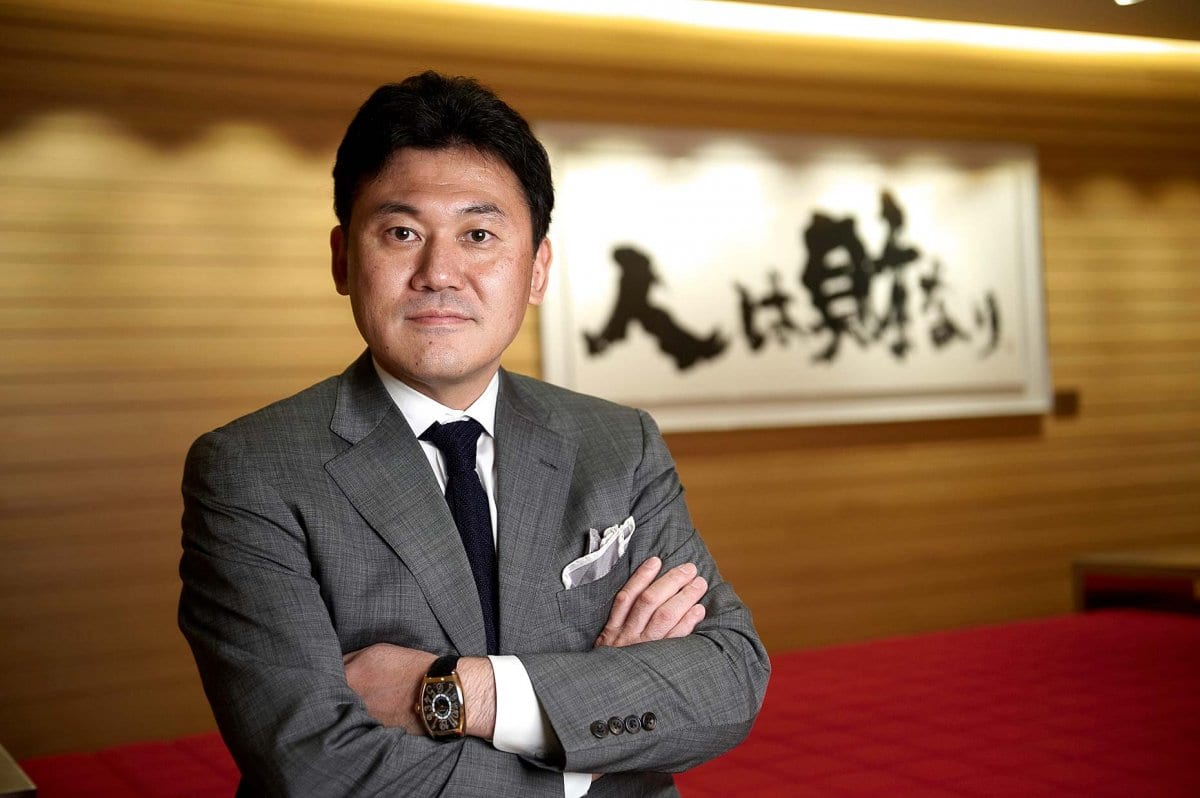
  • Rakuten buys eBook business

    Rakuten buys eBook business

    Japanese eCommerce giant Rakuten is to pay US$410 million in cash to buy OverDrive, a leading eBook and audiobook content marketplace and sharing economy pioneer.

    Cleveland, US-based OverDrive was founded in 1986 and supplies the world’s largest catalog of eBooks, audiobooks, music and streaming video to 30,000 libraries, schools and retailers around the globe.

    “OverDrive’s deep content library and relationships with publishers, libraries, schools, and retailers will allow Rakuten to extend our mission of empowerment to new market segments and accelerate the growth of our digital contents businesses,” said Takahito Aiki, head of Rakuten’s global eBook business.

    “OverDrive is a widely-respected pioneer in digital content and the sharing economy. Long before even Kobo emerged onto the global stage, OverDrive had already seen the future and was working with publishers to digitise their content to share with the world, building one of the most comprehensive online digital marketplaces in the process,” he said.

    “OverDrive’s deep content library and relationships with publishers, libraries, schools, and retailers will allow Rakuten to extend our mission of empowerment to new market segments and accelerate the growth of our digital contents businesses.”

    With the top rated eBook & audiobook app for libraries and schools and OverDrive Read, the ePub and HTML5 browser-based reading experience, OverDrive supports all major computers and devices, including iOS, Android and Kindle (in the US only). OverDrive delivers all digital media on a single platform, and offers APIs to streamline a seamless user experience. Recent innovations include in-library touchscreen stations for browsing and instant sampling, multi-lingual user interface, and eReading Rooms for kids and teens..

    OverDrive Founder and CEO, Steve Potash, said Rakuten’s vision of empowerment is perfectly aligned with OverDrive.

    “Since 1986, our vision has been to advance digital publishing and content to connect readers with books and information. We’re passionate about working with publishers, libraries, schools and retailers… and we are very excited to join an innovative company that shares and supports our vision.”

    As Rakuten expands its global Internet services ecosystem, digital content represents one of Rakuten’s three key strategic pillars, alongside eCommerce and finance. Since first acquiring eReading company Kobo in 2012, Rakuten has continued to grow its digital contents businesses, adding video streaming service Wuaki.tv in 2012 and global TV and video site Viki in 2013. The acquisition of OverDrive adds a digital distribution platform, more than 2.5 million titles, and relationships with 5000 publishers and 30,000 libraries that will strengthen Rakuten’s eBook and digital contents businesses globally.

    OverDrive returned a pre-tax profit of US$25 million in 2014. With the addition of OverDrive, Rakuten expects its global eBook business will come close to breaking even in 2015.

    The deal will close in April.

  • Lend Lease to partner in $2bn Malaysia project

    Lend Lease to partner in $2bn Malaysia project

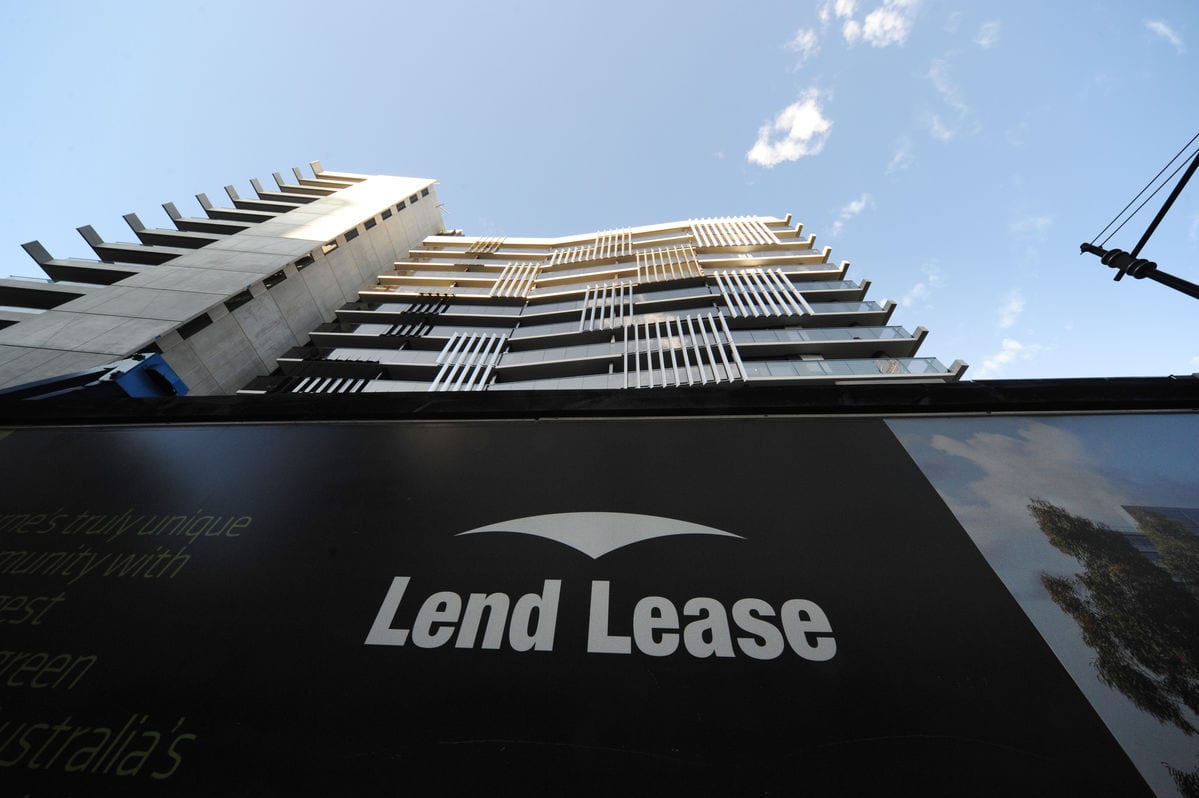
    Australia’s Lend Lease has signed up to develop a new retail and residential development in Malaysia.

    Lend Lease will have a 60 per cent stake in The Lifestyle Quarter with local developer 1MDB Real Estate the balance.

    1MDB is the master developer for an upcoming international financial district called Tun Razak Exchange. The Lifestyle Quarter will be a retail‐led, mixed‐use development of over 17 acres comprising a new retail mall, several residential towers and a hotel connected to a multilayer central park and the largest MRT station in Kuala Lumpur. When completed it will have a Gross Development Value estimated at MYR 8 billion (US$2.156 billion).

    The two companies signed a Master Framework Agreement last October, and late last week signed a formal JV agreement in the presence of Malaysia’s Prime Minister Dato’ Sri Mohd Najib Tun Abdul Razak.

    Lend Lease Asia CEO Rod Leaver, said the two companies will transform TRX into “an iconic destination”.

    “With our global track record in large scale urban regeneration in partnership with national and city governments, coupled with  our over 35 year history in Malaysia, we are confident of making the TRX Lifestyle Quarter an outstanding success with our partner.”

    TRX aims to become a global hub for international finance and business.

    Lend Lease has a growing portfolio of property interests in Malaysia, the most recent being Setia City Mall.

    The company was selected from a pool of international and local bidders to partner with 1MDB RE in the Lifestyle Quarter development following an invitation to participate as a strategic development partner.

    The Lifestyle Quarter will form the social heart of the TRX precinct. It aims to offer a series of modern lifestyle experiences and set new benchmarks not only in terms of design, but for the types of retailers, dining establishments, outdoor spaces, leisure activities and entertainment options it provides.

    TRX will be one of the largest developments in Lend Lease’s current portfolio of global projects.

  • Costs rise for Circle K Hong Kong

    Costs rise for Circle K Hong Kong

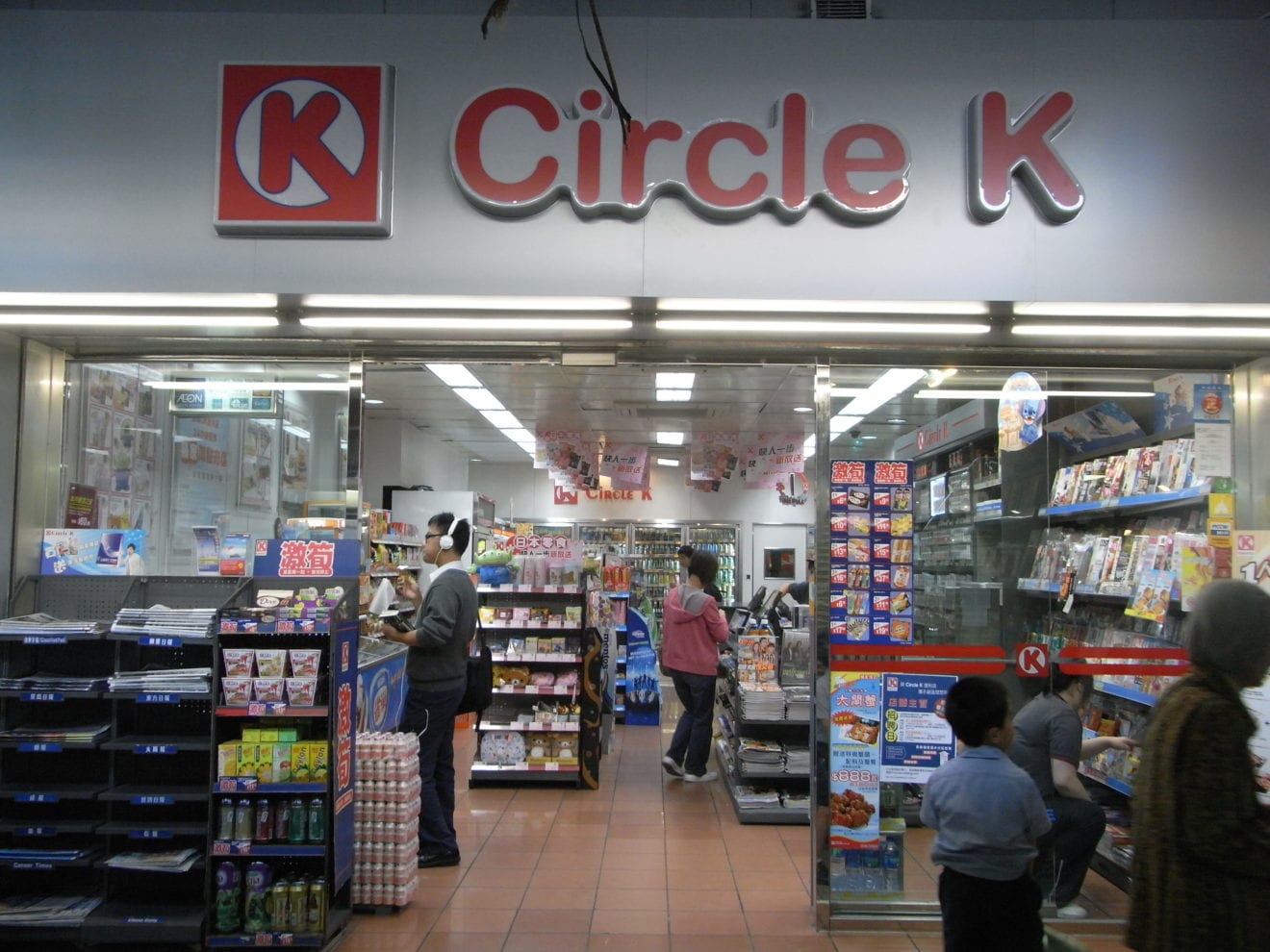
    Convenience Retail Asia says sales in its convenience stores and bakeries rose marginally last year, but rising costs dented profits.

    CRA, part of the Fung Retailing group, operates 604 retail stores in southern China. It has 329 Circle K stores in Hong Kong and 127 outside the SAR and 148 Saint Honore bakery stores in Hong Kong, Macau, Guangzhou and Shenzhen.

    The company has reported revenue of HK$4.736 billion for the year to December 31, a 4.8 per cent increase over 2013. The group says the higher sales were achieved despite unfavourable retail conditions, including flat consumer sentiment, declining spending on festive products and higher operating costs.

    But core operating profit fell nine per cent to HK$153 million compared to last year.

    “This was largely because of rising cost pressures, which outweighed growth in comparable store sales across all markets. The group made investments in its eCommerce business FingerShopping.com as well as a pilot programme with Sinopec Marketing to manage 10 petrol stations and Easy Joy convenience stores in Guangzhou.

    CRA’s net profit declined by 19.5 per cent to HK$121 million due to the same issues impacting core operating profit, as well as reduced interest income from lower bank deposits after a special dividend payout in 2013 and an exchange loss from the depreciation of the Chinese renminbi currency during the year.

    The Circle K and Saint Honore businesses delivered “satisfactory performances” in 2014 on the back of solid comparable store sales. Turnover for the convenience store business was HK$3.752 billion, up 4.9 per cent year-on-year. Comparable store sales in Hong Kong and Southern China increased by 5.4 per cent and 5.8 per cent respectively against 2013. Turnover for the Saint Honore Cake Shop business increased by 3.2 per cent to HK$1.049 billion. This was primarily due to low-single-digit comparable store sales growth in Hong Kong in 2014.

    Gross margin and other income as a percentage of turnover was stable. Operating expenses as a percentage of turnover increased from 33.2 per cent to 33.8 per cent because of higher rents and operating costs, as well as start-up expenses for FingerShopping.com and the pilot programme with Sinopec Marketing.

    CEO Richard Yeung said Circle K and Saint Honore are in “advantageous positions” to capitalise on any rebound in the domestic economy”.

    “While our outlook for 2015 is conservative, we are confident in our ability to drive results through aggressive customer acquisition and organic growth. We have many new initiatives to strengthen our brands and our businesses, especially the investment in FingerShopping.com and collaboration with Sinopec Marketing to operate petrol stations and Easy Joy convenience stores in China.

    “We believe that a favourable customer experience is the key to building brand loyalty, repeat purchases and positive word-of-mouth referral and we are very pleased with our efforts in this area. Also, our core operations and financials remain healthy.”

    The Hong Kong retail sector saw a slowdown in 2014, ending a long period of high growth. Primary causes were flat consumer sentiment among locals and a decline in spending by Chinese Mainland tourists. High rents and the on-going labour shortage continued to impact the group’s operating costs in Hong Kong. On the Chinese mainland, the year-on-year growth of total retail sales posted a slight drop from 13.1 per cent in 2013 to 12 per cent in 2014.

    CRA says it responded by focusing on strict cost controls, innovative marketing and promotions, and the continued rollout of employee satisfaction and retention initiatives. In the year ahead, CRA anticipates the slowdown in Hong Kong will continue due to flat local sentiment and moderate spending by Chinese mainland tourists.

    “The group also expects high operating costs to continue, particularly in the areas of rent and labour, as well as more challenges on the horizon in Hong Kong due to proposed standard working hours, a minimum wage review and new plastic bag levy.”

    The company is more optimistic about the mainland market: “On the Chinese Mainland, the government is expected to encourage spending by the middle class. The group believes this could benefit the convenience retail industry.”

  • Starbucks China expands in grocery

    Starbucks China expands in grocery

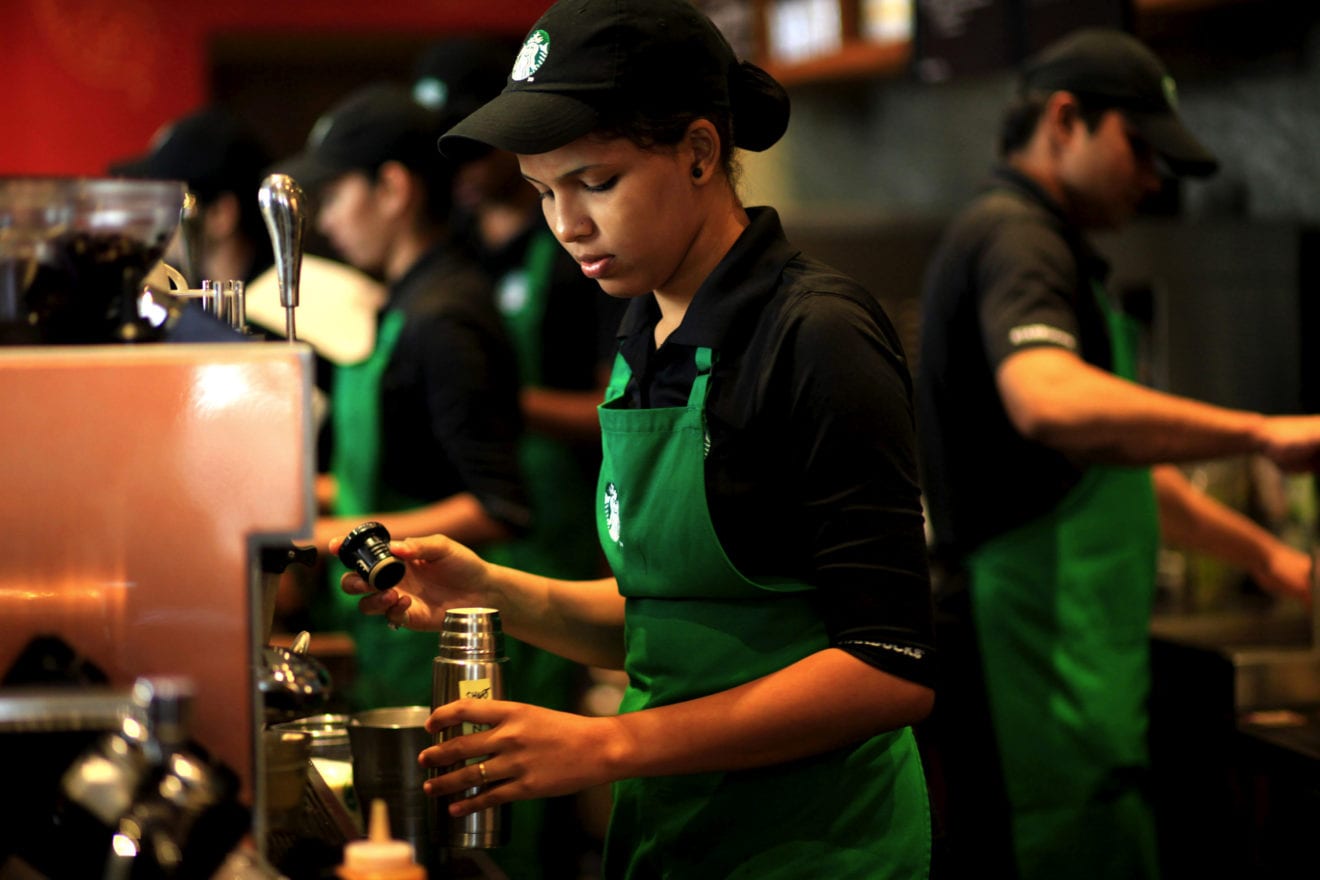
    US coffee retailer Starbucks has signed a joint venture in China to manufacture and distribute ready-to-drink beverages in the grocery channel.

    Starbucks China chose listed Chinese drinks company Tingyi Holding Corp, which trades as Master Kong, to make and sell the drinks in supermarkets and convenience stores.

    Starbucks will be responsible for providing coffee expertise, brand development and future product innovation, and Tingyi will manufacture and sell Starbucks RTD portfolio in China.

    China is already Starbucks’ fastest growing market worldwide with the chain already operating more than 1500 cafes in 90 cities. Now it wants to use its brand strength to gain its share of the coffee-on-the-go and home-consumption markets.

    The RTD coffee and energy category is a $6 billion business, and is projected to grow by 20% over the next three years, according to Euromonitor data.

    In a statement, Starbucks said the agreement leverages the respective strengths of Starbucks and Tingyi to bring the entire Starbucks RTD portfolio to customers in China as well as the ability to innovate specifically for the China market.

    Tingyi is a leading Chinese food and beverage producer which, after more than 20 years of development, boasts world-leading production facilities and management expertise with a broad spectrum of quality channel resources. Tingyi’s local manufacturing, sales and distribution expertise combined with Starbucks strong brand recognition and coffee expertise will unlock new market opportunities.

    “We are pleased to work with Tingyi, a leader in China’s RTD beverage category, to unlock the massive ready-to-drink market and grow local demand for Starbucks,” said John Culver, group president, Starbucks Coffee China and Asia Pacific, channel development and emerging brands.

    “Our agreement enables us to develop new categories and occasions to delight our customers and connect people outside of our stores to Starbucks where they live, work and play.”

    James Wei, CEO of Tingyi Holding Corp, said the China RTD market has a huge growth potential.

    “The agreement with Starbucks will further expand Tingyi’s beverage product portfolio and enables us to provide consumers with more high-quality and convenient product options and experiences. As part of this cooperation, Tingyi will leverage its strength in production and distribution to increase the market share of Starbucks’ RTD products in the Chinese market.”

    Today, customers in China can purchase Starbucks Bottled Frappuccino beverages in nearly 6000 locations including select Starbucks retail stores, grocery and convenience stores throughout mainland China. Through this agreement, Starbucks and Tingyi plan to bring new and existing Starbucks Bottled Frappuccino in the marketplace during 2016, which will be followed by innovation and an increased number of locations and cities for consumers to purchase Starbucks RTD products.

  • The ‘last mile’ in customer fulfilment

    The ‘last mile’ in customer fulfilment

    Grow your business across the region at Last Mile Fulfilment Asia (LMFAsia) 2015 Conference & Exhibition – the business platform which brings together retailers, eCommerce companies and the Last Mile Fulfilment Industry.

    With the burgeoning potential and growth opportunities in eCommerce, many retailers find themselves constrained by logistical and technological issues, specifically within the last mile fulfilment aspect of the supply value chain. The race to decrease order fulfilment time and reach is key to building a competitive advantage and greater take-up of eCommerce.

    Last Mile Fufilment Asia 2015 (LMFAsia) is a two-day conference and exhibition from March 19-20 and the only Asian business platform for all players in the fufilment industry. Logistics companies, postal agencies and parcel courier companies will gather and exchange best practices with eCommerce companies and retailers, as well as to discuss and find solutions to address the last mile challenges they face in common across the ASEAN region.

    Serving as a dynamic and dedicated platform, the event will provide an opportunity for industry players to target the niche sector of the logistics sector, which is not commonly discussed and could open new gateways to future possibilities in the last mile industry.

    The conference aims to foster discussion around key concerns of the last mile fulfilment eco-system by focusing on issues pertaining region and country specific challenges of eCommerce fulfilment, solutions and emerging opportunities.

    Key Highlights:

    • Take the pulse of the state of eCommerce fulfilment in regional countries and learn about the ground realities of operating there featuring speakers representing different segments of the fulfilment eco-system.
    • Hear from industry experts on different fulfilment models, trends, emerging innovations and methods for fulfilment optimisation.
    • Learn about the last mile fulfilment concerns, perspectives, and opportunities of major international retailers.

    The event has the support of Singapore Economic Development Board, AT Kearney, Internet Retailer Conference & Exhibition (IRCE) and various regional eCommerce associations.

    Pre-register at www.lmfasia.com/register before March 13 to secure your complimentary trade visitor pass and access to LMFAsia’s exclusive Industry Networking Night.

    The venue is Max Atria at Singapore Expo and runs from 9am to 6pm. Further information:lmfasia@singex.com

  • PricePanda, Getprice to merge

    PricePanda, Getprice to merge

    Price comparison site, PricePanda, and Sydney-based, Getprice, will merge to create an online comparison shopping business network across the Asia Pacific.

    The newly created group will operate as Next Commerce and will operate in nine countries across Asia Pacific and reach more than four million unique visitors each month.

    Under the umbrella of Next Commerce, PricePanda and Getprice will continue to operate as standalone brands in their respective markets.

    Jared Oken, Getprice co-founder, will be the new CEO of Next Commerce. Chris Hitchen, also a co-founder of Getprice, will chair the board of directors that will include Oliver Samwer from Rocket Internet.

    As part of this transaction, PricePanda’s existing shareholders including Tengelmann Ventures, subsidiary of the German retail giant, Tengelmann; the Swedish investment company, Kinnevik; and the Asia Pacific, Internet Group, which is Rocket Internet’s joint venture with Ooredoo – formerly Qatar Telecom – in South East Asia, have reinvested in the business to fund its further growth.

    Philip Wegener, MD of PricePanda, said there are tremendous opportunities in the large and rapidly growing Asia Pacific market.

    “We are excited to capitalise on the combined expertise that will enable us to pursue new initiatives in mobile, media, and launching new products and services in the region. We are convinced of the strategic benefits of this alliance, forming a strong market leader with an impressive track record both in technology and operations,” Wegener said.

    Oken said the merger with lifts the growth potential of both businesses to a completely new level.

    “Together we will focus on both extending our lead in the Australian market as well as rapid growth in South East Asia and other emerging markets, including significant investment in scaling our operations team in Manila and our regional sales team.”

  • Retailers urged to do better on big data

    Retailers urged to do better on big data

    Retailers such as Myer and Woolworths have been urged to quiz customers when they leave stores empty-handed and grill shoppers who spend money at rival chains, to achieve better returns on their investment in big data.

    Spending on data analytics is rising by 30 percent a year and is forecast to reach USD114 billion by 2018, according to global consulting firm AT Kearney, but only one in 12 companies is achieving a satisfactory return on its investment.

    “There’s massive investment in analytics, everybody says it’s a strategic imperative, everybody believes it’s something they need to do in order to be competitive, but between 75 percent and 90 percent of people are dissatisfied with the returns they’re getting,” AT Kearney principal and analytics expert Ian St-Maurice said.

  • Amazon China to open Tmall shopfront

    Amazon China to open Tmall shopfront

    Amazon has shocked the online world by announcing a partnership with China archival Tmall.

    Amazon China will open a store on Tmall, the successful Alibaba subsidiary, in April. It will offer a “select range” of about 500 goods in what it stresses is a pilot program.

    Alibaba, with Tmall, Taobao and other portals, account for more than 70 per cent of the online market in China, a market in which Amazon has struggled since 2004 to gain any critical momentum.

    “We welcome Amazon to the Alibaba ecosystem and their presence will further broaden the selection of products and elevate the shopping experience for Chinese consumers on Tmall,” an Alibaba spokeswoman said in a statement.

    Chinese have an insatiable thirst for foreign made and marketed goods, but selling to them through eCommerce platforms other than local ones has proven a virtually impossible challenge for companies outside China. If you don’t open on Tmall, or a smaller rival site, it’s almost impossible to achieve a sustainable volume.

    That reality is well illustrated by the fact that Amazon is the fifth largest player in China’s eCommerce market, yet its market share is a miniscule 1.4 per cent.

    Analysts surmise Amazon’s move is intended to boost visitor numbers to its own site rather than any prelude to a merger, by increasing local brand awareness.

    “China’s e-commerce industry is fast growing and nobody wants to miss it,” said Yang Xiao of eCommerce service provider HC International. “Amazon wants to add an additional distribution channel in China.”

    He suggests the strategy may be aimed more at gaining traffic and volume away from JD.com, a smaller rival to Tmall with a similar business model to Amazon.

    “It’s simple game logic – an enemy’s enemy is a friend,” Yang said. “Amazon is more likely targeting JD.com and it’s a win win situation for Tmall.”

  • New buyer emerges for troubled BHS

    New buyer emerges for troubled BHS

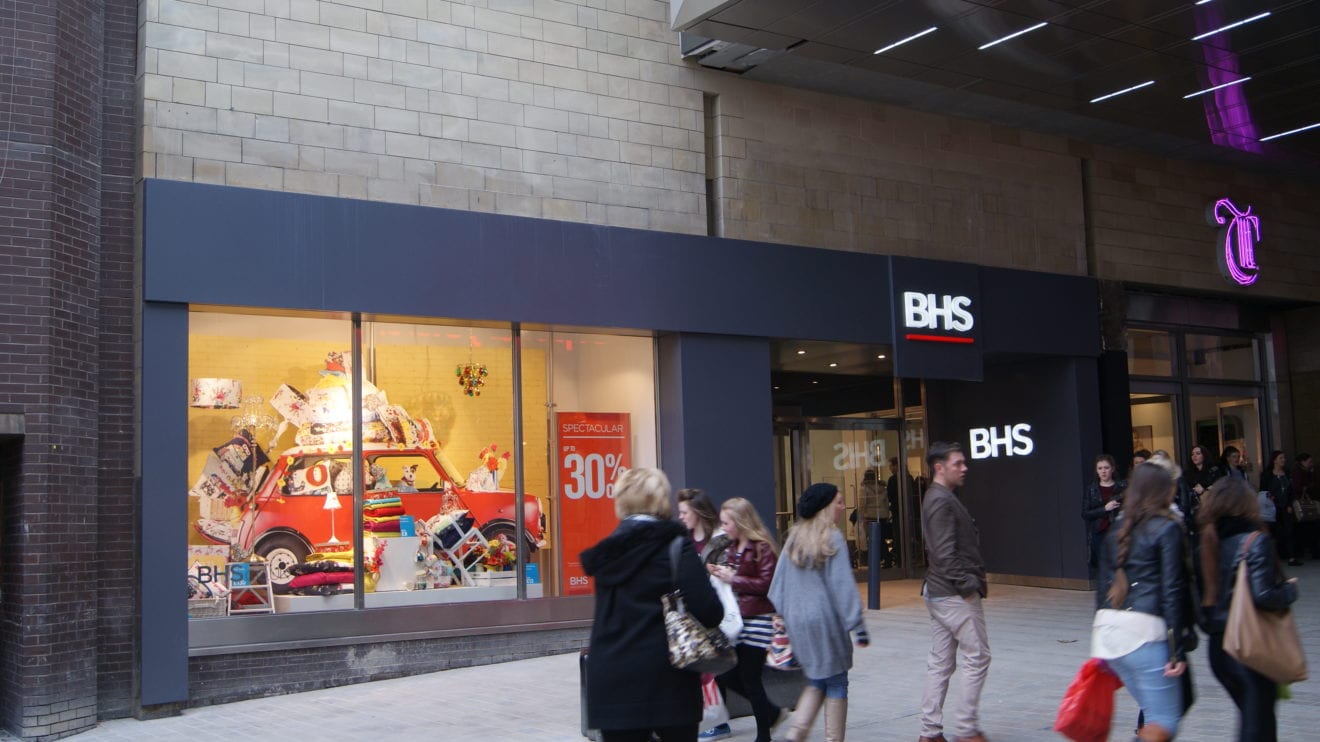
    A former executive of troubled British retailer BHS has emerged as a surprise potential buyer of the business from Sir Philip Green’s Arcadia Group.

    BHS is the only non-performing unit of Arcadia, its widening losses undermining the results from better known chains Topshop, Miss Selfridge, and Dorothy Perkins. Sir Philip announced in January he was looking at selling after receiving several approaches for the business.

    One of those was identified as South African-based Pepkor but that company is believed to have withdrawn from discussions.

    According to a report in The Telegraph, a new bid has been prepared by Tony Brown, a former retail director at BHS, who is working with a private equity fund Alteri Investors, in turn backed by Wall Street fund Apollo.

    Alteri was launched in late 2014 to specialise in turning around struggling retail business, by Gavin George, who specialising in revamping or winding down failing retailers.

    The Telegraph said it understood talks had been ongoing with Alteri and Brown “for some time”, although a deal is likely to still take several weeks and could yet fall apart over price.

    BHS has 180 stores and about 12,000 staff.

    Last year, Arcadia Group said BHS cash losses rose from £19 million to £21 million in the year to August 30.

  • Singapore: world’s most expensive city

    Singapore: world’s most expensive city

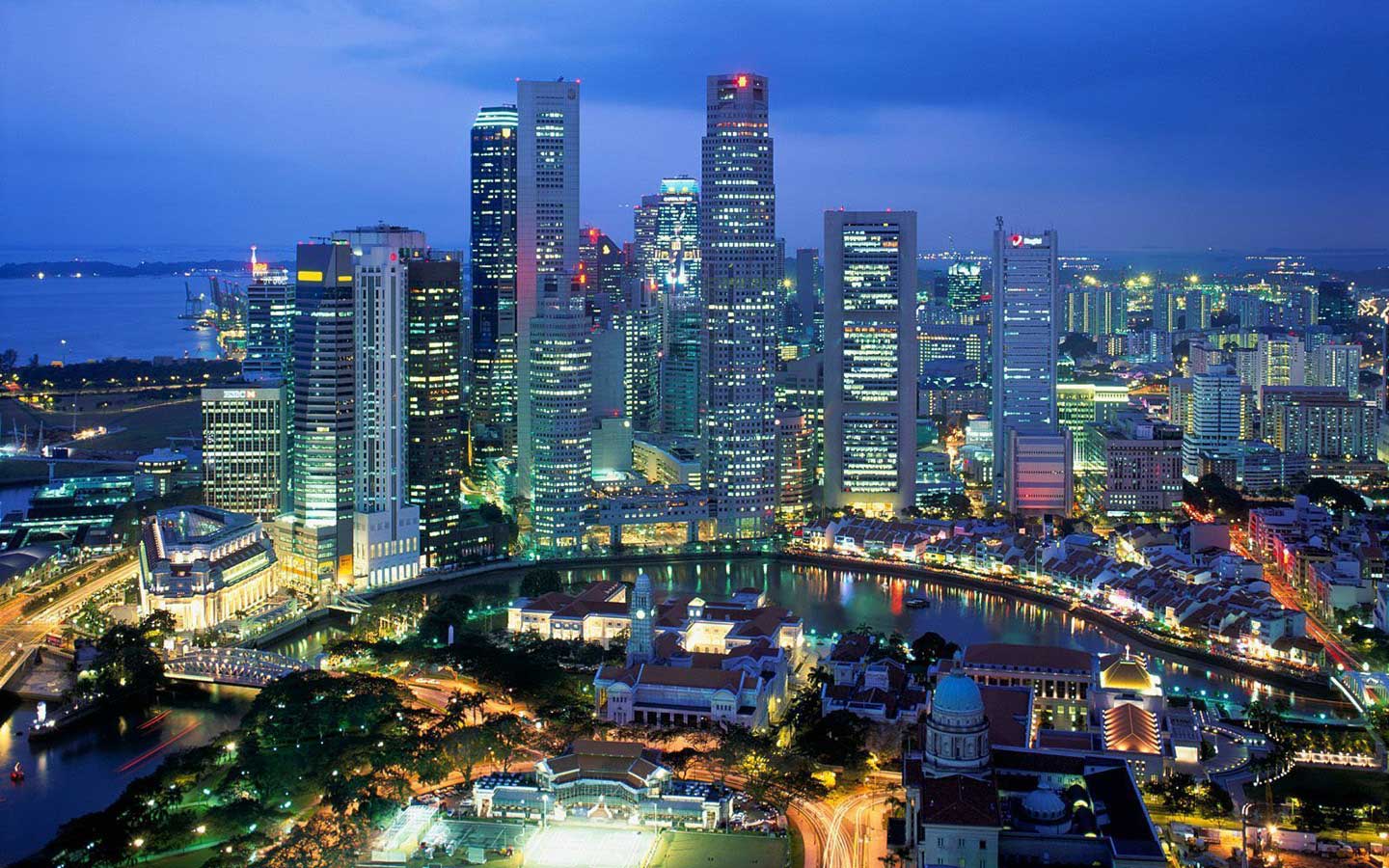
    Singapore has again been ranked the world’s most expensive city to live in, and now the only Asian city in the top five.

    The rankings are contained within The Economist Intelligence Unit’s Worldwide Cost of Living Survey, a relocation tool that compares the cost of living between 133 cities worldwide using New York as a base city.

    Singapore leads for the second year running, the unchanged top five made up by Paris, Oslo, Zurich and Sydney.

    But The EIU says that despite topping the ranking, Singapore still offers relative value in some categories. For basic groceries, Singapore is only 11 per cent more expensive than New York, but it is the joint most expensive place in the world alongside Seoul to buy clothes.

    The malls of Orchard Rd offer a price premium more than 50 per cent higher than New York.

    Most significantly, Singapore’s complex Certificate of Entitlement system makes car prices excessive, with Singaporean and transport costs almost three times higher than in New York.

    Tokyo, which was replaced as the world’s most expensive city only last year, has fallen to 11th place as low inflation and a weak Yen take their toll. Seoul is rising quickly up the rankings: 50th five years ago, it has now made the top 10.

    Karachi in Pakistan and Bangalore in India offer the best value for money. Indian cities make up four of the six cheapest. Structurally low wages and price subsidies on some staples have made for a highly price sensitive market and it seems that falling oil prices will add further weight to this.

    “The situation of an unchanged top five is very rare for the Worldwide Cost of Living Survey and disguises some significant global drivers that are impacting the cost of living everywhere,” said Jon Copestake, chief retail & consumer goods analyst at EIU and editor of the report.

    “In fact, a look at the data six months ago would have shown a different top five, and things are changing quickly, especially with the fall in oil prices. Rebasing the survey to today’s exchange rates would put Zurich top, highlighting how fluid the global cost of living has become.”

  • Samsung Pay launch imminent

    Samsung Pay launch imminent

    Samsung Electronics, the world’s largest smartphone maker, says its new mobile payment platform, Samsung Pay, will be available for use by the second half of this year.

    The South Korean tech giant said it is moving to clinch ties with six local credit card firms by the summer and is aiming to open the service to the public during the second half of 2015.

    It has already joined forces with at least 10 US financial big names, including Visa and MasterCard, as well as US Bank, American Express, Bank of America and Citibank.

    Earlier this week, Samsung said its latest high-end smartphone, the Galaxy S6, which is expected to hit the market in April, will feature its own mobile wallet solution.

    Industry watchers said Samsung Pay stands out from other competitors, such as Apple Pay, as the service supports virtually all forms of payment — Near Field Communication (NFC), Magnetic Secure Transmission (MST) and barcode technologies — which reaches far more registers than that of its rivals.

    The breakthrough was made possible after Samsung decided to buy US mobile technology firm LoopPay, which has patent rights related to MST, a payments solution that works with existing magnetic stripe readers, they said.

    While only 10 per cent of US-based shops and one per cent in South Korea have NFC-based services, more than 90 per cent of shops in both countries support the MST platform, implying Samsung Pay will be able to grab a strong market presence once launched, industry watchers added.

    Samsung, however, has not yet clarified how to generate profits from the new payment platform.

    “In the long run, Samsung Pay will issue gift cards or seek advertisement opportunities,” a Samsung official said. “For now, we plan to focus on the South Korean and US markets rather than the global market.”

    It has not yet come up with a plan to compete against Google’s “Google Wallet,” one of its key rivals. Last month, Google extracted an agreement from three US-based wireless carriers to pre-load Google Wallet on their Android smartphones.

  • CapitaMalls confirms Tropicana purchase

    CapitaMalls confirms Tropicana purchase

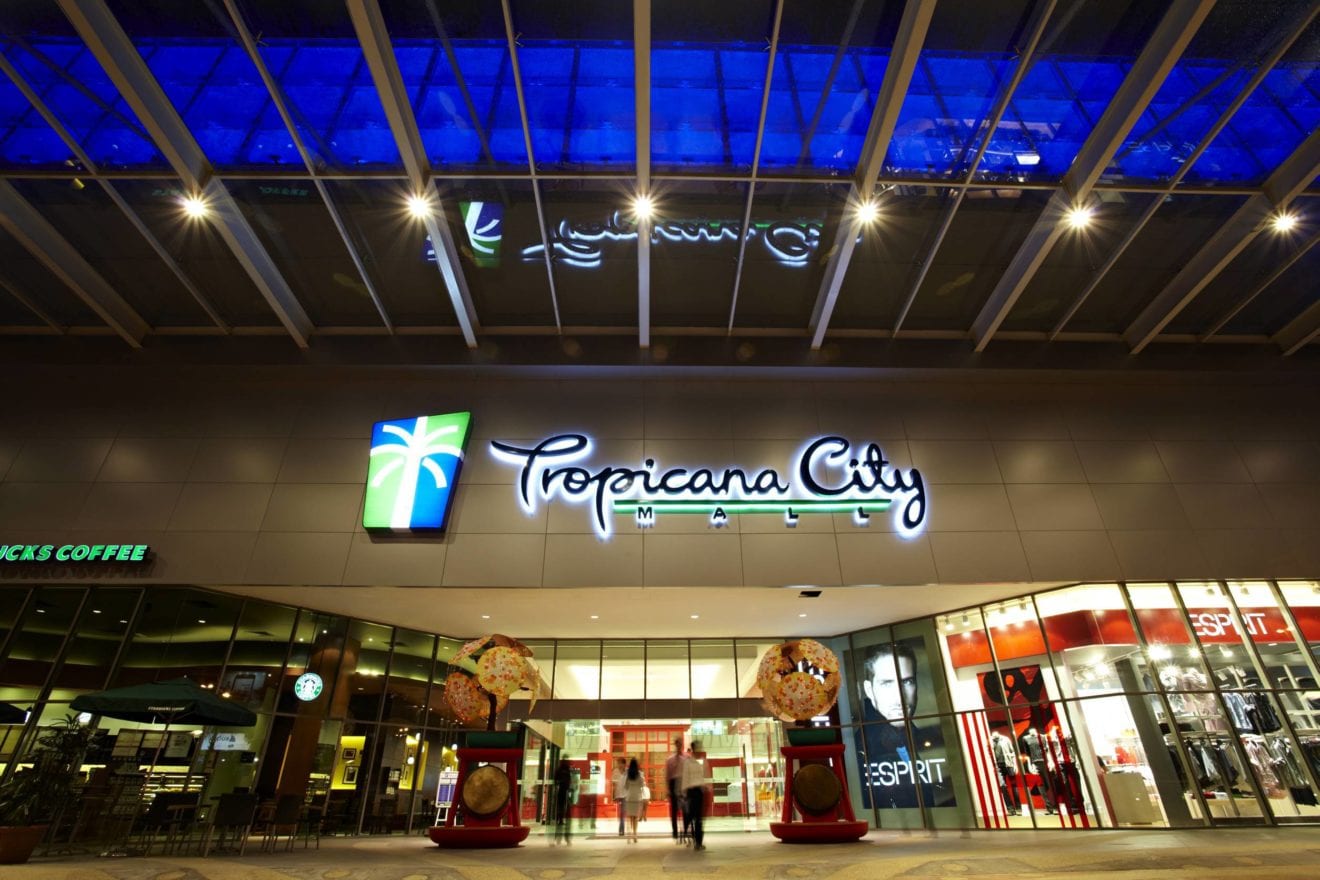
    CapitaMalls has completed due diligence in its bid for Tropicana City Mall and Office Tower in Selangor, Malaysia.

    CapitaMalls will pay RM540 million (US$146.4 million) for the complex through its Malaysian subsidiary CapitaMalls Malaysia Trust (CMMT). Settlement is likely to be completed by July 1.

    CapitaMalls says the property’s Net Property Income is RM33.00 million, which has been derived by annualising the Property’s NPI forecast of RM16.50 million for the six month period to December 31, 2015 (assuming that the Proposed Acquisition is completed on 1 July 2015). This translates into a property yield of about 6.1 per cent.

    The four level Tropicana City Mall opened in 2008 and has a net lettable area of 448,248 sqft and 1759 car park. It is attached to a 12-storey office building.

    As of January 15, the mall had an occupancy rate of 89.2 per cent and the office tower was fully leased. CapitaMalls had previously considered buying the mall in mid 2013, but the negotiations ended after both parties were unable to agree to purchase terms.

    “The proposed acquisition will further strengthen CMMT’s position as a sizeable, well geographically diversified shopping mall real estate investment trust in Malaysia,” CMMT said in an earlier statement.