Blog

  • Line adopts secure payment service

    Line adopts secure payment service

    Social media app Line has teamed up with CyberSource to enhance the security and convenience of it mobile payment service Line Pay.

    CyberSource, a subsidiary of Visa, is one of the world’s largest providers of eCommerce payment management services. The strategic partnership with Line Corporation will add payment and fraud management services for Line Pay.

    “Via CyberSource’s global payment gateway, Line will be able to process online payments from multiple card brands and issuers, as well as certain alternative payment methods,” the company said in a statement.

    “These solutions enable Line to advance their business globally in a scalable and secure manner.”

    Since Japanese company Line’s launch in 2011, the service has grown globally across 230 countries and regions. As Line Corporation’s core business platform, the app helped the company obtain an international presence by consistently rolling out and expanding services, integrating various social elements in its app features – including Line stickers, Line family apps, Line Game and Line camera. The mobile messaging service app had 181 million monthly active users as at January 2015.

    “With global smartphone penetration per capita expected to increase more than three times by 2017 from that in 2011, we recognise that there is great opportunity for growth in the mobile industry,” said Takeshi Idezawa, Line Corporation’s COO.

    “We are constantly looking to work with partners with an established worldwide presence and vast experience so we can provide quality service to today’s digitally-savvy consumers. With our entry into the mobile payments market, we are now able to empower our customers with more choices and flexibility in online payments. On top of that, we are also able to protect their interests with CyberSource’s payment security expertise. We strongly believe this will be pivotal in helping us accelerate our global growth.”

    In addition to global payment services, Line will also have access to secure payment acceptance and fraud management services via the CyberSource payment management platform. This means Line will be able to provide payment security, with users’ sensitive payment data residing in CyberSource’s secure data centers, as well as process a wider spectrum of payment methods.
  • Vietnam online shopping rises

    Vietnam online shopping rises

    Vietnamese may have been slower to adopt to online shopping than counterparts in other southeast Asian countries – but they are starting to catch up.

    Data released by the Vietnam eCommerce and Information Technology Agency (VECITA) shows Vietnam online shopping was worth US$2.97 billion in 2014 with each consumer spending an average of $145 during the year.

    Fashion and cosmetics accounted for 60 per cent of sales.

    While $3 billion may seem a lot, it amounted to just 2.12 per cent of the country’s gross retail sales. In China, online shopping now accounts for just over 10 per cent of the total retail market.

    One factor hindering Vietnam’s online retailing growth is the low penetration of credit cards. Two thirds of purchases are paid for in cash upon the delivery of the purchases.

    Other figures show about four in 10 of Vietnam’s 94 million population have access to the internet, with penetration far higher in major cities. More than 50 per cent of people using social networking also shop online.

    While major online portals like Lazada are building significant market share, a huge percentage of Vietnam online shopping is conducted informally via Facebook pages, Line and even WeChat. It is common for younger women, particularly, to bulk purchase clothes, handbags, cosmetics and accessories and market them to fan bases online in a way which is difficult for authorities to track or measure.

    The one shrinking sector online in Vietnam is group buying. VECITA said just 35 per cent of Vietnam’s online shoppers bought from group buying sites in 2014, down from 51 per cent in 2013.

    Regionally, Vietnam ranks above only Indonesia, where the online market was estimated at $2.6 billion last year.

  • Alfamart Philippines targets 3000 stores

    Alfamart Philippines targets 3000 stores

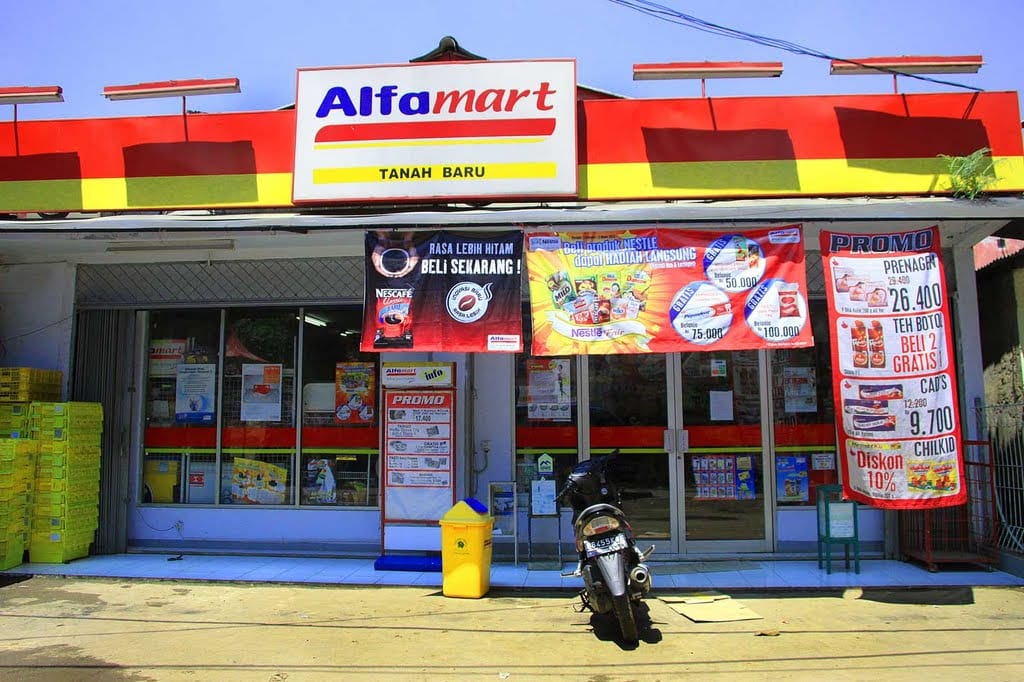
    Indonesian c-store format Alfamart is making steady progress in the Philippines after local retail giant SM Group entered a joint venture.

    Alfamart operates some 8500 convenience stores in Indonesia and now the brand is expanding into Philippines, where the c-store sector is still in its development stage.

    SM Supermarkets president Joey C. Mendoza told the Philippine Star newspaper that at the end of 2014, his company had opened 22 Alfamart branches after the two companies partnered in July. The first store in Trece Martires in Cavite, near Manila.

    Another eight have opened already this year.

    Alfamart Philippines stores stock basic groceries, foods, medicines and convenience foods 24 hours a day.

    SM expects strong growth during the next five years, believing critical mass for the chain is between 1000 and 3000 stores.

    Alfamart Indonesia is providing SM Group with experience and advice on the format’s expansion, stocking and rollout.

    Each store ranges from 150 sqm to 300 sqm in size and costs a maximum of P30 million (US$681,000) to open.

  • Yummi House Hong Kong flagship

    Yummi House Hong Kong flagship

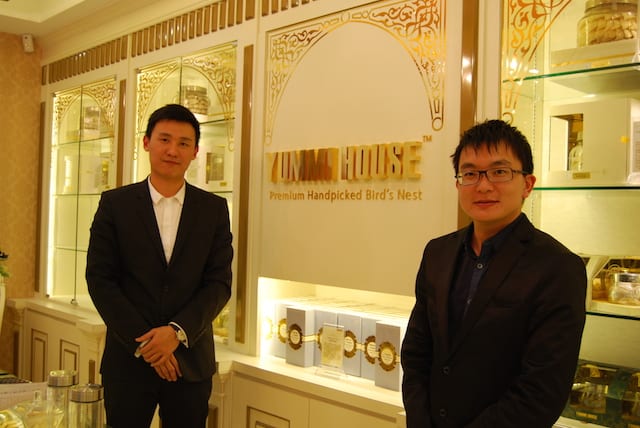
    Singapore bird’s nest and wild honey specialist Yummi House  has opened its first store in Hong Kong.

    The flagship store is described as a regional headquarters and will help the company to expand its business in the eastern Asia-Pacific region.

    Yummi House offers handpicked bird’s nest and unprocessed wild honey. The company aims to lift people’s quality of life by providing natural and healthy products, according to the director Wilson Er.

    “Hong Kong is a world-class city with a huge number of international and mainland visitors. It is the ideal platform for us to reach global markets and build a trusted international brand, by focusing our retail, wholesale and franchise business in the city,” he said.

    “We plan to set up 10 retail stores in Hong Kong within five years.”

    Er said the company was not only selling its natural health products in Hong Kong but also providing in-depth information about its products to local and international customers, ranging from production processes to product classifications, the benefits of the products and ways of enjoying them.

    “We hope to cultivate a good understanding of health products globally through Hong Kong.”

    INvest Hong Kong associate director-general of investment promotion Andrew Davis welcomed Yummi House Hong Kong’s debut.

    “Hong Kong people are health conscious, so they demand high quality health products. In addition, we have a large quantity and high quality of shoppers in the city. It’s the ideal place for an overseas retail chain to promote awareness of its brand.”

    Yummi House, founded in 2007, is well recognised in both Singapore and Malaysia, where it operates seven and 10 stores respectively.

  • Meet iBall: the tablet maker crushing Samsung in India

    Meet iBall: the tablet maker crushing Samsung in India

    Indian budget consumer electronics firm iBall raised eyebrows this week on a report that it has stolen South Korean juggernaut Samsung’s crown as India’s number one tablet vendor.

    Mumbai-based iBall claimed a 15.6 percent share of India’s tablet market in the fourth quarter of 2014, up from 4.5 percent a year earlier, as Samsung’s share shrank to 12.9 percent from 17.9 percent, according to IDC.

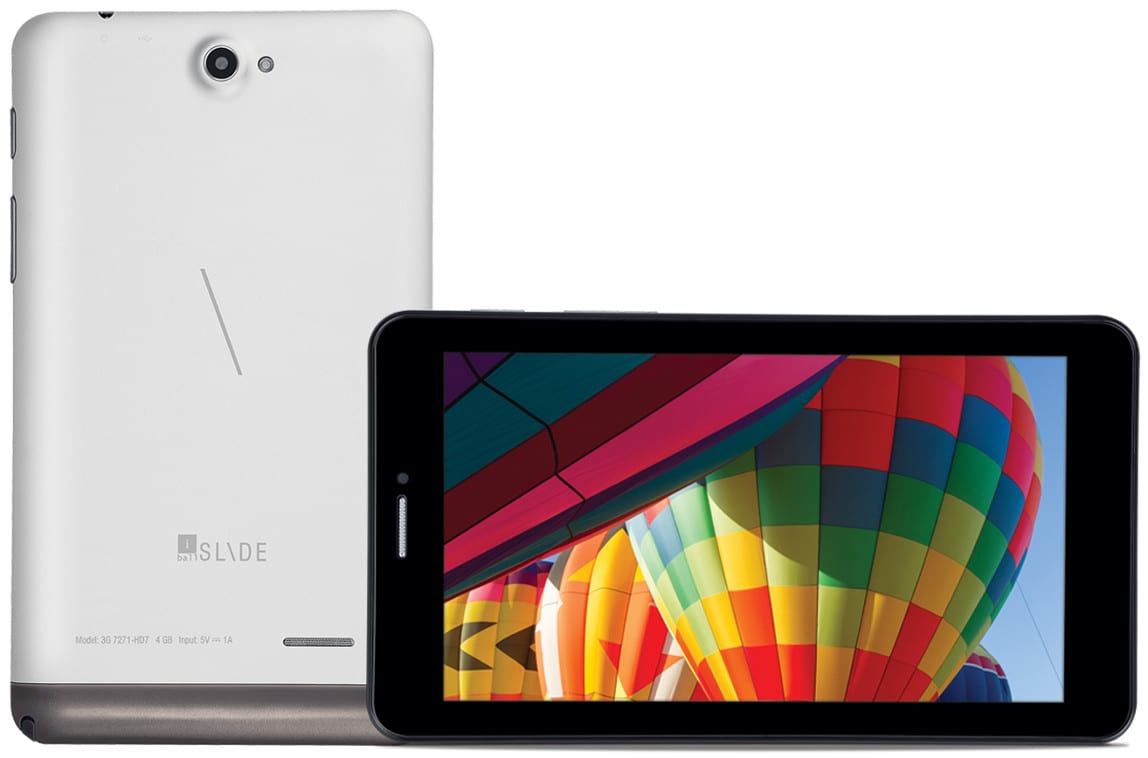
    iBall launched in 2001 with just one product category – the mouse. It ventured into the mobile phone business in 2010 and made its foray into tablet space a year later with the iBall Slide. In a price sensitive market, iBall products are attractive.

  • Chinese light brand Opple in big Indian push

    Chinese light brand Opple in big Indian push

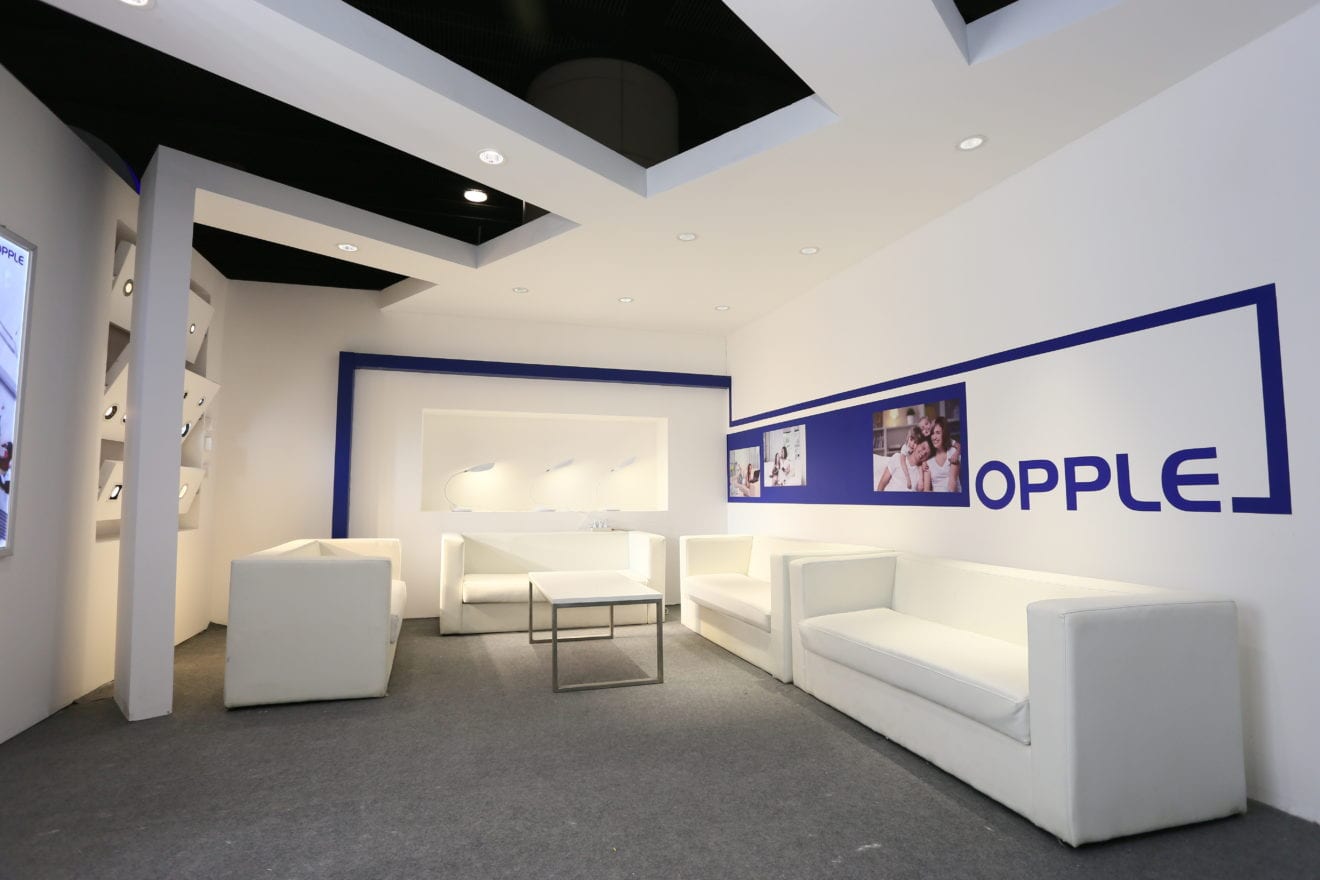
    Opple Lighting India is expanding its retail presence and introducing ‘Made for India’ LED lighting products in the South India. The Chinese lighting major, which operates in over 50 countries, has entered India with customised products factoring in local requirements such as voltage fluctuation and surge protection.

  • Food and mobile phones boost mall sales

    Food and mobile phones boost mall sales

    Mobile phone sales, supermarkets and a turnaround in the performance of discount department stores all helped to underpin the half-year results for the Australian retail landlords Federation Centre and Charter Hall Retail REIT.

    Both landlords own shopping centres dominated by food retailers with an array of speciality stores and some DDS, throughout the country. They said new acquisitions and mall redevelopments would continue in the coming months.

    The two groups reaffirmed the full-year results were positive as lower petrol prices and the low interest rates boosted consumer spending.

  • India’s Intex plans retail outlets to boost reach

    India’s Intex plans retail outlets to boost reach

    Handset vendor Intex Technologies is planning to set up standalone brand stores to boost its retail presence. Called ‘Intex Smart World’, 400 stores will come up next fiscal (2015-16) at a cost of over Rs. 100 crore (USD16.1 million). Investments will be through internal accruals.

  • Xiaomi tops smartphone sales in China

    Xiaomi tops smartphone sales in China

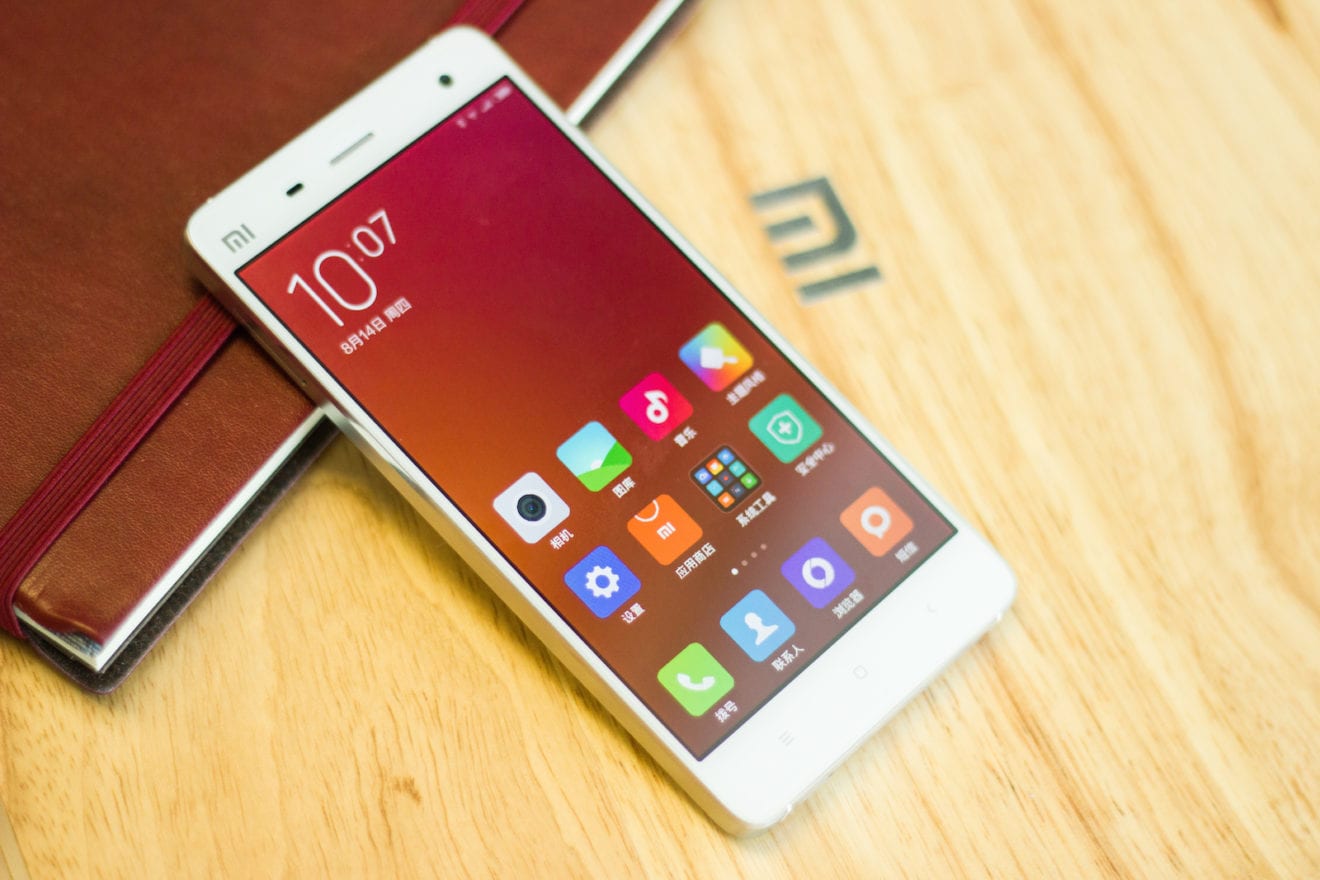
    Upstart Xiaomi was the top smartphone company in China last year with a 12.5 percent market share, narrowly outpacing South Korea’s Samsung, market intelligence firm International Data Corp said on Tuesday.

  • Surfstitch sets sights on USD788m prize

    Surfstitch sets sights on USD788m prize

    Online surf and action sports retailer Surfstitch is on track to deliver its first profit in three years and is eyeing the sales and market share of bricks and mortar and online rivals as part of a five-year plan to lift sales fivefold to AUD1 billion (USD788.2 million).

    Surfstitch reaffirmed its full-year prospectus forecasts on Wednesday after record pre-Christmas trading and recent acquisitions fuelled a 23 percent surge in December-half sales and boosted gross margins by 236 points to 46.9 percent.

    Pro-forma earnings before interest, tax, depreciation and amortisation jumped 160 percent to AUD3 million and net profit excluding one-off costs came in at AUD300,000, compared with a loss of AUD1.4 million in the same period in 2014.

  • Starbucks stores roll out Lunar New Year merchandise across Asia

    Starbucks stores roll out Lunar New Year merchandise across Asia

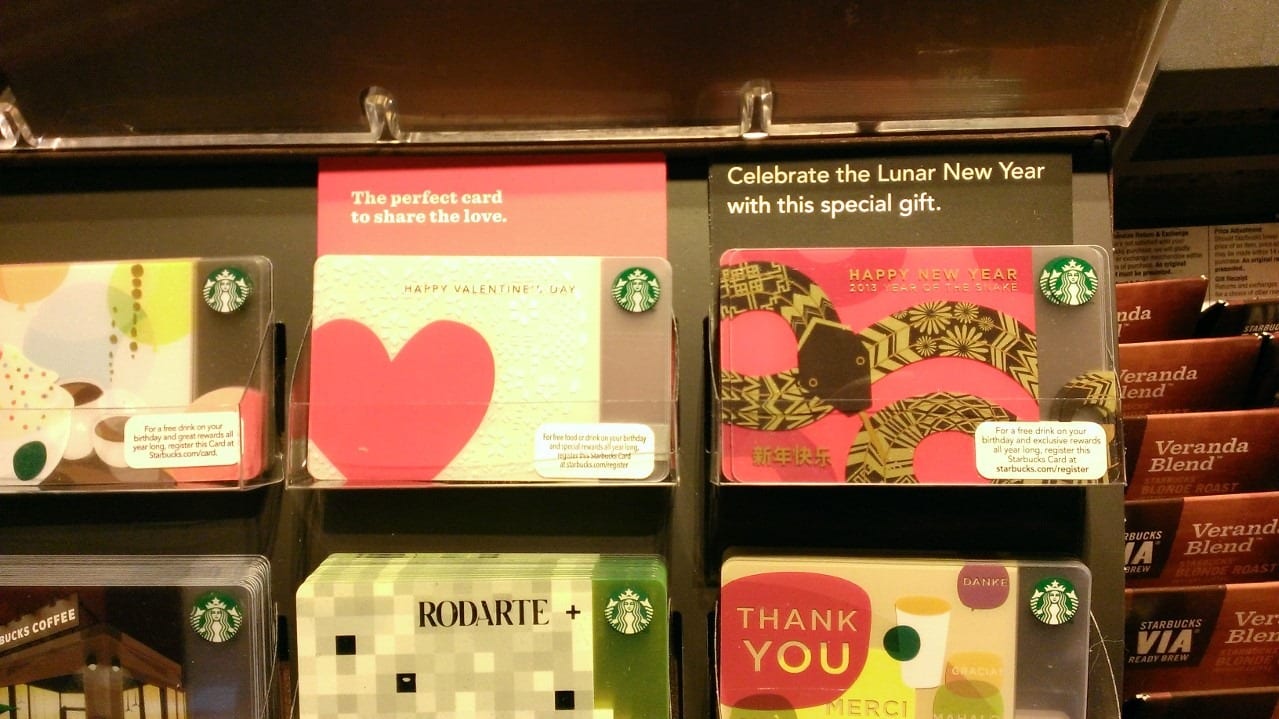
    Starbucks stores has unveiled new card designs, mugs, tumblers and other merchandise in Asian markets in time for the celebration of the Lunar New Year.

    As one of the world’s grandest and most significant cultural celebrations, the Lunar New Year, also known as the Spring Festival, is a time to sweep out the old and bring in the new with family gatherings, celebrations and the exchanging of gifts.

    Starbucks senior designer Victor Melendez created the design for the 2015 Starbucks Lunar New Year Card, available in dozens of countries around the world. His design, crafted using a linoleum block printing technique, features the seasonal colors of red and gold.

    Complete set includes 12 Hong Kong USD20 gift vouches and a complimentary tall handcrafted beverage voucher and 16 delicate packets in red and gold.

    Starbucks Coffee Wafer Rolls are also made available in China, Singapore, Taiwan. Meanwhile, a delicate treat of aromatic peach blossom and Earl Grey tea with freshly steamed milk, topped off with whipped cream and peach blossom sugar sprinkle.

  • Fantastic unveils special dividend after 43pc profit rebound

    Fantastic unveils special dividend after 43pc profit rebound

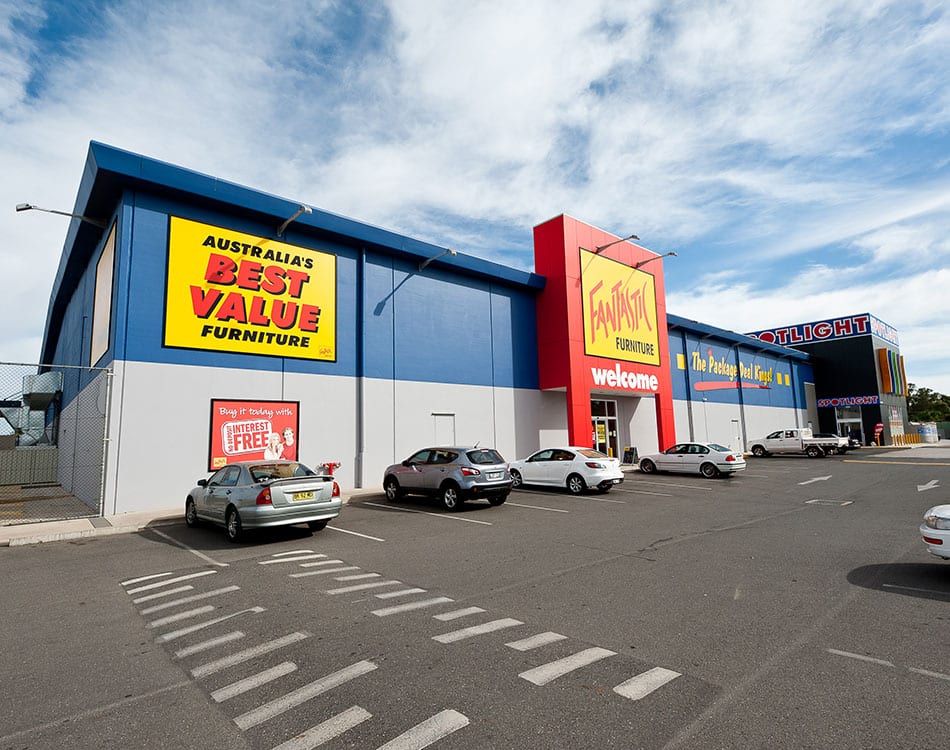
    Discount furniture retailer Fantastic Holdings has rewarded shareholders with a 4 cents-a-share special dividend and doubled its interim payout after net profit rebounded 43 percent to AUD6.9 million (USD5.4m) in the December half.

    Total sales in the six months to December rose 8.7 percent to AUD244.3 million, with like-for-like sales up 8.7 percent, and earnings before interest and tax rose 41.8 percent to AUD10.2 million.

    The net profit came in slightly ahead of forecasts of around AUD6.5 million.

  • E-Commerce giant Rakuten trains SMEs in Indonesia

    E-Commerce giant Rakuten trains SMEs in Indonesia

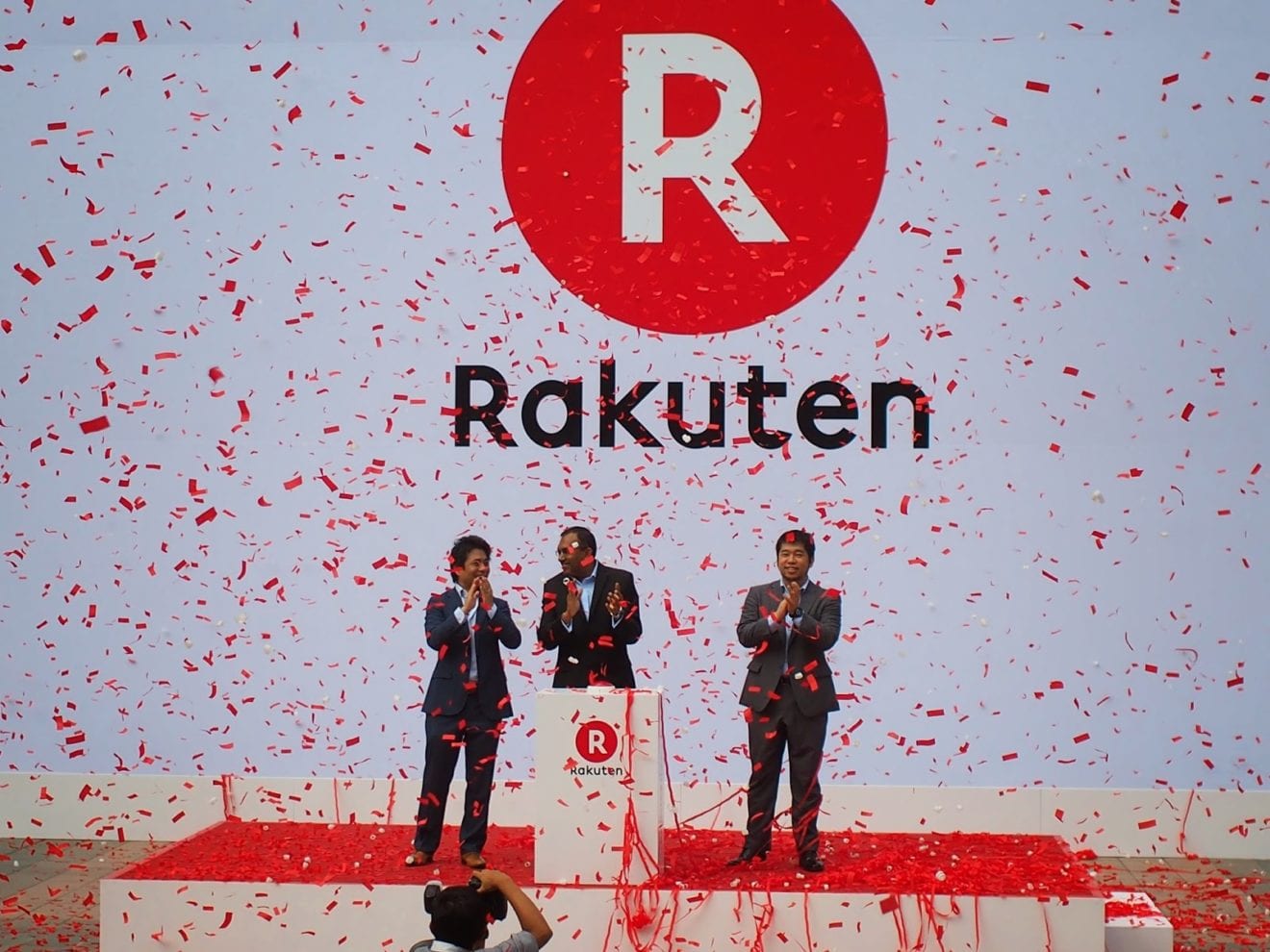
    Rakuten Belanja Online, the local affiliate of Japanese e-commerce giant Rakuten, seeks to woo Indonesia’s small- and medium-sized enterprises by providing e-commerce courses as part of its growth strategy in Southeast Asia’s largest economy.

    Global e-commerce players such as Rakuten are eying Indonesia as a potential market, largely due to the rapid growth the country’s young and affluent middle class.

    The online shopping platform earlier this week officiated Southeast Asia’s first Rakuten University program, consisting of a series of courses the company offers to its merchants.

  • Fashion executive sets about fixing Gucci

    Fashion executive sets about fixing Gucci

    When Marco Bizzarri became CEO of Bottega Veneta in 2008, the leather-goods brand was flying high, with demand soaring for its trademark woven bags. Even so, the Italian executive worried that fashionistas’ enthusiasm would eventually cool.

    So he shook up Bottega’s assortment. He added more shoes and clothes and injected more colorful, fashion-oriented designs from creative director Tomas Maier.


  • CP All in USD433m drive to expand store operations

    CP All in USD433m drive to expand store operations

    Thailand’s retail company CP All Plc has earmarked THB14 billion (USD432.6 million) to expand its convenience and cash-and-carry store operations this year on the back of economic recovery and high consumer spending power.

    Of the total budget, THB9 billion will go to its own 7-Eleven convenience store expansion and the remaining THB5 billion to its subsidiary Siam Makro Plc, which operates Makro cash-and-carry stores.

    CP All plans to open 600 new convenience stores and improve its existing outlets, while Siam Makro will open 10 new Makro branches.