Blog

  • Corrupt Chinese supermarket exec jailed

    Corrupt Chinese supermarket exec jailed

    The former chairman of China’s Bright Food Group has been found guilty of embezzling US$31 million between 2000 and 2006 when he was chairman of Shanghai Lianhua Supermarket Holdings Ltd.

    Corrupt Chinese businessman Wang Zongnan was sentenced by the People’s Court in Shanghai on Tuesday to 18 years in prison for embezzlement and accepting bribes.

    According to the court hearing, Zongnan had accepted 2.69 million yuan in bribes, hiding the money through the purchase of two villas.

    In 2003, Wang’s parents bought two villas in Shanghai for 2.08 million yuan, 2.69 million yuan below the market price. The sellers were associated to a subsidiary of a company that had owed Wang a favor, according to the verdict. Wang sold the two villas in 2010 and 2013 for 14.8 million yuan in total.

    In the ruling, the court ordered that 1 million yuan of Wang’s personal property be confiscated and more than 12 million yuan in bribes and illegal earnings be returned.

  • The Children’s Place lands in India

    The Children’s Place lands in India

    US retailer The Children’s Place has opened its first store in India.

    The brand has entered the market in partnership with Arvind Lifestyle Brands, opening its first store in Bengaluru.

    The Children’s Place operates about 1200 stores internationally and Arvind Lifestyle hopes to open up to 40 in India during the next four years, largely located in Delhi, Mumbai, Bengaluru, Hyderabad and Chennai.

    Arvind Lifestyle CEO J. Suresh said the children’s clothes and accessories market is dominated by the ‘unorganised” retailers and his company sees a significant opportunity to gain first to market advantage in the category.

    “We should hopefully be the leading player in the market,” said Suresh.

    Mridumesh Kumar Rai, who heads The Children’s Place business in India added: “We want to be for kids wear what Zara and Mango are for women’s fast fashion in India,” said.

    Arvind Lifestyle sells a broad range of franchised lifestyle brands including Gap, Nautica, Ralph Lauren, US Polo and Elle. Earlier this year it announced a partnership with US teen fast fashion brand Aeropostale.

  • Profit falls as QKL Stores buys market share

    Profit falls as QKL Stores buys market share

    QKL Stores  a regional supermarket chain in Northeastern China and Inner Mongolia, has announced improved sales, but lower profit in the second quarter.

    Zhuangyi Wang, chairman and CEO, said the company had boosted its promotional activities in existing stores to strengthen its competitive position.

    Second quarter sales rose 9.2 per cent to US$56.4 million and gross profit decreased 4.3 per cent to $9.1 million.

    “The decrease in gross profit relative to net sales was due to competitions arising from the increasing challenge from the online shopping that have significant pricing pressure on our selling of high margin products.”

    Wang said QKL plans to slow down the pace of its new store openings this year.

    “Currently, we expect to open two new supermarket stores this year. We maintain confidence in our strategy of strengthening our store presence in Tier 4 and 5 cities in northeastern China as well as in our core region of operation around Daqing where the majority of our older stores are based.”

    Based in Daqing, QKL Stores sells a broad selection of merchandise, including groceries, fresh food, and non-food items, through its 40-odd retail supermarkets, hypermarkets and department stores; the company also has its own distribution centers that service its supermarkets.

    “As QKL expands its market presence in northeast China, we are uniquely positioned against our local competitors through our large product offering, strong supplier relationships, efficient distribution network and state-of-the-art IT system,” said Wang.

    “We are comfortable with our opportunities in the second half of the year and believe we’ll see an improvement in operating expenses and net result from the current quarter.”

  • China’s Jollychic.com branches into homewares

    China’s Jollychic.com branches into homewares

    Chinese eCommerce company Jollychic.com, an online global fashion destination, has unveiled a new line of homeware products called J.Home.

    “Increasing demand and lower prices have made Jollychic’s promotional furniture products a viable alternative for clients all around the world, according to Siwei Ma, furniture manager at JollyChic.com.

    “The growing public awareness about global eCommerce and other major advantages of the internet enables our customers to shop for more than 6000 products from different categories, including home decor, bed & bath, dining and pet care.”

    Jollychic.com is a global fashion destination, selling fast fashion and publishing a wide variety of fashion-related content, positioning the website as a growing fashion community. We sell over 50,000 branded and own-brand products through localized mobile and web experiences, delivering from our fulfillment centers in China to almost every country in the world. It runs sites in nine languages: English, French, Spanish, Arabic, Polish and Chinese.

    With the expansion into homewares, shoppers can take advantage of a free interior design consultation with dedicated customer service. An expanded customer loyalty program has been expanded to include a free gift offer that includes mugs and more.

  • Air India to start evening Surat-Delhi flight from Oct 1

    Air India to start evening Surat-Delhi flight from Oct 1

    This year’s Diwali is set to usher in loads of surprises for the high-flying Surtis.

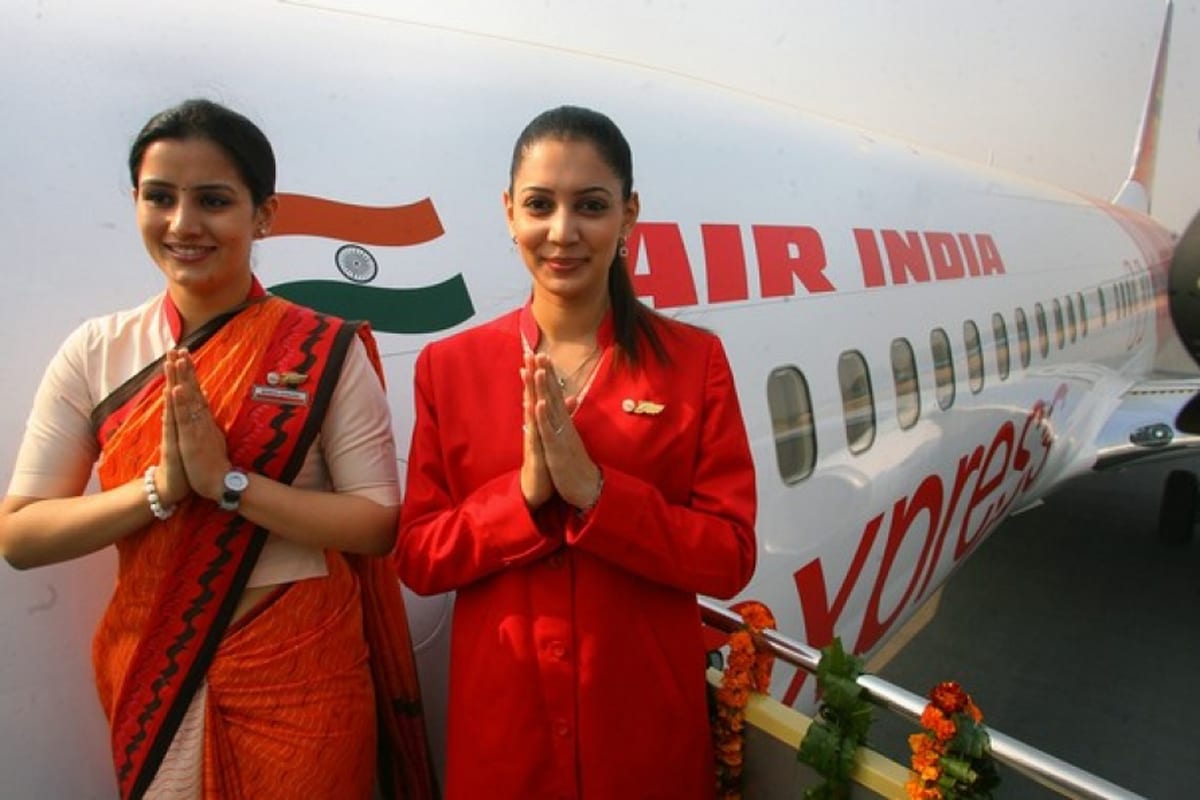
    Air India is preparing to introduce daily evening flight between Delhi and Surat by deploying the 168-seater Airbus-320 from October 1.

    This will be over and above the existing morning flight to Delhi. Hence, the Diamond City will have two daily flights to the national capital and same day return option will be available to business flyers at both ends. International connections to the USA, Europe and South East Asia will also be offered.

    By the end of October, Air India plans morning flight between Mumbai and Surat in its ATR aircraft.

    Thanks to the efforts of Surat and Navsari MPs — Darshana Jardosh and CR Paatil — frequent fliers from the Diamond City will get an opportunity to fly to Mumbai and Delhi after a break of more than 11 months.

    He added, “We also met Air Asia CEO Mittu Chandaliya who has agreed to introduce daily flights between Bangalore, Jaipur, Delhi and Surat this winter session.”

    Despite being the second largest city in the state, ninth in India and fourth fastest growing city in the world, Surat is very unfortunate in getting domestic as well as international air connectivity.

    Jardosh said, “We have been successful in convincing Air India authorities on introducing evening Delhi flight from Surat. We also met Prime Minister Narendra Modi in August and he instructed Air India CMD to take positive action. We are grateful to AirAsia CEO Chandaliya who is keen on starting flight operations from Surat.”

    Airport director Pramod Thakre said, “The DGCA will be sending the slot schedule of Air India’s evening flight to and fro from Delhi. The evening slot is open for smooth operation at the airport.”

  • AirAsia bags gold at Putra Brand Awards 2015 for 6th consecutive year

    AirAsia bags gold at Putra Brand Awards 2015 for 6th consecutive year

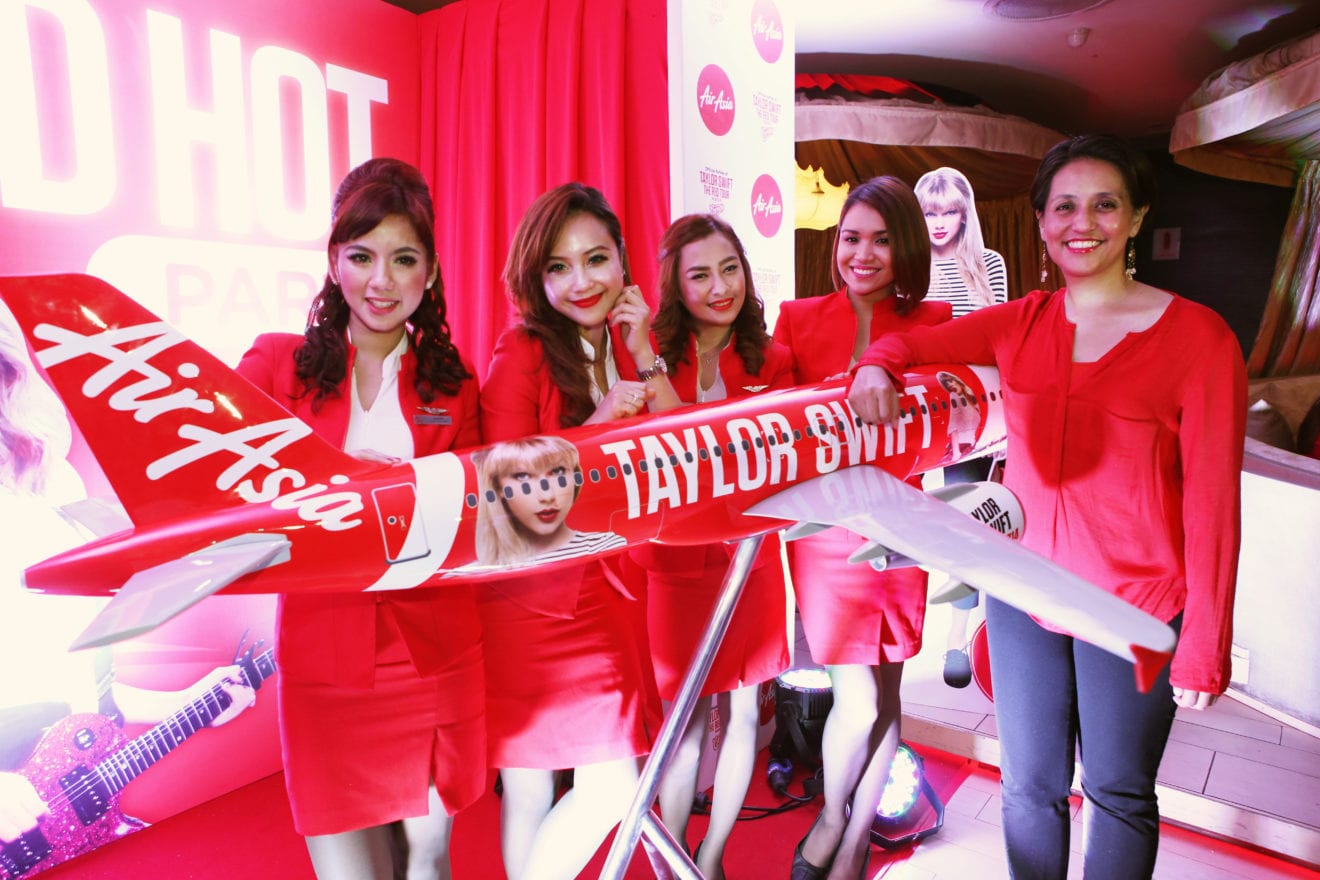
    AirAsia Bhd emerged the gold recipient for the “Transportation, Travel & Tourism” category for the sixth consecutive year at the Putra Brand Awards 2015.

    The award was given to AirAsia for the airline’s continued presence as the country and the region’s leading and largest low-cost carrier.

    Elated at having bagged the award, chief executive officer Aireen Omar said AirAsia was committed to further grow its route network as the airline moves from being just a low-cost carrier to a value-carrier.

    The Putra Brand Awards was launched in 2010 by the Association of Accredited Advertising Agents Malaysia to recognise brand building as an integral business investment.

  • 11street Identifies Evolution in Malaysian Online Shopping Trends

    11street Identifies Evolution in Malaysian Online Shopping Trends

    11street (www.11street.my), one of the largest online marketplaces in Malaysia, today showcases its Online Shopping Index, which identified the latest changes in online shopping behaviours of local consumers, as well as specific e-commerce insights during the four-week Ramadhan and Raya period from 22 June to 19 July

    In addition, online marketplace 11street shares that its gross merchandise value (GMV) has surged significantly because of the Raya shopping season. The company has also celebrated notable milestones, one of which is achieving a rank of 40 on Alexa[1] within months since its launch in April this year.

    Hoseok Kim, CEO of 11street says that based on the 11street Online Shopping Index, the market is expecting to see online shopping trends evolving for both men and women in addition to a rapidly growing use of mobile in the future.

    “Malaysia is one of the top leading countries in the world when it comes to smartphone Internet access with the number of connected devices per person used by Malaysians which stood at 1.2 devices. As online shopping becomes part of the Malaysian lifestyle, smartphones will play a vital role in enabling shoppers to grab good products and offers online at anytime, anywhere,” Kim adds.

    Key findings of the 11street Online Shopping Index include the following:-

    More Diverse Online Purchase

    Contradicting to the popular belief that Fashion and Electronics are the most sought after categories, Malaysians shop in diverse categories including Health & Beauty, Kids & Baby, Home & Living, Grocery, Services such as e-vouchers and many more. Also, according to the index, popular items that customers mostly searched during Ramadhan include baby car seats, Tupperware, Bluetooth earphone, and skincare.

    Furthermore, the 11street Online Shopping Index uncovers that customers actually bought from either two or more product categories within a single transaction and it is expected to increase over the next few years.

    Online Shopping is No Longer Just for Women

    The data shows that women are no longer the only gender that drives purchasing trends when it comes to online shopping, whereby 11street shoppers are a healthy ratio of 48 men: 52 women.

    For women, they mostly purchased mobile, tablets, beauty, health and personal products as well as baby and kids items. The changing trends revealed that men shopped online just as much as women. During Ramadhan, their interests lie not only in Electronics, Sports and Leisure items, but also for Kids & Baby items especially baby gears such as baby car seats for their children’s comfort and safety. This also shows that both men and women prioritize their children when travelling during the festive season, which is a positive sign of rising awareness on child passenger safety across the country.

    Mobile is the Future of E-commerce

    There is a progressive move towards mobile as more consumers are becoming connected, and businesses are adopting an omni-channel approach and as a result, spurs positive growth in Malaysia’s e-commerce market.

    According to the index, at least 40 percent of the shoppers are using their mobile devices to shop at 11street. Moreover, during Ramadhan, peak shopping hours began from the breaking fast period until midnight.

    Business Overview and Moving forward

    11street has grown tremendously in Malaysia and received overwhelming response from both local customers and sellers since its inception. Besides its achievement on Alexa rank, it currently carries more than 700,000 products making it one of the largest online marketplaces in Malaysia.

    Kim attributed the growing popularity of 11street to its ability of providing a convenient and enjoyable shopping experience and attractive product offerings at affordable prices. This is especially true for their much highlighted ‘SHOCKING DEALS’, which guarantee shoppers that if they can locate the same product selling at a cheaper price in another online shopping site, 11street will refund them with the price difference of the product at 110%. It is possibly the first of its kind deal in the local online retail market.

    Moving forward, 11street will be developing a combined strategy with focus to continue boost its product variety and price competitiveness while focusing on mobile shopping.

    “With the latest Malaysian online shopping insights in mind, we are committed to support the vital needs of sellers and online shoppers by building a stronger platform, and to enable customers to find what they love at 11street,” ends Kim.


  • JCB and Bank BRI Sign for a New Partnership

    JCB and Bank BRI Sign for a New Partnership

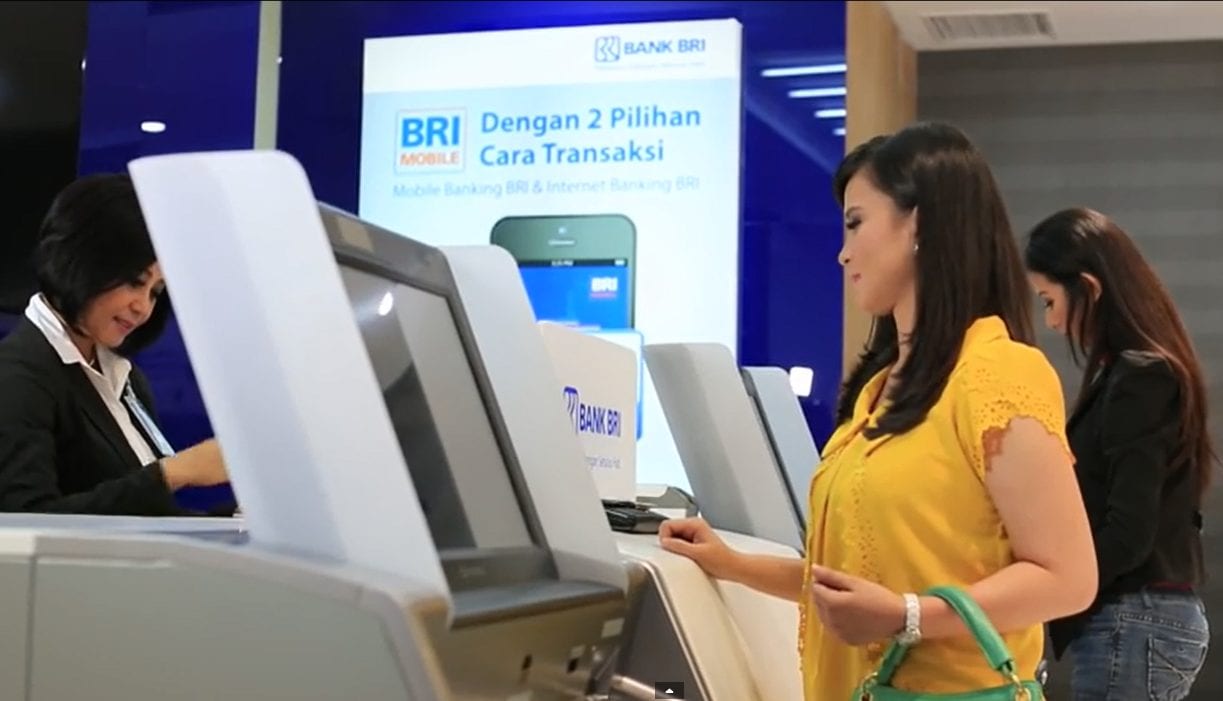
    PT JCB International Indonesia, subsidiary of JCB International Co. Ltd. the international operations arm of JCB Co. Ltd., and PT. Bank Rakyat Indonesia (Persero) Tbk (“BRI”), one of the Indonesia’s largest state owned commercial banks, with specialties in small medium enterprise or small scale & microfinance, are pleased to announce a new partnership for card payment business. This partnership starts from the acceptance of JCB cards at BRI’s acceptance locations, and payment card issuing with JCB brand is also in scope.

    BRI is expanding its consumer business and celebrated the opening of its new branch in Singapore along with the signing ceremony with JCB on 21 August 2015, taking place in front of government official and business owners. Also in attendance were Mr. Asmawi Syam as President Director and Mr A. Toni Soetirto as Managing Director of Bank BRI, as well as Mr. Kimihisa Imada as Deputy President of JCB International Co. Ltd.

    BRI owns a large card acceptance network with over 21,215 ATMs and more than 153,786 EDC terminals (merchants) spread all over Indonesia as of the end of June 2015, and plans to grow a minimum of 85,000 EDC each year. BRI also wants to grow its credit card issuing business a minimum of 25% for issuing model over the 841,000 cards from last year with their unique selling proposition.

    The first phase of the partnership, enabling JCB cards, whose number exceeded 89 million, to be accepted at all of BRI’s 175,001 ATMs and EDC terminals. For ATM acceptance this phase has been in progress since early 2015, while for EDC acceptance, it expected to be launched by the end of this year, followed by phase 2, JCB credit card issuing, which is now being discussed and targeted for 2016.

    Managing Director BRI, A. Toni Soetirto said, “We believe that this partnership would bring a wider network of card acceptance in all of ATMs and EDCs network of Bank BRI throughout Indonesia.”

    Deputy President of JCB International, Kimihisa Imada said, “We are pleased that BRI, as one of the largest commercial banks in Indonesia in term of networks and coverage, has become our partner. This partnership will considerably improve convenience of JCB card usage across Indonesia by adding more than 153,786 acceptance locations. BRI’s broad nationwide network can fulfill the need of local JCB card members who reside in Indonesia as well as those who travel from outside Indonesia, especially in the travel spots and tourist destinations. I am looking forward to extending this partnership to issuing JCB card, whose strength is the quality of service based on the expertise we have gained from experiences providing to customers in Japan for over 50 years. I am sure that the new card product with both reputable brand names will bring new value to the market.”

    About JCB

    JCB is a major global payment brand and a leading credit card issuer and acquirer in Japan. JCB launched its card business in Japan in 1961 and began expanding worldwide in 1981. Its acceptance network includes about 29 million merchants and over a million cash advance locations in 190 countries and territories. JCB cards are now issued in 19 countries and territories, with more than 89 million card members. As part of its international growth strategy, JCB has formed alliances with more than 350 leading banks and financial institutions globally to increase merchant coverage and card member base. As a comprehensive payment solution provider, JCB commits to provide responsive and high-quality service and products to all customers worldwide.

    Note: JCB statistics included in About JCB are as of the end of March 2015. For more information, visit: www.jcbcorporate.com/english

    About Bank Rakyat Indonesia

    Bank Rakyat Indonesia (Bank BRI) was established on December 16, 1895, which marks BRI’s anniversary ever since. Since August 1, 1992, under the Banking Law No. 7 year 1992 and Regulation of the Government of the Republic of Indonesia No. 21 year 1992, Bank BRI’s status has changed into a limited liabilities company. At that time, Bank BRI’s ownership was still in the hand of the Government of the Republic of Indonesia for 100%. In 2003, the Indonesian Government decided to sell 30% of the bank’s shares, marking BRI a public company under the official name of PT. Bank Rakyat Indonesia (Persero) Tbk., which is still used until now.

    Bank BRI is one of Indonesia’s state owned bank with a consistent focus on SMEs business. With more than 10,551 offices including mobile services (e-BUZZ, Teras Keliling and the newly launched Teras Kapal), supported by over 21,215 ATMs and more than 153,786 EDCs (merchant and BRILink), Bank BRI is the largest Bank with the widest network in Indonesia.

    In order to constantly provide the best services to customers and to be the frontrunner in creating financial inclusion by focusing on supporting SMEs business reach all over Indonesia, on 28th April of 2014, Bank BRI signed a contract to purchase and launch a fully owned satellite called BRIsat. Targeted to orbit on 2016, the purchase of BRIsat has made Bank BRI the first and only Bank in the world to own and operate its own satellite.

  • Axiata to restructure Indonesia unit’s loan

    Axiata to restructure Indonesia unit’s loan

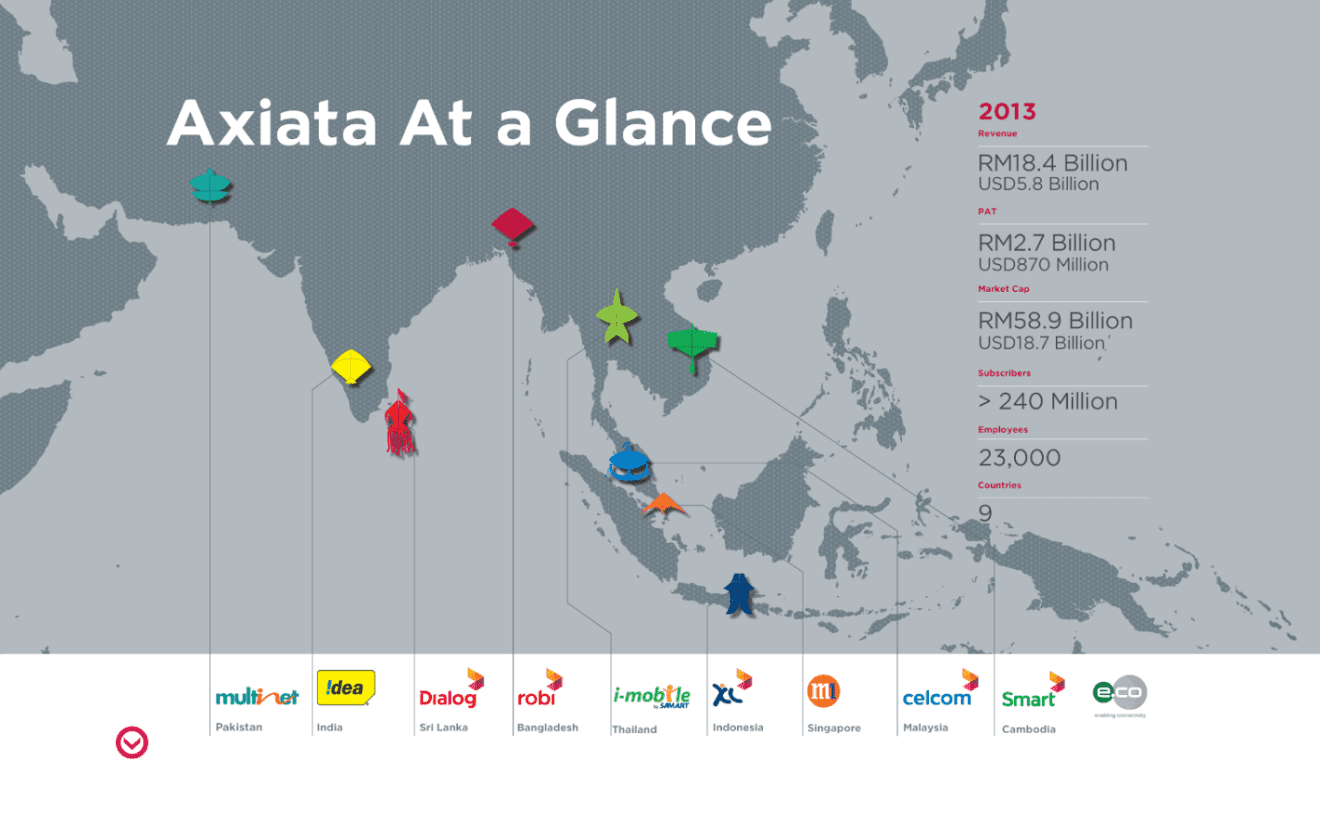
    Mobile operator Axiata Group Bhd, which reported a 34% jump in net profit to RM610.7mil in its second quarter ended June 30, is planning to restructure a US$590mil loan taken by its Indonesian unit into local currency-denominated partial sukuk.

    The move, its chief financial officer Chari TVT said, would help the group manage its foreign exchange (forex) exposure, as the volatility in the currency market rises.

    Apart from Indonesia, group borrowings include a US$134mil debt at its operation in Sri Lanka under Dialog Axiata PLC and US$100mil in Robi Axiata Ltd.

    “We also have an exposure of US$590mil, which is unhedged, in PT XL Axiata Tbk, so the total amount of exposure is about US$823mil, inclusive of Dialog and Robi,” he told reporters at a press conference yesterday.

    For operations in Malaysia, Chari said the group had borrowed some RM5bil, but there was no forex exposure as far as Malaysia was concerned.

    He said this after the mobile operator’s net profit jumped 34.2% to RM610.7mil in the second quarter from RM455mil a year ago, mainly due to lower losses from Indonesia arising from lower forex losses and net finance costs.

    Hong Leong Investment Bank Research said on a turnover of 11.1 trillion rupiah, XL had recorded a core net profit of 84 billion rupiah, accounting for 40% of the consensus estimate of 209.9 billion rupiah.

    The research house noted that XL’s transformation strategy was fruitful and was beginning to show early promising signs and results. “This is evident from several positive leading indicators, including a materially improving subscriber mix, rising reloads per sub, joiner average-revenue-per-user significantly higher than churners’ and an increased share of modern distribution versus traditional,” it said in a note.

    Chief executive officer Datuk Seri Jamaludin Ibrahim said XL’s transformation strategy was on track, as it saw a positive quarterly revenue from the group and plans to strengthen XL’s balance sheet to reduce its dollar exposure.

    Higher profits were also recorded by the Sri Lankan and Cambodian operations, and the share of profits from its associate company in India increased significantly.

    Revenue, however, was marginally lower at RM4.7bil compared with RM4.73bil previously due to lower revenues in Malaysia and Indonesia.

    Chari said the group planned to keep its capital expenditure within the RM4.8bil level this year, but will be more cautious next year, as the ringgit is expected to remain volatile.

    Meanwhile, Jamaludin said the group was reconsidering its listing plans for its Bangladeshi unit.

    “It was true that we had wanted to list out Bangladeshi unit. But that was before they came out with a new rule saying that we did not have to.

    “So, the current status is that we are re-evaluating whether we want the initial public offering or not. There are pros and cons,” he said.

  • Malaysia’s Axiata Boosted by Overseas Business

    Malaysia’s Axiata Boosted by Overseas Business

    Malaysia’s Axiata says profits rose sharply in the second quarter, thanks to contributions from various overseas interests, and claims to have seen improvements in the markets of Malaysia and Indonesia, where it has been struggling amid fierce competition.

    Through its various subsidiaries and affiliates, Axiata Group Berhad serves about 260 million mobile subscribers in Asia, making it one of the region’s biggest operators by customer numbers.

    Axiata reported a 34.2% year-on-year increase in profits after taxation and minority interests, to 611 million Malaysian ringgits ($147.9 million), following strong contributions from subsidiaries in Sri Lanka, Cambodia and India.

    Difficulties in Malaysia and Indonesia triggered a 0.5% dip in revenues over the same period, to MYR4.7 billion ($1.14 billion), but the operator said that Malaysia’s Celcom Malaysia had grown its customer base for the first time since the third quarter last year and that Indonesia’s XL was also making good progress.

    Nevertheless, Dato’ Sri Jamaludin Ibrahim, Axiata’s president and CEO, said there is still work ahead before the operator could feel satisfied with its performance.

    “While Celcom’s IT transformation issues are generally resolved and we are making significant progress in regaining some goodwill that was lost last year, there is still more to be done,” he said in a company statement.

    Axiata blamed declines in the voice and text-messaging businesses for a dip in Celcom’s service revenue but also claimed to have added another 61,000 customers to its subscriber base in the quarter.

    Having launched a series of new pre- and post-paid tariffs, the operator said it is now “regaining market confidence.”

    Axiata serves about 12.3 million customers in Malaysia, down from 13.4 million in the second quarter of 2014, but still generates about 38% of its revenues in the country.

    Celcom believes that upgrades to its IT systems will help it to compete more effectively against rivals including Maxis Communications Bhd. and DiGi Telecommunications Sdn Bhd. , which appear to have been eating into its market share in recent quarters.

    A similar transformation program is under way at XL in Indonesia, where subscriber losses have been even more dramatic over the last year.

    Currently Indonesia’s third-biggest mobile operator, XL revealed that customer numbers fell to about 46 million in the second quarter from as many as 62.9 million in the same period last year.

    In local currency terms, revenues have dropped from 6.1 trillion Indonesian rupiahs ($439 million) to IDR5.6 trillion ($403 million) over the same period.

    XL says its current strategy is to focus on serving heavier-spending customers. It has booked a sharp increase in average revenue per user over the past year — up to IDR32,000 ($2.3) per month from IDR26,000 ($1.87) in the second quarter of 2014 — despite the overall sales decline.

    Axiata’s performance in the much smaller markets of Sri Lanka and Cambodia stood in sharp contrast to the setbacks at home and in Indonesia.

    Sri Lanka’s Dialog grew revenues to 17.7 billion Sri Lankan rupees ($130 million), from SLR16.7 billion ($120 million) in the second quarter of 2014, and saw its customer base balloon from 9.3 million to 10.1 million subscribers over the same period.

    In Cambodia, meanwhile, Axiata revealed that revenues have grown from MYR270 million ($65.4 million) in the first six months of 2014 to MYR420 million ($101.7 million) in the same period this year.

    Axiata was also boosted by the performance of Idea Cellular Ltd. , one of India’s biggest mobile operators, in which it owns a stake of about 20%.

    In its results presentation, the operator indicated that Idea contributed MYR102 million ($24.5 million) to its profit before taxation and minority interests in the second quarter — about a sixth of the total figure.

    Fueled by growth in India’s burgeoning mobile data market, Idea reported a 14% year-on-year increase in revenues in the April-to-June quarter.

  • Shinhan Card to buy Indonesia’s Salim Group unit

    Shinhan Card to buy Indonesia’s Salim Group unit

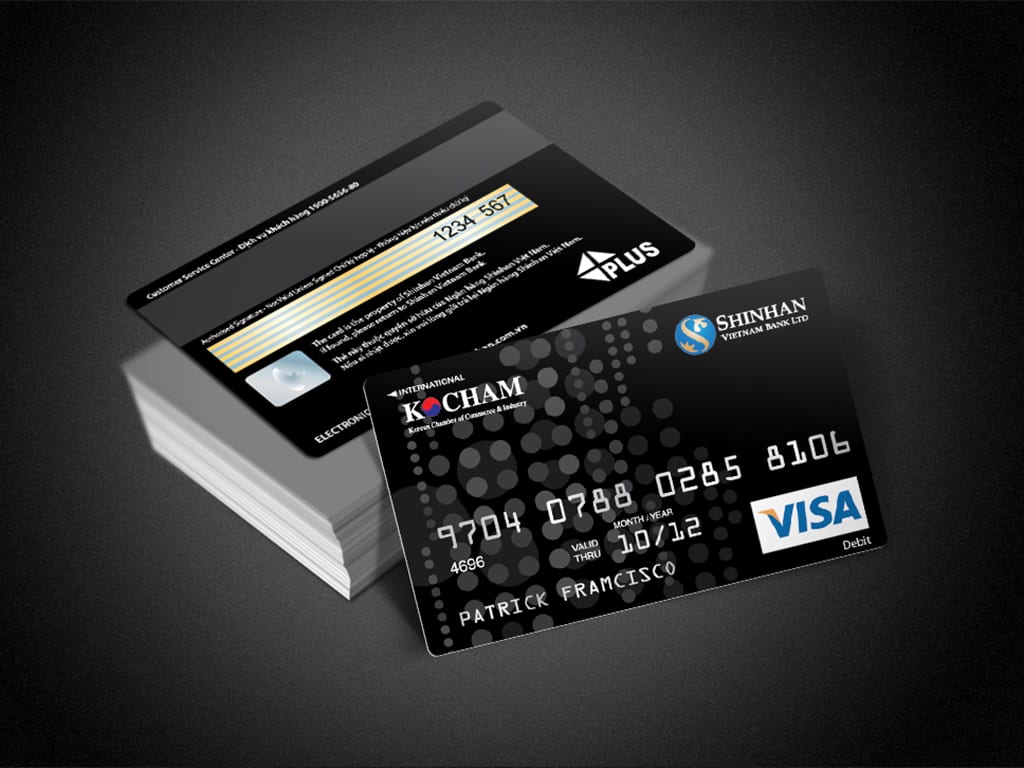
    Shinhan Card will acquire a controlling stake in an Indonesian financial company as part of its expansion strategy into emerging markets, the credit card company said Thursday.

    “We will sign a deal next week in Jakarta to buy a 50 percent stake plus a share in Swadharma Indotama Finance from Indonesia’s Salim Group for a bit more than 10 billion won ($8.4 million),” a Shinhan Card spokesman said.

    Shinhan Card plans to hold a board meeting on Aug. 21 to approve the acquisition, with a signing ceremony scheduled on Aug. 26. It aims to launch a joint venture with a new name in Indonesia in November after receiving approval from financial authorities in the two countries in September, the company said.

    Shinhan’s local venture partner will be the existing shareholders who own the remaining stake in Swadharma Indotama Finance, the spokesman explained.

    The exact acquisition price will be decided at Shinhan Card’s board meeting next week, he said.

    “The acquisition is aimed at maximizing synergies between Shinhan Card’s 30 years of credit card business know-how and Salim Group’s nationwide retail networks,” the statement said.

    Salim Group’s businesses include telecommunications, automobiles, leasing, mining energy and foods. Salim Food is Indonesia’s largest food manufacturing company, it said.

    On top of strengthening Swadharma Indotama Finance’s existing businesses, Shinhan Card will seek an approval in Indonesia to enter the local credit card market late next year, the spokesman said.

    If everything goes as planned, Shinhan Card will be the first Korean credit card firm to sell its products and services to Indonesian customers. In fact, it is risky for a credit card company to begin business in foreign countries without accumulated customer data, it said.

    “We will beef up our overseas operations by making a presence in Indonesia following our recent advance to Kazakhstan. Particularly, we will focus on the credit card business in Indonesia in coming years,” Shinhan Card Chief Executive and President Wi Sung-ho said in the statement.

    In July, Shinhan Card opened its first overseas business entity, Shinhan Finance, in Almaty, Kazakhstan, initially to handle auto financing. It plans to sell small loans to individuals from September and introduce lease products from 2017, the spokesman said.

    In Kazakhstan, only banks are allowed to get into the credit card business. So Shinhan Card has to acquire a local bank if it wants to jump into the local credit card market, he said.

    Shinhan Card said it will continue to enter other emerging markets in Southeast Asia based on its experiences in Vietnam, Kazakhstan and Malaysia.

    In the January-June period, Shinhan Card posted a net profit of 352 billion won, up 11 percent from 318 billion won a year earlier, according to a regulatory filing.

  • Wing Tai shrugs off negative sentiment

    Wing Tai shrugs off negative sentiment

    Malaysian apparel retailer and property investor Wing Tai says it remains confident that the nation’s retail sector will bounce back in the wake of the GST-driven retail sales downturn.

    The company has reported a 41.8 per cent slump in profit in the three months immediately following the April 1 introduction of Malaysia’s modest six per cent goods and services tax on considerably sales revenue which more than halved – from RM146.6 million to 66.5 million.

    While the fall in revenue was more attributable to the property division rather than its retail interests, the company noted its retail profit margins were affected by higher import costs due to the weakening ringgit and subdued consumer spending.

    “While the retail (division) outlook is expected to be challenging in 2015 with weak ringgit and soft consumer spending, the retail division will continue to streamline its operations to enhance its performance,” Wing Tai said in its earnings statement.

    “In consideration of the prevailing market conditions and barring any unforeseen circumstances, the group expects to remain profitable for the next financial year,” it said.

  • Jollibee opens 3000th store

    Jollibee opens 3000th store

    Philippines-based fast food chain operator Jollibee Foods has surpassed the 3000 store milestone as it reports a 7.4 per cent increase in net income for the first half of 2015, to P2.7 billion (US$58.5 million).

    Sales rose 9.5 per cent, but increased cost of raw materials squeezed profit growth.

    Having reached the 3000 store milestone, the company has no plans to slow its growth.

    “We are on track to open at least 200 new stores in one year in the Philippines, the first time we will able to do so,” said JFC CEO Ernesto Tanmantiong said in a statement.

    “Historically, we were opening 100 new stores per year in the country. We look forward to opening 300 new stores worldwide this year, also a first in our history, with 100 abroad, the bulk of which will be in the People’s Republic of China,” he added.

    “We look forward to JFC’s resurgence to double-digit sales growth in the quarters and years ahead.”

    CFO Ysmael V. Baysa said the group hopes to achieve double-digit growth in 2016 due to the network expansion and improved margins.

    “Raw materials prices are [now] declining, however their benefits on profit margins have been offset by high levels of inventories of materials with still high prices. We deliberately increased our inventories in the Philippines starting in 2014 as a safety measure during a major new system implementation, and as a way of dealing with the logistics and delivery challenges in the country,” Baysa said.

    Jollibee has 2374 outlets in the Philippines and 627 overseas – 3001 in total.

  • Courts Asia fortunes improve

    Courts Asia fortunes improve

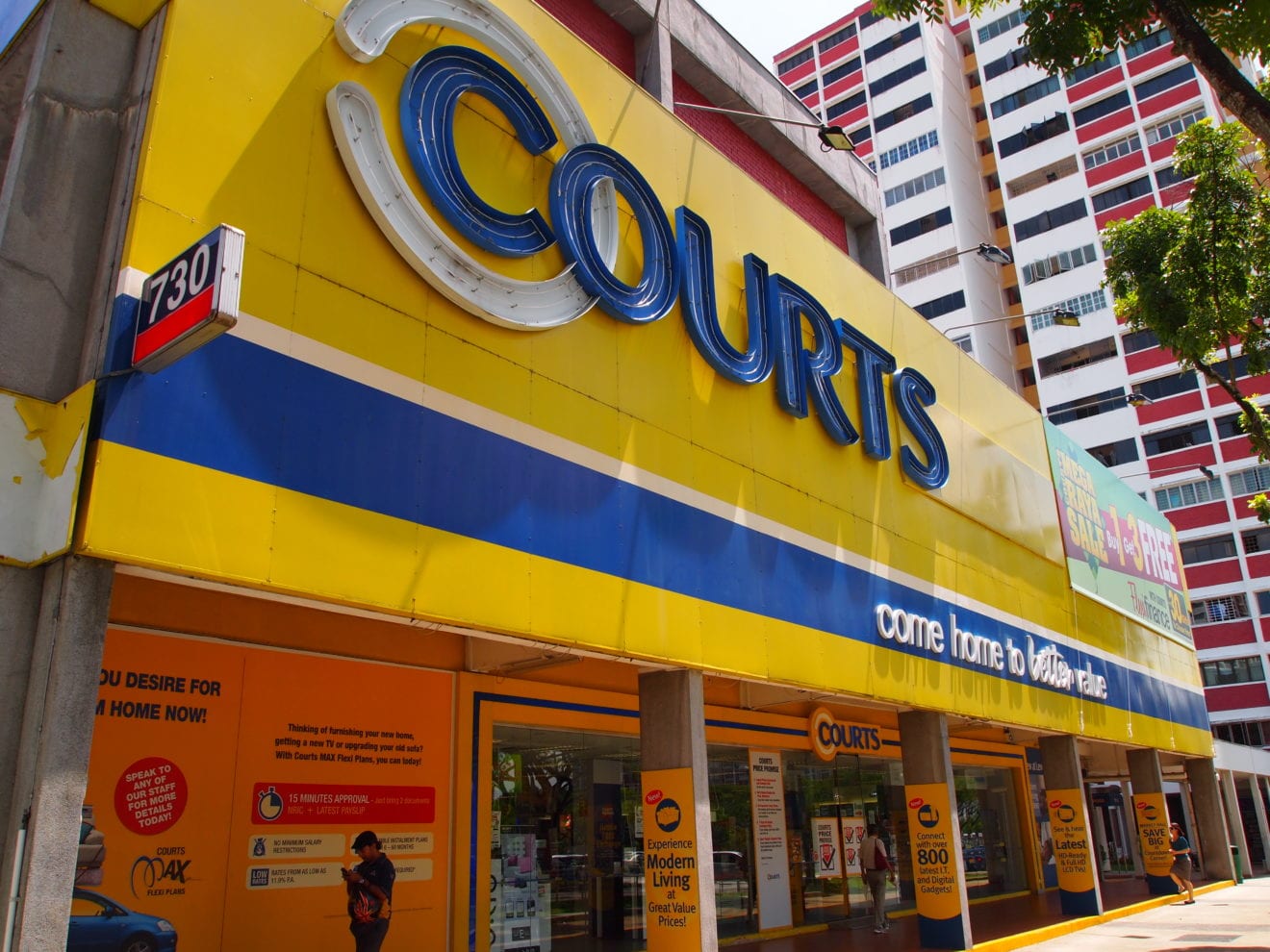
    Strong sales in Malaysia and Indonesia have buffered electronics and furniture retailer Courts Asia from Singapore’s retail downturn.

    The company has reported a 19 per cent increase in quarterly profit, to S$6 million in the three months to June.

    “Our Malaysia business has seen improving profitability with the success of our credit campaign, whilst the Singapore business is still being impacted by the soft retail environment,” group CEO Terry O’Connor said in the earnings statement.

    The Malaysian success will no doubt surprise shareholders and retail analysts given the nation experienced a sharp downturn in retail sales when the goods and service tax was imposed on April 1.

    “For Malaysia, we remain cautiously optimistic on the medium-term outlook. With the Goods and Services Tax implementation underway for several months now, we expect consumption habits to normalise over the next three to four quarters, though the recent weakening of the ringgit may pose some short-term challenges,” he added.

    The ringgit has slumped from 3.5 to USD1 to 4 in less than six months.

    Malaysia accounts for 35 per cent of Courts’ sales, its Singapore home market 63 per cent.

    Indonesia, accounting for the remaining two per cent, is Courts’ newest market. It has three stores operational now with a fourth due to open by December.

    Looking forwards, O’Connor said he expected consumer sentiment in Singapore to remain subdued over the short term.

  • China lingerie boom pays off for Cosmo

    China lingerie boom pays off for Cosmo

    Chinese women are splurging more on their underwear, producing rich results for Cosmo Group.

    Cosmo, China’s largest branded intimate wear business in total retail sales and store numbers, says sales revenue soared 27.2 per cent in the six months to June 30. Profit rose 40.7 per cent.

    The company says while it continues to focus on the affordable end of the market, it is expanding its range and reach in the high end of the market, to capture the increasing discretionary spending of China’s rising middle class.

    “The increase in the national per capita disposable income of China… and the increase in retail sales of China’s intimate wear industry in the past three years, according to Frost & Sullivan, entails enormous business potential for the group,” the company said in its earnings statement on Monday.

    “It is believed the group’s strategy of offering consumers with products of high quality standards at affordable prices has effectively rendered it one of the most popular intimate wear brands among the Chinese consumers.”

    For the six months to June 30, Cosmo recorded revenue of RMB2.207 billion and profit attributable to shareholders of RMB 270.35 million.

    In March of this year, Cosmo bought the lingerie brands Ordifen, Rubii and Ilsee, which aided its expansion into high-end intimate wear distribution channels in China, including department stores and shopping malls in tiers one and two cities.

    As at June 30, there were 578 retail outlets of the acquired brands – 344 franchised and 234 self-managed. The majority of these  are located in the shopping malls and department stores in tiers one and two cities in China.

    Immediately after the acquisition, the group launched several initiatives to realise the synergies of the integration and consolidation of the new brands into the group’s operation, including improving its retail capability, strengthening marketing, enhancing logistics, research and development and re-negotiation with suppliers for more favorable terms.

    “The group will improve the performance of the retail outlets on an on-going basis and will also consider establishing new retail outlets in places with high growth potential.”

    At the time of acquisition the new brand portfolio was trading at a loss. Cosmo says the business is already profitable.