Blog

  • Shanghai’s Xintiandi unveils two new shopping centres

    Shanghai’s Xintiandi unveils two new shopping centres

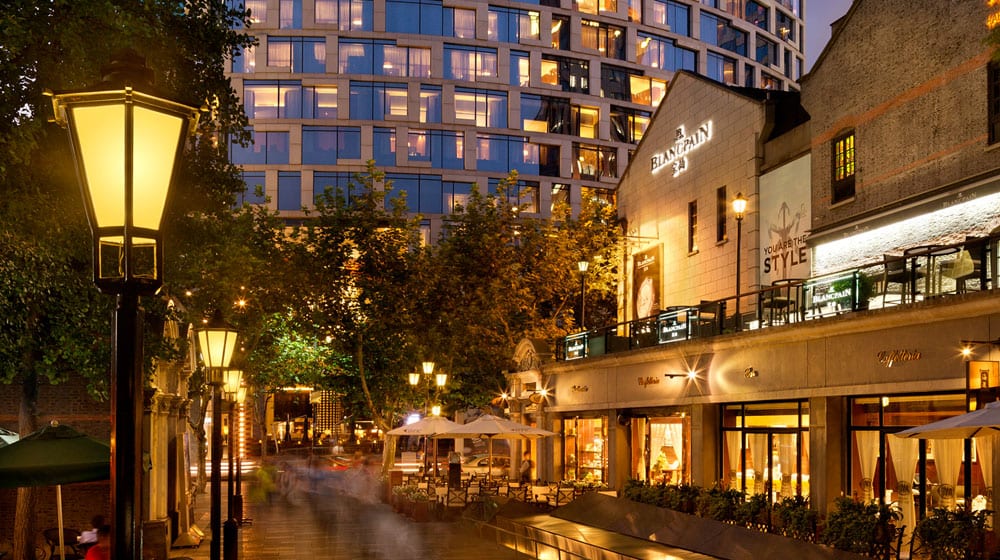
    Two new shopping centres with a combined gross floor area space of more than 60,000 square metres will open this year at downtown Xintiandi area, as Shanghai’s first large-scale city-core redevelopment project continues to upgrade, according to China Xintiandi, the wholly-owned subsidiary of Shui On Land Ltd which is the developer of the mega project.

    Opening of the Hubindao Shopping Centre and The House will be another milestone for the Taipingqiao Redevelopment Project, a mixed-use project that consists of residential, office, retail, entertainment and cultural properties at the heart of the city, said Carrie Liu, general manager, commercial, China Xintiandi-Taipingqiao.

  • Circle K opens 100th outlet in Vietnam, to add 50 more by year end

    Circle K opens 100th outlet in Vietnam, to add 50 more by year end

    US-owned 24-hour convenience store Circle K has opened its 100th outlet in Vietnam and expects to have 150 by the year’s end.

    Vietnam CEO Tony Yan was optimistic about achieving the target, saying Vietnam’s modern retail industry was in the initial development phase.

    While modern retail represented only 13 percent of the total market share in the country compared to 50 percent elsewhere in Asia, Vietnam was a promising market of 90 million people with rising incomes, he said.

  • Bittersweet retail holiday in Thailand

    Bittersweet retail holiday in Thailand

    The Thai economy may not have fully recovered, but a survey shows locals still plan to celebrate Valentine’s Day on Saturday, the same as lovebirds scattered around the world.

    This year Thais are likely to be more cautious with their spending, said Thanavath Phonvichai, vice-president for research at the University of the Thai Chamber of Commerce.

    The centre surveyed 1,255 people nationwide recently and found they plan to spend an average of THB1,900 (USD58) a person on Valentine’s Day.

  • IKEA to set up more manufacturing facilities in India

    IKEA to set up more manufacturing facilities in India

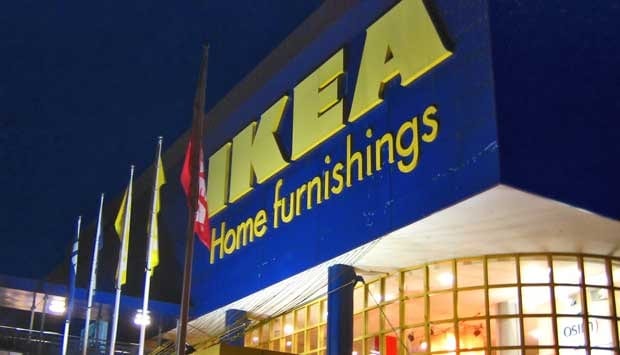
    Swedish furniture retailer IKEA will set up more manufacturing facilities in India and has plans to increase production in the country, its top official has said.

    In a meeting with the Department of Industrial Policy & Promotion (DIPP) Secretary, Amitabh Kant, on Wednesday, IKEA India CEO Juvenico Maetzu shared the company’s plans for India.

    While IKEA is yet to open its stores in India, it has already announced its plan of investing INR12,500 crore (INR125 billion, USD2b) in the country and set up 25 stores over the next ten years.

  • Thailand to relaunch 7-day discount scheme

    Thailand to relaunch 7-day discount scheme

    Thailand plans to reintroduce its initiative to cut consumer prices after the seven-day campaign last 24-30 Dec as part of a New Year gift to the public proved a great success.

    The new campaign could be held in May and might be extended to 10 days, Commerce Minister Chatchai Sarikulya said on Tuesday after meeting with 35 representatives of modern trade outlets, manufacturers and rice packers.

    Under the seven-day campaign, retailers and suppliers agreed to cut their product prices at 12,800 outlets nationwide by 10-70 percent.

  • Dominos wants to take a slice out of McDonalds, KFC

    Dominos wants to take a slice out of McDonalds, KFC

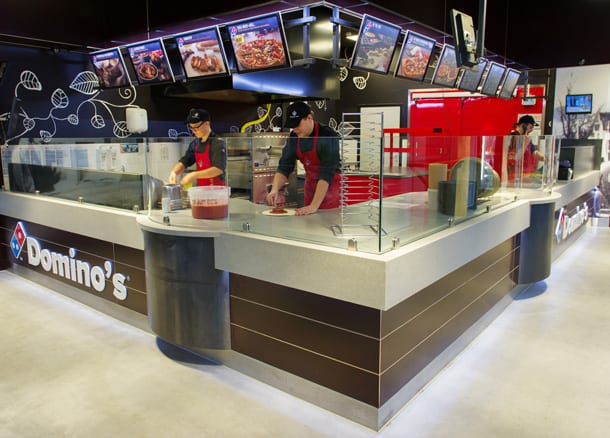
    After doubling sales and earnings over the last few years, Domino’s Pizza is chasing a bigger share of the AUD11 billion (USD8.5b) fast-food market by taking sales from fried chicken outlets and drive-through outlets like McDonalds and Hungry Jacks.

    Not content with his market-leading 25 percent share of the Australian pizza market and a runner-up position in Japan, Domino’s chief executive Don Meij is going after consumers who would rather snack on KFC’s Original Recipe chicken or a McDonalds’ Big Mac than a Cheesy Crust Meat Lovers or Thin ‘n Crispy margherita.

    Domino’s has no plans to open drive-through outlets or branch into fried chicken or burgers. Rather, it plans to tap into the consumer attributes that drive consumption of these products, including the desire for instant gratification, by offering faster and easier ordering and delivery, cheaper menus and new toppings and crusts

  • Mothercare enters Korea

    Mothercare enters Korea

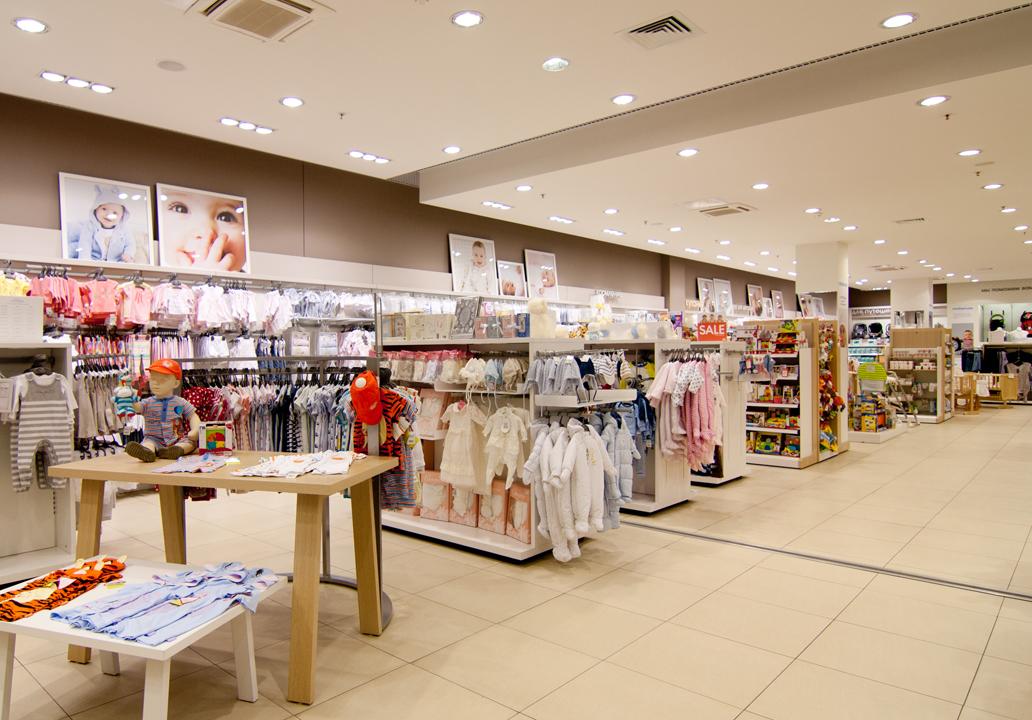
    Babywear retailer Mothercare is to launch in South Korea.

    The UK-based company has entered into a franchise agreement with Homeplus, a local supermarket chain owned by Tesco, to open retail stores and an eCommerce site.

    South Korea becomes the 17th Asian market for Mothercare.

    Four shops will initially open in Seoul, Suwon, Daejeon and Bucheon next month. Products will be sold online in a subsection of the Homeplus online store.

    “South Korea is a country we have been looking to serve for some time and we have found a local partner in Homeplus, with extensive knowledge and experience of retailing in South Korea,” said Mothercare CEO Mark Newton-Jones.

    Homeplus CEO Do Sung-hwan said Mothercare offered a “one-stop-shop specialist retailer” solution to time-poor parents and those preparing for the arrival of a child.

    When the South Korean stores open their doors, Mothercare’s reach will expand to 63 countries and its store network now exceeds 1300.

  • New MD for Tumi Asia

    New MD for Tumi Asia

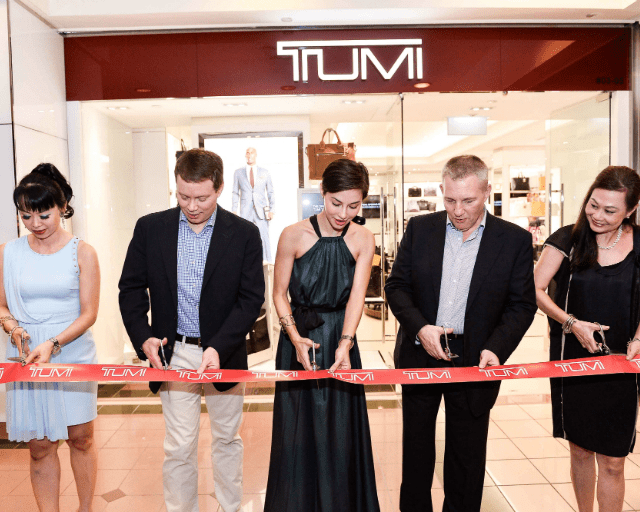
    Fernando Ciccarelli has been named the new senior VP and MD of Tumi Asia.

    Ciccarelli joins the luxury travel luggage retailer after a decade and a half with Coach, Inc.

    “I have always admired Tumi’s focus on constant innovation, intelligent design and unparalleled performance,” he said in a statement.

    “The opportunity for Tumi in Asia is limitless and I am excited to be leading the next stage of growth for the brand in the region.”

    In his new role, he will be responsible for growing the brand in the region, specifically overseeing operations and overall business management in Asia Pacific.

    Based in Hong Kong, Ciccarelli will report directly to Jerome Griffith, global CEO and president of Tumi.

    “We are delighted to welcome Fernando on board at this exciting time for Tumi in Asia. He is a proven leader who brings with him years of direct retail experience in this region”, said Griffith.

  • The shrinking ranks of Mumbai malls

    The shrinking ranks of Mumbai malls

    More than 10 Indian shopping malls have been shuttered or converted into office space in the last two years – most of them in Mumbai.

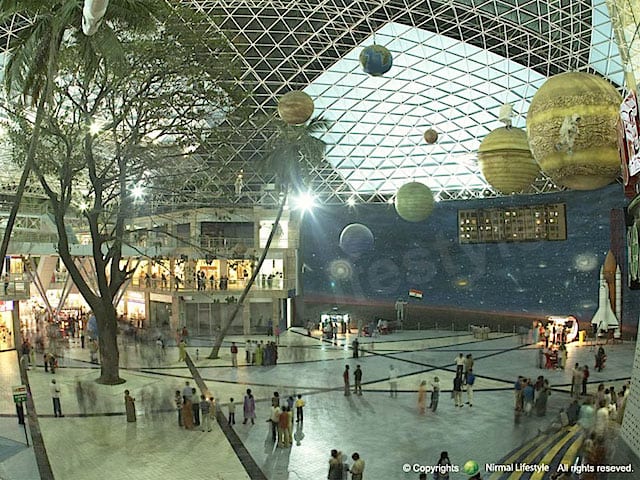
    And more – like the Nirmal Lifestyle Mall in Mulund, central Mumbai, and Centre One, the oldest mall in Vashi, New Mumbai – have announced its imminent closure.

    Nirmal, which opened in 2003, employed 5000 people at its peak. Today it is a shadow of its former self, most retail spaces empty, apart from some foodcourt tenancies.

    Dharmesh Jain, head of Nirmal Lifestyle, said the centre is no longer viable to run.

    “It is difficult to sustain and run it because of rentals and maintenance charges.”

    It will be converted into residential space.

    In 2013 research from the Associated Chamber of Commerce and Industry of India found up to 52 per cent of  Mumbai malls were lying vacant and even higher percentage in Delhi. Experts says the majority of failures relate to faulty designs or a lack of strong brand tenants.

    Local media report that Kandivli’s Raghuleela Mall is on the brink of closure, with a shrinking tenant base and occasional electricity cuts. Bhandup’s Dreams Mall is on borrowed time and Santacruz’s Milan Mall closed. Recently, Navi Mumbai’s oldest mall Centre One announced its impending closure.

    The casualty list also includes City Mall and Mega Mall in Andheri, Dreams Mall in Bhandup in the central suburbs. Kohinoor mall in Kurla has a question mark over it. In Bengaluru, va Mall in Brigade and Sigma Mall in Cunningham Rd have closed.

    Other malls in NCR and Bengaluru face a similar fate.

    In fashionable, Navi Mumbai, a satellite city of Mumbai, the Gold Souk Mall, Wedding Mall and Palm Beach Galleria have been converted into office complexes or motor vehicle showrooms.

    Consultants report at least four malls in the Delhi/NCR area, most in the suburbs of Rohini, Vasant Kunj, Pitampura and Gurgaon, are empty and bearing for sale signs.

    Retail real estate specialists say most of the malls, built during the early 2000s, have “lost relevance” to consumers today spoilt for choice by malls that are better designed and considerably larger.

    Anupam T, malls CEO with Runwal Group, which runs four malls in Mumbai including the 1.2 million sqft R City, cites Centre One as an example. It has 120,000sqft of space and a foodcourt with just 200 seats. Its trade was decimated when the giant new Inorbit, owned by the Raheja group, opened.

    “In 2003, smaller malls were fine. But in 2013 and 2014 when the average size of malls is 500,000 sq ft and big malls are above a million sq ft, smaller malls find it difficult to survive.

    “Unless small malls are sharply positioned and differentiated, they will fade away,” he added in an interview with the Business Standard.

    Future group president Rajan Malhotra says there is a limit to the number of malls a catchment can take.

    “Initially, malls exist in monopoly conditions. The moment bigger and better malls come up in the same locality, shoppers go there.”

    There are signs the Indian property sector is recognising the problem and a once frenetic race to open mall space to satisfy India’s rapidly rising middle class has slowed to a crawl. In 2014, just 2.4 million sqft of new mall space was completed, a mere seven malls, far less than the 4 million to 7 million sqft annual average between 2009 and 2013.
  • Australia’s The Coffee Club opens in UAE

    Australia’s The Coffee Club opens in UAE

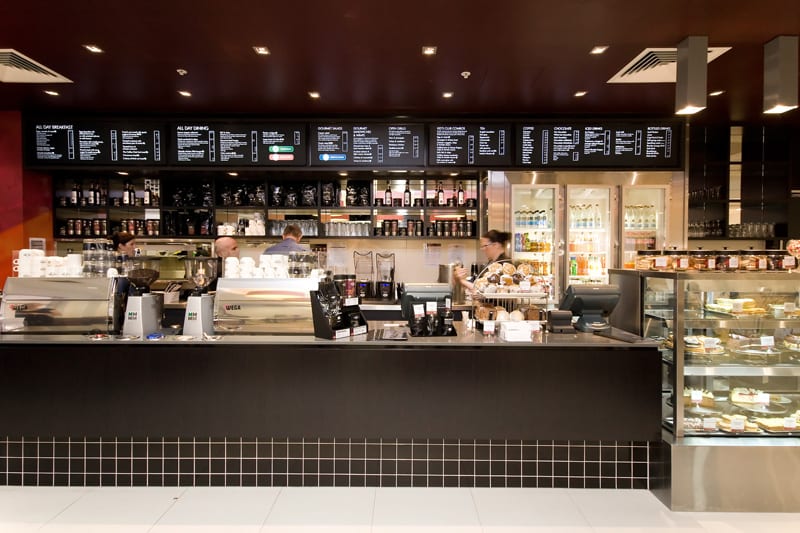
    Australia’s homegrown cafe group, The coffee Club, has officially opened its first outlet in the United Arab Emirates.

    The UAE outlet, is being operated by Liwa Minor Food and Beverages, the joint venture company of local operator Al Nasser Holdings and Thai public listed company Minor Food Group.

    Abdulla Nasser Al Mansoori, Chairman of the Board at Al Nasser Holdings, said they expect to expand to other markets in the Gulf Cooperation Council (GCC) within the next three years.

    Another eight cafes and restaurants are in the pipeline in the UAE while it is expected to reach 25 cafes in the country within the next 4 years.

  • Parkson profits slump

    Parkson profits slump

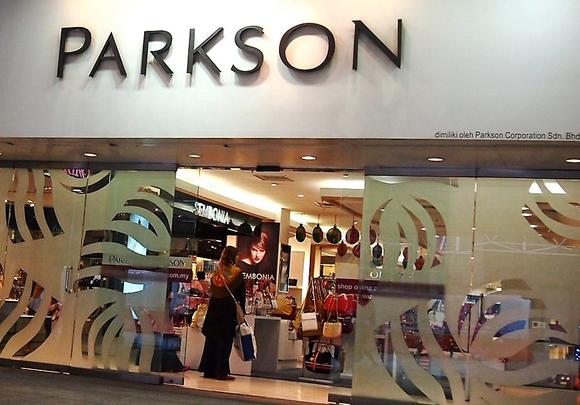
    Parkson Retail Asia has reported a 24.6 per cent slump in net profit – largely attributed to new store establishment costs.

    The Singapore-based department store operator has reported a second quarter trading profit of S$10.23 million.

    The company’s biggest problem markets appear to be Malaysia and Vietnam where same store sales are showing negative growth. And in Vietnam the company accrued costs relating to the closure of a store in the capital city, Hanoi.

    Total sales revenue was flat at S$117.52 million in the three months to December 31, while expenses rose 6.6 per cent to S$109.5 million.

    In the half year to December 31, net profit fell 28.2 per cent to S$17.09 million, on revenue a marginal 0.6 per cent higher at S$227.51 million.

    In a statement, group CEO Toh Peng Koon said the closure of the Landmark-Keangnam store in Hanoi resulted in removing “a major drag on our operating performance” there.

    “While we expect Malaysia’s consumer sentiment to remain muted in the near term, consumer buying prior to the introduction of the Goods and Services Tax on April 1 may provide us with some buffer.

    “We feel confident that the strategies we have initiated to improve our fundamentals will reap the desired results going forward. With our healthy balance sheet and strong cash generation from our operations, we are well-positioned to continue to identify and make prudent investments necessary to growing our business.”

  • Graff Diamonds Hong Kong store opens

    Graff Diamonds Hong Kong store opens

    Luxury jeweller Graff Diamonds has further broadened its Asian presence, opening a new flagship in Hong Kong.

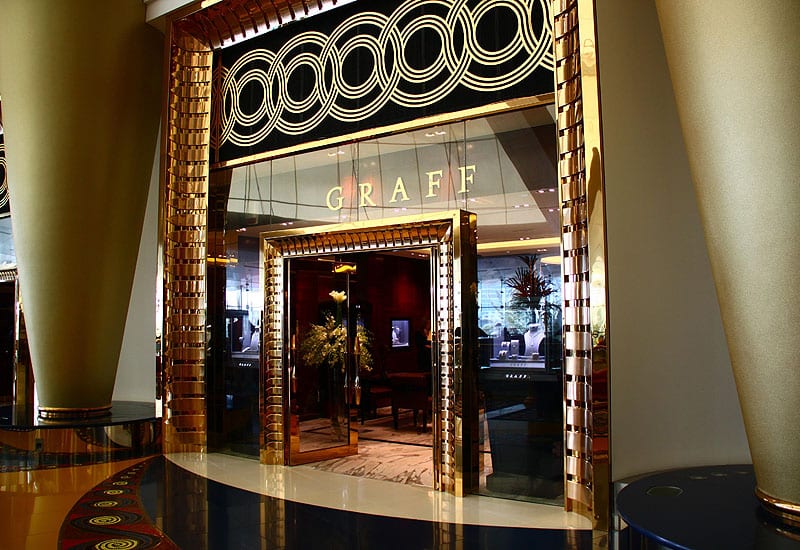
    The new store is in the St George’s Building in the city’s Central district. It features a broad frontage facing onto the street, as photographed.

    The move continues a growing commitment to the Asia market, illustrated by expansion in China since 2013 and Macau in 2012.

    The new Hong Kong store joins the jeweller’s flagships in Beijing, Hangzhou, Hong Kong, Macau, Shanghai, Tokyo and Taipei. The new store is its 18th in the continent.

    Designed by architect Peter Marino, the store follows Graff’s international store image with a modern and contemporary look and bespoke fixtures and fittings. The walls are clad in paper parchments, mica and painted bamboo and chairs are wrapped in woven and plush knitted fabrics.

    Each area of the store has a distinctive design and color palette with warm gold and bronze tones in contrast with icy green and grey hues.

    Jewelry showcases are located on interior walls creating maximum impact for displaying jewels and watches. A chandelier comprising spheres of green, gold and silver serves as a centerpiece suspended from rigid silver rods, illuminating the diamonds below.

  • Tesco Thailand bid spurned

    Tesco Thailand bid spurned

    As speculation mounts over the future of its Asia business units, a bid for Tesco Thailand has reportedly been rebuffed.

    As reported in November, Thai billionaire Dhanin Chearavanont prepared a speculative bid by his company Charoen Pokphand Group (CP) to buy back the troubled Tesco Plc’s Thailand business division, which he sold during the Asia financial crisis.

    Reuters now reports Chearavanont held “preliminary talks” with Tesco after securing the support of the Bank of America in November, but Tesco spurned his approach. He has now secured support from UBS and Siam Commercial Bank (SCB) for another bid for the business, which could be worth about US$10 billion.

    A sale of the Thai operation – and/or its Korean, Malaysian or Indian businesses – would greatly benefit Tesco’s balance sheet, and its credit rating now classified essentially as junk status by ratings agencies.

    Citing “people familiar with the matter” Reuters reported Tesco and the Thai tycoon are not currently engaged in any talks, however he is ready to proceed with a formal offer if Tesco decides to sell the Thailand operations.

    “While it is not known why Tesco turned down Dhanin’s approach, his sustained interest in the asset could be positive for Britain’s biggest retailer, which is battling sluggish growth at home and has been hit by ratings downgrades and an accounting scandal,” said Reuters.

    Chearavanont, 76, bought back Siam Makro in 2013 for $6.6 billion and reacquiring Tesco would give him control of a substantial part of Thailand’s retail market.

    The future of Tesco’s offshore businesses has been under increased speculation since new CEO Dave Lewis took the helm of the company, under siege from regulatory probes into profit exaggerations and substantial loss of market share in its core UK home market.

    Lewis enigmatically said in January Tesco was “committed to keeping all of the operations we have overseas, until we make any decisions otherwise”.

    Tesco Thailand acquired a controlling interest in Chearavanont’s Lotus supermarket business in 1998 for £206 million, rebranding it Tesco Lotus. The chain has now grown to 1700 shops – from hypermarkets to convenience stores. Investment banker Morgan Stanley estimates Tesco Thailand to be worth between US$7.2 billion and $9.9 billion.

  • Super Bowl 2015: The biggest game in marketing

    Super Bowl 2015: The biggest game in marketing

    he streets of the Pacific Northwest’s biggest city were eerily deserted on Super Bowl Sunday. It appeared that the populace was more asleep than ‘sleepless in Seattle’.

    First impressions were deceiving though, as off the streets things were positively buzzing. Every eyeball was glued to the telecast of the most watched television program in US history, as the Seattle Seahawks took on the New England Patriots in Arizona in Super Bowl 2015.

    In a bar in the Pike Place Markets – the heart of Seattle’s downtown – I closely followed the football along with the faithful. (They call Seattle followers the ’12’s’ – more on that later.) Besides being a fan though, I was really there for the ads, placed at a cost of US$4.5 million for 30 seconds, or US$150,000 a second. In particular, I wanted to see how retail approached the Super Bowl.

    In the end, it was the big names that dominated the telecast – manufacturer brands like Budweiser and Doritos. The real retail action was in the supermarkets leading up to the event, where huge displays and promotional activations encouraged shoppers to stock up on beer and munchies.

    Still, on the screen, besides the inevitable Budweiser Clydesdale and puppy spot (far and away the people’s choice for best ad), there were two spots for retailers that stood out to me.

    The first was for McDonald’s, a company that has been battered recently by a change in food trends and a slew of nimbler brands offering higher quality, healthier choices – such as Chipotle and Five Guys.

    The spot – ‘Pay with Lovin’’ is all about McDonald’s setting out to recapture the hearts of the average American. It’s a novel promotional push. In the lead up to Valentine’s Day, Mickey D’s randomly select customers to forego paying with cash or credit, and instead pay with love. People are asked to hug their kids, or call their Mothers to say they love them. It’s heart warming, and it’s different – I liked it.

    The second spot was for Weight Watchers, and brilliantly takes a stance against the American fast food culture. With a voice over from Aaron Paul of Breaking Bad (sounding somewhat like George Clooney), the spot highlights food excess, and states that: “It’s time to take back control”. Brilliant placement, superb positioning and I bet it works its big, fat ass off.

    The other great piece of marketing is the ’12’s’ concept I wrote about earlier. There are 11 team members on the field at any one time in American football. The Seattle Seahawks have gifted the number 12 to their fans. They say that crowd support – particularly at their home ground in the Emerald City – equates to a ’12th Man’ on the field of play. The locals have enthusiastically embraced the concept. It makes them feel part of the team, and is a very smart loyalty idea.

  • Inditex ends Angora lines

    Inditex ends Angora lines

    Spanish fashion giant Inditex has announced a complete and permanent ban on the use of angora wool across all its brands.

    The ban follows discussions with animal rights group PETA US and a media expose of the cruel practice where live rabbits’ fur is ripped from their skin to produce the soft thread.

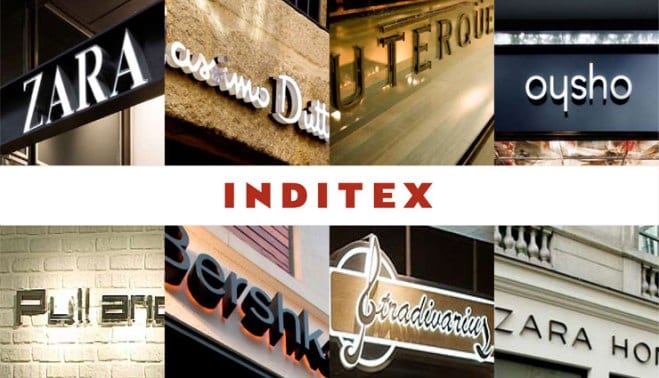
    Inditex, the world’s largest clothing retailer, says it will no longer stock products using angora wool in Zara, Pull&Bear, Massimo Dutti and Bershka stores.

    It went further to donate 20,000 brand-new angora wool garments manufactured in previous seasons (with a retail value of approximately US$878,000) to Syrian refugees in Lebanon through the charity Life for Relief and Development.

    “Thanks to Inditex’s massive donation, PETA is able to send a vital message about compassion for animals this winter – that only people desperately lacking basic necessities have any excuse for wearing fur that is ripped out of live animals’ bodies”, says PETA MD Ingrid E Newkirk.

    “We’re calling on all remaining retailers – such as Benetton – that are still touting these products of rabbit torture to follow quickly in the footsteps of Inditex and others, or else they’ll watch their customers, wallet in hand, walk out the door.”

    A PETA Asia investigation found some rabbits used for angora scream in pain as their fur is ripped out, while others are cut or sheared and invariably wounded by the sharp tools as they struggle desperately to escape. In addition, the angora farming industry condemns these intelligent, social animals to years of isolation in small, filthy wire cages.

    Inditex join more than 70 top brands and retailers – including Asos, Calvin Klein, Stella McCartney and Tommy Hilfiger – which have permanently banned angora wool as a result of PETA Asia’s investigation.