Blog

  • Chinese bookstores rank among ‘world’s coolest’

    Chinese bookstores rank among ‘world’s coolest’

    Three Greater Chinese bookstores have been ranked amongst ‘the world’s coolest’ by US-based global news organisation CNN.

    In a newly-released selection posted online CNN observes that old or new, all of the stores round the world its editors selected for the “World’s Coolest” list have fascinating stories, serving as “historic sites, sanctuaries, salons of culture and must-visit entries in any travel itinerary”.

    The three Asian stores making the list are Eslite Bookstore in Taipei, Librairie Avant-Garde in Nanjing, China and 1200 Bookshop in Guangzhou, China.

    The 17,000 sqm Eslite store, which opened in 1999, trades 24-seven and stocks books and magazines in a multitude of languages. Its success has been followed with more stores in Taipei and another in Hong Kong’s Hysan Place.

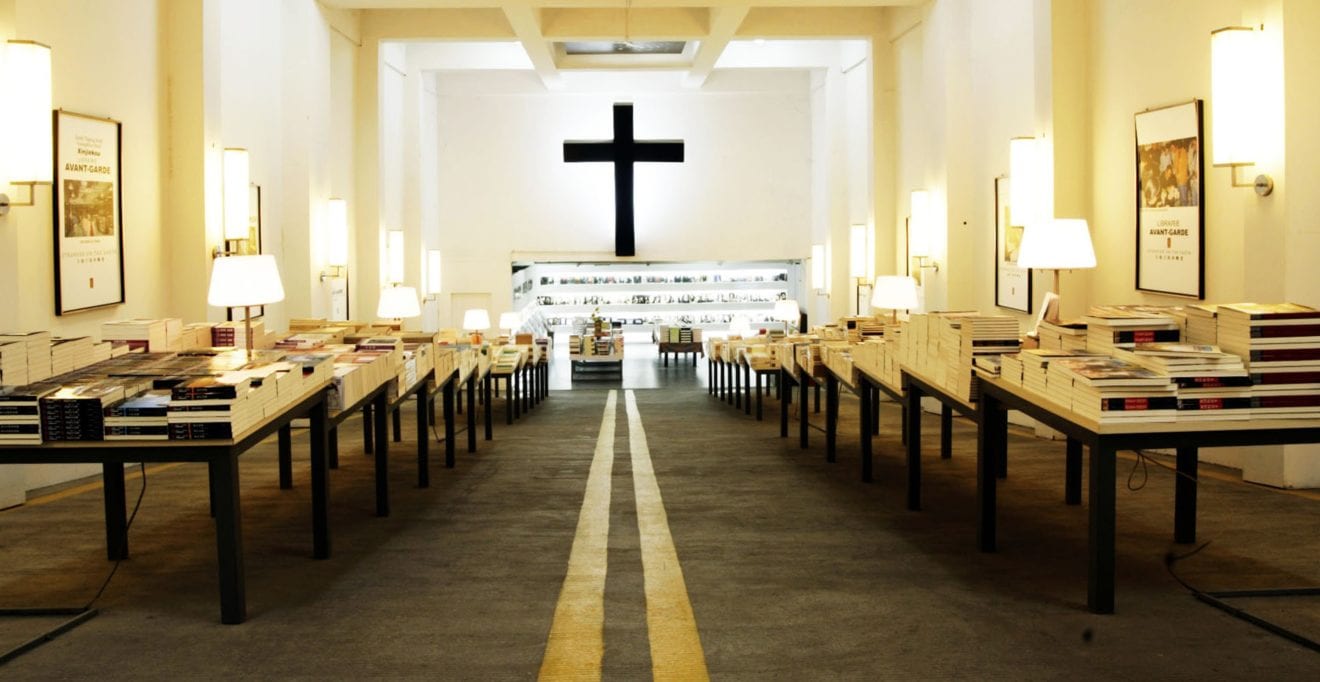
    The Librairie Avant-Garde is described by CNN as “China’s most beautiful bookstore”, located in a massive underground parking lot once used as a bomb shelter.

    “The 4000 sqm store’s unusual features include large crosses, a copy of Rodin’s ‘The Thinker’ and a checkout counter built out of thousands of old books,” writes CNN.

    “A good bookshop should provide space, vision and nurture the city with its humanitarian spirit,” owner Qian Xiaohua told CNN. “It’s a place for people to have dreams in the city.”

    And the 1200 Bookshop, which also trades around the clock, has earned a reputation for great books and coffee as well as a haven for travellers, with backpackers invited to stay in a private room in-store.

    “We are doing business at the store during daytime but making friends at night,” says founder Liu Erxi.

     

  • Shinsegae opens luxury bike shop

    Shinsegae opens luxury bike shop

    Shinsegae Department Store has opened a bicycle shop at its main store in Chungmuro, being the first department store in Korea that is home to a bicycle shop.

    The shop features classic models from Pedersen Bicycles, often called ‘the Bentley of Bicycles,’ multi-purposed ‘Cargo and Cruiser’ bikes from Johnny Loco, and stylish E-bikes from Mando Footloose.

    The shop’s wide range of bikes from classical to electric will satisfy the needs of many bike lovers. Several models featured in the shop are also of rarities hardly seen on the Korean streets. The shop is located on the first basement level of the Chungmuro store.

  • T Galleria By DFS Introduces Fall/Winter 2015 Campaign

    T Galleria By DFS Introduces Fall/Winter 2015 Campaign

    Introducing three new international travelers and social media influencers – Chinese actress Ni Ni (倪妮), Japanese model Chiharu Okunugi (小椚 ちはる)  and American photographer Bill Gentle – the campaign weaves their personal adventures, stories and photographs throughout the T Galleria by DFS experience this season.

    Launching on August 3, T Galleria by DFS will debut a three-part video series exploring the travels and tales of each influencer while also highlighting some of the luxury products that are signature to DFS. “We’re continually inspired not just by the destination, but by the journey itself,” said John Gerhardt, Senior Vice President, Creative Branding Direction, DFS Group. “Ni Ni, Chiharu and Bill bring that experience to life, capturing how when we travel, our stories and memories intertwine with the photos we take and the items we bring home.” 

    The episodic campaign will debut three videos beginning in August detailing the stories of the three stars. The first episode, debuting on August 3 and featuring Gucci Bamboo Eau de Parfum, follows Chinese actress Ni Ni as she reflects on one of her favorite places in Asia, the Singapore Botanic Gardens, and how even when filming on the busy streets of Hong Kong or Shanghai, even just a hint of fragrance can transport her back that peaceful, personal place.    

  • Dalian Wanda shutters stores

    Dalian Wanda shutters stores

    China’s Superstar days are over.

    Hong Kong listed retail group Dalian Wanda is to close down China’s largest karaoke chain Superstar, a victim of the mainland government’s mission to discourage excessive spending on entertainment and gifts.

    The company has also flagged the closure of an unspecified number of its department stores due to tough competition from online retailers, eating into store sales volumes.

    Some Chinese news media are reporting as many as half of the company’s 90 department stores could be shuttered, but the company remains vague.

    “China’s consumer behaviour is undergoing significant changes, inevitably hurting some large-scale retailers,” said Qu Dejun, president of Dalian Wanda subsidiary Dalian Wanda Commercial Properties.

    Before the Chinese government’s clampdown on entertainment expenses, karaoke parlours were popular destinations for government officials and businessmen entertaining clients and contacts.

    Qu said Superstar would close because the chain’s profits were now very thin due to “national policy”.

    Taiwan karaoke chain Cashbox Partyworld has already trimmed back its mainland karaoke network.

  • Mers outbreak dents Korea retail sales

    Mers outbreak dents Korea retail sales

    South Korea retail sales slipped in June – a predictable result of the outbreak of Middle East Respiratory Syndrome (Mers).

    As South Korea’s shunned larger retail outlets to reduce the risk of potential exposure to the illness, discretionary spending fell. Some spending on essential goods moved online.

    South Korea’s government agency Statistics Korea says retail sales in June were worth 29.34 trillion won, about US$25.15 billion, which was 0.6 per cent lower than in the same month last year. It was more than 2 trillion won less than May’s spending.

    “The Mers outbreak caused shoppers to shy away from large markets where people converge, which effectively hurt overall sales,” a Statistics Korea spokesman said.

    However, last week the government officially declared May’s outbreak to be over, after 186 infections and 36 fatalities.

    A breakdown of the figures shows the fall in sales affected mostly categories where shopping could be postponed – appliances and computers were down 5.7 per cent year on year and clothing down nearly 10 per cent.

    Department store sales fell 12.4 per cent and discount department store sales down 9.5 per cent.

    Online spending rose 26.6 per cent in May, while convenience store sales soared 34.6 per cent and supermarket sales rose 4.4 per cent.

  • Malaysian GST hammers retail sales

    Malaysian GST hammers retail sales

    Grocery retailers in Malaysia have reported a slump in retail sales of up to 20 per cent in the second quarter of this year – the three months after the introduction of Malaysian GST.

    Malaysian GST of a modest six per cent was imposed on April 1. Prior to that there was evidence of consumers stockpiling products – especially fast moving consumer goods – many of which the new tax was not applied to anyway.

    The nation’s largest convenience store operator, 7-Eleven, says the scale of the downturn took many retailers by surprise.

    “I think all retailers anticipated a slowdown in sales as a result of GST, but they probably did not anticipate the weak consumer sentiment and low consumer confidence at the same time,” 7-Eleven CEO Gary Brown told The Malaysian Reserve.

    With 1840 stores across Malaysia and 80 per cent of the c-store market, 7-Eleven is well placed to gauge the national spending mood.

    It plans to respond to the downturn in sales by broadening the range of services it offers customers and expanding the in-store experience beyond mere convenience.

    “We will continue to expand our innovative promotion activities and campaigns to reward our existing shoppers and to attract new shoppers.

    “This includes expanding our in-store services such as mobile phone reloads, bill payment, Touch n Go reloads and eCommerce.”

    The 7-Eleven CEO’s comments come just weeks after the Malaysia Retailers Association (MRA) lowered its growth projections for retail sales growth this year for the third time – down nearly one per cent to four per cent.

    While the tax has had an arguably short term effect, the local currency, the Ringgit has weakened substantially during the last six months, causing price increases on imported goods and raising transport costs. The arrival of GST weakened consumer sentiment.

    According to the MRA, retail sales overall declined three per cent in the second quarter after a 4.6 per cent increase in the first quarter, partly due to consumers stockpiling or buying big ticket items before April 1.

    The MRA expects third quarter growth of 4.8 per cent and fourth quarter growth of 6.9 per cent.

    “Malaysian consumers will get used to the GST by the last quarter of 2015. Retail spending will return to normal again by this period. This industry is expected to recover strongly with a 6.9% growth rate,” it said.

    But anecdotal feedback from retailers Inside Retail Asia has spoken with suggests those projections may well be overly optimistic.

    Malaysian retailers say consumers have been slow to resume spending even after recognising the overall impact of GST is lower than they feared.

  • Daiso wins Manila court battle

    Daiso wins Manila court battle

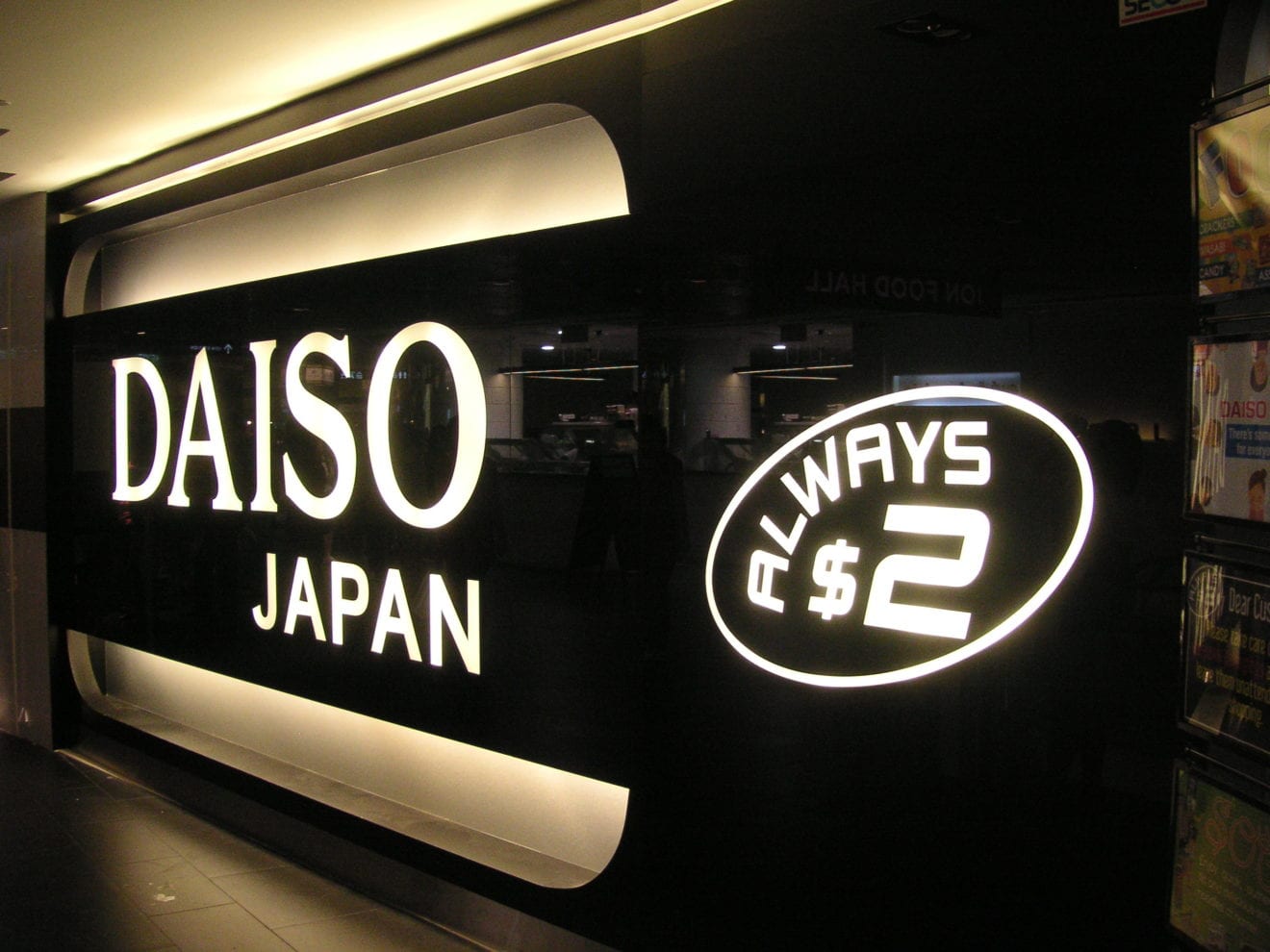
    Japanese discount retailer Daiso has won the right to use its name in the Philippines after a hearing in the Supreme Court.

    In a final ruling just issued, the court has blocked Filipino company Japan Home Center from using the trademark Daiso, confirming an earlier ruling by the Court of Appeals.

    The judges ruled that Japan Home Center had registered the name in “bad faith” in 2005 – largely to prevent the Japanese Daiso or its local franchisee from using it.

    Daiso Industries of Japan first filed a complaint with the Intellectual Property Office back in 2009 after it appointed Robinsons Retail Holdings as its local distributor and retail partner. Daiso Industries owns the brand name.

    This week’s Supreme Court decision thus ends a six year long legal battle to give Daiso and Robinson the legal right to use the brand.

    Robinsons currently operates 38 Daison stores in the Philippines.

    In another case in January this year, the Intellectual Property Office blocked MySmart One-Shop Daiso from using the brand name.

  • Tuk tuk centre stage in Jimmy Choo Bangkok concept store

    Tuk tuk centre stage in Jimmy Choo Bangkok concept store

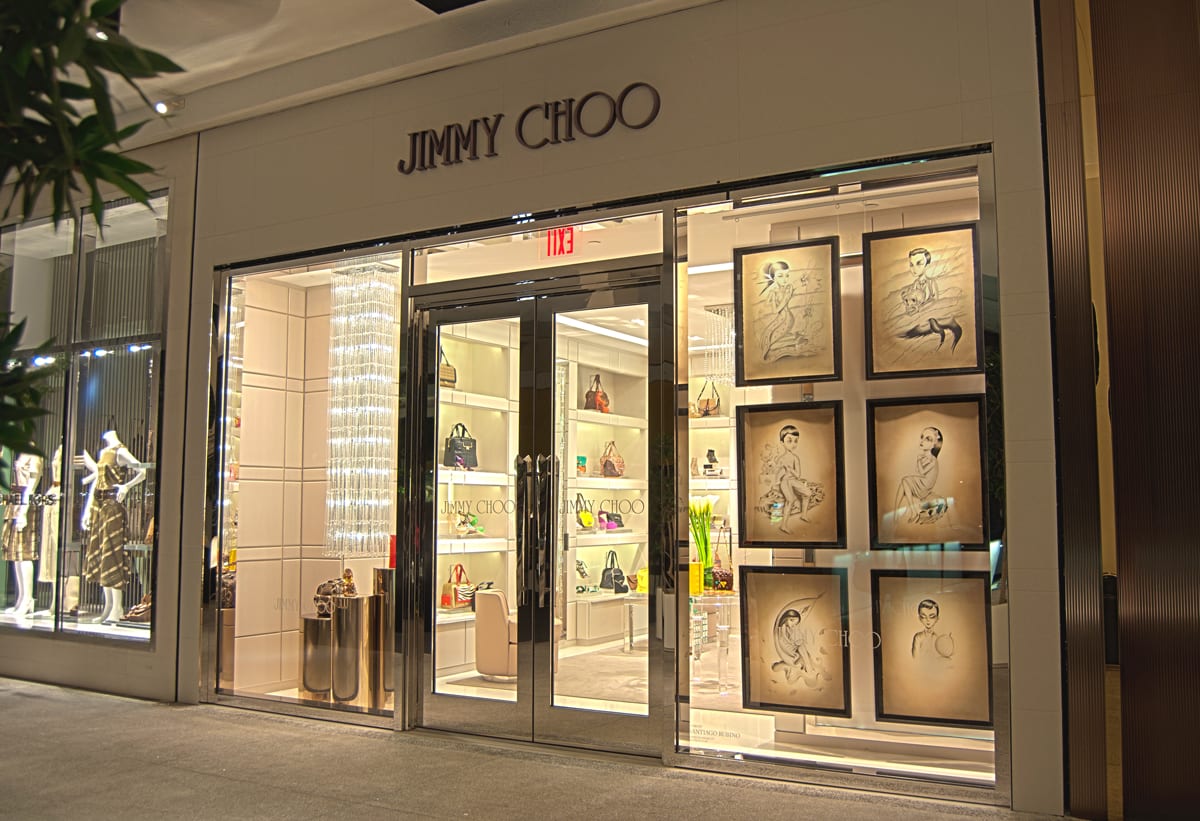
    Luxury shoe brand Jimmy Choo has marked the opening of its newest Bangkok store with the release of a ‘Candy bag’ featuring a tuk tuk.

    “Like the London Taxi, the tuk tuk is an icon of the city. It has a unique warmth and eccentric charm all of its own,” Jimmy Choo creative director Sandra Choi observed at the opening of the new store in the new EmQuartier upmarket shopping mall on Sukhumvit Rd.

    Jimmy Choo is releasing limited editions of the Candy bag to mark openings of a number of new stores around the globe – the Bangkok edition is the seventh, following Hawaii, Los Angeles, Dallas, Las Vegas, London and Toronto.

    Choi worked alongside David Collins Studio to design the new EmQuartier shop which features soft colour tones and contrasting shimmering surfaces.

    “I wanted our new space to be a luxurious environment that would combine the refined detail of a haute couture salon with the intimacy of a fantasy closet,” Choi said in an interview with The Nationnewspaper.

    The interior design includes satin gold, rose gold pink marble and mink velvets which blend with “oyster stone and mother of pearl chevron floor”.  Rounded glass pendants hanging from the ceiling add to the luxury feel.

  • GrabTaxi launches its Uber-like GrabCar in Jakarta

    GrabTaxi launches its Uber-like GrabCar in Jakarta

    More than a year after its initial launch, GrabTaxi’s Uber-like GrabCar is now available in Jakarta, Indonesia’s capital.

    GrabCar signs up car owners to become part of their on-demand fleet. It’s the newest transportation option from GrabTaxi, which now covers regular taxis, premium cars, and motorcycle taxis in Jakarta.

    Price-wise, a GrabCar ride is cheaper than a regular taxi in the city. In contrast to a metered taxi, the rate will be fixed. GrabCar is available as a new tab within the GrabTaxi app, and interested users can calculate the fare for their usual routes. But for now, actual rides are only available for trips between two vicinities: Semanggi and Kemang.

    To introduce the new service, GrabBike offers rides for free from August 9 to August 31.

    GrabCar is a direct competitor to Uber, which has been available in Jakarta since mid-2014, offering either UberBlack for premium cars or UberX for cheaper rides. Uber’s cars are available everywhere in the city, yet GrabCar has one large advantage over Uber in Indonesia at this point: it allows cash payments. Few Indonesians have credit cards, which poses a challenge to Uber’s growth. But since Uber has already introduced cash payments elsewhere, it might follow suit in Indonesia as well.

    GrabCar, which is part of the Malaysian startup MyTeksi, is already available in countries like the Philippines and Singapore.

  • Affluent Asians spending on status

    Affluent Asians spending on status

    Goods and experiences which provide “a sense of status, exclusivity and uniqueness” are key considerations when shopping for luxury items for Asia Pacific’s elite, according to the Visa Affluent Study 2015.

    In other words, affluent Asians are prepared to spend on status.

    According to the study, a significant percentage of Asia Pacific affluents describe themselves as “status seekers”, with more than one third of the affluent in China (38 per cent), Hong Kong (36 per cent) and Korea and Japan (31 per cent each) are motivated to purchase luxury goods to display their social standing. Affluent in India (29 per cent) and in Singapore (27 per cent) also report taking pleasure in the attention that luxury goods attract.

    “What drives Asia Pacific’s affluent in making luxury purchase decisions varies across the region, but the common factor is the search for unique products and services that give a sense of status and exclusivity,” said Ruben Salazar, VP, products with Visa Asia Pacific.

    “While quality remains important for most consumers, Asia Pacific’s affluent are continuously looking to go beyond quality guarantee to find that special product or experience that stands out from the crowd and that gives a sense of self-satisfaction.”

    Only the affluent from Indonesia and Australia described themselves as being more driven by other considerations, with almost a quarter of Indonesian affluent (23 per cent) surveyed also valuing quality alongside social status (24 per cent) and exclusivity (28 per cent).

    Some 500 respondents from each of Australia, China, Hong Kong, India, Indonesia, Japan, Singapore and South Korea were interviewed online and in face-to-face surveys for the study. Respondents have an average household income of US$73,000 per annum and are aged between 18 and 55 years old.

  • Matahari has strong half

    Matahari has strong half

    Indonesia’s PT Matahari Putra Prima (MPPA) says its first half year sales rose 6.6 per cent on the back of new stores.

    Like for like sales rose 2.1 per cent in a period of softening economic conditions and when several stores were closed for renovation.

    Matahari has continued with a strong focus on upgrading its store formats, rolling out its new G7 format with brighter, more upmarket store designs and increased range. It also opened the first of its new Foodmart Primo format stores during the half year.

    In the next six months Matahari will open the first of another new concept – a SmartClub wholesale store.

    Operating profit surged 29.4 per cent in the half (excluding extraordinary items) as the retailer continued to improve its infrastructure, boosting internal efficiencies and developing a solid platform for future growth.

  • CapitaLand posts healthy quarter

    CapitaLand posts healthy quarter

    CapitaLand Limited has today announced a second half after tax group profit of S$464 million – 5.8 per cent up on the same period last year.

    The property giant, which derives 80 per cent of its revenue from Singapore and China, has a portfolio including shopping malls, serviced apartments, office blocks and hotels trading under a variety of banners.

    In a statement, CapitaLand said its operating profit was 87.6 per cent higher than the same quarter last year on account of gains from the change in the use of development properties for sale in China, namely The Paragon (Tower 5 & 6) and Raffles City Changning (Tower 3). These projects are at prime locations in Shanghai and the group has changed its business plans for these projects from strata-sale to leasing as investment properties.

    The result was impacted by an impairment for a development project in China.

    Revenue increased by 17.8 per cent on the back of higher contribution from development projects in China, partially offset by lower revenue from development projects in Singapore and Vietnam.

    The group says it recorded higher rental revenue from its shopping mall and serviced residence businesses during the quarter.

    Lim Ming Yan, president & group CEO, said CapitaLand’s well-balanced portfolio of investment properties and residential projects will continue to generate recurring income and trading profits for the group.

    “While CapitaLand remains focused on Singapore and China as core markets, it is exploring opportunities to expand in growth markets such as Vietnam, Indonesia and Malaysia. CapitaLand has built a significant scale across diversified asset classes and strong expertise in integrated developments, shopping malls, serviced residences and capital management. Coupled with its technology efforts, CapitaLand continues to strengthen its position for growth,” he said.

  • Waterway Point Mall Singapore 90% leased

    Waterway Point Mall Singapore 90% leased

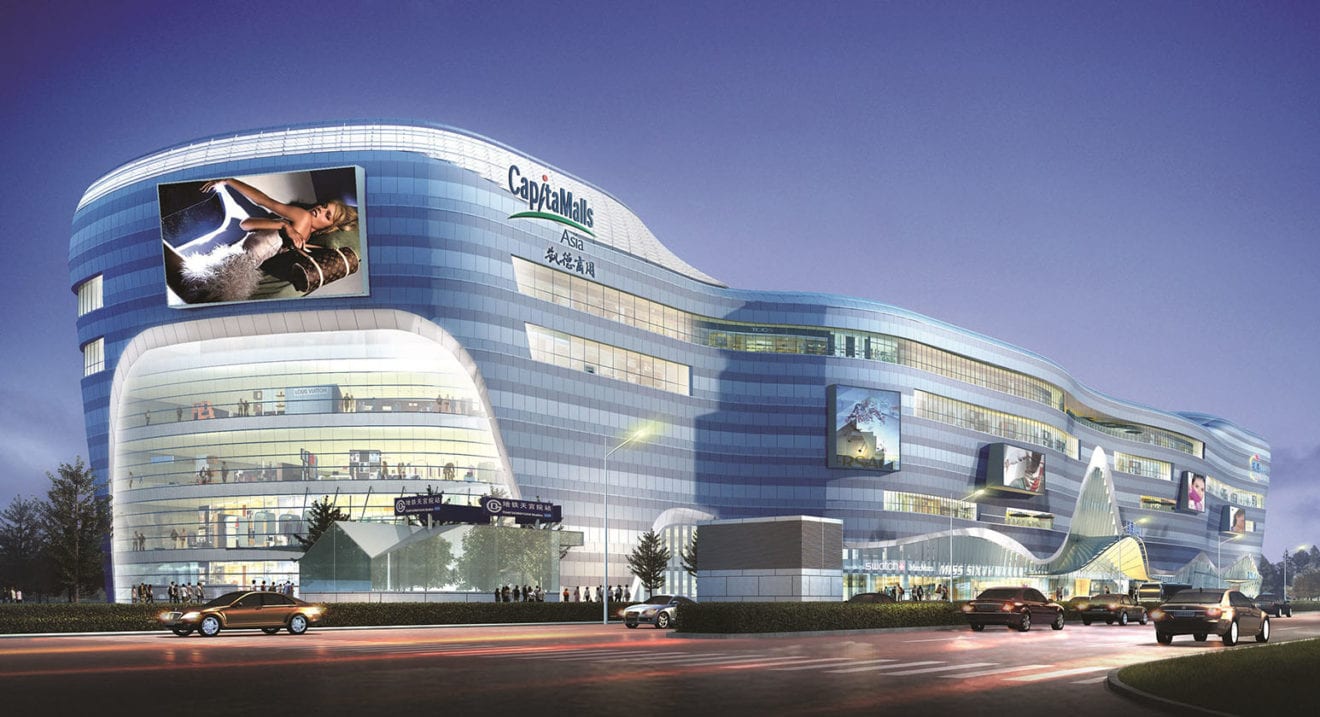
    The new Waterway Point Mall in Singapore is already 90 per cent leased, a whole six months ahead of its scheduled opening date.

    Developer Frasers Centrepoint Malls says the new centre in Punggol won’t be open for business for about six months, but the vast majority of space is now leased.

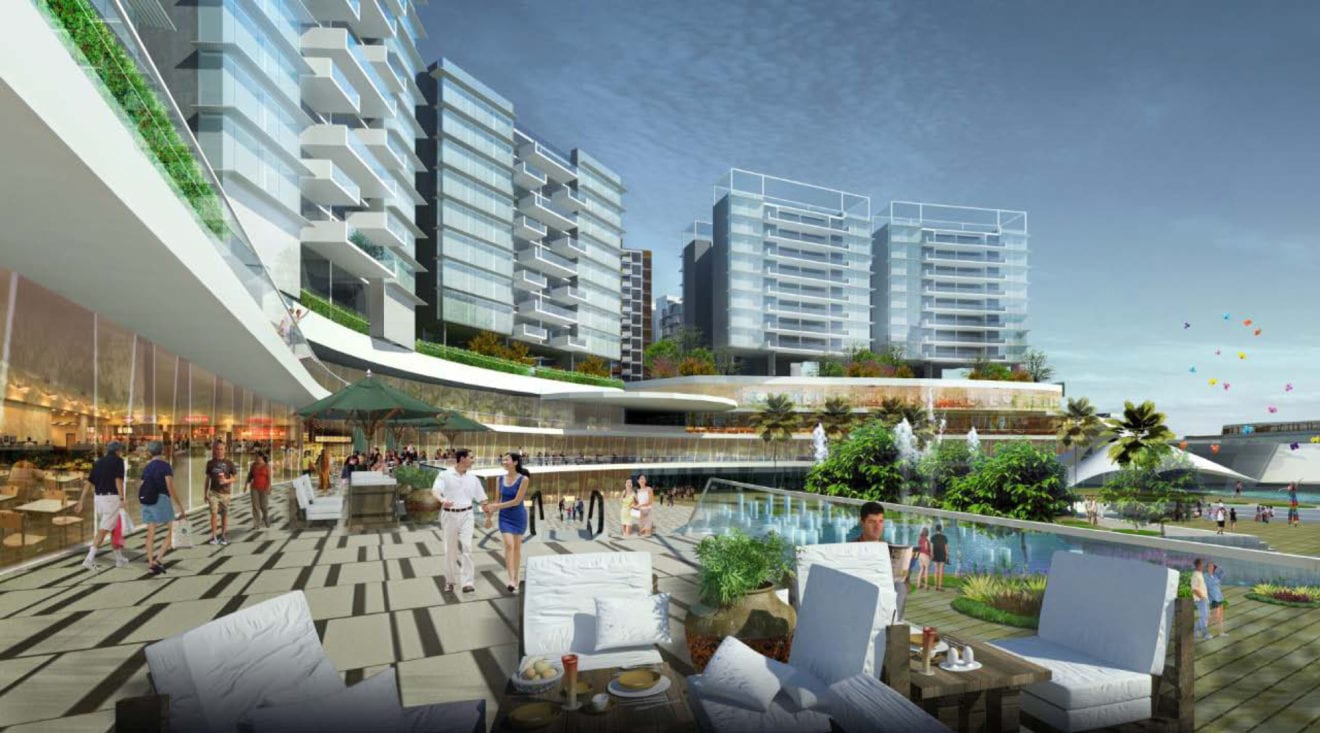
    Waterway Point is part of Watertown, an integrated waterfront residential and retail development by Frasers Centrepoint, Far East Organization and Sekisui House.

    A 24 hour FairPrice Finest supermarket, a 1500 seat Shaw Theatres multiplex cinema and a large Times Bookstore have been named as anchor tenants.

    The new 370,824 sqft mall will feature four levels of indoor retail space, alfresco dining and leisure space.

    The Times Bookstore will be the chain’s largest in Singapore with a 7335 sqft footprint.

    “Once underserved, Punggol today is a picture of rapid development,” said Christopher Tang, CEO for commercial and Greater China with Frasers Centrepoint.

    “The positive take-up underscores a healthy demand for retail space in this developing area.”

  • Burberry Beauty Box enters China

    Burberry Beauty Box enters China

    British luxury apparel brand Burberry has opened two more Beauty Box stores in greater China.

    It follows the opening of Beauty Box’s first Asian store in Korea last December in Seoul’s Coex Mall.

    Burberry Beauty Box concepts are now trading in Hong Kong and Shanghai.

    In Hong Kong, the store has opened in Times Square at Causeway Bay. The store closely follows the Burberry Beauty Box flagship in London’s Covent Garden.

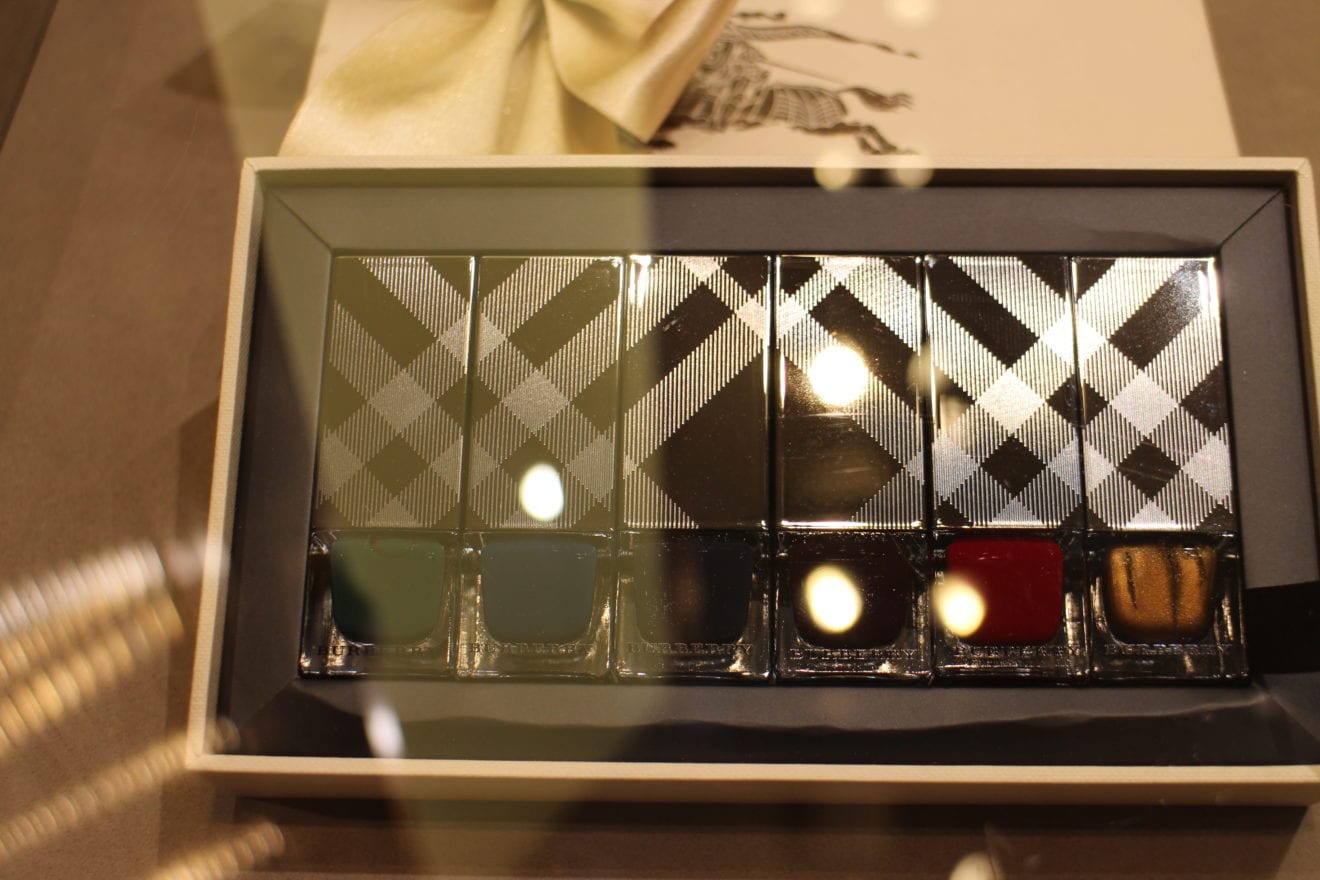
    The new Beauty Box concept focuses on make-up, including Burberry Eyes, Lips, Face and Nails lines, fragrances for men and women, including My Burberry, and assorted luxury accessories.

    It includes a digital Lip & Nail Bar, a 95 degree screen broadcasting Burberry catwalk shows, and the My Burberry Digital Experience that lets customers digitally interact with the brand.

    Customers can order in-store monogrammed labels for 90ml bottles of My Burberry Eau de Parfum and My Burberry Eau de Toilette to create an exclusive, customised gift.

  • Tag Heuer Hong Kong to close store

    Tag Heuer Hong Kong to close store

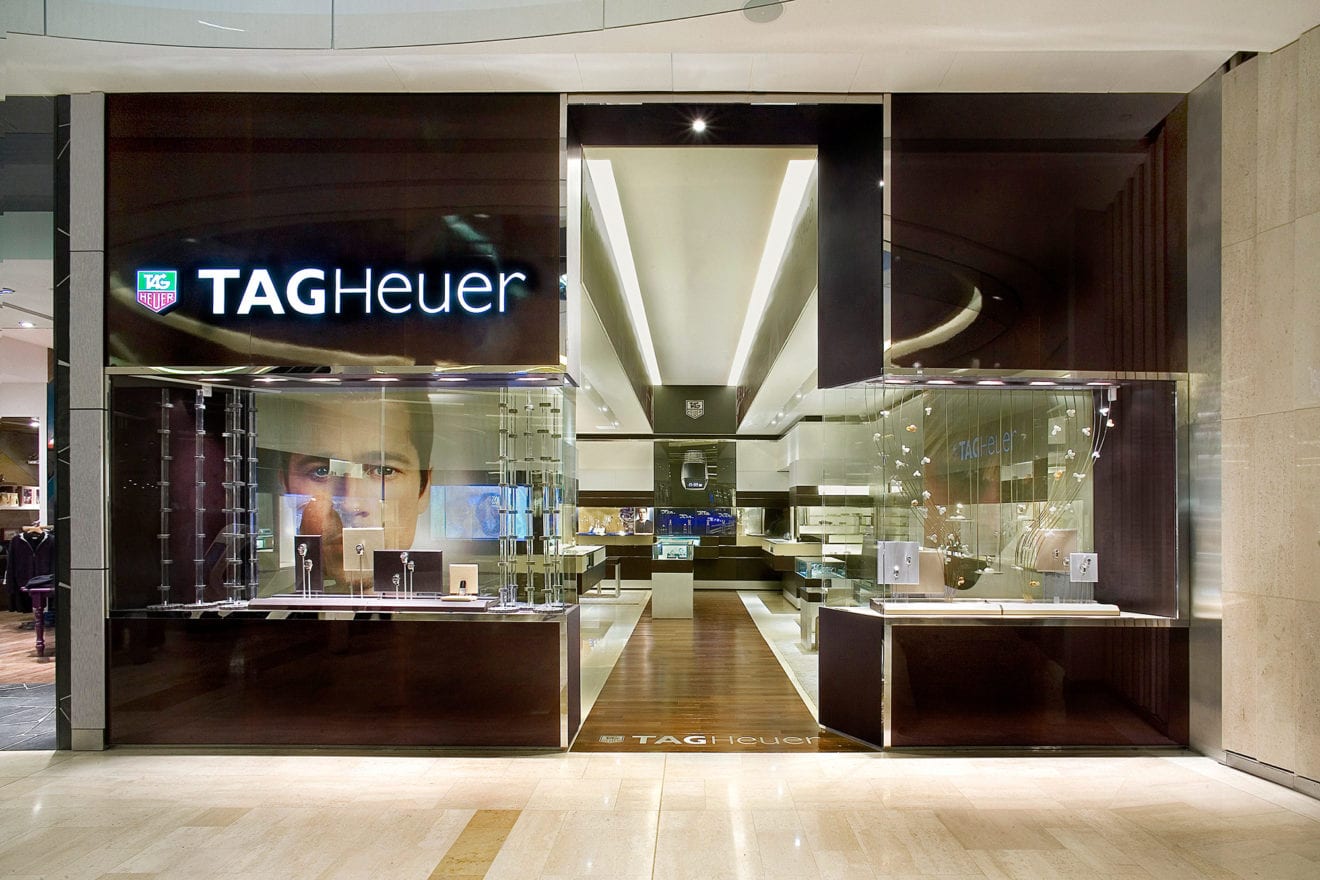
    Tag Heuer is to close one of its Hong Kong stores as it battles high rents and falling sales.

    Tag Heuer Hong Kong’s Causeway Bay store on Russell St will close soon, according to Jean-Claude Biver, the head of Tag Heuer’s parent LVMH’s watch unit.

    While local watch and jewellery retail chains have been adjusting their store networks in the wake of plummeting sales to Chinese tourists over the last 12 months, this is the first significant closure announced by a global luxury player. Rival luxury retail group Kering has hinted it may close some stores, but has not announced firm plans as yet.

    However, the Tag Heuer plan itself is vague.

    “I am not sure if the shop will be closed this year or next but for sure I want to close it because of high rental costs and a drop in traffic,” Jean-Claude Biver told Reuters.

    Local jewellery retailers like Luk Fook and Chow Tai Fook have been renegotiating rents as they come up for renewal, and reporting reductions  of between 10 per cent and 20 per cent.