Blog

  • Fast Retailing, Seven & I mull partnership

    Fast Retailing, Seven & I mull partnership

    Two of Japan’s largest retail businesses are eyeing a “comprehensive business alliance” according to Japanese news reports.

    A strategic relationship currently under discussion could see a range of mutually beneficial co-operations spanning physical stores and eCommerce.

    Details are still sketchy, but according to news reports, Fast Retailing, the parent of Uniqlo, could work with Seven & I, parent of 7-Eleven convenience stores and the Ito-Yokado supermarket chain, on areas including product design, house brands, marketing and distribution.

    Uniqlo may use 7-Eleven stores as collection points for online purchases.

    The two companies may also launch a joint venture clothing brand outside the Uniqlo network.

    To date, that’s as much information as has leaked out.

  • Truly a Dark Horse

    Truly a Dark Horse

    Dark Horse the unique Singaporean vintage clothing retail concept, is holding a grand opening of its pop up store tomorrow, (August 1).

    Dark Horse Vintage offers a comprehensive range of “vintage treasures” hand-picked from abroad.

    Each piece has its own distinctive style, detailing and history, guaranteeing purchasers they won’t have to worry about seeing someone else adorned in the same threads.

    “Our gems are only one of a kind,” exclaim the founders.

    The pop up will be located on Arab St, at no 31.

    The store promises a wide range of collections from 1960s sun dresses to elegant silk scarves, retro high-waisted skirts and more.

    Besides its occasional pop up stores the retailer also provides personalised shopping and styling. “We handpick a customised collection from our range especially suited customers style preferences”.

  • Hang Lung posts strong result

    Hang Lung posts strong result

    Hong Kong listed Chinese mall owner Hang Lung Group has reported a three per cent rise in turnover in the first half of 2015.

    The group said revenue reached HK$4.893 billion, with rental turnover up eight per cent to HK$4.148 billion. Property sales income decreased 17 per cent to HK$745 million due to the sale of fewer residential units.

    Overall operating profit of the group increased by three per cent to HK$3.725 billion.

    In Mainland China the group says it has benefited from increased investment in the Chinese market by luxury brands.

    “Our seven shopping malls in mainland China collectively posted an 11 per cent rental income growth to HK$1.684 billion,” the company said in its stock exchange filing.

    That portfolio comprises two malls each in Shanghai and Shenyang, and one each in Jinan, Wuxi and Tianjin. The two malls in Shanghai, Plaza 66 and Grand Gateway 66, contributed nine per cent more in rents to HK$1.059 billion and were almost fully let.

    “The young malls outside Shanghai cumulatively contributed 16 per cent more in rents year-on-year mainly attributable to contribution from the Riverside 66 shopping mall in Tianjin which commenced operation last September. All the young malls are going through different stages of gestation period with ongoing tenants or trade adjustments. Their occupancy rates ranged from 80 per cent to 90 per cent.”

    In Hong Kong, rental turnover of our diversified Hong Kong leasing portfolio rose seven per cent to HK$1.816 billion against the backdrop of declining overall retail sales in the local market.

    “All business segments of our portfolio recorded growth with total profit rose seven per cent to HK$1.556 billion. The resulting leasing margin was 86 per cent.”

    Positive rental reversions of Hang Lung’s Hong Kong commercial portfolio generated six per cent more in rents to HK$1.040 billion.

    “All the malls, which are situated in prime locations of Hong Kong, were virtually fully let. Grand Plaza in Mongkok and Amoy Plaza in Kowloon East both enjoyed a 13 per cent rental growth. The Causeway Bay commercial portfolio posted a five per cent rental income growth, despite Hang Lung Centre has been closed for renovation by H&M since January 2015.

    “The properties in Central collected seven per cent more in rents. The Peak Galleria at the

    Peak contributed extra five per cent leasing income to the Group. Kornhill Plaza, our regional mall in Hong Kong East, posted a stable rental growth of four per cent during the period.”

    Hang Lung said final preparations are underway for the opening of its shopping mall at Olympia 66 in Dalian towards the end of the year. This new mall comprises almost 222,000 sqm of retail area and 1200 car parks.

  • 7-Eleven Vietnam plans 1000 stores

    7-Eleven Vietnam plans 1000 stores

    The world’s largest convenience store operator has confirmed the signing of a master franchisee in Vietnam and now plans 1000 stores over the next decade.

    7-Eleven Vietnam will be a partnership between the Japanese-headquartered US subsidiary and a new venture called Seven System Vietnam Co. While the US announcement did not identify the parties behind Seven System, Japan’s Nikkei news agency identified the partner as IFB Vietnam, which owns the Pizza Hut franchise in Vietnam.

    Nikkei says the first store will open in the nation’s commercial hub, Ho Chi Minh City, with a target of 100 stores within the first three years and 1000 within 10.

    7-Eleven has 56,400 stores globally and Vietnam will mark its 18th international market.

    Japan’s Seven & I Holdings has openly been assessing a Vietnam entry for some years. The convenience store sector is still at an early development stage with Circle K and FamilyMart the early entrants and Thailand’s B-smart, part of the Berlei Jucker Group, playing a cameo role.

    Given the booming convenience store market in other Southeast Asian countries, especially Thailand, the Philippines, Indonesia and Malaysia, 7-Eleven’s superior logistics, product mix, marketing and location selection should see it assume market leadership there well within the first 10 year window.

    7-Eleven’s US statement says, somewhat enigmatically, the new Vietnam business will “construct 7-Eleven stores [and] convert existing locations to the 7-Eleven brand” without disclosing which brand is to be swallowed up.

    While the initial stores will be company-owned, the company says it will eventually franchise stores to local entrepreneurs.

    “7-Eleven’s entry into the country aims to enhance the convenience-shopping experience for Vietnamese customers and contribute to modernizing small retailers in the world’s 13th most populous country.”

    7-Eleven US and its parent company, Seven-Eleven Japan, will provide start-up support for its newest master franchisee by assisting Seven System Vietnam in implementing 7-Eleven’s strategies of market concentration, team merchandising and item by item management. Vietnam marks 7-Eleven’s first new market in the Pacific Rim since it entered Indonesia in 2009.

    It already operates in the US, Canada, Mexico, Japan, Thailand, South Korea, Taiwan, China, The Philippines, Australia, Singapore, Malaysia, Indonesia, Norway, Sweden, Denmark and the UAE, where the first 7-Eleven store will open in the third quarter of this year.

  • HonestBee triggers Singapore food fight

    HonestBee triggers Singapore food fight

    A new player in Singapore’s online grocery market – honestbee – is set to bring a unique approach and ramp up the competition.

    Jonathan Low, co-founder of the new concept, describes honestbee as “an Instacart-like service which assigns a freelance runner to buy groceries on your behalf from the nearest supermarket”.

    Honestbee is the latest entrant in Singapore’s online grocery battle, and it’s eager to prove it can deliver the goods. Casual observers probably won’t spot many differences between the service and its competitors, which now include RedMart, PurelyFresh, and GoFresh. Even supermarkets like Cold Storage are upping the ante with a revamped online shopping site.

    Indeed, they all seem to work the same way. After entering your postal code, the site tells you what merchants are available in the area. You then select one of its partners – from supermarkets like Cold Storage and Sheng Siong to smaller setups like Pet Lovers Centre and Gastronomia.

    Next comes putting items in your shopping cart, picking a time slot, and checking out. The service waives delivery fees for basket sizes above a certain amount. And, if all goes well – and it usually does – the delivery guy rings your doorbell at the appointed time.

    So far so good. But where honestbee really shines is its promise of delivering groceries to you within an hour, writes Terence Lee on TechInAsia.com.

    “Well, more like two hours, as the case was for me. I made my purchase at 11.30am, and the earliest time slot I could choose was 1pm to 2pm. One-hour ranges are the best anyone can do in Singapore now, though honestbee wants to eventually introduce 30-minute slots.”

    The startup is part of a rising class of “on-demand” services that aims to give you what you want, as soon as you want it. Uber pioneered the idea of using existing resources (idle private vehicles) and summoning them to anyone through an app. Instacart takes the same concept to groceries, and honestbee applies the same model to Singapore.

  • Goxip mixes fashion, celebrities and shopping

    Goxip mixes fashion, celebrities and shopping

    Star-gazers – those who focus on the celebrities, that is – now have an app they can use to find fashion matching what their idols are wearing.

    A Hong Kong startup has launched an app called Goxip which uses social media, photo recognition technology and news feeds to connect fashion lovers with online retailers.

    So when 25 year old Tina in a downtown Hong Kong cafe sees Fan Bingbing wearing a stunning new dress on a red carpet stroll she can copy the image on Goxip, crop the photo and wait while the app digitally searches online stores around the world for something similar.

    The app’s creators – Juliette Gimenez and YC Lau – hope Goxip will become “the commerce layer, in between the world of [celebrity news] content and the retailers,” according to an interview.

    It’s aimed at ‘ordinary people’ who cannot afford to splurge $5000 on designer rags worn by a Hollywood superstar – but want something as similar as they can. Meanwhile, fast fashion apparel brands are constantly studying catwalks and red carpets to spot new trends and cuts they can incorporate into their next weekly or fortnightly release.

    Goxip helps the two parties meet – hopefully resulting in online sales for the retailer.

    Behind the app is a system constantly searching for new trends and celebrity revelations.

    “When you read the news, you can go straight to the article. Or you can shop. We have a snap and crop function. I like this dress, so I crop. I like this red dress for my cocktail party. I crop, take a photo, type the style and a list of clothing that matches your desire is listed,”.

    Gimenez, Goxip’s CEO, worked with group-buying startup uBuyiBuy.com in 2010 which was later acquired by Groupon. Lau, Goxip’s head of product, is an investor and adviser for Chinese language web forum HKGolden.com, which boasts 6 million daily page views.

    Goxip already has relationships with over 40 retailers (including Amazon, Shopbop, Zalora, Bloomingdales and TopShelf) and estimates it already has about 1 million clothing items in its database.

  • Prince Philippines to expand

    Prince Philippines to expand

    Hypermart chain Prince Philippines says it will open four new stores before the end of this year.

    Prince Hypermart says the new stores will be in Visayas and Mindanao and will take its network to 28, all located in provincial areas where the company has strong relationships with traditional sari-sari store owners as well as direct to consumer business. It offers micro financing options for sari-sari owners.

    Business development manager John Robertson S Go says the first new store will open in Gingoog City in Misamis Oriental.

    “Sari-sari store business is relevant to the local economy because it directly helps Filipinos at the grassroots level in getting themselves out of poverty,” another company executive said.

    The company already serves about 500,000 customers every day in its 24 existing stores

    Prince says it has been adjusting its stock range in recent years as buying habits change. Where once customers were always seeking the least expensive products, there is now growing demand for premium goods.

    “This means they have more money to spend. Their inventories have also upgraded,” the spokeswoman said.

  • Laucala Island welcomes a new managing director

    Laucala Island welcomes a new managing director

    Laucala Island, the luxurious private island resort located in the Fijian Pacific archipelago, is pleased to announce the appointment of Christoph G. Ganster as its new Managing Director commencing July 2015. Austrian born and veteran of the luxury hospitality industry, Ganster has more than 23 years of experience as an international hotelier, most recently serving the last 11 years with FRHI Hotels & Resorts.

    “It is an extreme pleasure and honor having been entrusted to manage one of the world’s most prestigious private islands. The philosophy of the owner to establish the ultimate in luxury and privacy, combined with the holistic approach of self-sustainability, make this one of the most unique destinations. All of us are fully committed to provide true Fijian hospitality and create beautiful moments that last for eternity” said Ganster.

    “Ganster has a body of knowledge and depth of experience in the luxury industry that he will share with the island and in turn will further enhance guest experience. We are delighted to have the opportunity to work with such a consummate professional and leader in the industry.” stated Laucala Island owner Dietrich Mateschitz.

    Previously, Ganster was General Manager in Seychelles, Ukraine and Egypt with Raffles Hotels & Resorts as well as Fairmont Hotels & Resorts. Prior to that he worked in various senior management positions in United Arab Emirates, Caribbean, Maldives, Mauritius, Switzerland, USA and Germany. Most recently he was based in Seychelles as General Manager of Raffles Praslin. In addition to his role he was a Member of the Board of the Seychelles Hospitality & Tourism Academy as well as the Seychelles Tourism Board, the Government Body, promoting Seychelles. Ganster graduated from the School of Tourism & Hotel Management Schloss Klessheim, Salzburg, Austria.

    About Laucala Island

    Set in 3,500 exclusive acres on its own 12 sq km island in the Fiji archipelago in the South Pacific, Laucala Island brings a new meaning to the term “all-inclusive resort”.

    This private island paradise, accessible by its own airport has just 25 luxurious villas, each individually designed with an eye to traditional Fijian style and all with private pools, which are set amidst the swaying palms of coconut plantations, powdery white sand beaches, turquoise lagoons, lush green mountains and breathtaking natural beauty.  

    True luxury comes in the complete privacy of the villas and in the freedom to enjoy an outstanding range of sports and leisure activities with spontaneity, from a round of golf on the island’s 18-hole 72-par championship course, to water sports and beachside horseback riding.

    Laucala Island features 5 exclusive restaurants and bars overseen by top international chefs and offers a superb choice of Western, Asian and local cuisines, complemented by an impressive cellar of fine wines.  

    With over 385 staff, the highest staff-to-guest ratio in the world, as well as on-island professionals such as a PGA Golf Professional from New Zealand, a spa manager from Thailand, diving and fishing experts, and a Super Falcon Hydrobatic Craft, there is no other private island in the world which offers such a range of leisure facilities.  

    In its mission to offer a sublime tropical experience, Laucala Island prides itself on a philosophy which brings elements of the island into each guest experience, through produce which is raised and grown organically on the island.

  • Strong Vietnam retail sales growth

    Strong Vietnam retail sales growth

    Vietnam retail sales growth reach 8.3 per cent in the first half of this year, according to government data.

    In the first seven months of this year, the private sector accounted for 85.6 per cent of total retail sales, earning $73.4 billion or a year-on-year increase of 9.5 per cent, according to the Vietnam News Service..

    Vu Manh Ha of the General Statistics Office, says the nation’s retail sales stabilised during the first quarter. Sales rose eight per cent in the first four months, 8.2 per cent in the first five months and 8.3 in the first six.

    He attributed the stabilisation in the growth rate to a low increase in the Consumer Price Index.

    Total retail sales reached US$85.8 billion.

  • Myanmar’s MySQUAR raises $2.6m in London listing

    Myanmar’s MySQUAR raises $2.6m in London listing

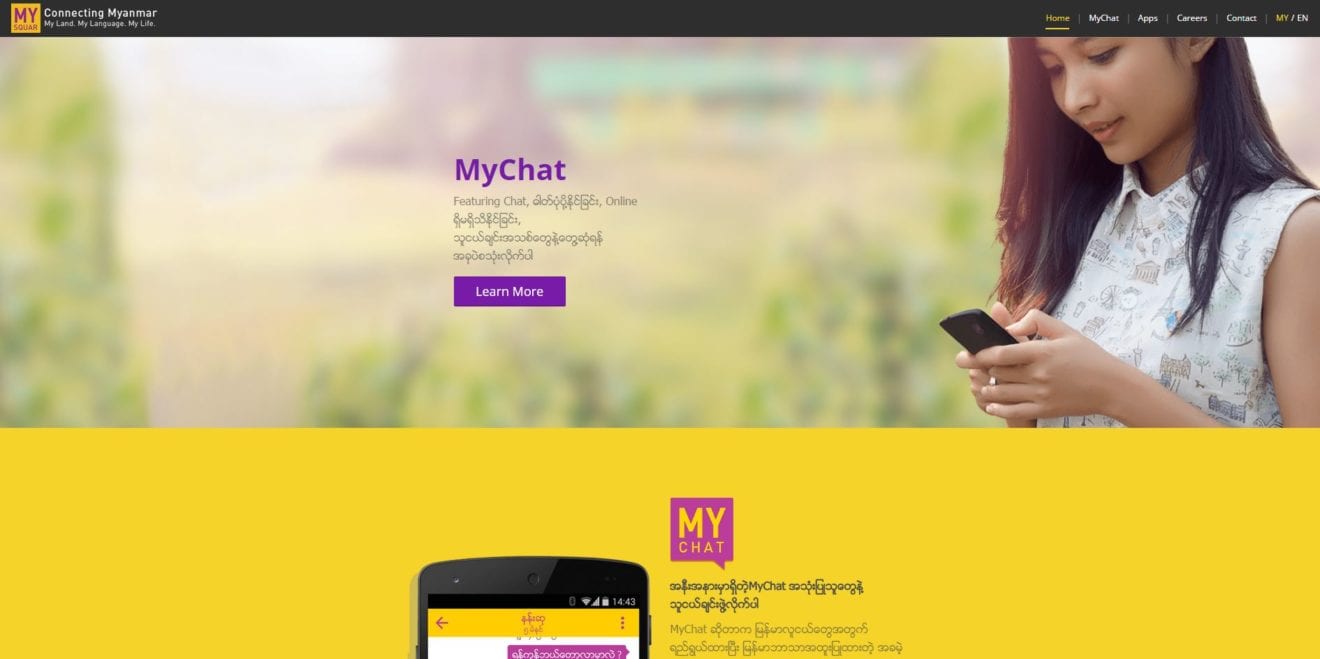
    MySQUAR, Myanmar’s only social media platform in the local language, has raised $2.6 million, at a valuation of $27.8 million, through an initial public offering on London’s Aim.

    MySQUAR was looking to raise $2.5 million, via a London listing, at a valuation of $25 million. The report had quoted Shashi Fernando, Chief Executive Officer at Yonder and Beyond, the Australia listed global technology accelerator, that has 3 per cent equity holdings in MySQUAR,

    AIM is the London Stock Exchange’s international market for smaller growing companies. A wide range of businesses including early stage, venture capital backed as well as more established companies join AIM seeking access to growth capital.

    MySQUAR said it would use the funds to expand its product line, moving into news, information, financial and payment services in the future to augment its social networking and gaming products

    In August last year, MySQUAR had unveiled its free mobile messaging app – MyChat – built solely for Myanmar.

    The successful listing comes off the back of MySQUAR’s significant growth within the Myanmar telecoms market. Its MyChat app was recently ranked fifth in Google Play’s top free applications store, with over 680,000 accounts on the instant messaging app. By the end of the year, the company expects the figure to have treble to 1.5 million users.

    “What we are seeing in Myanmar is a social revolution and it is gaining traction quickly,” said Eric Schaer, chief executive of MySQUAR. “A SIM card was hundreds of dollars three years ago and now is just US$1.50, making it easily attainable for the population. Although little over 30 per cent of Myanmar’s 60 million population has a handset, the penetration rate is expected to hit 100 per cent in the next five years. We are in a fantastic position to capitalise on this growth and the market has confirmed our position,” he added in a statement.

    Post the listing, Yonder & Beyond’s 3% is worth $845,000, which represents a value up-lift of 24% in four months. “MySQUAR is one of the most exciting companies within our portfolio and this listing provides us with a significant return on our investment,” said Shashi Fernando, chief executive of Yonder and Beyond, in a statement. “It continues to grow at a rapid rate. Through its listing on AIM, they are allowing investors to access the Myanmar market, as well as enabling MySQUAR access to growth capital,” he added.

    MySQUAR intends to expand its product line and Schaer said he was confident that the company would break-even in 2018. The firm intends to move into news, information, financial and payment services in the future to augment its social networking and gaming products.

    By 2019, MySQUAR expects to capture and keep 30 per cent of Myanmar’s connected population continuing its rapid growth trajectory.

    Last year, techinasia, had an interesting post, where MySQAR’s erstwhile Canadian founder claimed she was ousted in a ‘hostile takeover’ of the social media platform. The report further quoted a blogpost titled, ‘When investors turn into bullies’, where Rita Nguyen, founder and former CEO of MySQUAR, had said that her co-founder Nguyen Quynh Anh, and she were “locked out” of the company. Another report, in local media, had said that Rita Nguyen, who had been named one of Forbes’ Asia Power Businesswomen, had taken down this blog post, on June 17, a week after she had uploaded the same.

    Earlier this year, Myanmar granted mobile licenses to Telenor and Ooredoo after these two companies were selected last year following a bidding process, becoming the first foreign mobile phone companies to operate in the country. Their rollout of services has seen Myanmar’s low mobile phone penetration rise rapidly over the last few months.

  • SingPost flourishes on eCommerce focus

    SingPost flourishes on eCommerce focus

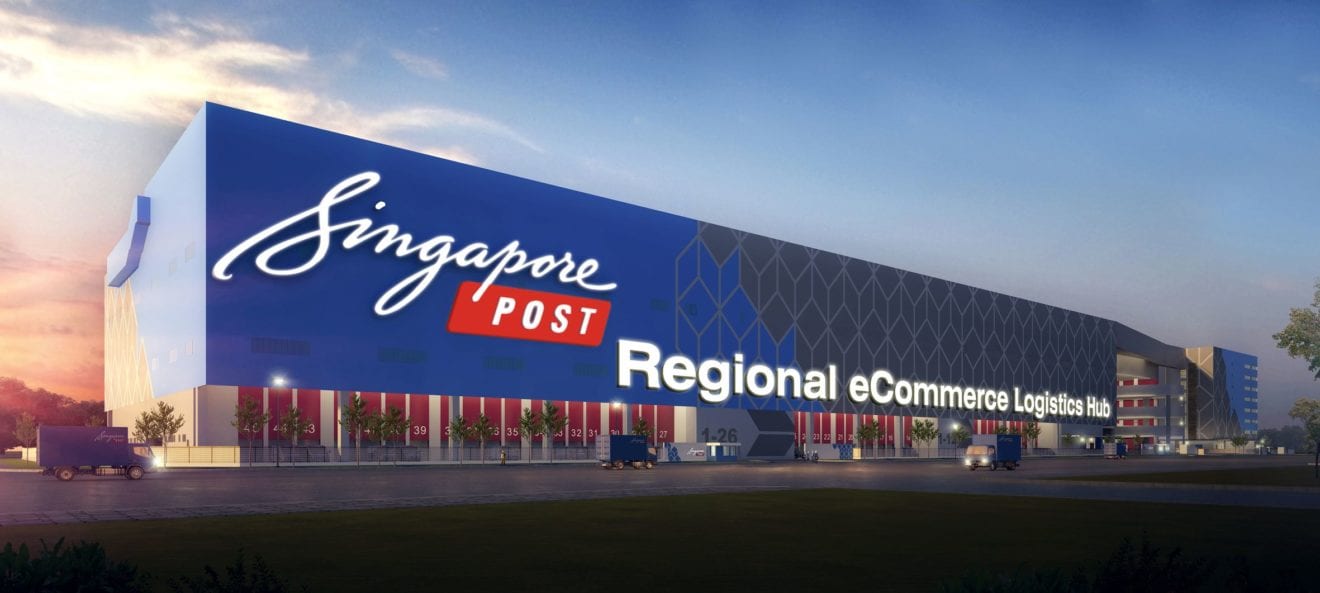
    A firm focus on serving the booming eCommerce market has helped Singapore’s national postal service achieve a record first quarter profit.

    SingPost on Wednesday says in made S$46.6 million net profit in the first three months as its eCommerce strategy paid dividends. Its performance comes in an era when postal services internationally are struggling to break even and remain relevant as traditional mail volumes fall.

    Like every other mail service provider, traditional mail volumes declined in the quarter – by 1.6 per cent – but a modest increase in postal charges offset declining traditional postage income. However revenue from logistics, which includes SingPost’s eCommerce logistics business, soared 43.6 per cent to S$140.1 million – $15 million more than postage revenue.

    The company also achieved a one-off gain from divestments.

  • Garuda Indonesia partners with China’s CFM International over the airline’s 737 MAX Fleet

    Garuda Indonesia partners with China’s CFM International over the airline’s 737 MAX Fleet

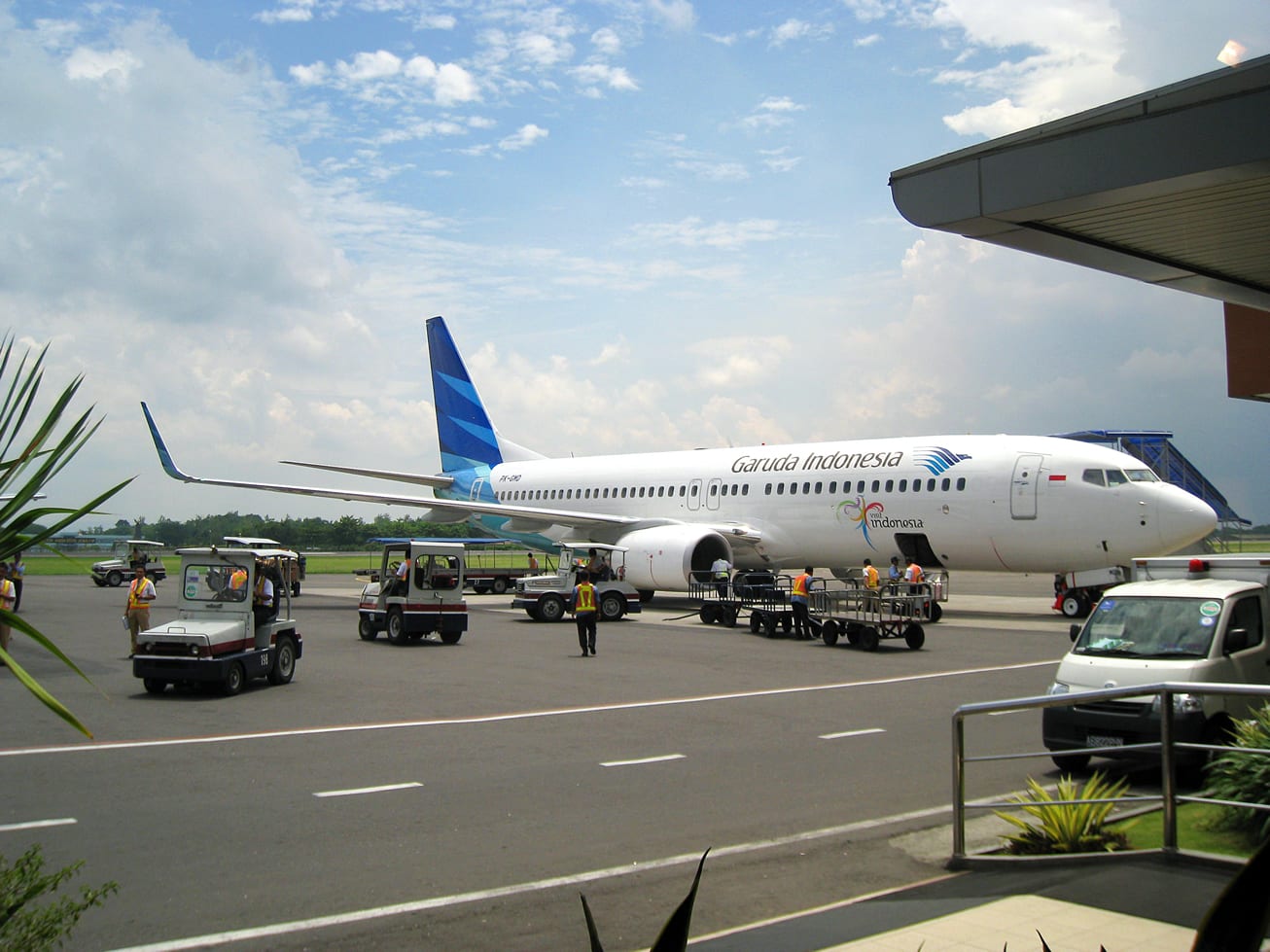
    State-run flag-carrier PT Garuda Indonesia Tbk (GIAA) and China’s CFM International have announced the expansion of their long-term partnership, under which, CFM will provide support for the airline’s future fleet revitalization program.

    Under the arrangement, Garuda is committed to purchase 50 Boeing 737 MAX 8 aircraft, which will be powered by CFM LEAP-1B engines.

    “The Next-Generation 737 with CFM56-7B engines is the backbone of our current fleet and this order for the 737 MAX shows our continued commitment to providing our passengers with the most modern, fuel efficient aircraft/engine combination available today,” said Arif Wibowo, President Director and Chief Executive Officer of Garuda Indonesia.

    Garuda Indonesia is a long-time CFM customer and began operating the CFM56-3-powered Boeing 737-300 in the late 1990s. Today, the airline’s fleet includes approximately 80 CFM-powered 737 aircraft in service or on order.

    “We are pleased that Garuda Indonesia has continued to place its trust in CFM,” said Max York, Regional General Manager of Sales for CFM International.

    The LEAP engine is to be the most advanced, reliable, fuel-efficient powerplant for the new generation of single-aisle aircraft.

    Garuda said the lower weight and higher durability these components provide will result in a 15 percent improvement in fuel efficiency, with an equivalent reduction in CO2 emissions; a 50 per cent margin to new emissions regulations; a dramatically lower noise signature; CFM’s industry-leading reliability and low overall operating costs.

    Garuda announced in October 2014 the airline’s intent to purchase 50 737 MAX 8 aircraft. The agreement is part of the airliner’s revitalization program in order to provide its passengers with the best possible experience with the youngest fleet in the sky and to support the airline’s future plan to further expand its network globally.

    The airliner currently operates more than 90 Boeing airplanes, including Next-Generation versions of the 737, 777-300ERs and 747-400s.

  • Indonesia’s Bank Mandiri partners ASCO, Tunas for multifinance biz JV

    Indonesia’s Bank Mandiri partners ASCO, Tunas for multifinance biz JV

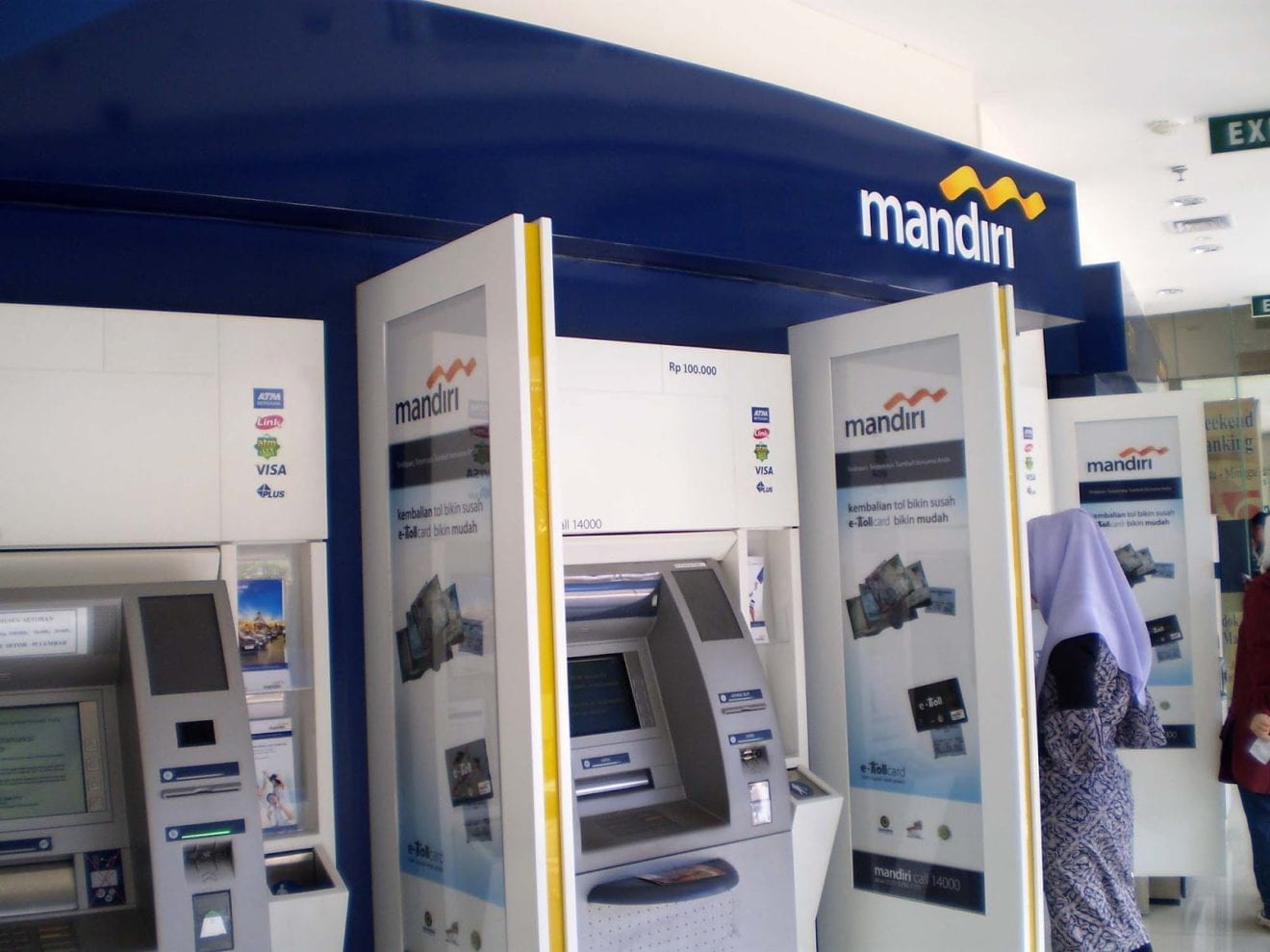
    PT Bank Mandiri Tbk (BMRI), the largest bank by assets in Indonesia, is planning to tap the growing automotive credit market through a joint venture (JV) with a multifinance firm PT Mandiri Utama Finance (MUF).

    The bank plans to collaborate with automotive distribution company ASCO Automotive and Tunas Group for establishing the JV company. In the new JV, Bank Mandiri will hold 51 per cent, while US ASCO will hold 37 per cent stake and Tunas Group 12 per cent.

    MUF expects the new JV firm to begin operations in September.

    MUF was established in January 2015 as a leasing sub unit of Bank Mandiri, which has 10 subsidiaries, including Syariah lender PT Bank Syariah Mandiri (BSM), securities firm PT Mandiri Sekuritas and life insurer firm PT AXA Mandiri Financial Services.

    Hery Gunadi, Consumer Banking Director for the bank told that Bank Mandiri intends to capture market share of 30 per cent by 2018. Currently, the bank has around 10 per cent market share in the multi finance sector.

    MUF plans to open between five and eight branches (Jakarta, Bandung and Surabaya) in the second half of this year.

    Meanwhile, Mandiri Tunas Finance will provide financing for car, heavy equipment and motorcycles, while Mandiri Utama Finance will focus on new and used car and motorcycle financing, said Gunadi.

    President Director and CEO Group of Bank Mandiri, Budi Gunadi Sadikin added that the potential market for automotive credit could reach Rp200 trillion ($14.93 billion) this year with estimated car sales around 1 million units and motorcycle 8 million units.

    “There are a lot of multifinance firms that are encountering funding difficulties. This creates opportunities for us to enter (the financing) business. At present, income contribution from multifinance business, on average grows, by around 31 per cent per annum; and it is the third largest income contribution from subsidiaries after AXA Mandiri and Bank Syariah Mandiri,” he said.

    ASCO Automotive and Tunas Group are among largest automotive distributors in the country. ASCO Automotive, previously called Adira Mobil, was jointly established by former CEO of PT Astra International Tbk (ASII) Teddy P Rahmat and former CEO of financing firm PT Adira Finance TbkStanley Setia Atmadja in 1989.

    Tunas Group was established by businessman Anton Setiawan in early 1970s. In 1980, he establishedPT Tunas Ridean Tbk (TURI) as holding company of Tunas Group and listed the firm in 1995. In 2009, Bank Mandiri acquired 51 per cent shares of PT Tunas Financindo Sarana, a subsidiary of Tunas Group and later changed the company’s name to PT Mandiri Tunas Finance (MTF).

  • Indonesia’s Telkomsel collaborates with Trikomsel for handset bundling deals

    Indonesia’s Telkomsel collaborates with Trikomsel for handset bundling deals

    The largest mobile operator in Indonesia, PT Telekomunikasi Selular (Telkomsel), unit of state-run telecom operator PT Telkom Indonesia Tbk (TLKM), has joined hands with gadget store operator PT Trikomsel Oke Tbk (TRIO) to launch a device bundling program to drive the growth in smartphone users, the company said in a statement.

    The device bundling program includes, Lenovo Vibe X2, Xiaomi Redmi 2 and Xiaomi Mi 4i with cash back and data package promotion. In addition. Telkomsel also launched device bundling program for BlackBerry Classic, Samsung Galaxy S6 edge and LG G4 to attract high value customers.

    Since December 2014, Telkomsel has successfully rolled-out 4G LTE services to support the data services in Jakarta, Bali, Bandung, Surabaya and Medan using the 900Mhz spectrum. The operators are in the midst of rearranging their 1800Mhz spectrum and expected to be completed by the end of the year.

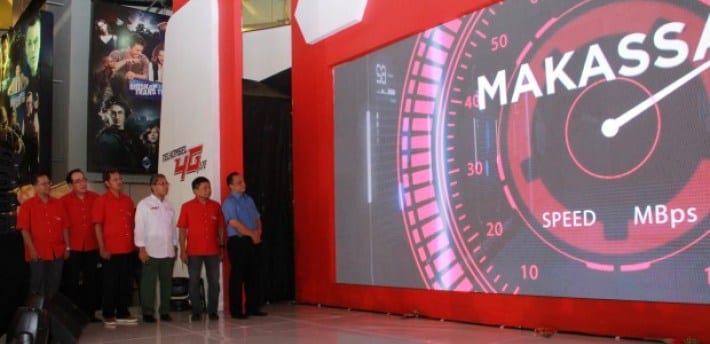
    To signify the completion of spectrum rearrangement in areas outside Java, Telkomsel launched 4G LTE services using 1800Mhz spectrum in Makassar and Lombok in July 2015. To date, the operator has more than 1,000 4G LTE BTS serving the seven key cities.

    In the first half of 2015, Telkom as a group has spent Rp11.9 trillion ($888.06 million) in capital expenditure (capex), of which Rp5.8 trillion was for Telkomsel and the remaining Rp6.1 trillion was for Telkom and other subsidiaries.

    Telkom’s capex was mainly utilised for deploying access and backbone infrastructure to support the broadband services, while Telkomsel’s capex was mainly utilized for radio access network. Other subsidiaries’ capex was utilised for towera, property, data center, and project international cable systems.

    In first half of the year, Telkomsel reported that net profit rose 14.7 per cent from previous year (Rp8.81 trillion to Rp10.11 trillion). While the company revenues rose 13 per cent from Rp31.33 trillion to Rp35.40 trillion in first semester of 2015.

    Revenue from prepaid customers accounted for 84.9 per cent with Rp30.04 trillion of Telkomsel’s total revenue mainly driven by prepaid subscriber base, high increase in data usage and data revenue as well as continued growth in voice and SMS revenues.

    Postpaid revenue increased by 13.5 per cent to Rp2.78 trillion mainly driven by the increase in the postpaid customer base which grew by 16.6 per cent to 3 million subscribers. Revenue from postpaid customers contributed 7.9 per cent to the total revenue.

    Telkomsel continued aggressive network deployment with 11,495 new BTS installed in an effort to maintain leading network supply to strengthen mobile broadband experience. Around 90 per cent of new BTSs were 3G/4G BTS.

  • Blue Bird to use Honda Mobilio taxis

    Blue Bird to use Honda Mobilio taxis

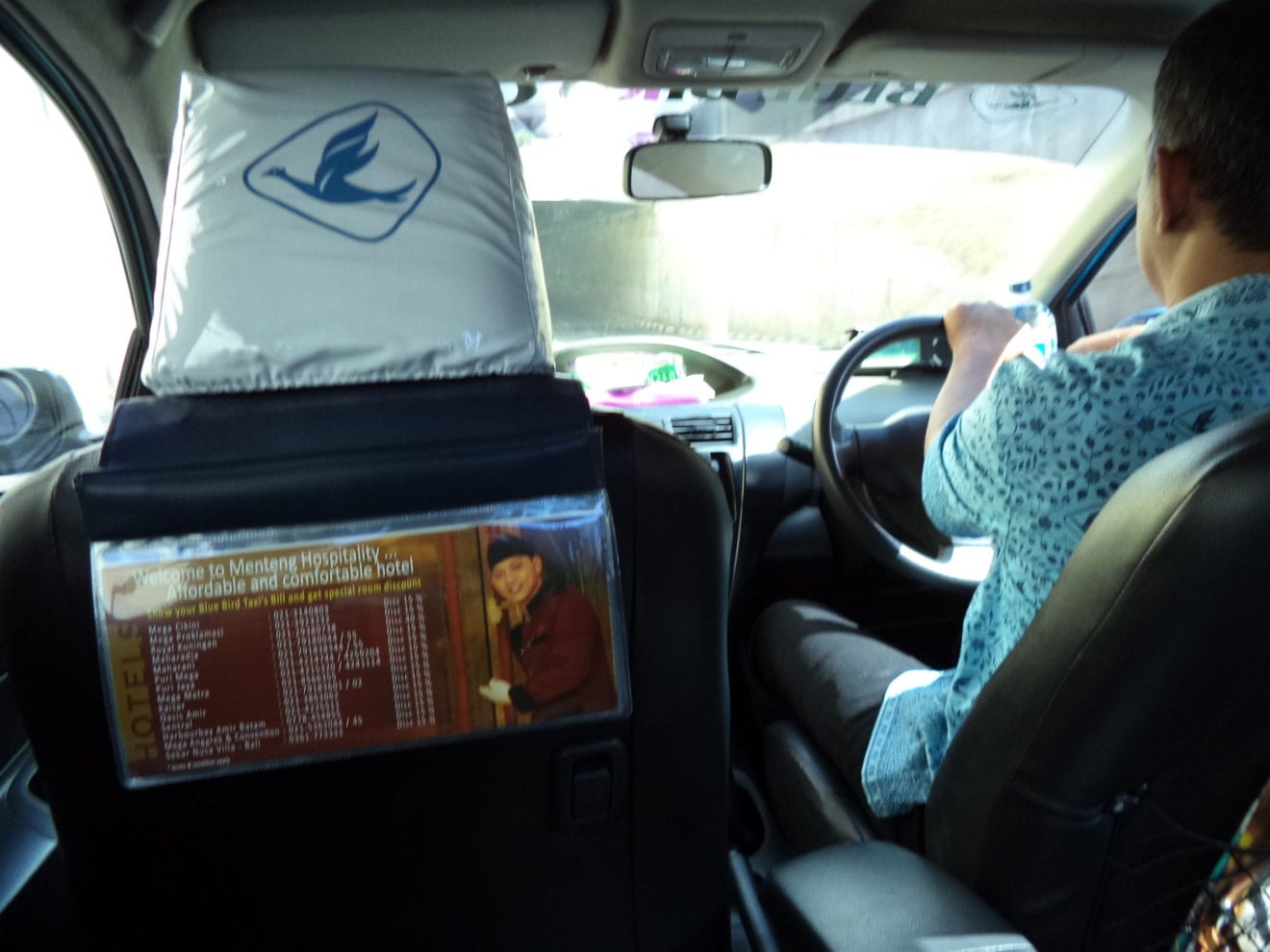
    Taxi operator Blue Bird Group will add the Honda Mobilio multi-purpose vehicle to its fleet in September.

    Blue Bird public relations manager Teguh Wijayanto said the new taxis would charge the regular fare. “The fare will be the same as the regular taxis,” said Teguh as quoted by kompas.com, adding that the Honda Mobilio taxis would be part of its regular fleet, not for its Silver Bird executive service.

    Blue Bird did not reveal the number of Mobilios to be used as taxis as it was still testing the cars.

    Currently, Blue Bird uses five-seater sedans as taxis. The seven-seater Mobilio will be able to carry up to six passengers.