Blog

  • Tommy Hilfiger launches innovative digital showroom

    Tommy Hilfiger launches innovative digital showroom

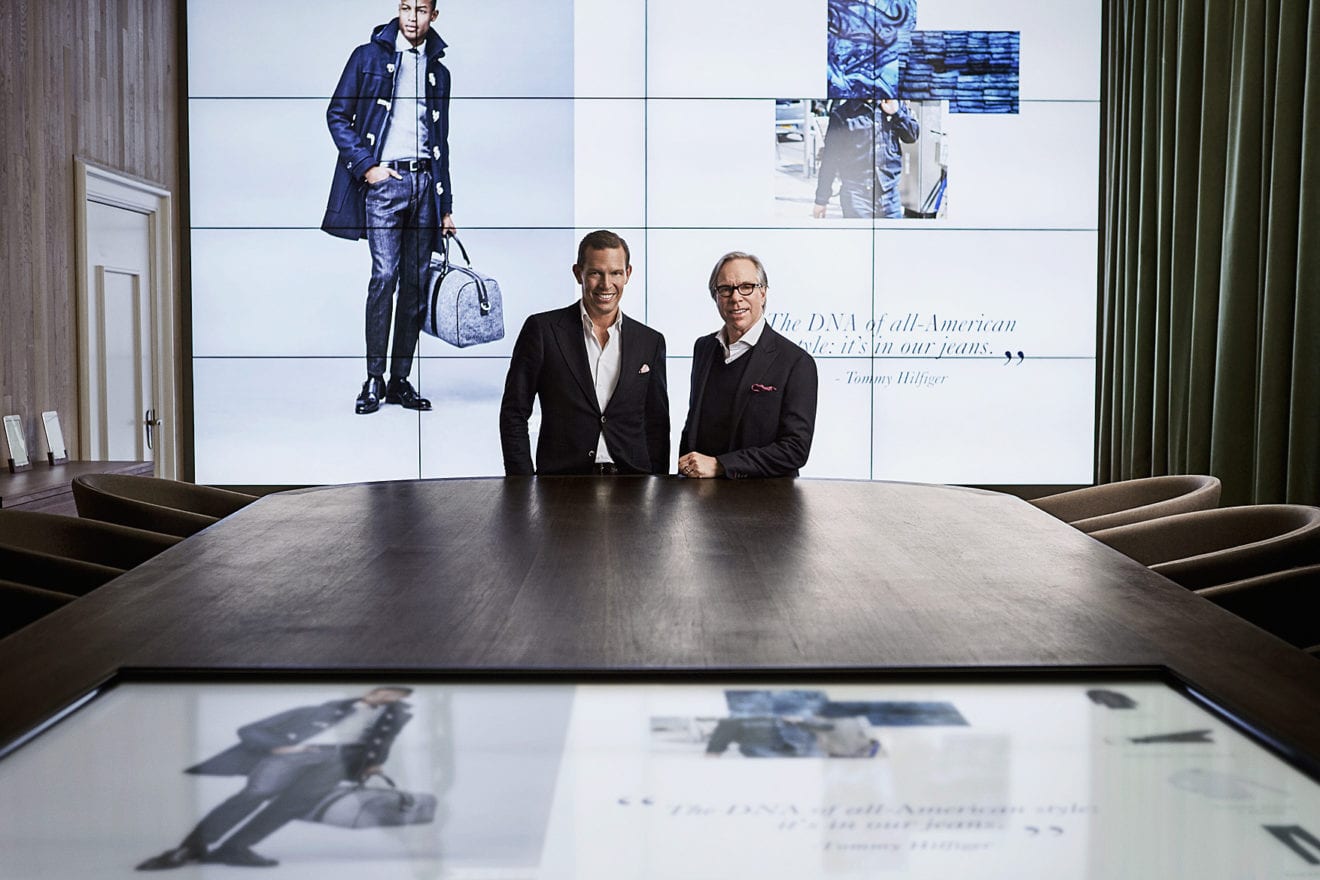
    Tommy Hilfiger on Wednesday launched an innovative digital sales showroom at its global headquarters in Amsterdam, The Netherlands. The interactive system blends collection information, sales tools and brand content in one seamless touchscreen interface.

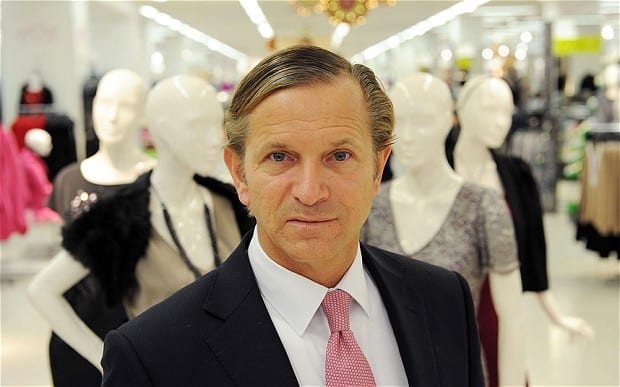
    “Our digital showroom revolutionizes the buying and selling journey for our retail customers and internal sales teams,” said Daniel Grieder, CEO, Tommy Hilfiger. “We are passionate about providing our clients with the best service, experience and quality.

    Our new digital showroom concept completely reimagines the traditional buying approach and establishes a new fashion industry benchmark for business to business sales. The concept also supports our ongoing focus on efficiency and will significantly streamline and enhance the Tommy Hilfiger sales experience.”

    The centrepiece of the digital showroom is an interactive half-meter by one-meter touchscreen table set in a sleek walnut frame, which connects to a four-meter-high wall-to-wall grid of ultra-high-definition 4K screens. Customers can digitally view every item in the Tommy Hilfiger sportswear and Hilfiger Denim seasonal collections and create custom orders with all product categories laid out across a single screen. They can view head-to-toe key looks, zoom in with incredible detail to see unique design features, and click on a garment for specific information such as colour offerings and size ranges.

    The product selection and ordering experience builds on a traditional sales approach, reimagined through the digitalised system that streamlines and simplifies the process. The interactive interface allows for in-depth discussions on styling, merchandising and deliveries that are tailored to each client. Furthermore, by complementing traditional sales tools with an array of brand information, the digital showroom effectively immerses the customer in the complete Tommy Hilfiger brand experience.

    The digital showroom concept also supports Tommy Hilfiger’s ongoing sustainability mission, as it reduces sample production, eliminates the need for printed order forms, and diminishes the ecological impacts of shipping. In turn, the environmental impacts of sample creation are significantly reduced, from the supply chain and manufacturing to packaging and international shipping.

    The fashion retailer is establishing a global roll-out plan to expand the concept into markets worldwide.
  • Spending on luxury falls on mainland China

    Spending on luxury falls on mainland China

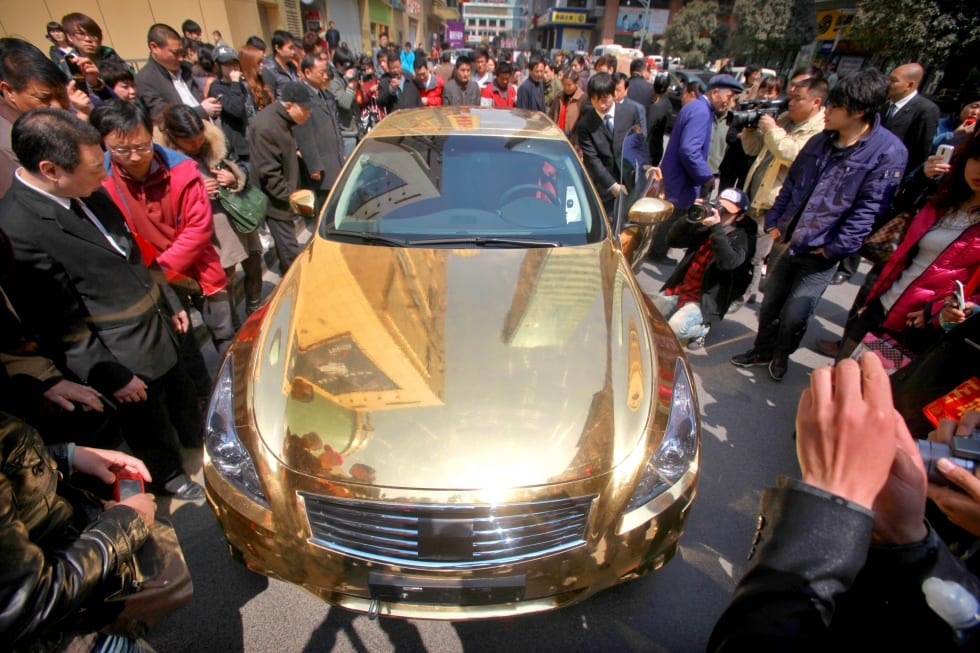
    China remained the world’s largest consumer of luxury products last year even though domestic sales fell for the first time due to the government’s anti-corruption campaign and increased spending overseas.

    Chinese spending on luxury goods increased 9 percent to CNY380 billion (USD61.3 billion) in 2014, accounting for 30 percent of global spending, according to Bain & Company’s 2014 China Luxury Market Study.

    However, sales of such products on the Chinese mainland fell 1 percent from a year earlier to CNY115 billion, the consulting firm said on Tuesday.

  • Ikea working to polish its reputation in Indonesia

    Ikea working to polish its reputation in Indonesia

    Indonesia and the European Union have been doing business for decades. Over the years, Indonesia has been exporting many products to EU countries, and vice versa. According to Harvey Rouse, head of economic and trade section for the European Union’s mission to Indonesia, the EU encourages European companies that invest in Indonesia to respect local values and cultures, as well as improve the welfare of the people around them through corporate social responsibility programs.

    “By addressing these social responsibilities, companies are actually building long term relationship and trust with employees, customers and citizens,” Rouse said.

    One of the European companies in Indonesia that has a solid commitment to local CSR programs is Ikea. Since its launch in Alam Sutera, Tangerang, last October, Ikea’s first store in Indonesia has been a favourite shopping destination.

  • Domestic online giants to overtake MNC rivals as China’s favourite retailers

    Domestic online giants to overtake MNC rivals as China’s favourite retailers

    New consumer research shows that domestic online retailers are becoming as popular as multi-national brands amongst shoppers in China. eCommerce brands such as TMall (Alibaba Group) and JD.com (invested by Tencent) are now increasingly trusted businesses, offering far more than just cheap prices and convenience. At their current rate, one of them will likely take the top spot in the next two years, according to OC&C Strategy Consultants Greater China.

    Although sportswear brands, Adidas and Nike, once again topped the latest rankings in Second Mover Advantage – The OC&C Retail Proposition Index China 2014 (The Index), Tmall now appears in the top three for the first time. In total, four of the top ten places are now occupied by Chinese online-only retailers – TMall, JD.com, YHD.com and Taobao. The rankings are based on the views of over 2,000 consumers across China who rated retailers against criteria including, trust, value for money and product suitability.

    The growth in popularity of eCommerce retailers means that the Chinese retail landscape is starting to become more like other global markets where generalist, online-only players such as Amazon, tend to be dominant.

    “As retail execution and consumer expectations increasingly mirror what we see in Western markets, it may only be a matter of time before a pure online-only player becomes the most popular retail brand in China,” said Jack Chuang, Associate Partner at OC&C Strategy Consultants Greater China. “Chinese consumers are becoming more confident and independent in their shopping habits and exercising greater choice between retail brands, particularly online.”

    “This means that foreign retailers are losing their inherent advantage over their Chinese counterparts as the high-profile, trusted brands of choice with shoppers. The era of relying on their brand strength and its implied trust is coming to an end. Retailers will need to respond by tailoring their products specifically to the local target market.” he added.

    The growth of eCommerce in China will continue over the next few years. The evidence from The Index highlights that the key challenge for traditional bricks and mortar retailers will be developing an attractive multi-channel offering (online as well as offline) to consumers. Some retailers in western markets are starting to fight back against the competition from online-only retailers and, in the long-term, this will likely also be a feature of the Chinese market.

  • Japan Post, Rakuten to offer delivery lockers

    Japan Post, Rakuten to offer delivery lockers

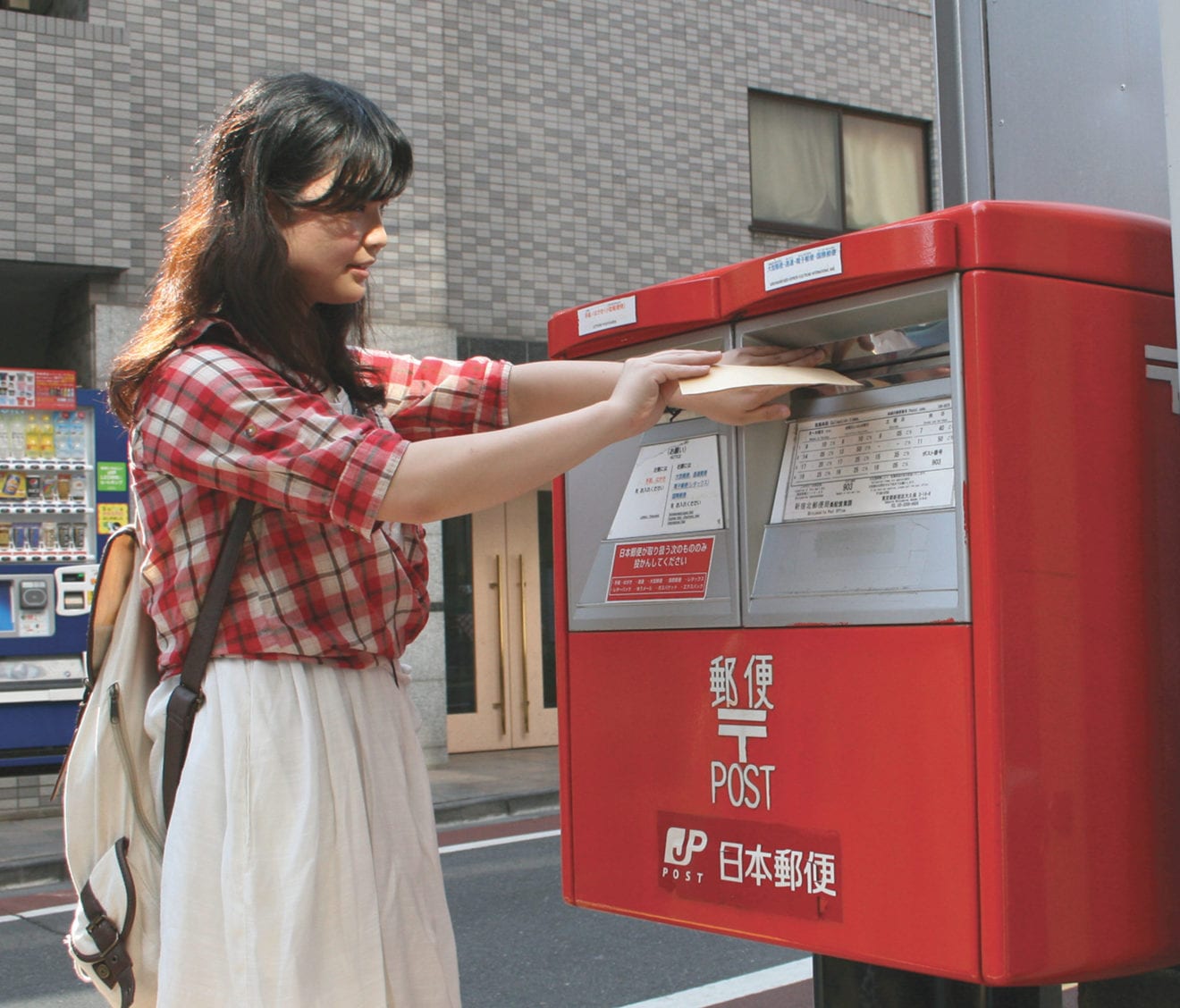
    Japan Post Co. and e-commerce giant Rakuten Inc. are teaming up to offer lockers where customers can pick up items purchased online at their own convenience, sources said on Thursday.

    The new service, being arranged to start in April at about 30 locations including post offices in Tokyo, will allow clients of the major internet mall to have items delivered without revealing their addresses.

    The two firms will consider adding locations across Japan after the limited launch, the sources said.

  • Apple will open 5 new stores in China before Chinese New Year

    Apple will open 5 new stores in China before Chinese New Year

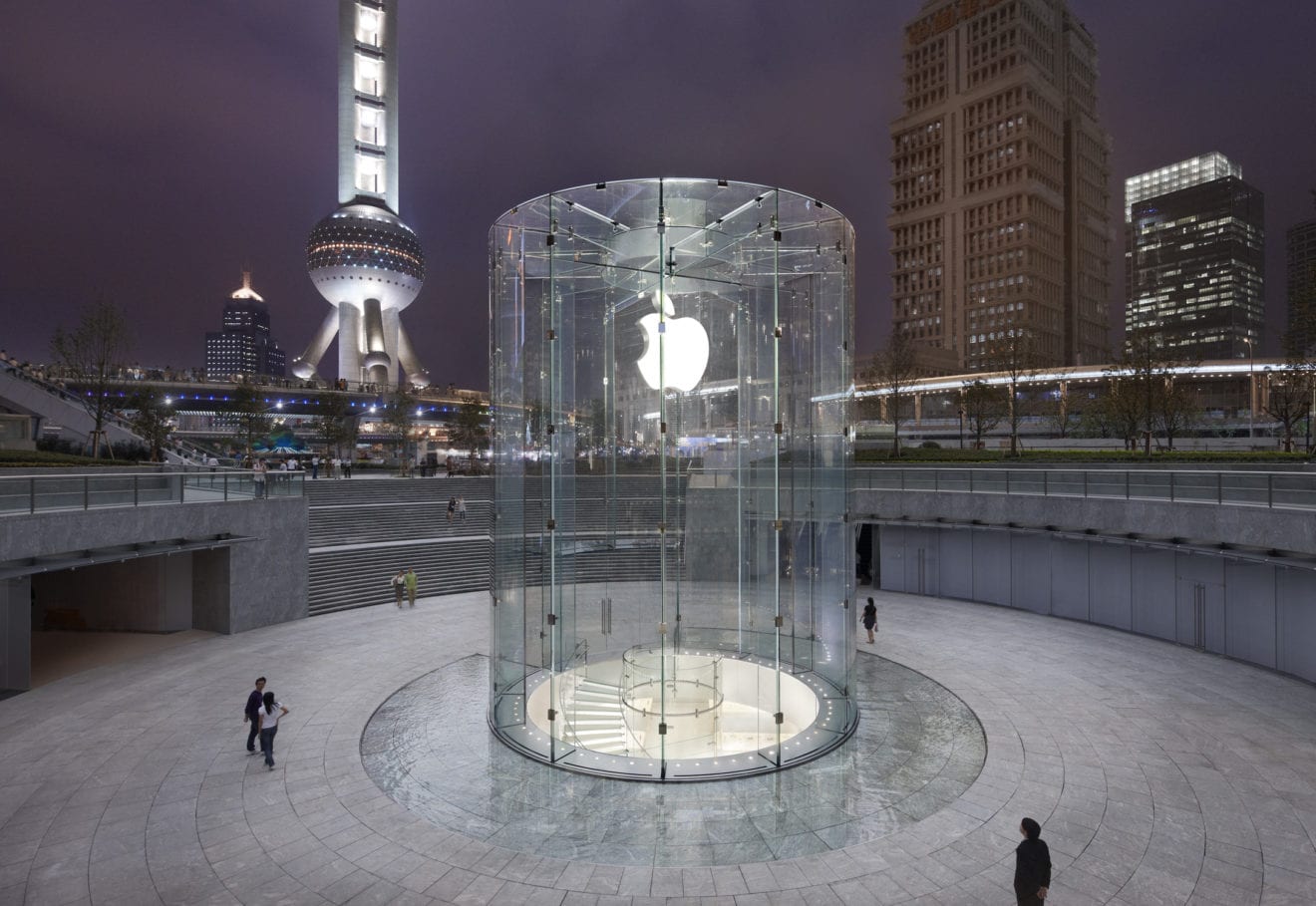
    Apple is continuing its aggressive retail expansion into the Middle Kingdom, with plans to open 5 new Apple stores in China in the early days of 2015. Prior to Spring Festival, the company has reportedly said it will open 5 new retail shops, including the new store in Zhengzhou that opened earlier this month. The next one on the list will be in Hangzhou, where doors will open at Apple’s new West Lake store on 24 January.

  • India set to become a big bakery market

    India set to become a big bakery market

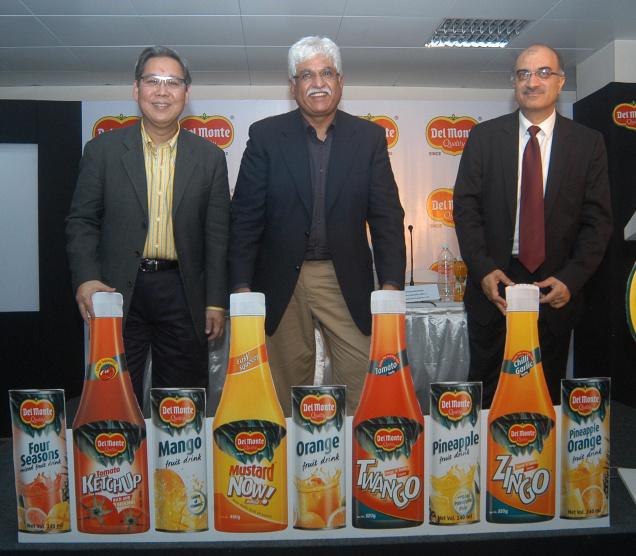
    Fieldfresh Foods, a joint venture between Bharti Enterprises and California-based Del Monte Pacific, says India is becoming a big bakery market. The company, which sells pastas, sauces, is in the process of increasing its brand penetration both in the business-to-business (B2B) and business-to-consumer (B2C) segments.

  • JD.com eyes rural areas to tap huge potential

    JD.com eyes rural areas to tap huge potential

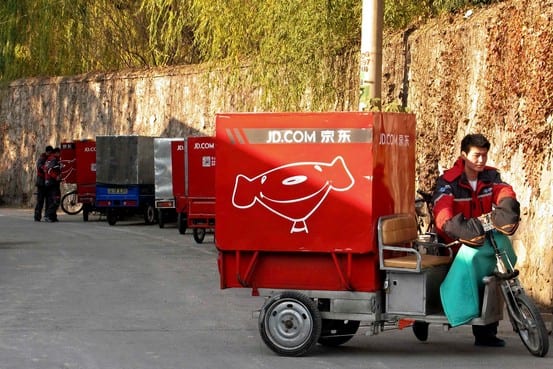
    China’s online retailer JD.com said it plans to open more than 500 county-level service centres this year to boost deliveries to lower-tier cities and inland regions as it bids to boost its market presence.

    The centres will hire local staff and delivery men to expand the firm’s delivery network into regions with few third-party courier companies. The firm will also open up to 1,000 service stores targeting home appliance buyers and help vendors provide one-stop service of installation and repairing of household appliances sold to rural consumers.

    It is hoped that the county-level centres and the planned hiring of promotion staff will help rural consumers become better acquainted with JD.com as well as online purchasing and after-sales service by the end of June.

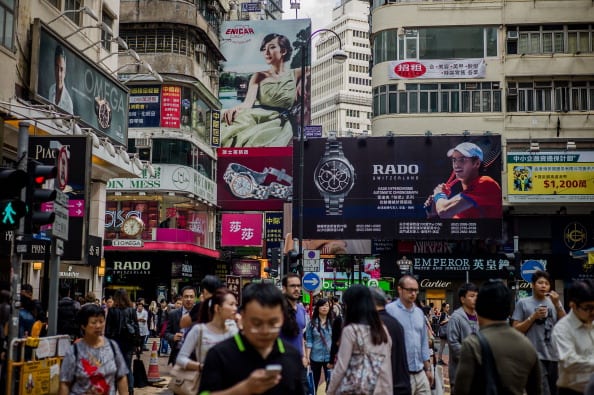
  • HK retail sales up 0.2pc in first 11 months last year; 2015 to be challenging for retailers

    HK retail sales up 0.2pc in first 11 months last year; 2015 to be challenging for retailers

    “The overall sentiment in the retail market has improved after the political protests, and retail sales have seen a mild increase in the last quarter. However, retailers need to be cautious of the gradual decrease in luxury consumption from mainland Chinese shoppers. This, coupled with expensive rents in first tier streets, may result in overall prime street shop rents falling up to 5 percent with premises in the second tier locations likely to experience a more significant decline,” said Joe Lin, Executive Director, Retail Services, CBRE Hong Kong.

    The “Occupy Central” protests have had no material impact on tourist arrival growth and overall retail leasing demand in the fourth quarter of 2014, according to the report. Retailers were initially cautious when the protests began to develop but confident was soon restored in the second half of the quarter as the protests in the core retail areas of the city prompted many shoppers to visit non-core retail districts where traffic and pedestrian flow was less affected.

    “Mainland Chinese tourists’ increasing preference for mid-range products instead of luxury goods also helped to route some shopper flow to non-core retail areas, a trend which mitigated the impact of the protests on overall retail sales during the quarter,” noted the report.

    Overall Hong Kong retail sales recorded mild growth of 2.8 percent year-on-year (y-o-y) in October and November combined – mainly driven by consumer durable goods – bringing growth for the first 11 months of 2014 to 0.2 percent. The sales of consumer durable goods grew 19.5 percent y-o-y in October and November combined, boosted by the strong sales of new smartphones released during the period.

    Watch and jewellery retailers continued to lead demand for the first tier street shops in core locations although sales dropped 6.7 percent y-o-y in October and November combined.

    “Weaker retail sales growth, greater economic and political uncertainty and the increased availability of space in fringe areas all combined to exert pressure on retail rents. Overall rents for prime streets shops remained largely stable during the fourth quarter with a slight drop of 0.2 percent q-o-q, with the exception of Central witnessing a modest fall of rents by 0.8 percent q-o-q due to softer demand from luxury brands,” says the report.

    The increasing trend for Chinese tourists to shop for luxury goods in other markets will continue to prevent high-margin luxury brands from expanding aggressively in Hong Kong. CBRE predicts that the leasing market will be driven by mid-tier brands which appeal to both locals and tourists.

  • Worst yet to come for Myer and David Jones

    Worst yet to come for Myer and David Jones

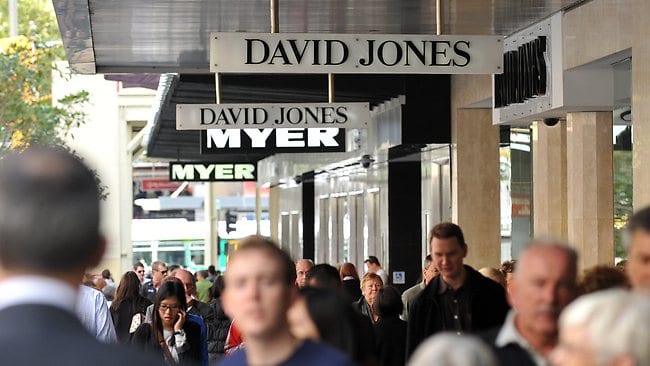
    If the endless influx of global retailers is hitting David Jones and Myer where it hurts, it is just the beginning, a retail expert says.

    Retail Doctor founder and chief executive Brian Walker points to Deloitte’s Global Powers of Retailingreport, which said that of the top 250 ­retailers, just 15 percent had a presence in Australia. “That means there’s a lot more to come,” he said.

    Nearly five years after cult denim retailer Gap opened its first Australian store in Melbourne, a steady stream of international retailers have invested in Australian bricks and mortar. The long list includes Sephora, H&M, Uniqlo, Zara, Topshop, Pottery Barn with Williams Sonoma, and Victoria’s Secret.

    Walker said the success of the international brands reflected Australian and New Zealander’s love of travel and awareness of these brands, as well as the online presence the stores had before launching. “Australian retailing is not facing a cyclical change but a large structural change,” he said.

  • Good, bad, unattractive: retail’s patchy start in Australia

    Good, bad, unattractive: retail’s patchy start in Australia

    A slow but solid festive season for discretionary retailers in Australia has been followed by a spate of downgrades, making sentiment buoyant but patchy.

    Analysts say the key festive season was a good one, albeit at the price of margins. Discounting has been estimated to have added AUD800 million (USD656.9m) to sales, and Citi analyst Craig Woolford has argued cheap-as-chips petrol and big spending on food suggests Australians have the ability to spend when they have the yen.

    Last week, Harvey Norman chairman Gerry Harvey explained a jump in the furniture and homewares company’s share price by reporting a “big surge in sales” during the Christmas and New Year period.

  • Spencer’s to firm up e-commerce plan by April

    Spencer’s to firm up e-commerce plan by April

    Spencer’s Retail Ltd, a CESC subsidiary, will finalise its e-commerce plan by April. Shashwat Goenka, Sector Head of Spencer’s Retail, told reporters that the brick and mortar stores and the e-commerce prices, however, would be the same. “We would freeze the e-commerce business model within next couple of months. Then over a timeframe, we would implement it. We are likely to begin with a few categories of products for our online store,” he added.

  • Could HK lose its status as a luxury shopping destination to South Korea?

    Could HK lose its status as a luxury shopping destination to South Korea?

    The popularity of South Korean pop culture and products in China shows no signs of abating, as South Korea has seen more Chinese shoppers than ever, but it could come at a cost to Hong Kong. Erwan Rambourg, a consumer goods analyst for HSBC and the author of “The Bling Dynasty,” has seen the surge  in shoppers first hand. He estimated that Chinese shoppers accounted for around 70 percent of South Korea’s duty free sales and accounted for about one third of all luxury purchases in the country, reports The Wall Street Journal.

  • Wearable devices have bright future in China

    Wearable devices have bright future in China

    A latest survey showed that wearable devices will become more popular in the Chinese market in the next five years.

    For wearable health devices, 39 percent of respondents worldwide plan to buy one by 2020, but 65 percent of Chinese consumers surveyed already have an interest in buying one, according to a survey filed to Xinhua Saturday by Accenture, a consulting and technology services company.

    As many as 67 percent of Chinese consumers are likely to buy wearable fitness monitors and 73 percent wants smart watches in the coming five years, more than doubled 32 percent and 27 percent in the United States.

  • Thai government looks to expand duty-free services

    Thai government looks to expand duty-free services

    The government is exploring ways to allow more companies, including South Korea-based Lotte Group, to operate duty-free services at airports and downtown areas.

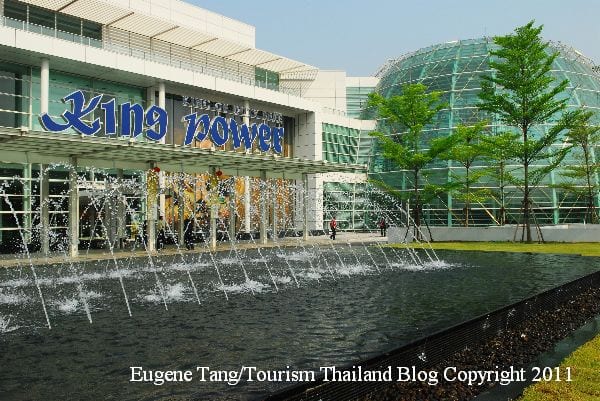
    Currently, King Power, the country’s largest duty-free company, is the sole concessionaire operating duty-free shops at Suvarnabhumi, Don Mueang and Phuket airports overseen by the Airports of Thailand (AoT).

    Transport Minister ACM Prajin Juntong has revealed that Lotte Group’s executives met him last week. The South Korean operator inquired about the possibility of it stepping in as a new player in Thailand’s duty-free market.

    However, King Power currently holds the concession as the sole operator of duty-free shops at Suvarnabhumi until 2019 and at Don Mueang until 2022. Therefore, it is impossible for the government to allow new duty-free shop operators at the airports.

    Once a new terminal is built as part of Suvarnabhumi’s second phase of development, there is likely to be more than one duty-free shop operator, but until then, King Power holds the concession, said the minister.