Blog

  • Columbus Espresso launches Bangladesh cafe chain

    Columbus Espresso launches Bangladesh cafe chain

    A US espresso roaster which has developed a retail coaching and partnership idea with cafe companies, has introduced its first retailer outdoors the US.

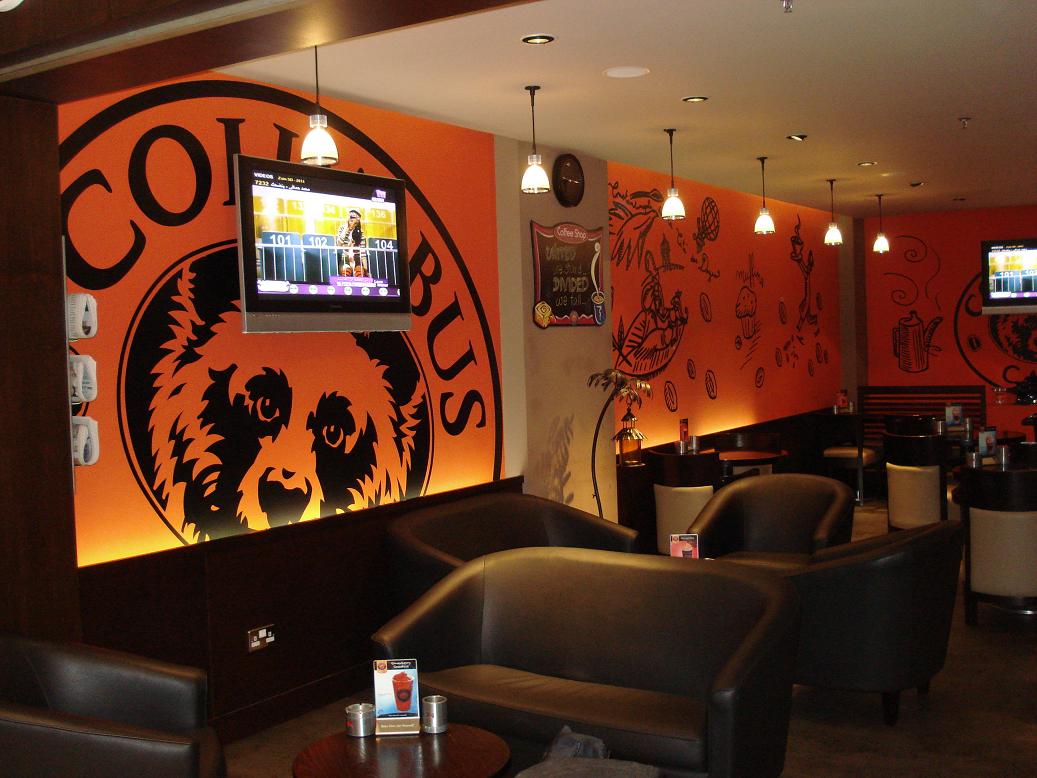
    Columbus, Ohio espresso roaster Crimson Cup Espresso & Tea has labored with a gaggle of Bangladeshi businessmen to launch Columbus Espresso Store within the metropolis of Dhaka. It’s the first in a deliberate chain of cafes throughout the nation.

    Companions Mohaimin Mostafa, Rehanur Rahman, Mirza Abdul Khaled and Tarek Rafi Bhuiyan have created an inviting area for Dhaka residents to take pleasure in handcrafted espressos, café mochas, lattes and different handcrafted espresso drinks. A number of of the companions grew a ardour for American espresso tradition whereas learning in campus espresso homes as overseas change college students within the US. Returning to Bangladesh, they noticed a chance to capitalise on the rising reputation of American-style espresso of their predominantly tea-drinking nation.

    Mostafa and Bhuiyan loved Crimson Cup espresso whereas learning at Ohio State College in Columbus. They reached out for help by means of Crimson Cup’s 7 Steps to Success espresso franchise various program. Based mostly on Crimson Cup’s founder Greg Ubert’s e-book, Seven Steps to Success within the Specialty Espresso Business, this system teaches potential enterprise house owners the whole lot they should open a espresso store. Palms-on consulting covers the whole lot from writing a espresso store marketing strategy and discovering the proper location to picking gear, hiring and coaching employees, attracting clients and extra.

    After simply 9 months of planning and development, they have been able to open the primary in a collection of espresso homes deliberate in Bangladesh.

    Mostafa traveled to the Crimson Cup Brew Lab in Columbus to finish preliminary coaching. When Columbus Espresso was able to open, 7 Steps Coach Steve Bayless traveled to Dhaka to show Columbus Espresso managers and employees about drink preparation and different points of working a espresso home.

    Columbus Espresso Store presents a variety of handcrafted scorching, iced and frozen espresso drinks in addition to scorching and iced teas. Sandwiches and fresh-baked items spherical out the menu. Clients can even purchase luggage of Crimson Cup beans to brew at residence.

    The 2000 sqft inaugural Columbus Espresso Store is open from 11am till midnight every day on the second flooring Home # 25, Street # 11, Block H, Banani, Dhaka.

    The subsequent branches are deliberate for Dhanmondi, Uttara and Mirpur in Dhaka, and in Chittagong, Sylhet and Cox’s Bazar.

    Crimson Cup Espresso & Tea, based in 1991, has hand-roasted specialty espresso in Columbus, Ohio and taught unbiased enterprise house owners how to achieve success by means of its espresso store franchise various program, which features a espresso store marketing strategy template. Sustainably sourced Crimson Cup espresso is accessible by way of a community of greater than 350 unbiased espresso homes, grocers, school and universities, eating places and foodservice operations throughout 29 states of the US – and in Bangladesh – in addition to the corporate’s personal Crimson Cup Espresso Home cafe within the Columbus suburb of Clintonville.

  • Wangfujing, Bailian to launch 300 retailer China chain

    Wangfujing, Bailian to launch 300 retailer China chain

    Wangfujing Division Retailer, Bailian Group and Li & Fung plan to launch a 300-strong chain of retail shops in China in a three-way three way partnership.

    The businesses say they plan to “rework China’s retail business” by way of enhancing provide chain effectivity.

    Li & Fung Buying and selling (China) Holdings, a wholly-owned subsidiary of Hong Kong listed Li & Fung stated the JV can be based mostly within the Shanghai free commerce zone.

    Li & Fung could have a minority 20 per cent curiosity within the new enterprise, with the bulk evenly balanced between the opposite events.

    The core enterprise of the JV shall be creating and managing personal labels and licensed manufacturers. Within the first three-year plan, the JV will concentrate on menswear, womenswear, childrenswear and residential merchandise, creating as much as three personal labels and as much as six licensed manufacturers. It “might contain” the opening of as much as 300 shops or store-in-stores and realising as much as 1 billion yuan in gross sales.

    Li & Fung will use its international sourcing experience to design, supply and produce personal labels and licensed manufacturers tailor-made to the retail companions’ necessities.

    The corporate says the partnership displays the growing competitors in a fast-evolving retail market and the rising significance of eCommerce that are driving Chinese language multi-brand retailers to look to develop personal and proprietary manufacturers with which to distinguish themselves from rivals, improve margins and enhance buyer loyalty.

    “In the long term, the JV goals to be on the forefront of a brand new breed of brand name improvement and administration corporations giving robust own-brand capabilities to conventional retailers that may contribute to the transformation and sustainable improvement of China’s retail business,” Li & Fung stated in a press release.

    “Via this strategic partnership, Li & Fung is ready to prolong the worldwide provide chain into a considerable retail community that serves a big rising center class in China,” stated William Fung, group chairman.

    “The three way partnership goals to introduce globally sourced merchandise that provide Chinese language shoppers a greater variety of overseas items,” he added.

    Shanghai Bailian Group owns greater than 6 million sqm of economic area, with 5000 gross sales retailers in additional than 20 provinces and cities all through China, masking quite a lot of retail codecs together with malls, supermarkets, comfort shops, purchasing malls, low cost shops and franchise shops. Its basic merchandise division operates 47 department shops in China, together with Shanghai First Division Retailer, Wing On Division Retailer, No. 1 Yaohan Division Retailer, Oriental Division Retailer, Bailian Buying Mall and Bailian Retailers.

    Beijing Wangfujing Division Retailer operates 45 chain shops in numerous retail codecs in 30 cities, together with department shops, purchasing malls, retailers and eCommerce.

  • 11Street takes KWC Trend on-line

    11Street takes KWC Trend on-line

    KWC Fashion mall has grow to be Malaysia’s first wholesale bodily mall to go surfing, after partnering with eCommerce newcomer 11street.

    11Street , already one of many largest on-line marketplaces in Malaysia, and KWC Fashion mall, certainly one of Kuala Lumpur’s excessive profile retail vacationer locations, have signed a memorandum of understanding to embark on 11street’s quick rising market portal to supply wholesale buying on-line.

    Merchandise from KWC Fashion mall’s tenants at the moment are stay on 11street, with reductions of as much as 70 per cent and free delivery on greater than 2000 chosen trend gadgets.

    “The partnership between 11street and KWC is critical as a result of this additional reinforces our ongoing dedication to increase our vary of merchandise and to supply one of the best selection to shoppers,” stated Hoseok Kim, 11street CEO.

    “Including a wholesale mall will definitely widen the web retail website’s repertoire, increase shopper expertise and supply extra for buyers to sit up for as 11street continues so as to add new merchandise on a regular basis.”

    KWC centre supervisor Fiona Bong stated the collaboration will profit KWC tenants on the bodily mall by offering them with on-line publicity to boost model consciousness while providing a constructive increase in transactions and gross sales for his or her enterprise.

    “11street is a gateway to new goal audiences for the varied retailers that we’ve beneath our roof. In immediately’s fast-paced, cost-conscious and aggressive setting, it’s not sufficient to depend on only one single go-to-market channel.”

  • How Chinese language store on-line

    How Chinese language store on-line

    Spend a while with Chinese language shoppers and also you shortly realise how totally different their purchasing habits are in contrast with these of Westerners.

    As an American who has been dwelling in China for greater than 10 years, I’ve come to understand simply how important eCommerce has turn into to my fellow Shanghainese. I ask my buddies the place they discovered these cute footwear, or that imported ingredient, and the reply is all the time the identical: “I discovered it on-line”.

    Whereas in America and different nations eCommerce is primarily a way to an finish, for a rising variety of Chinese language individuals, on-line purchasing has develop into a part of a life-style that defines how they see themselves. And for me, browsing Taobao, China’s largest C2C market, has grow to be a routine exercise that permits me to refill on necessities, in addition to hard-to-find reminders of house for my rising household. Listed here are 4 of my private observations on why individuals have adopted Taobao as a part of their day by day lives:

    Personalisation.

    It’s not simply the altering graphics on Taobao’s entrance web page, harking back to Google Doodles. Frequent Taobao customers discover that their buying experiences appear to be tailor-made to their wants. That’s no coincidence. Ding Xi, director of Taobao Market’s consumer expertise division, says that cultivating a “character” is a vital function of Taobao’s platform.

    With so many extra customers on Taobao than on websites like Amazon, Ding says his division “can analyse shopper conduct and perceive its clients in a way more in depth method,” which permits the location to configure itself to go well with particular person buyers. From login, the location makes use of in depth knowledge to pick advertisements, merchandise and Taobao outlets in accordance with profiles developed for customers so that every finds what they’re in search of quicker.

    Cellular Commerce.  

    Some 300 million cellular purchasing customers (that’s virtually your complete inhabitants of the US) spent greater than US$1.6 trillion on on-line purchases in China final yr, in line with China eCommerce market analyst Enfodesk.

    At present almost one out of each two on-line purchasing transactions are finished on cellular units in China and that quantity is rising quick because it turns into more and more handy to browse and pay for items utilizing smartphones.

    Jessie Chen, a younger Shanghai skilled, says she makes use of Taobao on each pc and cellular, however provides that the cellular platform is properly suited to her wants when she’s away from her desk.

    “Once I verify my package deal supply standing, or once I’m out, I often verify on cellular,” Chen says.

    Partnerships between offline retailers like Walmart and e-payments supplier Alipay is even making it attainable to make use of telephones to pay for purchases in bodily shops.

    Individual to Individual.

    Chinese language tradition locations a excessive worth on guanxi, or private connections, and you may expertise that firsthand on Taobao.

    The location’s Aliwangwang prompt messenger is a closely used function that permits consumers and sellers to speak by way of actual time chats earlier than and after purchases. Due to cellular integration, response time is quick and conversations can transcend the constraints of 9-5 enterprise hours. Current college graduate Yashan Zhao says Aliwangwang is as a lot a social software as it’s a enterprise software.

    “Chatting or flirting with the sellers and clients service is nice enjoyable,” she says. Interactions may be unusually intimate. Many sellers tackle their potential clients as “pricey” which contributes to a extra private environment. And to ensure each buyer and vendor are glad, cost is made by means of Alipay, which ensures that no cash modifications palms until each events are completely satisfied.

    Taobao consumers take it a step additional, crowdsourcing info by way of purchaser critiques. Evaluations often function detailed feedback that embrace a number of pictures and details about how the package deal arrived, how properly the product matched the photographs within the product description, and whether or not sizes match nicely.

    “I’ll often verify the consumers’ feedback first earlier than I purchase something on Taobao,” says 20-something on-line shopper Pan Hu. “My pal’s opinion will probably be a key cause for me to purchase it or not.” 

    Window Purchasing.

    Browsing round on Taobao can reveal gadgets on the market that you simply’d by no means see on websites like Amazon or eBay. With services obtainable from automobiles and airplanes to canine walkers to farm recent produce, buying on Taobao might be pure leisure.

    “In addition to the issues I want, there are a number of issues in Taobao which are artistic,” says Pan. “It’s all the time enjoyable to dig round. There is perhaps surprises.”

    Many Chinese language internet buyers wish to browse to see what’s fashionable as an alternative of simply looking for the merchandise they need. Due to the depth of product choices, consumers additionally use Taobao and sister buying website Tmall.com to match costs with retail outlets. The websites’ vertical integration features like an enormous on-line mall, with consumers capable of effectively select between discount items and brand-name merchandise.

  • Sharp launches Aquos Crystal 4G smartphone in Indonesia

    Sharp launches Aquos Crystal 4G smartphone in Indonesia

    Japanese electronics company Sharp has launched its first Aquos wireless phone, the Sharp Aquos Crystal, in Indonesia, The Jakarta Post reports. The Aquos Crystal will be on sale in Indonesia for IDR 3.99 million (approximately USD 302.9). Sharp targets sales of over 100,000 Aquos Crystal units during the first six months of this year.

    The 4G-ready smartphone runs on Android 4.4 KitKat and features a 5-inch edge-to-edge HD screen, Clari-Fi technology for enhanced digital sound quality, an 8-megapixel rear-facing camera, a 1.2-megapixel front-facing camera, HD voice, an embedded 2,040mAh battery, a 1.2GHz quad-core processor, and 1.5GB RAM and 8GB ROM.

    Indonesia accounts for 40 percent of Sharp’s total sales in India, Southeast Asia, Oceania and the Middle East, said Sharp Electronics Indonesia president director Fumihiro Irie. “Our target is to obtain sales from the middle to high-end market, which accounts for only 30 percent of the country’s smartphone market. We won’t enter into low-end products that account for 70 percent of the market,” Irie said.

    According to Sharp Electronics Indonesia’s national sales manager for smartphone, David Leonard, the manufacturer already has 20,000 ready-stocks available across distribution channels owned by its distributor partner Surya Citra Multimedia. “We’re also partnering with online store blibli.com to sell the product. We remain open to similar partnerships with other online stores or marketplaces,” he said.

  • Archipelago to Open Six New Harper Hotels in Indonesia

    Archipelago to Open Six New Harper Hotels in Indonesia

    Archipelago International’s harper portfolio will soon increase by six new hotels across Indonesia in the coming two years. Currently, the harper brand covers two hotels in two of Indonesia’s most prominent destinations, Bali and Yogyakarta, but by the end of 2017 the harper brand will have six new names under its belt: harper M.T Haryono – Jakarta; harper Purwakarta – West Java; harper Pasteur – Bandung; harperPerintis – Makassar; and harper Puncak Gate – West Java.

    Harper M.T Haryono – Jakarta is set to open in the 3rd quarter of 2015. The hotel is located on Jl. MT. Haryono Kav in Cawang, Jakarta and will feature 131 rooms, five meeting rooms, harper’s signature Rustik Coffee Shop, a swimming pool, gym and a spa.

    Also opening in the 3rd quarter of 2015 is harper Purwakarta – West Java. Located on Jl. Bungursari in Purwakarta-Jawa Barat, harper Purwakarta is a short stroll from the Cikampek / Dawuan / Sadang toll road and is surrounded by cultural and natural tourism spots, local eateries and the Pupuk Kujang Cikampek Golf Course. The hotel will offer 130 guest rooms and suites, nine state-of-the-art meeting rooms and a ballroom that can accommodate up to 700 delegates. Facilities include the signature Rustik Coffee Shop, an outdoor swimming pool with a kid’s pool and a convenient poolside restaurant, as well as 24-hour reception staff and room service, complimentary high-speed WiFi and the highest service standards in the region.

    Harper Pasteur – Bandung shall then open shortly after in the 4th quarter of 2015. Sitting in an ideal location on Jl. Dr. Djunjunan at the gateway to Bandung, harperPasteur offers easy access to the Paris Van Java Mall and the Husein Sastranegara Airport. The hotel will feature 256 rooms, 10 meeting rooms, harper’s Rustik Coffee Shop & Lounge as well as a swimming pool.

    Crossing the archipelago to Sulawesi, harper Perintis – Makassar also plans to open in the 4th quarter of 2015. The hotel will feature 159 rooms, a ballroom, four meeting rooms, the signature harper Rustik Coffee Shop & Lounge and a swimming pool. The hotel is located on Jl. Perintis Kemerdekaan only 30 minutes from Makassar’s city center and just 15 minutes from the international Sultan Hasanuddin Airport. Guests at the hotel will also enjoy close proximity to the growing tourist attractions in the area, such as Makassar’s shopping malls and restaurants, the city’s theme park and even the white sand beaches of Samalona Island and Kodingareng Keke, famous for their idyllic swimming, sunbathing, snorkelling and diving spots.

    Opening shortly after, harper Puncak Gate – West Java on Jl. Raya Pertanian, Ciawi Bogor, will feature 301 rooms, a ballroom, nine meeting rooms and the signature Rustic Coffee Shop & Lounge, as well as a spa, gym and swimming pool. Puncak is a popular weekend getaway for Jakartans and many tourists alike, most of whom are visiting for a taste of the fresh mountain air and the numerous natural attractions, including the Bogor and Cibodas Botanical Gardens; the Gede Pangrango National Park; the Plantations and the Safari Park.

    Archipelago International has also just signed the harper Solo – Central Java, scheduled to open in the 1st quarter of 2017. The hotel will feature 250 rooms, several meeting rooms and a swimming pool. The hotel will be located on Jl. Bridgen Katamso in Surakarta (Solo) Central Java, close to the acclaimed palace of Susuhunan Pakubuwono, Keraton Surakarta, and also the Javanese court of Mangkunegaran.

    “Indonesia has seen extraordinary economic growth over the past four to five years, and the hotel industry has predominantly been driven by the local market. The high demand for accommodation facilities is bolstered primarily by Indonesia’s position as one of Asia’s most popular tourist destinations, receiving 9.44 million foreign visitors in 2014, resulting from growth of 7.19% compared to the previous year. According to the Central Bureau of Statistics, much of this growth has arisen from catering to the middle-segment of the market, namely the 2, 3 and 4 star hotels. Nowadays in our increasingly anxious world, people want comfort and functionality, and it’s no secret today’s guests want to be reminded of home.

    That’s why harper’s modern-rustic design concept uses warm, rich colors to offer comfort in each room. harper Hotels convey a residential feel and a balanced functionality, offering unobtrusive service and never ending innovation – hotels for the astute traveler who values individualism and character. Our expansion in Indonesia is certainly one of our strategies, but we have always focused on quality rather than quantity,” said John Flood, President & CEO – Archipelago International.

  • Bangli holds Balinese Jewelry Fair

    Bangli holds Balinese Jewelry Fair

    The district of Bangli, Bali Province, is holding a Balinese jewelry fair at the Taman Budaya (Cultural Park), here, during the 37th Bali Art Festival being organized from June 13 to July 11, 2015.

    “We display hundreds of Balinese traditional jewelry to introduce them to the public. Bali has various kinds of unique and attractive jewelry,” Ni Wayan Rusmiati, a Balinese jewelry businesswoman, said here, Sunday.

    The price range of Balinese jewelry being offered during the festival is from Rp35 thousand to Rp1.5 million.

    She, however, complained that most visitors to the jewelry fair were just window-shopping.

  • Cafe de Coral thrives

    Cafe de Coral thrives

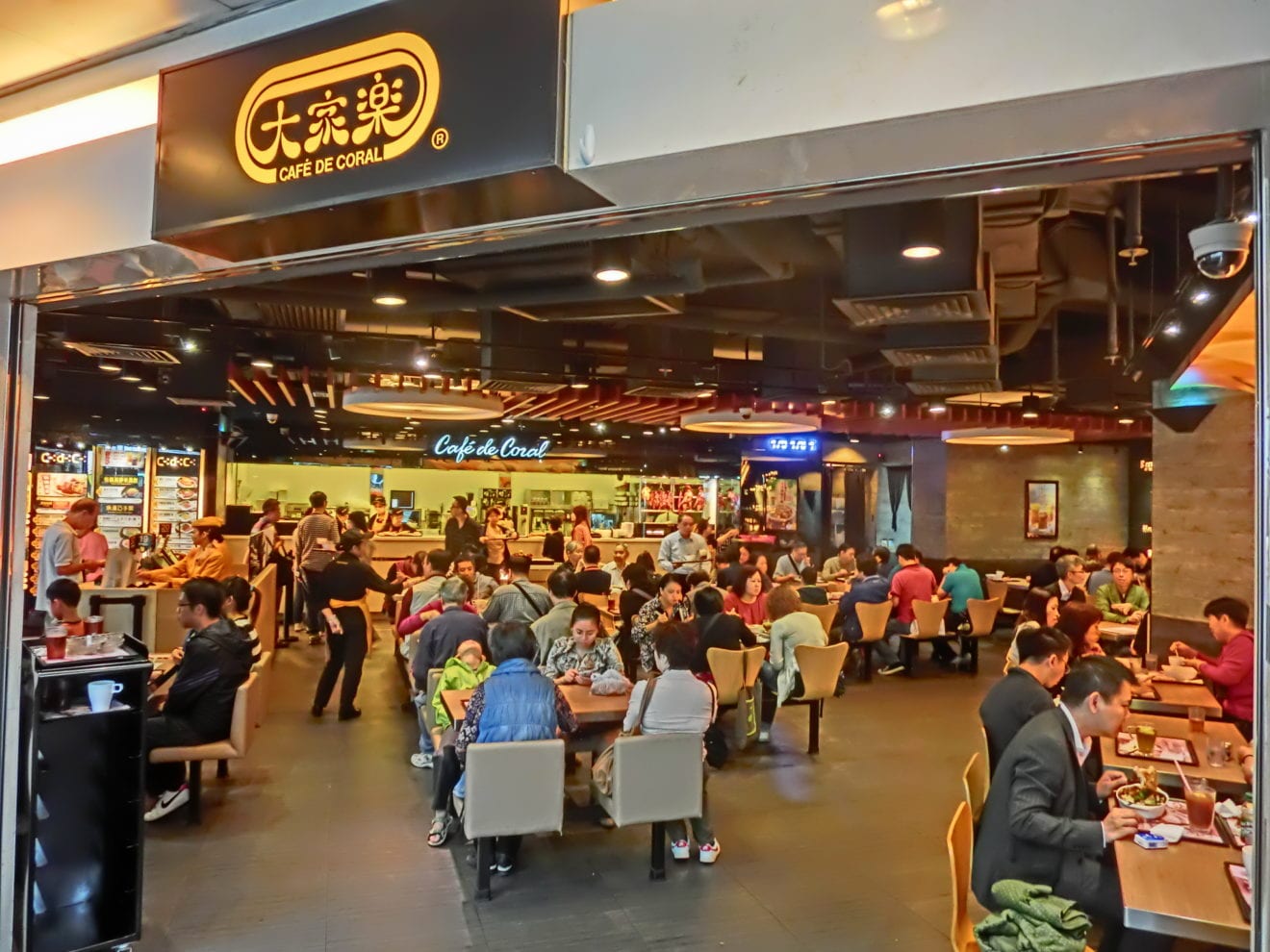
    Listed QSR operator Cafe de Coral has reported an eight per cent rise in similar retailer gross sales and a robust efficiency in Hong Kong, regardless of difficult mainland China market.

    The corporate launched its 2015 yr financials as we speak (June 23) reporting a 7.eight per cent improve in turnover to HK$7.356 billion and a modest one per cent improve in revenue attributable to shareholders to $587 million.

    The Hong Kong QSR and institutional catering operations, led by its namesake Cafe de Coral restaurant chain and western idea Spaghetti Home, outperformed the broader market, gross sales growing by 10 per cent to $5.26 billion within the yr to March 31. Hong Kong accounts for 83 per cent of the corporate’s turnover.

    CEO Hoi Lo stated the corporate achieved a “strategic leap within the quick informal phase”.

    “Through the yr, we expanded the group’s quick informal portfolio. We scaled up our home-grown ideas Shanghai Lao Lao and Mixian Sense and signed on well-liked Korean and Japanese manufacturers, all of which introduced new impetus and fuelled the expansion of the quick informal phase in our enterprise.”

    It additionally streamlined its operations, divesting Manchu Wok, SenseAsian and Wasabi Grill and Noodle companies in North America; and its 50 per cent share within the Hong Kong enterprise of Taiwanese-founded 85˚C bakery enterprise. Regardless of the model cull, the corporate retained almost 17,500 employees as on the finish of March.

    Café de Coral and Tremendous Tremendous Congee & Noodles are among the many main QSR manufacturers in Hong Kong with sizeable market shares. The corporate operated 156 Café de Coral quick meals retailers and 35 Tremendous Tremendous Congee & Noodles outlets as of the top of March.

    Now thought-about family names, these manufacturers have gained the belief and help of our clients in Hong Kong, stated Lo.

    Now Cafe de Coral Holdings is increasing its portfolio of manufacturers to additional construct its share of the larger QSR market.

    New manufacturers, Simply About Meals and C. Categorical will proceed to be expanded, together with full-service chains Shanghai Lao Lao and Mixian Sense, each concentrating on a youthful demographic.

    “We proceed to rejuvenate the Oliver’s Tremendous Sandwiches model and idea to make sure it stays related to our numerous buyer teams,” stated Lo.

    “Our collaboration with well-known Japanese and Korean companions has additionally enabled us to complement our quick informal portfolio. The current opening of The Cup, a Korean way of life quick informal chain, in Hong Kong in addition to the forthcoming Japanese donburi and pasta chains will additional increase the group’s presence within the quick informal sector.

    Cafe de Coral sees its main progress engine within the years forward to be the mainland China market which Lo describes as “extremely dynamic and aggressive.

    “Gamers from everywhere in the world are eyeing on this profitable market. That being stated, the speedy change of enterprise surroundings and shopper habits on this fast-growing business is a continuing problem for enterprise operators within the nation. The Café de Coral Group has a long-standing presence within the Mainland and has gained a superb understanding of the nation’s enterprise surroundings and shopper choice. This has helped us formulate the efficient enterprise methods for the group in capturing alternatives and unleashing our potential within the nation.

    “Setting the fitting geographical technique is an important theme in our long-term progress plans for the Mainland. By benefiting from our similarities in tradition and language in addition to our shut proximity to Guangdong, the group is properly positioned to department out within the cities of this province. Its huge inhabitants and financial maturity present the Café de Coral Group with ample alternatives for enterprise enlargement, and we’re dedicated to rising our main chains and to capturing a bigger share of this market with new ideas and thrilling manufacturers,” he stated.

    Progress in Mainland China’s catering business continued to decelerate through the yr, partly

    as a result of decrease spending on business-related eating and receptions.

    “This affected not solely high-end eating places but in addition different segments within the nation’s weakening eating business. In face of the enterprise setting and market development, we had adjusted our shop-opening technique and tempo in the course of the yr,” stated Lo.

    “Nevertheless, working prices for our Mainland China enterprise, particularly these for rental and labour, have been rising considerably over the previous years. These mixed have affected the profitability of our enterprise operation within the Mainland.”

    Regardless of the constructive comparable gross sales progress of three per cent achieved by the corporate’s 100-outlet South China Café de Coral chain, the entire income degree of the enterprise operations in Mainland China was flat in contrast with the earlier monetary yr, largely because of the adjusted shop-opening tempo. The Spaghetti Home skilled a setback in its efficiency on account of declining shopper spending within the mid-priced eating sector.

    Wanting forward, Lo stated the macroeconomic surroundings in higher China stays a priority, owing to financial circumstances in Hong Kong and the uncertainties of the enterprise surroundings in Mainland China.

    “Excessive rental charges, rising uncooked materials prices and the persistent labour scarcity all stay challenges for our enterprise and operation. However, we’re assured that the strong basis supporting our enterprise and the strong infrastructure we now have constructed underneath the group’s sustainability initiatives up to now years will allow us to proceed our near-term enterprise improvement and 5 yr progress plans,” he stated.

    “Our regular and prudent shop-opening program for each our main manufacturers and our youthful ideas will proceed. With the brand new ventures we’ve got taken on, we’ll seize probably the most opportune time to increase in our key markets.”

  • Singapore greets Apple Watch with a shrug

    Singapore greets Apple Watch with a shrug

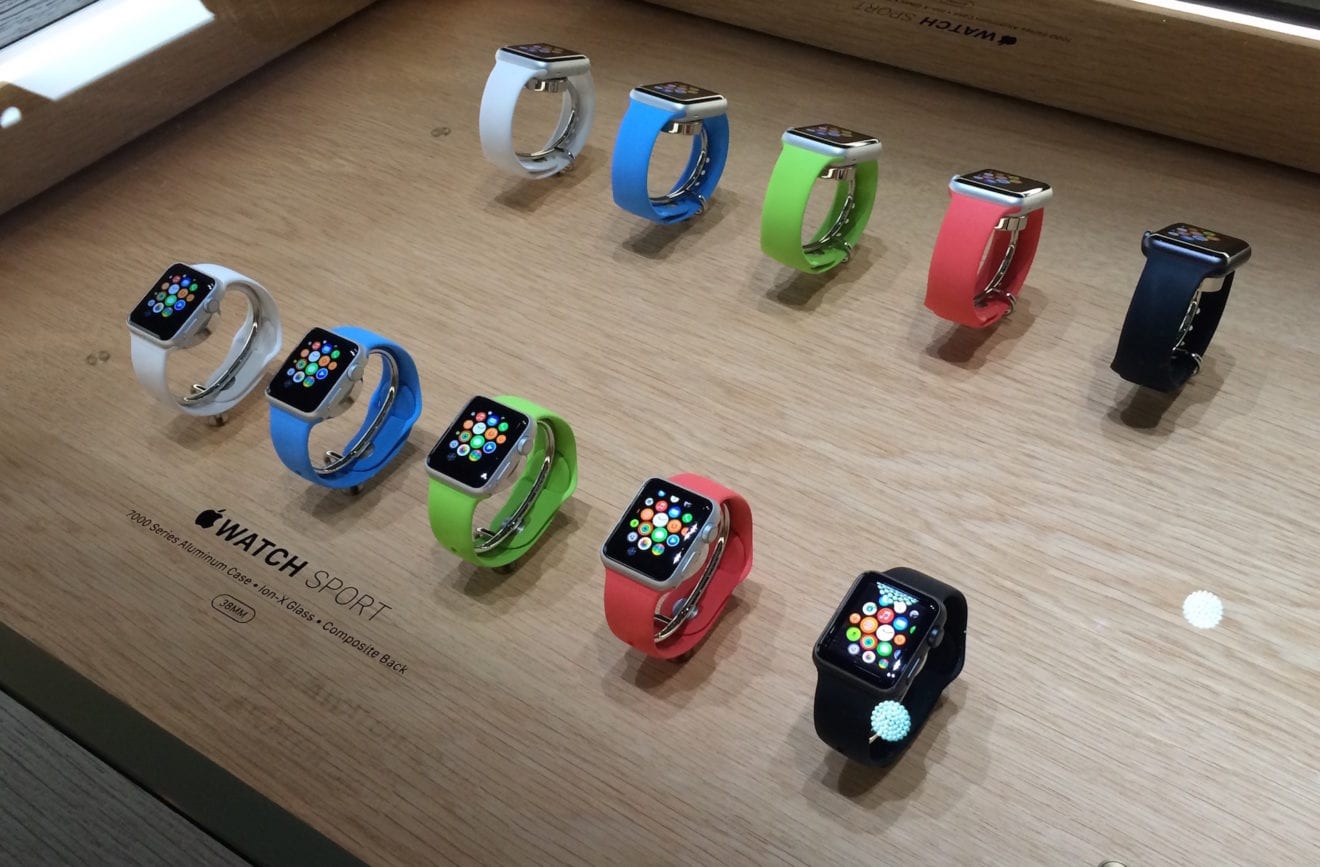
    In tech-savvy Singapore, new Apple products typically trigger snaking lines spanning multiple blocks, but the Apple Watch got short shrift.

    When stores on the city’s Orchard shopping district opened their doors at 9am, a group of around 40 had gathered at the iconic ION mall. Across the street, around 15 people were milling outside Paragon’s iStudio store while a crowd of around 25 lined up outside luxury watch store The Hour Glass.

    Because Singapore doesn’t have an Apple retail store, only select authorized re-sellers are allowed to carry the Cupertino giant’s products.

    “I was expecting a much longer queue, so this is good news for me,” exclaimed Mario Dinata, a mobile engineer waiting in line at iStudio.

    Indeed, the turnout pales in comparison to previous Apple launches in the wealthy Southeast Asian city-state. Last September, hundreds of fans queued for the iPhone 6 days before the official launch after slots for online pre-orders vanished in mere minutes.

    The smartwatch only becomes available on Apple Singapore’s online store on Friday afternoon and phone inquiries have been minimal in the past week, according to employees at the iStudio store.

    As an app developer, Dinata says he’s often first in line for the newest Apple toys so he can test it out before his competitors. “This is definitely much smaller than previous lines,” he said, smiling.

    None of the stores were able to provide a sales update by mid-morning, but judging by a brief survey of people in line, the Apple Watch Sport was by far the most in demand out of the three models.

    The 38mm Sport retails for $349, versus $549 for the Apple Watch. Local pricing of the third option, the luxury Apple Watch Edition crafted from 18-karat gold, remained unconfirmed by Friday morning.

    “If I had the money, I would buy the Edition model any day over a luxury Swiss watch,” remarked 56-year old Mrs. Li, who declined to give her first name. “I’m buying the Sport today since it’s the cheapest one available. I’m an Apple fan, so I have to get the Watch. I have all their other products.”

    The device has already hit the market elsewhere in the region following an April launch in Japan, China and Hong Kong. Aside from Singapore, the watch also goes in sale in six other countries Friday, including South Korea and Taiwan.

    Rob Enderle, president and principal analyst at technology advisory Enderle Group, doesn’t expect much hype going forward.

    “The Watch has one problem the iPhone didn’t have. Kids have stopped using watches some time ago, so Apple has to undo this perception that watches are for old folks and out of date,” he told CNBC. “This will likely go through three versions before reaching its stride, if it ever does.”

    Apple CEO Tim Cook has remained silent on global sales thus far, but 2.8 million units may have been sold since its April debut, Slice Intelligence told Reuters earlier this month.

  • Smartac Group and HGC Intend to Build “Smart Travel Cloud” in Hong Kong

    Smartac Group and HGC Intend to Build “Smart Travel Cloud” in Hong Kong

    Smartac Group China Holdings Limited (“Smartac Group” or the “Company”, together with its subsidiaries, the “Group”, stock code: 395) announces that its wholly-owned subsidiary Solomedia Asia Limited (“Solomedia Asia”) has signed a Memorandum of Understanding (“MOU”) with Hutchison Global Communications Limited (HGC), the fixed-line division of Hutchison Telecommunications Hong Kong Holdings Limited regarding the collaboration to research on and establish “Smart Travel Cloud – Hong Kong Stop”, a mobile internet service that will enable visitors to receive travel and shopping information in Hong Kong.

    Hong Kong is Smartac Group’s first stop to develop its “Smart Travel Cloud” in an overseas market, aiming to resolve the problems encountered by mainland travellers regarding the use of Wi-Fi networks while travelling abroad. By integrating with an Online to Offline (O2O) business model, “Smart Travel Cloud” will provide visitors with real-time travel and shopping information, and will help drive traffic and users to traditional offline businesses.

    Pursuant to the MOU, HGC will leverage its optical fibre network and Wi-Fi network in Hong Kong to provide visitors with stable and reliable Wi-Fi internet access. Solomedia Asia will deploy its innovative technology of O2O big data platform (combining Wi-Fi, bluetooth Beacon, smart interactive screen) to provide visitors with personalised and interactive information for hassle-free travel abroad.

    Solomedia Asia and HGC intend to research on the introduction of mobile commerce, mobile payment platform, and commercial smart data platform, to popularise O2O mobile commerce and introduce a new business model to the retail, hotel and other tourism-related service industries in Hong Kong. Meanwhile, both parties will further carry out feasibility study and explore opportunities to establish and operate a big data platform for Hong Kong travelling.

    Jason Kwan, Executive Director of Smartac Group, commented: “The collaboration on establishing ‘Smart Travel Cloud’ via a Wi-Fi network will assist Hong Kong retail and tourism industries to effectively connect with and serve the visitors and consumers in Hong Kong. We are glad to join hands with HGC, the largest Wi-Fi service provider in Hong Kong1, in initialising ‘Internet + Tourist Consumption’. Such collaboration will incorporate the strength of each party to seize development opportunities in mobile internet services. This also caters to the current global trend of transitioning to the big data era and adds impetus to Hong Kong tourism and retail industry.”

    Jennifer Tan, Chief Operating Officer of HTHKH, said: “HGC is the largest Wi-Fi service provider in Hong Kong1. We are pleased to work with Smartac Group and are going to provide its subsidiary Solomedia Asia high-speed wireless internet services in order to develop ‘Smart Travel Cloud’ services in Hong Kong. Our extensive Wi-Fi network provides over 16,000 hotspots in large shopping arcades, at coffee shop chains, fast food outlets, popular restaurants, commercial buildings, large residential estates, tertiary institutions and car parks. This will enable ‘Smart Travel Cloud’ users to obtain the latest travel information anytime, anywhere in Hong Kong.”

  • Vitamins Boost China, By Way of By-Health

    Vitamins Boost China, By Way of By-Health

    The corporate life of Liang Yunchao, 46-year-old chairman of By-health, ended symbolically early last year when he finally ceded his corner office to a colleague. In fact, he’d rarely been showing up for eight years. But the maker of dietary supplements, China’s largest in retail, remains very much his creation and run by his chosen lieutenants.

    “In a full year I probably don’t get to spend over seven days in the company,” Liang says in a hotel suite interview in Hong Kong, where on that day the Guangzhou resident’s business included art shopping. He says he keeps several Rodin sculptures in a warehouse there.

    This billionaire thinker is also a fast talker, and he says he needed to get his mind off day-to-day operations. “I don’t want company employees to feel like they are being watched,” he says. Besides, these days he needs two hours on average mornings for exercise to round out the healthy glow that his products promise.

    He is a marketing exemplar for By-health supplements like spirulina from blue-green algae and squalene, often from shark’s liver. (Liang plays down that line and says the killing of dogfish sharks, which he says aren’t endangered, is being capped.) Digestion, brainpower and other vital functions are said to improve with use.

    Liang Yunchao, founder and chairman of China’s By-health (credit: David Hartung for Forbes)

    Every one or two years Liang grooms a select crop of future corporate leaders, both men and women, by testing their stamina and team spirit in “wildlife training” boot camps, at nature’s mercy. His favorite destinations: Teklimakan Qumluqi , the world’s second-largest desert, in Xinjiang; the Tengger Desert in Inner Mongolia; and Antarctica.

    By-health’s top management includes four founders, among them Tang Hui, who is in charge of the flagship By-health brand, and Liang Shuisheng, who is building up a mobile Web services unit to seize on China’s expanding health consciousness. The executives meet for a monthly collective decision-making session, from which Liang also excuses himself even though he holds 49% of the stock, his net worth pushing $3 billion.

    The founder’s absence has proven to be the company’s gain: Revenue leaped at a compounded-yearly growth rate averaging 38%, and profit grew 40% over the last five years, even as China’s appetite for supplements began to taper. In 2014 By-health reported 1.7 billion yuan ($277 million) in revenue and 503 million yuan ($82 million) in profit, as it led in retail market share (over-the-counter pharmacies excluded) with nearly a third, more than the next four competitors combined. Its retail network reaches 40,000 outlets, up more than fourfold from 2010, and most of its distributors are tied to exclusivity clauses.

    A bout of ingredient scandals dented the overall industry, culminating in 2012 when China-made blue-green algae supplements and soft capsules were found to be laced with heavy metals. But a policy that Liang instituted in 2004 to orient By-health toward foreign suppliers proved propitious.

    From zero, the ratio of non-Chinese ingredients rose past 50% by the time of the company’s listing on the second board in Shenzhen in December 2010 and is now more than 70% (from 19 countries). That does not include what comes under foreign cover. Soft capsules, for instance, are from a China factory of France’s Rousselot.

    When the blue-green algae supplement scandal broke early in 2012, the company was not implicated but swiftly replaced its Chinese supplier with California’s Earthrise Nutritionals.

    “This is one of the reasons why we could become what we are today, giving us a unique competitive edge,” Liang says. “We knew our brand-name history was short. Our brand-name recognition was not as high as global brands such as GNC.”

    Foreign purchasing is more costly, sometimes by three or more times, but Chinese consumers are willing to pay. Its remaining major source inside China is nongenetically engineered soybeans grown in the northeast. Globally, “
    these non-GMO soybeans are difficult to find,” Liang explains. Soy protein blend is a line By-health particularly dominates.

    Next up for By-health may be its own offshore organic farms and buying foreign brands. For supplements, “it all depends on the quality of raw materials, the quality of the soil. It’s not as complicated as drugs and medicines,” Liang says.

    To underscore the integrity of its manufacturing, By-health in 2012 opened see-through assembly lines at its massive production center at Zhuhai, Guangdong Province. Three plants there will be joined by a fourth, the biggest yet, around year’s end.

    Visitors can peer through windows at bags of foreign ingredients stored neatly on shelves by their country of origin. Soft gels roll out from automatic trays at a speed of 160,000 capsules per hour. The equipment also is largely foreign-made. The company says 20,000 people a year come to watch–500 were being received on the day FORBES ASIA was in town.

    “We plan to make the production process available in real time on the website, so customers in a retail outlet can see it,” says Liang.

    In October the Chinese government is instituting tighter standards for new product approvals even as it loosens the constraints on previously cleared lines. This will largely spare By-health, even as it hits foreign entrants into retail like GNC and NBTY, which have registered only a relatively few of their extensive offerings from the U.S.

    Before By-health emerged in 2002, there was Amway, the American multilevel marketer that introduced dietary supplements–as distinct from traditional extracts–to China back in 1998. Direct selling is still the main source of China’s supplements trade–about 70% (China is Amway’s top market). But that’s not a business Liang, with his retail model, says he wants to re-create: “Its genes are entirely different from ours.”

    Liang, who’d previously been active in traditional remedies, got interested in America’s appetite for supplements in 2001 during visits to the U.S. as his wife sought a degree in information technology. Walking through supermarket aisles stuffed with colorful bottles of vitamins and minerals, he figured this would work in China, too.

    The product-integrity efforts are also applied to retail: A global tracking system will soon allow registered consumers to track the origin of ingredients. For distributors, retailers and business partners, a second layer of database-tracking would show scans of official documents and papers, import certificates and government approvals, all the way back to suppliers.

    Like many in retail, By-health’s future may lie in China’s booming e-commerce. The new mobile Web health services unit, formed with an alumnus of Alibaba Group’s Ali Health, will work with outside nutritionists, health clinics and soon hospitals.

    “We don’t want to just sell products; we want to meet clients’ needs, cater to their diets and their exercise habits, to help and guide them on the use of supplements,” says Liang. One example: supplements to help pregnant women who have diabetes problems lower their blood sugar without medications.

    Whatever the channel, there’s an undying interest in whatever might be the fount of youthful vigor. Soon By-health will be featuring a new line named Seven Dwarfs–seven multiple-vitamin combinations tailored for different age groups. Enthuses Liang, “The market is getting closer–and indeed very close–to what is popular in North America.”

  • Citigroup’s Retail Banking Reorg

    Citigroup’s Retail Banking Reorg

    The combined entities will be led by Jonathan Larsen, who is currently the global head of the company’s retail banking division. The newswire reported that the company has also named Anand Selvakesari head of consumer banking for Asia, a position held by Larsen for the past six years.

    Latin America’s consumer banking division will in turn be the province of Fabio Fontainha, who now helms consumer banking in Brazil.

    Separately, Dow Jones reported that the move represents an effort by the company to “shore up“ its mortgage operations. The changes were reportedly part of a memo penned by Stephen Bird, who was recently tapped to lead the consumer bank.

    Larsen’s new role helps put the spotlight on the increasing focus by Citi on its Asian consumer business, a segment that accounted for 21 percent of the company’s global consumer banking business. And, as Dow Jones said, Asia has traditionally been a launching pad of sorts, where Citi debuts new financial products and tests them before bringing them to other parts of the world.

    Dow Jones further reported that Larsen, who up until now has been based in Hong Kong, will now be based in both New York and Hong Kong. Larsen’s move essentially positions the executive as a replacement for Jane Fraser, who had been in charge of the company’s global mortgages and U.S. consumers divisions.

    The latest corporate shuffle at Citi comes after CEO Michael Corbat had repositioned executives across three continents, said Dow Jones. And that reassignment of executives came after Manuel Medina-Mora, who had been head of the consumer banking unit, announced his departure from the role. Bird’s memo and management changes mark his first executive-level moves since taking his current consumer banking job.

  • Thailand heads eBay in SE Asia

    Thailand heads eBay in SE Asia

    Thailand has maintained in its position as eBay’s largest market in Southeast Asia thanks to the appreciation of the US dollar and the variety of Thai products, says the world’s largest e-marketplace.

    The California-based e-commerce operator is gearing up to encourage Thai small and medium-sized exporters to use its marketplace to expand export opportunities, said Ekachai Rukachantarakul, head of eBay Marketing (Thailand).

    The company is facing stiff competition from global e-commerce players such as China’s Alibaba.

    Mr Ekachai said Thailand was eBay’s largest online retailer in Southeast Asia in terms of sellers and trade value. It established a presence in Thailand in 2009.

    An internal report revealed that online shopping makes up just 1% of retail sales in Southeast Asia compared with 8% in China and more than 10% in the US and Britain.

    In addition, e-commerce in the Asean region accounts for less than 1% of the global market.

    However, Mr Ekachai said eBay expected Asean’s e-commerce to grow by 25% in the coming years, up from average growth of 15% in the past four years.

    A report by digital marketing research firm eMarketer estimated that the global business-to-consumer e-commerce market could increase from an expected US$1.7 trillion in 2015 to $2.3 trillion by 2018.

    Most of eBay’s 157 million active buyers are in the US, Australia, Britain and Germany.

    “Thailand also has the 10 best sellers or retail exporters with revenue of more than $1 million per year, the highest in the region,” Mr Ekachai said.

    The best-selling products from Thailand are jewellery and gemstones, auto parts, clothes and shoes.

    Mr Ekachai said eBay would join forces with successful retailers to encourage other companies to use its marketplace.

    “We found 13% of Thai retailers joining eBay’s marketplace could generate sales revenue of $10,000 a year,” he said.

    Globally, eBay.com has 25 million sellers. In the first quarter of 2015, its revenue reached $2.1 billion. Its gross merchandise value was $20 billion. It earns commission from transactions.

  • Luk Fook’s revenues drop 17% in year ending March 2015

    Luk Fook’s revenues drop 17% in year ending March 2015

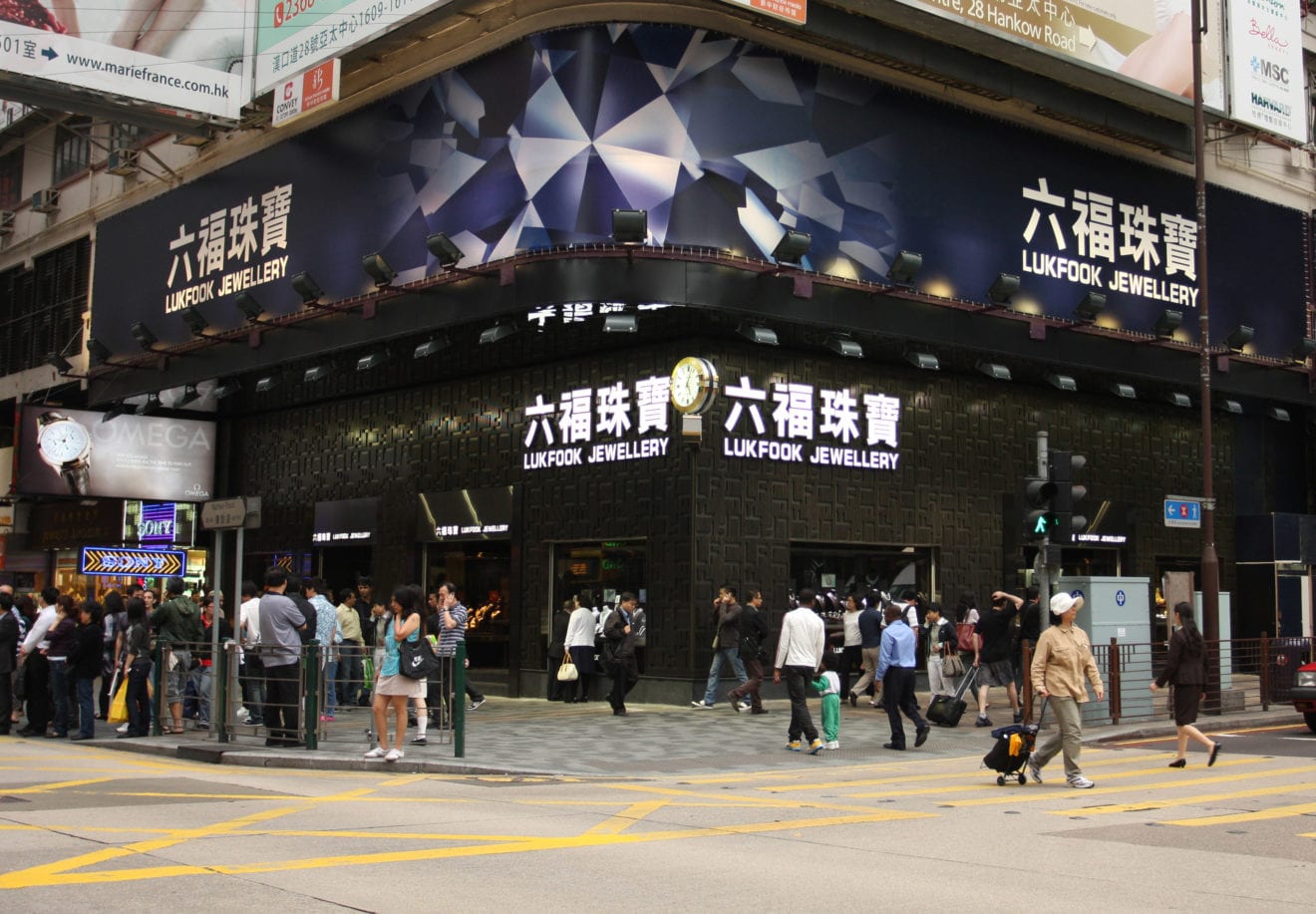
    The board of directors of Luk Fook Holdings (International) Limited announced the annual results of the company and its subsidiaries for the year ended 31 March 2015. The Group’s revenues dropped 17.1 percent $2.48 billion (HK$15.92 billion), from (2014: HK$19.21 billion). Yet the revenues were the Group’s second highest record. The company’s overall gross margin improved by 2.2 p.p. to 24.1 percent (2014: 21.9%), which it attributes to growth in the sales mix of gem-set jewellery products.

    Gross profit dropped 9.1 percent to $494 million (HK$ 3.83 billion).

    Mr. Wong Wai Sheung, Chairman and Chief Executive of the Group said, “During the year under review, although the high base effect as a result of the gold rushes has faded in the second half of the year, the challenging global economy, currency depreciation and relaxed visa requirements in other popular tourist destinations hampered the consumer sentiment of Mainland Chinese tourists in Hong Kong and Macau.” He added that the company’s sales strategy, sales mix of gem-set jewellery products has been successfully increased and the growth in overall gross margin lent to profit improvement of the retail business in Mainland China.

    The retail business revenues declined 22.3 percent. Gold products remained the most preferred amongst customers and together with platinum products contributed approximately 60.2 percent of the Group’s total sales. Overall same store sales growth was 28.3 percent (2014: +26.2%).

    Mainland Chinese visitors continued to be the major driver for the retail business in Hong Kong. But revenues from Hong Kong dropped 20.4 percent to $1.23 billion (HK$9.51 billion). The performance of Macau market was similar to that of Hong Kong market, with a 21.5 percent drop in revenues to $292 million (HK$2.26 billion). During the year under review, the Group opened a net total of 111 shops in Mainland China, 3 shops in Hong Kong and 1 licensed shop in Korea for the first time. As at 31 March 2015, the Group had a total of 1,383 shops globally in Mainland China, Hong Kong, Macau, Korea, Singapore, the United States, Canada and Australia.

  • Saha group says Japan’s Lawson stores in Thailand to rise to 1000

    Saha group says Japan’s Lawson stores in Thailand to rise to 1000

    A joint venture of Thailand’s Saha Pathanapibul Pcl and Japan’s Lawson Inc aims to boost the number of ‘Lawson 108’ outlets in the Southeast Asian nation to 1,000 over the next three years from 40 now, a Saha executive said on Friday.

    Saha Pat, part of Saha Group, Thailand’s largest consumer products conglomerate, joined hands with Lawson, one of Japan’s top- three convenience store chains, to form joint venture Saha Lawson Co in 2012 to tap the Thai retail market.

    Saha Lawson will focus on fresh-cooked and ready to eat products, Saha Pat’s director Vathit Chokwatana told a conference. He did not reveal any investment numbers by the partners.

    Lawson is one of several Japanese retailers expanding business in Thailand, despite the Southeast Asian nation’s weak domestic consumption and slowing economy. Others include Tokyu Department Store and MaxValu supermarket, owned by AEON group.

    Lawson competes directly with CP All Pcl, Thailand’s largest convenience store chain with more than 8,000 7-Eleven outlets, and Family Mart, owned by Central Group, Thailand’s leading retailer.