Blog

  • Coach heads to India

    Coach heads to India

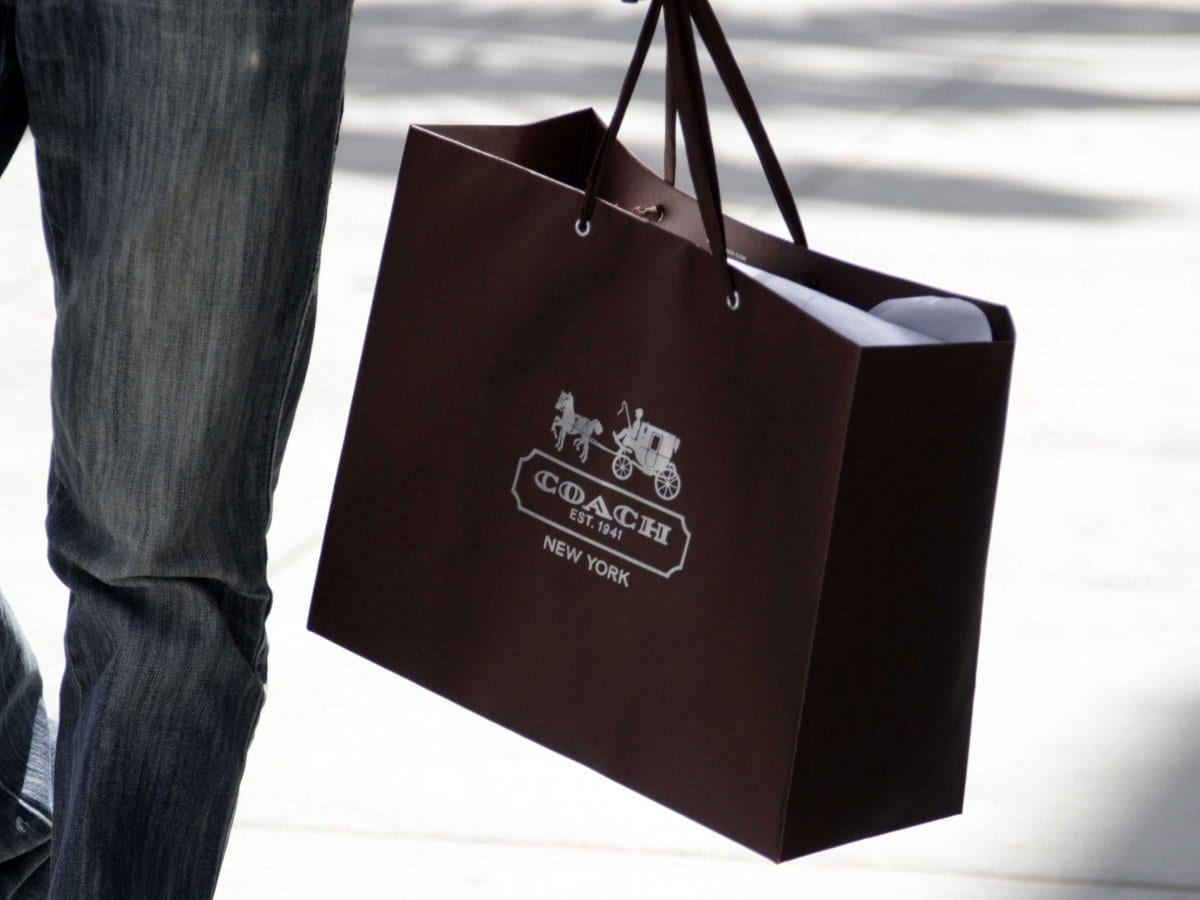
    US style model Coach is to enter India with unique retail shops.

    The corporate has reportedly chosen Genesis Luxurious as its companion, based mostly in Gurgaon. Nevertheless on the time of writing no official assertion had been made by both firm.

    Genesis is reportedly buying inventory with a view to opening the primary standalone Coach retailer in Mumbai or Delhi.

    Coach, based in 1941, is predicated in New York, though its shares are additionally traded on the Hong Kong inventory trade.

    Apart from its personal stand alone shops, Coach sells its womens style and equipment by way of department shops, airport concessions and on-line in 35 worldwide markets.

  • Homelegance China in retailer rollout

    Homelegance China in retailer rollout

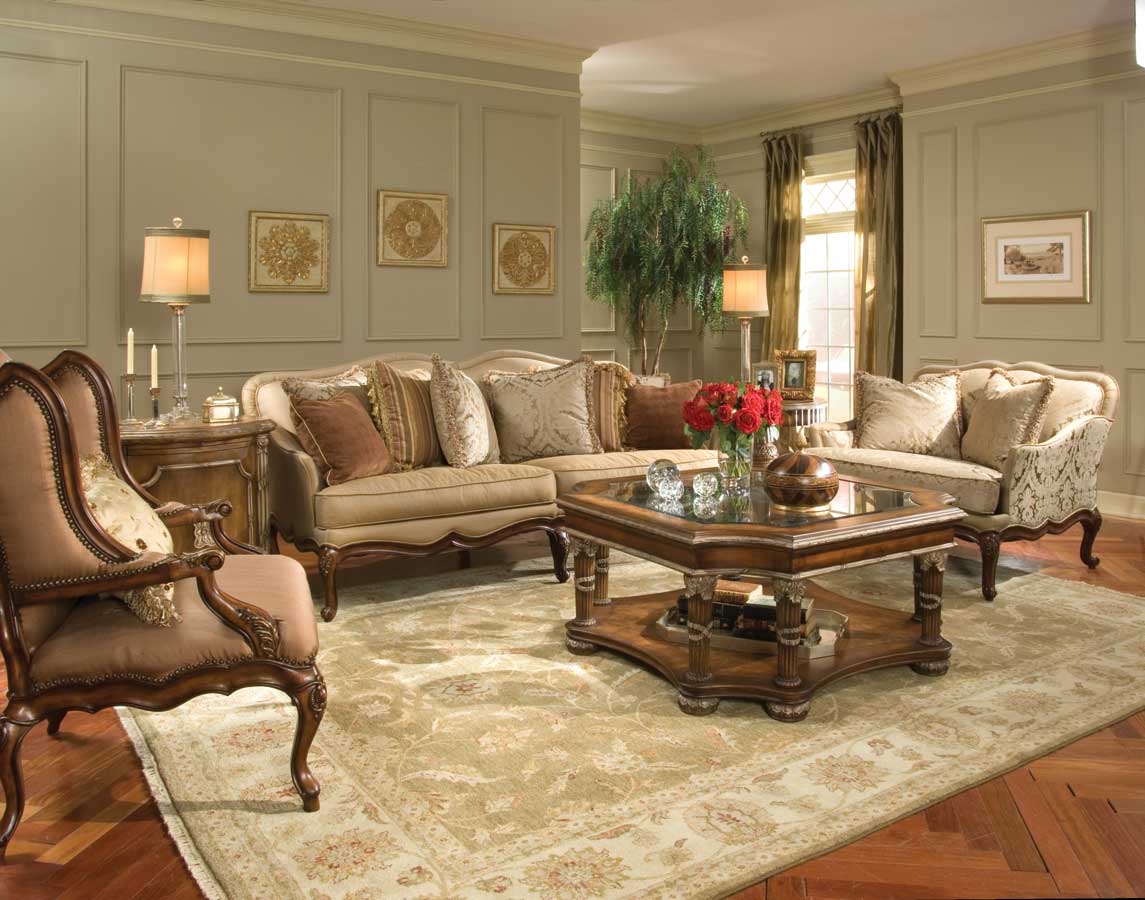
    Homelegance China plans to confide in 30 shops a yr because the US model builds its Chinese language model consciousness.

    The corporate opened its first China retailer within the metropolis of Tianjin in Might and by the top of August may have six shops buying and selling in complete. By the top of October it expects to increase to 11 and from then on it plans between 20 and 30 new shops will open yearly.

    Homelegance needs to focus on China’s center class with its assortment of predominantly picket bed room, dwelling, eating and workplace furnishings.

    The inaugural Tianjin retailer is a 30,000 sqft franchise opened in a specialist furnishings shopping center, Pink Star Macalline. It’s operated by Li ShiGuang. Tianjin is the situation of Homelegance’s 260,000 sqft warehouse which can provide shops within the rising community.

    Homelegance will licence shops in China to make sure it has native operators who perceive the native markets it enters.

    “We all know that to develop we should look past our conventional US borders to turn out to be the worldwide chief we all know we might be,” Jamie Collins, government VP of Homelegance USA, advised Furnishings At present.

    “There isn’t any higher place for us to focus our efforts than in China. Past constructing a model in China we all know that our new licensees in China will take pleasure in what our retail companions in North America have already skilled, worthwhile positive factors via the sale of Homelegance merchandise.”

    Collins stated the demand for American designs amongst Chinese language is rising yearly.

    “We’ll current Homelegance as a premier way of life model that represents the perfect of what the Chinese language shopper is on the lookout for.”

  • Wanda crowdfunding raises $807m

    Wanda crowdfunding raises $807m

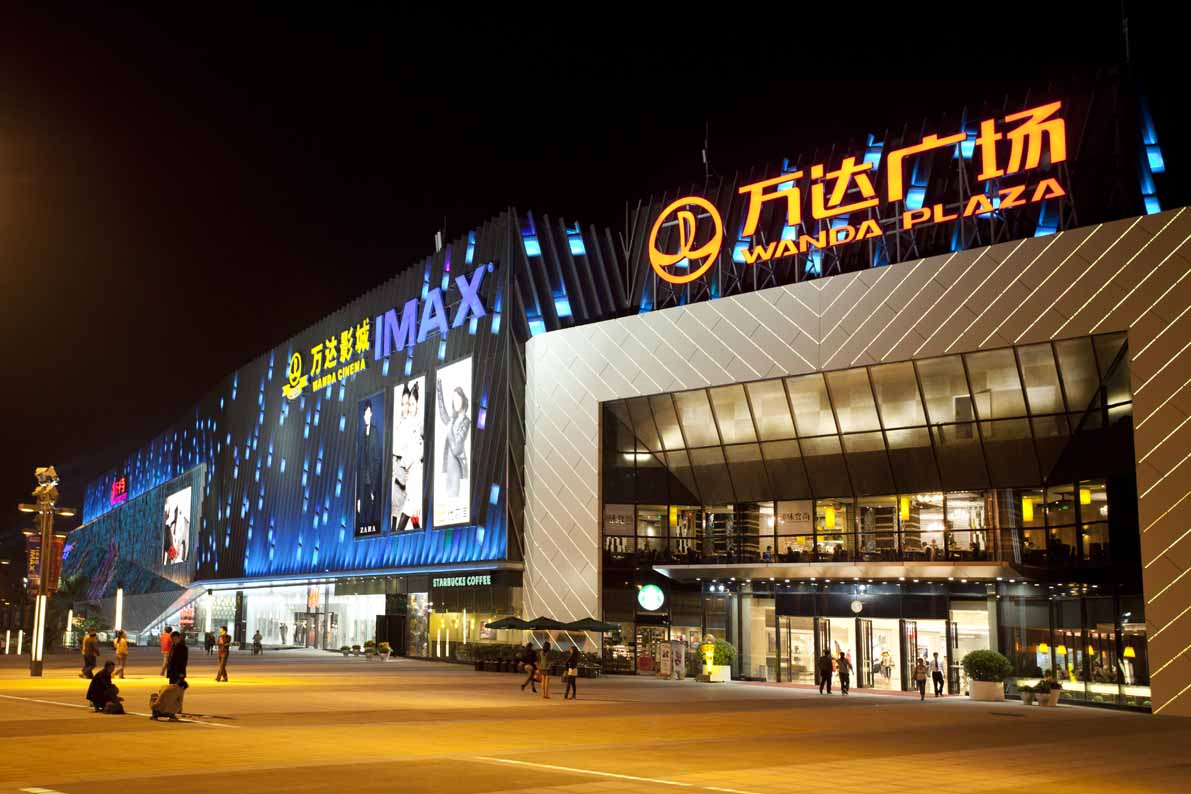
    Chinese language property developer Dalian Wanda Group has raised US$807 million by way of a crowdfunding app which might be used to spend money on 5 new Wanda Plaza buying malls.

    The Wanda crowdfunding app ‘Secure earner No 1’ is the corporate’s first foray into web finance. It raised 5 billion RMB in simply three days, creating a brand new international crowdfunding document within the course of after its June 12 launch.

    Wanda raised RMB500 million in a primary wave of funding from particular person buyers and contributed to the sudden on-line “seckill” – inside the first 50 minutes of the launch the RMB 100 million mark had been damaged. On-line subscribers included institutional buyers who contributed a complete of RMB4.5 billion.

    Wanda says some individuals who missed out on the restricted quota referred to as Wanda executives urging them to proceed the fund elevating past the restrict.

    “So far, the traditional funding limits set by giant scale crowd funded tasks all over the world reaches into the tens of millions, however a challenge on this scale is decidedly uncommon. For a product to launch and promote out so shortly is sort of a feat,” stated Wanda in a press release.

    Wanda launched ‘Secure Earner No. 1’ in partnership with 99Invoice, an organization it just lately acquired that gives on-line cost platform providers. It bought models in 1000 RMB multiples.

    In comparison with the oversaturated marketplace for monetary funding merchandise, the benefit of ‘Secure Earner No. 1’ lies in the truth that capital funding can stream instantly into Wanda Business’s Wanda Plaza tasks, and presents a a lot larger safety than these investing on the inventory market, the 2 corporations submit.

    “And this is the reason the product was named Secure Earner. It isn’t merely a no-lose deal; unpacking it, we will see that solely on secure foundations are you able to stand to realize. Firstly, the challenge invests in the actual financial system. There are presently too many merchandise available on the market that lean too closely on digital belongings, and for some merchandise buyers don’t even perceive the specifics. The Secure Earner No. 1 Wanda Plaza challenge is according to the nationwide path of business improvement, and considers the present nationwide financial transformation and the larger image of home consumption and urbanisation,” the businesses said.

    “Secondly, we need to urge transparency. The funds raised from Secure Earner No. 1 will all be used solely in development operations for Wanda Plazas. Buyers can get hold of all of the related monetary info from Wanda Business’s revealed supplies.

    “Thirdly, we provide secure returns. Beneath Wanda Group’s robust model attraction, the annual occupancy charges and rental assortment charges from its business actual property enterprise common over 99 per cent. That is sufficient to make sure that buyers can get hold of a secure annualised fee of return of six per cent.”

    Buyers can commerce their crowdfunding shares on 99Invoice’s platform after three months. Long run Secure Earner No. 1 could be transformed right into a REIT or bought by a 3rd social gathering after three years, all choices giving shareholders a return on their capital funding.

    Wanda Group retains the suitable to buy the whole shares after seven years at 1.5 occasions the difficulty worth.

  • Oriental Watch profit plummets

    Oriental Watch profit plummets

    Listed retailer Oriental Watch Holdings says its net profit fell 78 per cent in the year to March.

    The company, which had issued a profit warning earlier in the year, has been hit by the slump in demand for luxury watches from mainland Chinese, in turn a result of the mainland government’s clampdown on gift giving.

    OWH says its net profit fell to HK$5 million, (US$641,000) on turnover down 11 per cent to around HK$3.11 billion.

    The company said luxury brand shoppers had changed preferences and attitudes and blamed slimmer margins on intense competition from watch retailers competing for a shrinking customer base.

    Oriental Watch has 68 stores in mainland China, 13 in Hong Kong, three in Macau and three in Taiwan.

  • West Elm Philippines makes debut

    West Elm Philippines makes debut

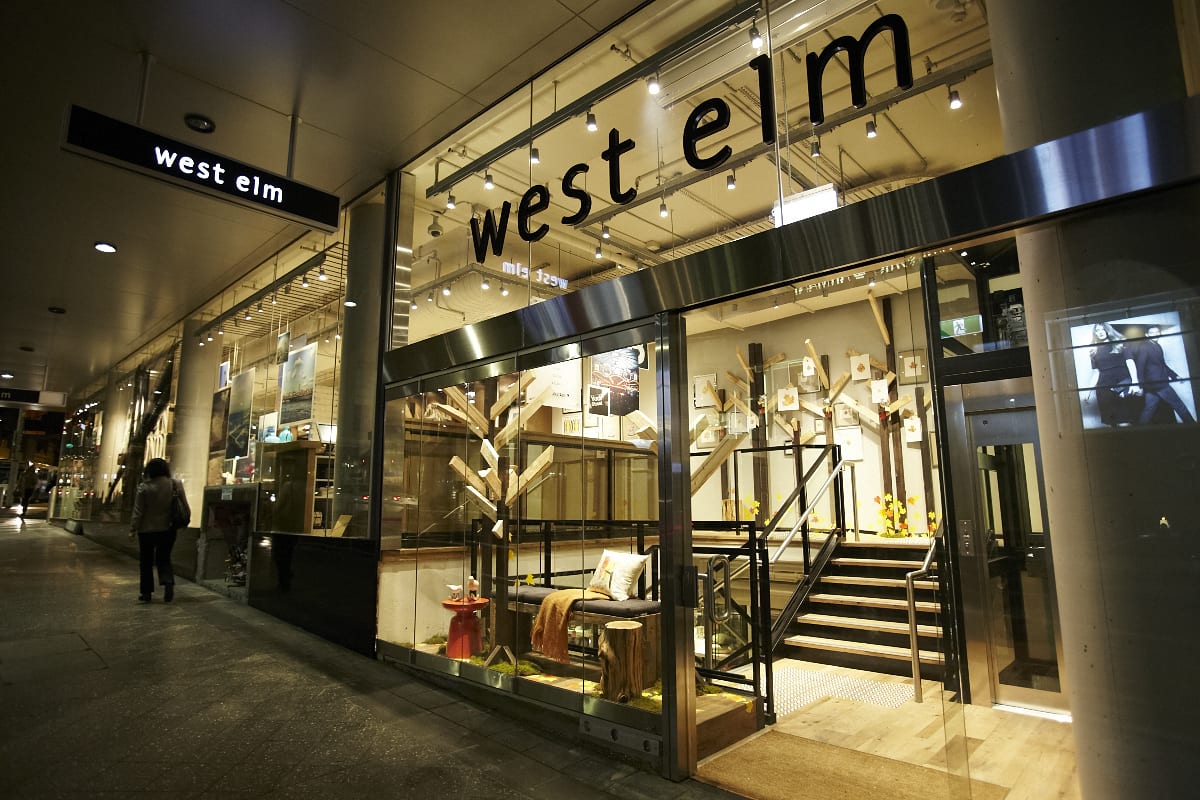
    West Elm Philippines, the furniture chain of Williams Sonoma, has opened its first store in Manila.

    The store, located in the new Estancia Mall at Capitol Commons, Shaw Boulevard, Pasig City. It will compete with Crate & Barrel, which made its Philippines debut last year, and complement another Williams Sonoma brand Pottery Barn.

    While skewed towards complete furniture solutions, West Elm also stocks a comprehensive range of homewares. It positions itself as creating “unique and affordable designs for modern living”.

    One standout feature of West Elm Philippines is that it works with local Filipino producers to stock their products, not just imported goods.

    Among locals to feature in the store are Filipino Capiz Artisans, a co-op of family owned businesses preserving traditional capiz handcrafts, including Capiz Chandelier and Pendant lighting; Filipino Weavers, known for their skilled weaving, braiding, twisting and knits using innovative techniques passed down through generations to create braided storage containers; and Santo Tomas Potters, Pampanga-based creators of hand-thrown, hand-cast and hand-painted ceramics.

    Jim Brett, president of West Elm, said he believes there is “a tremendous appetite for well-designed, finely crafted home goods and furnishings” in the Philippines.

    The 7000 sqft store has opened showcasing the brand’s summer collection which includes furniture, bedding, bathroom accessories, rugs, window textiles and hardware, lighting, decorative accessories, dining, kitchen products, and gifts. It also offers services at Design Lab, where customers can partner with design specialists for complimentary consultations and space planning sessions.

    West Elm currently has 71 retail stores in the US, Canada, Australia and the UK. The Philippines is its first Asia market, and it has an unaffiliated franchisee operating stores in the Middle East.

  • Korean online malls draw global shoppers

    Korean online malls draw global shoppers

    The number of customers using Korean online malls is sharply increasing not just in China and North America, but in new markets around the globe.

    SimpleX Internet, which runs Korean eCommerce solutions specialist cafe24, says Korean cross-border shopping malls are tapping into markets in Southeast Asia, Europe, South America and Australia.

    President Lee Jae-suk says while making the best use of the online environment that provides an easy way to reach customers around the world compared with the offline market, many Korean shopping malls have had success from customising their website experience and offer to each country.

    Funny Love, an online shopping mall specialising in ‘family looks’ has become so successful online, it opened an offline shop in Kazakhstan recently. This is the outcome of the cross-border shopping mall that has drawn great attention among local consumers since 2013. The company’s belief that ‘Korean style family look’ would fit perfectly into the sentiment of Asian people has come true, and thus, the expansion of their sales channels to Vietnam and Singapore.

    Mother’s Corn which specialises in eco-friendly tableware for children, made from plant materials, has acquired the strict CE mark and the Federal Institute for Drugs and Medical Devices certificate through its own manufacturing technology. As a result, this has enabled the company to make inroad into markets in over 10 countries in Southeast Asia and Europe, including the Philippines, Indonesia, France, Poland and Germany. It has doubled its overseas sales as of May of this year compared with the same period last year.

    President Kim Mi-jin explained: “We won the trust of consumers around the world by providing details of the products using various online contents. We will expand the demand in Europe by releasing new products such as dishwashers.”

    Jam Studio, the design props dealer, boosted its business through cross-border shopping mall targeting Southeast Asia. Even slightly more expensive products are selling well due to the popularity of the Korean Wave in Southeast Asia. The customised marketing using Social Networking Services (SNS) such as Facebook and Instagram also played a part.

    In addition, shopping malls carrying environment-friendly organic products for Canadian and Australian consumers and those carrying moisturising cream for consumers in hot regions of Southeast Asia are also examples of marketing based on the characteristics of each country.

    Language is no barrier for consumers using Korean crossover shopping malls around the globe. Korean companies setting up cross-border shopping malls through cafe24 can do so in English, Chinese, Japanese, Spanish, and Portuguese through cafe24, and French and German will be available within this year as well.

    “7 billion people around the world are purchasing Korean products through the experienced eCommerce infrastructure,” said Lee Jae-suk of cafe24 parent SimpleX Internet.

    “Korean cross-border shopping malls will strengthen their competitive edge with strategies customised to each country.”

  • VP Kalla opens Batik Nusantara 2015 exhibition

    VP Kalla opens Batik Nusantara 2015 exhibition

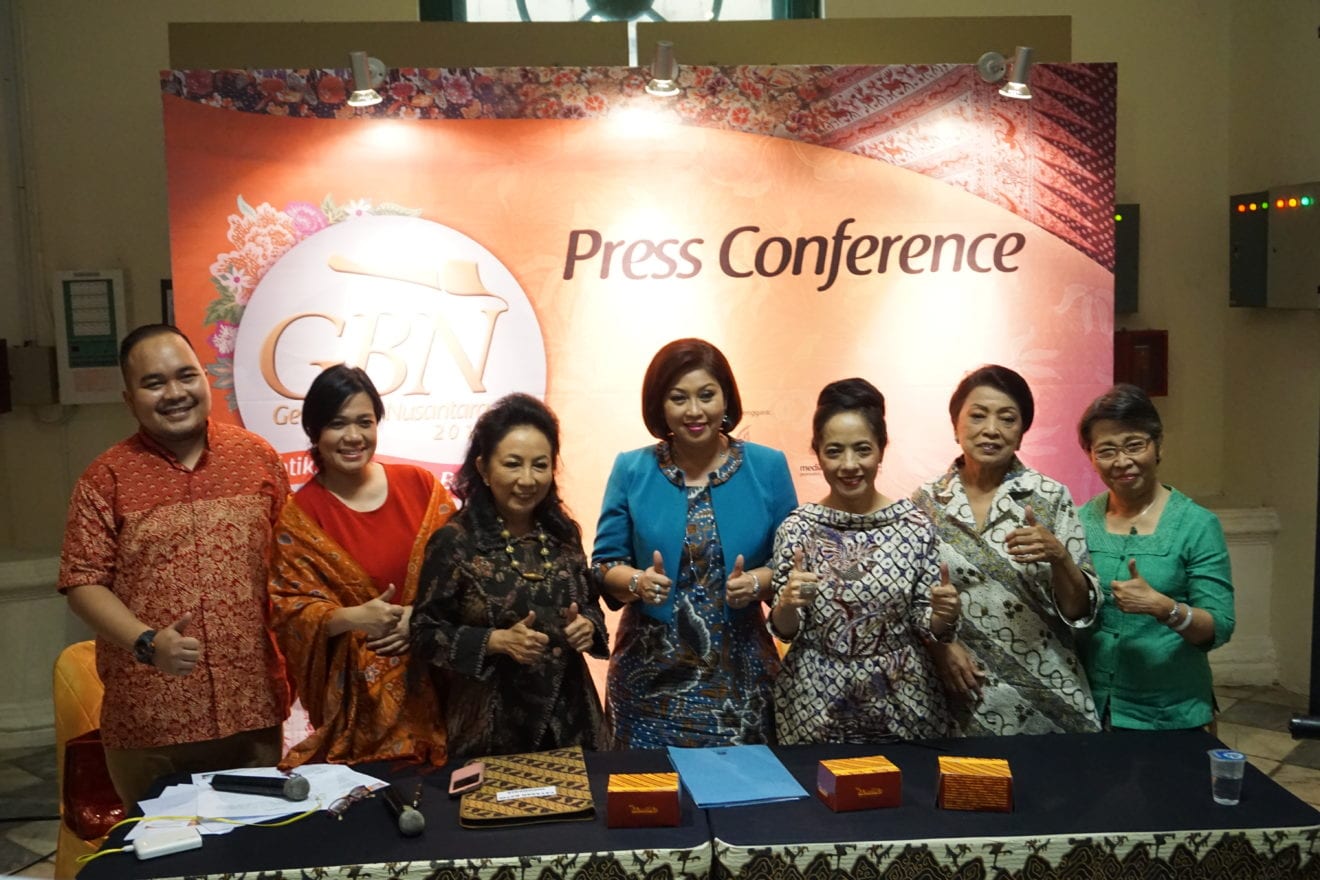
    Vice President M. Jusuf Kalla opened the “Gelar Batik Nusantara 2015” exhibition at the Jakarta Convention Center here on Wednesday.

    Organized by the Indonesian Batik Foundation and PT Mediatama Binakreasi, it will be held from June 24 to 28 with the theme, “Batik Uniting Nations.” The expo will showcase thousands of coastal batik motifs and those of the best Indonesian batik collectors.

    “The popularity of batik is more widespread now than ever before,” the vice president said in his opening address.

    Kalla noted that batik was no longer merely a traditional dress but had undergone innovations for the international market and had been adapted by several countries.

    He explained that innovations in batik first started being made on the island of Java, but now, it has evolved in various regions across the Indonesian archipelago.

    Furthermore, besides being a cultural factor that serves to unify the nation, batik has also developed in a number of neighboring countries such as India and Malaysia, the vice president remarked.

    In addition, he pointed out that since batik was recognized as a World Cultural Heritage by the UNESCO in 2009, its reach continues to increase.

    Kalla opined that as batik has become part of both official and casual clothing, there are challenges, as well, in terms of productivity and innovation.

    According to the vice president, batik has been transformed from a form of traditional art into a masterpiece of global standard. It is also one of the cultural products of Indonesia that people are proud of and want to preserve.

    Therefore, Kalla emphasized that the Gelar Batik Nusantara 2015 exhibition is expected to be able to open market opportunities and attract entrepreneurs, investors and institutions to develop batik as an international product.

  • Indonesia police launch Uber investigation

    Indonesia police launch Uber investigation

    Police in Jakarta have launched an investigation into Uber after local taxi companies filed a complaint against the ride-hailing app in the latest regulatory battles to blight the company’s expansion plans in Asia.

    Five of Uber’s drivers in the country were detained last week, as local competitors questioned the legality of its operations.

    Local authorities released the drivers this week, but the Organization of Land Transportation Owners (Organda), the Jakarta-based association behind the initial complaint, is pursuing the investigation.

    “What they do is create the apps, hire individual cars, and operate just like other public transportation — like other official taxis — but without the proper licence,” says Shafruhan Sinungan, chairman of the organisation.

    “Uber taxis compete in a wild way,” Mr Sinungan said. “Other regular taxi operators have to make big investments to establish a company, providing land for parking and garages, paying tax to the government and hiring workers.”

    Alan Jiang, acting head of Uber in the country, said it was “really just a misunderstanding of what Uber’s business model is”.

    He added that “there are some interest groups that want us to get a taxi licence”.

    In a statement following the detention of its drivers this week, Uber said it “is fully compliant with applicable transportation laws and accredited by the local government”.

    Indonesia is an increasingly important market for Uber, because of its population of 250m people, high smartphone penetration and a burgeoning middle-class.

    The company, one of the world’s most valuable private technology companies, has expanded rapidly in the country since it launched in August last year, growing tenfold over the past year, in terms of the maximum number of rides per week.

    Although the Indonesian market has traditionally been dominated by Blue Bird, the family-run operator that listed on the local stock exchange last year, competition is heating up.

    Southeast Asian taxi-hailing app, Grabtaxi, is also expanding quickly, while Gojek, a Jakarta-based start-up, has developed an app to connect riders with Indonesia’s motorcycle taxis, called ojeks, which are also used for food delivery.

    These new players are unlikely to be caught up in the regulatory wrangling, according to Agustinus Reza Kirana, an analyst at Bahana Securities, a local brokerage.

    “It’s a different business line — it’s not just about passengers but also couriers,” Mr Kirana explains.

    The company has been expanding aggressively across Asia in recent months, with plans to move into several new cities across India and invest $1bn this year in China alone.

    But Uber has faced resistance. Police raided its office in Guangzhou in April, and the app was temporarily banned in New Delhi, following the alleged rape of a passenger by an Uber driver.

  • Diane von Furstenberg Singapore’s new store

    Diane von Furstenberg Singapore’s new store

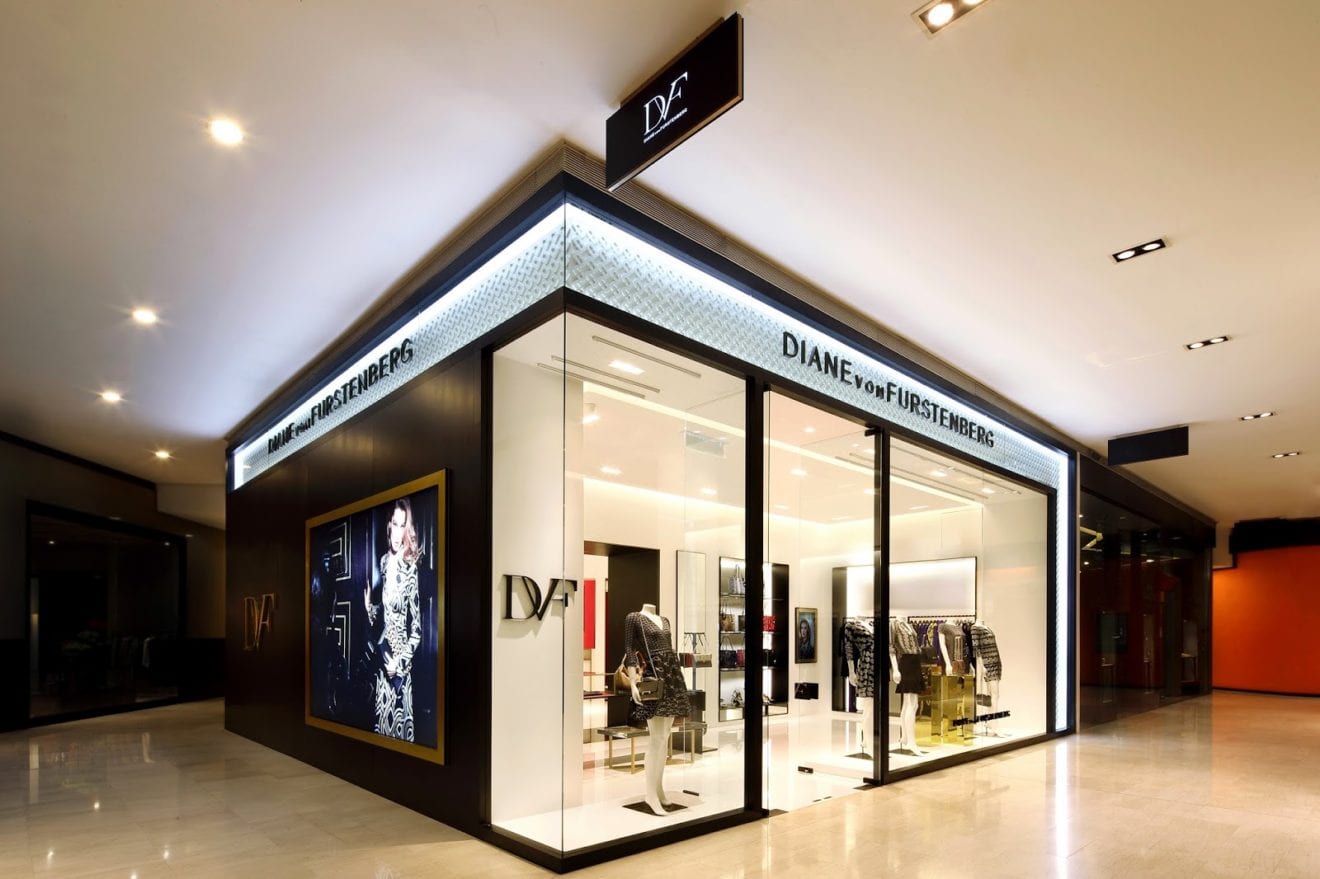
    The Shoppes at Marina Bay Sands is home to Diane von Furstenberg Singapore’s newest store.

    Securing the famous luxury lifestyle brand, founded by Diane in 1970, adds to The Shoppes’ reputation as Singapore’s leading luxury shopping destination.

    Diane von Furstenberg will offer a full collection of ready-to-wear and accessories including handbags, shoes, small leather goods, scarves and jewellery at the new store, including exclusive items not available in its other two boutiques in the city.

    “The Shoppes at Marina Bay Sands is such a vibrant, landmark luxury shopping destination,it is the perfect place for us to expand our presence in Singapore,” said von Furstenberg.

    The new store, which spans 1300 sqft, is located at B2-18, Canal Level.

    The first Shoppes-exclusive item is a DVF Brookes Parka is a leopard green paper habotai hooded parka lined with a detachable and reversible leopard printed lamb fur (Priced at S$7,460).

  • More global firms eye Philippines as training hub

    More global firms eye Philippines as training hub

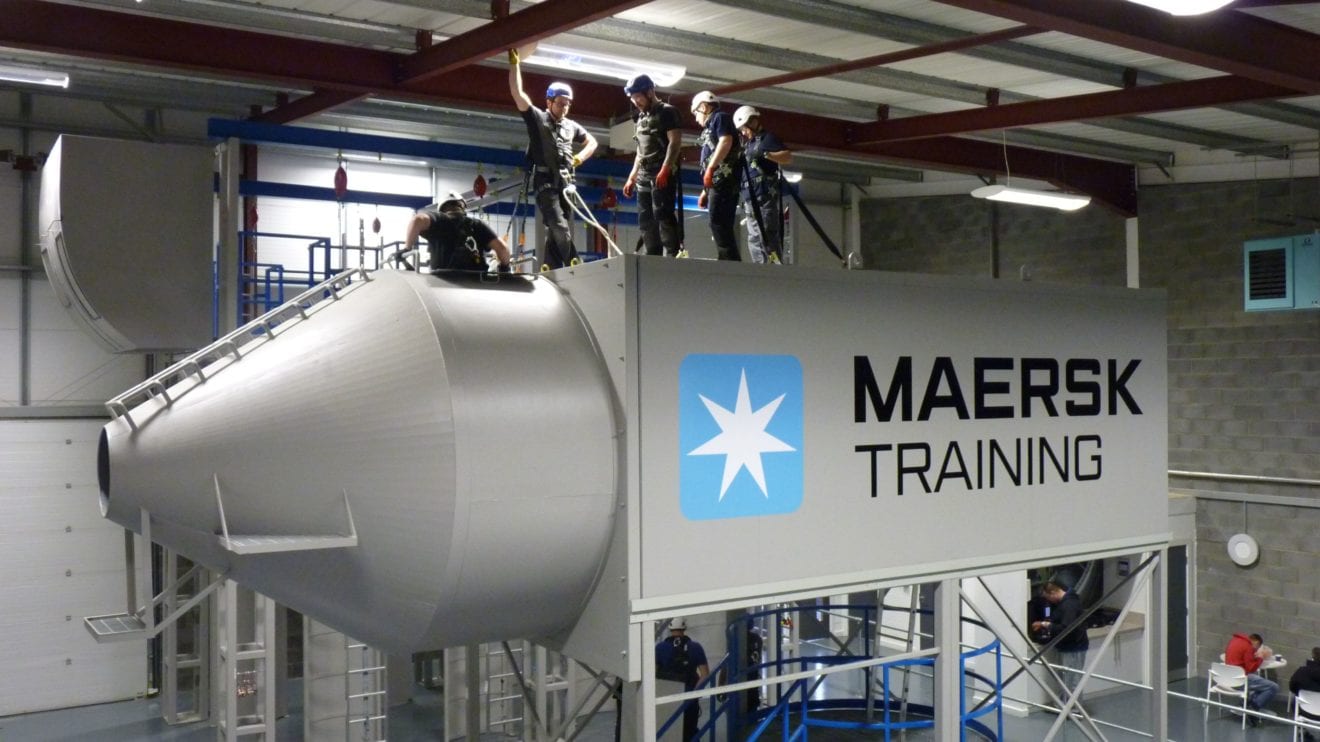
    The Philippines has the potential to become a preferred training hub by multinational companies due to its English-speaking and skilled workforce, the Department of Trade and Industry (DTI) said.

    Trade Undersecretary Ponciano Manalo Jr. told reporters more companies are looking at the Philippines as the location for their training facilities because Filipinos can speak English well and can easily be trained.

    “The Philippines is beginning to be looked at as a training hub or training center,” he said.

    Among the companies interested in making the Philippines its training hub is aircraft manufacturer Airbus.

    Manalo and Trade Secretary Gregory Domingo met with representatives from Airbus during their visit to France earlier this month.

    Aside from Airbus, other companies engaged in aerospace as well as other sectors such as transportation and construction are also interested in setting up training facilities in the Philippines.

    At present, some firms engaged in the retail business have started undertaking training programs in the Philippines such as Japan’s Uniqlo and Sweden’s H&M.

    Uniqlo is bringing Japanese students in their Philippine outlets in order to train in English as a second language.

    H&M is likewise undertaking training activities in their retail outlets in the country.

    Given the interest by firms in making the Philippines the location of their training activities, Manalo said the DTI can include such in the government’s efforts to attract firms to locate in the country.

    “It (training) is turning out to be an opportunity that we can promote to firms,” he said.

    The Philippines’ young, English-speaking and skilled talent pool has often been cited as one of the reasons global companies to set up operations in the country.

  • Unilever Turns to Online Sales to Expand Presence in China

    Unilever Turns to Online Sales to Expand Presence in China

    Global consumer processed goods (CPG) behemoth Unilever is set to combat the slowdown in China head-on by strengthening its presence in the online market. The company announced last week that it will open a store on JD Worldwide, the cross-border platform of China’s largest online direct sales company.  The partnership with JD.com will allow Unilever to directly import its products into China instead of having to navigate the red tape involved in marketing and selling its products locally.

    Unilever already has a significant presence in China. It sells skincare brands like Dove, Ponds and Vaseline through JD.com’s direct sales website as well as Alibaba’s Tmall. According to The Wall Street Journal, Unilever’s sales on JD.com tripled over the last year and its total online sales in China reached $161 million. Now, the launch of its JD Worldwide store will add Unilever’s Lux haircare products for the first time to its Chinese product portfolio.

    Poor Economic Growth in China Dragged Down Sales in 2014

    Weak economic growth in China in 2014 was a cause of concern for global CPG giants like Unilever and Procter & Gamble (NYSE:PG). Nearly all emerging markets weakened in 2014, but China stood out as economic growth slowed down to a 24-year low of 7.4%. Consumer consumption is closely linked to economic growth, which in turn impacts the growth of CPG sales.

    Slower-than-expected economic growth in China dragged down sales of personal care products in 2014, forcing Unilever to undertake a large-scale destocking across the country. The impact of destocking was particularly severe in the third quarter of 2014 and caused a 70 to 80 basis points headwind on Unilever’s total revenue growth. The company does not report its revenues from China separately. However, the extent of the impact of China’s economic slowdown on the overall performance of the company indicates that China accounts for a significant portion of Unilever’s worldwide sales.

    Online Expansion Could Prop Up Volumes in China

    The economic slowdown in China may have heavily impacted brick and mortar sales in the country, but online sales are picking up steadily. Online sales are estimated to have expanded by over 40% year on year in every quarter since last year. In the first quarter of 2015, online shopping is estimated to have accounted for over 10% of total retail sales in China. []

    These statistics underscore the significant scope in online shopping in China. Considering that online sales expanded by over 40% in 2014, which suggests that online shopping was less susceptible to the economic slowing, as compared to traditional shopping. Therefore, Unilever’s decision to expand its presence in China’s online market could help it partially circumvent the slowdown in the country.

  • Chivas Regal Extra launches in Asia travel retail

    Chivas Regal Extra launches in Asia travel retail

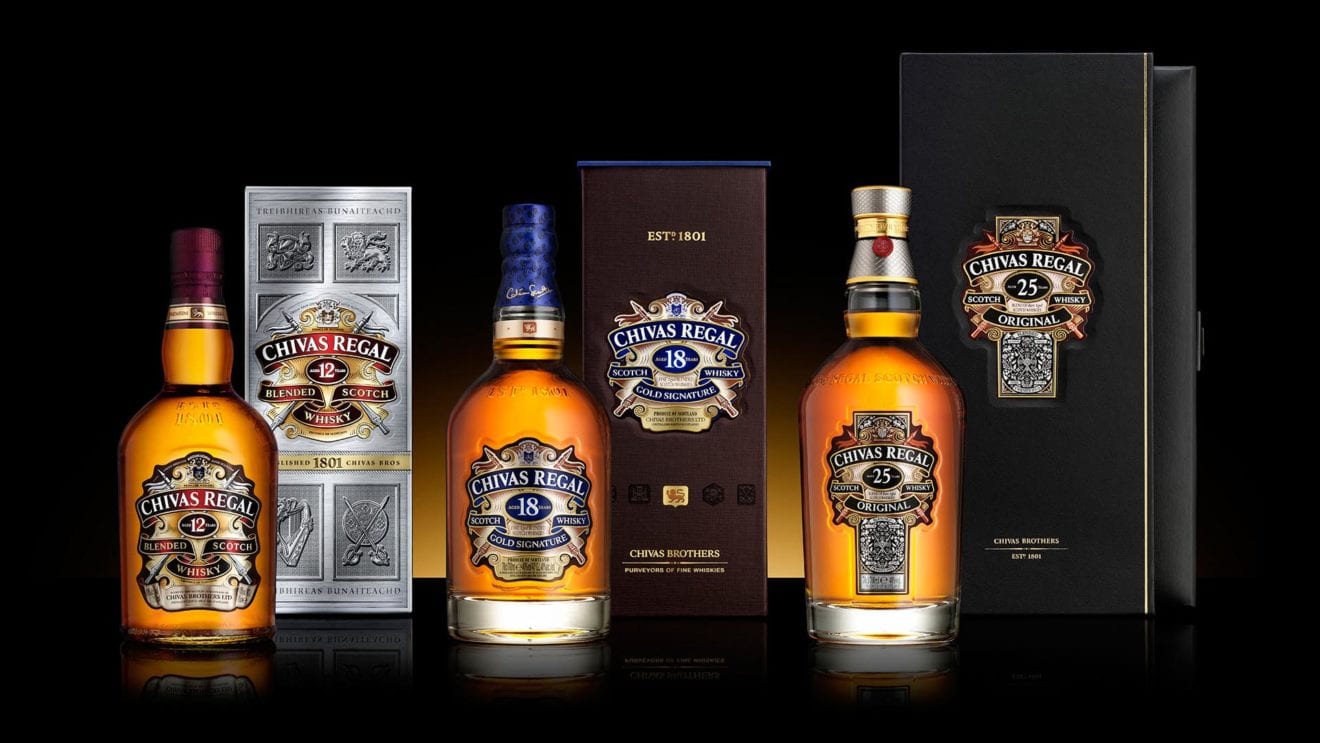
    Chivas Regal Extra will be made available in in key Asian airports throughout May to July, supported by new campaign, titled Welcome to the Next Level.

    “We are delighted to be introducing the newest member in the Chivas Regal family – Chivas Regal Extra – to travel retail across Asia and to be supporting the launch with the Welcome to the Next Level campaign,” commented Kyung Min, manager at Pernod Ricard Asia Travel Retail.

    “Our goal is to engage with travellers and offer them a unique shopping experience and premium gifts through a set of dynamic in-store activities at the airport.”

    Seven airports will be supported by the Welcome to the Next Level Campaign, including Singapore Changi airport, Malaysia Kuala Lumpur International airport, Hong Kong International airport, Thailand Suvarnabhumi airport and Vietnam Tan Son Nhat International airport in May and June.

    Korea Incheon International airport will feature the campaign in June and Japan Haneda Tokyo International airport will run the campaign in July.

    Travellers will have the chance to experience in-store comparison tastings to distinguish the differences between Chivas Regal 12 and Chivas Regal Extra.

    Select airports will also be offering an interactive game challenging consumers to learn more about the product and entitling them to a gift, as well as a Sherry cask display and aroma kit sets.

    Chivas Regal Extra is bottled at 40% abc and has an RRP of US$56 in global travel retail.

  • Li & Fung sets up China retail JV

    Li & Fung sets up China retail JV

    Global exporter Li & Fung Ltd has formed a joint venture with two Chinese department store operators, with the aim of setting up as many as 300 stores and developing its own private labels, the Hong Kong firm said on Tuesday.

    The firm will own 20 percent of the joint venture, while Beijing Wangfujing Department Store Group Co and Shanghai Bailian will each hold a 40 percent stake.

    The joint venture, which will be called BaiFuLi Co, may help Li & Fung to make up for some of the business it recently lost from US retail giant Wal-Mart Stores Inc.

    Li & Fung reported an 11.8 percent fall in 2014 net profit in March.

    BaiFuLi will have a registered capital of 48 million yuan ($7.7 million).

    Li & Fung said developing proprietary brands would help the joint venture differentiate from rivals “amid increasing competition in a fast-evolving retail landscape.”

    The venture aims to develop between one and three private labels and up to six licensed brands over a three-year period, said the company.

    This could see the venture opening up to 300 stores and pulling in up to 1 billion yuan ($161 million) in sales.

  • Chilly Stone Creamery Vietnam plans 30 shops

    Chilly Stone Creamery Vietnam plans 30 shops

    Kahala Manufacturers, the father or mother firm of Chilly Stone Creamery has appointed a Vietnamese franchise associate.

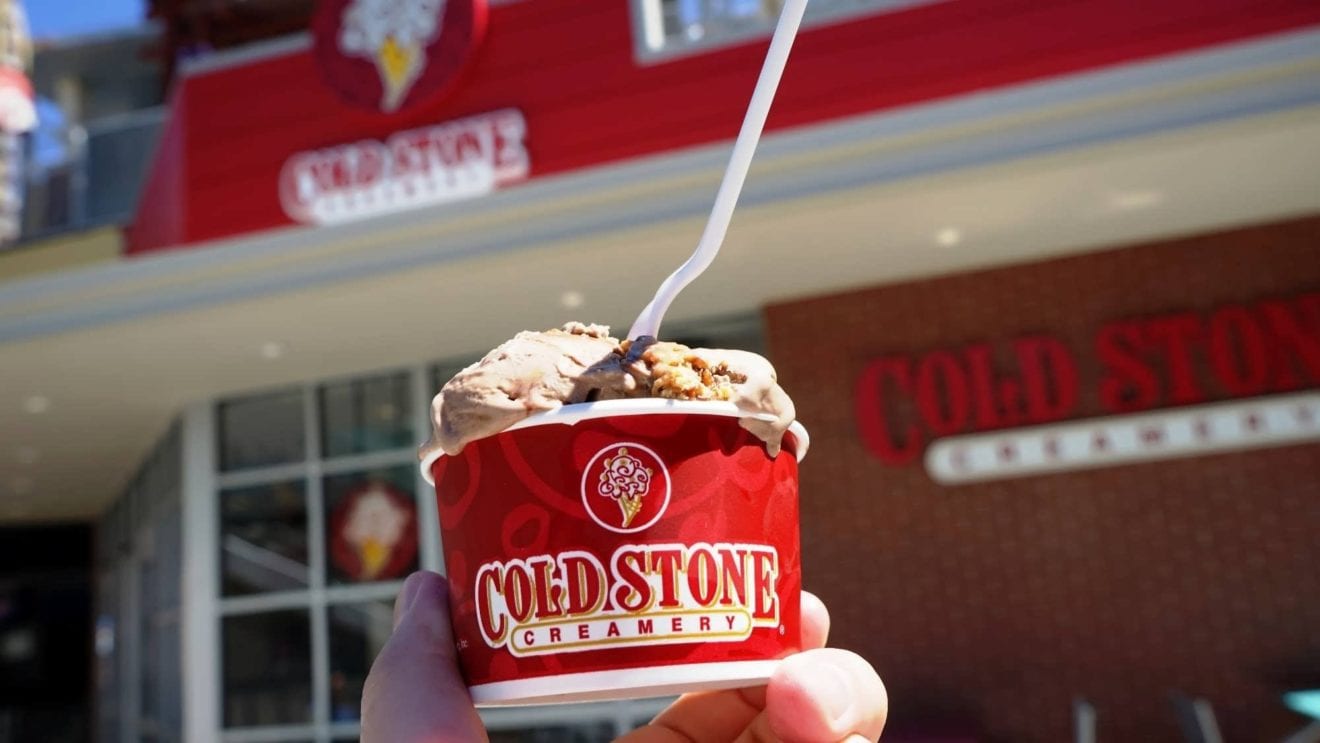
    The primary of a deliberate 30 Chilly Stone Creamery Vietnam shops will open this yr in Ho Chi Minh Metropolis in partnership with TNC Holdings subsidiary CS Vietnam Ice cream Co.

    “With the speedy improve in youthful shoppers demanding greater high quality merchandise we’re thrilled that Vietnam would be the subsequent worldwide market delivering the Final Ice Cream Expertise,” stated Eddy Jimenez, senior VP of worldwide operations and improvement for Kahala.

    TNC is described by Kahala as “the main and most skilled firm in Vietnam”.

    “We all know they’ll do an exquisite job at exemplifying what the Chilly Stone Creamery model is and they’ll proceed to hold on the superb tradition we have now developed worldwide.”

    TNC specialises in branding, distribution and manufacturing of fast paced shopper items, together with drinks, particularly espresso and tea, and private care merchandise. TNC additionally owns retail manufacturers and franchises, together with comfort shops, supermarkets and F&B chains.

    TNC owns the native Fannys ice cream model, which has cafes and sells into FMCG channels. It additionally has the Korean cafe chain Hollys Espresso rights, Incito espresso and Japanese hotpot restaurant Mizuchi in its portfolio, however has few shops buying and selling underneath these manufacturers.

    Kahala says TNC has a imaginative and prescient to be one of many prime 10 shopper and retail corporations in Vietnam, grossing US$1 billion by 2020.

    “Chilly Stone Creamery is a premium American ice cream idea and the product shall be very inviting to the Vietnamese individuals,” stated Phan Duc Binh, CEO of TNC. “Nevertheless, it’s the in retailer expertise and the enjoyable surroundings Chilly Stone Creamery creates that hold individuals coming again. The mission of creating individuals joyful, a really energetic tradition and core values shared amongst all of the stakeholders within the system is why TNC pursued Chilly Stone Creamery.”

    Chilly Stone Creamery opened its first retailer outdoors its US residence market in November 2005 in Tokyo, Japan. Since then it has expanded the chain into almost 300 worldwide places in additional than 25 nations, together with the Philippines, Indonesia, Kuwait, Qatar and Nigeria.

    The chain’s level of distinction is that it makes ice cream recent in retailer day by day, and mixes it with flavours and components like fruits, chocolate and nuts, on a chilly marble slab in entrance of the client.

  • Meals focus for brand spanking new Katong Sq.

    Meals focus for brand spanking new Katong Sq.

    Katong Sq., a brand new two-storey 55,000 sqft retail improvement in Singapore’s east will supply greater than 20 meals and beverage choices.

    Scheduled to open within the first quarter of 2016, Katong Sq. can be located within the coronary heart of Katong, close to the junction of East Coast Rd and Joo Chiat Rd. Designed as a meals and beverage enclave by Katong Holdings Personal Ltd, it’s created to be the eating vacation spot of selection for meals lovers and is predicted to attract crowds each from the East and past.

    Katong Sq. will probably be a part of an built-in improvement, sitting under two upcoming resorts that may boast a mixed complete of near 600 rooms – Lodge Indigo (the primary of InterContinental Lodge Group’s boutique model entry into Singapore) and Vacation Inn Categorical.

    The Joo Chiat Police Station which has been marked by the City Redevelopment Authority as a conservation constructing, will type a part of the retail part of Katong Sq.. The retail supply has been rigorously curated to ship a singular culinary expertise to clients via an eclectic mixture of eating ideas. This features a number of homegrown and worldwide manufacturers, in addition to cuisines from each East and West.

    “Having one of many largest open areas within the neighborhood, Katong Sq. goals to create a vibrant city sq. with guests bringing their households and buddies to participate in common stay occasions resembling art-related and busking performances,” stated Katong Holdings in a press release.

    Government chairman of Revolver Asia, appointed retail marketing consultant for this challenge, Michel Lu says with Singapore’s id as a meals nation, meals and beverage is near everybody’s coronary heart.

    “Katong Sq. is a one-of-a-kind venue with a distinct segment focus in meals and beverage, which we consider will draw important mass. We courtroom the best meals & beverage manufacturers with a robust following of their very own and powerful model fairness of their numerous fields of culinary experience to determine Katong Sq. as a meals hub synonymous with Singapore’s status as a multicultural meals haven.

    “A unprecedented meals hub mixed with the colourful communal area, we foresee Katong Sq. as a buzzing city sq. within the East Coast and Katong,” added Elaine Seah, improvement supervisor of Katong Holdings and Grasp Contract Providers.

    “Steeped in tradition and heritage, Katong is a outstanding cultural landmark within the East. Because the colonial occasions, Katong’s robust cultural id has been manifested of their Peranakan or Nonya delicacies, which mixes Chinese language and Malay influences to create a singular mix of dishes distinctive to their heritage.”

    According to a robust emphasis by the City Redevelopment Authority (URA) to preserve Katong’s historical past and heritage, Katong Holdings needs to include options unique to Katong inside the improvement.

    “On the similar time, we can be introducing different established meals and beverage operators to enrich the present meals choices in Katong to reinforce their id as Singapore’s first heritage city.”

    With the approaching development of the Thomson-East Coast Mass Speedy Transit (MRT) line, Katong Sq. might be located subsequent to the deliberate Marine Parade MRT station. Moreover,

    there will probably be as much as 300 obtainable automotive park tons at Katong Sq. to deal with the restricted parking challenge within the Joo Chiat space. Occasions and programmes themed across the idea of the mall corresponding to worldwide meals and wine festivals will probably be launched all year long.

    Katong Holdings is collectively owned by three Singapore-based builders and builders: Grasp Contract Providers, Keong Hong Development and Asia Improvement.

    The id of the manufacturers signing as much as the centre shall be revealed in two to 3 months.