Blog

  • Bangladesh garment workers still face abuse, danger despite reforms

    Bangladesh garment workers still face abuse, danger despite reforms

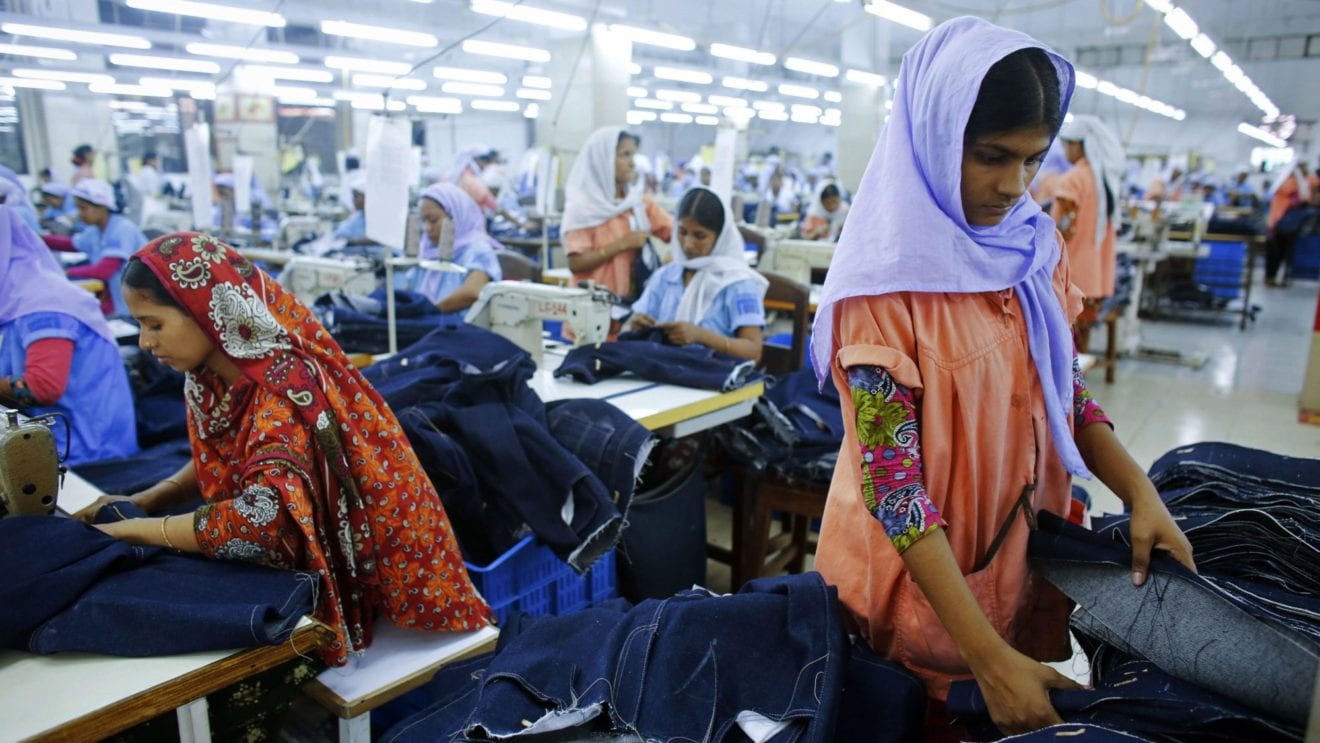
    Two years after the deadly collapse of the Rana Plaza complex, employees in Bangladesh’s garment sector still face exploitative and dangerous working conditions despite government labour reforms, Human Rights Watch (HRW) said on Wednesday.

    While the government and global brands have made progress in improving safety conditions for Bangladesh’s millions of garment workers, many still contend with abuse at work, delayed wages, and threats when they try to form a union, an HRW report said.
    “Clearly, it is not enough to focus on safety alone,” Phil Robertson, the rights group’s Asia deputy director, said in a statement.

    “Recent tragedies at Bangladeshi factories demonstrate that dangerous working conditions are linked to the failure to respect workers’ rights, including their right to form unions which can help them to collectively bargain for improved safety.”

  • Online store merger prods luxury goods makers towards internet

    Online store merger prods luxury goods makers towards internet

    The merger of the world’s two biggest online fashion stores, Net-a-Porter, or NAP, and Yoox, sends a warning to luxury brands to embrace the Internet with more vim after years of resistance.

    Top brands such as Prada and LVMH’s Christian Dior still baulk at the idea of selling clothing online as well as through their plush boutiques.

    “Considering the level of sophistication and image of our ready-to-wear, we feel the shopping experience has to remain immaculate and in-store,” says Stefano Cantino, head of marketing and commercial development at Prada.

    “You need the physical environment to try the product on and you need an exclusive service which you can only get in a boutique.”

    But as more people choose to buy through a website instead of going to Rue St Honore or New Bond Street, that position looks increasingly untenable. Brands whose goods are not available online risk losing customers to rivals.

    Luxury executives understand the Internet will be vital for future sales, particularly to so-called Millennials — web-savvy customers born between 1980 and 2000.

    Yet top brands such as LVMH’s Louis Vuitton, Hermes, Prada and Chanel have been slow to invest in e-commerce as other retail sectors have done in the last decade.

    Some have focused as much on the shopping experience as on the products themselves, spending heavily on worldwide expansion and revamping stores with help from famous designers.

    “Many luxury brands have not figured out yet how to be innovative and creative online,” said Anant Sharma of consultancy Matter of Form. “It looks like they are scared to try things out.”

    Sharma said many brands’ websites mimicked the appearance of Net-a-Porter’s black-and-white portal. “If they had the same approach to physical retail, we’d all be shopping in whitewashed rooms with clothes lined up against the four walls.”

    Immediately after the Yoox/NAP deal was unveiled last month, Chanel said it would start retailing online next year. This month, it is selling a new jewelry line exclusively through NAP for just three weeks.

    “The merger between Yoox and NAP sends the message that you need to be online or you may be out of the game,” Euromonitor luxury goods analyst Fflur Roberts said.

    Euromonitor expects 40 percent of all luxury goods sales will be made via the Internet in less than five years.

    Online annual luxury goods sales have been growing at 15-25 percent while the industry’s average growth rate has slumped to 5 percent this year from above 10 percent four years ago as brands have completed big global roll-outs.

    Analysts estimate that 5-6 percent of luxury goods are purchased online, although that jumps to around 8 percent for leather goods such as shoes and handbags.

    Designer websites vary in usability but few offer customers as much help as sites like NAP, which shows clothes on models, gives details of fit and sizing and carries styling tips.

    Prada’s e-commerce site carries no ready-to-wear, sticking to bags, shoes and other accessories.

    Kering’s Saint Laurent and Gucci have slicker sites, offering a wide range of clothing and proposing complete looks. Saint Laurent also features designer Hedi Slimane’s black and white photographs of musicians such as Marilyn Manson and Marianne Faithful.

    But Hermes’s iconic 8,000 euro Birkin or Kelly bags still cannot be bought online — and may take more than year to arrive after being ordered from a store.

    ?????????????????Department stores push

    While many big luxury brands are still figuring out an Internet strategy, high-end department stores already sell their products online.

    The Neiman Marcus chain, which includes New York’s Bergdorf Goodman, does 24 percent of its business online, up from 15 percent five or six years ago. Last year, it acquired German online fashion retailer My Theresa, aiming to better serve customers outside the United States.

    London’s Harrods, whose website gets 3 million visitors a month and sells brands such as Valentino and LVMH’s Givenchy, is also stepping up online investment.

    “Our customer demands an omni-channel shopping experience, and to remain at the forefront of luxury retail we need to respond to this,” Harrods managing director Michael Ward said.

    Chief Executive Bernard Arnault said at LVMH’s annual general meeting last week that “more and more products would be sold online” and the group was “currently adapting to this situation”.

    LVMH labels such as Fendi, Kenzo and Emilio Pucci already offer many products online — Fendi sells 750 euro baguette bags and 6,180 euro blue feathered dresses — but Louis Vuitton sells only accessories, pens, watches and jewelry.

    Richemont’s Cartier brand has sold jewelry online in the United States since 2010 and its online store now ranks third behind its two main flagships in terms of sales.

    Privately owned Patek Philippe, does not sell any of its 10,000 euro plus timepieces on the Internet, however, and told Reuters last month it has no intention of doing so.
  • Bagllerina Hong Kong opens in Sogo

    Bagllerina Hong Kong opens in Sogo

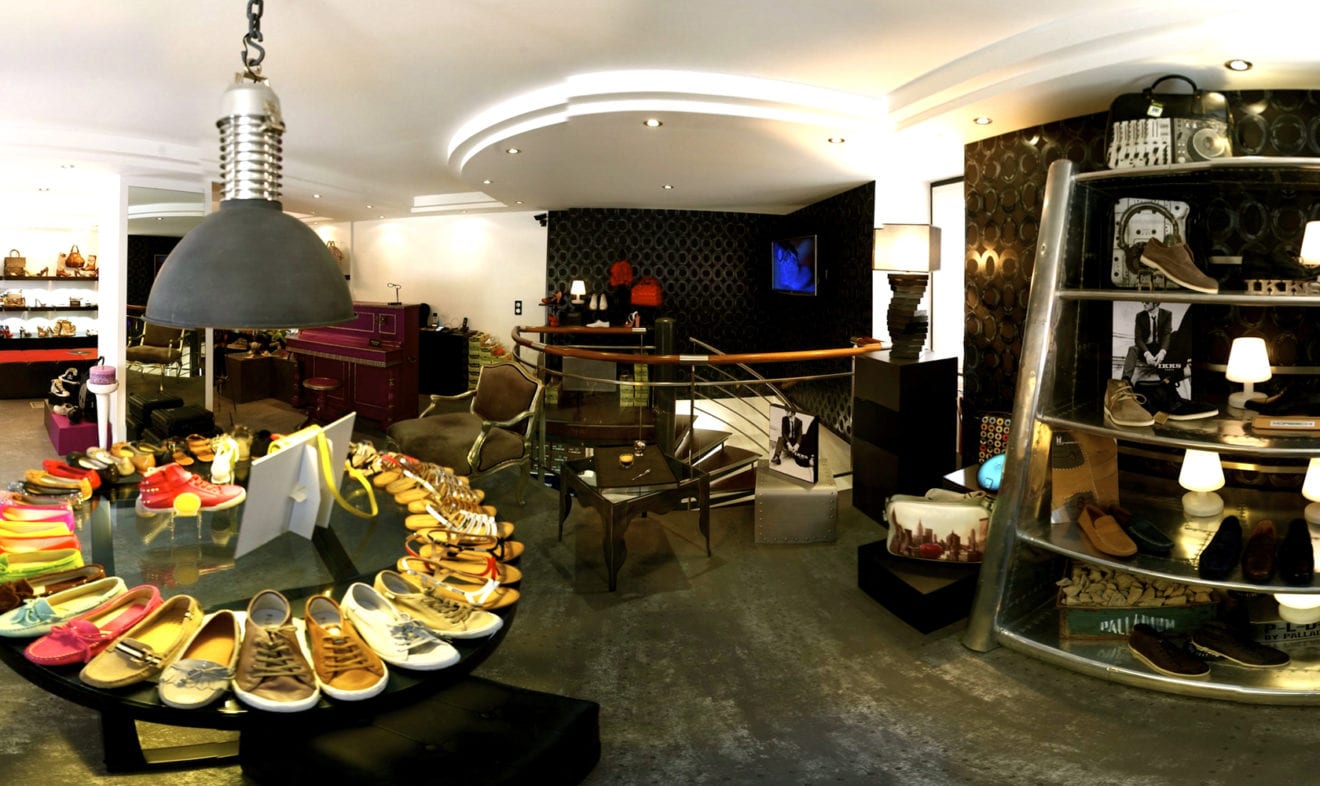
    French ballerina shoe brand Bagllerina has opened its first store in Hong Kong’s Causeway Bay.

    Founded in 2011 by Christine Natkin, Bagllerina specialises in handmade, foldable ballerina shoes that are comfortable, simple and elegant made from 100 per cent leather.

    Observes fashion blogger Butterboom: “We are big advocates of comfortable shoes especially with the amount of walking we do in Hong Kong. You can slip your heels in a matching leather small bag while wearing a pair of Bagllerina, and slip out of them once you’ve arrived at your destination to switch to your heels.”

    Bagllerina Hong Kong has opened on level B1 of the Sogo shopping centre at 555 Hennessy Rd.

    Bagllerina shoes come in more than 70 colours and three different cuts, with a new version, the Summerfeet cut, described as ‘sandals with a bit of hell” due soon.

    For more details of the range, and images from Bagllerina, read Butterboom’s report.

  • Ikea Singapore in row over bigot’s drama

    Ikea Singapore in row over bigot’s drama

    Ikea Singapore has found itself at the centre of a social media protest over supporting a drama run by a local religious extremist.

    Ikea is giving members of its loyalty program discounted rates for a show called Vision, which features a homophobic religious zealot renowned for his anti-gay views.

    But Ikea says it stands by its decision to sponsor the show, a move which is outraging Singapore’s gay community who have taken to social media to express their disgust.

    In a statement to the Straits Times newspaper Ikea management said they had undertaken “a thorough review” of the decision to support the show and would stick with its original decision.  “We have spoken directly with the organisers, reviewed the content and confirmed that the Vision show offers high family entertainment value and, on that basis, we are continuing our promotional collaboration.”

    Vision is a magic show performed by pastor Lawrence Khong of Faith Community Baptist Church along with his daughter Priscilla. It will be held at the Esplanade in July.

    Last year Khong organised an anti-gay protest, urging Singaporeans to “wear white” in protest against the holding of the Pink Dot LGBT picnic.

    Khong is a self-appointed pastor of the church he founded and claims to have a congregation of 9000. He is on record saying he makes movies and performs shows in order to spread his evangelical Christian beliefs and to “reclaim the media for God’s Kingdom”.

    Khong considers homosexuals have “a shorter lifespan, more sexually transmitted infections and more health problems than the general population” and he actively fought against the decriminalisation of homosexuality in Singapore, describing it as “a looming threat to this basic (nation) building block by homosexual activists”.

    Lawrence Khong Facebook image

    • Lawrence Khong’s Facebook profile image.

    Ikea appears unconcerned about supporting Khong’s ministry. In its statement the retailer said it respects the diversity and equality of all people in the community

    “We also respect that all individuals have a right to their opinions and personal choices, including the freedom to choose their preferred entertainment,” it said.

    Ikea Singapore’s Facebook page is full of comments about the issue, with an overwhelming percentage in support of the company’s stand. However closer analysis reveals a distinct similarity amongst the supportive posts, the church undoubtedly having rallied its congregation to show support online.

    “Thank you Ikea for making the right move and supporting family!” was one of many similar supportive comments.

    However contrary views were typified by Zulkarnain Sadali: “So disappointing. Do you even see it’s not about entertainment? Out of all the companies in Singapore, this move was never expected of you. I wonder what Sweden HQ thinks of this.”

    Robert Vrolijk observed: “The very vocal Christian minority has again used their organised high volume attack to pressure their opinion. Everyone knows Vision is not just family entertainment. There is no such thing as family entertainment when led by a pastor. And Ikea by supporting this event you support his views. People have a right to choose but you don’t have to promote hate speech hidden as freedom of speech.”

    Perhaps the most ironic post was from Steven Cheong who wrote, apparently unaware of the irony: “Ikea – it is good that you didn’t bow to militant activists!”

  • McDonald’s India expands McCafe

    McDonald’s India expands McCafe

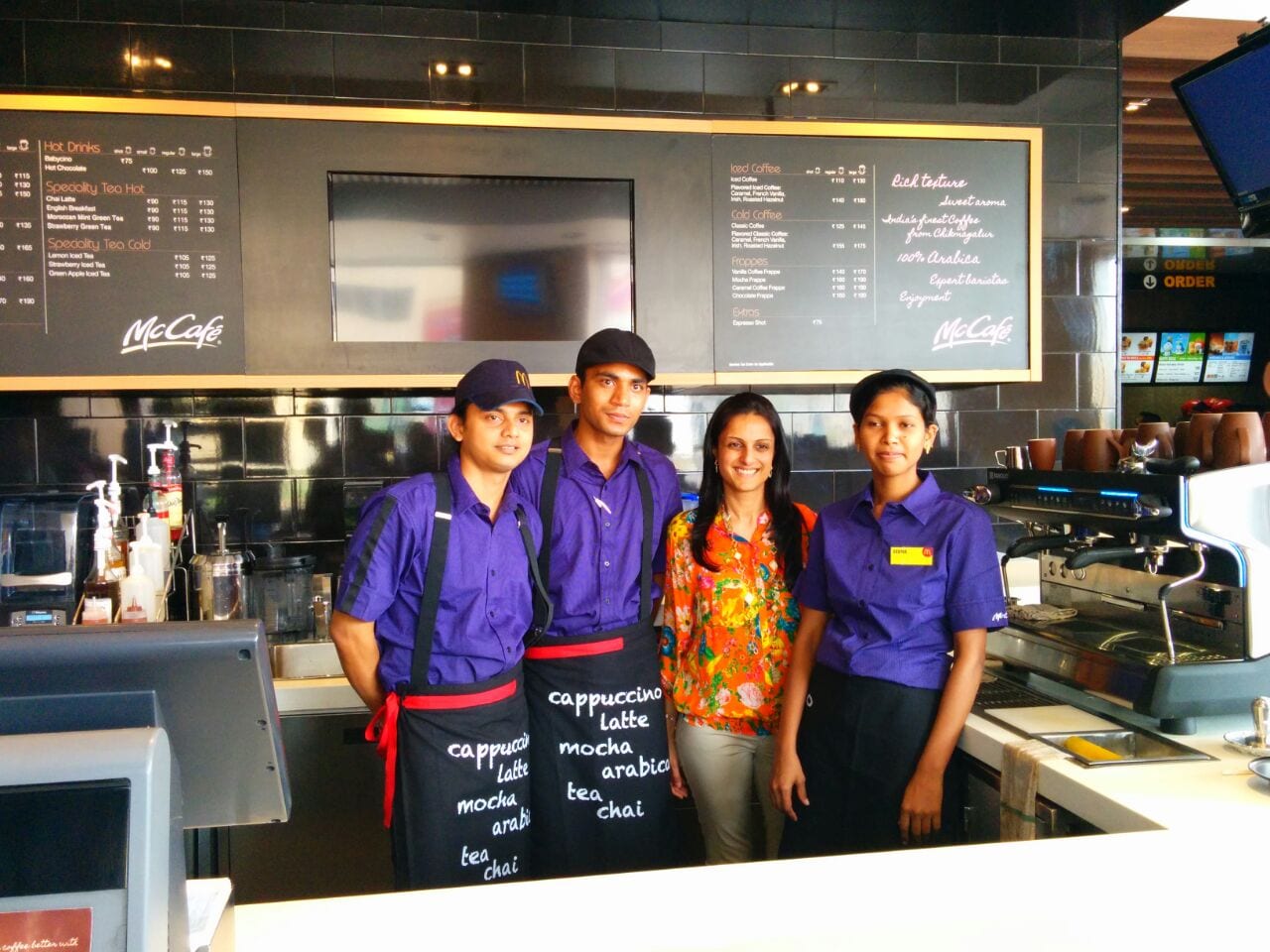
    McDonald’s India has opened three McCafés in Bengaluru.

    Westlife Development, owner of the Master Franchisee of McDonald’s in India, Hardcastle Restaurants, said the McCafes were the first in South India.

    Smita Jatia, MD of Hardcastle Restaurants, said Bengaluru has great significance as a coffee hub and there is tremendous potential for growth there.

    “With the launch of McCafe, we will strengthen our beverage strategy and build our restaurants as a one stop destination for all customers to enjoy across all ‘day parts’.

    Smita Jatia, Managing director, Hardcastle restaurants Pvt Ltd at the Launch of McCafe in Bengaluru

    *Smita Jatia, Managing director, Hardcastle restaurants Pvt Ltd at the Launch of McCafe in Bengaluru

    The store-in-store format enables a quick roll-out of a McCafé with an investment of Rs 30-35 lakhs per outlet across key trading areas in metro cities of West & South India to make it easily accessible to our consumers.”

    Jatia said within the last 18 months McDonald’s India has expanded the McCafé network across 41 restaurants in six cities – Mumbai, Ahmedabad, Nashik, Aurangabad, Pune and now Bengaluru.

    “Today, we are well on track as per the stated goal to launch 75-150 McCafé over the next three to five years, a clear testament to the fact that our coffees, frappes and muffins have been very well accepted by customers.”

    The expansion of the McCafé brand and its product offering is part of the company’s goal to elevate its coffee portfolio and to become India’s favourite destination for good food and quality beverages.

    McCafe counter at McDonald's outlet at JP Nagar,Bangalore (2)

    “We believe that we will be able to delight customers in Bengaluru too with our freshly brewed aromatic coffees,” said Jatia.

    McCafé uses 100 per cent Arabica coffee beans brewed by professionally trained baristas and sourced from sustainable farms in Chikmangalur, India.

    McDonald’s India first opened a McCafe in October 2013. Hardcastle Restaurants, which operates McDonald’s in west and south India, recognised an unmet need, for existing and new customers, in the rapidly growing Indian specialty coffee segment.

    McCafé was created and launched in Melbourne, Australia in 1993, and has since spread worldwide, with the first in the US opening in Chicago, Illinois, in May 2001. Today, McCafés can be found in Costa Rica, Japan, Paraguay, South Africa, Spain, Ukraine, Canada, Malaysia, Macau, Hong Kong, Thailand and the UK, amongst other countries.

  • Richemont warns of profit plunge

    Richemont warns of profit plunge

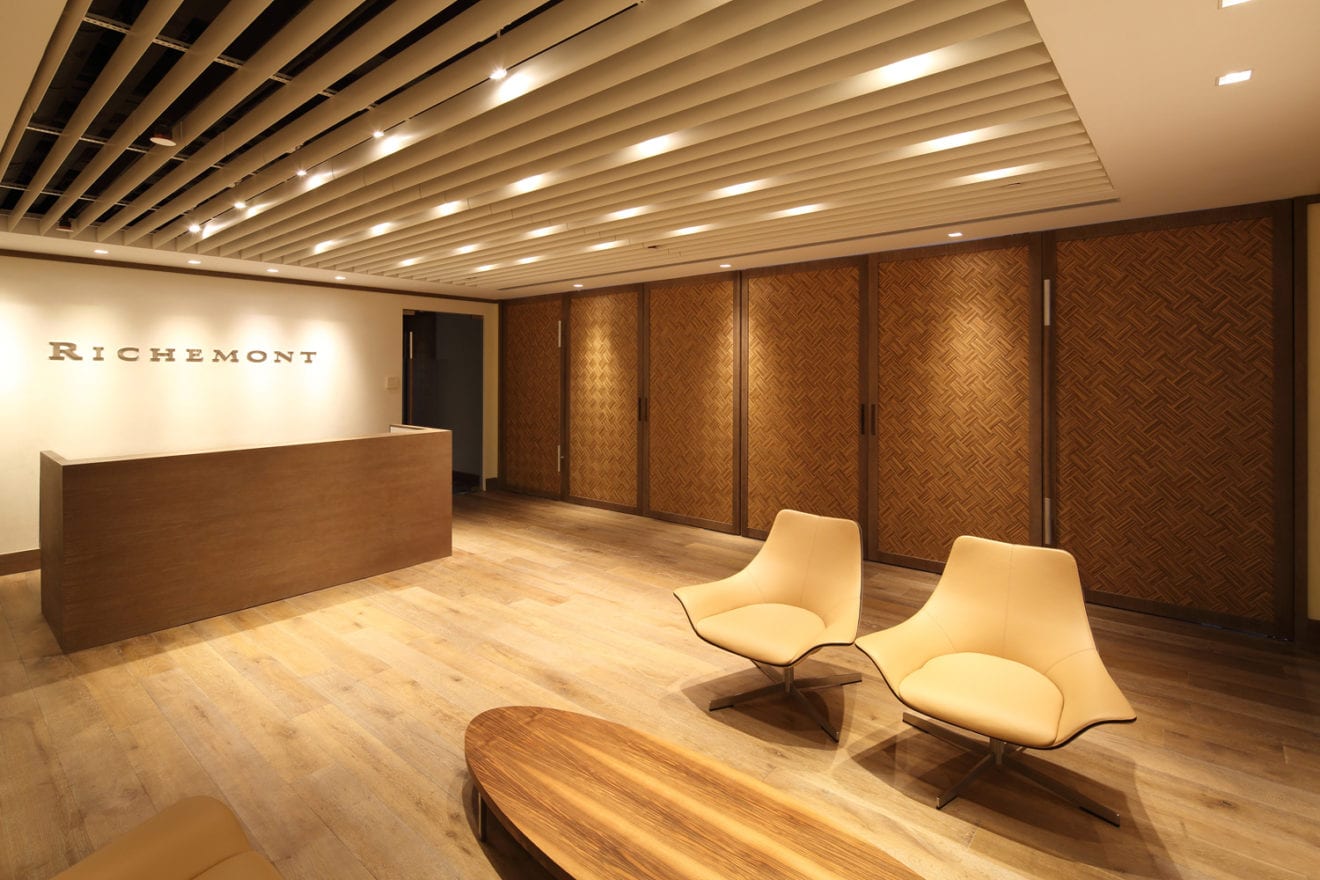
    Swiss corporate luxury retailer Richemont has warned of a 36 per cent plunge in net profit in the year to March 31, blamed on “derivatives”.

    The loss comes despite a 10 per cent improvement in operating profit and capital gains on the disposal of assets.

    “This significant decrease reflects non-cash, mark-to-market losses on financial instruments, which include monetary items and derivatives,” the company said. It also warned its tax rate would increase significantly.

    Richemont owns Van Cleef & Arpels, watchmakers Piaget and IWC and fashion brands, including Shanghai Tang.

    Further details will be revealed when the company reports its full results on May 22. Investors need not be too concerned, however: the company is sitting on cash reserves of around €5.4 billion.

  • Pastamania wins Cambodia entry

    Pastamania wins Cambodia entry

    Singapore foodservice operator Commonwealth Capital Group is to enter Cambodia with two F&B brands – Pastamania Casual Dining Restaurant and Gelatofix Italian Gelateria and Cafeteria.

    A franchise agreement has been signed between Commonwealth subsidiary PastaMatrix International and an as yet unidentified local Cambodian company operating in retail and real estate.

    “We expect to open the first flagship outlet for both PastaMania & Gelatofix in the third quarter of 2015 at an exclusive heritage site in Phnom Penh overlooking the scenic Mekong River,” said Yin-Yin Yeo, MD of international business.

    Commonwealth 1 415

    “The location is widely frequented by local trendsetters and tourists. It will serve as a landmark site for a memorable dining and chill out experience,” she said.

    Commonwealth expects to open six PastaMania and Gelatofix stores in total over the next 18 months.

    Yeo said both PastaMania and Gelatofix will provide “more exciting dining and hang out options” for the maturing Cambodian market, she said.

    “PastaMania features the widest range of great tasting pasta dishes along with authentic Italian pizza that suit the taste buds of Cambodians. We will also be the first in the market to launch an authentic Italian gelato coffee shop chain under Gelatofix.”

    Commonwealtg 2 415

    PastaMania is the largest Italian casual dining chain in Singapore with more than 50 stores in eight countries. It offers affordable authentic Italian cuisine with ambience modelled after the Italian piazza concept.

    Gelatofix features creamy gelato cones dripped with dark chocolate created by Italian celebrity chef Ernst Knam and serves up a variety of dishes ranging from desserts to all-day-breakfasts and Italian risottos. The Gelatofix store format was designed by Italian architect Stefano Ricci.

    Yeo says Cambodia has strong economic growth running above seven per cent since 2011, a young population (50 per cent aged below 25) and a more open and vibrant market.

  • Dress Thai for a discount

    Dress Thai for a discount

    Shoppers in Thailand could later this year earn extra discounts if they shop in Thai national costume.

    The Tourism Authority of Thailand is planning a promotion to reward both Thais and tourists who dress Thai with discounts of up to 80 per cent.

    It believes the novel promotion will not only encourage shopping and raise awareness of the mid-year Amazing Thailand Grand Sale , but help broaden recognition and appreciation of traditional Thai clothing.

    TAT says the plan is to boost awareness of “Thainess”.

    Sugree Sithivanich, TAT’s deputy governor for marketing communications, said the authority still expects tourism growth during the traditional mid-year low season .

    It plans to work with large shopping malls across the nation in a campaign to create awareness of this year’s tourism marketing theme: “2015 Discover Thainess”.

    He said the campaign would be implemented during the Amazing Thailand Grand Sale which runs from June to September.

  • NTUC FairPrice saves 9 million bags

    NTUC FairPrice saves 9 million bags

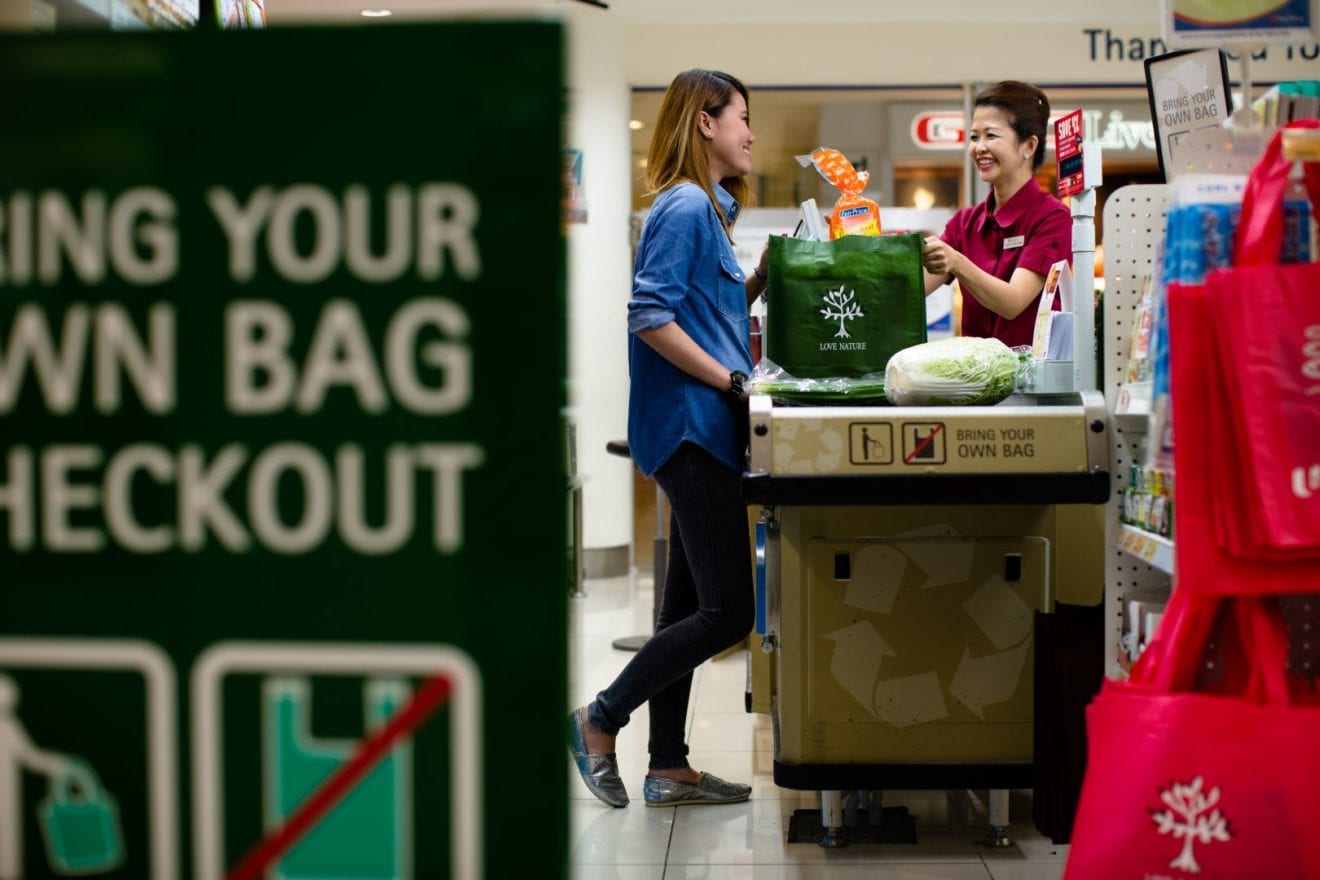
    Singapore supermarket chain NTUC FairPrice says customers saved more than 9 million plastic bags last year as the company pursued its green strategy.

    FairPrice said it gave out more than S$450,000 in rebates under its FairPrice Green Rewards Scheme last year.

    Koh Kok Sin, chairperson of the FairPrice green committee, said securing a sustainable future for Earth is the responsibility of everyone in this generation.

    “We continue to upgrade and make our stores as eco-friendly as possible, find ways to raise environmental consciousness among shoppers, and encourage them to Think Green and Shop Green. We are encouraged that our customers recognise the call to care for the Earth, and share our commitment to save plastic bags and take on other sustainable initiatives. We will continue to work together with our stakeholders to build a green and eco-friendly Singapore.”

    FairPrice first launched the FairPrice Green Rewards Scheme in 2007 to urge shoppers to use fewer plastic bags. Since then, FairPrice has given out more than $2.3 million in rebates which has resulted in an estimated 46.5 million plastic bags saved. In the same period, FairPrice has seen an increase in plastic bags saved at its stores by about 10 per cent year-on-year; and recorded the highest number of plastic bags saved last year.

    FairPrice also supported Earth Hour on March 28 by switching off all non-essential lights at its stores, offices and warehouses, in addition to donating $12,500 to WWF. This is the seventh year that FairPrice has supported WWF’s global Earth Hour initiative.

    To conserve energy and to reduce its carbon footprint, FairPrice continues to install eco-friendly features in its stores, as well as switching to energy-saving equipment and lighting in the existing stores.  Currently, 60 stores have already been installed with these green features. Several FairPrice stores have been awarded with BCA Green Mark awards, including FairPrice Finest@ZhongShan Park and FairPrice Xtra@Kallang Wave Mall that have both been awarded with the BCA Green Mark (Platinum) awards. FairPrice’s headquarters located in Benoi, FairPrice Hub, also received the BCA Green Mark (Platinum) award for incorporating extensive green architecture features which promote sustainability and conservation of resources.

  • Everyone going omnichannel: but where’s the profit?

    Everyone going omnichannel: but where’s the profit?

    Retailers globally are investing “enormous” amounts of money in omnichannel business modes, according to a study from JDA.

    But alarmingly, just 16 per cent of 400 surveyed said they can fulfil omnichannel demand profitably.

    This finding, and others are highlighted in The Omni-Channel Fulfillment Imperative a new report prepared for JDA Software Group by PwC. The study is based on a global survey of more than 400 retail and consumer goods CEOs from around the world, conducted in late 2014.

    What is eroding retailers’ margins as they sell and deliver products across multiple channels? It’s simple: the high fulfilment cost. A full 67 per cent of respondents reported that these costs are growing as they increase their focus on selling across channels. Survey respondents reported their highest costs associated with omni-channel selling as:

    • Handling returns from online and store orders (cited by 71 per cent of respondents).
    • Shipping directly to the customer (67 per cent)
    • Shipping to the store for customer pick-up (59 per cent)

    The CEOs in the JDA study recognise that they need to continue investing in business improvements to enhance their omni-channel performance. However, reducing the associated logistics costs is not their primary focus.

    The respondents were interviewed in China, North and Central America, the UK, France, Germany, Japan and Australia

    When asked to rank their top initiatives for improving business operations, CEOs’ number-one choice (57 per cent) was spending capital on creating new customer experiences. Similarly, when asked to rank strategic growth enablers for the year, reducing/reformatting physical store footprints to focus on expanding the ecommerce business was the top choice at 53 per cent.

    “Every time retailers receive an online order, they have a number of options to fulfill that demand,” said Kevin Iaquinto, chief marketing officer at JDA.

    “They can pull the product from a local store, send it from a centralised warehouse or ship it directly from the supplier. JDA’s new study demonstrates that most retailers lack the insight to make these decisions in a profitable manner — and are not sufficiently focused on this critical capability gap,” said Iaquinto.

    “They need intelligent logistics and fulfillment solutions that can reveal the hidden costs, and the customer service trade-offs, associated with every delivery option. In addition, to truly win in the omni-channel marketplace, retailers need the upfront demand forecasting tools to make sure products arealready distributed across all locations in a manner that supports profitable delivery.”

    While they might not be focused on actions today to create profitable fulfillment and delivery schemes, the JDA study leaves no doubt that CEOs are aware of the importance of profitable omni-channel fulfillment to their future survival. Omni-channel fulfillment is either a high or a top priority for 71 per cent of respondents.

    And these CEOs are planning to invest an average of 29 per cent of their total capital expenditures for 2015 on improving their omni-channel fulfillment performance.

    The fulfillment capability most cited as needing attention was transportation and logistics, named by 88 per cent of CEOs as a priority for the future. The second capability CEOs will focus on is improving inventory availability to fill orders, cited by 85 per cent.

    “Having products available, then finding the most profitable way to deliver them —are critical activities that lie at the heart of supply chain excellence,” noted Iaquinto.

    “The CEOs in the JDA survey clearly understand the challenges they have ahead of them with regard to fulfillment, and they know they will have to innovate if they are to be profitable while meeting customer expectations across channels.

    “The good news is that advanced technology can help retailers and consumer goods manufacturers master omni-channel fulfillment. However, until companies fully leverage these solutions, they will fail to realize positive financial returns on their omni-channel investments.”

  • Tesco posts record loss

    Tesco posts record loss

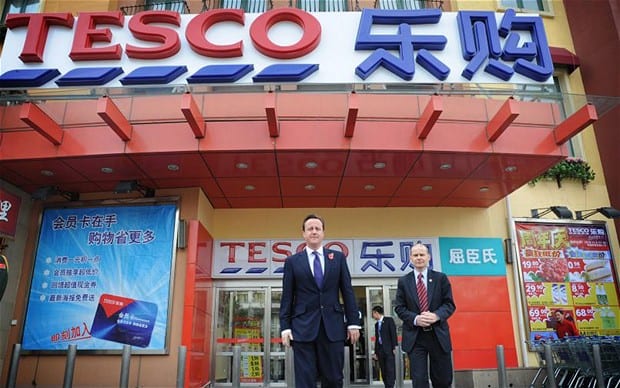
    Tesco has reported a £1.4 billion preliminary full year group trading profit on increased sales.

    But it lost a massive £7 billion in writedowns and one-off charges to create a record annual loss of about £6 billion.

    In Asia – where Tesco operates hypermarkets in China, Thailand, Malaysia and Korea – group profit fell 18.4 per cent in the year to March 31, to £565 million. But that was a far better performance than in the UK, where profit slumped 78.8 per cent to just £467 million, and in Europe, down 31.9 per cent to £164 million.

    In something of an understatement, CEO Dave Lewis described the year as “very difficult”.

    “The results we have published today reflect a deterioration in the market and, more significantly, an erosion of our competitiveness over recent years. We have faced into this reality, sought to draw a line under the past and begun to rebuild, and already we are beginning to see early encouraging signs from what we’ve done so far.”

    Indeed, if one could overlook such massive writedowns, the trading news was positive.

    UK like-for-like sales were up for first time in over four years, driven by better availability, service and pricing; like-for-like sales performance improved to one per cent in the fourth quarter which, by grocery retailing standards, is significant.

    Lewis highlighted “tough trading conditions overseas”, especially in Korea.

    But he said the transformation program outlined in January was progressing well, the portfolio review ongoing.

    “Over the last six months we have put customers back at the centre of everything we do. By focusing on the fundamentals of availability, service and targeted price reductions, we have seen a steady increase in footfall, transactions and, most significantly, volumes. More customers are buying more things at Tesco,” he said.

    “We are making deep changes to the way we organise and run our business, with a simpler, more agile office team, more colleagues serving customers and a new approach to the way we work with suppliers. I do not underestimate how difficult some of these changes have been for the team and I thank everyone for their professionalism and contribution at this time of great change.”

    Lewis said the market remained challenging and the company was not expecting any let up in the months ahead.

    “When you add to this the fundamental changes we are making to our business and our offer, it is likely to lead to an increased level of volatility in short-term performance. Our clear priority – and the one that will deliver sustainable value for our shareholders – is to improve consistently for customers. The changes we have made and will continue to make put us in a stronger position to do this.”

  • Fake beauty products overrun Chinese websites

    Fake beauty products overrun Chinese websites

    If you’ve bought more than a couple beauty products online in China, chances are you’ve purchased some fakes. Even if you bought imported ones.

    Fake products are a persistent problem across China’s eCommerce market but the beauty market may be particularly afflicted. According to a report from the 21st Century Business Herald (as cited in a recent National Business Daily article), an “absolute majority” of beauty products the company’s reporters tested were fakes. A separate test by a third party earlier this year found that 49 per cent of the Mary Kay products it purchased on Chinese eCommerce sites were fake. Just recently, a CCTV report revealed that some beauty masks being sold on WeChat were fakes that contained dangerously massive amounts of glucocorticosteroids. In the online beauty industry, fakes are everywhere.

    For consumers with the money, buying imported products to avoid fakes is growing in popularity, and many of China’s biggest eCommerce sites have rapidly expanded their foreign-imported offerings over the past year. But even foreign imports are not immune.

    Some Chinese suppliers will actually ship Chinese-produced fakes abroad, and then have them shipped back to China so that they can be certified as imported. The fakes are often mixed in with the genuine article to make finding them more difficult.

    “After they get through customs there’s no way all the documents can be inspected,” an industry source who wanted to remain anonymous told the National Business Daily. “Mixing fakes in with the genuine products is a favorite practice of suppliers, because at the current prices, if you don’t mix in fakes you can’t make any money.”

    Another issue is smuggled products – genuine imports that the eCommerce company doesn’t actually have the right to sell. That’s one of the issues at the heart of a recent spat between Chinese etailers Jumei and Vipshop, with Vipshop accused of selling a Korean-made product Jumei has an exclusive distribution contract on. When a desired brand has an exclusive contract with one eCommerce shop, it can be tempting for other shops to pick up smuggled imports to compete, and in some cases they may not even be aware the imports are smuggled.

    Because importing genuine beauty products to China is expensive, the problem of fakes isn’t likely to disappear anytime soon. As the NBD‘s source says, mixing fakes with genuine imports helps suppliers make the difficult import business profitable, and catching them in the act is difficult. As long as mixing fakes with genuine imports makes economic sense for suppliers, fake beauty products are likely to remain a big part of China’s eCommerce marketplace.

  • Starbucks cashes in on revamped offering

    Starbucks cashes in on revamped offering

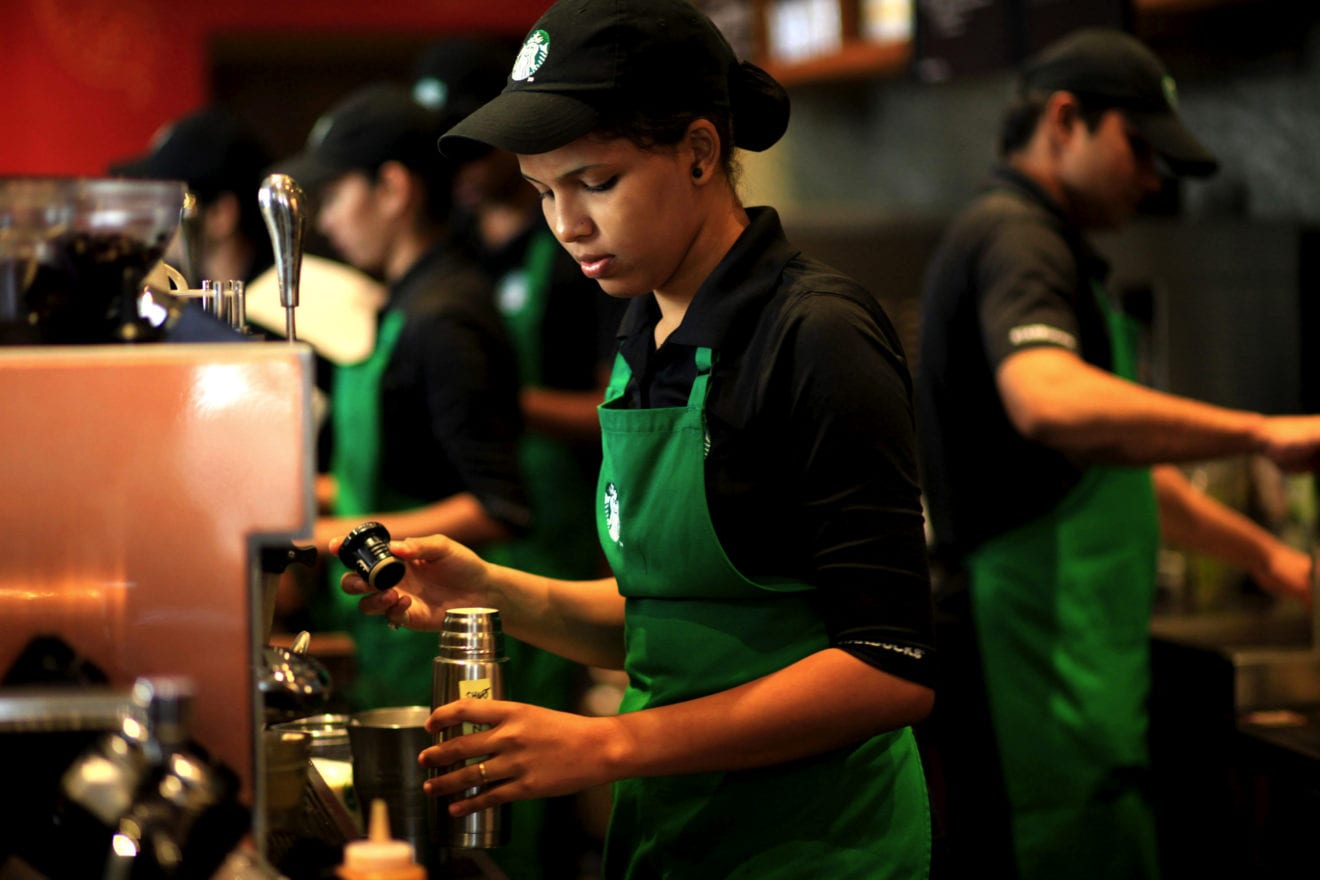
    Starbucks is extracting more money from customers with offerings like a flat white and revamped baked goods that cost a little more.

    The Seattle-based chain reported a higher quarterly profit on Thursday, with sales jumping seven per cent at established US stores.

    The company said much of the increase came from higher spending per visit.

    New drinks like the flat white and Teavana Shaken iced teas help drive up sales because they’re a little pricier than other drinks, Starbucks CFO, Scott Maw, said.

    He noted the company is also charging more for baked goods like croissants, which are being made with new recipes.

    “What we’re seeing is a premiumisation, a trade up,” Maw said.

    In a conference call with analysts, CEO Howard Schultz, said the flat white and new cold brewed iced coffees also help extend the company’s position as a “coffee authority”.

    During its second fiscal quarter, Starbucks said its US sales bump was also helped by a two per cent uptick in customer traffic, which translated into an additional 10 million visits.

    That was driven in part by people coming in to redeem the US$1.6 billion (A$2.06 billion) that was loaded onto gift cards during the holidays.

    The company is also convincing people to buy more food in general.

    Overall Starbucks food sales in the US were up 16 per cent from a year ago, while breakfast sandwich sales were up 35 per cent, the company said.

    A key part of Starbucks’ strategy for continuing to drive up sales is its expansion into the afternoons and evenings, when its stores tend to be less busy.

    Already, Starbucks says about a third of orders include a food item and that the figure has been ticking higher.

    The company is also testing a program in about 30 locations where it sells alcohol in its cafes in the evenings, and has said plans to expand that more broadly this year.

    Globally, sales at established locations rose seven per cent during the period.

    That included a 12 per cent increase in Asia, while the unit encompassing Europe, the Middle East, and Africa rose two per cent.

    For the period ended March 29, Starbucks’ profit jumped 16 per cent to US$494.9 million, or 33 US cents per share, which was in line with expectations.

    Total revenue rose 18 per cent to US$4.56 billion, more than the US$4.53 billion Wall Street expected.

    Shares of Starbucks Corp were up 4.3 per cent at US$51.54 in extended trading.


  • Metro Vietnam fined for tax evasion

    Metro Vietnam fined for tax evasion

    German multinational retailer Metro’s Vietnamese woes continue with a fine of almost US$3 million issued this week for tax evasion.

    Metro has for months being trying to offload its trouble Metro Vietnam subsidiary, initially via a sale to Thai business Berlei Jucker which was foiled by a shareholder revolt. A new deal was reached with BJ’s founder Charoen Sirivadhanabhakdi through his TCC Group, but it is not clear the status of that agreement, with Vietnamese authorities impeding the cross border investment.

    According to the English edition of the Tuoi Tre (Youth) newspaper in Vietnam, Metro first came under scrutiny over suspicions of transfer pricing back in 2012. Independent investigations cleared the company of wrongdoing. But the General Department of Taxation launched its own investigation and after two months concluded the company had “committed wrongdoings worth VND507 billion ($23.63 million) in a transfer pricing inspection that concluded Monday,” according to Tuoi Tre.

    Metro Vietnam has been ordered to pay VND62.64 billion ($2.92 million) in tax arrears, a deputy minister of finance confirmed to Tuoi Tre.

    Metro Vietnam opened in 2002, investing US$78 million in opening 19 stores in city centres. But it has reported a profit just once – of $5.41 million in 2010 – and last year decided to exit the market. In 2007 and 2008, it posted losses of $7.32 million and $8.85 million respectively.

  • Mongkok raid after Snake powder poisoning

    Mongkok raid after Snake powder poisoning

    Hong Kong’s Department of Health has urged the public not to buy or use a product, branded Snake Powder Capsules, as it was found to contain undeclared controlled drug ingredients.

    The warning follows the admission to hospital of a 58 year old male, poisoned by the tablets, and a subsequent raid of a retail store in Mong Kok, and the arrest of its two staff.

    The man was admitted to hospital with chest pain and swelling. He had a history of consuming Snake Powder Capsules, purchased locally. Preliminary test results from the HA’s laboratory revealed that the product may contain undeclared Part I poisons and antibiotics. The DH conducted investigation immediately.

    A Chinese medicine centre in Mong Kok was subsequently raided in a joint operation by the DH and the Police. During the operation, a woman aged 50 and a man aged 29 were arrested for suspected illegal sale and possession of Part I poisons, an unregistered pharmaceutical product and antibiotics. Snake Powder Capsules were found and seized for analysis. The Government Laboratory has now confirmed that the product contains dexamethasone, ibuprofen, chlorpheniramine, tetracycline and chloramphenicol.

    According to the Pharmacy and Poisons Ordinance, all pharmaceutical products must be registered with the Pharmacy and Poisons Board of Hong Kong before they can be sold legally in the market. Illegal sale or possession of unregistered pharmaceutical products and Part I poisons are criminal offences. The maximum penalty for each offence is a fine of $100,000 and two years’ imprisonment. In addition, the Antibiotics Ordinance prohibits illegal sale and possession of antibiotics. Offenders are liable to a maximum penalty of a $30,000 fine and one year’s imprisonment for each offence.

    A DH spokesperson strongly urged members of the public not to buy or use products of doubtful composition or from unknown sources. All registered pharmaceutical products should carry a Hong Kong registration number on the package in the format of “HK-XXXXX”. Safety, quality and efficacy of unregistered pharmaceutical products are not guaranteed.