Blog

  • Mattel sales beat estimates, shares rise

    Mattel sales beat estimates, shares rise

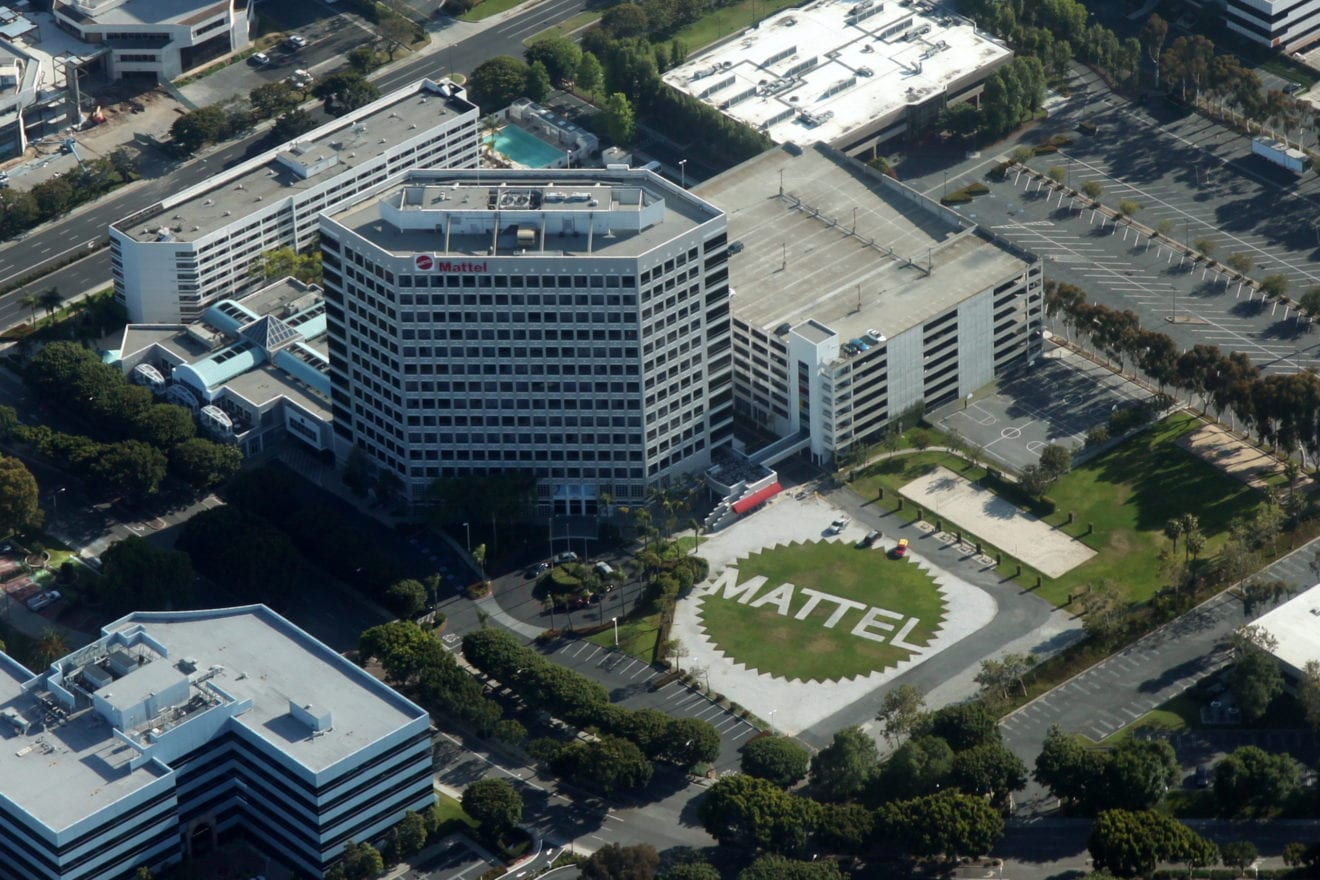
    Mattel Inc’s quarterly net sales topped analysts’ estimates for the first time in six quarters as new Chief Executive Christopher Sinclair focuses on turning around the business in the face of flagging sales of Barbie (pic) dolls.

    The toymaker reported a 2.5 percent decline in net sales in the three months ended on 31 March, during which Sinclair was appointed as interim CEO. He took the post permanently this month. Worldwide sales of Barbie dolls fell 5 percent on a constant currency basis, while sales of Fisher-Price preschool toys rose 3 percent.

    Sinclair, a former PepsiCo Inc executive who has been on Mattel’s board since 1996, has said the company needs to move with a “sense of urgency” to create toys that connect with young customers.

  • IKEA in shopping mall push

    IKEA in shopping mall push

    IKEA, the world’s biggest furniture retailer, plans to spend up to EUR3 billion (USD3.2 billion) on new shopping centres over the next 5-7 years, aiming to cash in on the popularity of its stores by collecting rent from retailers keen to set up nearby.

    The Swedish company formed IKEA Centres last year to group its existing out-of-town shopping malls and retail parks, and further develop a real estate business out of its core retail chain that sells cheap, mainly self-assembly furniture.

    The division’s boss, John Tegner, told Reuters that shopping centres helped the group by attracting more customers to its stores, which lie at the heart of the centres, while providing revenues from tenants and assets that have grown in value.

  • FitFlop unflappable about Thailand investment scheme

    FitFlop unflappable about Thailand investment scheme

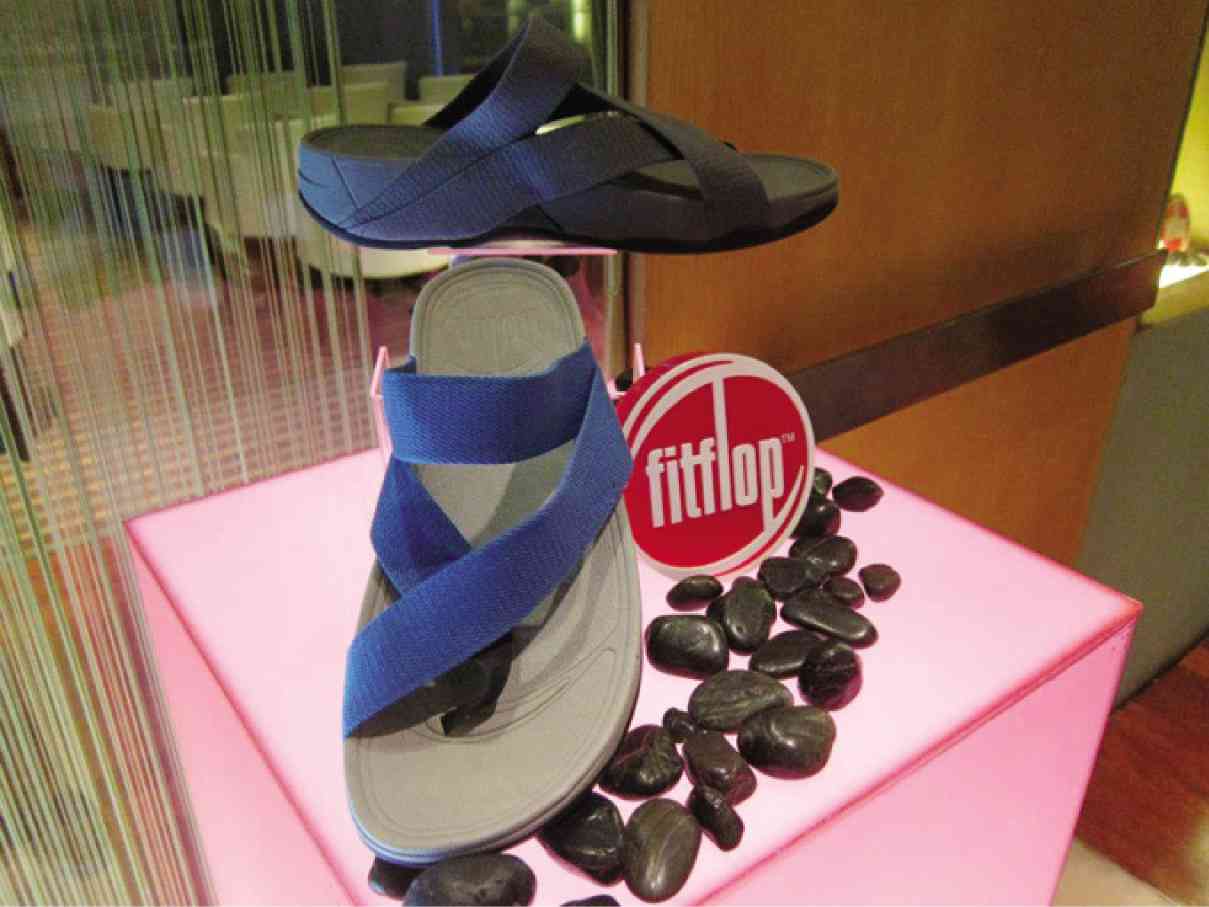
    The Primer Group of Companies, a Philippines lifestyle fashion company, believes sales of FitFlop shoes in Asia-Pacific this year will outpace last year’s with Thailand driving growth.

    Camille Karaan, deputy director and vice-president of Primer International Management Ltd, the operator of FitFlop shops in Asia-Pacific, said despite the Thai economy slowing it would maintain its investment in the Thai market, particularly for exclusive product designs.

    The company started producing exclusive shoe designs for Thailand three years ago, which received a warm response from ASEAN customers, particularly the Shasha collection. About 150,000 pairs of Shasha sandals were sold in Asia-Pacific last year, compared with a record high of 100,000 pairs for its regular collections.

  • China fines Alibaba USD129,000 for pricing violations

    China fines Alibaba USD129,000 for pricing violations

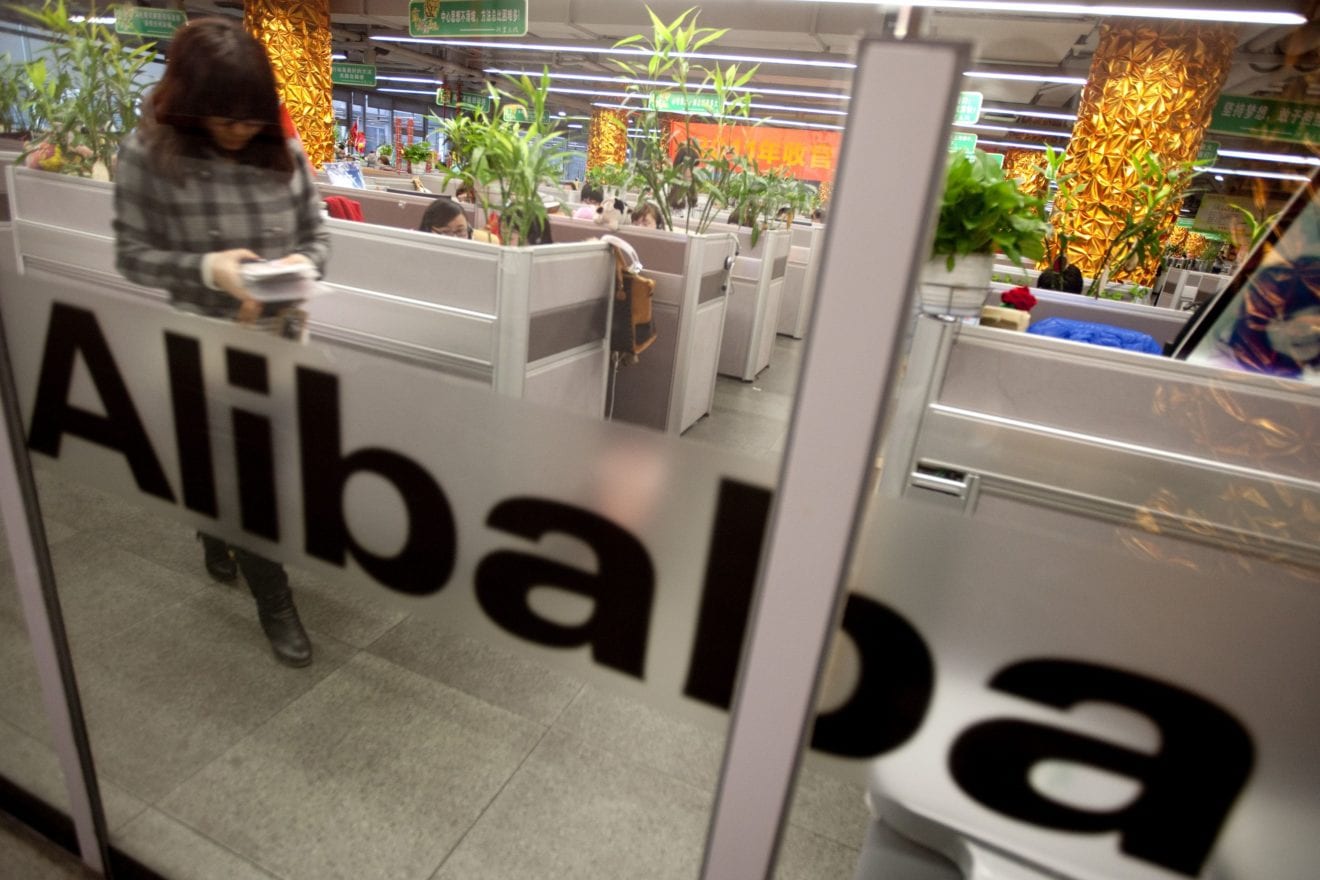
    China’s e-commerce giant, Alibaba Group, has been fined CNY800,000 (USD129,000) by the price bureau in eastern Zhejiang province for violations by third-party sellers during promotions on its e-commerce platforms.

    Since Alibaba turned “Singles’ Day”, a November 11 Chinese response to Valentine’s Day, into an online shopping festival in 2009, the event has grown to similar proportions as Cyber Monday and Black Friday in the United States.

    Sales of more than USD9 billion were achieved at last year’s event, and the company has copyrighted the phrase “Double 11”, a reference to the date (11/11), which in turn, refers to the status of single people.

  • Grocery to be next gateway for Paytm

    Grocery to be next gateway for Paytm

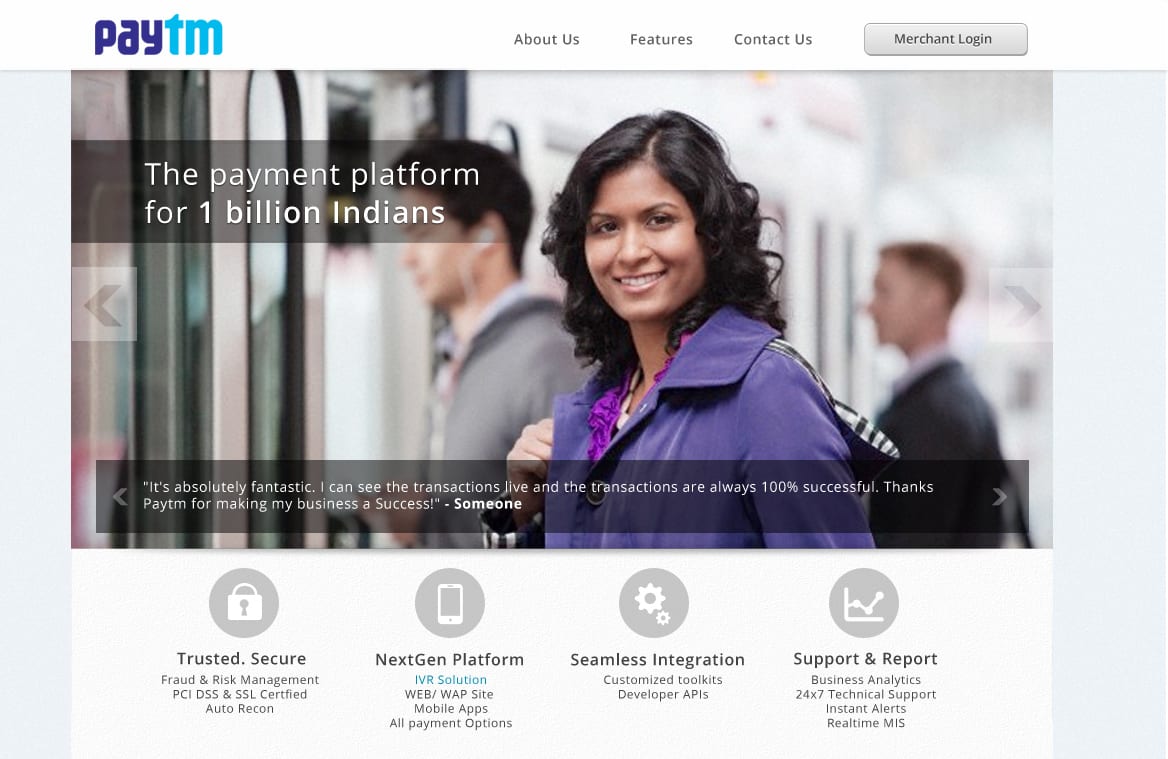
    Alibaba-backed payment platform Paytm is set to enter the online grocery market under a new business vertical to be headquartered in Bengaluru. The development, at a time when domestic e-commerce giant Flipkart is also preparing to start grocery retailing, a space currently dominated by small and mid-sized players, suggests investors and analysts are viewing grocery as the next big growth avenue in e-commerce.

    Through affiliate Ant Financial Services, Chinese e-commerce giant Alibaba is infusing USD575 million in Paytm, whose wallet user base recently touched 50 million. Paytm is going to use part of the fresh funding for its foray into the new business of grocery retailing.

    Paytm’s grocery segment, initially with a team of about 20, is likely to begin operations soon. Online grocery is expected to help boost its transaction rates and customer acquisition, both important benchmarks for investors at the time of valuing a company for fresh funding.

  • Malaysian customs urges small retailers to invest in GST-compliant sales system

    Malaysian customs urges small retailers to invest in GST-compliant sales system

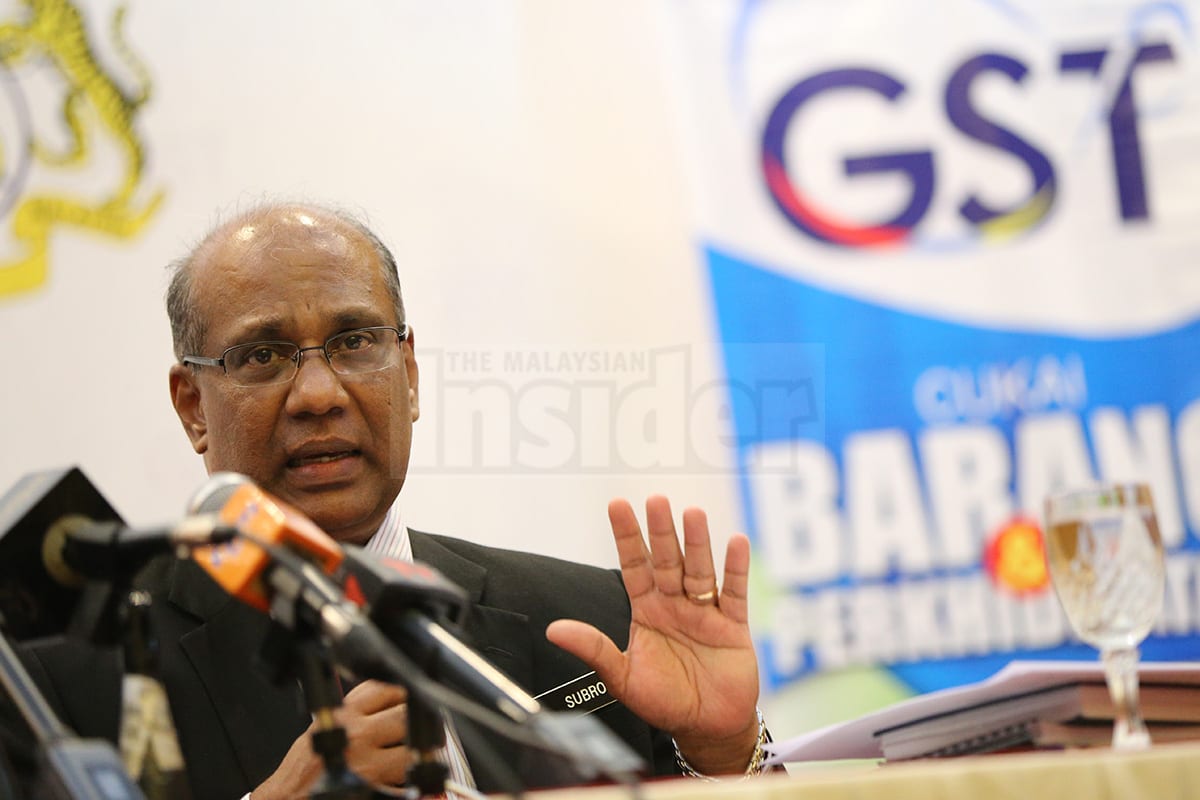
    Installing a point-of-sale (POS) system to issue printed receipts as part of implementing the goods and services tax (GST) will only be a one-time investment, the Malaysian Customs Department’s GST division told operators of small businesses on Thursday.

    GST division director Datuk T. Subromaniam said the system will be usable for a long-term basis and would help businesses identify standard and zero-rated items, adding that adopting POS would cost between MYR3,000 (USD828) and MYR4,000.

    He also said tax deductions were available under Accelerated Capital Allowance (ACA) for businesses on purchases of information communication technology equipment, hardware and training.

  • Levi Strauss aims to revive its past glory

    Levi Strauss aims to revive its past glory

    Founder Levi Strauss patented the blue jeans in 1873 but the brand itself was established in 1853, and today its jeans can be found in over 2,800 stores in 110 countries.

    Although long enjoying iconic status, it has been difficult for Levi’s to consistently stay relevant and be at the centre of culture. It was 1996 when Levi Strauss reached its peak year, amassing USD7.1 billion of global sales – even bigger than Nike, which booked USD6.5 billion in sales that year.

    Entering 2001, the denim maker saw its sales plummet to USD4.1 billion – which for the next decade became the norm. The challenge today is that customers in its biggest markets, the United States and Europe, are not out spending on retail. And CEO Chip Bergh sees that over the past decade, denim and apparel in general has been on the decline.

  • Reliance Industries retail chain now largest in India

    Reliance Industries retail chain now largest in India

    Reliance Retail is not just the largest retailer in India in terms of revenues, but is also the biggest in most of the categories it operates in. With 1,000 stores, Reliance Digital has become the largest consumer durables and electronics retail chain in the country. Tata-owned Croma runs 97 stores while Videocon’s durables chain, Next, owns about 800 stores. Reliance Industries gave out its retail figures in the financial results for the quarter ended March 2015 on Friday.

    Reliance Digital Xpress Mini at more than 800 stores is now the largest mobile phone retail chain in the country. Essar-owned The Mobile Store runs over 800 stores in the country.

    Reliance Retail has a clear lead when it comes to cash and carry stores. Started four years ago, Reliance operates 43 such outlets called Reliance Market stores. Set up seven years ago, US-based Walmart runs 20 stores and Germany’s Metro, which had started more than 10 years ago, operates 17 outlets.

  • Glue Store’s recipe for keeping customers sticky

    Glue Store’s recipe for keeping customers sticky

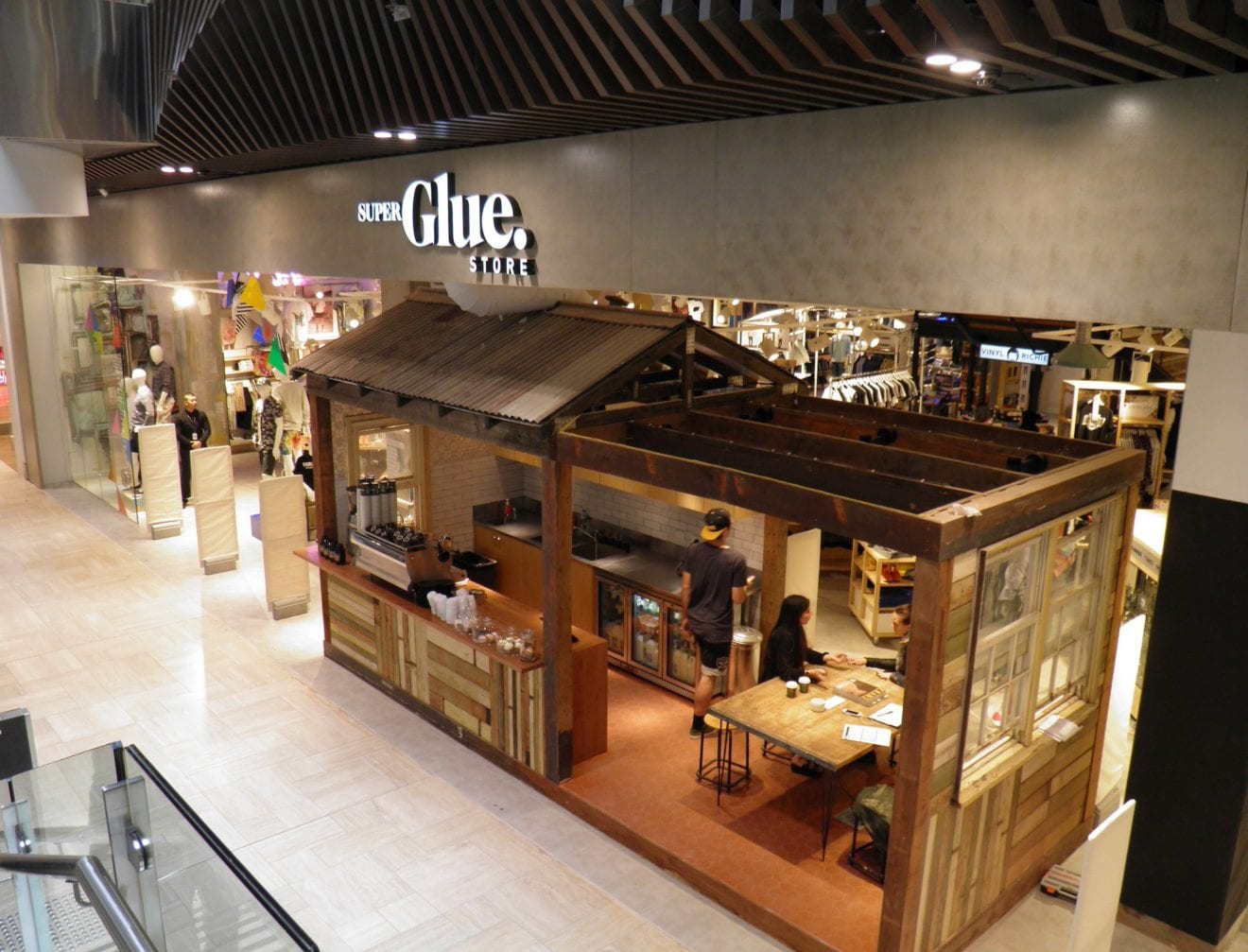
    After years of steady growth, sales of the Australian fashion retailer Glue Store were going backwards and the company was losing wholesale accounts as large chains such as Myer cut costs by bypassing middlemen and sourcing stock directly from overseas.

    Hilton Seskin, who owns Glue Store and the Topshop Topman franchise in Australia through Next Athleisure, adopted an “if you can’t beat ’em, join ’em” approach, taking on Zara and H&M by snapping up the exclusive Australian franchise for Topshop and Topman from Britain’s Arcadia Group.

    Seskin, the founder of Rebel Sport, also overhauled the business model at Glue Store, relaunching the brand and introducing exclusive labels such as British brands Miss Selfridge and Glamorous in womenswear and Dutch label Minimum and Le Coq Sportif in menswear.

  • Michael Kors Names Hanjoon Kim President of Korea

    Michael Kors Names Hanjoon Kim President of Korea

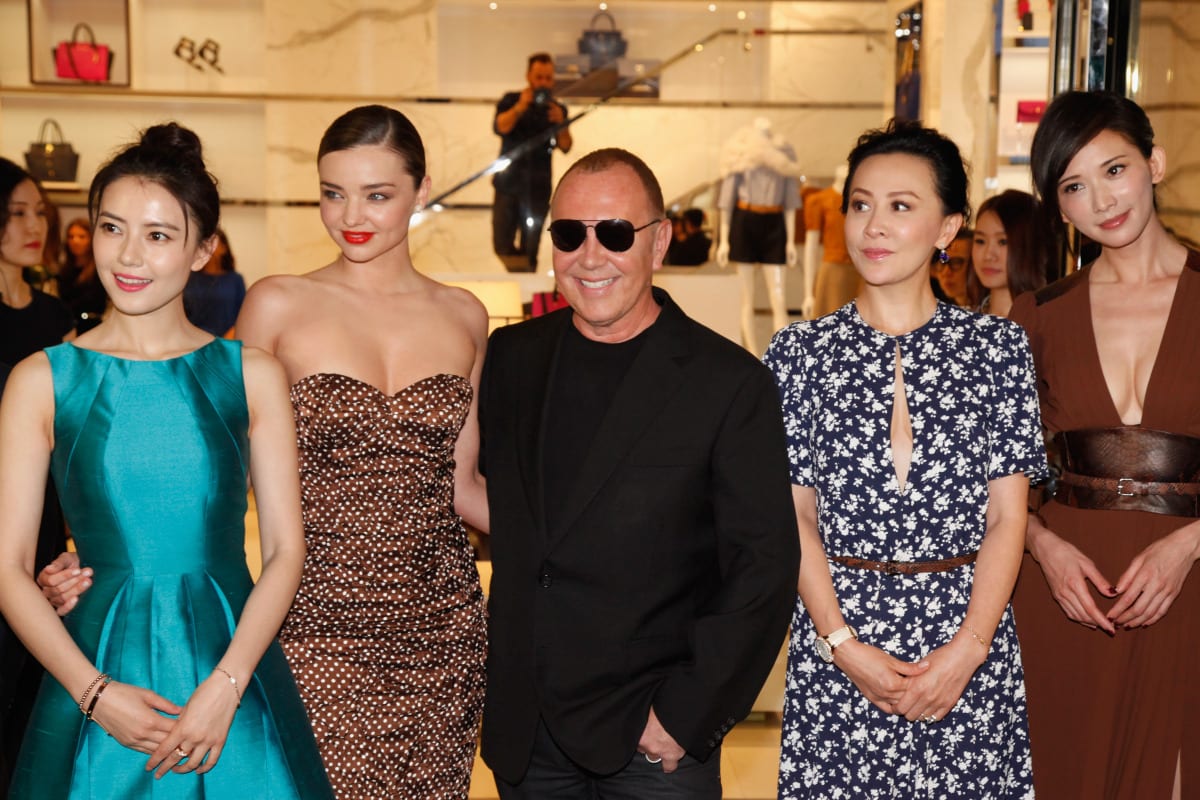
    Michael Kors, a global luxury lifestyle brand, is pleased to announce that Hanjoon (Michael) Kim has been named President of Korea, a newly created position. He will report to Stephane Lafay, the Company’s President of Asia.

    Kim’s appointment, effective on 13 April 2015, follows the company’s recent assumption of direct control of the Michael Kors business in South Korea. In his new role, Kim will focus on building the infrastructure for this region and developing an expansion strategy for South Korea to position the business for long-term growth. “We believe that Korea represents a tremendous opportunity for Michael Kors,” says John D. Idol,

    Chairman and Chief Executive Officer of Michael Kors. “Michael’s appointment is an important step in building the brand’s success in the Korean market.”

  • Melco Crown Entertainment teams up with Taubman Asia to develop Boulevard project at Studio City resort in Macau

    Melco Crown Entertainment teams up with Taubman Asia to develop Boulevard project at Studio City resort in Macau

    Melco Crown Entertainment and Taubman Asia, the Asian arm of the US Mall operator Taubman Centres, on Thursday unveiled plans to develop the Boulevard project at Macau’s entertainment, retail and gaming resort, Studio City.

    Studio City is a new cinematically-themed entertainment and leisure destination in Macau which is scheduled to open in the third quarter of 2015. Taubman Asia is providing merchandising, marketing and management services for its retail project.

    “The Boulevard at Studio City, a unique, 300,000 sq. ft. ‘immersive’ retail entertainment environment, will bring the world’s best shopping to life in Macau by transporting guests to high-energy street-scapes, entertaining them at every turn with featured streets and squares inspired by iconic shopping and entertainment locations, including New York’s Times Square and Hollywood’s Beverly Hills,” the two companies said in a statement.

    The retail project will open in the third quarter this year, coinciding with the opening of the Studio City integrated resort.

    “Taubman Asia is in the business of creating world-class experiences for our customers,” said René Tremblay, President of Taubman Asia. “Along with Melco Crown Entertainment, we are developing a one-of-a-kind retail entertainment experience that will cater to the discerning tastes of Greater China’s consumers.”

    Taubman Asia has conducted detailed research of the Macau landscape in order to develop a strategic and focused approach which brings together the right mix of fashion-forward brands to deliver an unmatched retail experience for customers.

  • Luxury brands go solo in Korea

    Luxury brands go solo in Korea

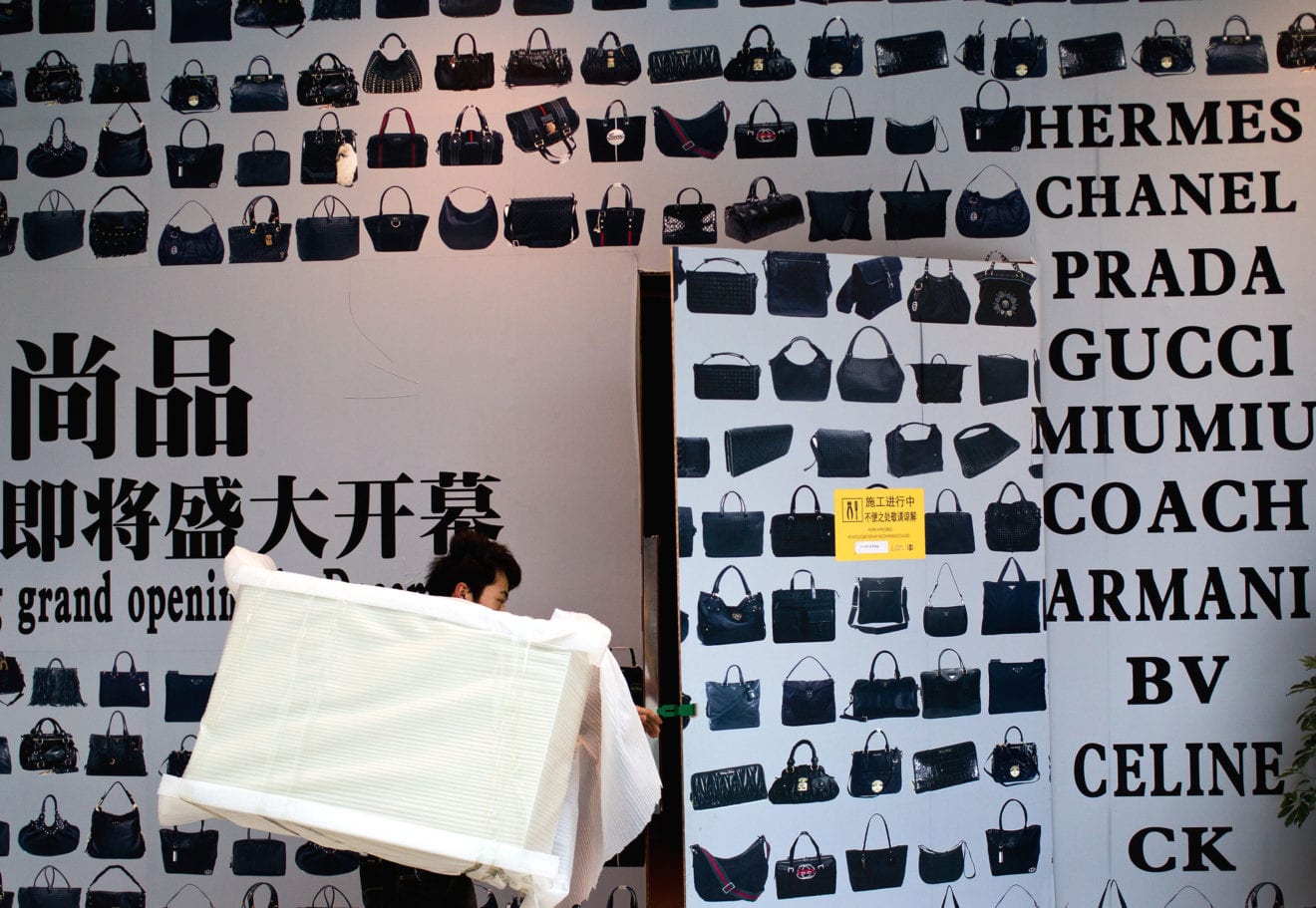
    Luxury brands are increasingly establishing their own Korean branches, rather than contracting with Korean companies to enter the market.

    In doing so, they are hoping to generate more earnings through direct and effective customer management.

    Goyard, the French leather goods maker, recently lowered some of its prices and terminated a sales agreement with Galleria, in favour of establishing its own Korean branch.

    Hugo Boss, which was introduced in Korea back in 1999, also launched its Korean branch last month and will start managing its own stores in Korea.

    Moncler, whose sales channels in Korea were owned exclusively by Shinsegae International since 2009, has  developed a joint venture in Korea with Shinsegae.

    Hugo Boss perfume 415

    Moncler 415

  • Starbucks Malaysia earns employer accolade

    Starbucks Malaysia earns employer accolade

    Starbucks Malaysia has earned top honors for its employment practices at the Aon Hewitt Best Employers of 2015 Awards.

    The Best of the Best award was presented to Starbucks Malaysia at the Awards Presentation and Learning Conference in Kuala Lumpur.

    The Aon Hewitt Best Employers Award is one of the most prestigious awards recognising companies with strong employee engagement, high-performance culture, effective leadership and a compelling brand. Aon Hewitt’s research is conducted over nine months and is active in a dozen Asia Pacific markets, including China, Japan, Australia, and Malaysia. The Malaysian survey was completed in partnership with TalentCorp Malaysia.

    Sydney Quays, MD of Starbucks Malaysia and Brunei, called the honor “one of the most significant recognitions that a company could get in validation to its human resources practices and talent management initiatives”.

    “We’re known for our coffee, but our people make us famous,” Quays added.

    A substantial part of Starbucks recognition was related to the company’s efforts to retain, engage and motivate partners.

    “Retention starts from hiring the right talent,” said June Beh, partner resources and compliance director for Starbucks Malaysia and Brunei.

    “We also highly invest in the training of every partner (employee) empowering them with the necessary skills and knowledge.”

    Starbucks store manager Desmond Soon was given the opportunity last year to lead a district for the company. “This allowed me to create a lasting connection with the community, to be involved in company programs, and to share our amazing stories with customers,” Soon said.

    Starbucks Malaysia opened in Kuala Lumpur in 1998 and today has more than 190 stores across the country.

  • Hong Kong retailer raided for illegal medicines

    Hong Kong retailer raided for illegal medicines

    Hong Kong police and Department of Health officials raided a retail shop in Cheung Chau on Monday for the suspected illegal sale and possession of unregistered pharmaceutical products.

    The DH says that during its routine market surveillance, it found suspected unregistered pharmaceutical products were being offered for sale at the shop.

    “Various products, including pain killers, cold and flu medicines, and cream, labelled in Japanese were seized in the operation. The products were labelled to contain ibuprofen, dihydrocodeine, fluocinolone and neomycin respectively.”

    According to the Pharmacy and Poisons Board of Hong Kong (PPBHK), these are not registered pharmaceutical products and Hong Kong registration numbers were not found on any of the product labels. Preliminary investigations have so far revealed that the products were sourced outside Hong Kong.

    A man aged 57 was arrested by police and charged with suspected sale and possession of Part I poisons, unregistered pharmaceutical products and antibiotics.

    The DH’s investigations are ongoing.

    “Use of unregistered pharmaceutical products may pose health threats to people as their safety, efficacy and quality are not guaranteed. Ibuprofen, dihydrocodeine and fluocinolone are Part I poisons. Inappropriate use of steroids like fluocinolone may cause serious side-effects, such as Cushing’s Syndrome with symptoms including moon face and muscle atrophy while inappropriate use of pain killers like ibuprofen without medical supervision may lead to gastrointestinal bleeding, and products with dihydrocodeine may cause nausea and vomiting.

    “Neomycin is an antibiotic and inappropriate use of antibiotics may lead to antibiotics resistance. Members of the public should not self-medicate without advice from healthcare professionals,” a spokesman for the DH explained in a statement.

    According to the Pharmacy and Poisons Ordinance (Cap 138), all pharmaceutical products must be registered with the PPBHK before they can be sold legally in Hong Kong. Part I poisons should be sold at pharmacies under the supervision of registered pharmacists.

    Illegal sale or possession of unregistered pharmaceutical products and Part I poisons are criminal offences. The maximum penalty for each offence is a fine of $100,000 and two years’ imprisonment. According to the Antibiotics Ordinance (Cap 137), illegal sale or possession of antibiotics is also a criminal offence. The maximum penalty for each offence is a fine of $30,000 and one year’s imprisonment.

    The DH renewed its warning to the public not to buy or use products of unknown or doubtful composition or from unknown sources.

    “People who have purchased and used the above products should consult healthcare professionals for advice. They may submit the products to the DH’s Drug Office at Room 1856, Wu Chung House, 213 Queen’s Road East, Wan Chai, Hong Kong, during office hours for disposal,” the spokesman said.

  • CapitaMall Singapore shrugs off retail gloom

    CapitaMall Singapore shrugs off retail gloom

    CapitaMall Singapore’s shopping centres have improved their performance despite a lacklustre first quarter retail market in the city state.

    CapitaMall Trust Management Limited (CMTML), the manager of CapitaMall Trust (CMT), has reported first quarter distributable income of S$92.9 million, a 4.2 per cent increase over the same quarter last year.

    Wilson Tan, CMTML CEO, said shopper footfall in the three months to March 31 rose 4.7 per cent and tenant’s sales by 2.5 per cent. The occupancy rate of its portfolio “remained resilient” at 97.2 per cent.

    CMT has 16 shopping malls and almost 3000 tenants, strategically located in the suburban areas and downtown Singapore. Its centres are Tampines Mall, Junction 8, Funan DigitaLife Mall, IMM Building, Plaza Singapura, Bugis Junction, Sembawang Shopping Centre, JCube, Raffles City Singapore (40 per cent), Lot One Shoppers’ Mall, 90 out of 91 strata lots in Bukit Panjang Plaza, Rivervale Mall, The Atrium@Orchard, Clarke Quay, Bugis+ and Westgate (30 per cent).

    “We constantly reinvent and rejuvenate our malls with a view to reap future benefits for our unitholders,” said Tan in a statement.

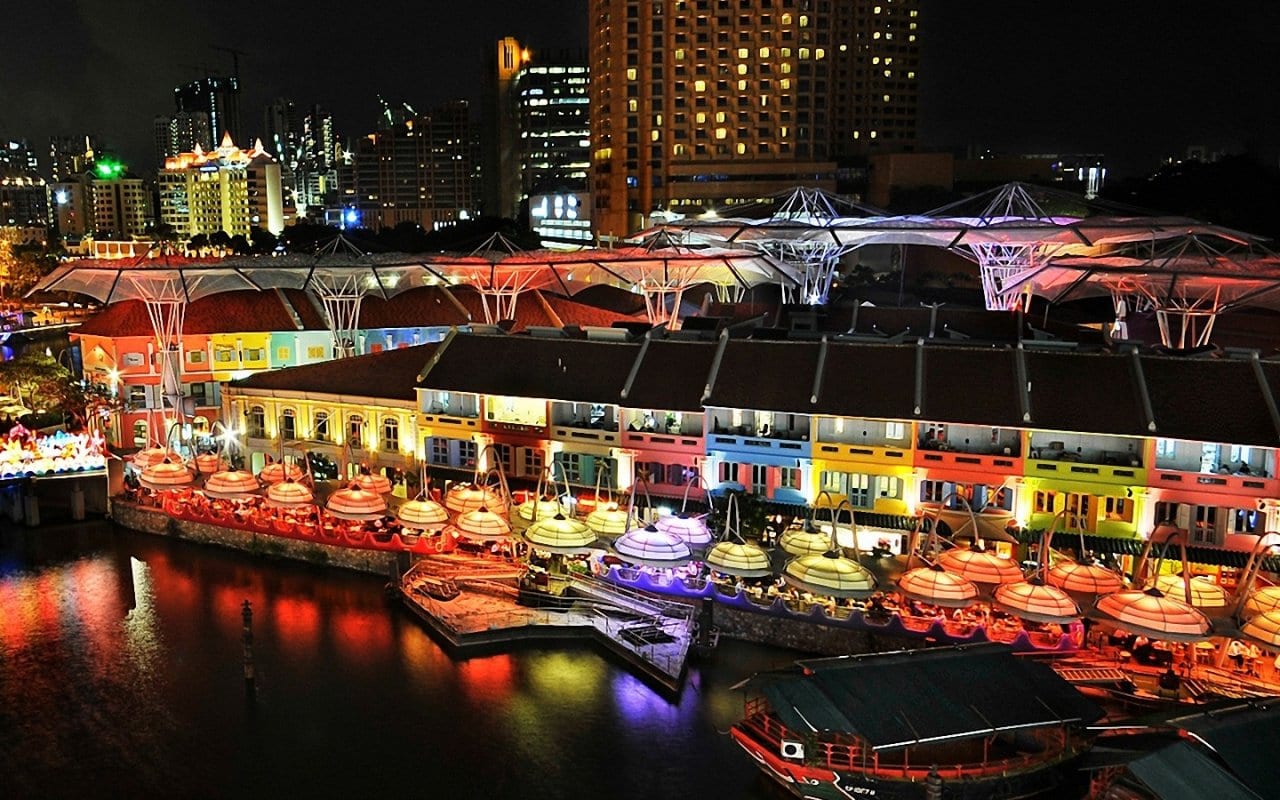
    “We are pleased to update that Clarke Quay has completed its reconfiguration works at Block A. New-to-market brands include McGettigan’s, an authentic modern Irish pub from Ireland; Motorino, a popular pizza joint from New York; and Catch!, a new homegrown eatery offering fish and chips.

    “In addition, the asset enhancement works for IMM Building, Bukit Panjang Plaza and Tampines Mall have made good progress and are on track to be completed as scheduled.”

    CMT’s gross revenue grew 1.6 per cent year-on-year to S$167.3 million in the first quarter, mainly due to the completion of the second phase of the Bugis Junction refurbishment last September.

    Net property income increased three per cent to S$117.7 million.