Blog

  • Rakuten invests in China online discounter

    Rakuten invests in China online discounter

    Japanese eCommerce titan Rakuten has taken a stake in Chinese online shopping discounts site Fanli.

    The stake, less than 10 per cent, comes in the form of an undisclosed amount of series C funding into the start-up. The announcement states that Fanli is now valued at approximately US$1 billion, making it China’s newest start-up unicorn.

    Fanli is a very minor player among the dozens of well-established eCommerce stores in China, but it claims to be the largest that focuses on rebate-based loyalty shopping. It connects shoppers with discounts on an array of third-party stores, such as Alibaba’s Taobao, JD.com, Ctrip, and the Apple online store.

    Rakuten said in a press release that the stake in Fanli is essentially a strategic way to tie the Chinese start-up to Rakuten’s duo of US-based discount stores, Ebates.cn and Extrabux. Rakuten acquired Ebates – which allows Chinese shoppers to buy things from US ecommerce sites with discounts – last September for US$1 billion.

    Kevin Johnson, CEO of Ebates, will join Fanli’s board of directors.

    “This investment in Fanli reflects Rakuten and Ebates’ ongoing interest in the rapidly evolving Chinese market,” said Johnson.

    “As the market continues to mature we believe consumers will demand world-class shopping experiences. Rakuten and Ebates hope to support Fanli’s vision of fulfilling this role and exploring potential collaborations in China and abroad.”

    Rakuten has long struggled to find a foothold in China up against homegrown rivals like Alibaba and JD. Rakuten’s own China joint-venture store with Baidu was shuttered in 2012.


  • New rich drive Vietnam luxury boom

    New rich drive Vietnam luxury boom

    The rapidly rising ranks of Vietnam’s uber-rich are fueling growing demand for luxury goods in the fast-growing economy.

    The number of ultra high net worth individuals (UHNWI) in Vietnam is predicted to double to 300 by 2024, according to the Knight Frank Wealth Report 2015.

    The increase of 159 per cent makes Vietnam the country with the fastest growing population of persons with a net worth of more than US$30 million, followed by another ASEAN member state, Indonesia (132 per cent). Ultra-rich individuals in Asia hold net assets of US$5.9 trillion, now even surpassing North America’s US$5.5 trillion. Furthermore, the report predicts that cities across Asia will see an increase of 91 per cent of UHNWIs in the next decade.

    But not only the uber-rich are on the rise: according to Euromonitor International more than 100,000 Vietnamese in 2013 had a disposable income of more than US$75,000 per year. As in China, the highly affluent in Vietnam are constantly looking for opportunities not only for investing their money, but also to spend it.

    A survey conducted by Nielsen concluded that Vietnam ranks third in the world in terms of fondness for branded goods, only surpassed by China and India. Moreover, 56 per cent of the participants responded that they are willing to pay more for designer products than for less known brands despite same functionality.

    Another study by the Japanese advertising agency Hakuhodo found that female consumers in Ho Chi Minh City are the only customers in Southeast-Asia that preferred design over functionality.

    All that is driving a Vietnam luxury boom, with growth especially prevalent in jewellery, fashion, cars and wine…

    Gold and Jewellery

    Although demand in gold and coins in Q4 of 2014 has dropped 15 per cent to 13.3 tones (amounting for US$514 million) compared to the same period in 2013, Vietnam remains the world’s seventh largest gold consumer. Bullion, historically one of the most inflation-resistant investments allowed people to save and pass these savings on to children and their family. Gold also has a cultural significance in Vietnam: The fifth day of the first month of the lunar year, the so called God of Wealth day traditionally pushes gold prices up in Vietnam and customers queue up in front of stores for hours to have a chance to buy the desired metal, hoping for good fortune all year.

    Recently, the government changed its policy regarding the hoarding of gold bars, issuing a ban on interests on gold deposits when stored in financial institutes and releasing regulations to turn the central bank into the sole importer of gold bars.

    Formerly, many real estate purchases were conducted using gold as a payment method. Listing housing prices in gold was common practice in Vietnam, until in 2011 the State Bank issued a decree imposing fines on advertising goods, services and property in foreign currency or gold.

    Being a country rich in gemstones, especially jade, sapphires and topaz, jewelry is especially popular in Vietnam. In 2014, jewellery worth US$519 million was traded, a decline of eight per cent from 2013, though demand was still higher than in other Asian countries with higher GDP per capita including Thailand and South Korea (US$250 and 382 million, respectively). At this time, licensing restrictions limit joint ventures to manufacture jewellery for export only. The popularity and demand of jewellery, combined with the fact that it has to be imported, is a unique opportunity for foreign investors.

    Fashion

    The market for apparel in Vietnam is predicted to reach US$4.2 billion by 2017, according to Euromonitor International’s forecasts. Among the first high-end fashion brands in Vietnam was the French company Louis Vuitton, and since 1997 many followed: Dior, Burberry, Ermenegildo Zegna, Bulgari, and Hermes, only to name a few. It was a profitable decision: the Hermes boutique in Hanoi, opened in 2008, increased its profits gradually by 20 to 30 per cent each year.

    Salvatore Ferragamo opened up it’s fifth store in Vietnam two years ago. Other luxury brands are operated under a franchise system, such as Loewe, Marc Jacobs, Givenchy and Balenciaga, which monobrand stores are operated by a single partner. There are of course risks involved; the official partner of Gucci was investigated for tax evasion in 2010.

    Cars

    Several luxury car brands have established themselves within Vietnam in the recent years, including Lamborghini, Jaguar, Bentley and Rolls-Royce. Customers benefit from these permanent establishments within the country, since previously they had no other chance than importing them at a costly price through dealers and were forced to pay exorbitant maintenance fees because of the lack of licensed service providers.

    Other manufacturers, who are not new players to the Vietnamese market are reporting positive figures. Mercedes Benz entered the country’s market 20 years ago, and sold 1106 units in the first six months of 2014, marking a 70 per cent increase over the same period in 2013. Earlier this month, Mercedes-Maybach, the relaunched luxury brand from Daimler reported 10 orders for its S600 model, which costs VND9.6 billion (US$451,850). Notably, only 50 units of that model will be produced worldwide in 2015.

    Most affluent customers own more than one car, and due to Vietnam’s heavy traffic and shortage of car parks a lot of them rely on a driver. Customers may care as much about the amenities in the back seats, than technical gadgets on the dashboard.

    Automobile manufacturers will have to face a challenge when inner-ASEAN import tariffs will be cut to zero per cent in 2018. Imported, completely built units from Thailand and Indonesia, where a lot of companies already have established factories will be cheaper than cars partly assembled in Vietnam.

    Wine

    While young Vietnamese obtain more purchasing power, consumption of wine is rising. As of 2012, France held the lion’s share of the Vietnamese wine market at 35 per cent, with it’s biggest contender being Chile, accounting for 20 per cent, followed by Australia, the US and Italy.

    However, Chilean market share is expected to grow over the next years due to the Chile-Vietnam free trade agreement (FTA), that took effect in January 2014. Import tax on Chilean wine has dropped from 56 per cent to 20 per cent and until 2030 will approach zero, similar to the abolition of tariffs on Chilean wine imported to China, earlier this year. The Chile-Vietnam FTA marks the first agreement of its kind for Vietnam with a Latin-American country.

    When importing to Vietnam from a country or territory without an FTA in place, import duty applied to wine with alcoholic strength not exceeding 15 per cent is 50 per cent, and is further taxed with a 10 per cent VAT. Only licensed importers are permitted to import wines into Vietnam. Apart from a few multinationals, most bottles are imported by small businesses, either directly, if licensed, or via regular importing companies on a fee-based basis, usually 2-3 per cent over the total contract value.

    Vietnam leads in Southeast Asian alcohol consumption with around US$3 billion spent on alcohol every year, and the industry still has a lot of room for growth.
  • Aeon Malaysia plans two new malls

    Aeon Malaysia plans two new malls

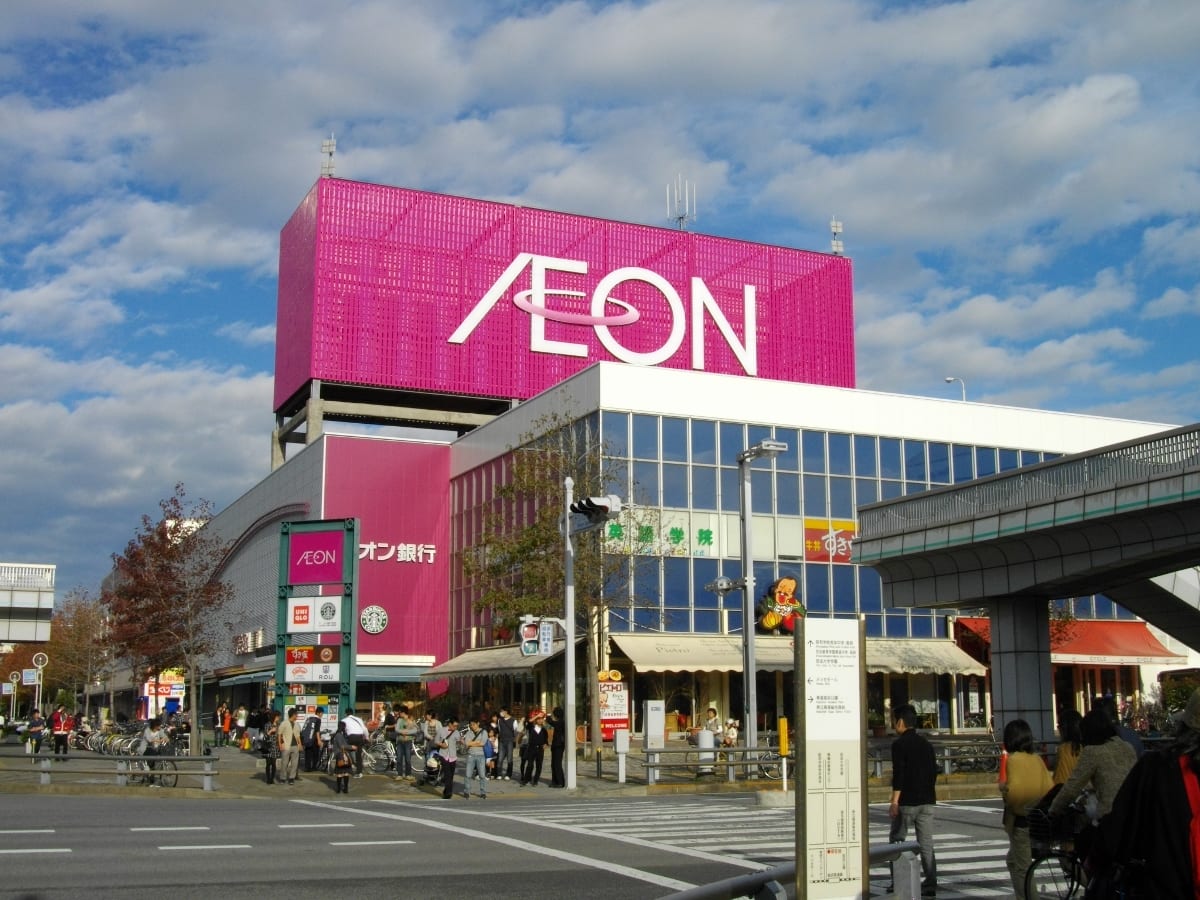
    Aeon Malaysia will build two new malls this year, at a cost of 450 million Ringgit (US$121 million).

    Aeon Malaysia currently has 23 malls across the country, 29 Aeon hypermarkets and four smaller stores branded MaxValu.

    The two new centres will be built in Klebang in Perak and in Shah Alam in Selangor, part of greater Kuala Lumpur.

    “This has always been part of our expansion plan here,” explained Aeon Malaysia MD Nur Qamarina Chew.

    “Malaysia has shown resilient growth despite the ongoing economic challenges.”

    The company targets middle- and upper-income segments of Malaysian consumers, including the expat community.

    In a separate move, Aeon Malaysia will undertake a rebranding of its portfolio as it positions itself as ‘the primary retail lifestyle hub’ in the country.

    A budget of 8 million Ringgit ($2.1 million) has been set aside to rebrand the shopping centres Aeon Mall and adopt the tagline “Do Mall”.

    The company says it will work to create new activities and events at its malls throughout the year to encourage the perception of lifestyle rather than just a destination to go shopping.

    “We celebrated our 30th anniversary in Malaysia last year and it is time to rebrand Aeon as a lifestyle destination rather than just a shopping centre as we begin our new decade here,” said Chew.

    “We also think the timing is idea with this rebranding exercise, given the ongoing economic challenges and the new GST, as we would like our customers to spend more time with us for leisure purposes and not just for shopping.”

  • Lazada brings new growth opportunity to crossborder sellers

    Lazada brings new growth opportunity to crossborder sellers

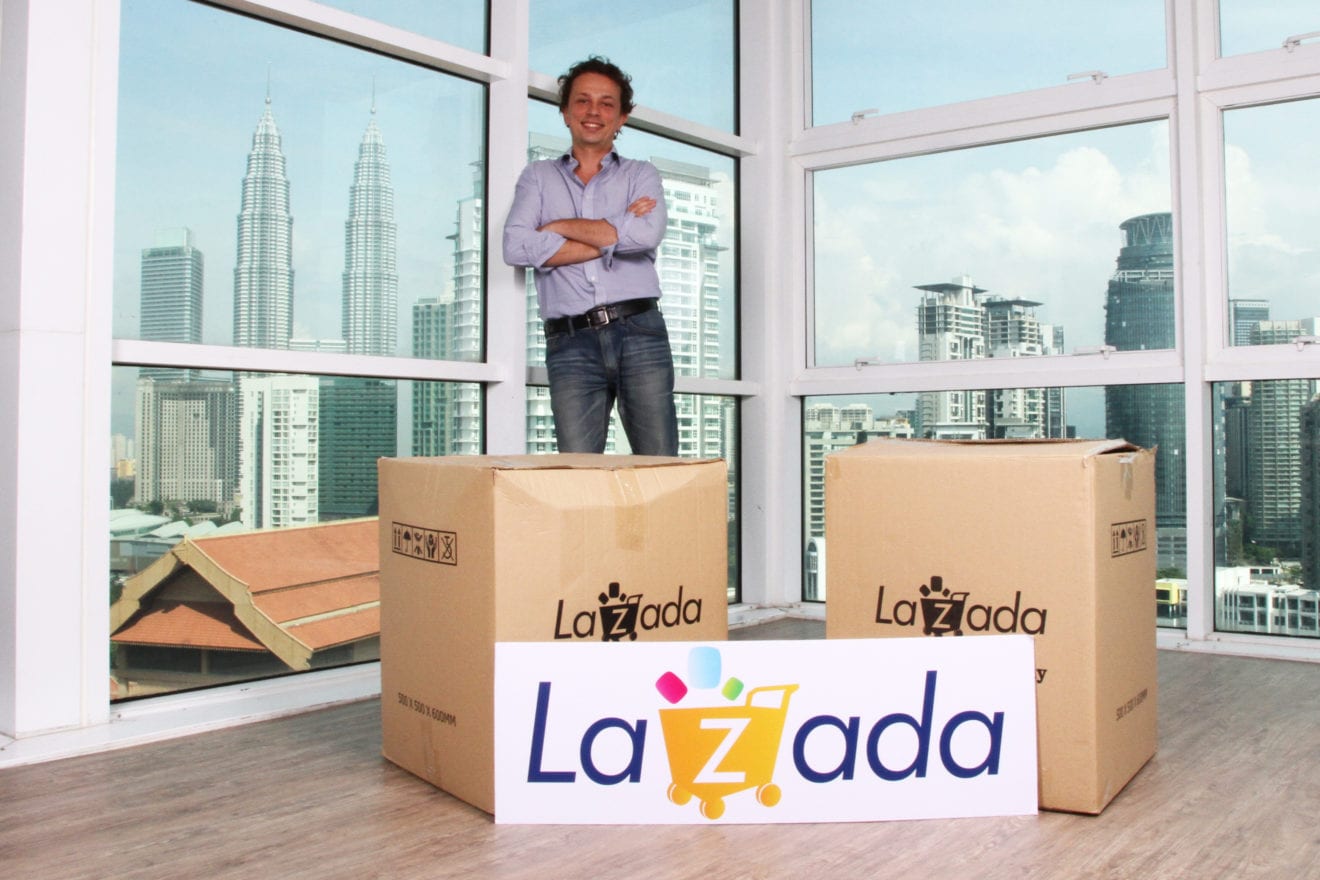
    Southeast Asia’s leading ecommerce player Lazada is offering Hong Kong and China-based brands and merchants the opportunity to expand their businesses to the fast-growing region. Launched in the first quarter of 2012, Lazada Group operates Lazada, the leading online shopping and selling destination for assorted merchandise in Southeast Asia, with presence in Indonesia, Malaysia, the Philippines, Singapore, Thailand and Vietnam. Its operations also extend to Hong Kong, which functions as a sourcing hub.

    The online shopping mall features an extensive product offering in categories ranging from consumer electronics to household goods, toys, fashion and sports equipment.

    Being active for three years, Lazada has rapidly grown to a reported USD1 billion of annualized gross merchandise value (GMV) in March 2015. Its shopping sites and mobile applications welcome over 4 million visits daily and 55 million unique visitors monthly.

    “We see tremendous potential in Southeast Asia as consumers continue to embrace online shopping largely facilitated by the rise of internet and increasing mobile penetration. As the leading ecommerce player, we offer brands and merchants in Hong Kong and China with the only single retail gateway to enter Southeast Asia,” Aimone Ripa di Meana, CEO Crossborder, Lazada Hong Kong said in a media briefing on Thursday.

    The AT Kearney report Lifting the Barriers to eCommerce in ASEAN published on February 2015 showed that ecommerce represents around 1 percent of total retail sales in Southeast Asia compared to 7.2 percent in China, highlighting the massive potential and room for growth in the coming years.

    Ever since its launch, Lazada Group has grown rapidly to include approximately 4,000 employees across Southeast Asia. The company has the largest Facebook following in Southeast Asia with over 12 million fans.

    The online retailer is pioneering ecommerce in the region by providing customers with an effortless shopping experience with multiple payment methods including cash-on-delivery, extensive customer care and free returns. Lazada provides brands and merchants with simple and direct access to approximately 550 million consumers in six countries through one retail channel. The e-commerce giant offers sellers a one-stop solution to Southeast Asia through its fully integrated online platform where they can manage product assortment, pricing, promotions and orders.

    “Prior to Lazada, there has never been a one-stop retail solution addressing local requirements across six diverse countries,” said Meana. “The opportunity for sellers in Hong Kong and China to capture the growth and build their future in Southeast Asia is now.”

  • La Cure Gourmande lands in Asia

    La Cure Gourmande lands in Asia

    French confectionery brand La Cure Gourmande has chosen Korea for its Asian market debut.

    The sweets specialist has opened its first outlet in the continent inside the Lotte Department Store Sogong-dong downtown Seoul.

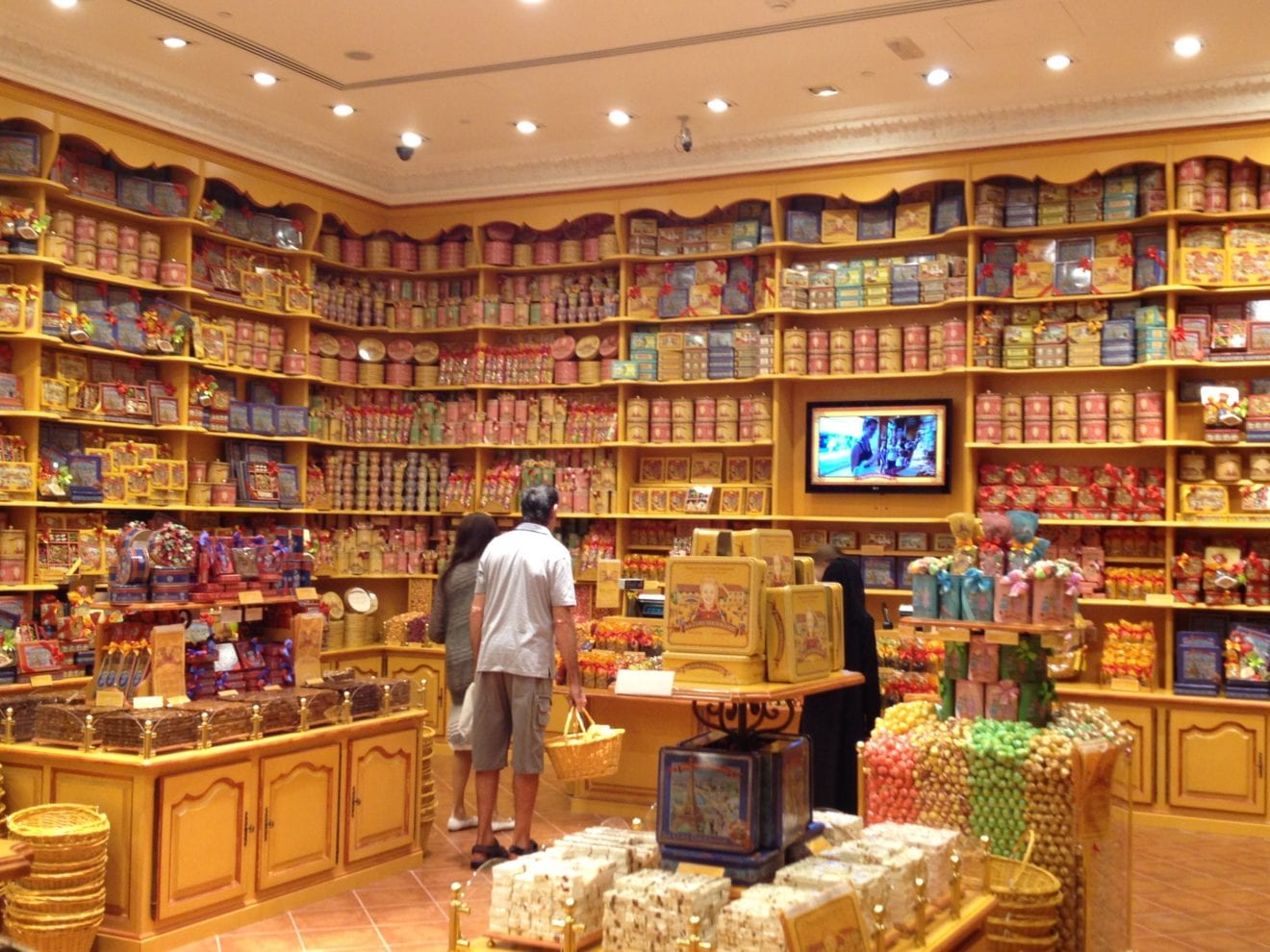
    The 36 sqm bright yellow coloured store offers more than 30 kinds of candies, cookies, caramels and chocolates, all imported from France. The Korea Herald reports that on its first day of trading, it grossed the highest sales in the department store’s food section.

    Customers are encouraged to taste and inspect the candies, with store staff named “Sunshine” offering samples.

    “We want people to feel nostalgic when they enter the store, bring back their memories of going to an old candy store and sticking their noses into the cookies and caramels,” said Edouard Hennebert, the company’s founder.

    La Cure Gourmande plans two more stores-in-stores inside department stores in southern Seoul and Gyeonggi Province and says it will offer up to 150 kinds of product by the end of the year.

    The French company’s debut in Korea is the result of Lotte staff seeking unique brands to create a point of difference from rival department stores Shinsegae and Hyundai.

    “Lotte Department Store was searching for dessert brands that could cement their market status as a high-end and luxury retail channel, just like what Louis Vuitton and Chanel used to three decades ago,” said Stephane Lo, CEO of La Cure Gourmande Korea.

  • Menya Sandaime makes Australian debut

    Menya Sandaime makes Australian debut

    South Korean restaurant chain Menya Sandaime is to open its first restaurant in Australia – in the Melbourne CBD.

    The chain has chosen a prime site on Russell St in the Victorian capital’s CBD, according to Savills Australia Victorian retail director, Michael Di Carlo, who brokered the deal, with colleagues Jeremy Marmur and Jock Thomson.

    Menya has taken a 10 year lease on the 93 sqm site.

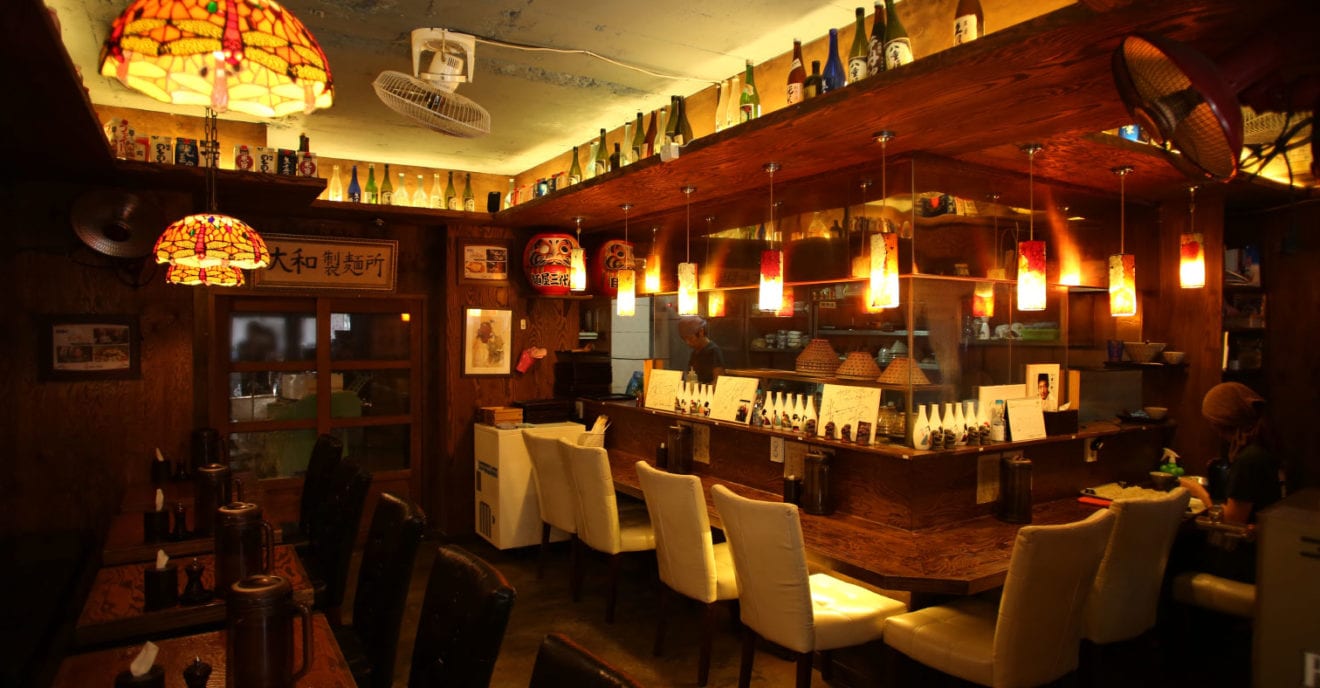
    Menya Sandaime specialises in Japanese ramen dishes and chose Melbourne for its Australian debut due to the city’s reputation as a multicultural community with a well developed appreciation of foreign foods. Its website says it adheres to strict Japanese traditions in preparing its food, including brewing meat broth for at least 24 hours.

    “Melbourne has the second biggest population of Koreans in Australia but also a community which loves food and especially Asian food.

    “The location near Chinatown, QV and Lonsdale St attracts strong pedestrian traffic to the many food and beverage operators in the area, [thus] was a very good fit,’’ Di Carlo said.

  • Courts partners with Ace Hardware

    Courts partners with Ace Hardware

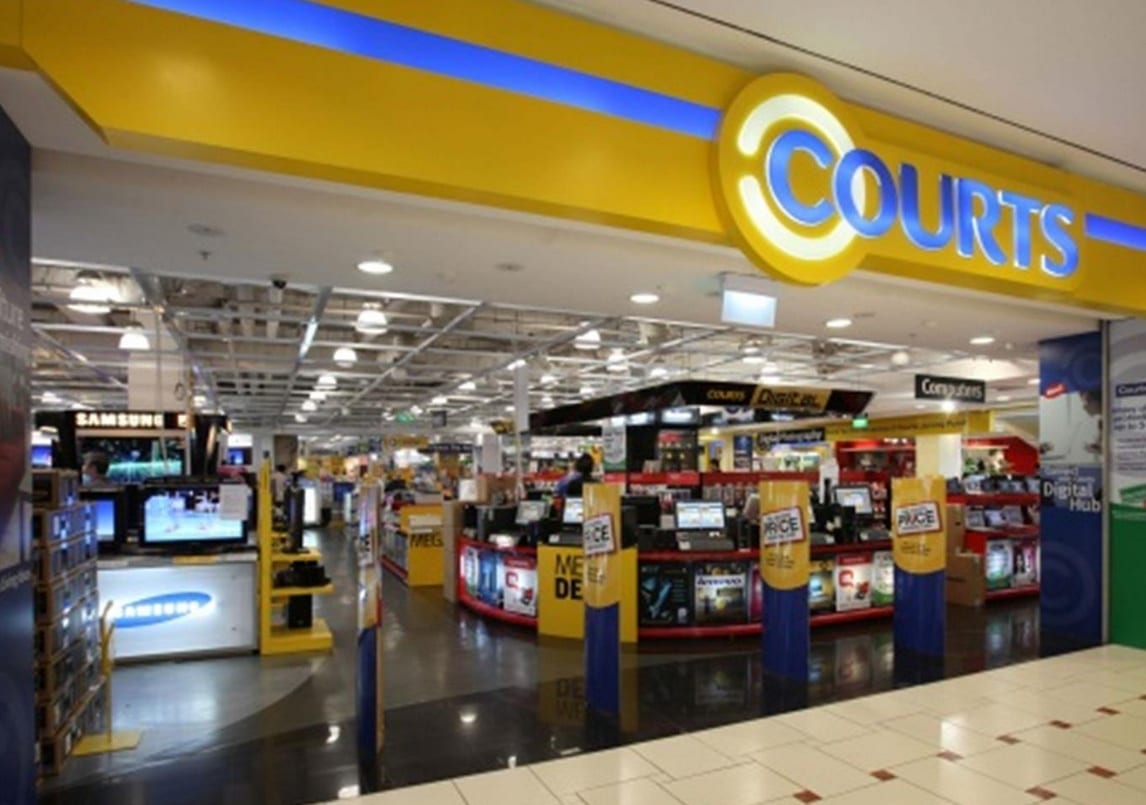
    Singapore electrical goods and homewares chain Courts is expanding its hardware offer with a concession deal with US brand Ace Hardware.

    Ace already has standalone stores in Indonesia and the Philippines. Now it will open stores-within-stores in selected Courts stores, starting with an 8000 sqft space in the flagship Megastore in Tampines. It is not yet clear if Courts will take the brand into its Malaysia stores as well.

    Courts has signed a 10 year partnership with Illinois-based Ace Hardware, which has 4600 stores globally and turns over over $13 billion annually.

    In a separate agreement, Courts will partner with Danish retailer JYSK to open concessions selling homewares

    They are Ace Hardware International Holdings, and Danish retail chain JYSK, which sells mattresses, furniture and home interior decor. Despite being Denmark’s largest international retailer, it has an Asian presence to date only in China and Indonesia, where it trades under the JYSK Nordic brand.

  • JD.com opens world to Chinese shoppers

    JD.com opens world to Chinese shoppers

    JD.com, China’s online direct sales company, has unveiled JD Worldwide, its new cross-border eCommerce platform.

    JD Worldwide provides Chinese consumers with the most convenient way to purchase authentic imported products, including many not previously available in China, and enables international producers and suppliers to sell directly to Chinese consumers without requiring an established presence in China.

    Through the JD Worldwide platform, Chinese shoppers can order goods from hundreds of brands and sellers in overseas markets including Australia, France, Germany, Japan, South Korea, New Zealand, the UK and the US, among others, while enjoying JD.com’s industry-leading user experience.

    Fully integrated with the existing JD.com platform, JD Worldwide features both direct sales and marketplace channels. It currently hosts about 450 online shops, which offer over 150,000 SKUs of high-demand imported products from more than 1200 brands. Customers can place orders seamlessly through JD’s website and mobile applications and have purchases delivered directly to their homes or offices in China, without the typical inconveniences associated with international shipping, customs and language issues.

    The platform also enables international producers and sellers to sell directly to Chinese consumers without needing to establish a legal presence in China, significantly lowering the barriers to entering the China market for global brands. JD Worldwide will offer a range of support to retailers to enable them to take full advantage of the JD Worldwide platform, including support on marketing toJD.com’s nearly 100 million active users and access to JD.com’s extensive nationwide logistics network.

    As part of the JD Worldwide launch, the company also announced the launch of “Best of eBay Deals,” a pilot program on the new platform in partnership with eBay. Responding to growing demand from Chinese consumers seeking items from eBay’s global inventory, eBay’s channel on JD Worldwide will showcase a variety of top categories and popular brands at attractive prices from select, trusted eBay sellers from the US.

    “JD.com has once again raised the standard for integrated e-commerce solutions in China with the launch of JD Worldwide, the most convenient way for Chinese consumers to purchase imported products,” said Richard Liu, JD.com founder and CEO.

    “This new cross-border sales platform marks a major step forward in connecting Chinese consumers with international brands. By combining the advantages of China’s cross-border free trade zones, JD’s warehouses and unparalleled last-mile logistics network, and our experience developing winning marketing campaigns for our partners, JD Worldwide gives international sellers and brands the most comprehensive and effective solution available for reaching Chinese consumers.”

    Liu said that consistent with the company’s overall strategy, it is committed to growing JD Worldwide at a manageable pace to ensure the highest quality products and merchants, the best shopping experience for our customers, and strong sales results for its partners.

    When making purchases through JD Worldwide, consumers will enjoy the same guaranteed product authenticity, prices and reliable customer service they expect from JD.com. Supported by favorable trade policies in China’s e-commerce free trade zones, JD Worldwide employs bonded warehouses to ensure the fastest times for customs clearance and delivery to consumers.

    JD.com has established an exclusive customer service hotline and after-sales customer support team specifically dedicated to JD Worldwide, with live online support provided to international marketplace merchants. As across all of JD’s sales platforms, stringent controls have been implemented to ensure that only high-quality marketplace merchants and authentic products are permitted on JD Worldwide.

  • Benetton stumps up for Rana Plaza fund

    Benetton stumps up for Rana Plaza fund

    Italy’s Benetton Group has announced a US$1.1 million commitment to the Rana Plaza Trust Fund.

    But it wasn’t enough to end the criticism from the Clean Clothes Campaign which has for months singled Benetton out for failing to contribute to the fund.

    To end off the predictable salvo from CCC, Benetton engaged PwC to independently assess what contribution it should make to the fund relative to its share of the clothing sourced from the Plaza. That assessment was then checked by WRAP, an NGO focused on special compliance through global supply chains, which endorsed PwC’s recommendation. Benetton doubled the recommended payment.

    Rana Plaza, in the Bangladesh town of Savar, was the scene of the 2013 disaster where 1129 workers were crushed to death in the collapse of sweatshops producing clothing for western fashion brands.

    Benetton’s contribution follows an earlier $500,000 payment made through the BRAC organisation prior to the trust fund being established.

    “We welcome the PwC report and WRAP’s contribution. We have decided to go further to demonstrate very clearly how deeply we care,” said Marco Airoldi, CEO of Benetton Group. “Whilst there is no real redress for the tragic loss of life we hope that this robust and clear mechanism for calculating compensation could be used more widely. For this reason, we decided to make the PwC report publicly available to all stakeholders”.

    “Benetton has a proud history of social commitment. We believe that by working closely with the right suppliers we can help to improve factory conditions for workers in Bangladesh and in many other parts of the world,” he added.

    But Clean Clothes Campaign was unimpressed.

    “Benetton had a real opportunity to emerge as a leader and prove that their pledges of empathy, understanding, and care for the welfare of the victims were not just some PR spin.  Unfortunately, the true colours of Benetton are now revealed” said CCC spokeswoman Ineke Zeldenrust.

    “In February Benetton announced they would pay ‘within a few weeks’ and that they engaged an independent credible third party to determine how much they should pay.  Today, Benetton finally revealed this to be global accounting firm PricewaterhouseCoopers (PwC). The US based World Wide Responsible Apparel Program (WRAP), which Benetton described as an ‘NGO working on social compliance endorsed the PwC assessment. WRAP is in fact an industry sponsored social auditing and certification organisation with one of the worst track records in the industry. The Garib and Garib factory for example, that went up in flames, killing people, in Dhaka in 2010, was WRAP certified at the time,” the CCC statement continued..

    “Benetton again wasted time, spending money on a process in order to try to legitimise their insufficient payment. It’s deeply troubling that Benetton engaged a firm with no track record on human rights issues to lead their process.

    “Red flags need to go off when the PwC assessment is only endorsed by one of the least reputable auditing firms in a very flawed sector.  Let’s be clear, Benetton’s process was not transparent.  The process excluded all trade unions and labour rights organisation directly involved in compensation efforts in Bangladesh,” says Zeldenrust.

    Benetton was one of 29 brands connected to companies operating in the Rana Plaza building.

    The Italian company said PwC based its report on an assessment from the International Labour Organisation that in total $$30 million compensation should be paid into the Rana Plaza Trust Fund. “PwC calculates Benetton Group’s contribution to be $550,000 based on the level of its commercial association with the Rana Plaza.

    “However PwC has not factored in contributions from other third parties, such as the Bangladesh government and the Bangladesh Garment Manufacturers Exporters Association, unions and others. This means that, if its mechanism were followed by all brands operating at the Rana Plaza, after payments from other third parties the total fund could significantly exceed $30 million.

    “Based on Benetton’s commercial association with Rana Plaza, we believe this is a fair basis to calculate payments to the Rana Plaza Trust Fund as quantified by ILO,” said Sudhir Singh Dungarpur, Partner PwC India.

    “With a tragedy of this scale, no financial compensation can ever really be enough, but we welcome Benetton’s decision to pay more than its calculated share of the fund based on the report published by PwC,” said Avedis Seferian, president and CEO of WRAP. “If everyone took the same approach as Benetton, the overall fund could more than exceed its stated goals”.

  • Korean cosmetics exports boom

    Korean cosmetics exports boom

    Riding “Hallyu”, or the Korean Wave, cosmetics products have developed into strong moneymaking export items as they set records for exports and trade surplus last month.

    According to the Korea Customs Service, the value of Korean cosmetics exports in March was US$277.5 million, the largest amount since the office began tracking monthly statistics by product in January 2000.

    Imports of cosmetics products were US$158.9 million in March, resulting in a US$126.5 million trade surplus – also the largest in history.

    The trade balance for cosmetics products moved into the black last May for the first time and has maintained a surplus for 11 consecutive months.

    Exports of cosmetics products are skyrocketing thanks to Hallyu, with China and Southeast Asian countries increasing their imports of Korean cosmetics.

    By country, Korea sold US$119 million worth of cosmetics products to China, followed by Hong Kong (US$66 million), the US (US$20 million), Taiwan (US$12 million), Japan (US$15.6 million) and Thailand (US$8.4 million).

    If sales to foreign tourists in Korea are included, exports of cosmetics would be much larger than the customs office statistics.

    An industry official said: “As Korean dramas and K-pop gain popularity, Korea’s status is rising and Korean products are popular among foreign customers. Of particular note, Korean cosmetics sales in China are increasing up to 30 per cent annually.”

  • Denmark’s Wood Wood arrives in Bangkok

    Denmark’s Wood Wood arrives in Bangkok

    Danish fashion brand Wood Wood has opened its first store in Asia.

    Wood Wood, known for sporty silhouettes, and a hallmark Scandinavian style, has opened a store inside The Mall Group’s new EmQuartier shopping centre on Bangkok’s Sukhumvit Rd.

    Wood Wood Bangkok 4-415

    The store is a partnership with Thai brand UnCensored and described as “an exhibitional retail space” with an urban-boutique feel. It is in the centre’s Helix Quartier.

    The Wood Wood boutique features a black-and-white graphic design on the walls.

    Wood Wood Bangkok 3-415

    Thailand is Wood Wood’s third overseas market, following Berlin, where it has two stores, and Moscow. It has three stores in hits home market.

    THe fashion brand was founded in 2002 by Karl-Oskar Olsen and Brian SS Jensen who grew up in the 90s when graffiti and street culture was popular.

    Wood Wood Bangkok 2-415

    They mix high fashion, sports and streetwear with youth culture, art and music creating clothing they believe is balanced between style and function.

    “Wood Wood is much more than a brand. It’s about style and attitude. We were raised with the desire to constantly evolve and we’ll keep on taking the brand even further by combining elements of underground and high-end into our very own aesthetic,” says Karl-Oskar Olsen.

  • Stradivarius China launches on Tmall

    Stradivarius China launches on Tmall

    Inditex has launched another of its brands in China online.

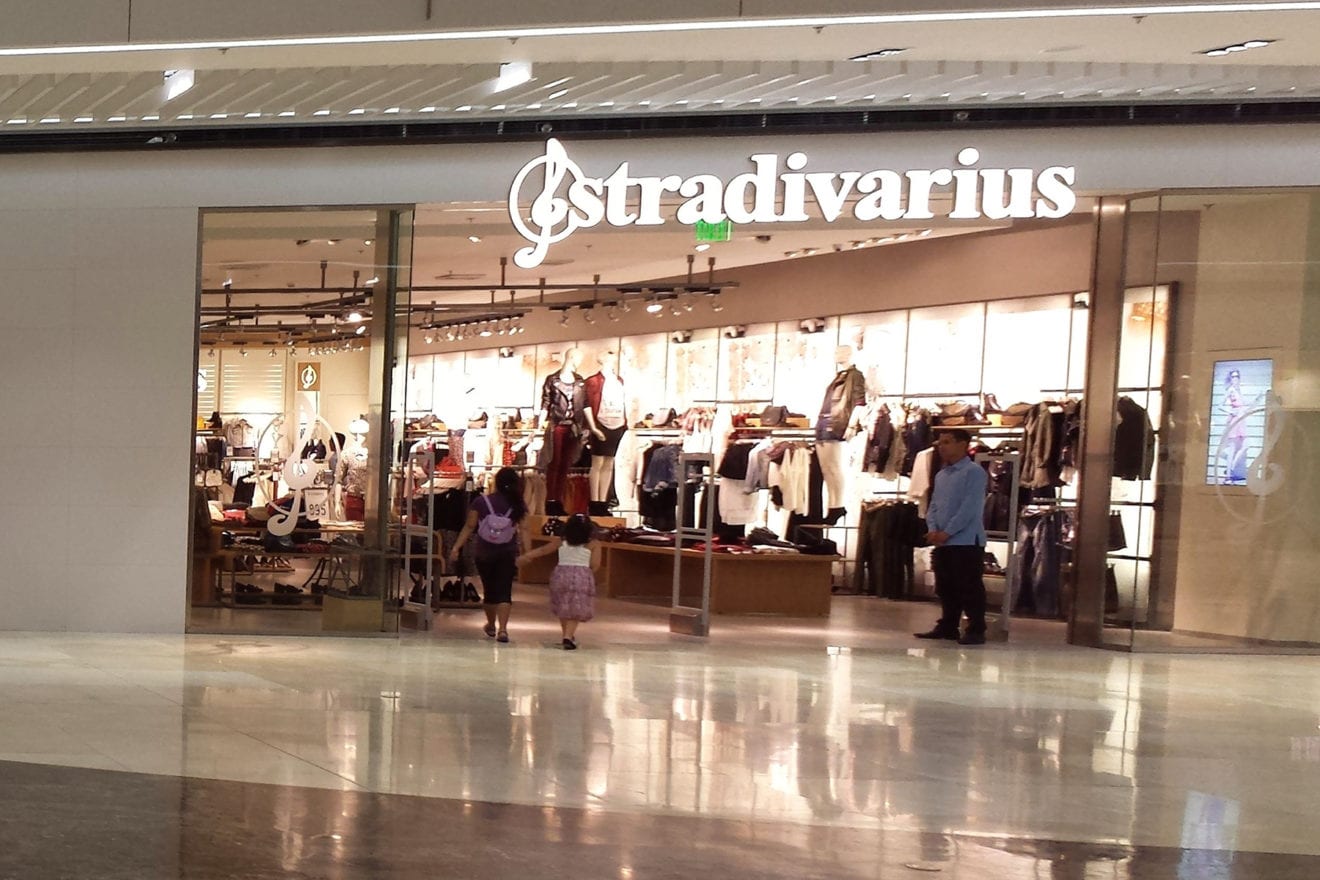
    The Spanish apparel maker has opened a Stradivarius China storefront on Tmall, the largest online sale platform in China.

    After launching in China in 2010, the junior cousin of Zara has built a network of 68 physical stores in more than 40 cities.

    The broader Inditex Group has 501 stores there.

    Inditex says at stradivarius.tmall.com, customers can find the entire fashion and accessories collection from the group’s feminine fashion brand.

  • Avon US on the block?

    Avon US on the block?

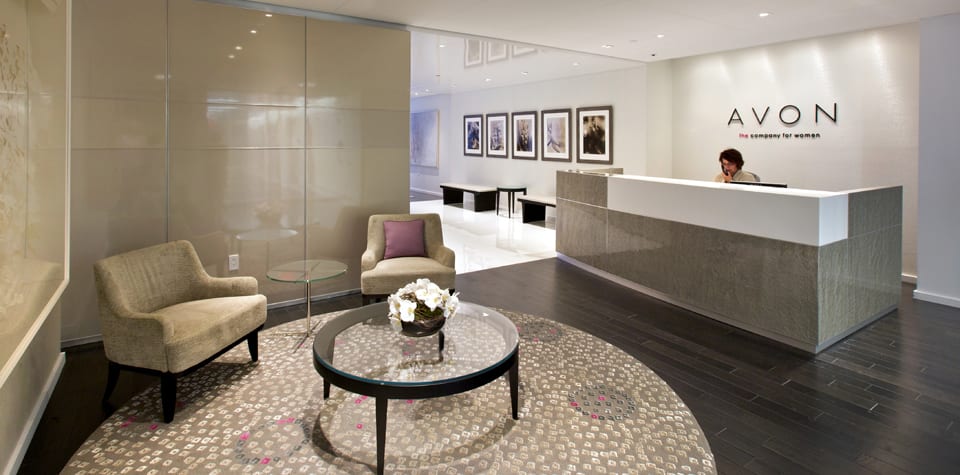
    Avon Products is reported to being weighing options for the future of its North American business.

    A report in the Wall Street Journal this week stating the company was “exploring strategic alternatives” led to an increase in the struggling company’s stock price of 18 per cent at one point. Its market value had fallen 44 per cent during the last year.

    Avon US and Avon Brazil are the achilles heel of the global cosmetics business. Brazil is its largest market, but demand is falling there.

    In the US, the direct to consumer sales model is losing favour as shoppers move online to buy goods saving time of in-home displays and appointments with ‘Avon Ladies’ who are proving harder to recruit.

    The Wall Street Journal clarified in its report that there was no “imminent” deal.

    Avon US has lost money for three consecutive years – it accounts for 14 per cent of the brand’s global turnover.

    But CEO Sheri McCoy, working to turn the business around, has predicted a return to the black in 2015.

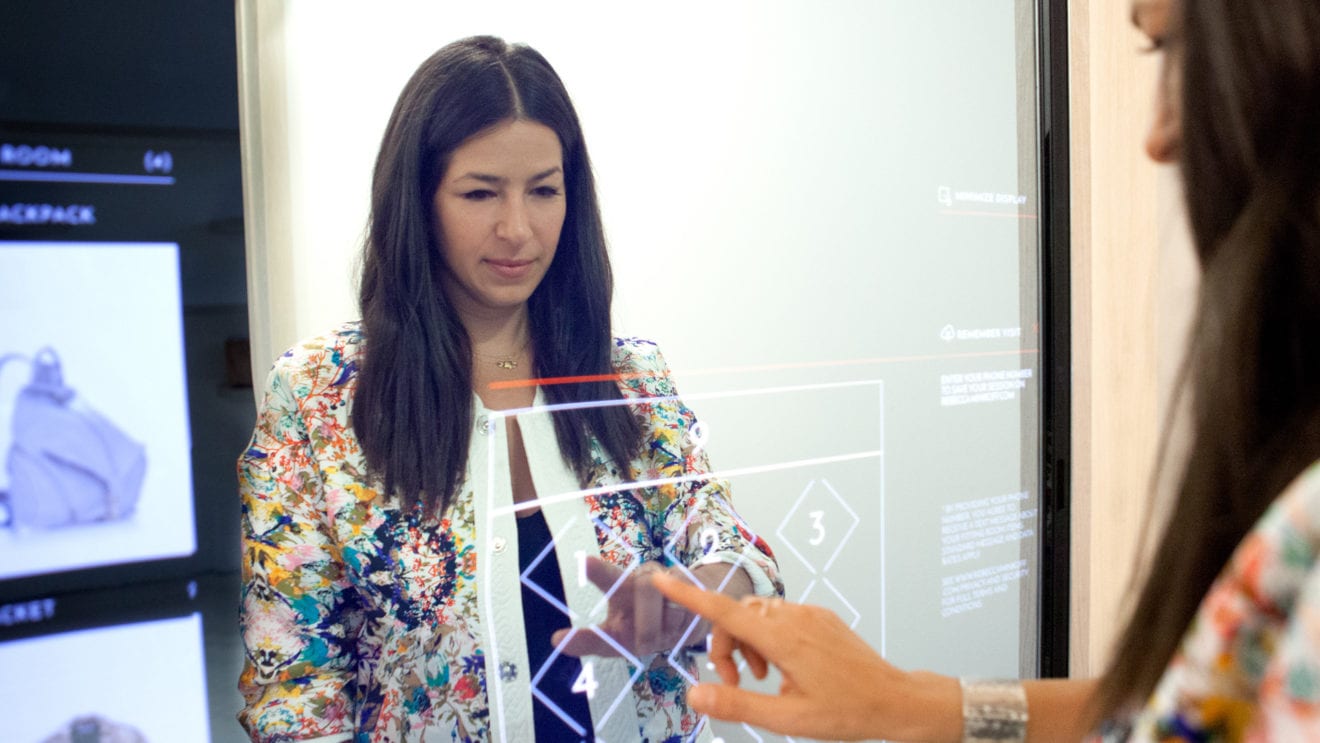
  • Rebecca Minkoff plans Asian assault

    Rebecca Minkoff plans Asian assault

    Fashion brand Rebecca Minkoff plans to open up to six stores in Hong Kong by 2018 as part of a broader Asian rollout.

    The new 585 sqft store in Hong Kong’s Ocean Terminal in Tsim Sha Tsui marks not only its standalone store debut, but the first step in a planned Greater China entrance.

    It will also expand its stores in Korea and within the next 18 months open in the Philippines, Thailand, Singapore, Malaysia and Indonesia.

    At the same time it is targeting the US, with a Los Angeles stores planned by June this year and another in Chicago by year’s end.

    “We want to focus on these really great supercities and Hong Kong is definitely one of them,” Minkoff said in an interview with WWD.

    “I love the fashion here. It’s a very edited view and I think they take more risks.”

    Japan has marked the only blemish to date in the brand’s Asian ambition. While it has 12 points of sale there it had to close its flagship in Tokyo’s Ginza last year.

    “We found that’s not the right location for our customer. That’s a very Fifth Avenue-type of customer whereas we [attract] a more [Greenwich] Village and SoHo-type customer,” Minkoff said.

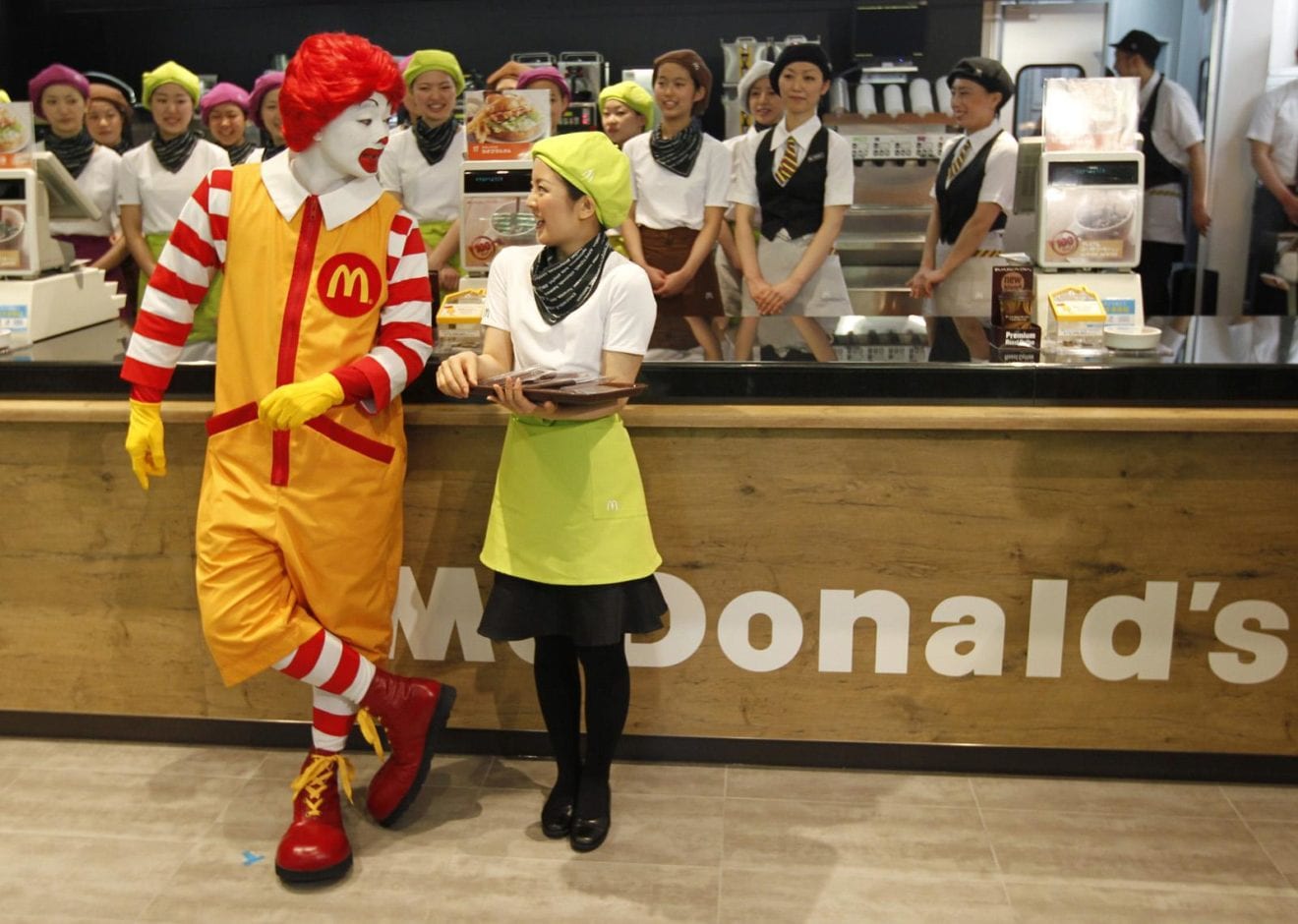
  • McDonald’s Japan to close 131 stores

    McDonald’s Japan to close 131 stores

    McDonald’s Japan will axe 131 stores, revamp its menu and refurbish 500 stores this year as it tries to reduce a projected US$319 million loss.

    Listed McDonald’s Holdings Company (Japan) said it expects sales to fall by 14 per cent this calendar (and financial) year. Worse, it projects a loss of 38 billion yen (US$319 million) reflecting the ordinary loss and impairments. System-wide sales combine company sales and those of its franchisees.

    The company says in the year ahead it will implement a Business Revitalization Plan aimed to “bring our customers visible points of change and become a Modern Burger Restaurant that Connects with Customers”.

    The plan has four pillars: New customer focused initiatives, speeding up restaurant revitalisation, localising its business structure and improving cost and resource efficiency.

    McDonald’s Japan outlined the four pillars in a statement:

    • Customer Focused Initiatives

    “We strive to bring more comfortable dining experience for our customers. Some immediate initiatives currently under trial and to be announced in the very near future include:

    ✧ New set menu that provide more customised choice and wider variety for our customers.

    ✧ New Happy Meal options.

    ✧ A new personalised digital loyalty program with relevant coupons.

    ✧ A mobile app which gathers real-time feedback from our customers.”

    • Accelerate Restaurant Revitalisation

    “We will further accelerate remodeling of existing restaurants to provide more modern, clean, inviting restaurants environment for our customers to enjoy their meals. Presently, only 25 per cent of our restaurants fit our vision of a Modern Burger Restaurant; we plan to remodel approximately 2000 restaurants aiming to have 90 per cent of our restaurants upgraded to modern within four years. In 2015, we are targeting to remodel approximately 500 restaurants located in food courts or shopping malls. In addition, we will close 131 underperforming restaurants this year that have no long-term growth potential, and will reallocate resources resulting from the strategic closures to invest in remodeling restaurants with greater growth potential.”

    • Localise Our Business Structure

    “Broad-scale national strategies, such as national marketing, menu development and operation system development, are defined as ‘Big M’, whereas the activities rooted in restaurants and/or local communities are defined as ‘Little M’. We will strengthen ‘Little M’ activities and operate our business in a manner more rooted in local communities and restaurants.

    “In order to realise management from a position that is closer to our customers, we will introduce Regional Headquarters. We will reorganise McDonald’s Japan into three regions. Each region will have business functions such as marketing, HR and finance, and have full business execution responsibility for their region, which will enable each region to reduce the layers within organisation and to implement activities rooted in the local community and customers. Also, we will further strengthen Marketing activities to meet the demands of the local communities and customers.”

    • Improve Cost and Resource Efficiency

    “To concentrate our resources into investments for long-term business growth, we will effectively allocate our resources such as people and capital, and drastically transform our cost structure.

    Accelerate Restaurant Revitalisation: New restaurant development will be very carefully selected and we are shifting our resource from new store openings to remodeling existing stores. We will prioritise remodeling of existing restaurants rather than new opening to offer great restaurant experiences and bring our customers visible points of change.

    On the other hand, we will secure capital for investment through strategic closures. Strategic closures are expected to incur non-recurring cost of approximately 4 billion yen and improvement in profitability of about 2.4 billion yen (annualised).

    Re-engineer our costs structure: To maximise the effect of the regional HQ structure, we will review and reprioritise the HQ functions and operations and will put the right people into the right jobs. This involves the offering of voluntary early retirement packages to approximately 100 permanent positions in our Tokyo HQ and the field.

    We have identified more than 12 billion yen in cost saving potentials across food & paper, logistics and labor and we will promote cost optimisation.

    Financial support to franchise owners: We will continue to provide financial support to franchise owners this year to offer continuous great restaurant experiences to all of our customers.

    Borrowing facilities: To secure capital required to execute our Business Revitalization Plan, we have increased borrowing facilities and borrowed 22 billion yen.

    McDonald’s Japan said the board accepts responsibility for recent results and the disappointing forecast, so will reduce the pay of its board and senior executives by between 10 and 20 per cent.

    “We expect to post a huge loss for FY2015 impacted by non-recurring one-time cost and investments associated with the above-mentioned Business Revitalization Plan. However, by executing this Business Revitalization Plan, we expect to return to profitability in FY2016.”