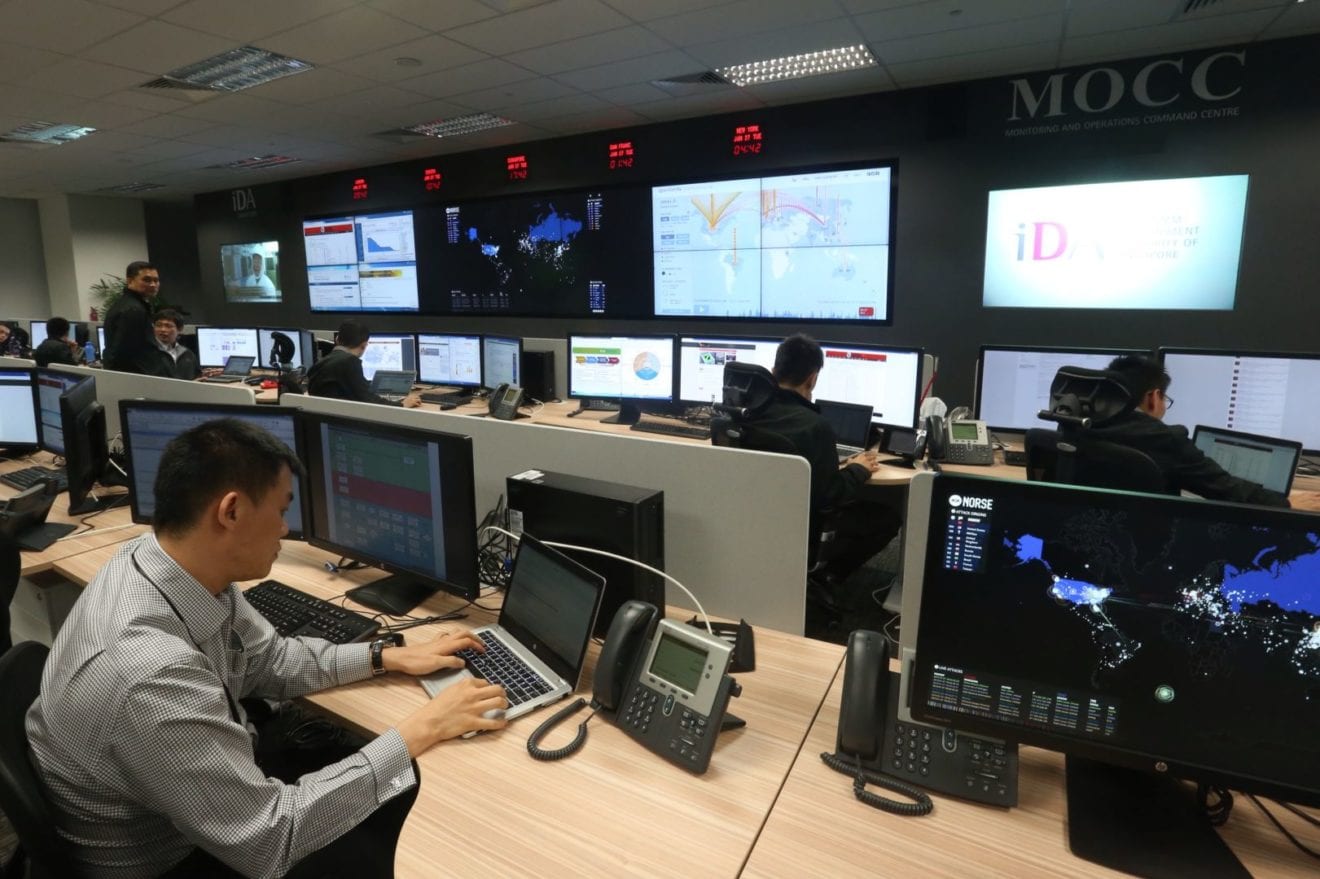
A retail subsidiary of Hon Hai Precision Industry Co., the world’s largest contract electronics manufacturer, plans to open 20 stores in China for technology innovators known as “makers”, by the end of the year, a company executive said on Sunday. According to Wang Jung-ching, general manager of Big Cyber, a new retail brand under Hon Hai’s Cybermart consumer electronics chain in China, his firm will open new stores in Beijing and Guangzhou in April and May after already opening a first store in Shanghai.
Blog
-

Surfwear retailer Billabong rejects class action claim
Struggling surf-wear retailer Billabong said on Thursday it received notice of a shareholder class action lawsuit over market disclosures it made four years ago.
The Federal Court of Australia online register said law firm Slater & Gordon filed a statement of claim a day earlier. A Slater & Gordon spokesperson was not immediately available for comment.
The law firm said a year ago that it planned to seek compensation for shareholders, alleging the company gave earnings guidance for the 2012 financial year that lacked reasonable grounds.
-

Lenovo creates new post for Lanci
Lenovo Group Ltd has appointed Gianfranco Lanci as its corporate president, a newly created position, as part of the company’s organizational structure change for global market and business growth, the world’s No. 1 personal computer maker said on Tuesday.
Lanci, a 30-year veteran of PC industry, will take up the new position from 1 April. The new post is seen as the number two executive behind Lenovo’s Chairman and Chief Executive Yang Yuanqing.
Lanci, who will retain his current position as chief operating officer and head of the PC business, will head Lenovo’s PC sales and marketing efforts worldwide.
-

Flipkart to create 2 million jobs in 2015
Indian leading e-commerce company Flipkart on Wednesday said it would directly and indirectly create about two million jobs in 2015 through its marketplace and ancillary services.
Among other segments, logistics and warehousing would be key employment generators, the company said. In 2014, the e-commerce industry created about half a million jobs, according to Flipkart.
The Bengaluru-based company employs about 33,000 people. Earlier this week, Flipkart said it planned to double the size of its technology team in 2015 to 2,000.
-
Connected gadget sales soar in Singapore
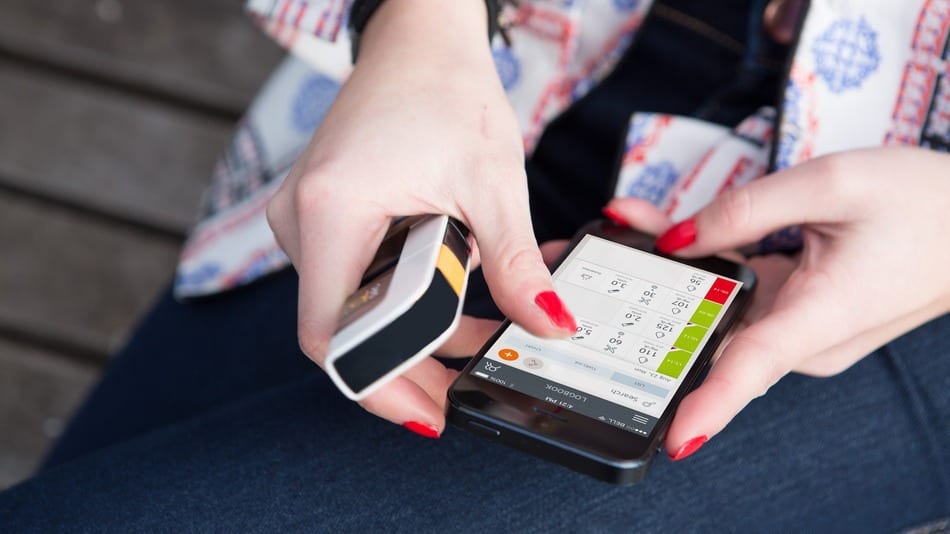
Singaporeans’ thirst to be online has seen sales of connected gadgets more than double in just five years.
While the connected devices sector in Singapore was valued at only USD 950 million five years ago, it has expanded to more than US$1.8 billion in 2014, according to research house GfK.
‘Connected devices’ comprise of 20 wireless and connected electronic/digital products tracked by GfK in Singapore, including computers, internet TVs, smart cameras, PC accessories, headphones, headsets, routers and also the latest gadgets – smart watches and health fitness trackers.
The growth is being powered by Singapore’s affluent and well-developed internet infrastructure, says Gerard Tan, account director for Digital World at GfK.
“In line with the country’s high internet usage and technology adoption rate, wireless devices with internet connectivity have been growing every year from 2010 to 2013, registering an additional 3.1 million devices sold within this four year span.
“On the other hand, our sophisticated society is less interested in non-connected devices, with steep falling demand year after year since 2012.”
Sales reached a peak in 2013 with consumers splurging more than USD 2.1 billion on over 5.2 million connected devices, following which market saturation led to a slowdown in the 2014. By comparison, non-connected, wired devices within the same product categories witnessed an even steeper decline of 29 per cent in value, considerably higher compared to the 15 per cent fall registered in the connected segment.
In spite of overall decrease in consumer demand, some connected gadgets continued to register growth in 2014, including smart watches, health fitness trackers, phablets, wireless printing devices, smart cameras, and loudspeaker soundbars. The top three fastest growing connected devices in Singapore last year were docking/mini-speakers, phablets and loudspeakers/soundbars at 162, 60 and 55 per cent increased sales respectively over 2014. Despite the easing in sales, manufacturers are launching more new models of connected devices. According to GfK findings, the number of market offerings across all products rose by 15 per cent to hit 4920 – a strong indication of the positive market sentiment going forward.
“The soaring popularity of this market means we can anticipate more of such products being launched, and the introduction of more new and exciting features, for instance, the function of easy syncing across different products,” said Tan.
“With today’s heavy reliance on the internet, it becomes even more essential for modern technology to be equipped with the connectivity feature,” he concluded.
-

Panasonic, Lenovo’s retail bets in India
Two brands trying to get a bigger foothold in India’s smartphone market recently announced plans to expand their retail presence, strongly leaning on exclusive stores and e-commerce.
The Japanese Panasonic and Chinese Lenovo are both in the process of bolstering their retail strategies. While the new stores would help their wide-ranging product portfolio, their smartphone fortunes would be paramount.
Lenovo India is planning to triple its retail footprint. Run by franchisees, Lenovo has 400 stores which are branded as Lenovo stores, besides 3,500 outlets where its products are available. In the next three years, Lenovo will add to its branded stores – Lenovo Exclusive Stores (LES) and Lenovo Exclusive Store Lite (a smaller version for lower tier towns). While 30 percent would be LES, the rest would be the LES Lite model.
-

Chilean vending machines model takes off
In Chile, vending machines inside local stores are offering cash-strapped shoppers affordable staple items – without denting retailers’ profits.
Trend monitoring website Springwise.com reports some 73 per cent of the population of Latin America lives on less than US$4 per day, but the prices of food and necessities in struggling areas rarely reflects this.
Often, shops in areas such as Santiago in Chile offer products at prices up to 40 per cent higher than better off areas. Hoping to end this inequality, Algramo distributes vending machines containing staples such as beans, lentils, rice and sugar around Santiago. It installs the affordable alternatives in local stores and splits the profits with the shopkeepers.
Algramo enable locals to purchase goods in bulk in reusable containers, lowering the price and encouraging a more eco-friendly retail model. Rather than setting itself up as a competitor to neighbourhood shops — which are an integral, social part of Chilean life — Algramo work with the shopkeepers to improve the economic climate of the area.
The company developed their own vending machines, including one which dispenses washing powder and one which dispenses a variety of staple foods. All the machines can be installed easily and operated by customers.
So far, Algramo has installed more than 300 machines in Chile and now plans to expand into Colombia.
-
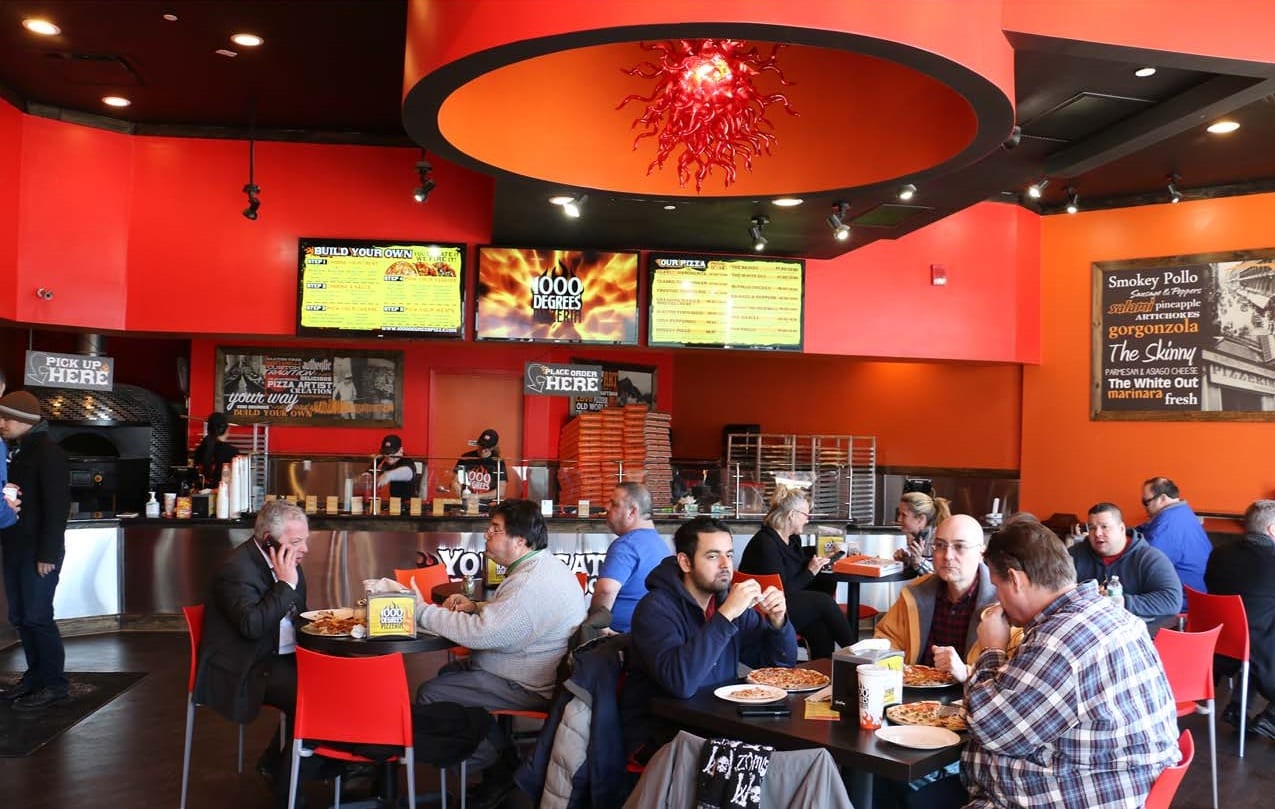
1000 Degrees heads for Malaysia
US pizza company 1000 Degrees Pizzeria has chosen Malaysia as its first international market.
The company said it would open its first pizza outlets in Kuala Lumpur, later this year in Kuala Lumpur, the federal capital, with an unidentified local partner.
1000 Degrees says while Malaysia will be its first international market outside its US home base, talks are already underway with potential partners in Panama City, Qatar and Dubai.
“We are excited to bring our spin on traditional Neapolitan Pizza, served in a fast-casual environment to the citizens of Kuala Lumpur,” said a company spokesman.

“We feel as if this city, which is experiencing tremendous growth, is ready for something new in the name of pizza.”
1000 Degrees has grown rapidly during the past six months and expects over 60 franchisees to be signed by the end of third quarter of 2015.
The franchise was started in northeastern US, but quickly has gained traction in 16 of the 50 states.
The spokesman said Malaysia was chosen for its international debut because it was “an exciting place” and the company is working with “an exciting group of experienced operators” in Kuala Lumpur.
1000 Degrees offers both single and multi-unit operators an opportunity to serve what they feel is the best pizza in the nation, for as little as $250,000 per unit.
-
SSI Group profit soars
The Philippines’ largest specialty store retail business, SSI Group, has reported a massive 63 per cent jump in its annual profit.
SSI Group says its 2014 surplus was 998.7 million Pesos (US$66.9 million), up from 613.7 million P ($41 million) in 2013.
The company’s brand portfolio includes Marks and Spencer, Gucci, Burberry, Hermès, Prada, Salvatore Ferragamo, Lacoste, Michael Kors, Kate Spade, Gap, Bershka, Aeropostale, Samsonite, Nine West and Payless Shoe Source.
SSI Group says its performance is the result of an aggressive store rollout program, strong gross profit margins and the depth and breadth of its brand portfolio. It expanded its store network by 126 outlets last year.
The group’s annual sales rose 19 per cent to P15.2 billion, and in the last quarter by 26 per cent to P5.2 billion.
In a statement, SSI Group president Anton T Huang described the outlook for 2015 as positive.
“2014 was a landmark year for SSI as we executed our largest store expansion program to date. We continue to leverage on a brand portfolio that resonates with consumers, on the availability of prime retail space, and on evolving consumption patterns and consumer tastes.
“We expect that these factors will continue to drive our performance in 2015,” he said.
The company now operates 723 specialty stores with a combined floor space of 134,000 sqm and represents 106 brands in the Philippines.
It also operates 90 FamilyMart convenience stores.
-
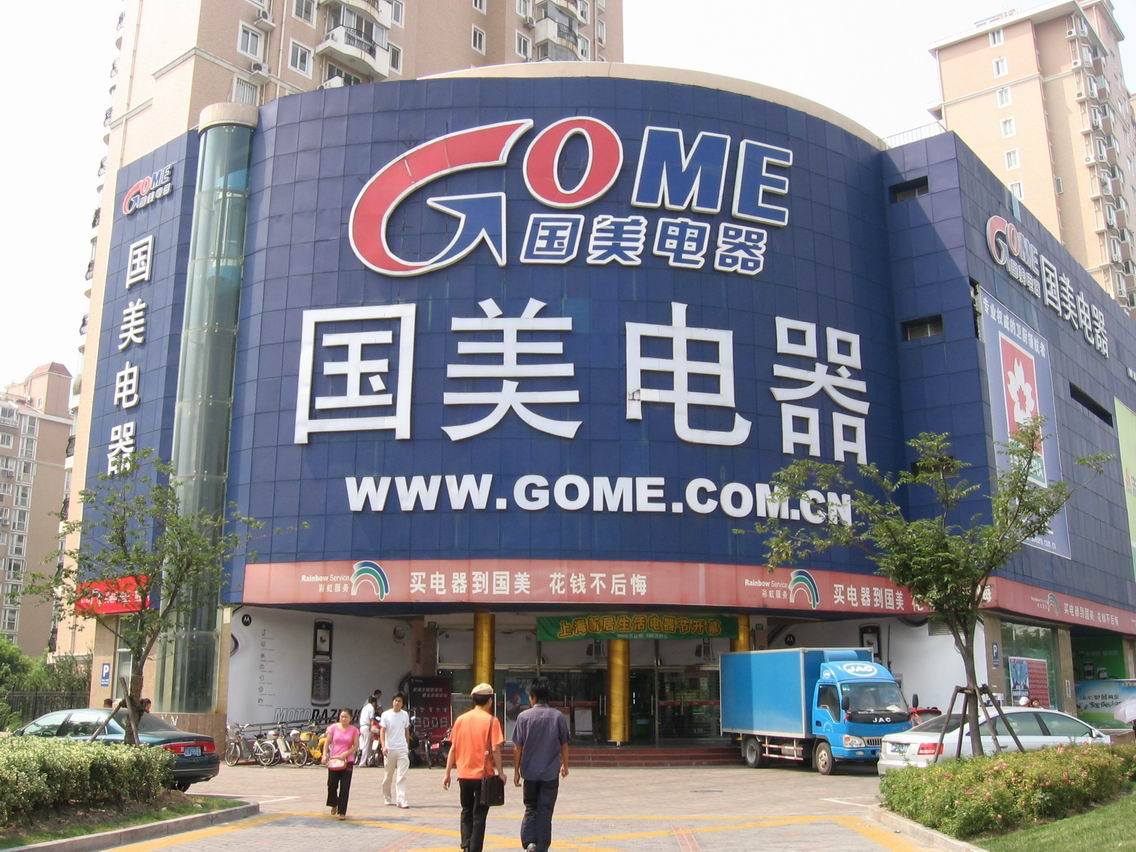
New stores, eCommerce drive Gome growth
China’s Gome Electrical Appliances boosted online sales by 84 per cent last year helping fuel a 43.5 per cent boost in annual profit.
The full year surplus was 1.28 billion yuan, (US$206.2 million).
The booming online operation is clearly still growing with a quarter on quarter sales boost of 117 per cent in the three months to December 31.
At the same time, Gome says it continued to refurbish its bricks and mortar store network and revamp its supply chain, procurement and distribution operations.
In annual figures released Monday, Gome said it continues to pursue its goal of becoming an ‘Open Omni-channel Retailer’ by optimising its open supply chain platform, driving further improvements in the areas of procurement, logistics, information system and financial services, and building an open omni-channel platform encompassing ‘online + offline + mobile terminal + other socialised channels’.
“The group has managed to provide cross-regional and cross-channel full services to consumers as a whole. The launch of this strategic transformation, supported by the low-cost highly-efficient open supply chain, has enabled the group to achieve year-on-year growth in key financial indicators for eight consecutive quarters and increase its operating efficiency,” the company said in a statement.
As well as renovating 100 existing stores, Gome continued its push into tier 2 markets, strengthened partnerships with supermarkets and department stores and promoted its eCommerce development. Last year it opened 145 new stores, 78 of them in tier 2 cities. A further 154 concessions were opened.
-
Tesco China drags down partner
Tesco China has been blamed for dragging China Resources Enterprise into the red.
CRE, which operates the Vanguard hypermarket chain in China, has reported its first annual loss in more than 20 years and blames the start-up costs for its venture with embattled Tesco for the red ink.
CRE has effectively taken control of Tesco China when the latter effectively admitted defeat in Asia’s largest grocery market, unable to penetrate the domination of local brands and store networks.
Now CRE has warned that it may take three to five years to turn the ailing Tesco business around.
“Looking ahead, the group’s top priority in 2015 is to improve operational efficiency and reduce losses,” chairman Chen Lang said a statement.
He warned profitability would remain volatile, with increased competition from eCommerce businesses and the Chinese government’s crackdown on gift-giving and graft affecting sales.
CRE reported a net loss of HK$161 million (US$20.75 million) in 2014 – a massive turnaround from the HK$1.91 billion ($246.3 million) profit of 2013.
Revenue from the 3000 supermarkets and hypermarkets CRE runs, rose 15.3 per cent to
HK$168.86 billion ($21.8 billion).
The Chinese retailer will be hoping its eCommerce venture, to be launched later this year, will help restore profitability, along with a change in focus of its store development program to smaller new stores, speciality stores and convenience stores rather than hypermarkets.
-

Shilla Duty Free buys DFASS stake
The Shilla Duty Free will acquire a 44 per cent stake in inflight duty free specialist The DFASS Group for US$105 million.
And it will hold an option to purchase a further 36 per cent of the equity in five years.
The Shilla Duty Free, owned by Hotel Shilla, in a turn a subsidiary of Samsung Group, has spent months negotiating terms for an equity stake in the business.
The Shilla Duty Free is the world’s eighth largest duty free retail group, according to data from The Moodie Report, while DFASS is ranked 20th and supplies some 30 airlines with onboard duty free stocks and 35 retail stores.
In a statement the two companies said they had agreed to “enter into a broad strategic partnership to become a global leader in travel retail”.
“Shilla will acquire a 44 per cent stake in DFASS and collaborate to develop new and existing duty free concessions, expand inflight concession services and strengthen distribution agreements with brand owners.
“The acquisition allows Shilla to significantly expand its global footprint and capabilities in the United States, Latin America, the Caribbean, Africa, the Middle East and Southeast Asia, as well as diversifying its business to include master distributor agreements.”
They believe the partnership will offer a strong platform to jointly develop new concessions and to expand existing ones. Key functions across those concessions would be integrated to achieve operational efficiencies.
Shilla President and CEO Boojin Lee said the investment is consistent with the company’s strategy of profitable growth and diversification of the duty free business, the largest segment of Shilla’s business.
“The strategic partnership will enable both companies to diversify the value chain through business collaboration and generate synergies to enhance overall revenue and profitability.
“The alliance will also strengthen each company’s concession portfolio, inflight retail business, airport retail and distribution agreements with brand owners. We are excited about the partnership that will lead to greater opportunities, especially on the back of the recent concession extension at Incheon Airport.”
-

Bulgari to open 300th boutique this year
LVMH’s watch and jewellery flagship brand Bulgari is eyeing double digit growth in 2015, despite the lacklustre global luxury market.
Bulgari expects to surpass 300 boutiques this year, part of a strategy by CEO Jean-Christophe Babin to maintain its position as one of the fastest growing brands in the Louis Vuitton group’s 60-strong stable.
“We had a very good beginning of the year, so all else remaining equal, we think that we will do better this year than in 2014 with a double-digit growth rate,” said Babin in an interview with Reuters.
Bulgari ended 2013 with 290 stores globally and expects to end 2015 with as many as 312.
LVMH does not break down its trading figures by brand, but analysts estimate Bulgari achieves annual sales of between 1.5 billion and 2 billion euros.
It is ranked third in size behind Cartier and Tiffany.
-
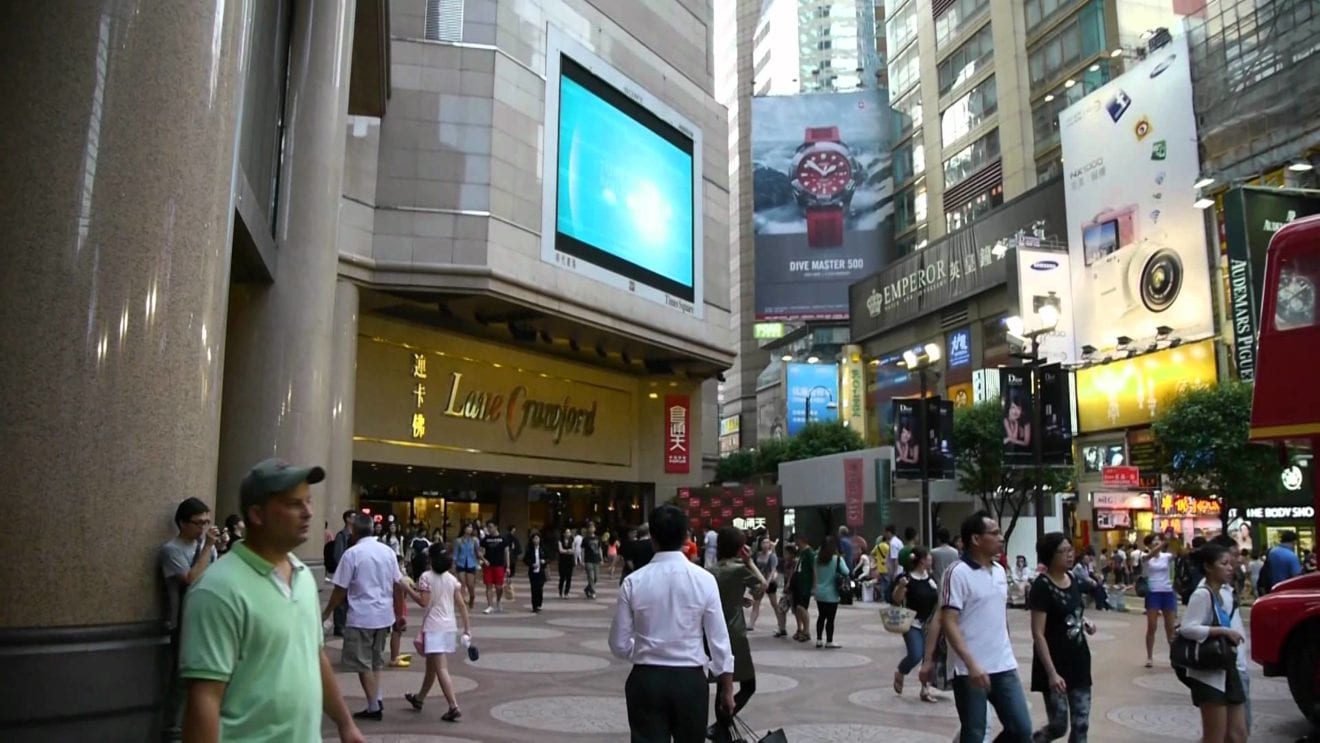
Revamp pays off for Times Square
A revamp of Hong Kong’s iconic Times Square shopping centre led to an 11 per cent rise in retail sales to a record HK$10.5 billion (US$1.35 billion) last year.
Owner, The Wharf Holdings, said its overall revenue from the mall rose 21 per cent to HK$2.544 billion (US$328 million) and operating profit rose 24 per cent to HK$2.276 billion (US$293 million).
Occupancy maintained at virtually 100 per cent.
Times Square, prominently located at the heart of the Causeway Bay retail precinct, is among the most successful vertical malls in the world with 17-levels of shopping and a direct connection to the underground Mass Transit rail system.
It also features one of the few open Piazza squares areas of any mall in Hong Kong.
“The enhanced Times Square has pushed the bar to new heights and caters to higher levels of service, sophistication and entertainment demands from a broader range of shoppers. This sparked new growth in retail sales and revenue in 2014,” said The Wharf Holdings.
New anchors and coveted luxury brands added in 2014 included Chanel, Louis Vuitton, Dior Homme, Fendi and De Beers. Culinary offerings including Yun Yan, Pak Loh Chiu Chow Restaurant and Enmaru, the top-ranked Izakaya style Japanese debut as well as Laduree Tea Room, the renowned French café’s debut, which The Wharf says have met with encouraging responses from customers.
The state-of-the-art five screen cinema Cine Times spanning the 12th to 14th floors have helped drive foot traffic, boosted sales and created value.
The trade mix was further enhanced with addition of a diverse range of tenants from leading high-end brands such as Celine, Jimmy Choo and Hugo Boss to popular mass brands such as Topshop and American Eagle Outfitters. Gucci is set to open a vertical duplex store by mid-2015 and some tenants on the atrium floors will relocate with new store designs.
The creation of a semi-retail zone at the upper floors further strengthened the tenant mix. il Colpo opened a 4800 sqft and Sulwhasoo opened its first 10,000 sqft beauty and Spa centre on Hong Kong Island.
-
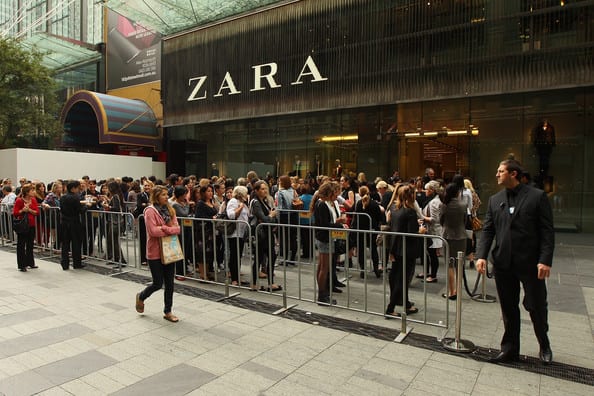
Zara Asia boosts online presence
Spain’s Inditex Group is expanding its online shopping reach in Asia as it builds the profile of its brands in the region.
Last year, flagship brand Zara added a South Korea store to its existing stores in Japan and China.
And the company opened online stores for three of its other brands in China: for Pull&Bear, Massimo Dutti and Bershka.
In the year ahead, the group says it will add online storefronts in Taiwan, Hong Kong and Macau.
Inditex owns the Zara, Zara Home, Pull&Bear, Bershka, Oysho, Stradivarius, Massimo Dutti and Uterque brands.
Last year the company said online sales growth was positive and that it was committed to progressively rolling out an eCommerce offer in markets where it had a presence.
Earlier this month, Inditex’s Singapore partner Al-Futtaim Group announced it would open a bricks and mortar store in Changi international airport.