Blog

  • Six percent of Apple Pay purchases believed to be fraudulent

    Six percent of Apple Pay purchases believed to be fraudulent

    When Apple introduced its pay-by-smartphone feature last year , the company touted the simplicity of the setup. All shoppers needed to do was wave their iPhones in front of a special scanner at the cash register – no need to fumble through pockets and purses for plastic cards or identification.

    But a sharp rise in reports of fraudulent Apple Pay transactions is now raising questions about the security of the first mobile payment system to find a measure of popular success. One payments analyst, Cherian Abraham, estimated that as many as 6 per cent of Apple Pay purchases are completed with stolen credit cards, or 60 times the rate of the old-fashioned plastic swipe.

    The problem is Apple Pay may be too simple to set up, security analysts said. Fraudsters have been loading stolen cards onto iPhones to buy things in shops. As it turns out, it may have been better if Apple Pay required users to do more to prove their identities when they sign up for the service, these experts said.

  • Kathmandu slows down Aussie expansion

    Kathmandu slows down Aussie expansion

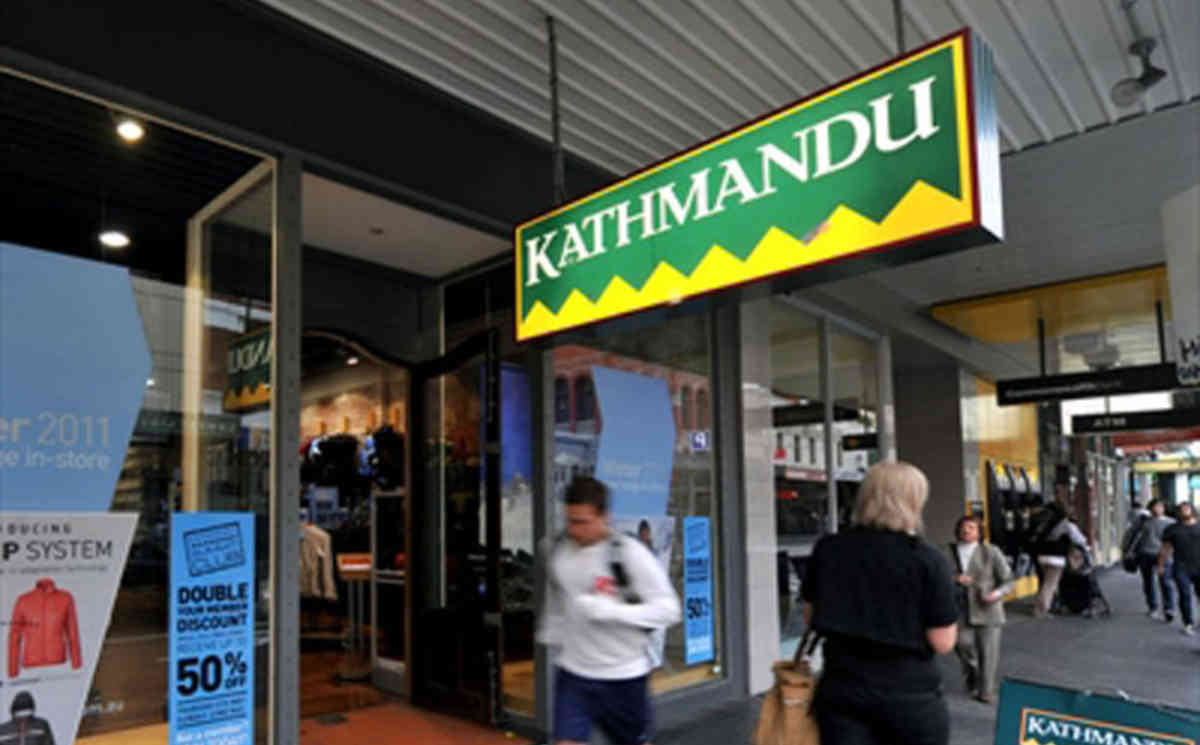
    Outdoor clothing retailer Kathmandu is putting the brakes on its store expansion in Australia after racking up a first half loss.

    Disappointing sales at Christmas and in January as well as heavy discounting on excess winter stock were blamed by the retailer for pushing it into the red with a NZD1.8 million (USD1.4m) loss.

    The gloom looks likely to continue, with sales during the seven weeks to mid-March down 2 percent on a year ago.

  • Hong Kong trust buys Beijing mall

    Hong Kong trust buys Beijing mall

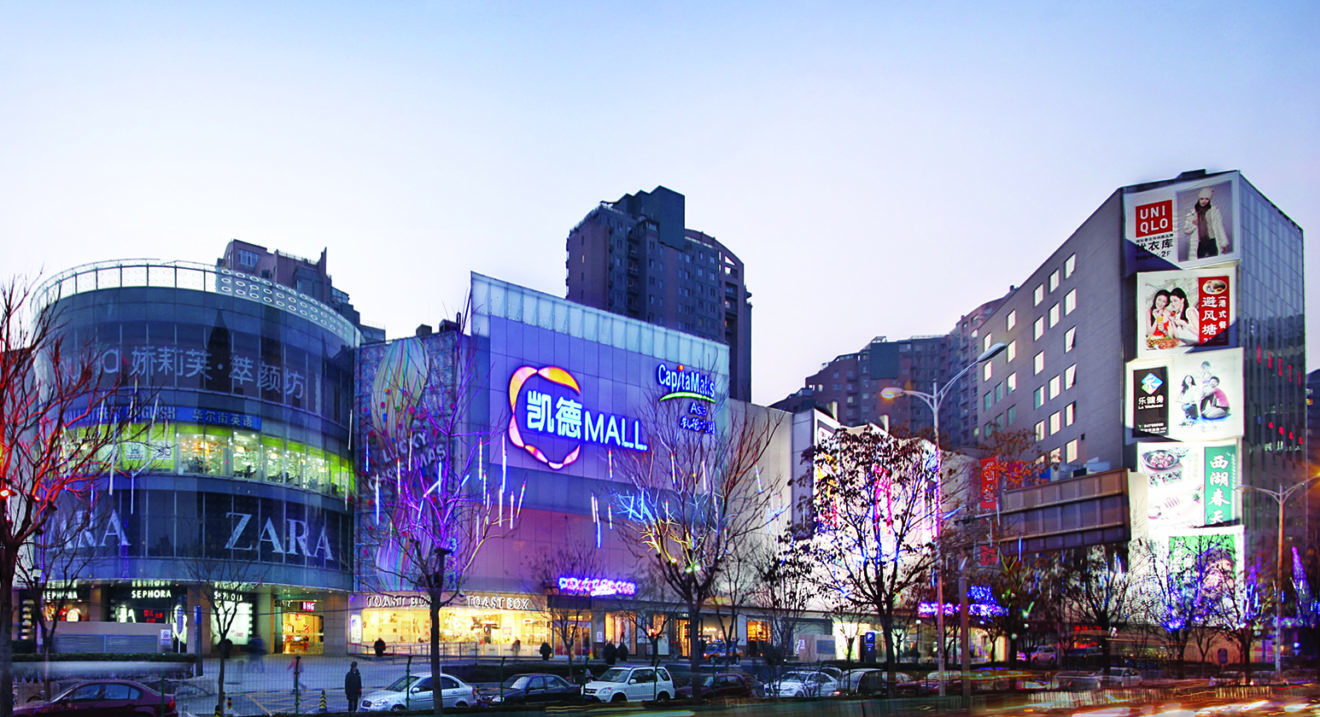
    A Hong Kong REIT has made its first foray into mainland China, buying a Beijing mall.

    The Link Real Estate Investment Trust has paid 2.5 billion yuan (US$399.7 million) for the 800,000 sqft EC Mall in Beijing’s Zhongguancun district.

    “The EC Mall contributes to our strategy of long-term investment in real estate assets that are sustainable, income-producing properties,” said Link Management CEO George Hongchoy.

    “With this investment, we continue to build long-term income and capital growth, while maintaining a large and diversified portfolio of real estate in Hong Kong and other jurisdictions, including the mainland.”

    The seven-storey EC Mall is almost fully leased and tenants include recognised global brands including H&M, Zara, Uniqlo, Nike and Sephora. It opened in 2009.

    In a statement, Link said last month’s rental income topped 13 million yuan ($2 million), with some shops achieving as much as much as 1000 yuan ($161) per sqm each month. The average monthly rent exceeds 300 yuan ($48) per sqm. Link will receive an annual yield of 6.24 per cent.

    “The acquisition is a solid long-term investment opportunity to grow our property portfolio and bring potential valuable returns to our unit holders,” Hongchoy said.

    “The mall is well positioned to capitalise on the growing spending power of local residents of Zhongguancun and the greater Haidian district. We believe the company will benefit from the anticipated growth in rental and value of the property.”

  • Zen retail: China’s new boom category

    Zen retail: China’s new boom category

    The unprecedented growth in the number of Buddhists on the Chinese mainland over the last 30 years has spurred strong demand for related merchandise.

    With China’s Buddhist population traditionally concentrated in the southern regions, the country’s first sizeable International Buddhist Items and Crafts Fair was held in the southeastern coastal city of Xiamen in 2006. Spurred by this initial success and, more importantly, by the continued growth in the number of the country’s Buddhists, several similar exhibitions have since been held across the country, reports the Hong Kong Trade Development Council.

    The first edition of the Xiamen fair attracted many exhibitors from neighbouring Taiwan, including Tso Chin-yung, a representative of Kuan Hong, a Taiwanese religious arts company, which is a regular exhibitor at the event. The inaugural fair was held in a 6000 sqm venue and attracted nearly 200 exhibitors. Today, the Xiamen fair has become the bellwether of the Buddhist merchandise industry, as well as the preferred specialist platform for the mainland market. It now claims to be the world’s leading Buddhist merchandise marketplace.

    At the ninth edition, held last autumn, the exhibition covered 90,000 sqm, featured 5000 international-standard booths, and attracted nearly 1000 exhibitors from 11 countries and regions – including Taiwan, Hong Kong, Malaysia, Japan and South Korea.

    The event also drew more than 200,000 local and overseas visitors, as well as several buying missions. Other Buddhist-themed exhibitions have since been held in other parts of the country, including major fairs in Guangzhou, Wuhan, Nanjing, Hangzhou, Jinan, Qingdao and Dalian in 2014.

    Perhaps most significantly, Beijing hosted its first such event last December. The China (Beijing) International Buddhist Items and Supplies Expo, staged with the approval of the China Council for the Promotion of International Trade and organised by the China Council for the Promotion of Buddhist Culture, was seen as marking national recognition for the sector. It also underscored demand for Buddhist items expanding well beyond the southern regions.

    An HKTDC Research visit to the inaugural Beijing event saw first-hand the scale of the fair. Covering 30,000 sqm of exhibition space and attracting some 500 exhibitors, the event showcased a variety of Buddhist statues, prayer beads, books, incense and vegetarian menus, musical instruments, Buddhist attire and decorative items, as well as temple construction and interior design equipment.

    Kuan Hong’s Mr Tso attended this event, along with about 20 other Taiwanese companies, which occupied about 50 exhibition stands. According to Tso, the trade mission included many key players in Taiwan’s Buddhism merchandise industry, many of whom have since established mainland affiliates.

    Tso, who launched his temple construction projects in China in 1992, believes religious and economic development in society tends to be mutually supportive. A weak economy, he said, leads people to focus only on immediate material needs. With China experiencing exponential economic growth, he sees people’s spiritual pursuits becoming more diversified and widespread, inevitably resulting in increased demand for religious items.

    Despite a history dating back some 2000 years, the last 30 years has seen the fastest growth in the number of Buddhists on the mainland. About 18 per cent of China’s population now claims to be followers of the religion – some 185 million people. Among those identifying themselves as non-Buddhists, 31 per cent accept at least one tenet of the religion or have participated in a Buddhist religious activity.

    Chen Yanni, founder of the Liu Wei Zen (“Six Flavour Zen”) brand of Buddhist merchandise, believes that China’s Buddhist population – and its associated industries – has experienced “explosive” growth over the past three years. Citing Beijing’s famous Lama temple, Yonghegong, as an example, Chen says its visitor level has grown by about 20 per cent a year. She estimates China’s Buddhist merchandise industry is worth more than Rmb100 billion.

    Seeing the size of this potential market, Chen founded Blooming Lotus, a cultural and arts development company, to produce high-end Buddhist merchandise. The Liu Wei Zen series, for instance, has been designed to correlate with the six sensors associated with Buddhism; namely the eyes, ears, nose, tongue, body and mind. Her company’s products range from books and paintings, Zen music and incense, to Zen tea, attire and Buddhist journals.Despite the high demand for Buddhist items on the mainland, she said that most products are still targeted at the low-end of the market. She now hopes to develop high-end Buddhist brands, something she sees as the future market trend in China.

    One Nepalese exhibitor also sees potential in the higher end of the market. Selling Buddhist items in China for more than two decades, the exhibitor last year sold US$1 million worth of glazed Buddha statues and Thang-ka canvas paintings to mainland buyers. He now believes Chinese consumers have higher expectations of product quality, while also having greater faith in Nepalese products than domestically-made items.

    This concern over the lack of quality associated with domestically-produced Buddhist items was echoed by Master Xuan Lin from Changchun. Speaking to HKTDC Research, he said that mainland items tend to be of poor quality, especially those manufactured in northern China.

    According to Master Xuan, items from Taiwan and Japan are well-received among mainland Buddhists. Despite this, many of the higher quality items are not widely available on the mainland, with the sales channels still relatively undeveloped.

  • Ikea Malaysia confirms new store

    Ikea Malaysia confirms new store

    Ikea Malaysia is finally to open its second store – nearly 20 years after the Swedish brand debuted in the country.

    The new store will be 20 per cent larger than the existing outlet in Mutiara Damansara and is scheduled to open by December.

    Ikea Malaysia opened its first store at 1 Utama Shopping Mall in 1996. After seven years it moved to its own standalone location at nearby Damansara which, when it opened, was the largest Ikea in Asia.

    “We are excited to confirm that the Ikea store in Cheras, Kuala Lumpur, is set to open by the end of 2015, located at Jalan Cochran,” said Mike King, retail director

    of Ikea Malaysia, Singapore and Thailand.

    “The opening of Ikea Cheras is part of our overall expansion plan across southeast Asia in order to make Swedish home furnishings that are affordable, well-designed, functional and good quality available to everyone.”

    King said construction has already begun and the company is starting to focus on the interior fittings and operational setup of the store.

    Ikea in Malaysia, Thailand and Singapore is operated by Ikano Pte Ltd.

  • Lukfook debuts in Korea

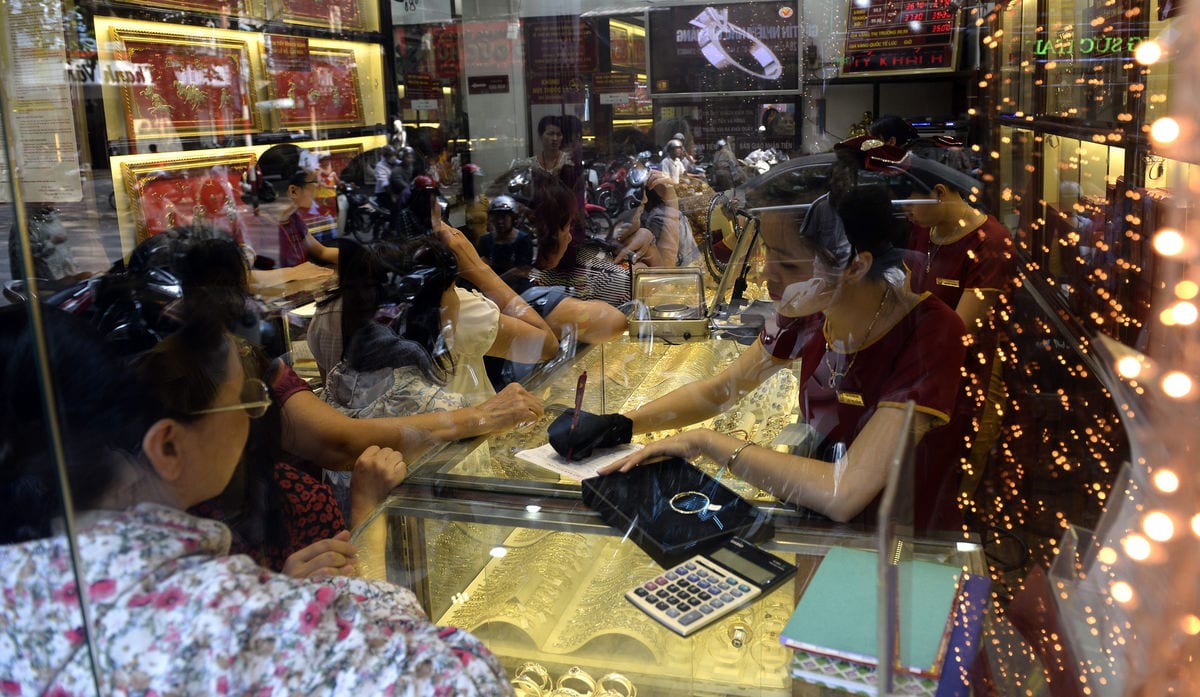
    Hong Kong jeweller Luk Fook has opened its first store in Korea.

    The store is within the Walkerhill Duty Free complex in the downtown Seoul suburb of Gwangjin‐gu and targets tourists.

    Wong Wai Sheung, Lufook Group chairman and CEO, said the group will continue to provide quality jewellery products and professional services for Korean and global customers.

    “Adhering to our corporate vision of ‘Brand of Hong Kong, Sparkling the World’, the group has been expanding overseas markets to explore business opportunities. Currently, the group has over 1390 shops in Hong Kong, Macau, mainland China, Singapore, the US, Canada and Australia.

    “Following the opening of our first retail outlet in Korea, our retail network now covers eight countries and regions, which will broaden the customer base and further build the brand in the international market.”

    According to data from the Korea Tourism Organization, the number of Chinese tourists visiting Korea reached approximately 5.7 million by the end of November last year, accounting for more than 43 per cent of the total number of travellers visiting Korea, and double the number of five years ago.

    Eyeing the strong purchasing power of Chinese tourists, the group plans to open another outlet in Korea to capture the market potential.

  • Charlotte Olympia Thailand launches

    Charlotte Olympia Thailand launches

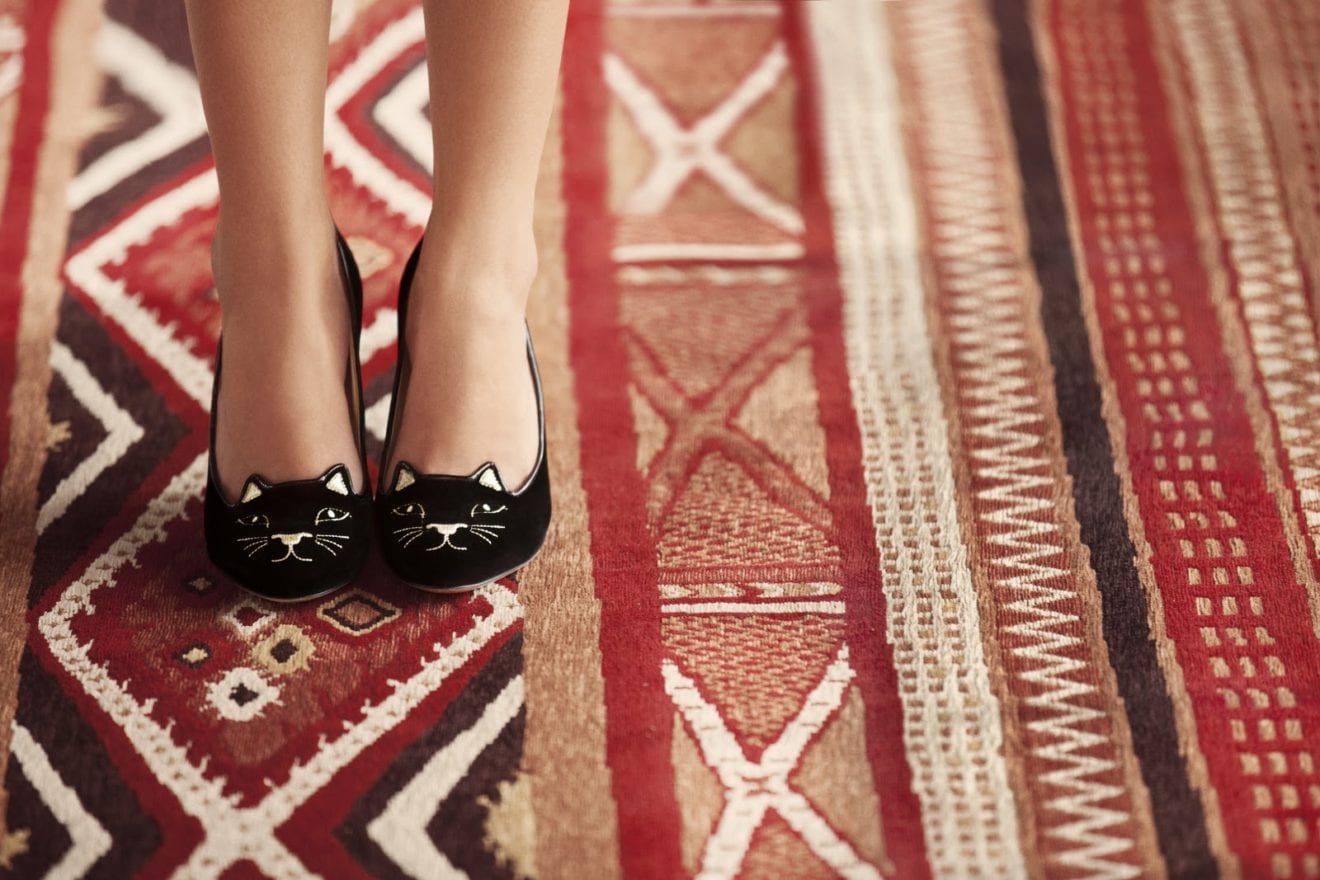
    Exclusive UK footwear designer Charlotte Olympia has opened her first store in Thailand, the second Asia market in its steadily growing international footprint. Charlotte Olympia plans to open four boutiques this year, the others in Las Vegas, South Coast Plaza in southern California and a second in London.

    “I’m so excited to be opening four new Charlotte Olympia stores this year. Our expanding global retail footprint marks a significant milestone in the development and growth of the brand,” said Charlotte Olympia Dellal, CEO and creative director, in a statement.

    “I’m delighted to be able to showcase my collections in environments which distinguish our offering.”

    Charlotte Olympia Bangkok 315

    The Bangkok store is on the ground floor of the Emporium shopping centre on Bangkok’s Sukhumvit Rd.

    The distinctive stores feature a design inspired by Hollywood glamour: leopard print seating, brass panelling and mirrored walls.

    Charlotte Olympia launched her first footwear collection at London Fashion Week in February 2008 and her first boutique store followed on Maddox St, London, two years later. New York followed in 2011 and Rodeo Drive, Beverly Hills in 2013. Last year she opened three stores – in Hong Kong, Miami and Dubai.

  • Korea mobile shopping hits new high

    Korea mobile shopping hits new high

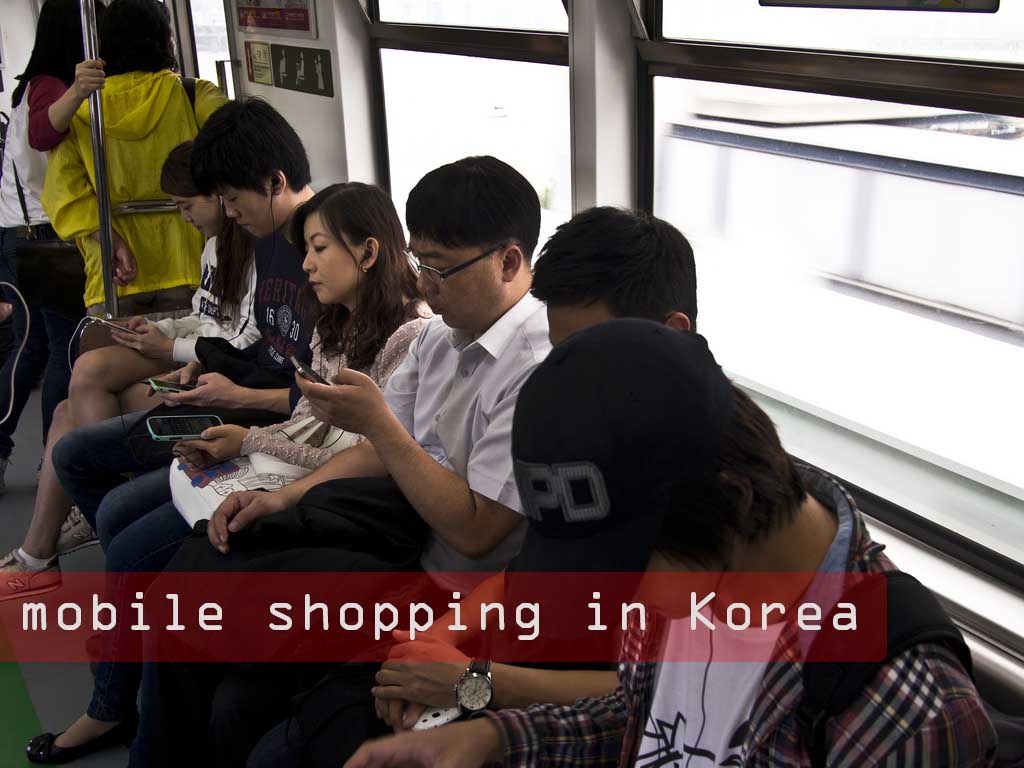
    South Koreans are spending more online on mobiles than ever before.

    Korea mobile shopping spend reached a new record in 2014, crossing the 10 trillion won mark for the first time.

    Thanks to the ubiquity of smartphones and tablets, annual sales volumes for mobile shopping in Korea first exceeded the 10 trillion won (US$9 billion) mark last year.

    According to the “Distribution Industry Whitepaper 2015” released by the Korea Chamber of Commerce and Industry (KCCI), the total volume of mobile shopping sales was 13.1 trillion won – up a massive 12.5 trillion won from 2011 when the KCCI first started tracking mobile shopping sales figures.

    “As search and payment solutions through mobile devices continue to improve, online shopping channels are moving from PCs to mobile,” the KCCI said.

    In fact, the sales volume of online shopping through PCs decreased by 1.8 trillion won, but mobile sales increased by 7.2 trillion won.

    Meanwhile, offline shopping channels have mixed feelings of joy and sorrow. While traditional powerhouses such as the big box retailers (down 3.4 per cent), department stores (down 1.6 per cent) and supermarkets (up 0.8 per cent) showed negative or stagnant sales growth, convenience stores saw an increase of 8.7 per cent last year.

  • H&M soars in first quarter

    H&M soars in first quarter

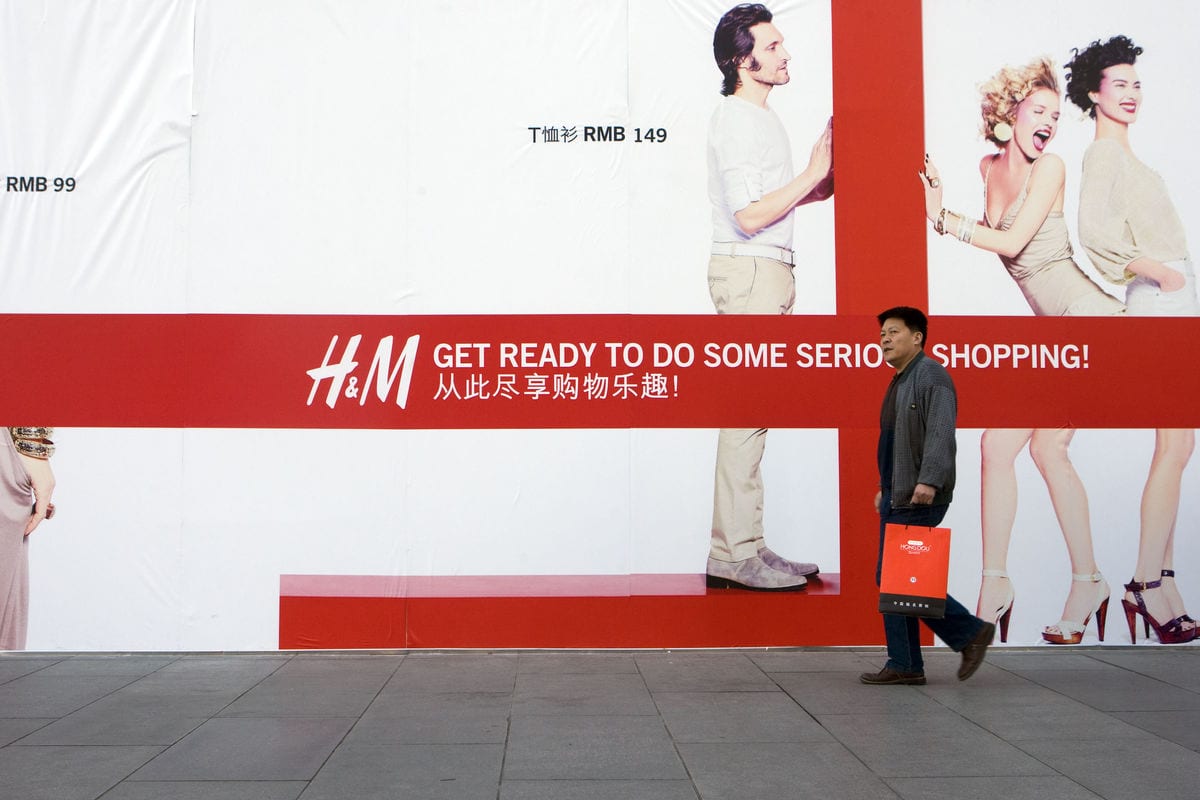
    H&M says global sales in its first quarter – to February 28 – soared 15 per cent year-on-year on a local currency basis.

    CEO Karl-Johan Persson says the increase reflected well-received collections for all brands in the group, which boosted market share.

    Sales excluding VAT totalled US$4.73 billion.

    Gross profit increased by 26 per cent to $2.6 billion, which corresponds to a gross margin of 55.2 per cent, compared with 54.9 per cent the previous year.

    In the first quarter, H&M opened its first store in Taipei, Taiwan, and in the next three months will make its debut in Macau where it has two stores planned, along with entering Peru for the first time. In the second half of the year it will add Africa and India to its global footprint.

    The company said in a statement that sales in the first three weeks of the second quarter rose nine per cent in local currencies.

    “The year has got off to a very good start and we have great faith in our offering. Although the strong US dollar will affect our sourcing costs going forward, we will make sure that we always have the best customer offering in each individual market,” said Persson.

  • Hengdeli shifts focus to mid market

    Hengdeli shifts focus to mid market

    Chinese watch retailer and wholesaler Hengdeli Holdings is to expand into the mid market as it mainland China business grows.

    Hong Kong-listed Hengdeli specialises in high end watch retailing in mainland China, Hong Kong and Taiwan and has relationships with major global suppliers including Swatch, both LVMH and Richemont, Rolex and Kering.

    As at December 2014, the company represented more than 50 international brands, including Breguet, Bulgari, Cartier, Girard-Perregaux, IWC, Jaeger-LeCoultre, Longines, Mido, Omega, Rolex, Scatola del Tempo, TAG Heuer, Tissot, Vacheron-Constantin, Van Cleef & Arpels and Zenith.

    Last year Hengdeli added Manufacture Royale, MB&F and Vulcain to its portfolio as it stepped up its efforts to “bring in and align mid-end, mid-to-high end and high-end brands across both Mainland China and Hong Kong”. The company said it believes optimising the brand portfolio will pave the way for long-term business development and increased sales.

    According to recently filed 2014 financials, Hengdeli recorded turnover of RMB 14,764,370,000 (US$2.379 billion); an increase of 10.4 per cent year-on-year. Retail sales amounted to RMB 10,608,804,000 ($1.71 billion), an increase of 6.3 per cent year-on-year. Of this figure, retail sales in mainland China posted a year-on-year increase of 11.6 per cent to reach RMB 6,248,240,000 ($1.007 billion), while Elegant Hong Kong’s retail sales experienced a year-on-year decrease of 17.7 per cent to RMB 2,593,388,000 ($418 million). Excluding the impact of foreign exchange gains and losses, the decrease was 16.6 per cent.

    Group sales remained at the same level as in 2013, indicating a slowing of expansion. “Growth of our total retail sales was mainly generated by domestic retail outlets and mid-end brands. While continuing weak sales of high-end watches had some impact on the total retail sales, the new normality of China’s economy and our strategy of aligning operations with market dynamics has paid off. As a result, the decline in sales of high-end watches in Mainland China began to slowdown.”

    The company says sales of mid-end brands remained favourable, posting a year- on-year growth of 16.1 per cent. Same-store sales of mid-end brands also grew by 2.2 per cent, which was above the group’s average growth for the year.

    The group recorded net profit of RMB 583,427,000 ($94 million); an increase of 24.4 per cent year-on-year.

    As well as focussing expansion on less high end brands, Hengdeli actively expanded into mainland China’s second, third, and fourth-tier cities while building market shares in first-tier cities, and establishing a multi-level sales system across Mainland China and Hong Kong.

    At year end, the Group operated 513 retail outlets in mainland China, Hong Kong, Macau and Taiwan.

    The Group’s retail network covers the Greater China Region, where retail stores mainly includes Prime Time/Hengdeli, Elegant as well as certain other single-brand boutiques. Prime Time/Hengdeli mainly sells mid-end and mid-to-high-end international brands, while Elegant focuses on top-end internationally renowned brands.

    Prime Time is the major retail outlet arm of the Group in Mainland China and mainly sells internationally renowned mid-end and mid-to-high-end branded watches.

    Hengdeli says in 2015, China’s economy looks likely to continue to evolve despite ongoing global economic uncertainties.

    “We believe that the resultant new normality will continue to create exciting fresh opportunities for the group.”

  • SSI Group plans 130 new stores

    SSI Group plans 130 new stores

    Fresh from announcing record profit growth, Philippines specialty retail operator SSI Group says it plans to open 130 new stores this year.

    The expansion plan will be ramped up even further if current discussions with four international fashion brands not yet launched in the Philippines come to fruition. They could arrive late this year or in early 2016.

    As reported by Inside Retail Asia on Tuesday, SSI Group grew topline sales by 19 per cent last year and achieved a 63 per cent increase in profit.

    It ended the year with 723 specialty stores and 134,000 sqm of retail trading area. The company’s brand portfolio includes Marks and Spencer, Gucci, Burberry, Hermès, Prada, Salvatore Ferragamo, Lacoste, Michael Kors, Kate Spade, Gap, Bershka, Aeropostale, Samsonite, Nine West and Payless Shoe Source.

    SSI President Anton T Huang said the company will continue its expansion strategy, with plans to add 21,000 sqm of trading area this year and a further 16,000 sqm in 2016.

    The growth is being spurred by the growing disposable income of middle class Filipinos and rapid development of new shopping malls.

    SSI already has a presence in at least 70 shopping centres across the country.

    The last three years saw SSI add 64,000 sqm of retail space, more than half of that opening last year alone.

    “There really is a very steady supply of new shopping malls coming up, just taking into account the continued growth in consumption expenditure and increasing sophistication of consumers not only in suburban areas within the metropolis but in secondary cities throughout the country,” Huang said.

    “Just looking at 2014, it was a very good year for us… We grew our top line sales by 19 per cent and in terms of fourth quarter alone, we grew our top line sales by 26 per cent,” said Huang.

  • HK shopping mall partners with Variably to launch automated price negotiation system

    Hong Kong shopping mall The Arcade, Cyeberport has partners with a tech startup Variably to launch a personalised automated price negotiation system accessible via WeChat and QR Code Scan, allowing retailers and customers to negotiate the best possible price that is satisfactory for both.

    By scanning at the QR code of your favourite items with WeChat app, shopper can direct contact the retailer and negotiate the best possible price privately and automatically.

    In retail commerce, prices are fixed and cannot be negotiated. That has often left customers passively waiting for discounts, or skipping purchases altogether. For a seller, this is a tricky situation: set a price too low and they’ll lose profits; set the price too high, and risk losing customers. Finding the right price has proved to be a major challenge.

    The price negotiation platform empowers users to bargain the best possible price privately and automatically, breaking the traditional mold of retail operations and giving buyers and shoppers an innovative and efficient way to negotiate.

    A tenant at Cyberport, Variably is founded by a team of experts in the field of data, statistics, and computing. They are the only non-Chinese team included in Alibaba’s Baichuan developer services, with seed funding of more than USD900,000.

    In a pioneering move, the system will be available from now on to 15 April to give shoppers the chance to experience the future of interactive commerce.

  • UnionPay joins hands with 80 airport duty free shops to expand cardholder privileges

    UnionPay joins hands with 80 airport duty free shops to expand cardholder privileges

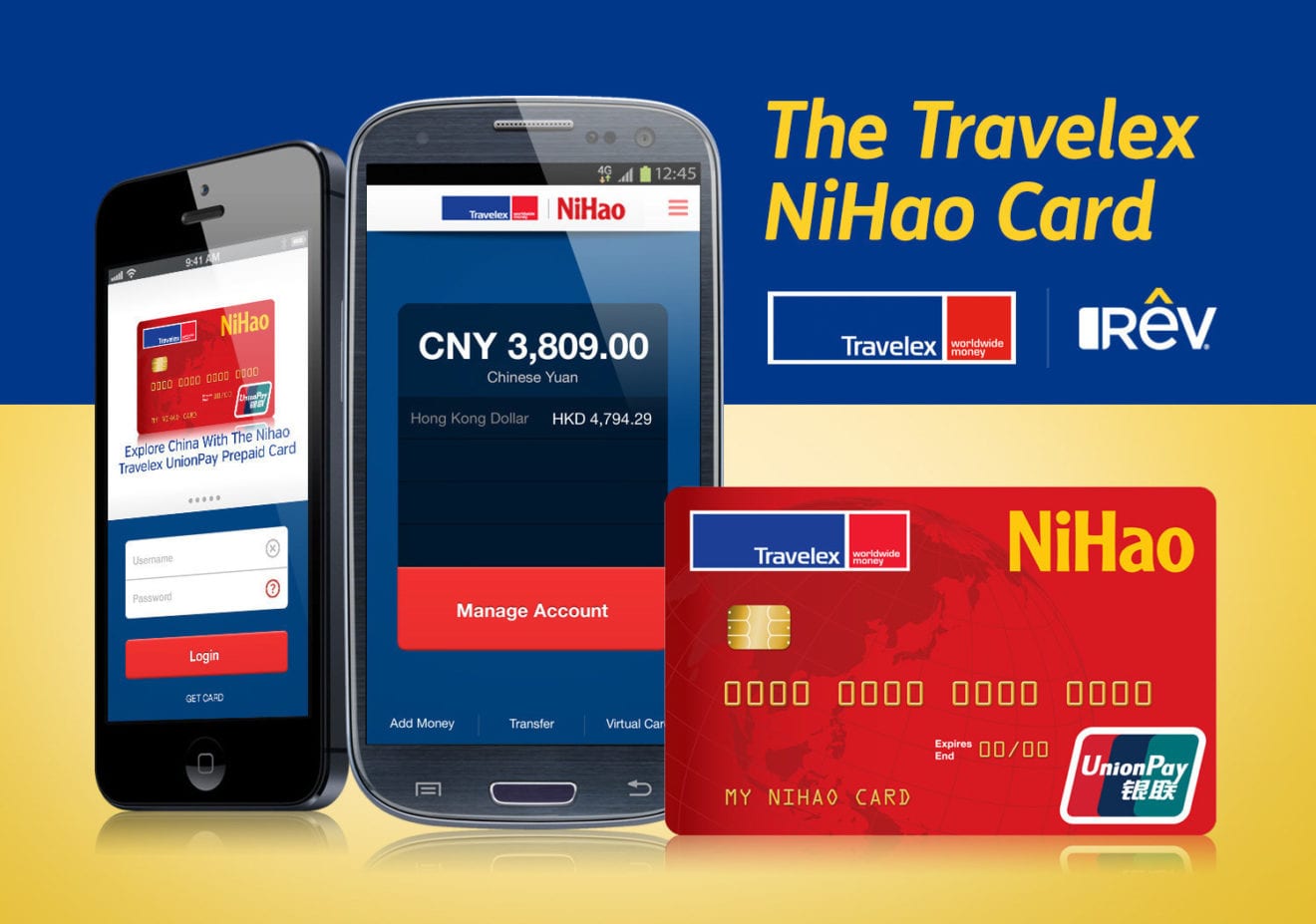
    UnionPay International, a unit of China UnionPay Co Ltd, said on Friday that it launched a new privilege program featuring special discounts at 80 duty free shops in 70 airports by partnering with 16 world-renowned duty free groups. Holders of UnionPay cards (card number starting with 62) are able to enjoy exclusive discounts of at least 5 percent while shopping at the airport.

    “As China becomes the world’s second largest tourism source country, we’re keeping up with the trends that individual and in-depth tours have become more popular to continuously enrich our global cardholder privilege system,” said Dong Li, Chief Branding Officer of UnionPay International.

    “Airport duty free shops are must-visit shopping sites for many during their travel, we wish to provide both domestic and overseas cardholders with better card-using experiences at airports around the world by rolling out the latest privilege program.”

    The program is an upgrade of the one of last year that features exclusive discounts at 60 airport duty free shops with many highlights.

    It covers a wide range including popular destinations such as Hong Kong, Taiwan, Japan, South Korea, Southeast Asia, Europe, North America, Australia, New Zealand and the Middle East. A total of 17 airports among the top 20 global ones in terms of passenger flow participate in the program.

    Cardholders can enjoy discounts of at least 5 percent. In the meantime, the program covers the Labour Day and the summer vacation during which Chinese tourists prefer to travel. Around 30 percent of the duty free shops, including those in Paris Charles de Gaulle Airport, Toronto Pearson International Airport and Ngurah Rai International Airport, will extend the offers to the end of 2015.

    A large number of new merchants are involved. International airports in emerging tourist destinations including Russia, Italy, Qatar, South Africa, Finland, Belgium and Fiji participate for the first time. UnionPay International also offers privileges in 5 domestic airport duty free shops in Guangzhou, Hangzhou and Kunming to overseas UnionPay cardholders.

    Currently, the overseas UnionPay acceptance network has expanded to 150 countries and regions. UnionPay cards are accepted by 26 million merchants and 1.8 million ATMs worldwide. UnionPay has become the preferred payment service provider of Chinese outbound tourists. Since last year, UnionPay International has launched privilege programs featuring discounts at airport duty free shops, core business districts and tourist destinations.

  • Rainbow stores continues expansion

    Rainbow stores continues expansion

    Shenzhen-headquartered Rainbow Department Stores is continuing to expand despite falling profit in 2014.

    According to stock exchange filings, Rainbow increased sales last year by 6.02 per cent to RMB 16.998 billion (US$2.7 billion). But its profit fell 11.84 per cent year-on-year to RMB 773 million ($124.5 million).

    Rainbow stores opened 12 new shops under its own brand and one new Dreams-on store, added five new Weiwo convenience stores and acquired a chain of 153 Q-mart c-stores.

    The company now has 62 Rainbow-branded stores and one franchised store with a combined trading area of more than 1.8 million sqm. Its Dreams-on owned chain now stands at four.

    At year end, Rainbow had expanded into Guangdong, Jiangxi, Hunan, Fujian, Jiangsu, Zhejiang, Beijing, and Sichuan.

    The company says in 2015 it will transform and restructure its internal business model to boost profitability.

    The company will focus on developing a mobile eCommerce channel and improve its supply chain capacity.

  • Lululemon eyes Asia growth

    Lululemon eyes Asia growth

    Yogawear retailer Lululemon sees a positive future in Asia, despite bad experiences in Japan and Australia.

    Announcing a 13 per cent jump in global revenue in 2014 to US$1.6 billion, the Canadian company reiterated plans to open a new store in Hong Kong this year.

    The company plans 20 new stores in Europe and Asia this year with Hong Kong, Germany and the UK singled out as priorities.

    CEO Laurent Potdevin told analysts in a conference call he believed international revenues could eventually exceed those from North America.

    Lululemon currently has stores in Singapore, Hong Kong, China, Australia and New Zealand.

    It once had stores in Japan but withdrew from that market in 2009 after poor sales. It has also trimmed its network in Australia where sales failed to meet expectations.

    Besides Asia, the company is bullish about its prospects in the Middle East.

    It has a partnership with Dubai-based retail conglomerate Majid Al Futtaim to open stores in the UAE, Qatar, Bahrain, Oman and Kuwait. The first store is scheduled to open in Dubai late this year

    Potdevin described 2014 as “a critical year when we strengthened our leadership team and made important investments in our product pipeline, guest experience, brand, and community engagement”.

    “In 2015, we expect to substantially complete this foundational work and accelerate our investments in innovation to drive sustainable global growth as we continue to lead the market that we created,” he said in an earnings statement.