Blog

  • SK Telecom and T-Map Unveil Exciting New AI Integration for Enhanced Navigation Experience!

    SK Telecom and T-Map Unveil Exciting New AI Integration for Enhanced Navigation Experience!

    In a groundbreaking move that merges artificial intelligence with everyday driving, SK Telecom and T-Map Mobility have unveiled a major update to their navigation service, T-Map, by integrating the conversational AI service known as A. This sophisticated enhancement aims to redefine the way drivers interact with their navigation system, replacing the previous NUGU-based voice guidance with A.’s more intuitive capabilities.

    Transforming Navigation Interactions

    The companies project that this transformational update will significantly improve the T-Map experience, enabling drivers to communicate in naturally flowing dialogues rather than through rigid voice commands. A. can recognize everyday language, making navigation not just a task but a conversation. For example, if a driver states, “Let’s stop at a nearby gas station and then go home,” the system seamlessly understands both the stop and the destination, offering the optimal route with a friendliness that might make you think your GPS has developed a personality!

    Furthermore, if a driver conflates a location’s name—say mistaking the Gwangtan-myeon Administrative Welfare Center for the Gwangtan-myeon Happy Welfare Center—A. not only corrects the error but also suggests the right destination. Previously, drivers would have to pick from a list of similar-sounding options, but now they can simply speak their desired location, enhancing both safety and convenience on the road.

    Personalized Search Capabilities

    Beyond standard route guidance, T-Map is now equipped to provide personalized responses based on specific requests. Drivers can search with conditions like “Find a cafe with parking” or ask, “Which restaurant is open now?” They can also explore thematic suggestions, such as “Let’s go to a restaurant with a nice atmosphere.” This contextual understanding is pivotal in creating a user-centric navigation experience.

    A. doesn’t stop there. It can supply extensive information about nearby businesses, including menus and hours, provided the data exists within T-Map. This tailored interaction extends to past preferences, meaning that if a driver asks for “the nearest kindergarten,” the system instinctively highlights favorites first, offering a warm touch to what could be a routine query. Imagine asking, “Let’s go to the nearest dentist,” and getting not only directions but also hours of operation: “Our hours are from 9:00 AM to 6:00 PM.” That’s the kind of clever assistance that makes a driver feel cared for.

    Expanding Functionalities for a Safer Drive

    The integration of A. into T-Map emphasizes reducing distractions, allowing drivers to do things like check real-time traffic, make calls, send texts, or even browse the latest tunes—all through voice commands. For full-feature use, linking an A. account with T-Map is required, but the effort pays off in convenience.

    This enhanced voice interface will first roll out on Android, with iOS support expected later. As it stands, A. has gained traction with over 10 million subscribers and more than 800,000 users embracing its newly launched beta services, Notes and Briefing, within just one month. The recent update to version 4.0 has implemented cutting-edge AI technology dubbed Agentic Workflow, allowing it to interpret user intentions more deeply and execute related tasks—a leap forward in automotive AI.

    Setting the Stage for Future Developments

    T-Map Mobility is committed to evolving its AI-powered transportation services further, continually seeking to enhance the user experience. Kim Ji-hoon, Vice President and Head of SKT’s AI Business Strategy Division, stated that the goal is to offer a natural conversation experience that aligns closely with drivers’ needs, thereby moving away from simple command-based interactions.

    Jeon Chang-geun, Chief Product Officer of T-Map Mobility, emphasized the importance of understanding user intent, stating: “With the introduction of A., we have opened up a conversational mobility AI experience that transcends the usability of existing navigation systems.” As innovations unfold, T-Map is poised to offer its users a uniquely engaging and intelligent driving companion.

    Questions & Answers

    What are the key benefits of integrating A. into T-Map?
    The integration of A. allows for more natural communication, enabling drivers to engage with the system using everyday language, enhancing convenience and safety while driving.

    How does A. improve the navigation experience for users?
    A. can understand nuanced requests, correct location names, and provide personalized recommendations based on driver history, making navigation a smoother and more user-friendly experience.

    What future enhancements can users expect from T-Map Mobility?
    T-Map Mobility plans to continue refining its AI services, with ongoing updates aimed at enhancing user experience and expanding the capabilities of the navigation system.

  • Analyst Warns: Manila’s Retail Supply Pipeline Set to Challenge Market Resilience

    Analyst Warns: Manila’s Retail Supply Pipeline Set to Challenge Market Resilience

    An estimated 177,000 square meters of new retail space is on the horizon, set to make waves in Manila’s market by the second half of 2025. As the bustling holiday season approaches, tenants are revamping their strategies and gearing up for a promising turnaround. JLL’s latest report highlights that this influx of new store openings in prime malls may counterbalance the negative absorption reported in the first half of the year.

    Market Resilience Faces a Test

    According to the report, the significant volume of new supply is likely to challenge the market’s resilience. However, it also points to a silver lining: improving consumer sentiments and lower borrowing costs are expected to facilitate a gradual absorption of new spaces. With this context, rents are projected to increase by the end of the year alongside a rise in leasing activity.

    Quarterly Trends Revealed

    In the second quarter of 2025, net absorption dipped further to -20,700 square meters, continuing a downward trend that started in the first quarter. Notably, Mandaluyong and Muntinlupa accounted for most of the move-outs, while Quezon City and Makati City saw a flurry of new store openings, reflecting a dynamic albeit challenging landscape.

    The food and beverage sector remains the powerhouse for new store openings, confirming its dominance in the retail space. Interestingly, general retail has also shown resilience, emerging as a top contender for new entries this quarter, signaling ongoing expansion even amid cautious market conditions.

    Static Supply and Rising Vacancies

    Retail supply held steady in Q2 2025 as developers opted to stagger completions to the latter half of the year. With 177,000 square meters of additional space anticipated before year-end, analysts caution that this new supply could further inflate vacancy rates, which already crept up to 7.5%—an increase of 33.9 basis points quarter-on-quarter—mainly attributed to slower store openings.

    Mixed Signals in Financial Metrics

    While retail rents saw a slight uptick of 0.5%, reaching PHP 1,759 per square meter per month, operators are maintaining stable asking prices to keep demand alive. On the investment front, capital values are modestly appreciating at PHP 239,532 per square meter, indicating a careful approach among investors. However, the central bank’s recent interest rate cut to 5.5% is anticipated to boost investor confidence and expedite pending deals as financing becomes more accessible.

    In a retail landscape that seems to be a game of chess, strategists are positioning themselves for the next big play. Who knows? The unexpected twists and turns ahead could make for an exhilarating game as 2025 unfolds.

    Questions & Answers

    What are the key expectations for Manila’s retail market in H2 2025?
    Analysts anticipate a surge of new store openings, totaling 177,000 square meters, which could improve market conditions despite a challenging first half, as consumers become more confident.

    Which areas are experiencing the most retail movement?
    Mandaluyong and Muntinlupa have seen significant move-outs, while Quezon City and Makati City are witnessing a rise in new store openings.

    How are rental rates trending in the current market?
    Rental rates are showing stability with a slight increase of 0.5% in Q2 2025, while operators maintain stable asking prices to foster demand amidst growing vacancies.

  • OCBC Commits to Empower 10,000 Women Entrepreneurs with Social Loans by 2030

    OCBC Commits to Empower 10,000 Women Entrepreneurs with Social Loans by 2030

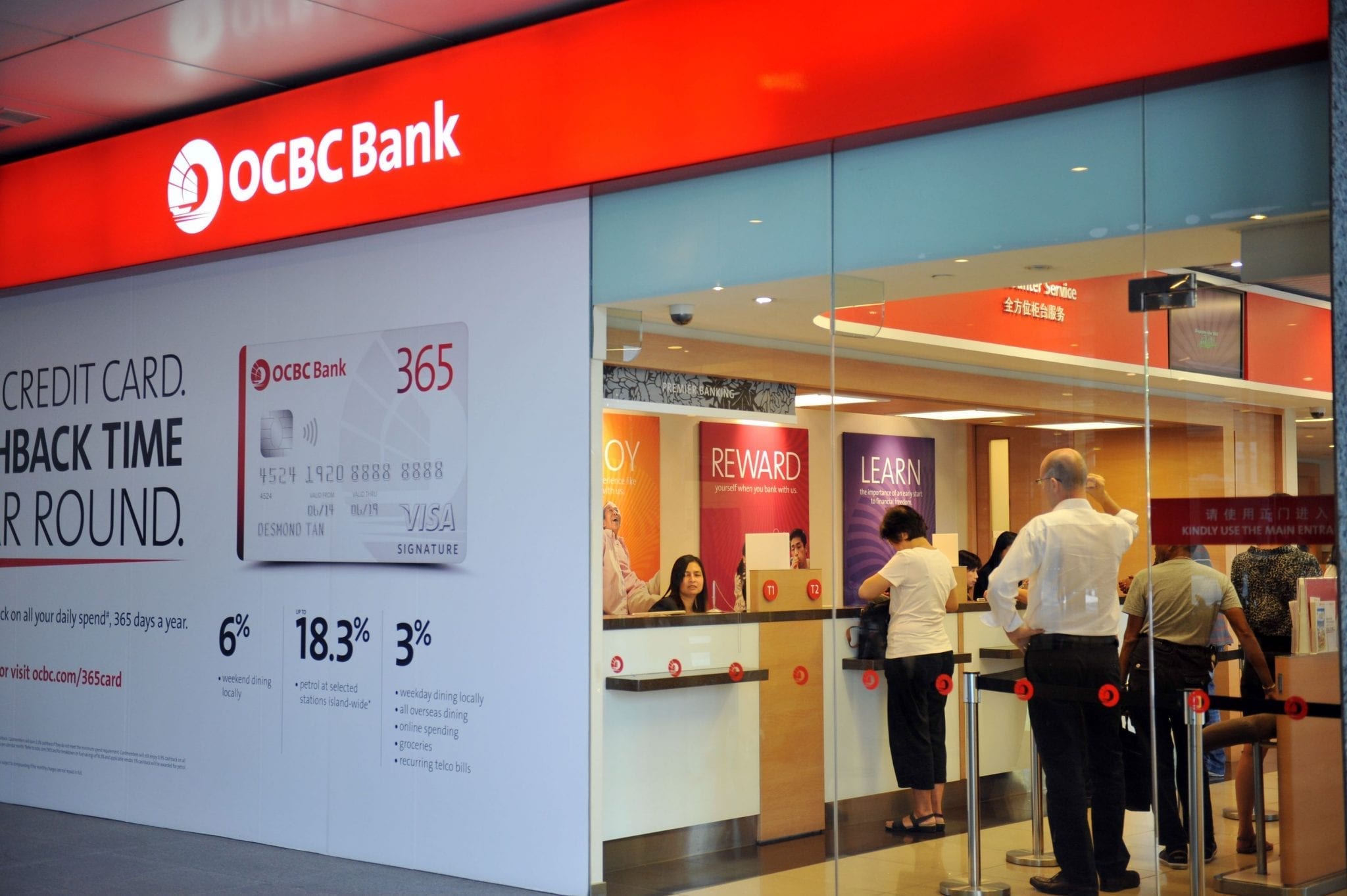
    In a bold move to empower female entrepreneurship across Southeast Asia, OCBC Bank has set its sights on a big goal: to provide social loans to 10,000 women entrepreneurs by 2030. This initiative, aimed at small and medium enterprises (SMEs), spans Singapore, Malaysia, Hong Kong, and Indonesia, marking a significant commitment to fostering economic growth among women-owned businesses.

    Achievements So Far

    As of June 2025, OCBC has made impressive strides, supporting over 2,000 women-owned SMEs with social loan commitments nearing $600 million. This support is part of a larger vision to increase financial accessibility for women entrepreneurs, who often face unique challenges in securing funding.

    Tailored Programs for Women Entrepreneurs

    OCBC’s initiatives include the OCBC Women Unlimited Programme, which was launched in Singapore in April 2024 and introduced in Malaysia in August 2025. In Indonesia, the initiative takes the form of the Women Warriors Programme, which has been operational since 2020. These programs don’t just provide capital; they aim to cultivate an ecosystem where women entrepreneurs can thrive.

    Understanding the Challenges

    The data paints a compelling picture: one in three of OCBC’s SME customers across Singapore, Malaysia, Indonesia, and Hong Kong are women. However, it also highlights a stark reality — women-owned SMEs in Singapore report approximately 30% lower sales turnover growth in their first three years compared to their male counterparts. Fortunately, those who secure financing through OCBC’s initiatives have shown the capacity to close this gap, demonstrating the transformative power of financial support.

    The Road Ahead

    With ambitious plans to extend its reach and enhance the financial landscape for women entrepreneurs, OCBC is not just banking on numbers; it’s betting on the untapped potential of women-led businesses in Asia. In a future where every woman entrepreneur can dream big, OCBC aspires to be the catalyst that turns those dreams into reality.

    Questions & Answers

    How many women-owned SMEs has OCBC supported so far?
    OCBC has supported over 2,000 women-owned SMEs across Southeast Asia as of June 2025.

    What kind of financial assistance does OCBC offer to women entrepreneurs?
    OCBC provides social loans of up to S$100,000 for women-owned SMEs within their first two years of incorporation, with waived processing fees for these loans.

    How do sales turnovers compare for women-owned SMEs versus male-owned ones?
    Women-owned SMEs in Singapore typically experience about 30% lower sales turnover growth in their first three years compared to male-owned SMEs, however, those that secure financing can bridge this gap.

  • Jakarta’s Data Centre Market Sees Robust Growth: What’s Driving the Expansion?

    Jakarta’s Data Centre Market Sees Robust Growth: What’s Driving the Expansion?

    The Greater Jakarta data center market is witnessing significant expansion, with colocation inventory skyrocketing from 150 MW in 2021 to over 400 MW by the first half of 2025, according to a new report from JLL. This growth reflects the joint efforts of both established players and newcomers, including Equinix, which has launched its inaugural data center in Jakarta through a partnership with PT Astra International. Other notable entrants are Digital Realty Bersama and Digital Hyperspace, alongside ongoing expansions from DCI Indonesia.

    In this dynamic landscape, STT Telemedia Global Data Centres has not only topped out its second data center but has also broken ground on a third facility. This ambitious project forms part of a larger campus aimed at delivering an impressive 90 MW of power capacity.

    While eastern Greater Jakarta has long been the favored locale for hyperscalers, a notable shift in interest is occurring towards Jakarta’s CBD, where the majority of new construction projects are currently underway. Illustrating this trend further, LG Sinar Mas Joint Venture recently commenced construction on an AI-Optimized Data Centre in Jakarta, with expectations for it to be operational by 2026.

    Occupancy rates in existing colocation facilities hover around 70-80%, largely fueled by demand from cloud service providers, financial institutions, e-commerce giants, and over-the-top (OTT) platforms like gaming, streaming, and social media. While the specific demand for AI applications remains modest, the expanding landscape of cloud services and Indonesia’s ongoing digital transformation could catalyze future AI adoption across various sectors.

    Looking Ahead: Strategic Insights for Users and Providers

    As the digital economy flourishes alongside a burgeoning middle class, users can expect an accelerated uptake of cloud services. Financial institutions must brace for evolving data sovereignty regulations and compliance requirements, while e-commerce platforms will require enhanced capacities for managing increased transaction volumes and leveraging analytics.

    On the provider side, navigating infrastructure challenges will necessitate innovative solutions to ensure reliable power and connectivity. As activities in Jakarta’s CBD ramp up, strategic location selection will become paramount for providers. Additionally, as environmental regulations tighten, incorporating sustainability features into facilities will be crucial for competitive differentiation.

    Questions & Answers

    What factors are driving the expansion of colocation inventory in Greater Jakarta?
    The growth is primarily fueled by the increasing demand from cloud service providers, financial institutions, and e-commerce companies, which are all looking to expand their digital capabilities.

    How is the shift in location preference impacting the data center market?
    While eastern Greater Jakarta has traditionally been preferred, a growing interest in Jakarta’s CBD is influencing investment decisions, leading to more under-construction projects in this area.

    What future trends could shape the data center landscape in Indonesia?
    The ongoing digital transformation and increasing adoption of cloud services are likely to drive future growth, while sustainability considerations and regulatory compliance will play crucial roles in how the market evolves.

  • Japan’s Hotel Sector Sees Impressive H1 2025 Growth with Occupancy Rate Soaring to 84.2%

    Japan’s Hotel Sector Sees Impressive H1 2025 Growth with Occupancy Rate Soaring to 84.2%

    Japan’s hotel industry is steadily regaining its footing, approaching pre-pandemic heights, with occupancy rates escalating to 84.2%—a rise of 1.0 percentage point over the past six months, as reported by Savills. This promising trend edges closer to the enviable occupancy levels enjoyed before the pandemic transformed the hospitality landscape.

    Despite a persistent labor shortage that has hindered some hotels in regional and resort areas from maximizing occupancy, establishments are adopting innovative measures to enhance employee conditions and compensation. The Savills report emphasizes that these adaptations are crucial for achieving optimal performance.

    Further bolstering the labor force, the Japanese government has intensified efforts to attract foreign workers. As of October 2024, the number of foreign laborers reached 2.3 million—the highest figure since 2007—with an increase of 250,000 compared to the previous year. In addition, hotels are leveraging cutting-edge technology to minimize reliance on human staff, creating a balance between efficiency and service quality.

    Looking ahead, hotel performance in Japan is set for steady growth in 2025. Inbound tourist arrivals during the first half of 2025 outpaced those from the same period last year, signaling a potential surge that could see numbers exceed 40 million. The anticipated Expo 2025 is expected to significantly boost tourism in Osaka, with visitor numbers reaching 10 million by July 2025, well on track to meet the ambitious goal of attracting 28 million guests by the event’s conclusion in October.

    This influx isn’t limited to Osaka City; Expo 2025 encourages visitors to venture into the wider Kansai region, creating wider economic ripples across various locales. Additionally, the opening of Junglia Okinawa—a large nature adventure theme park in July 2025—is poised to draw both local and international tourists, further stimulating demand for accommodation and related services in the area. Who said business growth couldn’t be fun?

    Questions & Answers

    How is Japan’s hotel occupancy rate performing post-pandemic?
    Japan’s hotel occupancy rate has improved to 84.2%, making a notable recovery as it approaches pre-pandemic levels. This rise reflects a 1.0 percentage point increase over the past six months.

    What measures are being taken to address the labor shortage in hotels?
    Hotels are enhancing employee compensation and working conditions while also embracing technology to streamline operations, which helps mitigate the impact of the labor shortage.

    What role does Expo 2025 play in Japan’s tourism sector?
    Expo 2025 is set to be a major draw for tourists, with projections of attracting 28 million visitors by the event’s end in October 2025, and encouraging exploration of the surrounding Kansai region, thus benefiting the local economy.

  • Bangkok Welcomes Seven Exciting New Hotels in First Half of 2025!

    Bangkok Welcomes Seven Exciting New Hotels in First Half of 2025!

    Bangkok’s hotel market is seeing a shift as it navigates the complexities of 2025. According to a report from Knight Frank, average occupancy rates dipped to 75.1% in the first half of the year, marking a 3.7 percentage point decrease from the same period in 2024. While January and February started strong, both exceeding 81% occupancy, a steady decline followed, culminating in a mere 69.8% in June—the lowest monthly rate in over a year.

    Understanding the Trends Behind Occupancy Rates

    The declining performance reflects a combination of factors, including a rising supply of rooms, shorter average stays, and a greater influx of short-haul travelers whose demand typically yields lower returns. As recently unveiled by Knight Frank, several key indicators paint a fuller picture of the market’s current state.

    Average Daily Rates Provide a Mixed Outlook

    Despite the dip in occupancy, the Average Daily Rate (ADR) registered a notable increase of 3.3% year-to-date, climbing to THB 4,260 in the first half of 2025 from THB 4,121 in the same timeframe last year. January boasted the highest ADR, while May and June recorded the lowest. Some months exhibited stagnant or declining year-on-year comparisons, amplifying the impact of reduced occupancy on Revenue per Available Room (RevPAR), particularly during the second quarter.

    A Growing Supply of Accommodations

    The first half of 2025 also marked a surge in hotel supply, with seven new hotels introducing 1,906 keys. Noteworthy establishments included the Grande Centre Point Lumpini, featuring 512 keys, and Four Points by Sheraton with 333 keys. The hotel’s openings celebrated a diverse array of offerings, spanning luxury brands like Aman Nai Lert and Grande Centre Point to midscale options such as Queensland Hotel and The Quarter. Looking ahead, an additional 12 properties totaling 3,283 keys are set to debut in the latter half of the year, underscoring the accelerating growth of the market and intensifying competition.

    The Changing Landscape of Bangkok’s Hotel Footprint

    Many of the newly launched hotels are positioned within emerging or revitalized urban areas, reflecting a strategic decentralization of Bangkok’s hospitality scene. Brands like The Quarter and Queensland are actively expanding in the upper-midscale segment, while international players such as Radisson and Four Points continue to assert their presence. This dynamic indicates a robust confidence among global operators keen to tap into Bangkok’s evolving marketplace.

    The Future: Navigating Normalization Challenges

    As Bangkok’s hotel landscape transitions into a post-pandemic normalization phase, the environment is characterized by steady competition rather than dramatic recovery spikes. With ADR growth moderating and the supply pipeline expanding, operators may find themselves at a crossroads. The shift toward prioritizing volume over yield will necessitate refined segmentation strategies, enhanced digital distribution channels, and stronger loyalty programs to safeguard profitability as they move forward.

    Questions & Answers

    How has Bangkok’s hotel occupancy changed compared to last year?
    Occupancy rates have declined to 75.1% in the first half of 2025, down 3.7 percentage points from the same period in 2024, with June seeing the lowest performance rate of 69.8% in over a year.

    What notable trends are affecting Bangkok’s hotel market?
    Key trends include a surge in hotel supply, shorter average lengths of stay, and a predominance of short-haul travelers, reflecting a shift towards price sensitivity and increased competition.

    What does the future hold for hotel operators in Bangkok?
    Operators will likely need to focus on refining their segmentation strategies and enhancing loyalty programs to adapt to expanded supply and moderating ADR growth, all while ensuring profitability amidst an increasingly competitive landscape.

  • Thailand Considers Gold Trading Tax to Rein in Baht’s Surge: What It Means for Retail Investors

    Thailand Considers Gold Trading Tax to Rein in Baht’s Surge: What It Means for Retail Investors

    The Thai government is weighing a tax on physical gold trading as a strategy to temper the surging value of the baht, a move that could have significant repercussions for the country’s export and tourism sectors.

    Discussions are ongoing between the Bank of Thailand and the Ministry of Finance regarding a potential tax on gold transactions conducted online and settled in baht, according to sources familiar with the matter. However, the proposed tax may provide exemptions for gold traded in U.S. dollars, gold futures exchanges, or purchases made directly from bullion shops.

    Aiming to Curb Gold Exports

    The primary objective behind this tax initiative is twofold: to diminish gold exports and to raise the cost of gold ownership for Thai citizens. The demand for physical gold has surged impressively, with Thailand witnessing a staggering 69% increase in gold exports, amounting to THB254 billion (approximately US$8 billion) in the first seven months of 2025 compared to the same period last year.

    Monitoring Currency Risks

    In a recent meeting, the central bank engaged with representatives from the Thai Gold Traders Association, urging them to scrutinize bullion transactions settled in baht more closely. This call to vigilance aims to mitigate currency risks and thwart any illicit activities related to gold trading.

    The Baht’s Unabated Rise

    The baht has eclipsed other regional currencies this year, appreciating nearly 7% since January, as reported by The Nation. This rise has largely been fueled by a greater-than-expected current account surplus and soaring global gold prices. While it may make Thai gold gleam brighter, the stronger currency casts a shadow over the nation’s vital export and tourism industries, which jointly account for 70% of Thailand’s GDP.

    Industry Insights and Recommendations

    The Federation of Thai Industries has chimed in, suggesting the ideal baht exchange rate should hover between THB34-35 per U.S. dollar, rather than the current THB31-32. Additionally, they recommend that gold trading be excluded from current account calculations to lessen its impact on the baht’s valuation. Who would have thought that shiny gold bars could have a hand in steering the direction of a nation’s economy?

    Questions & Answers

    What is the Thai government’s proposed tax aimed at?
    The proposed tax on physical gold trading is intended to curb gold exports and increase the cost of gold ownership for Thais, thereby influencing the value of the baht.

    How much did Thailand’s gold exports increase in 2025?
    Gold exports from Thailand surged by 69%, reaching THB254 billion (approximately US$8 billion) in the first seven months of 2025 compared to the same period last year.

    What challenges does the stronger baht pose for Thailand?
    The appreciation of the baht presents challenges for the export and tourism sectors, which together constitute 70% of Thailand’s GDP, as a stronger currency can make Thai goods more expensive for foreign buyers.

  • Raiffeisen Unveils Exciting Strategy Extension: A New Chapter for Growth!

    Raiffeisen Unveils Exciting Strategy Extension: A New Chapter for Growth!

    Raiffeisen Delays New Strategy: Aiming for Cohesion at the Top

    Raiffeisen has announced a significant shift in its strategic planning timeline, opting to unveil a new group strategy at the end of 2026 instead of the previously anticipated date. This one-year delay is a strategic move to ensure that both the incoming chair of the board and the newly appointed CEO, Gabriel Brenna, have a hand in shaping the bank’s future direction, as the institution stated in a recent release.

    The new board chair is set to be elected during the general meeting scheduled for June 2026. Current chair Thomas Müller has confirmed he will not seek re-election, leaving the board in search of a successor—a process that is still actively underway. In a game of musical chairs, the position has become particularly crucial, with the leadership baton passing hands in a race against time.

    Turning the page, Brenna will officially step into the CEO role in December 2025, succeeding Heinz Huber, who announced his resignation in December 2024. By synchronizing these changes, Raiffeisen seems keen on building a cohesive leadership team—one that can navigate the complex landscape of the banking sector, perhaps hoping to avoid any hiccups that could lead to strategic misalignment. After all, in the world of retail banking, an indecisive leader can be like an empty shopping cart: lacking direction and prone to drift.

    Questions & Answers

    Why has Raiffeisen decided to delay its new group strategy?
    Raiffeisen has postponed its strategy rollout to ensure that both the new CEO and the incoming chair of the board can participate in the development process, fostering a more cohesive leadership vision.

    When will the search for a new board chair be resolved?
    The election for the new chair is set for June 2026, with the current chair, Thomas Müller, opting not to seek re-election.

    What changes are expected with the new CEO Gabriel Brenna?
    Gabriel Brenna is set to take over in December 2025, succeeding Heinz Huber, marking a pivotal moment in Raiffeisen’s leadership and strategic direction as he shapes the future of the bank.

  • Singapore Scam Victims Top Southeast Asia in Financial Losses, Each Losing an Average of $2,132

    Singapore Scam Victims Top Southeast Asia in Financial Losses, Each Losing an Average of $2,132

    In a startling revelation, Southeast Asia grappled with an astonishing $23.6 billion in scam-related losses last year, according to the Global Anti-Scam Alliance’s State of Scams in Southeast Asia 2025 report released in late August. The staggering figure translates to roughly $660 vanished from every adult in the region, highlighting a profound issue that calls for urgent attention.

    Among the countries surveyed, Malaysia topped the charts with an average loss of $1,035 per victim, while Thailand trailed with losses averaging $354. Singapore, meanwhile, set a poignant record with S$1.1 billion (approximately US$861.2 million) lost to scams, marking a dramatic 70% surge from the previous year, as reported by The Straits Times.

    In the city-state, investment, job, and phishing scams emerged as the trifecta of deceit, both in terms of frequency and financial impact. However, there is a glimmer of hope this year—with reported cases and losses in Singapore down 26% and 12.6%, respectively, in the first half, tallying 19,665 cases that resulted in S$456.4 million in losses, according to Channel News Asia.

    Victims by the Numbers: Malaysia Leads the Pack

    Malaysia also accounted for the highest percentage of scam victims, with a staggering 32% of adults reporting financial losses. The Philippines followed closely with 31%, while Singapore’s figure stood at 21%. Across the region, wire transfers remained the scammers’ preferred payment method. However, in the Philippines, digital wallets have emerged as a popular tool for fraudulent transactions.

    Top Scams: It’s All About Investment

    Investment scams reigned supreme with 63% of respondents claiming they had been targeted, including 32% who encountered such schemes more than once. Following closely were unexpected money scams, where individuals were deceived into providing money or personal information to claim non-existent prizes or lottery winnings; 58% reported such experiences. Impersonation scams, shopping scams, and employment scams rounded out the top five categories of fraud, each affecting more than half of the respondents.

    A Call to Action for a Collective Defense

    Jorij Abraham, CEO of the Global Anti-Scam Alliance, emphasized that scams represent a pressing social threat, not merely an individual misfortune. “Scammers are evolving faster than our defenses,” he warned, urging a collective response from governments, technology firms, and financial institutions. “We must unite to counter this growing menace, lest we inadvertently accept fraud as a normalized part of daily life—almost like an encore after the plays of our lives.”

    Questions & Answers

    What was the total amount lost to scams in Southeast Asia last year?
    The total amount lost to scams across Southeast Asia last year reached a staggering $23.6 billion.

    Which country had the highest average losses per victim?
    Malaysia had the highest average losses per victim, amounting to $1,035.

    What types of scams were most prevalent in Singapore?
    Investment, job, and phishing scams were the top three scams in Singapore during the reporting period.

  • UOB Upgrades Vietnam’s 2025 GDP Growth Forecast to an Optimistic 7.5%

    UOB Upgrades Vietnam’s 2025 GDP Growth Forecast to an Optimistic 7.5%

    Vietnam’s economy is on a remarkable upswing, with the latest data from UOB’s Global Economics & Markets Research unit indicating a booming GDP expansion of 7.52% in the first half of the year—the fastest growth for this period since 2011. This vibrant increase is largely driven by a notable 14% surge in exports, fueled further by a boost in market sentiment following U.S. President Donald Trump’s temporary reduction of reciprocal tariffs to a baseline rate of 10% for 90 days.

    Tariff Landscape and Future Projections

    The elimination of tariff uncertainties in the second half of the year has set the stage for Vietnamese exports, with specific rates now locked in ahead of the August deadline. Vietnam faces a 20% levy but remains hopeful; UOB forecasts a solid 10% growth in exports for 2025, building on last year’s impressive 14% growth.

    Manufacturing and Foreign Investments Flourish

    Additional indicators reflect Vietnam’s economic resilience. The Manufacturing Purchasing Managers’ Index (PMI) rebounded to 52.4 in July, emerging from three months of contraction. Meanwhile, industrial output surged by 9% year-on-year, indicating robust manufacturing activity amidst fluctuating global conditions.

    Foreign direct investment (FDI) has also shown signs of vitality, reaching $13.6 billion as of July, a rise from $12.6 billion the previous year. Analysts suggest that full-year inflows could exceed $20 billion, although this would still trail last year’s total of $25.4 billion.

    A Bold Infrastructure Investment Plan

    In a bid to solidify growth, Vietnam’s government announced an ambitious $48 billion infrastructure investment plan in mid-August, encompassing 250 projects. This plan prioritizes urban development and transport, with 129 projects financed at a cost of $18 billion, while the remaining 121 projects—valued at $30.5 billion—will attract financing from foreign entities.

    Glimmers of Optimism in Monetary Policy

    UOB maintains its outlook for 2026 at a consistent 7% growth rate, with the Vietnamese government aiming for a target GDP growth of 8.3-8.5% for the current year. UOB analysts suggest that the strong second-half outlook, coupled with ongoing pressures on the Vietnamese dong, will likely keep the central bank’s refinancing rate steady at 4.5%. If drastic weakening of business conditions occurs, a reduction to a pandemic-era low of 4% could be considered—though this scenario remains unlikely.

    On the currency front, the dong may find itself struggling to capitalize on a potential weakening of the U.S. dollar, likely to occur once the Federal Reserve begins to cut rates. Nevertheless, UOB forecasts that dollar exchange rates will ease gradually, projecting VND26,300 in the last quarter of this year, VND26,200 in the following quarter, and VND26,000 by the third quarter of 2026.

    Questions & Answers

    How is Vietnam’s GDP growth in the first half of this year compared to past years?
    Vietnam’s GDP grew by 7.52% in the first half of the year, marking the fastest expansion for that period since 2011.

    What are the key drivers behind this growth?
    The robust growth is primarily attributed to a significant 14% increase in exports, supported by positive market sentiment following tariff reductions announced by the U.S. government.

    What steps is the Vietnamese government taking to sustain economic growth?
    Vietnam unveiled a $48 billion infrastructure investment plan covering 250 projects, with a focus on urban development and transport, showing a strong commitment to enhancing economic foundations.

  • Singaporean Enterprises Pave the Way for Renewable Energy Revolution Across APAC

    Singaporean Enterprises Pave the Way for Renewable Energy Revolution Across APAC

    Singapore is making significant strides in the renewable energy landscape, surpassing its regional counterparts regarding the integration of low-carbon energy sources. A recent survey by ABB’s Energy Industries division indicates that 30% of companies in Singapore source more than half of their energy from renewables, a figure that surpasses the 25% average for the Asia Pacific region.

    Looking to the future, a strong majority—82% of Singaporean firms—anticipate boosting their renewable energy consumption by more than 20% within the next five years, compared to 77% regionally. This commitment underscores a robust demand pipeline that aligns with Singapore’s decarbonisation ambitions, as noted by ABB.

    Capital Investments Fueling Energy Transition

    In a striking display of commitment, 68% of Singaporean companies plan to allocate over 10% of their capital expenditures to energy transition initiatives over the next five years. Notably, 26% of businesses expect to ramp up their investments in these efforts by more than 50% in the upcoming year, outpacing the 19% anticipated across the broader region.

    AI: The Unsung Hero of Renewable Energy

    The survey highlights artificial intelligence as a pivotal component in this energy transition, with 78% of respondents expressing confidence in its role. Companies are looking to harness AI for data-driven energy management, expedite investments in smart grid technologies, and enhance interoperability across systems.

    Leading the Charge with Solar Energy

    Importantly, solar energy is emerging as the front-runner in Singapore’s renewable push. A staggering 75% of respondents already rely on solar as a primary energy source, exceeding the 73% seen in the wider Asia Pacific region. When asked about the future, companies identified solar (60%), green hydrogen (46%), and wind (42%) as the top three game-changers for renewable energy in the next five years, showcasing a burgeoning optimism for innovative low-carbon technologies.

    As the world fixes its gaze on decarbonisation, Singapore is not just aiming for a greener future but also taking bold steps to lead the charge. It seems the city-state is not only investing in the earth but perhaps has also found a way to put the “green” back in “greenbacks.”

    Questions & Answers

    How does Singapore’s renewable energy sourcing compare to the broader Asia Pacific region?
    Singapore leads the charge with 30% of companies sourcing over half their energy from low-carbon sources, exceeding the 25% average for the Asia Pacific region.

    What percentage of companies in Singapore plan to increase their renewable energy use significantly?
    A remarkable 82% of companies in Singapore expect to boost their renewable energy consumption by more than 20% in the next five years, higher than the regional figure of 77%.

    Which renewable technologies do companies in Singapore view as the most promising for the future?
    Respondents identified solar (60%), green hydrogen (46%), and wind (42%) as the leading technologies likely to transform the renewable landscape in the next five years.

  • Shilla Duty Free To Cease Operations At Incheon Airport Amid Financial Struggles

    Shilla Duty Free To Cease Operations At Incheon Airport Amid Financial Struggles

    Shilla Duty Free has declared its intention to halt operations at its DF1 duty-free store at Incheon International Airport in March. This follows the store’s excessive losses and the concession’s business value falling below its liquidation value.

    Financial Impact of the Decision

    The DF1 concession recorded a revenue of KRW$429.2 billion (US$312 million) in the past fiscal year, contributing 10.9 per cent to Shilla’s overall sales.

    The company commented on the changing climate of the duty-free market, since inking the contract for the duty-free store at Incheon International Airport in 2023. It noted the rapid shifts in consumer behavior and diminished buying power. The company has approached the Incheon International Airport Corporation to adjust the rent, but the request was turned down.

    This resolution was approved by the board on September 18 and was revealed in a Korea Exchange filing.

    Company’s Future Outlook

    Shilla anticipates a short-term drop in sales as a consequence of the exit. However, the company maintains an optimistic outlook for a more robust financial performance in the medium to long term.

    The company stated, “We believe it is crucial to enhance our financial structure and increase corporate and shareholder value.” Despite the ongoing challenges in the duty-free industry, the company pledged to maximize efforts to boost profitability.

    Other Changes in the Duty Free Landscape

    In addition to Shilla, Shinsegae Duty Free has also relinquished its business rights at Incheon. Both retailers had sought to reduce their rent by up to 40 per cent on their perfume, cosmetics, liquor, and tobacco concessions at Terminals 1 and 2. However, the Incheon International Airport Corporation (IIAC) declined these requests, asserting that rental terms were established in the original bids and could not be altered beyond the stipulations outlined by law.

    Questions & Answers

    Why is Shilla Duty Free suspending its operations at Incheon International Airport?

    Shilla Duty Free has cited “excessive losses” and a business value now lower than its liquidation value as reasons for its decision to suspend operations.

    What impact will this decision have on Shilla Duty Free’s sales?

    While the company expects a temporary dip in sales due to the closure, it foresees a stronger overall financial performance over the medium to long term.

    Have other duty-free stores at Incheon International Airport made similar moves?

    Yes, aside from Shilla, Shinsegae Duty Free has also given up its business rights at Incheon. Both companies unsuccessfully attempted to negotiate a reduction in rent.

  • Puma’s Data-driven Approach Boosts Customer Loyalty In Southeast Asia

    Puma’s Data-driven Approach Boosts Customer Loyalty In Southeast Asia

    In the retail and branding sector, data reigns supreme. It provides valuable insights that can be employed to boost personalisation and foster customer loyalty. Sportswear retailer Puma provides a case study for this, as it navigates customer relationship management (CRM) and lifecycle marketing in Southeast Asia.

    Understanding the Data Challenge

    A one-size-fits-all CRM strategy won’t suffice, especially in Southeast Asia’s diverse market. The key to any successful CRM strategy is the development of a robust database. Ankit Madhogaria, Puma’s director of e-commerce Southeast Asia, emphasizes the importance of gathering accurate consumer data both online and in physical stores. This data can then be integrated into software platforms to provide a comprehensive view of all customer interactions, transactions, and touchpoints.

    However, Puma has experienced difficulty in procuring data from its offline customers, with Madhogaria noting that customers are less inclined to share information unless they are given a compelling reason to do so. The data required can be categorized into three types: communication data (like phone numbers or emails), personal data (such as birthdays or purchase anniversaries), and behavioral data, which includes the channels customers use to make purchases. Madhogaria suggests that capturing these data types can present robust opportunities for future campaign creation and customer engagement.

    The Power of Personalisation

    Puma has been redefining personalisation at scale with the assistance of SAP Emarsys’ customer engagement platform. The platform has enabled Puma to execute smart lifecycle strategies customized to suit each market within the region, resulting in impactful omnichannel engagement.

    Madhogaria believes that successful personalisation is achievable with the right tools and an effective data capturing strategy. Using these tools, Puma can generate product recommendations that can be integrated into emails, thus driving increased click-through and conversion rates.

    Successful Campaigns and Strategies

    Madhogaria highlighted several successful campaigns driven by their data-driven approach. Puma has implemented cross-sell promotions in transaction-related emails, which generally have a higher open rate. For instance, if a customer purchased running shoes, Puma recommended complementary items such as a t-shirt or shorts. This strategy resulted in a 3% increase in returning customers within a month, translating to a near 20% rise in efficiency and a substantial boost in revenue.

    Puma’s Birthday Bash campaign was another major success, particularly in Southeast Asia. The campaign, celebrating Puma’s birthday with significant discounts, resulted in a nearly 60% uplift in offline revenue and nearly triple the online revenue. Notably, almost 60% of the campaign’s revenue came from repeat customers.

    Building Loyalty in Southeast Asia

    Understanding the nuances of different markets and consumers’ preferred communication channels is crucial for building loyalty. For instance, Viber is significant in the Philippines, Line in Thailand, and Zalo in Vietnam.

    Madhogaria stresses the importance of continuous experimentation to understand what strategies work best in each market. Puma’s approach demonstrates that successful CRM in Southeast Asia involves more than just data collection; it requires testing, learning, and delivering campaigns that resonate with local consumers.

    Questions & Answers

    What are the three types of data Puma gathers from customers?
    Puma gathers three types of data: communication data (like phone numbers or emails), personal data (such as birthdays or purchase anniversaries), and behavioral data, which includes the channels customers use to make purchases.

    How has Puma personalized its marketing strategy?
    Puma uses SAP Emarsys’ customer engagement platform to implement personalized lifecycle strategies tailored to each market. The tool also generates product recommendations that can be integrated into emails to customers.

    What successful campaigns have Puma executed in their CRM journey?
    Puma has executed several successful campaigns, including the Birthday Bash campaign that resulted in a nearly 60% uplift in offline revenue and nearly triple the online revenue. Another strategy involved integrating cross-sell promotions into transaction-related emails, which led to a 3% increase in returning customers within a month.

  • Familymart Accelerates Taiwan Expansion: 100 New Stores And Revamped Food Section Planned For 2022

    Familymart Accelerates Taiwan Expansion: 100 New Stores And Revamped Food Section Planned For 2022

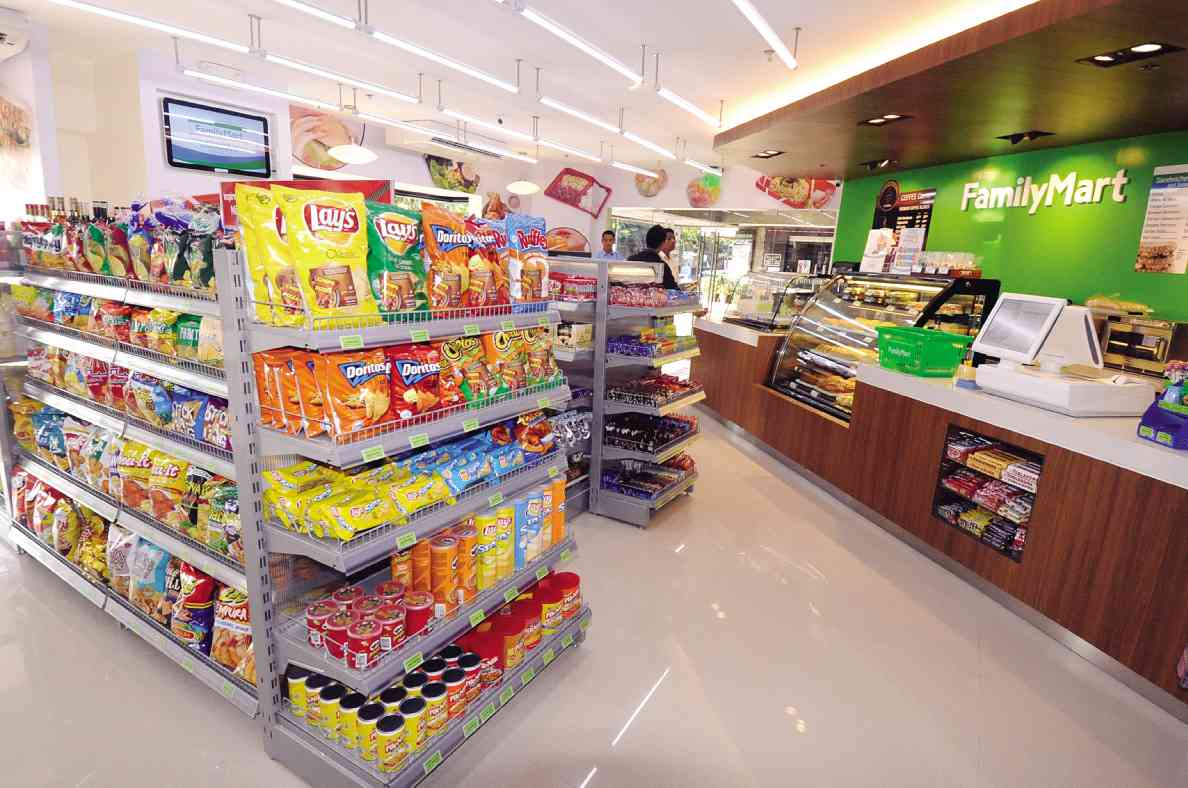
    FamilyMart, a renowned convenience store chain, is stepping up its growth strategy in Taiwan. The company has announced plans to inaugurate 100 new outlets this year, a significant step towards their long-term objective of establishing 5000 stores by 2029.

    Currently, FamilyMart operates around 4400 stores across the nation. Last year, the company added 80 new stores to its portfolio, and it now anticipates increasing the pace of expansion to approximately 150 stores annually in the forthcoming years.

    Reinventing Food Offerings

    In alignment with its comprehensive growth plan, FamilyMart is revitalizing its food section to keep pace with evolving consumer preferences. The company plans to introduce a wider range of customizable bento meals and increase its array of microwave-friendly dishes. The new offerings are aimed at catering to busy urban customers and to make the store an appealing destination beyond traditional meal times.

    Customer Experience Strategy

    In another strategy to enhance the customer experience, FamilyMart Taiwan will continue to keep dining spaces in their stores. The company views these areas as a crucial element of the customer journey, fostering longer stays, facilitating informal gatherings, and promoting additional purchases.

    FamilyMart ventured into the Taiwan market in 1988 with its first store in Taipei Station’s shopping district. Operated by Taiwan FamilyMart Co, the brand has now become one of the top convenience store chains in the country, competing with the likes of 7-Eleven and Carrefour.

    Questions & Answers

    What is FamilyMart’s expansion goal in Taiwan by 2029?
    FamilyMart aims to operate 5000 outlets in Taiwan by 2029.

    How is FamilyMart planning to modify its food offerings?
    FamilyMart plans to roll out more customizable bento meals and expand its selection of microwave-ready dishes, targeting urban consumers and beyond traditional meal times.

    What is FamilyMart’s strategy to enhance customer experience?
    FamilyMart Taiwan will continue to maintain dining areas in their stores as they see them as a key aspect of the customer experience, encouraging longer stays, informal meetings, and additional purchases.

  • Swiss Chocolate Giant Läderach Expands To Hong Kong: Eyes Further Growth In Asia

    Swiss Chocolate Giant Läderach Expands To Hong Kong: Eyes Further Growth In Asia

    Läderach, the renowned Swiss luxury confectionery brand, has unveiled its first outpost in Hong Kong, situated at the K11 Musea. This exciting venture was made possible through collaboration with Valiram, a leading retail management company in Southeast Asia. The new chocolate shop occupies a prime spot on the first floor of the bustling K11 Musea shopping complex.

    Eyeing Global Expansion

    Johannes Läderach, the CEO of Läderach, shared their ambitious plans for continued growth and expansion. He emphasized that the brand is not only focusing on strengthening its presence in already robust markets like North America, Austria, and Germany, but is also keen on penetrating new markets with promising potential. These include countries like Japan, South Korea, Philippines, and Indonesia.

    Breaking Into The Middle East

    Läderach has already made its mark in the Middle East by launching its first flagship store in Egypt. This was accomplished through a strategic alliance with a local franchise partner.

    Future Growth in the APAC Region

    Within the APAC region, the company has set its sights on further expansion before the year’s end, with new store openings lined up in Japan, South Korea, and Indonesia.

    History and Global Presence

    Since its founding in 1962, Läderach has been recognized for its selection of fresh, handcrafted chocolates. The brand boasts over 140 stores in 25 countries, reflecting its strong international operation.

    Läderach has previously broadened its premium confectionery offerings, introducing its unique Dubai chocolate range to the global market. The new lineup has found its way to various countries such as the US, Canada, various European countries, and the Philippines.

    Questions & Answers

    What is Läderach’s current expansion plan?
    Läderach plans to continue its growth by not only strengthening its presence in existing markets like North America, Austria, and Germany, but also by venturing into new markets such as Japan, South Korea, the Philippines, and Indonesia.

    Has Läderach entered the Middle Eastern market?
    Yes, Läderach has entered the Middle Eastern market by opening its first flagship store in Egypt.

    What new offerings has Läderach introduced recently?
    Läderach recently expanded its premium confectionery lineup by introducing the Dubai chocolate range, which has been launched in various regions including the US, Canada, European countries, and the Philippines.