Blog

  • Shinsegae And Alibaba Join Forces: A New Contender Challenges Coupang And Naver’s Dominance

    Shinsegae And Alibaba Join Forces: A New Contender Challenges Coupang And Naver’s Dominance

    The antitrust regulator of South Korea has provisionally approved a joint venture between Shinsegae Group’s Gmarket and Alibaba’s AliExpress Korea. This approval paves the way for a new contender to challenge the market, which has been historically dominated by Coupang and Naver.

    Partnership Dynamics

    This collaboration is organized as a balanced joint company under Grand Opus Holding. It merges Gmarket and AliExpress Korea into a unified business model, which can be described as “two families under one roof.” However, it ensures the operational independence of both entities.

    The Korea Fair Trade Commission (KFTC) imposed safeguards that mandate the strict separation of domestic consumer data. It also prohibits the sharing of overseas direct-purchase information between the platforms.

    The collaboration has been presented as both a defensive strategy and a growth plan. Gmarket’s CEO, Jung Hyung-kwon, has called the strategic alliance with AliExpress a necessary step to secure market leadership. He promises to complement Gmarket’s reliable platform with Alibaba’s extensive product range.

    Implications of the Joint Venture

    The joint venture grants 600,000 Gmarket and Auction sellers access to Alibaba’s worldwide e-commerce network, which spans over 200 countries. Concurrently, Chinese-made products from AliExpress are expected to establish a more robust presence in Korea, supported by Shinsegae’s logistics proficiency.

    Analysts speculate that this deal could potentially restore Gmarket’s financial health after a series of losses, while helping AliExpress shed its reputation for counterfeit and low-quality goods.

    The partnership comes as the online retail sector in Korea is experiencing a three-way competition. While Coupang continues to lead with 34.2 million monthly active users, the combined reach of AliExpress, Gmarket, and Auction now exceeds 18 million, surpassing Naver’s 4.3 million.

    Market Conditions and Future Projections

    This competitiveness takes place amid market volatility. Early market leaders such as Interpark and 11st have dwindled, while the growth during the pandemic solidified Coupang and Naver’s duopoly. Recently, Chinese companies like AliExpress and Temu have disrupted the market with extremely affordable goods, leading to the downfall of several smaller Korean platforms.

    With the alliance between Shinsegae and Alibaba now formed, analysts foresee an escalation in price competition, especially with an anticipated increase in Chinese-made consumer goods being sold through Gmarket. However, concerns persist about whether the increased scale will result in profitability, given the limited brand loyalty on both sides.

    Meanwhile, Coupang is focusing on expanding its nationwide rocket delivery, and Naver is enhancing its fresh food delivery through its new alliance with Kurly. Some industry insiders speculate that Shinsegae’s SSG.com may eventually integrate its fresh food operations into the partnership to close the competitive gap.

    The joint venture has also sparked some controversy, with critics warning of the risk of Korean consumer data exposure to China, despite regulatory safeguards.

    Regardless, for Shinsegae, this venture represents a daring gamble: challenging two entrenched giants by combining its retail expertise with Alibaba’s global scale. The lingering question is whether the alliance can offer both local trust and international reach, without igniting a destructive price war.

    Questions & Answers

    What is the structure of the joint venture between Gmarket and AliExpress Korea?
    The partnership is structured as a balanced joint company under Grand Opus Holding, merging Gmarket and AliExpress Korea into a unified but operationally independent business model.

    What benefits does the joint venture offer?
    The joint venture provides 600,000 Gmarket and Auction sellers access to Alibaba’s global e-commerce network, which spans over 200 countries. It also allows for a stronger presence of Chinese-made products in Korea.

    What are the potential risks and criticisms associated with the joint venture?
    Critics warn of the risk of Korean consumer data exposure to China, despite regulatory safeguards. Furthermore, analysts question whether the increased scale will result in profitability, given the limited brand loyalty on both sides.
  • China Mobile International Showcases Global Infrastructure Insights at ACC 2025 Masterclass

    China Mobile International Showcases Global Infrastructure Insights at ACC 2025 Masterclass

    At the Asian Carriers Conference (ACC) 2025 held in the picturesque Cebu, Philippines, China Mobile International (CMI) unveiled the potential of its global infrastructure in an engaging masterclass. The session, aimed at equipping operators with tools to leverage CMI’s extensive network and AI+ Smart Solutions, emphasized the transformative potential these technologies offer for various industries.

    Revolutionizing Traditional Models

    The masterclass kicked off with an exploration of recurring challenges within the industry. CMI pointed out that numerous sectors still cling to outdated, manual processes, which stifle efficiency and lack real-time insights. The takeaway was clear: telecom operators can no longer afford to limit themselves to connectivity; they must diversify service offerings and embrace innovative business models that enhance the delivery of high-value digital services. Who knew technology could transform industries faster than you could say “5G”?

    Smart Solutions for a Brighter Energy Future

    In a compelling showcase for the energy sector, CMI introduced its AI+ Smart Energy Integrated Solution. Designed to boost safety, facilitate environmental monitoring, and improve operational efficiency, this solution is a game-changer for smart city energy response systems. By providing real-time operational data, it allows enterprises to make faster, more informed decisions, illuminating the path to a more sustainable future.

    Finance in the Fast Lane

    Addressing the pressing needs of the financial sector, CMI outlined its AI+ Smart Finance solutions. These tools are crafted to enhance reach, ensure operational efficiency, and bolster security while promoting compliance and innovation. The integration of risk control, anomaly detection, AI-driven marketing, asset management, and intelligent customer service builds a robust framework for financial institutions, anchored by CMI’s international cloud-network infrastructure.

    Pioneering the Future of Manufacturing and Automotive

    The session also dove into ‘AI+ Smart Manufacturing and Automotive’, where CMI demonstrated how 5G private networks can revolutionize smart campus management. The technology allows for digital twin visualization on production lines and enhances logistics with real-time monitoring. This segment highlighted the future of manufacturing as not just automated but also interconnected, suggesting that the next production line might just be run by an AI assistant sipping virtual coffee.

    Embracing Change for Competitive Advantage

    Wrapping up the session, CMI urged carriers to broaden their service portfolios and rethink business models. By leveraging CMI’s advanced global infrastructure, operators can introduce innovative, AI-driven solutions that not only enhance their offerings but also amplify the overall value of their networks. In a rapidly evolving market, the message was unmistakable: adapt or be left behind.

    Questions & Answers

    What was the focus of China Mobile International’s masterclass at ACC 2025?
    The masterclass focused on how telecom operators can utilize CMI’s global network and AI+ Smart Solutions to overcome industry challenges, expand portfolios, and create higher-value digital services.

    How does CMI’s AI+ Smart Energy Integrated Solution benefit the energy sector?
    The solution enhances safety, supports environmental monitoring, and improves operational efficiency, providing real-time data that helps enterprises make quicker, informed decisions.

    What innovations did CMI present for the finance sector?
    CMI introduced AI+ Smart Finance solutions that integrate risk control, anomaly detection, AI-driven marketing, asset management, and intelligent customer service, all backed by their global cloud-network infrastructure.

  • Could Ending Vietnam’s Gold Monopoly Lower Prices? Here’s What You Need to Know!

    Could Ending Vietnam’s Gold Monopoly Lower Prices? Here’s What You Need to Know!

    In a significant shift for Vietnam’s gold market, the government has issued a decree that allows select banks and businesses to engage in the import and production of gold bars— a privilege that has long been reserved for the state-owned Saigon Jewelry Company. This landmark decision marks the first substantial change in gold market regulations in over a decade, aiming to stimulate competition and ease supply constraints.

    Now, approximately eight banks and three private jewelry firms, including the well-known SJC, are poised to qualify under the new guidelines. According to Huynh Trung Khanh, vice chairman of the Vietnam Gold Traders Association, the full impact of this decree on gold prices may take some time to materialize. “For now, we need to await further guidance on how the decree should be implemented and for additional gold to flood the market,” he explained.

    Khanh emphasized that the real test lies in how much gold will actually be imported, but he is optimistic about future prospects. He forecasts that, over time, the gap between domestic and global gold prices—currently hovering around VND20 million (US$760)—could shrink to about VND4-5 million per tael of 37.5 grams or 1.2 ounces.

    Experts agree on the potential benefits of reducing monopoly control. A representative from gold trading firm Phu Quy noted that dismantling the monopoly would not only reduce speculation but also enhance transparency and stability within the market. Nguyen Trung Anh, chairman of jeweler Ancarat, echoed this sentiment, identifying the new policy as a golden opportunity for capable businesses to seize upon rising bullion demand.

    “This will foster healthy competition, driving prices down while improving quality and service,” Trung Anh asserted. However, he warned that the pace at which prices decline will depend on various factors, including foreign exchange rates and the State Bank of Vietnam’s monetary policies.

    For years, industry experts have pointed to this monopoly as a key contributor to the disparity between local and global gold prices. The central bank has acknowledged that relying solely on state production required draining foreign currency reserves for gold imports whenever local supplies dwindled.

    The Vietnam Gold Traders Association has stated that these regulatory changes will alleviate the sourcing challenges that jewelers have faced. In fact, an executive from Phu Nhuan Jewelry previously lamented the extraordinary difficulties in procuring gold for jewelry production— a reality that may now begin to change with this new competitive landscape.

    Questions & Answers

    What prompted the Vietnamese government to change the gold market regulations?
    The government aimed to stimulate competition and ease supply constraints by allowing select banks and businesses to import and produce gold bars, breaking the long-standing monopoly held by the Saigon Jewelry Company.

    How many banks and jewelry firms are expected to qualify under the new decree?
    Approximately eight banks and three jewelry firms, including prominent player SJC, are expected to qualify under the revised regulations.

    What impact do experts foresee from the new gold market regulations?
    Experts anticipate that the elimination of the monopoly will reduce speculation and significantly narrow the price gap between local and global gold, potentially enhancing competition, quality, and service in the market.

  • Starbucks CEO Brian Niccol Lauds Luckin Coffee for Its Impressive Speed of Innovation

    Starbucks CEO Brian Niccol Lauds Luckin Coffee for Its Impressive Speed of Innovation

    Starbucks CEO Brian Niccol has recently extolled the virtues of Chinese rival Luckin Coffee, particularly praising the company’s rapid pace of product innovation. Speaking at the Fast Company Innovation Festival in New York, Niccol remarked, “The one thing that they probably have done a nice job of is just an unbelievable pace of product innovation.” His comments reflect a competitive acknowledgment that emphasizes the importance of adapting and evolving within the fast-paced coffee market. “It sets the tone for, ‘Hey, we cannot be complacent on flavors and drink combinations,’” he added.

    Striking a Balance: Innovative Menus and Smart Discounts

    Luckin Coffee has notably caught the attention of the market with its unconventional beverage offerings, like pineapple cold brew and coconut lattes, accompanied by aggressive discounts ranging from 30% to 50%. This strategy has played a crucial role in its meteoric rise, allowing the company to surpass Starbucks as the leading coffee chain in China, boasting an impressive 26,000 locations against Starbucks’ 8,000.

    A New Era of Order: Luckin’s App-Driven Experience

    An interesting distinction between the two coffee giants lies in Luckin’s operational model, which eschews cashiers in favor of an app-based ordering system. “They’ve done an interesting job on how they’ve turned the app into the only way you can interact with that business. It’s a different approach. I don’t think it’s the right approach for us,” Niccol remarked, highlighting Starbucks’ commitment to creating enriching in-store experiences over purely digital interactions.

    Starbucks’ Strategic Shift in China

    Amid this competitive landscape, Niccol emphasized that Starbucks is experiencing a “nice recovery” in China, achieved in part by reducing prices on select beverages. As part of its growth strategy, Starbucks is actively seeking a local partner to streamline its operations in the region and is looking to open “thousands” of new locations throughout the country. Could there be a Starbucks on every corner in China? Only time will tell.

    Questions & Answers

    What did Brian Niccol praise about Luckin Coffee during the Fast Company Innovation Festival?
    Niccol praised Luckin Coffee’s rapid pace of product innovation and emphasized that Starbucks must not become complacent in its flavor offerings.

    How does Luckin Coffee differentiate itself from Starbucks in terms of customer interaction?
    Luckin Coffee has eliminated cashiers and requires customers to order through its mobile app, unlike Starbucks, which focuses on enhancing in-store experiences.

    What is Starbucks’ strategy to recover its standing in the Chinese market?
    Starbucks is reducing prices on some drinks and is seeking a local partner to manage its operations, with plans to open thousands of new locations across China.

  • APAC Instant Payments Expected to Surge to $170.2B by 2029, Says GlobalData

    APAC Instant Payments Expected to Surge to $170.2B by 2029, Says GlobalData

    It’s becoming clear that Asia is leading the charge in the world of instant payments. According to estimates by GlobalData, the instant payments market across 14 Asia Pacific countries is set to grow at a compound annual growth rate (CAGR) of 11.6% between 2025 and 2029, reaching a staggering valuation of $170.2 billion.

    Rapid Growth Driven by the Digital Shift

    This remarkable growth is fueled by several interlinked factors, including a consumer preference for electronic payment methods, advancements in payment infrastructure, and a growing financially aware population. Ravi Sharma, the lead banking and payments analyst at GlobalData, notes that countries like China, Japan, South Korea, and India have already established strong footholds in the instant payments market.

    China’s Dominance in the Market

    Leading the pack is China, which is projected to see its instant payments market value soar to $81.9 trillion by 2029. South Korea and Japan are expected to follow, with instant payments valued at $35.8 trillion and $31.5 trillion, respectively. Meanwhile, India, although trailing behind in terms of market value at $7.5 trillion, astonishingly leads in transaction volume. The nation is set to record a remarkable 191.5 billion instant payment transactions by 2024, primarily propelled by the impressive growth of its Unified Payments Interface (UPI), the national payment framework that has revolutionized digital transactions.

    Opportunities on the Horizon

    The surge in cross-border payment linkages is unlocking new business opportunities across the region. Sharma emphasizes that the future looks bright for the instant payments landscape in Asia Pacific. “As government initiatives continue to evolve, payment infrastructures improve, and QR code-based payments become more favored over traditional POS systems, consumer inclination towards electronic payments is expected to solidify,” he states.

    In this dynamic financial environment, it’s not just a race to digitize; it’s also a friendly competition of who can innovate faster. As consumers become increasingly tech-savvy, retail businesses must stay ahead of the curve to capture the evolving marketplace.

    Questions & Answers

    What is driving the growth of instant payments in Asia?
    The growth is primarily driven by increased consumer preference for electronic payments, enhanced payment infrastructure, and a more financially aware population.

    Which country is projected to have the highest value in instant payments?
    China is expected to lead the region, with its instant payments market projected to reach $81.9 trillion by 2029.

    How does India fare in the instant payments space?
    While India trails behind in market value at $7.5 trillion, it surpasses all other countries in transaction volume, with anticipated instant payment transactions reaching 191.5 billion by 2024.

  • Ben & Jerry’s co-founder quits, citing loss of independence

    Ben & Jerry’s co-founder quits, citing loss of independence

    Jerry Greenfield, co-founder of the renowned ice cream brand Ben & Jerry’s, has announced his departure from the company. His exit comes as a result of the eroding independence that he and fellow co-founder Ben Cohen had established within the company’s governance structure when they sold the enterprise to Unilever over 20 years ago.

    An Emotional Departure

    In a public statement, Greenfield conveyed his deep sadness and regret over his decision to leave the company. He stated, “It’s with a broken heart that I’ve decided I can no longer, in good conscience, and after 47 years, remain an employee of Ben & Jerry’s.” Greenfield clarified that his decision to leave was not due to a loss of affection for his colleagues at the company, but rather due to the company’s dwindling autonomy.

    Ben & Jerry’s, which was acquired by Unilever in 2000, has a well-known reputation for advocating social justice issues. Greenfield noted that the company has traditionally used its independence to take a stance and vocalize their support for peace, justice, and human rights in relation to real-world events. He expressed his profound disappointment over the fact that this independence, which was a fundamental condition of their sale to Unilever, has disappeared.

    Unilever’s Response

    In response to Greenfield’s exit, a spokesperson for Unilever expressed the company’s gratitude for Greenfield’s tenure and contributions. Although the spokesperson mentioned that the company disagreed with Greenfield’s standpoint, they extended their appreciation to him for his decades of service and wished him all the best in his future endeavors. The spokesperson also mentioned the company’s attempts to involve both co-founders in discussions aimed at reinforcing Ben & Jerry’s value-based position in the world.

    Questions & Answers

    Why has Jerry Greenfield decided to leave Ben & Jerry’s?
    Greenfield has chosen to leave due to the perceived loss of the company’s independence, which he believes was a fundamental aspect of the company’s sale to Unilever.

    What was Ben & Jerry’s reputation prior to its acquisition by Unilever?
    Prior to its acquisition by Unilever, Ben & Jerry’s was known for its outspoken stance on various social justice issues. The company often used its independent status to vocalize support for peace, justice, and human rights in relation to real-world events.

    What was Unilever’s reaction to Greenfield’s departure?
    Unilever expressed gratitude for Greenfield’s contributions and service to the company, despite disagreeing with his perspective on the company’s autonomy. The company also conveyed their attempts to involve both co-founders in discussions aimed at bolstering Ben & Jerry’s value-based position in the world.

  • L Catterton targets Japan’s furniture sector with stake in Seki Furniture

    L Catterton targets Japan’s furniture sector with stake in Seki Furniture

    L Catterton, an investment firm supported by luxury goods group LVMH, has entered into a strategic partnership with Seki Furniture, a prominent furniture producer and retailer in Japan.

    Established in Okawa in 1968, Seki Furniture originated as a wholesaling business and has since evolved into a leading omnichannel company. Currently, it operates 26 retail outlets, incorporating its Crash Gate brand, and maintains a formidable online presence.

    Seki controls the majority of Japan’s wholesale residential furniture market and is broadening its reach into sectors such as offices, hotels, restaurants, and hospitals.

    The company is backed by an expert in-house design team and an extensive supplier network. Its brands, notably Relaxform, garner recognition for their design, quality, and affordable pricing.

    CEO Hideki Haruta stated, “Moving ahead, we aim to collaborate with L Catterton to achieve additional medium- to long-term growth and augment our corporate value. We remain committed to providing our customers with services and products that offer enduring value.”

    This investment follows L Catterton’s previous investments in home furnishing businesses, including Restoration Hardware and Boll & Branch.

    Earlier this year, L Catterton entered into a strategic agreement with Megabass, a high-end Japanese fishing gear manufacturer, to assist in the company’s expansion.

    Questions & Answers

    What is Seki Furniture’s current market position in Japan?
    Seki Furniture holds the largest share of Japan’s wholesale residential furniture market and is expanding into sectors such as offices, hotels, restaurants, and hospitals.

    What kind of brands does Seki Furniture have?
    Seki Furniture has several brands under its umbrella, notably Relaxform, which is well-recognised for its design, quality, and pricing.

    Who has L Catterton previously invested in within the home furnishing sector?
    L Catterton has previously invested in home furnishing companies such as Restoration Hardware and Boll & Branch.

  • Friends forever: Central Perk Coffeehouse to open in Times Square

    Friends forever: Central Perk Coffeehouse to open in Times Square

    Fans of the iconic sitcom “Friends” are in for a treat as they will soon have the chance to gather for a cup of coffee in the well-known fictional New York cafe made popular by the show.

    Warner Bros Discovery Global Experiences has teamed up with Central Perk Coffee C and CenPer Holdings to set up a Central Perk Coffeehouse in Times Square, New York City. The launch is scheduled for the later part of this fall.

    Coffeehouse Concept with a Twist

    The coffeehouse is being designed in collaboration with Tom Colicchio, a celebrated Top Chef winner, and the reputable New York design firm, Glen & Co. The unique concept of the coffeehouse will showcase an assortment of food, coffee, and merchandise, all inspired by the well-loved “Friends” television series.

    One of the key highlights of the coffeehouse will be its interior design, which will feature the iconic Orange Sofa room, a homage to the famous couch from the series.

    Peter Van Roden, an Executive VP at Warner Bros Discovery Global Experiences, shared, “Friends is a unique show that has the power to unite people across generations. Central Perk has always been at the core of these shared experiences.”

    A Dream Come True

    Paul Landino, an executive at CenPer Holdings, expressed his excitement over the expansion. He stated, “Our goal, when we launched the original Central Perk Coffeehouse in Boston, was to eventually bring it to New York City. Opening a branch in Times Square, often referred to as the crossroads of the world, provides a unique, once-in-a-lifetime opportunity to turn this vision into reality.”

    The Times Square location will also offer exclusive merchandise and the six signature blends from Central Perk Coffee Co. These blends are already available at the Boston location, online, on Amazon, and at select H-E-B grocery stores.

    Questions & Answers

    What is the Central Perk Coffeehouse?
    It’s a coffeehouse themed on the famous fictional café from the sitcom “Friends”. It will feature food, coffee, and merchandise inspired by the series.

    Who is behind the idea of the Central Perk Coffeehouse?
    The coffeehouse is a joint venture between Warner Bros Discovery Global Experiences, Central Perk Coffee C, and CenPer Holdings.

    Where and when will the Central Perk Coffeehouse open?
    The Central Perk Coffeehouse is set to open in Times Square, New York City, in the later part of this fall.

  • Vietnam Airlines Soars Back to Positive Equity Thanks to Strategic State Investment

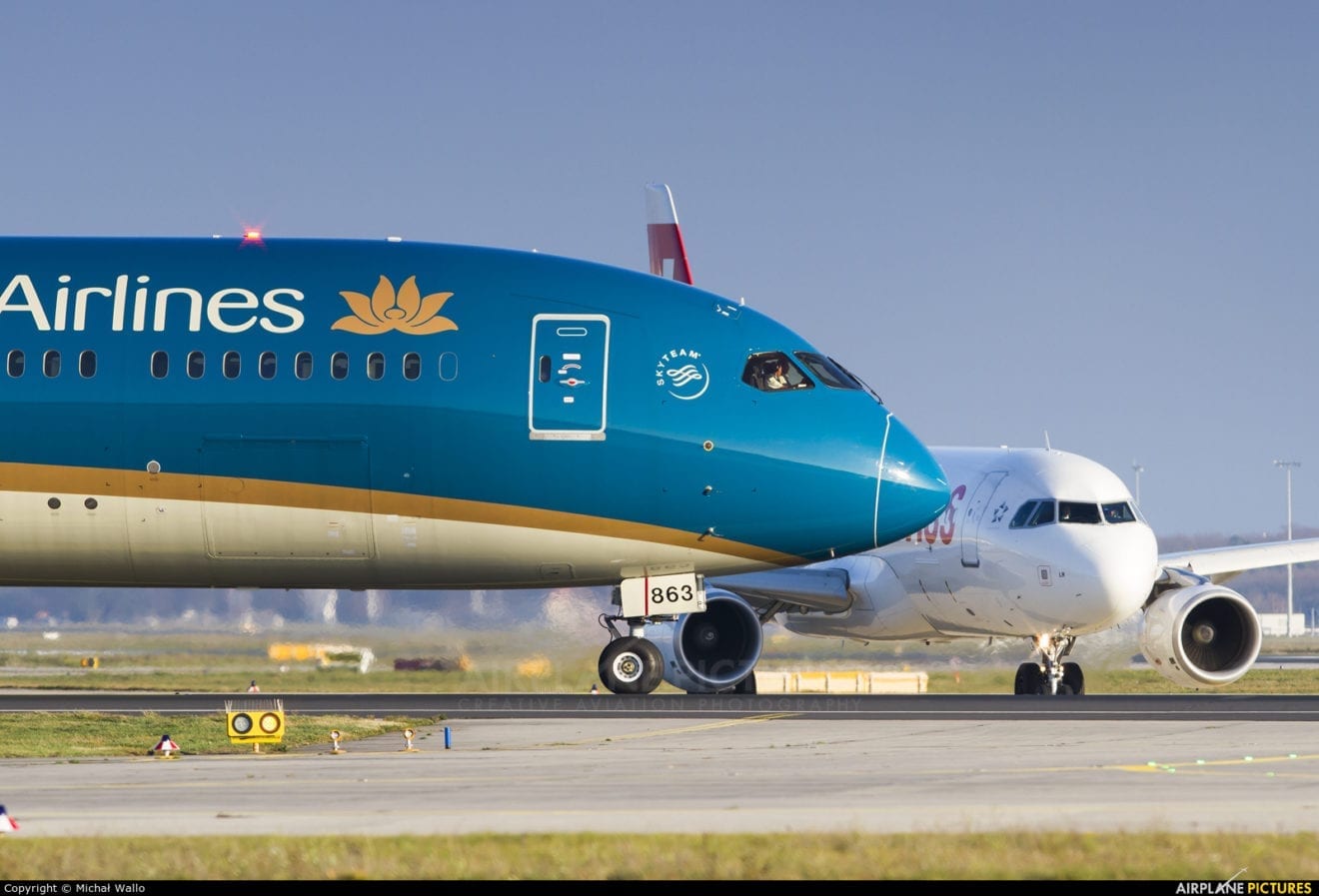
    Vietnam Airlines Soars Back to Positive Equity Thanks to Strategic State Investment

    State-owned Vietnam Airlines has reversed its negative net worth thanks to a VND7.77 trillion (US$295 million) infusion of capital by the government.

    In a significant turnaround for the airline industry, Vietnam Airlines has successfully rehabilitated its financial position, emerging from a state of negative net worth due to a substantial capital injection from the government. The State Capital Investment Corporation (SCIC) announced on Tuesday that it finalized the purchase of additional shares in Vietnam Airlines on September 12, providing the company with a vital boost to secure stable long-term cash flows and enhance its capacity to meet debt obligations.

    As detailed in the airline’s consolidated financial statements, this capital infusion, totaling VND7.77 trillion, has lifted Vietnam Airlines from nearly VND3.1 trillion in negative shareholders’ equity as of June 30. In a market that is often as turbulent as a stormy flight, this funding means the airline not only survives but also has the resources to expand its fleet as travel demand rebounds.

    The shares acquired by SCIC form part of a broader strategy involving the issuance of 900 million new shares to existing shareholders, aiming to raise VND9 trillion to navigate the financial turbulence induced by the Covid-19 pandemic. Shareholders that held 1,000 shares were permitted to apply for 406 new ones, furthering their stake in the airline’s recovery.

    Previously, in September 2021, SCIC had injected VND6.98 trillion to assist Vietnam Airlines in maintaining liquidity during the pandemic’s peak. Now, SCIC boasts a 47.09% ownership stake in the airline, firmly rooting government support within this critical national carrier.

    Vietnam Airlines is showing signs of resilience following a rough patch that began early last year. Recent figures reveal that in the first half of this year, the airline reported a 10% year-on-year increase in revenues, reaching VND58.68 trillion. Impressively, its pre-tax profit surged by 19.3%, climbing to VND6.68 trillion — a refreshing change amidst a turbulent industry.

    Questions & Answers

    How has the government support affected Vietnam Airlines’ financial health?
    The infusion of VND7.77 trillion allowed Vietnam Airlines to move out of negative net worth and significantly improve its cash flow and ability to meet debt obligations, enabling it to plan for future fleet expansions.

    What previous support has Vietnam Airlines received from the government?
    Before this recent capital injection, SCIC provided VND6.98 trillion in September 2021 to help sustain the airline during the height of the Covid-19 pandemic and stabilize its operations.

    What are the latest performance metrics for Vietnam Airlines?
    In the first half of the year, Vietnam Airlines reported a revenue increase of 10% year-on-year, totaling VND58.68 trillion, along with a pre-tax profit increase of 19.3%, reaching VND6.68 trillion, indicating a strong recovery.

  • Watsons creates a ‘family’ of collectables to tap into character craze

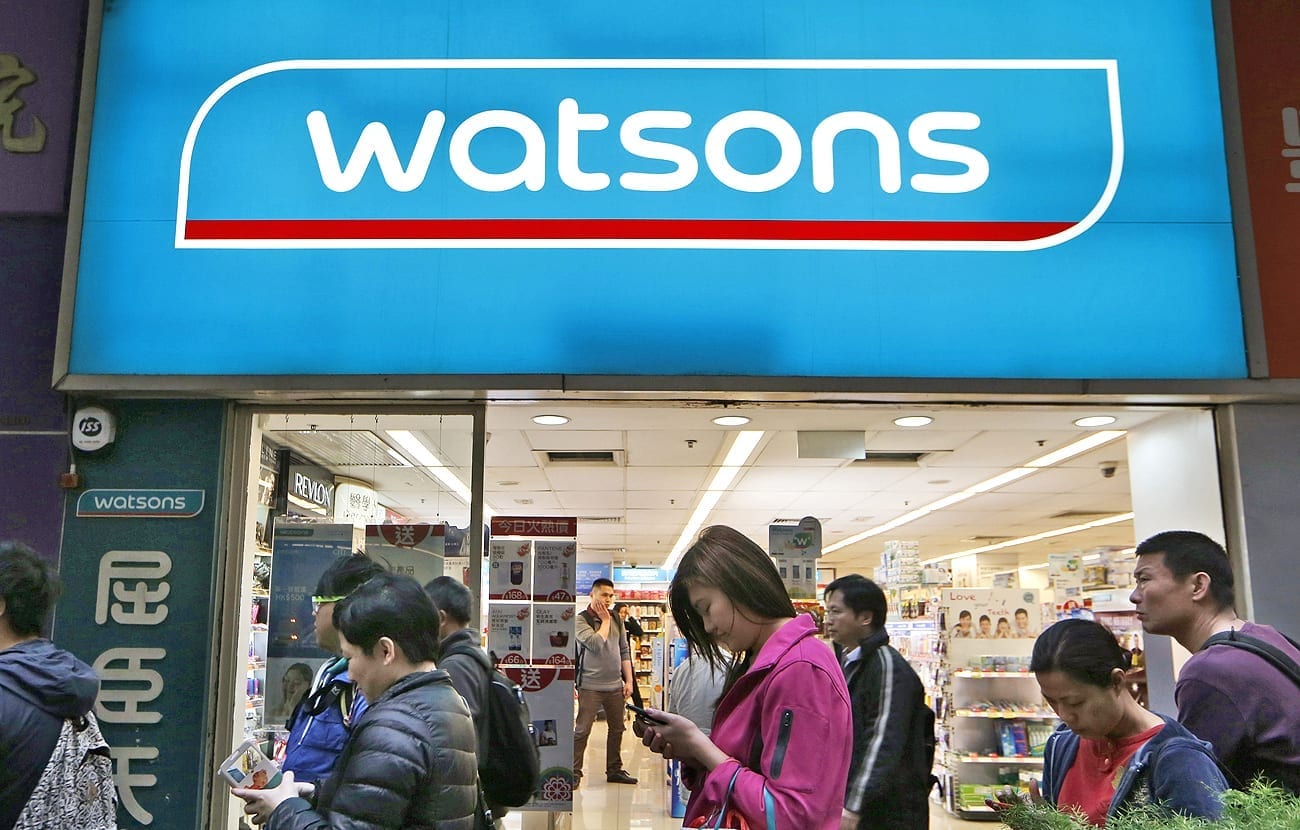
    Watsons creates a ‘family’ of collectables to tap into character craze

    Health and beauty retail giant Watsons has unveiled its new initiative, The Watsons Family, a character-driven brand strategy set to enhance customer interaction throughout Asia.

    The Watsons Family Initiative

    The Watsons Family comprises 16 distinctive characters inspired by the Myers-Briggs Type Indicator (MBTI). These characters are featured on the packaging of various Own Brand products, ranging from skincare to body care essentials. This creative marketing concept makes the packaging itself an appealing and collectible item.

    The campaign is set to kick off in Hong Kong where three core characters will take center stage:

    – Sunny, representing wellness supplements.
    – Kilo, symbolizing energy and wellness.
    – Flora, embodying beauty through facial masks.

    Jared DeGuzman, Customer Director of Brand Marketing at Watsons, explained that the objective of this campaign is to transition the brand from traditional retail into a more experience-driven model.

    “We are leveraging the power of character-based storytelling,” DeGuzman shared. “Our aim is to create a health and beauty universe that not only sells products but also brings joy, inspiration, and a sense of community to our customers across Asia.”

    Retail Transformation

    As part of the campaign, Watsons stores in Hong Kong will feature branded visuals, interactive campaigns, digital extensions, and even meet and greet events with the characters.

    Following its initial launch, the expansion of The Watsons Family will continue into Mainland China, Malaysia, Taiwan, and Thailand. These new markets will be supported by significant marketing campaigns tailored to each region.

    Questions & Answers

    What is the purpose of The Watsons Family initiative?
    The Watsons Family initiative is designed to transform Watsons from a traditional retailer into a more experiential brand, using character-driven storytelling to create a universe where health and beauty are sources of joy, inspiration, and community connection.

    Who are the three flagship characters of The Watsons Family initiative?
    The three main characters are Sunny, who represents wellness supplements; Kilo, embodying energy and wellness; and Flora, symbolizing beauty through facial masks.

    Where will The Watsons Family initiative be launched and expanded?
    The campaign will initially roll out in Hong Kong and later expand into Mainland China, Malaysia, Taiwan, and Thailand.

  • Francesca Bellettini confirmed to lead Gucci

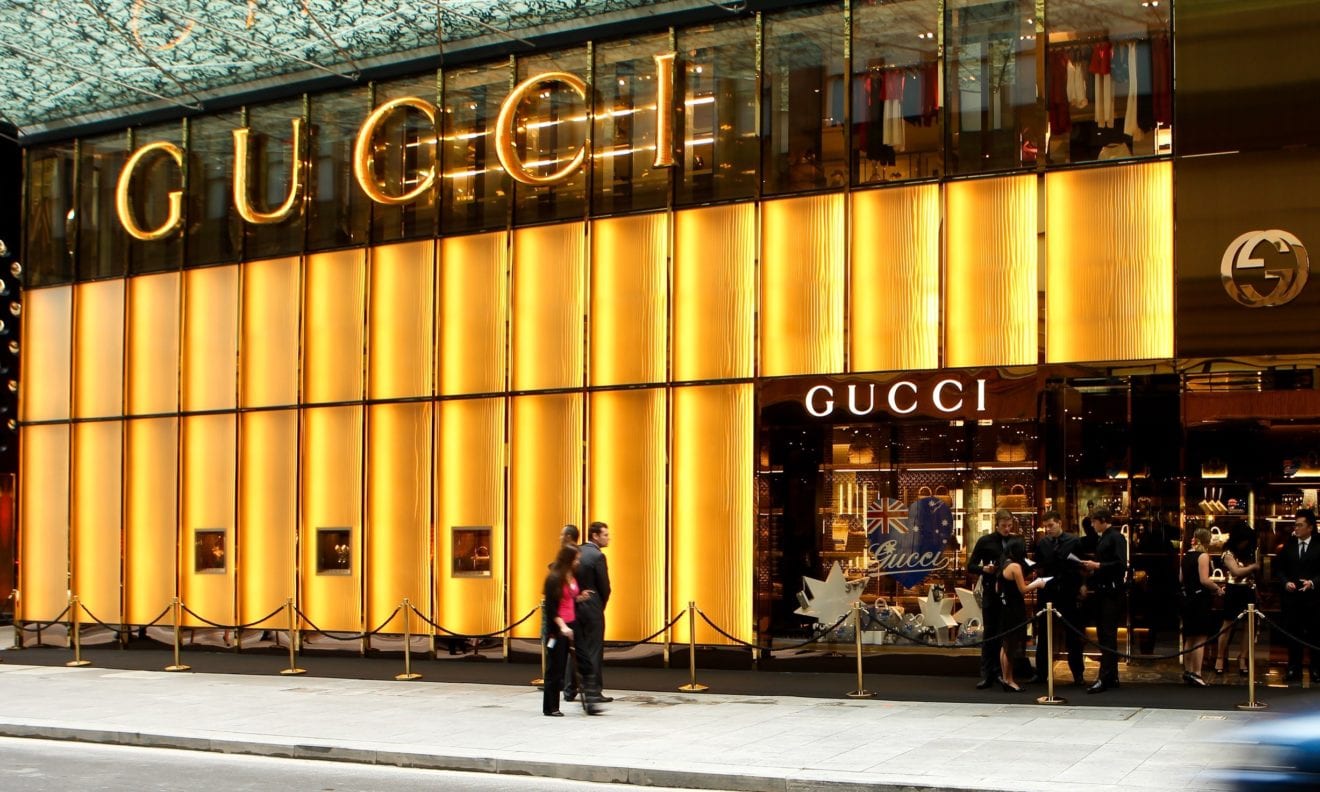
    Francesca Bellettini confirmed to lead Gucci

    The esteemed luxury conglomerate Kering has announced the appointment of Francesca Bellettini as the new president and CEO of one of its prime brands, Gucci. She steps into the role, succeeding Stefano Cantino who served for a brief tenure of nine months.

    Bellettini will be reporting directly to Luca de Meo, the CEO of Kering. In addition, Jean-Marc Fuplaix, the Group’s COO, will continue his role, providing additional support to de Meo in the strategic development and management of the group.

    A New Direction

    At this critical juncture, de Meo has expressed his intent to create a more streamlined and transparent organization, enabling the industry’s top talent to propel Kering’s brands forward. He emphasized that Gucci, being the group’s flagship brand, warrants the keenest focus. He is confident that Bellettini, who is among the most seasoned and revered professionals in the luxury industry, will provide the effective leadership and impeccable execution required to reinstate the brand to its prestigious position.

    Bellettini has a long-standing association with Kering, having held various leadership positions since she joined the company in 2003. Her commendable career progression includes being named the president and CEO of Saint Laurent in 2013 and later earning the designation of deputy CEO in charge of brand development at Kering in 2023.

    A New Role, A New Vision

    Bellettini expressed her gratitude for the opportunity to directly oversee Gucci, one of the world’s most recognized luxury brands. She looks forward to working under the guidance of Luca de Meo, whose innovative and fresh approach motivates the team to transcend conventional boundaries.

    Questions & Answers

    Who is the new president and CEO of Gucci?
    Francesca Bellettini has been appointed as the new president and CEO of Gucci.

    Who will Francesca Bellettini report to in her new role?
    Francesca Bellettini will report to Luca de Meo, the CEO of the Kering group.

    What is Luca de Meo’s vision for Kering with this new appointment?
    Luca de Meo intends to streamline the organisation, ensuring the best talent drives the group’s brands forward. He believes Francesca Bellettini’s leadership will be instrumental in restoring Gucci to its rightful place in the luxury industry.

  • Hong Kong Banks Urged to Dive into the Future with Tokenized Deposits and Assets Exploration

    Hong Kong Banks Urged to Dive into the Future with Tokenized Deposits and Assets Exploration

    Authorities in Hong Kong are gearing up to regulate the burgeoning sector of tokenized finance. The Hong Kong Monetary Authority (HKMA) is set to advance Project Ensemble, an initiative aimed at urging local commercial banks to embrace tokenized deposits and facilitate real-time transactions of tokenized assets. This bold step signals a significant shift in the city’s financial landscape.

    In his Policy Address on September 17, Chief Executive John Lee announced, “We are implementing a regime for stablecoin issuers and formulating legislative proposals regarding licensing regimes for digital asset dealing and custodian service providers.” This proactive approach not only addresses regulatory needs but also positions Hong Kong as a competitive player in the global digital asset arena.

    The HKMA is expected to play a crucial role in overseeing the issuance of tokenized bonds while encouraging banks to enhance their risk management practices through a supervisory sandbox environment. This innovative framework allows for the experimentation of new financial products in a controlled setting before a full-scale launch.

    Meanwhile, the Securities & Futures Commission (SFC) is exploring the introduction of a broader array of digital asset products for professional investors, prioritizing adequate investor protection measures. Lee remarked that “the SFC will also introduce automated reporting and data surveillance tools” to mitigate risks tied to digital assets, further reinforcing Hong Kong’s commitment to creating a secure investment ecosystem.

    In a relevant twist for sustainability enthusiasts, Lee also highlighted plans to strengthen collaboration with the Greater Bay Area (GBA) carbon market. The government intends to work closely with mainland regulatory bodies to address the intricacies of participating in the international carbon market. This includes developing voluntary carbon credit standards, as well as streamlining registration, trading, and settlement processes associated with carbon emission reductions, reminiscent of a high-stakes dance between finance and environmental stewardship.

    Questions & Answers

    What is Project Ensemble?
    Project Ensemble is an initiative by the Hong Kong Monetary Authority aimed at encouraging local banks to adopt tokenized deposits and facilitate real-time transactions of tokenized assets, thereby modernizing the financial infrastructure in Hong Kong.

    What measures is the SFC planning to enhance investor protection?
    The Securities & Futures Commission plans to introduce automated reporting and data surveillance tools as part of its strategy to protect professional investors from the inherent risks associated with digital assets.

    How will Hong Kong’s collaboration with the GBA carbon market evolve?
    Hong Kong will deepen its cooperation with the Greater Bay Area’s carbon market, focusing on developing voluntary carbon credit standards and improving processes for registration, trading, and settlement of carbon emissions, showcasing a commitment to sustainability in finance.

  • Bel Group Targets Australia’s Lucrative String Cheese Market With Babybel Mini Rolls Launch

    Bel Group Targets Australia’s Lucrative String Cheese Market With Babybel Mini Rolls Launch

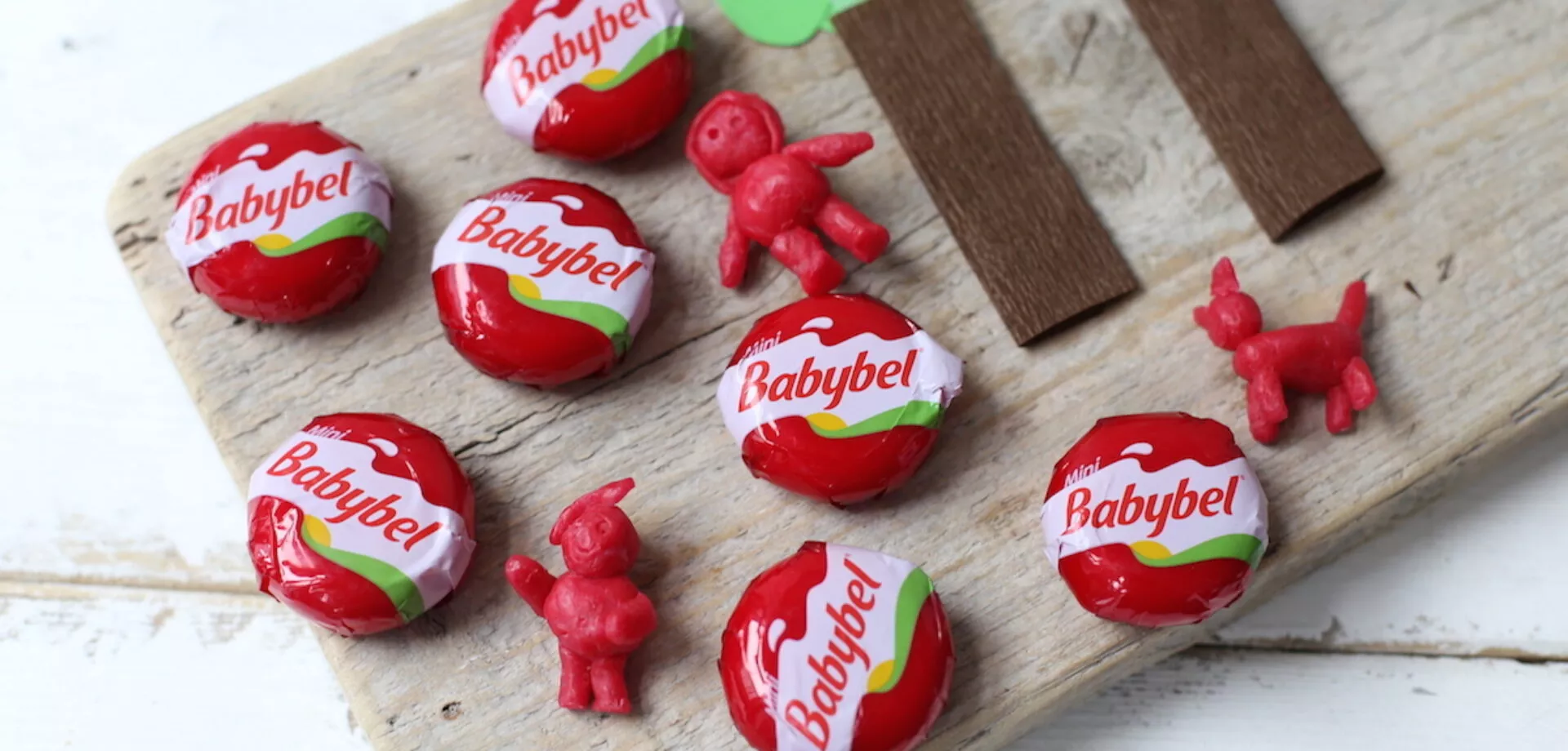
    Bel Group, well-known for their cheese products, is expanding its offerings in Australia’s string cheese segment through the introduction of its Babybel Mini Rolls. These spiral-shaped snacks represent the company’s latest foray into the Australian market.

    Bel Group established their Australian subsidiary, Bel Brands Australia, in November of the previous year. The move was made to directly handle distribution and to strengthen relationships with retailers. Since its inception, Bel Brands Australia has assumed command of nationwide distribution for the brand’s cheese products.

    Babybel Mini Rolls are set to make an impression on Australia’s lucrative string cheese market, which is estimated to be worth between $150 million to $200 million each year.

    The Mini Rolls will be available in packs of six, conveniently pre-portioned for ease of consumption. A special feature of these packs is the inclusion of Disney Pixar characters, making them particularly appealing to young consumers.

    Rucha Sarma, Senior Brand Manager at Bel Brands Australia, commended the spiral design of the new product, citing its interactive appeal. “Mini Rolls carry the same quality and taste of the original Babybel that consumers love; however, they are presented in a playful shape that can be enjoyed by both children and adults,” Sarma explained.

    She further elaborated that like all Babybel products, the Mini Rolls are made from pasteurised milk and are a rich source of calcium. Importantly, they are also free from artificial preservatives, colours, and flavours. Their portable size makes them an ideal addition to children’s lunchboxes or for snacking during travels.

    The Babybel Mini Rolls are set to hit the shelves of Coles supermarkets beginning mid-September. Distribution to independent stores across the country is planned to commence from the following month.

    Questions & Answers

    What is the estimated value of Australia’s string cheese market?
    The Australian string cheese market is estimated to be worth between $150 million and $200 million each year.

    What are the key features of Babybel Mini Rolls?
    Babybel Mini Rolls have the same quality and taste of the original Babybel cheese but are presented in a fun spiral shape. They are made from pasteurised milk and are free from artificial preservatives, colours, and flavours.

    When and where will Babybel Mini Rolls become available?
    The Babybel Mini Rolls will become available at Coles supermarkets from mid-September, with distribution to independent stores set to commence from the following month.

  • Kinder Joy Partners With Funko To Launch Harry Potter Quidditch Collection Nationwide

    Kinder Joy Partners With Funko To Launch Harry Potter Quidditch Collection Nationwide

    Kinder Joy has teamed up with Funko, a renowned pop culture brand, to unveil the Harry Potter Quidditch Collection. This collection comprises 18 themed figurines and accessories that can be found inside Kinder Joy’s signature twin-chambered chocolate eggs.

    Character Figurines and Quidditch Accessories

    The collection includes a variety of characters from the Harry Potter franchise such as Harry Potter, Hermione Granger, Ron Weasley, Draco Malfoy, and Cedric Diggory. Additionally, fans will be delighted to find Quidditch-related items, like Madam Hooch’s whistle and a Quaffle. Each egg contains a surprise – a collectible on one side, and Kinder Joy’s characteristic chocolate and wafer treat on the other.

    Kinder Joy aims to create exciting moments of discovery, reminiscent of the enchantment of Harry’s first flight on a Nimbus 2000. However, this time, the excitement is paired with a scrumptious chocolate treat. The thrill of finding a collectible in each egg adds to the overall enjoyment of the Kinder Joy experience.

    Availability and Pricing

    The Kinder Joy x Harry Potter Quidditch Collection is available nationwide. Consumers can find these unique products at Coles and other leading retailers. Each egg is priced at a recommended retail price (RRP) of $3.30.

    Questions & Answers

    What is included in the Kinder Joy x Harry Potter Collection?
    The collection includes 18 different Harry Potter-themed figurines and accessories within Kinder Joy’s twin-chambered chocolate eggs.

    Where can I buy the Kinder Joy x Harry Potter Collection?
    The collection is available nationwide at Coles and other leading retailers.

    What is the price of each Kinder Joy x Harry Potter egg?
    Each Kinder Joy x Harry Potter egg has a recommended retail price (RRP) of $3.30.

  • Wanderlust Unveils Biohack: A New Wellness Range Promising Enhanced Mental And Physical Performance

    Wanderlust Unveils Biohack: A New Wellness Range Promising Enhanced Mental And Physical Performance

    Australian health and wellness brand, Wanderlust, has unveiled a new product range, BioHack by Wanderlust. This supplement collection aims to enhance both mental and physical performance, promoting vitality, focus, resilience, and energy.

    The product line, which will be accessible online and in Chemist Warehouse locations, consists of a diverse selection of 23 formulations. Each is specifically designed with the goal of supporting various aspects of human wellness, ranging from vitality and focus to resilience and energy.

    One notable product in this collection is the NAD+ Boost. This unique supplement features the NAD+ precursor ingredient, known for its beneficial role in energy metabolism and cellular vitality.

    Wanderlust Chairman, Radek Sali, expressed the company’s philosophy and goal behind the new product line. “We believe that age is a privilege and our mission is to assist individuals in embracing their current stage of life,” he said. “This way, they can optimise their journey moving forward. BioHack by Wanderlust is not a fringe experiment in biohacking. Instead, it represents intelligent, science-supported decisions that empower individuals to take control of their evolution.”

    Questions & Answers

    What is the goal of Wanderlust’s new product line, BioHack?
    BioHack by Wanderlust is designed to enhance mental and physical performance. The products aim to promote vitality, focus, resilience, and energy.

    Where can consumers access the BioHack by Wanderlust collection?
    The BioHack by Wanderlust collection is available online and at Chemist Warehouse locations.

    What is the function of the NAD+ precursor ingredient in the NAD+ Boost supplement?
    The NAD+ precursor ingredient helps to boost energy metabolism and cellular vitality.