Blog

  • Australia’s Bold Move: Aiming to Eliminate Card Surcharges for Shoppers Everywhere

    Australia’s Bold Move: Aiming to Eliminate Card Surcharges for Shoppers Everywhere

    Australia is currently in the throes of a significant debate regarding a proposal to ban surcharges on credit and debit card transactions. If enacted, this move could potentially save consumers a staggering 1.2 billion Australian dollars (approximately $781 million) each year. Given that cashless payments currently represent 76% of all retail transactions in the country, the stakes in this discussion are high.

    Retail and Banking Communities Rally Against Proposal

    Both the retail and banking sectors are pushing back against the central bank’s suggestion to eliminate these surcharges. Retailers argue that these fees often help them offset the costly processing fees imposed by banks and card companies. They fear that removing this revenue stream could dampen their profit margins, particularly in a recovering market still grappling with the aftereffects of the pandemic. As one retailer noted, it’s somewhat like asking a chef to cook a meal without ever buying groceries: the ingredients (or financial stability) simply aren’t there.

    The Central Bank’s Perspective

    The Reserve Bank of Australia contends that eliminating card transaction fees would enhance competition and potentially lead to lower prices for consumers. Advocates of the ban argue that it would foster a more equitable marketplace where businesses can’t pass unnecessary costs onto consumers. However, this perspective has not resonated universally, as evidenced by the spirited discussions unfolding in stores and boardrooms alike.

    Consumer Impact and Future Considerations

    For the average consumer, the potential ban could translate into significant savings. However, the complexities associated with transaction fees go beyond mere dollars and cents. As Australia adjusts to an increasingly digital economy, the ongoing dialogue underscores the delicate balance between consumer protection and the financial health of retail businesses and banks alike. With the potential for dramatic shifts in the economic landscape, the outcome of this legislative pursuit could very well reshape the way Australians handle their cashless transactions.

    Questions & Answers

    What are the potential savings for consumers if transaction fees are eliminated?
    Consumers could save up to 1.2 billion Australian dollars ($781 million) each year if surcharges on debit and credit card transactions are banned.

    Why are retailers opposed to the ban on transaction surcharges?
    Retailers argue that these fees help cover the processing costs imposed by banks and card companies, and removing this revenue stream may hinder their profit margins in a competitive market.

    What stance does the Reserve Bank of Australia take on this issue?
    The Reserve Bank believes that banning surcharges would boost competition and potentially lead to lower prices for consumers, fostering a more equitable retail environment.

  • Bruno Fine Foods Expands Portfolio With Exclusive San Marzano Tomatoes Through Casa Marrazzo Alliance

    Bruno Fine Foods Expands Portfolio With Exclusive San Marzano Tomatoes Through Casa Marrazzo Alliance

    Bruno Fine Foods, a leading gourmet food provider, has expanded its premium product line through an alliance with Italian producer Casa Marrazzo, introducing San Marzano tomatoes to its portfolio.

    Certified Quality

    The newly added San Marzano tomatoes hold the prestigious DOP (Denominazione d’ Origine Protetta) certification, signifying their origin from a specific region and adherence to meticulous quality standards. These particular tomatoes are exclusively cultivated in a 3-square kilometer stretch in the Agro Nocerino-Sarnese region. Their limited production area elevates their exclusivity, making them a premium, albeit costly, product.

    Shared Vision

    The alliance between Bruno Fine Foods and Casa Marrazzo took shape following a meeting in 2023, where the teams discovered their shared commitment to high quality and sustainable land use. The two brands recognized a mutual vision for excellence that goes hand in hand with their respect for the environment.

    Australian Launch

    As part of its launch strategy, Bruno Fine Foods intends to introduce Casa Marrazo to the Australian market with a creative campaign that incorporates warehouse altars and field-side installations. This approach aims to encapsulate the essence of Casa Marrazzo’s tradition and creativity, bridging the gap between the old and the new.

    As of now, Casa Marrazzo’s hand-picked produce is readily accessible to Australian retailers, chefs, and hospitality venues, bolstering the local gastronomy scene.

    Questions & Answers

    What does the DOP certification signify?
    The DOP (Denominazione d’ Origine Protetta) certification is an Italian agricultural designation indicating that a product is grown and produced in a specific geographical region and adheres to strict quality standards.

    What makes the San Marzano tomatoes rare and expensive?
    San Marzano tomatoes are exclusively grown in a 3-square kilometer region in Agro Nocerino-Sarnese, Italy. The limited cultivation area, along with the stringent quality standards they adhere to, contribute to their rarity and higher price point.

    Where can Casa Marrazzo’s hand-picked produce be purchased in Australia?
    Casa Marrazzo’s hand-picked produce, introduced by Bruno Fine Foods, is now available to Australian retailers, chefs, and hospitality venues.

  • Starbucks Korea Eliminates Printers and Desktops as Café Workspaces Gain Popularity Among Customers

    Starbucks Korea Eliminates Printers and Desktops as Café Workspaces Gain Popularity Among Customers

    In a strategic move to enhance customer satisfaction, Starbucks has implemented a new policy across all its locations in South Korea, urging patrons to leave behind bulky devices when they step away from their tables. Announced Thursday, every store has displayed notices banning large equipment, including power strips and extensive cubicle-style dividers.

    These signs serve a dual purpose: they remind customers to take their belongings if they plan to leave for an extended period and encourage the efficient use of shared tables. A representative from Starbucks elucidated that this policy aims to maintain a comfortable environment for all guests. “While laptops and smaller personal devices are welcome, customers are asked to refrain from bringing desktop computers, printers, or other bulky items that may limit seating and impact the shared space,” the spokesperson explained to Business Insider. Importantly, these guidelines do not impose time restrictions on those who choose to dine in.

    Starbucks boasts over 2,000 outlets in South Korea, making it the company’s third-largest market after the United States and China. This recent policy aligns with a rapidly burgeoning trend in the country known as “cagongjok,” which describes individuals who occupy coffee shops for long hours to work or study.

    While the majority of these patrons use laptops, the trend has also seen some customers bringing in considerably larger equipment such as monitors and printers, as well as—wait for it—partition panels. A social media post illustrating a customer in South Korea with a three-sided partition and a computer exemplifies this phenomenon, showcasing just how far some have taken the concept of a “mobile office.”

    The rise of this trend is rooted in South Korea’s changing labor landscape and the widespread shift toward remote work. Post-pandemic, many employees adjusted to working from home, and as they gradually returned to their offices, skyrocketing rents and limited redevelopment opportunities in Seoul restricted available commercial space. In a city where businesses fiercely compete for every square foot, cafés have flourished as makeshift workspaces.

    Jo Elfving-Hwang, an associate professor of Korean society and culture at Australia’s Curtin University, noted that businesses have adapted by turning to co-working spaces or allowing employees to work remotely. “People just started working from home more, and [businesses] discovered that they didn’t necessarily need a space in the same way,” she shared with Fortune.

    However, not everyone is pleased with the emergence of “cagongjok.” Some café owners voice frustration, labeling these long-term patrons as “electricity thieves” who commandeer tables for hours while purchasing just a single beverage, thereby limiting availability for other guests. As such, it seems only natural for cafés to strive to reclaim their identity as spaces for leisure and relaxation rather than simply functioning as remote work hubs, according to Elfving-Hwang.

    Questions & Answers

    What prompted Starbucks to implement this new policy in South Korea?
    The new policy was introduced to enhance customer experience by preventing the overcrowding of space caused by bulky devices like desktop computers and printers.

    What does the term “cagongjok” refer to in the context of South Korea’s café culture?
    “Cagongjok” describes individuals who occupy coffee shops for extended periods to work or study, often occupying tables for hours with minimal purchases.

    How is the rise of remote work influencing café dynamics in South Korea?
    As more employees work from home and the demand for physical office space decreases, many have turned to cafés as alternative workspaces, leading to a shift in how these establishments are utilized.

  • JD.com Reports Sharp Q2 Profit Drop as China’s Food Delivery War Intensifies

    JD.com Reports Sharp Q2 Profit Drop as China’s Food Delivery War Intensifies

    JD.com reported a staggering 51% decline in net profit during the April-June quarter, totaling 6.2 billion yuan ($864 million). This sharp drop can be attributed to significant subsidies directed toward its food delivery service as the company grapples with fierce competition from Meituan and Alibaba in the rapidly evolving market.

    Continued Subsidy Wars in China

    In a landscape where hefty discounts and incentives have become the bread and butter of attracting users, JD.com’s commitment to subsidizing its food delivery operations shows no signs of waning. As the price wars intensify, JD.com is betting big on capturing market share, even as the financial toll becomes evident.

    Financial Strain Amid Competitive Pressure

    The current state of play in the food delivery sector indicates that the battle lines are drawn and heavily fortified, with JD.com facing off against formidable rivals. Analysts are closely watching how these subsidy investments will impact the company’s long-term viability and overall profitability. It seems that in this culinary conquest, JD.com might be cooking its own financial goose.

    Looking Ahead: What’s Next for JD.com?

    As the third quarter approaches, all eyes will be on JD.com to see if it maintains its aggressive subsidy strategy or recalibrates in response to the intense market pressures. Investors and consumers alike are wondering how this will shape the future of food delivery in China, a sector that is as unpredictable as an unpopped popcorn kernel at the bottom of a bag.

    Questions & Answers

    What caused JD.com’s drastic drop in profits this quarter?
    JD.com’s net profit fell 51% due to substantial subsidies it invested in its food delivery service, as it competes against Meituan and Alibaba.

    How is the food delivery market in China currently performing?
    The market is characterized by aggressive price wars, with JD.com, Meituan, and Alibaba vying for dominance through significant discount offers and incentives to attract users.

    What might be JD.com’s strategy moving into the third quarter?
    Observers expect JD.com to either continue its subsidy-driven approach to gain market share or possibly adjust its strategy in response to the financial impact of these investments.

  • Singapore F1 Mogul Ong Beng Seng Fined $23,400, Walks Away Without Jail Time

    Singapore F1 Mogul Ong Beng Seng Fined $23,400, Walks Away Without Jail Time

    Malaysian entrepreneur Ong Beng Seng has been fined S$30,000 (approximately US$23,400) for his role in obstructing justice, offering a hefty reminder of the thin line between the glamorous world of Formula One and serious legal scrutiny.

    Ong Beng Seng’s Legal Woes

    The 79-year-old tycoon, who played a pivotal role in bringing Formula One racing to Singapore, pleaded guilty to the charges out of court almost two weeks prior. His fine comes in the wake of a scandal involving former Singapore transport minister S. Iswaran, who is currently serving time for accepting bribes and obstructing justice.

    A Race Against Time

    Ong, who is battling incurable cancer, was implicated in a case stemming from accusations that he helped Iswaran conceal evidence during an investigation by Singapore’s anti-corruption bureau. While the court spared him a prison sentence, Principal District Judge Lee Lit Cheng emphasized the need for compassion given Ong’s health challenges. “A sentence of imprisonment would carry a high and increased risk of endangering his life,” she remarked, supporting the decision to exercise judicial mercy.

    A Legacy on the Fast Track

    Ong is known as the driving force behind Singapore’s vibrant Grand Prix, having secured the rights to the Formula One race that has thrilled fans since its debut on the streets in 2008. As the owner of Hotel Properties Limited, he has blended the realms of luxury and motorsport seamlessly — though it now seems even VIPs can find themselves in legal hot water. Iswaran’s case was the first political graft trial in Singapore in nearly fifty years, indicating that integrity is being rigorously enforced in the city-state.

    The Aftermath

    Ong’s associate, Iswaran, was sentenced last year after admitting to accepting gifts exceeding S$400,000 (about US$310,000). He completed his term on June 6, leaving the former high-flying politician grappling with the consequences of his actions.

    Questions & Answers

    What was Ong Beng Seng fined for?
    Ong Beng Seng was fined S$30,000 for his role in obstructing justice related to a corruption investigation involving former transport minister S. Iswaran.

    Why was Ong spared a jail sentence?
    Judge Lee Lit Cheng considered Ong’s terminal health condition, stating that imprisonment could significantly endanger his life, which warranted a merciful approach in passing the sentence.

    What is Ong’s connection to Formula One?
    Ong is credited with bringing Formula One racing to Singapore, owning the rights to the Singapore Grand Prix and playing a critical role in establishing the iconic street circuit that has been a fixture since 2008.

  • Vietnam’s 2025 Fruit and Vegetable Exports to China Plummet by 15% – What’s Driving the Decline?

    Vietnam’s 2025 Fruit and Vegetable Exports to China Plummet by 15% – What’s Driving the Decline?

    In a notable rebound, Vietnam’s fruit and vegetable exports are starting to recover after an alarming decline earlier this year. Following stricter scrutiny by Chinese authorities regarding residues of banned substances, exports had plummeted by as much as 80%. However, recent figures show that for the year to date, Vietnamese exports in this sector have reached an impressive $4 billion. The U.S. has emerged as a significant player, importing $316 million worth of goods—a 66% increase that underscores the growing appetite for Vietnamese produce.

    Growth Across Markets

    Other international markets, including Japan, the Netherlands, Taiwan, and Australia, have also shown robust growth, with increases ranging from 13% to 40%. This surge in demand reflects a newfound appreciation for Vietnam’s fresh fruits and vegetables. Dang Phuc Nguyen, general secretary of the Vietnam Fruit and Vegetable Association, attributes this recovery to enhanced safety measures. The Ministry of Agriculture and Rural Development has introduced a comprehensive food safety control process specifically for fresh durian exports, ensuring quality from farm to table.

    A Golden Opportunity for Durian Exports

    If these new measures are effectively implemented, there could be a significant breakthrough for durian and other tropical fruit exports to China, a market loomed over by more than 1.4 billion consumers. However, it’s worth noting that Chinese consumers are shifting their preferences toward processed fruits and vegetables, seeking convenience in their busy lives. Nguyen emphasized this trend as a golden opportunity for Vietnamese businesses, highlighting the need to act swiftly to capture greater market share and stabilize production.

    The Push for Sustainable Supply Chains

    Given Vietnam’s substantial trade deficit with China, a strategy is key. Nguyen Thi Thu Thuy, deputy director of the Trade and Investment Promotion Center, suggested that aside from tropical fruits, Vietnamese businesses should also focus on diversifying their produce offerings. Passion fruit, coconut, bird’s nest, and citrus fruits could become vital components of Vietnam’s export strategy, especially with the establishment of more sustainable supply chains in the coming years.

    Questions & Answers

    How significant is the rise in Vietnamese fruit and vegetable exports?
    Vietnam’s total exports have soared to $4 billion this year, marking a substantial recovery from earlier declines.

    What measures are being taken to enhance export safety?
    The Ministry of Agriculture and Rural Development has implemented a food safety control process for fresh durian, ensuring quality from production to market.

    What other products should Vietnamese businesses focus on for future exports?
    In addition to tropical fruits, there is potential in exporting passion fruit, coconut, bird’s nest, and citrus fruits, as businesses are encouraged to establish sustainable supply chains.

  • Gold Prices Dip 1.8% This Week Amid Fluctuating Global Market Dynamics

    Gold Prices Dip 1.8% This Week Amid Fluctuating Global Market Dynamics

    Global gold prices are facing a decline this week as fresh inflation data has made investors rethink expectations for rate cuts, all while the market’s gaze shifts to the pivotal discussions between U.S. President Donald Trump and Russian President Vladimir Putin.

    As of Friday, spot gold remained relatively stable at $3,336.66 per ounce, marking a 1.8% decrease for the week. Meanwhile, U.S. gold futures ended nearly unchanged at $3,382.6.

    In Vietnam, the Saigon Jewelry Company (SJC) held steady with its gold bar price at VND124.5 million per tael and gold rings at VND119.1 million per tael. For context, a tael is equivalent to 37.5 grams or 1.2 ounces. Notably, gold prices in Vietnam have skyrocketed 48% since the beginning of the year, leaving consumers breathless.

    The U.S. dollar saw a slight retreat, making dollar-based commodities more attractive to those holding foreign currencies. However, on Thursday, new data revealed that U.S. producer prices rose steeply in July, their highest increase in three years. This prompted traders to reassess their expectations, now estimating an 89.1% chance of a 25-basis-point rate cut by the Federal Reserve in September, down from 95% prior to the announcement.

    Following this data release, gold prices took a hit, with spot gold closing 0.6% lower. “While gold prices stabilized on Friday, there’s still a potential storm brewing depending on the outcome of the Trump-Putin summit in Alaska,” remarked Lukman Otunuga, senior research analyst at FXTM.

    Trump labeled the meeting as “high-stakes,” as he heads to Alaska to negotiate a ceasefire deal concerning Ukraine, leaving many to wonder how such geopolitical maneuvers might sway gold’s next move. Will gold dazzle or doze off? Only time will tell.

    Questions & Answers

    What influenced the recent decline in gold prices?
    Recent inflation data has led investors to reconsider anticipated rate cuts from the Federal Reserve, contributing to a decline in gold prices.

    How significant has the increase in gold prices been in Vietnam this year?
    Gold prices in Vietnam have surged by a remarkable 48% since the start of the year, attracting considerable interest from consumers.

    What is the focus of the upcoming Trump-Putin summit?
    The summit is primarily centered around discussions of a ceasefire deal for Ukraine, which could have implications on market stability and gold prices.

  • Asahi Beverages Expands Product Line With Zesty Hard Rated Alcoholic Orange

    Asahi Beverages Expands Product Line With Zesty Hard Rated Alcoholic Orange

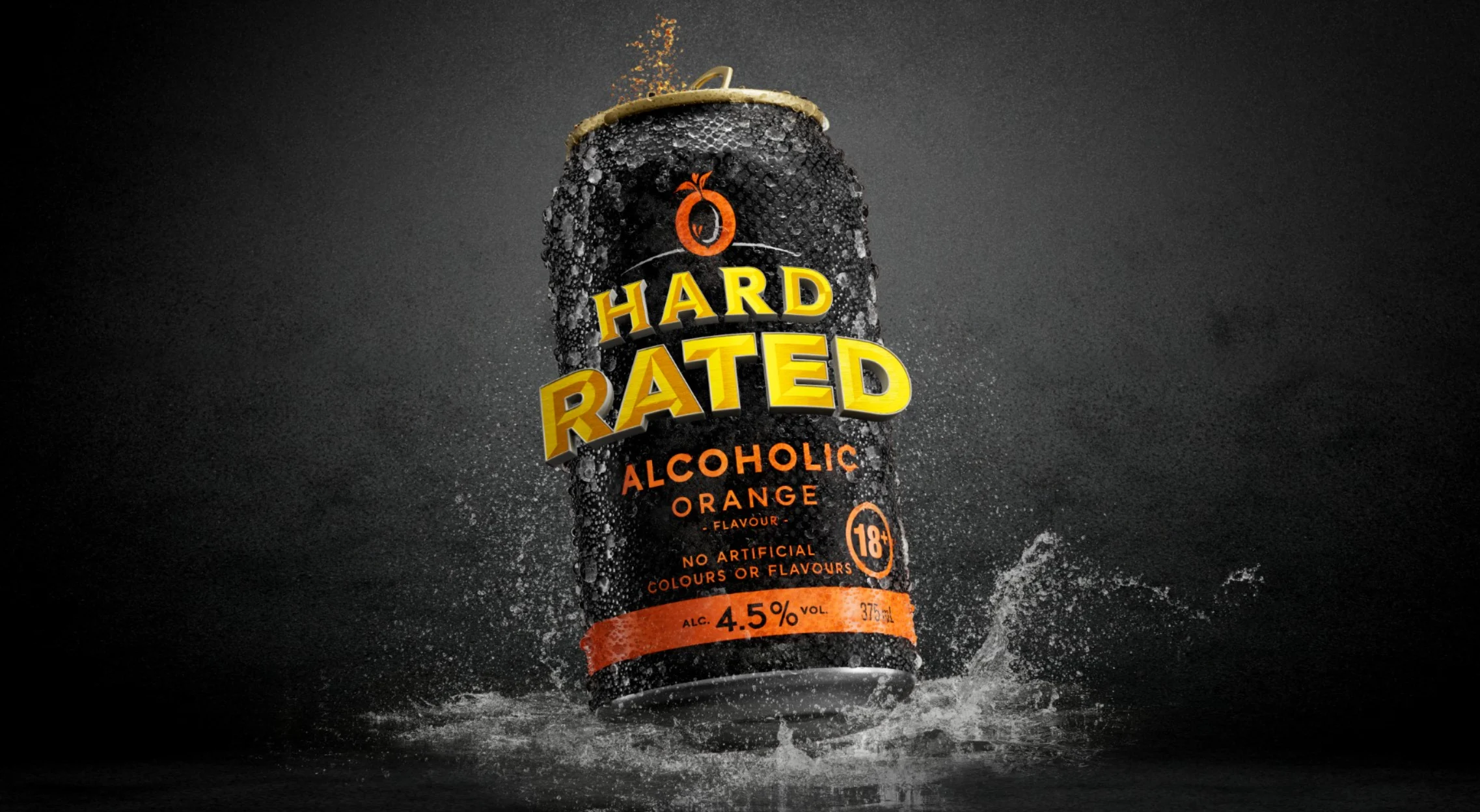
    Asahi Beverages, the multinational Japanese beverage company, is broadening its Hard Rated product range with the introduction of a fresh orange variant. This move aims to build on the achievements of its lemon variant, which was successfully launched in 2023.

    The New Orange Flavour

    The latest addition to the Hard Rated line boasts a distinct, low-bubble, sweet, and zesty orange profile. It maintains a 4.5 per cent alcohol by volume (ABV), and in keeping with the company’s commitment to quality and naturalness, this new variant contains no artificial colours or flavours.

    Sarah Wilcox, who heads the ready-to-drink (RTD) and cider divisions at Asahi Beverages, acknowledges the robust market demand for orange-flavoured alcoholic drinks. She also noted the undeniable growth in the RTD sector since the company first introduced Hard Rated in 2023.

    Wilcox added that the introduction of Hard Rated Alcoholic Orange seeks to sustain Hard Rated’s position as Australia’s top white spirit premix. It aspires to meet consumer demand for a tangy orange flavour that has not been readily available on the market.

    Distribution and Pricing

    The Hard Rated Alcoholic Orange is available through major alcohol retailers and venues across Australia. It comes in two variants – a four-pack priced at $30 and a 10-pack valued at $60.

    Questions & Answers

    What is the new addition to Asahi Beverages’ Hard Rated portfolio?
    The new addition is the Hard Rated Alcoholic Orange, which boasts a low-fizz, sweet, and zesty orange profile.

    What is the alcohol percentage of the new Hard Rated Alcoholic Orange?
    The Hard Rated Alcoholic Orange has an alcohol by volume (ABV) of 4.5 per cent.

    How much does the Hard Rated Alcoholic Orange cost?
    It is available in two variants – a four-pack priced at $30 and a 10-pack valued at $60.

  • Treasury Wine Estates Records Robust Financial Growth; Penfolds Brand Sales Surge 7.3%

    Treasury Wine Estates Records Robust Financial Growth; Penfolds Brand Sales Surge 7.3%

    Treasury Wine Estates (TWE) has seen a substantial growth pattern in its financial performance for the present fiscal year. The company’s net group sales have experienced a 7.2% increase, elevating the figure from $2.7 billion to $2.9 billion.

    Growth in Profit and Profit Margin

    The gross profit of the group has witnessed a 15% surge, amounting to $1.4 billion. This growth is mirrored in the company’s gross profit margin, which has moved up from 45.3% to 48.6% year-on-year.

    The firm’s Earnings Before Interest and Taxes (EBITS) has also seen a significant growth, marking a 17% increase to reach $770 million. The company’s net profit after tax followed suit, with an 8.1% increase, amounting to $450.7 million.

    Brand Performance

    The company’s renowned brand, Penfolds, has also reported a positive net sales revenue growth of 7.3%, reaching $1 billion. The brand’s EBITS has also risen, showing a 13.2% increase to reach $477 million.

    The Treasury Americas brand of the group has reported a notable 16.8% surge in its net sales revenue, bringing the total to $1.2 billion. This growth was accompanied by a 33.9% increase in its EBITS, reaching $308.6 million.

    However, TWE’s Treasury Premium Brands reported a decrease in its net sales revenue by 5.9% year-on-year, with the figure standing at $693.5 million. The brand’s EBITS also plummeted, reflecting a 27.6% drop to $55.1 million.

    CEO Statement

    Tim Ford, CEO of Treasury Wine Estates, expressed his satisfaction with the company’s fiscal performance. Despite facing challenges in several markets, the company remained committed to executing its business strategies, strengthening the company’s long-term growth.

    Ford attributed the company’s strong financial performance to Penfolds’ continued momentum and the successful integration of Daou Vineyards into their luxury portfolio. He also highlighted the company’s recent transition to a new luxury portfolio-led operating model that enhances strategic clarity and positions the firm well for the future.

    Questions & Answers

    What is the reported increase in Treasury Wine Estates’ group net sales?
    The group net sales have seen a 7.2% increase, moving from $2.7 billion to $2.9 billion for the current fiscal year.

    What has been the performance of Penfolds and Treasury Americas brands in terms of net sales revenue?
    Penfolds reported a 7.3% increase in net sales revenue to $1 billion, while Treasury Americas revealed a 16.8% rise, amounting to $1.2 billion.

    What measures has the company undertaken for long-term growth as per the CEO’s statement?
    The CEO revealed that the company has remained focused on executing its business plans, integrating Daou Vineyards into their luxury portfolio, and transitioning to a luxury portfolio-led operating model.

  • Lume Launches Innovative Odor-prevention Deodorants At Woolworths: A Comprehensive Line-up For Diverse Needs

    Lume Launches Innovative Odor-prevention Deodorants At Woolworths: A Comprehensive Line-up For Diverse Needs

    Lume, a prominent American deodorant brand, has recently introduced its comprehensive body deodorant line-up at Woolworths. The range includes two formulations, one in cream form and the other as a solid stick.

    Diversified Products for Varied Needs

    These new offerings from Lume, labeled as Invisible Cream and Smooth Solid Stick, have been specifically designed to cater to different parts of the body. The products are offered in three distinctive fragrances: Clean Tangerine, Lavender Sage, and Soft Powder.

    Discussing the science behind the new product line, Lume’s founder, Dr. Shannon Klingman, explained, “The primary cause of body odor is the bacteria present on the skin. These bacteria break down physical fluids like sweat and urine, leading to the release of foul odor. Lume’s products prevent this process by stopping bacteria from consuming these fluids on the skin, thereby preventing the odor from even originating.”

    Accessible and Affordable Products

    Lume’s extensive body deodorants are now conveniently available at Woolworths, both in physical stores and online. The recommended retail price (RRP) for the products is set at $25.

    In other related developments, Old Spice launched a Superman-themed personal care range last month.

    Questions & Answers

    What is the major cause of body odor?
    According to Dr. Shannon Klingman, Lume’s founder, the primary source of body odor is the bacteria present on the skin which digest bodily fluids like sweat and urine.

    What is the unique selling point of Lume’s new product range?
    Lume’s new products, Invisible Cream and Smooth Solid Stick, prevent body odor by stopping bacteria from consuming fluids on the skin, thus preventing the odor from even originating.

    Where are Lume’s new products available for purchase?
    Lume’s new comprehensive body deodorants are available for purchase at Woolworths, in physical stores as well as online.

  • My Food Bag Group Sees Profit Surge, Launches Innovative Non-subscription Platform Amid Continued Growth

    My Food Bag Group Sees Profit Surge, Launches Innovative Non-subscription Platform Amid Continued Growth

    My Food Bag Group, a prominent meal kit company, has experienced a favorable upward trend in growth during the second half of the fiscal year 2025 (FY25). This positive trajectory is reflected in the company’s increased profitability and the successful launch of its innovative non-subscription sales platform.

    For the financial year ending on March 31, the company reported a steady revenue of $162.1 million, mirroring the previous year’s figures. The second half of the financial year, however, saw a 5% growth in revenue compared to FY24, and an uptick of 1.9% from the first half of FY25.

    The company’s annual net profit surged by 5%, totaling $6.3 million. The Earnings Before Interest, Taxes, Depreciation, and Amortization (EBITDA) also experienced a slight increase, reaching $16.1 million. Concurrently, the margins improved and the net debt plunged from $11.8 million to $6.9 million.

    Strategic Developments and Partnerships

    The company’s CEO, Mark Winter, expressed his optimism about the company’s efforts translating into sustained business performance and renewed growth.

    A primary strategic progression was the launch of My Food Bag Shop in November, an online platform offering one-time meals and gift boxes catering to non-subscribers.

    The company also enhanced its primary brands, namely My Food Bag, Fresh Start, and Bargain Box, by relaunching its Gluten-Free range and incorporating new specialized options. These new offerings include Low Carb, High Protein, and a Diabetes Plan, which was designed through a collaboration with Diabetes New Zealand.

    FY25 marked digital advancements, such as a revamped website and application to augment user experience. The company joined forces with the NZ Olympic Team and Auckland FC to enhance brand engagement.

    According to Winter, the enhanced user experience on the web and app facilitates an easier navigation for customers to find suitable meals. The partnerships with the NZ Olympic Team and Auckland FC have strengthened the company’s local foothold and boosted its relevance among New Zealanders.

    Future Focus

    The company reported a positive start to the early FY26 trading. Its focus remains on personalization, expanding its Bargain Box offering, and broadening the Shop platform to cater to cost-conscious and flexible consumers.

    Questions & Answers

    What was a significant strategic move by My Food Bag Group in FY25?
    In FY25, My Food Bag Group launched My Food Bag Shop, an online platform that provides one-time meals and gift boxes to non-subscribers.

    How did My Food Bag Group enhance its brand offerings?
    The company reintroduced its Gluten-Free range and added new specialized options including Low Carb, High Protein, and a Diabetes Plan, which was developed in collaboration with Diabetes New Zealand.

    What are the company’s plans for FY26?
    The company plans to focus on personalization, expand its Bargain Box offering, and broaden the Shop platform to meet the demands of cost-conscious and flexible consumers.

  • Cadbury Australia Recalls Marvellous Creations Candy Due To Plastic Contamination Risk

    Cadbury Australia Recalls Marvellous Creations Candy Due To Plastic Contamination Risk

    Cadbury Australia has recently announced a countrywide recall of a popular product, the Marvellous Creations Jelly Popping Candy Beanies. The recall is due to the discovery of plastic fragments within the treats.

    Product Details

    The products impacted by the recall are those with an expiration date of May 21, 2026. They have been distributed and sold across the country by various outlets, including Coles, Woolworths, Drakes, The Reject Shop, IGA, and several independent retailers.

    Consumer Warning

    Food safety bodies have cautioned against consuming products containing plastic, stating that they may lead to potential health risks such as illness or injury.

    Advice to Consumers

    Customers who have purchased the affected product are strongly advised not to consume it. They are encouraged to return the product to the store of purchase where they will receive a full refund.

    For those who have already consumed the product and are worried about their health, it is recommended to seek immediate medical advice.

    Questions & Answers

    What should I do if I have purchased the recalled product?
    You should not consume it. Instead, return it to the store from where it was purchased for a full refund.

    What if I have already consumed the product?
    If you have already consumed the product and are feeling unwell or concerned about your health, it is strongly recommended to seek immediate medical attention.

    Are other Cadbury products affected by this recall?
    No. This recall is specific to the Marvellous Creations Jelly Popping Candy Beanies with an expiration date of May 21, 2026. Other Cadbury products are not affected.

  • Singapore’s Food Tech Startup Prefer Expands To Australia Through Strategic Partnership With The Coffee Ferm

    Singapore’s Food Tech Startup Prefer Expands To Australia Through Strategic Partnership With The Coffee Ferm

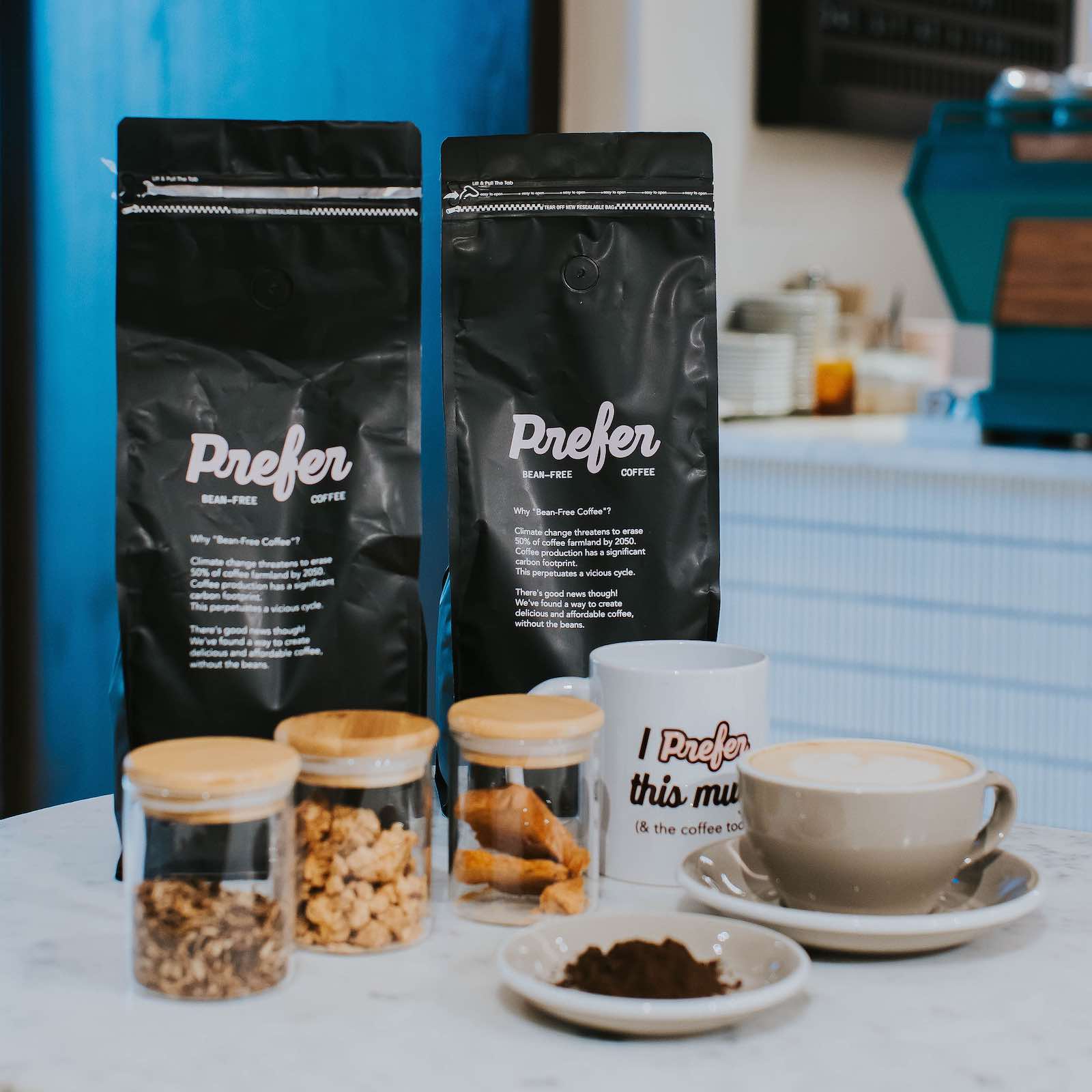
    Prefer, a Singapore-based food tech startup, is extending its reach to Australia, following the establishment of its debut domestic business collaboration.

    Expansion Down Under

    In a strategic move to expand its footprint in Australia and New Zealand, Prefer has formed a partnership with local coffee producer, The Coffee Ferm. This new alliance will see The Coffee Ferm acquiring a license for Prefer’s flavor intellectual property, enabling the firm to escalate manufacturing and distribution within the local market.

    Innovative and Sustainable Flavors

    Established in 2022, Prefer is making a name for itself in the market with its inexpensive and eco-friendly flavors and ingredients. These flavors are created using a unique fermentation and roasting technique, utilizing byproducts from food manufacturing processes, such as rice and soy. The company claims that their products deliver the same taste and operational attributes of coffee and cocoa, but with significantly lesser environmental impact.

    Supplies

    Prefer supplies its innovative flavors and ingredients to an array of businesses, from Fast Moving Consumer Goods (FMCG) brands and food manufacturers, to private label retailers, and flavor houses.

    Bean-free Coffee and Other Partnerships

    The startup has recently brought its ‘bean-free’ coffee products to the market via foodservice channels, in collaboration with the Singaporean food enterprise, Melvados. Moreover, Prefer has formed an alliance with Ajinomoto Thailand to generate sustainable innovations in the country’s coffee beverage sector.

    Funding and Future Plans

    This expansion comes in the wake of Prefer securing a successful fundraising round, which exceeded expectations at US$4.2 million. The fundraising was jointly headed by At One Ventures and Chancery Hill Capital, with Forge Ventures also participating. The influx of funds will contribute to the company’s plans to enhance their pilot production facility in key markets using toll manufacturers, further their research and development on cocoa flavor creation, and extend their global partnerships, with a continued emphasis on Asia.

    Questions & Answers

    What is the core business of Prefer?
    Prefer is a food tech startup that creates affordable and sustainable flavors from food manufacturing byproducts like rice and soy.

    What is the significance of Prefer’s partnership with The Coffee Ferm?
    The partnership will enable Prefer to expand into the Australian and New Zealand markets by licensing its flavor intellectual property to The Coffee Ferm, thus facilitating local manufacturing and distribution.

    What are Prefer’s future plans following the recent fundraising?
    Prefer plans to scale its pilot production facility, continue research and development on cocoa flavor, and broaden its global partnerships with a continued focus on Asia.

  • Australian Food Industry Shows Resilience With Robust Growth Amid Global Challenges

    Australian Food Industry Shows Resilience With Robust Growth Amid Global Challenges

    The food and grocery manufacturing industry in Australia has demonstrated robust growth, further solidifying its significance as the country’s biggest manufacturing sector and a crucial provider of regional employment opportunities.

    The Australian Food and Grocery Council’s (AFGC) State of the Industry 2023-24 report reveals that the sector’s turnover has experienced a 5.3 per cent growth, equating to a total of $173 billion.

    Employment and Exports

    Employment in the industry has also seen an increase of 4.4 per cent, resulting in almost 300,000 people now being employed in the sector, with over a third of these individuals located in regional Australia.

    Exports within the industry recorded a 5.2 per cent growth, while imports declined by 3.3 per cent. Interestingly, the US has surpassed China as the leading export market for Australia.

    Colm Maguire, CEO of AFGC, expressed his optimism for the sector’s future, emphasizing its “enormous potential”. He highlighted the need for policy and strategic backing as key for continued growth.

    Maguire added, “With the proper policy framework and strategic support, the food and grocery manufacturing sector can further enhance Australia’s economy – fostering regional employment, reinforcing Australia’s standing as a strong manufacturing nation, and securing our food and grocery supply amidst an increasingly complicated global landscape.”

    Challenges and Future Perspectives

    Despite the encouraging figures, the report also drew attention to certain challenges faced by the sector. These include an 11 per cent decline in capital investment, which currently stands at $3.8 billion, and ongoing cost pressures.

    As the Albanese Government progresses with its “Future Made in Australia” agenda, the AFGC argues that the food and grocery manufacturing industry is in a strong position to take the lead. This is reflected in their proposed seven productivity pillars, which concentrate on reducing bureaucracy, building resilient supply chains, and ensuring access to affordable, reliable energy.

    Questions & Answers

    What growth has the Australian food and grocery manufacturing industry seen recently?
    The industry has seen a 5.3 per cent increase in turnover, equating to $173 billion. Employment in the sector has risen by 4.4 per cent, with nearly 300,000 people now employed.

    Who is now Australia’s top export market?
    The US has now overtaken China as Australia’s top export market.

    What challenges does the Australian food and grocery manufacturing industry face?
    The industry faces challenges such as an 11 per cent decrease in capital investment and ongoing cost pressures.

  • Chatime And Maybelline Unveil Mascara-inspired Beverage Line With Unique Promotional Prizes

    Chatime And Maybelline Unveil Mascara-inspired Beverage Line With Unique Promotional Prizes

    Chatime and Maybelline New York have come together to unveil a series of four beverages that draw inspiration from Maybelline’s latest addition to its product line, the Colossal Bubble Mascara. The mascara promises to offer a voluminous yet lightweight effect.

    The Limited-Edition Beverage Collection

    The unique, limited-edition drink line-up includes Bubbillicious Mango Fruity, Colossal Mango Passion Frozen, Maybe It’s Peach Fruity, and Maybelline Sugar Swirl. These beverages aim to offer a refreshing twist and a new dimension to the beverage experience for customers, reflecting the bold and innovative nature of the two brands.

    Rachel Druce, who is in charge of marketing at Chatime, has expressed that this partnership has opened up a novel dimension in the brand’s line of collaborations. According to her, this initiative blends the worlds of beauty and beverages in a manner that is unique, enjoyable, and perfectly in tune with Chatime’s brand identity.

    An Exciting Offer for Customers

    As part of the promotion, customers who purchase any of the Maybelline-themed bubble tea drinks will receive a ‘Scratch and Win’ card. This allows them the opportunity to win a variety of prizes, including over 3000 full-size mascaras and an array of Chemist Warehouse vouchers.

    Melanie Bower, the marketing director of Maybelline New York ANZ, has expressed that this collaboration perfectly complements the launch of their new mascara. Being the leading mascara brand in Australia, Maybelline New York is constantly seeking unique and exciting ways to engage with its consumers. According to Bower, the collaboration with Chatime perfectly encapsulates this ethos by celebrating bold lashes and bold flavours together.

    The promotion is set to run nationwide from August 12th to 25th across all Chatime outlets.

    Questions & Answers

    What is the nature of the collaboration between Chatime and Maybelline New York?

    The collaboration involves the launch of four limited-edition beverages inspired by Maybelline’s new Colossal Bubble Mascara.

    What benefits do customers get from this collaboration?

    Customers who purchase any of the Maybelline-themed bubble tea drinks will receive a ‘Scratch and Win’ card, providing them a chance to win a variety of prizes, including over 3000 full-size mascaras and Chemist Warehouse vouchers.

    How long is the promotion set to run?

    The promotion is scheduled to run from August 12th to 25th across all Chatime outlets nationwide.