Blog

  • Asia’s Retail Revolution: The Rise Of Omnichannel Shopping And Its Impact On Consumer Expectations

    Asia’s Retail Revolution: The Rise Of Omnichannel Shopping And Its Impact On Consumer Expectations

    The Asian retail landscape is witnessing a paradigm shift, thanks to the intriguing rise of omnichannel retailing. Retailers across the region are scrambling to cater to the modern consumer, who seamlessly blends online shopping with in-store experiences. This shift isn’t just noteworthy; it’s transforming how brands engage with their audiences, creating a shopping experience that is both personalized and convenient.

    The Omnichannel Revolution and Consumer Expectations

    With online shopping no longer a secondary option, shoppers now expect a fluid transition between digital interfaces and physical stores. According to a recent report, 70% of consumers prefer a brand that offers a consistent shopping experience across platforms. This demand is prompting retailers to invest heavily in technology that enhances customer interactions, whether browsing their favorite clothes on a mobile app or engaging with staff in a local boutique.

    Even in a world of increasing automation, the human element is proving harder to replace than anticipated. A clever team of retail innovators might say that blending the digital and physical shopping worlds is akin to mixing tradition with a dash of technology – and just like a well-crafted cocktail, the right shake can produce unexpected delight.

    Challenges Within Transformation

    Despite the opportunities, the journey to omnichannel excellence is fraught with challenges. Retailers face hurdles such as inconsistent inventory management and fragmented customer data, which can thwart integration efforts. To overcome these obstacles, smart retailers are turning towards data analytics tools that help capture customer preferences and habits. The end goal? Tailoring their offerings to meet the precise needs of consumers.

    Moreover, training employees to navigate this hybrid shopping environment is crucial. They need to act as brand ambassadors who can provide knowledgeable assistance, whether in-store or virtually. It’s a delicate balancing act, ensuring staff are equipped to deliver a unified experience that keeps customers returning.

    Technology’s Role in Enhancing Retail Experience

    Tech giants like Alibaba and Tencent are already leading the charge, leveraging artificial intelligence and data science to predict shopping trends and personalize customer experiences. However, smaller retailers are equally thriving by adopting user-friendly technology solutions that can elevate their game without breaking the bank. Implementing chatbots, enhancing mobile app capacities, and utilizing customer relationship management tools are just a few strategies gaining momentum in this new retail era.

    As brands continue to innovate, Asia’s retail sector is set to redefine what consumers can expect from their shopping journeys, lighting the path towards a more interconnected future.

    Questions & Answers

    How are retailers responding to the shift towards omnichannel shopping?
    Retailers are investing in technology to improve customer interactions across online and offline platforms, ensuring a seamless shopping experience.

    What major challenges do retailers face in the transition to omnichannel?
    Challenges include inconsistent inventory management and fragmented customer data, which complicate integration efforts.

    Which technologies are emerging as pivotal for enhancing retail experiences?
    Artificial intelligence, data analytics, and user-friendly technology solutions are key players, enabling brands to predict trends and better cater to consumer preferences.

  • Familymart Targets Asia: Ambitious Expansion Plans Aim To Transform Retail Landscape

    Familymart Targets Asia: Ambitious Expansion Plans Aim To Transform Retail Landscape

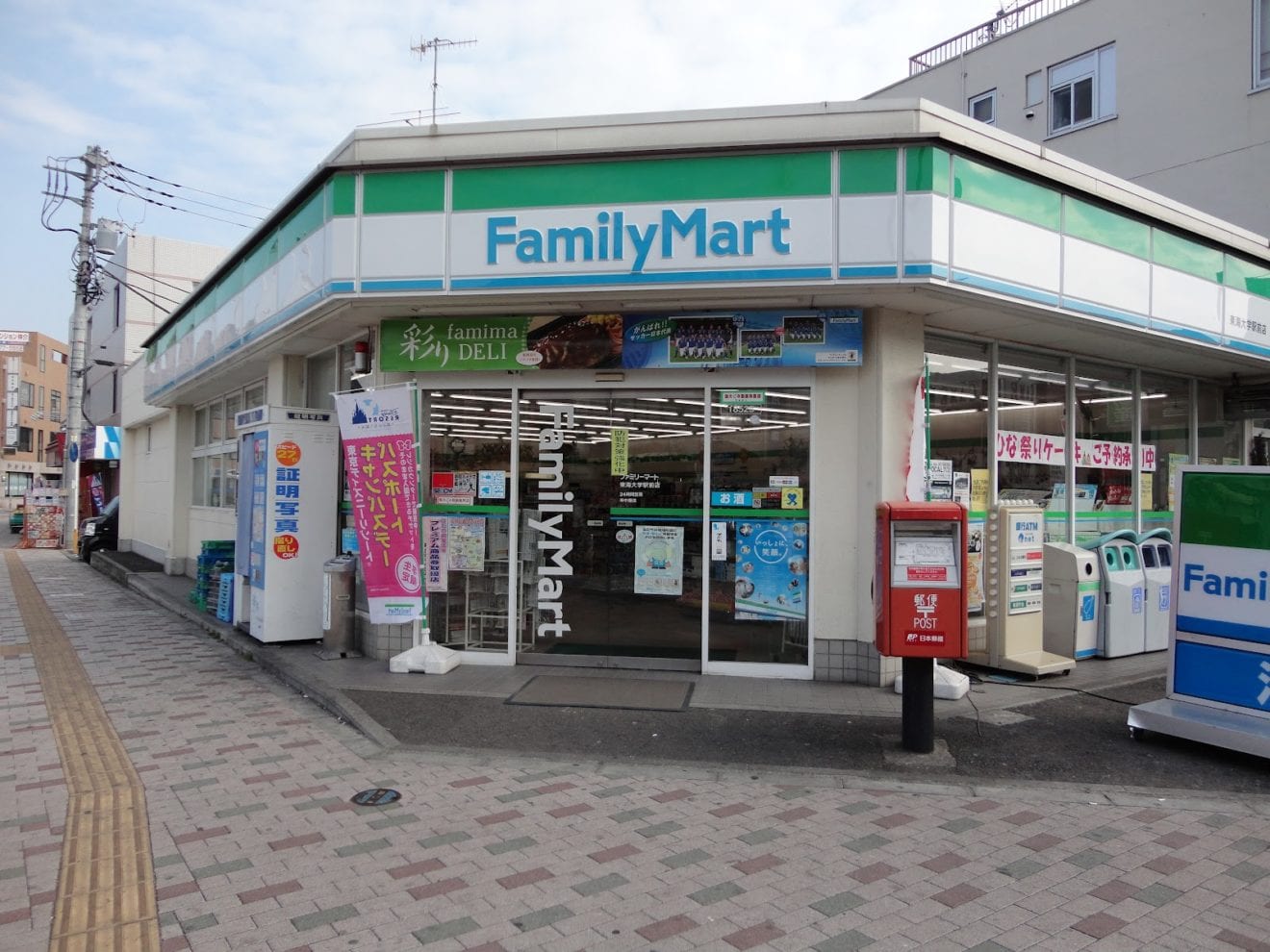
    In a remarkable twist for the retail landscape, Japan’s convenience store giant FamilyMart is making waves with its ambitious expansion plans across Asia. Aiming to capture the growing consumer market in the region, the company has set its sights on a significant increase in its store count in China and other key markets.

    FamilyMart Expands Its Footprint

    This year, FamilyMart aims to open approximately 1,000 new stores in China alone, underscoring its commitment to penetrating the world’s second-largest economy. The company is not just restocking shelves; it’s reimagining the convenience store experience by integrating local tastes and preferences into its product offerings. With trend-driven items such as ready-to-eat meals and fresh produce, FamilyMart is on a mission to cater to the increasingly diverse palate of Chinese consumers.

    The Race for Convenience

    The competition is steep, with rivals like 7-Eleven and Lawson continuously enhancing their services and product ranges. However, FamilyMart thrives on its ability to innovate swiftly. Their latest strategy? Expanding into niche markets such as specialty beverages and gourmet snacks, which are tailor-made for urban dwellers eager for quality convenience. You could even say they’re attempting to make fast food gourmet—proof that in retail, there’s always room for a delicious twist!

    Feedback-Driven Innovation

    FamilyMart also places a strong emphasis on customer feedback, pivoting quickly in response to what shoppers are asking for. This agility gives them a unique edge in an ever-evolving retail environment. According to company spokespersons, the store designs and product choices are now more reflective of community preferences, making each outlet feel personalized and relevant.

    Future Plans on the Horizon

    Looking ahead, FamilyMart is determined to bolster its existing presence in Southeast Asia, with expansion plans across markets like Vietnam and Thailand. This initiative is fueled by a demographic trend of increasing urbanization and consumer spending power in these regions. By establishing a strong retail presence, FamilyMart aims not only to thrive but to set benchmarks in convenience retail across Asia.

    Questions & Answers

    How many new stores does FamilyMart plan to open in China?
    FamilyMart aims to open approximately 1,000 new stores in China this year.

    What unique strategies is FamilyMart employing to cater to local tastes?
    FamilyMart is integrating local preferences into its product offerings, including ready-to-eat meals and specialty beverages to appeal to diverse consumer palates.

    Which markets is FamilyMart looking to expand into next?
    FamilyMart plans to strengthen its presence in Southeast Asia, particularly in countries like Vietnam and Thailand, where urbanization and consumer spending are on the rise.

  • South Korea’s Payment Card Market Set to Hit $1 Trillion by 2025: A Game Changer for Retail!

    South Korea’s Payment Card Market Set to Hit $1 Trillion by 2025: A Game Changer for Retail!

    In a remarkable shift towards digital finance, South Korea’s payment card market—encompassing both point-of-sale (POS) payments and ATM withdrawals—is projected to grow by 3.8%, reaching an impressive $1 trillion (KRW1.4 quadrillion) by 2025, as revealed in a recent report by GlobalData. This growth is largely fueled by a burgeoning preference for digital payment solutions among consumers.

    Between 2020 and 2024, card payments in South Korea are anticipated to experience a robust compound annual growth rate (CAGR) of 7.8%, spiking to about $972.4 billion (KRW1.3 quadrillion) by 2024. In stark contrast, cash withdrawals from ATMs are expected to grow only marginally at 0.9%, as more consumers opt for card-based transactions over traditional cash withdrawals.

    “South Korea’s cards and payments industry is well-developed, with each individual estimated to hold more than six cards as of July 2025,” noted Shivani Gupta, a banking and payments analyst at GlobalData. Gupta also highlighted that the frequency of card usage is on the rise, increasing from an average of 86.2 transactions per card in 2021 to a projected 97.8 transactions per card by 2025.

    By 2025, POS transactions are expected to dominate the landscape, accounting for a striking 96.1% of all card payments, leaving a minuscule share for cash withdrawals. The total number of card payment transactions is forecasted to increase from 24.2 billion in 2021 to 30.7 billion by 2025, achieving a CAGR of 6.2%, and advancing further to 35.9 billion by 2029.

    Efforts to enhance card usage are evident in recent industry initiatives. In January 2025, payment company NHN KCP partnered with Verifone to launch the all-in-one POS terminal “KCP Terminal The Black,” specifically designed to assist small and medium-sized businesses. Additionally, a collaborative agreement signed in July on Jeju Island between six organizations, including the Korea Payment Service Promotion Agency, aims to broaden the use of contactless cards on local bus services. Who knew public transport could be this tech-savvy?

    Looking ahead, the payment cards market is expected to continue its upward trajectory, forecasted to grow at a CAGR of 3.6% from 2025 to 2029, ultimately reaching KRW1.6 quadrillion ($1.2 trillion) by 2029, according to Gupta.

    Questions & Answers

    What is driving the growth of the South Korean payment card market?
    The growth is largely attributed to a rising preference for digital payments among consumers, significantly influencing both POS payments and ATM withdrawals.

    How many cards does the average South Korean hold?
    As of July 2025, it is estimated that each individual in South Korea will hold more than six payment cards, reflecting the market’s robust development.

    What innovations are being introduced to enhance card usage?
    Recent innovations include the launch of the all-in-one POS terminal “KCP Terminal The Black” by NHN KCP and Verifone, aimed at supporting small and medium-sized businesses, as well as initiatives to expand contactless card use in public transport on Jeju Island.

  • Qantas Airways Hit with Historic $58M Fine Over Controversial Pandemic Layoffs

    Qantas Airways Hit with Historic $58M Fine Over Controversial Pandemic Layoffs

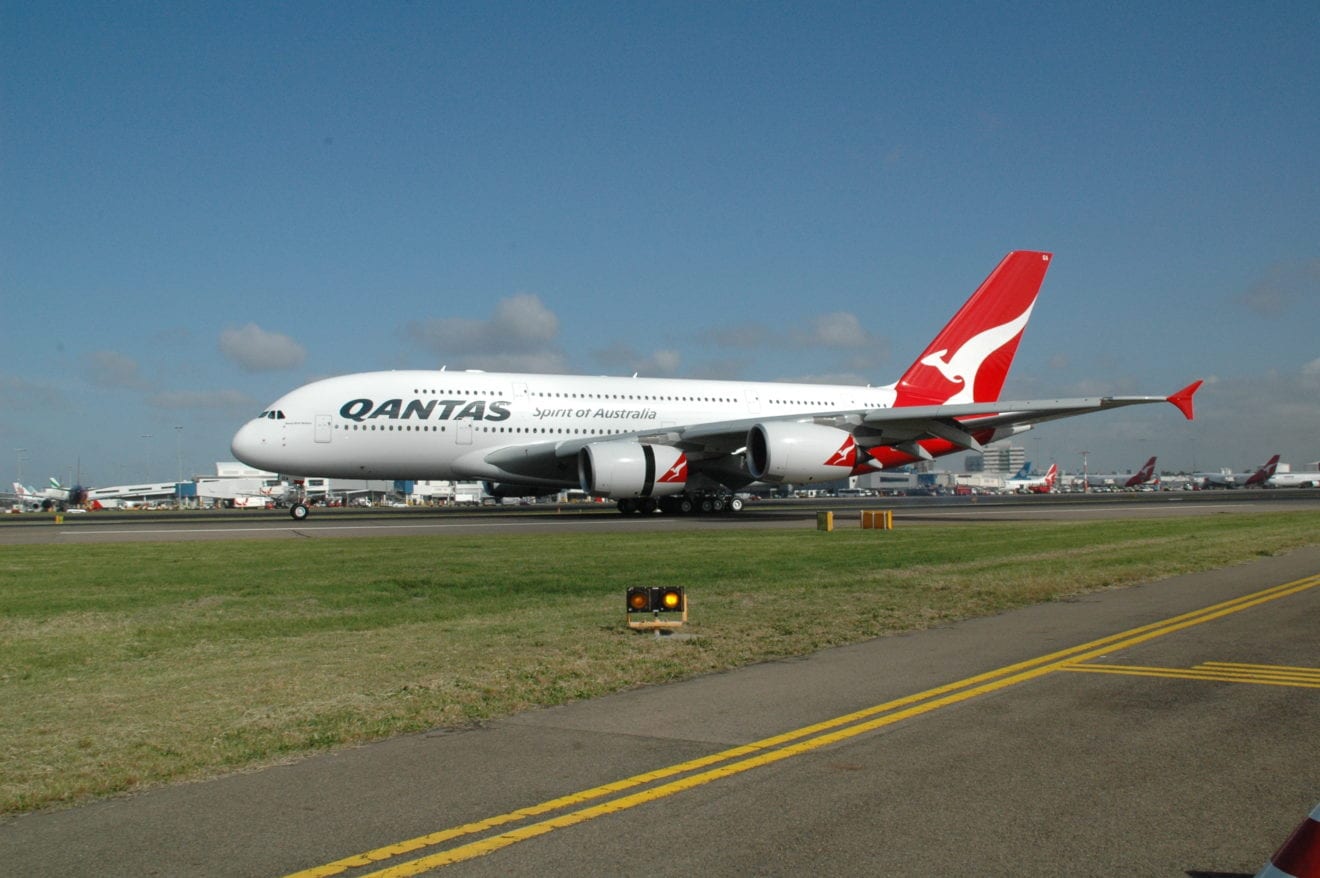
    In a landmark ruling, Australia’s Federal Court has imposed a staggering penalty on Qantas Airways, marking the largest fine ever levied on a company under the nation’s labor laws. Judge Michael Lee expressed his discontent with the airline’s litigation tactics and questioned whether its recent expressions of remorse were sincere or merely strategic maneuvers to mitigate damage.

    Qantas’ Controversial Layoffs Under Scrutiny

    While Qantas has made changes to its leadership team in light of the judgment, Judge Lee remarked that the company’s apologies appeared more focused on its own reputation rather than the genuine hurt caused to its workforce. “I accept Qantas is sorry, but I am unconvinced that this measure of regret is not, at least in significant measure … the wrong kind of sorry,” he stated.

    A Record-Breaking Fine

    The fine, which amounts to 75% of the maximum the court could enforce, aims to ensure it is seen not as a mere cost of doing business. A total of A$50 million will be directed to the Transport Workers’ Union (TWU), which spearheaded the case against the airline. TWU’s national secretary, Michael Kaine, provided a triumphant reflection post-verdict: “Against all the odds, we took on a behemoth … that had shown itself to be ruthless, and we won.”

    Compensation and Layoff Fallout

    This judicial decision follows a December agreement that set up a A$120 million compensation fund for the airline’s dismissed employees. The controversy began during the pandemic in 2020, when Qantas management opted to lay off 1,820 ground staff in favor of outsourcing their roles to contractors. Although the airline presented the layoffs as a commercial strategy, the court determined they represented “adverse action,” infringing on workers’ rights under Australia’s Fair Work Act.

    Cultural Critique and Legal Defenses

    Judge Lee highlighted concerns regarding Qantas’ corporate culture and its approach to public relations and litigation, labeling its strategy as reactive and dismissive. The judge referred to the airline’s swift announcement of its intent to appeal the 2021 ruling without allowing sufficient time to digest the 431-paragraph judgment.

    When its initial appeal failed, Qantas’ response was seen as an attempt to spin the narrative, neglecting the court findings that highlighted unlawful conduct. Lee also chastised the airline for its choice to keep its CEO, Vanessa Hudson, from taking the stand. “It is one thing for the ‘Qantas News Room’ to issue press releases by a CEO saying sorry; it is quite another for written assertions of contrition, recognition of wrong and cultural change to be tested in a courtroom,” he remarked.

    Implications for Labor Practices

    The penalty is not only a personal setback for the airline but also serves as a stark reminder to employers about the legal ramifications of disregarding labor rights. “This record-breaking penalty reflects the monumental scale of Qantas’ wrongdoing,” noted Josh Bornstein, a principal at Maurice Blackburn Lawyers, the firm representing TWU. Labor law expert Shae McCrystal from the University of Sydney added that such adverse action cases send a crucial message to employers that unlawful practices will not go unnoticed.

    In response to the court’s ruling, Qantas has stated its commitment to paying the fine as ordered and expressed remorse for the situation. “We sincerely apologize to each and every one of the 1,820 ground handling employees and to their families,” Chief Executive Vanessa Hudson conveyed in her statement. As markets reacted, Qantas shares dipped 0.4% to A$11.58 in early trading, a slice of the turbulence that now surrounds the airline’s future.

    Questions & Answers

    What was the ruling against Qantas about?
    The Federal Court ruled against Qantas for laying off 1,820 ground staff and outsourcing their work, determining it constituted “adverse action” against workers’ rights under Australia’s Fair Work Act.

    How much is the penalty imposed on Qantas?
    The penalty is A$50 million paid to the Transport Workers’ Union, marking the largest fine in Australia’s labor law history, which Judge Lee stated is significant enough to deter similar future violations.

    What steps has Qantas taken following the ruling?
    In the wake of the decision, Qantas has made changes to its management and reiterated its commitment to pay the imposed fine, while expressing apologies to the affected employees and their families.

  • IKEA Expands Boldly in India with Diverse Store Formats and Enhanced Supply Chain Strategy

    IKEA Expands Boldly in India with Diverse Store Formats and Enhanced Supply Chain Strategy

    In a bold leap towards modernization and urban adaptation, Swedish home furnishings behemoth IKEA is expanding its footprint across India. The retailer is introducing a fresh approach that encompasses compact city storefronts, expansive mixed-use developments, and an enhanced online shopping experience. As part of this transformation, IKEA is also weaving India more tightly into its global supply chain, aiming to meet domestic demand while diversifying its production capabilities.

    Gone are the days when Indian shoppers had to navigate massive warehouse-style locations. Instead, IKEA’s new city-friendly outlets are tailored for bustling, high-density areas, making accessibility a priority for urban residents. It’s a clever twist that invites customers to experience IKEA without the trek across town.

    This strategic shift comes at a time when India’s retail market is increasingly vibrant, characterized by rapid urbanization and a growing middle class hungry for innovative and affordable home solutions. In 2024, the Indian retail market is estimated to reach nearly $1 trillion, providing a conducive environment for IKEA’s expansion.

    To accommodate this dynamic landscape, IKEA plans to launch not just stores but also mixed-use developments that incorporate residential and commercial elements, reimagining the shopping experience. The idea is to create vibrant community hubs where shopping, dining, and living intertwine seamlessly—because who wouldn’t want a cozy cup of coffee after an afternoon of furniture browsing?

    Simultaneously, IKEA is bolstering its online presence, a move essential in an era where e-commerce continues to rise. With a robust digital strategy in place, the retailer is targeting younger consumers who prioritize convenience and innovation in their shopping experiences. It’s a blend that captures the essence of modern retail, bringing the entire IKEA ecosystem closer to the consumer.

    Questions & Answers

    How is IKEA adapting its store formats for the Indian market?
    IKEA is transitioning from large warehouse-style stores to more compact city-friendly outlets, designed for high-density urban areas to enhance accessibility for city dwellers.

    What additional developments is IKEA pursuing in India?
    In addition to launching new stores, IKEA is investing in mixed-use developments that blend shopping with residential and commercial spaces, creating vibrant community hubs.

    Why is strengthening its online presence crucial for IKEA?
    A robust online strategy is essential as e-commerce continues to surge, helping IKEA connect with younger consumers who seek convenience and innovative shopping experiences.

  • Starlink Wins Final Approval to Launch Exciting Satellite Services Across South Korea!

    Starlink Wins Final Approval to Launch Exciting Satellite Services Across South Korea!

    Starlink has navigated the final regulatory waters needed for its satellite communication services to make a significant entry into South Korea. The Ministry of Science and ICT, along with the National Radio Research Agency (RRA), confirmed that the suitability assessment for SpaceX’s low-Earth orbit (LEO) satellite communication ground station radio equipment—specifically the UTA-252 model—was finalized on August 11. This approval allows Starlink Korea to provide user antennas and related equipment domestically, successfully eliminating the last remaining regulatory hurdle.

    Local Presence, Global Ambitions

    To comply with South Korean regulations that restrict foreign companies from directly offering telecommunications services, SpaceX established Starlink Korea as a local subsidiary. This entity has been officially recognized as a telecommunications business operator after securing approval in May under a cross-border supply agreement for low-orbit satellite services, which enables collaboration with its U.S. parent company.

    Eyes on the September Launch

    Industry analysts had originally predicted that Starlink would initiate its services in July following its May approval. Now, with the RRA’s device assessment concluded, the market is buzzing with anticipation for a commercial launch that could happen as soon as September.

    Targeting Businesses and Governments

    In its initial phase, Starlink Korea is poised to focus on the business-to-business (B2B) and business-to-government (B2G) segments, eyeing sectors where non-terrestrial networks (NTN) hold distinct advantages, including maritime, aviation, industrial plants, public services, and disaster response. SK Telink, the official reseller for Starlink Korea, plans to offer tailored packages that cater to specific industries, such as maritime and aviation connectivity bundles, as well as hybrid solutions for public institutions.

    Expanding the Satellite Universe

    Starlink’s ambitious constellation comprises roughly 7,000 satellites, making it a leader in LEO infrastructure on a global scale. Since its first satellite deployment in May 2019, the company has maintained a brisk launch schedule of about three satellites per day, with a goal to provide connectivity speeds that could soar up to 2 Gbps. If that isn’t the pace of a space race, we don’t know what is!

    Questions & Answers

    What recent regulatory approvals has Starlink achieved in South Korea?
    Starlink has completed the suitability assessment for its ground station radio equipment, which has allowed the company to provide user antennas and related equipment domestically.

    What approach will Starlink Korea take in its initial phase?
    The company will primarily target business-to-business (B2B) and business-to-government (B2G) segments, focusing on industries where non-terrestrial networks offer competitive advantages.

    When is the expected launch date for Starlink’s services in South Korea?
    Following the completion of the regulatory assessments, a commercial launch is anticipated around September.

  • Dollar Hits New High Against Dong: What This Means for Consumers and Retailers

    Dollar Hits New High Against Dong: What This Means for Consumers and Retailers

    This Tuesday, the U.S. dollar continued its ascent against the Vietnamese dong, with Vietcombank selling the greenback at an exchange rate of VND26,480, a slight increase of 0.04% from the previous day. Meanwhile, the State Bank of Vietnam raised its reference rate to VND25,255, marking a similar rise of 0.04%. Transactions on the black market showed the dollar gaining 0.11%, now priced at VND26,580. It’s clear the dollar is enjoying quite a moment against its Vietnamese counterpart.

    In broader global markets, the U.S. dollar held steady against major currencies, as traders awaited crucial updates from a White House summit with European leaders, an event that could influence the trajectory of the ongoing military conflict in Ukraine. Amid these geopolitical tensions, the dollar index climbed 0.31% to 98.122, reaffirming its strength and drawing attention to the delicate balance of global market dynamics.

    “Markets are currently exercising caution,” noted Tina Teng, an independent market analyst based in Auckland. She emphasized that traders are evaluating the potential implications for global energy markets amid shifting sentiments. “The U.S. dollar is strengthening against other currencies while risk-on attitudes continue to dominate, with stock indexes reaching record highs,” she added, framing the dollar’s robust performance in the context of wider market trends.

    Meanwhile, the euro was hovering at $1.1667, enjoying a minor increase of 0.06% in Asia, maintaining its position within a trading range it has occupied for the last fortnight. With all eyes on the Federal Reserve’s annual symposium in Jackson Hole this week, market participants are eager for direction. Fed Chair Jerome Powell is set to address the economic outlook and lay out the central bank’s policy framework, which could have significant ramifications for future interest rates.

    Questions & Answers

    What led to the recent increase in the U.S. dollar’s value against the Vietnamese dong?
    The U.S. dollar rose against the Vietnamese dong, reaching a new high influenced by a slight increase in Vietcombank’s selling rate and the State Bank of Vietnam’s adjustments to its reference rate, amid a cautious global market reacting to geopolitical developments.

    How did global events impact the dollar’s performance?
    Global events, particularly the anticipated outcomes of a White House summit regarding the Ukraine conflict, contributed to the dollar’s strength, as traders remained cautious and assessed potential implications for the market.

    What factors are influencing the markets in the upcoming week?
    Market participants are closely watching the Federal Reserve’s annual symposium in Jackson Hole for insights on interest rates, as Fed Chair Jerome Powell is expected to clarify the central bank’s economic outlook and policy direction.

  • VAST Data and SK Telecom Join Forces to Launch Korea’s Largest AI Infrastructure Initiative

    VAST Data and SK Telecom Join Forces to Launch Korea’s Largest AI Infrastructure Initiative

    VAST Data has announced an ambitious partnership with SK Telecom (SKT) to create Korea’s most advanced sovereign artificial intelligence (AI) infrastructure, utilizing the latest NVIDIA Blackwell accelerated computing platform. This collaboration aims to not only virtualize graphics processing unit (GPU) resources but also enhance AI data pipelines, paving the way for national-scale AI model training and inference.

    Haein Cluster: A Central Hub for AI Development

    Dubbed the Haein Cluster, this cutting-edge infrastructure has been selected for the Ministry of Science and ICT’s ‘AI Computing Resource Utilization Enhancement (GPU Rental Support) Program.’ It is set to play a pivotal role in the development of national AI foundation models, positioning Korea at the forefront of AI innovation.

    Transforming AI Deployment with VAST Data

    The partnership combines VAST Data’s AI Operating System with SKT’s Petasus AI Cloud to deliver a fully-virtualized GPU-as-a-service (GPUaaS) solution. This innovative framework significantly reduces GPU provisioning time to under 10 minutes—a stark contrast to traditional bare-metal deployments that can stretch into days or weeks, all while retaining near bare-metal performance.

    The infrastructure is powered by Supermicro’s NVIDIA HGX server architecture, synergized with VAST’s disaggregated, shared-everything (DASE) storage platform. The outcome is a high-throughput, secure, multi-tenant environment capable of efficiently handling the AI workloads of government entities, research institutions, and enterprise customers, all safely within the borders of Korea.

    A Leap into the Future

    DK Lee, Vice President and Head of the AI DC Lab at SK Telecom, expressed enthusiasm about the collaboration, stating:

    “VAST Data’s unified architecture has been instrumental in helping us move from legacy bare-metal deployments to a fully-virtualized, production-grade AI cloud. The VAST AI OS powers the performance, simplicity, and flexibility needed to support the next generation of sovereign AI workloads and gives us the confidence to scale fast and securely.”

    He noted that this platform is tailored to meet the specific demands of government, research, and enterprise AI customers in South Korea, fundamentally changing the landscape of how AI infrastructure is perceived in the country.

    Security and Scalability at its Core

    The architecture distinguishes itself with its secure, multi-tenant framework that isolates workloads while maintaining strict data privacy standards. A unified AI pipeline seamlessly integrates training and inference processes. Furthermore, its elastic scalability permits dynamic allocation of GPU and storage resources as demand fluctuates, ensuring both carrier-grade uptime and operational efficiency.

    Collaborative Efforts to Propel Innovation

    Supermicro is also crucial to the deployment of this groundbreaking infrastructure. Cenly Chen, Chief Growth Officer at Supermicro, conveyed their commitment to supporting SKT’s vision of a national AI infrastructure:

    “Supermicro supports SK Telecom’s vision of a national AI infrastructure and is proud to collaborate with VAST Data on deploying its AI Operating System, and with NVIDIA Blackwell platforms, to make this a reality.”

    Sunil Chavan, Vice President for APAC at VAST Data, remarked on the impact of SKT’s initiative, saying:

    “From our earliest conversations, it was clear that SKT needed cutting-edge infrastructure to match the speed and complexity of enterprise-grade uptime and nation-state inference and training. By eliminating traditional bottlenecks around data movement, provisioning, and security, VAST is enabling SKT to launch a sovereign and secure AI infrastructure that offers speed and flexibility at scale for Korea.”

    Questions & Answers

    What is the main goal of the collaboration between VAST Data and SK Telecom?
    The partnership aims to create a sovereign AI infrastructure in Korea, enhancing GPU virtualization and streamlining AI data pipelines for national-scale model training and inference.

    How does the Haein Cluster improve AI resource management?
    The Haein Cluster allows for under-10-minute provisioning of GPU resources, dramatically improving deployment times compared to traditional setups, which can take weeks.

    What role does Supermicro play in this collaboration?
    Supermicro provides the server architecture that powers the Haein Cluster, collaborating with VAST Data to support the development of this national AI infrastructure.

  • Xiaomi Triumphs, Reclaims Leadership in Southeast Asia’s Smartphone Market After Four-Year Battle

    Xiaomi Triumphs, Reclaims Leadership in Southeast Asia’s Smartphone Market After Four-Year Battle

    Xiaomi has positioned itself as a dominant player in Southeast Asia’s smartphone market, capturing 19% market share, bolstered by impressive sales of its Redmi series and a robust expansion into direct-to-consumer and operator channels. The findings from Canalys, a U.S.-based market research firm, highlight the brand’s strategic moves to cement its foothold in the region.

    Le Xuan Chiew, a research manager at Canalys, attributed Xiaomi’s strong performance to its ability to scale sub-brands effectively. In a surprising twist, shipments for Poco, a Xiaomi sub-brand, more than doubled, while the premium Xiaomi 15 series experienced a phenomenal 54% growth year on year. This marks a significant shift for a brand that has historically been seen as a budget-friendly option.

    Transsion Rises with New Offerings

    Second place in the rankings went to China’s Transsion, which sold 4.5 million units as it enjoyed a robust 17% increase, thanks to recent launches in its budget-friendly entry-level portfolio. With 18% of the market share, Transsion is proving that affordability can still captivate consumers.

    Samsung Expands 5G Presence

    Samsung secured third place with 4.3 million units, reflecting a slight 3% dip from the previous year. However, its 5G-capable devices are gaining traction, particularly in Vietnam and Singapore, backed by the attractive value proposition of its Galaxy A06 5G and A16 5G models. “Samsung is not just selling phones; it’s crafting a legacy of reliability, especially in the enterprise sector,” Chew noted.

    Competition Heats Up for Oppo and Vivo

    Following close behind is Oppo, claiming fourth place with 3.5 million units sold, despite a 19% decline as competition intensifies at the entry-level. Holding a 14% market share, Oppo’s challenges reflect the shifting dynamics in the smartphone landscape. Vivo rounded out the top five with 2.8 million units, suffering a steeper 21% drop as it pivots strategically towards profitability, representing an 11% market share.

    Market Outlook Faces Uncertain Currents

    The overall Southeast Asian smartphone market saw a 1% decline, totaling 25 million units sold in the second quarter. A significant factor in this downturn is ongoing tariff uncertainties that continue to cast shadows over the region’s economic outlook. Chew emphasized that the ongoing U.S.–China trade tensions are reshaping supply chains, compelling vendors to reallocate resources away from China in favor of U.S. shipments. This situation has disrupted inventory planning across manufacturing hubs, particularly in China and Vietnam.

    Moreover, currency volatility—especially the weakening of the U.S. dollar—is affecting local purchasing power and retail pricing strategies, pressuring vendors to reconsider pricing and promotions to stay viable in the market. While shipment volumes have remained relatively steady, rising tariff concerns and persistent macroeconomic challenges are dampening consumer enthusiasm, particularly within the mass market segment.

    Questions & Answers

    What factors contributed to Xiaomi’s market leadership in Southeast Asia?
    Xiaomi’s market leadership is attributed to strong sales from its Redmi series and an effective expansion into direct-to-consumer and operator channels, which have helped scale its sub-brands, particularly Poco.

    How did Transsion manage to increase its market share?
    Transsion’s market share increase can be traced back to successful launches within its entry-level portfolio, appealing to budget-conscious consumers and allowing it to capture 18% of the market.

    What challenges are impacting the overall smartphone market in Southeast Asia?
    The smartphone market is facing challenges due to ongoing tariff uncertainties, U.S.–China trade tensions affecting supply chains, currency volatility impacting prices, and shifting consumer sentiment, especially in the mass market sector.

  • Starlink Wins Final Approval to Bring Satellite Services to South Korea!

    Starlink Wins Final Approval to Bring Satellite Services to South Korea!

    Starlink is all set to beam into South Korea, having cleared the final administrative hurdles needed to launch its satellite communication services in the region. The Ministry of Science and ICT, along with the National Radio Research Agency (RRA), confirmed that SpaceX’s low-Earth orbit (LEO) satellite communication ground station radio equipment underwent a successful suitability assessment on August 11. This milestone grants Starlink Korea the green light to supply user antennas and pertinent equipment domestically, effectively eliminating the last regulatory obstacle for its market entry.

    Starlink’s Pathway To Local Operations

    Under South Korean law, foreign companies face strict prohibitions against directly offering telecommunications services. In response, SpaceX established Starlink Korea as a local subsidiary, enabling it to register as a telecommunications business operator. This strategic move allowed Starlink Korea to secure the necessary approval in May under the cross-border supply agreement for low-orbit satellite services, paving the way for cooperation with its U.S.-based parent company.

    Service Launch Expectations Shifting

    Initially, industry analysts were optimistic about a potential service launch as early as July, following the earlier May approval. However, with the RRA’s device assessment wrapping up in August, the current projections now suggest that a commercial debut could occur around September. Clearly, the anticipation is palpable, as customers eagerly await the possibilities of satellite internet service.

    A Focus on Strategic Business Segments

    Starlink Korea plans to focus its early efforts on the business-to-business (B2B) and business-to-government (B2G) sectors, particularly in industries where non-terrestrial networks (NTN) can provide significant competitive advantages. These fields include maritime, aviation, industrial operations, public services, and disaster response scenarios. SK Telink, the official reseller for Starlink Korea, is preparing to roll out tailored packages, including unique offerings for maritime and aviation connectivity, specialized plans for public institutions, and hybrid solutions combining fixed and mobile devices.

    Expanding Connectivity Horizons

    Currently, Starlink operates a constellation of approximately 7,000 satellites, solidifying its status as one of the largest LEO infrastructures globally. Since its inception in May 2019, the company has launched satellites at a breakneck pace, averaging three daily, and aims to deliver connectivity speeds that could reach up to 2 Gbps. It’s clear that Starlink isn’t just playing the game; it’s aiming to change it forever. After all, who wouldn’t want their internet service delivered from the sky?

    Questions & Answers

    What regulatory steps did Starlink take to enter the South Korean market?
    Starlink established a local subsidiary, Starlink Korea, to comply with South Korean regulations prohibiting foreign companies from directly providing telecommunications services. This allowed them to register as a telecommunications business operator and secure necessary approvals.

    When can consumers expect to see Starlink’s services launch?
    After completing final assessments, the market now anticipates a commercial launch of Starlink’s services around September, shifting from initial expectations of a July rollout.

    What sectors will Starlink Korea primarily focus on initially?
    Starlink Korea plans to concentrate on the business-to-business and business-to-government segments, particularly targeting industries such as maritime, aviation, and disaster response where satellite connectivity offers significant advantages.

  • Thai Airways Expands Fleet with Airbus Aircraft to Seize New Travel Surge Opportunities

    Thai Airways Expands Fleet with Airbus Aircraft to Seize New Travel Surge Opportunities

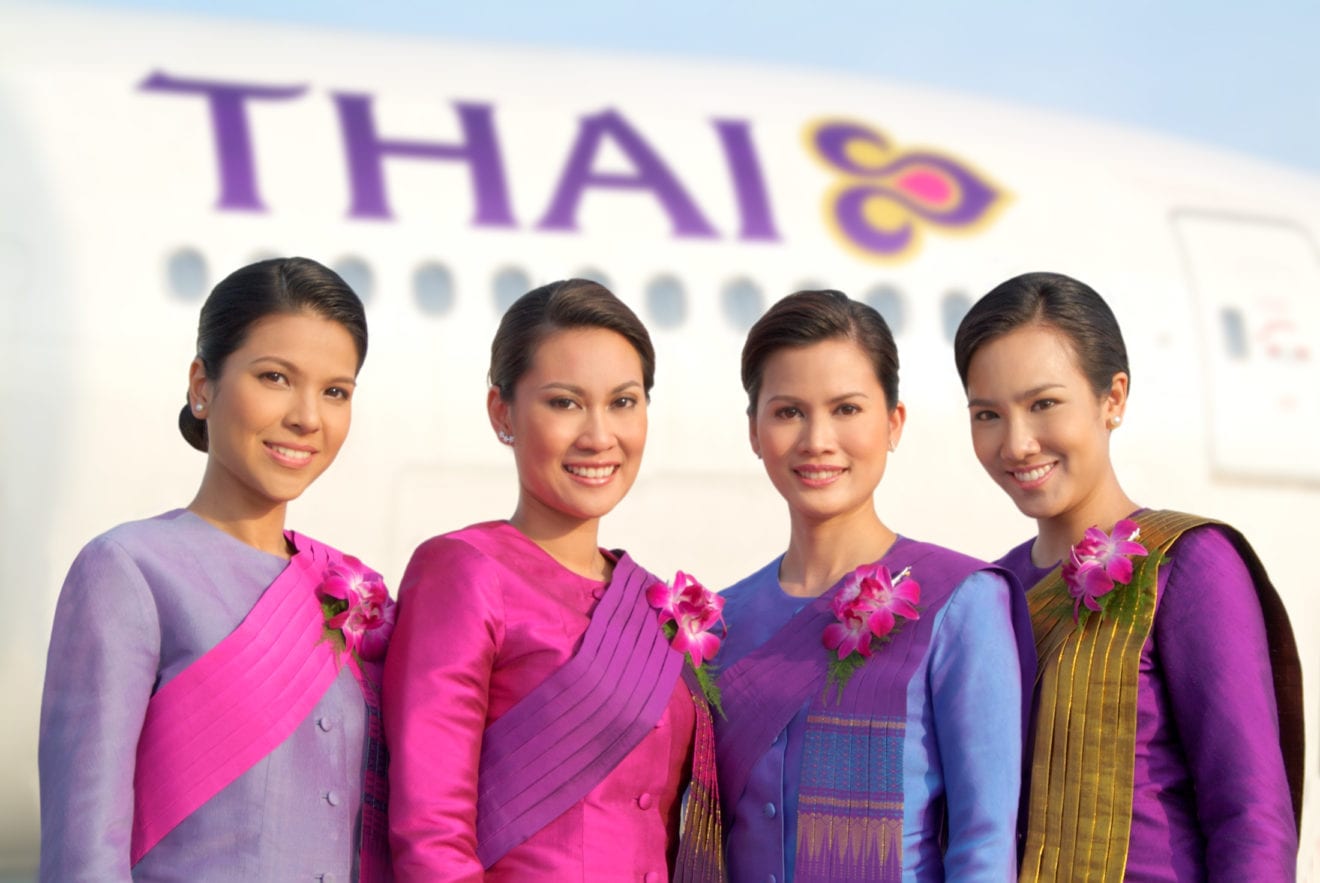
    Thai Airways is embarking on an ambitious expansion, aiming to nearly double its fleet from 78 to 150 aircraft by 2033. The airline’s CEO, Chai Eamsiri, revealed in an interview that the company has struck a deal with Boeing for 45 787 Dreamliners, yet delivery has been postponed from mid-2027 to the end of that year.

    To fill the emerging capacity gap, Thai Airways is turning to Airbus, with the delivery of its first of 32 narrow-body A321neos set for November this year. By 2028, all of these aircraft will be in operation. This strategic blend of Boeing for long-haul operations and Airbus for regional routes underscores the airline’s goal of enhancing connectivity between Europe and the Asia-Pacific.

    These steps are part of a broader strategy for recovery, following a tumultuous period that forced Thai Airways to file for bankruptcy protection in 2020 after incurring significant losses from 2017 to 2019. The airline’s recovery has not been easy; it laid off half of its 30,000 staff and divested US$308 million in assets, while also relinquishing its state-owned status.

    After a five-year trading suspension, Thai Airways’ shares made a splash upon their resumption on August 4, skyrocketing over 200% on the Stock Exchange of Thailand, according to The Nation. Year-to-date, the shares have risen by 57%, marking a remarkable turnaround.

    Asadej Kongsiri, Director and Market Manager of the Stock Exchange of Thailand, hailed this return as a vital milestone, highlighting the adaptability and resilience of Thailand’s capital market.

    For the second quarter of this year, Thai Airways reported a core profit of BHT6.78 billion (US$209 million), with total revenue increasing by 1% year-on-year to BHT43.31 billion. Moreover, the airline is collaborating with Bangkok Airways for domestic flights, tapping into a promising synergy. “We carry passengers from Europe to Bangkok and connect their flights to Sukhothai and Koh Samui,” Chai elaborated, referring to some of Thailand’s most beloved travel hotspots.

    Despite these optimistic signs, Thailand’s foreign tourist arrivals have fallen to 16.6 million in the first half of 2025, down 4.6% year-on-year, largely due to a nearly 40% decline in visitors from China.

    Questions & Answers

    How is Thai Airways planning to expand its fleet?
    Thai Airways aims to expand its fleet from 78 to 150 aircraft by 2033, signing a deal with Boeing for 45 787 Dreamliners while also ordering 32 Airbus A321neos to strengthen regional capabilities.

    What recent challenges has the airline overcome?
    Thai Airways faced significant financial struggles, leading to bankruptcy protection in 2020, involving layoffs of half its workforce and asset sales, but it has since made a strong market comeback.

    What were the airline’s recent financial results?
    In the second quarter of this year, Thai Airways reported a core profit of BHT6.78 billion (US$209 million) and saw a 1% year-on-year increase in total revenue, indicating a promising recovery trajectory.

  • Etix Boosts Bangkok Campus to 28MW with New Data Center Expansion!

    Etix Boosts Bangkok Campus to 28MW with New Data Center Expansion!

    In a significant development for the Asian tech landscape, France-based data center operator Etix Everywhere has inaugurated its latest facility, BKK#2, in Bangkok, Thailand. This new addition boasts a robust capacity of 23 megawatts (MW), positioning it as a vital player in the region’s growing demand for data infrastructure.

    A Strategic Expansion in Bangkok

    Situated adjacent to the existing Etix BKK#1, which operates at 5MW, the new 16,000 square meter facility ramps up the combined power of the company’s Bangkok campus to a striking 28MW. This expansion is particularly crucial as the region increasingly embraces AI technologies, with the campus designed to accommodate up to 150kW per rack. In an exciting twist, the BKK#2 facility offers a trifecta of cooling options: air, liquid, and immersion, ensuring that it meets the diverse needs of modern computing.

    Meeting the Demand for Modern IT Solutions

    “The development of Etix BKK#1 has multiplied our capacity sixfold in just three years,” expressed Pierre Patris, Etix Everywhere’s CEO for Asia. “With 2 MW of capacity immediately available and the timely launch of BKK#2, we are in a powerful position to meet our customers’ needs.” Patris emphasized the strategic advantage of both facilities being neighbors, allowing customers to seamlessly leverage the same telecom ecosystem and expand within the same operational area, as if they were utilizing a single building.

    Commitment to Sustainability

    Beyond its ambitious technical capabilities, the Etix Bangkok campus is setting benchmarks for sustainability in data center operations. Targeting a Power Usage Effectiveness (PUE) of below 1.4, the facility incorporates on-site renewable energy sources and Battery Energy Storage Systems (BESS), ensuring that it not only meets current needs but is prepared for the future. Furthermore, the use of green concrete and steel reflects a commitment to significantly reducing embodied carbon, making it a beacon of eco-conscious design in the industry.

    Questions & Answers

    What is the significance of BKK#2’s launch in Bangkok?
    The launch represents a strategic expansion for Etix Everywhere, significantly boosting their capacity to meet rising demands for data infrastructure, particularly in AI applications.

    How do the facilities BKK#1 and BKK#2 benefit customers?
    Having both facilities in close proximity allows customers to enjoy a shared telecom ecosystem, facilitating growth and operational efficiency as if they were in one building.

    What sustainability measures are incorporated in the campus design?
    The Etix Bangkok campus aims for a PUE below 1.4 and integrates renewable energy sources, Battery Energy Storage Systems, and eco-friendly materials, underscoring its commitment to sustainability.

  • Japan Backs Telecom Expansion in Indonesia to Boost Connectivity and Foster Growth

    Japan Backs Telecom Expansion in Indonesia to Boost Connectivity and Foster Growth

    The Japanese government is stepping up its game in Southeast Asia, unveiling plans to support companies that set up telecommunications infrastructure in Indonesia, a market bursting with potential. Through its Ministry of Internal Affairs and Communications, Japan will provide crucial financial backing for firms establishing maintenance centers in the archipelago, paving the way for more robust connectivity in this dynamic region.

    Forging a New Path in Telecommunications

    This initiative may soon see the establishment of a legal framework this fiscal year, aimed at not just exporting telecommunications equipment but also enhancing its operation and maintenance. By doing so, Japanese companies will have the agility to swiftly address technical needs, thus opening up fresh streams of revenue.

    An Opportunity to Test the Waters

    Further reinforcing its commitment, Tokyo will assist Japanese firms in conducting trials within Indonesia to assess both the speed and security of their equipment. The move is significant as it marks the first foray of Japanese companies into this burgeoning market, igniting hopes for reciprocal benefits that could reshape telecommunications in the region.

    Collaboration in Action

    OREX SAI, a collaborative effort between NTT DOCOMO and NEC Corporation, has already made strides in Indonesia, revealing ambitious plans to expand its operations. In March, the joint venture sealed a comprehensive agreement with local telecom leader Surge, officially known as PT. Solusi Sinergi Digital Tbk. This partnership is set to unlock an impressive JPY 500 billion (around USD 3.4 billion) in investments over the next decade, with a keen focus on bolstering connectivity in underserved areas.

    Seizing the ASEAN Opportunity

    With Indonesia being the fourth most populous country in the world, the stakes are high. For Japanese companies, securing contracts in this market could serve as a strategic launching pad for further expansion across the ASEAN region. It’s a two-for-one special: gain access to a new market while laying the groundwork for a stronger foothold in a rapidly evolving sector.

    Questions & Answers

    How is the Japanese government supporting telecommunications in Indonesia?
    The Japanese government plans to provide financial support for companies setting up maintenance centers in Indonesia, helping to bolster telecommunications infrastructure in a rapidly growing market.

    What is the significance of the legal framework being established?
    This framework will facilitate not only the export of telecom equipment but also its operation and maintenance, enabling quicker responses to technical needs and creating new revenue opportunities for Japanese firms.

    What are the expansion plans for OREX SAI in Indonesia?
    OREX SAI, a joint venture between NTT DOCOMO and NEC Corporation, plans a substantial investment of JPY 500 billion (approximately USD 3.4 billion) over the next ten years, primarily focusing on enhancing connectivity in underserved areas.

  • Aussie yogurt brand Yo-Chi kicks off global expansion in Singapore

    Aussie yogurt brand Yo-Chi kicks off global expansion in Singapore

    Melbourne-based frozen yogurt and acai chain Yo-Chi has established its first international outpost, a 60-seat shop located in Singapore’s Orchard Central. This move represents Yo-Chi’s first venture outside of Australia, where it boasts over 30 locations.

    Yo-Chi was established in Melbourne in 2012 and has steadily grown on the strength of its customizable model. This model allows customers to create their own concoctions of frozen yogurt or acai bowls, adorned with a variety of toppings.

    Customization and Quality Ingredients

    The newly-opened Singapore branch has retained the pay-by-weight, self-serve method adopted by its Australian counterparts. This enables consumers to craft their unique bowls or cones using a selection of frozen yogurt or acai and a multitude of toppings.

    Another distinctive feature of Yo-Chi is its commitment to using authentic Australian cow milk instead of powdered substitutes in its yogurt production. The result is a 98% fat-free yogurt infused with beneficial probiotics.

    A Wide Range of Toppings and Flavors

    Patrons of Yo-Chi are spoilt for choice with approximately 35 toppings to choose from, including fruits, jellies, mochi, chocolates, and sauces. The Singapore branch offers local specialties such as coconut jelly and nata de coco. Seasonal rotations ensure that the topping offerings remain fresh and exciting.

    The Singapore outlet also delivers nine yogurt flavors to customers. These include the signature tart, salted butterscotch, cookies and cream, mango, matcha, strawberry cream, classic vanilla, chocolate, and coconut.

    Future Expansion Plans

    According to Yo-Chi’s brand director, Oliver Allis, the company views Singapore as a strategic launch pad for its Asian expansion. He expressed his belief that succeeding in Singapore would establish a solid foundation for further growth in other Asian countries, including Thailand, China, and Japan.

    Customers can enjoy Yo-Chi’s offering at a starting price of SGD$3.50 per 100 grams.

    Questions & Answers

    What is Yo-Chi’s business model?
    Yo-Chi operates on a pay-by-weight, self-serve model which allows customers to create personalized bowls or cones of frozen yogurt or acai, topped with a variety of ingredients.

    What differentiates Yo-Chi’s yogurt from others?
    Yo-Chi emphasizes the use of real Australian cow milk instead of powder in its yogurt production, resulting in a product that is 98% fat-free and contains probiotics.

    What are Yo-Chi’s expansion plans?
    Yo-Chi has identified Singapore as a strategic starting point for its expansion into Asia. Successful operation in Singapore will pave the way for growth into other Asian markets such as Thailand, China, and Japan.

  • Bacha Coffee launches first store in Macau

    Bacha Coffee launches first store in Macau

    Bacha Coffee, a premium coffee brand from Morocco, has recently opened a new store in Macau. This follows closely on the heels of their notable full-concept flagship store’s launch in Harbour City, Hong Kong.

    Store Location and Management

    The Macau boutique, positioned on the first level of the Shoppes at Venetian, is under the management of the Hong Kong-based Blue Chip Group. The store, with an impressive area of around 250 square feet, stocks a rich selection of 100% Arabica coffees. These coffees are sourced from over 30 countries globally, emphasizing the brand’s worldwide reach.

    Product Offering

    The boutique carries a diverse range of product offerings to cater to both local customers and international tourists. Apart from Single Origin coffees, the store also includes a selection of Fine Flavoured, Fine Blended, and Naturally CO2 Decaffeinated coffees.

    Noteworthy offerings include single-serve coffee bags and signature blends from famed coffee-growing regions such as Yemen and Jamaica. The store also offers branded merchandise, which includes items like mugs, sugar bowls, and specially curated gift hampers.

    About Bacha Coffee

    Established in 1910 in Marrakech, Morocco, Bacha Coffee presents a range of unique concepts, from Coffee Rooms and Boutiques to Travel Retail and Takeaway formats. The brand, currently serving customers in over 60 countries, has extended its reach across continents, making a mark in Asia, the Middle East, and Europe.

    Questions & Answers

    What is the concept behind Bacha Coffee’s new store in Macau?
    The new Bacha Coffee store in Macau offers a wide range of 100% Arabica coffees sourced from over 30 countries, along with brewing accessories and packaged goods.

    What unique offerings does the Bacha Coffee store in Macau have?
    The Macau store includes unique offerings such as Fine Flavoured, Fine Blended, and Naturally CO2 Decaffeinated coffees. It also offers single-serve coffee bags and signature blends from renowned coffee-growing regions like Yemen and Jamaica.

    Where else is Bacha Coffee present?
    Bacha Coffee has a global presence, serving customers in more than 60 countries across Asia, the Middle East, and Europe. The brand has recently opened a full-concept flagship store in Harbour City, Hong Kong.