Blog

  • Asia’s Construction Insurance Market Set for Robust Growth in 2024!

    Asia’s Construction Insurance Market Set for Robust Growth in 2024!

    Insurers in the construction sector across Asia are gearing up for a robust year in 2024, as highlighted in Aon’s 2025 Global Construction Insurance and Surety Market Report. The report underscores a growth-oriented atmosphere buoyed by enhanced reinsurance treaty performance, a strong underwriting appetite, and ample capacity.

    Long-Term Stability and Profitability

    While the momentum is palpable, insurers are also focused on achieving long-term profitability and stability, which is fostering greater underwriting discipline, even as some markets soften. A delicate balance of risk and reward is becoming the sweet spot for companies navigating these waters.

    Favorable Conditions in Key Markets

    China, Hong Kong, and India stand out as the beacons of favorable insurance market conditions. These regions have witnessed impressive growth, particularly India, where local and foreign insurers have rallied behind infrastructure expansion efforts. In China, insurers are offering modest premium reductions for low-risk profiles, with reinsurers showing an increased appetite for catastrophe exposures—a vital trend given the region’s vulnerability to natural disasters.

    Challenges in Japan

    Conversely, Japan is undergoing a modest hardening cycle, where regulatory scrutiny has prompted insurers to adopt more conservative strategies, impacting the management of large and complex risks.

    Mixed Signals in Southeast Asia

    In Southeast Asia, markets in Singapore, Thailand, and Malaysia are witnessing moderate conditions, while Australia boasts a surge in construction activity across real estate and infrastructure sectors. The post-pandemic boom in residential development has shifted insurer priorities, sparking a rising demand for latent defects insurance and internal water damage protections. Detailed water management plans and strong contractor risk mitigation strategies are proving essential to securing favorable terms.

    Competition in Real Estate

    The real estate sector remains fiercely competitive with robust local insurer capacity. However, ambitious civil engineering projects, especially those involving underground works or exposure to natural catastrophes, are still testing insurer capacity and pricing structures. These complex and high-risk projects often necessitate international market support or unique risk transfer solutions.

    Emerging Trends in Technology-Driven Construction

    The rise of technology-driven construction—think data centers, battery plants, and semiconductor factories—is emerging as a vibrant growth area. Australia, in particular, is seeing insurers respond enthusiastically to defense-related infrastructure projects, propelled by increasing government investment projected through 2029. While the market remains rich in capacity and competitive for preferred risk types, insurers are proceeding with caution concerning catastrophe risks. Therefore, larger, more intricate projects might require tailored insurance structures like excess-of-loss (XOL) or alternative risk transfer (ART) solutions to adequately address coverage needs. If all else fails, you may need to put on a superhero cape to navigate these complexities!

    Questions & Answers

    What is driving growth in the construction insurance market across Asia in 2024? The growth is fueled by improved reinsurance treaty performance, strong underwriting appetite, and ample capacity within the market.

    Which countries are experiencing the most favorable insurance market conditions? China, Hong Kong, and India have reported sustainable growth, with India showing significant support for infrastructure expansion from both local and foreign insurers.

    How are insurers responding to large-scale civil engineering projects? Insurers are increasingly cautious about these projects, which often necessitate bespoke insurance structures to meet coverage requirements, especially due to the heightened risks associated with natural disasters.

  • Dollar Strengthens Against Dong, Signaling Shifts in Currency Market Dynamics

    Dollar Strengthens Against Dong, Signaling Shifts in Currency Market Dynamics

    The U.S. dollar showed signs of strength against the Vietnamese dong as well as other major currencies on Friday morning, reflecting a complex global economic landscape. Vietcombank reported a slight uptick, pricing the dollar at VND26,223, an increase of 0.05% from the previous day. However, in the black market, the dollar traded at approximately VND26,355, indicating a 0.06% dip.

    In the broader context, the State Bank of Vietnam adjusted its reference rate by lowering it 0.06% to VND24,975. This move coincides with rising geopolitical tensions following Israel’s military actions against Iran, prompting a rush back into safe-haven assets such as the dollar, the Japanese yen, and gold. “The geopolitical escalation adds another layer of uncertainty to an already fragile sentiment,” noted Charu Chanana, chief investment strategist at Saxo. He cautioned that escalating tensions could disrupt oil supply routes, perpetuating a risk-averse climate that keeps upward pressure on crude oil prices and safe-haven assets.

    On the global stage, the dollar rose by 0.4%, bringing its index to 98.07 against six other currencies. This was accompanied by gains for other safe-haven currencies—the yen and Swiss franc appreciating 0.3% and 0.4% respectively versus the dollar. In contrast, risk-sensitive currencies faced a decline, with the Australian dollar and New Zealand dollar both slipping by 0.9%. Following a four-day rally, the euro also retraced slightly, trading down 0.3% at $1.155.

    While the dollar index is poised for a weekly decline exceeding 1%, it will mark the largest drop in nearly a month, illustrating the ebbs and flows of currency movement amidst unpredictable geopolitical currents. So, it seems the dollar’s strength might just be a flip side to a risky global situation—who knew that international politics could stir such a financial cocktail?

    Questions & Answers

    What factors contributed to the strengthening of the U.S. dollar?
    The dollar’s strength stems from geopolitical tensions, particularly Israel’s military actions in Iran, which prompted investors to flock to safe-haven currencies.

    How is the Vietnamese dong performing against the U.S. dollar?
    The Vietnamese dong has shown mixed results, with the dollar increasing slightly in Vietcombank while showing a small decrease in the black market.

    What impact does the dollar’s movement have on global currencies?
    The dollar’s movements are affecting other currencies, particularly risk-sensitive ones like the Australian and New Zealand dollars, influencing broader market sentiment and trading strategies.

  • Singapore Banks Face Growing Job Vacancies Amid Corporate Spending Slowdown

    Singapore Banks Face Growing Job Vacancies Amid Corporate Spending Slowdown

    Singapore’s banking landscape is undergoing a significant transformation, as hiring practices take a cautious turn in response to shifting economic realities. According to recruitment expert Ken Ong, managing director at Morgan McKinley’s Singapore operations, banks are slowing down hiring, with a striking statistic emerging: for every two employees who resign, only one position is filled.

    Hiring Trends Shine Light on Industry Concerns

    Ong shared his insights in a recent interview with Asian Banking & Finance, noting that while some specific roles, particularly in wealth management and relationship management, continue to be in demand, the overall trend is undoubtedly towards reduced hiring. “Bulge bracket banks are not bringing in new talent at the same pace,” he explained. “Conversely, second-tier banks, especially Asian ones, are still making selective strategic hires.”

    Cybersecurity and Contract Work Take Center Stage

    Ong emphasized that second-tier banks are actively looking for specialized skills to enhance their cybersecurity measures, cloud investments, and data analytics capabilities. However, this hiring activity is primarily concentrated in contract positions, reflecting a broader economic expectation for stagnation this year. “Organizations are eager to maintain greater flexibility with their cash flow, ensuring they have enough cushion in these uncertain times,” he added.

    Shifting Job Market Dynamics

    In this era of caution, the banking workforce is also evolving. Ong noted a noticeable trend of bankers transitioning into the fintech sector, as well as shifts in job locations, with roles moving from Hong Kong to Singapore. Employers are now leveraging contract work as a means to evaluate potential candidates before offering permanent positions. “Many clients are open to the contracting approach to validate performance,” he shared.

    Career Paths Redefined

    Interestingly, new professionals are embracing contract roles as a unique opportunity to explore different career paths. “Gone are the days when young professionals were expected to specialize early in their careers; they now prefer varied experiences before committing to a niche,” Ong concluded, revealing a refreshing shift in mindset.

    Questions & Answers

    What is the current trend in hiring at Singaporean banks?
    The hiring trend in Singaporean banks is slowing down, with a significant imbalance where for every two resignations, only one position is filled.

    What types of roles are still in demand despite the slowdown?
    Roles such as relationship managers and positions in wealth management continue to be sought after, particularly within second-tier Asian banks.

    How are new hires approaching their career paths differently today?
    New hires are increasingly opting for contract roles that allow them to explore various career paths before settling on a specialization, contrasting with previous expectations of early specialization.

  • Malaysia Faces Surge: Online Shopping Scams Reach 3,500 in Q1, Reports Ninja Van

    Malaysia Faces Surge: Online Shopping Scams Reach 3,500 in Q1, Reports Ninja Van

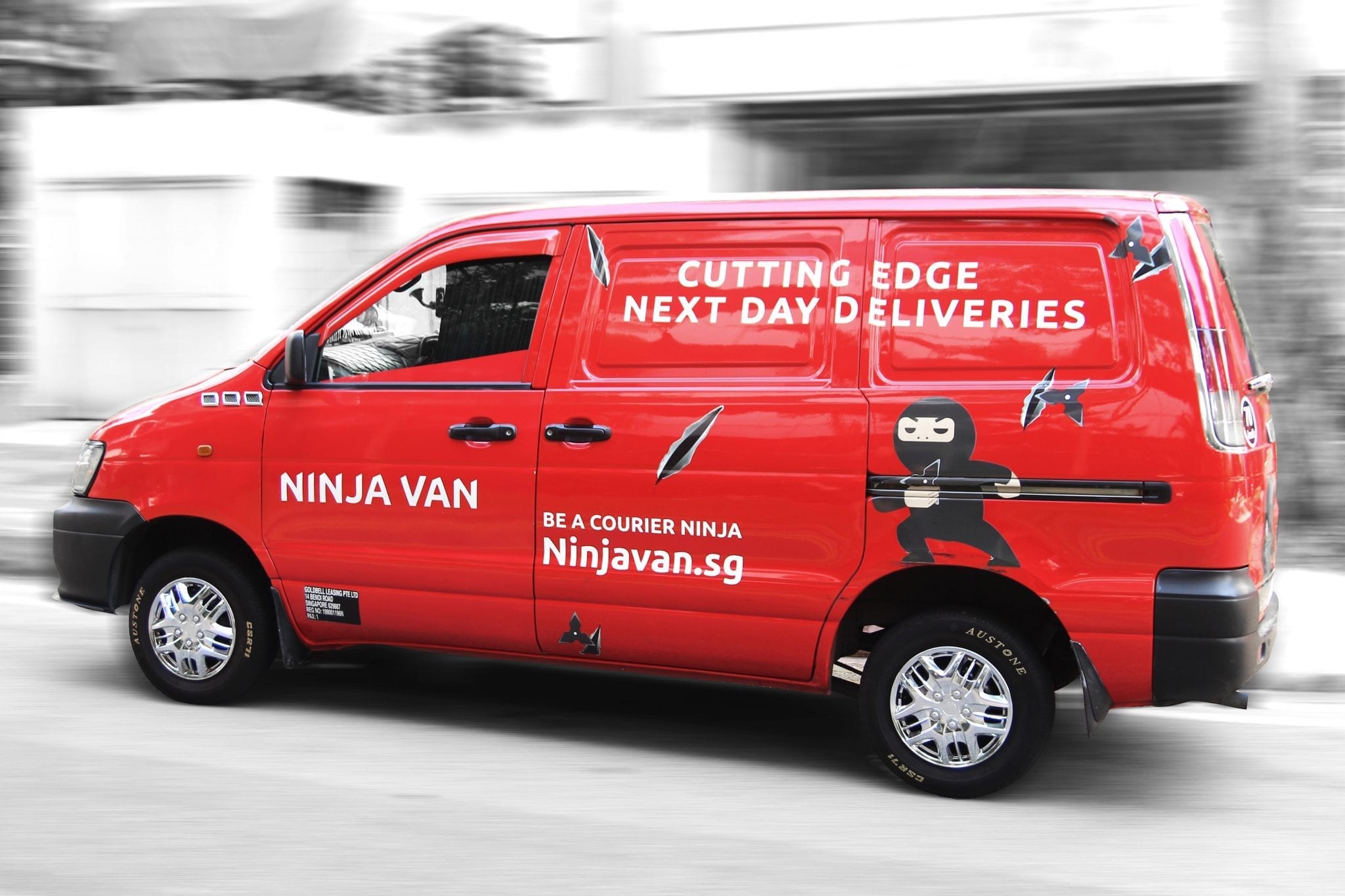
    Scams are on the rise in Malaysia, with Ninja Van reporting over 17,000 parcel scam incidents last year alone. The most common of these scams involved cash-on-delivery schemes, where unsuspecting consumers paid for items they never ordered, as detailed by the Malaysian tech news outlet Zen The Geek.

    Ghost Scams and Phishing Woes

    But the woes don’t stop there. A sinister variety called “ghost scams” has gained traction, tricking victims into buying non-existent products or services advertised online. Adding to this digital quagmire are phishing attempts, where fraudsters employ text messages to impersonate Ninja Van, luring victims into their traps.

    Elderly Victims and Unrealistic Offers

    Fariz Maswan, Ninja Van’s chief sales officer, shared that many victims are from the older generation, easily lured into purchasing dubious items—think herbal products and amulets—pitched on social media. Often, these victims either receive nothing at all or are delivered items that strayed far from what was initially advertised. “It’s always a case of items being offered at a price that is just too good to be true,” Maswan noted, revealing that while losses can reach up to MYR1,000, most victims lose about MYR200.

    Raymon Ram, a fraud risk management expert, underscored the widespread fallout from these scams. “They erode public trust—not just in businesses, but also in the institutions that are supposed to protect us,” he declared, pointing out that scammers exploit weak governance and consumer ignorance. In phishing scenarios, victims receive messages claiming that a Ninja Van package was undelivered, only to be directed to fraudulent websites designed to pilfer their banking information.

    For cash-on-delivery scams, Fariz elaborated on the deceptive tactics. Scammers masquerade as delivery personnel, convincing targets to pay for a package supposedly ordered by a spouse or family member. “Scammers exploit the sense of familiarity that victims have for the person they think the parcel is for,” he explained.

    Combating the Rise of Scams

    In response to this alarming trend, Ninja Van has initiated the ScamMinar Panel Discussion, a proactive measure to combat fraud. They’ve also teamed up with the Royal Malaysia Police to bolster anti-scam efforts.

    Last year, Malaysia saw over 35,300 reported scams, leading to staggering financial losses of MYR1.6 billion (US$378 million), according to the Commercial Crime Investigation Department. This marks a 29% increase compared to 2023—a surge deemed “alarming” by the department’s director. The types of scams varied from fraudulent phone calls to enticing investment schemes promising astonishing returns. Who knew scammers could be so diverse?

    Questions & Answers

    What are the most common types of scams reported by Ninja Van?
    The most prevalent scams involve cash-on-delivery fraud, ghost scams for non-existent products, and phishing attempts disguised as undelivered parcel notifications.

    Who is primarily affected by these scams?
    Many victims belong to the older generation, often targeted through social media promotions that feature enticing offers on dubious products.

    What measures is Ninja Van taking to combat these scams?
    Ninja Van has launched the ScamMinar Panel Discussion and partnered with the Royal Malaysia Police to implement effective strategies to prevent fraud.

  • Migros Bank Strengthens Leadership Team with Former UBS Executive Appointment

    Migros Bank Strengthens Leadership Team with Former UBS Executive Appointment

    Migros Bank is making waves with its newly appointed Head of Corporate Clients. As of September 2025, Stephan Hässig, a seasoned professional with nearly two decades at UBS, will step into this pivotal role on the Executive Board.

    The Transition of Leadership

    Hässig takes over from Olivier Häner, who has been holding the position temporarily since February. This change comes after former Head of Corporate Clients Bernd Geisenberger announced his departure at the end of June to pursue new professional ventures.

    A Wealth of Experience from UBS

    Hässig is no stranger to the nuances of banking, having joined UBS in 2005 where he cultivated expertise in advising corporate, institutional, and affluent individual clients. His most recent role was as Head of Personal Banking in the Zurich Region while also overseeing Corporate Clients for Aargau & Solothurn. Prior to his tenure at UBS, he honed his skills in client management and customer acquisition at private bank IHAG Zurich and Zürcher Kantonalbank.

    A Warm Welcome and Future Aspirations

    CEO Manuel Kunzelmann expressed enthusiasm over Hässig’s recruitment, stating, “His extensive leadership background in sales and proven ability in developing corporate and private clientele create the perfect environment for the growth of Migros Bank’s corporate client segment.” Meanwhile, Häner will refocus on leading the structured corporate finance division that he has expertly nurtured.

    As Migros Bank navigates this significant transition, one can’t help but wonder: Will Hässig’s years at UBS introduce a new era of innovation for corporate clients? Only time will tell, but it promises to be an intriguing journey ahead!

    Questions & Answers

    When will Stephan Hässig officially begin his new role at Migros Bank? He will take over as Head of Corporate Clients on September 2025.

    Who did he succeed in this position? Hässig succeeds Olivier Häner, who has been in the role on an interim basis since February 2023.

    What previous experience does Hässig bring to Migros Bank? He has nearly 20 years of experience at UBS, focusing on corporate client advisory and personal banking across various regions.

  • Singapore retail vacancies rise despite steady demand for prime space

    Singapore retail vacancies rise despite steady demand for prime space

    In the first quarter of this year, Singapore experienced a rise in retail vacancy rates, a phenomenon attributed to the healthy demand for prime locations and steady rental growth, as reported by real estate specialists Savills.

    Increased Retail Vacancy Rate

    The retail vacancy rate across the island escalated to 6.8% during the first quarter due to the introduction of 323,000 square feet of new retail space, exhibiting an increase from the previous quarter’s 6.2%.

    Following five quarters of an upward trend in net take-up, the first quarter saw a net demand of -129,000 square feet, a result of a decrease in occupied space across most regions.

    The recent inauguration of Punggol Coast Mall and the refurbishment of The Cathay have further contributed to the rising vacancy rates, owing to the time that these establishments require to be fully occupied.

    Prime Mall Demand and Rental Rates

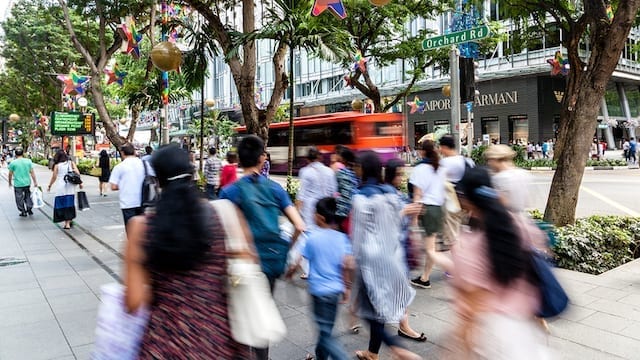
    On the other hand, landlords of prime malls situated along Orchard have reported a robust demand for lease renewals. This trend is particularly noticeable among luxury retailers, a scenario that has empowered landlords to negotiate higher rents due to a limited supply.

    The exiting of current tenants is balanced by the immediate occupation by new retailers entering the Singaporean market. An example of this is the Japanese thrift shop brand 2nd Street, which recently replaced Pomelo at a location in Somerset.

    Rental Pressure and Future Predictions

    The report identified early indications of rental rates coming under pressure in the Central Region, highlighted by a 0.2% quarter-on-quarter decline in the Central Area and a 1.1% decrease in the Fringe Area. The average monthly rent in the Orchard Area and Suburban Area remained static at SG$23.2 (US$18) per sqft and $14.7 per sqft respectively.

    In terms of future supply, the report anticipates a fairly consistent pipeline of about 597,000 square feet of retail space this year, compared to 679,000 square feet last year.

    For the entirety of the year, Savills predicts that rents in Orchard will touch the upper limit of the 1-2% forecast range, while suburban rents will lean toward the lower end of this range.

    According to Savills, the escalating global trade tensions could potentially cast a negative shadow on Singapore’s export-dependent economy, particularly in the latter half of the year. This could adversely affect business recruitment and wage growth, subsequently leading to a slump in retail sales. The report concludes that the retail sector is set to witness more churn this year as underperforming tenants either endure their leases before relocating or terminate their agreements prematurely if they find their business unsustainable.

    Questions & Answers

    What led to the rise in retail vacancy rates in Singapore?
    A surge in new retail space, coupled with the time required for new establishments to be fully occupied, resulted in an increase in retail vacancy rates.

    What trend was observed among landlords of prime malls in Orchard?
    Landlords of prime malls in Orchard observed a strong demand for lease renewals, especially from luxury retailers, enabling them to negotiate higher rental rates owing to limited supply.

    What is the effect of escalating global trade tensions on Singapore’s retail market?
    Escalating global trade tensions can negatively impact Singapore’s export-dependent economy, potentially affecting business hiring and wage growth, and leading to weakened retail sales.

  • Starbucks pilots ‘Green Dot’ AI virtual assistant tool

    Starbucks pilots ‘Green Dot’ AI virtual assistant tool

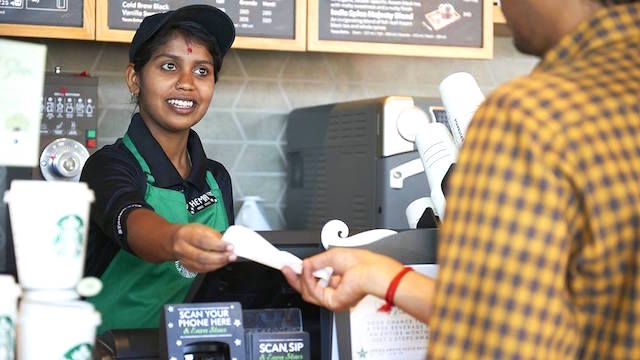
    Starbucks has initiated a testing phase for a novel artificial intelligence (AI)-driven virtual assistant, Green Dot Assist, across 35 outlets in the United States and Canada. This innovative tool is designed to offer immediate, conversational answers to baristas’ queries, thereby eliminating the necessity to consult manuals or conduct online searches for information.

    Green Dot Assist is intended to facilitate easy access to key information, bolster baristas’ confidence and familiarity with products, and ensure smooth workflow. As an example, Starbucks cited how Green Dot Assist could swiftly refresh a barista’s memory about ingredients in a seasonal beverage.

    Starbucks has expressed that this tool aligns with its broader strategy to minimize friction in the workplace and give baristas more time to concentrate on preparing beverages and interacting with customers.

    The AI assistant, powered by Microsoft Azure’s OpenAI platform, is expected to automate technical alerts and staff scheduling adjustments in the near future.

    Following the completion of this trial phase, Starbucks intends to extend the usage of Green Dot Assist to more outlets.

    Questions & Answers

    What is the purpose of Starbucks’ Green Dot Assist?
    Green Dot Assist is an AI-powered virtual assistant designed to facilitate easy access to key information, bolster baristas’ confidence and familiarity with products, and ensure smooth workflow in Starbucks outlets.

    How does Green Dot Assist work?
    Green Dot Assist provides immediate, conversational responses to baristas’ queries, eliminating the need for staff to consult manuals or search for information online.

    What are the future plans for Green Dot Assist?
    Following the completion of its testing phase across select outlets in the US and Canada, Starbucks intends to extend the implementation of Green Dot Assist to more locations. The AI assistant is also expected to automate technical alerts and staff scheduling adjustments in the future.

  • Amazon Australia launches B2B store it says will help businesses cut costs

    Amazon Australia launches B2B store it says will help businesses cut costs

    Amazon Business, a new platform designed to streamline operations and decrease expenses for organizations of various sizes, has been introduced by Amazon Australia. The platform will feature focused sections for kitchen and pantry goods, cleaning and sanitation products, alongside stationary, IT commodities, and maintenance solutions.

    Addressing Business Needs

    Amazon Business aims to cater to the specific needs of business buyers, offering them tailored features for convenience. These include exclusive business pricing and volume discounts on eligible items. The platform also provides options for single or multi-user business accounts, Business Prime, and dedicated customer service.

    The introduction of this platform comes at a critical time when inflating expenses have been impacting small-to-medium-sized businesses (SMBs) in Australia. Research reveals that 92% of these SMBs have experienced a rise in operational costs over the past three years. Consequently, 83% of them have been compelled to transfer these expenses to their customers.

    Furthermore, the same research unveiled that over 80% of Australian SMBs have had to increase their prices by an average of 13% due to the escalating cost pressures.

    Gearing Up for Expansion

    Lena Zak, Country Manager of Amazon Business Australia, expressed excitement about the new platform. Zak emphasized the benefits of Amazon Business, stating that this development would be highly advantageous for the numerous SMBs operating across Australia. Zak further highlighted that Amazon Australia has substantially invested in enhancing its operations network to facilitate a smooth, speedy, and reliable shopping experience for its customers.

    With this latest launch, Australia becomes the eleventh country to offer Amazon Business, joining the ranks of countries like the U.S., U.K., Germany, Japan, among others. Since its debut in 2015 in the U.S., Amazon Business has expanded its customer base to over 8 million worldwide. The platform reportedly generates approximately $35 billion in annual gross sales.

    Questions & Answers

    What is Amazon Business?
    Amazon Business is a platform designed to simplify operations and reduce costs for organizations. It provides business-only pricing, quantity discounts, and options for single or multi-user business accounts, among other features.

    What does the launch of Amazon Business imply for Australian SMBs?
    The launch comes at a time when rising operational costs have been impacting Australian SMBs. It aims to offer them a streamlined, cost-effective way of procuring necessary items, thereby helping them manage their expenses.

    How has Amazon Business performed since its inception?
    Since its launch in the U.S. in 2015, Amazon Business has grown to more than 8 million customers globally. The platform reportedly generates approximately $35 billion in annualized gross sales.

  • Taiwan’s Bafang Dumpling steps up US rollout

    Taiwan’s Bafang Dumpling steps up US rollout

    Bafang Dumpling, a renowned dumpling chain based in Taiwan, intends to establish new stores in Texas later this year. This move is part of its strategic growth within the American market, notwithstanding the current tariff dispute between the U.S. and other nations.

    Expanding Internationally

    The company’s expansion plan covers the south-central region of the United States, including Texas and California. In line with this, Bafang Dumpling is set to launch a new headquarters by the end of this year. This is seen as a significant milestone in its international growth strategy.

    Bafang Dumpling has successfully established thousands of stores across Taiwan. Additionally, it has managed to secure a presence in Hong Kong and the United States as well. The company is set to open its 12th store in Arcadia in the coming month, which will further expand its operations on the West Coast.

    Market Exit and Entry

    In 2022, Bafang Dumpling made the strategic decision to exit the Chinese market. It subsequently sought to establish itself within the United States, starting in the City of Industry, California. This move has proven to be fruitful, as indicated by the company’s positive financial report for the past year. The company reported a consolidated revenue of $268.38 million, which translates to a 9.37% increase from the previous fiscal year.

    Questions & Answers

    What is Bafang Dumpling’s latest expansion plan?
    Bafang Dumpling plans to open new stores in Texas later this year as part of its strategic growth within the U.S. market.

    What significant milestone is Bafang Dumpling set to achieve by the end of this year?
    The company is set to launch a new headquarters by the end of this year, marking a significant milestone in its international expansion.

    What was Bafang Dumpling’s financial performance last year?
    Last year, Bafang Dumpling reported a consolidated revenue of $268.38 million, a 9.37% increase from the previous fiscal year.

  • Sun PhuQuoc Airways Set to Soar with New Air Transport License Approval!

    Sun PhuQuoc Airways Set to Soar with New Air Transport License Approval!

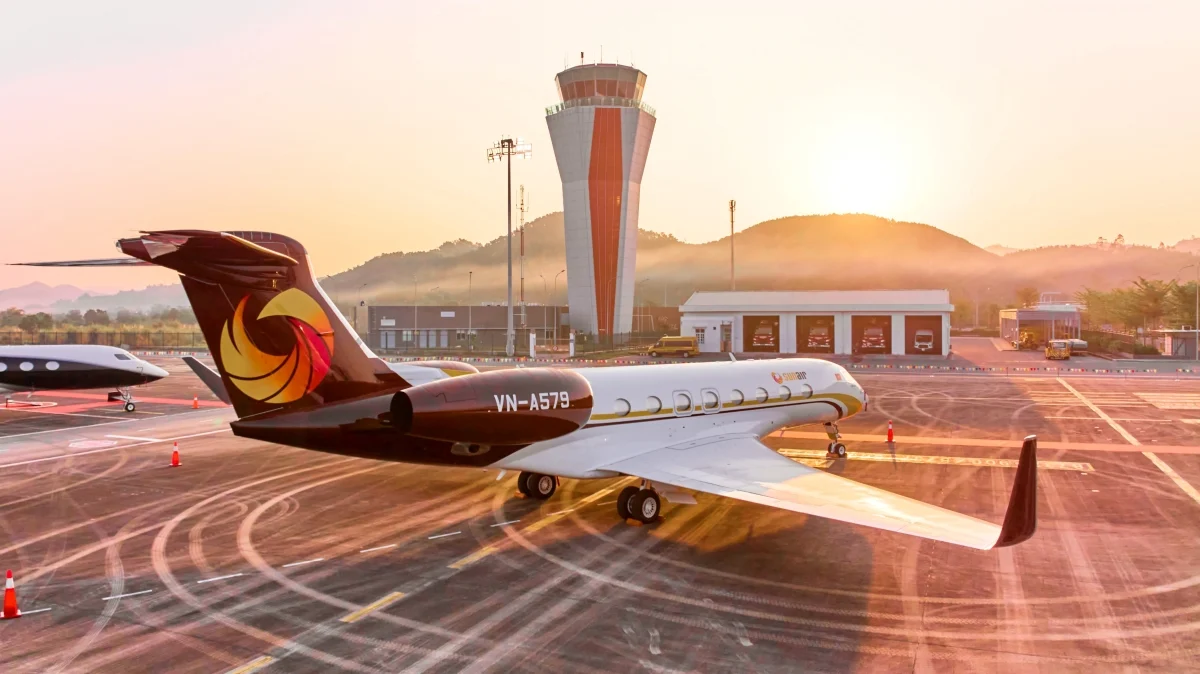
    Deputy Prime Minister Tran Hong Ha has given the green light for the Ministry of Construction to grant an air transport business license to Sun PhuQuoc Airways Co. Ltd., a significant step forward announced on June 11. This move signals a boost for aviation in Vietnam and adds a new player to the growing airline market.

    The Deputy PM reinforced the importance of safety and efficiency, directing the ministry to ensure that all licensing processes adhere to the required standards. This careful oversight aims to uphold the standards of civil aviation operations as the industry undergoes exciting expansions.

    Earlier this year, Prime Minister Pham Minh Chinh had already signaled his in-principle approval for Sun PhuQuoc Airways, a venture of the well-known Sun Group. As per a decision signed on May 20, the ambitious project involves an investment of VND2.5 trillion (approximately USD 98.81 million) with plans to establish a modern fleet of 31 aircraft by 2030.

    Designed to cater primarily to commercial passenger transport, Sun PhuQuoc Airways is also set to provide charter flights for tourists visiting vibrant destinations across Vietnam and beyond. The airline’s vision is to be a direct link to the picturesque Phu Quoc Island, enhancing accessibility and convenience for both domestic and international travelers. And who wouldn’t want a fresh breeze from paradise, right?

    With this new venture on the horizon, the aviation landscape in Vietnam is heating up, highlighting the country’s growing importance as a tourism and business hub.

    Questions & Answers

    **What is Sun PhuQuoc Airways focused on?**
    Sun PhuQuoc Airways primarily aims to provide commercial passenger transport while also offering charter flight services to popular tourism and business destinations.

    How many aircraft does Sun PhuQuoc Airways plan to have by 2030?
    The airline is planning to establish a fleet of 31 aircraft by the year 2030.

    What is the significance of this new airline for travelers?
    The introduction of Sun PhuQuoc Airways is expected to make travel to Phu Quoc Island more accessible, catering to both Vietnamese citizens and international tourists.

  • Ant International Pursues Stablecoin Licenses in Hong Kong and Singapore, Report Reveals

    Ant International Pursues Stablecoin Licenses in Hong Kong and Singapore, Report Reveals

    Since you’re here, you might find it intriguing to know that a vast array of advertising opportunities awaits you to connect with your customers. Our dedicated team is ready to help you craft compelling advertising campaigns, both in print and digital formats, on this platform and within our print magazine.

    But that’s not all! We can also facilitate engaging live or digital events tailored to your needs, complete with industry leaders and thought-provoking speakers who could serve as ideal partners. Additionally, our awards programs provide a fantastic chance for recognition, allowing you to shine as a participant or sponsor throughout the year.

    Let us propel your business forward with an effective partnership!

    Retail Landscape Update

    In a remarkable turn of events this quarter, retail trends across Asia are evolving, shaped by shifting consumer behaviors and the growing demand for sustainability. With more shoppers opting for eco-friendly products, brands are racing to adapt their offerings to this conscious consumer base.

    Digital Transformation Accelerates

    Technology continues to be a key player in the retail arena, driving businesses to invest in e-commerce platforms and innovative shopping experiences. From augmented reality showcases to seamless payment solutions, the digital shift is not just noteworthy—it’s revolutionary. Retailers who embrace this shift stand to gain a competitive edge, capturing the hearts of tech-savvy consumers.

    Brands Embrace Sustainability

    Sustainability has leapt to the forefront of retail strategies, as consumers increasingly seek products that are not only high-quality but also environmentally responsible. Major brands are committing to sustainable practices, ensuring their supply chains reflect eco-friendly values.

    To keep up with these dynamic changes, it’s crucial for retailers to remain vigilant and responsive. After all, in the world of retail, it’s not just about selling products; it’s about creating experiences that resonate with the modern shopper.

    Oh, and did you hear? Apparently, sustainable shopping can now even be a fun family outing!

    Questions & Answers

    **What are the main trends influencing retail in Asia right now?**
    The current trends include a strong emphasis on sustainability, digital transformation, and evolving consumer preferences towards eco-friendly products.

    How can retailers prepare for the digital shift?
    Retailers can prepare by investing in robust e-commerce platforms, enhancing customer experience through technology, and exploring omnichannel strategies.

    Why is sustainability becoming so important in retail?
    Sustainability is crucial as consumers are increasingly choosing brands that reflect their values, prioritizing environmentally friendly and ethically sourced products.

  • Delivery Worker Faces $20 Fine for Exposing Counterfeit Watch to Recipient

    Delivery Worker Faces $20 Fine for Exposing Counterfeit Watch to Recipient

    On a day like any other, a delivery driver found himself in a dilemma that would leave him counting his losses. Tasked with delivering a watch touted as a Japanese brand, he couldn’t shake the feeling that something was off. Sensing it was a counterfeit, he made the decision to alert the customer. But instead of gratitude, he was met with ire. The customer reported him to the seller, who promptly escalated the matter to his employer. The fallout? A fine of VND500,000 (approximately $20), alongside a deduction of two days’ wages and a cut to his monthly bonus.

    Back to the Scene

    Just days later, fate had a peculiar sense of humor as he was assigned to deliver another package to the same customer. This time, she recognized him and unleashed her frustration over the counterfeit watch. An exasperated question hung in the air: if she bought the watch on Facebook, how could he possibly return it? This incident has sparked conversations around the contentious issue of counterfeit goods, as others have shared similar stories of when delivery workers took it upon themselves to caution customers about the authenticity of their purchases.

    Voices From the Delivery Front

    The debate has captivated readers, with one delivery worker, who has been in the job for five years, commenting, “When I spot a counterfeit, I always inform the customer and urge them not to accept it. But some insist on taking it, only to later call me asking if they can return the item.” The helplessness is palpable when the line between professionalism and integrity blurs. Another reader pointed out that fake goods are rampant on online platforms. Some buyers, fully aware of the dubious nature of these items, still succumb to their temptations, while others might be none the wiser, simply drawn in by low prices.

    Concern over counterfeit goods is on the rise, with many advocates calling for stricter regulations. “I would rather invest in a lesser-known genuine brand than buy an obviously fake item,” shared one concerned reader. “If I can’t swing a brand-new watch, a second-hand authentic piece will do just fine.”

    Questions & Answers

    What sparked the initial incident involving the delivery driver?

    The driver, sensing that the watch he was delivering was a counterfeit, warned the customer, but this led to his penalization after she complained.

    How did the customer react to the driver’s warning?

    Instead of being grateful, the customer was upset and reported the driver to the seller, leading to heavy penalties for him.

    What are other delivery workers saying about counterfeit items?

    Many delivery workers echo the same experience, stating they often inform customers about counterfeit goods, only to face backlash or discover the customers still choose to accept them.

  • Indonesian Banks Poised for Liquidity Boost in Second Half of the Year

    Indonesian Banks Poised for Liquidity Boost in Second Half of the Year

    The retail landscape in Asia is continuously evolving, driven by technology and shifting consumer desires. Leaders in the industry are not just adapting; they are innovating in ways that reshape shopping experiences. The latest trends provide a glimpse into the forward-thinking mindset that characterizes the modern retail scene.

    Emerging Trends in Retail Innovation

    As technology weaves itself into the fabric of retail, businesses are witnessing a significant transformation. From immersive virtual shopping experiences to the integration of AI in customer service, retailers are redefining interactions with their consumers. The push for sustainability is also omnipresent, with companies striving to meet the growing demand for eco-friendly products.

    Consider the surge in pop-up stores—these temporary retail experiences are popping up in unexpected places, creating buzz and intrigue. It’s not just about grabbing attention; it’s about cultivating an interactive and shareable experience that resonates with today’s consumer.

    Digital Engagement: A Critical Component

    In a world where online shopping reigns supreme, enhancing digital touchpoints has become paramount. Brands are investing heavily in their digital presence, employing advanced analytics to personalize shopping experiences and drive engagement. This digital-first approach not only boosts sales but also builds lasting relationships with customers.

    Many retailers are joining the “live shopping” movement, combining entertainment with e-commerce in real-time. Picture this: you’re browsing a store from the comfort of your sofa, and suddenly, a charismatic host appears on your screen, showcasing products while interacting with viewers. It’s shopping meets reality TV—a delightful fusion that keeps customers coming back for more.

    Sustainability Takes Center Stage

    Sustainability is not merely a trend; it’s a necessity. Retailers across Asia are increasingly prioritizing ethical sourcing, waste reduction, and transparent supply chains. An informed consumer base is demanding it, leading brands to adopt sustainable practices that not only appeal to conscience but also enhance their market position.

    Innovative initiatives like clothing recycling programs and reducing plastic packaging are gaining traction. It’s a win-win scenario: brands can enhance their image while appealing to environmentally conscious shoppers.

    As the retail industry continues to adapt, it’s clear that staying relevant means embracing change. The future is bright, not just for those who follow trends but for those who set them.

    Questions & Answers

    What are some current trends shaping the retail sector in Asia?
    Emerging trends include the integration of AI in customer service, the rise of pop-up stores for engaging shopping experiences, and the popularity of live shopping events that blend entertainment with e-commerce.

    How are retailers prioritizing digital engagement?
    Retailers are enhancing their online presence through personalized shopping experiences facilitated by advanced analytics, making it easy for customers to find what they love. Live shopping events have also gained momentum in this digital landscape.

    Why is sustainability important in retail today?
    Sustainability is now a necessity for brands as consumers increasingly demand ethical practices. Innovative initiatives like clothing recycling and reducing plastic use not only resonate with shoppers but also bolster a brand’s market position.

  • Geely Defies Global Expansion Pause with Plans for New Auto Plant in Vietnam

    Geely Defies Global Expansion Pause with Plans for New Auto Plant in Vietnam

    Geely’s ambitious plan is to construct a US$168-million manufacturing plant in northern Vietnam is set to unfold as scheduled, despite broader concerns cast by its chairman and founder, Li Shufu. Just last Saturday, Shufu pointed out the global automotive industry is grappling with a “serious overcapacity,” leading Geely to pause new plant constructions and expansions at existing facilities, according to British news agency Reuters.

    Geely’s Promising Venture in Vietnam

    The Vietnam plant is a collaboration between Geely and local distributor Tasco, with Geely holding a significant 64% stake. Groundbreaking is slated for this quarter in Thai Binh Province, where a sprawling 30-hectare site will eventually operate at a capacity of 75,000 vehicles annually in its initial phase.

    These vehicles will include models from Geely and its Chinese counterpart, Lynk & Co, specifically designed to cater to domestic demand and facilitate exports to countries with free trade agreements with Vietnam. The factory holds the potential for future expansion as it may begin assembling a wider variety of Geely vehicles.

    All cars produced at the plant will be constructed from “completely knocked down” kits—meaning they are assembled from parts sourced from various locations. The first vehicles are expected to hit the Vietnamese market early next year, while Geely currently offers the Coolray CUV imported from Malaysia.

    Geely is a prominent player in China’s automotive sector, boasting a diverse portfolio that includes brands like Zeekr and Galaxy, along with a stake in the premium Swedish manufacturer Volvo. With 22 factories in China and three spread across the globe, Geely’s growth ambitions are clear.

    The Race for Automotive Investment in Vietnam

    Interestingly, Geely isn’t the only Chinese automaker eyeing Vietnam. Chery, another industry titan, plans to break ground on their own factory in Thai Binh Province in the third quarter through its partner Geleximco. With an investment of $800 million, Chery’s venture will focus on producing Omoda and Jaecoo models, with other potential vehicles in the pipeline.

    While Chery sets its sights on this strategic investment, major players such as BYD and SAIC have also explored opportunities in Vietnam but have yet to make significant moves. At present, the majority of Chinese passenger vehicles sold in Vietnam are imported from China, Thailand, or Malaysia.

    In a noteworthy development, the number of Chinese automotive brands in Vietnam jumped to 14 last year, surpassing Japan’s nine for the first time. However, their market presence remains relatively small compared to established Japanese and Korean brands, as well as the domestic contender, VinFast.

    As Geely prepares to roll out its manufacturing plant, the automotive landscape in Vietnam is likely to get even more interesting—where the thrill of competition could soon turn up the heat among industry giants.

    Questions & Answers

    What is Geely’s investment in the Vietnam plant?
    Geely is investing US$168 million in its new manufacturing facility in northern Vietnam.

    What models will be produced at the new plant?
    Initially, the factory will produce vehicles from Geely and Lynk & Co, catering to both domestic and export markets.

    When will the first vehicle arrive for Vietnamese consumers?
    The first vehicle is expected to be available to Vietnamese customers early next year.

  • Gasoline Prices Hit 10-Week High: What It Means for Consumers and Retailers

    Gasoline Prices Hit 10-Week High: What It Means for Consumers and Retailers

    In a notable shift for consumers, gasoline prices in Vietnam surged to their highest level since early April. This change, marked by a notable uptick in fuel costs, came into effect Thursday afternoon, leaving many to watch their wallets a bit more closely.

    Rising Costs at the Pump

    The widely used RON95 fuel experienced a 1.37% increase, reaching VND19,960 (approximately US$0.77), while the biofuel variant, E5 RON92, rose by 1.04% to VND19,460. Additionally, diesel prices climbed by 1.61%, settling at VND17,700.

    Global Factors at Play

    This latest price spike is attributed to a combination of global dynamics. Regulatory authorities have pointed to a variety of influences impacting the fuel market. Key factors include heightened tensions between the U.S. and Iran regarding nuclear negotiations, a reduction in U.S. crude oil reserves, fluctuations in U.S. tax policies affecting trading partners, and the continuing military conflict in Ukraine. As a result, market prices have seen significant shifts, with RON95 reporting a climb to $79.7 per barrel, while diesel saw an increase to $81.51, marking a substantial impact on the overall cost landscape for consumers and businesses alike.

    As we navigate these changes, one has to wonder: will we ever see a dip in prices again, or are we destined for a rollercoaster ride at the pump?

    Questions & Answers

    What are the new prices for RON95 and E5 RON92 fuels? RON95 is now priced at VND19,960, while E5 RON92 costs VND19,460.

    What global events are influencing these price changes? Factors include rising tensions between the U.S. and Iran, falling U.S. crude oil inventories, and ongoing conflicts in Ukraine.

    How much has diesel fuel increased in price? Diesel saw an increase of 1.61%, bringing its cost to VND17,700.