Blog

  • S&P: Chinese Banks Show Resilience Amid Trade-Related Challenges

    S&P: Chinese Banks Show Resilience Amid Trade-Related Challenges

    China’s banking landscape is currently holding up under the strain of tariff-related challenges, but not all financial institutions are created equal. According to S&P Global Ratings, while the larger megabanks are expected to bolster their financial defenses thanks to government support, regional banks situated in coastal provinces may face a tougher road ahead. This could lead to more pronounced pressures for these smaller institutions as they navigate the economic fallout.

    The Strength of Diversity

    S&P noted that most rated banks benefit from portfolio diversity across the country, which serves as a stabilizing factor in uncertain times. The government’s recent injection plan is set to enhance the loss buffer for megabanks, allowing them to maintain strong capitalization levels even amid economic turbulence.

    Challenges Among Small Enterprises

    However, the bank ratings agency cautioned that their stress scenario paints a sobering picture for inclusive micro and small enterprises (MSEs). These businesses, characterized by tight profit margins and limited financial flexibility, are expected to bear the brunt of economic turbulence with a projected 20% nonperforming asset (NPA) ratio for MSE loans. Furthermore, trade finance may see challenges as well, with the NPA ratio for discounted bills lending estimated at 5%. Although normally low, this figure is worrisome given that defaults in this lending category are usually minimal because the counterparties involved are financial institutions. Yet, the bright side is that a significant portion of discounted bills stems from domestic trade, which remains relatively insulated from the impacts of increased U.S. tariffs. Who knew tariffs could be so picky in their effects?

    Forecast Ahead

    In light of these mixed signals, banks will need to employ strategic methods to shield their assets and support their SMEs effectively. The resilience of China’s banking system will be tested as it adapts to a rapidly changing landscape, balancing pressures from tariffs against the inherent strengths found in diversity and domestic trade.

    Questions & Answers

    What is the expected impact of U.S. tariffs on Chinese banks?
    Most banks are anticipated to withstand tariff-related strains, although megabanks will likely benefit more from government support than regional banks.

    Why are regional banks particularly at risk?
    Regional banks in coastal provinces may experience greater pressure due to their reliance on small enterprises, which face challenges in maintaining profit margins amid economic fluctuations.

    How are nonperforming asset ratios expected to vary?
    S&P predicts a 20% NPA ratio for MSE loans and a 5% ratio for discounted bills lending, underscoring the challenges posed by small enterprises and trade financial dynamics.

  • Commonwealth Bank of Australia Sells Stake in Bank of Hangzhou: A Strategic Shift Unveiled

    Commonwealth Bank of Australia Sells Stake in Bank of Hangzhou: A Strategic Shift Unveiled

    The world of retail is buzzing with excitement as companies navigate the competitive landscape, continually seeking innovative strategies to engage consumers. Businesses are not only looking for traditional advertising avenues; they are harnessing the power of digital platforms and live events to foster connections and showcase their brand narratives.

    The Power of Advertising

    In this dynamic climate, retailers are discovering creative ways to communicate with their target audiences. From vibrant print campaigns to impactful digital marketing strategies, the opportunities are vast. Partnering with expert teams can amplify these efforts, ensuring that the subtleties of brand messaging resonate authentically.

    Engaging Through Events

    Additionally, the retail space is becoming a hub for events—both in-person and online—where brands can engage with consumers in unique ways. Organizing such gatherings enables companies to bring together thought leaders and industry trailblazers. These interactions not only foster collaboration but also pave the way for potential partnerships. It’s a win-win situation, where brands can shine and forge vital connections.

    Celebrating Success

    What’s more, awards programs are emerging as a beacon for recognizing excellence in the retail sector. Companies have the opportunity to not only participate but also sponsor these accolades, reinforcing their commitment to innovation and quality in the industry. It’s the perfect moment to not just be in the spotlight but to dazzle it!

    All of these strategic endeavors are designed to help businesses navigate the consumer landscape more effectively, enhancing their overall market presence. In a world where retail competition is fierce, wouldn’t it be fabulous to outshine the rest?

    Questions & Answers

    What advertising options are available for retailers?
    Retailers can utilize a mix of print and digital advertising, leveraging partnerships with experienced teams to create vibrant campaigns.

    How can live events benefit a retail brand?
    Live events foster connections with consumers and enable brands to engage with industry leaders, creating collaboration opportunities that can enhance business growth.

    What is the significance of awards programs in retail?
    Awards programs provide a platform for brands to showcase their achievements, solidifying their reputation for excellence and innovation within the industry.

  • Pham Nhat Vuong, Vietnam’s richest man, donates $800M to boost automaker VinFast’s ambitions

    Pham Nhat Vuong, Vietnam’s richest man, donates $800M to boost automaker VinFast’s ambitions

    Billionaire Pham Nhat Vuong, the chairman of the private conglomerate Vingroup and recognized as Vietnam’s wealthiest individual, has injected a staggering VND20.5 trillion (approximately US$790 million) into the automaker VinFast between November and May. This generous contribution is part of his promise of VND50 trillion made last year, as disclosed by the company on Monday.

    Financial Support Fuels Expansion

    In the past six months, VinFast has also secured a loan of VND30.57 trillion from its parent company, reinforcing its financial backbone. Vingroup remains committed to supporting VinFast, pledging a maximum of VND35 trillion to ensure the company’s sustained growth. Vuong, who wears multiple hats as CEO and founder of VinFast, experienced a remarkable surge in his wealth—an increase of $3 billion over the last two months—bringing his total fortune to over $10 billion, according to Forbes.

    Impressive Growth Amid Losses

    VinFast reported exceptional growth for the first quarter, showcasing a 150% increase in revenues year-on-year, reaching VND16.31 trillion. The company delivered a remarkable 36,330 electric cars and an astonishing 44,904 motorcycles and bicycles during this period, translating to impressive increases of 296% and 473% respectively. However, despite these successes, VinFast also reported a loss of VND17.69 trillion, which marks a 20% rise in losses compared to the previous period. To respond to the challenges and capitalize on its momentum, the company plans to adjust its sales target for the year from 200,000 to 280,000 units, as shared by deputy CEO Thai Thi Thanh Hai.

    Who knew the complex world of electric vehicles could be this exhilarating?

    Questions & Answers

    How much has Pham Nhat Vuong invested in VinFast?
    Pham Nhat Vuong has gifted VinFast VND20.5 trillion (around US$790 million) over the past six months.

    What has been VinFast’s recent sales performance?
    VinFast delivered 36,330 electric cars and 44,904 motorcycles and bicycles in the first quarter, marking significant increases in both categories.

    What loss did VinFast report despite impressive growth?
    The company reported a loss of VND17.69 trillion, a 20% increase compared to the previous period, even amid record revenue growth.

  • VNPAY PhonePOS Unlocks Global Payment Acceptance for Small Merchants

    VNPAY PhonePOS Unlocks Global Payment Acceptance for Small Merchants

    For many small businesses, especially in suburban and rural areas, the costs associated with traditional point-of-sale (POS) devices have posed a significant barrier to embracing modern payment methods. This disparity has highlighted a digital divide: regions that have enthusiastically adopted technology are racing ahead, while others with limited infrastructure—home to 4 million small enterprises—lag behind.

    Transforming Payments with VNPAY PhonePOS

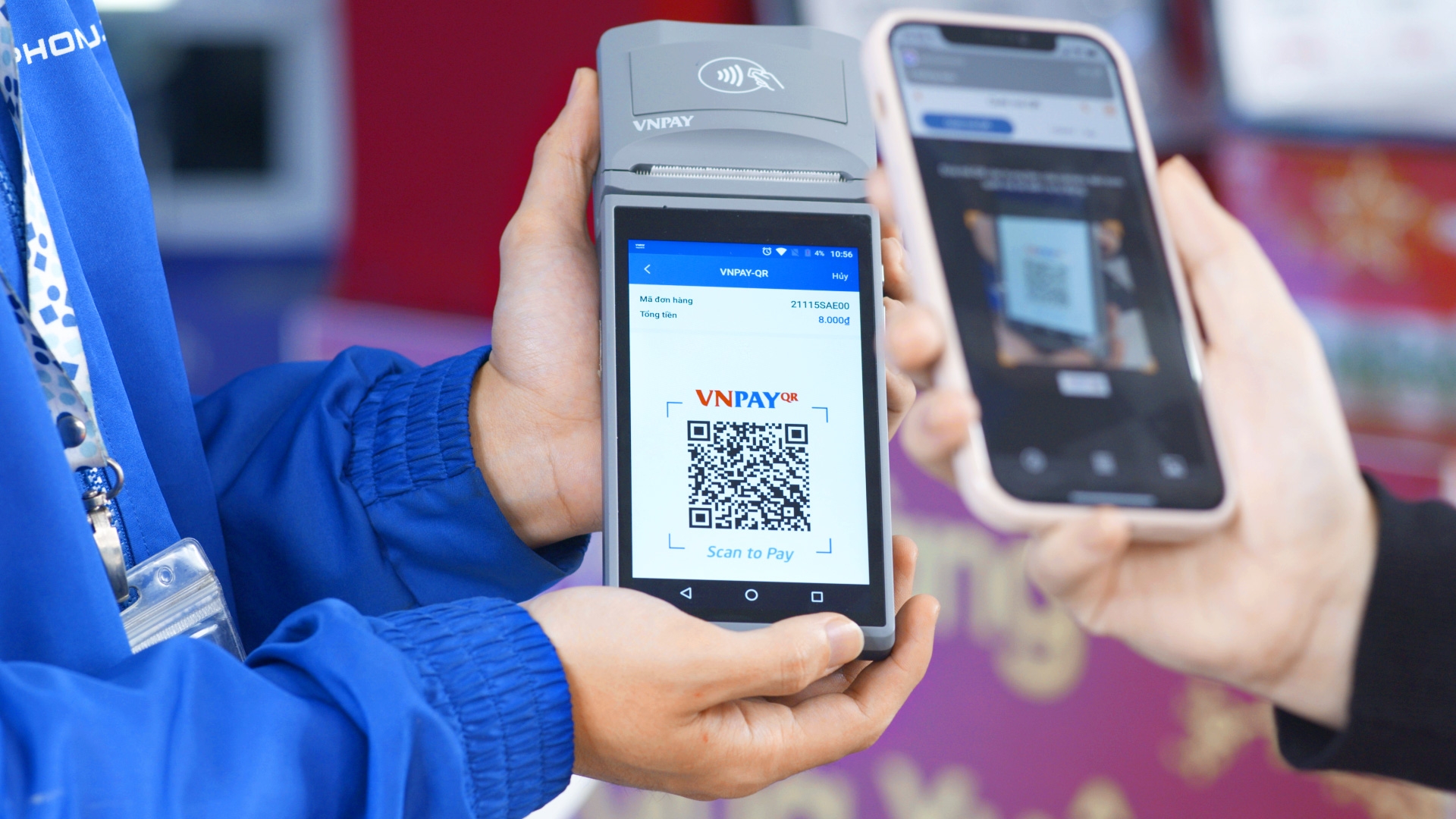
    The introduction of the VNPAY PhonePOS solution is set to change this landscape dramatically. With just an Android smartphone equipped with NFC capabilities, merchants can effortlessly accept payments via major cards like Visa, Mastercard, JCB, and Napas, along with international e-wallets like Apple Pay and Google Pay. This innovation allows businesses to sidestep the hefty expenses linked to investing in specialized POS technology.

    Empowering Small Retailers

    VNPAY PhonePOS not only streamlines acceptance of card payments but also incorporates a robust real-time transaction reporting system. This feature enables sellers to monitor revenue, manage cash flow, and check transaction history directly from their smartphones. For those without advanced accounting software, this tool offers a simple yet effective way to enhance business operations.

    According to a 2024 report by the State Bank of Vietnam, cashless transactions in the country skyrocketed by 53% compared to last year. While this feat is commendable, it barely scratches the surface of the untapped potential within the fragmented retail market.

    Bridging the Digital Payment Divide

    Tran Tri Manh, Chairman of VNPAY, emphasized that the push for technological progress hinges on solutions that facilitate easy, low-cost, and secure technology adoption. VNPAY PhonePOS checks all the boxes and integrates seamlessly into the VNPAY Merchant platform, making it highly accessible for small merchants.

    “Rural regions, home to over 60% of our nation’s population, are increasingly gaining access to digital payment methods. From local markets to highway stops, cashless transactions are now faster and safer,” he highlighted.

    Solutions like VNPAY PhonePOS, which were once exclusively available in shopping malls, are now reaching these underserved markets, unlocking new business opportunities for millions of small entrepreneurs across Vietnam.

    Expanding into Tourism

    Moreover, PhonePOS is extending its reach into the burgeoning tourism sector. Numerous popular tourist spots, including Hoi An, Sa Pa, and Phu Quoc, are experiencing a surge in foreign visitors. Consequently, the capacity to accept international cards is becoming increasingly essential for small businesses, from quaint homestays to bustling roadside eateries. With just a smartphone, they can tap into fresh streams of revenue.

    Technology truly shines when it empowers the masses. Under this lens, VNPAY PhonePOS reduces costs while serving as a bridge connecting small businesses to global financial networks. The dream of digital economy participation for everyone in Vietnam is gradually transforming into reality.

    Previously known as VNPAY-SoftPOS, the newly renamed VNPAY PhonePOS—marketed with the catchy tagline “PhonePOS – Turn Your Phone into POS”—highlights its simplicity and broad appeal. Any store, no matter how tiny, can now play in the digital payment arena with an NFC-enabled Android phone.

    In a remarkable achievement, VNPAY has become the first company in Vietnam to secure the Mobile Payments on Commercial Off-The-Shelf (MPCOS) security certification for the VNPAY PhonePOS solution, as verified by the Payment Card Industry Security Standards Council.

    To earn this certification, the payment solution met over 190 stringent technical security requirements concerning system operations, monitoring, and protection, including end-to-end data encryption and proactive attack detection. This comprehensive security framework ensures robust safety throughout the user experience.

    Questions & Answers

    How does VNPAY PhonePOS work?
    It transforms any NFC-enabled Android smartphone into a payment acceptance device, allowing businesses to accept card payments and e-wallet transactions.

    What benefits does VNPAY PhonePOS offer small businesses?
    It’s cost-effective, easy to use, and provides real-time transaction reporting, which enhances financial management without the need for complex accounting software.

    What makes VNPAY PhonePOS a secure option?
    The solution has achieved MPCOS security certification, meeting over 190 technical requirements for security, including end-to-end encryption and regular security testing.

  • Shein and Reliance Join Forces to Expand Indian Supplier Network

    Shein and Reliance Join Forces to Expand Indian Supplier Network

    In a strategic move to reduce dependency on China amid escalating U.S. tariffs, Shein and Reliance Retail are set to ramp up their Indian supplier network from 150 to a remarkable 1,000 within just a year. This ambitious expansion plan, as reported by Reuters, includes plans to start exporting India-made Shein apparel globally within the next six to twelve months.

    A New Era for Indian Manufacturing

    This partnership is a pivotal element of a broader strategy aimed at relocating supply chains away from China—Shein’s largest market. By collaborating with Reliance, Shein seeks to expedite production in India with a primary focus on the lucrative U.S. and U.K. markets.

    Reviving Shein’s Presence in India

    While the partnership between Shein and Reliance is limited to a brand licensing deal for domestic sales, it marks a significant revival for Shein’s brand presence in India. The online fashion retailer initially entered the Indian market in 2018 but faced a temporary ban in 2020 alongside other Chinese applications. However, it made a comeback in February through a licensing agreement with Reliance Retail, which now operates SheinIndia.in, featuring garments produced by local manufacturers. Currently, a majority of Shein’s global offerings are still sourced from China.

    Boosting Local Production with Big Ambitions

    Reliance has already signed agreements with 150 garment manufacturers and is actively negotiating with an additional 400 to achieve its goal of 1,000 suppliers that can meet both local and international demands. The companies are rigorously evaluating whether Indian factories can replicate Shein’s best-selling items at competitive prices.

    Investing in the Future of Fashion

    Moreover, Reliance plans to bolster suppliers through investments, machinery imports, and sourcing fabric—particularly for synthetic textiles—where India is still catching up in expertise. With this move, Reliance isn’t just enhancing its operations; it’s also poised to transform India’s fashion landscape.

    In a world where fashion trends shift faster than a lightning bolt, could this partnership be the spark that ignites India’s manufacturing prowess on a global scale? Only time will tell!

    Questions & Answers

    What is the goal of Shein and Reliance Retail’s partnership? The aim is to expand their Indian supplier base to 1,000 within a year and begin exporting India-made Shein garments globally within six to twelve months, reducing dependency on China.

    How has Shein’s presence in India evolved? Shein initially entered India in 2018, faced a ban in 2020, and returned in February 2022 through a licensing agreement with Reliance Retail, enabling them to sell locally produced garments.

    What support will Reliance provide to Indian suppliers? Reliance plans to assist suppliers with investments, machinery imports, and fabric sourcing, especially targeting the synthetic textiles sector where local expertise is currently lacking.

  • Phuket Beckons: Thai Developers Attract US and Chinese Buyers Amid Bangkok Market Slowdown

    Phuket Beckons: Thai Developers Attract US and Chinese Buyers Amid Bangkok Market Slowdown

    Phuket’s real estate market is poised for a significant influx of new properties, with approximately 10,000 new flats set to hit the market this year, according to property consultancy Colliers, as highlighted by the South China Morning Post. New project launches have started happening weekly, creating a buzz in the region.

    The Supply-Demand Conundrum

    However, the situation is complicated by a rising unsold inventory in Phuket, which stood at 4,982 units across 16 projects by the end of the fourth quarter last year. “Developers are counting on the upcoming high season to attract new buyers to the island,” commented Nasupha Suwansri, vice-president at Juwai IQI, a leading real estate broker managing over US$4 trillion in global listings.

    A Record Year for Launches

    The surge in new supply could further intensify the existing oversupply issue. Colliers reported a staggering 14,700 units launched across 56 projects last year, with only 64% finding buyers. This scenario reflects increasing competition among Thai developers, particularly as sales growth in Bangkok cools and mortgage rejection rates rise.

    Developers Shift Focus

    Many prominent Thai developers are shifting their focus to Phuket due to sluggish sales in Bangkok. Stuart Reading, managing director of group property development at Banyan Group Residences, noted, “There is an oversupply situation for certain projects in Phuket priced between US$100,000 and US$200,000. They are pushing many of these developments.” In contrast, Banyan, which has maintained its Phuket land bank for years, is taking a more measured approach and plans to unveil US$1 billion in luxury residential projects over the next two to three years, notably targeting Hong Kong buyers.

    Fostering Foreign Interest

    Meanwhile, T.H Group is optimistic about international investor demand for its Ayana project. They are hosting around 100 American passport holders—many of them Asian-Americans looking to retire in Thailand—for property viewings in both Bangkok and Phuket later this month. “This is the first time we have encountered such a large-scale American property viewing group,” shared Allen Su, Ayana’s project leader.

    The Dynamics of Foreign Investment

    Chinese buyers remain the largest group of foreign investors in Bangkok flats, but demand saw a 19% drop to 1,481 units valued at THB6.12 billion (US$187 million) in the first quarter. “The Bangkok condo market is recovering, but it presents a mixed picture,” remarked Kashif Ansari, co-founder and group CEO of Juwai IQI, noting that local buyers are cautious due to policy uncertainties while Chinese investors continue to be pivotal.

    In the first half of last year, Chinese buyers represented 39.5% of all foreign buyers in Thailand’s condo market, acquiring 2,872 units for THB13.2 billion, as per the Government Housing Bank and reported by Thai PBS. The popular locations for foreign buyers included Bangkok, Phuket, Chiang Mai, and Samut Prakan, indicating a diverse interest in Thailand’s real estate landscape. After all, who wouldn’t want a slice of paradise?

    Questions & Answers

    What is driving the increase in new flats in Phuket?
    Developers are launching around 10,000 new flats this year, hoping to capitalize on the high season to attract more buyers to the island.

    How is the unsold inventory affecting the market?
    The unsold inventory has climbed to nearly 5,000 units, contributing to concerns about oversupply and heightened competition among developers.

    Which foreign buyer group remains key to the market?
    Chinese buyers continue to dominate the foreign investment scene, comprising a significant portion of the market despite a recent dip in demand.

  • AI in Retail: Revolutionizing the Customer Experience Across Asia

    AI in Retail: Revolutionizing the Customer Experience Across Asia

    Retailers are gearing up for a game-changing era as they embrace the power of artificial intelligence (AI). With technology rapidly evolving, retailers across Asia are discovering AI’s potential to personalize experiences, streamline operations, and redefine customer engagement. From analytics to chatbots, AI is not just a trend; it’s becoming an essential element in staying competitive in today’s market.

    Transforming Customer Journeys

    The integration of AI in retail is revolutionizing how brands interact with consumers. Imagine walking into a store and receiving personalized product recommendations right on your smartphone—sounds like magic, right? It’s actually AI at play. Retailers are utilizing AI to analyze consumer data, allowing them to tailor recommendations based on preferences, past purchases, and even browsing histories. This hyper-personalization goes beyond simple marketing; it cultivates a shopping experience that feels genuinely curated for each individual.

    Streamlining Operations

    Operational efficiency is another area where AI is making waves. From inventory management to supply chain logistics, AI-powered tools are helping retailers predict demand, optimize stock levels, and reduce waste. By employing machine learning algorithms, businesses can make data-driven decisions that enhance productivity and minimize costs. In a world where every dollar counts, these advancements are not just nice to have—they’re crucial for survival.

    Enhancing the Shopping Experience

    AI-enhanced customer service tools, like chatbots, have changed the way retailers communicate with consumers. These digital assistants offer 24/7 support, answering questions and resolving issues at lightning speed. This not only boosts customer satisfaction but also allows human staff to focus on more complex tasks that require a personal touch. The result? A seamless shopping experience that keeps customers coming back for more.

    Amid these technological advances, it’s interesting to note that some retailers are also looking back. Nostalgia marketing is proving to be a surprising ally as brands blend AI’s cutting-edge approach with classic consumer sentiments—who wouldn’t want to reminisce about their favorite childhood snacks while shopping?

    Questions & Answers

    What role does AI play in personalizing customer experiences?
    AI analyzes customer data to provide tailored product recommendations, creating a unique shopping experience for each individual.

    How does AI improve operational efficiency in retail?
    AI tools help retailers optimize inventory and supply chain logistics by predicting demand and making data-driven decisions, which leads to reduced waste and increased productivity.

    What impact do chatbots have on customer service?
    Chatbots provide instant support around the clock, improving customer satisfaction and freeing up human employees for more complex interactions.

    As the retail landscape continues to evolve, one thing is clear: the future is not just automated; it’s personal.

  • Summer Train Travel Soars in Popularity, Weekend Tickets Selling Out Fast

    Summer Train Travel Soars in Popularity, Weekend Tickets Selling Out Fast

    Trains between Hanoi and popular central and southern tourist destinations are in demand, with sleeper berths sold out on weekends, thanks to improved pricing policies and services.

    When Thu Minh from Hanoi attempted to purchase train tickets for her family’s weekend getaway to Da Nang City, she was met with a surprising twist—many trains were completely booked. Out of the nine trains scheduled for the trip, the SE17 train had just two sleeper berths remaining, while SE11 had three available.

    Routes to Nghe An and Quang Binh Province demonstrated similar trends, with sleeper berths becoming increasingly scarce. “I didn’t expect train tickets in June to be this hard to get,” Minh lamented, adding, “My family might have to postpone our trip to next month.”

    The Vietnam Railways Corporation’s ticketing website highlights the limited availability of sleeper berths on weekends throughout June, specifically on routes connecting Hanoi with central and southern provinces. A representative from the Railway Transport Joint Stock Company revealed that over 620,000 tickets have been sold this summer, with a projected passenger increase of 8-10% compared to the previous year by the end of the vacation period.

    Analysts attribute this surge in popularity to several factors: competitive ticket prices for families, free travel for children under six, and an array of conveniences available for those traveling with young kids. Groups can also enjoy discounts of 3-15%.

    Furthermore, the quality of services and amenities has improved significantly in recent years. Many train routes offer breathtaking views, making train journeys to central Vietnam especially sought after. Notably, even premium trains running between Hanoi and Da Nang frequently sell out, with sleeper berth fares reaching VND1.3 million (around US$50) each.

    To accommodate the summer rush, the railroad service is expanding. New trains have been introduced along the Hanoi–Hai Phong City route, and the already popular line between Ninh Thuan Province and Da Lat has added three more trains, bringing the total to six. Daily departures are now also available between Hanoi and Beijing, enhancing connectivity with the Chinese capital.

    Questions & Answers

    What is causing the high demand for train tickets this summer? Many factors contribute to this surge, including competitive pricing for families, free travel for children under six, and improved service quality.

    How much can passengers expect to pay for a sleeper berth on popular routes? Sleeper berths can reach fares of VND1.3 million (approximately US$50) on high-quality trains, yet they still sell out quickly.

    What new routes have been added to accommodate travelers? The railroad service has expanded this summer with additional trains on the Hanoi–Hai Phong route and new options connecting Ninh Thuan Province to Da Lat, plus daily services to Beijing.

    So, if you’re planning a train trip, make sure to book early—unless you fancy practicing your charm at the ticket counter!

  • Asia’s Insurance Markets Surge in 2024 Driven by Life and Health Sector Growth

    Asia’s Insurance Markets Surge in 2024 Driven by Life and Health Sector Growth

    Asia’s insurance markets showed impressive growth in 2024, especially in the life and health sectors, yet they continue to trail behind North America and Western Europe in overall scale and performance—particularly within the property and casualty (P&C) arena. Globally, the insurance industry expanded by a robust 8.6%, reaching a staggering $7.87 trillion (EUR 7.0 trillion) in total premiums.

    China: The Star of Life Insurance Recovery

    China emerged as a powerhouse in Asia’s life insurance sectors, boasting a remarkable growth rate of 15.4%. This trend outshines the 7.1% increase seen in Western Europe and propelled the global life segment’s overall growth to 10.4%. Driving this surge were higher interest rates, which effectively bolstered premium incomes across markets.

    Health Insurance Booms Amidst Low Penetration

    The demand for health insurance in Asia also proved strong, with premiums soaring by 12.6% in 2024. Low penetration rates—below 1% in most nations except Taiwan—and limited public healthcare coverage contribute to this upward trajectory. Meanwhile, the US holds its ground by dominating the global health insurance market, accounting for approximately two-thirds of worldwide premiums.

    Challenges in Property and Casualty Insurance

    While Asia’s life and health sectors exhibit clear growth potential, the sluggish development of P&C insurance restricts the region’s overall impact on global premium expansion. The term “growth markets” is increasingly put to the test as North America surpasses Asia in key sectors, despite having a smaller population.

    Future Outlook: A Double-Edged Sword

    Looking ahead, economic challenges may pose risks to the regional outlook. Diverging inflation trends and capital market volatility are likely to affect insurer portfolios and strategic planning throughout Asia. As global insurance growth continues to rise, Asia must seize the opportunity to enhance penetration and strengthen its P&C performance to keep pace with its more developed counterparts. Who knows, perhaps the region will surprise us all and redefine what “growth market” truly means!

    Questions & Answers

    What contributed to China’s impressive life insurance growth?
    Higher interest rates bolstered premium income, leading to a remarkable growth rate of 15.4%.

    How does Asia’s health insurance market compare to that of the US?
    Asia’s health insurance premiums rose by 12.6%, but the US dominates globally, accounting for around two-thirds of total premiums.

    What challenges does Asia face in the property and casualty insurance sector?
    Slower development in P&C insurance constrains Asia’s overall contribution to global premium growth, despite significant advancements in life and health segments.

  • YouTube Expands Video Commerce Efforts Across Southeast Asia’s Growing Market

    YouTube Expands Video Commerce Efforts Across Southeast Asia’s Growing Market

    YouTube is making significant strides in Southeast Asia’s video commerce landscape, leveraging the power of creators and innovative shopping experiences to attract millions of viewers. With a robust community of 7,600 creators boasting over 1 million subscribers and more than 77,000 channels with at least 100,000 followers, the platform is revolutionizing how consumers shop online.

    Broad Reach Across Southeast Asia

    In 2024, YouTube expanded its reach to an impressive 290 million people, representing 85% of the region’s online population. This surge in viewership has been mirrored by a striking shift in e-commerce, where video commerce now accounts for 20% of Southeast Asia’s e-commerce gross merchandise value (GMV)—a remarkable fourfold increase in just two years. According to Google’s Vice President for Southeast Asia and South Asia Frontier, Sapna Chadha, YouTube’s unique ecosystem is pivotal in driving this growth.

    Building Trust Through Content

    Chadha emphasizes the trust generated between creators and their audiences, stating, “This trust translates into purchase confidence, with YouTube driving almost four times greater purchase intent than other social media platforms in the region.” A study revealed that users are 98% more likely to trust creators on YouTube compared to recommendations from other social networks, underscoring the platform’s significant influence.

    YouTube Shopping: A Game Changer

    YouTube Shopping is now fully operational in Indonesia, Vietnam, Thailand, Singapore, Malaysia, and the Philippines through a partnership with Shopee. Eligible creators can easily tag products in their videos and Shorts to enhance the shopping experience. In Indonesia, Vietnam, and Thailand, 55% of eligible creators have already jumped on board, showcasing the immense potential for monetization in this sector.

    Take the example of Vietnamese creator Mai Trinh Hổ, whose channel revenue skyrocketed nearly fivefold after embracing YouTube Shopping, while Indonesian channel Jagat Review reported that 50% of its revenue from July to October 2024 stemmed from the program. According to a Kantar study, about 85% of viewers in Thailand and 67% in Indonesia trust content created by YouTube creators, while Ipsos data reveals that these audiences trust YouTube more than any other platforms during their purchasing journey.

    Rising Creator Earnings

    As creator earnings soar, figures from Vietnam show a 35% year-on-year increase in the number of channels earning nine-figure incomes in Vietnamese Dong as of December 2024. This upward trend signals a promising future for content creators in the region.

    YouTube in the Living Room

    The platform is also carving out a niche in connected TV (CTV), with over 79 million viewers in Southeast Asia tuning in to watch YouTube on their televisions, contributing to a global tally of 1 billion daily CTV viewing hours. Innovative ad formats such as Shoppable TV ads and interactive features are helping brands engage viewers more efficiently. For instance, McDonald’s in the Philippines witnessed a staggering 46% boost in daily sales, while Pepsi in Vietnam increased its audience reach among 18-44 year-olds by 27%.

    In this digital age, YouTube’s blend of engaging creator content and seamless shopping experiences is reshaping the e-commerce landscape, turning casual viewers into confident buyers—who knew online shopping could be this entertaining?

    Questions & Answers

    What has contributed to the growth of video commerce in Southeast Asia?
    The growth is largely attributed to YouTube’s expansive creator ecosystem and its ability to foster trust and credibility among users, leading to heightened purchase intent.

    How has YouTube Shopping impacted creators in the region?
    Many creators have seen significant revenue boosts after participating in YouTube Shopping, with some reporting up to five times their normal earnings.

    What innovative advertising strategies is YouTube implementing?
    YouTube is introducing interactive ad formats such as Shoppable TV ads and pause ads, making big-screen advertisements more engaging for viewers and effectively driving brand sales.

  • Omnichannel Execution: The Role of Analytics in Seamless In‑Store and Digital Experiences

    Omnichannel Execution: The Role of Analytics in Seamless In‑Store and Digital Experiences

    Asia’s retail sector is undergoing a seismic shift. With digital adoption surging, consumers now expect a fluid journey that merges online browsing, mobile interaction, and in-store experiences. To meet this elevated bar, retailers are turning to omnichannel analytics—integrating data from multiple touchpoints to deliver personalized, frictionless customer journeys and improve revenue outcomes.

    In fact, advanced analytics is not limited to brick-and-mortar environments. Even digital verticals, such as trusted online casino Singapore platforms, are harnessing similar cross-channel data insights to optimize user engagement and retention—underscoring the universal need for seamless consumer experiences.

    In this article, we explore how omnichannel execution powered by analytics is redefining Asian retail, spotlight the technology and strategic shifts behind it, and offer actionable insights for retailers navigating this transformation.

    Why Omnichannel Matters More Than Ever

    Consumers today operate across all digital and physical channels. Whether they start a purchase journey on a smartphone, explore in a web store, or finalize in a physical outlet, their expectations remain constant: subject-relevant, contextual interactions with convenience and coherence.

    Recent insights show:

    • Over 70% of APAC consumers expect real-time stock visibility and consistent pricing across channels. 
    • Retailers that effectively implement omnichannel strategies report 15–30% higher revenue per customer on average.

    By collapsing operational silos and weaving analytics across touchpoints, retailers can better understand behavior patterns, tailor offerings, and make data-informed decisions that drive both top-line and bottom-line growth.

    Understanding Omnichannel Analytics: Definition & Scope

    A clear framework for omnichannel analytics includes:

    • Customer identity resolution across online and offline touchpoints (app sessions, loyalty IDs, store visits). 
    • Journey stitching, tracking each step from ad exposure to in-store purchase. 
    • Channel attribution, enabling retailers to understand which touchpoints influence conversions. 
    • Experience personalization, using customer signals to recommend products, promotions, and services tailored to each channel.

    Put simply, omnichannel analytics allows retailers to:

    • Recognize a shopper whether they browse online, app, or in-store. 
    • Monitor cross-channel conversions and touchpoints. 
    • Tailor messaging and experiences to where users are engaging.

    As SAS explains, modern analytics enables retailers “to apply analytics to every step of the customer journey […], not just in marketing but also in merchandising, demand planning, and supply chain management”.

    Asia’s Omnichannel Momentum: Key Drivers

    Several factors have accelerated Asia’s omnichannel analytics adoption:

    Digital-Native Consumers

    Gen Z and Millennials in urban centers—from Singapore to Seoul—expect frictionless, integrated shopping. They compare online prices, reserve items digitally, and visit stores for experiential browsing.

    Rise of “Phygital” Retail

    Retailers are blending the best of both worlds: in-store experience powered by digital layers (e.g., QR-code information, AI-powered mirrors), coupled with digital relationships and personalization.

    Policy-Driven Transformation

    Policy initiatives, like Singapore’s Smart Nation drive and e-commerce frameworks in Southeast Asia, have enabled digital transformation across the retail ecosystem.

    Technological Maturity

    Cloud infrastructure, AI analytics platforms, and mobile payments now enable rapid deployment of end-to-end omnichannel analytics.

    Technology Stack: Turning Strategy into Scale

    A robust omnichannel analytics system comprises these components:

    1. Identity Resolution & Data Integration 
      • Integrate CRM, e-commerce, POS, mobile, and third-party data sources. 
      • Build unified identifiers for individual consumers. 
    2. Event & Journey Data Architecture 
      • Build data feeds capturing multi-channel events. 
      • Use event streaming (Kafka, cloud ingestion) to build real-time profiles. 
    3. Behavioral Analytics & Insights Layer 
      • Analyze shopping patterns, dwell time, funnel drop-off. 
      • Identify opportunity segmentation (e.g., BOPIS / Click-to-Collect shoppers). 
    4. Orchestration Engine 
      • Serve insights to personalization platforms, loyalty apps, store staff dashboards. 
      • Manage campaign decisions—email, push, in-store signage. 
    5. Measurement & Attribution 
      • Use advanced attribution to trace conversions back to cross-channel exposure. 
      • Conduct lift tests (e.g., BOPIS vs. home delivery). 

    Edge and in-store analytics (e.g., people counting, mobile-beacon signals) also enhance understanding of store layout, service gaps, and conversion opportunity.

    The Benefits: Revenue Impact & ROI

    Omnichannel analytics delivers benefits across three arenas:

    Benefit Category

    What It Enables

    Business Outcome

    Personalization

    Tailored offers, dynamic pricing, locational relevance

    +5–15% sales uplift

    Conversion Lifts

    Move customers more efficiently across the funnel

    +10–20% conversion rates

    Operational Gains

    Inventory, staffing, log forecasting

    10–30% cost reduction, higher satisfaction

    Retailers empowered by omnichannel analytics typically report 15–30% increases in revenue per shopper and 10–20% decrease in inventory waste, showcasing real ROI.

    Challenges & Best Practices for Implementation

    Challenge 1: Data Fragmentation

    Solution: Prioritize toolset consolidation—choose centralized CDPs or CTV stacks. Even legacy systems can be bridged via APIs and middleware.

    Challenge 2: Organizational Silos

    Solution: Establish cross-functional teams, with clear roles across IT, marketing, store operations, and data science.

    Challenge 3: Privacy & Regulation

    Solution: Build consumer consent frameworks, anonymize behavioral signals, and comply with local data laws (e.g., PDPA in Singapore, POPIA in South Africa). This is critical for technologies like in-store analytics and geolocation.

    Challenge 4: Attribution Complexity

    Solution: Use robust measurement models such as real-time A/B testing, incrementality analysis, and time-based attribution to isolate channel interactions effectively.

    Future Trends in Rice Street Retail Analytics

    1. AI-Augmented Customer Context
      AI systems to recommend next-best actions or optimize customer satisfaction in real-time. 
    2. Hyper-local Store Analytics
      IoT sensors to optimize layout, staffing, and product placement based on real-time traffic and conversion data—similar to edge-AI counting systems . 
    3. Unified Experience Across New Formats
      Integrating physical, online, live-stream, and social commerce to create cohesive ‘phygital’ ecosystems. 
    4. Ethical Use and Transparency
      Through initiatives such as Singapore’s AI Ethics Advisory Council, forward-looking retailers will embrace explainable analytics—clearly communicating data use and offering opt-outs.

    Strategic Playbook: Getting Started with Omnichannel Analytics

    Begin With Pilot Use Cases
    Focus on clear pilots: BOPIS use case, mobile notifications tied to geolocation, or unified loyalty communications.

    Stress-Test with A/B Tests
    Run lift studies comparing customer segments using newly layered omnichannel insights vs control.

    Scale Gradually
    Expand omnichannel capabilities to store networks and e-commerce platforms, supported by central analytics teams.

    Govern Responsibly

    • Standards-based consent (cookie banners, app permissions) 
    • Regular audits for compliance 
    • Transparent data policies communicated to users 

    Measure & Optimize Continuously
    Evaluate KPIs such as week-over-week conversion, satisfaction scores, and ROI on targeted offers and campaigns.

    In Asia’s rapidly evolving retail environment, omnichannel isn’t optional—it’s table stakes. Progressive retailers are already adopting analytics-driven approaches that connect the physical and digital in cohesive, personalized experiences.

    By integrating omnichannel analytics:

    • Shoppers enjoy smooth journeys from discovery to purchase. 
    • Retailers increase both conversion and operating efficiency. 
    • Brands stand ready for next-gen formats like livestream commerce, experience-based pop-ups, and more.

    For regional leaders, the call to action is clear: harness analytics, break siloed systems, invest in infrastructure that unifies data, and commit to responsible, consumer-centric execution.

    If you’d like support building omnichannel infrastructure, analytics frameworks, or launching pilot programs in Southeast Asia, feel free to reach out!


     

  • NAVER Unveils NAVER Ventures in Silicon Valley to Elevate Global Startup Investments

    NAVER Unveils NAVER Ventures in Silicon Valley to Elevate Global Startup Investments

    South Korea’s NAVER Corp. is making waves in the tech world with the launch of NAVER Ventures, its new global investment arm based in Silicon Valley. This initiative aims to support early-stage startups in North America and turbocharge the company’s global innovation strategy.

    Expanding Horizons with Innovation

    This venture builds on NAVER’s prior experience through its successful D2 Startup Factory (D2SF), which has already nurtured numerous tech startups, enabling them to scale their operations internationally. The formation of NAVER Ventures comes hot on the heels of the company’s 2023 acquisition of Poshmark, a U.S.-based social commerce platform, reinforcing its ambition to stretch its reach beyond Asia.

    Investing in the Future

    Focusing on strategic investments in artificial intelligence, digital content, and next-generation technologies, NAVER Ventures has already made headlines with its debut investment in TwelveLabs, a video AI startup celebrated for its cutting-edge machine learning capabilities in video understanding and search. This move is part of NAVER’s broader strategy to sharpen its competitive edge in the AI arena.

    Face-to-Face with Innovation

    NAVER’s founder and chairman, Lee Hae-jin, CEO Choi Soo-yeon, and President of Investments Kim Namsun recently ventured to Silicon Valley for crucial meetings with investors, engineers, and entrepreneurs. On June 5, the company hosted an engaging networking event titled “Venturing NAVER’s Next Chapter” to unveil its vision for global collaboration and innovative growth.

    A Bright Future Ahead

    Under Kim Namsun’s leadership, NAVER Ventures is set to finalize its setup by the end of June. The new unit will not only provide valuable capital but also strategic guidance to high-potential startups striving to enhance their global footprint. As a titan of the internet, NAVER boasts impressive sales of KRW 10.74 trillion (USD 7.5 billion) in 2024 and ranks among Korea’s top 15 companies by market capitalization. With a global portfolio that includes LINE, Webtoon, SNOW, and ZEPETO, NAVER’s operations extend across North America, Japan, and Europe. It seems this company isn’t just surfing the wave of innovation—it’s riding it to new heights!

    Questions & Answers

    What is NAVER Ventures? NAVER Ventures is a global investment arm based in Silicon Valley, designed to support early-stage startups and accelerate NAVER’s global innovation strategy.

    What areas are NAVER Ventures focusing on for investments? The new investment arm will primarily focus on artificial intelligence, digital content, and next-generation technologies.

    Who is overseeing NAVER Ventures? Kim Namsun, the President of Investments, will oversee NAVER Ventures as it aims to empower startups aiming for global expansion.

  • Shoppers Navigate Closed Doors as Raids Target Counterfeit Goods in Hanoi and HCMC

    Shoppers Navigate Closed Doors as Raids Target Counterfeit Goods in Hanoi and HCMC

    On the morning of June 6, the usually vibrant streets of Hang Ngang and Hang Dao in Hanoi’s Hoan Kiem District appeared unusually desolate. Once a bustling commercial center, these roads felt eerily quiet, reminiscent of the Lunar New Year holiday lull, with a predominant number of shops shuttered.

    Lan, a 35-year-old local, found herself navigating this stillness, riding her motorbike back and forth, hoping to find an open store. After parking, she ventured on foot, peering through closed shutters in search of familiar fashion outlets. “I usually buy clothes here, and I’m just trying to find something still open,” she explains. Her quest led her to a shop with a barely open roller door. Inside, the owner swiftly closed it behind her, revealing a strategy to avoid the ongoing government raids targeting counterfeit goods.

    With a crackdown on counterfeit and tax evasion intensifying, marketplaces in both Ho Chi Minh City and Hanoi are witnessing closures among fashion, watch, and pharmaceutical retailers. Authorities recently conducted extensive inspections, unveiling thousands of counterfeit luxury items in Ho Chi Minh City, with brands like Rolex, Chanel, and Gucci found without proper documentation. The prices of these counterfeit products far underscored their genuine counterparts.

    Once outside the shop, Lan noted the rapid descent of the shutter, making the store appear closed once more. Finding shoes proved even more challenging as nearly all footwear retailers were also shuttered. Resorting to modern communication, she connected with a store via the Zalo messaging app, hoping to browse styles and place an order since “in-person sales are suspended during this time.” Yet after two hours, her shopping needs remained unfulfilled.

    Unexpected Shopping Experiences

    Similarly, Kieu Tuyet, 45, from Hai Ba Trung District, faced difficulties procuring sleepwear on Hang Dao. After half an hour of searching, she stumbled upon a familiar shop where her purchase took less than ten minutes. “In the past week, it has become a challenge to shop. You either squeeze through barely open doors or place phone orders for pickup or delivery. It almost feels illegal,” she remarked.

    A recent VnExpress survey indicated that around 80% of clothing, footwear, and cosmetics stores along the famed streets and Dong Xuan and Hang Da markets were closed. Meanwhile, other shopping hotspots, such as Chua Boc Street in Dong Da District and Ninh Hiep Market in Gia Lam District, reported similar closures. At the few stores still operating, doors were partly ajar, and staff awaited delivery drivers outside to expedite transactions.

    On social media, shoppers shared amusing snippets of their experiences, showcasing people squeezing through tight slots to gain entry. Nguyen Thi Oanh, a 60-year-old clothing vendor, noted that most businesses had remained closed since June 1 due to fears of inspections. “Some days, I only sell three or four outfits, but that’s better than facing fines. I simply can’t shoulder that burden,” she lamented.

    New Tax Environment Creates Anxiety

    The recent introduction of tax reforms requiring businesses with annual revenues exceeding VND1 billion (about US$38,380) to issue e-invoices linked to tax authorities has left many vendors anxious. Oanh now exclusively takes cash payments, shunning card transactions, particularly with foreign customers, for fear of mismanaging the new requirements.

    Tuyet Hoa, 74, who has operated a tea stall on Hang Ngang Street for nearly a decade, described the current atmosphere as reminiscent of Covid lockdowns. Despite appearances, she affirmed, sales continue quietly inside many stores, often relying on delivery drivers for business. Yet, as foot traffic diminishes, her sales have plummeted, once quite popular among delivery riders, now struggling to reach ten cups of tea daily.

    She anticipates that normal trading patterns may not return until after June 15 when the government’s intensified efforts against counterfeit goods are expected to conclude.

    According to Nguyen Ngoc Tinh, vice president of the Ho Chi Minh City Tax Consultant and Agent Association, the transition to a real-time tax assessment model has left business owners in trepidation, needing to invest in new systems they may not feel comfortable managing. Pham Ngoc Trung, a seasoned voice in the retail industry, echoed concerns over the crackdown on counterfeit goods, noting that many vendors have either suspended operations entirely or cautiously operate behind closed doors, all while hoping to meet essential expenses.

    Questions & Answers

    What are the current shopping conditions in Hanoi’s commercial districts?
    Most shops on key streets like Hang Ngang and Hang Dao are currently closed, with many shoppers resorting to online communication to place orders.

    What is causing the widespread closure of stores?
    Authorities are ramping up inspections to combat counterfeiting and ensure tax compliance, prompting many retailers to temporarily shut down.

    How have vendors adjusted to the new tax regulations?
    Many have switched to cash-only transactions to cope with the complexities of the new e-invoice requirements, leading to a dramatic shift in their business operations.

  • CapitaLand Development Kicks Off Construction on Exciting New Project: The Fullton

    CapitaLand Development Kicks Off Construction on Exciting New Project: The Fullton

    Nestled within the stunning Vinhomes Ocean Park 3 in Hung Yen Province, just east of Hanoi, The Fullton is set to make waves in Vietnam’s luxury housing market, boasting an estimated gross development value of around US$800 million. This impressive undertaking by CapitaLand Development marks a significant milestone as its inaugural luxury low-rise residential project in northern Vietnam.

    Groundbreaking Ceremony with Dignitaries

    The celebration of this ambitious project kicked off with a groundbreaking ceremony, graced by notable figures including His Excellency Jaya Ratnam, Singapore’s Ambassador to Vietnam; Tan Wee Hsien, CEO of CapitaLand Development Vietnam and International; and executives from Far East Organization. Their presence underscored the collaborative spirit behind this landmark endeavor.

    Phased Development Plan

    Spanning an expansive 25 hectares, The Fullton will unfold in two distinct phases. The first phase, aptly named The Fullton Edition, will consist of 342 residential units spread over 12 hectares, with a completion target set for 2026. In a subsequent phase slated for 2027, an additional 350 residences will be unveiled, contributing to a luxurious living experience.

    Prime Location for Easy Accessibility

    The project’s strategic location provides seamless access to the Northern Key Economic Region through major highways, including National Highway 5A and the Hanoi–Hai Phong Expressway. With future infrastructure developments, such as the anticipated Tran Hung Dao Street set to enhance connectivity, residents can expect not only convenience but also the tranquility of suburban living.

    Meeting the Demand for Quality Housing

    Addressing the rising demand for quality, low-density housing in northern Vietnam, Tan Wee Hsien highlighted that The Fullton caters especially to discerning homeowners and professionals in the Hanoi area. “With nearly 700 homes and shophouses, we aim to build a prestigious community with a range of villa types, including enclave, twin, and detached villas within a secure gated environment,” he elaborated. This marks CapitaLand’s first venture into Greater Hanoi, reflecting a promising growth trajectory bolstered by ongoing infrastructure enhancements and changing lifestyle preferences.

    A Symbol of Bilateral Relations

    Ambassador Ratnam noted the project’s role in strengthening the ties between Singapore and Vietnam, expressing confidence in the nation’s growth prospects. “The Fullton is not just about homes; it’s about contributing to Vietnam’s urban transformation,” he affirmed, indicating the project’s alignment with the country’s bustling urbanization efforts.

    Architectural Harmony with Nature

    Designed with aesthetic sensibilities, The Fullton features an array of meticulously crafted boutique townhouses and villas, echoing the terraced landscapes of Vietnam. Its architectural blueprint harmonizes with the natural greenery, providing an oasis of tranquility, contemporary luxury, and vibrant communal spaces.

    Community-centric Amenities

    Central to The Fullton is a lively 1.9-hectare park designed to nurture community spirit and promote wellness. With themed playgrounds, fitness areas, and serene gardens for yoga, it’s a hub for recreation for all ages. A standout feature is the private clubhouse, a rarity in low-rise residential spaces, offering a retreat-like atmosphere inspired by the surrounding landscape.

    Sustainability at Its Core

    Emphasizing eco-friendly initiatives, The Fullton includes electric vehicle charging, expansive green areas, and energy-efficient designs. These features reflect CapitaLand’s commitment to sustainable urban development, contributing positively to Vietnam’s ever-evolving urban fabric.

    The Vision Behind CapitaLand Development

    CapitaLand Development, representing CapitaLand Group’s robust global portfolio valued at SGD 21.5 billion (US$16.7 billion), is focused on leveraging its extensive real estate expertise across key markets. The firm’s ongoing project in Vietnam highlights over 30 years of investment and development, with achievements celebrated through numerous prestigious awards.

    As CLD aims to be the developer of choice, its vision is firmly rooted in creating quality spaces that enrich lives, enhance communities, and champion sustainability. After all, who wouldn’t want to live in a place where nature meets modern living?

    Questions & Answers

    What is the estimated value of The Fullton development?
    The estimated gross development value of The Fullton is approximately US$800 million.

    When is the completion date for the first phase of The Fullton?
    The first phase, The Fullton Edition, is expected to be completed by 2026.

    What unique features does The Fullton offer to its residents?
    The Fullton features a vibrant central park, a rare private clubhouse, and numerous eco-friendly amenities, all designed to promote community, health, and sustainability.

  • TikTok Launches Innovative Business Solutions to Accelerate Brand Growth and Engagement

    TikTok Launches Innovative Business Solutions to Accelerate Brand Growth and Engagement

    TikTok has unveiled a remarkable suite of business tools crafted to fuel growth for brands at every stage of the marketing journey. This innovative approach introduces artificial intelligence-powered technologies, fresh advertising formats, and broadened measurement capabilities designed to transform user engagement into tangible business results.

    Empowering Brands with TikTok Market Scope

    Among the standout features is TikTok Market Scope, an analytics powerhouse that guides brands in tracking and engaging audiences as they navigate the purchase journey. Complementing this is a newly launched mid-funnel ad format called Brand Consideration Ads, meticulously crafted to transition viewers from mere awareness to genuine interest.

    Unifying Creativity with TikTok One

    TikTok has also elevated its creative hub, TikTok One, an all-in-one platform that connects creators, agencies, and essential tools. The introduction of Insight Spotlight—a trend-tracking instrument—enables marketers to grasp which content truly resonates with their target audience. Moreover, the Content Suite offers an extensive, searchable library of user-generated content, curated for ad potential and delivering over 40 times more relevant results compared to conventional in-app searches.

    Expanding Creative Opportunities

    In a rebranding move, TikTok has upgraded its creative agency network to the new name Partner Exchange, previously known as TikTok Creative Exchange, while also extending access to its Creator Marketplace, now available to creators in 26 countries.

    Automating Campaigns with AI Tools

    On the automation front, TikTok is scaling its arsenal of three key AI-driven tools: Symphony, Smart+, and GMV Max. These tools empower advertisers to streamline their campaign performance efficiently. Symphony’s content creation capabilities have integrated with Smart+, enhancing its ability to automate performance campaigns with precision.

    Smart+ now boasts enhanced audience targeting, robust brand safety measures, and integration with Catalog Ads that ensure personalized product recommendations are always on display. Furthermore, TikTok is broadening its measurement offerings with new Media Mix Modeling partners, helping brands understand their impact across various channels. The platform’s TopView ad format, which captures users’ attention as they open the app, has also enhanced its delivery controls and interactive features to drive engagement further.

    In a world where creativity meets AI, TikTok is setting the stage for a marketing revolution—who knew social media could be this resourceful?

    Questions & Answers

    What is TikTok Market Scope?
    It’s an analytics platform designed to assist brands in tracking and activating audiences throughout the purchasing journey.

    What new ad format has TikTok introduced?
    TikTok has launched Brand Consideration Ads, intended to transition audiences from awareness to interest.

    How is TikTok enhancing its creative capabilities?
    TikTok has revamped its creative hub to TikTok One, which combines creators, agencies, and tools, along with new features like Insight Spotlight and Content Suite to maximize engagement.