Blog

  • Vietnamese Consumers Drive Demand as 4th Largest Foreign Buyers of Australian Homes

    Vietnamese Consumers Drive Demand as 4th Largest Foreign Buyers of Australian Homes

    In a recent seminar in Ho Chi Minh City, Deborah Wiltshire, Sales Director at The Gurner Group, revealed exciting insights into foreign investment trends in Australia’s booming real estate market. According to data from Australia’s Foreign Investment Review Board, foreigners acquired 5,360 residential properties totaling approximately A$4.9 billion (US$3.1 billion) in 2022-23, with Vietnamese investors showing a notable increase in activity.

    Vietnamese Buyers Increasing Presence

    The appetite for Australian properties among Vietnamese investors has surged, with purchases rising by 15% during the same period. Vietnamese nationals accounted for 8-10% of off-the-plan apartment acquisitions, highlighting a growing trend in this critical market segment.

    Data from Victoria, the top destination for Vietnamese international students in 2024, indicates that sales to Vietnamese buyers have jumped by 10-12% year-on-year. Notably, properties priced between US$800,000 and $1.2 million have emerged as the most sought-after options among these investors.

    Student Attraction Fuels Demand

    A report from CBRE, a leading property consultancy, outlines that 60% of Vietnamese purchases aim to provide accommodation and educational opportunities, while 30% are for investment purposes and 10% cater to migration needs. The city of Melbourne stands out as a prime hotspot due to its urbanization, robust economy, and rich cultural diversity.

    With over one million international student enrollments recorded last year, Melbourne attracts students mainly from China, India, Nepal, the Philippines, and Vietnam. This influx has positioned the city as the fastest-growing capital in Australia, promising further development opportunities.

    Growth Outlook Amid Challenges

    Michael Paproth, Business Manager at The Gurner Group, noted that Australia’s population is projected to grow by 1.8% annually over the next five years, outpacing growth in established economies like Canada and the U.S. However, he also warned that housing development is struggling to keep up with demand, predicting a shortage of approximately 28,000 apartments in the coming years.

    As restrictions limit foreign buyers from acquiring existing properties, off-the-plan purchases attract a relatively low tax rate of 10%, especially when compared to markets like Singapore, which imposes significantly higher rates.

    Rising Wealth and Demand

    Notably, Vietnam is witnessing a steady rise in its high-net-worth population, with around 5,500 individuals boasting a net worth exceeding US$10 million as of 2024. This growth, estimated at 5-18% annually prior to the pandemic, and 2.4-5% post-COVID, fuels demand for overseas properties, including those in Australia.

    Implications for the Retail Sector

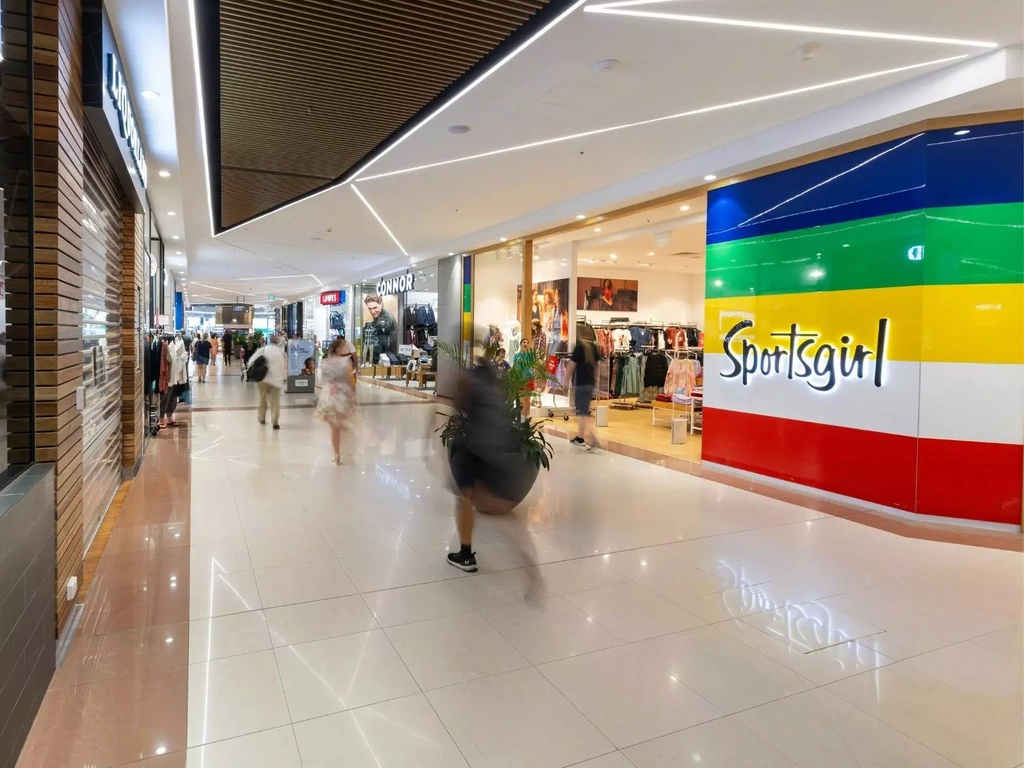
    The intensified interest from Vietnamese investors not only signals a promising shift in foreign investment dynamics but also reflects evolving consumer trends that could reshape Australia’s retail and property landscapes. As consumer preferences evolve, retail businesses may look to adapt and align with this growing demand for international investment opportunities.

  • VN-Index Declines as Retail Trading Activity Reaches Two-Week Low

    VN-Index Declines as Retail Trading Activity Reaches Two-Week Low

    On Monday, Vietnam’s benchmark VN-Index saw a modest drop of 0.20%, closing at 1,226.8 points. This decline marks the index’s lowest trading activity in over two weeks, reflecting a period of cautious investor sentiment.

    Highlighted Trends in Trading Volume

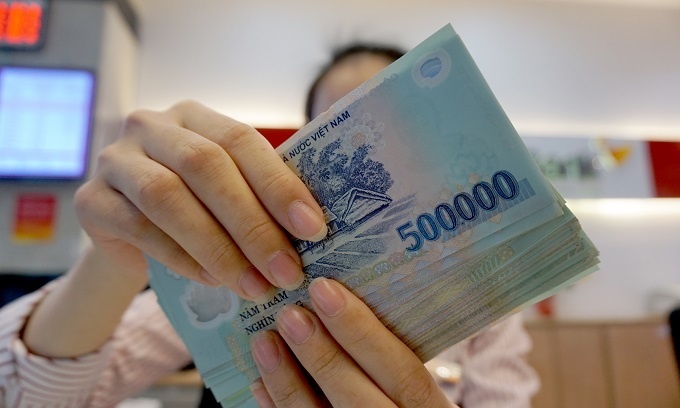
    The VN-Index concluded the day down 2.43 points, following a gain of 5.88 points in the previous session. Trading on the Ho Chi Minh Stock Exchange fell significantly, decreasing by 30% to VND 14.153 trillion (approximately USD 544.3 million), the lowest level since April 10. Notably, this dip is attributed to a lack of available sellers amidst eager buyers.

    Excluding this unusually quiet session, current trading levels would represent the lowest in two months, emphasizing a shift in market dynamics.

    Key Movements in Major Stocks

    Within the VN-30 basket, which includes the 30 largest capped stocks, the day reflected mixed fortunes. Thirteen stocks within the basket saw declines, with major players such as Vinhomes Holdings (down 6.1%), FPT Corporation (down 2.6%), and Vietjet Air (down 2.1%) leading losses.

    On a positive note, fifteen blue-chip stocks advanced, with Sabeco (SAB) rising 3.4%, SeABank (SSB) climbing 2.8%, and Fortune Vietnam Bank (LPB) up by 1.5%.

    Foreign Investment Activity

    In a noteworthy trend, foreign investors remained net buyers, accumulating VND 6 billion primarily in shares of Mobile World (MWG), a leading electronics retail chain, and MB Bank (MBB).

    Trends on Other Exchanges

    The Hanoi Stock Exchange’s HNX-Index saw a slight decline of 0.13%. Similarly, the UPCoM-Index for the Unlisted Public Companies Market edged down by 0.03%, reflecting a general trend of subdued trading across the Vietnamese stock market.

    Conclusion: What This Means for Retail and Consumers

    The recent fluctuations in the VN-Index and the accompanying decline in trading volume suggest a cautious atmosphere among investors, potentially impacting broader consumer sentiment and retail growth. As the market adjusts, stakeholders will be keenly observing these trends to gauge their implications for the retail sector and consumer behavior in the coming months.

  • Zurich Fintech Propels Blackrock’s Retail Growth in Cross-Border Wealth Solutions

    Zurich Fintech Propels Blackrock’s Retail Growth in Cross-Border Wealth Solutions

    In a strategic move to enhance its global investment offerings, BlackRock has integrated technology from Zurich-based fintech company Investment Navigator into its Aladdin Wealth platform. This collaboration aims to streamline cross-border compliance and improve product distribution efficiency for financial advisors.

    A New Era for Investment Management

    This integration, announced jointly by both firms on Monday, equips financial advisors with the necessary tools to deliver tailored portfolio proposals for end investors. By simplifying regulatory checks within the Aladdin Wealth platform, this technology facilitates a more transparent and effective investment management process.

    Transformational Digital Solutions

    Investment Navigator, launched in 2014, has developed digital solutions that incorporate regulatory and offering checks along with selling restrictions into the investment lifecycle—from proposals to validation and trading execution. This foundational technology is set to revolutionize how financial advisors manage international investments.

    Venu Krishnamurthy, Global Head of Aladdin Wealth at BlackRock, commented on this initiative, stating, “Wealth management is undergoing a transformation as more financial advisors turn to technology to deliver tailored solutions at scale. Through our collaboration with Investment Navigator, clients can now seamlessly navigate the complexities of cross-border investing within Aladdin Wealth.”

    Implications for the Retail Sector

    This integration not only signals a significant leap in BlackRock’s technological capabilities but also highlights the growing trend of fintech partnerships within the retail investment space. As consumer demand for cross-border investment solutions increases, this development could reshape how financial advisors interact with global markets, ultimately benefiting consumers seeking diverse investment opportunities.

    The partnership between BlackRock and Investment Navigator underscores the crucial role technology plays in enhancing investment management, paving the way for future advancements in the retail sector.

  • A&M Boosts Brand Growth with New Permanent Office in Vietnam

    A&M Boosts Brand Growth with New Permanent Office in Vietnam

    Alvarez & Marsal (A&M) has officially inaugurated its new office in Ho Chi Minh City, enhancing its presence in Southeast Asia. This strategic move comes as Vietnam emerges as a key market characterized by substantial economic transformation and evolving consumer trends, particularly in financial services, retail, and manufacturing sectors.

    A Strategic Expansion Into a Thriving Market

    As A&M broadens its influence throughout Southeast Asia, with established offices in Australia, Singapore, Indonesia, and Malaysia, the firm identifies Vietnam as a vital hub ripe with opportunities. “Vietnam has reached a pivotal moment in its economic journey,” said Utsav Garg, Managing Director and Head of Southeast Asia and Australia. “Our decision to establish a permanent presence in the country reflects our belief in Vietnam’s long-term growth potential and our commitment to supporting companies in achieving sustainable success.”

    Addressing the Complexities of Business Growth

    With Vietnam increasingly integrating into global supply chains, local enterprises are recognizing the need for robust advisory support. A&M offers a suite of services focused on corporate transformation, performance enhancement, and restructuring. As Douglas Jackson, Managing Director and Head of Vietnam at A&M, emphasizes, “We do not merely provide recommendations; we engage closely to implement strategies that yield tangible results.”

    Focus on Practical Solutions with a Hands-On Approach

    Differentiating itself from typical consulting firms, A&M’s “Muddy Boots” philosophy champions active collaboration with clients to develop and execute practical solutions. This approach aligns perfectly with Vietnam’s competitive economic landscape, where actionable insights are paramount.

    Jackson noted that the Ho Chi Minh City office has seen about 50% annual growth, underscoring the increasing demand for A&M’s services. The firm is committed to building a robust local workforce by combining Vietnamese talent with global industry experts, ensuring a balance of local insights and international best practices.

    Dedicated to Supporting Vietnam’s Economic Resilience

    The diverse challenges and opportunities in Vietnam—ranging from regulatory changes to digital advancements—necessitate a reliable partner like A&M. With over 300 professionals across Southeast Asia and Australia, including 70 senior directors with significant industry experience, A&M is poised to deliver both strategic insights and practical solutions tailored to the unique market needs.

    Moving forward, A&M’s continued investment in local talent and its dedication to execution will further position the firm as a trusted ally for businesses navigating Vietnam’s dynamic economic landscape. This expansion not only supports A&M’s growth strategy but also speaks to the potential for enhanced resilience and value creation within the retail sector and beyond.

  • How Artificial Intelligence Fuels Retail Growth Without Job Loss

    How Artificial Intelligence Fuels Retail Growth Without Job Loss

    A fresh global study reveals how Artificial Intelligence is reshaping the workforce—encouraging collaboration, creativity, and leadership.

    The discourse surrounding Artificial Intelligence (AI) often leans toward apprehension about job loss. However, a groundbreaking study titled “Elevating Human Potential: The AI Skills Revolution” presents an encouraging narrative: AI is here to enhance human capabilities rather than diminish them. Conducted by Workday, the study surveyed over 2,500 respondents across 22 countries, highlighting the positive impact AI is having on the modern workplace.

    AI: A Partner in Innovation

    The study unveils that a staggering 93 percent of AI users believe the technology allows them to concentrate on more complex responsibilities. These include strategic thinking, problem-solving, and creative pursuits. Additionally, 83 percent of participants assert that AI fosters creativity and generates new economic value, shifting the perception of AI from a job threat to a collaborative ally in innovation.

    The Importance of Human-Centric Skills

    Amid fears of automation, the study emphasizes the enduring relevance of human-centric skills. Attributes such as ethical decision-making, emotional intelligence, and relationship-building are irreplaceable in an AI-driven future. The findings indicate a critical emphasis on empathy, trust, and cultural awareness, skills that empower individuals in a rapidly evolving workplace.

    The study points out a notable disconnect between employees and managers regarding the need for human connection. While 82 percent of employees express a desire for increased interpersonal relationships, only 65 percent of managers acknowledge this necessity. This gap offers a unique opportunity for leaders to prioritize empathy and cultivate organizational trust, all while leveraging AI insights for enhanced decision-making.

    Facilitating Collaboration Across Boundaries

    AI is revolutionizing team dynamics by breaking down data silos and enhancing collaborative efforts. As the research illustrates, AI not only automates mundane tasks but also fosters genuine human interactions. By freeing up time for strategic initiatives, AI enables employees to innovate and collaborate across various departments and geographical locations.

    To fully capitalize on AI’s transformative potential, organizations are encouraged to embrace a human-centric strategy. The study outlines four key priorities: upskilling the workforce, nurturing collaboration between humans and AI, ensuring transparency, and advocating for ethical AI practices. These initiatives not only spur innovation but also fortify trust in AI’s role as a supportive workplace partner.

    The Future of Retail: An AI-Enhanced Landscape

    As the retail sector continues to evolve, the integration of AI presents promising opportunities for brands to enhance consumer experiences. By focusing on human-centric skills and fostering innovation, companies can navigate consumer trends more effectively, ensuring they meet the heightened expectations of today’s shoppers. The positive implications for both organizations and consumers highlight AI’s potential as a catalyst for sustainable growth and enhanced engagement in the retail landscape.

  • Sygnum Bank Achieves Unicorn Status, Boosting Brand Growth in Fintech

    Sygnum Bank Achieves Unicorn Status, Boosting Brand Growth in Fintech

    Sygnum Bank has emerged as a beacon of resilience in the Swiss financial landscape, successfully securing $58 million in an oversubscribed funding round, and achieving a valuation exceeding $1 billion. This milestone reflects the bank’s determination to expand its foothold in the competitive digital asset arena.

    Funding Round Fuels Expansion Plans

    The successful funding round, which welcomed prominent investor Fulgur Ventures, aims to propel Sygnum’s growth initiatives and market presence. The bank plans to leverage the new capital to broaden its reach within the European Economic Area (EEA) and Hong Kong, enhance its product offerings, and strengthen its operational infrastructure. With over $5 billion in client assets, Sygnum solidifies its position as a significant player in the global digital asset ecosystem.

    In a recent press release, CEO Mathias Imbach underscored the importance of sustained innovation within Switzerland’s financial sector. “As Switzerland loses its competitive edge as a digital asset hub, it’s crucial to attract talent and capital to remain relevant,” he stated.

    Strategic Growth in Target Markets

    While Sygnum celebrates its achievements, challenges persist for Switzerland as other countries, such as the U.S., continue to embrace digital assets. Currently, Sygnum does not operate in the U.S., focusing instead on high-growth markets like Singapore, the United Arab Emirates, and soon, Hong Kong. The bank is also pursuing a MiCAR license in Liechtenstein to enhance access to European markets.

    Partnership with Fulgur Ventures

    Fulgur Ventures, a U.S.-based venture capital firm specializing in Bitcoin technologies, played a crucial role in Sygnum’s latest funding round. Partner Oleg Mikhalsky stated, “Sygnum’s established infrastructure and dedicated team make them an ideal partner for developing innovative Bitcoin-related financial products.” This partnership highlights the growing intersection of Bitcoin technologies with institutional finance, an area where Sygnum is particularly well-positioned.

    Leadership Driving Vision and Innovation

    Sygnum’s success is supported by a robust institutional infrastructure and commitment to regulatory compliance. Co-founder and Group CEO Imbach remarked, “Achieving unicorn status validates our business model and strategy. It’s a proud moment for us, but it won’t change our core values of integrity and humility.”

    Meanwhile, Co-founder Gerald Goh, CEO of Sygnum APAC, emphasized that offering trusted services for digital assets will remain central to the bank’s growth strategy.

    Navigating Future Opportunities

    Sygnum boasts over 2,000 institutional clients across 70 countries, with regulated operations in Switzerland, Singapore, and Abu Dhabi, positioning it well to navigate the changing digital asset landscape. Recent product initiatives, such as the Sygnum Connect instant settlement network and Sygnum Protect, which allows clients to trade on major crypto exchanges while securely holding assets with Sygnum, exemplify the bank’s commitment to innovation.

    A Path Forward for Switzerland

    Sygnum Bank’s remarkable growth offers a glimmer of hope for the Swiss financial sector, yet the pressure to innovate and adapt never subsides. As more jurisdictions adopt crypto-friendly regulations, Switzerland’s financial industry must prioritize modernization and talent acquisition to stay competitive.

    Sygnum’s journey encapsulates the potential for transformation within the digital finance realm. As Switzerland seeks to maintain its status as a financial hub, the message is clear: adapt strategically or risk being left behind in a rapidly evolving global financial landscape.

  • Millennials Drive Global Wealth Shift and Retail Sales Growth

    Millennials Drive Global Wealth Shift and Retail Sales Growth

    Multipolitan has released its inaugural Wealth Report for 2024, titled Navigating the Future of Wealth. This insightful report examines the profound changes in the global wealth landscape, primarily driven by a historic transfer of assets from Baby Boomers to younger, tech-savvy generations: Millennials and Gen Z.

    Wealth Transfer and Changing Investment Trends
    As we navigate an era marked by rapid geopolitical shifts and economic fluctuations, Millennials and Gen Z are reshaping financial paradigms. Their investment strategies reflect a diverse array of interests, leaning heavily towards alternative assets such as cryptocurrencies, gold, art, and more. With a strong transnational mindset, these younger generations are not only focused on maximizing financial returns but are increasingly merging wealth preservation with personal well-being. The report underscores the trend of prioritizing health and longevity as integral components of financial planning.

    Prioritizing Health in Wealth Management
    As the pace of life accelerates, an increasing number of high-net-worth individuals (HNWIs) are incorporating health initiatives into their wealth preservation strategies. The recognition that personal well-being is essential for sustaining both personal and financial legacies across generations is becoming more pronounced.

    Emerging Wealth Hubs: Opportunities Abound
    The report goes on to highlight the burgeoning role of artificial intelligence in wealth management. With technological advancements enhancing efficiency and precision, emerging wealth hubs like Malta and India’s GIFT City are presenting competitive alternatives to traditional financial centers. This shift introduces new opportunities and complexities within the global wealth ecosystem.

    A Unique Perspective: Blending Data with Insights
    Unlike many wealth reports bogged down by numbers and forecasts, Navigating the Future of Wealth 2024 offers a balanced mix of quantitative analysis and qualitative insights. It presents a holistic view of how wealth is evolving while pinpointing relevant trends impacting the financial future.

    Innovation on the Horizon: The Launch of a Super App
    Co-founded by entrepreneur Lee Smith and Nirbhay Handa, Multipolitan is also set to unveil an innovative super app aimed at redefining customer acquisition. This platform will facilitate seamless access to international mobility solutions for individuals and families, further expanding the brand’s market presence.

    Expert Insights from Industry Leaders
    The Wealth Report is enriched by contributions from 16 industry thought leaders, who delve into themes such as alternative investments, wealth preservation, and health. Key insights include:

    • Alexander Knight on whisky cask ownership as an emerging investment class.
    • Bernadette Rankine discussing the dynamic art markets of Asia.
    • Paul Rodenburg emphasizing the future of cryptocurrencies and their place in wealth management.

    These expert perspectives provide invaluable guidance for navigating the ever-evolving landscape of finance.

    The Future of Mobility: Redefining Wealth Locations
    The report identifies a crucial theme: the location choices of successful individuals. As global mobility becomes pivotal in a complex, multipolar world, affluent individuals increasingly seek alternative residences. Recent policy shifts, such as changes in taxation, have further motivated this trend among affluent individuals in Europe and the U.S.

    Global Mobility as a Fundamental Right
    Multipolitan’s advisory services encompass a wide range of migration options, affirming the company’s commitment to a world where modern life isn’t restricted by geography. Sandeep Jain, Senior Managing Partner, remarks on the importance of facilitating access to opportunities beyond borders.

    Conclusion: A Transformative Era for Retail and Consumers
    With the release of Navigating the Future of Wealth 2024, Multipolitan positions itself as a thought leader in the private wealth sector. The emphasis on mobility and alternative investments signifies a transformative era that could reshape retail strategies and consumer behaviors, making global opportunities more accessible than ever. As consumer trends evolve, the impact on the retail sector could be profound, pushing brands to adapt in response to the changing tides of wealth and mobility.

  • Fintech Leader vertX IQ Appoints New Executive Team to Drive Growth

    Fintech Leader vertX IQ Appoints New Executive Team to Drive Growth

    The fintech company strengthens its management team with seasoned executives from the insurance and financial services industries.

    In a significant move signaling its commitment to growth, vertX IQ, a rising technology provider for pension funds, has announced the appointment of Alfred Widmer as CEO and Dave Stoll as a new board member. This strategic leadership shift aims to enhance the company’s operations and expand its market presence both in Switzerland and internationally.

    Leadership Team Bolstered for Expansion

    The addition of Widmer and Stoll to vertX IQ’s leadership team aligns with the company’s ambitious growth trajectory. Their expertise in entrepreneurship and investment is expected to catalyze new business relationships with clients and partners worldwide.

    Founded in Zug in 2021, vertX IQ provides a robust platform that enables institutional investors, particularly large pension funds, to streamline and digitize their data management processes. This centralization of investment and liability workflows facilitates quicker, data-driven decision-making.

    Alfred Widmer: A Veteran in Financial Services

    Alfred Widmer brings a wealth of experience to his new role as CEO. Previously, he served as an investor and part of the executive board at a Swiss insurtech firm, where he played a pivotal role in establishing the digital insurer’s foothold in the market. His extensive background also includes significant positions at Allianz Suisse, Axa-Arag, and Zurich Insurance Company, covering various roles across Switzerland, Spain, and the UK. His earlier career at Arthur D. Little adds strategic depth to his profile.

    Dave Stoll: Driving Innovation in Finance

    Joining the team, Dave Stoll adds a dynamic mix of entrepreneurial spirit and financial acumen. Over the past decade, he has co-founded multiple ventures in the financial services sector, including a digital insurance platform in Spain and a smart contract technology enterprise. Stoll’s prior roles at Zurich Insurance, coupled with his expertise in asset management and pension fund operations, position him as a valuable asset in driving vertX IQ’s strategic goals.

    A Promising Future for vertX IQ

    With the leadership changes at vertX IQ, the fintech company is poised for a promising future, capitalizing on emerging consumer trends and digital transformation in the financial services space. As the market evolves, this new management team appears equipped to navigate the challenges ahead and capitalize on opportunities for innovation.

    The impact of these appointments on the retail sector and consumer experience could be profound, as companies like vertX IQ continue to reshape the landscape with advanced solutions tailored for institutional investors. The emphasis on digital efficiency and strategic decision-making is set to enhance service delivery across the board, ultimately benefitting consumers and stakeholders alike.

  • Gold Prices Plummet as Global Rates Decline: Retail Impact Ahead

    Gold Prices Plummet as Global Rates Decline: Retail Impact Ahead

    Gold prices in Vietnam saw a significant decline on Monday morning, mirroring a global downturn in bullion rates which fell by over 1%. This development marks an important shift in the market, reflecting changing consumer trends and economic indicators.

    Vietnamese Market Reaction

    The Saigon Jewelry Company reported a decrease in the price of gold bars by 1.24%, now priced at VND119.5 million (approximately US$4,597.04) per tael. Similarly, gold ring prices dropped by 1.29%, settling at VND115 million per tael. Notably, gold bar prices have surged 40.6% year-to-date, demonstrating a volatile yet upward trend in the sector.

    The State Bank of Vietnam has mentioned it may take steps to stabilize the gold market. In a recent statement, they acknowledged the considerable disparity between domestic and global gold prices and expressed intentions to intervene as needed to address these issues.

    Global Influences on Gold Prices

    Globally, gold prices declined by 1.4%, with spot gold trading at $3,272.89 per ounce. After reaching a record high of $3,500.05 on April 22, bullion’s descent reflects a shift in investor sentiment fueled by easing U.S.-China trade tensions. U.S. gold futures also experienced a slight setback, dropping 0.4% to $3,283.70.

    The strength of the U.S. dollar has made gold less accessible to overseas buyers by raising prices internationally. Tim Waterer, chief market analyst at KCM Trade, noted that improved perceptions regarding tariff negotiations between the U.S. and China have contributed to a reduced demand for safe-haven assets like gold.

    Understanding the Economic Landscape

    Historically, gold serves as a sanctuary during times of economic and political uncertainties. It thrives particularly well in environments featuring low interest rates. As market dynamics fluctuate, investors will be closely monitoring the evolving landscape—especially how potential trade agreements could further impact the value of gold and other commodities.

    As the retail sector navigates these changes, both consumers and investors may need to adapt strategies in response to shifting gold prices, reflecting broader economic trends and consumer sentiments.

  • Boost in Consumer Spending Fuels Growth in Australia’s Credit Card Market

    Boost in Consumer Spending Fuels Growth in Australia’s Credit Card Market

    Australia’s Credit Card Market on Track for Significant Growth, Expected to Reach $299.7 Billion by 2025

    Australia’s credit and charge card payments sector is poised for robust expansion, with projections indicating a surge to $299.7 billion (AUD 453.9 billion) by 2025. This growth is predominantly fueled by increasing consumer spending, a resilient payment infrastructure, and a thriving e-commerce landscape, as reported by GlobalData.

    Strong Consumer Spending Drives Momentum

    In 2024, the market value for credit and charge card payments experienced a notable increase of 6.3%. This upswing is largely attributed to rising consumer spending and the appeal of value-added benefits, including cashback rewards and flexible repayment options.

    Kartik Challa, Senior Banking and Payments Analyst at GlobalData, emphasized that Australians are increasingly aware of the advantages of credit card usage. “Consumers frequently utilize these cards to capitalize on benefits, such as cashback offers and rewards programs,” he stated. The boom in consumer appreciation is pivotal to the ongoing growth of this sector.

    Boosted by E-Commerce and Payment Infrastructure

    The credit and charge card market’s upward trajectory is bolstered by improvements in payment infrastructure and the burgeoning e-commerce domain. In 2024, Australians averaged 225.5 transactions per card, with expectations to rise to 239.5 by 2029. Key players in retail banking, such as Commonwealth Bank and NAB, are further supporting this trend by offering innovative repayment solutions like “SurePay” and the “Now Pay Later” program.

    Moreover, Australia is rapidly enhancing its payment capabilities, boasting 39,031 point-of-sale (POS) terminals per million inhabitants as of 2024—outpacing countries such as China and Hong Kong.

    E-Commerce Payments Gain Traction

    E-commerce payments are a significant contributor to this growth, with credit and charge cards accounting for 22.5% of online transactions in 2024. This alignment with consumer trends suggests a growing reliance on digital payment methods as online shopping habits evolve.

    To further assist consumers in managing debt, many Australian banks are introducing programs like debt consolidation and balance transfer options. For example, ANZ offers customers the ability to transfer their existing balances to an ANZ card, simplifying payment processes.

    Future Outlook: Navigating Challenges Ahead

    Looking ahead, Challa notes that while the outlook remains bright for Australia’s credit card market—anticipated to grow at a CAGR of 4.4% to reach $356 billion (AUD 539.1 billion) by 2029—external factors such as global trade complexities and geopolitical concerns could temper this growth.

    As the credit card market continues to expand, its implications are profound for the retail sector and consumers alike, enhancing purchasing power while fostering innovative financial solutions to navigate economic shifts. The increasing prominence of credit and charge cards is likely to shape the future of consumer spending in Australia, making it a space to watch closely.

  • Top Financial Leaders Gather in Zurich to Discuss Retail Trends

    Top Financial Leaders Gather in Zurich to Discuss Retail Trends

    Top leaders from the realms of politics, finance, and technology will converge in Zurich for the highly anticipated third edition of the Point Zero Forum. This event, taking place from May 5 to 7, 2025, aims to address pivotal issues impacting the financial sector amid changing market dynamics.

    A Call for Trust and Stability

    Recent turbulence in financial markets has heightened awareness of the need for trust and stability, elements essential for fostering innovation and sustainability within the industry. The Point Zero Forum offers a vital space for high-level discussions focused on the future of global finance.

    Key Themes for Discussion

    As part of its agenda, this year’s forum will tackle several pressing topics relevant to the evolution of financial systems:

    • Path to Europe’s Technology Independence: Explore strategies for Europe to build a solid policy and infrastructure foundation that ensures digital sovereignty.
    • Demographic Challenges: Identify innovative policies that can bolster social and economic inclusion amid significant demographic transitions.
    • Startup Founders Spotlight: Examine how Europe’s entrepreneurial landscape can harness innovation and funding to enhance economic resilience and global competitiveness.

    Esteemed Speakers Lead the Dialogue

    The forum features an impressive lineup of distinguished speakers, including:

    • Guy Parmelin – Swiss Minister at the Federal Department of Economic Affairs and Research
    • Martin Schlegel – Chairman of the Governing Board, Swiss National Bank
    • Andrea Maechler – Deputy General Manager, Bank for International Settlements (BIS)
    • Axel Weber – Former UBS Chairman
    • Mike Dragan – Group Chief Operations and Technology Officer, UBS Group
    • Dirk Klee – Head of BlackRock Switzerland

    A Collaborative Effort

    The Point Zero Forum is jointly organized by the Swiss State Secretariat for International Financial Matters (SIF) and the Global Finance & Technology Network (GFTN), an initiative pioneered by the Monetary Authority of Singapore (MAS).

    As this prestigious gathering brings together top decision-makers, it is poised to inspire actionable insights and collaborative strategies that could reshape the future of the global financial landscape. The outcomes from the forum may significantly influence retail news, consumer trends, and the broader marketplace, ensuring that stakeholders are equipped to navigate the complexities of an ever-evolving financial world.

  • Italian Asset Manager Appoints New Sales Leader for Switzerland

    Italian Asset Manager Appoints New Sales Leader for Switzerland

    Eurizon Asset Management appoints Alain Barthel as Head of Sales Switzerland to enhance its market presence.

    In a significant move to solidify its footprint in the competitive Swiss financial landscape, Eurizon Asset Management has welcomed Alain Barthel as the new Head of Sales for Switzerland, effective April 1st. Operating from Zurich, Barthel brings a wealth of experience and expertise to this critical role.

    A Seasoned Professional Joins Eurizon

    Alain Barthel arrives at Eurizon with over 25 years of robust experience in sales and business development within the asset management and financial sectors. His previous roles include Senior Consultant at Anglo-Swiss Advisors and Head of Continental Europe at Brandywine Global Investment Management, a part of Franklin Templeton Group.

    Barthel’s impressive track record also features stints at leading asset management firms like UBS Asset Management, Goldman Sachs Asset Management, and Morgan Stanley Investment Management, where he held key sales positions and catered to a diverse array of client segments.

    Strengthening Client Partnerships

    Commenting on Barthel’s appointment, Gabriele Miodini, Head of International Business Development at Eurizon Capital SGR, stated, “With Alain, we are gaining an experienced industry expert for the very important Swiss market. His in-depth market knowledge, strategic thinking, and partnership approach with clients will play a key role in further strengthening our local presence.”

    Expanding European Reach

    Eurizon, an Italian asset manager, operates extensively across continental Europe. With offices in countries like Germany, Spain, and France, and subsidiaries in Luxembourg, the UK, Eastern Europe, and Asia, the company is focused on enhancing its investment capabilities and client services across the region.

    Impact on the Retail Sector

    With consumer demand for robust asset management solutions on the rise, Barthel’s leadership may significantly influence Eurizon’s growth strategy in Switzerland. As the firm expands its presence and fosters deeper client relationships, this appointment could reshape the retail investment landscape, bringing forward innovative solutions that align with evolving consumer trends.

  • UBS Accelerates Credit Suisse Integration Amid Strong Retail Growth

    UBS Accelerates Credit Suisse Integration Amid Strong Retail Growth

    UBS starts the year with robust financial performance, signaling successful early-stage integration of Credit Suisse.

    Swiss banking giant UBS has kicked off 2025 with an impressive net profit of $1.7 billion for the first quarter, driven by a substantial pre-tax profit of $2.1 billion. This solid financial footing underscores UBS’s effective management and strategic initiatives following its acquisition of Credit Suisse.

    Total Invested Assets Reflect Stability

    UBS reported total invested assets rising to $6.2 trillion, demonstrating the bank’s widespread influence in the market despite recent volatility observed in early April. This increase showcases UBS’s ability to attract and retain client investments during uncertain times, a critical factor for growth in the competitive retail banking landscape.

    Sustaining Momentum Through Market Challenges

    The bank’s Return on Common Equity Tier 1 (RoCET1) stood at 9.6 percent, with a robust CET1 capital ratio of 14.3 percent, indicating strong capitalization well above regulatory requirements. However, UBS acknowledges the importance of maintaining this momentum amid ongoing concerns about trade disputes and potential interest rate adjustments that may impact market stability throughout the summer.

    Wealth Management Thrives

    UBS’s Global Wealth Management (GWM) division continues to thrive, with net new assets reaching $7 billion and a striking 32 percent year-on-year increase in revenues, largely due to heightened transaction activity. Additionally, new loan production in Switzerland exceeded 40 billion francs, while steady fee revenue persists despite broader economic uncertainties.

    Rapid Integration of Credit Suisse Showing Results

    Notably, UBS is reaping benefits from its swift integration of Credit Suisse, having achieved significant cost savings totaling $0.9 billion, contributing to cumulative savings of $8.4 billion—65 percent of the targeted $13 billion by 2026. The consolidation of Swiss branches has already surpassed the planned timeline, with initial client migrations set for early Q2.

    Capital Returns on the Rise

    In Q1 alone, UBS repurchased $0.5 billion in shares, with an additional $2.5 billion earmarked for buybacks throughout 2025. This move is projected to drive a 10 percent year-on-year increase in total shareholder payouts when combined with dividends, reflecting the bank’s commitment to returning value to investors.

    Commitment to Technology and Innovation

    UBS remains dedicated to enhancing its technological capabilities, rolling out Microsoft Copilot to its workforce of 50,000 and advancing its cloud infrastructure, which now accounts for over 75 percent of its IT usage. This focus on technology is expected to improve operational efficiency and drive long-term growth.

    Cautious Outlook Amidst Economic Volatility

    Looking ahead, management expressed caution regarding potential threats from fluctuating trade tariffs and macroeconomic uncertainties that could destabilize the market environment. UBS anticipates a slight decline in net interest income across its Global Wealth Management and Personal & Corporate Banking sectors for Q2, contributing to a more cautious revenue outlook.

    Conclusion: UBS Positions Itself as a Key Economic Driver

    Despite the anticipated challenges, CEO Sergio Ermotti emphasized UBS’s commitment to supporting clients and driving economic growth within the communities it serves. The successful integration of Credit Suisse not only reinforces UBS’s market position but also positions the bank as a pivotal player in navigating the complexities of today’s retail banking environment.

    As UBS moves forward, its strategies will undoubtedly continue to impact both the retail banking sector and the broader economic landscape, highlighting the importance of adaptability and innovation in meeting consumer trends.

  • PM Calls for Increased US Aircraft and LNG Purchases to Boost Trade

    PM Calls for Increased US Aircraft and LNG Purchases to Boost Trade

    Vietnam Urges Increased U.S. Imports to Strengthen Trade Relations

    In a recent governmental meeting, Prime Minister Pham Minh Chinh emphasized the importance of boosting imports of U.S. products, including liquefied natural gas, aircraft, and pharmaceuticals, to enhance Vietnam’s trade balance. This move comes amid ongoing negotiations with the U.S. aimed at fostering a more equitable trading partnership.

    Strategic Imports for Trade Balance

    During the meeting held on April 29, Chinh noted that while trade negotiations with the United States are progressing positively, securing contracts for essential imports is crucial for continued success. He highlighted the need for Vietnam to actively procure U.S. goods to maintain momentum in bilateral trade discussions.

    Chinh was addressing the backdrop of the recent suspension of high reciprocal tariffs by the Trump administration, which currently stands at a temporary rate of 10%. This pause offers an opportunity for Vietnam to align its import strategies with U.S. market demands.

    Upcoming Bilateral Trade Negotiations

    A Vietnamese delegation is scheduled to visit the United States on Thursday to engage in further negotiations on trade. These discussions will focus on achieving balanced and reduced import duties for both nations. Chinh aims to ensure that any trade agreements respect Vietnam’s sovereignty and national security while honoring international commitments.

    In addition to import duties, Vietnam plans to advocate for its classification as a market economy by the U.S. and seek the removal of restrictions on high technology exports.

    Impact on the Retail Sector and Consumers

    The push for increased imports from the U.S. is expected to not only bolster Vietnam’s trade balance but also to satisfy rising consumer demand for American products. As Vietnam seeks to diversify its import sources and strengthen bilateral relations, the effects on the retail sector could be significant, paving the way for enhanced availability of U.S. goods in the Vietnamese market. This strategic approach underscores Vietnam’s commitment to fostering robust international trade relations while catering to evolving consumer trends.

  • Australia Sees 4% Surge in Retail Spending This March

    Australia Sees 4% Surge in Retail Spending This March

    Retail spending in Australia experienced a notable uptick of 4% in March 2025 compared to the same period last year, totaling an impressive $37.3 billion, as reported by the Australian Bureau of Statistics (ABS). This growth signals a positive shift in the retail landscape, despite lingering economic uncertainties.

    Diverse Growth Across Retail Categories

    The increase in retail spending was broad-based, with all categories contributing to this upward trend. The standout performer, the ‘other retailing’ segment—encompassing cosmetics, sports, and recreational goods—achieved a remarkable 9% growth. Additionally, clothing, footwear, and accessories reported a solid 5% increase, while food items, department stores, and household goods each saw a growth of 4%. Cafes, restaurants, and takeaway services, although still growing, only saw a more modest rise of 1%.

    Caution Amid Economic Pressures

    Despite the growth, Fleur Brown, Chief Industry Affairs Officer at the Australian Retailers Association (ARA), highlighted ongoing challenges. “The pressures of cost-of-living and economic uncertainty are still affecting consumer behavior,” she stated. Brown emphasized that while any signs of stability in consumer spending provide a welcome boost to business confidence, a full retail recovery remains elusive.

    Weather-Related Challenges

    Lindsay Carroll, Interim CEO of the National Retail Association, viewed the March data as an encouraging sign for recovery. However, she noted that extreme weather conditions in Queensland and New South Wales had a significant impact on retail sales. “Premature shop closures due to cyclone warnings hampered sales exactly when every dollar is crucial for local businesses,” Carroll explained. She added that retailers require improved support to navigate these extreme weather events without compromising their livelihoods.

    Looking Ahead for the Retail Sector

    The recent data reflects a positive trend for the Australian retail sector. However, the interplay of consumer demand and external pressures highlights the need for continued support and adaptation strategies within the industry. As retailers navigate these challenges, the potential for sustained growth in consumer spending remains a key focus, influencing both market dynamics and consumer experience.

    With these developments, stakeholders in the retail sector are urged to stay attuned to emerging consumer trends and support measures that can empower businesses during uncertain times.