Blog

  • Bitcoin broker Relai has launched a new offering in collaboration with Sygnum Bank.

    Bitcoin broker Relai has launched a new offering in collaboration with Sygnum Bank.

    Those looking to access short- to medium-term liquidity from their Bitcoin holdings can now do so through Lombard loans.

    Relai is introducing the possibility for private, qualified investors to take out Bitcoin-backed loans. The aim is to provide clients with liquidity in euros or Swiss francs without having to sell their Bitcoin holdings.

    According to a statement from the startup, founded in 2019, the offering provides wealthy private clients and SME customers with a new level of financial flexibility. With this product, Relai becomes the first broker in Europe to enable Bitcoin-backed loans. No details regarding the loan conditions were disclosed.

    Milestone For A Startup

    This setup allows clients to continue betting on a potential upward trend in Bitcoin’s value or to avoid triggering taxable events, the company adds.

    This partnership with Sygnum Bank is a major milestone for us as a startup, said Julian Liniger, CEO and co-founder of Relai. Bitcoin-backed loans are a groundbreaking innovation for our high-net-worth clie

  • IKEA Unveils First Mixed-Use Store in South Korea, Boosting Retail Growth

    IKEA Unveils First Mixed-Use Store in South Korea, Boosting Retail Growth

    IKEA Expands Footprint in South Korea with New Mixed-Use Store

    Dive into IKEA’s latest venture in Seoul as the global home furnishings giant enhances its local presence in a rapidly evolving retail landscape.

    A Strategic Investment in South Korea

    IKEA has officially opened its fifth store in South Korea, a significant milestone that is part of the brand’s ambitious strategy to invest over $341 million (approximately €300 million) in the country. This latest store, located in the Gangdong I-Park The River complex in eastern Seoul, marks IKEA’s first foray into a mixed-use facility, innovatively combining shopping, entertainment, and business spaces.

    Innovative Offerings for Modern Consumers

    The IKEA Gangdong store showcases a robust selection of 7,400 products, with 3,700 available for immediate purchase. Among its notable features are a sustainable living shop, designed to promote eco-friendly practices, and a circular hub that encourages recycling and repurposing. Furthermore, the introduction of electric vehicle deliveries aligns with IKEA’s commitment to achieving zero emissions and underscores its dedication to addressing emerging consumer trends toward sustainability.

    Reinforcing Digital and Physical Presence

    This opening is a key component of IKEA’s broader strategy to deepen its engagement within the South Korean market. The company is focused not only on expanding its physical stores but also on enhancing its digital presence to cater to the evolving needs of consumers. With this investment, IKEA aims to provide an elevated shopping experience that meets the demands of today’s discerning customers.

    Impact on the Retail Sector

    IKEA’s strategic expansion in South Korea reflects a dynamic shift in the retail landscape, responding to the rising consumer demand for integrated shopping experiences. As brands evolve to embrace sustainability and innovation, the implications for consumers and the broader retail sector are significant, paving the way for more versatile shopping environments that foster convenience and eco-consciousness.

  • Xin Yun Tan Emphasizes Self-Growth and Self-Care for Retail Success

    Xin Yun Tan Emphasizes Self-Growth and Self-Care for Retail Success

    Embracing Growth and Purpose: Insights from Xin Yun Tan

    A Dynamic Leadership Journey

    In a candid interview, Xin Yun Tan, Partner for Operations at Multipolitan, shares her perspectives on personal growth, resilience, and the art of leadership. Known for her collaborative spirit and adaptability, Tan emphasizes the importance of self-care and authenticity in today’s fast-paced work environment.

    The Joy of Diversity in Team Dynamics

    Tan revels in the opportunity to collaborate with a diverse team, describing her colleagues as unique, passionate, and full of life. This dynamic environment fuels her creativity and drives innovation, making each day at work inspiring and fulfilling.

    Advice to the Younger Generation

    When asked what advice she would give to her 20-year-old self, Tan encourages embracing change as a catalyst for growth. “Never let fear hold you back,” she advises, emphasizing that every challenge is an opportunity for self-improvement.

    Resilience: A Personal Triumph

    Proud of her ability to quickly bounce back from setbacks, Tan reflects on her past struggles with fear and doubt. What once felt like a defeat became a critical turning point, teaching her the importance of self-trust and resilience.

    Bold Challenges Ahead

    Currently, Tan is pushing her limits by confronting her fears head-on, including a daring skydiving experience planned for her upcoming trip to Dubai. “It’s all about challenging yourself to grow,” she states, embodying her philosophy of self-advancement.

    Sustainable Fashion Choices

    As a champion of sustainability, Tan favors the local brand “Little Match Girl,” which prioritizes eco-friendly materials and waste-minimizing production methods. Her choice reflects a growing consumer trend towards ethical fashion in today’s retail landscape.

    A Multidimensional Role

    Describing her role at Multipolitan, Tan highlights the unique blend of high-level strategy and hands-on problem-solving that defines her daily tasks. This multidimensional approach requires agility and quick thinking, keeping her on her toes.

    Driven by Purpose

    Tan’s personal drive stems from a profound desire to make a meaningful impact while staying true to herself. She emphasizes the importance of aligning one’s purpose and passion in a way that fosters positive change and personal satisfaction.

    Building Strong Relationships with Employees

    Valued for her empathy and support, Tan is committed to her employees’ growth beyond just performance metrics. “I invest in their development,” she shares, fostering a work environment centered around collaboration and open communication.

    Investing in Self

    For Tan, the best investment is always in herself. She prioritizes self-care and mindfulness, believing that maintaining a healthy mindset is key to achieving long-term success and fulfillment.

    Conclusion: A Leader Shaping the Future of Retail

    Xin Yun Tan’s insights highlight a transformative approach to leadership, emphasizing resilience, empathy, and sustainability. As retail continues to evolve, her philosophy could inspire others in the industry to prioritize personal growth and consumer-conscious practices, paving the way for a more ethical and responsive retail sector.

  • Vietnam Airlines Gains Approval for 50 New Narrow-Body Aircraft Purchases

    Vietnam Airlines Gains Approval for 50 New Narrow-Body Aircraft Purchases

    Vietnam Airlines Secures Approval for Acquisition of 50 Narrow-Body Aircraft

    Government Greenlights Fleet Expansion Plan

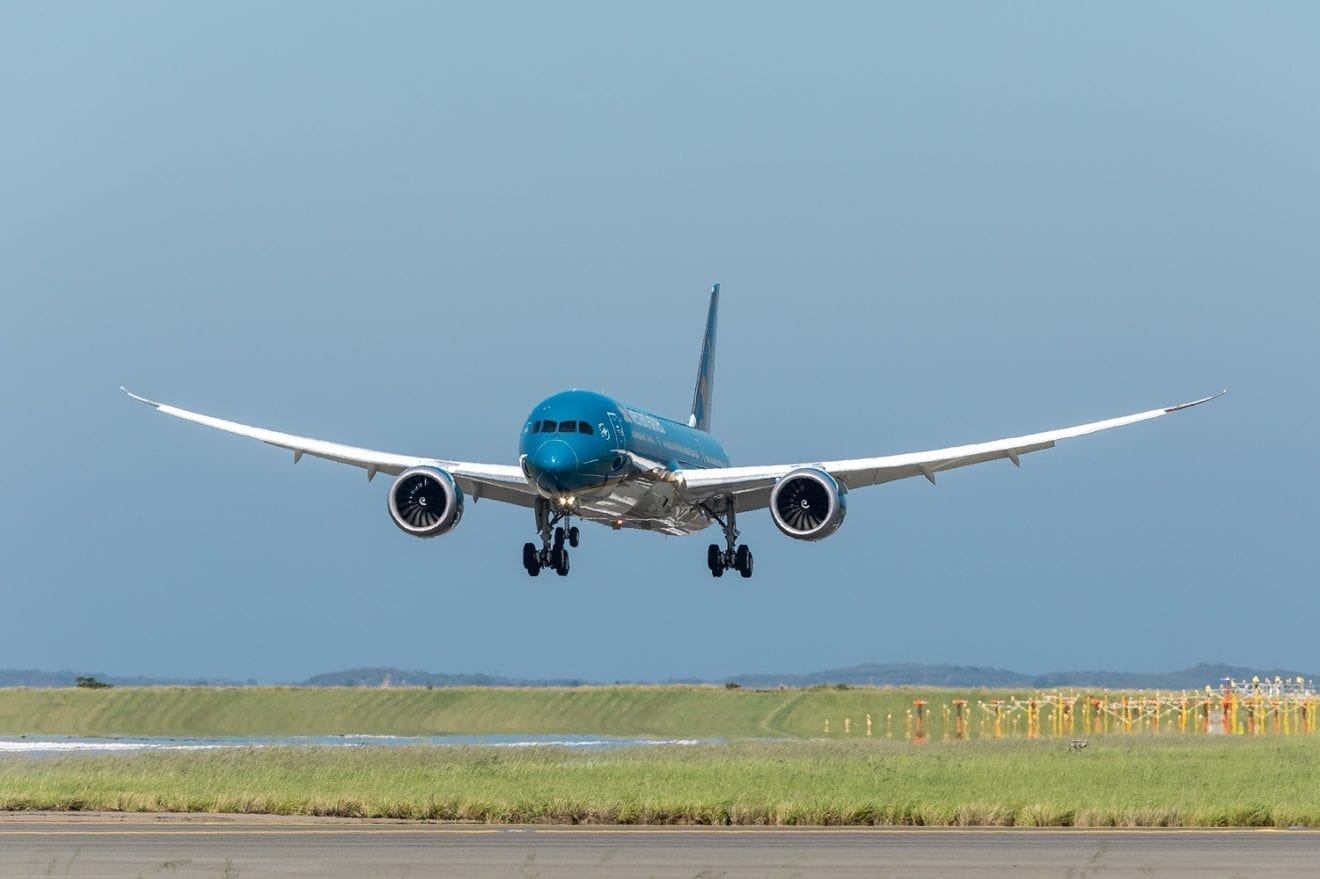
    Vietnam Airlines has received in-principle approval from the government to purchase 50 narrow-body aircraft, marking a significant step in its fleet modernization strategy. Notably, this deal will not require a state guarantee, allowing the airline to streamline its acquisition process.

    Addressing Growing Travel Demand

    The government’s approval, conveyed through an official dispatch from Deputy Prime Minister Ho Duc Phoc, aims to meet surging consumer demand for air travel and to replace aging aircraft in the current fleet. Vietnam Airlines plans to acquire 50 new Airbus A320 NEO and Boeing 737 MAX jets, along with 10 spare engines, for an estimated total of approximately $3.7 billion—an investment that is 1.6 times the airline’s current asset value based on its 2024 financial data.

    Modernizing the Fleet

    This acquisition is part of Vietnam Airlines’ broader strategy to phase out older A321 CEO planes. The new aircraft will enhance the efficiency and reliability of the fleet, aligning with increasing passenger expectations and operational standards. Earlier in September 2023, the airline also announced a deal for an additional 50 Boeing 737 MAX aircraft, with deliveries expected between 2027 and 2030.

    Strategic Financial Partnerships

    To support this growth initiative, Vietnam Airlines signed a memorandum of understanding with Citibank earlier this month for $560 million in funding focused on strategic projects, including the aircraft purchase. Furthermore, the airline has partnered with Vietcombank to secure additional financial resources for the acquisition.

    Future-Proofing Operations

    Looking ahead, Vietnam Airlines forecasts the need for a fleet of 52 wide-body and 112 narrow-body aircraft by 2035. Currently, the airline operates approximately 100 aircraft, including over 30 wide-body jets, showcasing its commitment to expanding its capacity to meet the demands of the growing travel market.

    In its 2024 financial report, Vietnam Airlines reported impressive figures, including over VND 113.7 trillion (approximately $4.37 billion) in revenue, transporting 22.7 million passengers and 314,700 tons of cargo, with an average aircraft utilization of 11 hours per day—reflecting a 25% increase from the previous year.

    Conclusion

    Vietnam Airlines’ strategic acquisition of narrow-body aircraft is poised to enhance its operational capabilities and address the evolving travel landscape in Vietnam. As the airline expands its presence and modernizes its fleet, the implications for the retail sector may be significant, driving increased consumer activity and enhancing travel options for millions. This move signifies not only a response to market demands but also a commitment to sustained growth in the competitive aviation industry.

  • Vietnam Poised to be Southeast Asia’s Second-Largest Economy by 2036

    Vietnam Poised to be Southeast Asia’s Second-Largest Economy by 2036

    Vietnam Set to Become the Second Largest Economy in Southeast Asia by 2036

    In a groundbreaking projection by the Center for Economic and Business Research (CEBR), Vietnam is anticipated to climb the ranks to become the second-largest economy in Southeast Asia, trailing only Indonesia, by 2036. Additionally, this robust growth trajectory is expected to catapult Vietnam into the 20th slot in the global economic standings.

    Remarkable Economic Growth

    According to the latest CEBR report titled “World Economic League Table 2022,” Vietnam’s rise has been meteoric. Since the inception of the Đổi Mới (Renovation) reforms in the mid-1980s, the nation has seen a tremendous transformation from a low-income to a lower-middle-class economy. These reforms, combined with favorable global economic trends, have set the stage for Vietnam’s success.

    Today, Vietnam is boasting a purchasing power parity adjusted GDP per capita of US$11,608, a testament to its relentless pursuit of economic advancement. The nation is ambitiously aiming for high-income status by 2045, which requires maintaining a robust annual growth rate of around 5% per capita.

    Navigating Through Challenges

    Despite its impressive growth, Vietnam faces significant hurdles on its path to becoming a high-income nation. Issues such as the declining global trade landscape, the impending impacts of automation, and the challenges posed by climate change necessitate vigorous policy reforms, especially in vulnerable sectors.

    Moreover, with a demographic trend towards an aging population, Vietnam is pressed to strategically manage its human resources and health care systems to maintain its economic momentum.

    Positioning for the Future

    By 2036, Vietnam’s position in the CEBR’s World Economic League Table is expected to leap from 41st to 20th place, a remarkable rise reflecting the country’s economic resilience and strategic planning.

    Implications for the Retail Sector and Consumers

    Vietnam’s ascent in the economic rankings hints at burgeoning opportunities within the retail sector and significant shifts in consumer trends. As the economy grows, retail markets are likely to expand, bringing in new brands and increasing consumer purchasing power. This growth presents a considerable opportunity for international retailers and local businesses alike to tap into a vibrant, emerging market. The enhancements in Vietnam’s economic landscape could redefine consumer behavior and retail dynamics in Southeast Asia, making it a focal point for brand expansion and a hotspot for economic activity.

  • JD Logistics Targets South Korea for Domestic Supply Chain Expansion

    JD Logistics Targets South Korea for Domestic Supply Chain Expansion

    JD Logistics, a pivotal division of JD.com—China’s retail behemoth—has announced the launch of two state-of-the-art logistics centers in Icheon and Incheon, marking a significant entry into South Korea’s logistics market. The centers will offer enhanced third-party logistics (3PL) services and sophisticated supply chain solutions across the region.

    Enhancing Regional Supply Chains

    The newly operational facilities in Icheon and Incheon are pivotal in JD Logistics’ strategy to bolster its presence in South Korea. Offering rapid delivery services, these centers promise shipment times as quick as 12 hours within Seoul and its adjacent areas. This initiative not only sets a new standard in delivery speed but also strengthens the company’s service capacity in the region.

    Incheon and Icheon: Centers of Innovation

    The Icheon center is equipped with advanced automated systems for packing and sorting, drastically boosting operational efficiency. Serving a major South Korean e-commerce entity, this facility was equipped to stabilize operations and minimize fulfillment risks within a mere month of implementation. Moreover, it incorporates a batch-based inventory system specifically for food products, enhancing both accuracy and expiration date management. Its AI-powered warehouse optimally positions popular items in high-turnover zones to maintain the promise of 12-hour delivery windows.

    Conversely, the Incheon center is designed to support comprehensive logistics from end-to-end for South Korean beauty brands and a significant U.S. consumer goods firm, showcasing its versatile operational capabilities.

    Bridging Korean and Chinese Markets

    JD Logistics doesn’t stop at local expansion; it integrates the South Korean market with global e-commerce opportunities. Through JD.com’s cross-border platform, JD Worldwide, the company facilitates a direct connection between Korean products and Chinese consumers, enhancing market reach for South Korean brands internationally.

    With a network of over 100 warehouses globally, JD Logistics commits to impressive delivery times of 2-3 days in major international markets and even offers same-day services in select locales, setting a high industry standard for logistics efficiency.

    Implications for the Retail Sector and Future Consumer Trends

    The expansion of JD Logistics in South Korea is expected to induce significant shifts in consumer expectations and retail dynamics within the region. Faster delivery times, coupled with robust logistics solutions, are poised to elevate consumer satisfaction and could pressurize local competitors to enhance their logistical frameworks. This strategic move by JD Logistics not only amplifies their global footprint but also signals a new era of efficiency and connectivity in retail and e-commerce logistics.

  • Levi’s Expands Brand Growth with New Flagship Store in Nagoya

    Levi’s Expands Brand Growth with New Flagship Store in Nagoya

    Levi Strauss & Co. Unveils Its Largest Store in Asia Pacific to Boost Consumer Connection in Japan

    Levi Strauss & Co., a trailblazer in denim and casual wear, has strategically expanded its footprint by opening its largest single-floor store in the Asia Pacific region—located at Nagoya ZERO GATE, Japan. This launch is a significant step in the brand’s effort to enhance customer experience and embrace local culture.

    Expanding Brand Presence with Innovative Store Features

    Spanning an impressive 5,380 square feet, the new flagship store in Nagoya is not only about size but also about offering unique experiences. It hosts the first Levi’s Tailor Shop in the Tokai region, where customers can enjoy personalized services such as embroidery, fabric paneling, and repairs—tailored to their tastes and preferences.

    Adding to the consumer experience, the store features an upscale lounge area, integrates digital elements for a seamless shopping experience, and proudly stands as the brand’s inaugural data shop in the city. This launch aligns well with Levi’s direct-to-consumer (DTC) strategy which prioritizes immersive brand experiences to foster deeper customer relationships.

    A Strategic Choice for Consumer Engagement

    Nuholt Huisamen, Managing Director & Senior Vice President, APAC at Levi Strauss & Co., explained that choosing Nagoya — one of Japan’s largest cities known for its rich history and vibrant culture — was a strategic decision. This location aligns perfectly with Levi’s goal to always be at the cultural epicenter, thus reinforcing the brand’s presence in significant urban landscapes.

    “The store is strategically positioned to show the fullest expression of our assortment, enabling consumers in Nagoya to fully immerize themselves in the Levi’s lifestyle brand. This is a direct reflection of our ambition,” Huisamen added.

    Expectations for Market Reception

    Following robust performances in major Japanese cities like Tokyo, Osaka, and Kyoto, expectations are high for the Nagoya store. Huisamen expressed optimism about the new store’s potential, given the Japanese consumers’ profound appreciation for heritage denim and the Levi’s brand overall. This indicates a promising future for Levi’s in strengthening its market position through direct engagements and tailored retail experiences.

    Potential Impact on the Retail Sector

    This expansion not only solidifies Levi’s commitment to enhancing consumer interactions through a DTC strategy but also sets a benchmark in the retail sector for combining traditional shopping with personalized and digital experiences. The move could inspire similar strategies across the industry, potentially reshaping retail interactions and consumer expectations in the region.

  • Fintech Revolution Boosts Efficiency in Financial Services Sector

    Fintech Revolution Boosts Efficiency in Financial Services Sector

    Thriving Even in Economic Uncertainty: XYZ Company Announces Expansive Growth Strategy

    In a surprising revelation that has energized market watchers and retail news observers alike, XYZ Company recently announced a robust expansion plan which promises to dramatically increase its market footprint. The strategy, comprised of both physical and digital growth metrics, reflects a powerful response to the burgeoning consumer demand within the retail sector.

    Strategic Expansion Amidst Rising Consumer Demand

    XYZ Company, renowned for its innovative approach in the retail industry, has unveiled plans that include opening new stores in key high-traffic areas while also enhancing their online presence to capture a broader digital audience. This dual focus aims to leverage the growing trend where consumers increasingly embrace both in-person and online shopping experiences.

    Boosting Digital and Physical Footprints

    In the digital realm, XYZ is set to launch an upgraded e-commerce platform. Enhanced user interfaces and streamlined shopping processes are expected to improve customer satisfaction and drive online sales. Simultaneously, the new physical stores will not only broaden XYZ’s geographical reach but are also designed to provide unique, immersive shopping experiences, setting them apart from competitors.

    Employment Opportunities and Economic Impact

    With the expansion, XYZ Company anticipates the creation of multiple new jobs across various sectors of the economy: from retail associates and customer service representatives to logistics and supply chain experts. This growth is not only a boon for employment but also likely to spur economic activity in newly targeted regions.

    Implications for the Retail Sector and Consumers

    XYZ Company’s expansion strategy underlines a critical evolution in the retail industry, highlighting how businesses can thrive by blending innovative digital strategies with traditional brick-and-mortar strengths. For consumers, this expansion means more choices, improved shopping experiences, and enhanced accessibility to products and services. The retail sector might well take a leaf out of XYZ’s book, pushing towards a more integrated and consumer-centric future.

    By strategically positioning themselves in this manner, XYZ Company is not only expanding its brand presence but also setting new standards for consumer engagement and market growth in the retail domain.

  • CMC Steals the Spotlight at World IT Show 2025 with Impressive Showcase

    CMC Steals the Spotlight at World IT Show 2025 with Impressive Showcase

    CMC Makes a Significant Impact at WIS 2025, Strengthening Korea-Vietnam Tech Ties

    Asia’s Premier Technology Showcase

    The World IT Show (WIS) 2025, organized by Korea’s Ministry of Science and ICT, recently concluded with a resounding success, drawing significant attention across the tech community. With the theme “The Next Wave,” this prestigious event hosted in Asia saw an overwhelming turnout of over 100,000 visitors, including tech aficionados and business executives. The stage was set for over 500 companies, including global titans such as Samsung, LG, KT, SK, and Hyundai, making it a hotspot for the latest innovations in technology.

    CMC’s Standout Performance: Highlighting the ASEAN Region

    Vietnamese tech enterprise CMC showcased a vibrant presence at WIS 2025, capturing the essence of the event’s theme “Beyond Digital.” With its booth teeming with visitors, CMC engaged in numerous impactful discussions and meetings with potential Korean partners over the event’s three days. Their compelling digital solutions and technology prowess spotlighted the company’s readiness to take on substantial roles in global digital transformation initiatives.

    Innovations That Caught the Eye

    A visitor’s comment encapsulated the success of CMC at the event: “The company displayed a comprehensive technology ecosystem… I was particularly impressed by their internationally certified team…”
    CMC’s offerings such as the Comprehensive Security Platform, CMC Cloud, and Managed Services, drew particular interest. These products promise proactive defense and seamless integration, optimizing costs and adding sustainable value across sectors, including manufacturing, BFSI, healthcare, and e-commerce.

    Expansion and Future Prospects

    In August 2024, CMC took a significant step in their global strategy by establishing CMC Korea. Their participation in WIS 2025 is a testament to their commitment to nurturing long-term collaborations with Korean and global businesses. A company representative shared, “Our success at WIS 2025 underscores our global mindset and dedication to propelling Vietnamese technology on the world stage, fostering a greener, safer, and more sustainable digital future.”

    Impact on the Retail Sector and Consumer Trends

    CMC’s stride in WIS 2025 is set to bolster consumer confidence and trust in Vietnamese technology solutions globally, particularly in critical sectors like digital security and cloud services. These advancements signify a significant leap in tech consumer trends and brand expansion, influencing the broader retail and technology landscapes profoundly. As CMC continues to chart its global journey, its innovations are expected to reshape consumer experiences and enterprise tech solutions markedly.

  • China Seeks US Trade Dialogue, Insists on Lifting Tariffs as Preliminary Step

    China Seeks US Trade Dialogue, Insists on Lifting Tariffs as Preliminary Step

    Escalating Trade Tensions: U.S. and China Exchange Heavy Tariffs Amidst Negotiation Hopes

    In a dramatic escalation of the ongoing trade war, the U.S. has imposed significant tariffs of up to 145% on a variety of Chinese products starting in April. In retaliation, China has introduced a new set of tariffs, matching the U.S. with a 125% duty on American imports. This development comes amidst tentative talks and fluctuating market reactions.

    Temporary Reprieve for High-Tech Goods

    Notably, certain high-end tech products such as smartphones, semiconductors, and computers have been temporarily exempted from the U.S. tariffs. This sector will be closely watched by analysts as an indicator of potential longer-term policy shifts in these pivotal industries.

    Dialogue and Diplomacy: A Path Forward?

    Amidst these aggressive fiscal maneuvers, U.S. President Donald Trump has suggested that China is keen to negotiate, citing a “very good chance we’re going to make a deal.” Conversely, official statements from Beijing assert that it was the U.S. that initiated contact, with China now evaluating the outreach.

    However, any progression towards substantive talks appears contingent on concessions, particularly regarding unilateral tariffs. The Chinese Commerce Ministry emphasized that without the U.S. showing sincerity by reversing its tariffs, dialogue would be insincere and erode trust further.

    Hard Stances on Both Sides

    Expert opinions suggest a tough stance from China, with signals that negotiations will commence only after the U.S. exhibits concrete actions towards compromise. Wu Xinbo of Fudan University highlighted that revocation of tariffs might pave the way for addressing deeper issues such as the unbalanced trade relationship and technological suppressions alleged by Beijing.

    The Global Impact and Deadline Pressures

    As the 90-day deadline in July looms for several countries to negotiate terms with Washington, the broader international community remains on edge. Beijing’s firm resolve was echoed in a recent social media campaign, emphasizing their readiness to combat a prolonged trade war if necessary.

    Economic Strains and the ‘Olive Branch’

    Recent economic data from China and the U.S. expose vulnerabilities exacerbated by these trade tensions. China’s factory activity has contracted, and similarly, the U.S. economy faced contraction in early 2023. Amid these challenges, calls for a resolution have intensified, with some analysts like Stephen Innes from SPI Asset Management recognizing Beijing’s recent statements as a potential initial step towards de-escalation.

    Looking Ahead: Implications for the Retail Sector

    These unfolding events hold profound implications for the retail sector. Consumer trends could shift significantly as product prices and availability are impacted by the tariffs. Retail news will continue to monitor how retail chains and consumers adapt to these new economic realities. As the situation develops, the resilience of the global trade framework and international economic relations will be tested. This period may well define the future dynamics of international trade and consumer behavior in a deeply interconnected world economy.

  • Fonterra to close milk powder packaging facility in New Zealand

    Fonterra to close milk powder packaging facility in New Zealand

    Fonterra will shut its Canpac packaging facility in New Zealand in July, impacting approximately 120 employees. The site primarily blends and packages milk powders. 

    Its closure forms part of Fonterra’s plan to divest its consumer business, which includes brands such as Anchor, Anlene, Chesdale, and Mainland.

    The consumer division accounts for about A$3.1 billion (NZ$3.4 billion) of the group’s invested capital.

    Canpac currently packs up to 4,000 mt of powder products annually, equivalent to less than 1 percent of Fonterra’s total product volume.

    COO Anna Palairet said the move follows ongoing economic challenges, including low product volumes and increased production complexities.

    “It’s been a tough day for all the team at the site,” she expressed. “Making decisions like this is never easy.”

    Palairet explained that the company will pivot towards higher-value ingredients, such as advanced proteins and medical nutrition.

    “Our strategy is about creating end-to-end value and growing total returns for our farmer shareholders,” she continued.

    “We believe the best way to achieve this is to focus on our strengths and scale in ingredients and food service, and we are prioritising our investment on the parts of our operations that are better suited to this.”

    The dairy cooperative will begin a consultation process to explore potential redeployment opportunities for affected staff as it winds down operations.

  • Big M, Dairy Farmers launch Mars-inspired flavoured milks

    Big M, Dairy Farmers launch Mars-inspired flavoured milks

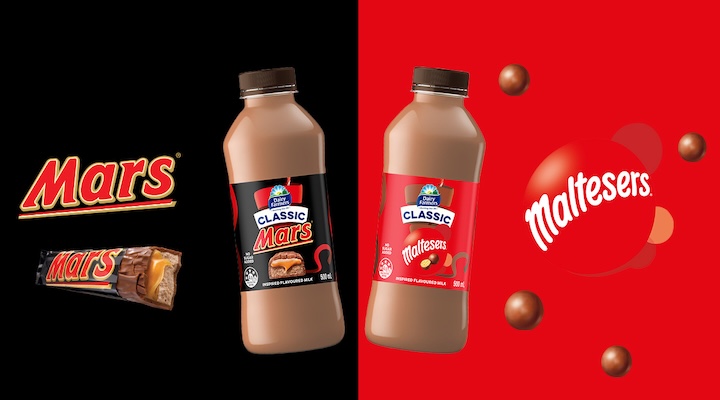
    The two flavoured milk brands – Big M and Dairy Farmers Classic – have teamed up with confectionery brand Mars to introduce confectionery-inspired chocolate milks.

    Anne Scott, senior brand manager of Big M, said the Maltesers-flavoured milk is part of a limited-edition release for Victorian fans, and the collaboration celebrates the 125th anniversary of the Dairy Farmers Classic.

    Taking cues from the original taste of nougat, combined with caramel, and coated with milk chocolate, Maltesers offer a lighter, chocolatey, and creamy beverage with no added sugar. 

    “Whether it’s the irresistible blend inspired by a Mars bar or Maltesers, we can’t wait for Aussies to try these delicious Dairy Farmers Classic flavoured milks.,” said Scott.

    “At Mars, we’re always looking for new ways for Australians to enjoy their beloved brands beyond the formats they know and love,” said Bianca Werkmeister, Mars’ MP director.

    These new limited-edition flavoured milks are available in 500ml bottles at supermarkets across Victoria, Queensland, NSW, and SA for a limited time.

  • Coles reports steady revenue growth in supermarkets and liquor

    Coles reports steady revenue growth in supermarkets and liquor

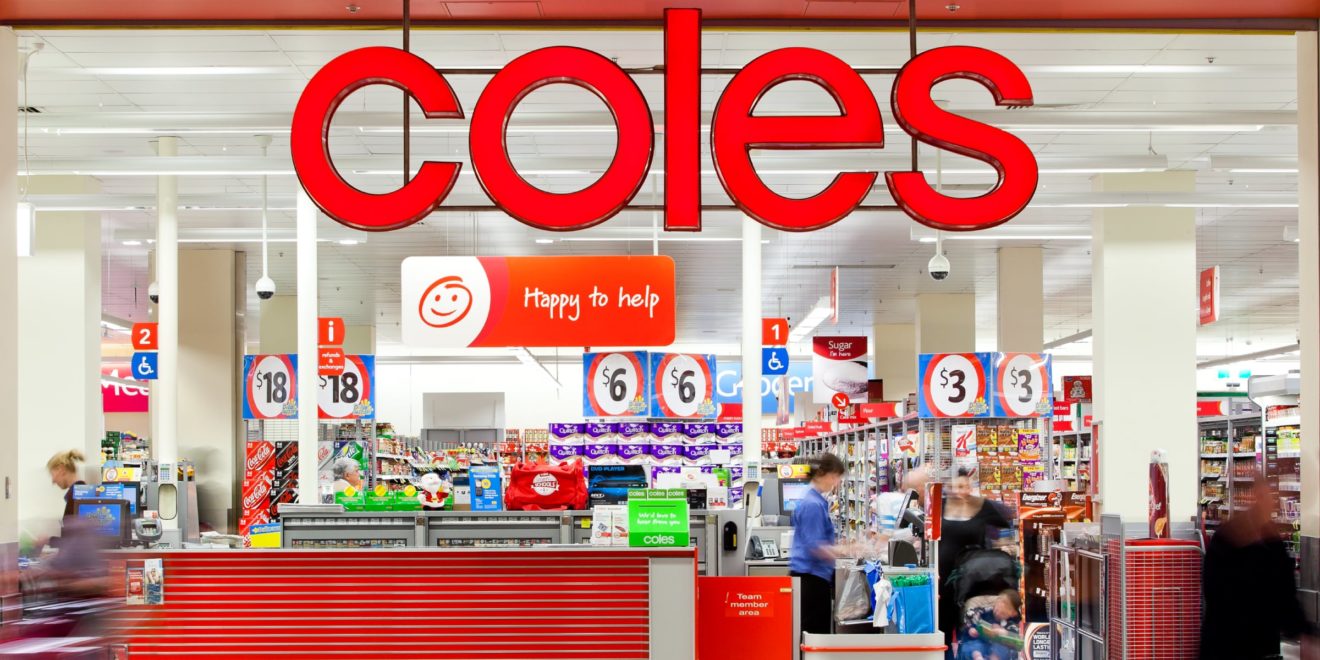
    Coles says its third-quarter revenue was up 3.7 per cent, from $9.065 billion to $9.4 billion this year, citing volume growth and its value offering resonating with value-conscious consumers. 

    E-commerce sales increased by 25.7 per cent to $1.1 billion during this period with an 11.3 per cent increase in penetration. 

    Sales revenue for products exclusive to Coles saw a 4.5 per cent increase to $3.2 billion, with the Coles Finest range recording a revenue growth of 13.7 per cent.

    Total supermarket inflation increased slightly, from 1.4 per cent to 1.5 per cent year on year in the third quarter, despite the impact of flooding in Far North Queensland in February and Cyclone Alfred on Southeast Queensland and northern NSW in March.

    Livestock inflation was mainly seen across lamb, pork and poultry categories by increases in costs, while fresh produce inflation was elevated as a result of Cyclone Alfred and the cycling of abundant supply. 
    A deflation was reported in the categories of health and home, offsetting higher coffee and chocolate prices.

    Coles opened two new stores, with two closings and eight renewals during the quarter. 

    Liquor sales revenue rose by 3.4 per cent to $813 million, benefiting from the addition of 31 net new liquor stores over the last year, including the acquisition of 20 stores in Tasmania last June.

    E-commerce sales revenue for liquor was recorded at $52 million, a 18.2 percent increase from the same period last year, with a penetration rate of 6.5 percent.

    The Simply Liquorland program was announced in March, which will see Coles converting Vintage Cellars and First Choice Liquor Market stores into Liquorland. 

    “We are pleased to have delivered another solid quarter of sales growth, particularly as we were cycling a very strong third quarter in FY24,” said Coles group CEO Leah Weckert.

    “These results reflect the continued investments we are making in value and in improving the shopping
    experience for our customers both in store and online.”

  • Breaka and Weis partner to launch Queensland inspired milk flavour

    Breaka and Weis partner to launch Queensland inspired milk flavour

    Unilever Australia’s Weis and Queensland-flavoured milk Breaka have collaborated to launch Breaka Weis mango and cream-flavoured milk. 

    “We’re thrilled to see two iconic Aussie brands come together to offer Queenslanders a delicious category exclusive,” said Juliette Fleming, Unilever Australia’s senior brand manager for the snacking and refreshment portfolios. 

    “The new Breaka Weis Mango & Cream flavoured milk is a refreshing tribute to our sunny state’s vibrant flavours and our shared Queensland heritage”. 

    The collaboration was delivered by fashion and food brand development and extension agency, Asembl. 

    “A true flavour of Queensland fun, the Breaka Weis Mango & Cream flavoured milk is a very exciting first flavour collaboration between Unilever Australia’s Weis brand and Breaka,” said Asembl MD Justin Watson. 

    “The Breaka Weis Mango & Cream flavoured milk is a limited-edition, low-fat, flavoured milk that tastes just like the sunny state of Queensland.” 

    The new flavour, inspired by Weis’ Mango and Ice cream bars, is available at grocery and convenience stores across Queensland. 

  • Kraft Heinz lowers outlook as first-quarter sales fall

    Kraft Heinz lowers outlook as first-quarter sales fall

    The Kraft Heinz Company has reported lower global sales and profit for the first quarter, which management attributed to growing market pressures.

    For the quarter ended March 29, net sales fell 6.4 per cent to US$6 billion, while organic net sales slid 4.7 per cent.

    By region, net sales decreased 7 percent in North America, 4.4 per cent in international developed markets and 4.7 per cent in emerging markets.

    On the bottom line, operating income decreased 8.1 percent to $1.2 billion and net income fell 11 per cent to $714 million.

    “This quarter, we delivered results in line with our top line expectations despite growing market pressures,” said Kraft Heinz CEO Carlos Abrams-Rivera.

    “In today’s uncertain times, we are committed to controlling the controllables and making the necessary investments to deliver quality, taste, and value to our consumers through our beloved brands,” he added.

    The company has lowered its full-year outlook, expecting organic net sales to decrease 1.5-3.5 per cent, with sequential improvement recorded throughout each quarter.

    “We’re closely monitoring the potential impacts from macro-economic pressures such as tariffs and inflation, and we are dedicated to increasing investments to drive product and brand superiority,” said Abrams-Rivera.