Blog

  • Google Wallet now brings even more notifications to your lock screen

    Google Wallet now brings even more notifications to your lock screen

    Google Wallet is getting new features and improvements all the time, which is quite surprising for an app that was initially designed as a simple digital wallet. Over the years, Wallet has become so much more than just a digital wallet, as Google thoroughly added dozens of new functionalities that allow users to manage not just their payments cards, but also pass tickets, keys, and even IDs.

    The most recent Google Wallet update adds new features that are especially important for commuters. Starting today, Google’s Wallet digital wallet app will show in real-time the status of your train ride.

    You’ll be notified directly on your phone’s lock screen whether your train will be arriving on time or if it’s delayed. In order for these notifications to happen, users will first have to add their train tickets to the Google Wallet app.

    The bad news is this is not available for all railroad companies and, more importantly, only live in two countries: India and Canada. For the time being, Google Wallet users in these countries will be able to add their train tickets in the app if they’re from Indian Railways or Via Rail.

  • Goldman Sachs Benefits from the Turbulence

    Goldman Sachs Benefits from the Turbulence

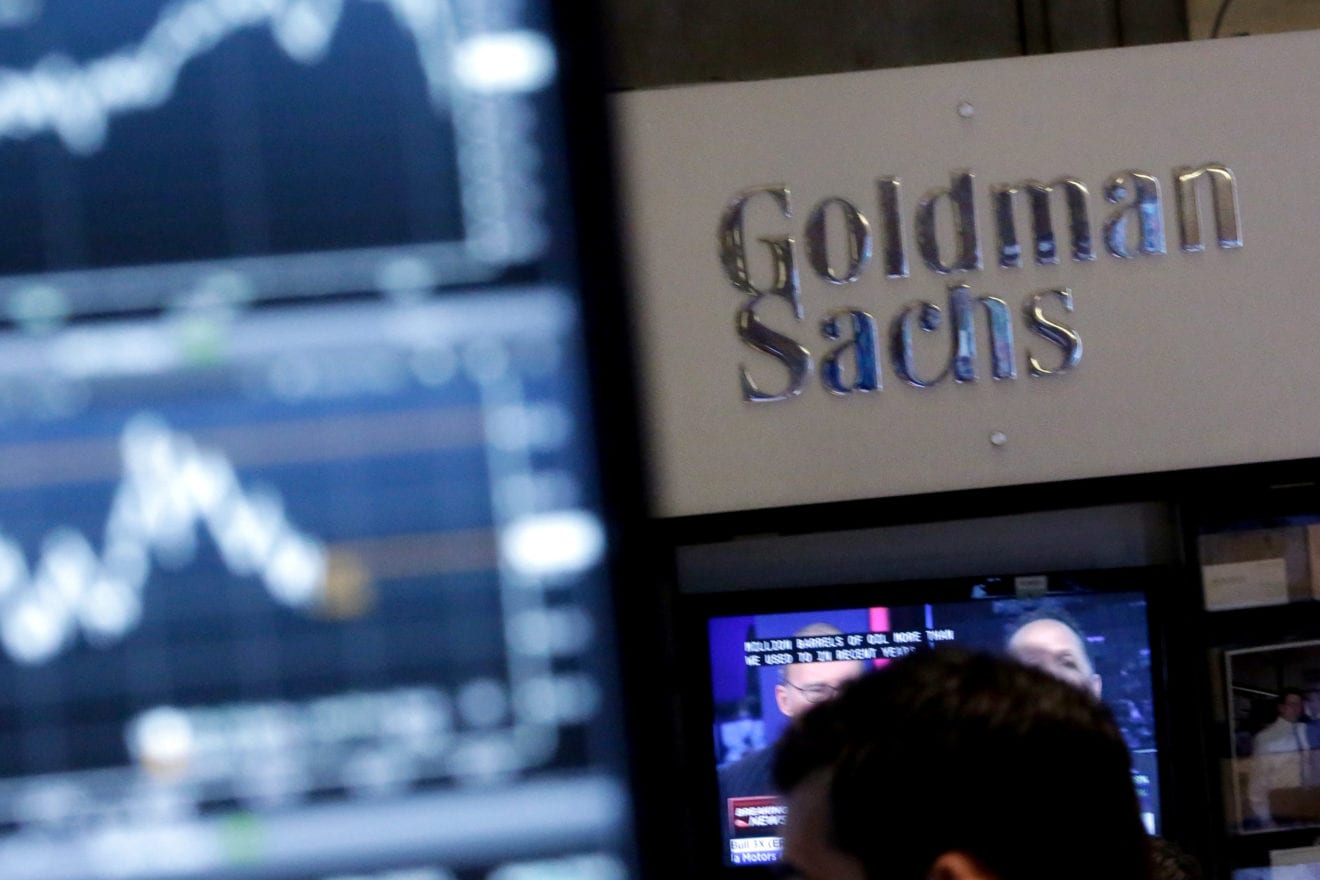
    The Wall Street bank increased its profits significantly in the first quarter. The high volatility boosted trading income.

    Goldman Sachs increased its profit in the first quarter of 2025 by 15 percent to $4.74 billion or $14.12 per share.

    Revenues increased by 6 percent to $15.06 billion in the first three months. In the period from January to March, the financial institution posted earnings of – an increase of six percent.

    The turbulent markets led to a particularly strong increase in income from equity trading. Here, an increase of 27 percent to a record value of $4.2 billion was recorded. Income from trading in fixed-interest securities, foreign exchange and commodities rose by 2 percent to $4.4 billion.

    Our strong results this quarter demonstrated that in times of great uncertainty, clients turn to Goldman Sachs for execution and market insights, said CEO David Solomon. While we begin the second quarter in a significantly different environment than at the beginning of the year, we remain confident that we can continue to support our clients.

    By contrast, fees in investment banking fell by 8 percent to $1.9 billion in the quarter under review due to lower advisory fees.

    Income in the wealth management division fell by 3 percent to $3.68 billion due to losses in equities and bonds. At the end of the quarter, the bank managed record assets of $3.17 trillion.

    Morgan Stanley, J.P. Morgan Chase and Wells Fargo had already published their quarterly figures last week.

  • Dialog Completes Sri Lanka’s First Live 5G VoNR Trial

    Dialog Completes Sri Lanka’s First Live 5G VoNR Trial

    This trial showcased a fully native 5G voice experience with uninterrupted connectivity. Expanding on its innovative work in 5G technology, Dialog had previously conducted a lab-based VoNR proof of concept (PoC) in 2023 using a PoC Core setup.

    This recent achievement on Dialog’s live 5G standalone (5G SA) core network demonstrates the practicality of VoNR services in real-world scenarios. VoNR offers clearer voice quality, faster call connections, and enhanced security compared to older 2G/3G or VoLTE services. It also paves the way for future features, such as 5G New Calling (5G NC), and boosts network efficiency by utilizing 5G spectrum more effectively.

    Ranga Kariyawasam, Group Chief Technology Officer of Dialog Axiata PLC, stated, “This milestone highlights Dialog’s dedication to advancing Sri Lanka’s 5G technology. Successfully testing VoNR on our live 5G network brings us closer to fully utilizing next-generation connectivity, providing seamless, high-quality voice services over 5G.”

    This achievement adds to Dialog’s list of 5G accomplishments, including the first 5G trial network in the region, the initial 5G SA network trial, Sri Lanka’s first standards-based 5G fixed-wireless pilot transmission, and its achievement of over 6 Gbps on its 5G-Advanced trial network. These milestones showcase the potential of next-generation 5.5G technology. Dialog remains committed to leading technological advancements, speeding up the adoption of next-generation connectivity, and bringing ‘The Future. Today.’ to Sri Lanka.

  • Etihad Cargo increases main deck capacity by 18% to support increased demand in Greater China

    Etihad Cargo increases main deck capacity by 18% to support increased demand in Greater China

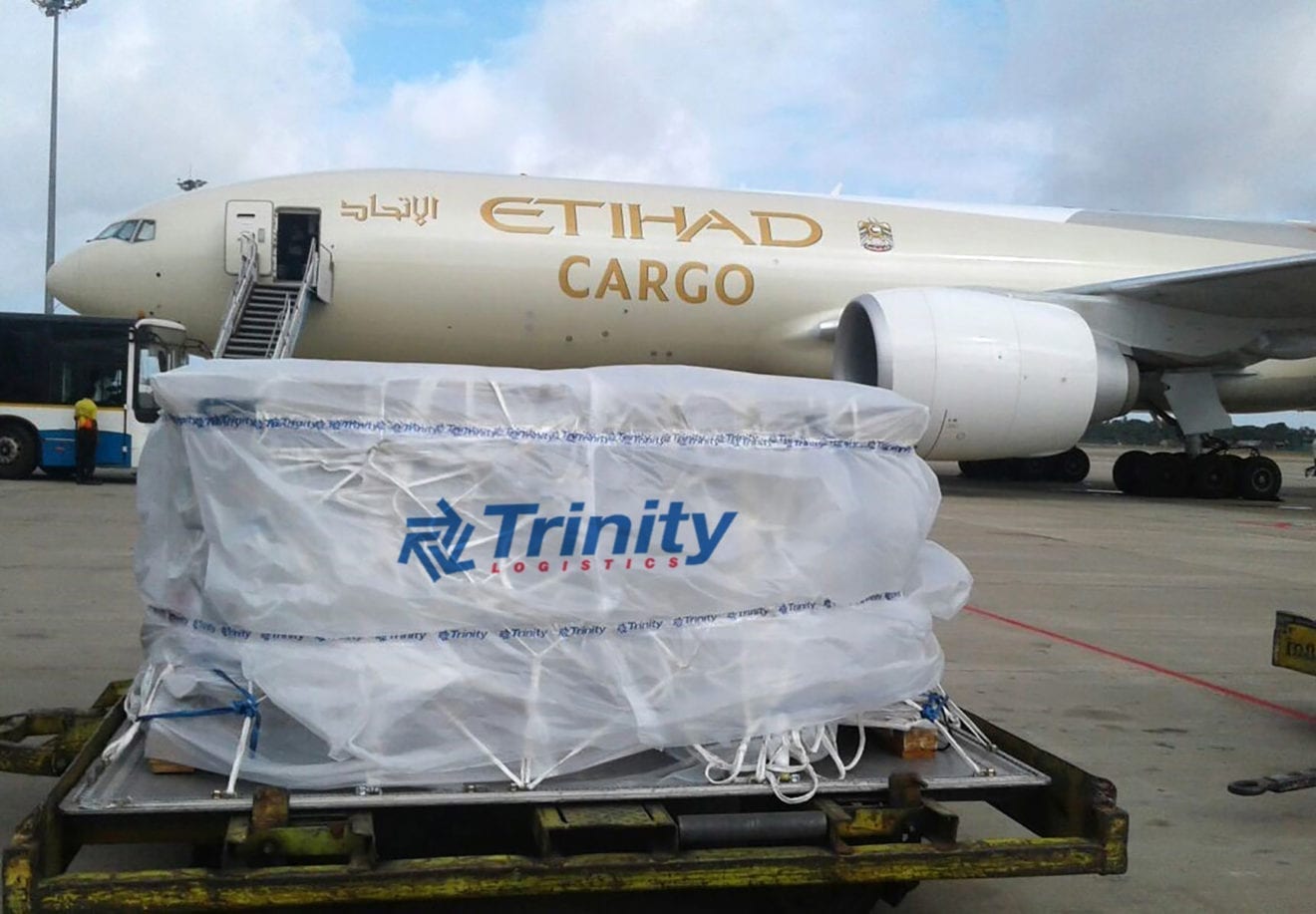
    Etihad Cargo, the cargo and logistics arm of Etihad Airways, has expanded its capacity to meet increasing customer demand in Greater China. The carrier has increased its total flights to and from China from 11 in 2024 to a planned total of 18 in 2025, strengthening trade links between key global markets.

    Etihad Cargo’s capacity will be supplemented by a wet-lease 747-F and will support increased freight movements on high-demand routes and provide customers with greater flexibility in shipping cargo to and from key markets.

    To accommodate growing market demand, Etihad Cargo has added three additional weekly freighter flights to Shenzhen and two additional weekly flights to London. The expanded operations will improve/strengthen connectivity between China, Europe, and the Middle East, offering increased capacity for the transportation of e-commerce, pharmaceuticals, perishables, and other critical shipments.

    The increase in capacity aligns with Etihad Cargo’s strategy of expanding its global network to provide reliable, customer-centric solutions. The carrier remains committed to delivering efficient and flexible freight services while strengthening Abu Dhabi’s position as a leading global logistics hub.

    Stanislas Brun, Chief Cargo Officer at Etihad Cargo, commented: “Etihad Cargo continues to invest in expanding its network and capacity to support the evolving needs of global trade. The introduction of the additional capacity and flights to Shenzhen and London Stansted demonstrate our commitment to meeting customer demand with increased availability and connectivity across key trade routes.”

    By strengthening its presence in China and increasing links to Europe, Etihad Cargo is providing additional capacity to facilitate the movement of goods across international markets.

  • Combating Deepfake Disruption in Asia

    Combating Deepfake Disruption in Asia

    In Asia, these risks are amplified by diverse linguistic landscapes, complex political environments, and a high penetration of mobile and digital services. According to Grand View Research, the global deepfake AI market size was estimated to be worth USD 562.8 million in 2023 and is projected to grow at a compound annual growth rate (CAGR) of 41.5% from 2024 to 2030.

    In the region, more than 2.8 billion people are connected to the internet. This massive digital audience offers both a ripe target and a potential shield, depending on how countries and telecoms respond.

    Telecommunication operators across Asia are no longer just internet providers; they’re digital gatekeepers. With their access to user data flow and infrastructure control, telcos are uniquely positioned to play a significant role in countering deepfakes.

    In Singapore, Singtel has launched an AI cloud service to democratize artificial intelligence (AI) for enterprises and the public sector. As part of this effort, it signed a memorandum of understanding (MoU) with Hive, whose enterprise-grade models specialize in detecting deepfakes, generative AI (GenAI) content, and other harmful media. Leveraging NVIDIA chips and Singtel’s AI infrastructure, Hive provides clients with access to state-of-the-art detection tools suited for sensitive data environments.

    In 2024, HONOR unveiled a real-time deepfake detection system at Mobile World Congress Shanghai, which is embedded in its smartphones and can identify manipulation during video calls. Moreover, Aletheia, a browser plug-in and endpoint software, can detect deepfakes by analyzing pixels and audio frequencies with up to 90% accuracy. Singapore’s ST Engineering developed Einstein.AI, which flags facial and audio anomalies in media content to protect public trust, especially ahead of elections.

    Recognizing the increasing prevalence of online scams, cyberbullying, and misinformation in the digital space, CelcomDigi is taking a proactive approach to ensure content authenticity. As part of its broader initiative to promote online safety, the company hosted two exclusive Online Safety and Anti-Scam Masterclasses to empower content creators, social media influencers, and radio presenters to become advocates for digital safety. CelcomDigi’s Head of Sustainability, Philip Ling, explained:

    The future of deepfake defense in Asia lies in collaboration. As the World Economic Forum points out, combating deepfakes requires a “whole-of-society” approach, involving governments, private companies, academia, and civil society.

    Proposed regional strategies to combat deepfake disruptions in Asia include the introduction of the Expanded ASEAN Guide on AI Governance and Ethics – Generative AI, which illustrates its policy recommendations through four detailed use cases highlighting public and private institutions in the region that are implementing responsible AI practices. These include PhoGPT and VinAI in Vietnam, which focus on ethical generative AI development; Accenture’s Responsible AI Internal Programme, applied across ASEAN; Singapore’s Project Moonshot, led by the AI Verify Foundation to build trustworthy AI frameworks; and Thailand’s ThaiLLM, a collaborative effort by BDI, NSTDA, VISTEC, and other partners to develop large language models (LLMs) under ethical guidelines.

    In 2024, the International Telecommunications Union’s (ITU) ‘AI for Good Global Summit’ brought together technology and media companies, artists, international organizations, standardization bodies, and academia, to discuss the security risks and challenges of deepfakes and generative artificial intelligence (AI). ITU experts predict that 90% of online content will be AI-generated in 2025; hence, they identified that the focus has shifted to developing technical standards for watermarking and verifying content authenticity. These efforts aim to distinguish between human-generated, AI-generated, and hybrid content, providing a reliable framework for content validation and helping combat misinformation in an increasingly synthetic digital environment.

    In 2025, the Philippine government launched the Asia-Pacific Deepfake Task Force and rolled out an artificial intelligence-powered detection tool to combat disinformation and potential election fraud in light of the upcoming May elections. According to Cybercrime Investigation and Coordinating Center (CICC) Undersecretary, Alex Ramos, this initiative is part of a broader strategy to empower citizens against the escalating threat posed by deepfakes.

    “This tool will be distributed to accredited institutions, including election watchdogs like the Parish Pastoral Council for Responsible Voting (PPCRV), universities, and fact-checking groups,” Ramos explained. “During community gatherings, if someone reports suspicious content, it can be analyzed quickly using this tool.”

    Deepfakes can be considered both insidious and intelligent; it’s a technological feat with the potential to harm or help, depending on its application. Hence, APAC-based telcos, governments, and stakeholders are collectively adopting a unified approach to address the challenges posed by synthetic media in the region.

    In Asia, where digital growth is outpacing regulation, the challenge is formidable; however, through forward-looking legislation, public-private partnerships, and telecom-driven innovation, the region is forging a resilient path forward.

  • Victoria’s Secret appoints new leaders for core brands

    Victoria’s Secret appoints new leaders for core brands

    Victoria’s Secret & Co has made several leadership changes as the company focuses on strengthening its core brands.

    The company said the move is part of its “Path to Potential” strategy, which aims to build momentum across its Victoria’s Secret, Pink and Adore Me banners.

    Anne Stephenson has been named brand president of the Victoria’s Secret brand, effective next month. She is currently the company’s chief merchandising officer and brings experience in product strategy, brand development and merchandising

    Meanwhile, Ali Dillon has been appointed president of Pink. Dillon previously held leadership roles in merchandising and brand development at several fashion retailers and most recently served as president of Alex Mill.

    Amy Kocourek took over as president of the beauty division in March. Before joining Victoria’s Secret, she was chief merchandising officer at jewellery and lifestyle brand Kendra Scott.

    All three brand presidents will report to CEO Hillary Super.

    In a separate appointment, fashion designer Adam Selman was named senior VP and executive creative director. He will report directly to Super until a new chief merchandising officer is named.

    “This is an exceptional team of product and creative leaders whose vision and operational expertise will drive new levels of growth, innovation and impact for our company,” said Super.

    “With their customer-centric approach, I’m confident they’ll help us unlock the full potential of our brands, capture the next generation of consumers and strengthen our market leadership.”

  • Prada brings Versace home to create Italian luxury contender

    Prada brings Versace home to create Italian luxury contender

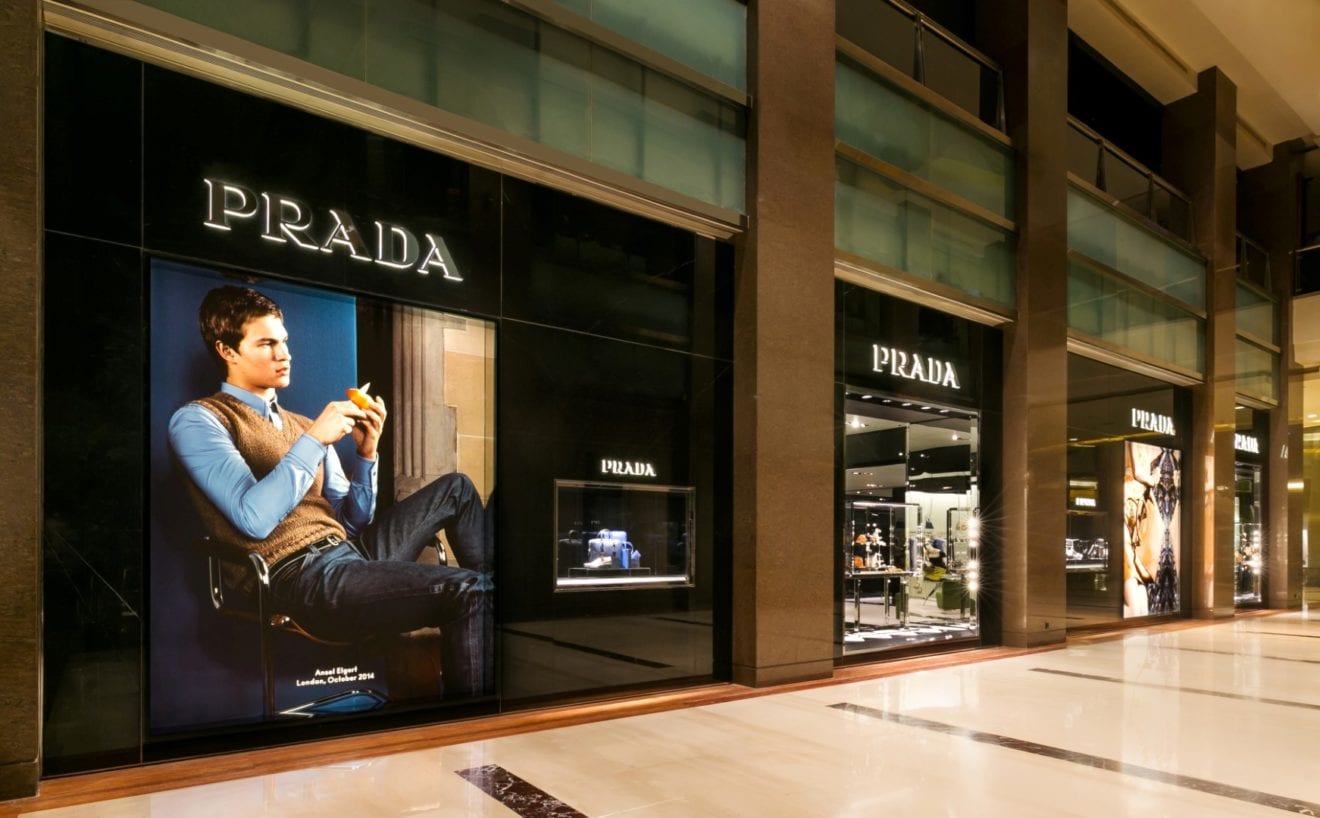
    Prada’s deal to buy Versace revives hopes for a ‘made in Italy’ luxury champion after many other family-founded brands ended up in French, Swiss or US hands, and comes as many Italian groups are outperforming the struggling sector.

    The US$1.375 billion deal brings one of fashion’s best-known Italian labels back under Italian control after it was sold to US-listed Capri Holdings, then known as Michael Kors, for $2.15 billion including debt in 2018.

    Despite Italy accounting for 50 per cent to 55 per cent of global personal luxury goods production, according to consultancy Bain’s estimates, the country lacks a group with a scale that matches up to French players such as LVMH and Gucci-owner Kering.

    Milan-based Prada, controlled by designer Miuccia Prada and husband Patrizio Bertelli and listed in Hong Kong with a market capitalisation of about $15 billion, is the largest Italian luxury fashion group by revenue.

    But the group, which also includes the fast-growing Miu Miu label, has been a relative minnow in terms of stock market valuation compared with the likes of Louis Vuitton-owner LVMH.

    The Versace deal comes after Andrea Guerra became Prada’s CEO in 2023 to bridge a change in generation, with Lorenzo Bertelli, the son of the company’s main owners and its chief marketing officer, regarded as the heir apparent.

    “Prada’s ambition to become a leading Italian luxury conglomerate is a significant move in a market that is dominated by French groups. It’s exactly what many Italians have been hoping for”, said Achim Berg, a fashion and luxury industry adviser.

    The combined revenue of the five biggest Italian-owned listed luxury groups – Prada, Moncler, Ermenegildo Zegna, Brunello Cucinelli and Ferragamo is still well below Kering’s roughly $19 billion, even after a big fall in sales at the French group last year.

    Company founder Brunello Cucinelli summed up the difference in approach on the two sides of the Alps in typically colourful fashion.

    “Our esteemed French counterparts are great financiers,” he told the Milano Fashion Global Summit 2024 last October.

    “But we Italians regard our ‘tiny big’ companies as if they were our little children, so we want to look after them and hand them down to a next generation,” he added.

    While LVMH and Kering have swallowed many Italian brands, even the larger Italian groups have until now been comparatively reluctant to make big acquisitions.

    “This acquisition represents Prada’s serious attempt to build a group – and a much more ambitious one compared to their past ventures with Helmut Lang and Jil Sander,” Berg said.

    Prada’s chairman and co-owner Patrizio Bertelli defined the acquisition of those two brands – which were bought at the turn of the century and sold a few years later – as “strategic mistakes”. The group has since focused mainly on organic growth, with the exception of acquisitions of suppliers.

    Both Prada and Versace have their roots in Milan and still have headquarters there, just four kilometres (2.5 miles) apart.

    Milan-based Moncler, the mountain gear brand that was bought and revived by Italian entrepreneur and current main shareholder Remo Ruffini in 2003, has also shown some interest in dealmaking, buying Italian streetwear brand Stone Island in a $1.3-billion deal agreed in late 2020.

    Moncler’s net cash position of $1.5 billion has fuelled analyst talk of more deals, but the group has denied such speculation.

    Jil Sander is now part of Italian entrepreneur Renzo Rosso’s OTB Group, which also includes brands such as Diesel and Maison Margiela. But with annual sales of $1.9 billion, it remains relatively small.

    The big Paris-based groups, meanwhile, have continued to make forays into Italy, underscoring the challenge an enlarged Prada would face to compete with them.

    In the latest deals, Kering bought a 30 per cent stake in Italian maison Valentino in 2023, and LVMH last year helped to take Tod’s private and took a 10 per cent stake in Moncler’s top shareholder.

    In the longer-term, eyes are on companies such as Milan-based Armani and Dolce & Gabbana, among the few in Italy that are still fully family-owned and unlisted.

    Their ultimate fates could be decisive in any effort to create a true Italian powerhouse in global fashion.

  • Tim Hortons launches retail coffee range in South Korea

    Tim Hortons launches retail coffee range in South Korea

    Tim Hortons has launched its retail lineup in South Korea as part of its strategy to broaden the brand’s reach.

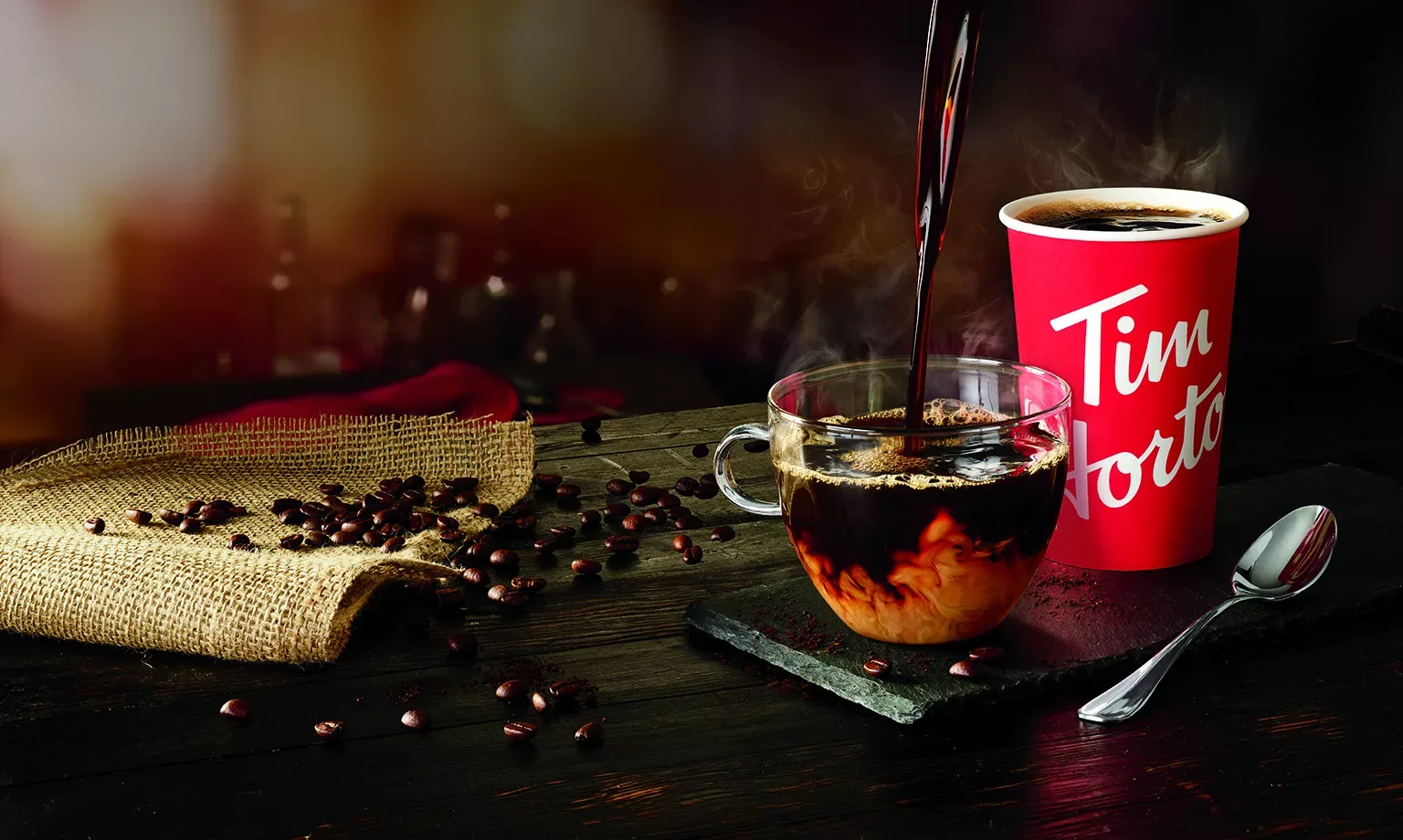
    The Canadian cafe brand’s retail coffee offerings include Original Blend whole bean coffee and fine grind coffee in five flavours: Original Blend, French Vanilla, Colombian, Maple, and Decaf.

    “Like all Tim Hortons coffees, our bagged coffee retail products start with 100 per cent premium Arabica beans that are roasted with care and blended to perfection,” said Mieka Burns, VP of consumer packaged goods at Tim Hortons.

    “Guests can already savour their favourite Tim Hortons beverages in restaurants and they can now complement that experience at home.”

    Tim Hortons’ whole bean and fine grind coffee are available at the Lotte Mart grocery store in Gangdong Millennial Jungheung S-Class Complex, and will soon be available in department stores and online.

    The Canadian coffee chain debuted in South Korea in 2023 and has quickly expanded to 16 locations.

  • Hong Kong Gifts and Premium Fair celebrates 40th edition

    Hong Kong Gifts and Premium Fair celebrates 40th edition

    The Hong Kong Trade Development Council is set to unveil the seven LifeStyle Trade Events, covering gifts, houseware, fashion, printing and packaging, and licensing.

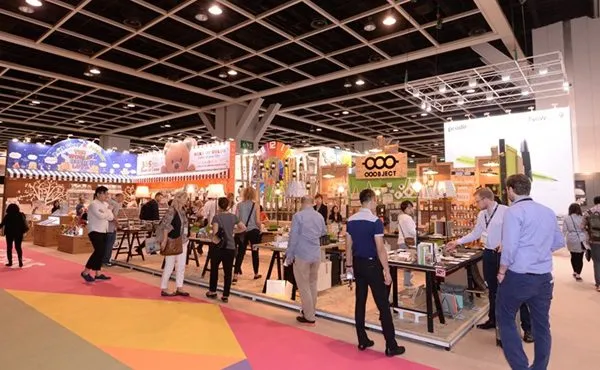
    These events will take place from April 27 to 30 at the Hong Kong Convention and Exhibition Centre. With the latest products and trends on display under one roof, the events will feature a curated selection of lifestyle products and services from around the world, maximising and diversifying buyers’ sourcing in one go.

    Hong Kong Gifts & Premium Fair

    Of the seven events, the Hong Kong Gifts & Premium Fair is the longest-running and will celebrate its 40th edition this year. The highly acclaimed Hall of Fine Designs will return as a convergence of reputed brands. Key brands include Monnaie de Paris of France, the government-owned institution responsible for producing France’s coins, and Camel from Hong Kong, which creates vacuum flasks and has gained popularity among young creatives in recent years.

    The Hong Kong Exporters’ Association will assemble Hong Kong companies to form a pavilion, showcasing the design skills and branding excellence of Hong Kong’s product designers. Winning works from the Hong Kong Smart Design Awards will be on display to highlight the creativity and flair of Hong Kong brands to global industry players.

    Home InStyle

    Home InStyle will continue to foster connections and inspire the design and lifestyle community. The acclaimed Cultural and Creative Corner is set to be upgraded to a Cultural and Creative Avenue, engaging international design influencers and designer brands infused with unique design concepts and cultural heritage. Pantone, the trendsetter in colour, will again join us as our colour partner to showcase the 2025 Fall/Winter and 2026 Spring/Summer colour trends.

    The Industrial Designers Society of Hong Kong will once again present its renowned Remix project, aimed at fostering business collaboration between design professionals and premium brands. The Czech brands Artiseme and Cockerel and Pigmentarium will participate in the Cultural and Creative Avenue for the first time, showcasing distinctive Bohemian crystal, handmade glassware, room fragrances, and incense. Meanwhile, Aomori and Tottori Prefectures from Japan will highlight their regional culture and craft products, including Inshu Washi, ceramics, rattan works, and folk toys.

    In response to the rapid growth of the silver economy, Home InStyle will debut the Gerontech Living Pavilion, featuring a range of innovative products and design concepts from over 10 local companies. In addition, the pavilion will host seminar sessions, along with interactive elements and guided tours, offering visitors a unique and engaging experience.

    Seminars to discuss emerging trends

    During the fair period, a series of seminars and forums will be conducted, featuring industry representatives who will share valuable insights on key trends and future prospects within the industry, including creative thinking, the silver economy, and sustainability. These events are designed to enhance communication between exhibitors and buyers, while also equipping participants with the latest market information. By serving as a one-stop sourcing platform, the events will offer promising business opportunities and cater to the needs of buyers for a diverse selection of lifestyle products and services.

    Digital platform creates an efficient exhibition experience

    Under the Exhibition+ model, the fairs integrate offline and online elements. Buyers can continue searching for products and services on the hktdc.com Sourcing platform and network through the Click2Match smart business-matching platform. During the physical fair, buyers can use the Scan2Match function of the HKTDC Marketplace App to scan exhibitors’ exclusive QR codes, bookmark favourite suppliers, browse product information and continue discussions with exhibitors online during or after the show.

  • Determinant reopens flagship Lab Concept store in Hong Kong

    Determinant reopens flagship Lab Concept store in Hong Kong

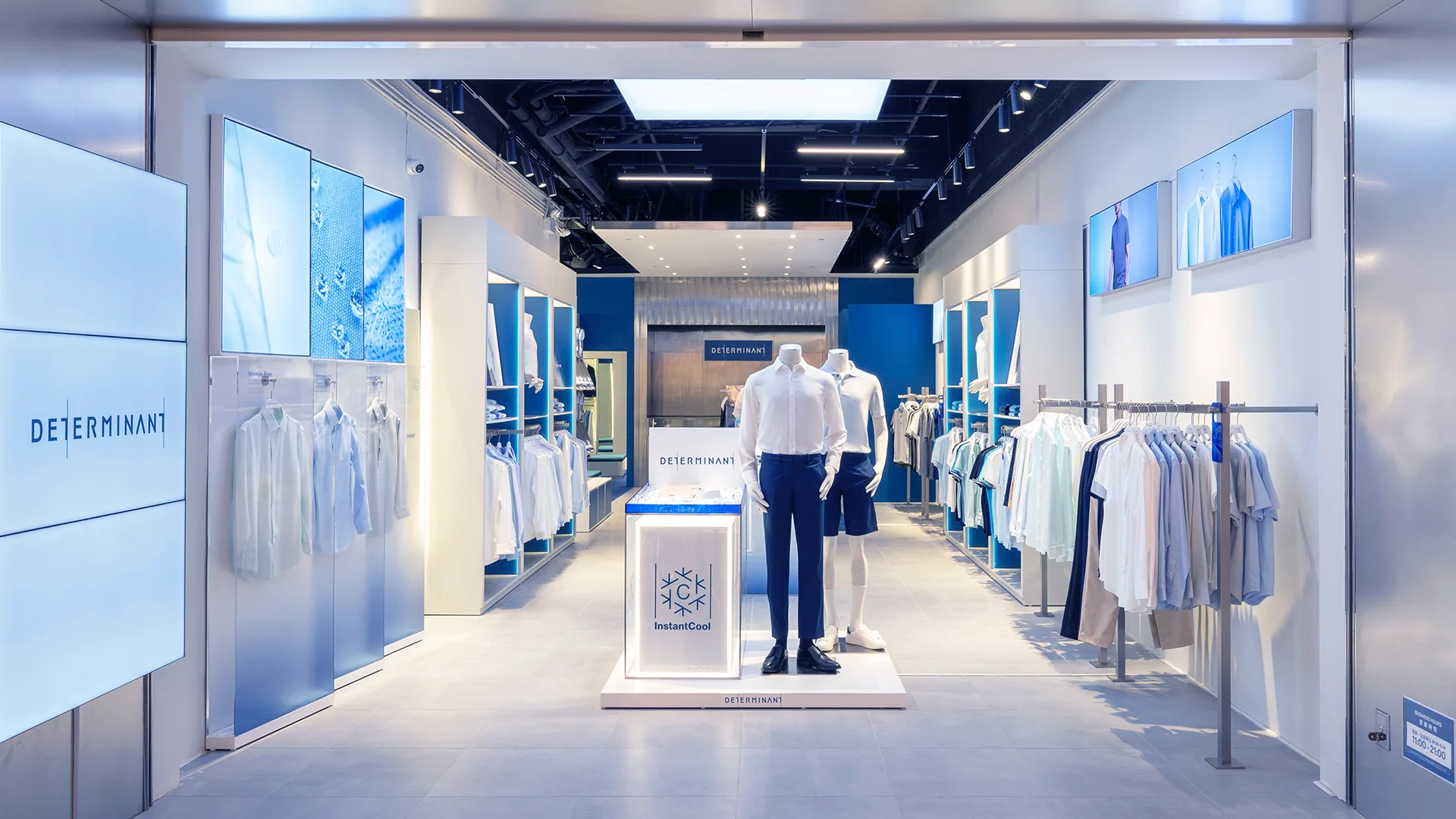
    Hong Kong-based menswear brand Determinant has unveiled its redesigned flagship at Lab Concept in Queensway Plaza, introducing an immersive retail experience centred on the art of shirt-making.

    The revamped store features curated zones and interactive elements that guide customers through Determinant’s signature design and manufacturing process.

    At the entrance, a magnifying glass window display spotlights five key elements of a shirt. A QR code allows customers to access a 3D virtualisation to explore the construction process in greater detail.

    Inside, the Premium Cotton Experience Zone invites visitors to touch and compare the fabrics used across the brand’s shirt range. A panel titled “Anatomy of the Perfect Fit” explains nine core components that contribute to each shirt’s comfort, fit and seamless construction.

    General manager Clement Chan said the relaunch is part of the brand’s broader expansion strategy across Hong Kong and international markets.

    “The name Determinant represents our determination to provide the highest quality products,” said Chan. “We aim to meet market needs with affordable, high-quality and ethical shirts.”

    The company plans to open a new store in Singapore later this year.

    Founded in 2020, Determinant is known for its minimalist, functional designs and proprietary technologies that produce breathable, wrinkle-free, anti-odour and antibacterial shirts.

  • Indonesian coffee chain Fore Coffee’s IPO oversubscribed by 200 times

    Indonesian coffee chain Fore Coffee’s IPO oversubscribed by 200 times

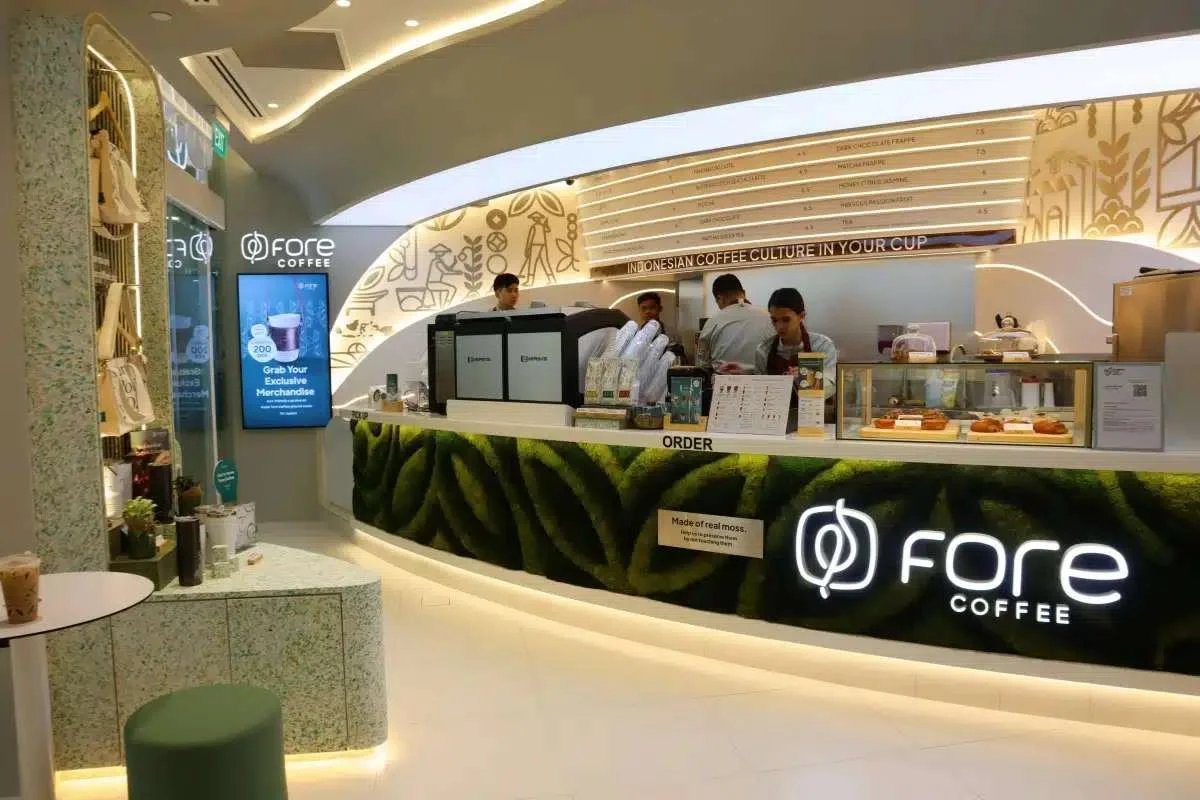
    Indonesian coffee chain Fore Coffee made its trading debut on the Indonesia Stock Exchange (IDX), following a heavily oversubscribed initial public offering that attracted more than 114,000 investors.

    The East Ventures-incubated company priced its IPO at US$0.012 (RP188) per share, issuing 1.88 billion new shares to raise approximately $22.3 million (RP353.44 billion) in fresh capital.

    Fore Coffee plans to allocate around 75 percent of the funds to its domestic expansion, with a target of 140 new outlets over the next two years.

    An estimated $3.8 million (RP60 billion) will be invested in launching a new doughnut concept, while the remaining $1.1 million (RP18 billion) will go towards working capital.

    Wilson Cuaca, president and chairman of Fore Coffee, and co-founder and managing partner at East Ventures, said the strong response to the IPO demonstrates the appeal of homegrown startups to public investors.

    “The counter-intuitive decision to proceed with the IPO during the lowest IDX Composite index since the pandemic paid off,” Cuaca said.

    Mandiri Sekuritas and Henan Putihrai Sekuritas acted as joint lead underwriters and intermediaries for the offering.

  • Celsius adds Sunset Vibe flavour to energy drink range

    Celsius adds Sunset Vibe flavour to energy drink range

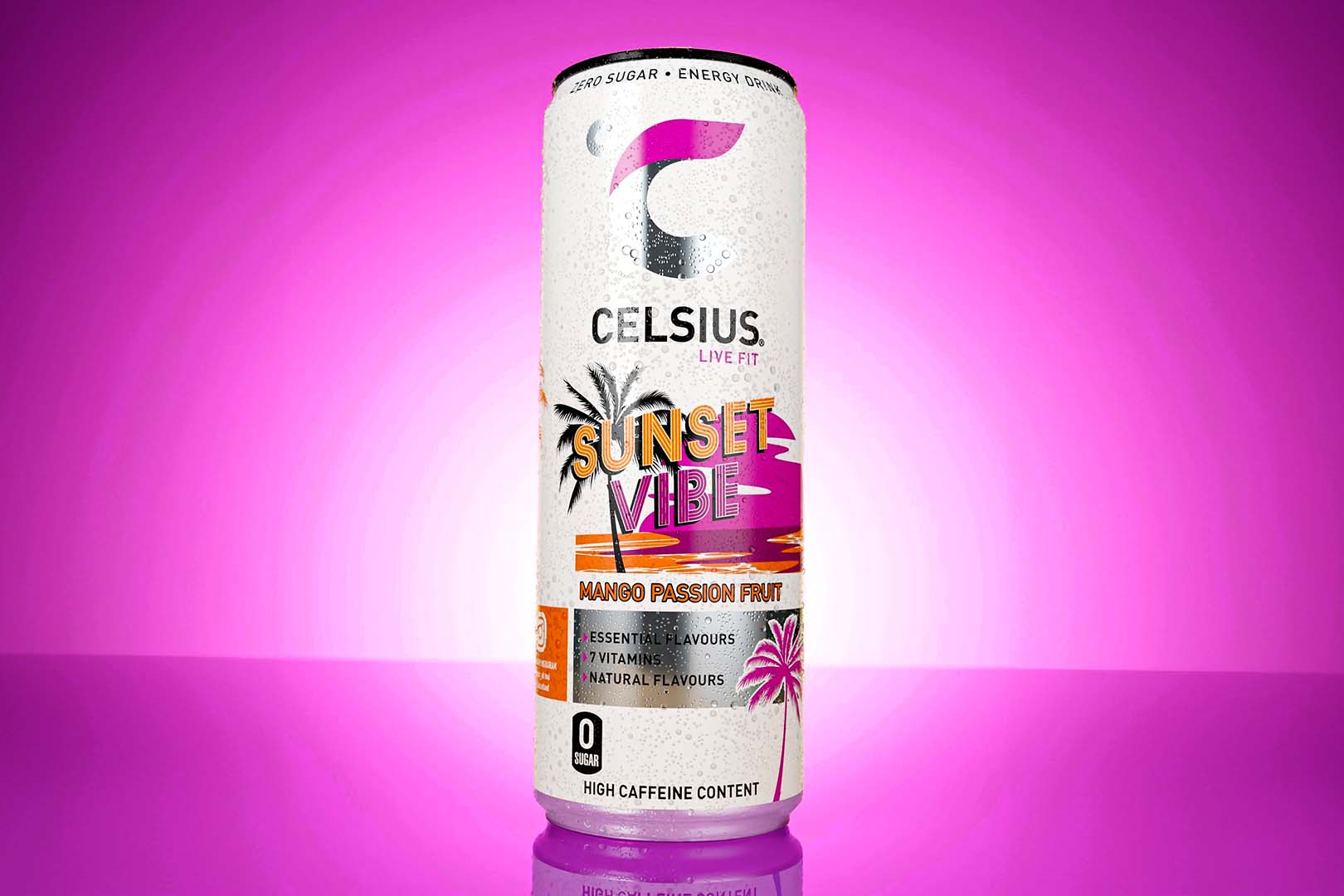
    American energy drink brand Celsius has added a Sunset Vibe flavour, a blend of mango and passionfruit.

    The new tropical-inspired flavour joins the brand’s existing local range, which includes Sparkling Kiwi Strawberry, Sparkling Watermelon Lemonade, Sparkling Green Apple Cherry, and Cosmic Vibe.

    In addition, it contains no sugar and is described to offer a “taste of paradise.”

    Ben Andrews, director of partnerships at  Suntory Beverage & Food Oceania, highlighted the brand’s growth since its launch last year.

    “Our strong customer relationships, consumer centricity, and distribution efforts have ensured that Celsius reaches consumers quickly and efficiently,” said Andrews.

    “We are excited to continue this momentum by adding Sunset Vibe to the range, and to bring innovative energy solutions to even more consumers.”

    Celsius Sunset Vibe at an RRP of $4 per can is available in the convenience and petrol channels, with a broader rollout to Woolworths underway.

  • Pickle Juice debuts Extra Strength Shots in Coles

    Pickle Juice debuts Extra Strength Shots in Coles

    US beverage brand The Pickle Juice Company has launched its 75ml Extra Strength Shots in Coles supermarkets nationwide.

    The Texas-based company claims that its product uses a propriety formula that is scientifically proven to help alleviate muscle cramps by interrupting the nerve signals that trigger involuntary muscle contractions.

    Pickle Juice uses a blend of vinegar, grain ingredients, and a mix of vitamins and minerals.

    In addition, it contains no sugar, caffeine, or artificial additives and is rich in electrolytes.

    Blake Boulton, head of global sales at The Pickle Juice Company, said the rollout reflects the company’s strategy to improve accessibility globally.

    “Australia has always been a key market for us, and we’ve seen firsthand the impact Pickle Juice has had in the sports and wellness communities,” explained Boulton, head of global sales for The Pickle Juice Company.

    “By partnering with Coles, we’re making it easier for everyday Australians to access an effective solution for muscle cramps, superior hydration and enhanced recovery.”

    The Pickle Juice Company Extra Strength Shots is available for an RRP of $24 for a four-pack and $47.50 for a 12-pack in Coles stores across NSW, Victoria, Queensland, SA, WA and Tasmania.

  • API launches online B2B hub for pharmacies to source products

    API launches online B2B hub for pharmacies to source products

    Australian Pharmaceutical Industries (API) has launched an online B2B hub – MyAPI – for its wholesale pharmacy customers.

    API is a wholly-owned subsidiary of Wesfarmers Health and has more than 4000 wholesale pharmacy customers.

    According to the company, the platform offers “enhanced functionality and an elevated experience,” allowing pharmacies to research products, place orders, identify stock on hand, obtain pricing and deals, and manage their accounts.

    It also facilitates stock returns, backorder management, houses key documents and provides customer support and communications.

    “By investing in technology like MyAPI, we’re ensuring pharmacy owners have 24/7 access to critical products and essential information at their fingertips,” said Doug Swan, executive GM of wholesale and pharmacy services at Wesfarmers Health.

    “This means more convenience and flexibility, and empowers them to serve their communities with confidence knowing they have what patients need, when they need it.”

    In addition to the main features, the e-hub also supports compliance with Community Service Obligations for pharmaceutical wholesalers, including the timely delivery of Pharmaceutical Benefits Scheme items within 24 hours.

  • Lakanto launches no-sugar-added BBQ Sauce & Tomato Ketchup

    Lakanto launches no-sugar-added BBQ Sauce & Tomato Ketchup

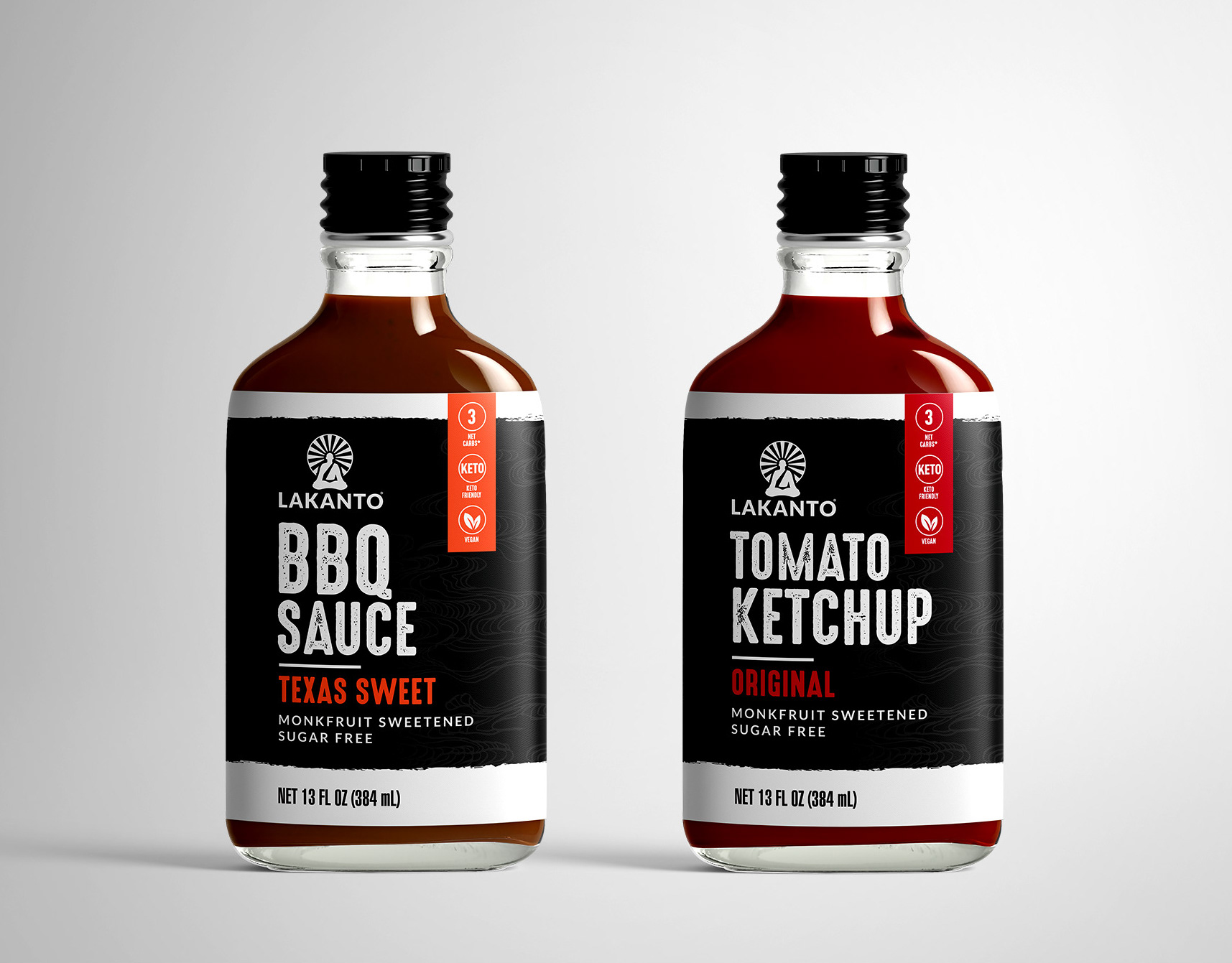
    Monkfruit sweetener brand Lakanto Australia has launched the No Sugar Added Tomato Ketchup and BBQ Sauce, offering a healthier alternative.

    According to the company, the sauces are naturally sweetened with Lakanto’s monkfruit sweetener, feature no artificial colours or tastes, and are low in carbs, making them suitable for individuals following keto, low-carb, or diabetic diets.

    “We’re excited and really proud to offer these delicious, healthier alternatives to classic condiments,” said Leon McIndoe, GM of Lakanto Australia.

    “With our BBQ Sauce and Ketchup, we’re continuing our mission to help people ‘Live a Responsibly Sweet Life’ – making it easier to enjoy flavourful meals without compromising on their health goals.”

    The Lakanto Sweet and Spicy BBQ Sauce and Lakanto Tomato Ketchup are available with an RRP of $12.95

    Last year, Lakanto re-launched its caramel and chocolate toppings derived from monkfruit, which naturally adds sweetness.