Blog

  • Breitling unveils Seoul flagship with a cafe and its first restaurant

    Breitling unveils Seoul flagship with a cafe and its first restaurant

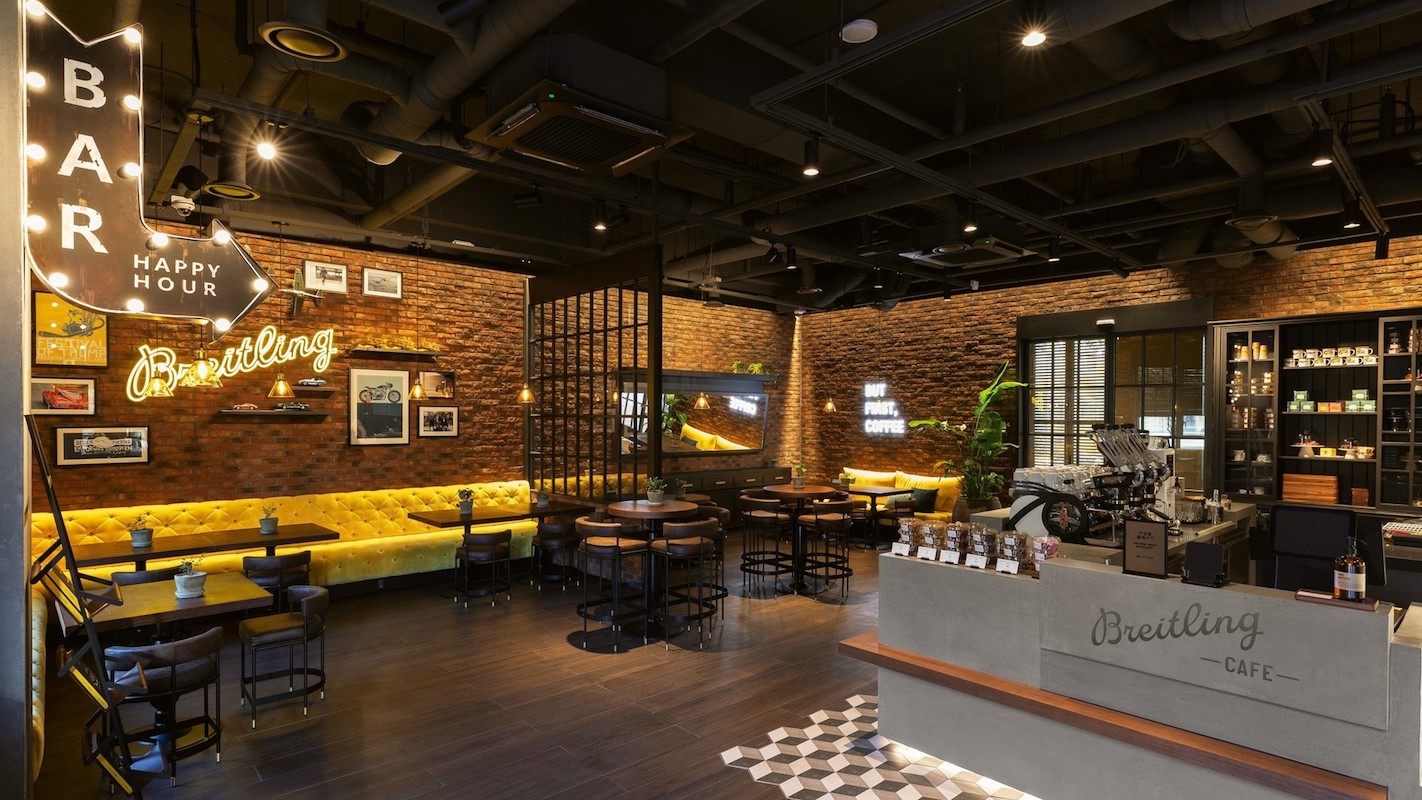
    Breitling opened its largest flagship, the 8,000-square-foot Breitling Townhouse Hannam. Located in the fashionable Hannam district of Seoul, South Korea, known for its international embassies and luxury fashion flagships, the space combines retail with a Breitling Café, terrace, and the first-ever restaurant, Breitling Kitchen. The Breitling Townhouse’s combination of retail with food and beverage will make it a top destination in this vibrant area.

    All Breitling boutiques are designed as chic industrial lofts that combine vintage decor with streamlined contemporary design for a modern-retro feel. A second recurring motif is “air, sea, and land” – the three universes that the Breitling watch families were developed for. In the Breitling Townhouse Hannam, these design themes are very prominent.

    The flagship boutique is a 2,000-square-foot retail space that has Breitling’s latest watch collections on display in an aviation-lounge-inspired atmosphere. The brand’s newest flagship is also home to Breitling Equipment – a shop-in-shop that carries tools and accessories inspired by Breitling’s universes.

    Breitling Kitchen is the brand’s first-ever restaurant led by chef Kim Hyeong-Kyu. Guests can choose from seating zones themed by air, sea, and land or reserve a private dining room in the Breitling universe of their choice. Breitling Café is an inviting street-level coffee shop that serves a well-crafted selection of specialty coffees, freshly baked goods, and fine patisseries.

    Customers and visitors can also enjoy an outdoor seating area that serves as both an extension to the café and private event space. Vintage Corridor is a walk-through heritage experience that tells the Breitling story with interactive displays.

    This opening gives a clue at what to expect from Breitling as a leader in the neo-luxury space.

  • AirAsia X to resume flights between Kuala Lumpur and Sydney

    AirAsia X to resume flights between Kuala Lumpur and Sydney

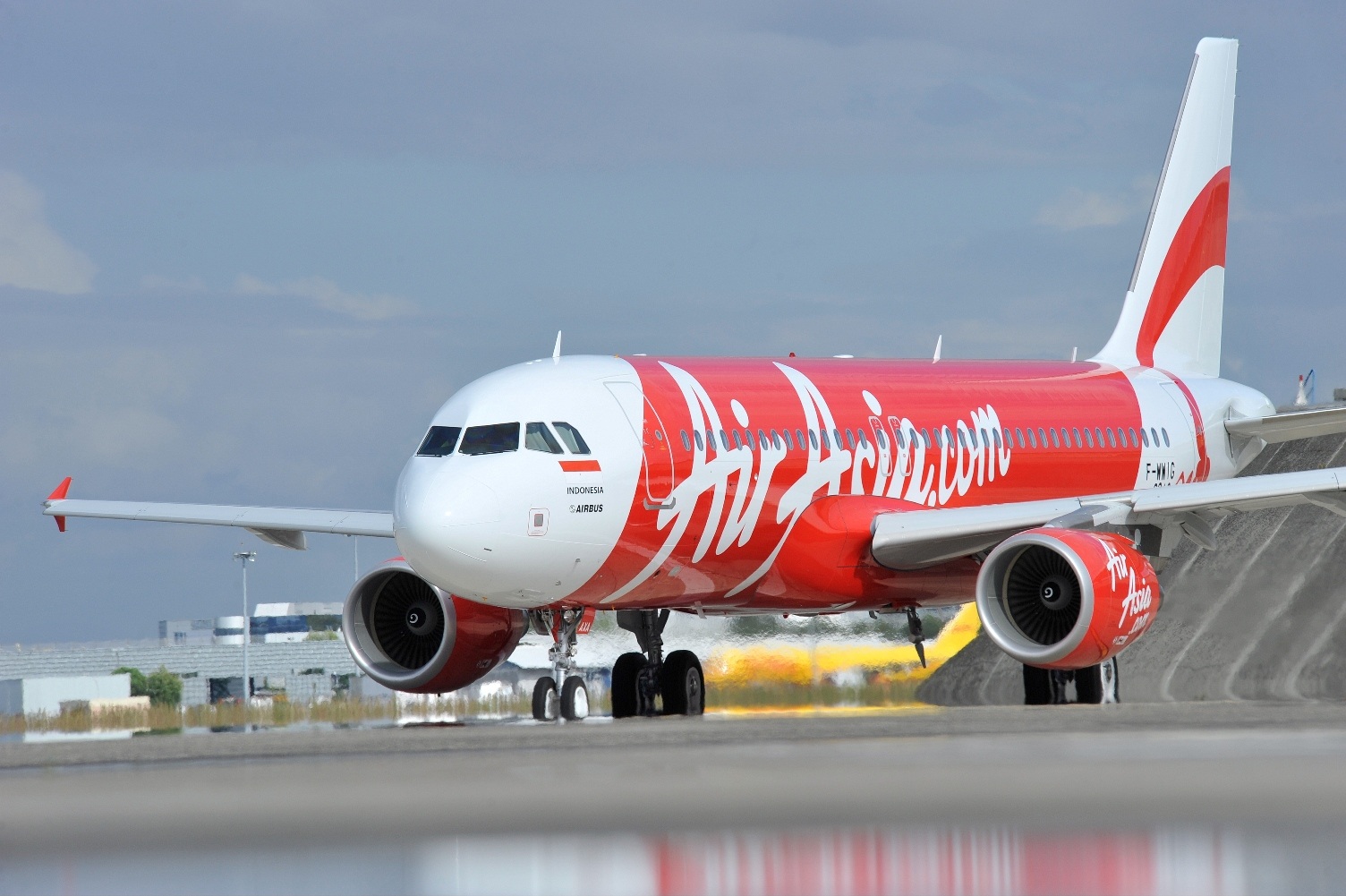
    AirAsia X (AAX) has unveiled plans to resume flights between Kuala Lumpur and Sydney on Feb 14. Flights will initially be operated weekly on Mondays from Kuala Lumpur to Sydney, returning on Tuesdays. Flight D7 228 is scheduled to depart from Kuala Lumpur at 19:25, arriving in Sydney at 06:30. The return leg, flight D7 229, is slated to leave Sydney at 08:30 and arrive back in Kuala Lumpur at 14:15.

    “Following our travel downtime over the last two years, and the recent completion of our restructuring process, we are thrilled to be able to relaunch and commence our gradual return to the skies. This would not have been possible without the overwhelming support from our guests and creditors and we thank them for their patience and understanding,” said Benyamin Ismail, CEO of AirAsia X. “Without any domestic routes AAX has been significantly affected by the pandemic. We now see light at the end of this long tunnel and we are working hard to operate again in all of our key markets, as one of the world’s leading low-cost medium-haul operators. Starting with flights to and from Sydney, we will progressively continue to honor outstanding bookings and Credit Accounts for our guests and creditors in other markets as soon as possible.”

    The airline has confirmed that it will prioritize full redemptions for customers affected by the restructuring. AAX customers can reinstate their flight booking and utilize their credit account to book the flights.

    Captain Suresh Kumar Bangah, COO of AirAsia X, said, “We have been very active on all-cargo flights throughout the pandemic and this has been a lifeline for us. For the first time, we are adding on passengers to supplement cargo revenue in our push to be a major combination carrier in this part of the world. Whilst take-up will be gradual, it can only get better in the coming months as more people return to the skies. We are ready for that pent-up demand.”

  • StarHub and Chubb partner to safeguard customers against online risks

    StarHub and Chubb partner to safeguard customers against online risks

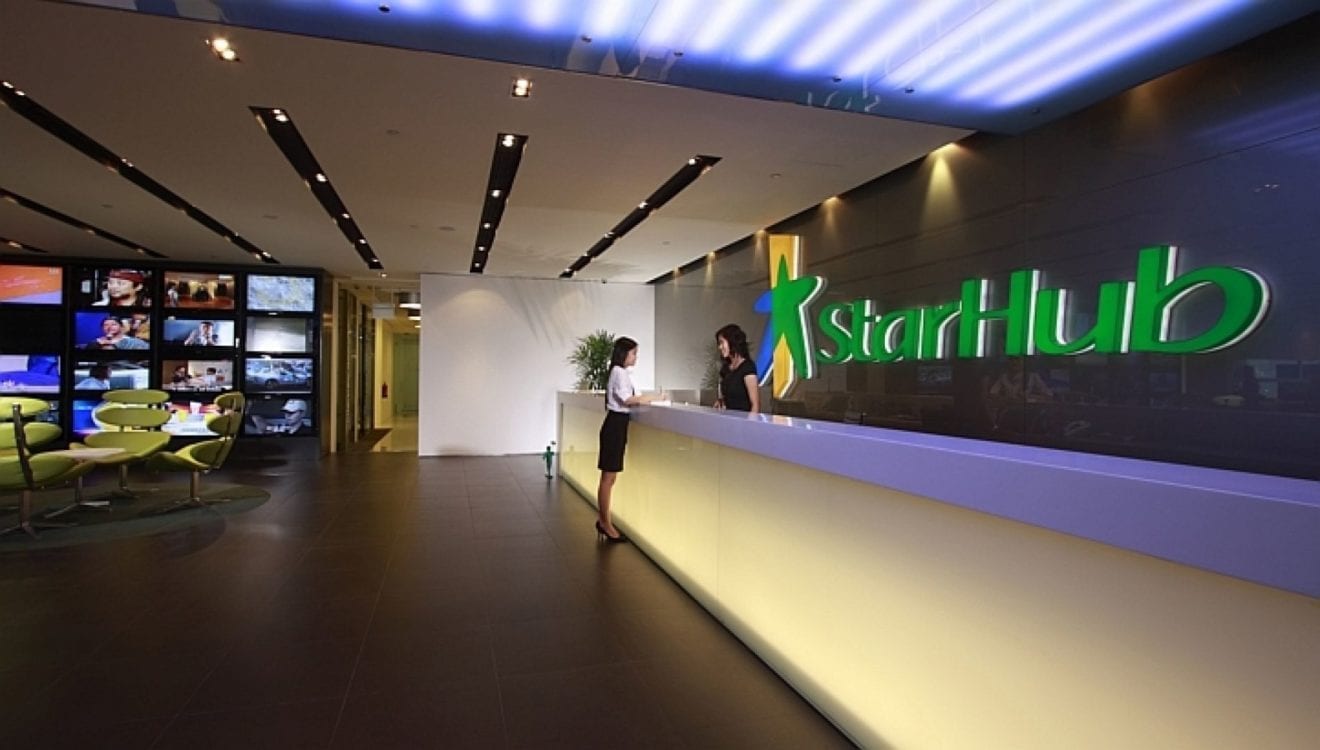
    Digital service provider to help customers mitigate the impact of online risks, StarHub and Chubb Insurance Singapore Limited (Chubb) have introduced CyberCover, a cyber protection policy designed to provide financial support for StarHub mobile and broadband customers affected by cyber-bullying, identity theft, unauthorized transactions, and undelivered or discrepancies in online purchases.

    With CyberCover, cyber protection, traditionally offered to only enterprises, has now become accessible and affordable for all consumers, providing individuals and families with financial support in the event of cyber threats.

    “Boldly embarking on DARE+ to be the digital service provider with the most enriching experiences for our customers, we are taking a leap towards offering much-needed services that complement our mobile and broadband subscriptions as well as our best-in-class network,” said Johan Buse, chief, consumer business group, StarHub. “Cybercrimes are on the rise, and as the cases strike closer to home, we want to give our customers peace of mind, knowing that StarHub will be there to help them get back on their feet during difficult times. Following the recent launch of our CyberSecure Business Solution to safeguard enterprises, we are now pleased to work with Chubb to extend a safety net to our customers, empowering them to do more of what they love without feeling threatened by dangers online.”

    Chubb’s country president for Singapore, Kevin Bogardus said, “The COVID-19 pandemic has prompted an increase in digital consumption – users are spending more time on social media platforms and consumers are engaging more in digital payments. As digital footprint goes up, so does the likelihood of cyber risk exposure. We are very excited about our partnership with StarHub to offer CyberCover. It is through this personal protection solution that we want to provide StarHub’s customers and their family members with practical support in the face of cybercrimes.“

  • Manufacturing continues recovery

    Manufacturing continues recovery

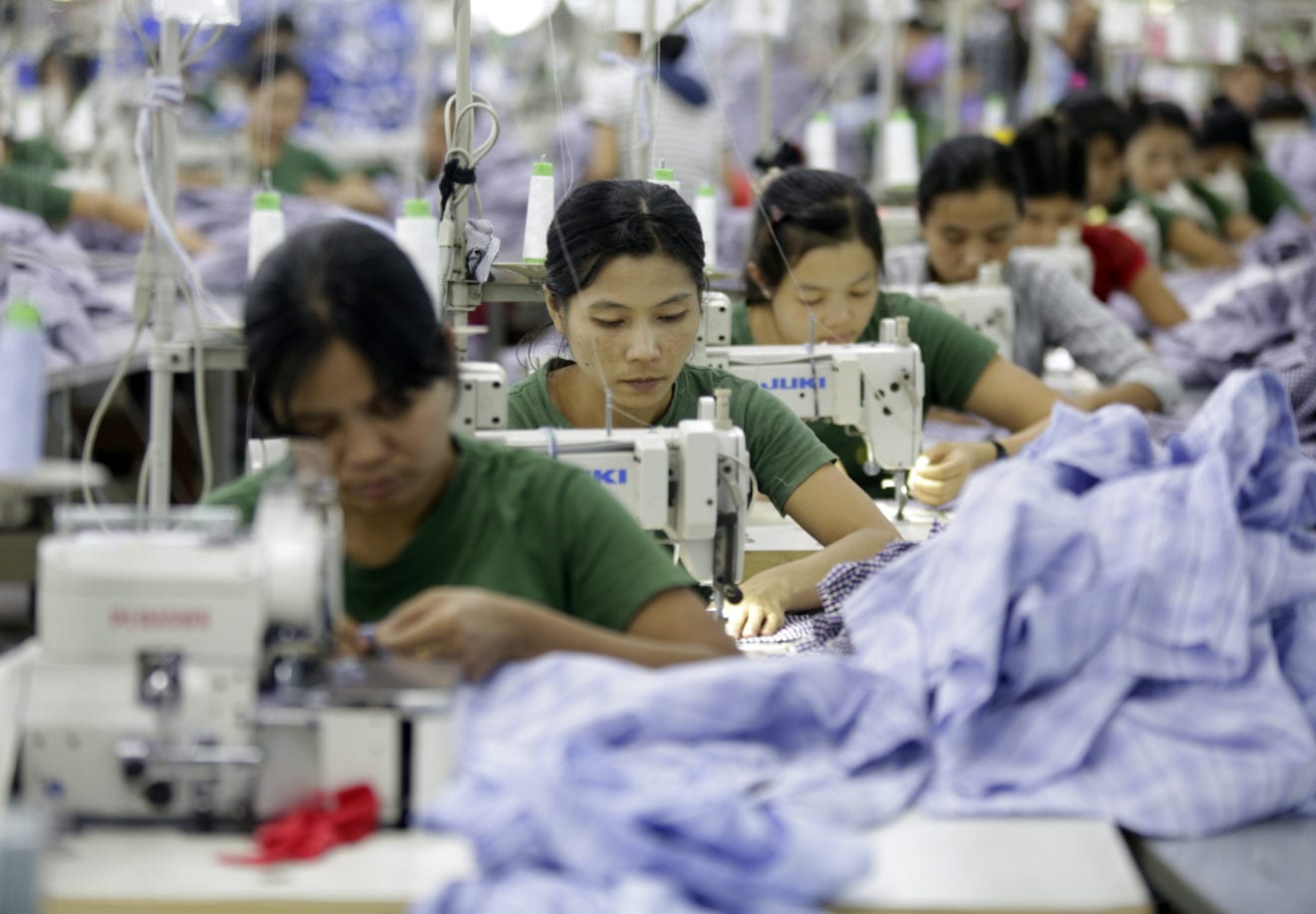
    Vietnam’s purchasing managers’ index rose to 53.7 in January 2022 from 52.5 in December, marking the highest growth since last April. The new index also points to the fourth straight month of growth, according to a report by U.K. research company IHS Markit. IHS Markit Vietnam Manufacturing Purchasing Managers’ Index measures the performance of the manufacturing sector and is derived from a survey of 400 companies.

    The index is based on five individual indexes with the following weights: new orders (30 percent), output (25 percent), employment (20 percent), supplier delivery times (15 percent) and stock of items purchased (10 percent), with the delivery times index inverted so it moves in a comparable direction.

    A reading above 50 indicates an expansion of the manufacturing sector compared to the previous month; below 50 represents a contraction; while 50 indicates no change.

    Both output and new orders increased at sharper rates in the opening month of the year as customer demand continued to improve. In each case the rate of expansion was the sharpest in nine months. Total new orders were supported by a further improvement in new business from abroad, with the rate of growth quickening to the fastest since November 2018, IHS Markit stated in its January report for Vietnam.

    Firms were also increasingly confident in the year-ahead outlook for production, although optimism depends to some extent on the pandemic being brought under control. Around 60 percent of respondents predicted a rise in output, with overall optimism the strongest in over three years.

    There were further signs inflationary pressures have become less pronounced than seen through much of 2021. Input costs increased at the second-slowest pace in seven months, while output price inflation eased to the weakest since last September.

    According to respondents, a key factor behind rising input costs was higher charges for freight and international shipping. Problems with shipping and ongoing disruption caused by the pandemic mean supplier delivery times continued to lengthen at the start of the year.

    A second successive rise in employment was recorded in January as firms continued to rebuild workforce numbers following the Delta wave of the pandemic in 2021. The rate of job creation picked up from that seen in December but remained only modest as some staff were off work with Covid and others had yet to return from their hometowns.

    Commenting on the latest survey results, Andrew Harker, Economics director at IHS Markit, said: “Vietnamese manufacturers made a positive start to 2022, with the absence of any widespread restrictions meaning that the sector was able to grow despite relatively high Covid-19 case numbers. Firms were also increasingly confident about the year-ahead outlook.

    “The pandemic continues to impact the sector, however, most notably through staff absences, while the possibility of sharply rising case numbers due to the Omicron variant could lead to even more disruption,” he said. A further headwind remains issues with shipping, which affected deliveries from suppliers and the ability of firms to deliver to customers, as well as adding to cost burdens.”

  • Vietnam stock market makes bright start after Tet holidays

    Vietnam stock market makes bright start after Tet holidays

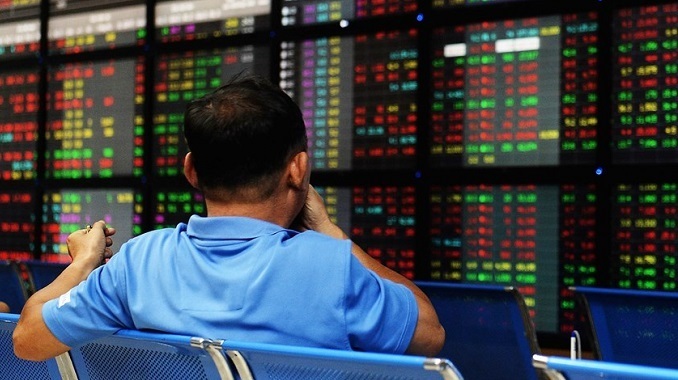
    The VN-Index began the new lunar year with a 1.5-percent jump Monday morning, led by aviation and energy stocks. It gained 22 points to 1,503 points at 11.20 as the market reopened after the nine-day Tet break, reaching a near four-week high. It represents a 4.1-percent recovery from the bottom of 1,439 points reached on January 18 as investors booked profit before the holidays.

    Most brokerages expect the index to rise this week since no negative news came out during the holidays. Analysts at ASEAN Securities and BIDV Securities said the VN-Index is set to stay in the 1,500 levels this week. It closed in the green on an opening day on five of the last six years since 2016, only dipping in 2020 when Covid-19 first hit Vietnam.

    The VN30 basket, comprising the 30 largest capped stocks, saw 24 of them gain Monday, led by VJC of budget airline Vietjet, which rose by 6.6 percent as investors expect a recovery by the aviation industry after the government announced plans to revive international tourism by March-end.

    Vietnam Airlines (HVN) gained 7 percent to the ceiling and its highest in over three months.

    Airports Corporation of Vietnam (ACV) rose by 7.4 percent with volumes reaching 321 percent of the average of the last 10 sessions.

    Energy stocks also rose, with PLX of fuel distributor Petrolimex climbing by 6 percent and GAS of state-owned Petrovietnam Gas gaining 6.2 percent. POW of electricity producer Petrovietnam Power Corporation was up 6.5 percent. Companies expected to benefit from rising consumer demand, such as VRE of real estate retail firm Vincom Retail and MSN of conglomerate Masan Group were the other gainers.

    The HNX-Index on the Hanoi Stock Exchange, home to mid-and small-cap companies, was up 1.2 percent, and the UPCoM-Index on the Unlisted Public Companies Market had gained 1 percent at the time of publishing.

  • See which five new features Instagram is rumored to be working on

    See which five new features Instagram is rumored to be working on

    It looks like Instagram is working on a few new features. Leaker Alessandro Paluzzi, a mobile developer, and a reverse engineer shared on Twitter that Instagram could be working on:

    • An option to share Reels directly on Facebook
    • Improving the Story and Reels editor’s guidelines
    • Enabling you to leave a message if you can’t answer a video or audio call
    • Business users to be able to receive audio calls without a visible phone number
    • The ability to share upcoming live videos as a Story and outside Instagram

    An option to share Reels directly on Facebook

    From the tweet below, we can see that a new “Share to Facebook” option would be available in the Reel’s sharing menu, possibly enabling you to share your Reel directly to Facebook without the need for additional steps.
    Currently, if a user wants to share a Reel on Facebook, they have to enable the “Recommend on Facebook” option, then they have to choose “Turn on for this Reel,” and then the user has to return and try sharing the Reel on Facebook.

    Apparently, Instagram wants to make its platform as easy as possible to use.

    As we can see from the shared Tweet, Instagram has been working on improving its guidelines in the Story and Reels editor. When the user tried to move the written text to the bin icon, a guideline appeared, which told the user how to delete the text.

    As demonstrated in the Tweet, Instagram is working on a “Reply” button that would appear along with the “Accept” and “Decline” call options when a user receives a video or audio call and can’t take the call at that moment. When a user taps the new “Reply” button, a few default responses would appear, along with the option to send a custom reply message.

    Currently, if a business user wants to be reachable through audio calls on Instagram, they must reveal their phone number. From the Tweet, we see that this may become a thing of the past, and everyone may be able to start a call with a business account without the need for a phone number.

    Want to share a live video as a Story? It looks like Instagram is working on a way to make it possible. From the tweet below, we see two new possible options for sharing a live video: “share to Story” and “share externally.”

    The “share externally” feature would possibly enable you to share your live video outside of Instagram, but currently, there is no information on how exactly this feature would work.

    There you have it, not one, not two, but five new features that may come to Instagram. Sadly, there is no information on when we could expect them to be released.

    Something that we do know, however, is that Instagram has begun rolling out the ability to express yourself via your own virtual avatar in direct message chats and in Stories. Currently, this new feature is available only in the US, Canada, and Mexico, but in the coming months, it will be available in more countries as well.

  • Apple quietly and sharply reduces the free-trial period for Apple Music

    Apple quietly and sharply reduces the free-trial period for Apple Music

    For years, Apple has given first-time subscribers to Apple Music a free three-month trial. The free trial period has been reduced to just one month in countries including the U.S., Canada, Australia, Japan, the U.K., and other markets as well. It should be noted that this has no impact on the six free months of Apple Music that are awarded for a limited time to buyers of certain Apple devices like the AirPods, HomePod mini, and Beats products.

    There is no change in the pricing of the service which kicks in following the end of the free trial. Each month will cost you $9.99. For $14.99 a month, you and five other family members can subscribe to the Family Plan. Students pay $4.99 monthly, but this price is available to college students only and this must be verified.

    Apple has added a new tier of service called the Apple Music Voice Plan. For $4.99 per month, you can access and navigate Apple Music using your voice and Siri. This plan doesn’t offer spatial audio, nor is the full catalog available with lossless audio as offered with the other plans.

    Apple’s biggest competitor in the music streaming industry, Spotify, also offers a one-month free trial for its premium tier. However, in the U.S. and other select countries, Spotify is offering two free months for a limited time. And those subscribing to Spotify’s premium service via PayPal are entitled to three free months.

    The tech giant hasn’t promoted the reduction in the trial period as you might imagine. The change takes effect starting this week and for the first time since the service debuted in 2015, those who have never subscribed to Apple Music will get just one month to decide if they want to pay for it.

    Will this lead to stronger growth for Apple Music; trial subscribers will have to whip out their wallets two months earlier if they want to continue streaming the service. Or will more trial subscribers give up after one month and look for some other platforms to stream music over. Knowing Apple, we would imagine that the company did some research before making this move.

    You may not know that Apple Music is behind Apple’s most expensive acquisition. In May 2014, the company purchased Beats Audio for $3 billion. Apple usually makes smaller purchases of companies with products or innovations that can be used with the iPhone or other products in the following year or two. That is the blueprint Apple used to buy SRI International in 2010 which led to the launch of digital assistant Siri on 2011’s iPhone 4s.

    In October 2012, Apple bought biometric security firm Authentec for $356 million. The next year, Apple debuted the Touch ID fingerprint scanner on the iPhone 5s. As the first quarter of 2013 was ending, there were leaks indicating that what some were calling “iRadio” was coming.

    Apple itself had to be a bit nervous as the Beats Audio streamer had just 111,000 paying customers before the acquisition by Apple was announced. The headphones division was taking in $1 billion on an annual basis at the time Apple bought the company.

    All things considered, Apple Music should be considered a success. Last month, MIDia Research released a report estimating that Apple’s streaming music platform had 78 million paid subscribers. This makes the service the second largest music streamer in the world but puts Apple well behind the industry’s top streamer Spotify.

    Spotify’s market share has declined from 34% in 2019 to 33% in 2020 and 31% last year. Apple Music has a 15% slice of the streaming market pie worldwide followed by Amazon’s 13%. Despite the current trends, for Apple to catch up and overtake Spotify it will have to take a long term, patient approach to the business of streaming music.
  • Toshiba To Invest $1 Billion To Double Power Chip Production

    Toshiba To Invest $1 Billion To Double Power Chip Production

    Toshiba Corp said on Friday it will invest about 125 billion yen ($1.09 billion) to more than double the production of power management semiconductors, aiming to catch up with power chip giants such as Infineon Technologies AG.

    The Japanese industrial conglomerate will build a cutting-edge 300-millimeter fabrication plant in central Japan for power management chips, which efficiently control electric power in cars, electronic devices, and industrial equipment.

    Toshiba will invest around 100 billion yen in the new plant, on top of a 25 billion yen investment in a 300-millimeter fabrication line it is building at an existing chip plant, a Toshiba spokesperson said.

    The new plant is set to start operating by March 2025. When the first phase is complete, Toshiba’s power chip output capacity would be 2.5 times its current level. Depending on demand, the new plant could further expand with additional investment, the spokesperson said.

  • Google is making changes to the Chrome icon for the first time since 2014

    Google is making changes to the Chrome icon for the first time since 2014

    A tweet from Google Chrome designer Elvin Hu reveals that for the first time in eight years, Google is changing Chrome’s icon. The new look debuted with the update to the Chrome Canary app which is an experimental and unstable version of the browser used by developers and early adopters. Other versions of Chrome that Android users can install are the stable, beta, and Dev versions.

    And not that it has anything to do with the new icon, you still might want to know the difference between each one. As we noted, Chrome Canary offers an untested build of Chrome which might not run at times. Google recommends that only developers and advanced users install it on their handsets since most Canary updates won’t proceed any further.

    Installing the Chrome Dev version of the browser allows you to test out the latest features of the Chrome browser even though, as Google says, they will be “rough around the edges.” Google is hoping that Android users will provide them with early feedback when testing out new features that may never make it to the Beta or stable versions of the app.

    And there is also the Chrome Beta app which is the last step for a new feature before it is added to the stable version. It is not as unstable as the Dev version and features receive their final tweaks on the Chrome Beta app before millions of people use them on the stable version of Chrome.

    Lastly, the stable Chrome app is the safest version of the browser and is the one that you’ll see in the Play Store if you search for Google Chrome. Most of you shouldn’t install Canary or Dev while some of you might have an interest in downloading the Beta version of Chrome on your phone.

    As for the main branding of the Chrome logo, the shadows between the colors (which are easily seen between the red and yellow colors) are being removed. This removes the slight 3D effect that made it appear as though the red area was raised above the yellow. Removing that small shadowy area makes the colors on the newly updated main icon appear flat.

    Chrome’s Hu also noted that “We simplified the main brand icon by removing the shadows, refining the proportions and brightening the colors, to align with Google’s more modern brand expression.” Google found that placing certain shades of Green and Red next to each other created what Hu called “an unpleasant color vibration.” To combat this, Google used a more subtle gradient (so subtle that you might not notice it) in order to prevent the unpleasant vibration from bothering the viewer.

    Interestingly, Google created different variants of the Chrome icon for each operating system. As Elvin said, “We want the icons to feel recognizably Chrome, but also well crafted for each OS. For example, on Windows, the icons take on an obviously gradated look, appearing at home on Windows 10 & 11.”

    On ChromeOS, brighter colors will be used without gradients so that the icon can match the rest of the system icons. On MacOS, a small shadow will soon be employed to give the icon a 3D appearance. On iOS, the Chrome Beta will  show the logo in a blueprint-style background to show that it is a developer-focused app.

    The new Chrome icons are expected to hit your devices soon. Google has been shrinking the size of the Chrome icon going back to 2008 when it had the appearance of a 3D ball. There really is a lot of thought that comes into play even when trying to design a simple app icon.

  • Google Messages update allows users to send Photos links for sharper videos and pictures

    Google Messages update allows users to send Photos links for sharper videos and pictures

    Some changes are rolling out to the Google Messages app and it appears that hamburger is back on the menu. Or perhaps we should say that the hamburger menu is back. The redesign has surfaced for some who are using the beta version of the Messages app and it replaces the three-dot menu in the upper right corner with a hamburger menu on the left side of the display.

    Options currently found in the three-dot menu will be moved to the hamburger menu such as “Messages,” “Starred,” “Archived,” and “Spam & blocked.” Other options such as “Device Pairing” and “Choose Theme” will be listed in a separate section at the bottom of this menu.

    You’ll know when the change has hit your phone because the first time you open the app after the update, you’ll be prompted to enable Google Photos integration for the Messages app. “Share videos as they’re meant to be seen” reads the prompt follow-up with “Preserve sharp video clarity when you sign in and send Google Photos links.” A link at the bottom of the page allows for the use of the Messages app without a Google account.

    You will have a couple of choices that you can toggle on including one that will always send a link to Google Photos when you use Messages to share a video by text (SMS/MMS), and another option that will always send a Google Photos link when you text images via SMS/MMS. By allowing the Google Photos link to be sent with videos and images, you are giving the recipients of such content via Google Messages the ability to view them in a higher quality than if you sent them via MMS.

    While the update is being disseminated to some of those who are members of the app’s beta program, not all beta members are currently receiving it. Certainly, Google will widen the distribution of the update once it hears feedback from users.

    If you’ve received complaints about the quality of the videos and pictures that you’ve shared via Google Messages, this is a clever way to send higher quality content using that app with an assist from Google Photos.

  • Aptiv, Audi Invest $285 Million In Software Company TTTech

    Aptiv, Audi Invest $285 Million In Software Company TTTech

    Auto technology supplier Aptiv PLC and Volkswagen AG’s Audi brand are investing a combined $285 million in vehicle software company TTTech Auto, giving the Austrian firm a valuation of $1 billion, the companies said. TTTech Auto designs software that auto manufacturers can use to manage data flowing from sensors and safety systems used to automate driving. The company’s Motionwise software also helps engineers develop new automated driving and safety software more quickly.

    Aptiv will invest $228 million in TTTech Auto, while Audi is investing $57 million, the companies said in a statement.

    Established auto manufacturers such as Volkswagen are racing to secure more software expertise via acquisitions, hiring drives, and equity investments as they try to catch up with electric vehicle leader Tesla Inc’s ability to rapidly improve vehicles using software upgrades.

    TTTech Auto was formed in 2018 by aerospace firm TTTech Group, South Korean technology company Samsung, Audi, and chipmaker Infineon.

    “We want to provide aerospace safety at automotive cost,” TTTech Auto chief executive Georg Kopetz said in an interview.

    Aptiv, with annual revenue of $15 billion, is working to expand its business by supplying hardware and software for electric vehicles and automated driving systems. Aptiv, Audi, and TTTech Auto collaborated to develop the central driver assistance controller for automated driving used in Audi vehicles.

    With the fresh capital, Kopetz said TTTech Auto plans to expand in Asia, look for potential acquisitions and invest in the development of the Motionwise software, which is currently used in about 2 million vehicles.

  • Tesla Recalls 817,000 Vehicles In U.S. Over Seat Belt Reminder Alert

    Tesla Recalls 817,000 Vehicles In U.S. Over Seat Belt Reminder Alert

    Tesl is recalling more than 817,000 vehicles in the United States because an audible alert may not activate when a vehicle starts and the driver has not buckled the seat belt, a U.S. auto safety regulator said. The National Highway Traffic Safety Administration (NHTSA) said on Thursday the vehicles, 2021-2022 Model S and Model X, 2017-2022 Model 3, and 2020-2022 Model Y fail to comply with a federal motor vehicle safety standard on “Occupant Crash Protection” because the chime does not activate. Tesla will perform an over-the-air (OTA) software update to address the issue.

    Tesla told NHTSA that as of Jan. 31 it was unaware of any crashes or injuries related to the issue. Tesla said in a document filed with NHTSA, the South Korea Automobile Testing & Research Institute (KATRI) on Jan. 6 brought the condition to Tesla’s attention. Tesla said on the recalled vehicles a software error may prevent the chime from activating upon vehicle start under certain circumstances.

    The automaker said the issue was limited to circumstances where the chime was interrupted in the preceding drive cycle and the seat belt was not buckled after that interruption. Tesla added the issue does not affect the audible seat belt reminder chime from activating when the vehicle exceeds 22 km/h and the driver seat belt is not detected as buckled. The condition does not impact the accuracy of the accompanying visual seat belt reminder. Tesla has come under increasing scrutiny from U.S. regulators and issued several recalls in recent months.

    On Tuesday, Tesla said it was recalling 53,822 U.S. vehicles with the company’s Full Self-Driving (Beta) software that may allow some models to conduct “rolling stops” and not come to a complete stop at intersections posing a safety risk. Tesla will perform an over-the-air software update that disables the “rolling stop” functionality, NHTSA said.

  • KFC Australia pilots drone-delivery service in Queensland

    KFC Australia pilots drone-delivery service in Queensland

    In an Australian-first, KFC has enlisted a drone delivery company to bring Zingers and other fried faves to homes and workplaces in the Logan area between Brisbane and the Gold Coast.

    Wing, owned by Google parent Alphabet, launched in Canberra in 2019 in a world-first, and in Logan the following year.

    Since then, suburbs within a 10km radius have been having burgers, groceries, pharmacy items, hardware products, coffee and other products zoomed in via 5kg styrofoam drones that can carry up to 1.5kg.

    Under a pilot program kicking off on Friday, the world’s most famous fried chicken brand will initially be available to a small number of households in the South East Queensland suburbs of Kingston, Logan Central, Slacks Creek, Underwood, and Woodridge.

    The service will gradually expand to include other nearby locations, Wing says, dubbing Logan “the drone delivery capital of the world”.

    “You know the future truly is here when you can get hot, fresh Kentucky Fried Chicken delivered by a drone from the click of a few buttons,” KFC Australia chief marketing officer Kristi Woolrych said.

    Wing says the number of deliveries rocketed last year as the pandemic raged on and strong demand has continued in 2022.

    Earlier this week, spokesman Jesse Suskin said the company was planning expansion in Australia.

    “We’ll be in more places in southeast Queensland. We’ve submitted for those permissions from our regulators,” Mr. Suskin said.

    “For other states, we’re actively starting to have those conversations right now.”

  • Technical Standards To Simplify Digital Payments

    Technical Standards To Simplify Digital Payments

    The Swiss Bitcoin Association recommends the first technical standards for simplified payment verification (SPV) using digital currencies, eliminating the need to download entire the blockchain for transactions.

    Switzerland’s Bitcoin SV Technical Standards Committee today recommended its first digital currency standard for simplified payment verification (SPV), enabling transactions to occur without having to download the entire blockchain.

    This standardized format is now in use across three prominent ecosystem applications, the Bitcoin SV node software, Merchant API (mAPI), ElectrumSV and ElectrumX.

    The first BSV technical standard progressing to the recommended stage – the final stage for technical standards – represents a significant achievement for the Bitcoin SV Technical Standards Committee, says Technical Committee Chair Steve Shadders.

    The Swiss government today adopted a report on the digitalization of the financial markets, identifying opportunities and risks and laying out action points for the coming years.

  • Sacrebleu! French brewers use algae to make blue beer

    Sacrebleu! French brewers use algae to make blue beer

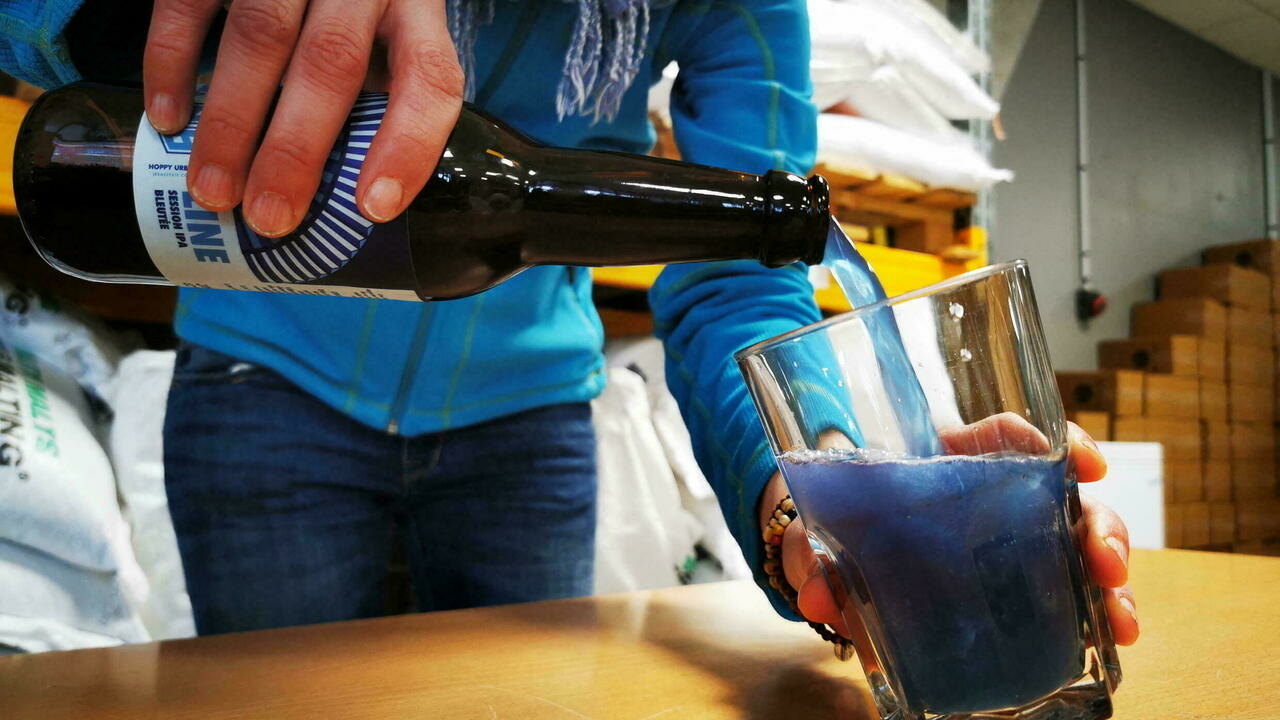
    A French brewer has started using algae with a naturally-occurring pigment to turn their beer blue.

    The beer, with the brand name “Line”, is the result of a tie-up between a firm that wants to popularise the algae as a dietary supplement, and a nearby craft brewery that was looking for a way to make its beverages more distinctive.

    The beer is selling well, said Sebastien Verbeke, an employee of Hoppy Urban Brew, which makes the drink. “It’s getting an enormous amount of interest and curiosity on the part of the public,” he said.

    The blue tint comes from spirulina, an algae that is grown in basins by a company called Etika Spirulina in northern France. The component of the spirulina that gives the blue colour, called phycocyanin, is then added to the beer during the brewing process.

    Tasting a freshly produced bottle of the beer, brewery employee Mathilde Vanmansart described it as hoppy, light, and with fruity notes, while the only evidence of the added algae was the distinctive color.

    Xavier Delannoy, whose farm provides the spirulina, said after several test batches, the brewery had found a blend that appealed to customers.

    He said 1,500 bottles of the blue beer were sold between October and December last year, and the brewery is now preparing to ramp up production to meet demand.