Blog

  • Beijing Hyundai Sets September 29 Launch for China-Built Ioniq V

    Beijing Hyundai Sets September 29 Launch for China-Built Ioniq V

    Beijing Hyundai launches its Ioniq V electric sedan in China on September 29. Pricing starts at 119,900 yuan ($17,770) to compete with domestic battery-electric rivals.

    Buyers can choose from three variants topping out at 139,900 yuan. That entry price targets China’s most price-sensitive automotive segment as the carmaker fights to recover lost market share.

    Local Design and Hardware Specifications

    Engineers at Hyundai’s China design center led development of the vehicle. It is the brand’s first mass-produced Ioniq model built specifically for the mainland ahead of planned exports overseas. The production car derives from the Venus Concept shown at the Beijing Auto Show in April. Built on Hyundai’s E-GMP platform, the fastback body measures 4,900 mm long, 1,890 mm wide, and 1,470 mm tall on a 2,900 mm wheelbase. It features frameless doors and eight exterior paint options.

    Power comes from single-motor rear-wheel drive systems rated at 140 kW or 168 kW. Contemporary Amperex Technology Co. Ltd supplies the lithium iron phosphate battery packs in 53.5 kWh and 66.8 kWh capacities. These packs deliver a CLTC driving range between 520 km and 650 km. An 800-volt electrical architecture enables high-voltage fast charging.

    Chinese Tech Integration in the Cabin

    Beijing Hyundai replaced its global software stack with local digital suppliers to match domestic expectations. Inside, the cockpit runs on Qualcomm’s Snapdragon 8295 processor. It mounts a 27-inch 4K ultra-slim display alongside a projection heads-up system. Infotainment voice processing integrates artificial intelligence large language models from Baidu’s Ernie Bot and ByteDance’s Doubao.

    Highway driver-assist software comes through a partnership with Chinese autonomous driving startup Momenta. The system supports Level 2-plus automated driving functions on highways. That setup addresses mainland buyers who abandoned foreign joint venture brands over laggy cockpits and basic navigation software.

    The Stakes for Hyundai in China

    Foreign automakers in China face shrinking volume as domestic rivals like BYD capture market share through vertical integration and rapid software development. Hyundai chose to outsource critical infotainment and assisted-driving components to Chinese vendors. That decision moves away from proprietary global tech stacks that failed to attract younger local buyers.

    Pricing pressure sits squarely in the 120,000 to 140,000 yuan bracket. That space is crowded with established Chinese pure-electric and plug-in sedans operating on razor-thin gross margins. An 800-volt architecture at 119,900 yuan provides a strong headline specification. Even so, retail execution depends on whether consumer perception of the joint venture brand can recover in Tier 1 and Tier 2 cities.

    The Path to 2030 Volume Targets

    The rollout follows a restructuring of Hyundai’s Chinese manufacturing footprint, which shed excess capacity when Changan took over an assembly plant in late 2025. Hyundai formally restarted its local product strategy in April with the launch of the Ioniq sub-brand. Pre-sales for the Ioniq V began at the Chengdu Auto Show in August.

    Deliveries after the September 29 launch will test the first phase of Beijing Hyundai’s five-year turnaround roadmap. The joint venture plans to roll out 20 battery-electric and extended-range models over the next five years, targeting annual China sales of 500,000 vehicles by 2030.

  • Vietnam and US Near Deal on Reciprocal Trade Agreement

    Vietnam and US Near Deal on Reciprocal Trade Agreement

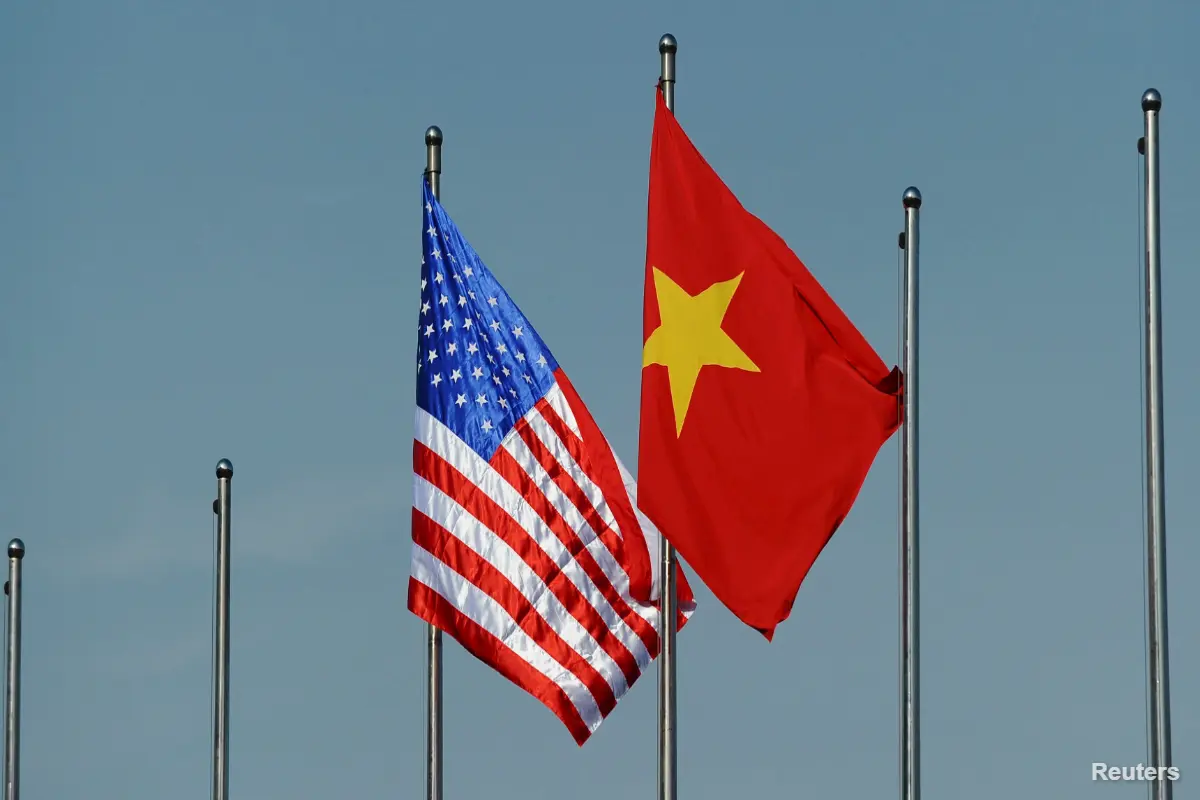
    Vietnam and the United States have reached the final stage of negotiations on a reciprocal trade agreement following high-level talks in New York on Monday morning.

    US Trade Representative Ambassador Jamieson Greer confirmed that bilateral negotiating teams have made significant progress and are very close to reaching a final outcome.

    High-Level Talks in New York

    Vietnam’s Party General Secretary and President To Lam met Greer during his visit to attend the 81st Session of the UN General Assembly, affirming Vietnam’s commitment to advance bilateral ties with President Donald Trump’s administration.

    Lam stated that trade and investment remain a central pillar of bilateral relations. Vietnam has increased its purchases of American goods in recent years to address trade imbalances, generate employment, and support industrial supply chains in both nations.

    Addressing Section 301 and Market Access

    Greer credited Vietnamese officials for actively working toward trade parity. Once concluded and ratified, the reciprocal trade deal will establish enforceable terms covering market access, tariff structures, and bilateral purchasing commitments.

    A critical point on the table remains the status of United States trade inquiries. Lam urged American negotiators to adopt a comprehensive stance on unresolved disputes, particularly trade investigations launched under Section 301 of the United States Trade Act of 1974.

    Supply Chain Realignment Across Southeast Asia

    For consumer brands and contract manufacturers across Southeast Asia, a finalized trade pact provides long-sought policy certainty. Sourcing managers shifted substantial electronics, apparel, and footwear production to Vietnamese industrial hubs over the past decade, creating large bilateral trade surpluses that drew regulatory scrutiny in Washington.

    Securing a reciprocal pact reduces tariff risks for export manufacturers in northern and southern Vietnam. It also creates clearer pathways for United States agricultural, energy, and machinery exporters looking to expand distribution into fast-growing consumer markets in Ho Chi Minh City and Hanoi.

    Next Steps on Agreement Timelines

    The bilateral economic dialogue builds on several years of diplomatic upgrades between Hanoi and Washington. Previous rounds focused on currency practices, timber sourcing reviews, and customs compliance.

    Negotiating teams from both countries are working through the remaining text of the agreement ahead of formal legal scrubbing. The final outcome hinges on settling the scope of the Section 301 trade provisions before leaders present the deal for executive signing.

  • Thailand to Enact New Postal Law by End of This Year

    Thailand to Enact New Postal Law by End of This Year

    The new postal law is expected to be enacted by the end of this year to address regulatory gaps and distortions in the rapidly expanding delivery and logistics market, according to Thailand Post president Dhanant Subhadrabandhu.

    The Digital Economy and Society (DES) Ministry, together with relevant state agencies, is revising the draft Postal Act nearly two years after drafting began to improve the regulatory structure and create an independent central regulator.

    Thailand Post is providing industry information and operational input to support the process, with Deputy Minister Nan Boonthidachai recently instructing officials to finish drafting the revised legislation within this year.

    Independent oversight for private carriers

    The core structural reform centres on establishing a neutral regulatory body to govern private and foreign-backed logistics companies. Thailand Post currently operates under specific state oversight while commercial rivals navigate fragmented rules without equivalent scrutiny. Creating a single regulator aims to align Thailand with standards used across European and Asian markets.

    Commercial carriers will compete under uniform licensing terms, service classifications, and pricing rules. The state postal operator will retain its baseline mandate to deliver universal social postal coverage nationwide, while private courier platforms handle merchant and consumer freight under the new commercial framework.

    Shifting dynamics across express delivery

    Price wars have destabilised Thailand’s parcel delivery ecosystem over recent years as venture-backed and regional express operators discounted shipping fees to secure volume from digital marketplaces. That aggressive discounting eroded transport margins across road freight networks. Establishing an independent watchdog creates a mechanism to penalise below-cost pricing and protect sector sustainability.

    For e-commerce platforms and merchant shippers, structured oversight will likely stabilise freight rates while raising operational compliance costs for discount couriers. Foreign-backed operators that scaled rapidly on lean administrative footprints will face formal licensing conditions, standardised reporting requirements, and clearer service liability rules.

    Two years of regulatory revisions

    Work on the postal legislation began nearly two years ago to replace an outdated legal framework that predated modern online shopping platforms. The amended bill completed public hearings under the previous administration before officials returned the draft for additional inter-agency review.

    Scrutiny during the review focused on three specific areas: the classification of express delivery categories, the composition and statutory powers of the regulatory committee, and the licensing structure for commercial operators. Deputy Minister Nan Boonthidachai instructed drafting officials to resolve those clauses to meet the year-end legislative schedule.

    Final terms before parliamentary review

    Final approval hinges on the working committee settling the formal scope of enforcement powers granted to the central postal regulator. Officials are scheduled to submit the finished draft of the Postal Act to the cabinet before December 2026, setting the stage for formal enactment across Thailand’s logistics market.

  • Singapore Police Seize over 900 Fake Luxury Goods in Scotts Road Raid

    Singapore Police Seize over 900 Fake Luxury Goods in Scotts Road Raid

    Singapore Police Force officers seized more than 900 counterfeit items with an estimated street value exceeding S$180,000 ($141,000) during a raid on Scotts Road last Wednesday.

    Officers targeted two retail units inside a shopping mall, arresting two women, aged 39 and 54, on suspicion of involvement in the sale of trademark-infringing goods.

    Enforcement Action on Scotts Road

    The seized inventory spanned multiple categories, including fake luxury handbags, watches, apparel, footwear, and accessories carrying falsely applied trademarks.

    Under Singapore law, possessing goods with falsely applied trademarks for commercial trade carries a fine of up to S$100,000, a prison term of up to five years, or both. Formal investigations remain underway.

    Prime Real Estate Proximity

    The raid took place near Orchard Road, Singapore’s flagship retail thoroughfare. The district ranked 13th globally among the most expensive shopping streets by annual rental values in Cushman & Wakefield’s Main Streets Across the World 2025 report.

    Commercial developments along Scotts Road include Far East Plaza, Scotts Square, and Shaw Centre. Illicit trade inside high-rent corridors creates reputational challenges for landlords competing for licensed brand tenancies.

    Risks for Brick-and-Mortar Retailers

    Physical storefronts selling counterfeit goods face scrutiny as luxury brands step up monitoring across Southeast Asia. Unauthorized trading once concentrated in gray markets and online channels. Mall distribution now exposes property owners to direct compliance risks.

    Landlords across prime Singapore retail nodes maintain strict tenancy clauses regarding trademark compliance. Operators caught dealing in infringing goods face immediate lease termination alongside criminal liabilities.

    The Next Enforcement Steps

    Investigators from the Singapore Police Force are conducting forensic reviews of the confiscated merchandise to trace supply sources and vendor networks. Prosecutors will determine further charges as the probe into both outlets progresses.

  • Singapore Baby-Care Brand Tollyjoy to Close After 55 Years

    Singapore Baby-Care Brand Tollyjoy to Close After 55 Years

    Singapore baby-care brand Tollyjoy is closing after 55 years, with the company confirming its decision to cease operations was not driven by financial considerations.

    Chief executive Tan Wee Keng said on Monday that the family business decided the time was right to conclude operations after considering how to focus its time and resources going forward, following an initial announcement on September 15 that it was winding down.

    Established in 1971 by Mr Tan’s father, Tollyjoy recorded S$16 million (US$12.5 million) in annual revenue in 2016 and had about 200 employees, according to a 2018 article published by Singapore Management University.

    Inventory Cleared and Shelves Emptied

    Sales have already ceased across retail points in Singapore. Tollyjoy issued its exit announcement on September 15, directing shoppers to partner retailers selling off remaining stock at clearance prices.

    In Malaysia, limited stock remains on shelves while distribution continues until supplies run dry. The group manufactures and sells feeding bottles, accessories, and cleaning products under its core Tollyjoy label and the Little Precious brand.

    Management has not published an exact date for the final operational shutdown. Its immediate focus centers on managing inventory runoff and supporting staff through the winding-down process.

    Demographics and Category Pressure

    A debt-free exit gives Tollyjoy a rare clean break in Southeast Asia’s fast-moving consumer goods sector. Still, market conditions for domestic baby-care brands across Singapore and peninsular Malaysia have tightened over the past decade.

    Plunging birth rates across developed Southeast Asian markets shrink the pool of infant customers each year. At the same time, regional grocery shelves face margin compression from multinational conglomerates and low-cost direct-to-consumer labels imported from China.

    Defending shelf space in supermarkets and department stores now requires heavier marketing spend against shrinking local volumes. Choosing an orderly liquidation over an expensive digital overhaul or a distress sale preserves accumulated family capital before profitability erodes.

    From Workshop to Regional Staple

    Tan Wee Keng’s father founded Tollyjoy in Singapore in 1971. Over five decades, it grew into a household supplier of baby feeding gear, sterilising accessories, and specialized laundry detergents.

    Distribution expanded across department stores, pharmacies, and supermarket chains throughout Southeast Asia. By 2016, the firm maintained regional production and distribution operations handling hundreds of product stock keeping units.

    The company has not disclosed whether it plans to sell the intellectual property behind Tollyjoy and Little Precious or retire the trademarks permanently.

  • Average of 382 Minors Registered as Business Heads in South Korea

    Average of 382 Minors Registered as Business Heads in South Korea

    South Korean corporate registries listed an annual average of 382 minors as company heads between 2021 and 2025. The figure comes from National Health Insurance Service records released on Monday.

    Around 21 of those minor representatives drew annual salaries topping 100 million won ($72,200). That group included at least one child aged five or younger.

    Concentration in property and retail entities

    State health insurance data obtained by lawmaker Moon Jin-seok of the Democratic Party of Korea showed 1,909 total minor registrations over the five-year period. The total reflects workplace enrollments where minors were registered as executive representatives. Individual children may appear across multiple years.

    Older children formed the largest cohort. An average of 151 representatives were aged 11 to 15, while 129 were aged 16 to 18. Another 81 were aged six to 10, and 22 were aged five or younger. Among the 21 minors earning more than 100 million won each year, 12 were aged 11 to 15, six were aged 16 to 18, two were aged six to 10, and one was five or younger.

    Corporate filings reveal the listings sit almost entirely in asset-holding vehicles. Of the 100 highest-earning minors examined across the five years, 95 ran businesses in real estate, leasing and commercial services. Four operated in wholesale, retail and consumer repair. One ran a manufacturing business.

    Capital region dominates executive listings

    Seoul accounted for the vast majority of registrations, averaging 237 minor heads per year. Surrounding Gyeonggi Province logged 69. Incheon recorded 23, and the southern port city of Busan registered 19.

    These figures point to family-owned holding structures in metropolitan property markets rather than operating businesses run by young founders. Wealthy families in South Korea routinely establish corporate entities to hold commercial properties, retail shopfronts and land parcels to manage inheritance and gift tax exposure.

    Scrutiny over family income transfers

    Such practices complicate oversight for tax authorities and corporate regulators tracking intergenerational wealth transfers. Appointing non-working minor children as corporate representatives lets family offices distribute operational cash flow, salaries and corporate dividends across multiple tax brackets.

    Regulators across East Asia are checking whether nominal company heads perform actual management functions. For retail landlords and commercial property developers, dealing with entities fronted by underage representatives creates friction during contract execution, lease renewals and legal compliance filings.

    Calls for joint tax investigations

    Moon called on the National Tax Service and the NHIS to launch joint investigations into the practice. The inquiry would determine whether family-run corporations use representative registrations to disguise taxable gifts and shift parent earnings to children.

    Commercial law does not bar minors from holding corporate representative titles. Even so, tax regulators are weighing audits to test whether salaries paid to underage executives match bona fide operational duties.

  • Anthropic Leases First Stage of $10.4 Billion Queensland Data Centre

    Anthropic Leases First Stage of $10.4 Billion Queensland Data Centre

    Artificial intelligence laboratory Anthropic has agreed to lease the first stage of a A$14.5 billion ($10.4 billion) data centre campus in Queensland proposed by Singapore-based Zerra DC, marking the US company’s first major commitment in Australia.

    Queensland state premier David Crisafulli announced the agreement on Wednesday in parliament, indicating that San Francisco-based Anthropic will invest in the 1.44-gigawatt Western Downs Digital Park located roughly 250 kilometres northwest of Brisbane.

    Consortium structure and power design

    Development filings detail four 360-megawatt facilities built across a 726-hectare site near Dalby over a four- to six-year delivery timetable. The campus sits within an energy corridor hosting 5.4 gigawatts of installed generation, linking directly to the Braemar transmission substation with on-site battery storage to smooth load swings.

    Ownership runs through a joint venture between Macquarie Capital and Zerra DC, the data centre vehicle of Singapore group AGP Sustainable Real Assets. Australian property giant Dexus holds exposure via its 85 per cent stake in Australian Data Centres, which owns a 25 per cent interest in the development entity.

    Anthropic will direct the Queensland compute capacity toward live inference processing for its Claude platform rather than foundation model training. The operator had previously evaluated up to 5 gigawatts of capacity across New South Wales before committing to the Queensland campus.

    Shifting regional capacity and power competition

    For cloud and enterprise operators across the Asia-Pacific region, the Dalby commitment confirms that mega-scale computing demand is migrating away from congested primary metro hubs. Real estate availability and electrical grid capacity in Sydney and Melbourne face severe constraints, pushing wholesale occupiers into regional utility corridors where transmission lines already exist.

    The scale of the project alters capital allocation for digital infrastructure investors across Australia. Total domestic data centre pipeline capacity stands at 16.2 gigawatts across projects worth A$155 billion, but physical grid connection timelines remain the decisive bottleneck for operators seeking to deliver operational halls before 2028.

    Regulatory friction across state and federal policy

    Resource competition is already forcing metropolitan authorities to slow down approvals. While Goodman Group secured clearance for a 135-megawatt asset in Sydney’s Macquarie Park, local councils halted a planned 90-megawatt build in Lane Cove West over municipal water consumption.

    Federal and state policy approaches are also diverging. Canberra outlined rules taking effect in early 2027 that require commercial operators to underwrite dedicated new clean power generation and pay network reinforcement costs. Queensland state ministers, however, have opted to process regional approvals independently to capture private capital investment without mandating exclusive new renewable builds.

    Prior commitments and next milestones

    The lease follows a preliminary memorandum of understanding signed between Anthropic and the Australian federal government in April covering safety frameworks and local technology adoption. Dexus separately initiated a formal capital raising process for its Australian Data Centres subsidiary to bring outside institutional equity into the delivery vehicle.

    Execution of the project now rests on two formal clearances: a development permit from the Western Downs Regional Council and foreign investment approval from the Foreign Investment Review Board. Long-term master plans allow the consortium to expand the campus to six buildings totaling 2.16 gigawatts, which would raise total private investment to A$31.9 billion.

  • PepsiCo Appoints Johnson & Johnson CEO Joaquin Duato to Board

    PepsiCo Appoints Johnson & Johnson CEO Joaquin Duato to Board

    PepsiCo has appointed Johnson & Johnson chairman and CEO Joaquin Duato to its board of directors and as an independent member of its audit committee, effective in December.

    Duato has spent more than three decades at Johnson & Johnson, stepping into the role of chief executive in 2022 before adding the chairmanship in 2023.

    Director Compensation and Audit Role

    Under PepsiCo’s non-employee director compensation program, Duato receives an initial grant of 1,000 shares of common stock upon taking his seat. The company will also award him a prorated annual equity package in phantom stock units valued at $166,667, calculated by dividing that sum by the stock’s closing price on December 1, 2026.

    Each phantom unit represents the economic equivalent of one share of common stock. Duato will also receive cash compensation for his board service, starting with a semi-annual retainer payment of $60,000 scheduled for distribution in June 2027.

    Three Decades of Operational Leadership

    Duato, 64, has spent his career navigating large-scale distribution, consumer health manufacturing and international supply chains. He joined Johnson & Johnson in 1989 and held multiple executive posts before taking the chief executive role in 2022 and adding the chairmanship in 2023.

    His previous responsibilities included serving as vice chairman of the executive committee and worldwide chairman of pharmaceuticals. Across those roles, Duato directed commercial portfolios that spanned consumer health, medical technologies and enterprise software deployment.

    Governance Focus for Packaged Goods

    Consumer goods manufacturers face tighter scrutiny over ingredient sourcing, functional nutrition claims and international compliance standards. Adding seasoned pharmaceutical leadership gives PepsiCo direct access to enterprise-level regulatory risk management as packaged food lines shift toward health-focused formulations.

    RetailNews Asia views the addition of dual-sector executive experience as a defensive step for consumer packaged goods boards. Large food companies are managing stricter packaging directives and retail price pushback across emerging markets, where audit committees must balance heavy capital spending on distribution networks against operating margin targets.

    Timeline and Next Steps

    The regulatory filing under Item 5.02 formalizes board appointments without requiring a shareholder vote prior to the standard annual meeting cycle. Duato joins a board overseeing global operations that generated tens of billions of dollars across beverage bottling and convenience food segments.

    His formal committee duties begin on December 1, 2026, with the initial cash retainer distribution following at the close of the second quarter in June 2027.

  • Pentagon Blacklist of Nearly 200 Chinese Companies Threatens Trump and Xi Talks

    Pentagon Blacklist of Nearly 200 Chinese Companies Threatens Trump and Xi Talks

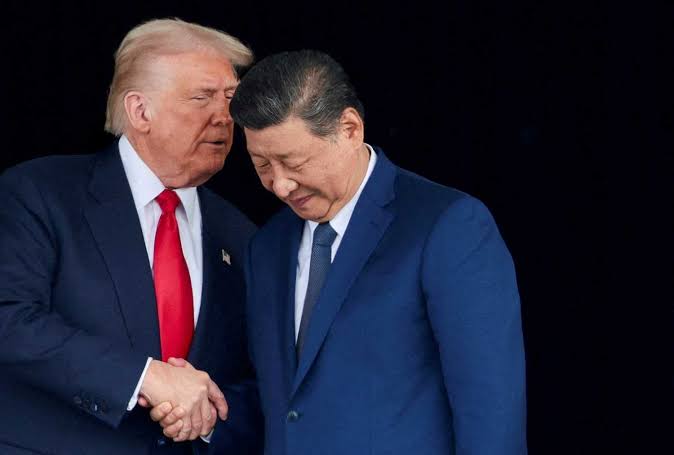
    President Donald Trump and Chinese counterpart Xi Jinping will address the Pentagon’s 1260H blacklist this week after the roster expanded to nearly 200 Chinese corporate champions.

    The register now includes e-commerce group Alibaba, search provider Baidu, and electric vehicle maker BYD, creating friction across consumer technology and automotive supply chains.

    Mandated by the US Congress, the 1260H designation penalizes companies accused of assisting the Chinese military. The listing restricts designated firms from securing US government contracts and cuts off access to Washington lobbying firms under rules that took effect on June 30. Companies on the list face heightened scrutiny from international supply chain partners, institutional shareholders, and trade compliance desks.

    Court Challenges and Boardroom Pushback

    Corporate targets are fighting the designations in federal court rather than waiting for diplomatic resolutions. Alibaba, autonomous driving sensor producer Hesai Group, biotechnology contractor WuXi AppTec, and drone maker DJI have secured interim procedural victories in US district courts over evidentiary standards used by defense officials. The legal wins provide temporary relief, though federal judges traditionally defer to executive discretion on national defense matters.

    Beijing retaliated following the June blacklist updates by enforcing export curbs and procurement reviews against selected American suppliers. Chinese trade officials are now including executives from designated companies, including battery giant Contemporary Amperex Technology and optical transceiver manufacturer Zhongji Innolight, in summit delegations to force direct negotiations.

    Supply Chain Exposure Across Asia

    For consumer tech and automotive operators across the Asia-Pacific region, the expansion of 1260H creates direct commercial risk. Suppliers integrating components from BYD or Hesai must navigate secondary compliance questions when selling assembled goods into North American distribution networks. Cloud software developers utilizing AI tools from Alibaba or Baidu face parallel questions regarding data provenance, as Washington claims Chinese platforms extracted training data from US labs.

    Asian retail and hardware brands cannot treat 1260H as a symbolic naming list. Institutional investors often mirror federal defense rosters in their internal risk matrices, constraining equity valuations and raising borrowing costs across Hong Kong and mainland bourses. The practical consequence is a sharp division in enterprise software and mobility hardware: vendors must either ring-fence their Western operations or absorb complete exclusion from public sector contracts.

    I would not be surprised if Beijing raises 1260H around the summit, particularly because several prominent Chinese companies now on the list are also being discussed as part of Xi’s business delegation.

    Legislative Escalation in Washington

    The latest dispute follows a nine-year diplomatic gap that paused when Trump visited Beijing in May. The Pentagon updated the blacklist weeks after that meeting, prompting the China Daily newspaper to publish a June 14 editorial arguing the enforcement contradicted efforts to stabilize bilateral commerce. Treasury Secretary Scott Bessent attempted to calm tensions on Sunday in New York during trade talks with Vice Premier He Lifeng, establishing a bilateral artificial intelligence working group.

    Capitol Hill is pushing in the opposite direction, with lawmakers introducing 64 separate bills referencing 1260H since last year. Proposals under review in the draft National Defense Authorization Act would widen the designation criteria to target any enterprise where the Chinese state holds even a single publicly traded share.

  • Toyota Plans 400,000 Range Extender Vehicles Annually in China by 2028

    Toyota Plans 400,000 Range Extender Vehicles Annually in China by 2028

    Toyota plans to produce 400,000 range-extender electric vehicles annually in China by 2028. The program pushes the carmaker into a powertrain segment long dominated by domestic brands.

    Initial manufacturing starts in April 2027 at a rate of several hundred vehicles a month. Output will climb to an annualised volume of 200,000 units by December 2027. This project is the Japanese carmaker’s first range-extended electric vehicle (REEV). The setup pairs an electric motor and battery pack with a small petrol generator that recharges the cell rather than driving the wheels.

    How the Powertrain Operates

    The system relies entirely on electric drive for the axles. During long trips, the onboard combustion engine fires up once battery charge drops below a set threshold. It runs strictly to generate electricity. That setup removes range anxiety along rural routes where fast chargers remain scarce.

    Chinese consumer demand for extended-range vehicles has surged over the past two years. Buyers in second-tier and third-tier cities frequently choose REEVs. The format combines daily battery-only urban commuting with fuel-station flexibility on highways.

    Chasing Domestic Specialists

    Toyota is stepping onto territory carved out by Li Auto, which built its brand around extended-range luxury SUVs. Other Chinese manufacturers followed quickly. Seres-backed Aito, Leapmotor, Xpeng and Xiaomi’s SkyNomad sub-brand all rolled out range-extender platforms to maintain sales.

    Foreign legacy automakers have struggled to match the pace of Chinese rollouts. Volkswagen introduced a China-exclusive range-extender model earlier this year. Li Auto publicly mocked the German brand for its late entry. Offering extended-range powertrains has become critical for foreign joint ventures trying to stem market-share losses against local rivals that undercut them on price and interior digital tech.

    Tightening Regulatory Oversight

    Regulators in China are tightening scrutiny across the segment. In June 2026, government authorities introduced stricter technical requirements and standard testing protocols. These rules specifically target range-extender fuel consumption and emissions once the traction battery is depleted.

    Automakers entering the segment must meet higher energy-conversion efficiency targets to qualify for local green-vehicle incentives. Toyota engineers must now design a generator package that satisfies those consumption rules. It must also preserve enough cabin space to compete with software-heavy Chinese rivals.

    Building on Joint Venture Electrification

    Earlier electrification efforts by Toyota in China began cautiously with the global bZ4X electric SUV in 2022. Partnerships with local manufacturers followed to develop market-specific vehicles. The carmaker released the bZ3 electric saloon with BYD and FAW, followed in 2025 by the bZ3X with GAC and the bZ5 SUV coupé with BYD and FAW.

    Lineup expansion continued in early 2026 with the GAC-built bZ7 electric saloon. The 2027 range-extender model adds a separate propulsion option to that joint-venture portfolio as factories prepare to hit the 400,000-unit target by 2028.

  • Uniqlo Rolls Out Life Wear Week in Singapore for Fall/Winter 2026

    Uniqlo Rolls Out Life Wear Week in Singapore for Fall/Winter 2026

    Uniqlo rolled out Life Wear Week across its Singapore stores in September 2026, tying local promotions to its global Fall/Winter launch. The campaign spanned the island. It featured in-store installations, consumer styling sessions, and tiered gift-with-purchase incentives for apparel shoppers.

    Activations supported the retailer’s ‘Modern City Feelings’ theme, aimed at urban shoppers tracking digital fashion trends. The Japanese chain built the campaign around social media’s role in spreading local city styles across borders.

    Localizing global seasonal campaigns

    Paulene Ong, marketing director of Uniqlo Singapore, led the islandwide drive. The rollout paired physical floor displays with local wardrobe advice. That helped pull shoppers into stores during the seasonal changeover.

    Apparel retailers in Southeast Asia face a clear challenge with autumn and winter lines. Tropical climates do not require heavy cold-weather coats for daily wear. To counter this, Uniqlo focused its Singapore displays on lightweight layering, versatile city travel pieces, and functional innerwear for local commuters and regional travellers.

    The shifting mechanics of city retail

    This push reflects a wider operational shift across Southeast Asian hubs. Rather than relying solely on standard regional distribution, global fast-retailing brands now use experiential marketing, tailored visual merchandising, and timed gifts to lift basket sizes.

    Competitors across Singapore and Malaysia have also expanded experiential floor space to protect margins against online pure-plays. For mall landlords, interactive setups like styling sessions boost repeat visits and keep shoppers in flagship stores longer.

    What to watch across the network

    Parent company Fast Retailing continues to expand Uniqlo’s Southeast Asian footprint. It uses gateway markets like Singapore to test consumer response to global collection themes before widening regional promotions. Core LifeWear lines remain crucial to keeping up sales momentum across the regional fleet.

    Attention now shifts to sell-through rates for the Fall/Winter 2026 assortment across Southeast Asia as year-end travel demand builds toward the fourth quarter.

  • Bitcoin Climbs Past $87,000 as Crypto Short Liquidations Top $878 Million

    Bitcoin Climbs Past $87,000 as Crypto Short Liquidations Top $878 Million

    Bitcoin rallied 7.7 per cent to touch US$87,354 in New York trading on Sept 21, lifted by positive exchange-traded fund flows and an equity advance.

    The move lifted total cryptocurrency market capitalisation to US$2.8 trillion, its highest level since late January 2026.

    Bearish traders absorbed the brunt of the swing as digital asset liquidations crossed US$1 billion over a 24-hour window, according to data from Coinglass. Short positions accounted for roughly US$878 million of that total, forcing forced buy-backs across derivatives exchanges.

    Rival tokens followed the lead. Dogecoin gained up to 14 per cent, XRP climbed 8 per cent, and Ether rose 4.3 per cent to reach US$2,747. Listed digital asset shares also advanced, with Coinbase Global climbing 3.5 per cent, Circle Internet Group rising 3 per cent, and Strategy jumping 9.5 per cent.

    Derivatives Markets Lean Toward Upside Calls

    Options positions on the Deribit platform showed a sharp rotation toward upside wagers. Traders held more than 272,000 call contracts compared with roughly 154,000 put contracts, signaling strong demand for upside exposure.

    People are repositioning from downside protection to wanting to capture the upside.

    Institutional participation through spot exchange-traded funds provided the baseline liquidity needed to clear derivative resistance levels. The shift forced short sellers to unwind use accumulated during the prior week’s market slump.

    Macro Hurdles Temper Retail Participation

    Capital allocators in Asian trading hubs face a different risk backdrop than during previous speculative peaks. While institutional desks can use regulated funds to trade volatility, retail engagement across regional exchanges remains subdued.

    Competition from artificial intelligence equities has diverted speculative capital that once flowed directly into alternative tokens. With Brent crude trading above US$100 a barrel and US Treasury yields lingering at elevated levels, fund managers are treating crypto gains as tactical liquidity rallies rather than secular bull cycles.

    Legislative Gridlock and Regulatory Approvals

    The rebound unfolded after the market digested two policy setbacks: the failure of the Clarity Act in the US Senate and the Federal Reserve’s first benchmark interest-rate increase in more than three years.

    Relief came on Sept 17 when the Securities and Exchange Commission approved digital versions of securities to trade on domestic platforms. That approval offset legislative disappointment and restored institutional confidence in market structure continuity.

    Bitcoin had previously climbed to a 2026 high above US$97,000 in mid-January before sliding into a multi-month consolidation pattern that left it roughly a third below its October 2025 record.

    Policy Signals to Dictate Price Stability

    Momentum now hinges on whether cash inflows can withstand hawkish guidance from upcoming Federal Reserve speaker appearances throughout the week.

    Trading desks are watching the US$88,000 resistance level to determine if ETF inflows can sustain buying volume without triggering a fresh wave of profit-taking.

  • Thai Cabinet to Consider Thai Chuay Thai Plus Scheme Extension on Tuesday

    Thai Cabinet to Consider Thai Chuay Thai Plus Scheme Extension on Tuesday

    Thailand’s cabinet is set to consider extending the “Thai Chuay Thai Plus” co-payment scheme on Tuesday, with local wholesalers and retailers backing the continuation.

    Ekkapong Chokchaiwit, president of the Krabi Chamber of Commerce and chief executive of MAI-listed Mother Marketing, supports the extension as a relief package to address economic difficulties and cautious consumer spending.

    Wholesale Networks Feel the Pinch

    Milin Veraratanajor, chairman of Tang Ngee Soon Superstore, one of the largest traditional wholesale chains in Udon Thani province, said extending the scheme is necessary, calling it a “painkiller” during tough economic times.

    Customer traffic remains defensive. Rather than generating fresh volume growth, the subsidy has primarily functioned as a floor under retail sales, preventing deeper turnover contractions across consumer goods categories.

    Veraratanajor also highlighted external headwinds, pointing to volatile global energy costs and shipping disruptions around the Strait of Hormuz and the Bab el-Mandeb strait. Escalating geopolitical friction could squeeze distributor margins further without clear state intervention.

    Downstream Lift for Listed Grocers

    In southern Thailand, Krabi Chamber of Commerce president Ekkapong Chokchaiwitt echoed the call for uninterrupted state co-payments. The measure provides direct cash relief to households struggling with elevated power and fuel bills.

    Ekkapong serves as chief executive of MAI-listed Mother Marketing, which operates the Mother Supermarket chain in southern provinces. Although Mother Supermarket cannot participate directly in the subsidy as a corporate chain, the business captures downstream trade when independent grocers stock inventory in bulk.

    “Without the Thai Chuay Thai Plus scheme, I believe businesses would be in a worse situation,” Mr Ekkapong said.

    Spending Cycles and Tourism Rebound

    Consumer redemption patterns under the current framework show clear timing clusters. Shoppers exhaust the bulk of their co-payment allowances during the opening days of each month, leaving transaction counts subdued in the final fortnight.

    A renewal of the program would smooth out those intra-month dips for small food outlets and neighborhood grocers. The direct subsidy keeps liquidity cycling through local supply chains rather than pooling in modern trade hypermarkets.

    Commercial sentiment in southern resort markets shows early signs of stabilization ahead of the peak travel period. Forward hotel bookings across Krabi province are climbing into the fourth quarter, offering hospitality and food-service suppliers a firmer baseline.

    Next Policy Review on Tuesday

    Cabinet ministers will assess whether to prolong the Thai Chuay Thai Plus funding allocation during their scheduled Tuesday session. Retailers across both urban centers and provincial hubs are waiting for the final budget limits and duration terms.

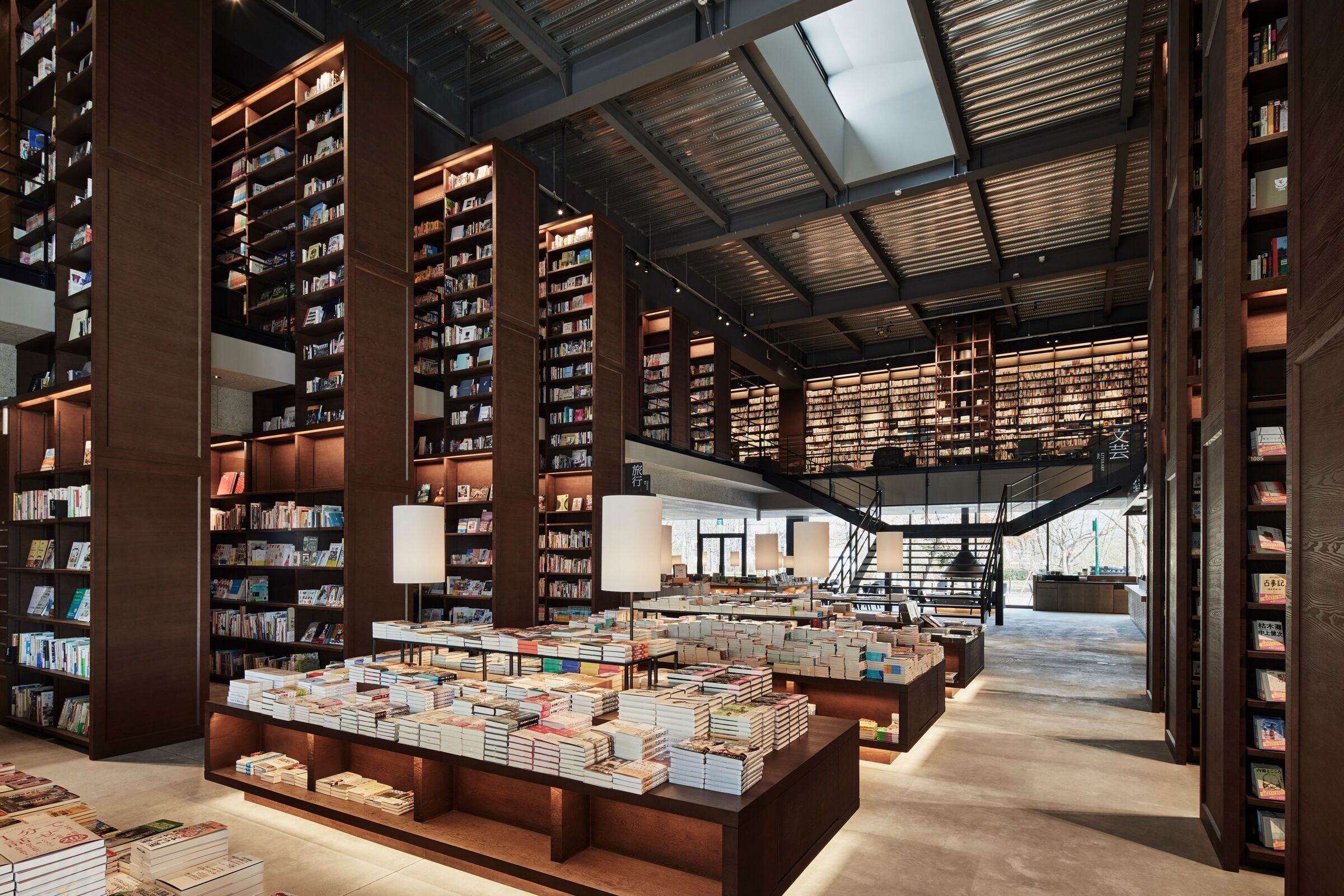
  • Tsutaya to Open First Thailand Store in Bangkok in October

    Tsutaya to Open First Thailand Store in Bangkok in October

    Culture Convenience Club, operator of Japanese bookstore chain Tsutaya, will open its first store in Bangkok in October.

    The Tokyo-based company is expanding across Southeast Asia as interest in Japanese content such as anime and manga continues to rise.

    The Lifestyle Retail Formula

    The operator is building its Asian strategy around a mix of bookshelves, restaurants, and community spaces.

    Selling physical books alone carries thin margins in high-rent metropolitan malls. Integrating dining, curated lifestyle products, and fandom merchandise gives the operator higher basket values and longer dwell times per visitor.

    Competitive Terrain in Bangkok

    Bangkok already hosts established Japanese retail operators, including Kinokuniya and specialized character-goods shops. Tsutaya enters the market by pitching a broader lifestyle proposition rather than running as a pure bookseller.

    For mall landlords, experiential book concepts act as steady foot-traffic anchors. The operational challenge lies in maintaining novelty once the initial opening buzz fades, particularly among younger shoppers who consume digital media rather than physical publications.

    Regional Expansion Drive

    Culture Convenience Club has steadily widened its overseas footprint, adding locations in Taiwan, China, and Malaysia. The Thai launch extends that Asian network into one of the region’s most active consumer retail hubs.

    The Bangkok branch opens its doors in October, with the operator monitoring initial store traffic before committing to further sites across the country.

  • Nearly Six in 10 Australian Shoppers No Longer Buy at Full Price

    Nearly Six in 10 Australian Shoppers No Longer Buy at Full Price

    Nearly six in 10 Australian shoppers no longer buy goods at full price, according to a KPMG report released in September 2026. The retail sector is being forced to adapt as consumers learn to wait out price cycles rather than simply weather a cost-of-living downturn.

    This shift has turned sale events into planned buying exercises rather than spontaneous sprees. Rachael Hockaday, managing director of retail performance agency Haeday, told Inside Retail that consumers are increasingly planning ahead.

    Shifting Consumer Timelines

    Consumer price discipline has eroded standard trading periods across the sector. Hockaday said shoppers now arrive at major sales events with a clear idea of what they want and the specific price they are willing to pay.

    “Sales become the time to buy, often with planning in between so they’re prepared,” Hockaday said.

    Margin Pressure Across Supply Chains

    Waiting penalises inventory holders who stock seasonal merchandise. Holding stock past scheduled markdown cycles inflates warehousing costs. It also forces deeper clearance discounts later in the product lifecycle.

    Suppliers and brand owners see their wholesale margins squeezed. Retail buyers demand larger vendor allowances and promotional funding to protect their gross margin targets when baseline shelf prices drop.

    Operational Risks for Landlords and Brands

    Lease structures built on turnover rent clauses face direct exposure to these tighter margins. Volume now concentrates heavily in discounted periods. Top-line revenue may hold, but net merchant profitability shrinks.

    Lower-cost international direct-to-consumer platforms gain an edge over domestic multi-brand stockists under these conditions. Domestic retailers carry heavy store fleet costs. They must compete directly with offshore digital operators running agile, on-demand supply chains.

    Discount Cycles Ahead

    Persistent cost-of-living pressures across major cities have entrenched this cautious buying behaviour. Consumers who adopted promotional tracking tools out of necessity have retained those habits as standard routines.

    Retail operators head into the final calendar quarter with inventory adjusted for heavy discounting. Upcoming peak sales in apparel, footwear, and consumer electronics will test whether full-price trading can recover in the next financial year.