Blog

  • Krungsri Targets 350 Billion Baht in Sustainable Finance as SME Transition Accelerates

    Krungsri Targets 350 Billion Baht in Sustainable Finance as SME Transition Accelerates

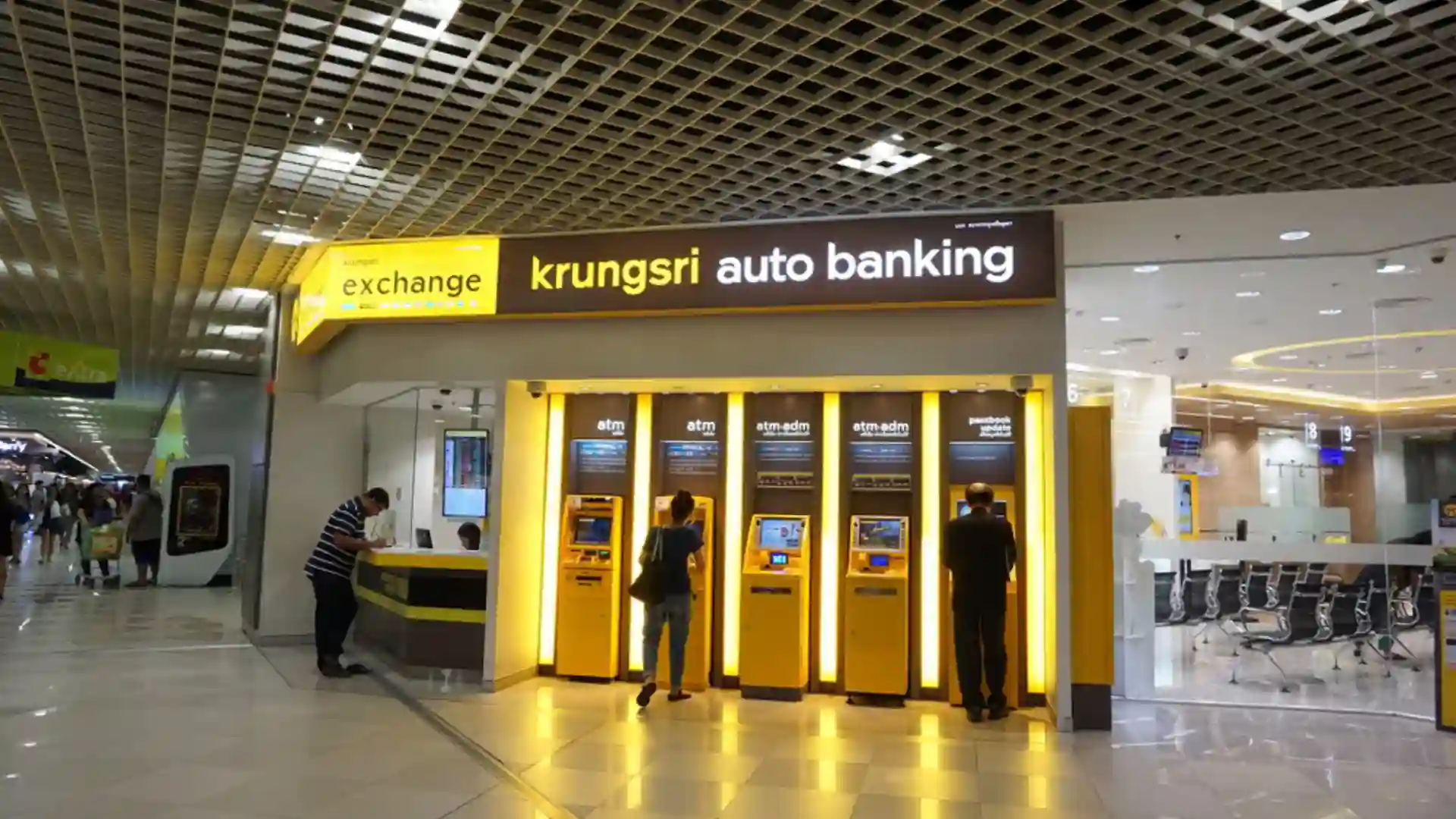
    Bank of Ayudhya completed the latest cycle of its business transition programme in Bangkok on Sept 16. The lender committed 350 billion baht in sustainable financing through 2030.

    Operating as Krungsri, Thailand’s fifth-largest commercial bank by assets evaluated transition roadmaps from local suppliers. It awarded five mid-sized companies for practical decarbonisation and circular economy projects.

    Held at The Okura Prestige Bangkok, the Krungsri ESG Minute of Changes gathered corporate participants from the bank’s training academy and awards programme. Krungsri runs the scheme to push commercial borrowers past broad net-zero pledges. The programme focuses on operational carbon cuts, waste conversion, and verified supply chain upgrades.

    Transition Roadmaps for Supply Chains

    Five commercial enterprises earned top honours after the bank evaluated plans to cut emissions and recover daily operational waste. The winners spanned food processing, retail property, agriculture, healthcare, and industrial recycling.

    In retail and commercial property, market operator Supavee Tumwattana Co restructured waste management across Yingcharoen Market. The business separated food waste, coffee grounds, orange peels, and used cooking oil into raw materials for commercial repurposing. That cut haulage volumes and municipal disposal costs.

    Industrial materials maker Mailaivijit Co developed ReFoam, a composite product manufactured directly from sawdust and discarded foam scraps. In food processing, S. Ruamthai Co redirected seafood byproducts into new product lines. The shift captured secondary revenue streams and eliminated disposal overheads.

    Agricultural supplier Thai Quality Starch Co built an integrated procurement system and distributed disease-free cassava planting stock to protect raw supply against crop loss. Meanwhile, Panapan Healthcare Co deployed commercial solar arrays. The installations cut grid power consumption and lowered operational emissions.

    Cross-Sector Scrutiny and Evaluation

    Shortlisted companies submitted transition strategies to a live pitching session before a multi-sector panel. The review board examined implementation viability, commercial competitiveness, policy alignment, and measurable environmental impact.

    Panel representatives came from the Federation of Thai Industries, the Thai Chamber of Commerce and Board of Trade of Thailand, Social Enterprise Thailand, the Department of Business Development, the Thailand Greenhouse Gas Management Organisation, the Office of SMEs Promotion (OSMEP), and Thammasat University.

    Technical training relied on corporate and advisory partners, including the Stock Exchange of Thailand, KPMG Thailand, the Board of Investment, Onnex by SCG, Schneider Electric, and Alto Tech. These specialists supplied data tools, energy management frameworks, and compliance audits. The tools helped participants structure viable capital expenditure plans.

    Krungsri President and Chief Executive Kenichi Yamato said: “Advancing sustainability is not simply about setting ESG targets. It is about turning transition plans into action and delivering tangible results, which requires collaboration across sectors.”

    Credit Allocation and Transition Risks

    Thai commercial lenders are shifting their approach from broad sustainability pledges toward rigorous project-level verification. For years, financial institutions across Southeast Asia marketed green credit facilities that mid-sized operators struggled to tap. Rigid reporting rules and vague return profiles blocked access.

    By integrating technical consultants and trade federations into the vetting process, the bank pre-qualifies suppliers for dedicated loan tranches. Kasikornbank and Siam Commercial Bank run similar programmes. Both rivals have rolled out tailored decarbonisation loans for exporters facing strict overseas supply chain audits.

    Execution remains the primary commercial risk for smaller suppliers. Rising capital expenditure on solar arrays, waste-sorting machinery, and certified agricultural stock must deliver clear margin gains. Trade volatility, raw material inflation, and changing European import rules continue to squeeze operating cash flows.

    For manufacturers, failure to decarbonise risks outright exclusion from multinational supply contracts. For lenders, unsecured transition lending requires close technical monitoring. Capital spending must translate into verified carbon cuts rather than balance-sheet stress.

    The Path to 2030 Targets

    Since 2023, Krungsri has run its sustainability academy and awards format annually. Over the past three years, the platform expanded from classroom instruction into an operational incubator for commercial and industrial banking clients.

    This initiative forms a core part of the bank’s domestic systemic banking mandate in Thailand. As the country works toward its 2050 Net Zero target, heavy industries, transport networks, and commercial supply chains face tighter regulatory demands to document emissions cuts.

    Borrowers will now deploy the awarded transition blueprints as the lender works toward its 350 billion baht sustainable finance target for 2030.


  • Fashion Brands Influence 30 Percent of Global Farmland, Oxford Study Finds

    Fashion Brands Influence 30 Percent of Global Farmland, Oxford Study Finds

    Global fashion brands hold purchasing influence across 1.45 billion hectares of agricultural land, representing 30.15 percent of the world’s farmland, according to a joint study by the University of Oxford and Dirt Charity.

    Livestock grazing for leather and wool accounts for almost 97 percent of that total footprint, linking apparel buyers directly to commercial livestock farming networks worldwide ahead of European Union due diligence enforcement starting Sept. 27.

    Researchers at Oxford’s Smith School of Enterprise and the Environment and Dirt Charity analyzed five natural fiber categories to measure the full territory shaped by textile demand. Leather production ties into 876 million hectares of grazing land, while wool involves 528.4 million hectares. Cotton farming occupies 34.7 million hectares, linen and hemp cover 5.9 million hectares, and silk accounts for 2.3 million hectares.

    Allocating Land Across Shared Commodity Chains

    The calculation counts the entire agricultural area involved in growing crops or grazing animals rather than isolating the textile portion alone. Cotton lint makes up roughly 40 percent of harvested seed cotton, with the rest processed into cottonseed oil and animal feed, yet farm-level chemical inputs and soil practices apply to the entire crop. Because livestock systems serve meat, dairy, and leather markets simultaneously, the researchers treated the whole grazing area as subject to brand procurement requirements.

    Industrial leather processing reached more than 2.9 billion square meters globally in 2024. Footwear, apparel, and leather goods consumed 1.2 billion square meters of that output, while automotive interiors and furniture manufacturers bought the remaining volume.

    “We are not measuring blame. We are measuring power, and it turns out fashion has far more of it than anyone has been telling us.”

    Supply Chain Gaps Across Asian Sourcing Hubs

    For Asian garment hubs and raw material producers, the findings place commercial responsibility squarely on brand purchasing offices. Sourcing directors across Europe and North America often treat raw material agriculture as an unmanageable Tier-4 liability, leaving farm-level investments to local growers in India, China, and Pakistan. That separation is ending as buyers face mandatory supply chain due diligence rules in their home retail markets.

    Asian yarn spinners and fabric mills now face conflicting pressures from Western clients. Buyers demand verified low-impact cultivation methods such as organic or regenerative farming, but rarely offer long-term price premiums or multi-year purchasing volume guarantees. Without committed off-take contracts, smallholders across South Asian cotton belts bear the entire capital risk of switching soil management practices.

    Carbon Variations Outweigh Material Selection

    Production methods create wider environmental gaps within the same fiber category than the switch between alternative materials, the report found. Life cycle reviews cited in the study showed leather emissions ranging from 8.5 kilograms to 151.9 kilograms of carbon dioxide equivalent per square meter. Viscose emissions spanned 0.20 to 8.30 metric tons of carbon dioxide equivalent per metric ton of fiber, governed by feedstock origin and local electricity grids.

    Agricultural trials cited in the research show operational benefits from alternative soil methods. Long-term cotton trials running over 12 years in India demonstrated stronger soil microbial activity under biodynamic management systems. A five-year project at Egypt’s Sekem initiative cut chemical pesticide use to below 10 percent of previous levels, lifted cotton yields by almost 30 percent, and reduced soil salinity by 18 percent.

    European Compliance Deadlines Press Brand Filings

    The Oxford assessment builds on earlier NGO audits of fashion supply chains, which identified persistent traceability blind spots between Tier-1 assembly plants and upstream agricultural holdings. European retailers are now scrambling to document farm-level provenance as the European Union begins enforcement of its Empowering Consumers for the Green Transition Directive on Sept. 27.

    Dirt Charity and Biodynamic Federation Demeter International are finalizing the Demeter Textile Standard, a commercial framework covering 11 raw material categories across agricultural production, processing, and garment compostability. Apparel groups face mounting scrutiny to verify farm-level environmental claims before the next round of statutory sustainability disclosures opens in 2027.

  • Bangladesh Taka Strengthens Against US Dollar After 5.5 Years

    Bangladesh Taka Strengthens Against US Dollar After 5.5 Years

    The Bangladeshi taka has strengthened against the US dollar, ending a continuous depreciation trend spanning five and a half years, according to a report from Bangladesh Bank.

    Between August 30 and September 17 this year, the local currency appreciated by 0.77 percent against the greenback as the dollar rate dropped from a record high of Tk 123.95 to Tk 123.00.

    On a point-to-point basis from June last year to June this year, the taka gained 0.06 percent, reversing an unbroken slide from 2021 that had devalued the currency by 45.05 percent.

    Reversing a Five-Year Downward Spiral

    Dhaka saw its first sustained currency recovery since late 2020. That year, lower pandemic import bills and solid remittances allowed the taka to firm slightly to Tk 84.80.

    Import pressures resumed in 2021, pushing the dollar to Tk 85.80 by year-end. Post-pandemic commodity shocks and the war in Ukraine accelerated the slide in 2022, lifting the dollar rate 23.37 percent to Tk 105.85. The taka fell further to Tk 110.00 in 2023, Tk 120.00 in 2024, and Tk 122.33 by December 2025.

    Over the five-year span, the greenback climbed by Tk 38.20. That loss squeezed corporate margins across manufacturing hubs. It also inflated domestic retail prices on consumer staples.

    Divergence from Regional Currencies

    Trends across South and East Asia diverged from Bangladesh during the same period. Between June 2025 and June 2026, the South Korean won dropped around 11 percent against the greenback. The Sri Lankan rupee shed more than 10 percent.

    India’s rupee weakened by nearly 9.5 percent over the 12-month period, while the Indonesian rupiah lost about 9 percent. Modest gains appeared elsewhere. Both the Malaysian ringgit and Chinese yuan gained nearly 4 percent, and the Pakistani rupee firmed by about 2 percent.

    These divergent currency paths reshape cross-border sourcing costs for regional retailers and consumer goods manufacturers. Retailers buying finished goods and packaged foods from India face lower dollar procurement costs. Meanwhile, Bangladeshi factories buying dollar-denominated raw materials gain immediate relief on input invoices.

    Relief for Importers and Retail Supply Chains

    Lower landed import bills directly benefit buyers of refined fuel, edible oils, industrial chemicals, and wheat. Importers spent the past three years absorbing double-digit depreciation that pushed landed costs to records.

    Steady foreign exchange pricing removes the immediate need for emergency shelf-price increases at retail. Lower import costs ease pressure on household purchasing power. That buying power had contracted under cumulative double-digit retail inflation.

    Local-currency balance sheet losses will narrow for domestic conglomerates holding dollar-denominated commercial debt. Servicing foreign loans grew far more expensive as the dollar climbed from Tk 85 to nearly Tk 124 over five years.

    Trade Balance and Reserve Targets Ahead

    Maintaining currency stability now rests on managing import demand and keeping remittances flowing through official channels. Bangladesh Bank has relied on targeted dollar purchases to rebuild gross reserves. It avoided defending fixed pegs through emergency dollar sales.

    Corporate treasurers and retail supply directors are tracking import volumes heading into the final quarter. Any surge in capital goods orders or energy demand will test the central bank’s ability to hold the exchange rate near Tk 123.

  • Cebu Partners with PLDT Enterprise Under Digital Services Act of 2025

    Cebu Partners with PLDT Enterprise Under Digital Services Act of 2025

    The Province of Cebu has partnered with PLDT Enterprise to implement digital solutions aimed at enhancing connectivity, workforce collaboration, and public service delivery.

    The initiative follows the passage of the Cebu Province Digital Services Act of 2025, which established a comprehensive framework to modernize government systems, streamline transactions, and enhance data protection in Central Visayas.

    Under the collaboration, the provincial administration is adopting PLDT Enterprise solutions including iGate high-speed connectivity, Smart Corporate Lines, and Microsoft 365 tools implemented by PLDT Group subsidiary ePLDT.

    What PLDT Deployed in Cebu

    Dedicated iGate fiber links provide stable throughput for public-facing portals and internal data management. They cut latency during high-volume processing. The deployment centralizes communication tools across all provincial departments.

    Provincial staff adopted managed cloud workspaces through ePLDT to coordinate operations between the capitol and municipal field offices. Smart Corporate Lines provide secure voice and mobile data access for personnel working in the field.

    Enterprise Telecom Push in the Visayas

    Southeast Asian telcos are targeting regional government units as revenue engines for high-margin business-to-business data services. Metro Manila historically absorbed the bulk of corporate IT capital expenditure in the Philippines. Now, secondary metropolitan centers like Metro Cebu contract directly for carrier-grade network upgrades.

    Public sector contracts provide operators with stable recurring revenue. Competition among PLDT, Globe Telecom, and Converge ICT Solutions now centers on regional infrastructure wins outside the capital region.

    Digital Infrastructure for Regional Growth

    Upgraded connectivity directly affects commercial operators, logistics networks, and property developers that rely on fast municipal approvals and permits. Shorter processing cycles for zoning, tax payments, and licensing lower the friction of doing business across the province’s commercial hubs.

    Execution and maintenance remain the primary commercial risks. Philippine digital government initiatives often hit bottlenecks when municipal systems fail cybersecurity safeguards or suffer line disruptions outside primary fiber corridors.

    Policy Framework Under the 2025 Act

    The contract follows the passage of the Cebu Province Digital Services Act of 2025. That legislation established a binding framework to streamline government transactions, mandate data protection standards, and shift standard public services onto digital channels.

    To supervise the transition, the provincial government formed the Provincial Information and Communications Technology Council as its statutory policy-making body. Governor Pamela S. Baricuatro and Provincial Administrator Joseph Durano formalized the network partnership alongside PLDT enterprise executives to execute the council’s mandate.

    Next, the Provincial Information and Communications Technology Council must complete the integration of municipal record databases into the central network before the 2027 fiscal review cycle.

  • Subaru to Evaluate Onsemi Platform Offering 4X EV Inverter Power Density

    Subaru to Evaluate Onsemi Platform Offering 4X EV Inverter Power Density

    Subaru has partnered with semiconductor maker Onsemi to evaluate a new power electronics architecture designed to quadruple power density in electric vehicle traction inverters.

    Under the collaboration, the Japanese automaker will receive early access to engineering samples, simulation models and technical expertise later this year to test the system across its future electrified vehicle architectures.

    Wafer-level packaging for vehicle drives

    Named the Embedded Power Platform, the system uses the silicon wafer itself as the package base. This setup combines silicon, silicon carbide and gallium nitride components. It also integrates field-effect transistors, gate drivers and system controllers inside a single module.

    Building components directly on 12-inch wafer production lines eliminates multiple assembly steps. It also cuts parasitic inductance. Lower inductance reduces electrical losses and lets power switches run at higher frequencies without excessive heat.

    Onsemi claims the architecture cuts inverter power losses by up to 15 per cent and shrinks the footprint up to fourfold. Subaru has not committed the hardware to a specific production model yet. Still, the evaluation gives the carmaker a direct look at multi-voltage powertrain integration.

    Standardising power across vehicle lines

    Modular power electronics offer Japanese carmakers a way to cut engineering overhead as they chase global battery-electric rivals. Engineers can scale one base architecture across compact cars, crossovers and commercial platforms instead of designing custom inverters for each vehicle class.

    This strategy shifts component integration risk from the vehicle assembly line to the chip fabrication plant. Automakers get smaller, lighter drive units. However, they face greater dependence on single-source packaging methods that cannot be swapped quickly during supply shortages.

    Industrial and data centre crossover

    Beyond passenger cars, the platform scales into industrial machinery and artificial intelligence data centre power racks. In non-automotive setups, Onsemi claims power density jumps by three to five times. That reduction cuts hardware development timelines to four months in select industrial cases.

    Japanese manufacturers spent the past two years consolidating electric powertrain supply chains to protect operating margins as domestic hybrid sales peak. Subaru previously committed to expanding its electrified lineup through joint projects with Toyota, focusing on shared platform costs and joint battery procurement.

    Initial engineering samples of the platform will ship to Subaru and select artificial intelligence hardware partners before the end of 2026.

  • Tokyo Tatemono and UBS Back A$1.2B Charter Hall Logistics Venture

    Tokyo Tatemono and UBS Back A$1.2B Charter Hall Logistics Venture

    Charter Hall has set up an Australian logistics vehicle with Tokyo Tatemono and UBS Asset Management targeting an end value of A$1.2 billion ($859.3 million). The seed portfolio covers 335,000 square metres of east coast warehousing. Long-term leases to major grocery and beverage operators back the assets.

    Known as Charter Hall Industrial Partnership 5, the vehicle holds six industrial properties transferred mostly from the manager’s A$14.3 billion Charter Hall Prime Industrial Fund. Supermarket chains Coles and ALDI anchor the sites alongside Coca-Cola. These tenants secure immediate cash flow from essential consumer supply chains.

    The deal is Tokyo Tatemono’s initial entry into Australian logistics and its first direct venture with Charter Hall. Under its fiscal 2025 to 2027 plan, the Japanese property group allocated JPY 110 billion ($687.1 million) for overseas deployments. This partnership is its fourth commercial commitment in Australia.

    East coast assets and tenant footprint

    In Sydney, the portfolio holds three single-storey buildings in Wetherill Park, roughly 32 kilometres west of the central business district. Charter Hall completed the facilities in 2023 following a 2020 commitment by Coles. The site spans 142,599 square metres and delivers 73,835 square metres of net lettable area. Coles leases the whole complex for online fulfilment.

    Two established distribution centres make up the Queensland holdings. The first is a 71,670 square-metre facility in Brendale, 22 kilometres north of Brisbane, on a 185,500 square-metre plot. ALDI occupies the entire site after agreeing to a long-term lease expansion earlier this year. The second is a 79,261 square-metre warehouse on a 249,000 square-metre parcel in Richlands. It was built in 1993, expanded in 2017, and is leased entirely to Coca-Cola.

    Melbourne hosts the portfolio’s development component in Dandenong South, 31 kilometres from the city centre. The project will yield four single-storey warehouses with 110,943 square metres of net lettable area. It adds capacity to Melbourne’s tight outer-east market.

    Capital shifts across Asia-Pacific logistics

    Japanese developers and institutional asset managers continue redirecting balance sheet capital into developed Asia-Pacific logistics hubs. Yield spreads in Australia remain wide compared to domestic Japanese debt costs. This gap encourages groups like Tokyo Tatemono to take equity positions alongside local managers rather than building operational teams from scratch.

    Wholesale partnerships offer Australian landlords and retail tenants fresh development equity as traditional bank financing faces tighter underwriting constraints. Partnerships tied to grocery and beverage tenants reduce vacancy risks for offshore investors. At the same time, they fund dedicated fulfilment centres for major supermarket chains.

    Charter Hall expands wholesale partnerships

    This transaction broadens Charter Hall’s institutional roster and extends operational ties with UBS Asset Management into direct logistics ownership. Demand for modern warehousing across Australia’s eastern seaboard is up sharply. Leasing data from CBRE shows net industrial take-up surpassed 1.4 million square metres during the first half of 2026. That is more than double the volume recorded in the previous six months.

    Earlier this month, Charter Hall spent A$192.4 million on three logistics properties southwest of Brisbane for a parallel vehicle, Charter Hall Industrial Partnership 6. Those assets feed into an under-construction A$350 million industrial precinct near Darra, about 20 kilometres from central Brisbane.

    Timelines and next development milestones

    Past Australian projects for Tokyo Tatemono include a 25-unit residential build in Sydney’s Crows Nest and two suburban warehouse projects near Sydney. It also holds a build-to-rent residential development at 899 Collins Street in Melbourne.

    Australia’s industrial and logistics sector presents a compelling investment opportunity, supported by attractive market fundamentals, resilient occupier demand and long-term growth drivers.

    Work on the Dandenong South logistics estate in Melbourne begins in 2026, with staged handovers running through 2030. Charter Hall and its partners will also start planned expansion work at the Brendale distribution facility before the end of this financial year.

  • Treasury Wine Estates Sells Seppelt Winery to Stonier Owners

    Treasury Wine Estates Sells Seppelt Winery to Stonier Owners

    Treasury Wine Estates agreed to sell its Seppelt brand and production assets in Victoria to Stonier Wines co-owner Aaron Drummond and investment partners.

    The deal covers the historic Great Western winery, its cellar door, surrounding vineyards and the Drumborg vineyard near Portland for an undisclosed sum.

    Asset cull targets balance sheet relief

    Removing the assets clears non-core production operations from the winemaker’s balance sheet before the end of the year. Treasury Wine Estates told investors at its June Investor Day that shedding peripheral labels would help deliver $100 million in structural savings. That target follows a full-year loss of nearly $650 million. Chief executive Sam Fischer has directed capital away from commercial-tier regional labels. He is concentrating resources on global luxury lines led by Penfolds.

    Drummond’s consortium takes full control of Seppelt intellectual property and inventory. Drummond serves as chief executive of Mornington Peninsula producer Stonier. Operations at the 160-year-old Great Western site and the cool-climate Drumborg estate will continue under the new ownership group.

    What the transaction shifts for regional producers

    Offloading regional assets eases operational drag for corporate wine giants coping with elevated inventory costs and uneven consumer demand across major Asia-Pacific channels. The exit by Treasury Wine Estates opens direct access to established heritage infrastructure for boutique operators, distributors, and commercial buyers without corporate overheads. Luxury labels command the bulk of group capital expenditure. Historic mid-market estates now shift to private multi-brand operators who run them on leaner cost bases.

    Similar portfolio realignments have occurred across the Australian wine sector as larger listed producers carve out regional production assets to protect earnings. The operational risk lies in vineyard throughput. Shedding crush capacity cuts fixed maintenance costs immediately. Independent buyers must still maintain distribution volume across domestic retail chains to keep the acquired acreage profitable.

    Historic production footprint changes hands

    Seppelt traces its origins to 1851, when founder Joseph Seppelt established Seppeltsfield in South Australia. The business expanded into Victoria through the Great Western property, which was established in 1865 and incorporated into Seppelt in 1918. The site contains The Drives, a network of cellars excavated by gold miners starting in 1868. It forms the largest underground storage cellar system in Australia.

    Drumborg’s vineyards were first planted in 1964 to supply cool-climate sparkling base wine and table fruit from south-western Victoria. Treasury Wine Estates managed the properties under its broad domestic multi-regional supply model. It designated the labels non-core during its 2026 operational review.

    Next steps for the settlement

    Final settlement of the transaction is scheduled for mid-October 2026, subject to standard commercial closing terms. RetailNews Asia will track the progress of Treasury Wine Estates against its $100 million balance sheet reduction target as the group prepares its next investor update.

  • Louis Vuitton to Launch 13-Design Keith Haring Capsule on Jan. 1

    Louis Vuitton to Launch 13-Design Keith Haring Capsule on Jan. 1

    Louis Vuitton will release a 13-design Keith Haring handbag collection worldwide on Jan. 1. The launch follows an exhibition preview at Art Basel Paris on Oct. 23.

    This Artycapucines capsule leads a wider commercial release. It spans ready-to-wear, leather goods and accessories across selected international boutiques.

    Developed with the Keith Haring Foundation, the line adapts the late American artist’s drawings into limited-edition versions of the Capucines bag. The pieces will appear at the brand’s Art Basel Paris booth alongside works from earlier artist partnerships. Then they head to retail counters.

    Art Basel Paris Preview and January Rollout

    Collectors get their first look at the 13 designs when the Paris exhibition opens Oct. 23. Commercial sales follow on Jan. 1. At that point, the house will distribute the bags to top-tier stores globally alongside an expanded Haring collection.

    Workshops used multiple craft techniques to translate Haring’s visual language onto hides. Artisans relied on leather marquetry, laser printing, embroidery and embossing. Select models also feature enameled charms on decorative chains.

    Individual models show contrasting materials and silhouettes. The Capucines BB Holiday features a drawing of dolphins swimming with humans in pink and blue tones, executed in calfskin inlaid with ostrich and karung leather. Another piece, an evening clutch with Haring’s 1984 “Running Heart” artwork, carries more than 12,000 crystals across its exterior.

    Runway Debut at the Frick Collection

    Behind the collaboration sits a physical piece of brand history. During the 1980s, Haring drew his “Radiant Baby” figure onto a battered Louis Vuitton suitcase. That act created an informal bridge between street culture and Parisian luggage craft.

    Nicolas Ghesquière, artistic director of womenswear, revived that trunk for his cruise 2027 show at the Frick Collection in New York City in May. A model carried the original piece to open the presentation. Haring motifs also ran across selected runway garments.

    Vuitton scanned the vintage suitcase to digitally print its aged surface onto two production bags: the Capucines MM Genesis and the Valisette Genesis, a mini attaché case fitted with a shoulder strap. The cruise show also debuted a minaudière shaped like a takeout noodle box, decorated with Haring’s “Statue of Liberty” and “Big Apple” graphics.

    Craft Techniques and Archive Motifs

    Luxury groups rely on limited artist runs to maintain exclusivity and test appetites for high-margin collector items. These editions serve as halo products. They draw foot traffic into flagships and command substantial price premiums over core leather lines.

    Across Tokyo, Seoul, Hong Kong and Singapore, securing allocations of Artycapucines bags is an essential tool for client engagement. Top VIP shoppers in Asia consistently buy short-run artist editions. That steady demand insulates luxury houses from softer traffic in entry-level accessories.

    Global Allocation and Luxury Demand

    Staging the initial reveal at Art Basel Paris links the brand’s commercial output directly to high-net-worth art collectors. The Artycapucines program serves as Vuitton’s primary bridge between art institutions and retail floors.

    Production capacity creates the main operational bottleneck, as multi-material inlays and crystal applications restrict manufacturing volumes. Retailers must allocate scarce stock across flagship stores. They will also manage client waitlists ahead of the broader ready-to-wear rollout.

    Presentations of the accompanying ready-to-wear garments and accessory lines will take place later this year before the full Keith Haring collection arrives in stores on Jan. 1.

  • Estée Lauder Partners with Profound to Track Brands Across Generative AI

    Estée Lauder Partners with Profound to Track Brands Across Generative AI

    The Estée Lauder Companies has partnered with AI marketing platform Profound to monitor and optimize how its beauty portfolio appears across generative artificial intelligence platforms.

    Earlier this summer, industry leaders highlighted a new visibility battle for beauty brands as consumers increasingly consult 2 leading AI assistants, ChatGPT and Gemini, for product comparisons and personalized beauty advice.

    Through the collaboration, Estée Lauder gains a consolidated view of how its brands are represented across major AI engines worldwide, deploying Profound’s tools to ensure conversational recommendations align with product positioning.

    Tracking Generative Engine Optimization

    Retail marketing is shifting rapidly from search engine optimization to generative engine optimization. Traditional search engines return ranked links based on keywords, indexing and paid placements. Conversational models work differently. They synthesize answers from training data and live retrieval, producing direct recommendations without standard search results.

    Profound co-founder and chief executive James Cadwallader noted that brand owners must actively monitor how algorithmic systems describe their products to shoppers. The software scans model outputs across regions to flag inaccurate claims, missing product lines and unapproved comparisons.

    “The way people discover beauty is being rewritten in real time, and we intend to shape that shift rather than reacting to it,” said Aude Gandon, global chief digital and marketing officer at The Estée Lauder Companies.

    Shifting Digital Spend From Keyword Search

    Beauty conglomerates face higher customer acquisition costs across standard digital channels as retail media networks fragment and search traffic slows. Deploying optimization software lets brand managers identify which datasets feed recommendation models.

    That transition creates operational friction for teams accustomed to bidding on static keywords. Generative models update retrieval patterns frequently. As a result, visibility is harder to predict and measure across regional variations in product nomenclature.

    Dynvibe chief executive Anne-Cécile Guillemot characterized the rise of conversational discovery tools as a new visibility battle for consumer brands. She noted that companies must rebuild how they structure product data and publish ingredient documentation.

    Monitoring Brand Accuracy Across Platforms

    Estée Lauder will direct its portfolio teams to standardize product attributes, clinical claims and application guidance across databases that large language models crawl. The initiative covers the group’s global stable of skincare, makeup, fragrance and hair care labels.

    Consumer adoption of generative search interfaces has spread across North America, Europe and Asia over the past two years. Beauty remains one of the most queried retail categories on conversational platforms. Shoppers frequently seek advice on complex ingredient combinations and personalized skin routines.

    Looking ahead, the two companies will integrate regional language queries into the monitoring platform as AI engines expand local conversational capabilities.

  • BYD Recalls 183,000 Vehicles in China over Brake Pedal Defect

    BYD Recalls 183,000 Vehicles in China over Brake Pedal Defect

    BYD is recalling 183,211 electric and hybrid vehicles in China after regulators identified a manufacturing defect in the brake pedal assembly. China’s State Administration for Market Regulation confirmed the recall affects Qin sedans and Tang sport utility vehicles built between 2014 and 2022.

    Most of the affected units belong to the Tang series, alongside roughly 40,300 Qin models. The defect involves a batch of brake pedal stop buffers that can tear or detach over extended use. When the buffer fails, brake lights can stay illuminated continuously even when the driver is not touching the pedal. That creates a collision hazard for trailing traffic. BYD will inspect the vehicles and fit replacement components at no cost to owners through its authorised dealer network.

    Steering issues hit Nio’s Firefly line

    The regulator also published a separate recall notice covering Nio. The company must recall 686 vehicles from its Firefly sub-brand due to a wiring harness fault in the electric power steering assist. In extreme operating conditions, the defect can cause sudden power steering failure. Nio dealers will inspect the batch and replace the affected harness free of charge.

    Both notices arrive during heightened regulatory scrutiny over automotive hardware quality across China. In August, the market regulator oversaw corrective campaigns affecting more than four million vehicles across eleven manufacturers, including Tesla, Xiaomi, Leapmotor, Xpeng, and Zeekr. Those actions addressed emergency mechanical door releases rather than braking hardware, but the regulatory intervention demonstrates tighter enforcement on basic vehicle safety mechanics.

    Domestic market friction versus export gains

    For BYD, the physical recall tests dealership service capacity across Chinese cities at a time when domestic retail demand has softened. While BYD set a company record in August by delivering 256,230 battery-electric passenger cars, its domestic retail sales dropped below prior-year levels. Total monthly deliveries reached 440,293 new energy vehicles, supported primarily by strong export growth into overseas markets.

    The recall creates immediate operational work for BYD service centres. Dealership networks must process more than 183,000 physical workshop visits while maintaining routine vehicle servicing and pre-delivery inspections for new buyers. The Tang and Qin nameplates represent early volume drivers for BYD’s new energy transition, meaning many affected cars are now out of their initial warranty periods.

    Inspection deadlines and component supply

    Managing older vehicle fleets is becoming a standard operational requirement for Chinese electric vehicle makers. Earlier production runs from the 2014 to 2018 era relied on different component suppliers than current vehicle architectures. Ensuring replacement parts reach regional service centres quickly will determine how fast BYD clears the regulator’s safety docket.

    Authorized repair networks across China have started scheduling owner appointments for the free buffer replacements. The market regulator will track completion rates for both BYD and Nio as workshop filings come due in the final quarter.

  • Bangladesh Raises Fuel Prices by up to 17.4 Percent as Import Costs Surge

    Bangladesh Raises Fuel Prices by up to 17.4 Percent as Import Costs Surge

    Bangladesh raised domestic fuel prices by up to 17.4 percent on Monday, targeting state energy import losses as crude prices and ocean freight rates climbed.

    The price adjustments took effect immediately across petrol pumps nationwide, lifting diesel to 135 taka ($1.11) per litre from 115 taka.

    Under the revised schedule, 95-octane gasoline increased to 165 taka per litre from 145 taka, petrol climbed to 160 taka from 140 taka, and kerosene rose to 155 taka from 135 taka. The Energy Ministry said international fuel prices have more than doubled since March 2026, while shipping disruptions linked to Middle East conflict increased landed supply costs.

    Cutting State Losses at the Pump

    State-owned Bangladesh Petroleum Corporation accumulated losses of 228.76 billion taka ($1.9 billion) between March and August 2026. Ministry officials estimate the revised retail pricing will reduce the agency’s annual deficit by approximately 100 billion taka. The adjustment aims to protect central foreign exchange reserves and discourage cross-border fuel smuggling to neighbouring markets where retail prices trade higher.

    Dhaka continues to fund heavy subsidies on imported liquefied natural gas to maintain power generation and industrial gas distribution. Rising procurement costs across both liquid fuels and gas have steadily eroded the state treasury balance over the last two quarters.

    Factory Floors Face Margin Compression

    For consumer goods manufacturers and the apparel export network, the price increase hits operations already coping with unstable grid power and factory fuel rationing. Garment suppliers rely on diesel generators to prevent assembly line stoppages during power cuts, meaning higher pump prices translate directly into elevated unit production costs.

    Mohiuddin Rubel, additional managing director of Denim Expert Ltd, which supplies international fashion retailers including H&M, noted that fast turnaround times and low manufacturing overhead remain critical to retaining brand contracts.

    “Staying in business means staying competitive: the buyer who gets a product onto the shelf fastest and cheapest wins, and gas, power, and fuel costs all feed into that equation,” said Mohiuddin Rubel, additional managing director of Denim Expert Ltd.

    Transport Rates and Consumer Inflation

    Domestic trucking fleets and river transport operators face immediate overhead increases that will push up wholesale and supermarket shelf prices across Dhaka, Chittagong, and secondary cities. Higher logistics expenses reduce operating margins for retail distributors who are unable to pass full cost increments onto price-sensitive shoppers.

    Anwar-ul Alam Chowdhury, president of the Bangladesh Chamber of Industries and chairman of apparel exporter Evince Group, warned that elevated operating expenses risk prompting industrial downsizing and job cuts across production clusters.

    The Third Adjustment Since April

    Monday’s increase represents Dhaka’s third upward fuel revision in five months, following earlier price rises enacted in April 2026 and June 2026. Each successive step attempted to narrow the gap between fixed domestic pump rates and volatile global energy benchmarks without extinguishing factory activity.

    The Energy Ministry will review Bangladesh Petroleum Corporation import invoices and domestic refinery runs next quarter to determine whether the 100 billion taka annual loss reduction target holds.

  • Thai Court Sets Sept 25 Ruling on Telecom Regulator Chairman

    Thai Court Sets Sept 25 Ruling on Telecom Regulator Chairman

    Thailand’s Central Administrative Court will rule on Sept 25 on whether to overturn the disqualification of telecom regulator chairman Sarana Boonbaichaiyapruck.

    Boardroom paralysis at the National Broadcasting and Telecommunications Commission preceded the ruling. A selection panel disqualified Dr Sarana on July 21. He filed suit to overturn the decision, arguing he met all statutory requirements when taking office.

    Legal fight over hospital role

    Provisions in the 2010 NBTC Act prohibit commissioners from holding employment, directorships, or advisory roles at state agencies and state enterprises. The selection committee disqualified Dr Sarana on July 21. Records showed he received hourly payments as a physician at Ramathibodi Hospital’s Faculty of Medicine between Jan 8 and April 12, 2022.

    Dr Sarana maintains he resigned from government service on Jan 8, 2022. He says he held no state employee status during that period. On Sept 21, he attended the court inquiry alongside a representative from Ramathibodi Hospital to present his case.

    Boardroom division stalls decisions

    Internal disputes have split the NBTC board. Regular meetings have collapsed in disorder since late July as commissioners argue over Dr Sarana’s legal right to chair proceedings. That friction has delayed regulatory work for mobile network operators, broadband providers, and media licensees across Thailand.

    Kiatipong Amatayakul, who chaired the July 21 panel meeting, represented the selection committee at the Sept 21 inquiry. Dr Prawit Leesatapornwongsa, an adviser to NBTC commissioner Pirongrong Ramasoota, was also present.

    The Senate deadline and timeline

    Senators instructed five incoming NBTC candidates on Dec 22, 2021, to clear all prohibited state posts by Jan 11, 2022, ahead of taking up their appointments. Evidence submitted to the selection panel later alleged Dr Sarana retained temporary physician status during his early tenure. That finding triggered the July resolution.

    Lower court judges initially dismissed Dr Sarana’s lawsuit. He appealed to the Supreme Administrative Court, which overturned the dismissal and directed the lower court to examine the merits.

    Supreme court appeal expected next

    An adviser to Dr Sarana said the losing party on Sept 25 will likely appeal to the Supreme Administrative Court. That filing will push the dispute into a final appellate round.

  • Mobily Unveils Digital Transit Route Linking Asia, Europe, and Africa

    Mobily Unveils Digital Transit Route Linking Asia, Europe, and Africa

    Saudi telecom operator Mobily presented its intercontinental digital infrastructure plan linking 3 continents, Asia, Europe, and Africa, at the Submarine Networks World conference in Singapore this week.

    Chief of Wholesale Adel Alaskah outlined the carrier’s deployment of subsea cable landings and terrestrial links designed to handle rising transit volumes between East Asia and Western hubs.

    Transcontinental Route Architecture

    The network model anchors traffic across Saudi Arabia’s dual coastlines on the Red Sea and the Arabian Gulf. By bridging both bodies of water with cross-country terrestrial fiber, the operator offers carriers an alternative to congested legacy maritime passages.

    Subsea cable landings feed directly into domestic data centers and cloud facilities. This setup allows transit traffic to interface directly with cloud computing and artificial intelligence workloads rather than serving only as passive passthrough bandwidth.

    Transit Competition Across the Indian Ocean

    Wholesale capacity buyers in Asian hubs such as Singapore and Hong Kong face persistent bottleneck risks along traditional routes through the Malacca Strait and the Suez Canal. Mobily is competing directly with regional Gulf incumbents and global consortia to capture enterprise and hyperscaler traffic bound for European exchanges.

    For Asian carriers, route diversification reduces exposure to physical cable cuts and geopolitical choke points. The primary commercial risk rests on transit pricing and latency guarantees, where Gulf overland routes must prove competitive against all-sea paths.

    Integration with AI and Cloud Capacity

    Wholesale operators across Asia have shifted focus from basic raw bandwidth sales to high-density compute interconnection. Mobily framed its geographic link as a foundational layer for regional artificial intelligence clusters requiring fast access to multi-region cloud availability zones.

    Hyperscale cloud providers continue building out redundancy across Southeast Asia, driving sustained demand for diverse westward pathways out of Singapore.

    Next Steps on Cable Landings

    The operator is marketing capacity to international carriers and consortium members negotiating upcoming cable builds across the Indian Ocean basin. Mobily wholesale teams are scheduled to hold bilateral interconnect talks with Asian network operators through the final quarter of the year.

  • Hong Kong Fast-Tracks 6G Network Strategy and Satellite Licensing Rules

    Hong Kong Fast-Tracks 6G Network Strategy and Satellite Licensing Rules

    Hong Kong’s Communications Authority backed regulatory reforms on Sept. 16, 2026. The package covers regional 6G network deployment, fast-track satellite licensing, and revisions to commercial television codes under the city’s 2026-2030 economic blueprint.

    These changes tie the territory’s telecommunications roadmap directly to China’s National 15th Five-Year Plan and the Chief Executive’s 2026 Policy Address.

    Aligning Greater Bay Area Communications Infrastructure

    Officials will speed up cross-border infrastructure upgrades across the Guangdong-Hong Kong-Macao Greater Bay Area for 6G networks. Spectrum planning, core transmission links, and next-generation mobile protocols will align with mainland network authorities. This prevents technical divergence across regional boundaries.

    Communications Authority Chairman Jenkin Suen outlined the direction. “To proactively align with the National 15th Five-Year Plan in accelerating the development of next-generation information technology and fostering the growth of emerging and future industries, Hong Kong’s First Five-Year Plan has included the promotion of the development of 6G network in the Guangdong-Hong Kong-Macao Greater Bay Area and the construction and upgrading of new communications infrastructure,” Suen stated.

    Streamlining Low-Earth Orbit Satellite Approvals

    Satellite communications face an immediate overhaul. The authority will simplify vetting for commercial low-Earth orbit constellations. The goal is faster processing times for operators seeking gateway or downlink rights in the city.

    Regulators will offer direct support to help satellite operators set up local operations. The policy targets transport logistics, maritime operations, and remote corridors where terrestrial base stations cost too much to build.

    Broadcast Code Reviews and Domestic Media Policy

    Traditional broadcasters face statutory reviews under the same package. The authority will open a public consultation on amendments to the Generic Codes of Practice for Television. The review takes aim at legacy limits on content, commercials, and operations.

    Local film and television producers face stiff competition from global streaming platforms. These adjustments aim to widen their distribution. Domestic studios can then expand their cross-border footprint without legacy rules designed for analog broadcast.

    Commercial Exposure and Cross-Border Network Risks

    Mobile operators and tech vendors in Hong Kong face heavy early capital spending for 6G coordination. Commercial revenue remains years away. Carriers must also run costly 5G enterprise networks while assigning spectrum engineers to regional synchronization.

    Constellation operators gain the fastest commercial advantage. Standardized vetting cuts months of delay for companies selling enterprise redundancy and logistics tracking across Pearl River Delta shipping lanes.

    Both initiatives arrived with the release of the First Five-Year Plan for Economic and Social Development of the Hong Kong Special Administrative Region (2026-2030) alongside the Policy Address on Sept. 16, 2026. The simultaneous filings mark the first formal alignment between Hong Kong’s medium-term regulatory targets and Beijing’s national five-year planning cycle.

    Next, the Communications Authority will release its consultation paper on the Generic Codes of Practice for Television, spelling out which rules will go.

  • Indian Logistics Firms Boost Hiring by 60 Percent for Festive Peak

    Indian Logistics Firms Boost Hiring by 60 Percent for Festive Peak

    Indian logistics providers are expanding temporary workforces by up to 60 per cent to handle an anticipated 20 per cent surge in festive parcel volumes across the country.

    E-commerce order growth and rapid adoption of quick commerce networks are pushing higher freight volumes and heavier package profiles through sorting hubs ahead of Diwali.

    Heavier Consignments Test Sorting Capacity

    Carriers report that shipment weight is increasing faster than raw parcel counts, forcing operators to adjust line-haul equipment and sorting floors. Express delivery firm DTDC expects consignments to rise 14 to 15 per cent by volume and 18 to 20 per cent by weight in the 15 days preceding Diwali compared with 2025.

    DTDC is increasing temporary staffing by 60 per cent to manage the processing loads. The company is managing higher labor costs across regional networks, with seasonal wages and performance incentives up 18 to 20 per cent in metropolitan hubs and 10 to 12 per cent in tier-two and tier-three markets.

    Blue Dart Doubles Consumer Volume Targets

    Blue Dart expects business-to-business shipments to increase 40 to 50 per cent during peak weeks, while business-to-consumer volumes will roughly double. Chief commercial officer Dipanjan Banerjee said the company is increasing front-end operational staffing by 30 to 50 per cent over standard operating levels, adding thousands of temporary roles across sorting and transport divisions.

    The company adjusted network planning and deployed automated sortation tools across primary hubs to absorb the load without bottlenecking line-haul schedules.

    Amazon Expands Storage Footprint

    Amazon added 20 fulfillment centres, six sorting centres and 150 last-mile delivery stations across India in preparation for peak quarter demand. The network additions expand Amazon’s Indian storage capacity by 50 per cent to 64 million cubic feet.

    The platform opened more than 160,000 seasonal positions spanning 400 Indian cities to support warehousing, sorting and doorstep distribution.

    “Festive demand is shaping up to be notably stronger than what we saw last year,” said Abhinav Singh, vice-president of operations at Amazon India, APAC, Middle East, Turkiye and Africa.

    Labor Cost Pressures on Margins

    Rising wages for warehouse workers and delivery riders place pressure on express margins during peak quarter operations. While platform volumes expand, carriers face tighter unit economics if sortation delays or vehicle turnaround bottlenecks trigger overtime costs.

    Operators that invested in automated conveyors and parcel sortation systems will capture better operating use than competitors reliant on purely manual labor. The critical test for Indian delivery networks arrives during the concentrated 15-day shipping window immediately preceding Diwali, when daily volumes across the sector reach their annual highs.