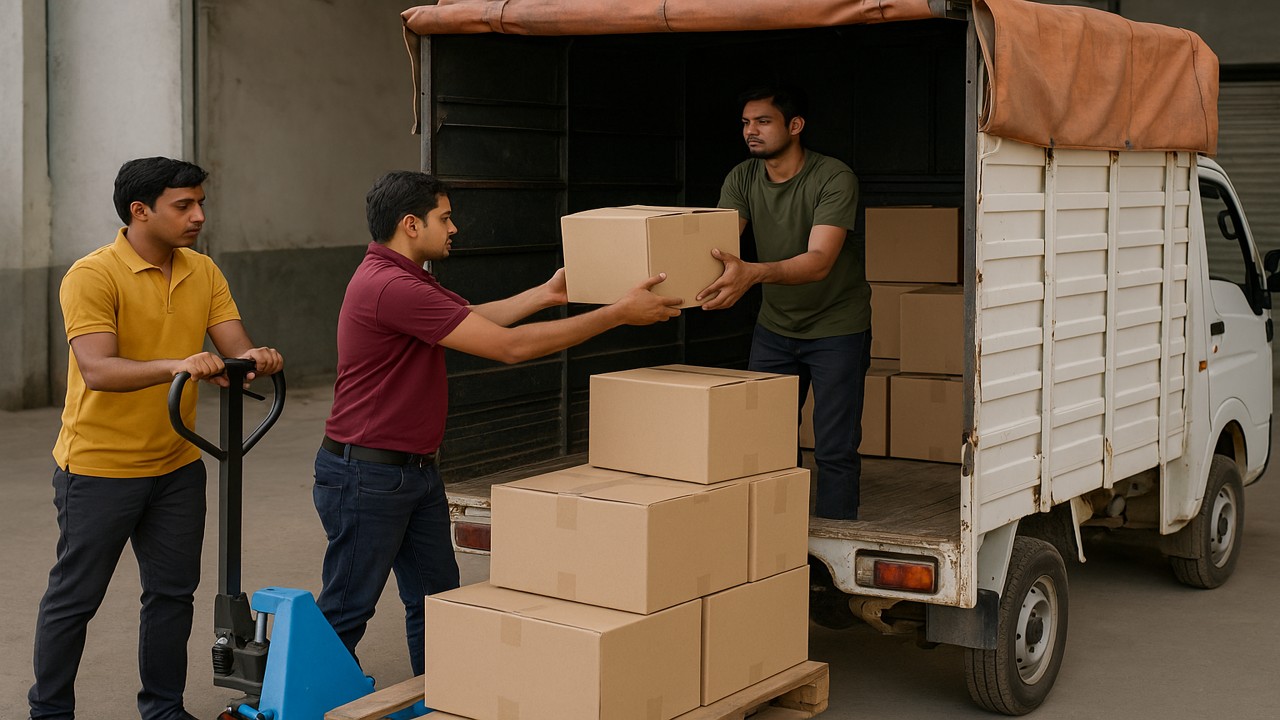
Indian logistics providers are expanding temporary workforces by up to 60 per cent to handle an anticipated 20 per cent surge in festive parcel volumes across the country.
E-commerce order growth and rapid adoption of quick commerce networks are pushing higher freight volumes and heavier package profiles through sorting hubs ahead of Diwali.
Heavier Consignments Test Sorting Capacity
Carriers report that shipment weight is increasing faster than raw parcel counts, forcing operators to adjust line-haul equipment and sorting floors. Express delivery firm DTDC expects consignments to rise 14 to 15 per cent by volume and 18 to 20 per cent by weight in the 15 days preceding Diwali compared with 2025.
DTDC is increasing temporary staffing by 60 per cent to manage the processing loads. The company is managing higher labor costs across regional networks, with seasonal wages and performance incentives up 18 to 20 per cent in metropolitan hubs and 10 to 12 per cent in tier-two and tier-three markets.
Blue Dart Doubles Consumer Volume Targets
Blue Dart expects business-to-business shipments to increase 40 to 50 per cent during peak weeks, while business-to-consumer volumes will roughly double. Chief commercial officer Dipanjan Banerjee said the company is increasing front-end operational staffing by 30 to 50 per cent over standard operating levels, adding thousands of temporary roles across sorting and transport divisions.
The company adjusted network planning and deployed automated sortation tools across primary hubs to absorb the load without bottlenecking line-haul schedules.
Amazon Expands Storage Footprint
Amazon added 20 fulfillment centres, six sorting centres and 150 last-mile delivery stations across India in preparation for peak quarter demand. The network additions expand Amazon’s Indian storage capacity by 50 per cent to 64 million cubic feet.
The platform opened more than 160,000 seasonal positions spanning 400 Indian cities to support warehousing, sorting and doorstep distribution.
“Festive demand is shaping up to be notably stronger than what we saw last year,” said Abhinav Singh, vice-president of operations at Amazon India, APAC, Middle East, Turkiye and Africa.
Labor Cost Pressures on Margins
Rising wages for warehouse workers and delivery riders place pressure on express margins during peak quarter operations. While platform volumes expand, carriers face tighter unit economics if sortation delays or vehicle turnaround bottlenecks trigger overtime costs.
Operators that invested in automated conveyors and parcel sortation systems will capture better operating use than competitors reliant on purely manual labor. The critical test for Indian delivery networks arrives during the concentrated 15-day shipping window immediately preceding Diwali, when daily volumes across the sector reach their annual highs.
Leave a Reply