Retail News CRM

Tag: amazon

  • Joybuy’s European Invasion: JD Challenges Amazon with Major eCommerce Expansion

    Joybuy’s European Invasion: JD Challenges Amazon with Major eCommerce Expansion

    On Monday, JD, a top-tier e-commerce powerhouse from China, announced the expansion of its Joybuy online marketplace into several European markets. By extending its reach into the United Kingdom, Germany, France, the Netherlands, Belgium, and Luxembourg, JD is significantly enhancing its global footprint and setting itself up as a formidable competitor against Amazon, the current market leader.

    JD’s international growth strategy gained momentum last year with the agreed purchase of Germany’s Ceconomy, the parent company of popular electronics retailers MediaMarkt and Saturn, in a deal worth 2.2 billion euros (US$2.52 billion).

    Chinese Retailers Expand Global Reach

    This move by JD is part of a broader trend of Chinese retailers and brands seeking to establish themselves in foreign markets. With the retail landscape in China marked by intense competition and tepid consumer demand, businesses are increasingly turning to countries in North America and Europe as potential sources for scalable growth.

    Joybuy, both on its website and mobile app, will offer a wide range of products from various categories, including technology, appliances, beauty, home goods, and groceries. The platform will also host dedicated stores for several household brands such as L’Oreal, Braun, DeLonghi, BRITA, and Bodum. JD has promised that pricing on Joybuy will be “competitive.”

    Fast Delivery as a Selling Point

    According to Matthew Nobbs, Joybuy’s UK Managing Director, the company’s formidable delivery service will be one of its key selling points. Customers in major cities who place their orders by 11 am can expect to receive their purchases on the same day, while orders placed before 11 pm will be delivered the following day.

    Joybuy’s same-day delivery will be available to more than 15 million households across Europe and the UK from the get-go. The company offers free delivery on orders over 29 euros ($33.21) or 29 pounds ($38.52) and plans to challenge Amazon Prime with its own delivery subscription service. Known as ‘JoyPlus’, this service will provide subscribers with unlimited free delivery for a monthly fee of 3.99 euros or 3.99 pounds.

    While Mr. Nobbs did not disclose the amount invested by JD in this ambitious project, he did confirm the involvement of 60 warehouses and depots across Europe and a dedicated last-mile delivery service. It is worth noting that JD’s previous bids to penetrate the UK market, including a potential takeover of consumer electronics retailer Currys and a bid to acquire Argos from the Sainsbury’s supermarket group, have fallen through.

    Questions & Answers

    What is JD’s latest venture?
    JD has expanded its Joybuy online marketplace into the UK, Germany, France, the Netherlands, Belgium, and Luxembourg.

    What types of products will Joybuy offer in these new markets?
    Joybuy will sell products across various categories, including technology, appliances, beauty, homeware, and grocery.

    What is Joybuy’s delivery policy?
    Joybuy offers fast delivery, with orders placed by 11 am arriving the same day and orders placed before 11 pm arriving the next day. Free delivery is available on orders over 29 euros or 29 pounds, and an unlimited free delivery subscription service, ‘JoyPlus’, is available at a monthly fee of 3.99 euros or 3.99 pounds.

  • Amazon India Drops Referral Fees to Accelerate Seller Growth Amidst Fierce E-commerce Competition

    Amazon India Drops Referral Fees to Accelerate Seller Growth Amidst Fierce E-commerce Competition

    Amazon has announced that it will abolish the referral fee for sellers in India on items priced under 1000 rupees (approximately US$10.98). This decision aims to encourage more retailers to use their platform and gain a stronger hold on India’s competitive e-commerce market.

    Expanding ‘Zero-Referral Fee’ Policy

    Amazon’s initiative builds upon its ‘zero-referral fee’ policy, introduced last year, which encompassed about 12 million items priced below 300 rupees. This program played a significant role in a 50% increase in new sellers joining Amazon’s Indian platform. The referral fee is a commission that sellers pay Amazon for each item sold.

    Starting March 16, this new policy now covers more than 125 million items. In addition to scrapping the referral fee, Amazon has decided to reduce some shipping costs.

    Targeting Small Businesses and Entrepreneurs

    “This step is intended to make selling on Amazon more profitable and simpler, particularly for small businesses and entrepreneurs in tier-2 and tier-3 cities,” said Amit Nanda, Director of Selling Partner Services for Amazon India.

    India is a vital market for Amazon, given the rapid growth of the internet user base in the world’s second-most populous country, driving e-commerce growth.

    However, Amazon is up against stiff competition from Walmart-backed Flipkart and Reliance Industries’ retail arm, owned by billionaire Mukesh Ambani. Quick-commerce entities such as Eternal’s Blinkit and Swiggy’s Instamart are also making significant inroads into market share.

    In December, Amazon announced plans to invest over $35 billion in India by 2030. While this investment will help expand its AI infrastructure, the focus will primarily be on growing retail logistics and stimulating small-business growth.

    Questions & Answers

    What is Amazon’s new initiative regarding referral fees in India?

    Amazon has decided to eliminate the referral fee for products under 1000 rupees, aiming to attract more retailers to their platform.

    How will this affect small businesses and entrepreneurs in India?

    By removing the referral fee and reducing some shipping costs, Amazon is making selling on its platform more lucrative and easier, particularly for small businesses and entrepreneurs in smaller cities in India.

    What are Amazon’s future investment plans for India?

    Amazon plans to invest over $35 billion in India by 2030, with a focus on expanding its AI infrastructure, enhancing retail logistics, and promoting small-business growth.

  • Amazon Boosts Indian Market Presence: Cuts Reseller Referral Fees to Propel Small Business Growth

    Amazon Boosts Indian Market Presence: Cuts Reseller Referral Fees to Propel Small Business Growth

    In a bid to strengthen its foothold in India’s highly competitive e-commerce sector, Amazon recently announced that it will cease to charge sellers referral fees for products priced under 1,000 rupees, or US$10.98. This decision, revealed by the company on Monday, is part of an ongoing initiative to attract a broader range of merchants to its online marketplace.

    Enhancing the ‘Zero-Referral Fee’ Policy

    Amazon is building upon its ‘zero-referral fee’ policy that was introduced last year. Initially, this policy was applicable only to about 12 million products that were priced below 300 rupees. However, the implementation of this policy led to a remarkable 50% increase in the number of new sellers joining Amazon’s platform in India.

    A referral fee is essentially a commission that sellers have to pay to Amazon for each product sold through its platform. The newly extended policy, which came into effect on March 16, now applies to more than 125 million products.

    Along with this, Amazon has also announced a reduction in certain shipping charges, making it even more cost-effective for sellers to use their platform.

    Amit Nanda, the director of Selling Partner Services for Amazon India, stated that this move was aimed at “making selling on Amazon more lucrative and simpler, particularly for small businesses and entrepreneurs in tier-2 and tier-3 cities.”

    Amazon’s Crucial Market: India

    India has become an increasingly important market for Amazon due to its expanding base of internet users, which has significantly fueled e-commerce growth in the world’s most populous country.

    However, the e-commerce giant faces stiff competition not just from Walmart-backed Flipkart and the retail division of Mukesh Ambani’s Reliance Industries, but also from quick-commerce platforms such as Eternal’s Blinkit and Swiggy’s Instamart, which have been rapidly gaining market share.

    Amazon revealed plans in December to invest more than $35 billion in India by 2030. The investment will not only be used to expand its AI infrastructure, but also to enhance retail logistics and boost small-business growth.

    Questions & Answers

    What does Amazon’s new decision entail?
    Amazon has decided to stop charging sellers in India referral fees for products priced under 1,000 rupees. It has also reduced certain shipping charges.

    What is the goal behind Amazon’s decision?
    This decision is aimed at attracting more merchants to Amazon’s online marketplace in India, making the platform more lucrative and simpler, especially for small businesses and entrepreneurs in tier-2 and tier-3 cities.

    How does Amazon plan on investing in India’s e-commerce sector?
    Amazon has revealed plans to invest more than $35 billion in India by 2030. The funds will be used to expand its AI infrastructure, improve retail logistics, and boost the growth of small businesses.

  • Amazon, Temu and Shein to Dominate Australia’s Marketplace Sector at the Expense of Local Competition

    Amazon, Temu and Shein to Dominate Australia’s Marketplace Sector at the Expense of Local Competition

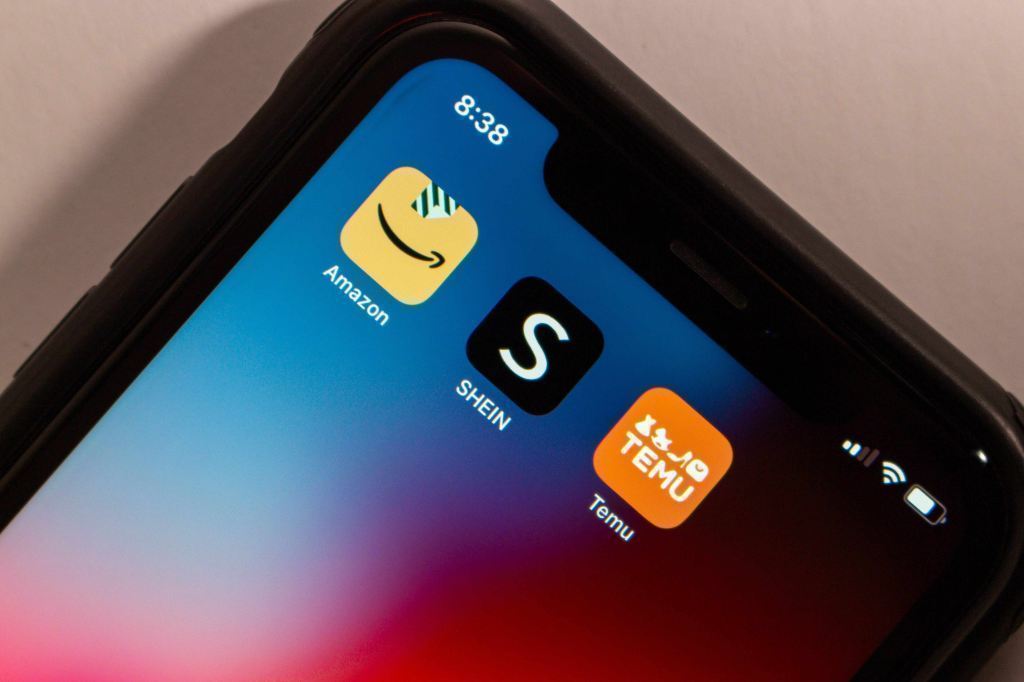
    Australia’s marketplace sector is being redefined as global ecommerce giants use their international scale and advanced infrastructure to grow their share of consumer spending at the expense of local marketplaces, according to new research from Pattern.

    The ‘2026 Marketplace Consumer Report highlights a sector that looks markedly different to just a few years ago. With fewer local Australian marketplaces following the closures of Catch and MyDeal, and pressure on Kogan to maintain its competitiveness as consumers increase their spend with global platforms, data suggests a long-term shift in how marketplace competition will play out in Australia.

    Amazon now reaches 60% of Australian shoppers, growing its customer base by 3.45% year on year. Temu continues to expand rapidly with A$2.6 billion in sales last financial year and 47% of Australians purchasing from the platform, while Shein has lifted its reach to 30%, recording the fastest growth (15%) among major marketplaces. Australia’s last remaining dedicated local marketplace, Kogan, however, is losing ground. Just 15% of consumers now shop on the platform, reflecting a 6% year-on-year decline.

    “The pressure on Australian born and bred marketplaces from global giants like Amazon and Temu is no longer theoretical. What we’re seeing is a sector shaped by international scale, logistics sophistication and global ecosystems. This isn’t a temporary cycle, it’s a structural shift and could signal the end of the local Australian marketplace era as we once knew it,” said Merline McGregor, Managing Director for Pattern Australia.

    Amazon Leads as eBay loses ground

    Amazon continues to lead the Australian marketplace sector with 8.8 million active shoppers and 66% of consumers planning to shop on the platform. eBay, however, is sliding in the opposite direction, declining 7% to 51% of shoppers planning to use the platform in 2026.

    The research shows Amazon purchase decisions are broadening and no longer price-led, with price as a motivator falling by 42%. Shoppers now point to speed (35%), Prime benefits (31%) and overall preference for Amazon (28%) as key reasons for purchasing on the platform. The growing role of product reviews, now cited by 24% of shoppers, highlights Amazon’s advantage in trust and community validation, an edge eBay has struggled to match.

    “Amazon has moved beyond competing purely on cost. While price still matters, its advantage today is also about removing friction at every stage of the shopping journey. Faster delivery, trusted reviews and habitual usage are what has made it the dominant marketplace in Australia and what keeps customers coming back,” said McGregor.

    Temu and Shein rebuild trust and expand beyond price

    Shopper perceptions of product quality and trust have improved sharply for Temu and Shein, marking a significant shift in how these platforms are viewed in Australia. Over the past year, Temu recorded a 50% increase in product quality and trust perception, while Shein saw a 36% increase.

    Historically criticised for inconsistent quality, in 2025 Temu was trusted by just 12% of shoppers and Shein, 11%. However, sustained investment in supplier standards, range expansion beyond fast fashion and brand partnerships with established global brands is beginning to change sentiment.

    “Temu and Shein have worked hard to shed their reputations as low-cost disruptors and are now emerging as serious players in the marketplace landscape,” said McGregor. “Temu now serves 4.7 million Australians, with its customer base growing at 24% annually. With trust levels rising, these platforms are no longer competing on price alone, firmly positioning them for sustained, long-term relevance in the Australian market.”

    Product discovery fragments across platforms

    Product discovery behaviour is fragmenting rapidly. While Google has regained ground, with 54% of shoppers beginning their product searches on the platform since the rollout of AI-generated answers that ease discovery, social media is disrupting search.

    Social media is now one of the fastest-growing starting points for product research, with 67% more consumers beginning their search on social platforms compared to 2025. Today 78% of Australians are active on social media and with near-universal mobile use, discovery is increasingly shaped by feeds, creators and short-form video.

    “Social platforms are collapsing the long bridge between inspiration and transaction,” said McGregor. “With the imminent launch of TikTok Shop in Australia, this shift will accelerate. Brands that invest in creator-led content and seamless in-platform shopping will be best positioned as social becomes a central pillar of modern product discovery.”

    Convenience and delivery speed emerge as key differentiators

    With 93% of Australians purchasing from marketplaces in the past 12 months, convenience has become a defining factor in how consumers choose where to shop. One in three Australians now cite ease of use and delivery speed as the primary reason they turn to marketplaces. Amazon exemplifies this shift, with 36% of shoppers naming convenience as the main driver of their purchasing behaviour.

    “Delivery performance has become a core brand asset for marketplaces today. Many Australians are choosing to order products through a marketplace, even if the same product is more expensive than elsewhere, simply because it could be delivered faster,” said McGregor.

    What products will consumers buy from which marketplace in 2026

    Pattern’s research reveals clear category distinctions across marketplaces, with each platform establishing dominance in specific shopping categories:

    • Amazon leads in Books & eBooks (30%), Electronics & Computer (25%), and Clothing, Shoes & Accessories (22%).
    • eBay shows strength in Clothing, Shoes & Accessories (17%), Automotive Parts (15%), and Electronics & Computer (14%).
    • Temu captures consumer interest in Clothing, Shoes & Accessories (22%), with notable investment in Home & Kitchen Products (13%).
    • Shein’s primary appeal lies with Clothing, Shoes & Accessories (21%), but is beginning to spark interest beyond this in Home & Kitchen (7%) and Toys, Kids & Baby Products (7%).
    • Kogan holds some ground in Electronics & Computer (8%), Home & Kitchen Products (7%), and DIY/Home Improvement (5%).

    “While the future of local marketplaces is uncertain, the opportunity for brands has never been greater. With 93% of Australians shopping on marketplaces, these platforms are where purchase decisions happen. Brands that understand category dynamics, build tailored strategies for each marketplace, and work with ecommerce specialists like Pattern will be positioned to capture a share in this consolidated but growing market,” concluded McGregor.

    For more information and to download the full report please click here: ‘2026 Marketplace Consumer Report’

    About Pattern Inc

    Pattern accelerates brands on global ecommerce marketplaces leveraging proprietary technology and AI. Utilising more than 46 trillion data points, sophisticated machine learning and AI models, Pattern optimizes and automates all levers of ecommerce growth for global brands, including advertising, content management, logistics and fulfillment, pricing, forecasting and customer service. Hundreds of global brands depend on Pattern’s ecommerce acceleration platform every day to drive profitable revenue growth across 60+ global marketplaces—including Amazon, TikTok Shop, Walmart.com, Target.com, eBay, Tmall, JD, and Mercado Libre.  For more information, visit https://au.pattern.com/

    Media Contact

    Paul Manser

    Mulberry Marketing Communications

    [email protected]
  • Amazon Seeks to Lower Vendor Costs as Chinese Tariff Rates Drop: A Strategic Move in eCommerce Landscape

    Amazon Seeks to Lower Vendor Costs as Chinese Tariff Rates Drop: A Strategic Move in eCommerce Landscape

    E-commerce behemoth Amazon has confirmed that it is in conversations with several vendors to revise costs in response to the decrease in tariff rates imposed on imports from China. The company aims to reduce the amount it pays suppliers for goods sold through its digital platform, marking an attempt to roll back concessions made to cushion the impact of tariffs introduced by former US President, Donald Trump.

    According to an Amazon spokesperson, the company is consistently working with its diverse and valued selling partners to assist them in adjusting to the shifting landscape while maintaining a wide assortment of products and competitive prices for consumers.

    In the latter part of October the previous year, an agreement was reached between Trump and Chinese President Xi Jinping to reduce tariffs on Chinese imports. This was in return for Beijing tackling the illegal fentanyl trade, reinstating US soybean purchases, and ensuring the continuous flow of rare earth exports.

    As a result of the agreement, the average tariffs on Chinese imports to the US have been cut from 57% to approximately 47%.

    In related news, the US Supreme Court announced last week that it will deliver its next decisions on January 14, with several major cases still pending. These include the legal examination of Trump’s comprehensive global tariffs.

    Should the court rule that the extensive duties imposed by Trump under the International Emergency Economic Powers Act are unlawful, the administration could face the prospect of reimbursing nearly $150 billion in tariffs to importers.

    Questions & Answers

    What are the discussions between Amazon and vendors about?
    Amazon is in talks with several vendors about adjusting costs in response to a decrease in tariff rates on Chinese imports.

    What was the agreement between Trump and Xi Jinping?
    Trump and Xi Jinping agreed to reduce tariffs on Chinese imports. In return, Beijing would tackle the illegal fentanyl trade, reinstate US soybean purchases, and ensure the continuous flow of rare earth exports.

    What could be the implications of the US Supreme Court’s decision on Trump’s global tariffs?
    If the court declares the extensive duties imposed under the International Emergency Economic Powers Act as unlawful, the administration may have to refund nearly $150 billion in tariffs to importers.

  • Amazon Re-negotiates Supplier Costs Amid Eased Chinese Tariffs: The Repercussions on E-Commerce

    Amazon Re-negotiates Supplier Costs Amid Eased Chinese Tariffs: The Repercussions on E-Commerce

    Amazon, the technology behemoth, has announced that it has been in discussions with various vendors regarding modulation of costs to mirror the decreased tariff rates on Chinese imports.

    Previously, the company aimed to reduce the amount it compensates suppliers for products sold via its e-commerce platform. This adjustment is a step towards reversing concessions that were originally designed to alleviate the effects of tariffs imposed by former US President Donald Trump.

    In a statement, an Amazon spokesperson stated, “We are perpetually collaborating with our diverse and valued selling partners in our store to assist them in adapting to the evolving environment while preserving a wide selection and maintaining low prices for customers.”

    In late October of the previous year, an agreement was struck between Trump and Chinese President Xi Jinping to reduce tariffs on imports from China. This was in return for Beijing’s commitment to address the illegal fentanyl trade, resume purchases of US soybeans, and ensure the continued export of rare earths.

    As a result, the average US tariffs on Chinese imports were reduced from 57% to approximately 47%.

    Recently, the US Supreme Court announced that it would release its subsequent rulings on January 14, with several significant cases still under consideration. These include the legality of Trump’s extensive global tariffs.

    If the court determines that the extensive duties imposed by Trump under the International Emergency Economic Powers Act are illegal, the administration could potentially be required to refund nearly US$150 billion in tariffs to importers.

    Questions & Answers

    What is Amazon’s current strategy towards its suppliers?
    Amazon has been in talks with its vendors to adjust costs in accordance with the decreased tariff rates on Chinese imports. The intent is to reduce what it pays suppliers for goods sold on its e-commerce platform.

    How did the average US tariffs on Chinese imports change recently?
    In late October of the previous year, an agreement was reached between former US President Donald Trump and Chinese President Xi Jinping to reduce tariffs on imports from China. As a result, the average US tariffs on Chinese imports were reduced from 57% to approximately 47%.

    What could potentially happen if the court determines that the extensive duties imposed by Trump are illegal?
    If the court declares that the sweeping duties imposed by Trump under the International Emergency Economic Powers Act are illegal, the administration might be required to refund nearly US$150 billion in tariffs to importers.

  • Amazon and Flipkart Set to Disrupt India’s Banking Sector with Innovative Consumer Loan Products

    Amazon and Flipkart Set to Disrupt India’s Banking Sector with Innovative Consumer Loan Products

    E-commerce heavyweights, Amazon and Flipkart, are planning to venture into the financial services sector in India, by offering loans and buy-now, pay-later (BNPL) options. This strategic move is poised to challenge the traditional banking sector.

    Amazon’s Plans

    Earlier this year, Amazon purchased Axio, a non-bank lender based in Bengaluru. The company primarily focuses on BNPL and personal loans. However, with Amazon’s acquisition, Axio is expected to recommence providing credit facilities for small businesses and initiate cash management services.

    Mahendra Nerurkar, VP for payments for emerging markets at Amazon, emphasized the potential for expanding credit growth, especially among digitally engaged customers and small businesses operating outside of major cities. He further revealed that the company has plans to develop specialized lending propositions to enhance cash flow management efficiency and unlock capital for merchants and small businesses.

    Flipkart’s Interest

    Flipkart, which boasts a significant stake by Walmart, has registered Flipkart Finance, its non-bank lending branch. The company is awaiting final approval from the Reserve Bank of India (RBI) for its business strategy. The plans feature two types of pay-later offerings:

    1. No-cost monthly installment loans for online shoppers ranging from 3 to 24 months.
    2. Loans for consumer durables at an interest rate of 18 per cent–26 per cent per annum.

    Typically, interest rates on loans for consumer durables from traditional lenders oscillate between 12 per cent and 22 per cent. A confidential source revealed that Flipkart aims to launch these financial products in the coming year.

    Growth of the Consumer Loan Market

    Data from credit bureau CRIF High Mark shows that India’s consumer loan market has expanded from nearly US$80 billion in March 2020 to approximately US$212 billion by March 2025. However, there are indications of a slowdown in recent quarters. Consumer loans encompass unsecured personal loans, credit cards, and loans for consumer durables.

    Both Amazon and Flipkart operate apps ranking in the top 10 platforms for payments via India’s Unified Payments Interface. Earlier this year, the RBI granted them the ability to lend directly to customers, marking a significant step towards opening India’s financial services market to foreign-backed tech firms.

    Rohan Lakhiyar, partner at consultancy Grant Thornton Bharat’s financial services risk division, stated that given their access to both supply-side and demand-side customer data, both Amazon and Flipkart have immense potential to disrupt the sector. However, he stressed that execution would be crucial as they expand beyond core retail.

    Amazon has also partnered with several local lenders to offer fixed deposit savings products with minimum amounts of 1000 rupees (US$11) to customers on its Amazon Pay platform, according to Nerurkar.

    Questions & Answers

    What are Amazon’s plans in the financial services sector in India?
    Amazon plans to offer credit to small businesses and provide cash management services through Bengaluru-based non-bank lender Axio. They also aim to develop specialized lending propositions to help improve cash flow management efficiency and release capital for merchants and small businesses.

    What types of financial products is Flipkart planning to offer?
    Flipkart intends to offer two types of pay-later offerings – no-cost monthly installment loans for online shoppers, and loans for consumer durables at an interest rate of 18 per cent–26 per cent per annum.

    What is the current status of the consumer loan market in India?
    The consumer loan market in India has grown from nearly US$80 billion in March 2020 to around US$212 billion by March 2025, according to data from credit bureau CRIF High Mark. However, recent quarters have shown signs of a slowdown in growth.

  • Café Amazon Bids Vietnam Goodbye: Thai Coffee Giant Wraps up 5-Year Journey Amidst Competitive Market

    Café Amazon Bids Vietnam Goodbye: Thai Coffee Giant Wraps up 5-Year Journey Amidst Competitive Market

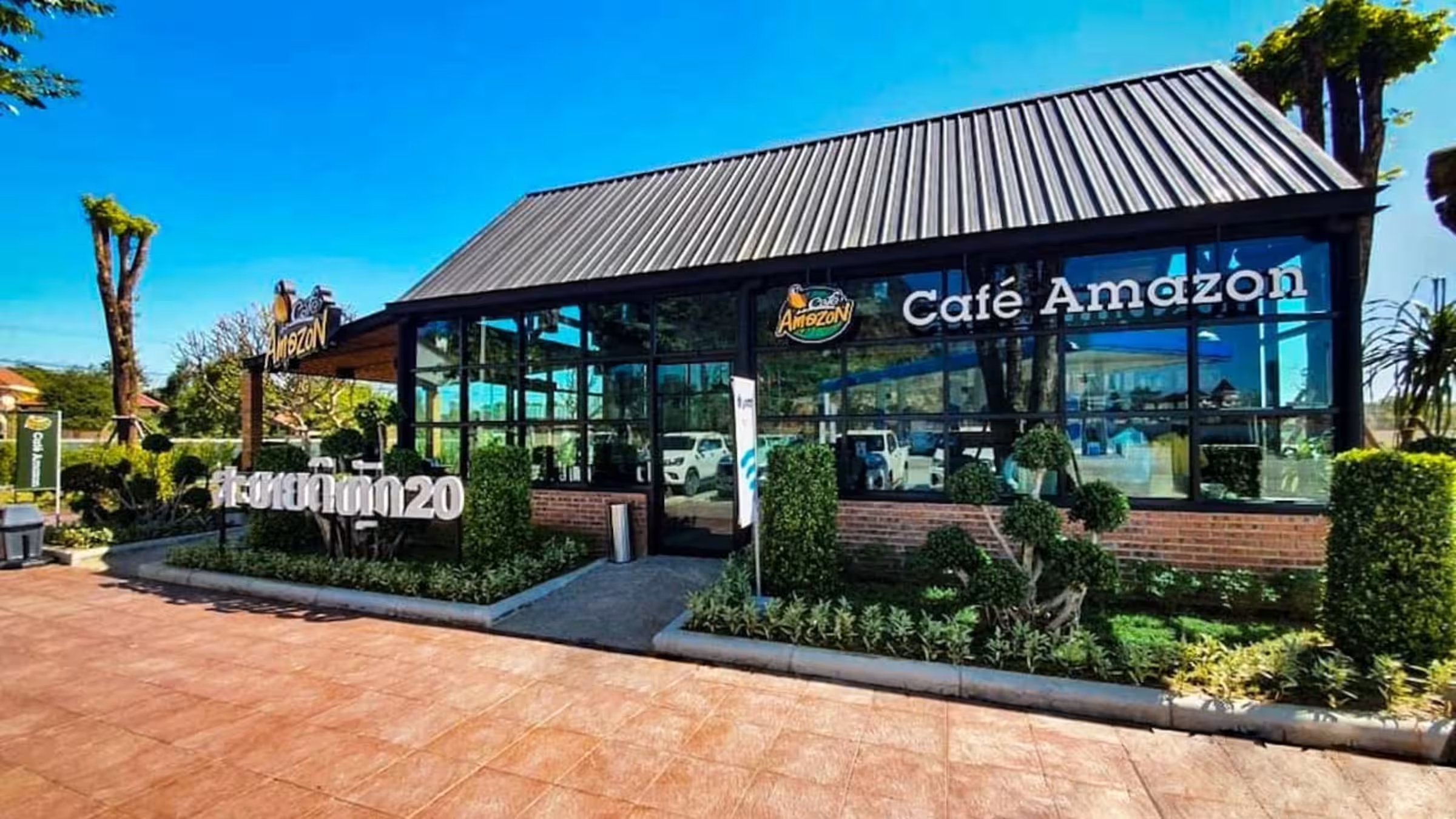
    The Thai coffee shop chain, Café Amazon, ended its operations in Vietnam on November 18. This closure concludes the brand’s five-year tenure in the Vietnamese market.

    The Closure

    Staff at Café Amazon locations commemorated their last day at work by sharing farewell images. The company returned its store leases, and its branches are no longer visible on prevalent food-delivery applications in the region.

    This decision follows Central Plaza Hotel Public Company Limited’s withdrawal from the Vietnamese Café Amazon joint venture in the previous month. The move demonstrates a well-planned shift in the company’s strategy due to Vietnam’s intensely competitive coffee business landscape.

    Future Plans

    Café Amazon has unveiled plans for global expansion, but Vietnam is notably absent from their target markets. The company has yet to provide an official comment on its departure from Vietnam.

    Questions & Answers

    Why did Café Amazon close its stores in Vietnam?
    Café Amazon closed its stores in Vietnam due to the intense competitiveness of the country’s coffee market. The company also underwent a strategic shift following Central Plaza Hotel Public Company Limited’s withdrawal from the Vietnamese Café Amazon joint venture.

    What steps did Café Amazon take after deciding to close its Vietnam operations?
    After deciding to cease its operations in Vietnam, Café Amazon returned its store leases and eliminated its presence from food-delivery applications in the region.

    Is Vietnam included in Café Amazon’s future expansion plans?
    No, Vietnam is not included in Café Amazon’s announced plans for global expansion. The company is yet to release an official statement on this move.

  • Amazon’s Budget-Friendly Haul Takes on Asian Market: A Thrifty Revolution in E-commerce

    Amazon’s Budget-Friendly Haul Takes on Asian Market: A Thrifty Revolution in E-commerce

    Amazon disclosed its expansion plans for its cost-effective e-commerce service, Amazon Bazaar, on a recent Friday. Known in the United States as Haul, the service is now available in 14 new markets, intensifying competition with Chinese counterparts like Shein and PDD Holdings’ Temu in the worldwide race to sell budget-friendly products such as $10 dresses and $5 accessories.

    Impact of Import Tariffs

    The import tariffs imposed by former U.S. President Donald Trump made a noticeable dent in consumer sentiment, more so among the lower-income groups, who are frequently on the lookout for economical deals.

    Amazon Bazaar Versus Amazon Haul

    Amazon Bazaar operates through a standalone app, offering merchandise akin to Amazon Haul. The latter is a budget-conscious shopping section within the primary Amazon app, which was launched in the prior year.

    Having made its debut in Mexico last year, Amazon Bazaar is set to deliver the majority of its products, priced under $10 and some as low as $2, to its newest markets. These markets span a range of categories, from home goods to fashion, as per the e-commerce behemoth.

    Amazon Bazaar’s New Markets

    Amazon Bazaar’s low-cost e-commerce service has ventured into newer markets such as Hong Kong, the Philippines, Nigeria, and Taiwan. Following its launch in Mexico, the service expanded to Saudi Arabia and the United Arab Emirates.

    DA Davidson & Co analyst Gil Luria highlighted the significance of Amazon Bazaar’s expansion, noting it as a crucial step in Amazon’s international growth strategy. According to Luria, Amazon only ventures into a market if it can scale up to a level that both delights consumers and builds a profitable business.

    Luria further mentioned that the company often takes several years to achieve profitability when entering new countries and markets. Amazon recently reported its third-quarter international revenue at $40.9 billion, witnessing a 10% growth from the same period last year, excluding the impact of foreign exchange fluctuations.

    Luria also posited that if Amazon can successfully build a business around selling a small selection of inexpensive items with appealing service levels, it could potentially extend its services beyond its core 23 markets to nearly every other country globally.

    Global Fulfilment Centers and Service Partners

    Amazon stated that products on Amazon Bazaar are shipped directly from the company’s global fulfillment centers to the designated destinations and delivered to customers via its network of service partners.

    Expansion of Competitors

    Shein and Temu, Amazon’s rivals in the space, have also accelerated their expansion outside the United States. While Shein operates in over 160 countries, including the U.S., Brazil, Ireland, and Southern China, Temu ships to at least 70 countries.

    The Launch and Expansion of Amazon Haul

    In 2024, Amazon launched Haul in the U.S., which has since expanded the in-app service to Britain, Germany, France, Italy, Spain, Japan, and Australia.

    Questions & Answers

    What is Amazon Bazaar?
    Amazon Bazaar is a low-cost e-commerce service by Amazon, known as Haul in the U.S., which sells a wide range of budget-friendly products.

    Which new markets has Amazon Bazaar entered recently?
    Amazon Bazaar has recently expanded its services to 14 new markets, including Hong Kong, the Philippines, Nigeria, and Taiwan.

    How does Amazon Bazaar operate?
    Amazon Bazaar operates through a standalone app and ships products to customers directly from Amazon’s global fulfillment centers via its network of service partners.

  • Amazon’s Massive Restructure: 30,000 Corporate Jobs on the Chopping Block

    Amazon’s Massive Restructure: 30,000 Corporate Jobs on the Chopping Block

    Amazon is reportedly planning to eliminate around 30,000 jobs in its corporate division, a move that one analyst referred to as a ‘deep cleaning’ of the organization’s workforce. This reduction would affect about 10% of Amazon’s nearly 350,000 corporate employees. Overall, the company has approximately 1.55 million workers, including non-corporate roles.

    Trimming to Improve Efficiency

    Sources indicate that the primary goal of these layoffs is to reduce costs and rectify a situation of overstaffing that occurred during the height of the pandemic. The spokesperson for Amazon declined to comment on this matter. It is anticipated that these cuts could impact a range of divisions, including human resources, operations, devices and services, and Amazon Web Services. It is also suggested that the specific number of layoffs could fluctuate over time, in line with shifts in the company’s financial priorities.

    In terms of scale, this would be Amazon’s most substantial job reduction since late 2022 when it cut roughly 27,000 roles.

    Analyzing Amazon’s Decision

    Neil Saunders, the Managing Director of GlobalData, commented on the situation, characterizing the impending layoffs as a ‘deep cleaning’ of Amazon’s corporate workforce. He suggested this is part of a broader pattern of efficiency initiatives within the company, aimed at refining the focus of its corporate divisions.

    “Although Amazon could never be described as a flabby organization, it has become more complex and layered over time, and there is scope for some simplification,” Saunders said.

    He drew a distinction between Amazon’s situation and that of other companies, such as Target. According to Saunders, Amazon operates from a position of strength, with positive growth and room for further expansion. However, he warned that even a successful company like Amazon is not immune to the pressures of tight markets and rising fundamental costs. To maintain a robust bottom-line performance, Saunders believes it is necessary for the company to take decisive steps.

    He emphasized that these actions are particularly crucial given the high level of investment Amazon is making in areas like logistics and artificial intelligence. Saunders interpreted these layoffs as a move away from human capital towards technological infrastructure.

    In June, Amazon CEO Andy Jassy hinted at a possible reduction in the company’s corporate workforce due to the increased use of AI tools, particularly for automating repetitive and routine tasks.

    Hiring and Firing

    Despite these layoffs, the retail giant recently announced plans to hire 250,000 temporary workers across its fulfillment and transportation networks in the US in preparation for the upcoming holiday season.

    Questions & Answers

    Why is Amazon planning to lay off up to 30,000 corporate employees?
    Amazon is reportedly planning these layoffs to reduce costs and correct a situation of overstaffing that was exacerbated during the pandemic.

    Which divisions could be affected by Amazon’s layoffs?
    The layoffs could impact a variety of divisions, including human resources, operations, devices and services, and Amazon Web Services.

    Is Amazon hiring new employees despite the layoffs?
    Yes, Amazon recently announced plans to hire 250,000 temporary workers across its fulfillment and transportation networks in the US to prepare for the holiday season.

  • Weightwatchers Teams Up With Amazon Pharmacy: A Strategic Move For Medication Delivery Boosting Shares By 9%

    Weightwatchers Teams Up With Amazon Pharmacy: A Strategic Move For Medication Delivery Boosting Shares By 9%

    WeightWatchers announced on Monday its collaboration with Amazon to distribute medications such as injectable GLP-1 obesity treatments to its members. This partnership led to a 9% increase in the telehealth provider’s shares, as investors anticipated financial gains from facilitating prescription fulfillment.

    New Partnership to Boost Medication Delivery

    WeightWatchers clients can now confirm medication availability and arrange more efficient delivery of refrigerated drugs using the Amazon Pharmacy feature on the WeightWatchers website, said COO Jon Volkmann. The company, alternatively known as WW International, emerged from bankruptcy in July with a plan to vie for online weight-loss clients, sans debt. The announcement of the collaboration led to a surge of over 9% in the company shares, reaching $29.39 by the afternoon.

    Focus on Branded Drugs

    While competitors concentrated on compounded replicas of Wegovy from Novo Nordisk and Zepbound from Eli Lilly, WeightWatchers chose to align with branded drugs. They announced a collaboration with Novo to supply Wegovy to cash-paying clients through NovoCare and its partner, CenterWell Pharmacy. The company assured that it would still allow clients to fill prescriptions through other pharmacies.

    Demand for GLP-1 obesity treatments skyrocketed following clinical trials that demonstrated their effectiveness, helping individuals lose around 15% of their body weight by inducing a feeling of fullness. In 2022, the US Food and Drug Administration reported a shortage of these drugs, creating difficulties for rural WeightWatchers customers to access them through physical pharmacies.

    Improving Access in Rural Areas

    Despite an abundance of both drugs, Amazon stated that access remains a challenge in rural regions. “With GLP-1s specifically, there’s been an issue with people hopping from one pharmacy to another, searching for these drugs,” said Tanvi Patel, a VP at Amazon Pharmacy.

    Amazon recently launched kiosks at some of its One Medical clinics, allowing patients to pick up common prescriptions. Although Amazon delivers GLP-1s by mail, drugs requiring cold storage will not be available in the kiosks.

    The e-commerce giant’s commitment to quick delivery, particularly for perishable items, has enabled Amazon to maintain appropriate temperatures for GLP-1 shipments nationwide, Patel added. Amazon has been delivering GLP-1s to patients since 2020. Amazon Prime subscribers can expect to receive their medications within one to two days, while non-Prime members may anticipate an average four-day delivery time, though actual delivery often occurs more quickly.

    In June, Amazon announced plans to extend same-day and next-day delivery to 4000 additional locations by year-end, focusing on small towns and rural areas. The company also intends to invest over US$4 billion to triple its delivery operations by 2026.

    Questions & Answers

    What is the partnership between WeightWatchers and Amazon?
    WeightWatchers has partnered with Amazon to facilitate the delivery of medications, including injectable GLP-1 obesity treatments, to its members via Amazon Pharmacy.

    What impact has the partnership had on WeightWatchers’ shares?
    Following the announcement of the partnership, WeightWatchers saw a 9% increase in its shares, suggesting investor optimism about the financial benefits of the collaboration.

    What measures is Amazon taking to improve medication access in rural areas?
    Amazon has plans to expand same-day and next-day delivery, especially focusing on rural areas. The company has also begun setting up kiosks at some of its One Medical clinics for patients to collect common prescriptions.

  • Global Internet Disruption: Amazon’s AWS Resumes After Massive Outage

    Global Internet Disruption: Amazon’s AWS Resumes After Massive Outage

    Amazon’s cloud service, Amazon Web Services (AWS), resumed regular operations on Monday afternoon after an internet outage disrupted thousands of sites worldwide, affecting popular applications like Snapchat and Reddit. AWS, which provides application hosting and computing processes for businesses globally, suffered an interruption that impacted workers and halted regular activities such as online payments and ticket changes. Complaints of persistent difficulties with services like digital wallet Venmo and video-calling platform Zoom were reported on Monday afternoon.

    Backlog of Messages and Previous Disruptions

    Despite the resumption of services, Amazon noted that some AWS services had a backlog of messages that would require additional time to process. This isn’t the first time AWS has been implicated in a significant internet collapse. The northern Virginia cluster of AWS, known as US-EAST-1, has contributed to major internet meltdowns at least three times in the past five years.

    Amazon did not provide a detailed explanation as to why this specific data centre continues to be affected. The recent problems were traced back to the Domain Name System (DNS), which averted applications from locating the correct address for AWS’s DynamoDB API, a cloud database essential for storing user information and other crucial data.

    Root Cause and Effects

    Earlier, AWS attributed the root cause of the outage to an underlying subsystem responsible for monitoring the health of its network load balancers, which help distribute traffic across multiple servers. The issue, according to AWS, originated within the EC2 internal network, Amazon’s Elastic Compute Cloud service, which offers on-demand cloud capacity within AWS. The issue was resolved around 3 pm PT (2200 GMT), although some services continued to have a backlog of messages to process.

    Ken Birman, a computer science professor at Cornell University, emphasized the need for software developers to enhance fault tolerance, suggesting that AWS provides tools that developers can utilize to safeguard themselves in the event of an issue at one of its data centres.

    AWS and Previous Outages

    As the world’s largest cloud provider, AWS offers computing power, data storage, and other digital services to companies, governments, and individuals. Disruptions to its servers can result in outages across websites and platforms that depend on its cloud infrastructure. According to AWS, Monday’s outage started at its US-EAST-1 location, AWS’s oldest and largest site for web services, which previously suffered outages in 2021 and 2020.

    Interconnected and Fragile Infrastructures

    The problem underscores the interconnectivity of digital services and their reliance on a small number of global cloud providers. A single glitch can significantly disrupt businesses and everyday life.

    The outage affected a vast range of companies across sectors. Apps like Reddit, Roblox, Snapchat, and Duolingo were all impacted. Other services such as Perplexity, a startup specializing in artificial intelligence, cryptocurrency exchange Coinbase, and trading app Robinhood also experienced disruptions attributed to AWS. Amazon’s own services, including its shopping website, Prime Video, and Alexa, were likewise affected.

    Questions & Answers

    What caused the AWS outage?
    The outage was linked to an underlying subsystem that monitors the health of AWS’s network load balancers. It originated from within the EC2 internal network, Amazon’s Elastic Compute Cloud service.

    What were the effects of the AWS outage?
    The outage disrupted thousands of sites and applications globally, including popular apps like Snapchat and Reddit. It also halted regular activities such as online payments and ticket changes.

    How often has the AWS northern Virginia cluster experienced major internet disruptions?
    The northern Virginia cluster of AWS, known as US-EAST-1, has contributed to major internet meltdowns at least three times in the past five years.

  • Cafe Amazon Accelerates Global Expansion, Sidesteps Vietnamese Market Amid Investor Exit

    Cafe Amazon Accelerates Global Expansion, Sidesteps Vietnamese Market Amid Investor Exit

    Cafe Amazon, a coffee chain operated by PTT Oil and Retail Business (OR), is accelerating its global expansion plans. Notably absent from its target locations, however, is Vietnam. This strategic decision follows the withdrawal of a Thai investor from Cafe Amazon’s joint venture in the Southeast Asian country.

    Global Expansion Focus

    As Cafe Amazon navigates its global growth strategy, it is centering its attention on several key markets. These include Laos, the Philippines, Japan, Oman, and Bahrain. The company is implementing a franchise model in these regions with a keen focus on ensuring consistent brand standards. This encompasses all aspects from design to quality and service.

    Growth Trajectory

    Cafe Amazon has seen rapid growth over the past ten years, expanding to over 5000 outlets worldwide. This impressive global presence has positioned the company as one of Asia’s largest coffee chains. Notably, in the second quarter of the fiscal year 2025, Cafe Amazon reported sales of over 107 million cups of coffee. This represents a nearly 5 per cent increase from the same time the previous year.

    Vietnamese Market Shift

    The exit of a key investor marks a significant change in Cafe Amazon’s approach to the Vietnamese market. In recent years, this market has seen increasing competition from both local and international coffee chains. While the specifics of the company’s restructuring have not been disclosed, Cafe Amazon has indicated that it intends to focus on markets with a higher potential for growth.

    Questions & Answers

    Why is Cafe Amazon not focusing on expansion in Vietnam?
    The company has decided to shift its focus following the exit of a Thai investor from its joint venture in Vietnam.

    Which markets is Cafe Amazon focusing on for its expansion?
    Cafe Amazon is turning its attention to Laos, the Philippines, Japan, Oman, and Bahrain for its global expansion.

    How is Cafe Amazon performing globally?
    Cafe Amazon has over 5,000 outlets worldwide, making it one of Asia’s largest coffee chains. In the second quarter of the fiscal year 2025, the company sold over 107 million cups of coffee, indicating a nearly 5 per cent increase from the previous year.

  • Global Amazon Web Services Outage Disrupts Thousands Of Websites, Reveals Vulnerability In Online Infrastructure

    Global Amazon Web Services Outage Disrupts Thousands Of Websites, Reveals Vulnerability In Online Infrastructure

    Amazon’s cloud computing division AWS resumed regular operations on Monday after an extensive internet outage that disrupted thousands of websites globally, including popular apps such as Snapchat and Reddit. However, Amazon acknowledged that certain AWS services were dealing with a backlog of messages that needed several hours to process.

    AWS provides application hosting and processing power for corporations across the globe. This disruption caused employees from London to Tokyo to be cut off from their work and hindered others from carrying out routine tasks, such as processing digital payments or modifying airline tickets. Users reported persistent difficulties using services like the digital wallet app Venmo and the video conferencing platform Zoom on Monday afternoon.

    This incident represents the most significant internet disruption since last year’s CrowdStrike failure, which crippled technology systems in hospitals, banks, and airports, emphasizing the susceptibility of globally interconnected technologies. Intriguingly, this is at least the third time in five years that AWS’s northern Virginia cluster, known as US-EAST-1, has been implicated in a major internet meltdown.

    Amazon did not provide a detailed explanation as to why this specific data center is consistently affected. The problem originated from the Domain Name System (DNS), which prevents applications from locating the correct address for AWS’s DynamoDB API, a cloud database utilized for storing user information and other vital data.

    Root Cause: Network Health Monitor

    AWS attributed the outage to a subsystem that oversees the health of its network load balancers, which distribute traffic across various servers. According to AWS, the issue originated within the “EC2 internal network,” also known as Amazon’s “Elastic Compute Cloud” service, which offers on-demand cloud capacity within AWS.

    All AWS services were back to normal operations around 3 pm PT (2200 GMT) on Monday, according to Amazon. However, services such as AWS Config, Redshift, and Connect continue to handle a backlog of messages that will take several more hours to process.

    Ken Birman, a computer science professor at Cornell University, emphasized the need for software developers to improve fault tolerance. AWS provides tools for developers to safeguard themselves against problems at any of its data centers, and developers can also establish backups with other cloud providers.

    Previous Outages at the Same AWS Location

    AWS is the world’s largest cloud provider, offering computing power, data storage, and other digital services to companies, governments, and individuals. It is followed by Microsoft’s Azure and Alphabet’s Google Cloud. Any disruption to its servers can lead to outages across websites and platforms—from food delivery apps to gaming platforms and airline systems—that rely on its cloud structure.

    The outage on Monday originated from AWS’s US-EAST-1 location, its oldest and largest for web services, which had experienced outages in 2021 and 2020.

    According to the AWS website, the US-EAST-1 site is often the default region for many AWS services.

    “Fragile Infrastructures”

    This issue underlines how interconnected everyday digital services have become and how dependent they are on a small number of global cloud providers. One failure can considerably disrupt business operations and daily life, experts say.

    In the United Kingdom, Lloyd Bank, Bank of Scotland, and telecom service providers Vodafone and BT were all affected, as was the UK tax, payments, and customs authority HMRC’s website.

    Ookla, owner of Downdetector, reported that over 4 million users experienced issues due to the incident.

    “h2>Impact on Apps

    At least a thousand companies were affected by the outage, according to Ookla. Apps such as Reddit, Roblox, Snapchat, and Duolingo were all disrupted.

    Artificial intelligence startup Perplexity, cryptocurrency exchange Coinbase, and trading app Robinhood all experienced platform disruptions and attributed them to AWS.

    Amazon’s own services, including its shopping website, Prime Video, and Alexa, were also affected. Gaming platforms such as Fortnite, owned by Epic Games, Clash Royale, and Clash of Clans were among those affected. Uber competitor Lyft was also disrupted in the United States.

    Questions & Answers

    What was the cause of the AWS outage?
    The problem originated from the Domain Name System (DNS), which prevents applications from finding the correct address for AWS’s DynamoDB API, a cloud database utilized for storing user information and other vital data.

    How did the outage affect global businesses?
    The outage disrupted services for companies worldwide, causing employees to be cut off from their work and hindering others from carrying out routine tasks. This incident impacted a broad range of services—from food delivery apps to gaming platforms and airline systems—that rely on AWS’s cloud infrastructure.

    Which AWS location experienced the outage?
    The outage originated from AWS’s US-EAST-1 location, its oldest and largest for web services.

  • After Flipkart, Royal Enfield Begins Selling 350 CC Motorcycles On Amazon

    After Flipkart, Royal Enfield Begins Selling 350 CC Motorcycles On Amazon

    Royal Enfield, a well-known motorcycle manufacturer, has recently made its entry into the online retail sector by offering its motorcycles for sale on Flipkart. Advancing its ventures in the e-commerce domain, the company has now disclosed its collaboration with Amazon India. This partnership expands consumers’ options for purchasing the company’s 350 cc range of motorcycles directly from these platforms.

    The array of motorcycles now accessible on Amazon includes the Royal Enfield Classic 350, Hunter 350, Bullet 350, Meteor 350, and Goan Classic 350. This offering mirrors the company’s previous approach with Flipkart, which excluded the more costly and larger models such as the Himalayan 450, Guerrilla 450, Scram 440, and the 650 cc range, including models like the Continental GT650, Interceptor 650, among others.

    Partnership Benefits

    Royal Enfield has communicated that its partnership with Amazon India will yield flexible payment options, thereby simplifying the process for customers to acquire a motorcycle. At present, these models are available in five cities, specifically Ahmedabad, Chennai, Hyderabad, New Delhi, and Pune, via a dedicated Royal Enfield brand store on Amazon.

    The company assures that deliveries and after-sales services will be handled by the dealership chosen by the customer in their city. Besides motorcycles, the online store also presents a range of accessories, riding gear, and merchandise. This step follows the company’s previous collaboration with Flipkart, which catered to customers in Bengaluru, Gurugram, Kolkata, Lucknow, and Mumbai.

    Questions & Answers

    What does Royal Enfield’s partnership with Amazon India entail?
    This collaboration enables the company to offer its 350 cc range of motorcycles directly on the Amazon platform. It also provides flexible payment options for customers.

    Which models are available through this online offering?
    The range includes the Royal Enfield Classic 350, Hunter 350, Bullet 350, Meteor 350, and Goan Classic 350.

    What additional services does Royal Enfield provide to online customers?
    In addition to delivering motorcycles, the company also offers after-sales services to be handled by the chosen dealership in the customers’ city. The online store features a variety of accessories, riding gear, and merchandise.