Blog

  • Bangladesh Fertiliser Dealers Demand Commission Be Doubled to Tk 200

    Bangladesh Fertiliser Dealers Demand Commission Be Doubled to Tk 200

    Fertiliser dealers across Bangladesh want the government to double their sales commission from Tk 100 to Tk 200 per sack. They are also demanding an immediate freeze on appointing new distributors.

    Operating costs, freight rates, and fuel prices currently force dealers to lose Tk 50 to Tk 55 on every sack they sell.

    Speaking at a Dhaka press conference on Monday, Bangladesh Fertilizer Association chairman Md Mosharraf Hossain said distributors have sought an updated fee structure for 18 years. Allowances stayed flat while retail overheads surged across rural areas.

    Rising Freight and Margin Squeeze

    In 2008, the government set a transport and sales commission of Tk 100 per sack. Dealers netted Tk 25 to Tk 30 after paying for freight, loading, and handling.

    Heavy transport inflation has wiped out those margins. Distributors now cover shipment shortfalls with their own working capital.

    Last-mile stockists bear the brunt of the losses. To survive, rural dealers cut inventory, delay bulk purchases, and reduce deliveries to remote farming areas.

    Delayed Relief and Breakeven Gaps

    Authorities approved a Tk 50 increase per sack, but the change will not take effect until July 1, 2027. Hossain said that increment will merely bring dealers to breakeven.

    Association leaders demand an immediate Tk 100 increase instead. Without it, licensed dealers warn they will shut down, endangering fertilizer supply during peak planting seasons.

    Losses among licensed operators also push trade into the unregulated grey market. Bottlenecks will follow if compliant businesses exit.

    Legal Challenge Against New Policy

    Dealers have challenged the Integrated Policy on Fertiliser Dealer Appointment and Distribution-2026 over conflicting clauses. The association filed a High Court writ petition on September 2.

    Following the petition, the court issued a 60-day rule directing authorities to resolve the issues. Hossain noted that district monitoring committees continue recruiting new dealers anyway.

    Adding distributors during a margin crunch splits sales among more players. Turnover drops, making survival harder for everyone.

    Supply Risks for Rural Distributors

    The Ministry of Agriculture has not scheduled talks on dealer appointments or commission timelines. Hossain warned that inaction risks halting fertilizer deliveries across key agricultural districts.

    Market operators now watch to see if court pressure forces the ministry to the table before the 60-day window closes.

  • Greystar Appoints Tom Livelli to Run $3.9 Billion Asia-Pacific Living Portfolio

    Greystar Appoints Tom Livelli to Run $3.9 Billion Asia-Pacific Living Portfolio

    Greystar has appointed former EQT partner Tom Livelli as head of Asia Pacific. He will run a $3.9 billion living-sector portfolio across four regional markets.

    Based in Sydney, Livelli takes up the executive director post in early 2027. He will direct roughly 250 staff managing more than 11,500 rental apartments and student beds across Australia, Japan, South Korea, and mainland China. He replaces Adam Pillay, who has left the firm.

    Executive reshuffle across regional markets

    Livelli spent the past three years in Madrid as head of living strategies for Europe at EQT Real Estate. Before that, he built Greystar’s South American operations between 2017 and 2023. That expansion took the platform past $800 million in assets across 19 investments, alongside eight management contracts covering roughly 6,000 units. His earlier career includes tenures at Boston Andes Capital and Clark Realty Capital.

    The leadership change puts Livelli in charge during a regional shift toward residential formats. Institutional investors across Asia-Pacific have pulled capital from secondary offices and speculative logistics. They are targeting cash-generating living assets instead. Livelli must now consolidate operations and reallocate equity across the firm’s living formats.

    Pivot to purpose-built student beds

    Capital has flowed directly toward Australian student housing. In April 2025, the firm completed its largest deal in the region to date: an A$1.6 billion ($1.1 billion) buyout of a 5,662-bed student portfolio from Singapore sovereign fund GIC and Wee Hur Holdings.

    Student housing offers immediate rental indexation and counter-cyclical cash flows. Pure-play multifamily developments struggle to match those returns under current construction costs. Student accommodation also brings faster tenant turnover and flexible rate adjustments, providing a stronger inflation hedge than multi-year commercial leases.

    Pruning industrial sites and rental developments

    Greystar has simultaneously stepped back from other property sectors in the region. It wound down an Australian infill industrial drive launched in 2022, selling a Sydney logistics development plot to Gateway Capital for A$78 million ($55.9 million) in May 2026.

    Traditional build-to-rent projects have faced similar pruning. Warburg Pincus-backed Kio Investment Management recently acquired a former Greystar development site in Melbourne’s Collingwood neighbourhood. In Japan, Greystar put several apartment assets on the market to test institutional liquidity.

    Expansion in Seoul and regional funds

    The manager first entered Asia-Pacific in 2017 through a partnership with Macquarie Capital. Over the next nine years, it opened six offices across the region. Growth has since expanded beyond Australia and Japan into mainland Asia.

    In May 2025, the group recruited former Samsung SRA Asset Management executive Junghwan Kang to launch its South Korea platform. Around the same time, the Teacher Retirement System of Texas allocated $25 million to the manager’s Asia-Pacific value-add vehicle.

    When Livelli takes over in Sydney in early 2027, the focus shifts to execution. The firm faces decisions on whether to deploy fresh capital into Korean residential assets or accelerate divestments across its Japanese apartment holdings.

  • Mitsui Fudosan Logistics Park Buys Three Japan Warehouses for $229 Million

    Mitsui Fudosan Logistics Park Buys Three Japan Warehouses for $229 Million

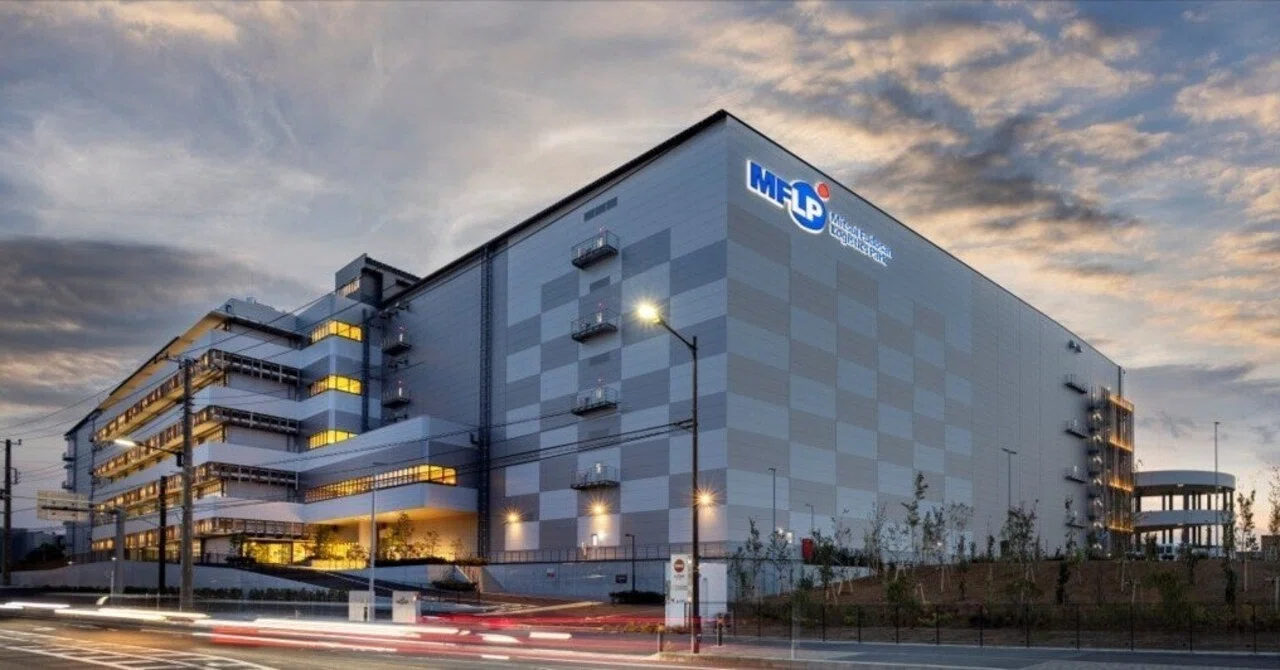
    Mitsui Fudosan Logistics Park has agreed to buy three Japanese industrial properties for JPY 35.7 billion ($229 million). The deal upgrades its portfolio with newer, fully occupied logistics assets.

    The Tokyo-listed trust is funding the expansion partly by selling a 50 percent stake in a 100,530 square metre Yokohama warehouse built in 2009. That sale will bring in JPY 11.9 billion, representing a 25.5 percent premium over its July book value.

    Disposals will not cover the full acquisition cost. The trust plans to bridge the remaining JPY 23.8 billion gap with cash reserves, debt and sale proceeds. Settlement for the Kumamoto site takes place on 1 October. The Aichi and Kanagawa transactions close on 1 February 2027, subject to final loan approvals.

    Portfolio rotation from Yokohama to regional hubs

    Under the divestment plan, MFLP Yokohama Daikoku will pass to Mitsui Fudosan Private REIT in two tranches. The private vehicle will take a 30 percent interest for JPY 7.1 billion in January 2027. It will acquire the remaining 20 percent for JPY 4.8 billion in July 2027. That prices the transfer at JPY 237,000 per square metre.

    Capital released from the 17-year-old bayfront warehouse will fund modern space completed between April 2025 and June 2026. Once all transfers conclude, the listed REIT will hold stakes in 51 properties. That portfolio will be valued at JPY 612 billion ($3.9 billion).

    Manufacturing corridors and semiconductor supply lines

    Aichi prefecture holds the largest incoming asset, MFLP Ichinomiya, bought from sponsor Mitsui Fudosan for JPY 19 billion, or JPY 305,000 per square metre. Spanning 62,343 square metres across four storeys, the facility is fully leased to Meikon to serve freight routes linking Tokyo, Nagoya and Osaka.

    In Kanagawa prefecture, the trust acquired MFIP Ebina & Forest from its sponsor for JPY 14.5 billion, representing JPY 369,000 per square metre. The 39,290 square metre building devotes roughly half its footprint to laboratories and research offices. Yokogawa Rental & Lease anchors the site near Ebina railway station.

    A third transaction secures On-L Kyokushiisaka in Kumamoto prefecture from Fukuoka-based developer Office Network for JPY 2.2 billion. Leased to Sagawa Global Logistics, the 6,210 square metre warehouse sits near chipmaking plants. Those facilities are operated by TSMC affiliate JASM, Sony Semiconductor Manufacturing and Tokyo Electron.

    Capital competition and leasing divides

    Institutional landlords across Japan are shifting capital away from older distribution centres toward specialised research sites and manufacturing nodes. Standard consumer e-commerce facilities face heavy supply completions. By contrast, semiconductor supply chains in Kyushu and laboratory spaces in suburban Tokyo command stickier covenants.

    Pricing power is splitting along regional lines. Greater Tokyo logistics vacancy dropped to 7.8 percent in the second quarter as effective rents climbed 1.5 percent. Greater Nagoya vacancy held at 15.9 percent despite recent leasing progress. Buying fully occupied stock in Aichi allows MFLP-REIT to secure income without leasing drag from uncommitted central Japan projects.

    Institutional funds crowd into modern sheds

    Private equity and global asset managers continue to compete for core Japanese industrial property. Ares Management closed its fifth Japan logistics development fund at JPY 612 billion earlier this month, backed by JPY 150 billion from Canada Pension Plan Investment Board. Meanwhile, PGIM acquired the 62,700 square metre Tsurugashima II Logistics Center in Saitama.

    Next steps for the trust begin on 1 October when the Kumamoto warehouse changes hands. Debt financing will follow for the JPY 33.5 billion Aichi and Kanagawa acquisitions ahead of their February 2027 closing date.

  • Ferndale Foods Takes Jila into 16,500 South Korean Stores

    Ferndale Foods Takes Jila into 16,500 South Korean Stores

    Ferndale Foods Australia secured its largest international deal in September 2026, launching four Jila confectionery products across 16,500 South Korean retail outlets.

    The Ballarat-based manufacturer rolled out the range across CU convenience stores and Olive Young health and beauty locations nationwide.

    Distribution across CU and Olive Young

    Initial shipments introduce four stock-keeping units from the Jila range, led by sugar-free gum, directly into high-traffic retail points across the peninsula.

    CU operates one of South Korea’s largest convenience store footprints, while CJ Olive Young dominates the domestic health and beauty sector with prime foot-traffic locations in commercial centres and transit hubs.

    Convenience retail dynamics in Seoul

    South Korea represents one of the densest convenience store markets per capita globally, where checkout counter space dictates brand visibility and repeat impulse buying.

    For imported confectionery makers, securing immediate nationwide distribution through established convenience and drugstore chains eliminates the friction of building fragmented regional sales routes.

    Export expansion beyond domestic borders

    The agreement marks a major geographic expansion for Ferndale Foods, which manufactures its sugar-free confectionery and mints out of regional Victoria.

    Ballarat production facilities will supply the South Korean network directly, testing the manufacturer’s export packaging and high-volume supply chain logistics across North Asia.

    Targeting 45,000 doors by June

    Ferndale Foods is targeting 45,000 retail doors in South Korea by June 30 next year.

    Talks are currently under way with additional major Korean convenience store operators to secure the remaining shelf space needed to meet that distribution target.

  • Singapore Retrenchments Hit Four-Year High of 4,620 in Second Quarter

    Singapore Retrenchments Hit Four-Year High of 4,620 in Second Quarter

    Singapore recorded 4,620 retrenchments in the second quarter of 2026, marking the highest quarterly total of corporate layoffs in the city-state since the end of 2020.

    The increase pushed the island’s retrenchment rate to 2.0 per 1,000 employees, up from 1.6 per 1,000 in the first quarter.

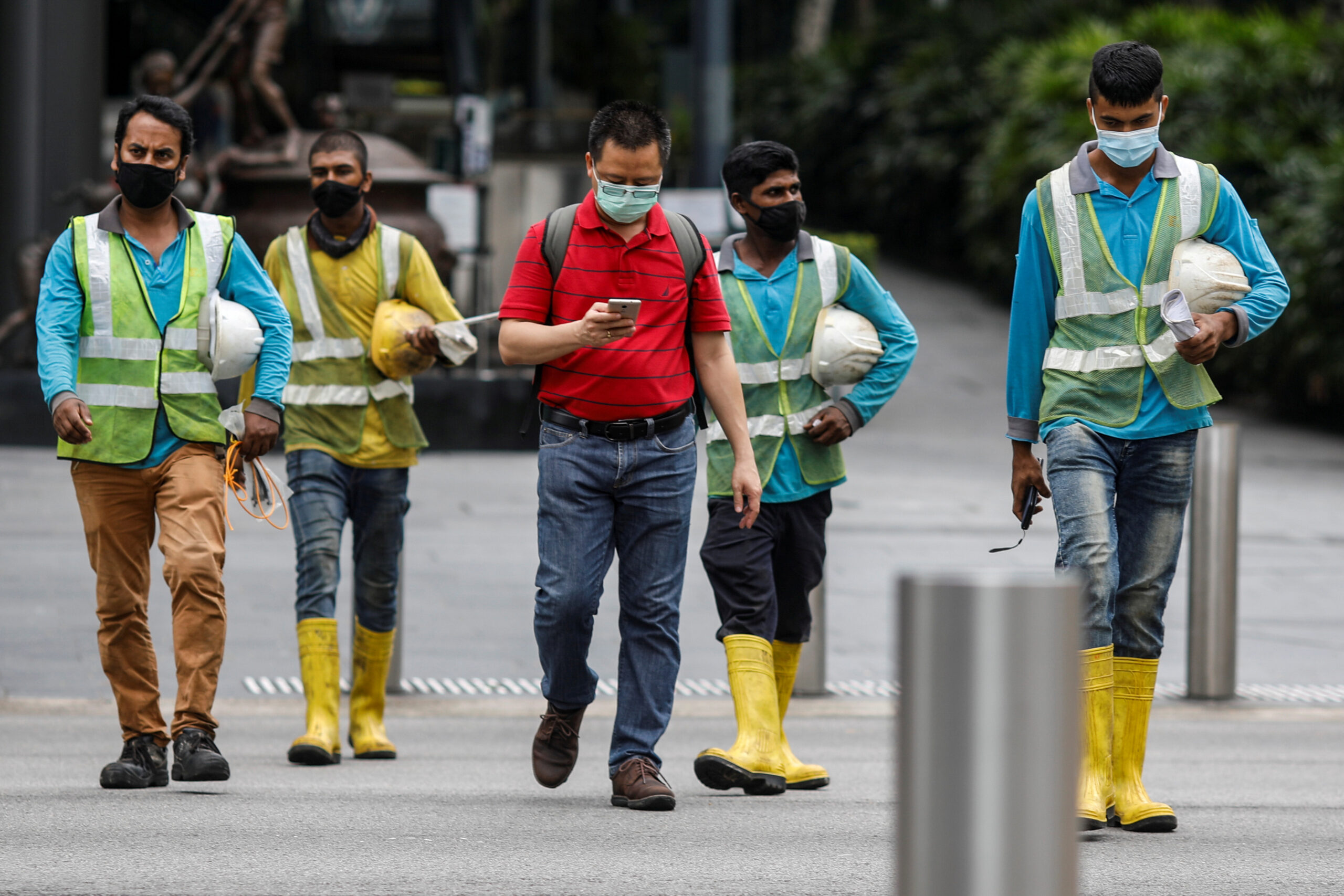
    Restructuring across outward-facing sectors drove the bulk of the job cuts. The Ministry of Manpower identified manufacturing, information and communications, and financial services as the primary areas where corporate reorganisations eliminated headcount. Total employment expanded by 11,400 during the April to June period, but foreign work permit holders in construction and factory operations drove that growth. Local resident employment expansion slowed sharply to 2,200, less than half the 5,400 positions added in the opening quarter.

    Restructuring Hits Tech and Finance

    Corporate streamlining in technology and banking removed higher-paying white-collar positions faster than domestic businesses created them. Total open positions in the economy dropped to 68,600 in June from 73,300 in March. The contraction fell heavily on professional, manager, executive and technician roles in financial institutions and software firms.

    For consumer-facing businesses in Singapore, the concentration of cuts among professionals directly affects discretionary retail spending, food services, and private transport demand. White-collar workers facing extended job hunts pull back on premium purchases and capital outlays. Landlords and retail operators relying on high-density office districts now face a more defensive prime consumer segment.

    Entry-level PMET vacancies stayed relatively flat at 31,700 openings, representing 45.3 per cent of available positions in June. The labor market still holds 1.48 open jobs for every unemployed worker. That buffer continues to prevent severe headline distress across commercial property and basic retail sales.

    Re-entry Rates Slow for Displaced Staff

    Finding replacement work took longer for staff released between April and June. The proportion of retrenched residents finding new employment within six months fell to 54.9 per cent, down from 60.7 per cent in the first quarter. The 12-month re-entry rate held steady at 69.8 per cent.

    Displaced workers taking longer to secure income puts pressure on mid-tier retail brands and food chains across suburban mall networks. Households recalibrate regular spending when severance packages expire before new salaries start. The slowdown in re-hiring also signals that regional tech and finance firms are keeping back-office and regional headcounts lean.

    Overall unemployment held at 1.9 per cent in June, with resident joblessness at 2.9 per cent and citizen unemployment at 3.0 per cent. Long-term unemployment, measuring workers without jobs for at least six months, ticked upward to 1.0 per cent from 0.9 per cent at the end of the first quarter.

    Older PMETs Face Deepening Friction

    Workers aged 50 and older absorbed the heaviest pressure during the quarter. The retrenchment incidence for resident staff in their 50s climbed to 3.6 per 1,000 employees, the highest among all age groups. Unemployment for this cohort rose to 3.1 per cent in June from 2.9 per cent in March, while long-term unemployment reached 1.2 per cent.

    For workers aged 60 and above, the jobless rate climbed from 1.8 per cent to 2.2 per cent. Manpower authorities pointed to specialized career conversion programmes as the primary tool to retrain mid-career staff directly into vacant operating positions rather than generic classroom certifications.

    Fewer job vacancies were added this quarter, and some workers are finding the transition into their next role taking slightly longer. This is a concern for some Singaporeans.

    Cautious Hiring Plans for Third Quarter

    The second-quarter spike follows four consecutive quarters of rising job cuts across the island. Layoffs climbed steadily from 3,540 in the second quarter of 2025 to 3,670 in the third quarter, 3,690 in the fourth quarter, and 3,830 in the first quarter of 2026 before accelerating to 4,620.

    Forward-looking data shows early signs of operational stability. The number of workers placed on temporary layoffs or shortened work weeks dropped to 700 in the second quarter. Employer sentiment surveys conducted in July showed 48.7 per cent of companies plan to hire over the coming three months, up from 43.9 per cent in June. Wage growth intentions softened, with 27.9 per cent of employers planning pay raises compared to 29.3 per cent a month earlier.

    Third-quarter corporate earnings and third-quarter preliminary employment numbers due in late October will confirm whether July hiring intentions translated into actual payroll additions.

  • Facebook and Instagram Hit by Outage with over 22,000 US Reports

    Facebook and Instagram Hit by Outage with over 22,000 US Reports

    Meta-owned social media platforms Facebook and Instagram suffered widespread access issues on Monday (Sep 21) morning, affecting users in Singapore and multiple countries globally.

    Outage tracker Downdetector showed incident reports in Singapore peaking at about 9.20am, reaching around 220 for Facebook and 120 for Instagram, with most users reporting trouble accessing the platforms’ websites.

    Disruption Spreads Across Regional Markets

    Users in several other countries, including the Philippines, Australia, Mexico, and the United States, also experienced disruptions. In the US, Downdetector logged more than 17,000 reports for Facebook and over 5,000 for Instagram as of 1.11am GMT.

    Data compiled at 1:11am GMT showed more than 17,000 outage reports for Facebook in the United States alone. Instagram registered over 5,000 reports during the same window, leaving social commerce operations and live merchant feeds temporarily inaccessible.

    Commercial Exposure for Digital Merchants

    For consumer brands and small enterprises across Southeast Asia, disruptions on Meta properties halt direct sales channels immediately. Social selling drives an outsized share of regional retail conversions, particularly through direct messaging and live product shows on Instagram and Facebook storefronts.

    E-commerce merchants running paid acquisition campaigns face wasted ad spend and disrupted conversion tracking when destination platforms fail during peak morning trading hours. Retailers that rely solely on Meta for digital customer interaction bear direct revenue losses when access drops.

    Repeated Network Instability This Year

    Meta has faced multiple service interruptions across its international infrastructure over recent months. In June, a global outage knocked platforms offline across Singapore, the Philippines, India, Australia, Canada, and the United States.

    Another disruption followed in July, cutting platform access for hundreds of users in Singapore during business hours. The recurring outages raise operational questions for commercial operators that direct consumer discovery and customer support through Meta’s messaging and social infrastructure.

    Platform Performance Under Scrutiny

    Engineers restored connectivity across the affected regions later in the morning as report volumes subsided on tracking platforms. The recurring pattern of downtime places technical resilience at the center of Meta’s regional enterprise relationships, where brands demand uninterrupted access to consumer audiences.

  • Tim Ho Wan Opens First Global Dim Sum Innovation Lab in Hong Kong

    Tim Ho Wan Opens First Global Dim Sum Innovation Lab in Hong Kong

    Tim Ho Wan opened its first Global Dim Sum Innovation Lab at Lee Garden Two in Hong Kong in September 2026. The site serves as the central development kitchen for its worldwide restaurant network.

    The facility centralises recipe testing and chef training to standardise food quality across international branches. Glass walls separate the test kitchen from the dining room. Diners in Causeway Bay can watch staff test ingredients, adjust steamer temperatures, and refine techniques.

    Developing Standardised Dim Sum Menus

    Culinary teams at the site test recipe tolerances and intentional errors. This work establishes baseline operating procedures before dishes roll out overseas. Global creative director Chef Cheung Yat Sing leads menu development inside the Causeway Bay kitchen, focusing on consistency across varied kitchen setups.

    Global chief executive Sheng Lee said the objective is converting high-end dim sum craft into replicable commercial formats across all markets.

    “Our ultimate goal is to translate our best recipes into standardised processes,” Lee said.

    Operational Impact on Global Franchises

    Centralised recipe development addresses quality control challenges during rapid cross-border expansion. Dim sum relies heavily on skilled pastry folding, precise steaming moisture, and fresh filling preparation. These factors often vary widely between franchise operators in different countries.

    By turning the kitchen into an operational testing hub, the group aims to lock down ingredient specifications and cooking parameters before overseas branches introduce new items. Success depends on whether strict procedural standards can maintain texture and flavour when local franchisees substitute regional flour grades and fresh proteins.

    Menu Engineering and Causeway Bay Exclusives

    Causeway Bay is also using the facility to test consumer demand directly through exclusive trial dishes. The company introduced three launch items for the site: a Chef’s Special Siu Mai Trio, a Roasted Tea and Fig Steamed Pudding, and an Iced Apple Lychee Lu’an Tea.

    Dishes that perform well with local diners and meet production efficiency benchmarks will join the master menu distributed to overseas franchisees and joint-venture partners.

    Regional Expansion and Concept Testing

    The lab opening follows recent operational adjustments across the chain’s regional footprint, including trials of a dedicated takeaway format in Taiwan. That trial examined throughput speed and packaging durability for off-premise sales in dense urban transit corridors.

    Staff at the Lee Garden Two innovation lab are now preparing the first batch of seasonal recipes for rollout across Asian outlets later this year.

  • Pakistan Cotton Arrivals Rise 19 Percent to 2.39 Million Bales

    Pakistan Cotton Arrivals Rise 19 Percent to 2.39 Million Bales

    Cotton arrivals at Pakistani ginning factories reached 2.389 million bales by September 15. That volume is up 19 percent from 2.004 million bales during the same period last year.

    The early surge lifts industry projections for full-year national output above six million bales. Last season yielded roughly 5.5 million bales.

    Provincial receipts showed uneven growth across primary growing regions. Punjab deliveries jumped 24.73 percent to 860,942 bales, while Sindh processed 1.528 million bales, a rise of 16.25 percent. Active facilities totaled 205 ginning factories in Punjab and 207 in Sindh.

    Regional Splits and Factory Volumes

    Sindh led early harvesting through intensive picking in key southern districts. Sanghar district alone delivered 888,607 bales to local ginners by mid-September. That single district outpaced the combined intake of all ginning units in Punjab.

    Steady field conditions across Matiari, Tando Allahyar, Hyderabad, Mirpurkhas, Nawabshah and Naushahro Feroze supported the southern haul. In Punjab, picking concentrated across Bahawalpur, Bahawalnagar, Dera Ghazi Khan, Multan, Vehari, Rahim Yar Khan, Muzaffargarh and Rajanpur.

    Mill Demand and Price Competition

    Domestic spinning and textile mills secured the bulk of intake, buying 2.035 million bales by the reporting deadline. Raw cotton exporters booked 93,000 bales. Ginners were left holding an unsold inventory of approximately 261,000 bales.

    Spot prices dropped sharply across trading hubs despite steady buying by domestic spinners. Over seven days, lint prices fell by about Rs1,000 per maund. Rates settled near Rs18,600 in Punjab and Rs18,400 in Sindh.

    Lower import parity prices for Brazilian raw cotton prompted several Pakistani mills to place overseas orders, dampening local price support. Cheaper imported fiber caps production costs for downstream yarn and fabric makers. Domestic growers, however, face tighter margins at the farm gate.

    This price squeeze creates supply chain risks for regional fashion retailers who rely on Pakistani mills for yarn and finished garments. Falling domestic lint prices could erode farm profits. That risk threatens to reverse acreage recovery in future planting cycles and drive higher import dependency across the South Asian textile corridor.

    Data Gaps and Acreage Shifts

    Cotton acreage in Punjab faces land competition from sugarcane, which has expanded into traditional cotton tracts. That shift explains part of the volume gap between the two provinces.

    Official production figures also show large reporting discrepancies between agencies. The Pakistan Cotton Ginners Association recorded 860,942 bales in Punjab through September 15. The Punjab Crop Reporting Service estimated 1.483 million bales by September 17. That represents a 72 percent gap between factory receipts and provincial field estimates.

    Pest Control and Final Crop Risks

    Early arrivals do not guarantee an unbroken harvest, field specialists warn. Agronomists have identified pink bollworm infestations in both provinces. Whitefly, jassid and thrips also apply localized pressure.

    Pest management over the coming weeks will determine whether crop yields hold.

    “The next few weeks will be critical,” Mahmood said, stressing continuous monitoring of bolls, timely pest-control measures and picking to protect both yield and lint quality.

    Growers and ginners are tracking pest counts and late-season rainfall across southern Punjab and Sindh. The next fortnightly arrival report will confirm whether picking maintains the six-million-bale trajectory.

  • Nescafé Pledges RM500,000 to Fund Malaysian Youth Startups

    Nescafé Pledges RM500,000 to Fund Malaysian Youth Startups

    Nescafé will invest up to RM500,000 in seed capital and mentorship to fund youth-led business startups across Malaysia.

    Titled Projek Hidupkan Duniamu, the six-month initiative targets young founders who need direct cash grants and commercial guidance to build viable enterprises.

    Cash allowances and TikTok pitch screening

    Qualifying participants receive a six-month funding allowance, assigned corporate mentors and promotional exposure across Nescafé marketing channels. Applicants must submit a 60-second video pitch on TikTok. In the video, they must explain their commercial ideas and argue why their startup merits direct backing. Submissions open on October 1, coinciding with nationwide International Coffee Month promotions.

    Nestlé Malaysia showed the project during a six-day consumer exhibition at IOI City Mall in Putrajaya. It also introduced new coffee products at the event. These included bottled espresso concentrate, Spanish latte and tiramisu latte variants, alongside appearances from brand partners Black Hanifah and Yusof Hashim.

    Corporate youth programmes in Southeast Asian retail

    Consumer goods groups across Southeast Asia increasingly rely on venture contests to win young brand loyalists while testing grassroots retail ideas. Packaged goods makers now deploy seed funds rather than spending purely on above-the-line advertising. These micro-grants let them test consumer reception in hyper-local settings. They also generate fast social-media reach among demographics that traditional retail marketing misses.

    For retail mall operators and digital platforms, corporate incubators supply early pipeline activity for food concepts, boutique services and micro-merchandise. Survival rates remain low. Very few early-stage projects outlast the corporate grant period without follow-on funding from commercial lenders or institutional venture funds.

    Evolution from university coffee carts

    This rollout updates the earlier Nescafé Youth Entrepreneurship Programme, which placed coffee vending stands and kiosks on university campuses. That scheme trained undergraduates in point-of-sale management, inventory controls and beverage prep. However, it kept participants tied directly to Nestlé product lines.

    Projek Hidupkan Duniamu expands that brief into independent commercial ideas. The shift follows nationwide outreach campaigns by the brand, such as the Ngopi Dulu tour. That tour examined working conditions among frontliners and gig workers in transport hubs, public hospitals and service centres.

    Their stories reminded us that while ambition is abundant, access to opportunities can often make the difference.

    Roadshows set for Selangor and Penang

    Upcoming roadshows will expand on-ground activations at Sunway Pyramid in Selangor and Queensbay Mall in Penang. Application assessments begin once the October 1 submission window opens. Shortlisted finalists will then advance to mentorship and funding before the end of the year.

  • OpenAI Projects $278 Billion Cash Burn Through 2030 on Infrastructure Push

    OpenAI Projects $278 Billion Cash Burn Through 2030 on Infrastructure Push

    OpenAI expects to burn $278 billion between 2026 and 2030 as infrastructure costs outpace revenue, according to an internal presentation. The company plans to spend $856 billion on computing power and hardware over those five years. Annual revenue is projected to climb from $36 billion this year to $350 billion in 2030.

    Cumulative revenue through the decade is forecast at $840 billion from enterprise and consumer adoption. Computing power represents the group’s largest single operational expense.

    Depleting Capital Reserves

    That spending trajectory puts direct pressure on the balance sheet. OpenAI raised $122 billion in March at an $852 billion valuation. Internal forecasts show those cash reserves will run out by 2028.

    Management has held talks with private investors for fresh funding at a valuation near $1.2 trillion to plug the gap. The deficit leaves little room for operational missteps or weaker enterprise software demand.

    Hardware Demand and Asian Supply Chains

    Asian technology suppliers, data centre builders, and hardware vendors will see sustained procurement from that $856 billion computing budget. High-bandwidth memory makers, advanced packaging specialists, and server assemblers in Taiwan, South Korea, and Japan sit directly in the flow of that capital.

    Monetization carries the real risk. Enterprise buyers across retail and consumer tech face higher prices as model builders try to recover infrastructure costs. Competing open-source architectures offer lower operational expenses.

    Delayed Public Listing

    A confidential filing for an initial public offering in June laid the groundwork for a public market debut. Chief executive Sam Altman ruled out a 2026 listing soon after, citing internal concerns over artificial intelligence safety protocols.

    Delaying the float leaves the company dependent on private equity consortia, sovereign wealth funds, and strategic tech partners. These backers must absorb hundreds of billions in negative cash flow before the 2028 cash cliff.

    The Next Funding Milestone

    Attention now turns to the final terms of OpenAI’s prospective $1.2 trillion financing round. Investors will watch whether enterprise subscription revenue meets the target run rate required to hit $36 billion before the current fiscal year concludes.

  • Asia Pacific Mobile Operator Emissions Rose 6% to 23 Million Tons

    Asia Pacific Mobile Operator Emissions Rose 6% to 23 Million Tons

    Asia Pacific mobile operators increased their operational emissions by 6% between 2019 and 2024 to around 23 million tons of CO2 equivalent, according to the GSMA.

    The rise came as mobile data traffic across the region jumped 350% over the five-year period, outpacing a 6% growth in mobile connections and driving up network power demand.

    Operators in the region spent around USD 7 billion on energy in 2024, consuming approximately 50 TWh of electricity alongside 350 million liters of diesel and gasoline.

    Widening Split Between North and Southeast Asia

    Operational emissions trajectories diverged sharply between mature power markets and developing economies across the region. Mobile operators in Southeast Asia recorded a 20 percent increase in operational emissions over the five-year span as carriers rolled out network coverage to meet surging consumer internet demand.

    Operators in Japan and Oceania reduced operational emissions by more than 30 percent over the same period. Those reductions tracked wider domestic availability of commercial renewable energy contracts and corporate green power tariffs.

    Purchased or self-generated renewable electricity across Asia-Pacific operators reached 7 terawatt-hours in 2024, accounting for 15 percent of their total electricity use. While that figure rose from 1 percent in 2019, the regional share still lagged behind the global telecom industry average of 24 percent.

    Procurement Barriers in Developing Grids

    Clean power access remains concentrated in a handful of advanced markets. Telecommunications carriers in Japan and Australia sourced more than 50 percent of their electricity from renewable assets in 2024, compared with 8 percent in South Asia and 4 percent across Southeast Asia. In Malaysia, operators drew 5 percent of their power from clean sources.

    Regulatory frameworks in developing markets limit corporate power purchase agreements and offer few mechanisms to aggregate power demand across thousands of scattered mobile towers. High retail clean-energy tariffs and prolonged permitting timelines for grid connections further restrict deployment.

    Select Southeast Asian carriers have bypassed these constraints through local supply contracts. Globe Telecom in the Philippines sourced roughly one-third of its electricity from renewable generators in 2025, while Telekom Malaysia and Thailand-based True Corporation exceeded 20 percent renewable power adoption.

    Supply Chain and Scope 3 Exposure

    Network operations represent only a fraction of the broader environmental balance sheet for regional telecommunications providers. Value-chain and supply-chain emissions, classified as Scope 3, reached approximately 110 million tons of carbon dioxide equivalent in 2024, representing more than 80 percent of total industry emissions in the Asia Pacific.

    That concentration places financial and compliance pressure directly on network equipment vendors and independent tower companies. Carriers are demanding audited carbon reporting, circular hardware design, and science-based reduction plans from their primary suppliers.

    To date, 21 mobile network operators in the Asia Pacific have secured validated near-term science-based climate targets, representing 55 percent of regional mobile connections and 75 percent of total industry revenue. Another 13 regional carriers hold validated net-zero commitments covering 40 percent of connections.

    Grid Upgrades and Regulatory Reforms Ahead

    Telecommunications operators across the region are pressing governments for structural electricity reforms, accelerated coal phase-outs, and streamlined clean-power procurement rules tailored for distributed infrastructure. Carriers are also petitioning state regulators to classify mobile base stations and backhaul lines as critical infrastructure in national disaster and climate-resilience budgets as tropical storms and coastal flooding escalate.

    The earliest operator net-zero target dates across the Asia Pacific begin in 2040, leaving regional carriers dependent on state grid modernization and corporate procurement reforms to cut the remaining 85 percent of fossil-powered electricity from their balance sheets.

  • Dongfeng Motor to Begin Trial Humanoid Robot Production at Year-End

    Dongfeng Motor to Begin Trial Humanoid Robot Production at Year-End

    Dongfeng Motor plans to begin small-batch trial production of its humanoid robot at the end of this year, aiming to bring its working capabilities on par with human workers by the end of next year.

    The humanoid robot will enter manufacturing factories in October to handle sorting and quality inspection tasks, according to Zhang Zhenlin, chief engineer of intelligent technology at Dongfeng.

    Factory Sorting and Showroom Patrols

    Development covers two distinct platforms: a bipedal humanoid named Xiaodong and a quadruped model called Yuanzai. Both debuted at the 2026 World Robot Conference in August this year.

    Xiaodong handles material sorting inside automotive manufacturing plants. Over time, the system will move from single repetitive tasks to autonomous factory floor operations.

    Commercial rollout begins earlier for Yuanzai. The quadruped will handle customer guidance in auto dealerships, campus patrols, and facility monitoring through onboard multimodal perception and autonomous navigation.

    Cross-Sector Technology Sharing

    Chinese automakers are applying EV software architectures and artificial intelligence models directly to robotics hardware. Dongfeng chief engineer of intelligent technology Zhang Zhenlin said developing embodied intelligence lets teams reuse automotive large-model technology and speed up commercialization.

    Automakers’ development of embodied intelligence products allows technology to be reused across multiple areas such as automotive large models, thereby speeding up commercialization and mass production.

    Overlapping supply chains give carmakers immediate access to batteries, vision sensors, and assembly infrastructure. Factory operators expect the humanoid units to reduce assembly costs while running round-the-clock inspections on vehicle lines.

    The Competitive Field in China

    Dongfeng is not alone in the push. Several domestic EV makers have built dedicated robotics divisions to automate shop floors and sell commercial hardware.

    Xpeng opened a humanoid robot production line on September 8, 2026. It plans mass production of its Iron robot by late 2026, with customer deliveries starting in 2027. Chery-backed Aimoga Robotics has shipped more than 3,000 units globally and is preparing an IPO. Li Auto, Seres, and Leapmotor have also put capital into embodied AI development this year.

    Capital Allocation and Global Goals

    Robot deployment fits into a wider overseas expansion budget. Dongfeng plans to invest 50 billion yuan ($7.41 billion) internationally to launch more than 50 vehicle models.

    Under a roadmap presented by deputy general manager Zhou Feng, the company will build 10 assembly plants and five research hubs outside China. Dongfeng targets 1.5 million overseas vehicle sales annually by 2030, using Xiaodong’s 15-month trial run as the baseline test for broader automation.

  • At Least 8 Longevity Centres Open in Singapore as Young Consumers Drive Demand

    At Least 8 Longevity Centres Open in Singapore as Young Consumers Drive Demand

    At least eight longevity and recovery wellness centres have opened across Singapore over the past four years. Consumers in their twenties and thirties drive this growth by paying for preventative physical therapies. Facilities offer non-invasive services including infrared saunas, cold plunge tubs, magnesium salt baths and red light therapy.

    Commercial wellness spending is shifting away from traditional gym memberships toward recovery-focused retail spaces. Younger patrons now pay hundreds of dollars out of pocket each month. They are building health regimens decades before retirement.

    Shifting Consumer Demographics at Recovery Spaces

    Primary customer intake at specialized longevity centres no longer consists solely of older demographics or rehabilitating athletes. House Longevity brand manager Lukas Kok noted that most of the centre’s roughly 50 regular clients are in their early thirties. These customers seek non-invasive routines with lower entry costs than medical clinical procedures.

    Younger consumers are establishing steady spending patterns. Garrison Lim, a 24-year-old occupational therapy assistant, spent approximately S$400 since June on bi-weekly sessions covering saunas, cold plunges, magnesium baths and red light exposure. Young professionals and content creators treat these visits as routine personal maintenance, not occasional spa indulgences.

    Commercial Real Estate and Clinic Formats

    Clinic fit-outs demand specialized commercial plumbing, high-power electrical setups for saunas, and dedicated drainage for cold plunges. Operators are taking up retail and shophouse space across Singapore. They are building communal recovery hubs funded by membership tiers or single-session bookings.

    Recovery spaces compete directly with boutique fitness studios and premium day spas for discretionary wellness budgets. Operators position their services as functional health investments rather than cosmetic pampering. They focus on cellular recovery, inflammation reduction and joint preservation.

    Social Visibility and Consumer Psychology

    Social platforms play a direct role in customer acquisition for these clinics. Chen Lou, an associate professor studying consumer psychology at Nanyang Technological University, observed that younger cohorts encounter longevity concepts primarily online. In these feeds, recovery practices double as lifestyle markers.

    “These treatments are quite experiential so they can become not only a wellness activity, but also part of someone’s lifestyle and social identity that is shareable on social media,” Lou said. Visual spaces allow operators to lean on organic user posts rather than traditional outbound advertising.

    Market Outlook for preventative Health Retail

    Client education and treatment efficacy present ongoing operational challenges. Operators must balance customer throughput with strict safety protocols. Cold-water immersion and intense heat therapies can pose cardiovascular risks to unconditioned clients.

    Recurring subscription costs will test consumer retention across the sector in coming quarters. Landlords and operators are watching whether independent recovery studios consolidate into regional retail chains across Southeast Asian cities.

  • Google Accelerates Cloud Growth as AI Spreads Across Asia in Two Years

    Google Accelerates Cloud Growth as AI Spreads Across Asia in Two Years

    Google is putting the growth of its cloud computing business into a higher gear after the rapidly spreading use of generative artificial intelligence.

    Harsha Konduri, managing director for Google AI across Asia-Pacific and Japan, said artificial intelligence has become widespread in two years or so, compared to more than 10 years it took to embed cloud computing.

    Compressed Timelines Across Regional Markets

    Konduri sees huge growth potential in Asia and noted that regional demand for artificial intelligence is rising to maximize cost-effectiveness for companies.

    To support this pace, Google is tailoring its enterprise offerings to prioritize three core capabilities: data security, governance controls, and real-time cost management. Asian enterprises operating across fragmented regulatory jurisdictions require strict data residency guarantees before connecting proprietary commercial databases to foundation models.

    Cost Controls and Infrastructure Governance

    Corporate spending priorities across regional consumer, financial, and logistics sectors have shifted from raw model testing to disciplined operating expenditure. Uncontrolled token usage and compute expenses can quickly erode margins on consumer-facing applications.

    Google is positioning its cloud ecosystem to provide real-time budget fencing and compute optimization tools. Regional retailers and supply chain operators demand predictable billing models before deploying automated customer service, inventory routing, and demand-forecasting tools at scale.

    Platform Competition in Asia Pacific

    Rival hyperscalers including Microsoft and Amazon Web Services are competing aggressively across Asia-Pacific data center hubs. Competition centers on offering pre-configured enterprise safeguards that allow corporate legal and technical teams to deploy applications without building internal compliance layers from scratch.

    For commercial operators, the battle among cloud providers reduces migration friction and lowers infrastructure costs. The primary operating risk sits in long-term lock-in to proprietary foundation models that complicate future cross-platform integration.

    Enterprise Deployment Targets

    Enterprise tech spending in major Asian markets previously required multi-stage sign-offs across regional boards. The compression of software rollout cycles forces corporate leadership to balance rapid capability deployment against compliance exposure under local privacy frameworks.

    Market participants are now monitoring quarterly capital expenditure filings and regional data center investments as Google and its rivals build out localized processing capacity across Japan, Southeast Asia, and Australia.

  • Hyundai Department Store to Open 10 Overseas Multi-Brand Stores by 2030

    Hyundai Department Store to Open 10 Overseas Multi-Brand Stores by 2030

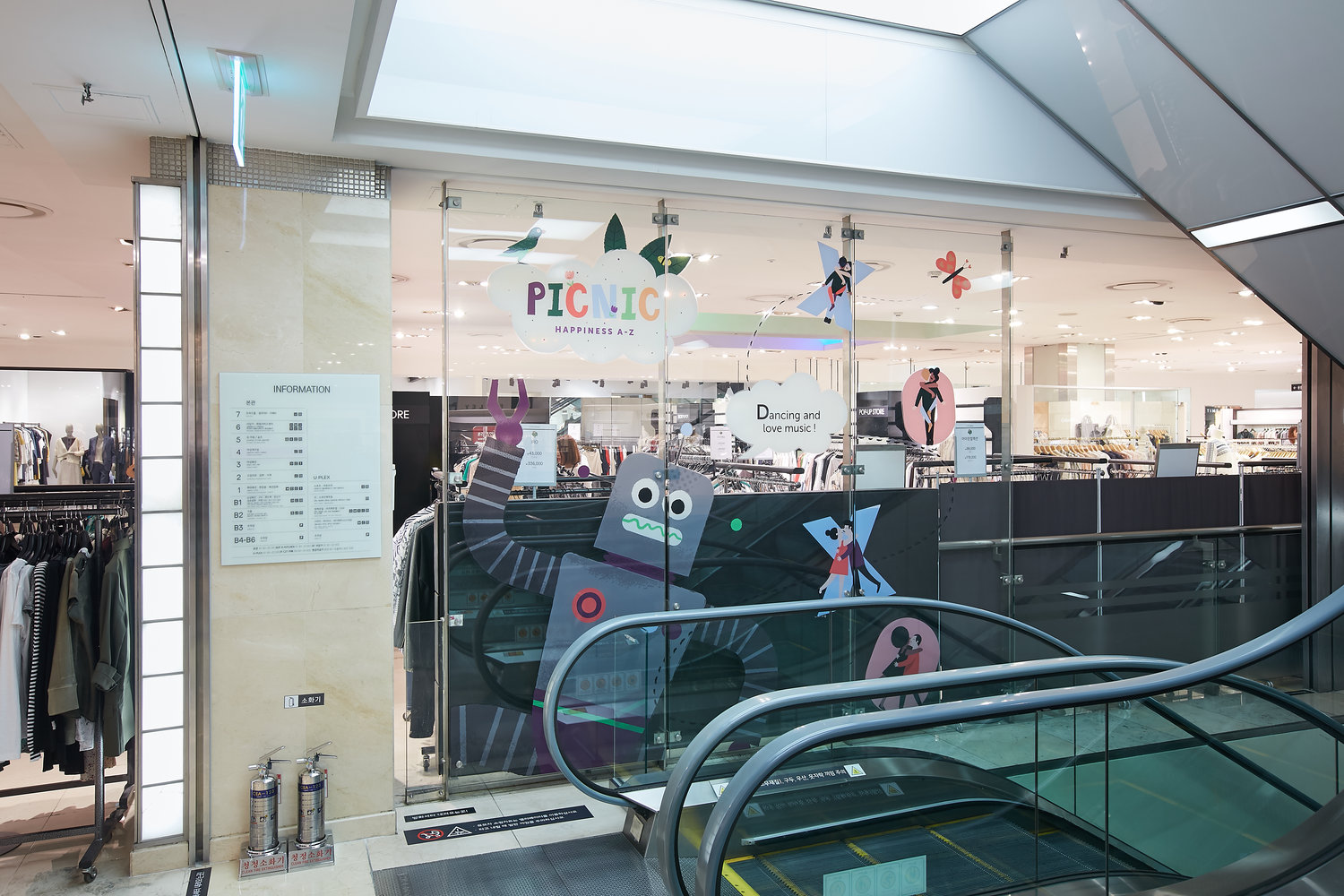
    Hyundai Department Store will open 10 large multi-brand retail stores across Japan, Europe, and the United States by 2030. It is partnering directly with domestic apparel labels. These partnerships create permanent multi-brand platforms outside South Korea.

    The rollout begins in Tokyo. The company established a permanent location inside the Omokado shopping center in the Omotesando fashion district. That site puts multiple Korean fashion brands onto a single operated floor plan.

    Building an Export Channel for Korean Labels

    South Korean department store operators face slowing domestic consumption and saturated prime retail zones in Seoul. Exporting curated fashion spaces creates a secondary revenue channel. It also cuts market-entry risk for smaller independent labels.

    Individual Korean fashion brands frequently struggle with overseas lease negotiations, local regulatory compliance, and foreign staffing. Hyundai acts as the master tenant and operational umbrella. This structure gives smaller labels turnkey access to high-footfall international corridors.

    Tokyo Footprint as the Launchpad

    The Omokado location tests foreign shopper demand in Tokyo before the company expands into Western markets. Japanese shoppers already represent a solid buyer base for Korean consumer culture, cosmetics, and street apparel.

    Floor space in Omotesando positions the business directly against Japanese department store groups and specialty concept stores. Results in Tokyo will shape the retail layout and brand mix for planned European and American flagships.

    Shifting Away from Short-Term Pop-Ups

    Domestic retail groups spent years testing overseas appetite through short-term pop-ups in major Asian gateway cities. Permanent real estate requires consistent foot traffic and higher baseline sales to cover fixed operating costs.

    Landlords in Tokyo, London, and New York want differentiated international tenants to draw shoppers offline. Hyundai is pitching its Korean apparel curation as an anchor draw for commercial property operators overseas.

    Milestones Toward the 2030 Target

    Execution risks center on international supply chains, localized inventory management, and sustained sales momentum. Store profitability hinges on balancing prime retail rents against the average order values of youth fashion brands.

    Site reviews are underway in European and US retail capitals. Performance data from the Omotesando site over coming quarters will guide the next phase of store openings.