Blog

  • Digicel PNG and Vodafone PNG Sign Tower-Sharing Agreement

    Digicel PNG and Vodafone PNG Sign Tower-Sharing Agreement

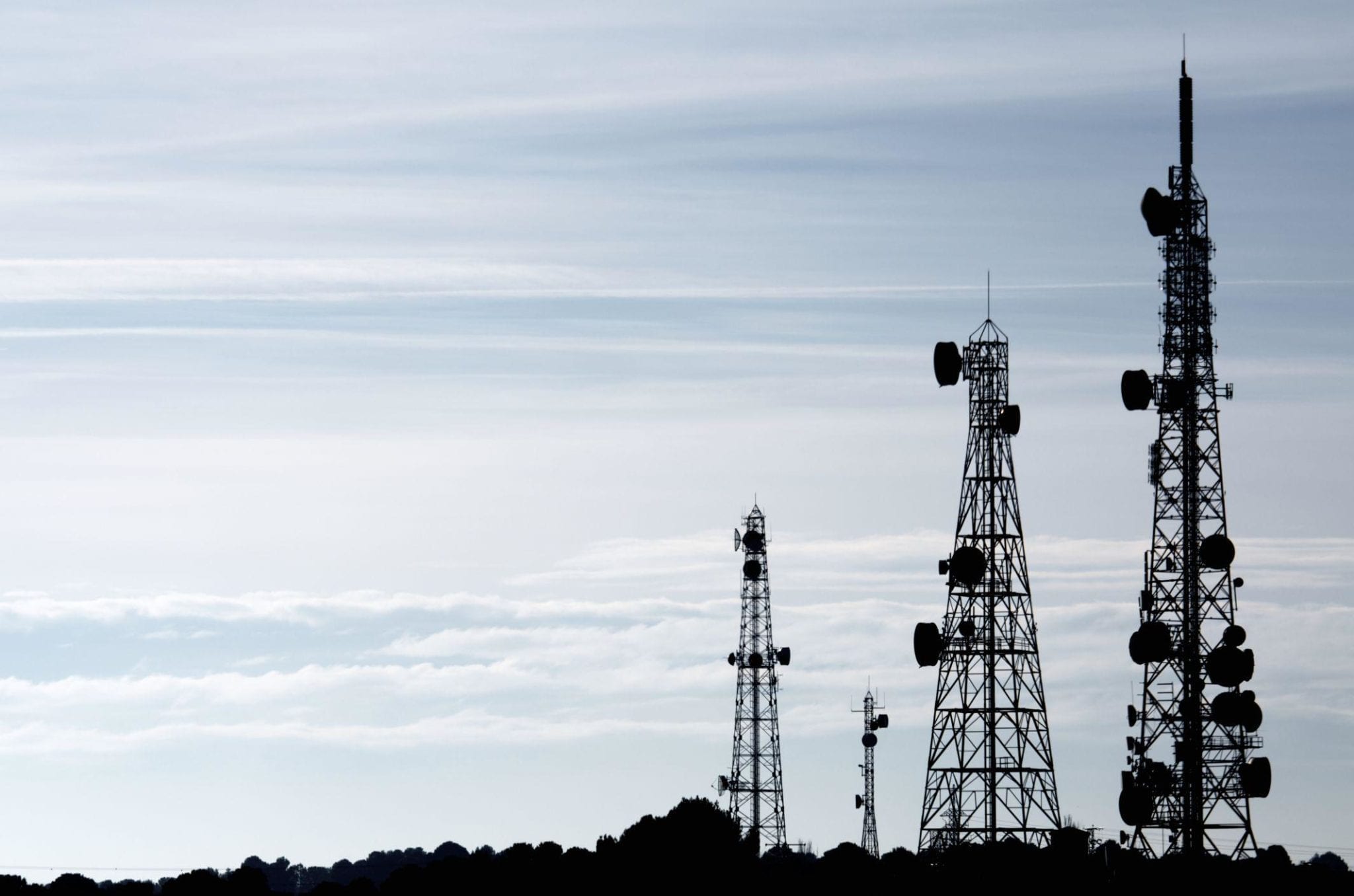
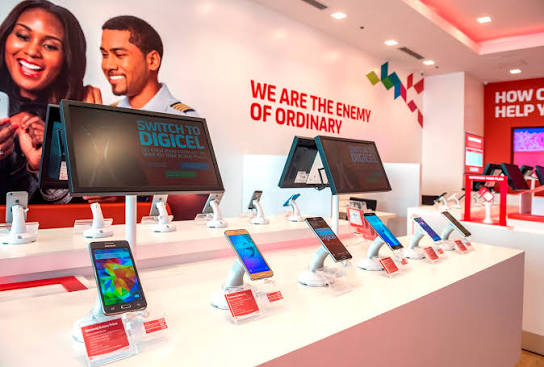
    Digicel PNG and Vodafone PNG have signed a tower-sharing agreement to co-locate equipment on suitable tower sites across Papua New Guinea.

    The deal follows Vodafone PNG’s infrastructure-sharing pact with state-owned operator Telikom PNG announced in August, establishing a framework for co-location while allowing both companies to maintain independent network operations.

    Under the agreement, each operator can install equipment on towers owned by the other subject to technical, operational, safety, and commercial requirements as both prepare for 5G deployment.

    Cutting Capital Costs Across Rugged Geography

    Papua New Guinea presents some of the most expensive operating conditions for telecoms in the Pacific. Mountainous terrain, dense rainforests, and isolated population centres drive up the cost of diesel supply, security, and civil works at remote transmission sites.

    Sharing passive infrastructure lets both operators extend rural footprints without pouring duplicate concrete foundations or running separate backhaul links. Digicel PNG Interim Chief Executive Officer Brett Goschen said the arrangement addresses high delivery costs by cutting duplication and speeding network expansion.

    By sharing existing tower infrastructure where appropriate, we can expand network reach faster, reduce duplication and costs, and maximize the value of investments already made across the country.

    Consolidation Across the Pacific Carrier Market

    This bilateral deal mirrors a broader shift across the Asia-Pacific toward asset-light carrier models. Network operators in developing island markets increasingly treat physical towers as shared utilities rather than proprietary competitive moats.

    Faster site sharing cuts rural dead zones for enterprise users, logistics providers, and mobile money operators. The challenge now shifts to operational execution. Teams must coordinate shared site maintenance, resolve generator disputes during grid outages, and allocate mast space when both carriers demand additional antenna positions.

    Building on State Infrastructure Deals

    Vodafone PNG entered the market in 2022 to challenge Digicel’s long-standing footprint and has pushed for shared infrastructure to catch up on nationwide coverage. In August, Vodafone PNG struck an infrastructure-sharing and co-location pact with state-owned operator Telikom PNG to open access to public telecommunications assets.

    That arrangement established the groundwork for wider industry cooperation. Combining access to state-owned masts with Digicel’s extensive private footprint allows Vodafone PNG to expand its coverage map while curtailing capital expenditures.

    Preparing for Commercial 5G Spectrum

    Papua New Guinea’s National Information and Communications Technology Authority (NICTA) has finalized its regulatory framework for issuing 5G spectrum licences in the 2.6 GHz and 3.5 GHz bands. Operators are now positioning their shared physical infrastructure to install mid-band 5G antennas as soon as NICTA initiates the formal licence grant process.
  • AirAsia Defends Finances After Reporting 831 Million Ringgit Q2 Loss

    AirAsia Defends Finances After Reporting 831 Million Ringgit Q2 Loss

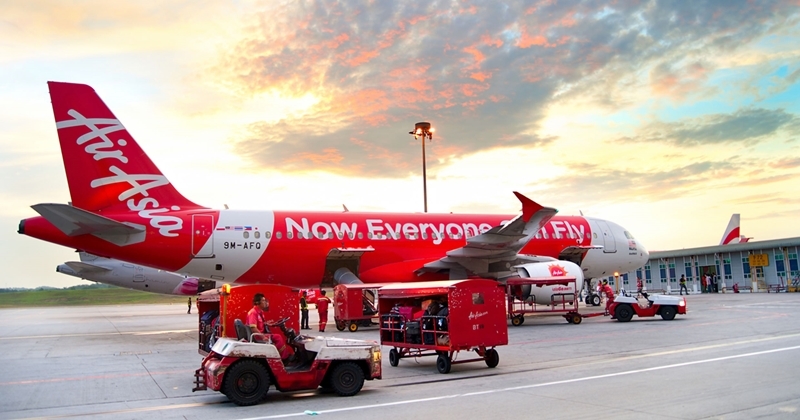
    AirAsia co-founder Tony Fernandes defended the airline’s financial resilience in Hong Kong on Friday, arguing that higher fuel prices pose far less disruption than the pandemic.

    The carrier controls roughly 60 percent of Malaysia’s domestic aviation market and operates 100 aircraft across the country. Fernandes spoke after Malaysian authorities examined whether competing carriers could absorb domestic routes if financial pressures mount.

    Government Contingency Plans

    Malaysian officials approached Malaysia Airlines and Batik Air to evaluate whether either operator could absorb domestic capacity on short notice. The inquiry formed part of government scenario planning as regulators tracked the balance sheet of the region’s largest budget carrier.

    Fernandes rejected the feasibility of such a shift during his Hong Kong briefing, stating that rival operators cannot replace 100 operational aircraft overnight. The airline’s shares fell 21 percent on Thursday following reports of the government inquiries, bringing year-to-date equity losses past 70 percent.

    Fuel Costs and Second-Quarter Deficit

    Spike in aviation fuel prices delivered an 831 million ringgit net loss for the second quarter ended June 30. Jet fuel surged 66 percent quarter-on-quarter to an average of $183 per barrel following military conflicts in the Middle East.

    Foreign exchange losses compounded the deficit, adding 331 million ringgit in extra costs during the quarter. Balance sheet disclosures show current liabilities reached 18.4 billion ringgit ($4.52 billion) on June 30, matched against cash and bank balances of 954 million ringgit.

    Regional Route Recovery

    Passenger traffic metrics show steady volume across core Southeast Asian corridors despite fare increases. Load factors across the network reached 80 percent in the third quarter, supported by advance passenger bookings for the final three months of the year.

    Management expects operating margins to stabilize as ticket prices adjust upward to cover elevated fuel surcharges. Operating units in Indonesia, Thailand and the Philippines maintain stable booking patterns heading into peak year-end travel periods.

    Liquidity and Capacity Pressures

    Fernandes told investors the second quarter represented the peak operational strain for the group’s network. The carrier is relying on ticket repricing and regional flight demand to service short-term debts without cutting its scheduled Malaysian frequencies.

    Attention turns to fourth-quarter operating results and whether passenger demand absorbs the higher fare brackets needed to offset $183-a-barrel jet fuel.

  • Mr Chen’s Launches Three Multi-Serve Frozen Meal Kits

    Mr Chen’s Launches Three Multi-Serve Frozen Meal Kits

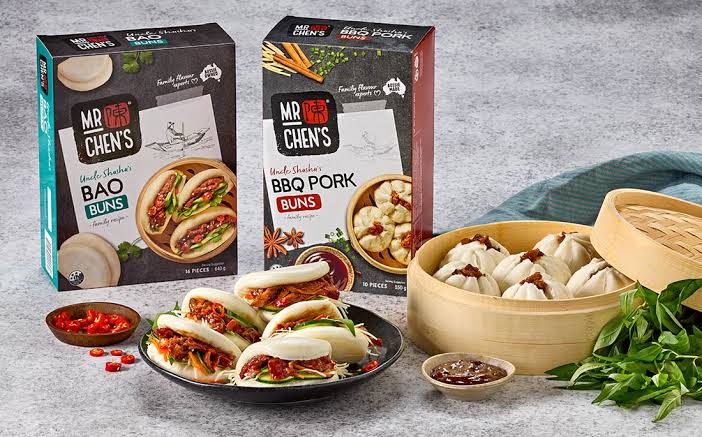
    Mr Chen’s expanded its frozen grocery lineup with the launch of three multi-serve meal kits in September 2026. The brand designed each pack to cook in 15 minutes and serve two people.

    The rollout targets dinner occasions with three takeaway-style recipes: Chicken Chow Mein Noodles, Korean Style Beef Noodles, and Chinese Chicken Fried Rice. The format shifts the brand beyond single-serve snacks and dumplings into complete dinner solutions.

    Component packaging for frozen dinner kits

    Each kit uses segregated interior packaging to keep proteins, carbohydrates, vegetables, and sauces separate until cooking. This structure avoids the texture degradation common in pre-mixed frozen ready meals during pan preparation.

    The supplier aims to capture consumers seeking quick evening meals without ordering restaurant delivery. Supermarket freezer space in Australia has historically concentrated multi-serve meal kits in Western and Italian categories such as pasta and bakes, leaving Asian recipes under-represented in larger formats.

    Shifting space in supermarket freezers

    For supermarket buyers at Coles and Woolworths, multi-serve Asian meals offer a higher register ring than traditional individual dumplings. Frozen grocery categories have seen steady volume gains as shoppers manage household food budgets against rising dining-out costs.

    Suppliers face execution hurdles in maintaining vegetable crispness and protein tenderness across commercial cold chains. Maintaining ingredient integrity across frozen distribution networks remains the primary barrier to repeated customer purchases in premium frozen food.

    Evolution from dim sum specialist

    Mr Chen’s built its retail distribution across Australian grocers by establishing a foothold in frozen yum cha items, gyoza, and steamed buns. Expanding into centre-of-plate meal kits represents an effort to command broader shelf space within the frozen aisle.

    Retail buyers will track initial sell-through rates across metropolitan stores over the coming quarter to determine whether the two-serve meal format justifies dedicated permanent shelf allocation.

  • Interparfums Extends Roberto Cavalli Fragrance License for 20 Years to 2046

    Interparfums Extends Roberto Cavalli Fragrance License for 20 Years to 2046

    Interparfums Inc. And Marquee Brands have signed a 20-year extension to their global fragrance license for Roberto Cavalli. The deal keeps the partnership in place through December 31, 2046.

    Sales for the Italian fashion house’s perfume lines rose 8 per cent in the first half of 2026.

    Under the renewed contract, Interparfums retains exclusive worldwide rights to create, develop and distribute fragrances under both the Roberto Cavalli and Just Cavalli names. Operations will stay with Florence-based subsidiary Interparfums Italia Srl. Management oversight will continue from Paris.

    Terms of the twenty-year deal

    Securing a two-decade extension gives the licensee stability to allocate long-cycle product development capital. Most fragrance license renewals run five to ten years. A 20-year commitment locks in prestige retail shelf space for the long term.

    Interparfums took over the Roberto Cavalli beauty business in 2023. During its initial three-year tenure, the company reworked the brand catalogue. It introduced new product lines under Uomo, Just Cavalli and Marbleous, including Marbleous Cypress.

    Product rollouts accelerated in 2025 with the release of Serpentine, positioned by management as the brand’s primary volume driver. The company confirmed Serpentine expanded shelf placement and reach across key international distribution points.

    Growth across international channels

    For department store buyers and distributor networks, the agreement prevents supply chain transitions and protects counter investments. Multi-brand beauty operators in regional retail hubs rely on established fashion labels to pull foot traffic into cosmetics halls.

    The portfolio structure allows Interparfums to address two distinct price segments. Roberto Cavalli competes in prestige luxury retail counters. Just Cavalli targets accessible premium doors and specialty chains.

    Long agreements also give the licensee use when negotiating shelf allocation with retail landlords and airport duty-free operators. Retailers gain assurance that marketing and promotional budgets will not dry up due to an impending license expiration.

    Financial performance and market headwinds

    First-half sales momentum held firm in 2026 despite market volatility. Roberto Cavalli remains the largest fragrance brand in the Interparfums portfolio across Middle Eastern markets, where recent regional disruptions affected retail distribution.

    Wider international expansion offset those regional declines. Chief Executive Jean Madar identified Roberto Cavalli as one of the fastest-growing lines in the company’s broader brand roster.

    Market valuation reflects high expectations for the group’s licensing pipeline. Interparfums trades at a forward 12-month price-to-earnings ratio of 22.85. That compares with a personal care industry average of 13.83 and a consumer discretionary sector average of 15.61.

    Pipeline plans through 2046

    Brand owner Marquee Brands endorsed the execution delivered by the Italian operating team during the initial phase of the agreement.

    Interparfums has proven itself an exceptional steward of Roberto Cavalli fragrances, translating the house’s design language into products that resonate with consumers worldwide.

    Heath Golden, Chief Executive of Marquee Brands, said the agreement reinforces the central commercial role fragrance plays in expanding the fashion label globally.

    Development teams in Florence and Paris are now preparing the next sequence of fragrance flankers and seasonal releases, scheduled for global distribution in 2027.

  • Nippon Life to Invest $12.75 Billion in Infrastructure Financing

    Nippon Life to Invest $12.75 Billion in Infrastructure Financing

    Nippon Life Insurance plans to invest 2 trillion yen ($12.75 billion) in infrastructure financing, backing the construction of data centers across the United States, Nikkei Asia reported on Sunday.

    The Tokyo-based insurer will deploy the capital through project finance structures, securing loan repayments directly from the operational cash flows generated by the underlying digital facilities.

    Yield Spreads Drive Capital Abroad

    Management targets project finance assets in the American market to capture average spreads exceeding 2 per cent over benchmark rates. Those yields provide an attractive margin for the insurer while spreading risk across a broader mix of overseas infrastructure holdings.

    Competition for high-capacity computing sites has intensified as cloud service providers and tech conglomerates expand physical networks. Nippon Life is stepping into that funding gap, positioning long-term institutional debt as a steady funding source for developers requiring private project capital.

    The Balance Between Foreign and Domestic Assets

    For institutional lenders across Asia, this cross-border deployment shows how life insurers continue to balance global credit with domestic opportunities. Rising interest rates and renewed inflation in Japan have made domestic real estate and logistics assets more viable, yet US infrastructure debt still offers depth and liquidity that local markets cannot match.

    The risk for life insurers in project lending sits largely in execution and tenant retention. Unlike corporate bonds backed by full corporate balance sheets, these loans rely on continuous power access, long-term tenant leases and uninterrupted cash flows from single facilities or dedicated operating pools.

    Building the Domestic Pipeline

    Japanese institutional funds have long looked abroad to escape negative interest rates at home. That dynamic is shifting as data demands inside Japan surge, opening up room for domestic power and computing projects alongside offshore portfolios.

    Nippon Life is actively evaluating loans for data center developments in Japan before the end of fiscal 2026. The insurer plans to expand that local portfolio steadily, setting a target to double its outstanding project balance to 2 trillion yen by fiscal 2035.

  • Japan’s I’m Donut? Enters Southeast Asia with First Kuala Lumpur Store

    Japan’s I’m Donut? Enters Southeast Asia with First Kuala Lumpur Store

    Japanese bakery concept I’m donut? Opened its first Southeast Asian store at The Exchange TRX in Kuala Lumpur on September 12, 2026. The outlet brings more than 30 pastry varieties to Malaysia.

    The launch is the brand’s first physical retail location outside Japan. It follows rapid growth across Tokyo and other major Japanese cities.

    The Exchange TRX Deployment

    Located at lot GS.05.0 in The Exchange TRX, the shop trades daily from 10:00 AM to 10:00 PM. Staff make every pastry fresh on site throughout the day.

    Chef and founder Ryouta Hirako built the concept around signature nama donuts. His recipe uses a soft dough to produce an airy texture. The Kuala Lumpur branch stocks the brand’s core menu, including the Original, Nama French Cruller, Pistachio Cream, Cacao and Custard variants.

    “We are very happy to finally bring I’m donut? To Malaysia and to introduce our nama donuts to customers in Kuala Lumpur,” said Chef Ryouta Hirako, Founder of I’m donut?.

    Localization and Menu Structure

    Alongside its Japanese lineup, the retailer rolled out items designed specifically for Malaysian consumers. The localized menu incorporates regional breakfast staples and drinks into bakery formats.

    Exclusive items feature sweet and savoury combinations, including Masala Chicken, Cham, Hojicha Kaya Jam, Milo Glazed, Banana Fritter Caramel and Pandan Coconut Cream. Menu localization helps specialty bakeries keep footfall steady once initial novelty fades.

    Mall Dynamics and Food Retail Competition

    Mall operators across Southeast Asia have turned to viral Japanese and Korean food concepts to anchor retail floors. The Exchange TRX serves as a primary landing pad for foreign food and beverage brands entering Malaysia.

    Single-product bakery concepts face sharp competition in Kuala Lumpur’s top retail hubs. Long-term performance requires a balance. Operators must pair core imported recipes with localized seasonal items to hold a broad customer base.

    Expansion Trajectory

    The Malaysian launch follows an announcement in late August 2026 detailing plans to expand across the region. This Kuala Lumpur site gives the company an operating base to test Southeast Asian demand.

    RetailNews Asia tracks store productivity across prime commercial developments in Malaysia. Sales and foot traffic at The Exchange TRX will establish the baseline for future growth. Those figures will determine whether the business adds locations in the Klang Valley or pushes into Singapore and Thailand.

  • Toyota Trims Philippine Production Target to 60,000 Units

    Toyota Trims Philippine Production Target to 60,000 Units

    Toyota Motor Philippines expects assembly at its Santa Rosa plant to drop to roughly 60,000 units in 2026. That falls short of last year’s record volume. Weak consumer demand and macroeconomic pressures have slowed sales across the country. As a result, the carmaker is scaling back factory runs in Laguna.

    Plant output reached 63,804 vehicles in 2025, an all-time high for the local unit. Through August this year, assembly lines built 38,221 vehicles. That represents a 10 percent drop from the 42,469 units assembled during the same eight-month period last year.

    Production Mix Shifts at Santa Rosa

    Workers at the facility build three models: the Vios sedan, the Tamaraw utility vehicle, and the Innova compact multi-purpose vehicle. The Vios accounted for 18,321 units, or 48 percent of local output through August. The Tamaraw followed with 12,468 units, or 33 percent. Innova production dropped to 7,432 units, making up the remaining 19 percent.

    Output rebounded briefly in July to 5,540 units before sliding to 4,540 units in August. Deliveries mirrored the slowdown. Total sales declined from 17,797 units in July to 14,594 units in August.

    Rebalancing factory lines is difficult. Santa Rosa shares capacity across all three nameplates simultaneously. Because of that shared setup, the plant cannot easily raise volume for one model when demand for the other two cools.

    Commercial Segment Drops While Sedans Hold

    Overall sales dropped 9 percent year on year during the first eight months to 133,300 vehicles, down from 146,357 units a year earlier. Commercial vehicle deliveries fell 15 percent to 98,531 units. Passenger car retail sales told a different story, rising 15 percent to 34,769 units over the same period.

    Shifts occurred within the passenger car lineup as well. Toyota introduced the imported Yaris Ativ to capture buyers who previously chose higher-specification Vios variants. That change protected overall sedan market share while reducing assembly pressure on the locally built Vios.

    Even with lower volumes, the brand maintained its commanding market lead. Through July, Toyota sold 118,706 vehicles, capturing nearly half of the Philippine automotive market. Mitsubishi Motors Philippines Corp placed second with 42,592 units sold.

    Expanding Tamaraw Conversions for Fleets

    Management has positioned the Tamaraw as a core pillar of its local manufacturing plan. The model has already overtaken the Innova in total units assembled this year. Steady orders from commercial businesses and local government fleets fueled the climb.

    To broaden customer appeal, Toyota Motor Philippines developed 13 body conversions with seven accredited local body builders. These configurations target delivery operators, municipal public services, and utility fleets across regional provinces.

    Commercial buyers are now weighing whether local conversions reduce acquisition and maintenance costs compared to imported platforms. High domestic fuel prices have forced logistics companies and distributors to trim replenishment budgets. Modular utility vehicles offer an economical alternative.

    Policy Support and Assembly Outlook

    Government policy will shape the next phase. The carmaker plans to enroll the Tamaraw under the revived Revitalizing the Automotive Industry for Competitiveness Enhancement program once officials finalize the framework. Qualifying for state manufacturing incentives will dictate whether Toyota expands local parts procurement for the platform.

    Meeting the year-end goal will require a steep ramp up. Toyota Motor Philippines must assemble nearly 22,000 vehicles between September and December to hit its revised 60,000-unit target. The final outcome hinges on whether commercial fleet orders pick up in the fourth quarter.

  • Japan Offers 50 per Cent Subsidy to Rebuild Subsea Cable Fleet

    Japan Offers 50 per Cent Subsidy to Rebuild Subsea Cable Fleet

    Japan’s Internal Affairs and Communications Ministry will subsidize half the construction cost of new subsea cable-laying ships. The vessels secure routes carrying 99 percent of international data traffic.

    Funding is part of a broader JPY 2.4 trillion public and private investment plan running through fiscal 2040. The plan will expand undersea networks and replace an aging domestic fleet. Japanese operators currently maintain just five cable-laying vessels weighing more than 5,000 tons. Three belong to NTT Group. Two belong to a KDDI subsidiary.

    Aging tonnage and foreign charter risks

    Specialized cable ships deploy remotely operated seabed vehicles and maintain transoceanic lines. They carry thousands of kilometers of coiled fiber in onboard tanks. These hulls carry an operational life expectancy of roughly 40 years. Several Japanese ships have passed 30 years in service. That age creates rising maintenance costs and reliability concerns.

    Carriers in the United States and Europe operate larger, newer fleets. These allow faster deployment schedules. Japanese telecommunications groups face tighter construction windows and strict order requirements when contracting repairs or new routes. Regional data links are left exposed during outages.

    The 2.4 trillion yen rollout

    Tokyo designated information and telecommunications as one of 17 strategic national sectors alongside artificial intelligence, semiconductors, and defense. Financial backing follows the revised Economic Security Promotion Law passed in June. Under the policy, the ministry can fund up to 50 percent of shipyard build costs for qualifying private operators.

    Subsea lines carry data traffic generated by cloud platforms and generative artificial intelligence clusters across East Asia. The Japanese government wants domestic carriers to control physical installation assets. This avoids dependence on international charter pools during geopolitical or supply chain disruptions.

    Imbalance across the supply chain

    A domestic fleet deficit contrasts with Japan’s manufacturing strength. NEC Corporation controls approximately 20 percent of the global undersea cable manufacturing market. The company owns zero cable-laying vessels. It relies entirely on leased foreign ships to install hardware.

    This divide between cable manufacturing and maritime installation creates cost volatility. Leased vessels command high charter rates and rigid booking calendars. NTT, KDDI, and NEC are evaluating whether to order newly built hulls or execute extensive refits on existing hulls to qualify for state funding.

    What comes next for shipyards and carriers

    June’s revised Economic Security Promotion Law established the legal framework. In July, the cabinet’s growth strategy committed the JPY 2.4 trillion target through 2040. Those steps cleared the path for the ministry’s budget request for the upcoming fiscal year.

    Shipbuilding allocations and vessel specifications depend on final budget approval in parliament. Japanese carriers must then secure shipyard slots in domestic yards already contending with tight commercial delivery schedules.

  • Apple Passes $10 Billion in India Sales as Made-In-India Pro Models Ship Worldwide

    Apple Passes $10 Billion in India Sales as Made-In-India Pro Models Ship Worldwide

    Apple crossed $10 billion in annual revenue in India in fiscal 2026 as local production lines began supplying flagship devices directly to overseas store shelves.

    Revenue rose at a double-digit rate from roughly $9 billion a year earlier, driven by premium handset upgrades and larger contributions from MacBooks and iPads.

    The milestone coincided with the retail rollout of the iPhone 18 Pro and Pro Max, which started selling on Friday from Rs 164,900 ($1,970) and Rs 179,900 respectively. Foxconn and Tata Electronics assembled the devices locally around the clock, exporting launch-day inventory to the United States and other international markets ahead of the retail debut. Last year, Indian factories assembled only the standard iPhone 17 variants for worldwide launch day, while Pro assembly followed months later.

    Value Gains Defy Falling Shipment Volumes

    Consumer demand in India continues to tilt toward higher price brackets even as overall unit volume contracts. Handset shipments fell 4.1 per cent year-on-year to 31 million units in the first quarter of 2026, according to IDC data. Market value rose 5.8 per cent over the same period as average selling prices climbed 10.4 per cent to a record $302.

    Counterpoint Research data recorded premium devices accounting for 29 per cent of the total Indian smartphone market by volume during the first half of 2026. Apple captured 28 per cent of total market revenue in the first quarter despite accounting for only 9 per cent of unit volume, according to IDC. Samsung and Apple together took the vast majority of premium sales.

    Retailers across major metro markets reported steady traffic driven by structured financing, trade-in allowances, and multi-year credit card instalments that offset upfront list prices. Reliance Digital and Apple’s six company-owned flagship stores saw pre-dawn queues across Mumbai, Delhi, and Bengaluru as shoppers traded in older handsets.

    Contract Manufacturers Expand Pro Production

    For electronics manufacturers across Asia, the shift alters the operational playbook. Apple is no longer using Indian assembly plants solely to bypass local import tariffs or serve domestic buyers with older models. Placing day-one global manufacturing of flagship Pro hardware in Tamil Nadu and Karnataka shifts industrial weight away from mainland China’s assembly clusters.

    Suppliers face tighter technical requirements. Assembling top-tier hardware demands tighter tolerances, specialized cleanroom environments, and faster component turnaround times than entry-level lines require. Foxconn and Tata Electronics have absorbed those requirements, forcing second-tier domestic component suppliers to upgrade production quality or lose supply allocations to global tier-one vendors.

    Industrial Policy Drives Supply Chain Deepening

    The transition reflects years of targeted state incentives designed to build a domestic tech manufacturing base. Total mobile phone production in India climbed from Rs 18,900 crore in fiscal 2015 to Rs 6.27 lakh crore in fiscal 2026. Handset exports rose from Rs 1,566 crore to Rs 2.60 lakh crore over the same decade, making mobile phones the country’s largest single export category.

    Federal support through the Production Linked Incentive program drew more than Rs 20,600 crore in cumulative capital investment by March 31, 2026. Cumulative production under that program reached Rs 11.62 lakh crore, with exports topping Rs 6.53 lakh crore.

    New Delhi is now pushing beyond surface-mount assembly into core components through the Electronics Component Manufacturing Scheme. Ashwini Vaishnaw, the electronics and information technology minister, described the initiative as a deliberate step to build domestic supply lines for precision parts and raw materials. Regulators approved 106 component projects representing Rs 69,548 crore in pledged investment, with 38 factories operational as of August.

    Imported Foldable Tests Peak Price Ceilings

    Apple will test the upper limit of domestic purchasing power next month with the launch of its first foldable handset, the iPhone Duo. That model starts at Rs 299,900 for the 256GB version and rises to Rs 444,900 for the 2TB configuration. Unlike the Pro line, the foldable device will arrive as a fully imported unit assembled outside India.

    Retail networks will monitor inventory turnover for the ultra-premium foldable closely to assess whether local credit appetite can absorb handsets priced above Rs 300,000 without dedicated manufacturing subsidies.

  • Panasonic Energy Opens Osaka Battery Hub to Double Development Efficiency

    Panasonic Energy Opens Osaka Battery Hub to Double Development Efficiency

    Panasonic Energy opened a research hub in Kadoma near Osaka to double battery development efficiency by March 2031. The site brings material design, cell engineering and prototyping under one roof.

    Around 500 staff will work at the facility, named Energy Innovation Square, alongside 300 manufacturing engineers at the nearby Suminoe site. Together, the 800-person Osaka cluster represents one of Japan’s largest battery research networks.

    Consolidating cell design in Kadoma

    The facility integrates design and testing operations that were previously dispersed across separate locations. Panasonic Energy expects this centralisation to cut development times and associated transit requirements by more than 15 per cent.

    Engineers at the Kadoma hub will use a digital platform that combines computer simulations with physical test data. Continuous monitoring and statistical analysis are designed to refine digital modelling, allowing faster handoffs from initial cell prototypes to commercial assembly lines.

    Deploying Osaka technology to US plants

    Process improvements developed in Osaka will feed directly into the company’s manufacturing footprint. That network includes domestic Japanese plants alongside high-volume battery facilities in Nevada and Kansas.

    For supply chains, the consolidation tightens the link between Japanese material engineering and North American vehicle assembly. Automakers buying from Panasonic’s US factories require cells with higher energy density and extended operating lifespans to compete against cheaper lithium iron phosphate chemistry.

    Beyond automotive cells, Panasonic is targeting server farms. Expanding artificial intelligence infrastructure requires high-performance backup power systems, giving battery suppliers an alternative revenue stream outside passenger vehicles.

    Defending global battery market share

    Panasonic faces sustained pressure from Chinese battery makers that dominate global electric vehicle supply chains. Data from SNE Research shows Panasonic held 3.7 per cent of the global electric vehicle battery cell market in 2025.

    Market leader CATL held 39.2 per cent and BYD took 16.4 per cent over the same period. Panasonic ranked behind LG Energy Solution, CALB, Gotion High-Tech and SK On, reflecting the rapid growth of Chinese manufacturing capacity across Asia and Europe.

    Energy Innovation Square will serve as a core hub for Panasonic Energy’s battery development, strengthening collaboration from next-generation product development through mass production and enhancing our global competitiveness.

    The Osaka site is now operational, with the company tracking productivity metrics against its FY2024 baseline as it works toward the FY2031 doubling target.

  • Li Auto to Sell EV Tech Externally After 1.7 Billion Yuan Loss

    Li Auto to Sell EV Tech Externally After 1.7 Billion Yuan Loss

    Li Auto is preparing to sell its proprietary Mach chips, silicon carbide modules and range-extender powertrains to third-party clients after posting a 1.7 billion yuan net loss in the second quarter.

    Quarterly research and development spending at the carmaker ran at around 3 billion yuan for six consecutive quarters, pushing management to monetize proprietary vehicle architecture beyond its own fleet.

    Spinoff of the Mach chip division

    Senior leadership approved a corporate spinoff of the semiconductor design unit to facilitate third-party deals. Executives have already started pitching the Mach M100 driver-assistance chip to external businesses, including embodied artificial intelligence companies. The chip operates on a 5-nanometer automotive-grade process and delivers 1,280 TOPS of computing power.

    Corporate records show Li Auto registered a wholly owned operating entity, Xinchuang Zhihe (Shanghai) Technology Co Ltd, on July 13 to house integrated circuit design and commercial sales. Customer adoption will largely depend on how easily external engineering teams can port proprietary software algorithms onto the hardware architecture.

    Silicon carbide unit prepares for listing

    Power electronics subsidiary Sike Semiconductor restructured its internal reporting ahead of the chip division. Formed as a joint venture with Hunan Sanan Semiconductor in 2022, Sike changed its management structure in February so executives report to an independent board rather than Li Auto’s internal manufacturing division.

    Li Auto retains a 70 percent equity stake in Sike, which now operates with independent profit-and-loss accountability. The unit is soliciting external capital and has started preparatory work for an initial public offering, an equity shift intended to assure rival carmakers that supply chains remain separate from Li Auto’s vehicle assembly business.

    Automotive rivals open tech playbooks

    Selling proprietary vehicle hardware to outside buyers represents a broader structural shift among Chinese automotive manufacturers seeking to offset margin compression. Nio carved out its semiconductor unit into GeniTech, pitching its M97 processor to competitors such as Geely. Xpeng expanded commercial offerings covering electronic architecture, intelligent cockpits and autonomous driving code to international clients beyond existing partner Volkswagen.

    For automotive component suppliers and tier-one vendors across Asia, direct component commercialization by vehicle makers increases competitive pressure in power electronics and high-performance computing. Li Auto holds a structural advantage by testing components at volume in production cars, but it faces client hesitation over sharing software telemetry with an active market rival.

    Financial pressure and internal battery shift

    The monetization drive follows a sharp earnings reversal. Li Auto swung to a 1.7 billion yuan loss in the second quarter from a 1.1 billion yuan profit a year earlier, even as cash reserves stood at 87.5 billion yuan at the end of June. Third-party component sales allow the company to spread manufacturing overhead across broader production volumes without raising retail vehicle incentives.

    While range extenders and computing chips are now open to third parties, the company is keeping its custom traction battery program entirely internal. Li Auto plans a lineup-wide transition to proprietary battery packs, starting with production shifts on the updated Li Mega and upcoming Li i9, alongside the fourth-quarter rollout of the refreshed i6 sport utility vehicle.

  • US Dollar Dips to VND26,200 as State Bank of Vietnam Sets Record Rate

    US Dollar Dips to VND26,200 as State Bank of Vietnam Sets Record Rate

    Vietcombank trimmed its selling rate for the US dollar by 0.02 percent to VND26,200 on Friday, easing pressure on commercial foreign exchange counters across Vietnam.

    The State Bank of Vietnam lifted its daily central reference rate by 0.02 percent to a fresh peak of VND25,637. That adjustment set the official trading band for commercial lenders while unofficial street trade moved in the opposite direction.

    Divergence Between Official Banks and Street Trade

    Unofficial money changers pushed the greenback up by 0.23 percent to trade near VND25,880. The gap left street desks pricing dollars below the headline counters at major state lenders, reversing the usual premium seen during periods of sharp currency volatility.

    Trading desks in Ho Chi Minh City and Hanoi handled the adjustments without disruption to trade settlement. Commercial importers purchasing intermediate goods face stable landed costs at these levels, though the high central baseline keeps financing charges elevated across foreign currency credit lines.

    Regional Pressures and Central Bank Policy

    Currency desks across Southeast Asia monitored broader central bank actions as policymakers continued tightening cycles to curb imported inflation. The Bank of Japan raised its benchmark rate to 1.25 percent, marking a 31-year peak for Japanese borrowing costs.

    That policy tightening softened the yen by 0.5 percent to 156.75 per dollar, even as Tokyo’s currency retained a month-to-date gain of nearly 2 percent. A fluctuating yen shifts sourcing calculations for Vietnamese consumer electronics assemblers and industrial component suppliers that invoice contracts in Japanese currency.

    Global Dollar Index Softens Against Major Pairs

    International foreign exchange trading saw the broader US dollar index slide 0.1 percent to 100.1900. The slight retreat gave Asian central banks room to adjust baseline pegs without triggering sharp outflows from local debt markets.

    European currencies notched modest gains during the session. The British pound strengthened 0.1 percent to $1.3374 while the euro rose by the same margin to trade at $1.1491, offering mild relief to Vietnamese apparel and footwear exporters booking revenue from European retail orders.

    Operational Risks for Importers and Retailers

    Consumer goods distributors in Vietnam operate on tight margins where small exchange fluctuations determine quarterly profitability. Sustained rates near the VND26,000 threshold force brand owners to choose between absorbing currency conversion losses or raising shelf prices across imported grocery, cosmetics and packaged foods.

    Inventory planners heading into the final quarter will track the State Bank of Vietnam’s daily fixings against commercial bank ceilings. The immediate figure to watch is whether commercial selling rates stay anchored near VND26,200 as global central banks complete their latest policy reviews.

  • Tesla Model Y Price Drops Below $23,000 in Tokyo on Local Subsidies

    Tesla Model Y Price Drops Below $23,000 in Tokyo on Local Subsidies

    Tokyo buyers can now purchase a Tesla Model Y for under $23,000. That makes the Japanese capital the cheapest market worldwide for the electric SUV.

    Combined national and municipal clean-vehicle incentives cut the effective entry price to 3.6 million yen ($22,889). Standard list price sits at 5.6 million yen.

    How Tokyo Subsidies Cut The Price

    Tokyo residents can tap up to 2 million yen in government support this year. Buyers of the smaller Model 3 sedan qualify for similar programs. That pushes the Model 3 starting cost down to 3.3 million yen.

    Tesla runs ads across Japan highlighting the full subsidy package. The campaign targets urban drivers in a retail market long dominated by domestic carmakers.

    Shanghai Shipments Undercut China Domestic Rates

    The discounted Tokyo sticker price undercuts retail rates in China, where Tesla builds the Model Y at its Shanghai plant. A base Model Y in China lists for approximately 263,500 yuan ($39,344).

    That gap widens against Western markets. California offers first-time EV buyers up to $3,500 in state incentives, but the Model Y still costs drivers there over $36,000.

    Trade Deals And Pressure On Domestic Makers

    Japanese automakers face immediate showroom pressure from the Shanghai-built imports. The Model Y ranked as Japan’s most imported passenger car during the first half of the year. It proved foreign electric models can win volume when priced below domestic hybrids.

    Bilateral trade negotiations add another layer to the pricing shift. US President Donald Trump has demanded broader market access for American brands in Japan. Meanwhile, both governments are reviewing a $550 billion investment framework established last year following a deal to cut US import tariffs on Japanese cars.

    Import Figures To Watch

    Tesla expanded deliveries into ports like Yokohama over the past two years. The company shifted supply lines directly from its Shanghai Gigafactory to shorten delivery times across the Asia-Pacific region.

    Retailers and competing importers now watch whether the Tokyo Metropolitan Government maintains these municipal rebate levels through its next fiscal budget review.

  • South Korea Seizes $3.26 Million in Counterfeit K-Beauty Goods

    South Korea Seizes $3.26 Million in Counterfeit K-Beauty Goods

    South Korean regulators have referred a domestic broker to prosecutors over a 4.5 billion won ($3.26 million) counterfeit ring. The network sold fake cosmetics across major domestic online marketplaces.

    Goods came from Shenzhen. The operation smuggled 61 knockoff product lines into South Korea across a 13-month run starting in October 2024.

    How the Shenzhen pipeline supplied open platforms

    Investigators at the Ministry of Food and Drug Safety found the broker coordinated directly with a Chinese factory to replicate packaging and formulations. The pipeline ran from October 2024 through November 2025 before enforcement teams shut it down. Seized inventory spanned 61 distinct items across skincare and dietary categories.

    Lab inspections by the regional food and drug safety office confirmed every batch came from China. Specialists compared the seized stock against authentic factory samples. They found clear discrepancies in container shapes, label typography, product sizing, liquid color and cream textures.

    Targeting high-demand skincare labels

    Counterfeiters targeted fast-selling domestic brands with large digital followings and strong export sales. Knockoffs copied beauty labels including Celladix, Kahi and Beauty of Joseon, along with Korea Eundan dietary supplements.

    All of these brands rely on digital storefronts and social commerce for volume. The case exposes verification gaps on open platforms, where unauthorized sellers siphon off search traffic for top-selling skincare items.

    E-commerce platform liability and brand defense

    Direct-to-consumer skincare brands face heavy costs policing open marketplaces against counterfeiters in southern China. When unauthorized copies enter domestic channels, brand owners absorb the damage through lost sales, customer service overhead on defective items and degraded consumer trust.

    To protect supply chains, Korean brand operators are shifting distribution toward direct-operated web stores and whitelisted corporate accounts. The ministry urged shoppers to buy only through certified brand storefronts on open marketplaces and avoid unverified sellers offering steep discounts.

    Prosecution referral and market enforcement

    Director Kim Jin-hwi of the Ministry of Food and Drug Safety detailed the seizure at a briefing in Yangcheon-gu, Seoul. Regulators sent the broker’s file to prosecutors for formal indictment. Border inspection teams continue targeted screening on small-batch cosmetics shipments from Guangdong province.

  • Indonesia and India Sign Five-Year Telecom Pact Spanning 5G and 6G Research

    Indonesia and India Sign Five-Year Telecom Pact Spanning 5G and 6G Research

    Indonesia and India signed a five-year telecommunications cooperation pact in Jakarta. The deal covers 5G development, exploratory 6G networks, and quantum technology.

    It binds Southeast Asia’s largest digital economy with South Asia’s biggest mobile market. Both sides agreed to shared technical standards and commercial joint ventures through 2031.

    Communication ministers Meutya Hafid of Indonesia and Jyotiraditya M. Scindia of India signed the memorandum of understanding. The text formalizes bilateral commitments made by Indonesian President Prabowo Subianto and Indian Prime Minister Narendra Modi.

    Joint Research in Advanced Networks

    Under the framework, both governments will direct resources into collaborative research for existing and next-generation networks. Dedicated teams will target 4G optimization, 5G enterprise tools, and early architecture for 6G cellular systems.

    Work also extends to quantum technology and advanced wireless communications. Academic institutions and industrial labs in both nations will run shared programs. The goal is to build regional intellectual property and reduce dependence on Western or Chinese equipment vendors.

    Public-private partnerships form the core of the deal. Both ministries will coordinate projects linking Indian software and engineering suppliers with Indonesian operators expanding island coverage.

    Disaster Resilience and Emergency Systems

    Network continuity during natural catastrophes is a dedicated pillar of the accord. Both countries manage vast island and coastal territories exposed to seismic and climate risks. Infrastructure survivability remains an operational priority.

    Engineers from both administrations will design emergency communication frameworks and risk-reduction protocols. These systems must keep voice, messaging, and data running when cables or base stations suffer regional failures.

    Technical training will support the infrastructure upgrades. The agreement sets up upskilling and reskilling programs for engineers, public officials, and emergency telecom staff.

    Commercial Joint Ventures and the Annual Dialogue

    Enterprise suppliers gain a direct conduit for business-to-business partnerships. Indian system integrators and Indonesian infrastructure providers can now pitch joint projects with ministerial backing.

    Governance will run through the new Indonesian-Indian Telco Dialogue. This bilateral panel will meet annually, alternating between Jakarta and New Delhi. Members will track milestones, clear operational hurdles, and establish upcoming technical priorities.

    Indonesia aims to ensure that digital transformation empowers its people to master, develop, and create future technologies. Cooperation with India serves as a strategic avenue to strengthen these capabilities.

    Market Implications for Regional Carriers

    Indonesian carriers gain an alternative technology pipeline as they weigh 5G rollout expenses against tight average revenue per user. India built an indigenous 4G and 5G technology stack over the past four years. Indian vendors now want to export those network components across Southeast Asia.

    By securing Indian technical support, Jakarta hedges its supplier exposure and speeds up rural connectivity targets. The key test will be whether state-backed research yields commercial hardware deployments across Indonesia’s dispersed telecom footprint.

    The initial term runs for five years, with renewal contingent on written consent from both ministries ahead of the 2031 expiration date.