Blog

  • Call For Rise in Banking Salaries

    Call For Rise in Banking Salaries

    Bank employee representatives have set their demands for this fall’s wage negotiations. Their objective is to raise salaries at the lower end.

    The Swiss Bank Employees Association is advocating a general wage increase and raise of at least 2.2 percent, or 300 francs a month for bank employees, according to a statement Thursday.

    The call is the outcome of a salary survey among more than 4,000 employees and a meeting of employee representatives in mid-September. The boost would help those on lower wages, in particular, the statement says.

    The association points out that while wages in the banking industry are rising, on the whole, not everyone is seeing the benefit. On an individual level, only 32 percent of respondents got a boost in 2021, down from 37 percent in the last survey.

    Banks were profitable, despite the Covid 19 crisis, and results from this year have continued to be good, with most banks having saved costs from people working from home.

    Next year the association will focus on fair and transparent rules for the wage-setting process.

  • WatchBox opens in eight new cities

    WatchBox opens in eight new cities

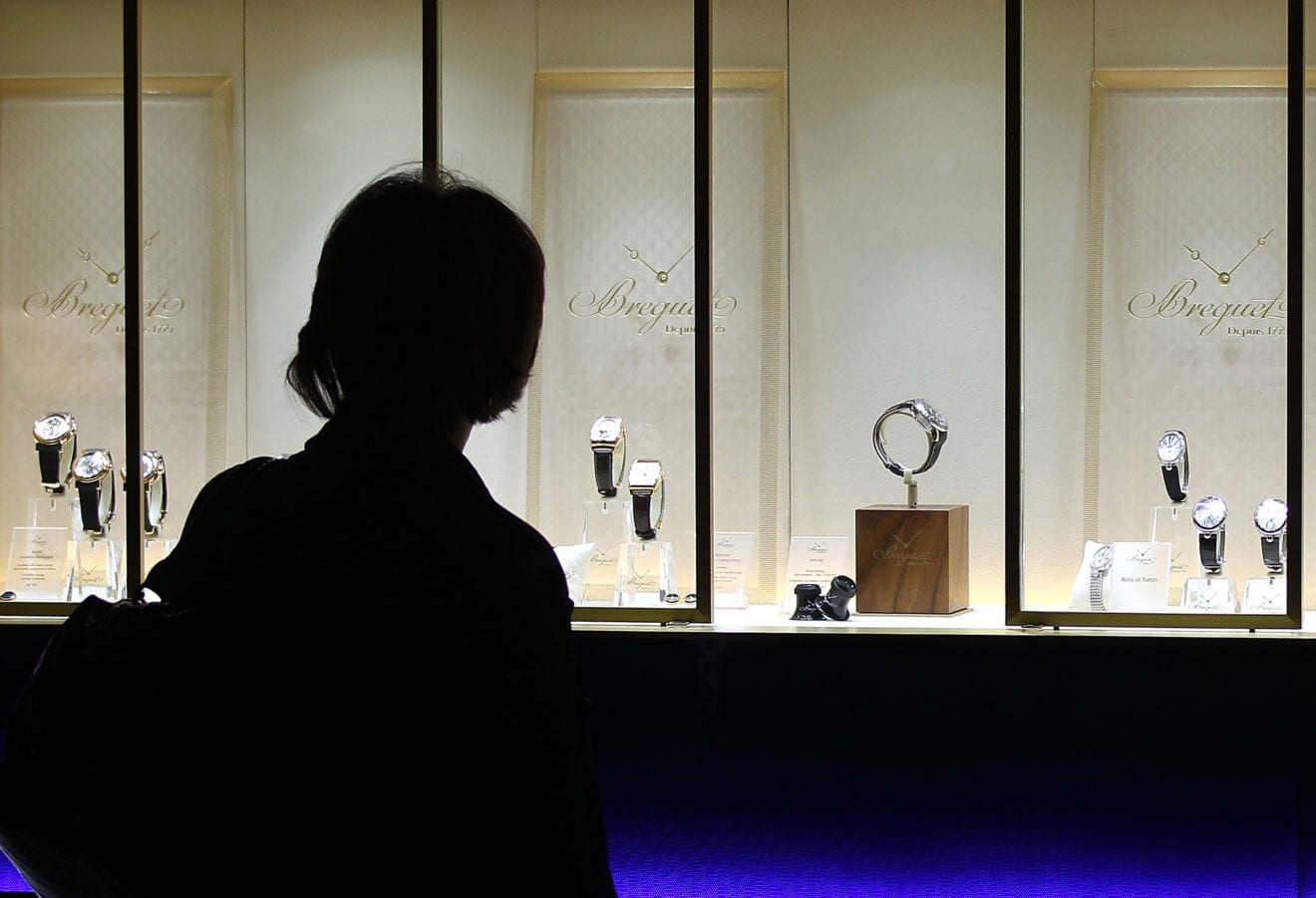
    Luxury watch retailer, WatchBox, is accelerating its expansion plan with eight new locations, including its debut in Tokyo.

    The brand said it will open five stores during the next six months. The eight new locations will be rolled out by the end of next year with five in the US and three international locations – Zurich, Riyadh, and Tokyo.

    “This is an incredibly exciting time for WatchBox,” said Justin Reis, global CEO of WatchBox. “We have seen profitable growth year-over-year and expect to achieve 40-per-cent revenue growth this year.”

    The company said it will reach US$300 million in net revenue this year, exceeding US$1 billion in lifetime revenue before the end of the year. WatchBox currently has a presence across Dubai, Hong Kong, Neuchatel, Singapore and the US.

    McKinsey & Company estimates the primary and secondary watch markets will grow from US$66 billion to US$97 billion by 2025.

  • Siam Piwat takes Thai retail concepts to Malaysia with Pavilion Group

    Siam Piwat takes Thai retail concepts to Malaysia with Pavilion Group

    Thai mall operator Siam Piwat has partnered with Malaysia’s Pavilion Group to take Thai retail concepts to the new Kuala Lumpur lifestyle mall Pavilion Bukit Jalil.

    The launch of Siam Piwat brick-and-mortar stores in Malaysia is part of its plan to further expand its global reach. The partnership will see the debut of three Thai brands – IconCraft, Ecotopia and Absolute Siam.

    “This collaboration will not only open up additional sales channels for SMEs to help them expand beyond online or e-commerce platforms but will also help drive the Thai economy,” said Usara Yongpiyakul, CEO of retail business group at Siam Piwat.

    “This new partnership to introduce Thai products to an overseas market will make Siam Piwat’s another significant stride towards building a solid network with powerful business leaders.”

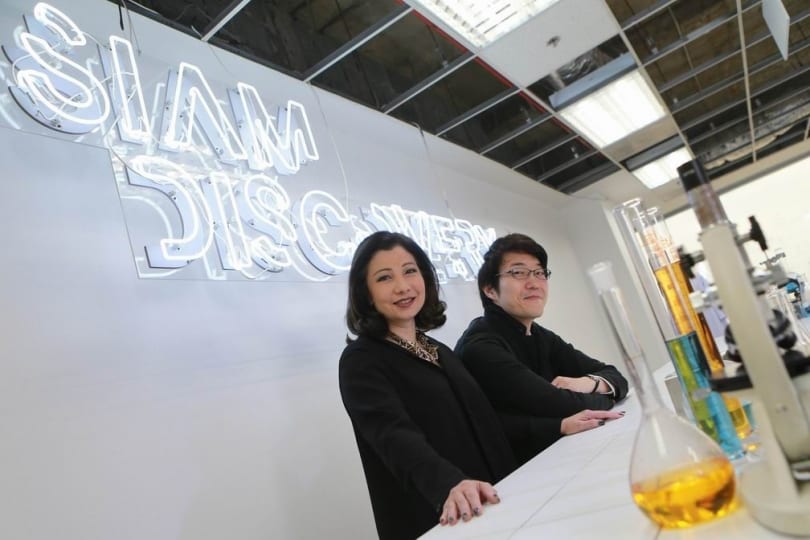
    Dubbed ‘Discover Siam’, the store is situated on the third floor of the shopping centre, spanning 1200sqm. The Siam Piwat store is scheduled to open on December 3.

    Meanwhile, Ecotopia provides products for an eco-conscious community, and IconCraft offers Thai crafted items from more than 800 local creators, designers, and local communities. Absolute Siam is a multi-brand concept store, featuring a mix of more than 60 fashion and lifestyle brands under one roof.

    “Malaysia and Thailand have very close ties and share not only borders but also various cultural similarities,” Yongpiyakul added. “We believe that this collaboration is just the beginning and will lead to even greater things, such as joint efforts to boost the region’s economy and initiatives to showcase and nurture the uniqueness and magnificence of ASEAN nations.”

    Siam Piwat is the owner and operator behind Thailand’s major retail developments, such as Siam Paragon, Siam Center and Siam Discovery, and a joint venture partner in IconSiam and Siam Premium Outlets.

    “We recognise the value and delicate magnificence of Thai culture and the creativity of Thai artisans, designers, and creators,” said Dato’ Joyce Yap, CEO of retail for Kuala Lumpur Pavilion, the retail planner of Pavilion Bukit Jalil.

    “These new stores will provide Malaysians and international visitors the chance to experience a hint of Thai culture without leaving KL.”

  • Vietnam footwear exports slip on Covid-19 impacts

    Vietnam footwear exports slip on Covid-19 impacts

    Vietnam’s footwear exports plunged 44.2 percent year-on-year to about $700 million in September, according to the Vietnam Leather, Footwear and Handbag Association (Lefaso).

    Meanwhile, handbag exports also decreased by 48 percent.

    However, the industry still recorded positive growth overall thanks to increased momentum in the first half of the year.

    In the first nine months of 2021, footwear exports crossed $13.3 billion, up nearly 10 percent over the same period in 2020, while handbags exports slipped 3.7 percent year-on-year to around $2.24 billion.

    The U.S. remained a major export market for Vietnamese footwear and handbags, accounting for 41 and 44 percent of the total, respectively. EU ranked second at nearly 23 and 22 percent of footwear and handbag exports.

    Lefaso said prolonged social distancing has forced 80 percent of leather and footwear factories in HCMC, Dong Nai, Binh Duong, An Giang, and Kien Giang, accounting for 70 percent of the industry’s import and export turnover, to stop production.

    Businesses in the northern and central regions reduced production by 30-50 percent due to labor shortages, supply chain disruptions and other factors.

    The lack of containers, high cost of logistics and international shipping (5-10 times), expensive fuel and the rising price of imported raw materials have majorly impacted the industry.

    The association also said that conditions for receiving Covid-19 relief were too tough and relevant administrative procedures too complicated, making it difficult for businesses to access the promised support.

    Although the situation has improved since the end of September, production under the “new normal” has a long way to go, it said.

    Lefaso recommended that leather and footwear businesses reduce costs, take advantage of supportive policies and create favorable conditions, in line with safety protocols prescribed by the Ministry of Health to attract workers back to work.

    Businesses also need to make good use of incentives under free trade agreements, especially CPTPP and EVFTA, to boost exports in the last months of 2021, the association said.

  • Viber rolls out disappearing messages feature in group chats

    Viber rolls out disappearing messages feature in group chats

    After surpassing one billion Google Play downloads worldwide, Viber announced a new feature that was previously available only for one-on-one chats: disappearing messages. Starting today, Viber is rolling out this option for group chats too.

    More importantly, users won’t need to go through a multi-step process to change the status for messages in the group, as the feature has been implemented so that members can easily toggle it on and off right within the chat.

    On top of that, Viber added new functionality to the feature, so users can now set messages in a group chat to disappear 10 seconds, one minute, one hour, or one day after being read. Furthermore, on devices running Android 6 and up, Viber will completely disable forwarding, copying, or taking a screenshot of a message when the disappearing option is enabled.

    For those using older Android smartphones, as well as all iOS users, group chat members will be automatically notified if a member of the chat takes a screenshot of a message set to disappear. Although Viber personal and group chats are end-to-end encrypted, the new feature will surely add another layer of security for both Android and iOS users.

  • Apple Developing A System For iPhone To Control ACs, Seats, Stereo In Cars

    Apple Developing A System For iPhone To Control ACs, Seats, Stereo In Cars

    Apple already has CarPlay which is highly successful as it allows users to beam the interface and features of their iPhone onto the infotainment system of their vehicles. It allows to get navigation, voice recognition via Siri and also taps into contacts and music streaming services. But Apple as per a Bloomberg report by Mark Gurman is working on a bolder system that will enable the iPhone to control core features of a car like the air conditioning, the seats, and even the stereo. The initiative internally is apparently called “IronHeart” and is in the early stages of development and will likely require the compliance of automakers.

    The automotive market is clearly a long-term goal for Apple as it also has its electric self-driving car project in the works called Project Titan. But that project is a long-term play and has had many issues, but in the meanwhile, Apple has made solid inroads with CarPlay. One of the latest automobile-focused features that Apple introduced in 2020 was CarKey which has even been emulated by Google.

    But IronHeart takes things to another level and it will provide inside and outside temperature and humidity readings. It will have information around temperature zones, fans, and defroster systems. There will be settings embedded for surround sound speakers, EQ settings which Apple doesn’t even provide for Apple Music, and fader and balancer settings; things that are standard in a car infotainment system that allows the user to sculpt the sound of the sound system in the car.

    Users will also be able to control the seats and armrests and it will also embed the car telematics data and will pull information from the speedometer, tachometer, and fuel instrument clusters – basically, Apple is trying to combine all the functions that are found in both the infotainment screen and the instrument cluster and make it accessible right from the iPhone. Apple is turning CarPlay into the interface for the car itself and potentially with access to such data, Apple could allow third parties to develop more apps over these core functions.

    Apple has faced resistance from major manufacturers like Tesla with the adoption of CarPlay. The updates that Apple is working on will reduce the reliance on the core car infotainment interface and most users will likely default to Apple’s interface. Apple could also use this information that will further help its efforts to make its own car which has been a tumultuous project since 2015.

  • Geneva Motor Show Cancelled For The Third Time

    Geneva Motor Show Cancelled For The Third Time

    Due to industry-wide issues relating to the COVID-19 pandemic, the foundation Comité permanent du Salon international de l’automobile, as organiser of the Geneva International Motor Show (GIMS), has announced that the 2022 edition of the show will be canceled. The decision to cancel GIMS 2022 was made with the best interests of both car manufacturers and automotive fans in mind. The direct and indirect issues relating to the ongoing COVID-19 pandemic left the organisers with no alternative.

    On the one hand, direct issues of the pandemic include continued travel restrictions for international exhibitors, visitors, and journalists. On the other hand, indirect issues of the pandemic, such as the semiconductor shortage, have presented car manufacturers with new priorities that they need to solve first. These issues led to several recent cancellations, which resulted in the final confirmation of the show’s postponement

    Maurice Turrettini, President of the Comité permanent du Salon international de l’automobile said, “We have pushed very hard and tried everything to reactivate the Geneva International Motor Show in 2022. Despite all our efforts, we have to face the facts and the reality: the pandemic situation is not under control and presents itself as a big threat for a large indoor event like GIMS. But we see this decision as a postponement, rather than a cancellation. I am confident that the Geneva International Motor Show will come back stronger than ever in 2023.”

  • Levi beats quarterly estimates as people refresh their wardrobes

    Levi beats quarterly estimates as people refresh their wardrobes

    Levi Strauss & Co on Wednesday beat third-quarter revenue and profit estimates, boosted by an uptick in demand for jeans from people refreshing their wardrobes as they returned to normal social life following easing pandemic restrictions.

    Shares of the jeans maker rose 2% in extended trading after the Dockers brand owner said its board had approved a $200 million share repurchase plan. The company has a market capitalization of $49.49 billion, according to Refinitiv data.

    With schools and offices reopening and people even going on vacations, as cases of coronavirus infections trend down, many are splurging on new apparel.

    Levi, which has been expanding at major retailers including Target and Nordstrom, has also benefited from a reopening of the economy in its European markets and investments in its direct-to-consumer business.

    Analysts expect Levi to faceless supply pressure than peers due to its minimal reliance on Vietnam, an apparel manufacturing hub that has seen several factories close due to COVID-19 outbreaks and lower usage of the congested West Coast port.

    “We have taken pricing actions and believe we have the pricing power to mitigate inflationary pressures,” Chief Financial Officer Harmit Singh said in a statement.

    Net revenue for the company rose to $1.50 billion from $1.06 billion in the third quarter ended Aug. 29. Analysts on average had expected $1.48 billion, according to IBES data from Refinitiv.

    Excluding items, Levi earned 48 cents per share, beating estimates of 38 cents per share.

    The company said it expects holiday-quarter net revenue growth of 20% to 21% from a year earlier, while analysts were expecting growth of 22%.

    Levi also said it expects fourth-quarter earnings per share to be between 38 cents and 40 cents per share, compared with analysts average expectation of 40 cents per share.

  • UOB and ADDX Partner on Sustainability-Linked Bond

    UOB and ADDX Partner on Sustainability-Linked Bond

    This initiative comes amid a rise in the use of digital securities to enhance the efficiency of bonds and other fixed-income instruments.

    UOB and ADDX have completed the digitization and digital custody of a S$50-million portion of the $675 million sustainability-linked bonds recently launched by Sembcorp Industries, according to an announcement on Thursday.

    The ten-and-a-half-year bond is due in 2032 and has been priced at a coupon rate of 2.66 percent per annum if Sembcorp meets a sustainability performance target of reducing its greenhouse gas emissions intensity.

    UOB highlighted the benefits digital bond issuance brings to corporate clients, including faster processing and lower cost in the custody and administration of the bond.

    In the past year, digital securities have achieved a high level of acceptance among blue-chip issuers of bonds and other securities globally, noted ADDX.

    As digital bonds enter a phase of widespread adoption, the cost of fundraising through bonds and other fixed-income instruments will continue to fall, and companies that embrace the new technology will be able to raise capital more efficiently, Oi Yee Choo, ADDX chief commercial officer, said.

    Founded in 2017, ADDX, previously known as iSTOX, is a full-service capital markets platform with MAS lice

  • China’s Fintech Crackdown Not Over Yet

    China’s Fintech Crackdown Not Over Yet

    The governor of the country’s central bank said it would be taking more steps to curb monopolistic behavior among internet platform companies and strengthen consumer privacy and data security.

    We will continue to cooperate with anti-monopoly authorities to curb monopolies and actively deal with algorithm discrimination and other new forms of anti-competition behavior, Yi Gang, governor of the People’s Bank of China, said on Thursday.

    Yi added that the country would be strengthening the regulation of the payments sector and require all financial services companies to be licensed, Yi said at a Bank for International Settlements conference.

    According to the governor, financial businesses must be licensed to operate, firewalls must be set up between different parts of the business to prevent cross-sector risks, and the direct link between non-banks and banking information services must be cut.

    China’s once-flourishing fintech industry has been hit by a wave of regulation. State authorities forced Jack Ma’s Ant Group to cancel its much-awaited initial public offering last fall, and peer-to-peer lending, once booming in in the country, is now virtually nonexistent.

    The crackdown has also extended to the wider tech industry, with tightened restrictions in numerous areas such as payment links to financial products, collection of customer data, credit scoring services and overseas listings.

    In recent months, authorities have also introduced new rules to regulate the online gaming, after-school classes, and entertainment sectors.

  • UBS In-House Lawyer Joins Law Firm Stephenson Harwood

    UBS In-House Lawyer Joins Law Firm Stephenson Harwood

    The international tax and wealth planning specialist is strengthening its international private wealth capabilities with a new partner at its Singapore office.

    Stephenson Harwood has announced the addition of Suzanne Johnston as a partner, who joins from UBS, where she has been an in-house wealth planning lawyer since 2019.

    Johnston brings in-depth experience across different practice areas within private wealth, and in multiple jurisdictions across the Asia Pacific region, bolstered by having lived and worked in the region for nearly a decade.

    Before UBS, she was a senior associate at Withersworldwide for over five years, specializing in private client/international tax planning.

    Martin Green, Singapore office managing partner, Stephenson Harwood, noted the growing demand for private wealth expertise in Singapore, which has seen an influx of family offices relocating to the city-state in recent years.

    Headquartered in London and with eight offices in Asia, Europe, and the Middle East, the firm offers services including succession planning, tax planning, wealth structuring and asset protection and acts for a number of family offices, ultra-high-net-worth individuals, and trustees.

    In Singapore, Stephenson Harwood practices in a formal law alliance with Singapore law firm Virtus Law, offering clients an integrated service.

  • Squid Game star named as Louis Vuitton global ambassador

    Squid Game star named as Louis Vuitton global ambassador

    Louis Vuitton has appointed South Korean new-debuted actress, Squid Game star Ho Yeon Jung as its new global house ambassador for fashion, watches and jewelry.

    The appointment comes after her successful debut in the series, Netflix’s most popular series ever and the first Korean program to rate number one globally on the platform.

    Ho Yeon has recently become the most-followed actress in South Korea. Before her acting career, she was a renowned fashion model.

    According to LVMH, the Squid Game star embodies the “independent Louis Vuitton woman”. Prior to her new role with the brand, she appeared on Louis Vuitton’s runway in 2017 showcasing its ready-to-wear collection.

    “I immediately fell in love with Ho Yeon’s great talent and fantastic personality, and I am looking forward to starting this new chapter of the journey we started at Louis Vuitton a few years ago,” said Nicolas Ghesquiere, creative director at Louis Vuitton.

  • Reliance Retail to launch 7-Eleven stores in India after Future’s exit

    Reliance Retail to launch 7-Eleven stores in India after Future’s exit

    Reliance Industries Ltd’s retail arm said on Thursday it would roll out 7-Eleven convenience stores in India, days after Future Retail Ltd ended a similar deal with the US chain.

    Reliance Retail Ventures Ltd will open the first 7-Eleven round-the-clock convenience store in a neighborhood in India’s financial capital of Mumbai on Oct 9.

    The deal marks the latest by the Reliance Group, led by billionaire Mukesh Ambani, to rapidly expand its retail and e-commerce businesses to better compete with Amazon.com and Walmart Inc’s Flipkart in India’s nearly trillion-dollar retail market.

    The oil-to-telecoms conglomerate’s US$3.4 billion deal for the retail assets of Future Group has been stalled following Amazon’s legal challenge.

    Irving, Texas-based 7-Eleven, known for its iconic products including the Slurpee, operates and franchises more than 77,000 stores in 18 countries and regions.

    Future Retail said on Tuesday it had mutually terminated an agreement with 7-Eleven as the companies were not able to meet targets of opening stores and paying franchise fees.

    In 2019, Future Retail – India’s second-largest retailer with more than 1,700 stores, including the popular Big Bazaar supermarkets and local chains Food Hall and Nilgiris – had said it plans to set up 7-Eleven stores from scratch and convert some of its existing operations into the U.S. brand.

    The unit formed to run 7-Eleven stores in India had reported a loss of 173 million rupees without opening any stores, Future Retail’s annual report showed.

    Reliance’s shares rose 1.22 percent in morning trade, while Future Retail stock gained 3.7% in a strong market.

  • Gap buys AI tech business

    Gap buys AI tech business

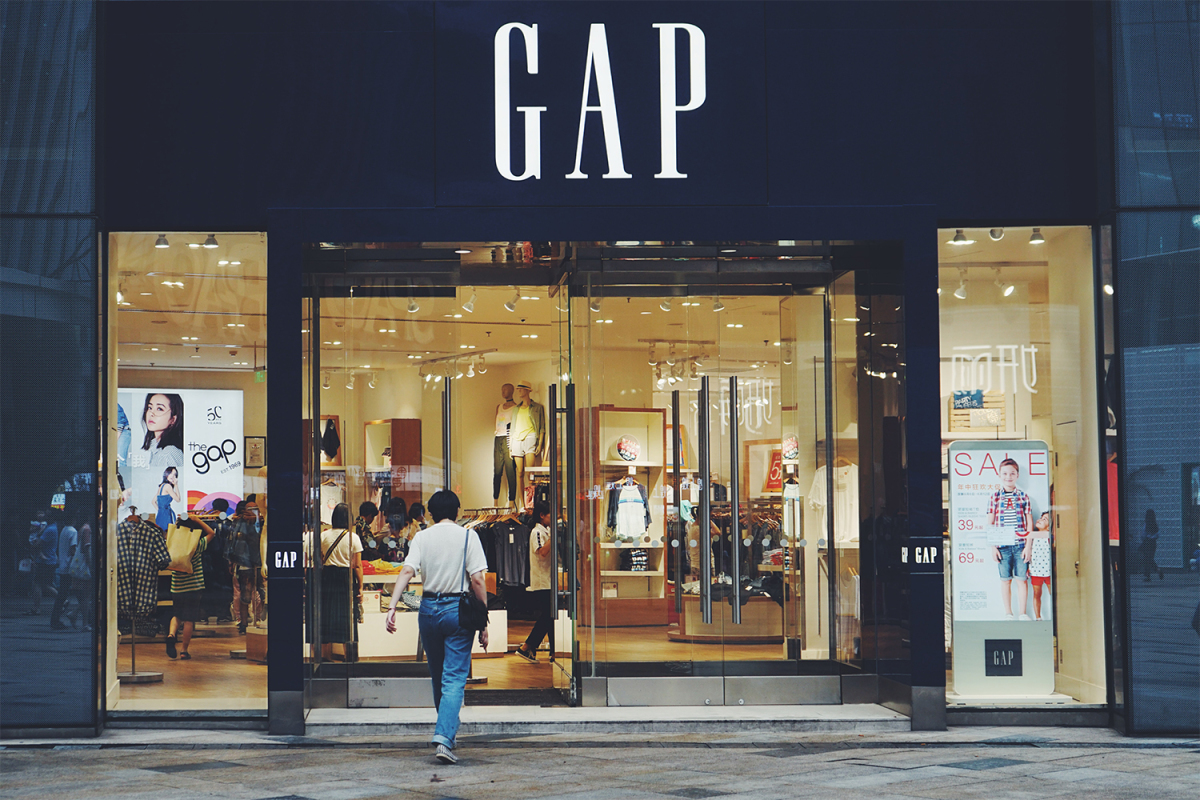
    Gap is investing on AI and machine learning technology through the acquisition with the New York and Tel Aviv-based start-up Context-Based 4 (CB4).

    CB4’s technology has been implemented by several fashion retailers, including Levi’s, Urban Outfitters, Lidl, and Kum & Go. Gap says the acquisition will help it transform its retail operations and improve the customer experience by enhancing predictive analytics and demand sensing.

    “We believe artificial intelligence and machine learning will shape the future of our industry,” said Sally Gilligan, chief growth transformation officer and head of the strategic growth office at Gap.

    “We understand the impact and the wide applications their science can have across sales, inventory and consumer insights, as well as its potential to unlock value and enhance the customer experience.”

    Since moving to the cloud last year, Gap has increased its investments in technology to enable growth and innovation that can impact its entire portfolio of brands. The value of the CB4 deal has not yet been disclosed.

    Before acquiring CB4, Gap bought e-commerce startup Drapr, which powers 3D-fit technology and virtual fitting rooms to reduce returns of online sales. Its strategic growth office also participated in the latest funding round for Obe Fitness, a digital fitness platform that partners with Gap’s Athleta Brand to bring entertainment, pop culture and design to fitness.

  • Chinese labels flock to Paris to go global in high fashion

    Chinese labels flock to Paris to go global in high fashion

    Chinese fashion labels, including Shang Xia, Icicle, and Fosun Fashion Group, are embracing Paris as a springboard for their international ambitions, opening flagship stores in the city and hiring French designers to burnish their credentials.

    Chinese shoppers are the biggest buyers of luxury goods worldwide, including those of big European players like LVMH and Gucci owner Kering. But China also has its own fashion companies that are growing fast at home and are now targeting the global market.

    Chinese-owned brands are looking to expand abroad, sparking a trend of new labels being established in the country with the goal of international growth, said Yishu Wang, co-founder of Half a World, a firm that offers marketing advice to brands seeking to expand overseas.

    “The Chinese market is very saturated and it’s just become very, very expensive to grow,” she said, noting that it was easier to find backing from investors when taking a global view.

    But in fashion’s upper echelons, Chinese companies, including ones that have purchased established European labels, have so far found it hard to take off in Western markets.

    Shang Xia, founded a decade ago by Jiang Qiong Er and French luxury group Hermes International, who both remain shareholders, started out as a lifestyle brand focused on showcasing Chinese craftsmanship and then expanded into ready-to-wear fashion.

    While the label is well-known in China, it has yet to achieve the broader commercial success that many in the industry had expected.

    “Chinese luxury brands are still quite niche,” Kathryn Parker, a luxury sector analyst with Jefferies, said.

    Shang Xia showed its commitment to Paris when it held its first fashion show on Monday on the official Paris Fashion Week schedule, sending a lineup of models in polished suits in bright colors along a circular runway.

    With backing from a new majority shareholder, the Agnelli family holding company Exor, the label recently set up a design studio in Paris to complement production in Shanghai.

    “It’s a very bold move to do a show in Paris Fashion Week,” said Exor managing director Suzanne Heywood, who is also chairman of Shang Xia.

    FRENCH INFLUENCE

    “We are being watched closely,” said Isabelle Capron, international vice president at ICCF, the owner of Chinese label Icicle, noting that Chinese companies have so far had limited success in building high-end fashion businesses with an international reach.

    The French luxury executive was recruited in 2013 by Shouzeng Ye and Tao Xiaoma, founders of Icicle, which bought the historic French couture house Carven in 2018 and in July created the ICCF Group.

    Icicle, with sales of 334 million euros in 2020, up 12 percent from 2019, has 270 stores in 100 cities in China. The brand caters to urban professionals with earthy-toned overcoats and suits in high-quality materials, often made with natural dyeing techniques.

    Icicle’s founders chose Paris over London, New York and Milan for their investment, setting up design studios, and recruiting talent from French luxury labels.

    “It’s in Paris where you can find the talent to raise the level of the collections so that the label can reach an international level,” Capron said.

    LANVIN REVIVAL

    Fosun Fashion Group has been working to revive the historic French label Lanvin with younger, international consumers in mind, and hired Bruno Sialelli French designer from LVMH-owned Loewe label for the job.

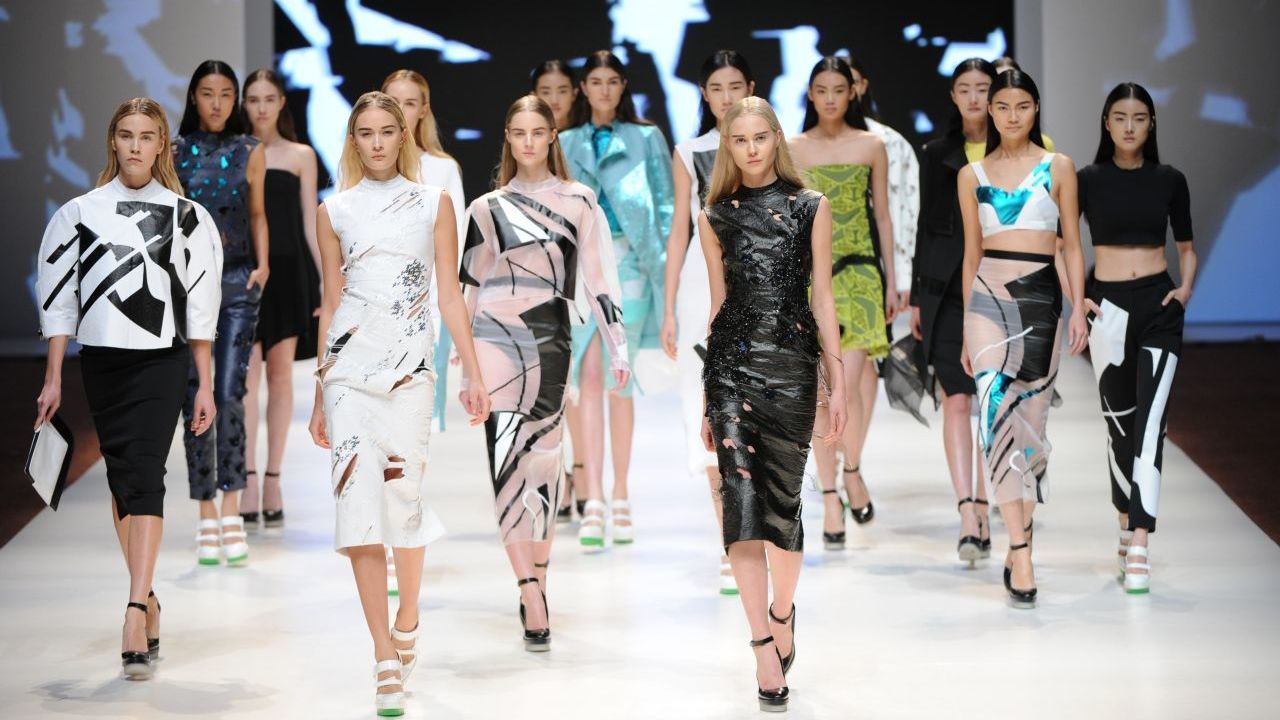
    For the spring 2022 ready-to-wear runway show in Paris, the designer showed slim party dresses, worn by models in towering platform shoes with flared heels, along with an array of handbags and a new pair of futuristic sneakers – accessories are key to the label’s growth strategy.

    Supermodel Naomi Campbell closed the show, sweeping the runway with a long cape.

    Shang Xia executives said they are seeking to broaden their customer base among younger consumers, add new stores in Asia this year and push into the digital realm beyond China next year.

    “We are seeking new means to embrace digitalisation,” said Shang Xia founder Jiang Qiong Er, who flew in from Shanghai for the Paris show.

    Shang Xia’s new creative director Yang Li said he seeks to apply Asian and Eastern design principles to the products, pointing out a bag in the collection in the shape of a triangle.

    “In our culture, when we define shapes, they’re absolute and pure,” he said.

    “What I want to do here is to say that China is not just a market, but a creative force as well,” Yang Li added.