Blog

  • The Ritz-Carlton Residences to arrive in Hanoi

    The Ritz-Carlton Residences to arrive in Hanoi

    The first Ritz-Carlton branded residences in Vietnam is set to open in late 2023. Masterise Homes and Marriot International on May 10 announced the signing of an agreement for The Ritz-Carlton Residences, Hanoi, a standalone luxury branded residential project that marks the debut of the Ritz-Carlton brand in Vietnam, slated to open in late 2023.

    The Residences at the Grand, Hanoi will be situated in the heart of the prestigious Hoan Kiem District, along popular Hang Bai Road and near Hoan Kiem Lake, one of the city’s most beloved landmarks. The anticipated 104-unit branded residences will feature one-bedroom Premier, two-bedroom Classic, and three-bedroom Presidential suites, to suit each resident’s needs and preferences.

    The project features award-winning architects, designers, and project management consultants. Once complete, the residences will be the country’s first Ritz-Carlton Residences and the fifth in Asia Pacific following Singapore, Bangkok (Thailand), Colombo (Sri Lanka), and Kuala Lumpur (Malaysia). The agreement leverages the long-term strategic partnership between Masterise Homes and Marriott International, combining the expertise of a pioneer in luxury real estate products and services in Vietnam and the global hotel management company, owner of the Ritz-Carlton brand.

    Jason Turnbull, deputy managing director cum CFO Masters Homes, commented: “The Ritz-Carlton Residences, Hanoi at The Grand is an ultra-luxury development set to offer an enduring legacy for residents and expected to be a masterpiece that matches the beauty of the facade’s classical architecture and modern design combined with the legendary service of The Ritz-Carlton. This project expects to change how we look at ultra-luxury living and elevate Vietnam’s position on the global real-estate map.”

    In line with the long-standing tradition of service excellence synonymous with The Ritz-Carlton brand, homeowners will be able to enjoy world-class amenities complemented by the legendary service from the Ladies and Gentlemen of The Residences. Its prominent location offers the best of the city within close proximity and allows residents to enjoy the vibrancy of Hanoi’s Old Quarter streets, and return to the comfort and privacy of their residences in mere minutes.

    “We are thrilled to continue working with Masterise Homes to amplify our luxury presence in Vietnam with the signing of The Ritz-Carlton Residences in Hanoi – embracing the growing demands for branded living in this burgeoning cosmopolitan city,” said Rajeev Menon, president, Asia Pacific (excluding China), Marriott International.

    “Vietnam is a dynamic market and we look forward to bringing the brand’s refined style and legendary services to residents in Vietnam.”

    The Residences at The Grand, Hanoi is the second Marriott branded residences in Vietnam, following the milestone dual- branded Grand Marina, Saigon announced earlier this year, which operates under two brands within the Marriot Bonvoy portfolio – JW Marriott and Marriott Hotels.

    The Ritz-Carlton Hotel Company, L.L.C., of Chevy Chase, MD., part of Marriott International, Inc., currently operates more than 100 hotels and over 45 residential properties in 30 countries and territories. With 100 years of history, an unshakeable credo and corporate philosophy of un-wavering commitment to service, both in their hotels and in our communities, The Ritz-Carlton has been recognized with numerous awards for being the gold standard of hospitality.

    Masterise Homes, a member of Masterise Group, is a pioneer in bringing world-class excellence to the development, operations, and management of luxury real estate products and services, in the Vietnamese market and beyond. With a one-of-a-kind portfolio comprising the largest Branded Residences in South East Asia, Masterise Homes demonstrates world-class capabilities via a strategic partnership with Marriott International, the largest hotel brand in the world featuring the iconic brands of Marriott, JW Marriott and Ritz-Carlton.
  • Watsons creates Sustainable Choices category with new products

    Watsons creates Sustainable Choices category with new products

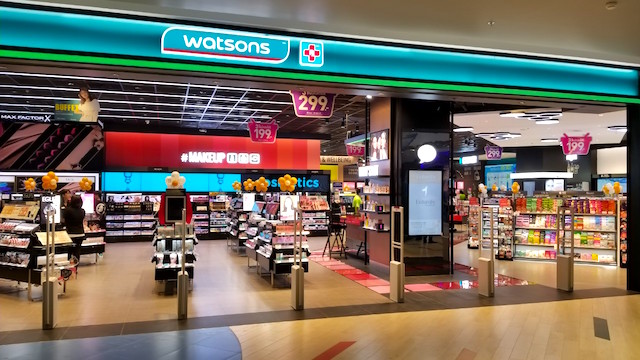
    Surging consumer demand for sustainable products has prompted Hong Kong-headquartered health & beauty retailer Watsons to aggregate more than 1600 products into a Sustainable Choices category available both in physical stores and online.

    A trial curation of sustainable products earlier this year saw sales of some products increase by 300 percent.

    “This indicates clearly that customers are looking for sustainable products, hence it’s our mission to make them available and easy to browse for,” said AS Watson CEO for Asia and Europe, Malina Ngai.

    “Many customers started to rethink their priorities due to the pandemic and they’re very much aware of the impact their choices have on the environment and society. We’ve been working closely with our strategic supplier partners to offer a wide range of Sustainable Choices products – everything from skincare to shampoo – making it easier for customers to make purchase decisions that contribute to a better world for all.”

    Brand Partners in the initiative include Beiersdorf, GlaxoSmithKline, Johnson & Johnson, Kao, L’Oreal, Procter & Gamble, Reckitt, Shiseido, and Unilever.

    The products are ranged in a dedicated Sustainable Choices section in stores and online. AS Watson told Inside Retail that the 1600+ products fit into one of four “pillars”: Clean Beauty, Refill, Better Ingredients, and Better Packaging.

    A Clean Beauty brand is recognized by Watsons for using ingredients consumers trust will protect you, with additional environmental benefits and which support the local community.

    In the refill pillar, products come with refill packs or in-store refilling stations to enable customers to keep using the original container.

    Better Ingredients means the products’ manufacturers have chosen sustainable options in paper, sourced palm oil from “responsibly managed plantations” or have reduced plastic content in non-formulated products.

    For Better Packaging, manufacturers must have chosen “better plastic” – such as recycled plastics – or a paper that has been sustainably sourced.

    AS Watson has signed up to the New Plastics Economy Global Commitment to reduce plastic waste and has taken group membership of the Roundtable on Sustainable Palm Oil to help address the environmental impact of palm oil sourcing.

    “We want to build a sustainable mindset and behavior together with our customers in their daily personal care and beauty needs. It’s the start of an exciting journey of a three-way partnership with our strategic supplier partners and our customers to make an impact,” said Ngai.

    “The initial customer response is hugely encouraging, and we’re sure our customers will love our wider range of sustainable products.”

    Meanwhile, Procter & Gamble has partnered with Watsons Hong Kong in a three-year commitment to reward customers with free gifts in return for bringing in empty personal-care plastic bottles from any brand for recycling. This program, called Plastic Reborn has already led to the recycling of 3400kg of plastic since February.

    At Watsons Thailand stores, customers can recycle PET plastic bottles at a Garnier Refun Machine, earning a free Garnier Pink Micellar Water in return.

  • Apple Pay and iPhone NFC restrictions can get Apple fined by the EU

    Apple Pay and iPhone NFC restrictions can get Apple fined by the EU

    Antitrust investigations from the European Commission on tech giants such as Apple, Google, and Facebook have been going strong in the past couple of years, and tech giants have already faced fines from the EC on some dubbed ‘anticompetitive’ behaviors.

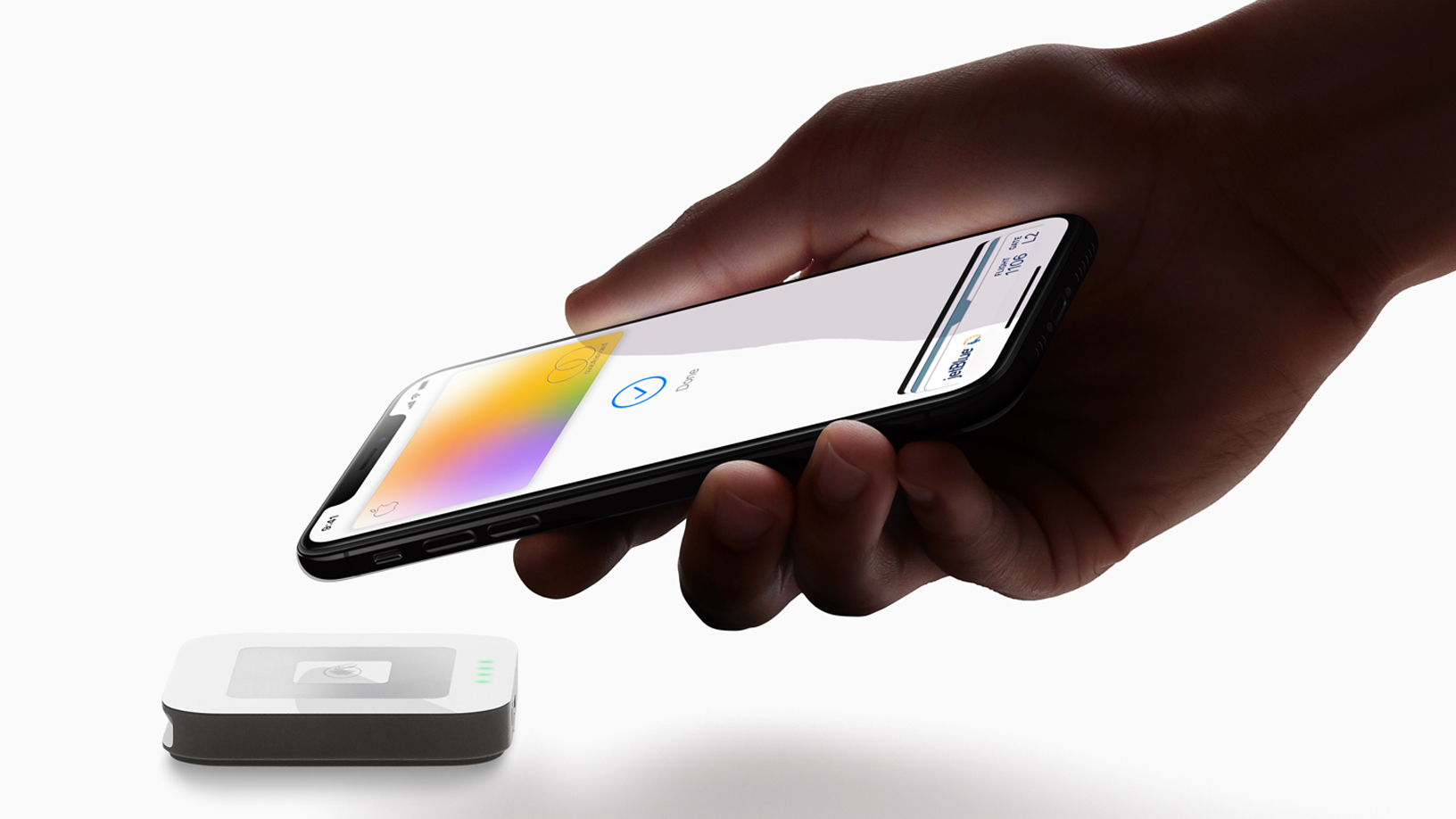
    Fines for anticompetitive behavior with Apple Pay and NFC against Apple are being finalized. The investigation has been going on since last year when the EC antitrust regulators have focused on Apple Pay and the iPhone’s NFC chip that makes contactless payments possible and began to scrutinize the practice. What the commission started investigating, in the beginning, was whether Apple unfairly locked out other contactless payment services by restricting the use of the NFC chip inside iPhones.

    The report from the EC states that Apple will get charged for “anti-competitive practices related to its NFC chip technology”, but the exact details are still unclear. It is possible these charges could force Apple to “open up its mobile payment system to rivals”.

    The EU competition enforcer is currently drafting a statement of objections that will express the concerns. The document is expected to be sent to Apple next year.

    Apple has been opening up access to the NFC chip in iPhones in recent years; however, third-party contactless payment systems have had a hard time in comparison to Apple Pay integration with iOS, so this could have been an issue for antitrust regulators. The way that the NFC chip in an iPhone works seems to give an advantage to Apple Pay which antitrust regulators do not like. For example, when an iPhone comes near to an NFC reader, the Wallet and Apple Pay interface is immediately automatically shown, something third-party systems cannot do on the iPhone.

    Earlier this year, the European Commission concluded in another investigation (this one is a preliminary conclusion at the moment, not a final decision, so keep that in mind) that Apple is indeed in breach of anti-competitive laws. More precisely, the investigation here was about Apple Music and music streaming services, and whether Apple was favoring its own solution on iPhones and thus making it harder for third-party music streaming services to compete.

    This anti-competitive behavior was related to the high commission fees that Apple imposed on third-party apps in the App Store and that the company does not allow app developers to tell users there are other payment methods… sounds familiar? Maybe yes, as this is the same complaint game maker Epic Games had against Apple and why the popular Fortnite game is no longer to be found on the App Store, for more than a year now.

    The aforementioned preliminary conclusion does not impose any fines or regulations yet, as it is not final. The next step is for the commission to review the case with Apple.In this case, after the period of reviewing it with Apple, the commission will decide whether to proceed with formal charges. If found in breach of competition law, the EC can force Apple to change the rules of the App Store or pay a fine for past offenses, which can go up to 10% of annual revenue.

    It is not only Apple that the EC is investigating for breaching competitive laws. Under investigation are also other tech giants such as Google, and even Amazon (for anti-competitiveness in the smart home market). The EC is also investigating the voice assistants on devices from Apple, Google, and Amazon, for the same issues.

  • Singapore retail sales growth halts in August

    Singapore retail sales growth halts in August

    Singapore retail sales growth – excluding motor vehicles – remained static in August, following July’s 2-per-cent increase.

    Of the estimated $2.9 billion in retail sales (excluding vehicles), online sales accounted for 16.4 percent, a similar proportion as in July. By category, the strongest online was computer & telecommunications equipment, with 56.5 percent of turnover online rather than in-store. Online accounted for 31.5 percent of furniture & household goods sales and 14 percent of supermarkets & hypermarkets.

    In terms of overall category sales, most sectors recorded year-on-year declines in sales during August. Optical goods & books were worst affected – down by 9.6 percent – followed by department store turnover, down by 8.5 percent.  Sales through petrol service stations and of watches & jewelry rose by 23.7 percent and 7.9 percent respectively, driven by higher petrol prices and greater demand for watches, said Statistics Singapore.

    Meanwhile, sales of food & beverage services fell 6.7 percent in August compared to the 6-per-cent decline in July, due mainly to stricter dine-in restrictions this year.

  • Future Group calls it quits on 7-Eleven India plans

    Future Group calls it quits on 7-Eleven India plans

    7-Eleven Inc and Future Retail have ended their agreement to operate convenience stores in India just two years after it was signed.

    Reuters reports that the two companies arrived at a mutual decision to end the relationship, with Future Group failing to meet store rollout targets and the payment of franchise fees.

    The original deal was revealed in February 2019 and in December that year Future Group founder and CEO Kishore Biyani said the firm would concentrate on development in Mumbai only for the initial few years of business, with the first outlets launching in March 2020.

    He said the company planned to open 1000 7-Eleven stores in the city before moving out into other regions of the country after two to three years.

    However Indian news sources reported last year that the impact of the Covid-19 pandemic had delayed the implementation of the franchise agreement.

    In a statement, Future Group said the termination would have no financial or business impact on the company.

  • Yume launches click-to-donate scheme to reduce food waste

    Yume launches click-to-donate scheme to reduce food waste

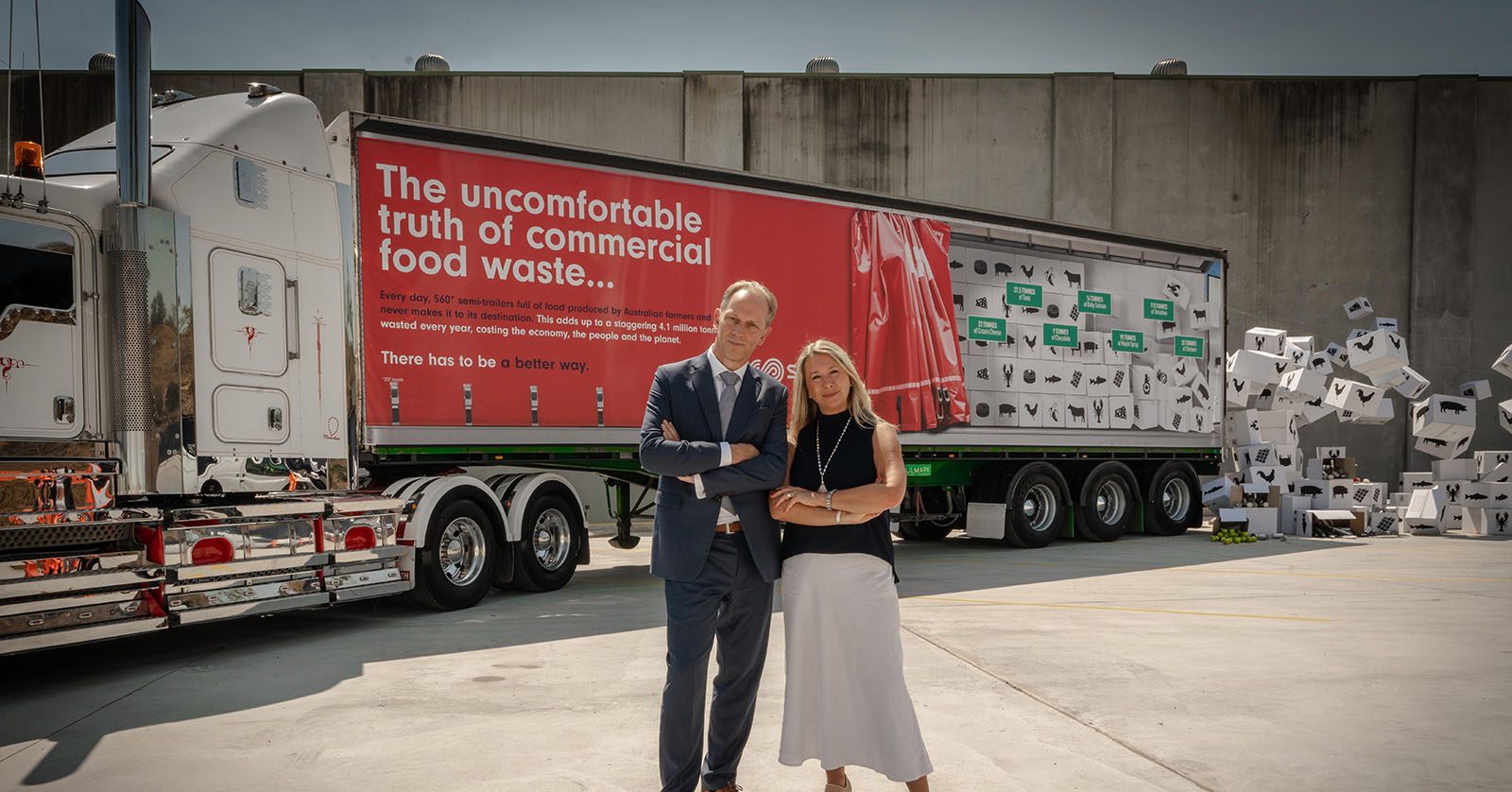
    The social enterprise has developed a one-stop solution for producers to sell or donate surplus food, all on the Yume platform.

    In August, Yume CEO and founder Katy Barfield said: “No one has invested money into streamlining the end-to-end clearance process plug in, so that is what we’re doing.

    “We want to manage it from surplus right through to sale or donation. We don’t want to change what the companies are doing; we just want to make it efficient.”

    For five years, Yume CEO and founder Katy Barfield has worked with commercial food manufacturers and primarily produces to cut the amount of food waste generated by the sector.

    While the focus on finding and selling high-quality surplus food on the Yume platform has been hugely successful – to date it has prevented close to three million kilograms of food from going to waste while returning more than $8 million to Australian businesses – there has been an ongoing issue of food not sold still going to waste.

    “We saw this as an opportunity to improve the food donation initiatives already happening within large-scale food producers,” Barfield said.

    With a $165,000 Victorian Government grant through the Recycling Victoria Circular Economy Business Innovation Centre (CEBIC) in FY21 to expand the platform to enable food suppliers to seamlessly donate surplus food to food rescue organizations, the role technology could play for the social enterprise was recognised.

    Yume was part of the Victorian Government’s start-up agency Launch Vic’s CivVic Labs Program, which works with companies to utilize technology more effectively. The Atlassian Foundation volunteered time to work on the project.

    LaunchVic CEO Dr Kate Cornick said they were keen to see Yume take the next step in its journey.

    “The capital they have secured will help them refine their product offer and propel their long-term growth,” Cornick said.

    Pilot partners

    Unilever, Mars Food, and General Mills partnered with Yume to pilot the program. Unilever Food Solutions managing director Australasia Yezdi Daruwalla said: “Partnering with Yume means we have an efficient and streamlined process to donate surplus products to those in need. Since 2018, we’ve prevented 40,000 kilograms of surplus food from going to waste – this is equivalent to 79,526 kilograms of CO2 prevented from being released into the atmosphere, and 7.7m litres of water from going to waste.

    “Now with Yume’s updated platform the process is even more straightforward and just this month we sent hundreds of cartons of tea to Foodbank Victoria, with the simple click of a button,” Daruwalla said.

  • A2 Milk faces lawsuit over allegations of providing misleading forecasts

    A2 Milk faces lawsuit over allegations of providing misleading forecasts

    A2 Milk Co Ltd said on Wednesday Australian law firm Slater and Gordon has filed a class action lawsuit against the dairy firm on behalf of investors who bought its shares over a nine-month period when it issued multiple earnings downgrades.

    Shares of a2 Milk, which had plunged 62% during the nine-month period from August 2020 to May 2021, fell as much as 5.3% to NZ$6.450 following the news and were on track for their worst session in more than a month.

    The class action alleges that a2 Milk engaged in misleading or deceptive conduct in breach of the Corporations Act, and also breached continuous disclosure rules in posting four downgrades between September 2020 and May 2021, Slater and Gordon said in a statement.

    The downgrades came amid Australia’s souring ties with top trade partner China since 2018 and subsequent disruptions in the “daigou” channel, where Chinese shoppers buy products from outside China and resell it in the country. The channel accounts for a major portion of a2 Milk’s revenue.

    “There was a strong basis to allege that the company provided misleading guidance and was obliged to correct the market’s understanding of its financial position at a much earlier time,” Slater and Gordon Class Actions Practice Group Leader Kaitlin Ferris said.

    A2 Milk, which has lost nearly half its value since December, denied any liabilities and said it would “vigorously” defend the proceedings.

    The lawsuit, which was filed in the Supreme Court of Victoria, comes months after media reports concerning a potential class action by the law firm.

  • Ferrero names new local managing director

    Ferrero names new local managing director

    Confectionery company Ferrero Australia has appointed Craig Barker as its new Managing Director for the Australian and New Zealand markets.

    Mr Barker has 20 years of experience in the confectionery industry, having spent 12 years with Mars in the UK and the last 8 years with Ferrero, working across the UK and Ireland, based in Ferrero’s central headquarters in Luxembourg. He has spent the last three years based in Australia.

    “Australians have developed a strong affinity with Ferrero brands over the last 40 years and this continues to grow today,” Mr Barker said. “We look forward to further developing this relationship and ensuring that more people enjoy Ferrero products in the coming years,” he said.

    Ferrero is a global company privately owned by the Ferrero family. It was established in 1944 in Abla in northern Italy when the Company’s founder Pietro Ferrero opened a small confectionery shop during the Second World War and used local hazelnuts to create products. The Company has grown to become the leading confectionery manufacturer in Europe and one of the largest in the world. Its products include brands such as Nutella, Tic Tac, Ferrero Rocher, Kinder Surprise and Bueno.

    Ferrero expanded to Australia in 1974 and now employs more than 300 people. The Company’s commercial headquarters are located in Sydney, with its manufacturing operations based in Lithgow, west of Sydney, where Nutella and Tic Tac are produced.

    Ferrero Australia said Mr Daniele Bondi, Mr Barker’s predecessor, remains an integral part of the Ferrero Group, and has been recently announced as the Global President for Ferrero’s Nutella brand.

    “We offer our congratulations to Craig Barker and thank Daniele Bondi for his significant contribution to the growth of the Ferrero Australia business,” said Derek Lath, Corporate Communications Director Ferrero. “We wish them both well in their new professional challenges,” he said.

  • Google will enable two-step verification by default on 150 million accounts before year’s end

    Google will enable two-step verification by default on 150 million accounts before year’s end

    We are now in Cybersecurity Awareness Month as Google points out in a new blog post, and as the search giant says, “For most of us, passwords are the first line of defense for our digital lives. However, managing a set of strong passwords isn’t always convenient, which leads many people to look for shortcuts (i.e. dog’s name + birthday) or to neglect password best practices altogether, which opens them up to online risks. At Google, we protect our users with products that are secure by default – it’s how we keep more people safe online than anyone else in the world.”
    One of the best things that a smartphone user can use to protect his privacy is two-factor authentication (2FA), or as Google calls it, two-step verification (2SV). This adds another layer of security when logging in to an app. With 2FA/2SV, when entering the password to open an app you will receive a text message on your personal device with a unique one-time code that you type in to verify your identity and open the app.

    As Google points out in the blog, adding that additional layer of authentication sharply reduces the chances that a hacker can break into an account. Google says that two-step verification is “one of the most reliable ways to prevent unauthorized access to accounts and networks.” It combines something you know, such as a password, with something you have such as your phone or a security key.

    Google has made signing in using 2SV as seamless as possible by offering a prompt that requires a single tap to prove that you are who you say you are. Google states that the best way to keep its users safe is to turn on its security protections by default. As a result, it has started to automatically make its users’ accounts more secure and before the end of this year, it will auto-enroll an additional 150 million Google users in 2SV while requiring 2 million YouTube creators to enable 2SV.

    The Alphabet subsidiary admits that 2SV is not for everyone and it is working on developing technology that reduces the reliance on passwords in the long term. At the same time, the company is always seeking to improve the experience of having your identity authenticated. At this moment, Google is auto-enrolling accounts that have the “proper backup mechanisms in place to make a seamless transition to 2SV.”

    Back in 2018, Google said that only 10% of its accounts were using 2FA or 2SV. By the end of this year, that percentage will be much higher. And Google is also partnering with certain organizations to hand out over 10,000 security keys to high-risk users. Google has baked the capabilities of security keys directly into Android and offers iPhone users its Google Smart Lock app.

    Google says that every day it checks the security of 1 billion passwords to make sure that accounts are not getting hacked. This is done using the built-in password manager on Chrome, Android, and the Google app. The password manager is also available on iOS. With iOS, Chrome can autofill saved passwords when logging in to other apps thus allowing iOS users to use just one single tap to log in on a site (instead of having to remember and type in a password).

    Soon, iOS users will be able to use Chrome’s password generator on any iOS app in the same manner that Android users employ Autofill with Google. Also being rolled out is a feature that will allow users to access all of the passwords saved in the password manager from the menu of the Google app.

    If you want to turn on 2SV or 2FA on your Android device and turn on the built-in security key, you must have a phone running Android 7 or higher. From the browser of your Android phone go to myaccount.google.com/security. Under the heading of Signing into Google select two-step verification. Scroll to Set up an alternative second step and tap Add security key. Select your Android phone and then Add. A confirmation that your phone was added as a security key will be sent.

    To turn on two-factor authentication on iOS, follow these steps:

    Open Settings on your iPhone.
    Tap the Apple ID banner at the top of the display.
    Tap Password & Security.
    Tap Turn On Two-Factor Authentication.
    Tap Continue.
    Tap Continue.
    Enter your iPhone’s passcode.
    Tap Done.

  • Facebook blames Monday’s outage on “an error of our own making

    Facebook blames Monday’s outage on “an error of our own making

    Yesterday’s six-hour outage affecting Facebook, Facebook Messenger, Instagram, and Whats App had a severe impact on more than just users of those apps. The outage might have cost Facebook over $100 million in lost advertising revenue as the company happens to own all of the aforementioned apps.

    The company points the finger of blame at itself and says that the outage started when Facebook engineers were working on “routine maintenance.” In a blog post written by the firm’s VP of infrastructure, Santosh Janardhan, the executive says that the company is trying to learn from the outage so that it doesn’t get repeated.

    Janardham adds, “This outage was triggered by the system that manages our global backbone network capacity. The backbone is the network Facebook has built to connect all our computing facilities together, which consists of tens of thousands of miles of fiber-optic cables crossing the globe and linking all our data centers.” Data centers, like Facebook users, come in different sizes and shapes.

    Some data centers are big buildings that house huge numbers of computers that store data and do the heavy lifting to keep the network running. Others are smaller facilities where device owners’ requests for data are sent and then moved using Facebook’s backbone network to larger data centers. That is where the data that your app needs is discovered and sent to your phone.

    Hours after the outage started, Facebook’s shares declined to reduce the worth of co-founder and CEO Mark Zuckerberg by $6 billion. Over the last month, Facebook shares declined by 12.88%  dropping Zuckerberg’s personal worth down from nearly $140 billion to $120.9 billion. However, we don’t expect to see Facebook run a bake sale for its beleaguered chief executive.

    Routers are used to determine where all of the incoming and outgoing data should be sent. And occasionally Facebook engineers need to take the backbone offline for maintenance. And yesterday, a command was issued that was supposed to check the available capacity of Facebook’s backbone. Instead, it accidentally took down all of the connections in the backbone network which disconnected Facebook’s data centers around the world.

    Facebook has a system in place that is designed to audit commands to make sure that an accidental outage like the one that went down yesterday doesn’t take place. But the audit tool had its own bug that prevented it from stopping the command from shutting down the system.

    A second problem affected Facebook’s DNS servers. As stated in today’s blog post, “The end result was that our DNS servers became unreachable even though they were still operational. This made it impossible for the rest of the internet to find our servers.” Facebook notes that everything happened so fast that its engineers had two big problems: because its networks were down, the data centers could not be accessed by normal means and the loss of DNS broke the tools that Facebook would normally use to investigate and fix outages.

    Once Facebook was able to restore its backbone network connectivity, everything came back up. But Facebook had another problem to consider. If it turned all of its services back on at once, the amount of traffic running through the system could cause the system to crash again. But thanks to the “storm drills” that Facebook has been practicing, it was well prepared to handle the incident.

    The social media company says that it will learn from the outage so that it never happens again. “Every failure like this is an opportunity to learn and get better, and there’s plenty for us to learn from this one. After every issue, small and large, we do an extensive review process to understand how we can make our systems more resilient. That process is already underway.”

  • Battery Giants Face Skills Gap That Could Jam Electric Highway

    Battery Giants Face Skills Gap That Could Jam Electric Highway

    The South Korean battery giants powering many of the world’s electric vehicles face a skills shortage that could drag on the global race towards zero-emissions transport. The country’s three major players, which command a third of the global electric vehicle (EV) battery market, told Reuters they were all grappling with a shortage of research and engineering specialists as demand for the technology balloons. LG Energy Solution (LGES), SK On, and Samsung SDI Co Ltd all rank in the top-six global battery makers, and supply the likes of Tesla Inc, Volkswagen and Ford Motor Co among others.

    Yet they are facing growing demands from big automakers and can’t find enough technicians with the training needed to keep advancing cutting-edge tech such as solid-state batteries. “Although we are seeing such a growth in the industry, it appears that we are facing a shortage of talent,” an official at LGES said. “It is crucial to recruit external talents as well as nurturing our own talent.” This was echoed by its two big domestic rivals, with SK On describing the sector’s expansion as “exponential”.

    Indeed the global battery sector has doubled in size over the past five years and South Korea is short of almost 3,000 graduate degree-level positions in areas such as research and design, according to the most recent data from the Korea Battery Industry Association, from late 2020. LGES, SK On and Samsung SDI currently have a total of about 19,000 employees.

    The Korean crunch reflects a growing talent shortage across a wider global battery market that, according to IHS Markit forecasters, will triple in size to almost $90 billion by 2025. The EU’s European Battery Alliance planning group, for example, says “re-/up-skilling” is needed in the bloc because its battery industry needs 800,000 new workers by 2025.

    If the global skills gap is not plugged, some industry experts say it could slow the pace of advances in batteries, which are being counted on to clean up road transport, one of the biggest sources of greenhouse gas emissions. “Talent demand in the battery industry outweighs supply, and battery makers are anxious to ensure that they have got this small group of people who can work on this technology, and won’t be left behind in the fast-growing market,” said Samsung Securities analyst Cho Hyun-ryul.

    ‘COMPETITIVE PACKAGES’

    In a sign of the skills pressure, LGES – South Korea’s No.1 battery maker by volume – plans to launch a new “battery-smart factory department” at the prestigious Korea University next spring with guaranteed jobs for graduates.

    More immediately, executives have been flying to the United States to lead recruiting events at schools there. The LGES CEO and his managers went to Los Angeles last month while the SK Innovation CEO and staff hosted an event in San Francisco on Saturday.

    These companies are not only competing with other established Asian players, including market leader CATL from China and Japan’s Panasonic, but fast-growing U.S. and European rivals like Sweden’s Northvolt bridging the technology gap.

    The talent shortage in South Korea is being compounded by some existing employees moving to foreign competitors that had offered better pay, according to two industry sources with knowledge of the matter. They declined to be named due to the sensitivity of the matter.

    Northvolt, which counts Volkswagen as a client, has previously said that some of its employees were recruited from top battery makers, including LGES and Panasonic.

    “We do have few people working for Northvolt that are from South Korea, which is obviously a very impressive country when it comes to battery manufacturing and development with several well-respected companies active in this space,” a spokesperson for the company told Reuters last week.

    “We try to offer competitive packages to our employees – everyone working here is a shareholder in the company for instance,” he added, though did not specify pay details.

    Battery specialists in South Korea newly graduated with doctorate degrees can earn as much as 100 million won ($85,000) a year, and those without that level of qualification average about 80 million won after gaining a few years of experience, according to two sources at major South Korean battery firms.

    South Korea’s average annual salary was 37.4 million won in 2019, according to tax agency data.

    ‘WIN FOR AMERICAN AUTOS’

    The Korean sector has also been mired in internal conflict, with LGES and SK Innovation, which wholly owns SK On, locked in a two-year dispute over technology, trade secrets and staff poaching until April this year when they settled their differences.

    In a signs of the global importance of the two conglomerates, U.S. President Joe Biden – who has made boosting EVs a top priority – described the settlement as “a win for American workers and the American auto industry.”

    “We need a strong, diversified and resilient U.S.-based electric vehicle battery supply chain,” he added.

    Even in the face of the growing skills gap, the worldwide demand for their products has supercharged the battery makers’ expansion plans.

    LGES expects its production capacity to reach 155 gigawatt-hours (GWh) of batteries by the end of this year and plans to raise that to 430 GWh in 2025 that could power about 7.2 million EVs.

    SK Innovation aims to boost its annual production capacity more than five-fold to 220 GWh by 2025 and last week announced the plan to invest 10.2 trillion won with Ford to build three battery plants in the United States.

    Richard Kim, principal analyst at IHS Markit, said the skills gap was likely to be a problem for years to come.

    “The labour shortage in the battery industry has already been a global issue, and the reality is that there has been an imbalance of supply and demand of manpower as many companies start to expand their capacity,” he added.

  • Garment exports hit hard by labor shortage

    Garment exports hit hard by labor shortage

    Garment and textile firms face labor shortages and broken supply chains, and find it hard to fulfill their export orders, the Vietnam Textile & Apparel Association has said.

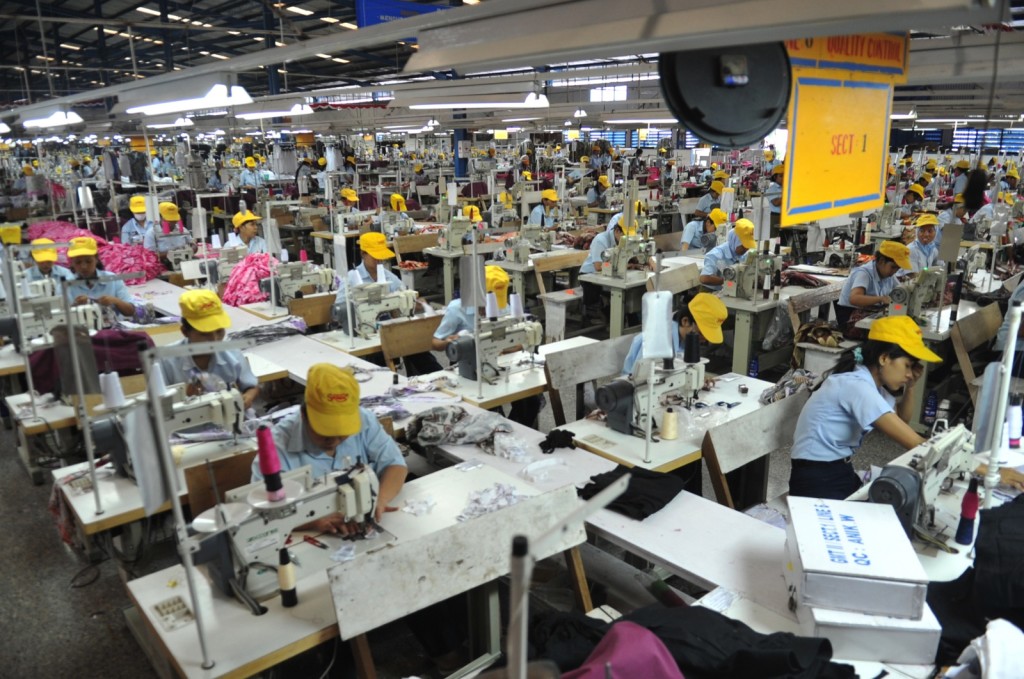
    The fourth and most intense wave of Covid-19, which caused many textile companies to close down or operate at partial capacity between July and September, remains a severe problem in many cities and provinces, especially in the south, and so migrant workers are making an exodus to their hometowns.

    Some one million workers in the sector, or one third the total number employed, have quit their jobs or are staying away from work with or without pay, VITAS estimated.

    Meanwhile, supply chains continue to be broken as a number of foreign clients shift their orders to other countries.

    Many companies in the south have adopted the stay-at-work and commute-to-work models, but managed to get only 10-30 percent of their employees, meaning they have found it hard to maintain production and ensure timely delivery of goods, VITAS said.

    Garment and textile exports fell 9 percent month-on-month in September to $3 billion. The figure for the year-to-date was $29 billion.

    VITAS has three different export scenarios depending on how the Covid situation pans out: it expects shipments of $33.5-34 billion this year if the pandemic continues until early December, $36-36.5 billion if until November and $37.5-38 billion if it is controlled by October.

    “It is very difficult for the sector to realize the export target of $39 billion set for this year,” Vitas vice chairman Truong Van Cam said.

  • Philippines’ Union Bank Opens Fintech HQ in Singapore

    Philippines’ Union Bank Opens Fintech HQ in Singapore

    Union Bank’s fintech subsidiary UBX is expanding its operations in Singapore as it eyes growth in Asia.

    UBX, the financial technology venture studio and fund of Union Bank, hopes its Singapore headquarters will be a bridge for startups to enter the Philippine market, according to an announcement on Tuesday.

    Operations will be led by Singapore country head Cryus Cruz, who joined UBX five months ago after over three years at Tokio Marine Insurance Group, where he was regional manager of digital strategy and its innovation lab. He also brings experience from stints at Chubb, Axa, AIG and J.P. Morgan.

    UBX cited the wealth of start-ups and deep fintech talent pool as among the reasons why it is launching in the city-state. It also noted the rapid rise of fintech in financial transactions, and the «significant growth» UBX ventures are experiencing, fueled by the coronavirus pandemic.

    UBX has strategically set up an office here to contribute to, and benefit from the established ecosystem. This will not only expand our network, it’ll also help us learn from different companies in the country, Cruz said.

    UBX previously partnered with the Monetary Authority of Singapore in its Business Sans Borders (BSB) project.

  • HSBC Adds Digital Investment Tools to Woo Millennials

    HSBC Adds Digital Investment Tools to Woo Millennials

    The bank is enhancing its digital investment capabilities with a series of new solutions, including $0 commission stock trading, wealth coach and a revamped fund investment platform.

    HSBC has launched three digital solutions, including Trade25, Wealth Coach and the enhanced FlexInvest platform to better cater to millennials, a segment that accounted for nearly 50 percent of the bank’s new customers in Hong Kong in the first half of this year.

    Our new solutions focus on addressing what matters most to our young customers, ensuring that they have the necessary tools to embark on their wealth journey and thrive financially in the long run, Brian Hui, HSBC head of customer propositions, international and marketing, wealth and personal banking, Hong Kong, said.

    Designed for traders aged 18 to 25, Trade25 provides $0 commission and $0 platform fees for trading Hong Kong, U.S. and China A shares, and includes a financial education hub for customers to learn and boost their stock trading knowledge.

    The Wealth Coach gives young customers personalized advice on investments and personal finance via mobile chat or Zoom, and the FlexInvest unit trust investment platform is being upgraded to allow customers to easily identify their preferred funds for building their investment portfolio.

    According to the bank, millennials are one of the key pillars of HSBC’s Asian Wealth strategy. In Hong Kong, the number of new to bank millennial customers for the first six months in 2021 jumped by over 30 percent, compared to the same period last year.

    It attributed this growth to its «HSBC One» proposition and its Wealth A0 investment education and empowerment campaign, launched in the second quarter of the year.

  • Imports dominate popular categories on e-commerce platforms

    Imports dominate popular categories on e-commerce platforms

    Only 17 percent of the most popular goods on e-commerce platforms since last year have been Vietnamese, a market research firm said.

    Malaysian market research firm iPrice Group said in a report that 83 percent of the 1,200 most sought-after items were imported.

    The rates for Vietnamese products ranged between 25 percent for Sendo and 13 percent for Shopee Vietnam.

    The overall rate dropped to 14 percent in the first half of this year.

    Sendo and Tiki are Vietnamese-owned businesses.

    “Vietnamese enterprises have not paid due attention to e-commerce yet,” Sendo chairman Nguyen Dac Viet Dung said.

    “After two years of working with the Ministry of Industry and Trade to bring Vietnamese goods to e-commerce platforms, we have attracted many traditional retailers”.

    Vietnamese goods dominated the groceries category, with demand surging because of Covid-19 lockdowns.

    Agricultural specialties are becoming increasingly on the two local platforms.

    Vietnam’s e-commerce market has seen an average annual growth rate of 25-30 percent in the last five years, according to Vietnam E-commerce Association (VECOM).

    Should the growth rate be maintained, Vietnam would rank third in e-commerce market size in Southeast Asia by 2025, behind Indonesia and Thailand.