Blog

  • DBS Stalwart Joins OCBC to Head Wholesale Banking

    DBS Stalwart Joins OCBC to Head Wholesale Banking

    A DBS veteran will take on a new key position at OCBC, which is part of the bank’s plans to grow and expand across its key markets.

    OCBC has appointed Tan Teck Long as group head of wholesale banking, according to a filing with Singapore Exchange (SGX) on Wednesday.

    Tan joins from DBS Bank, where he has been group chief risk officer since 2018. His previous roles at the bank, which he joined in 2003, include group head of corporate investment banking, China head of institutional banking group based in Shanghai and group head of real estate, building and construction industry.

    In his new role, Tan will have global responsibilities for global corporate banking, global commercial banking, global transaction banking, emerging business, global financial institutions, group investment banking and mezzanine capital unit, the announcement said.

  • Deutsche Bank Wealth Management Hires Ex-DBS Duo

    Deutsche Bank Wealth Management Hires Ex-DBS Duo

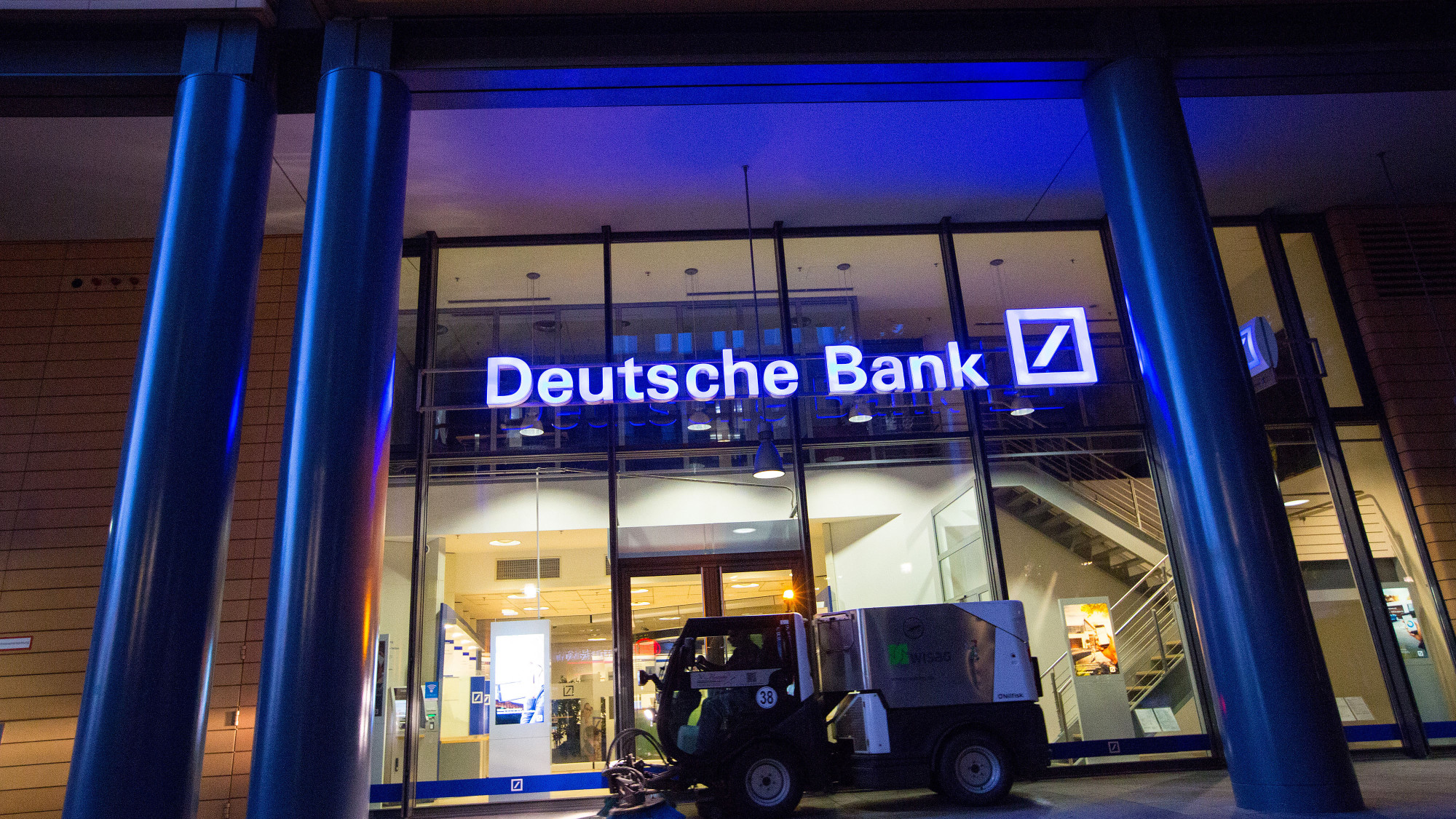
    Deutsche Bank Wealth Management has hired two former executives from DBS Private Bank to bolster its South Asia business.  Shankar Jha joins the German private bank’s global South Asia (GSA) team in Singapore as a managing director and group head, according to a statement, reporting to global South Asia head Amrit Singh.

    Jha has over 20 years of private banking experience, most recently with DBS Private Bank where he spent six years, last as a senior director and team leader. Previously, he also worked for UBS Wealth Management and Citi Private Bank.

    Deutsche Bank Wealth Management also hired Sachin Thussu as a director and senior investment advisor.

    Based in Singapore, he will be part of the investment management team and report to head of investment management global GSA Ritesh Goenka.

    Thussu has over 20 years of experience across financial markets – most notably, FX and precious metals – and cross-asset advisory. Prior to joining Deutsche Bank, he worked for DBS Private Bank, Credit Suisse, Standard Chartered Private Bank and Citi covering private wealth and quasi institutional clients from London, Zurich and Singapore.

    Year-to-date, Deutsche Bank’s GSA unit has hired 14 relationship managers across Dubai, Geneva and Singapore.

    Notable additions include ex-Julius Baer bankers Dhananjay Rathore as a managing director and Rajasekar Ayyalu as a director based in India where four relationship managers have been hired thus far this year. Other newly hired directors include Richard Van-Dirmen, Hervé Alykhan Ladak, Randeep Singh and Harshin Shah.

    The GSA unit also added three investment advisors in Dubai and Singapore.

    At Deutsche Bank Wealth Management, we value the importance of the GSA market to the Bank’s Asia strategy, and will continue investing, said Singh in the statement.

  • Fresh soup brand DariKay rebrands as Dari’s

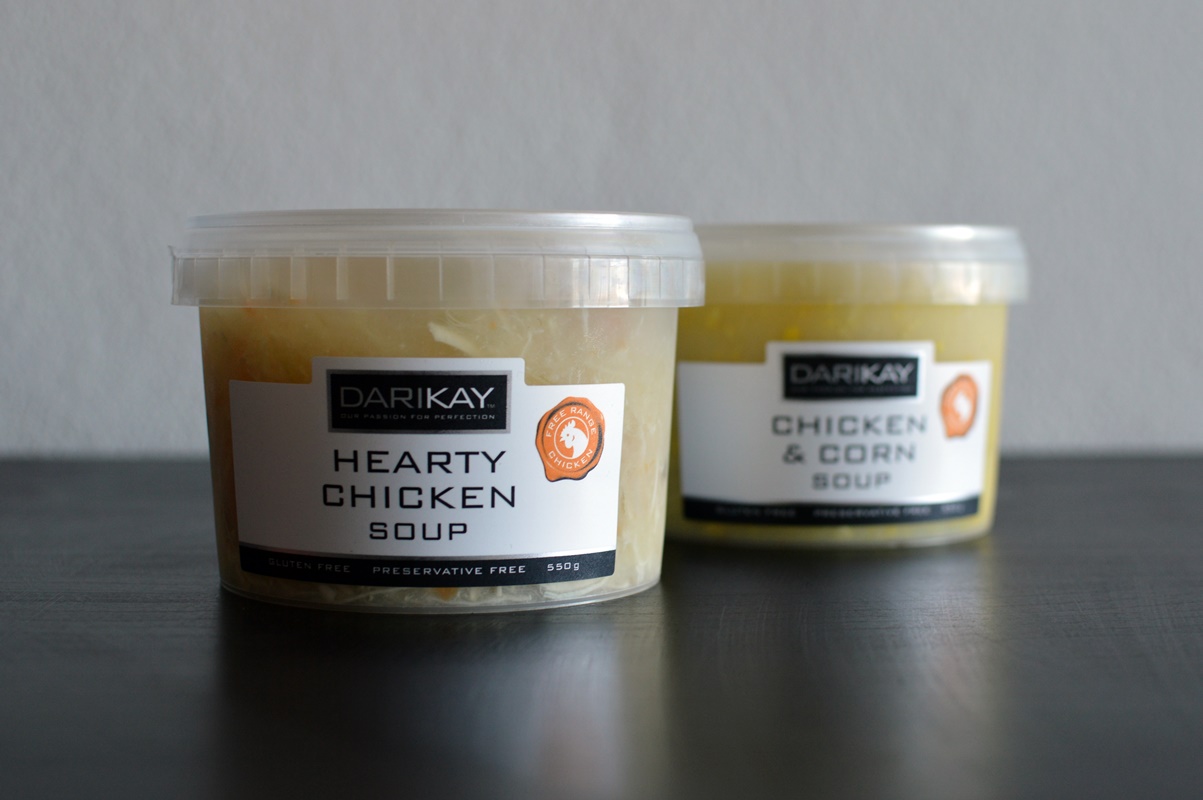
    Fresh soup brand DariKay rebrands as Dari’s

    Australia’s leading freshly made soup brand DariKay is changing its name to DARI’S, with a brand-new look including a new logo, colours, and new ‘Feel at Home’ tagline. 

    The rebranded DARI’S Soups will start to appear in Woolworth’s chillers in September, followed by Coles and independent retailers from November, phasing out the old DariKay packaging through a gradual roll-out. 

    The rebrand from DariKay to DARI’S celebrates the real people behind the soups – Dari and Yehiel Kaplan and family. The couple started their Dari’s Kitchen food business in their home kitchen in 2004, beginning with Pilpel dips, followed by DariKay fresh, small-batch soups in 2007, which has grown to become Australia’s top chilled soup brand.

    All soup recipes are developed, tried, and tested by Yehiel, using his skills as a chef to create a range of flavors to suit different taste preferences and dietary needs. The soups are stocked by major supermarkets and independent retailers across Australia.

    Dari Kaplan, co-founder, says: “Our soup rebrand to DARI’S is a big change but a very exciting one. We felt that DARI’S better connects us to our consumers, it lets people know that a real family is making these soups, to our recipes, just like we do at home.

    “It’s the same DariKay soup that people know and love – the flavors, size, and ingredients are exactly the same – but with a new look and a new name, that reflects who we are.”

    A major part of the rebrand is the launch of a new website, www.darissoups.com.au, which has photographs from the Kaplan family albums and tells the story of how Dari and Yehiel’s business began

    Dari adds: “People can now get a glimpse into our family and how we started all those years ago, with our children as our taste testers, and our little kitchen blender. We’re very proud of how we started because that is how we got here. We hope that when people share a DARI’S soup, they feel the love and care of our family, because that’s what we’re all about, and that will never change.”

    The flavors of the new rebranded DARI’S Soups will remain the same as the current DariKay soup line-up. There are 13 fresh soups in the range including vegetarian, poultry, meat, and seafood varieties, with gluten-free, dairy-free, and preservative-free options.

    The soups are made in small batches at the family’s kitchen HQ in Marrickville, New South Wales, using carefully selected quality ingredients such as free-range chicken and aged beef brisket. Flavors in the range include Chicken Noodle, Chicken & Corn, Beef & Barley, Mushroom, Lentil, and Spicy Prawn.

  • Beijing Seeks Alipay App Break-Up

    Beijing Seeks Alipay App Break-Up

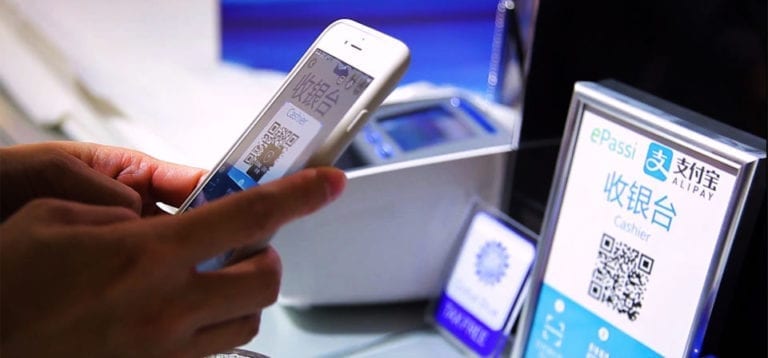
    There is more restructuring underway for Jack Ma’s Ant Group with Chinese authorities reportedly seeking to break up Alipay, its super app with over 1 billion users.

    Chinese officials want Ant to make its traditional credit card and small unsecured loans business – Huabei and Jiebei, respectively – into two separate apps, breaking up what used to be a single Alipay app.

    The plans also require Ant to turn over user data to a new partly state-owned credit scoring joint venture.

    The government believes big tech’s monopoly power comes from their control of data, said one source. It wants to end that.

    The reported deal that will make Zhejiang Tourism Investment a majority shareholder is considered favorable for Ant due to its relationship with its home province.

    Given the mutual trust between Ant and Zhejiang, the fintech group will have a big say on how the new JV operates, said an unnamed former Chinese central banking official. But the new set-up will also make sure that Ant listens to the party when it comes to critical decision-making.

    What does Zhejiang Tourism Investment Group know about credit scoring – nothing, said another source who noted while Ma’s team would lead the venture, there was concern about future loss of control.

    The Huabei and Jiebei businesses fall under a ‘CreditTech’ unit and is a leading revenue generator for the fintech giant.

    Last year, it issued about one-tenth of the non-montage consumer loans in the second-largest economy in the world.

  • HSBC lowers Vietnam’s growth forecast

    HSBC lowers Vietnam’s growth forecast

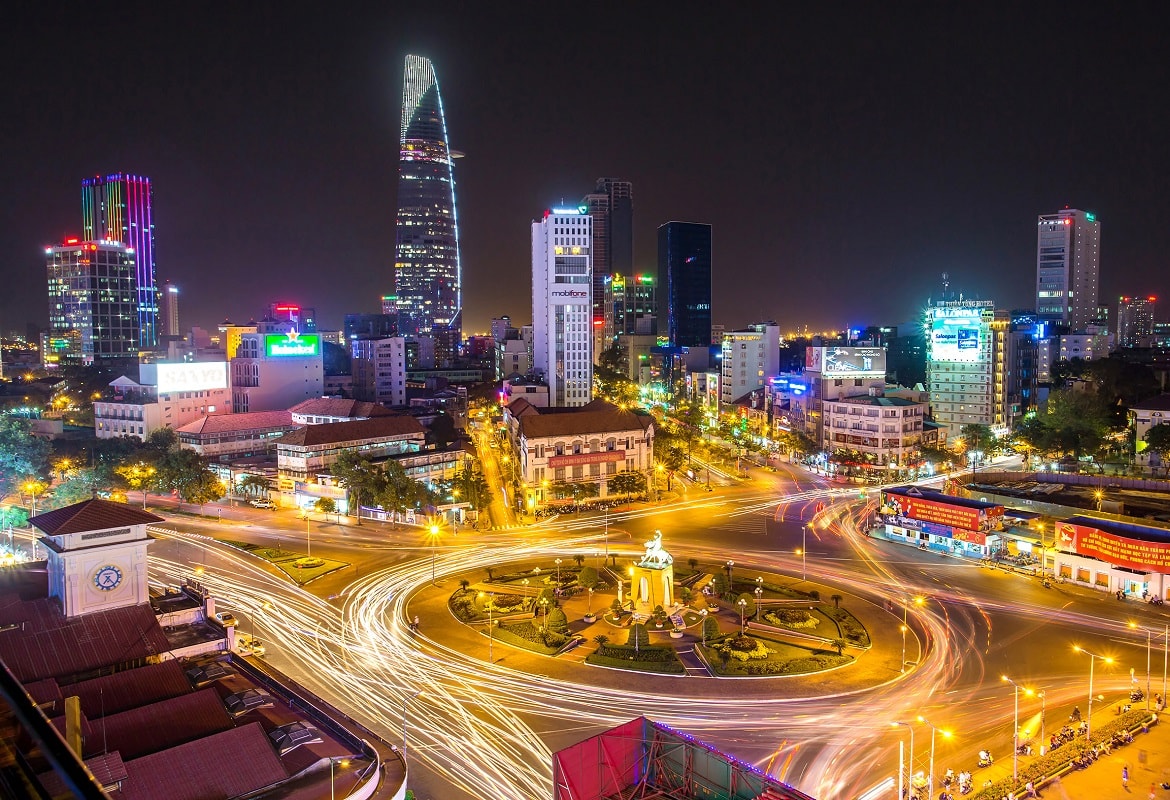
    Lender HSBC has lowered its growth forecast for Vietnam from 7.1 percent to 5.1 percent given the ongoing fourth Covid-19 wave that has disrupted key economic activities.

    “The impact of the Delta variant as it spread across the country and in particular the economic heartland of Vietnam in the south meant a swift re-introduction of lockdowns and travel restrictions,” said CEO of HSBC Vietnam Tim Evans in a recent note.

    He forecast GDP growth would be in the range of 5-5.5 percent, depending on the speed and effectiveness of the vaccination rollout, re-opening of the economy and recovery and resumption of major export markets.

    But growth could only reach 3.5-4 percent if the vaccination programme is not fast enough and lockdown and social distancing continue to be lengthened, he said.

    This will cause more adverse impacts on the economy amid increased pressure on supply chains, he added.

    Vietnam in recent months has seen unprecedented disruption to its supply chain, which has caused declining industrial production while key global brands struggled to keep manufacturing going.

    In August, mobility in the country fell 60 percent on average from pre-pandemic levels, which resulted in a 40 percent year-on-year drop in retail sales, HSBC data shows.

    But there are positive signals that indicate an imminent recovery. Ho Chi Minh City, the Covid-19 epicenter, has given the first Covid-19 vaccination dose to nearly 90 percent of its population and is set to have the majority of residents fully vaccinated by the end of this month.

    The State Bank of Vietnam (SBV) has increased credit growth for some commercial banks from 10-12 percent to 14-15 percent this year, which would allow banks to lend more.

    Vietnam remains a highly attractive investment destination in the medium term, given the recent reports of investment from Samsung and LG Display, Evans said.

    “Strong foreign currency reserves coupled with a stable currency, inflation being under-control, continued strong FDI inflows with an emphasis on the manufacturing sector all position Vietnam will for the future.”

    HSBC forecasts next year’s GDP growth at 6.8 percent. It was 2.9 percent last year.

    Several other organizations including the World Bank and Asian Development Bank have lowered their growth forecast for Vietnam because of Covid-19.

  • Covid restrictions put the brakes on car sales

    Covid restrictions put the brakes on car sales

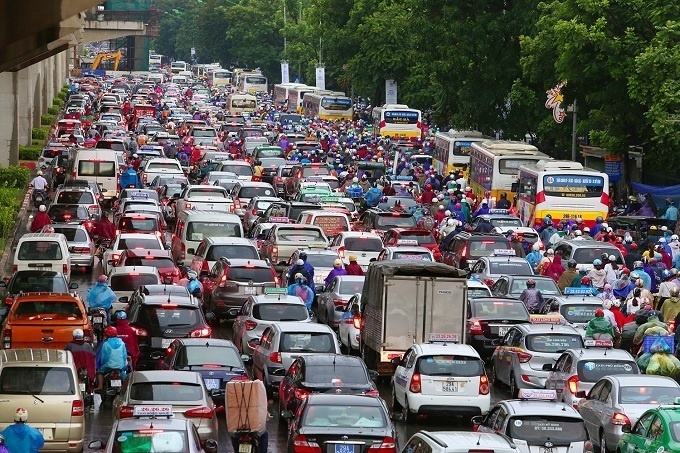
    The Vietnam Automobile Manufacturers Association said its members sold only 7,714 vehicles in August, the lowest number in seven years.

    Their sales were down 68 percent year-on-year for the month and 47 percent from July.

    The Vietnam Automobile Manufacturers Association said its members sold only 7,714 vehicles in August, the lowest number in seven years.Their sales were down 68 percent year-on-year for the month and 47 percent from July.

    It marked the fifth consecutive month of decline for the industry, which attributed the slump to social distancing amid Covid-19 in many provinces and cities, especially Hanoi and Ho Chi Minh City.

    The country’s largest automaker and non-member TC Motor, which assembles Huyndaicars, saw sales plummet by 60 percent year-on-year in August to 2,182.

    VAMA members have sold 157,777 vehicles so far this year, up 8 percent from 2020.

    Car sales increased sharply in the second half of 2020 after a 50 percent cut was made to registration fees, which are substantial at 10-12 percent of the vehicle price. There have been no rate cuts this year.

    TC Motor’s sales for the year were down 2 percent to 40,248 units, the first time ever its sales have declined.

  • Inmarsat launches Velaris for unmanned aviation industry

    Inmarsat launches Velaris for unmanned aviation industry

    Inmarsat announced the launch of its advanced new Velaris connectivity solution, which is uniquely positioned to serve as a catalyst for the safe and rapid growth of the unmanned aerial vehicles (UAVs) industry.

    Powered by the Inmarsat ELERA global satellite network, Velaris will provide secure communications for commercial UAVs – commonly known as drones – to fly beyond visual line of sight (BVLOS) and seamlessly integrate with aircraft in commercial airspace. Backed by military-grade cybersecurity, it allows operators to send their UAVs on long distance flights and access various applications, such as real-time monitoring, to ensure safe integration with other air traffic. In addition, Velaris allows a single pilot to remotely operate multiple UAVs at scale, making operations more commercially viable.

    Over the next seven years, the commercial UAV market is projected to increase from $2.32 billion in 2021 to $11.29 billion in 2028, marking a compound annual growth rate (CAGR) of 25.39% during this period. This will have a far-reaching impact on various aspects of business and society, ranging from cargo delivery, urban transport and surveillance to emergency services and disaster relief, including the supply of critical items such as medicine, test kits and food for remote communities.

    To support this fast-paced growth, Velaris will unlock unprecedented new digital automation capabilities within the UAV industry, leading to significant advances in safety, productivity, customer service, location access and accuracy, while also reducing the overall cost of operations. Importantly, it will also support the transport of people and goods in an environmentally friendly manner.

    Anthony Spouncer, Inmarsat’s Senior Director of UAVs and Unmanned Traffic Management, said: “Commercial UAVs have the potential to revolutionise a vast array of different industries throughout the world. However, to truly unlock their potential on a commercial scale, it is imperative that autonomous vehicles and unmanned aviation are safely and securely integrated into managed commercial airspace. That’s exactly what Velaris, as Inmarsat’s first global UAV connectivity solution, will deliver.

    “Inmarsat’s unparalleled experience in air traffic management and aviation safety, combined with our established track record in civil and military UAV communications, ensures that we can support global regulators, air navigation service providers and UAV operators with seamless airspace integration. In addition, thanks to our ambitious and fully-funded technology roadmap, including our brand new ORCHESTRA communications network of the future, Velaris will continue to develop and evolve alongside the UAV industry, remaining its gold standard connectivity solution for decades to come.”

    Inmarsat was recently crowned winner at the prestigious Air Traffic Management (ATM) Magazine Awards for its Pop-Up Unmanned Traffic Management (UTM) Platform, developed with Altitude Angel. Furthermore, Inmarsat is well-integrated in the air traffic management industry as a consortium member of Cranfield University’s recently opened Digital Aviation Research and Technology Centre (DARTeC). The company participates in several projects that aim to revolutionise the future of flight, including the UK Government funded Project HEART (Hydrogen Electric and Automated Regional Transportation) – which is developing the country’s first automated, zero carbon regional air transportation network – and Airspace of the Future (AoF) – which focuses on integrating UAV services with the wider UK transport ecosystem.

    “We work with our global partner ecosystem to develop UAV terminals that deliver smaller, more cost effective multi datalink solutions,” added Spouncer. “These are optimised for a wide range of use cases so that our customers can always have the highest possible standard of connectivity. I’m pleased to launch Velaris today. Coming soon after the launch of Inmarsat ORCHESTRA and ELERA, this truly emphasises Inmarsat’s long-term commitment to the commercial UAV market.”

  • Tesla Rolls Out FSD Beta V10 To Early Access Fleet

    Tesla Rolls Out FSD Beta V10 To Early Access Fleet

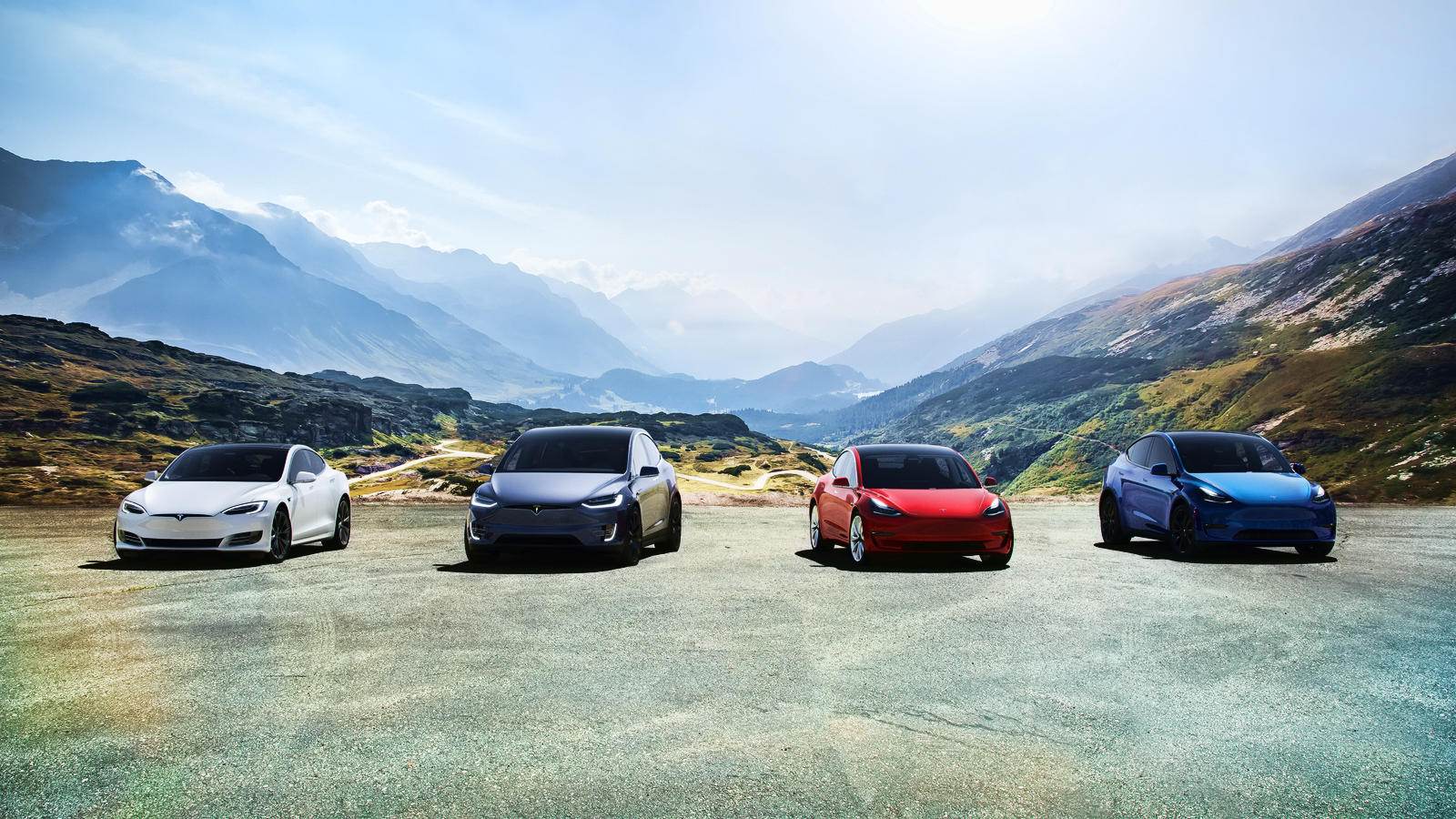
    Predictably, and for once on time, Tesla has rolled out the v10 of the full self-driving beta software which Elon Musk described as mind-blowing just a few weeks ago. Perhaps, as most have noticed, the most mind-blowing thing is that Tesla and Musk delivered.

    The software enables the self-driving capability for Tesla’s EVs that have the full self-driving package, but this capability is still adorned with astrix of level 2 autonomous capability, not level 4 which is the bare minimum number for self-driving cars that can operate in a hands-free manner.

    Elon Musk had indicated earlier that the full self-driving software will be deployed soon when it hits v10 which now it has at least for the early access fleet, but soon if it is bug-ridden, it could be deployed to a wider audience. Many users have started reporting that they have received the update and posted screenshots of the same on Twitter.

    One of the more notable changes is that the driver visualizations have been updated with a more modern and minimal look. Elon Musk has promised that it could be there for many other users by the end of the month with a download button in the offing but Musk has flattered to deceive not once but on numerous occasions.

    Tesla announced earlier in the year that will stop using radars on its cars and will have a vision-based self-driving system that will use algorithms trained on its Dojo supercomputer which are processed on the device on the FSD computer on the vehicle itself. This has led some authorities to downgrade the safety rating of Tesla vehicles.

  • Citi Nets Ex-Goldman Southeast Asia Investment Banker

    Citi Nets Ex-Goldman Southeast Asia Investment Banker

    Citigroup has reportedly hired the former Southeast Asia head of investment banking from Goldman Sachs.

    Harry Naysmith will join Citi as its vice chairman of banking, capital markets and advisory for Southeast Asia.

    Naismith joined Goldman Sachs in 2013, last as its Southeast Asia head of investment banking. Previously, he also spent five years with ABN AMRO.

    Naysmith is the second Goldman head of Southeast Asia investment banking to join Citi in recent years.

    12-year Goldman executive and former Southeast Asia investment banking co-head Udhay Furtado left in September 2018 to join Citi as its co-head of equity capital markets.

  • DBS Digital Exchange to Grow Security Token Offerings

    DBS Digital Exchange to Grow Security Token Offerings

    The platform plans to tap on the growing popularity of cryptocurrencies and digital assets among corporate investors, accredited individuals and family offices.

    DBS plans to list at least half a dozen security tokens by end-2022 on DDEx, the bank’s institutional-focused digital asset exchange, the exchange’s chairman said on Monday.

    According to Eng-Kwok Seat Moey, who is also head of capital markets, the bank’s position as one of the biggest wealth managers in Asia and its expertise in originating deals in capital markets would help it attract users and grow trading volume.

    The bank listed its first security token on the platform in May 2021, in the form of a S$15 million digital bond.

    Eng-Kwok repeated CEO Piyush Gupta’s target of growing the digital exchange’s investor base to about 1,000 customers this year, and said DBS wants to grow this number by 20-30 percent annually for the next three years as digital tokens gain acceptability.

    DDEx was launched in December 2020 with an initial offering that covered cryptocurrency trading. As of August 2021, it housed around 400 investors with close to S$130 million ($95.8 million) of digital assets in its custodial services.

  • SGX Directors to Retire

    SGX Directors to Retire

    Singapore Exchange (SGX), has announced personnel changes to its board of directors.

    Jane Diplock, non-executive non-independent director, will be retiring from the board by rotation at the end of the bourse’s 22nd Annual General Meeting on 7 October, SGX said in a filing on Tuesday.

    Diplock, 72, was also a member of SGX’s audit and risk management committees. She was appointed to her role in 2011.

    Also retiring from office on 7 October is non-executive non-independent director Ng Wai Keng, who is being considered for an appointment that requires him to address any potential conflict of interest. Ng, 54, was appointed to the position in 2018, and was also a member of SGX’s remuneration and staff development committee.

  • Apple Adds More Drivers For Testing Self Driving Cars In California

    Apple Adds More Drivers For Testing Self Driving Cars In California

    It is no secret that Apple is lagging behind the likes of Google, Aurora, Cruise, Tesla, and many more when it comes down to self-driving technology. It even lost its lead of project titan aka the Apple Car project – Doug Field – to Ford recently. But now there are signs that it is ramping up testing of its self-driving car software with it increasing the number of pilots it has for tests in the last month.

    In August, Apple’s autonomous driving program consisted of 69 vehicles and 92 pilots as per a filing with the California DMV. Now that number has risen to 114 registered drivers as of September 10 which is just last week. This number is still lower than the peak of 154 drivers which was achieved in October 2020. There are signs that Apple is increasing its fleet after almost halving it in 2020.

    Waymo and Cruise have the most vehicles with each having 616 and 201 autonomous cars on the prowl in California. Apple just has 69 cars and is yet to apply for a driverless permit. DMV filings also reveal that Apple’s vehicles were involved in two collisions since last August achieving a total of five in the year. It has been reported that Apple’s system for autonomy disengaged at the time of the accident and the other vehicle was to blame for the two recent incidents.

    Apple has been developing a self-driving system for the last couple of years and this system will be applied to a chassis that will be powered by an electric powertrain with unique battery technology. Recently, after the exit of Field, Apple elevated Apple Watch software boss and healthcare head, Kevin Lynch to being the head of the Apple Car project. Lynch himself reports to Apple COO Jeff Williams and the overall project is under Apple AI chief and senior VP, John Giannandrea.

    Apple has been also on the lookout for a manufacturing partner having had chats with Hyundai, Magna, Kia, Toyota and Nissan for a contract manufacturer agreement, something that’s yet to be closed. Many believe Apple could be launching its car by 2025, but many Apple watchers believe that may not be true and the project isn’t as further along as many believe. Regardless, this will like also be the last major product launch under CEO Tim Cook who has been at Apple since 1998 and recently completed a decade at the top of the Silicon Valley giant.

  • Yum China launches fresh fruit and veggies in 6000 outlets

    Yum China launches fresh fruit and veggies in 6000 outlets

    Yum China is now offering more fruit and vegetable options in over 6000 food chains nationwide, encouraging consumers to add at least 100g of fruit and veggies to their meals.

    This latest effort is part of the company’s “Fruit and Vegetables 100+” program, designed to support recommendations from the National Health Commission in China that adults should have a daily intake of at least 300-500 grams of vegetables per day for a balanced diet.

    Along with the new program, the company’s subsidiaries KFC, Pizza Hut and Taco Bell will also launch new products that include fruits and vegetables to promote healthier eating (the three restaurants promotions are displayed in the image above, from left KFC, PIzza Hut and taco Bell).

    According to the restaurant giant, the company is committed to offering its customers a wide variety of healthier food options. To achieve this, the company says it focuses on food innovation, recipe changes such as reducing the amount of salt, sugar, and oil, and adopting different cooking methods. For example, at KFC, around 80 per cent of non-beverage breakfast menu items are oven-baked versus deep-fried.

    The company was also first to introduce plant-based products in China when it launched plant-based burgers at Pizza Hut, plant-based nuggets at KFC, and plant-based tacos at Taco Bell.

    Together with the China Nutrition Society, Yum China established Yum China Dietary Health Foundation to support scientific research and promote dietary health. In 2020, the foundation funded over 80 projects focused on dining out and urban resident health.

  • General Motors Invests In Oculii, Radar Software Maker For Self-Driving Cars

    General Motors Invests In Oculii, Radar Software Maker For Self-Driving Cars

    General Motors Co’s venture capital arm has invested millions of dollars in Oculii, a U.S. startup maker of software for radar sensors used in self-driving cars, Oculii co-founder Steven Hong said. GM can use Oculii’s low-cost software to boost the resolution of radars and scale up its partially automated vehicles and full self-driving cars, he told Reuters in an interview.

    The investment is a “fantastic signal they’re serious about the technology and bullish about radar in general,” said the Stanford University graduate who founded Oculii with his father, Lang Hong, an engineering professor at Wright State University. He declined to disclose the financial details.

    Tesla Inc eliminated radar sensors from its volume models this year, rekindling questions about the safety and performance of its advanced driver assistant system. Radars, which measure the distance between objects, enable a car to accelerate or brake to match its speed with that of the vehicle in front. Radars also work well in adverse lighting and weather conditions. Tesla Chief Executive Elon Musk has called additional sensors like lidars and radars “crutches,” doubling down on cheaper cameras and artificial intelligence for its driving automation system.

  • Government fund subscribes to Vietnam Airlines right issue

    Government fund subscribes to Vietnam Airlines right issue

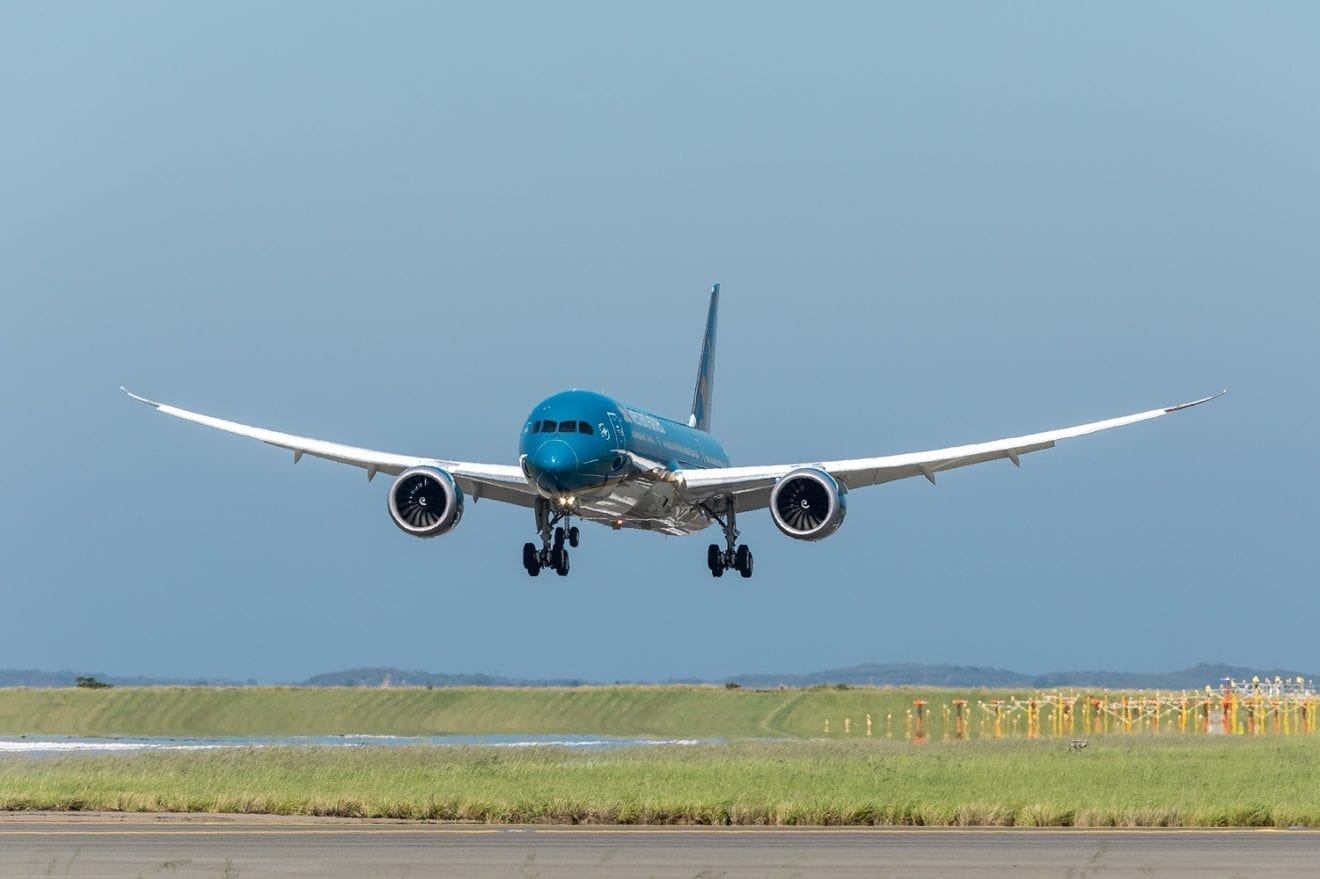
    Vietnam’s sovereign fund has subscribed to Vietnam Airlines’s rights offering amid its accumulating losses due to Covid-19.

    The State Capital Investment Corporation (SCIC) paid VND6.89 trillion ($303.56 million) to acquire 689.5 million shares and kept its ownership rate in the state-owned carrier at 31.08 percent.

    The airline’s HVN ticker rose by the maximum allowed 7 percent Monday, its sixth consecutive day of gain.

    HVN’s issued VND8 trillion worth of stocks to existing shareholders to increase its capital.

    Japan’s ANA Holdings, the operator of All Nippon Airways which owns an 8.77 percent stake in Vietnam Airlines, sold its rights to buy 70 million shares to Vietnam Airlines employees since it is itself facing financial difficulties.

    The carrier estimates its losses for the first half of 2021 at around VND10.79 trillion.