Blog

  • Taiwan Telecoms Sell Out Initial iPhone 18 Pro and Foldable Duo Preorders in Minutes

    Taiwan Telecoms Sell Out Initial iPhone 18 Pro and Foldable Duo Preorders in Minutes

    Taiwan telecom carriers sold out initial preorder allocations for Apple’s iPhone 18 Pro series and foldable iPhone Duo within two minutes of opening online reservations on Thursday.

    Preorder volume for the flagship series surged nearly 200 percent compared to last year’s iPhone 17 Pro cycle, Taiwan Mobile reported. Far EasTone Telecommunications saw customer registrations more than double.

    Rising prices did not dampen demand. Next-generation silicon drove cost increases across the lineup. Apple’s base 6.3-inch iPhone 18 Pro starts at NT$44,900 ($1,419), up from NT$39,900 for the previous-generation device. The 6.9-inch iPhone 18 Pro Max entered the market at NT$49,900, up from NT$44,900. Pricing for the foldable iPhone Duo ranges from NT$74,900 for the 256GB version to NT$118,900 for the top-tier 2TB configuration.

    Premium Configurations Drive Carrier Allocations

    Buyer demand tilted heavily toward top-specification models during the opening reservation window. Chunghwa Telecom stated that 70 percent of surveyed subscribers targeted either the iPhone 18 Pro or the iPhone 18 Pro Max. Within that group, 45 percent chose the 512GB storage option. Taiwan Mobile reported that the iPhone 18 Pro Max alone accounted for roughly 50 percent of all new iPhone preorders placed through its myfone online retail channel.

    Shoppers also favored newly introduced finishes. Chunghwa Telecom noted that 46 percent of surveyed buyers selected Glacier, while 26 percent chose Burgundy. Burgundy emerged as the most requested colorway for Taiwan Mobile and Far EasTone, followed by Glacier. For the foldable iPhone Duo, Chunghwa Telecom recorded 60 percent demand for Star White, with the remaining 40 percent opting for Night Sky.

    Hardware Pricing Tests Regional Carrier Subsidies

    The sharp price jump tests consumer willingness to absorb higher upfront equipment costs on multi-year 5G service contracts. Taiwan serves as a key testing ground for East Asian smartphone demand, where carrier subsidies cushion high entry prices. Quick clearance of early allotments shows premium buyers remain price-inelastic. They purchased immediately, even as standard models pushed well past traditional retail thresholds.

    Component costs are also squeezing supply chain margins. Vendors passed advanced semiconductor and hinge engineering expenses directly onto retail price tags. Carriers must now manage device inventory financing without eroding retail margins. Replenishment speed poses the immediate risk. If early device allocations stay constrained, subscriber upgrade conversions could taper before the fourth-quarter holiday sales push.

    Launch Timelines Across Taiwan Outlets

    Apple formally unveiled the lineup earlier in the week. Far EasTone opened its official preorder channel at 8 p.m. On Saturday following several days of interest registration. Chunghwa Telecom and Taiwan Mobile activated bookings immediately after the product announcement.

    Physical deliveries will roll out in two separate phases across the island. Chunghwa Telecom, Taiwan Mobile, and Far EasTone outlets will start retail sales of the iPhone 18 Pro series at 8 a.m. On Sept. 18. Store inventory for the foldable iPhone Duo arrives on retail shelves on Oct. 23.

  • Grab to Acquire Atome Financial in Deal Valued at up to $4.5 Billion

    Grab to Acquire Atome Financial in Deal Valued at up to $4.5 Billion

    Grab announced on Tuesday it will acquire buy now, pay later provider Atome Financial in a transaction that could value the Singapore-based lender at up to US$4.5 billion.

    The ride-hailing and delivery platform is paying $1.49 billion for an initial 60 per cent stake. The transaction folds Atome’s consumer cash loans, instalment cards and digital lending books directly into Grab’s financial services arm.

    Valuation and Performance Terms

    Grab agreed to purchase the remaining 40 per cent stake roughly two years after completion. That second payout rests on Atome hitting revenue and EBITDA targets. The eventual valuation will land between $2 billion and $4.5 billion.

    Alex Hungate, Grab president and chief operating officer, said buying Atome bypasses years of building credit models. It also avoids the initial credit losses required to refine underwriting. Grab plans to fund Atome’s consumer loan book through its licensed digital banks in Singapore, Malaysia and Indonesia to lower capital costs.

    Lending Power Inside Southeast Asian Wallets

    Consumer credit in Southeast Asia is consolidating around apps that control daily transactions. Independent instalment lenders face high customer acquisition costs and rising borrowing expenses. Stand-alone balance sheets struggle to compete with platforms that span ride-hailing, food delivery and retail spending.

    Buying Atome prevents rival e-commerce ecosystems and standalone fintechs from locking up merchant checkouts in key growth markets. The risk shifts to default rates on unsecured consumer debt as economic conditions tighten in markets such as Indonesia and the Philippines.

    “Consumer credit in Southeast Asia is increasingly sitting inside large commerce platforms or major wallet ecosystems. As underwriting and collection increasingly become commoditised, distribution becomes more important.”

    From Credit Saison to Regional Scale

    In 2019, Grab entered instalment lending through a joint venture with Japanese credit card company Credit Saison. The platform rolled out pay-later options across Singapore and Malaysia. Regional expansion into the Philippines, Indonesia and Thailand lagged behind dedicated consumer finance specialists.

    The buyout is scheduled to close by the third quarter of 2027. Following integration, Grab expects its enlarged financial services unit to deliver $500 million in adjusted EBITDA by 2028 on a combined gross loan portfolio exceeding $6 billion.

  • AS Watson Rejects AI Staff Cuts Across 17,000 Global Outlets

    AS Watson Rejects AI Staff Cuts Across 17,000 Global Outlets

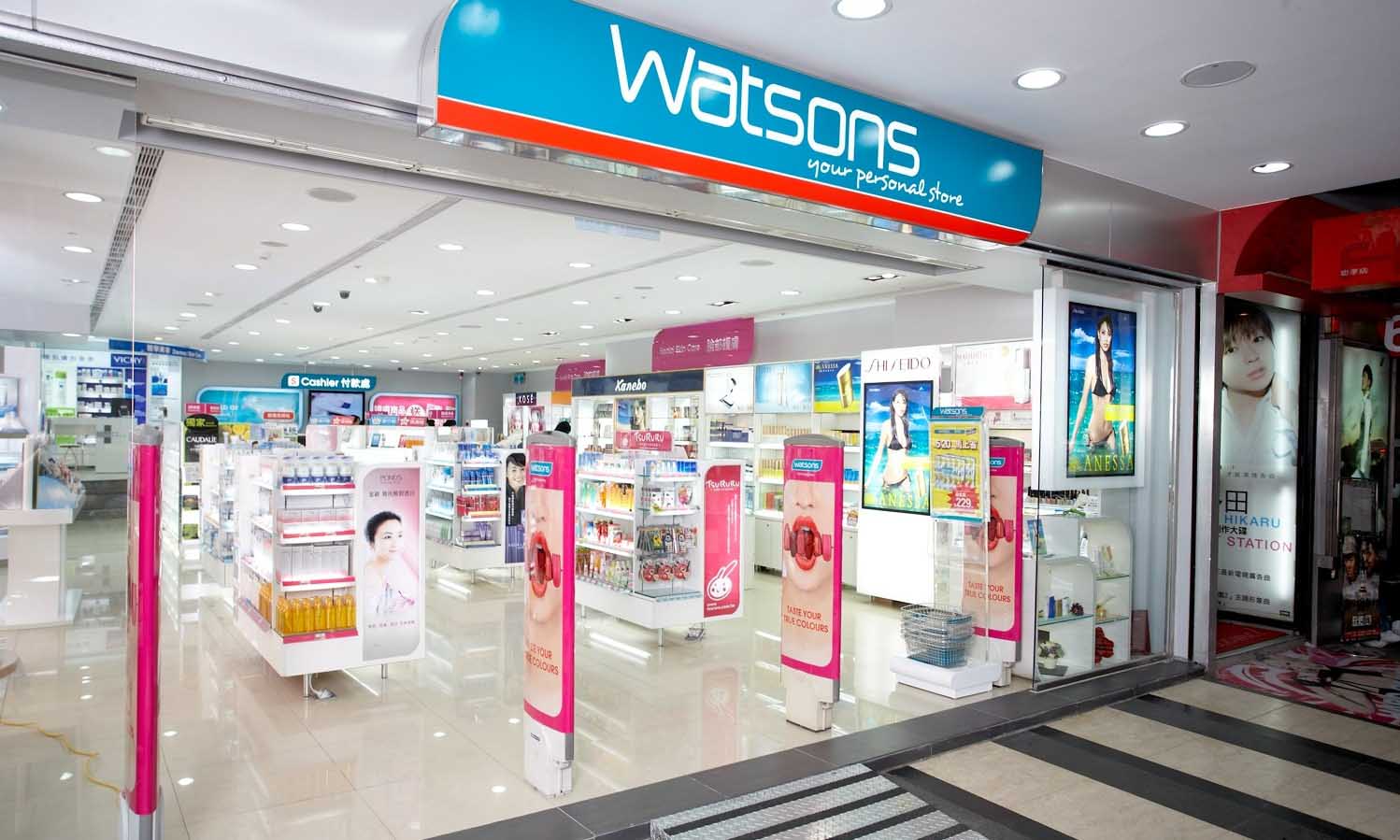
    AS Watson Group will not use artificial intelligence to cut its workforce across more than 17,000 stores in 31 markets, group chief executive Malina Ngai said in Macau.

    The Hong Kong-based retailer is the world’s largest health and beauty chain by store count. It is steering automation toward floor assistance and warehouse ergonomics rather than headcount reductions.

    Speaking at the Fortune Leaders Forum, Ngai said the business rolled out a human-AI partnership model last October. The system pairs floor staff with digital assistants to handle routine lookups and operational tasks. That frees employees for direct customer service. Management tracks progress through internal engagement scores and customer feedback rather than labor cost cuts.

    Automation Shifts Warehouse Labor in Foshan

    The technology is already altering logistics on the ground. At a group distribution warehouse in Foshan, 120 kilometers from Hong Kong, heavy-lifting robotics changed site demographics. Women now make up 62 per cent of the facility’s workforce. Across the wider region, men typically hold 80 per cent of manual handling roles.

    Asian retail operators face a split in automation strategies. Western corporations and technology vendors eliminated thousands of administrative roles this year. Store-heavy pharmacy and beauty chains, however, rely on physical interactions to drive basket sizes. Cutting floor staff risks service margins in dense Asian shopping hubs, where personal consultations secure higher-value skincare sales.

    Dual Listing Plans Anchor Network Scale

    Parent conglomerate CK Hutchison is preparing the retail division for public markets. Reports indicate the group is planning a dual listing in Hong Kong and London. The deal could value AS Watson at approximately $30 billion.

    “Is it really that, with AI, we’re going to cut out 30% of our workforce? Or… are we going to increase the quality of our people’s intelligence?”

    Founded as a Hong Kong pharmacy in 1841, the company expanded through European acquisitions and store openings across Asia. Ngai previously led digital and e-commerce integration, building the foundation for the current store-assist tools.

    Landlords and investors are watching whether these productivity gains lift sales per square meter in core Asian markets as the float approaches.

  • Only 10 of 60 Top Independent Stores Make a Brand Argument

    Only 10 of 60 Top Independent Stores Make a Brand Argument

    A global review of 60 premier independent retail stores by Nick Gray in September 2026 found that only 10 build spaces enforcing a genuine brand argument.

    Standard retail metrics like sales per square metre and the ICSC occupancy cost benchmark of 8 to 15 per cent fail to capture whether physical rooms build customer loyalty or merely collect pre-decided transactions.

    The Limits of Square Metre Metrics

    Drawing on observations at Westfield Sydney between 2018 and 2022, retail property evaluations routinely confuse aesthetic execution with brand positioning. Apparel retailers commonly allocate more than 12 per cent of sales to occupancy costs, yet landlord scorecards measure space strictly by immediate financial yields rather than behavioural shift. Dwell time metrics count customer minutes without distinguishing between deliberate browsing and checkout friction, while year-one fitout uplifts inevitably register temporary newness rather than sustained productivity.

    High-conviction physical retail demands structural constraints that traditional finance departments often query. Andreas Murkudis in Berlin operates a former printing hall with museum-scale product spacing that permanently increases monthly floor holding costs per item. In Los Angeles, Maxfield operates without display windows and relies on unapproachable floor staff to filter casual traffic, while Dover Street Market executes a scheduled annual teardown where independent designers control internal pod architecture.

    Thresholds and Fixture Control

    Physical store performance splits across three operational choices: entry thresholds, fixture manufacture, and change cadence. Entry points represent low-cost positioning tools that select qualified buyers before entry. Los Angeles retailer Departamento routes shoppers through an active coffee shop entrance, while Darklands in Berlin operates unmarked doors strictly by appointment.

    Procuring standard fixtures from shared commercial shopfitters reduces a brand to generic category storage. Retail spaces function as commercial arguments only when bespoke display units cannot transfer into a competing tenancy. At the same time, scheduled annual teardowns keep retail floors on the same release cycle as seasonal buying, avoiding the delayed, reactive renovations common among regional department stores and mall tenants.

    Operational Gaps in Regional Malls

    For shopping centre operators across Asia-Pacific, the gap between landlord guidelines and store identity remains wide. Luxury activations and pop-up tenancies in prime centres frequently exhaust negotiations on ceiling heights, sightlines, and perimeter finishes rather than customer engagement. The result is uniform warm minimalism and portable design choices that fit generic landlord criteria but fail to distinguish rival brands.

    This disconnect originates early in commercial planning cycles. Corporate brand briefs routinely mandate broad concepts like modern luxury and effortless presentation, offering no actionable instructions for doorway thresholds, custom furniture, or thirty-second staff routines. Design partners consequently deliver attractive decorations because the initial brief provided no structural rules to engineer into the room.

    Between 2018 and 2022 at Westfield Sydney, Brand Space activations showed how strict fitout rules repeatedly prioritised aesthetic compliance over functional brand differentiation. Commercial landlords in prime Asian retail districts face the same recurring pattern across short-term luxury leases.

    Property directors tracking upcoming retail lease renewals will see whether tenant fitout budgets shift capital from decorative cosmetic upgrades into purpose-built spatial architecture.

  • Baiada Opens Tamworth Plant to Process 1.5 Million Chickens Weekly

    Baiada Opens Tamworth Plant to Process 1.5 Million Chickens Weekly

    Australian poultry producer Baiada opened its processing facility in Tamworth on September 16. The site began operations with a weekly capacity of 1.5 million chickens.

    The plant ranks among Australia’s largest regional food manufacturing investments. It supplies fresh poultry directly to domestic supermarket chains and commercial food service operators.

    Automation and Weekly Processing Volume

    Managing Director Simon Camilleri and Chairman John Camilleri launched the site as an integrated manufacturing hub. It combines automated processing lines, updated environmental controls and expanded worker facilities. These systems handle high-volume throughput with fewer bottlenecks.

    Processing 1.5 million birds every seven days gives Baiada immediate scale in northern New South Wales. The company built the site to centralise slaughter, cut-up and packaging closer to regional farming networks. That proximity cuts transit times for live birds.

    Supply Chain Pressure and Regional Competition

    Supermarket retailers Woolworths and Coles rely on Baiada for private-label and branded fresh poultry lines. By lifting throughput in Tamworth, Baiada adds capacity to protect volume commitments against rival processors like Ingham’s during peak seasons.

    Concentrating volume in a single regional facility raises operational exposure. Automated meat plants require uninterrupted cold-chain logistics and steady local labour pools to maintain target line speeds. Local disruptions can quickly ripple into retail distribution centres across eastern Australia.

    Long-Term Capacity Targets

    Baiada planned the Tamworth project to replace aging regional infrastructure and meet steady domestic consumption gains across wholesale and grocery channels. Past supply constraints across New South Wales pushed processors to build facilities that cut unit electricity and water usage per processed bird.

    Attention now turns to whether Baiada ramps line capacity beyond its initial 1.5 million weekly baseline toward peak engineered volume over upcoming processing cycles.

  • Robinsons Retail Opens First Panglao Supermarket in Island Push

    Robinsons Retail Opens First Panglao Supermarket in Island Push

    Robinsons Retail Holdings opened its first supermarket in Panglao, Bohol on September 4, targeting an island market where tourism operators and local households still lack modern grocery chains.

    Net sales in the food division reached 125.8 billion pesos in 2025, generating 59.8 per cent of company revenue. Same-store sales grew 3.2 per cent. That performance gave the Manila-listed group clear incentive to add square footage outside the capital.

    Located near Bohol’s international airport and beach strip, the Panglao store supplies commercial buyers such as resorts, restaurants, and hotels alongside residents and hospitality workers. In tandem with the supermarket opening, the company launched a Rose Pharmacy at Bellemar Lifestyle Center, bringing its provincial pharmacy network to nine sites.

    The Imbalance Outside Luzon

    Total food store count reached 799 across the group at the end of 2025, spanning Robinsons Supermarket, The Marketplace, Shopwise, Robinsons Easymart, and convenience brand Uncle John’s. The footprint remains concentrated in Luzon. Metro Manila held 410 locations, and outer Luzon accounted for 308.

    Southern regions hold only a fraction of that total. The company operated 56 food stores in the Visayas and 25 in Mindanao at the end of 2025. Together, those 81 outlets equal less than a fifth of the Metro Manila network. That gap leaves substantial room for modern formats to expand across central and southern provinces.

    Sari-Sari Dominance in Provincial Trade

    Island expansions shift operating risk toward tourism cycles and local supply logistics rather than standard household traffic. Cold-chain transport to island provinces costs more than urban replenishment. Turnover also depends partly on seasonal visitor arrivals. Securing supply contracts with hotels and restaurants helps smooth those volume swings, shielding stores from local spending constraints.

    Traditional retail continues to handle most grocery volume outside major cities. Government data from the 2023 National Nutrition Survey showed 66.9 per cent of households bought groceries regularly from neighborhood sari-sari stores and micro-retailers. Only 45.6 per cent shopped at supermarkets or modern outlets once or twice a month. Independent shops remain the chief competitor for formal chains entering provincial towns.

    Scaling Beyond Capital Malls

    Network consolidation in recent years helped RRHI sharpen its food stable across upscale, mass-market, and convenience formats. Revenue growth in 2025 paired store openings with like-for-like sales gains. Better integration across banners also improved regional supply lines.

    Future quarters will show whether provincial same-store sales outrun the 3.2 per cent baseline set in 2025 as resort hubs absorb modern supermarket formats.

  • Taiwan to Screen 47,000 Drivers Using Government Health Data

    Taiwan to Screen 47,000 Drivers Using Government Health Data

    Taiwan plans to allow road authorities to use health data to identify drivers who might no longer be medically fit to hold a license, affecting about 47,000 motorists.

    The proposed system would cover drivers with visual impairments, epilepsy, and moderate or severe dementia, the Ministry of Transportation and Communications said.

    Under the plan expected to take effect by the end of this year, road authorities will periodically obtain records from government agencies managing subsidies or insurance programs to cross-check against driver registries.

    How the Medical Cross-Checks Work

    Flagged drivers will receive notices requiring a fresh qualification assessment. Those who fail the evaluation must surrender their licenses immediately.

    Data transfers will follow strict minimization rules, according to the ministry. Road agencies may access only records explicitly tied to the three designated conditions.

    Currently, drivers with epilepsy can secure a permit only by submitting medical certification verifying they have remained seizure-free for at least two years. The new protocol closes the gap between renewal cycles by detecting diagnoses that happen after initial licensing.

    Operational Pressure on Transport Fleets

    For commercial transport operators, courier networks, and last-mile delivery services, automated screening increases compliance pressure. Fleet supervisors who rely on independent contractors or aging drivers must prepare for sudden license revocations when medical records trigger reviews.

    Fleet operators must shift from periodic manual checks to continuous monitoring. Companies facing labor shortages will need faster onboarding pipelines to replace workers sidelined by automatic state disqualifications.

    Legislative Backing and Implementation Timeline

    Revisions to the Road Traffic Management and Penalty Act passed in November last year provide legal backing. Those changes mandate qualification reviews whenever a motorist experiences physical or mental deterioration that impairs driving capability.

    Transport officials plan to launch the data-sharing network before the end of this year. Initial review notices will go out immediately after rollout.

  • FamilyMart Plans 10 AI-Developed Desserts by End of Fiscal Year

    FamilyMart Plans 10 AI-Developed Desserts by End of Fiscal Year

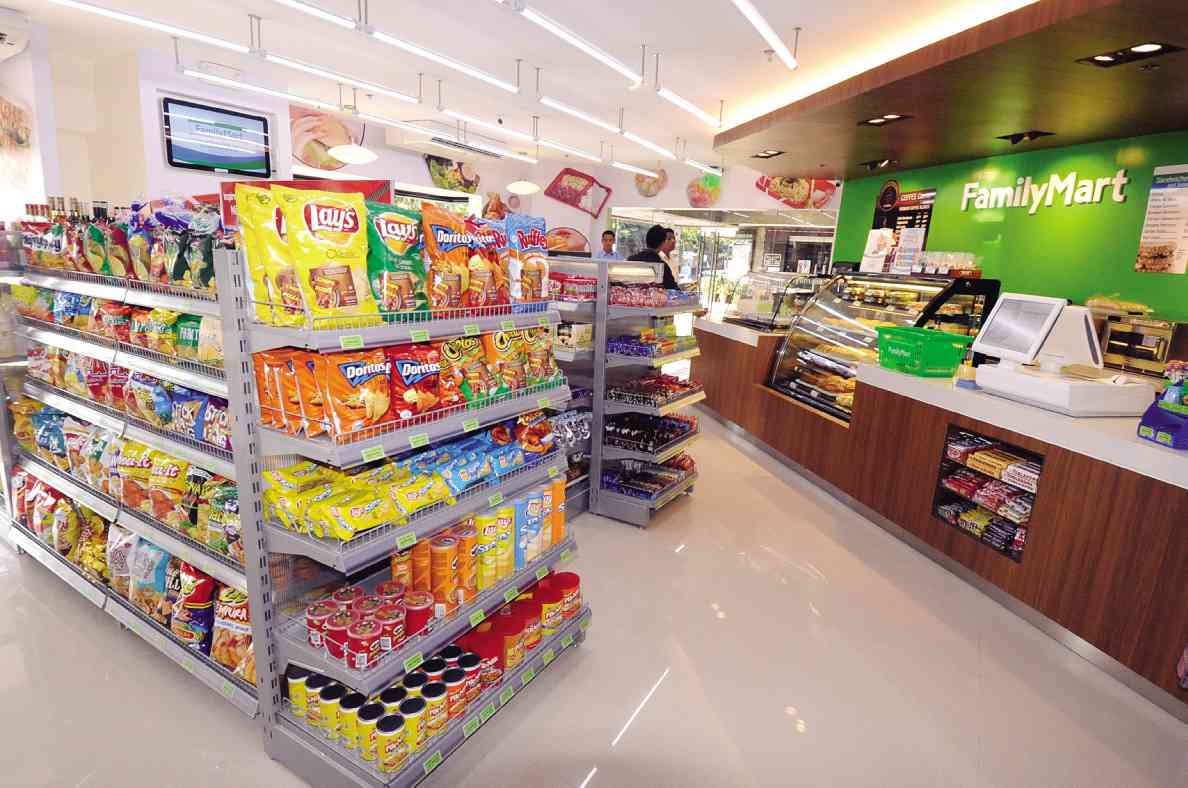
    FamilyMart will release its first generative AI-developed dessert in Japan later this month. The company aims to roll out roughly 10 algorithm-assisted products before the current fiscal year ends.

    Store buyers want faster development cycles for fresh sweet counters. They are using machine learning to parse consumer demand patterns and speed recipes straight to shelves.

    Building on July Pilot Sales

    Executives cleared the wider rollout after a limited run in July. Strong customer uptake for an AI-recommended cream sandwich during that trial convinced management to expand the pipeline across the chilled dessert category.

    That push slashes the months normally required to pitch, test and approve new confectioneries for nationwide distribution.

    Shifting Shelf Battles in Tokyo

    Japanese convenience chains compete fiercely on chilled sweets, where weekly turnover drives regular foot traffic and protects basket margins against inflation. Rivals such as 7-Eleven and Lawson pour heavy investment into proprietary foods. Generative design cuts development lead times down to weeks.

    Suppliers face tighter turnaround windows as retail buying teams swap conventional seasonal planning for continuous, data-driven formulation. Manufacturers will need flexible production lines capable of switching ingredients rapidly to meet shorter product life cycles.

    Next Pipeline Milestones

    September’s launch sets the operational template for the remaining automated recipe rollouts scheduled across the rest of the financial year.

    FamilyMart will track repeat purchase rates and sales velocity from this month’s debut before locking in the final batch of AI recipes due on shelves before the fiscal year closes.

  • SoftBank Completes Japan Airborne Base Station Trial for 2027 Rollout

    SoftBank Completes Japan Airborne Base Station Trial for 2027 Rollout

    SoftBank Corp. Completed Japan’s first stratospheric mobile base trial over Kochi Prefecture. The platform transmitted voice, video and drone control signals from an altitude of 20 kilometres.

    The uncrewed, airship-like craft can hover for up to six months. It acts as an airborne cell tower when earthquakes or typhoons knock out ground networks.

    Stratospheric Flight Over Kochi

    Crews launched the High Altitude Platform Station craft from New Mexico. They ran communication tests above western Japan’s Muroto region on August 23 and August 24. Engineers confirmed stable two-way voice, video and emergency channels during the two-day window.

    Flight trials also maintained continuous control links with inspection drones. SoftBank plans to deploy those links during natural disasters to check damaged roads and assess collapsed buildings without risking ground survey crews.

    Rival Operators Test Disaster Links

    Japan’s three dominant carriers are competing to secure non-terrestrial coverage across an archipelago exposed to frequent seismic activity. SoftBank, NTT DOCOMO and KDDI Corp. Already sell direct-to-satellite messaging for smartphones. Satellite bandwidth, however, struggles to support video feeds and autonomous drone flights during emergencies.

    High-altitude stations solve that bottleneck by operating closer to Earth than low-orbit satellites. NTT DOCOMO is preparing trials in Ishikawa Prefecture’s Noto peninsula using a balloon-shaped craft. That project targets damage assessments and labor monitoring for forestry and agriculture.

    Commercial Service Targets 2027

    Demand for stratospheric networks intensified after a magnitude 7.6 earthquake struck the Noto region on January 1, 2024. The disaster cut road access and severed terrestrial fiber links across dozens of coastal communities.

    SoftBank plans to widen flight zones and extend mission durations ahead of a commercial rollout in 2027. That service will target enterprise clients and municipal governments seeking backup connectivity during regular operations.

  • China August Exports Surge 25% as Real Estate and Retail Slump

    China August Exports Surge 25% as Real Estate and Retail Slump

    Slower consumption and a sharper fall in property investment in August 2026 pushed the Chinese economy deeper into difficulty, showing pressure on policymakers to deliver more stimulus.

    The twin drag from sluggish domestic retail demand and falling real estate outlays left the country dependent on foreign shipments, where outbound trade surged 25 per cent during the month.

    Property Slump Weighs on Household Demand

    Unfinished housing developments in Hebei province, documented by Reuters, illustrate how the property downturn continues to suppress asset values and prompt households to curb discretionary spending.

    Retail operators face a challenging operating environment as domestic shoppers hold back purchases. Brands that expanded floor space across secondary and tertiary cities now confront weaker footfall, leaving store networks with higher inventory overheads and compressed operating margins.

    Export Strength Offsets Domestic Drag

    External trade provided the single major counterweight to weakening internal activity. China’s trade surplus topped $800 billion for the year following the August export surge, keeping industrial assembly lines active even as domestic order books thinned.

    Relying on overseas demand presents clear operational risks for manufacturers and retail suppliers. Export strength cannot replace broad-based retail consumption across China’s tier-one and tier-two metropolitan centers, where commercial landlords and department stores remain exposed to cautious tenant leasing.

    Policy Measures Under Scrutiny

    State planners have approached broad monetary easing with caution, preferring targeted injections rather than wide-scale consumer subsidies. State bank and insurer shares retreated after a proposed $54 billion capital injection plan failed to revive wider market confidence.

    RetailNews Asia sees consumer-facing businesses adjusting expansion budgets across the mainland while monitoring national retail sales prints and property start data scheduled for release in October.

  • BYD Unveils 44-Tonne ETT 44 Electric Truck with 651-kWh Battery

    BYD Unveils 44-Tonne ETT 44 Electric Truck with 651-kWh Battery

    BYD unveiled its 44-tonne ETT 44 electric tractor unit at Hanover’s IAA Transportation show in September 2026. The vehicle enters Europe’s heavy-duty truck market with a 651-kilowatt-hour battery.

    The flagship model delivers peak output of 1,000 horsepower. It claims a driving range of nearly 600 kilometres on a single charge.

    Built on a 4×2 tractor configuration, the ETT 44 uses BYD’s proprietary lithium iron phosphate Blade Battery chemistry. Standard drive power sits at 743 horsepower. The unladen tractor unit weighs between 10.95 and 11.14 tonnes depending on final equipment trim. The company includes a 10-year or 1.2 million-kilometre warranty on the battery pack.

    Megawatt Charging and Fleet Hardware

    Charging hardware is built for high-throughput commercial fleet depots. Using standard CCS2 connectors, the truck draws up to 420 kilowatts to charge from 20 per cent to 80 per cent in 60 minutes. Connecting via the Megawatt Charging System lifts input capacity above 1.5 megawatts. That cuts the charging window to 20 minutes and recovers roughly 400 kilometres of operating range.

    The heavy tractor heads an expanded commercial transport lineup. In Hanover, the Chinese manufacturer also introduced rigid 4×2 and 6×2 chassis models, including a 26-tonne swap-body platform and a hooklift variant. Together with the smaller E-Vali electric van, the range covers logistics weights from 3.5 tonnes to 44 tonnes.

    Rivalry in Long-Haul Logistics

    For European logistics operators and Asian export supply chains, fleet electrification is shifting from urban delivery vans into heavy regional freight. Chinese truckmakers are moving into the European heavy-vehicle market as legacy manufacturers defend their home turf. BYD faces established heavy-duty models from Volvo, Daimler Truck and MAN. Volvo claims up to 700 kilometres on its FH Aero Electric.

    Competition from Chinese heavy-vehicle peers is accelerating. Manufacturers including Sany, Sinotruk and Skyworth displayed competing heavy-duty electric tractor units at Hanover to secure European logistics contracts. BYD counters with in-house battery cell production and bundled ancillary services, packaging vehicles alongside proprietary charging hardware, stationary energy storage systems and fleet financing.

    Commercial Vehicle Expansion

    Overseas expansion began with municipal electric transit buses before expanding into light delivery vans across international markets. Moving into long-haul freight exposes the brand to stricter uptime demands. Commercial hauliers also require higher charging infrastructure support.

    BYD will now roll out commercial fleet trials across European logistics corridors. Initial customer deliveries and depot charging installations are scheduled to begin across core transport hubs.

  • Exchange Traded Concepts Launches 20-Stock Korea Semiconductor ETF on NYSE Arca

    Exchange Traded Concepts Launches 20-Stock Korea Semiconductor ETF on NYSE Arca

    Exchange Traded Concepts announced Monday it has partnered with Kiwoom Securities (USA) to launch the KICK Korea Semiconductor Index ETF on NYSE Arca under the ticker KCHP.

    The fund tracks an index of 20 semiconductor companies listed on the Korea Exchange across memory, foundry, equipment, materials, packaging, and design, anchored by Samsung Electronics and SK Hynix.

    How the Index Structure Works

    American institutional and retail buyers can now trade direct exposure to South Korea’s chip supply chain through standard brokerage accounts. They do not need local accounts on the Korea Exchange. Because underlying assets trade in Korean won, currency swings against the US dollar will directly affect net investor returns.

    Exchange Traded Concepts uses a modified market-capitalization weighting model to cap exposure to individual heavyweights. This structure prevents Samsung Electronics and SK Hynix from dominating the fund. Beyond the two primary chipmakers, the basket holds domestic producers of specialty materials, design houses, packaging contractors, and manufacturing equipment.

    The Play on Asian Hardware Suppliers

    Most broad Asian equity funds dilute exposure across consumer internet, banking, and conglomerates. That dilution blunts direct participation in the memory chip cycle. Packaging Korea’s specialized fabrication network into a single product targets investors seeking pure hardware exposure tied to global computing infrastructure, bypassing single-stock settlement risk on Seoul’s bourse.

    Earnings power remains heavily concentrated at the top. The supply chain beneath Samsung and SK Hynix relies directly on the capital spending plans of those two anchor tenants. When memory pricing or capital budgets swing in Seoul, ancillary tooling and packaging vendors face sharper revenue volatility.

    Tracking Capital Shifts Across the Pacific

    Yoon Gu Eric Lee, president and CEO of Kiwoom Securities (USA), said the index captures the secondary equipment, materials and design companies built around the country’s memory and foundry sectors.

    Trading in KCHP will test US investor appetite for targeted Asian hardware suppliers. Portfolio managers will have to balance foreign-exchange risk against direct equity holdings in Seoul.

  • Cellboy Deploys Anchanto Software Across More Than 200 Stores

    Cellboy Deploys Anchanto Software Across More Than 200 Stores

    In September 2026, Philippine mobile phone and gadget retailer Cellboy announced the deployment of Anchanto’s cloud-based Order Management System across its network of more than 200 stores nationwide. The 17-year-old retail brand previously faced operational challenges with manual store-level tracking that delayed inventory and financial reporting.

    The roll-out links Cellboy’s warehouse operations directly to its physical storefronts and online platforms. While the Quezon City-based retailer already utilized a warehouse management system for internal hub operations, the new integration automates transactions from purchase to delivery with real-time updates.

    Connecting Warehouses to Store Shelves

    Under the partnership, Singapore-based commerce technology provider Anchanto supplies a unified system architecture that synchronises online and offline data. The platform provides store teams with real-time inventory visibility across every sales touchpoint, eliminating after-the-fact processing and reducing manual reconciliation work.

    “One of our biggest challenges was the lack of real-time visibility,” said Alvin Teng, chief executive officer of Cellboy. “Transaction data was only updated after processing, making it hard to get an accurate view of inventory and act quickly.”

    The Omnichannel Hurdle for Philippine Retail

    Consumer electronics chains across the Philippines face margin pressure from both organised mall-based competitors and digital marketplaces like Shopee and Lazada. For multi-store operators, carrying excess stock in backrooms to prevent stockouts ties up working capital, while running lean without live data leads to missed sales when shoppers cross between physical counters and online listings.

    By removing batch processing at the branch counter, Cellboy reduces the labour hours spent on nightly reconciliations. The risk now shifts to store-level compliance, where cashiers and stock clerks must maintain disciplined system entry to keep the live data stream accurate across 200 locations.

    Software Consolidation Across Southeast Asia

    Anchanto has built its footprint by targeting regional merchants that outgrow disparate legacy software. The Singaporean software vendor currently operates across 12 countries in Southeast Asia, the Middle East and Europe, maintaining direct integration links with more than 200 third-party logistics firms and marketplace platforms.

    Cellboy started operations 17 years ago as a mobile phone and accessories seller before expanding into wider gadget retail across Philippine shopping malls. The operational test now turns to how fast the retailer cuts order fulfilment lag as holiday device buying ramps up across its nationwide store footprint.

  • Mixue Reaches 60,000 Global Stores as US Expansion Challenges McDonald’s

    Mixue Reaches 60,000 Global Stores as US Expansion Challenges McDonald’s

    Mixue Group is expanding its footprint in the United States. The company now runs six stores in New York City after overtaking McDonald’s as the world’s largest restaurant network by store count.

    The Zhengzhou-based beverage chain operates roughly 60,000 outlets worldwide. McDonald’s runs 46,000 locations, Starbucks has 38,000 and Subway counts 37,000.

    Value pricing and high-volume rollout

    Mixue entered the American market in December with a store on Hollywood Boulevard in Los Angeles. Its Manhattan footprint includes sites in Chinatown and near Times Square. There, signature vanilla soft-serve cones sell for $1.19 alongside bubble tea, jasmine milk tea and lemonade.

    Low prices anchor the strategy against entrenched fast-food rivals. In Manhattan, Mixue sells its 117-gram soft-serve cone for roughly 1.0 cent per gram. A standard 185-gram McDonald’s cone costs $3.89, or 2.1 cents per gram. Mixue protects franchisee margins by manufacturing its own tea powders, syrups and core ingredients.

    The read-across for Asian F&B exporters

    This Western expansion changes how Asian consumer brands enter foreign markets. Instead of pitching premium specialties to diaspora communities, the company sells low-cost, high-volume products in prime retail corridors. It sits directly beside legacy Western operators.

    Rival fast-food operators and commercial landlords face immediate pressure. Franchisees in high-rent urban corridors face tighter margins when lower-ticket beverage concepts siphon off younger foot traffic during peak afternoon hours. Asian suppliers gain a steady export channel for agricultural inputs, packaging and automated beverage dispensary equipment.

    Foundation and public listing timeline

    Chairman Zhang Hongchao founded the business in 1997 as a university student. He opened the first branded store two years later. Zhang and his brother retain an equity stake of nearly 82 per cent in the company.

    Global store totals surpassed McDonald’s in March last year. That same month, the company completed an initial public offering on the Hong Kong stock exchange. Its market capitalisation reached $20 billion by year-end, alongside the launch of a London subsidiary to manage European operations.

    The pipeline in Western markets

    Expansion teams are now screening additional franchise locations across major US metropolitan markets. The company is evaluating commercial leases in Southern California and the East Coast to build regional supply hubs before broadening its footprint across North America and Europe.

  • FamilyMart Launches AI-Designed Desserts to Speed up Product Cycles

    FamilyMart Launches AI-Designed Desserts to Speed up Product Cycles

    Japanese convenience store operator FamilyMart will roll out its first dessert formulated by generative artificial intelligence in September 2026, aiming to cut product development workloads by 20 per cent.

    The Tokyo-based chain is deploying algorithm-driven recipe creation across its chilled dessert counters to capture fast-moving consumer tastes faster than human product teams can test them.

    Automating Recipe Formulation

    FamilyMart is using generative AI platforms to analyse consumer social discussions and purchase patterns, generating finished dessert recipes directly from raw trend data. The software evaluates ingredient combinations, texture profiles, and flavour pairings before human development teams test the formulations for mass production.

    Sweets and chilled bakery items generate disproportionate store traffic compared with daily staples like rice balls and bento meals. Convenience store operators in Japan rotate novelty desserts every few weeks, creating intense pressure on research teams to find fresh flavour profiles that stand out on shelves.

    Rival Pressures Across Japanese Convenience Chains

    Convenience retailers across Japan face shrinking domestic margins and high labour costs, pushing operators to automate back-office operations and supply chain decisions. Seven & i Holdings and Lawson have similarly turned to algorithmic demand forecasting, but using automated systems directly for consumer recipe design shifts technology from logistics into core merchandising.

    For food ingredient suppliers and packaging manufacturers, shorter development timelines will require more agile production lines. Suppliers that cannot adjust ingredient batches within tight AI-driven launch schedules risk losing shelf space to more flexible competitors.

    The Timeline for Store Rollouts

    FamilyMart has spent recent quarters testing automated shelf-stocking tools and digital signage across its store network to trim operational overhead. Applying generative technology to food product design represents the next stage of that operational overhaul.

    The company will track sales performance and inventory waste for the September 2026 AI dessert before deciding whether to expand automated development into its wider bento and prepared beverage lines.