Blog

  • Ant International Deploys AI Agents Across 1.5 Billion-Account Network

    Ant International Deploys AI Agents Across 1.5 Billion-Account Network

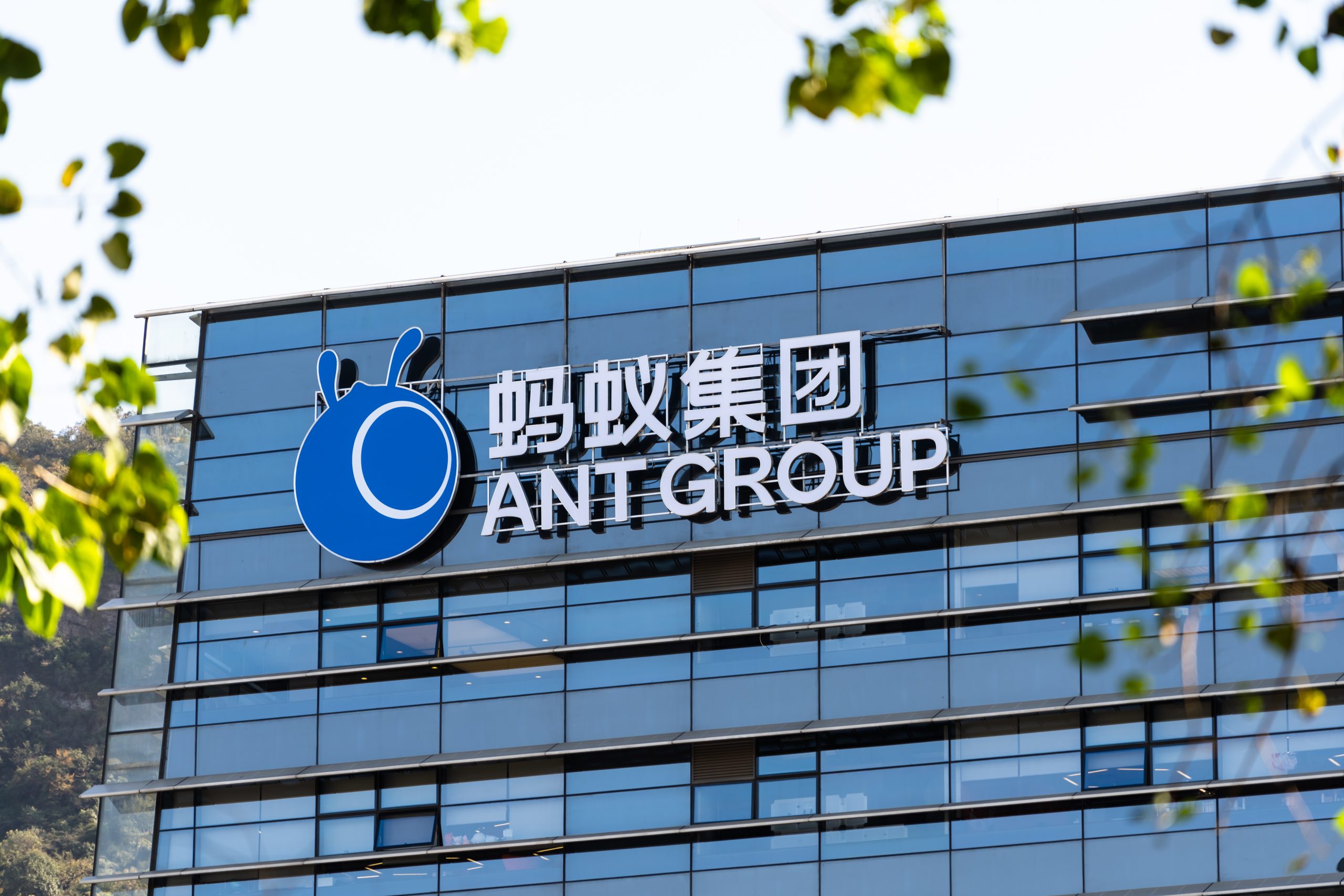
    Ant International is deploying artificial intelligence agents across its global merchant acquiring network this quarter to automate cross-border payments and digital commerce workflows.

    Based in Singapore, the fintech arm of Ant Group processes transactions across dozens of partner e-wallets. Together, those wallets serve over 1.5 billion consumer accounts worldwide.

    Automating Cross-Border Commerce

    Autonomous AI systems are being integrated directly into merchant settlement channels and checkout interfaces. These software agents handle currency conversions, fraud monitoring and automated order reconciliation without manual intervention. Ant International is embedding the technology into its Alipay+ cross-border payment platform and WorldFirst business account solutions.

    Engineering teams in Singapore and Hangzhou designed the architecture. It allows software agents to execute transactions autonomously based on predetermined consumer and merchant parameters.

    The Regional Shift to Agentic Commerce

    Competition is heating up. Ant International is racing regional rivals to capture merchant transaction fees as generative artificial intelligence moves from text prompts to autonomous execution. Competing operators including Grab, Tencent and regional banking groups are testing similar machine-to-machine checkout models across Southeast Asia. The shift aims to lower settlement dispute rates and cut conversion friction for cross-border retailers selling to outbound travelers and digital buyers.

    For independent merchants, autonomous agent integration lowers payment handling overheads across multi-currency checkouts. Verification protocols remain the primary operational risk. Unauthorized autonomous agent decisions can trigger false approvals or dispute liabilities across fragmented regulatory jurisdictions.

    Building Beyond Traditional QR Networks

    Merchant acceptance under Alipay+ recently passed 90 million points of sale across travel hubs in Japan, South Korea, Europe and Southeast Asia. That network previously relied on consumer-initiated QR code scans to route local e-wallet transactions across national borders.

    Commercial deployment across enterprise merchant accounts begins later this quarter. Cross-border clearing metrics are due in the group’s next operational update.
  • Apollo Extends $585 Million Financing to the Executive Centre

    Apollo Extends $585 Million Financing to the Executive Centre

    US-based asset manager Apollo Global Management has extended $585 million in financing to office space provider The Executive Centre, the company announced on Tuesday.

    Proceeds from the deal will be used to refinance existing debt and support expansion plans for Hong Kong-headquartered TEC, which operates more than 260 centres across 38 cities in the Asia-Pacific region and the Middle East.

    Refinancing and expansion terms

    The facility restructures TEC’s balance sheet and provides fresh liquidity for capital expenditure. Flexible office operators need steady outlays to fit out premium corporate floors before lease income starts flowing. Long-term private credit locks in funding for Tier 1 commercial openings. Crucially, it avoids equity dilution.

    Prime financial district locations and enterprise contracts define the model, covering serviced offices, boardrooms and business lounges in Grade A towers rather than low-cost coworking hubs. This setup shields the business. It avoids the volatility that hit mass-market desk-sharing operators.

    Premium workspace economics

    Fresh capital gives the company runway to expand into secondary regional hubs where multinational corporate demand remains steady. Landlords across Tokyo, Singapore and Sydney continue allocating square footage to managed workspace partners to fill vacancies in prime towers. TEC absorbs that floor space under long-term leases or management contracts, passing fit-out costs through structured enterprise fees.

    Financial risk sits in the spread between fixed master-lease commitments and corporate tenant retention. Private credit lenders like Apollo demand strict debt service coverage. Occupancy rates in core gateway markets must therefore hold above historical averages to justify ongoing expansion costs.

    Funding pipeline

    Talks for the loan package surfaced in August, when initial reports indicated TEC sought roughly $500 million for debt refinancing and capital expenditures. Apollo expanded the final facility to $585 million. The larger package clears near-term maturities and backs additional fit-outs.

    Attention now turns to the deployment pace across key Southeast Asian and Middle Eastern growth corridors, where the company plans to commission its next batch of Grade A centres.

  • Delta Electronics Singapore Unit Seeks $1.5 Billion in Exchangeable Bonds

    Delta Electronics Singapore Unit Seeks $1.5 Billion in Exchangeable Bonds

    Delta Electronics International Singapore is raising $1.5 billion through bonds exchangeable into shares of Bangkok-listed Delta Electronics Thailand.

    Through the transaction, the Singapore holding entity, a subsidiary of Taiwan-listed Delta Electronics Inc, can monetize part of its Thai equity stake. The structure also locks in substantial share price premiums.

    Pricing Terms and Tranches

    The proposed offering splits into two maturities. A shorter tranche consists of $500 million in bonds maturing in September 2027. These carry an initial exchange price of 266.8 baht per share, representing a 15 percent premium over the reference share price.

    A larger $1 billion tranche due in September 2031 sets an initial exchange price of 301.6 baht, or roughly $9.08 per share, pricing in a 30 percent premium. Investors in these notes face early redemption terms set at 99.25 percent of the principal amount after 18 months, falling to 98.51 percent after three years from issuance.

    Equity Dilution and Parent Control

    Full exercise of the exchange rights across both tranches would convert the debt into approximately 172.1 million existing shares. That volume represents about 1.38 percent of Delta Electronics Thailand’s total issued equity.

    Taiwan’s Delta Electronics holds 42.85 percent of the Thai subsidiary through the Singapore vehicle, according to LSEG data. By delivering existing equity rather than issuing new treasury stock, the transaction avoids direct share dilution for minority investors while generating liquidity for regional operations.

    Expansion Capital for Supply Chains

    Proceeds from the bond sale will fund general working capital and ongoing manufacturing expansion. Across Southeast Asia, regional hardware makers continue to build capacity to meet global demand for power management systems, data center components, and electric vehicle parts.

    Production for the parent group’s regional network remains anchored in Thailand, centered at its manufacturing facility in the Bangpoo Industrial Estate in Samut Prakan province.

    Final settlement of the offering will set the conversion terms and the timeline for bondholder redemption rights running through September 2031.

  • Herbalgy Launches 27-Year Campaign in Hong Kong with Keung To

    Herbalgy Launches 27-Year Campaign in Hong Kong with Keung To

    Hong Kong topical pain relief maker Herbalgy Pharmaceutical launched an anniversary retail push on September 16. The promotion features 27 per cent discounts and tiered basket incentives on its direct-to-consumer online store.

    The campaign pairs the brand’s 27th year in business with Hong Kong pop idol Keung To. The singer turns 27 this year.

    Discounts and High-Ticket Spend Tiers

    Shoppers face three volume incentives on the brand’s website. A one-day flash sale cut prices by 27 per cent across the catalogue on September 16. A month-long gift promotion runs through October 15. That offer gives customers an exclusive Keung To merchandise gift on net purchases of HK$430 or more.

    To lift order values among regular buyers, the company added an upper tier requiring a single net spend of HK$2,700. Reaching that threshold yields 27 units of 5 ml portable pain relief products.

    The Direct-to-Consumer Push for Traditional Formulations

    Traditional Chinese medicine makers across Hong Kong face steady pressure to turn pharmacy foot traffic into direct digital accounts. Medicated oils and plasters rely heavily on neighborhood dispensaries. In those physical shops, distributor fees and shelf rental costs squeeze profit margins.

    By partnering with a celebrity ambassador, Herbalgy aims to bypass retail intermediaries and secure higher gross margins. Retaining those buyers after discounts expire remains the central commercial risk. That challenge grows when asking shoppers to spend HK$2,700 on everyday topical remedies.

    Roots in Hong Kong Manufacturing

    Chinese medicine practitioner Professor Wong Tin Chee founded Herbalgy in 1999. He built the business on formulas created by his father, medicated oil producer Wong To Yick. Wong set up a Good Manufacturing Practice facility in Hong Kong to make registered proprietary Chinese medicines, later adding brands such as Touch Cool and Tibet Red.

    Digital sales and the Keung To gift promotion continue on Herbalgy’s official storefront through October 15, 2026.

  • Natura Bissé Targets 102 Million Euros in Hotel Revenue by 2030

    Natura Bissé Targets 102 Million Euros in Hotel Revenue by 2030

    Natura Bissé plans to double revenue from its hotel and spa division to €102 million by 2030. The growth strategy relies on expanded commercial supply deals with international luxury operators.

    That target represents a sharp increase from the €47 million generated across the channel in 2025. The Spanish skincare brand confirmed the projection in Barcelona alongside the renewal of its sponsorship as official spa partner of The World’s 50 Best Hotels.

    Expanding Across Asian Luxury Portfolios

    Current partnerships put the brand in more than 400 properties across nearly 60 countries. Operating partners include Mandarin Oriental, Rosewood, The Ritz-Carlton, Four Seasons, Waldorf Astoria, St. Regis and Grand Hyatt. These accounts give the label direct distribution across premier gateway properties in Tokyo, Hong Kong, Singapore and Bangkok.

    Hoteliers and spa directors across Asia-Pacific now treat branded wellness as a primary revenue driver rather than a secondary amenity. Integrating high-ticket spa treatments with room amenities drives recurring retail conversion when guests buy full-sized formulations after treatment sessions.

    Amenity Supply and Treatment Networks

    Distribution runs through three channels: professional back-bar products for spa therapists, retail counters inside resort wellness centers, and in-room amenities developed with guest-amenity specialist La Bottega. Portions of the amenity proceeds support the Ricardo Fisas Natura Bissé Foundation.

    Rivalry for luxury hotel space across Asia remains fierce. European heritage brands face persistent competition from regional clean-beauty startups and Japanese clinical labels. Master vendor agreements with Asian-headquartered operators like Mandarin Oriental and Rosewood lock in volume. That wholesale stability shields European brands from cyclical swings on department store beauty floors.

    Sponsorship Terms and Commercial Rollout

    Natura Bissé renewed its exclusive category position with The World’s 50 Best Hotels for a second consecutive year. The company will use the 2026 gathering in Paris to show new treatment protocols to hotel executives.

    “Today, hospitality is one of the driving forces behind the new definition of luxury, where wellness has evolved from an added amenity into an essential part of the guest experience,” said Verónica Fisas, chief executive of Natura Bissé.

    Heading into the final quarter of 2026, the five-time World’s Best Spa Brand winner relies on operator deployment schedules to hit its interim 2028 milestone toward the €102 million target.

  • Vevor Plans First European Store in France for 2027 Following Berlin Debut

    Vevor Plans First European Store in France for 2027 Following Berlin Debut

    Cross-border hardware brand VEVOR will open its first European brick-and-mortar store in France in 2027. A regional network of 22 distribution warehouses will support the site.

    That launch follows the brand’s five-day show at the IFA trade show in Berlin. There, the company presented 20 product lines spanning tools, kitchen equipment and outdoor gear.

    VEVOR currently distributes roughly 15,000 stock keeping units to European buyers through direct storefront sales and third-party marketplaces. The planned French site is its second physical retail location globally. Its first was a 32,000-square-foot flagship store in Houston, Texas, opened in March 2026.

    Shifting from Pure Marketplace to Physical Aisles

    Asian export brands are shifting strategies across European real estate. Pure digital distribution on Amazon and domestic marketplaces delivers fast volume. However, it exposes merchants to rising ad costs, platform commissions and counterfeit disputes. Dedicated storefronts give hardware sellers direct control over their branding. These sites also double as service centers, lowering the high return rates typical of heavy workshop machinery.

    Established European tool retailers now face tighter margins. Direct-to-consumer suppliers from China previously competed only on price through parcel delivery. Now, factory-direct brands pair local inventory with walk-in repair desks and showroom displays. That approach eats into the after-sales edge long held by traditional DIY chains.

    Building Out the Western Logistics Footprint

    Warehouse expansion across Western consumer markets underpins the European store rollout. VEVOR operates more than 200 fulfillment hubs worldwide. In total, the business supplies equipment to roughly 30 million households across 50 countries.

    “Our first European store in France opening next year will be an important next step in our long-term growth in the region,” said Shirley Liu, Head of E-commerce at VEVOR Europe.

    Company officials are finalizing site selection and store dimensions in France ahead of the 2027 opening.

  • Vietnam’s Tevo Secures $10 Million from Singapore’s PvX

    Vietnam’s Tevo Secures $10 Million from Singapore’s PvX

    Vietnamese tech platform Tevo secured $10 million this week from Singapore investment firm PvX to fund customer acquisition and accelerate platform expansion.

    The capital injection gives the company fresh liquidity to expand its user base across Vietnam while upgrading its underlying product infrastructure.

    Capital Allocation and Expansion Targets

    Tevo directed the proceeds straight toward customer acquisition campaigns, technical hiring, and regional partner integrations. The company plans to scale its operations beyond initial metropolitan hubs, focusing on higher transaction volumes and deeper user engagement across consumer touchpoints.

    For Singapore-based PvX, the transaction broadens its portfolio footprint in Vietnam, where digital consumption continues to outpace broader regional averages. The investment structure reflects an ongoing appetite among Southeast Asian venture capital firms for digital operators that demonstrate direct paths to unit profitability rather than unchecked market share land-grabs.

    Shifting Dynamics in Vietnam Tech Financing

    Regional capital deployment into Vietnamese digital businesses has shifted over the past two years toward firms with proven customer retention. Early-stage consumer platforms across Southeast Asia previously relied on aggressive discount subsidies, but investors now demand tighter payback periods on acquisition spending.

    The primary operational risk for Tevo sits in user retention once direct marketing spend moderates. Digital consumer acquisition costs across Ho Chi Minh City and Hanoi rose over the last eighteen months as domestic operators competed for the same demographic of smartphone users.

    Cross-Border Deal Momentum

    Cross-border funding from Singapore into Vietnamese consumer and technology startups maintained momentum following several mezzanine and early-stage rounds closed earlier this year. Regional funds continue to route investments through Singapore holding entities to back Vietnamese operating assets in retail, logistics, and consumer services.

    Market observers will watch Tevo’s net subscriber growth figures and its next operational disclosures in early 2027 to see how effectively the $10 million round translates into retained user volume.

  • Cue Clothing Loses CEO and CFO as Hilco Puts 51-Store Retailer on Market

    Cue Clothing Loses CEO and CFO as Hilco Puts 51-Store Retailer on Market

    Cue Clothing Co is operating without a chief executive or chief financial officer as owner Hilco Capital attempts to sell the 51-store Australasian fashion retailer.

    CFO Josephine Barbaro departed during the sale process, followed shortly after by CEO Melanie Remai, leaving the Sydney-founded owner of Cue and Veronika Maine without top executive leadership.

    Executive Exits During FTI Advisory Mandate

    Advisory firm FTI Consulting is managing the sale on behalf of Hilco, which placed the retailer on the market just over a year after acquiring it. Both departing executives spent less than two years combined at the company.

    Hilco put the retail network on the market despite a 5 per cent annual sales increase that internal forecasts project will continue. The UK turnaround firm has not issued an official rationale for the rapid divestment.

    Operational losses at the business have narrowed over the past year. They remain substantial enough to weigh on cash flow, while inflexible long-term store leases across Australia and New Zealand restrict further rent reductions.

    Turnaround Friction and Portfolio Track Record

    For private equity buyers and turnaround specialists in the Asia-Pacific apparel sector, the breakdown highlights the structural risk of inherited retail footprints. High street landlords across major Australian shopping centres continue to enforce long lease terms, limiting the room private owners have to restructure cost bases without formal insolvency processes.

    Hilco has run into similar operational friction across its consumer portfolio in recent cycles. The firm placed UK homeware chain Homebase into administration in 2024, and it offloaded accessories brand Cath Kidston to Next Plc in 2025 for 16 million Australian dollars, equivalent to 8.5 million British pounds.

    Legacy Leases and the Next Ownership Phase

    The Sydney fashion house built its reputation over five decades on local design and premium department store distribution before selling to Hilco. The private investment firm took control with plans to stabilise the brand following post-pandemic trading shifts.

    Prospective bidders reviewing the FTI sale memorandum must now price in executive recruitment costs alongside fixed store lease commitments across the 51 operating locations.

  • Japan Gold Bar Scam Losses Hit 8.13 Billion Yen in First Half of 2026

    Japan Gold Bar Scam Losses Hit 8.13 Billion Yen in First Half of 2026

    Scammers in Japan extracted 8.13 billion yen in physical gold bars from victims during the first six months of 2026. The six-month total already exceeds the 6.02 billion yen lost across the entire previous year.

    How Fraudsters Extract Physical Bullion

    Data from the National Police Agency shows two primary methods drove the surge in bullion-related theft. Fake police inquiries generated roughly 5.3 billion yen, or nearly two-thirds of the total losses. In these operations, callers tell victims that their bank accounts were implicated in criminal activity and instruct them to buy and deliver gold bars to accelerate official investigations.

    Social media investment schemes made up the second major channel. Victims bought gold bars after online solicitations promised structured investment returns, accounting for roughly 2 billion yen in lost assets during the first half.

    Shifting Tactics in Consumer Finance

    The pivot to physical bullion reflects tighter controls inside traditional banking rails. Japanese retail banks have added transaction monitoring, automated transfer limits, and stricter account screening over the past three years. Fraud syndicates bypass electronic freezes by steering victims to over-the-counter bullion dealers and delivery couriers instead.

    For precious metals retailers and pawn operators across Tokyo and Osaka, the surge places customer onboarding under immediate scrutiny. Store clerks face higher compliance burdens to identify distressed or coerced buyers before bullion leaves the counter, shifting retail risk from payment gateways directly onto storefront staff.

    Tracking the Surge Past 2025 Totals

    The sharp acceleration follows a full-year 2025 tally of 6.02 billion yen in gold bar scam losses across Japan. Rising domestic bullion prices and heightened consumer interest in gold as an inflation hedge have made physical bars easier for criminals to pitch as safe stores of value.

    Police departments across Japan are preparing updated guidance for precious metals dealers, focusing on point-of-sale interventions when first-time retail buyers make large cash or card transactions for delivery to third parties.

  • State Bank of Pakistan Holds Benchmark Interest Rate at 11.5%

    State Bank of Pakistan Holds Benchmark Interest Rate at 11.5%

    The State Bank of Pakistan kept its benchmark interest rate at 11.5 per cent on Monday, pausing monetary adjustments after a divided committee vote.

    Seven of the ten Monetary Policy Committee members backed the hold. They resisted calls for an increase after annual headline inflation accelerated to 11.1 per cent in August from 9.2 per cent in July.

    Officials attributed the decision to Middle East geopolitical friction, which lifted global oil prices and strained supply chains. Domestic core inflation came in slightly below central bank expectations. Remittance flows and external financing helped stabilize the balance of payments.

    Inflation Pressures and Factory Output

    Consumer and corporate sentiment deteriorated heading into September as both groups reported higher price expectations. Industrial production softened at the end of the fiscal year. Large-scale manufacturing output fell 3.5 per cent in June, capping cumulative growth for the year ended June 2026 at 5 per cent.

    For retail chains and consumer goods manufacturers in Pakistan, elevated borrowing costs continue to weigh on inventory financing and store expansions. Policy settings remain adequate to steer inflation toward the medium-term target band of 5 to 7 per cent, the central bank said.

    High interest rates and rising energy tariffs continue to squeeze household disposable incomes in urban retail centers. Consumer businesses face an ongoing margin crunch. Production and transport expenses are climbing faster than shelf prices can adjust.

    Foreign Reserves and Fiscal Buffers

    State finances found temporary relief through higher non-tax revenue and sovereign debt operations. Moody’s upgraded Pakistan’s sovereign credit rating to B3 with a stable outlook after a 3 billion dollar Eurobond issuance lifted foreign exchange reserves above 21 billion dollars.

    Fiscal consolidation beat initial targets after the central bank transferred 1.9 trillion rupees in profit to the federal government, against a budgeted 1.4 trillion rupees. Revenue collection by the Federal Board of Revenue also met targets during July and August.

    Shifting Policy Trajectory

    Monday’s pause follows a 100-basis-point rate hike in April, the central bank’s first monetary tightening in nearly three years. Before that increase, the benchmark rate held at 10.5 per cent through the first quarter after a surprise 50-basis-point cut in December 2025.

    The benchmark rate sits well below the peak of 22 per cent recorded in June 2023. That reflects 1,050 basis points of cumulative easing since mid-2024 as price spikes receded from record highs.

    Committee members will review the policy stance again at the next meeting, tracking crude import bills and the September consumer price index.

  • Sunrice Launches Microwave Rice Range with 10G of Protein

    Sunrice Launches Microwave Rice Range with 10G of Protein

    Sunrice launched a ready-to-heat rice lineup infused with collagen across Australia in September 2026, delivering at least 10 grams of protein per pouch.

    The product roll-out targets the 28 per cent of Australian grocery shoppers who actively seek high-protein items during routine supermarket trips, according to Euromonitor consumer data.

    Collagen across three core grain types

    Branded as Sunrice Microwave Protein+, the range introduces functional ingredients to standard Jasmine, Brown, and Basmati varieties. Each pack heats in 90 seconds, keeping the standard shelf-stable pouch format intact while committing further to nutritional density per serving.

    Fortifying basic carbohydrates with animal-derived collagen shifts rice from a pure bulk filler into the higher-margin functional meal category. Food manufacturers across Asia-Pacific face steady consumer migration toward protein-dense diets, forcing commodity grain processors to reformulate mature product lines.

    Shifting staple grains into functional grocery

    Supermarket operators in Australia continue allocating more centre-store shelf space to enhanced staples, where suppliers command pricing premiums over unfortified private-label equivalents. For Sunrice, lifting product margins through functional fortification provides a hedge against volatile farmgate grain prices and competitive retail discounting.

    Similar functional grain launches across regional markets in Southeast Asia and Japan have relied on plant isolates rather than collagen. Sunrice chose collagen to hit double-digit protein grams without altering the grain texture or extending cook times for microwave prep.

    Category expansion targets pantry shoppers

    Category trials have previously paired microwave grain pouches with legumes, seeds, and ancient grains. By partnering with research institutions including the CSIRO on processing techniques, the company has worked to stabilize nutritional additives during commercial pouch sterilization.

    Supermarket distribution for Sunrice Microwave Protein+ begins across major Australian grocers this quarter, with retailers tracking rate-of-sale numbers against standard single-serve pouches through the end of the financial year.

  • Lemonilo Launches Brownies Cruunchy Shoor for IDR 2,000

    Lemonilo Launches Brownies Cruunchy Shoor for IDR 2,000

    Indonesian healthy snack brand Lemonilo introduced Brownies Cruunchy Shoor in September 2026. The dark chocolate snack is priced at IDR 2,000, making it affordable and accessible for children.

    The product combines the bold taste of dark chocolate with a crunchy texture, targeting the snacking habits of Generation Alpha as a pocket-friendly treat.

    Expanding the Gluten-Free Bakery Line

    Alongside the rollout, Lemonilo launched Brownies Crispy Lemon Cheese as a new flavour, complementing its existing cheese option.

    Cassava flour replaces wheat across the Crispy range to keep recipes gluten-free. Lemonilo formulated the items without artificial preservatives, synthetic dyes, or artificial sweeteners. The company is pitching the lineup as a cleaner choice for higher-margin convenience store shelves.

    The Warung Price War

    Dropping to IDR 2,000 is an aggressive volume play for a brand built on premium, health-oriented noodles and baked goods. Established giants Mayora Indah, Wings Group, and Garudafood dominate Indonesia’s entry-tier snack shelves. They defend that IDR 1,000 to IDR 2,000 price window through massive distribution networks.

    Protecting margins at this price point will depend on packaging scale and tight supply chains. Cassava and clean-label ingredients cost more than standard palm oil and refined flour. Single-coin pricing leaves no room to absorb cost spikes without shrinking pack sizes.

    Building Out Beyond Noodles

    The dual launch pushes Lemonilo further beyond its core instant noodle business. It introduced the original Brownies Cruunchy line on TikTok Shop in August 2025 before securing offline store space. Earlier that year, the brand shipped stock to Qatar to test export demand for halal snacks.

    Wholesale performance over the coming quarters will show whether the IDR 2,000 price point can deliver sustainable margins in Indonesia’s tier-two and tier-three cities.

  • Thai Companies to Boost AI Spending 44% to US$26 Million

    Thai Companies to Boost AI Spending 44% to US$26 Million

    Thai businesses plan to increase artificial intelligence spending by 44 per cent over the next two years. That will lift average corporate investment from US$18.3 million to more than US$26 million.

    Expected financial returns will rise from 18 per cent to 35 per cent over the same period. That equals US$8.8 million per company by 2028.

    The projections come from the SAP Value of AI report, produced with Oxford Economics. The study surveyed 200 corporate executives in Thailand and 2,400 peers across 12 other markets. Automated systems currently handle 24 per cent of tasks across surveyed Thai firms. Executives expect that share to reach 42 per cent by 2028 as deployments shift from pilot projects to direct operations.

    The Push Toward Agentic Workflows

    Much of the projected financial upside rests on agentic AI. Unlike tools that only generate text or summaries, this software executes multi-step business workflows. Thai enterprises project US$8.5 million in financial returns from agentic systems over the next two years, delivering a 13 per cent return on investment on those tools alone.

    Although 71 per cent of respondents express satisfaction with current tech returns, 55 per cent state their existing deployments fail to capture the full commercial potential of the software. To narrow that gap, 72 per cent of Thai businesses plan workforce upskilling and reskilling programmes.

    Governance Deficits and Infrastructure Gaps

    For Southeast Asian retailers and supply chain operators, accelerating software outlays without underlying data integration creates drag rather than efficiency. Regional competitors in Singapore and Malaysia face similar integration hurdles. Legacy enterprise resource planning platforms often struggle to feed unstructured store and warehouse data into automated ordering algorithms.

    Corporate governance lags behind these spending commitments. Only 13 per cent of Thai businesses report having the internal skills needed to govern automated software effectively. Just 14 per cent possess adequate governance processes and compliance frameworks. Without clear operational boundaries, autonomous systems that place purchase orders or adjust inventory allocations risk compounding data errors across commercial networks.

    Shifting Away From Standalone Pilots

    Earlier technology cycles across Southeast Asia focused primarily on standalone front-end tools, such as customer service chatbots and isolated marketing generators. Those deployments produced rapid initial cost savings. However, they rarely connected directly to core supply chains, warehouse databases, or enterprise financial ledgers.

    Thai businesses are moving from AI experimentation towards execution, and we are seeing that momentum reflected in growing returns.

    This transition now tests whether internal data architectures can support automated execution at scale. Some 57 per cent of Thai enterprises report that their data infrastructure is technically ready for automation. Yet readiness remains uneven across departments. Inventory, finance, and logistics units must align their core databases before projected 2028 budget increases take effect.

  • Good Drinks Australia and Molson Coors Launch Miller Dry 3.5 per Cent

    Good Drinks Australia and Molson Coors Launch Miller Dry 3.5 per Cent

    Good Drinks Australia, in partnership with Molson Coors, launched Miller Dry 3.5 per cent in September 2026. The release targets Australia’s contemporary beer segment, which accounts for roughly 40 per cent of national volume.

    Bottles and cans in 355ml formats sell at a recommended retail price of $19 per six-pack. Distribution is national.

    Targeting Lower Alcohol and Carb Demand

    Formulated with a reduced-carbohydrate profile, the brew carries a 3.5 per cent alcohol-by-volume level. Molson Coors built the recipe for Australian drinkers. Consumer demand has swung sharply toward lighter options without losing standard lager characteristics.

    For bottle shops, the product fills a high-velocity gap between premium imports and domestic mid-strength beers. Shelf space has tightened. Category managers are pruning slow craft lines to give more room to lighter contemporary styles that move faster across high-traffic suburban networks.

    Shifting Margins in APAC Beverage Retail

    Brewers across the Asia-Pacific region face rising excise rates and softer drinking volumes. Lower-alcohol recipes help defend margins. Trimming the ABV reduces tax exposure in alcohol-tiered markets while holding retail price points, protecting gross margins for both distributors and store owners.

    The rollout tightens the commercial partnership between the two beverage makers in Oceania. Good Drinks Australia previously secured exclusive local manufacturing and distribution rights for Molson Coors brands, including Miller Genuine Draft and Coors. That shift brought production onshore to cut supply chain lead times and freight costs.

    Retailers will track rate-of-sale data through the initial summer trade period to determine permanent ranging allocations across national banner groups.

  • Chalk Hill Wines Names Former Top Shelf Chief Trent Fraser as CEO

    Chalk Hill Wines Names Former Top Shelf Chief Trent Fraser as CEO

    Australian producer Chalk Hill Wines named former Top Shelf International executive Trent Fraser as chief executive officer on Monday. He brings two decades of premium drinks leadership to the business.

    Fraser spent four years at ASX-listed distiller Top Shelf International, leading operations as chief executive for two years. He now takes charge of commercial strategy at Chalk Hill.

    Luxury drinks veteran takes charge

    Prior to joining Top Shelf in 2021, Fraser spent 11 years at French luxury conglomerate Moët Hennessy. He served as global chief executive for Volcan De Mi Tierra Tequila. He also worked as vice president of prestige champagne house Dom Pérignon. Those roles gave him direct oversight of international distribution channels across the Americas, Europe and Asia.

    At Chalk Hill, Fraser partners directly with managing director Tom Harvey. The family-owned wine business was established in 1964. It produces estate-grown wines across multiple vineyard sites in South Australia. The new leadership structure pairs traditional viticultural assets with an executive experienced in scale distribution and premium brand marketing.

    Shifting dynamics in premium wine

    Wine producers across Australia face tight domestic retail competition and shifting export patterns in major regional markets like China, Japan and Southeast Asia. Independent wineries rely on premiumisation to protect gross margins against rising production costs. Chalk Hill is aligning its executive team around commercial operators who understand high-end hospitality and overseas accounts.

    Fraser’s background in global spirits distribution changes how the South Australian maker can position its portfolio against corporate wine groups. Smaller independent labels frequently struggle to secure overseas shelf space without multinational sales networks. Bringing in an executive with Moët Hennessy credentials signals a sharper push toward premium tiering and select export programs.

    Building beyond spirits turnaround

    The appointment returns Fraser to the wine sector following a turnaround period at Top Shelf International. He relocated to Australia in 2021 to build out Top Shelf’s agave and whisky operations in Queensland and Victoria before taking the top post. His move to Chalk Hill shifts his focus from emerging Australian craft spirits to an established regional wine label.

    Next, the company plans to outline its initial joint operational priorities with managing director Tom Harvey before the vintage harvest cycle begins.