Blog

  • CapitaLand sells three Japanese malls to invest in logistics

    CapitaLand sells three Japanese malls to invest in logistics

    Capitaland has divested three malls in Japan and an office building in South Korea for a total of S$448.7 million, as part of its ongoing portfolio reconstitution strategy, it said Tuesday morning in an exchange filing. It also announced that it has made its first foray into Japan’s logistics sector, entering into a joint venture with Mitsui & Co Real Estate, with CapitaLand as the majority partner, to develop and operate a logistics project in Greater Tokyo.

    The divested properties in Japan are La Park Mizue and Vivit Minami-Funabashi in Greater Tokyo, as well as CO-OP Kobe Nishinomiya Higashi in Greater Osaka, which were sold for a total of 21.99 billion yen (S$283.6 million).

    It also divested ICON Yeoksam in Seoul for 142.2 billion won (S$165.1 million) in August this year. The office building was held through a private fund, Ascendas Korea Office Private Real Estate Investment Trust (Reit) 5. CapitaLand remains the asset manager of ICON Yeoksam and will continue to receive fee income.

    CapitaLand said the divestments were done above valuation, and the buyers are unrelated third parties. Post divestment, CapitaLand will retain S$3.8 billion of assets under management (AUM) in Japan and S$2 billion of AUM in Korea.

    With the divestments, the total gross value of divestments by CapitaLand and its real estate investment trusts (Reits) would be S$3.02 billion, crossing its annual target of recycling S$3 billion of capital.

    CapitaLand and its Reits have invested more than S$3.3 billion into new assets as at end-November.

    “The divestment of these mature malls and office assets is part of CapitaLand’s capital recycling strategy to unlock value by reinvesting the capital into new growth opportunities such as the logistics sector in Japan,” said Jason Leow, president, Singapore & International, CapitaLand Group.

    “By paring down our exposure in Japan’s retail sector and leveraging our logistics experience in markets such as Singapore, Australia and the United Kingdom to expand into the new economy sector in Japan, we are responding swiftly to shifting market trends and consumer behaviors, positioning CapitaLand for future growth,” he added.

    CapitaLand’s new logistics venture in Japan is close to Central Tokyo, and is expected to be completed in Q4 2022. The four-story logistics facility will have a gross floor area of about 24,000 square metres.

    Gerald Yong, chief executive officer, CapitaLand International, said the logistics sector in Japan presents “significant opportunities” for CapitaLand.

    “The global pandemic has accelerated the growth of e-commerce and the logistics sector has been a prime beneficiary of this trend,” Mr Yong said. “We aim to achieve meaningful scale over time by leveraging Mitsui & Co Real Estate’s local knowledge and access to business opportunities to grow our logistics portfolio in Japan.”


  • Starbucks teams with Kate Spade New York

    Starbucks teams with Kate Spade New York

    This Holiday season, Starbucks is collaborating with acclaimed American life and style brand kate spade new york for the first time to offer a curated designer merchandise collection, available for a limited time at select Starbucks stores in Asia.

    The Starbucks X kate spade new york collection embodies the holiday spirit, incorporating colorful and playful designs against a New York City backdrop. Motifs of curious cats, as well as kate spade new york’s signature dots and stripes, ring in the season, is a celebration of joy, femininity, and optimism.

    “Starbucks is excited to partner with kate spade new york to bring this fun and festive collection to customers across Asia,” said Erin Silvoy, vice president, Product, and Marketing, Starbucks Asia Pacific. “The Starbucks X kate spade new york collection was created to inspire joyful connections and optimism for the future, two values at the heart of both brands.”

    “We are thrilled to bring our iconic kate spade new york spirit to the Starbucks customers in Asia this holiday season,” shared Charlotte Warshaw, Vice President, Wholesale, Travel Retail and Global Licensing at kate spade new york.  “The Starbucks x kate spade new york collection reflects the playfulness, color, and optimism that our brand is known for around the world, and we hope the product will spark joy for shoppers throughout the holidays.”

    This unique line-up of Starbucks X kate spade new york drinkware and lifestyle accessories is perfect for holiday gifting or as a special treat for yourself. Highlights include a ceramic mug, stainless-steel tumbler, and a stainless-steel water bottle.

    The designer collaboration will be available for a limited time starting December 1, 2020 at select Starbucks stores across Asia, including Australia, Vietnam, Hong Kong, Indonesia, India, Japan, Malaysia, New Zealand, Philippines, Singapore, Thailand, and Taiwan while supplies last.

  • British footwear brand Tricker’s to launch in China

    British footwear brand Tricker’s to launch in China

    The brand has held a Royal Warrant with Prince Charles since 1989 and was recently visited by the Prince of Wales to celebrate its 190th anniversary with a commemorative plaque. It manufactures its leather shoes and boots in a factory in Northampton, a town renowned for its shoe industry. A total of 260 individual processes are involved in the creation of each pair of shoes.

    Martin Mason, brand managing director, told BBC News that footwear made in Northampton was “revered” in Japan and that the brand’s products are seen as a luxury.

    “If you head into Tokyo, Northampton footwear has a really important place,” he said.

    Japan seems to be a big market for English footwear, with Northamptonshire shoemakers said to be exporting £20m worth of shoes to Japan each year.

    For Tricker’s, Japan helps boost international sales, which account for about 80% of the firm’s revenues. The brand is considering opening further stores in countries including South Korea and the United States.

    In a social media post, the brand said its new store located in the wealthy Aoyama neighborhood is an absolute replica of its Jermyn Street shop, which opened in the high-class destination noted for men’s tailoring in 1938.

  • L’Occitane shrugs off Covid impact as Asian sales surge

    L’Occitane shrugs off Covid impact as Asian sales surge

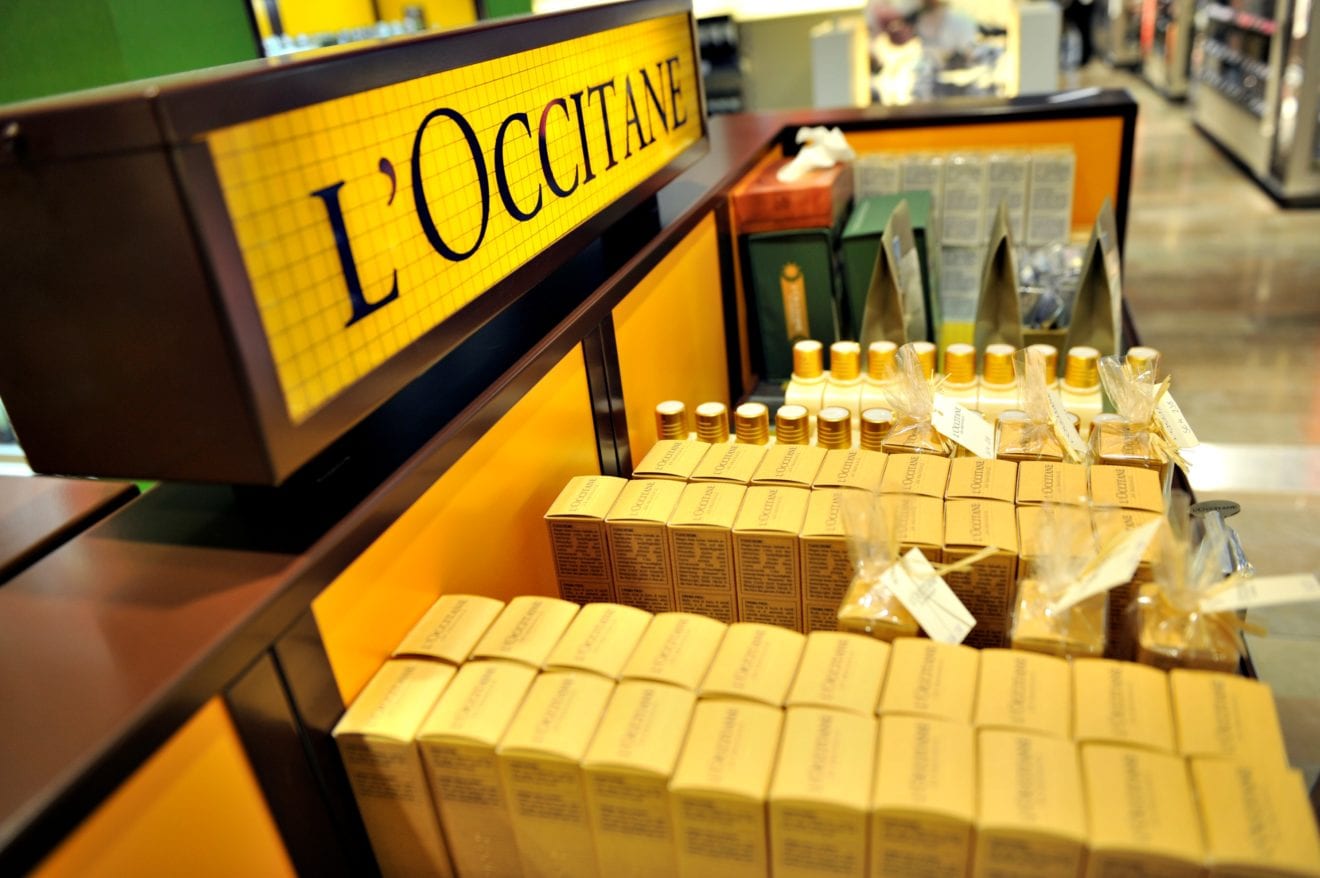
    L’Occitane International is looking to boost development in the hand care category to keep up with demands generated by the novel coronavirus (COVID-19) outbreak. The company’s fourth-quarter net sales saw a decline of 0.7% at reported rates compare to the previous year while FY2020 net sales grew by 15.2% at reported rates.

    According to the company, it managed to maintain good sales momentum in January before COVID-19 impacted the business in the subsequent months due to travel bans, lockdowns, and shop closures mostly in China, Hong Kong, and Japan.

    Currently, almost 75% of the company network of stores throughout Europe, the Americas, Japan, and Australia remain closed.

    The company now plans to undertake certain initiatives to manage the future impact of the crisis.

    “While it is too early to gauge how the COVID-19 pandemic will impact our ongoing performance, we are taking various steps to minimize the fallout from the very serious turndown in business. This includes optimizing our cost structure while ensuring that we maintain the capacity to resume growth as strongly as possible when the conditions allow,” ​said Reinold Geiger, chairman and CEO of L’Occitane.

    The firm has observed demand for hand washes and hand creams. In South Korea, sales of those items helped to boost the company’s performance by 18.8%, making it one of the fastest-growing markets.

    “Sales in our hand care category have increased as a percentage of total sales since the outbreak of COVID-19. We have seen a pronounced boost in our e-commerce sales over the past few months, partly attributed to increased overall consciousness of hand hygiene and hand care — this is a sweet spot for us,” ​said André Hoffmann, vice chairman of L’Occitane International.

    As such, the firm plans to develop new products related to hand care and personal hygiene to keep up with the demands of the market.

    “We are also adapting further to this rising demand by launching new products such as a hand purifying gel, which we feel will be a great add-on product for travel retail,”​ said Hoffmann

    The company will be launching a new hand purifying gel in order to adapt to new consumer demands. The 75-millilitre bottles will be available for sale in key markets in Asia, Europe as well as travel retail.

    Hoffman believes the demand for hand care products will continue well after COVID-19.

    “Innovation has always been at the core of our DNA. But it is more than that. COVID-19 has led consumers to re-discover the premium hand care products that we are known for — we expect this trend to be sustained post-COVID-19 both online and offline as our physical stores around the world begin to re-open.”​

    In spite of the difficulties, L’Occitane remains committed to supporting the community with several relief efforts.

    The group has re-directed some of its manufacturing facilities in Manosque to the production of hand sanitizer and has donated a million bottles of care products in support of healthcare workers.

    “The global COVID-19 pandemic is an extremely challenging period for all of humankind. We are committed to doing everything we can to meaningfully support healthcare authorities and healthcare workers around the world,” ​said Geiger.

  • Startups need partnerships to participate in bigger ecosystems

    Startups need partnerships to participate in bigger ecosystems

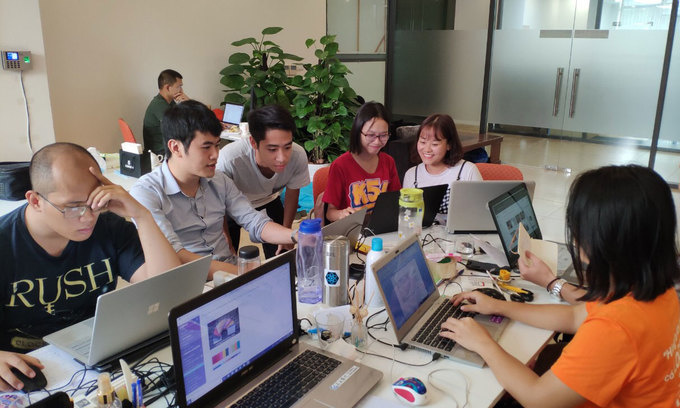
    Vietnamese startups need to expand their partnership network with domestic and regional firms for functioning deeper in big firms’ ecosystems, industry insiders say.

    Nguyen Anh Duc, CEO of retail chain Saigon Co.op, said among its 2,500 partners and suppliers in ASEAN, nearly 60 percent are young entrepreneurs in Vietnam who contribute about 28 percent of Saigon Co.op’s annual revenues.

    However, the contribution of young entrepreneurs to the company has been falling in recent years, he said Monday at the ASEAN Young Entrepreneur Carnival held in Hanoi.

    Saigon Co.op is constantly looking to improve it ecosystem and expand its market size, and for this, it needs more contributions from young entrepreneurs, Duc said.

    “There are gaps in the business environment among ASEAN countries, and young entrepreneurs need to fill those,” he said, adding that this process will lead to the creation of more unicorns in Vietnam and other ASEAN countries.

    Other forum participants said Vietnamese startups need to implement their ideas faster in the modern market to improve their ecosystems.

    Nguyen Dang Quynh Anh, chief operating officer of media giant Yeah1 Group, said a key factor in improving a company’s ecosystem is digital transformation, which requires young entrepreneurs to make quick decisions to make their services and products match the demand of modern customers.

    The pandemic will create new shopping habits among consumers who now are more familiar with sitting at home and ordering products to be delivered to their doorstep, and startups need to take advantage of this new trend to expand their market, she added.

    Although one of the biggest challenges startups face in expanding their network is mobilizing funds, experts say that there are many funding sources available now for young entrepreneurs with potential.

    Nguyen Phi Van, chairwoman of startup support organization Vietnam Angel Network, said that a group of angel investors in ASEAN this year has established a financial company to support startups with the biggest potentials in the region. So, if a Vietnamese and a Malaysian investor decide to fund a startup, it will be able sell its products to both markets.

    “Vietnam is currently one of the markets receiving great attention from investors in ASEAN thanks to its growth potential,” Van said.

    Investment in Vietnamese tech startups in the first six months fell 22 percent year-on-year to $222 millionfrom 40 dealsdue to the Covid-19 pandemic, according to a report by Ho Chi Minh City-based venture capital firm Do Ventures.

    Among six major economies in Southeast Asia, Vietnam accounted for 16 percent of the total investment, ranking third behind Singapore (37 percent) and Indonesia (30 percent), it added.

  • UOB to Launch FX Engine

    UOB to Launch FX Engine

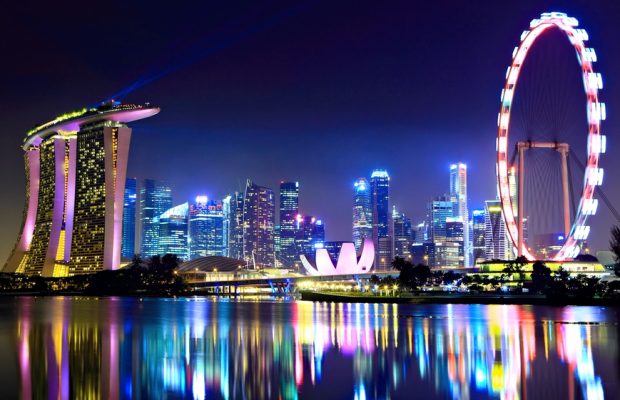
    The bank joins other major FX participants in serving strong institutional FX flows in Asia, as the republic aims to boost its role as the global FX price discovery and liquidity hub in the Asian time zone.

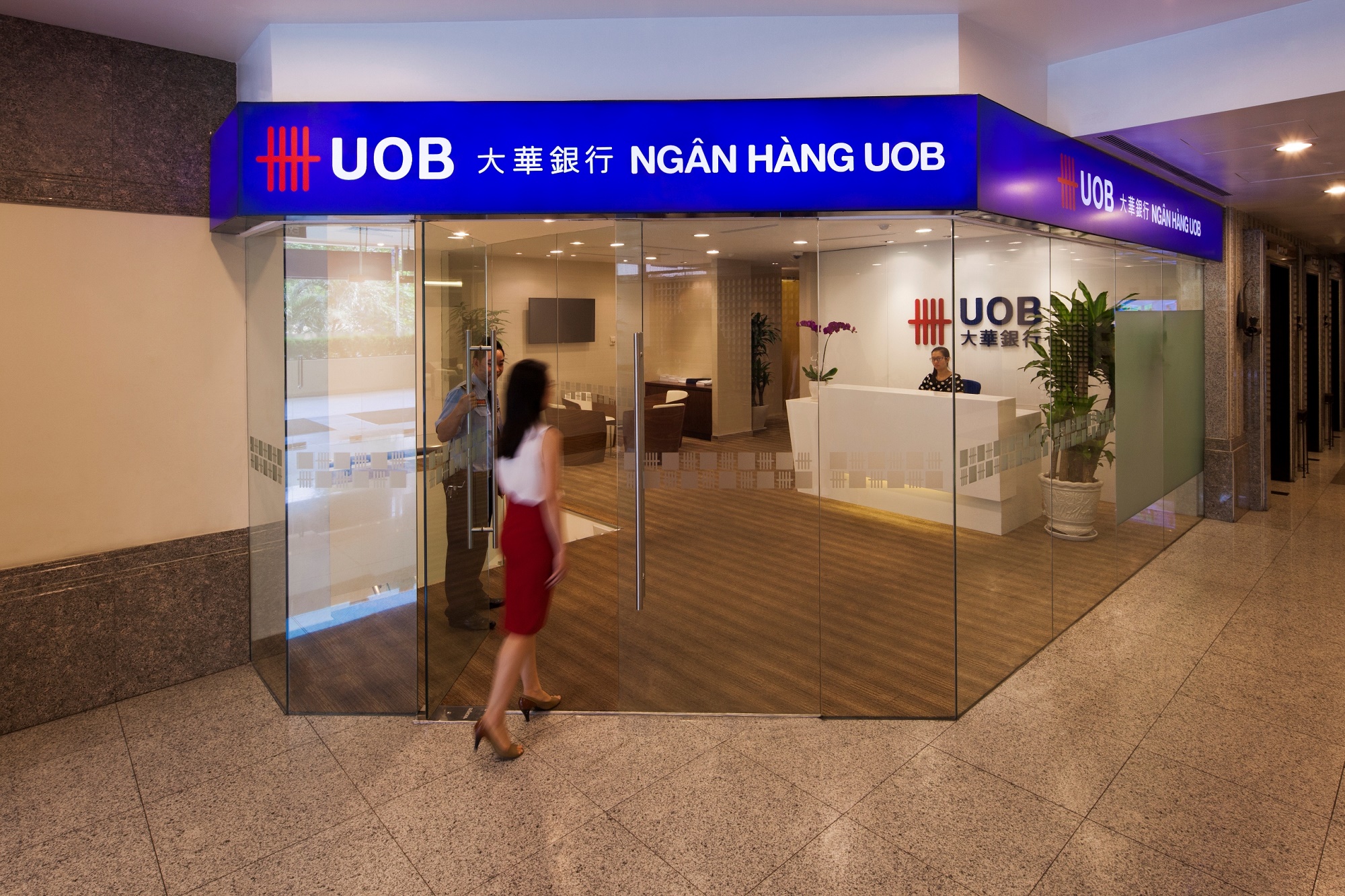
    UOB will launch an electronic foreign exchange (FX) pricing and trading engine in Singapore, which will enable clients to tap the available market liquidity with greater efficiency, in the second quarter of 2021, the bank announced on Monday in a statement.

    The FX trading engine will take advantage of reduced latency via co-location connectivity to improve price discovery and to enhance pricing capability. Leslie Foo, UOB’s head of group global markets, said the bank is looking forward to playing a major role in Singapore’s fast-growing FX e-trading ecosystem.

    Under the Monetary Authority of Singapore’s (MAS) FX Trading Hub strategy, which aims to cement Singapore as the top FX trading center in Asia Pacific, firms like Barclays, J.P. Morgan, Standard Chartered, UBS, Citi, BNP Paribas, Euronext, Jump Trading and XTX Markets have built their own regional trading infrastructure in the city-state.

    It remains a key priority for MAS to further broaden and deepen our FX market, and we welcome more buy-side participants to join the fast-growing FX e-trading ecosystem in Singapore, Lim Cheng Khai, MAS executive director financial markets development, said in the announcement

  • Singapore Banks Unite to Boost Commodity Financing Standards

    Singapore Banks Unite to Boost Commodity Financing Standards

    The ABS Code of Best Practices for Commodity Financing, launched with the support of the Monetary Authority of Singapore (MAS), Enterprise Singapore (ESG) and Accounting and Corporate Regulatory Authority (ACRA), is the industry’s first set of commodity financing best practices.

    The Association of Banks in Singapore (ABS) has launched a set of best practices to ensure a more robust and disciplined financing approach to support the growth of Singapore’s commodity trading sector, it announced on Monday.

    Developed with feedback from a diverse range of commodity trading companies and an industry working group of 28 banks, the Code lays out key principles governing prudent commodity trade financing practices, providing a benchmark for banks’ lending standards in the sector to help enhance the resilience, relevance and competitiveness of Singapore as a global commodity trading hub.

    The Code is designed to provide broad guidance to banks, which are expected to ensure that appropriate policies and procedures, as well as controls, are in place to observe the principles in the Code in a risk proportionate manner, ABS said

    Samuel Tsien, chairman of ABS and Group CEO of OCBC, said the Code is «an important step to strengthen Singapore’s stature as a global commodity trading hub.»

    The Code is a step in the right direction to boost corporate transparency and enhance the trust between the banks and commodity trading companies. This will help to promote accountability and uphold the integrity of the commodity trading sector, Andy Sim, ACRA’s assistant chief executive, legal services and compliance, said in the announcement.

    Singapore’s oil trading sector has come under the spotlight since the commodity’s plunge earlier this year as a result of the Covid-19 pandemic, with several trading firms having trouble repaying their debts. Numerous banks including HSBC, DBS, OCBC, Societe Generale and ABN AMRO, were owed a total of $3.8 billion by oil trader Hin Leong, while Zenrock owes at least six banks a total of $166.1 million and has outstanding balances of $449 million

  • Fintech Lightnet Partners Visa and Velo Labs

    Fintech Lightnet Partners Visa and Velo Labs

    The three partners will collaborate on payment solutions aimed at addressing the under-served micro, small and medium enterprise (MSME) lending market. Singapore-headquartered fintech Lightnet Group has signed a memorandum of understanding with decentralized credit and settlement network Velo Labs and Visa to expand lending to the MSME market in Asia, according to a press statement on Monday.

    This initiative aims to enable users with poor or inexistent credit histories to receive a line of credit by depositing digital assets as collateral, with Velo tokens serving as the digital asset collateralizing financial solutions. This approach is suited to connect over 1 billion unbanked and underbanked individuals in APAC to the global financial system, Lightnet and Velo Labs said.

    Working closely together, the collaboration will also facilitate near-real-time global transactions between participating banks, money transfer operators and other financial service providers.

    The announcement cited the large opportunity for the MSME lending market, noting that $5.2 trillion in MSME lending goes unserved annually, with more than half of this financing gap existing in the Asia-Pacific (APAC) region.

    Being new-to-credit or lacking creditworthiness is often an obstacle to achieving one’s financial goals, such as securing loans to start a business or even buying a car…We are providing customers from the MSME market with another pathway to build credit and improve financial wellness, Tridbodi Arunanondchai, vice chairman and group CEO of Lightnet Group, said.

    Lightnet was co-founded in 2018 by Chatchaval Jiaravanon – a family member of the Charoen Pokphand group in Thailand – and tech entrepreneur and former investment banker Tridbodi Arunanondchai. Earlier this year, the startup raised $31.2 million in a series A funding round led by UOB Venture Management, the private equity unit of UOB Bank. It recently partnered Swiss crypto bank Seba to offer remittance services for migrant workers in Asia.

  • China Grants Tesla Green Light To Start Selling Shanghai-Made Model Y SUV

    China Grants Tesla Green Light To Start Selling Shanghai-Made Model Y SUV

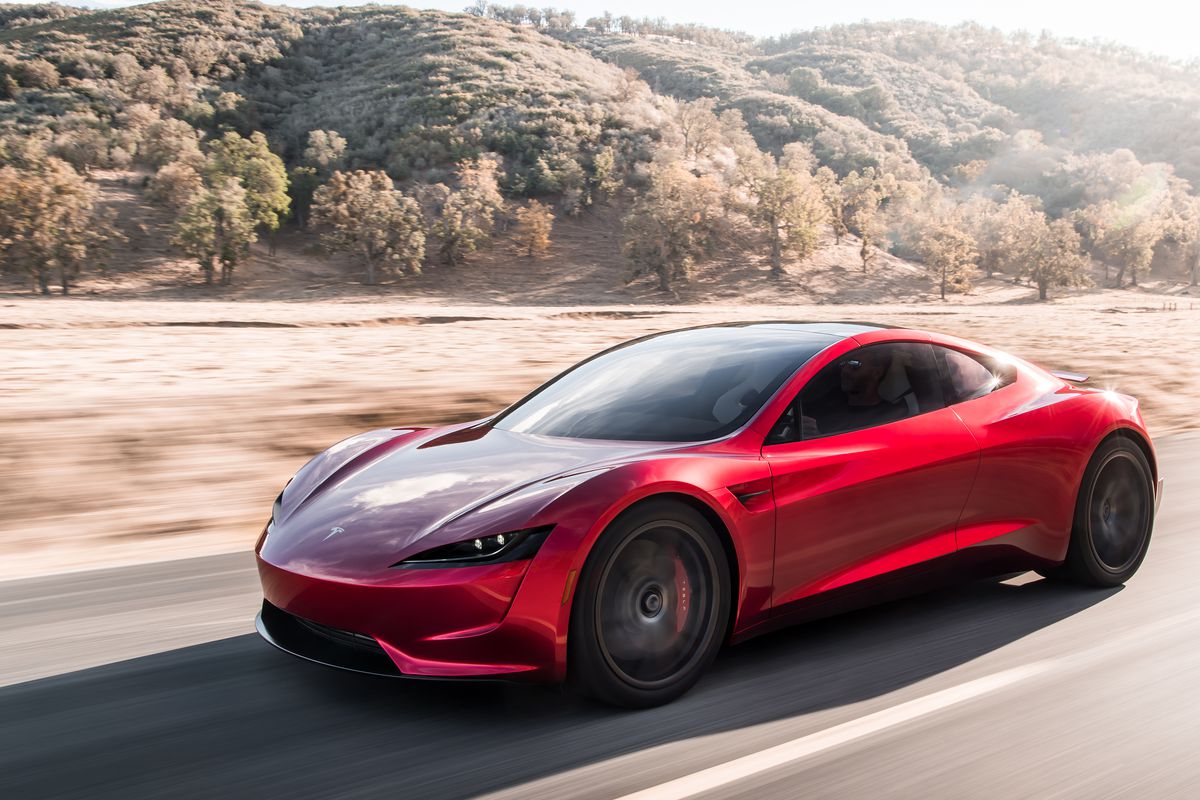
    Tesla Inc has obtained permission to start selling its Shanghai-made Model Y sports utility vehicle in China. The Ministry of Industry and Information Technology published the approval on its website on Monday.

    Tesla, now sells its Model 3 electric cars in China and has been building new car manufacturing capacity in Shanghai to make its Model Y SUVs. It applied for the Shanghai-made Model Y SUV sales permission earlier this month.

    It started delivering vehicles made in its Shanghai factory last December and sold more than 13,000 vehicles in China in October.

    The company has started exporting China-made Model 3 cars to Europe and said last week it plans to also start making electric vehicle chargers in China in 2021.

  • Hyundai To Pay $ 54 Million Penalty In US For Defective Engines

    Hyundai To Pay $ 54 Million Penalty In US For Defective Engines

    The Hyundai Group had issued one of its biggest recalls three years back in the United States, Canada and South Korea. The recall included 1.19 million cars in the US and over 1.14 lakh units in Canada. The vehicles were recalled because of machining errors during vehicle manufacturing that could have led to “premature bearing wear within the engine,” as pointed out by the National Highway Safety Traffic Administration.

    The Hyundai Sonata and Santa Fe models which were manufactured between 2011 and 2014 were impacted and in a service campaign, engines of these units had to be replaced, free of charge. But the matter hasn’t ended here. The Korean carmaker is now paying a penalty and will have to overhaul its manufacturing plants.

    The company has said that it will be paying a cash penalty of $54 million and will be making a further investment of $40 million to improve the safety standards in its operations. The investment will be used to develop a safety field test and inspection laboratory in the US along with setting up the new IT system for batter safety data procurement and analysis and potential safety issue identification.

    Brian Latouf, chief safety officer, Hyundai Motor North America said, “Customer safety is our highest priority and we are taking immediate action to enhance our response to potential safety concerns. We value a collaborative and cooperative relationship with the U.S. Department of Transportation and NHTSA, and will continue to work closely with the agency to proactively identify and address potential safety issues.” Along with Hyundai, some models of Kia Motors were impacted as well and both carmakers agreed to pay a civil penalty of $ 210 million.

  • AirAsia X plunges deeper into red amid ongoing grounding

    AirAsia X plunges deeper into red amid ongoing grounding

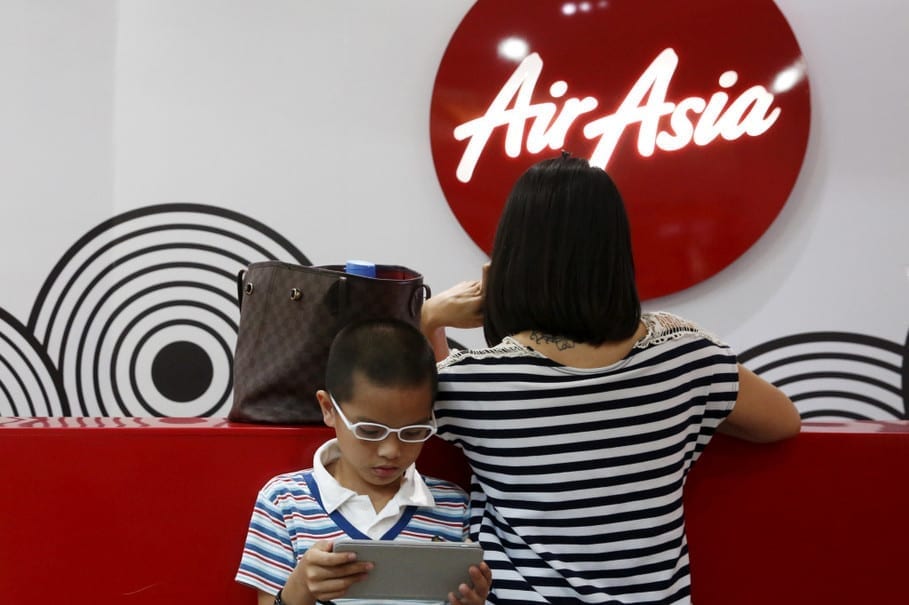
    Troubled long-haul, low-cost carrier AirAsia X widened its quarterly loss, as it remained grounded amid the coronavirus pandemic.

    For the quarter ended 30 September, the carrier, which recently unveiled a restructuring plan, reported an operating loss MYR498 million ($122 million), a staggering seven-fold increase year on year. It was also higher than the previous quarter’s MYR323 million operating loss.

    Revenue for the period plunged 94% year on year to about MYR60 million, as the carrier reported zero revenue from scheduled passenger operations. AirAsia X remains grounded amid international travel restrictions aimed at curbing the pandemic’s spread.

    Revenue from cargo operations and charter flights — amounting to some MYR8.5 million — were not enough to stave off any further revenue loss.

    Meanwhile, expenses for the period fell 53% to MYR487 million, due mainly to its ongoing grounding, which has reduced flying activity.

    AirAsia X widened its net loss to MYR308 million, compared to MYR230 million the same period last year.

    The carrier gave no operational statistics for the quarter, stating: “[The] company has suffered the full impact of the Covid-19 pandemic and, with the suspension of scheduled flight operations in April, and the parking of the majority of the aircraft fleet, the performance indicators for the business are not meaningful.”

    In early October, the embattled carrier rolled out plans to restructure its debts — of around MYR63.5 billion — and trim its network and fleet. It said then that the restructuring — subject to approvals — was essential to its future.

    Under its revised business plan, AirAsia X aims to emerge as a low-cost medium-haul operator. The airline adds that it hopes to restart operations with two aircraft in the first quarter of 2021.

    Cirium fleets data shows that Air Asia X has a fleet of 23 A330-300s, 21 of which are in storage. The carrier owns five A330s and leases the rest from various lessors. It also has orders with Airbus for 10 A350s, 76 A330neos and 30 A321XLRs.

    Among plans outlined to return to profitabilty, AirAsia X says in its latest financial results that it plans to “focus on core markets to improve yield”. These include “focusing on mature routes in core markets with historically proven demand”, as well as axing unprofitable routes. It also plans to operate a “leaner fleet size” in the future, which will necessitate the return of excess aircraft to lessors.

  • Zappos founder dies

    Zappos founder dies

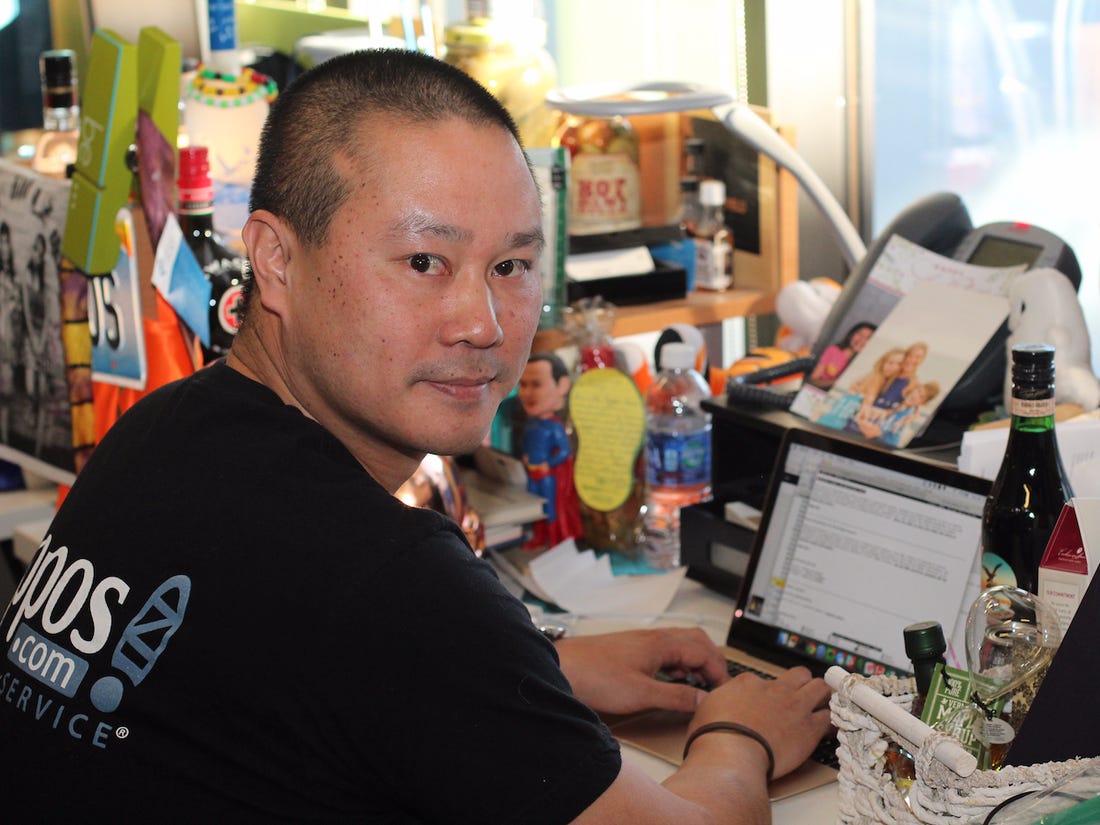
    Tony Hsieh, the former CEO of Zappos, died peacefully and surrounded by family on Friday, according to a statement emailed to CNN by Megan Fazio, a spokesperson for DTP Companies, a Las Vegas-based enterprise for which Hsieh served as the visionary.

    Hsieh, 46, died from injuries sustained in a house fire that occurred in Connecticut while he was visiting family, according to Fazio.

    “Tony’s kindness and generosity touched the lives of everyone around him, and forever brightened the world,” said a statement from his family that was shared with CNN by Fazio.

    His mantra: delivering happiness, his family says.

    “Instead of mourning his transition, we ask you to join us in celebrating his life,” their statement added.

    Hsieh was well known for his leadership of online shoe and clothing retailer Zappos. He had recently retired after spending 20 years with the company, Zappos CEO Kedar Deshpande wrote in a statement Friday.

    “The world has lost a tremendous visionary and an incredible human being,” Deshpande wrote. “We recognize that not only have we lost our inspiring former leader, but many of you have also lost a mentor and a friend.”

    Hsieh also played a “pivotal role in helping transform Downtown Las Vegas,” Nevada Gov. Steve Sisolak wrote on Twitter.

    “Kathy and I send our love and condolences to Tony’s family and friends during this difficult time,” he wrote.

    Las Vegas Councilman Cedric Crear said he was “saddened” to hear the news.

    “Such a creative & innovative person who positively helped change the landscape of Downtown Las Vegas,” he said on Twitter. “We have been working on some cool projects for Downtown. God speed to his family, coworkers and our community.”

    More tributes for Hsieh poured in on social media early Saturday — many from other business leaders and entrepreneurs.

    “Tony Hsieh was always generous with me,” Dan Price, the head of Seattle-based Gravity Payments, said. “He would talk to me about anything and it was always a good time. RIP Tony.”

    He was a “truly original thinker, a brilliant entrepreneur, and a kind-hearted and generous friend to so many,” wrote Max Levchin, co-founder and former chief technology officer of PayPal.

    “He questioned every assumption and shared everything he learned along the way,” said Chris Sacca, a billionaire tech investor, on Twitter. “The earth has lost a beautifully weird and helpful person.”

    And in a tweet, Nevada Gov. Steve Sisolak sent condolences to Hsieh’s family and friends, and said, “Tony Hsieh played a pivotal role in helping transform Downtown Las Vegas.”

  • Apple to open second South Korean store

    Apple to open second South Korean store

    Apple is preparing to open its second retail store in South Korea. Located in Seoul’s main finance district, Apple Yeouido will make direct sales and support accessible to a whole new community.

    Apple first welcomed customers in South Korea in 2018, when Apple Garosugil opened in Seoul’s Gangnam area. The same experience is coming to Yeouido, an island bordered by the Han River and southwest of the Myeong-dong shopping district.

    Apple Yeouido is located on L1 of IFC Mall Seoul, an indoor shopping center directly below the angular office towers of IFC Seoul and near the iconic 63 Building. Shoppers enter the mall through a glass pavilion just steps from Yeouido Park. Three floors of fashion, cinema, and food are tucked below ground.

    In the future, visitors can expect Apple to host educational and creative Today at Apple sessions that engage the store’s surroundings.

    Like all recent Apple Store openings, Apple Yeouido will follow strict safety guidelines including reduced capacity and a mask requirement. Apple Garosugil was the first Apple Store outside of Greater China to reopen during the pandemic and served as an important signal tower for Apple’s global reopening strategy.

  • Singapore’s retail recovery remains to be seen

    Singapore’s retail recovery remains to be seen

    Shortly after the outbreak, e-commerce sales surged in many countries as consumers avoided crowded places and social distancing measures kicked in.

    In Singapore, a surge in online grocery sales overwhelmed booking systems. Demand for online food delivery soared, requiring operators to expand their workforce. Retailers, ranging from home furnishings to healthcare products and electronics, also saw a rise in online sales.

    Many shoppers, staying at home, buying online for the first time, and discovering the ease of online shopping, could form new digital habits, which may become permanent. This could propel the surge in online shopping to the next level, especially in Singapore, where the internet penetration rate is high and the online market share of retail sales is still low (8.5% in March 2020, according to SingStats), compared to developed countries.

    Amid rapid structural changes, retailers accelerated the adoption of e-commerce strategies. Some outsourced their online businesses by partnering with large established e-commerce marketplaces that offer integrated services, ranging from hosting product listings to sales, payment, inventory management, delivery and tracking. This minimises their capital commitment and administrative burden in the face of a liquidity crunch amid the pandemic. Robinsons partnered with Lazada to expand its e-commerce reach, for example.

    Many F&B players partnered with food logistics operators, including GrabFood and FoodPanda, or logistics providers, Lalamove and Zeek, while others looking to establish a stronger online presence built their own e-commerce platform. A new digital platform offered by DBS Bank built a branded e-menu with an integrated shopping cart, order management and payment platform within three business days. The service includes connecting merchants with logistics partners to offer food delivery services.

    Nevertheless, post-pandemic, consumers will return to physical stores for real-life shopping experiences. Frustrated shoppers without a grocery delivery slot may return to the supermarket.

    According to SingStat, the online market share of grocery sales in Singapore for March 2020 has fallen to 7.5%, from 7.8% and 8.5% in January and February 2020, respectively. The surge in food delivery may ease as some consumers prefer to enjoy the full dining experience in a restaurant ― when safe ― rather than eating out of takeaway boxes. Shoppers generally desire the “look, touch and feel” experience of buying.

    However, concern about pandemic safety is set to continue. Restoring shoppers’ confidence regarding their safety is key to driving foot traffic back into physical stores. Industry players need to enforce safe distancing and hygiene rules and step up efforts on contactless buying initiatives such as self-checkout and cashless payment options.

    Shoppers will also have reduced spending power amid the economic downturn. Industry players need to revamp their offerings at accessible pricing to widen the consumer base and target promotions towards visiting stores upon their reopening.

    Incorporating in-store strategies for pent-up demand, alongside an omnichannel strategy for the medium-term, could drive a post-pandemic recovery of the retail market in Singapore.

  • HSBC Rules Out Full U.S. Exit

    HSBC Rules Out Full U.S. Exit

    A full departure from the largest economy is reportedly no longer being considered but decisions on the retail unit remain unconfirmed.

    A U.S. retail banking pullout could still happen, according to a report citing unnamed sources, though a full exit from the market will not be explored anymore.

    Plans will be outlined by senior managers in the coming weeks alongside suggestions to cut investment banking activities to focus on international clients, especially in Asia and the Middle East.

    HSBC’s decision to downsize its U.S. business is part of a broader overhaul to cut costs and 35,000 jobs globally. According to the British lender, further revisions on plans such as future capital deployment and cost-cutting will be announced during the next annual reporting session.