Blog

  • Ola Focusing On A Global Electric Two-Wheeler Business, Says CEO

    Ola Focusing On A Global Electric Two-Wheeler Business, Says CEO

    It was earlier this year in May when Ola officially announced its foray into the local and global electric two-wheeler markets. The firm is expected to launch its first electric scooter in 2021. Now, the company is aggressively building a global electric two-wheeler business. This was confirmed by CEO Bhavish Aggarwal while addressing the CII event. It was at the event when the co-founder pointed out that two-wheelers create more pollution on a cumulative basis compared to four-wheelers in some geographies.

    Thus, the company is very much focused on building an electric two-wheeler business. This new global business will also play across different vehicle segments over the next few years. Ola chief believes that India with its unique skill sets and manpower can be a bridge for developing paradigms and technologies for not only developed but also developing countries.

    He classified four broad segments of vehicles, including two and three-wheelers, Asian-European styled four-wheelers (small city cars), western-styled four-wheelers and large commercial vehicles (buses and trucks).

    He said, “Our ambition is to be the leader in electric mobility for the small vehicles and small city four-wheelers. And unlike Tesla or many of the American companies, which are building for their own audiences, we have to build for our audiences. India is the world’s largest two-wheeler market. Asia is 80-90 per cent of the global two-wheeler market.”

    According to PTI, Ola is planning to foray into electric scooter manufacturing and plans to hit the market with its first vehicle in January next year. The electric scooter will be initially manufactured at a facility in the Netherlands and will be retailed in Indian and European markets. However, the company hasn’t specified any exact timeline for the launch of e-scooter.

    In May 2020, Ola Electric had acquired an Amsterdam-based Etergo BV company. And, the firm had confirmed that it is working on building an electric vehicle ecosystem which includes extensive charging and swapping networks across the country. He also mentioned that Ola will have an important role in the smaller four-wheeler segment. However, he didn’t provide specific details.

    He added, “As and when we have more to say, we will share, but we are looking at the whole spectrum of electric mobility from a global perspective. And over the next few years, we will build across different vehicle segments.”

    “I believe we have the unique skill sets and unique talents and the India advantage to do that, because a lot of these paradigms for tomorrow if they have to be globally relevant, they have to be built in India because India is kind of a bridge between the developed world and the developing world,” he added.

  • Tata Group may increase stake in AirAsia India and plans to Rebrand it

    Tata Group may increase stake in AirAsia India and plans to Rebrand it

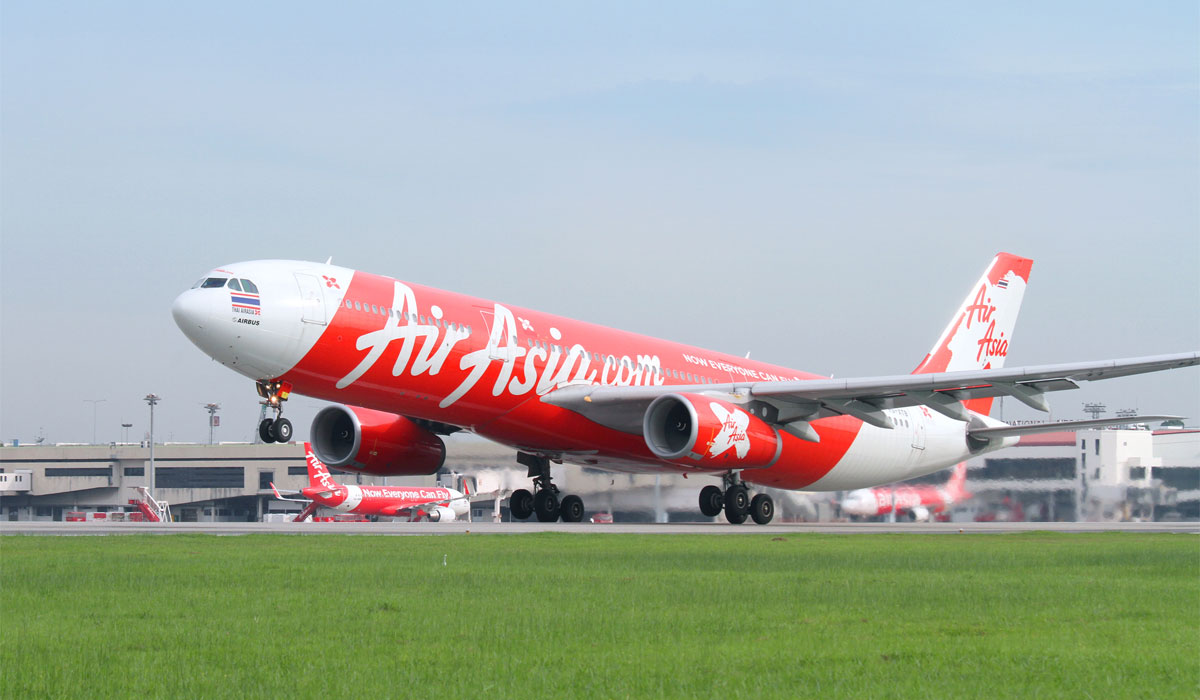
    Tata Group, which was reportedly in talks with AirAsia’s parent company AirAsia Group Berhad last week for a $50 million emergency funding to keep the carrier flying in India, is now planning to raise its stake in AirAsia India to more than 76 percent.

  • How Brands Can Expand to Asian Markets 

    How Brands Can Expand to Asian Markets 

    Expanding into other countries requires a lot of forethought and planning. Expanding into different continents, however, can cause a massive failure without really understanding the culture and consumer. Asian markets are notoriously difficult for Western brands to succeed in, and that’s not just because of the language barrier. Many Asian countries are at a different period in their development than Western nations, and their consumption habits reflect this.

    Going in without respect to their culture, or an understanding of what they value, and need is a big mistake. Even bigger of a mistake is to assume that Asia is one, homogenous market. Every country, and more than that, every region, has its own cultural identity that needs a unique approach to succeed in.

    Without this dedication to connecting to each area, local businesses will destroy your efforts. They have the presence, and they know their audience. It isn’t a mistake that some of the largest and most prominent brands in the world began and operate from these countries.

    Their market is big, and their influence is greater. If you want to expand into the Asian markets, you need to be smart, and you need to use this guide:

    Improve Your House, First

    Expansion needs to be done at the right time. For that right time to be taken advantage of, however, your house needs to be in order, first:

    Improve Your Skillset

    As the owner of your business, the best thing you can do for its future is to complete an online MBA. There are a variety of specializations you can choose when you work on an online MBA, and ideally, you will want to choose one that you are not already excellent at. Rounding out your skillset as a leader and business owner is often hard, especially without someone taking a good, hard look at your current self and figuring out where you can improve.

    With that in mind, the online MBA that you choose must have a few key characteristics:

    • 100% online
    • Flexible; you should be able to take on as little as one course at a time
    • No mandatory log-in times
    • Career coach
    • Accreditation

    With these as the base of qualifications, you can then go on and find an online MBA that offers the specialization that you are most interested in. This could be in marketing, managing, or even data analysis. In regard to expanding into eastern markets, it is best to focus on more technical elements, like data analysis, as this will make the biggest difference both at home and overseas.

    Build a Cloud-Based, Integrated System for Your Business

    Your online MBA will help you better manage the human element of your business, and to take creative challenges to the next level. What it cannot help you with is manual labor. Admin tasks take a long time when done manually, and your business will not be able to keep up if you do make headway in your efforts towards eastern expansion. You, and your team, need a system that works with you.

    Everyone on your team will be put to better use solving and working on creative challenges. To allow them to focus on that, you need a cloud-based, integrated system. What this means in effect is that storge-wise it can expand as you need to, without any need to upgrade your system. It also means that your western and eastern teams can handle and use the same data, and have it updated for each other instantaneously.

    Finally, it means you can introduce automation. Automation is important for any business, as it makes easy work of boring and simple admin tasks that, done by a person, could take days.

    Optimize Your Efficiency

    The last step in improving your house is to optimize your efficiency. You will have learned a lot of possible strategies and possibilities during your online MBA, but never be afraid to outsource help, too. Some people specialize in auditing a company’s efficiency so that you can get a list of areas to improve on, as well as a recommended action. Doing this before you expand is best because these audits – and their improvements – only become more difficult the larger your business becomes.

    Learning About Your New Markets

    One thing that your online MBA will teach you is the importance of study. That is why before you actively make overtures to expand into new markets, you need to research them.

    Research

    You will ideally know exactly what to research and how to research and create detailed reports in your online MBA. If not, then simply brush up on these skills and follow suggestions found from white papers and even from hired consultants.

    You want to understand each country. Getting your foot in the door correctly means choosing the right market to focus on. As stated before, every country is vastly different and even more than that, regions within that country vary drastically. It would be best if you targeted where your customer base is, and ideally where there is a hole in the market for your business.

    Having a good idea about where to start can save a lot of money and headache, but don’t assume that your research alone is enough. If you want to expand into new markets, then you will need people to help you.

    Hiring New Talent

    The right people will help you make the right decisions both in terms of where you intend to launch, and how you can do it correctly. You have two main options. If you can afford to open a head office in that country, then you will ideally want to populate it with talented locals who best understand your new customer base, as well as that culture. Have a few members from your head office to ensure that your brand and values are translated over well, but for the most part, you need to trust your new employees to represent your brand well.

    The second option is to be represented by an agency. Marketing and PR agencies exist that can take you on as a client. They will work on marketing your brand to that new audience successfully. There will even be those you can hire to help you identify unique opportunities to expand further into that market.

    Slow and Steady

    It takes time to do this properly, so don’t put too much pressure on yourself. Instead, use what you have learned in your online MBA and manage. Manage the right people and make smart delegation decisions so that your business doesn’t just open in the right Asian market, but that it has a chance to succeed.

    Trends to Know About Asian Markets

    Building up your team and your business can help you prepare to expand, but you should never start without that key research. Even if your solution is to outsource and hire agencies to help improve the success of your transition, it is foolish not to do your own research. Understanding your customer base is the key to success in every instance and understanding Asian markets can help you provide additional value and cater to their needs as a priority. An online MBA can help you prepare, absolutely, but you must use your new skills to create a unique and comprehensive strategy to help appeal to the Asian markets, rather than expand your existing strategy, as this rarely works.

    1.   Online Shopping and Engagement

    One trend that is universal throughout the world, and why 2020 is a very smart time to expand into Asian markets with a digital branch of your business is the increase in online shopping. Though brick-and-mortar shops are slowly starting to recuperate, night-time shopping, mall shopping, and other key points of contact are still minimal.

    All eyes are online, and not only are they online, but they are spending an average of 21% more than before. Overall, online shopping is an average of 15% higher than it was before the pandemic.

    2.   Marketing to Focus On

    Marketing tactics, in particular, are very different in comparison to the west, and you need to be smart before launching your own brand into that market. Google might be banned from places like China but make no mistake – it was failing in that market long before it was formally pushed out.

    You cannot just expand marketing efforts from the west into the east. To see success, you need to use different strategies, as well as different marketing tactics. Rather than learn as you go, which is very difficult when extending your business’ branch so far out east, it is better to rely on those familiar with the markets in question.

    Hire marketers and experts who have made their career working within Asian markets or rely on external firms and agencies to build a successful expansion plan and marketing strategy so that you can succeed in the area.

    3.   What Consumers are Looking For

    The new decade is sure to bring about some significant consumer trends, particularly in Asian markets. Whereas western nations are waking up to the importance of sustainability, it is countries in Asia that are working fast to mitigate the huge environmental problems their countries face. China, in particular, has made headlines in its effort to cut emissions and clean up their air. It has actively begun to start collecting the funds needed (an estimated RMB 40.3 trillion) through an environmental tax. Coal plants are being shut down, and new sustainable development zones have been approved in Shenzhen, Guilin, and Taiyuan which implement the 2030 SDGs. They are headlining new technologies designed to clean air and new energy solutions, and the fight to clean up their own backyards has infected their citizens as well.

    In the next decade, trendwatchers expect the consumer appetite for new and innovative to take a turn towards the environment, with sustainable stewards, good police, and business as social being the key trends for businesses to watch out for.

    This echoes other consumer trends around the world, where sustainable lifestyles are becoming the latest status symbol, concerns over privacy and data and making headway, and the importance of community has never been so crucial than it is today.

    This occurs alongside a slowing of growth, both in GDP and in personal wage increase. The income growth, in particular, alongside high household debt, is also sure to decrease consumption in these areas. By providing not just a great product, but also catering to that new sense of status, you can appeal to Asian consumers.

    Expanding into Asian Markets

    If you are set on expanding into Asian markets, you have two options. If you operate a large company, then you must set up a dedicated office, with employees who are familiar with and have worked in that country for their entire career. You can have a few of your home office employees work in that eastern office to ensure that the overall brand identity and your values are upheld, but everything else should be decided on by those who understand that market. It is how you will best connect with these consumers, and the fact is this suggestion applies when expanding into any new country.

    Operating and marketing from the US to the UK or Spain, for example, will all look drastically different. There are various cultural attitudes, as well as trends that you can take advantage of to best appeal to those living in the area. Having a team of people who live and breathe these markets will help your business make a big splash abroad.

    Smaller companies can also do this, but rather than hiring an entirely new office, you’ll need to find agencies and outsource to them. This way, you still get the right direction for your expansion, but without the high cost of renting an office and hiring an entirely new team.

    Leverage all that you have learned in your online MBA to manage and transition your business into Asian markets successfully. Understanding how to properly manage your teams, as well as keeping your budgeting and finances in order, will be your secret weapon. It won’t happen overnight, but with the right people and the right vision, you can expand your business into the Asian markets.

     

  • J&T Express expands its network of warehouses in Singapore to deliver quality customer experiences

    J&T Express expands its network of warehouses in Singapore to deliver quality customer experiences

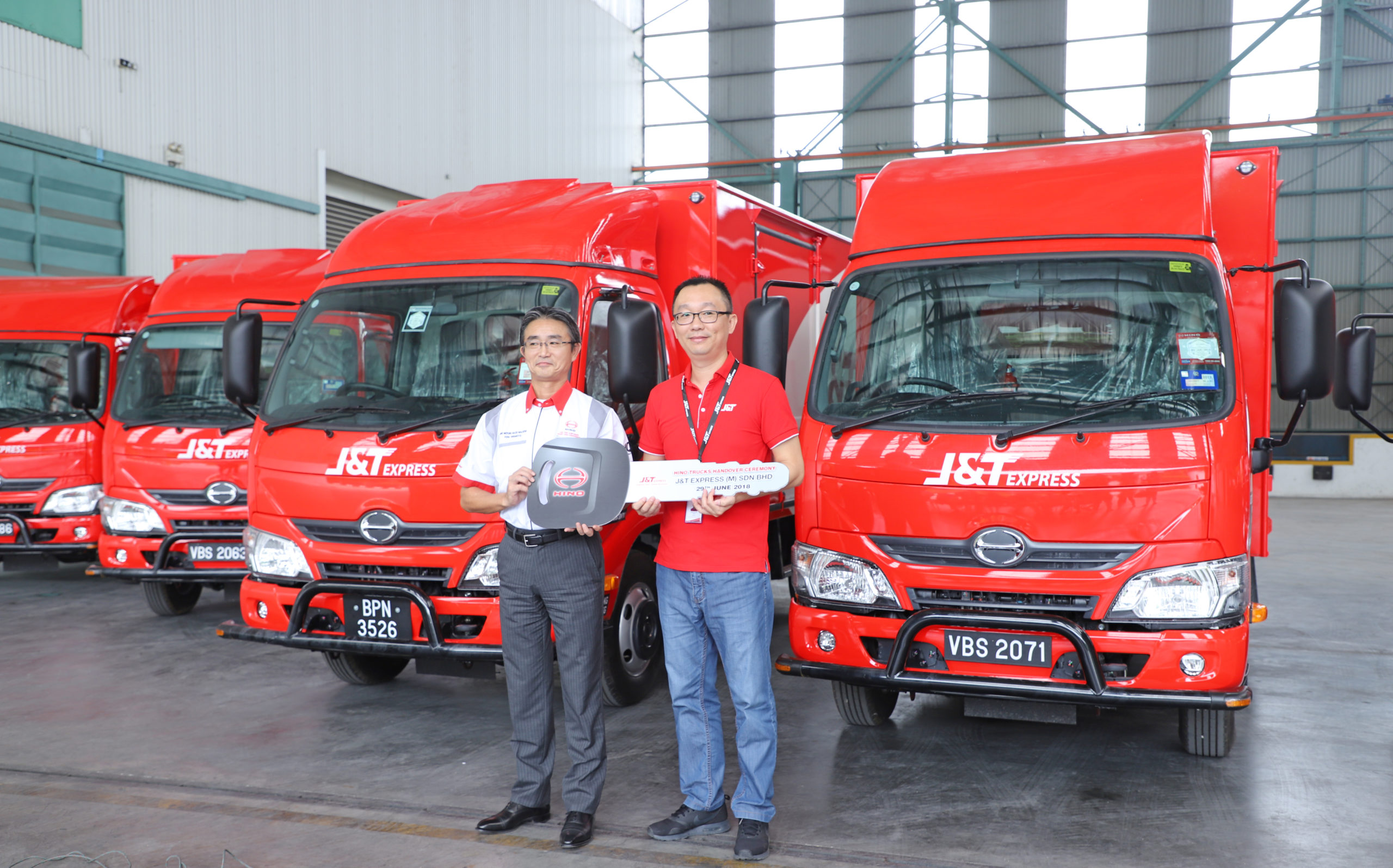
    J&T Express, Southeast Asia’s leading e-commerce logistics provider, today announced the opening of its third warehouse in Singapore as part of its plan to develop a nationwide warehouse network. The opening reflects the exponential growth experienced since its launch in January 2020 and the company’s commitment to drive service excellence in the logistics industry.

    Housed in the west of Singapore, the new warehouse will allow the company to deliver an enhanced experience to both its sellers and consumers in Singapore. The warehouse will enable J&T Express to improve the efficiency and increase its daily volume capacity. 

    “The plan to open our third warehouse within a year of entering the Singapore market is a significant achievement for the team at J&T Express. Our agility and ability to adapt have contributed to our unprecedented growth during this period of drastic change,” said Andrew Sim, CEO, J&T Express Singapore.

    J&T Express has rapidly increased its headcount to deliver on its commitment of service excellence in the e-commerce logistics space. Understanding the importance to resolve feedback at speed, it has achieved multiple growth of seller support strength and customer service team. Furthermore, customer service team’s working time has been extended to seven days a week to effectively act on consumers’ queries and improve the flow of communication.

    “We recognise our role as the bridge between our customers and their consumers”, said Mr Sim. “The opening of our latest warehouse is a reaffirmation of our commitment to the Singapore market and our dedication to improving our suite of offerings so we can deliver the best experience possible.”

    The changes in consumer behaviour are set to stay with more than three quarters (76%) of Singapore consumers indicating that they do not intend to return to the pre-pandemic levels of online shopping, according to Nielsen. In fact, during the recent circuit breaker period, J&T Express experienced a 100% increase in the number of daily deliveries. To meet the rising demand for deliveries, the e-commerce logistics provider accelerates its expansion plans for additional warehouses.

    Operational efficiency is a key priority for J&T Express. In response to the increased demand, the existing operation and delivery capabilities have been strengthened with the enhanced delivery system and tools in place. To ensure the timely delivery of parcels, the company has extended the daily delivery hours from 9am to 10pm, and has hired and trained more drivers, provided with the most optimised routes.

    Complementing more warehouses is an increase in the company’s fleet, which includes a mix of smaller vans and larger trucks. The variety in fleet solutions will allow J&T Express to better support its partners in delivering parcels of all sizes. This comes as the company sees a growth in consumers turning to e-commerce platforms to purchase larger household items, which were previously purchased in-store, such as furniture.

    Recognising that quality control measures is critical to become operationally efficient, J&T Express has expanded its quality control team and enhanced the existing systems. At the same time, its suite of solutions places it in prime position to support the burgeoning demand for deliveries in Singapore and Southeast Asia, fully leveraging the country’s strategic location as a gateway to the region.

    “We are proud to have built strong relationships with our customers, without whom we would not be where we are as a business today,” shares Mr Sim. “E-commerce is here to stay and will be the key driver of the logistics industry in the years ahead. This makes being our ability to pivot a key trait that will allow us to continue supporting our customers as they turn to digitalisation.”

    Since its launch in 2015, J&T Express has grown from humble beginnings in Indonesia, to a network of eight markets across Singapore, Malaysia, Vietnam, the Philippines, Thailand, Cambodia and China, making it one of the fastest growing e-commerce logistics companies in the region. In Singapore, the company’s long-term relationships with both local and global brands across a host of industries and marketplaces including Amazon, Lazada, Shopee and eCapitaMall, have propelled it into a position among the top logistics companies.


  • Time is running out for Google to fix frustrating Chrome OS bug found on Android apps

    Time is running out for Google to fix frustrating Chrome OS bug found on Android apps

    Google is racing against the clock to get a bug fix out in time because in just three days, Chrome OS 87 is to be released on the Stable channel. Android apps have never fared well on Chrome OS and now this bug is greatly slowing down the input speeds that a user deals with when typing on the keyboard while running an Android app on Chrome OS 87. The keyboard input slows down to a crawl forcing the user to wait for the previous line he typed to hit the screen before typing the next line. The issue has been affecting users on the Beta, Dev, and Canary channels on Chrome OS 87.

    Even though the slowdown doesn’t affect the Stable channel at the moment, that could change because after the aforementioned three days, Chrome OS 87 starts running on the Stable channel bringing the keyboard input bug to those who are used to a relatively bug-free experience on that channel. Chrome OS users have been complaining about the issue on the Google support page. One member with the user name of Mattev writes, “Some apps are very slow to type into. What I mean is, if I’m typing stuff like this, the characters lag and take a few seconds to appear on the screen. The Chrome browser works fine. The problem happens in other apps like Opera browser. I’m on the beta channel. Another problem is that when hovering over a tab in Chrome browser, some other tabs flicker light/dark. I don’t know if it’s related.”

    A Diamond product expert named Jim Dantin, considered to be at the top of those helpers that browse through Google support communities seeking to answer questions, had some solutions for a short-term fix. He wrote “The usual cause of “slow” issues, is one or more extensions causing problems, flags that you may have altered, too many tabs open, you haven’t completely turned off your Chromebook recently, you are low on storage space, or you have too many extensions installed.

    • Reboot your Chromebook, don’t just close the lid, every night.
    • Reset all flags. Flags are really intended for the Google engineering/development team, not end users.
    • Delete or disable unneeded extensions. Or, do a Browser Reset to disable them all.
    • Keep the number of open tabs to a minimum, especially if you are doing something where performance matters.
    • Make sure that you have adequate (more than just a few GB) of available space on your internal storage.

    Check your internet speed. I like speedof.me or speedtest.net as a test. Compare to what you should be getting from your internet provider.”

    There is no question that creating documents or just generally typing with this latency bug is frustrating. Last month, Chrome OS users had another issue taken care of. To make sure that Android apps can be readable on Chrome OS, they were universally scaled to be 25% larger. The problem with this is that in the process of scaling these apps, content appears to be too big on the screen resulting in the cutting off of content. Another problem was that users with a digital pen discovered that the tip of the pen was not matching up with where the “ink” was starting from on the display. In other words, the “ink” trailed the tip of the digital pen making it hard for users to draw since the lines were off to the bottom right. Users would be forced to guess when they put the pen’s tip on the display, where the actual drawing was going to show up. And since there was no way to shut off uniform scaling, some workarounds were suggested such as the use of an app called Activity Launcher.

    1) Install the app, launch it, and search for “display.” 2) Click on com.android.settings. DisplaySettings to launch hidden display settings.3) Click on “Advanced” and then “Screen Size.” 4) Move the display size to “small” bymoving the slider to the left.You must repeat these instructions from step two to four every time you log out or restart your Chromebook. Following this workaround will return the apps to the way they looked before uniform scaling was first tried on Chrome OS.

  • Express operators pour investment into Asia Pacific to grab e-commerce traffic

    Express operators pour investment into Asia Pacific to grab e-commerce traffic

    Two of the world’s biggest express operators are beefing-up their Asia Pacific operations amid an “historic” peak season for e-commerce cargo.

    DHL Express said today it would invest €690m ($813m) to increase capacity in the key growth markets of Australia, Japan, Hong Kong, South Korea, Malaysia, India and Bangladesh.

    It will also spend €60m on new aircraft and direct airfreight routes to South-east Asia.

    The company is expecting shipment volumes in Asia Pacific to be 30-40% up on last year’s peak season, following “unprecedented” 50% growth in e-commerce volumes since the start of the year.

    Ken Lee, CEO of DHL Express Asia Pacific, said: “These investments are testament to our continued confidence in the region. They are crucial not only in the near term as we expect an unusually strong peak season, but will make sure we are well-positioned to keep global trade running as e-commerce and cross-border trade grow.”

    In North Asia, DHL will open a 21,000sq metre facility in Osaka by the end of the year, its largest in Japan. And in South Korea, it will triple warehousing space in Incheon to 58,700sq metres, making it the company’s largest gateway in Asia Pacific.

    In Hong Kong, €377m has been earmarked to boost warehouse space by 50% and increase handling to 125,000 pieces a day.

    Investment in South Asia includes a new facility in Bangladesh to increase shipment processing by 35% by Q1 22 and, in India, construction of a new gateway facility in Bangalore is slated for completion next year.

    In Malaysia, DHL plans to triple warehousing capacity and increase processing by 200% at Kuala Lumpur International Airport to compete with Alibaba logistics unit Cainiao’s new regional hub.

    New air freight routes include direct services to underserved Vientiane and Yangon and more frequent connections to Australia and New Zealand.

    Sean Wall, EVP network operations & aviation, said: “The growth in e-commerce shipment volumes will continue to outpace available air cargo capacity, strengthening the case for investing in adding dedicated aircraft to our fleet, opening new routes and supplementing our fleet with charter flights.”

    Meanwhile, Cainiao has now launched operations in Japan. The Chinese juggernaut said it would provide end-to-end logistics services to local businesses, warehouse management, international shipping, trucking and customs clearance.

    “This will bring about a 40% improvement in shipping efficiency, reducing shipping duration from 18-22 days, to 11-13,” said Cainiao.

    Operations in Japan include warehouses in Tokyo, Osaka, Yokohama and Kobe; air and sea forwarding to and from China; and trucking partnerships with Nippon Express, among others.

    “Japan has always been a key market for us,” said James Zhao, general manager of Cainiao Global Supply Chain. “Our launch in Japan will allow us to provide a stronger logistics infrastructure to support businesses’ export and import needs.”

    Meanwhile, yesterday Alibaba set another record-breaking ‘Singles Day’ shopping festival, with $74.1bn transacted in gross merchandise volume. Anmd during the 11-day event, Cainiao processed 2.32 billion delivery orders and operated more than 700 charter flights.

  • Vietnam wants to cut logistics cost to improve goods competitiveness

    Vietnam wants to cut logistics cost to improve goods competitiveness

    The government wants its agencies and businesses to reduce logistics cost to enhance the competitiveness of the country’s goods, Deputy Prime Minister Trinh Dinh Dung has said.

    Speaking on Thursday at the Vietnam Logistics Forum, he said the cost for logistics remains high, leading to higher product costs and lower competitive advantages for Vietnamese goods and its economy.

    Heightened costs stem from reliance on land-based transport and inefficient delivery systems. Take the Hai Phong – Bac Ninh waterway for example. The waterway allows ships with a capacity of 120 TEU (20-foot equivalent units), and they can cover the distance in 8 to 11 hours, three times longer than by road, but at 20 percent lower cost, said Dao Trong Khoa, vice president of the Vietnam Logistics Business Association.

    Dung said the goal is to double logistics services’ share of GDP to 8-10 percent and total logistics costs to 16-20 percent of GDP. To achieve the targets, unnecessary procedures need to be immediately eliminated, he added.

    Khoa said it is necessary to promote the use of digital transformation in logistics via integrating blockchain and artificial intelligence technologies to existing digital platforms for transport and port and warehouse management.

    He underlined the importance of developing international rail links and waterways in the northern Red River Delta and southern Mekong River Delta. These would help reduce costs for logistics service providers, manufacturers and import-export companies.

    The cost of logistics services in Vietnam in early 2019 accounted for 25 percent of the country’s GDP, while the rate was just 9.5 percent in the U.S, 11 percent in Japan, 16 percent in South Korea, and 21.6 percent in China, according to the Vietnam Chamber of Commerce and Industry.

    According to the Vietnam Logistics Business Association’s latest survey, there are around 30,000 logistics companies in the country, including 4,000 international ones.

    The industry has been growing at 12-14 percent annually and is now worth $40-42 billion.

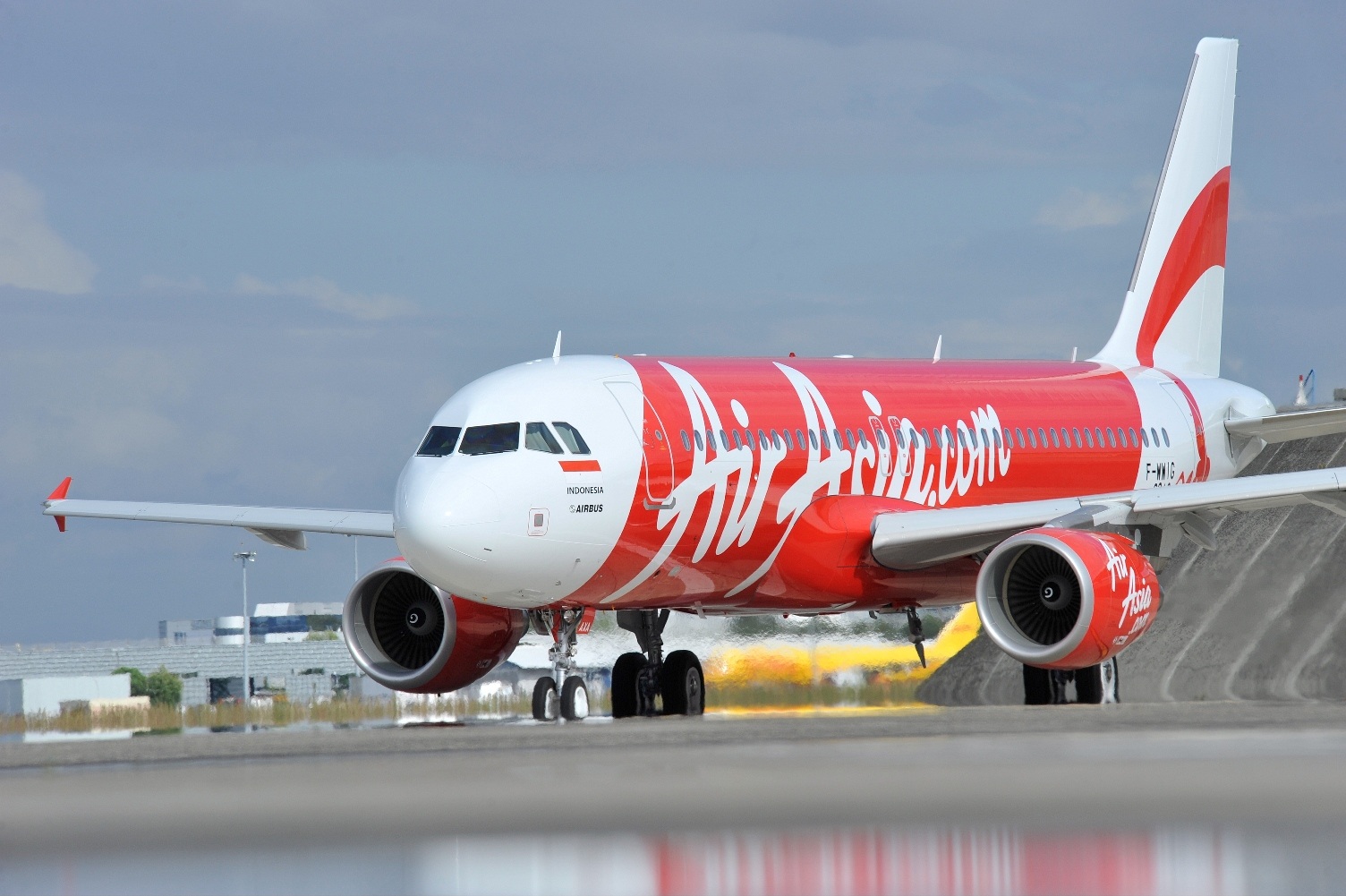
  • Airbus resells six unwanted jets built for AirAsia

    Airbus resells six unwanted jets built for AirAsia

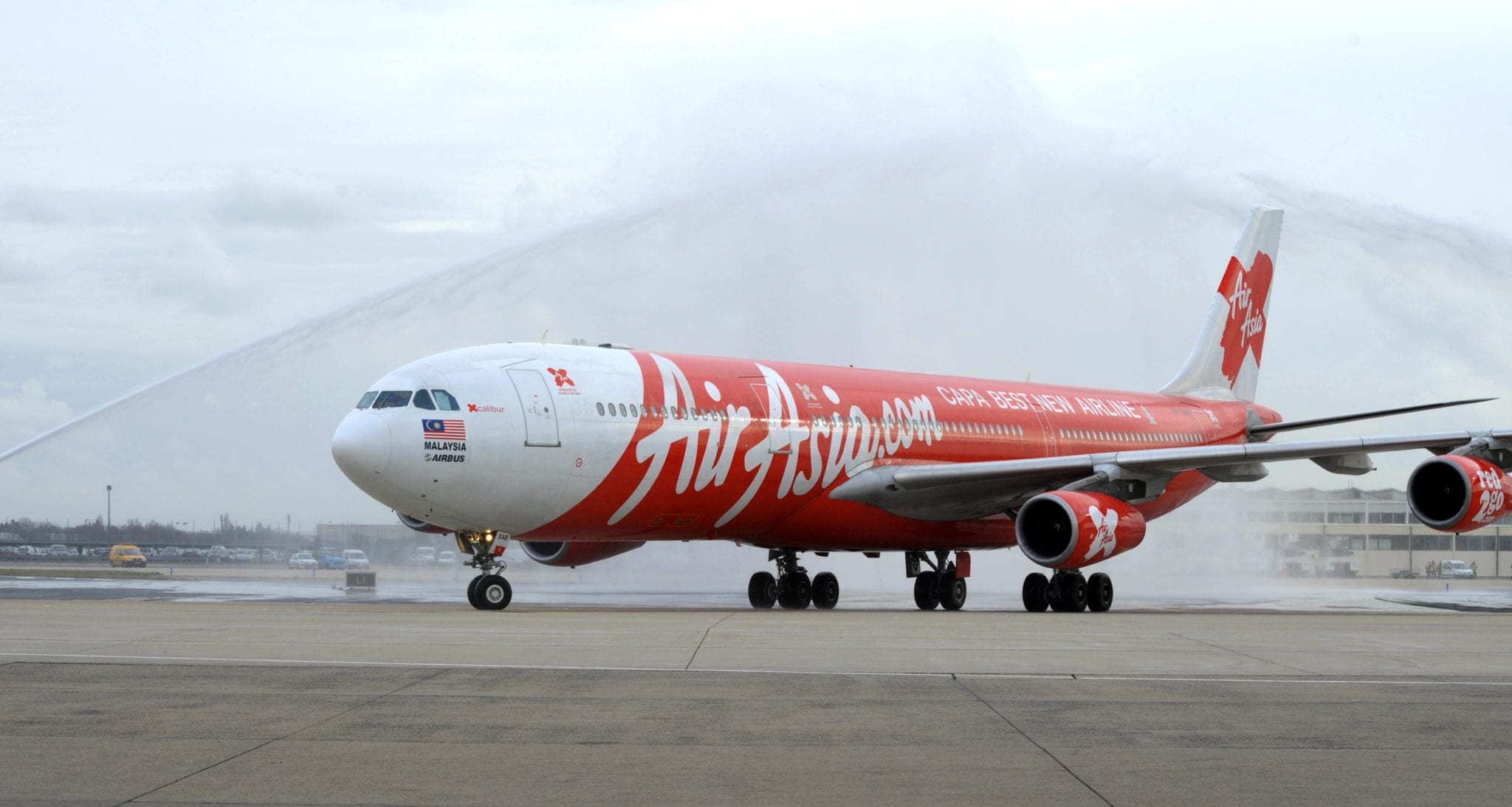
    Airbus has found buyers for six aircraft from the A320neo family rejected by one of its main customers, Malaysia’s AirAsia, as it works off a surplus left by the coronavirus crisis, industry sources said.

    Unwanted jets have become an emblem of pandemic-induced problems in the aerospace industry that have come on top of a chill in ties between two of its major players.

    Tensions became unusually public when Airbus in April invited tenders for six jets that AirAsia had failed to take delivery of.

    It has now found homes for all six, the last of which is being delivered this month, a European industry source told Reuters. Airbus provided no comment.

    Airbus has been steadily increasing deliveries as it strikes deals with airlines to reschedule deliveries or store jets.

    It said last month it had reduced an overhang that it had been unable to deliver during the crisis by 10 units to 135 jets. The redeployment of AirAsia orders is expected to trim the surplus further as deliveries top output in November.

    Airbus is seeing strong demand, relative to the rest of the battered sector, for its A321neo jet, and the aircraft has broadly held its value, the European source said. It is sticking with plans to increase output of the single-aisle jets.

    The A321neo competes with the two largest versions of the Boeing 737 MAX, which won approval last week to re-enter service after a 20-month grounding in the wake of two crashes.

    Boeing is expected to re-sell dozens of 737 MAX whose buyers cancelled during the grounding, potentially depressing prices.

    According to the UK-based consultancy IBA Group, all aircraft have lost some value during the COVID-19 crisis but the A321neo is trading around 5% below its inherent value while the MAX is 10% below – hurt also by the recent grounding.

    Doubts remain, however, about demand for a larger Airbus, the A330neo, whose largest customer, AirAsia’s long-haul unit Air Asia X, is seeking new funding to survive.

    AirAsia said in April it would stop taking deliveries of all Airbus jets this year and review remaining orders.

    The move exacerbated concerns about demand in Southeast Asia, which was already struggling with overcapacity before the crisis.

    AirAsia’s relations with Airbus were further clouded when it was drawn into an Airbus bribery case before being cleared by local investigators, industry sources have said.

    AirAsia co-founders denied any wrongdoing in a sports sponsorship deal cited in a wider Airbus bribery settlement with prosecutors in January. The European source said AirAsia remained an important partner for Airbus.

  • Vietnam leads in number of accounts removed by Facebook

    Vietnam leads in number of accounts removed by Facebook

    Facebook has removed 290 fake accounts in Vietnam so far this year, making the country top in number of account cancellations.

    Of those fake accounts, some had forged that of the Health Ministry to post fake news about the Covid-19 pandemic.

    The removals were made via coordination between Facebook and the authorities of Vietnam, Le Quang Tu Do, deputy head of the Authority of Broadcasting and Electronic Information under the Ministry of Information and Communications, told a conference in HCMC on Friday.

    Aside from the fake accounts, Facebook also removed 330 pages advertising online games and gambling as well as 2,200 links that promote trading of illegal products and services.

    In the past year, Vietnam has led the world in terms of the number of fake accounts being removed and violating posts being deleted by Facebook, Do said.

    Aside from Facebook, the authority had also worked with YouTube to either remove channels with toxic, offending and anti-government contents or block advertisements for them.

    In the year to date, more than 29,000 YouTube videos and 24 accounts have been removed.

    Previously, YouTube only removed or blocked ads for channels whose owners had been prosecuted in Vietnam but now, it will do the same for all videos deemed to have toxic contents by authorities, he said.

    Vietnam has so far licensed 800 social media platforms and the number of social media accounts has risen from 47 million in 2018 to 96 million this year, Minister Nguyen Manh Hung told legislators earlier this month.

    Facebook and YouTube account for the biggest amount of users in the country.

    In 2018, there were about 54.7 million internet users in Vietnam.

    The figure rose to 59.2 million last year and is estimated at 63.6 million this year. By 2023, it was forecasted to be 75.7 million, according to German data portal Statista.

    Statista also said Facebook had removed almost 1.5 billion fake accounts in the second quarter this year, down from 1.7 billion fake accounts in the preceding quarter.

  • AirAsia India plans expansion; to induct 3 more A320 neos by June 2021

    AirAsia India plans expansion; to induct 3 more A320 neos by June 2021

    Budget carrier AirAsia India plans to add three more Airbus A320 neo planes by June next year as part of its fleet and network expansion. The airline — a joint venture between Tatas and Malaysia’s AirAsia Investment currently has 32 aircraft, including two A320 neos inducted recently.

    In a statement to PTI, an AirAsia India spokesperson said the airline had signed an agreement for inducting five A320 neo planes last year.

    The Bengaluru-based airline took delivery of the first A320 neo in October and another one earlier this month.

    “We will be inducting our third Airbus A320 neo in December and we look forward to inducting our fourth and fifth A320 neo by June 2021,” the spokesperson said in the statement.

    The statement was issued in response to the queries sent to the airline’s managing director and chief executive officer Sunil Bhaskaran.

    On November 17, Malaysia’s AirAsia Berhad had said it was reviewing its investment in AirAsia India. Against this backdrop, there have also been concerns about the domestic airline.

    Indicating that AirAsia India is on an expansion path, the airline’s spokesperson said it is planning to scale up the capacity to 70 per cent from 55 per cent at present.

    “We are soon planning to amp up our capacity to 70 per cent,” the statement said.

    Domestic commercial flights were suspended for two months from March 25 to curb the spread of coronavirus infections.

    The Civil Aviation Ministry permitted increasing the capacity to 45 per cent with effect from June 27 from a maximum of one-third at the time of resumption of domestic flights from May 25. It was scaled up to 60 per cent from September 2.

    Airlines were allowed to operate at 70 per cent of the pre-COVID-19 capacity from November 11.

    Earlier this month, senior AirAsia India officials informed travel agents that it remains on the path of serving Indian market by growing its network and scale of operations.

  • Petrol, Diesel Prices Hiked Again Across Metro Cities

    Petrol, Diesel Prices Hiked Again Across Metro Cities

    The oil companies on Sunday, yet again, increased the fuel prices across all the metro cities resulting in a hike of 21 paise and by up to 31 paise in prices of petrol and diesel, respectively. As the price hike continues, the petrol rates on Saturday surpassed the ₹ 82 mark, while diesel breached the ₹ 72 mark in the capital city. With newly revised prices, customers in Delhi will have to shell out ₹ 82.34 per litre for petrol and will have to pay ₹ 72.42 for a litre of diesel. The fuel prices differ from state to state, which depends on the value-added tax (VAT) levied by the state government.

    In the last ten days, petrol price has gone up by ₹ 1.28 per litre and diesel rate has increased by ₹ 1.96 in the national capital. Petrol and diesel rates remained static since September 22 and October 2, respectively. The OMCs started revising rates of auto fuels from November 20 onwards.

    In Mumbai, petrol prices surpassed ₹ 89 mark as it is retailing at ₹ 89.02 per litre against ₹ 88.81 per litre on Friday. Diesel, on the other hand, is retailed at ₹ 78.97 per litre, seeing a hike of 31 paise. In Kolkata, the retail price of petrol went up by 20 paise to Rs 83.87 per litre from ₹ 83.67 a litre and diesel increased to ₹ 75.99 per litre. In Chennai and Bengaluru, petrol retailed at ₹ 85.31 and ₹ 85.09 respectively. On the other hand, diesel retailed at ₹ 77.84 in Chennai and ₹ 76.77 in Bengaluru.

    Oil marketing companies (OMCs) have been revising the retail rates of petroleum products since November 20, 2020. The 58-day hiatus in petrol price revision and 48-day status quo on diesel rates were preceded by no change in rates between June 30 and August 15 and an 85-day status quo between March 17 and June 6.

    Indian Oil Corporation, Bharat Petroleum Corporation, and Hindustan Petroleum Corporation are the three major oil marketing companies in India. The oil marketing companies revise petrol and diesel rates daily and make necessary changes to align the petroleum prices with global benchmark and dollar-rupee exchange rate.

  • Transport Ministry Plans To Introduce Uniform PUC Certificate With QR Code For All Vehicles

    Transport Ministry Plans To Introduce Uniform PUC Certificate With QR Code For All Vehicles

    The Ministry of Road Transport and Highways (MoRTH) is planning to introduce uniform pollution under control (PUC) certificate for all vehicles across the country. As per the report in ETAuto, the transport ministry will soon be made uniform PUC certificates throughout the country and will come with QR code bearing important details. The QR code on the uniform PUC certificates will have specifics of the owner, vehicle and emission status. The ministry of transport issued a draft notification proposing these changes on Friday and has pursued suggestions and objections of the stakeholders.

    The transport Ministry has already proposed the changes in the Central Motor Vehicle Rules and will have the provision for a system generated SMS to the registered mobile number of the owner before getting the PUC done. This system will also help in reducing vehicle thefts which can be detected when taken to testing centres for procurement of a PUC certificate.

    According to the report, officials said that uniform format of the PUC certificates has been proposed for linking the PUC database with the national register. The government has also planned to provide a rejection slip for the first time, specifying the reason for rejection. The rejection slip will also include where the engine emission values exceed the limits set under the CMVR.

    Under the proposed modifications in the law, if the enforcement officer has a reason to believe that a vehicle is not fulfilling the provisions of the emission standards, he can direct the owner or person-in-charge for conducting a test at any authorised PUC testing stations. The communication needs to carried out to the owner or person-in-charge of the vehicle in the form of writing or electronic modes.

    Do note, if the driver or person-in-charge of the vehicle fails to submit the vehicle compliance certificate, he/she shall be liable for plenty under the provisions of Motor Vehicle Act. The owner can face up to three months of jail or up to ₹ 10,000 fine and cancellation of driving licence for three months.

  • Elektrobit Unveils New Software Platform For Next-Gen Vehicle Electronics Architectures

    Elektrobit Unveils New Software Platform For Next-Gen Vehicle Electronics Architectures

    Elektrobit (EB), a global supplier of embedded and connected software products for the automotive industry, announced EB xelor, an industry-first software platform designed to streamline the development of next-generation automotive electronics architectures based on high-performance computing (HPC). The EB xelor platform provides car makers and Tier 1 suppliers with a secure, stable, and easily upgradable software foundation for connected and intelligent vehicles, allowing them to focus less on automotive infrastructure and more on innovation.

    EB xelor brings together production-proven software from EB, open-source and third-party software, plus tools and services that are absolutely critical for HPC environments but won’t necessarily differentiate one vehicle from another. By choosing EB xelor, car makers and Tier 1s can save the time, resources, and staff required to source and integrate these elements on their own. Based on its experience with car makers on production projects involving software for HPC architectures, EB conservatively estimates savings of up to 30 per cent in overall engineering costs.

    EB xelor integrates a high-performance functional safety software stack based on Linux and Adaptive AUTOSAR, a real-time and safety software stack based on Classic AUTOSAR using EB tresos- a hypervisor- plus software for HPC updates and platform health management capabilities. It also includes tools and services to automate builds and facilitate integration. The EB xelor platform is optimized for HPC environments using leading system-on-a-chip (SoC) devices from NXP and Renesas. Car makers can then add their own vehicle-specific software on top of these stacks.

    Maria Anhalt, Chief Technology Officer at Elektrobit said, “With EB xelor, EB draws upon its decades of expertise to do the heavy lifting for the car maker. We’re providing pre-integrated, production-proven software that will jump-start the process.”

    While EB xelor is a new product, it is based on software and technology used in vehicles on the road today.

  • DBS Ramps Up Support for Social Enterprises

    DBS Ramps Up Support for Social Enterprises

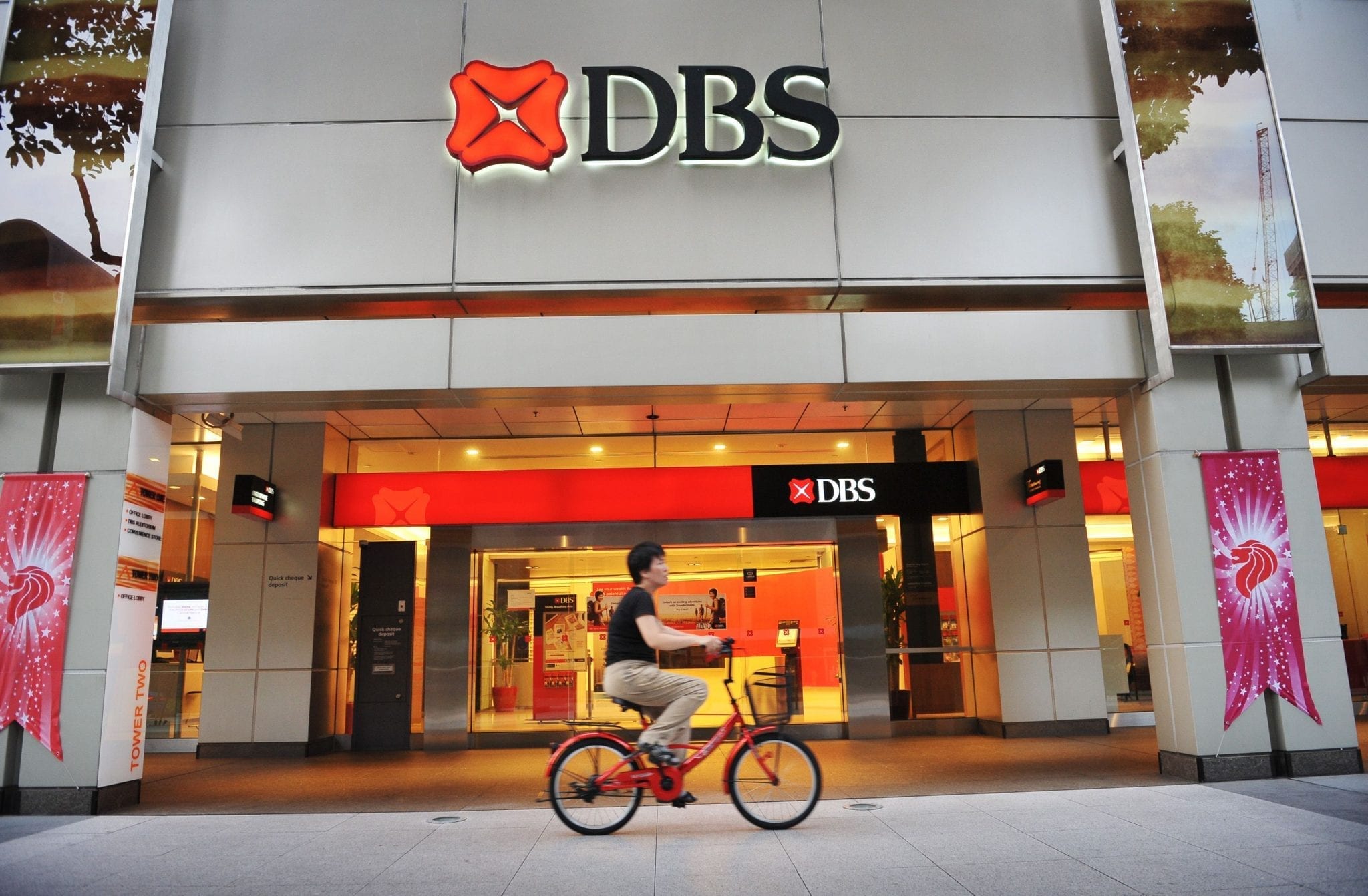
    The bank disbursed S$7 million ($5.23 million) in loans to social enterprises so far this year, up fourfold from 2019.

    Much of this support has gone towards creating and preserving livelihoods, with many of the SEs using the funds to create and retain jobs that hire people from disadvantaged communities, DBS said in a statement on Thursday.

    DBS said that access to working capital was an immediate priority for many SEs when the pandemic emerged, but many of them faced challenges in getting loans as they typically lacked a borrowing history with banks or relevant credit profiles.

    The bank rolled out its SE Digital Business Loan in May this year, which covers working capital needs at preferential rates. The bank also offers the Social Enterprise Business Loan which provides unsecured loans at a preferential interest rate, and the Temporary Bridging Loan, which provides short-term relief assistance.

    In addition, DBS Foundation awarded S$2 million in grants to social enterprises (SEs) to support the deployment of social innovations. The funding includes S$1.4 million given to 13 SEs in six of the bank’s key markets (Singapore, China, Hong Kong, India, Indonesia and Taiwan) in the 2020 cycle of its DBS Foundation Social Enterprise Grant Program.

    Two were from Singapore: Ento Industries – a biotech focused on reducing food waste, and Zigway, a ASEAN-focused fintech that makes bulk buying affordable for low-income families through a monthly subscription model.

    Recipients were chosen from a record 820 applications across Asia, based on social impact, innovation, as well as the sustainability and scalability of their business models. They were also required to demonstrate a path to achieving key business and social impact milestones.

    DBS noted the increasing recognition for the role SEs play in society.

    In the world we’re living in today, companies must not only think about delivering value to shareholders, but also consider the interests of the communities they serve. This has really come to the fore amidst Covid-19, which has sparked unprecedented social and economic challenges – yet, these very issues have also heightened opportunities for social enterprises to make a difference, and helped to cement the importance of their role in society, Karen Ngui, Board Member of DBS Foundation, said in the statement.

  • Libra Set to Launch in Early 2021

    Libra Set to Launch in Early 2021

    The Libra coin may finally launch early next year, but in a slimmed-down version. Which of the original promises will be kept with such a watered-down coin?

    When the Libra Association first went public with its project, the coin was based on a broad basket of currencies. When governments, regulators, and central banks made abundantly clear that they were opposed to such a coin, the Geneva-based association reduced the reach to include several major currencies. Now, the launch seems imminent, but the coin will be based on the dollar only.

    The association, which was founded by Facebook, plans to launch its coin at the beginning of 2021. The story was based on information provided by three people.

    However, even this slimmed-down version of a Libra coin depends on the approval of Finma, the Swiss financial market regulator. Finma refused to comment on Libra’s plans. One can safely say that Finma won’t take any risks given the global attention paid to the plans of Libra.

    The authorities have to ensure that coins such as Libra won’t make it easier for criminals to wash their ill-gotten gains. In other words, the project sponsors must make sure that they adhere to the same strict standards set by money-laundering laws as any other financial-service provider.

    And, what’s more, the idea of a multinational coin may impact the ability of central banks to enforce their monetary policy. The latest version of a slimmed-down Libra may indeed allay such worries.

    But of course, what is the purpose of a single-currency coin? The Libra was an attractive proposition because it promised an easy digital payment system for all: The Libra payment system is built on blockchain technology to enable the open, instant, and low-cost movement of money. People will be able to send, receive, and spend their money, enabling a more inclusive global financial system. Will a dollar-based Libra be of any use to a consumer in the euro-region for instance?

    The private initiatives for digital currencies need to be seen in the context of state-sponsored projects. Some central banks have forcefully advanced their own projects for digital central bank currencies. Including the Swedish and Chinese, while the European Central Bank (ECB) recently made clear that it also aimed to speed up the process.

    The Swiss National Bank (SNB) is also working on a digital currency in the context of the innovation hub with the Bank for International Settlements (BIS). This digital franc project will be presented on December 3, according to people familiar with the plan.