Blog

  • Thailand’s Central Group acquires OfficeMate

    Thailand’s Central Group acquires OfficeMate

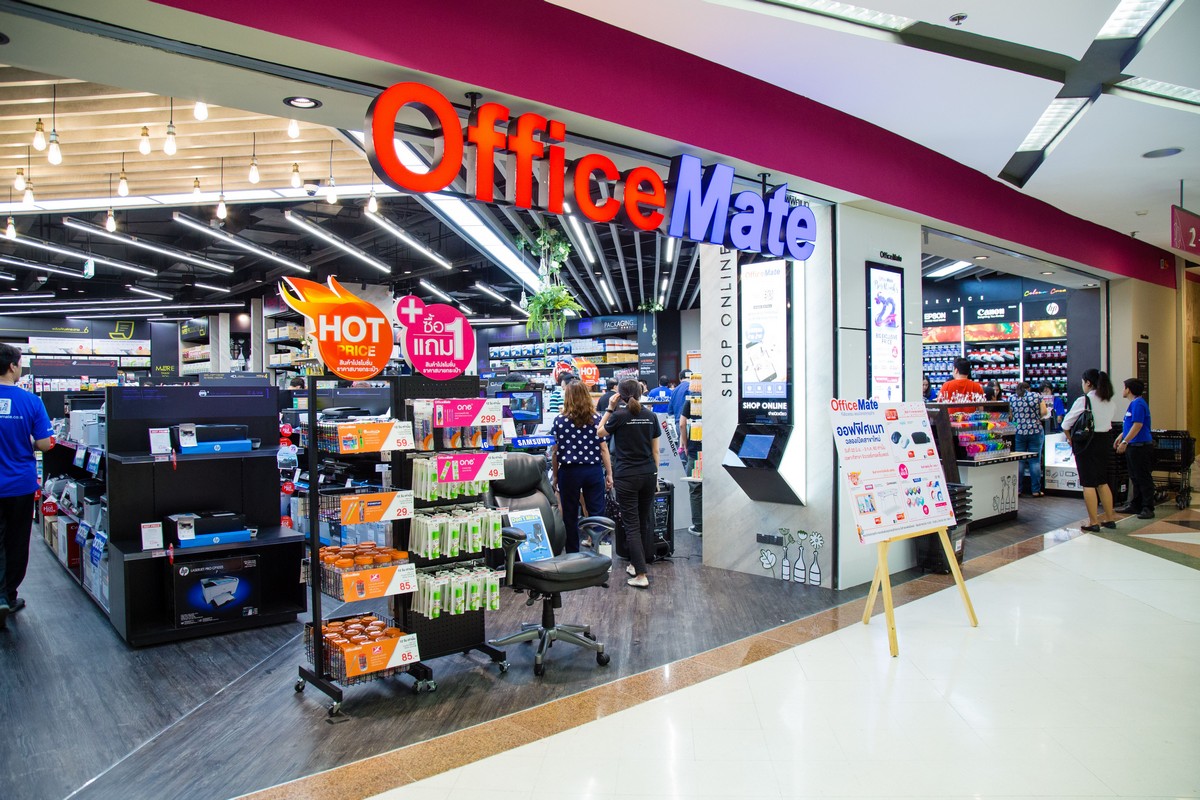
    Central Retail (CRC) is to buy out COL Public Company, the parent company of Thai retail chains OfficeMate, B2S, and Meb E-Books.

    The deal with COL, which is estimated at US$390 million, will add the three brands to CRC’s existing retail portfolio and “strengthen Central Retail’s hardlines group” the company said in a statement. The move is part of the group’s strategy to expand its range of retail product categories, formats, and channels domestically and globally.

    COL is one of Southeast Asia’s largest office supplies, books, entertainment media, lifestyle products, and e-books retail business. The company’s board on Monday approved the terms of the takeover proposal which will now be put to a shareholders’ meeting. Once endorsed the company will be delisted from the Thai stock exchange.

    The company was incorporated in February 1994 by the Ounjai Family which had more than 40 years of experience in selling stationery and office equipment.

    “We are supremely confident that this plan to buy out the business and all the shares of COL will be mutually beneficial,” said Yo Phkasub, CEO of Central Retail. “It will enable both businesses to grow sustainably, and upgrade Thai retail for long-term national economic growth.”

    According to Central Retail, the deal will help the company to expand its customer base into new groups, particularly B2B and the younger customer segment. On the other hand, COL will enjoy greater exposure for its products through CRC’s omnichannel platform.

    The acquisition of 640 million COL shares is still subject to regulatory approval and expected to complete within the first quarter of next year, according to Yo.

  • Amazon set to launch luxury stores

    Amazon set to launch luxury stores

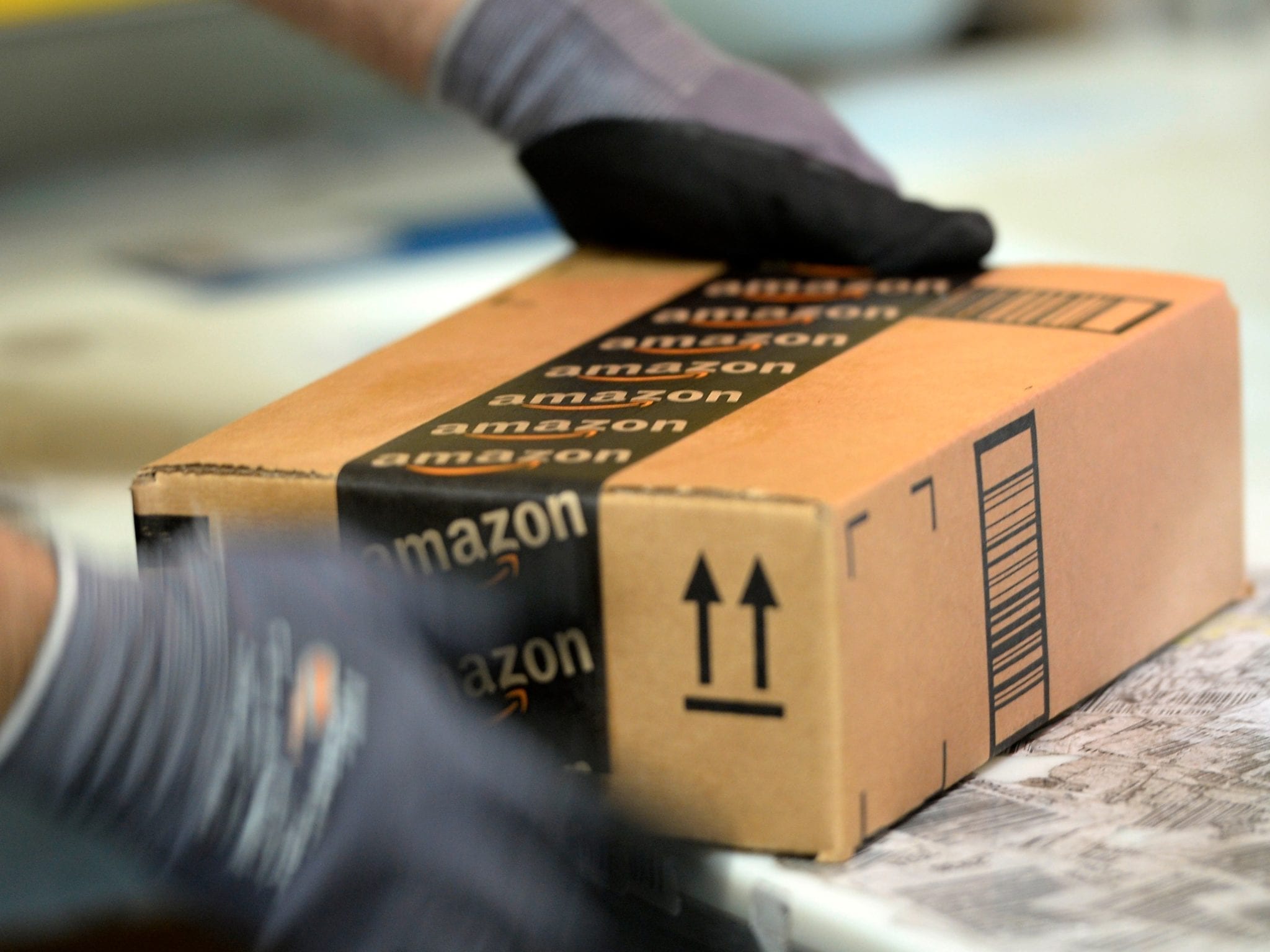
    Amazon has launched an invitation-only luxury fashion and beauty brand portal called Luxury Stores, with Oscar de la Renta as its first partner.

    The company said more brands will launch at Luxury Stores in the coming weeks and seasons. For now, the platform is available only to US Prime members.

    Accessible via the Amazon app, the store features interactive technology allowing customers to have a 360-degree view of products. Featuring a “store-in-store” concept, Luxury Stores allows brands to set their own pricing, selection, inventory, and content.

    “We are always listening to and learning from our customers, and we are inspired by feedback from Prime members who want the ability to shop their favorite luxury brands in Amazon’s store,” said Christine Beauchamp, president of Amazon Fashion.

    “It’s still Day One, and we look forward to growing Luxury Stores, innovating on behalf of our customers, and opening a new door for designers all over the world to access existing and new luxury customers.”

    As the first brand to open a store in Luxury Stores, American fashion house Oscar de la Renta offers a range of ready-to-wear, accessories, and jewelry, including its Fall/Winter 2020  Collection. The brand and Amazon have also launched a video starring Cara Delevingne to promote the campaign.

    “We admire Amazon’s customer-centric focus and look forward to telling our brand’s story in compelling and engaging ways to even more customers through the Luxury Stores experience,” said Alex Bolen, CEO of Oscar de la Renta.

  • Waze announces partnership with Amazon Music, adds new features

    Waze announces partnership with Amazon Music, adds new features

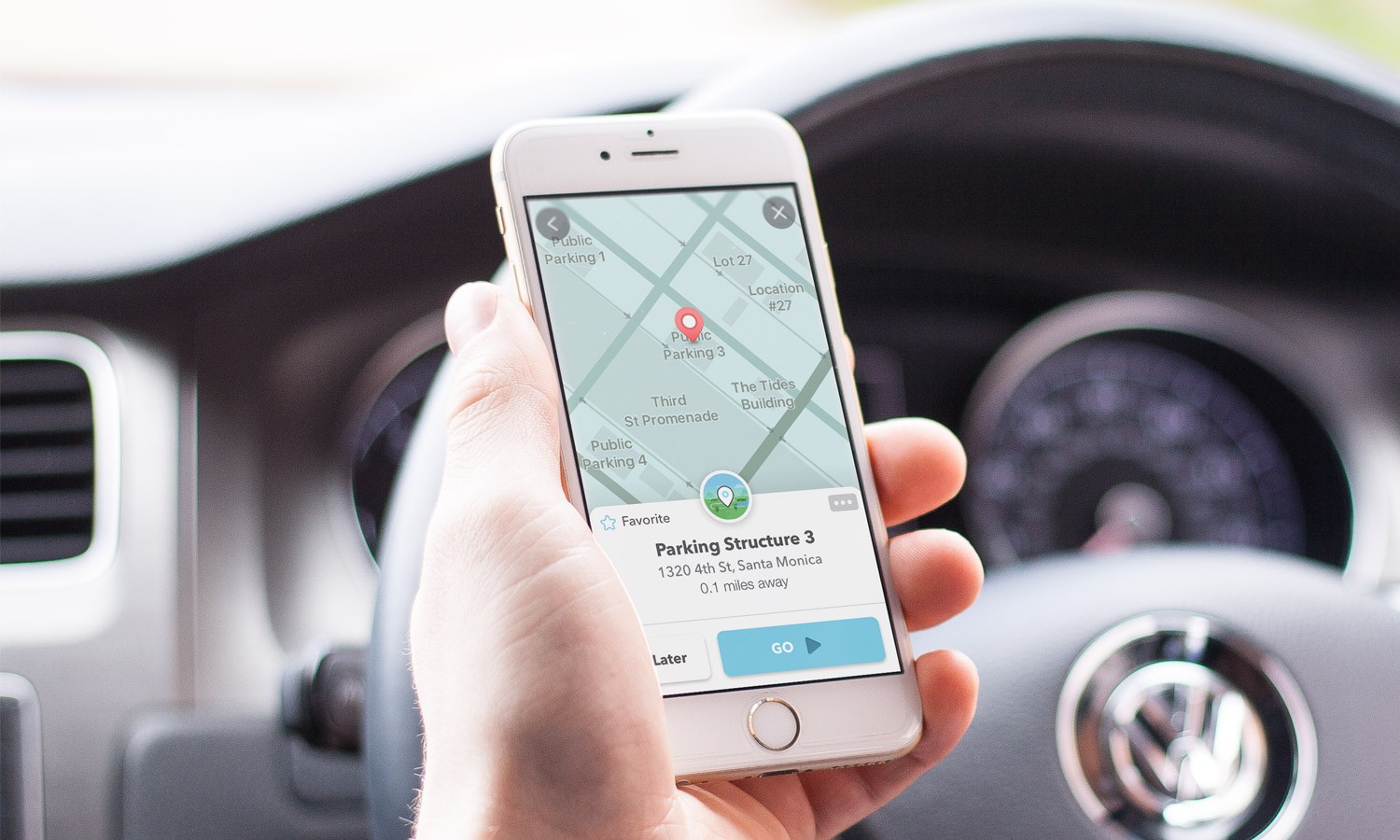
    During its first major virtual event suggestively called Waze On, the navigation company owned by Google revealed a slew of new features coming to the app, as well as an important partnership with another big name – Amazon.

    First off, Waze confirmed that Amazon Music will join its audio player partner program in the coming months so that Waze users can listen to Amazon Music in the app’s audio player without having to switch between apps.

    As far as the new features go, Waze revealed a bunch of those that will be available sooner or later on all compatible platforms. Lane Guidance is one of the new features announced today that will probably make many drivers very happy.

    With Lane Guidance, drivers will receive information in real-time about which lane to be when merging or exiting a stretch of freeway or highway. This is rolling out to users worldwide starting right now.

    Traffic Notifications is another important feature that will be available to users next month. It tells drivers how traffic will impact their journey to favorite/frequent destinations, in addition to one-time planned drives.

    Another major improvement coming to Waze users in October is Trip Suggestions, which shows personalized recommendations based on trips taken in the past, as well as locations are recently driven to. With Waze Trip Suggestions, drivers will get all the information they need before leaving, including the time the trip will take and the traffic along the way.

    Finally, there are some carpool features that Waze users in some markets will get later this month. The so-called “real-time rides” feature is meant to notify Waze drivers when they leave about riders on their route that are looking to carpool. This feature will also include integration with Moovit.

  • Spotify introduces new in-app feature for free and premium users

    Spotify introduces new in-app feature for free and premium users

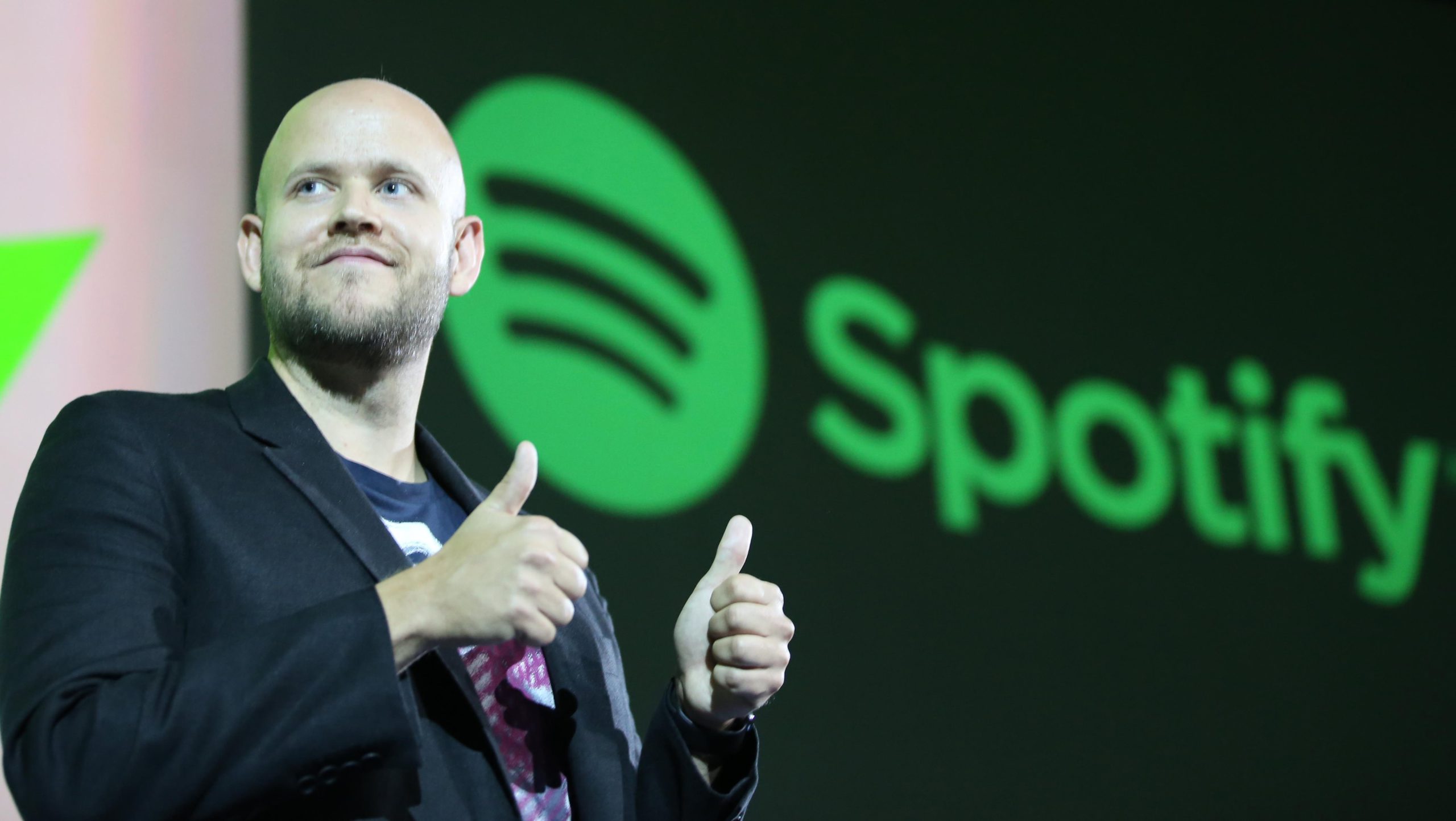
    Spotify has just taken the wraps off a brand-new feature that will make it easier than ever to share your absolute favorite music and podcasts. Dubbed My Forever Favorites, the new in-app feature lets Spotify users create a playlist with their top five songs and/or podcast episodes, which can be shared on social channels.

    The new feature is rolling out to Android and iOS devices starting today, but it’s also available on desktop in case you’re using Spotify on your computer. If you don’t see My Forever Favorites in your Home hub, you can enter Spotify:forever-favorites in the Spotify app search field.

    To create a new playlist and share it on social channels, you have to follow a few steps:

    • Simply visit the “Home” hub on Spotify and select My Forever Favorites
    • Search and add your favorite tracks and podcasts
    • From there, click the “share” button to easily post on social

    The new My Forever Favorites in-app feature is available worldwide for both free and premium Spotify users, just make sure to follow the steps above to start sharing your favorite tunes and podcasts with your friends.

  • Honda Motorcycle And Scooter India To Launch A New Premium Motorcycle This Month

    Honda Motorcycle And Scooter India To Launch A New Premium Motorcycle This Month

    Honda Motorcycle and Scooter India are all set to launch a new premium motorcycle on September 30, 2020. But which motorcycle is it exactly, is still a mystery. For all you know, it could be the Honda CBR1000RR-R, whose bookings started in July itself. But our sources suggest that it is likely to be an all-new model, which will have a displacement between 300 cc to 500 cc and the model is likely to go up against Royal Enfield, the king of the segment in that range.

    Honda has updated its 500 cc range of motorcycles for 2021 featuring all-new color schemes, as well as other minor changes to bring them in line with the latest emission regulations for global markets. These include the Honda CB500X, Honda CBR500R, and the Honda CB500F. So the new model could be one of the updated 500 cc models too.

    We suspect that Honda is likely to use an existing international model, set it up according to India (specifications and equipment), and introduce it as a new model. The company did something similar with the Honda Hornet 2.0. It is based on the CB190R, which is an international model.

    Though, the one detail Honda confirms is that the new motorcycle will be an all-new model for India. The new model will be retailed through Honda’s BigWing network which exclusively caters to sales and after-sales of Honda’s premium 300 cc plus bikes. Expect the company to release more information closer to the date of the launch.

  • Hong Kong Customs Arrest $400 Million Money Laundering Family

    Hong Kong Customs Arrest $400 Million Money Laundering Family

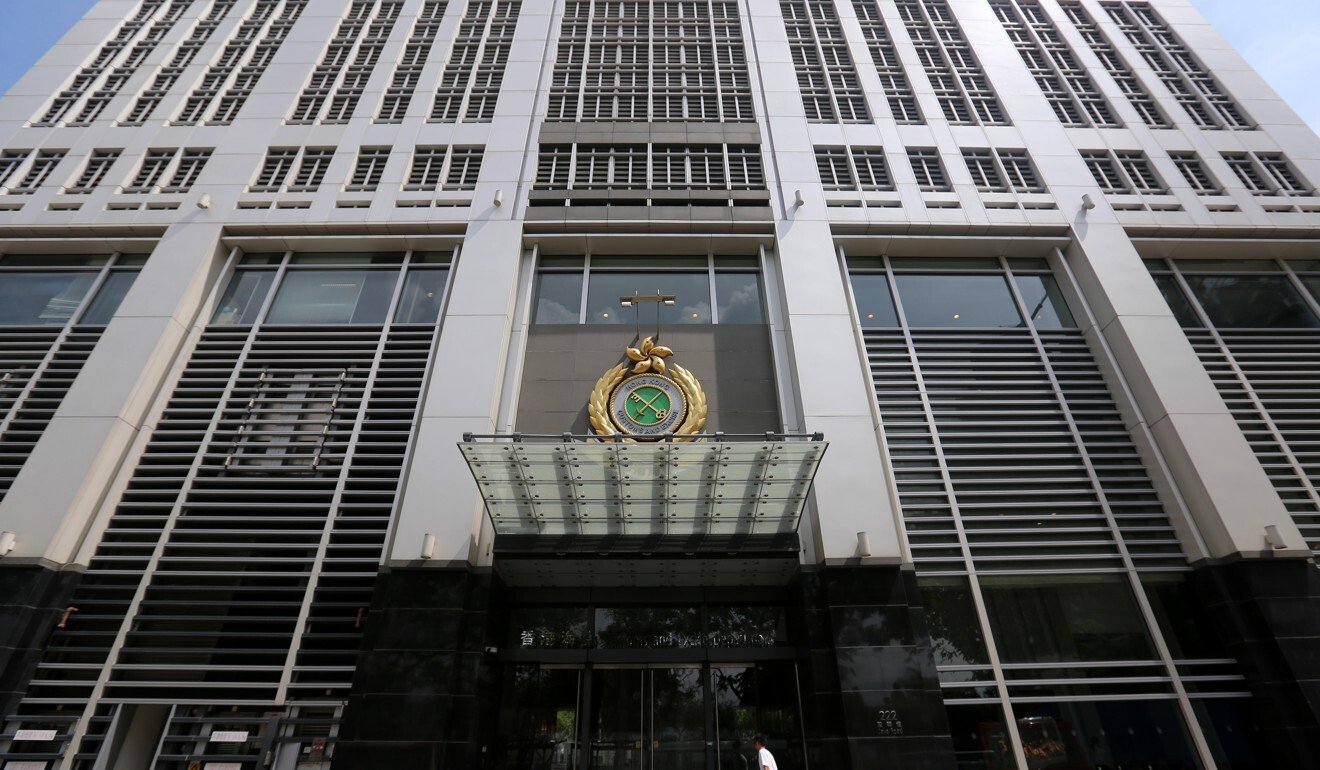
    Parents, three children, and a money exchange owner were arrested by Hong Kong customs over alleged money laundering of nearly $400 million.

    Investigations first kicked off in 2018 after a tip-off from a bank and since then, the family made 6,000 «suspicious financial transactions» involving more than HK$3 billion ($387 million) through over 100 accounts from nine banks, according to Hong Kong customs authorities.

    The arrested include the parents, aged 58 and 62; the eldest son, 34; a second son, 30, who works at the money changer involved; a daughter, 25; and a 60-year old owner of the money changer. The latter suspect has been arrested and his money exchange license suspended due to suspicions over alleged transactions with the family totaling $22 million despite reporting just $3.9 million.

    According to investigators, the family had around $3.9 million in assets – half in bank accounts and another half in two properties – but a monthly income of just around $9,000.

    The assets held by this family are not commensurate with their profiles and backgrounds,» said the syndicate crimes investigation bureau’s senior superintendent Mark Woo Wai-kwan. We suspect this family has a hidden income which may be the crime proceeds from assisting money laundering.

    Woo said the funds had come from unknown sources or shell companies and the family’s assets have since been frozen.

    Investigators currently believe that the family had helped other syndicates launder crime proceeds for a cash reward.

    According to Woo, investigations about the funding source and illegal activities are still underway but there are indications that third party individuals or shell company owners involved were from mainland China.

    Money launderers in Hong Kong face a maximum penalty of 14 years in prison and a $650,000 fine.

  • Naver leads US$80m financing round in Carousell

    Naver leads US$80m financing round in Carousell

    South Korean online platform Naver has invested in Singaporean classified-ad service Carousell.

    The US$80 million investment was made by a consortium led by the firm that includes other Korean investment businesses Mirae Asset-Naver Asia Growth Fund and NH Investment & Securities.

    The completed transaction will elevate Carousell’s value above $900 million and reflects the increased importance of e-commerce in the region, especially following the influence of the coronavirus pandemic.

    “The last six months have been challenging for all,” said Carousell co-founder and CEO Quek Siu Rui. “It’s inspiring to see how the Carousell community is making the best out of a challenging situation, helping those in need and rallying each other on.

    “Their stories of how Carousell has been essential to them to make ends meet and afford what they need during this global health crisis reminds us to keep heads down focused in serving our community.”

    Naver’s technologies will be of service to Carousell’s focus on making online trading simpler and more effective, personalizing search and recommendations for millions of listings and users.

  • China retail sales rise again after Covid-19 outbreak

    China retail sales rise again after Covid-19 outbreak

    Officially released data for retail sales in China show a rise for the first time this year as the economy recovers from the impact of the coronavirus.

    Figures for August showed a year-on-year increase of 0.5 percent in retail revenues. Dramatic increases were seen in sales of communication equipment (25.1 percent) and automobiles (11.8 percent).

    By contrast, figures for the months previous to August this year showed a drop of 8.6 percent, during which time online sales increased by 15.8 percent.

    China’s economic recovery has been fuelled by pent-up demand, government stimulus, and strong exports.

    “We think that China’s economic recovery is on a reasonably firm footing now and should continue through the fourth quarter and into 2021,” Oxford Economics head of Asia Louis Kuijs said, “with solid investment growth, gradually recovering consumption momentum and resilient exports.

    China’s industrial output also accelerated at the fastest rate this year during August, according to data from the National Statistics Bureau.

    “We expect a further, albeit gradual, recovery of the services sector, a steady improvement in retail sales and elevated fixed-asset investment growth, said Nomura’s chief China economist Ting Lu.

  • Samsung to manufacture Qualcomm’s upcoming 5G chipset for premium phones

    Samsung to manufacture Qualcomm’s upcoming 5G chipset for premium phones

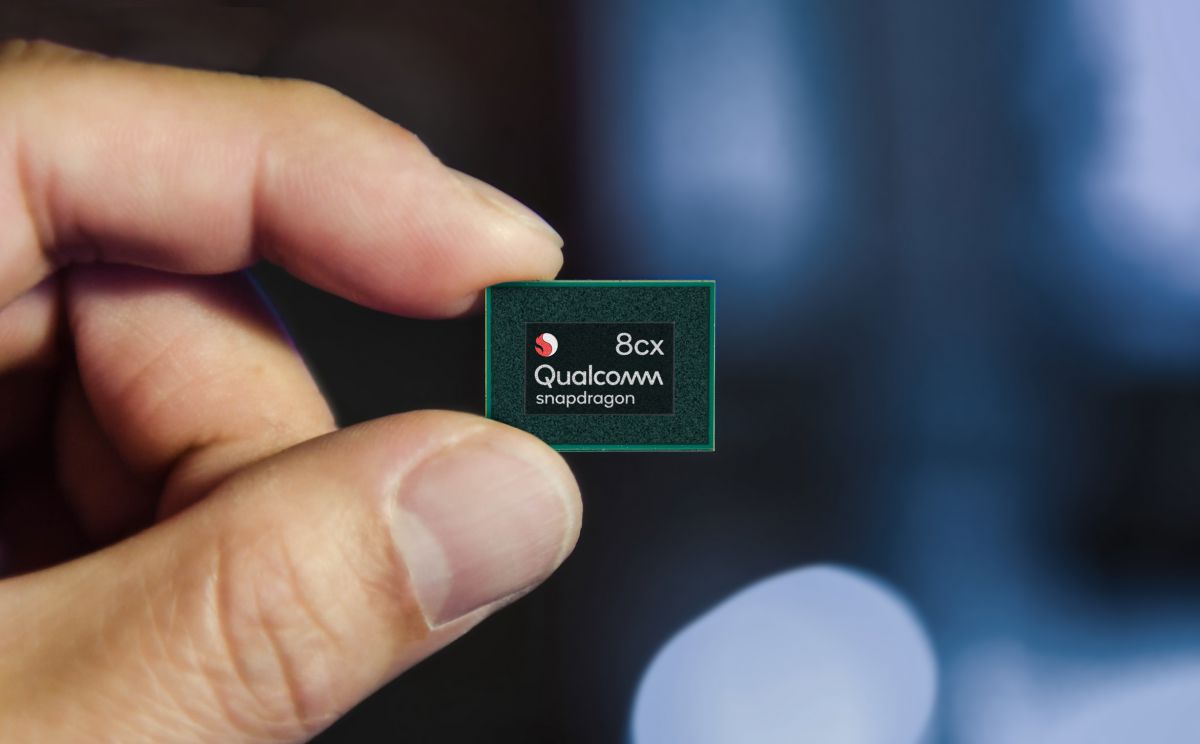
    Samsung is the sole manufacturer of Qualcomm’s upcoming Qualcomm Snapdragon 875 chipset, South Korean media reports. Apparently, the South Korean giant is about to ink a deal with the US chipset maker for the manufacture of the premium chipsets that will power flagships launching in 2021 and beyond.

    The deal worth about $1 billion elevates Samsung from a relatively large chipset supplier for the smartphone market to a major position. Reports claim Samsung’s offer was slightly better than TSMC’s, but no numbers were revealed in the report.

    Qualcomm’s Snapdragon 875 chipset (tentative name) is manufactured using a 5-nanometer process and it’s aimed at premium smartphones. The new chipset is expected to be unveiled in December, but the first devices powered by Snapdragon 875 won’t be ready until next year.

    Samsung Galaxy S21 and other flagships from Xiaomi and Oppo will be among the first to pack Qualcomm’s new Snapdragon 875 processor, which also includes 5G support. Samsung Electronics has already started the mass production of the new chipset at its foundry line in South Korea.

  • Alibaba Weighs Investment in Grab

    Alibaba Weighs Investment in Grab

    The Chinese e-commerce giant is in talks with Singapore-based ride-hailing and payments firm Grab over a potential $3 billion investment into the company.

    Part of the funds will be used to purchase Grab stock held by Uber, which acquired 23.2 percent of the company when it exited Southeast Asia in 2018, as reported on Monday, citing people related to the matter.

    Alibaba’s potential tie-up with Grab gives it access to data on millions of users in eight countries, a growing delivery fleet as well as a stake in a digital wallet and financial services noted.

    The news comes just a day after Grab had resumed merger talks with Jakarta-headquartered rival Gojek, at the urging of shareholders including SoftBank. The two companies are facing large losses due to Covid-19 related restrictions – Grab already laid off 5 percent of its workforce in June, which founder and CEO Anthony Tan said would help it better face the challenges of a post-Covid economy.

    Grab was valued at $14 billion in its last funding round in 2019, when it raised $1.5 billion from SoftBank’s Vision Fund. However, «FT» noted, citing secondary market brokers, that Grab shares have been trading at a 25-percent discount, while shares in Gojek, valued at close to $10 billion last year, have also been selling at steep discounts, particularly from early shareholders wanting to exit.

    Grab rolled out a new strategy in August to expand its consumer services ecosystem, with new products including a micro-investment solution, a third-party loan platform, and a buy-now-pay-later service.

    The firm has partnered Singtel in its application for a digital bank license in Singapore. It also moved into wealth management with the acquisition of Singapore-based robo-advisor Bento, which was relaunched as GrabInvest.

  • The Fitbit Sense will match the Apple Watch’s ECG capabilities next month

    The Fitbit Sense will match the Apple Watch’s ECG capabilities next month

    While its name might be synonymous with low-cost fitness trackers for many consumers around the world, Fitbit has faced quite the uphill battle trying to gain a foothold in the fast-growing smartwatch market over the last few years.

    Although the company’s rookie Apple Watch-rivaling effort was released all the way back in 2017 (to tepid reviews and overall indifference even from its core fanbase), followed by the slightly better-received Versa the next year, Fitbit still failed to make the industry’s top five in terms of revenue for H1 2020, ranking behind everyone from Apple to Garmin, Huawei, Samsung, and even Imoo and Amazfit.

    As you can imagine, that’s a very poor result for a 2007-founded outfit with Fitbit’s brand recognition, but instead of waiting for Google to arrive on a white horse and miraculously right the ship, the US-based company stepped things up to unveil its “most advanced health smartwatch” last month.

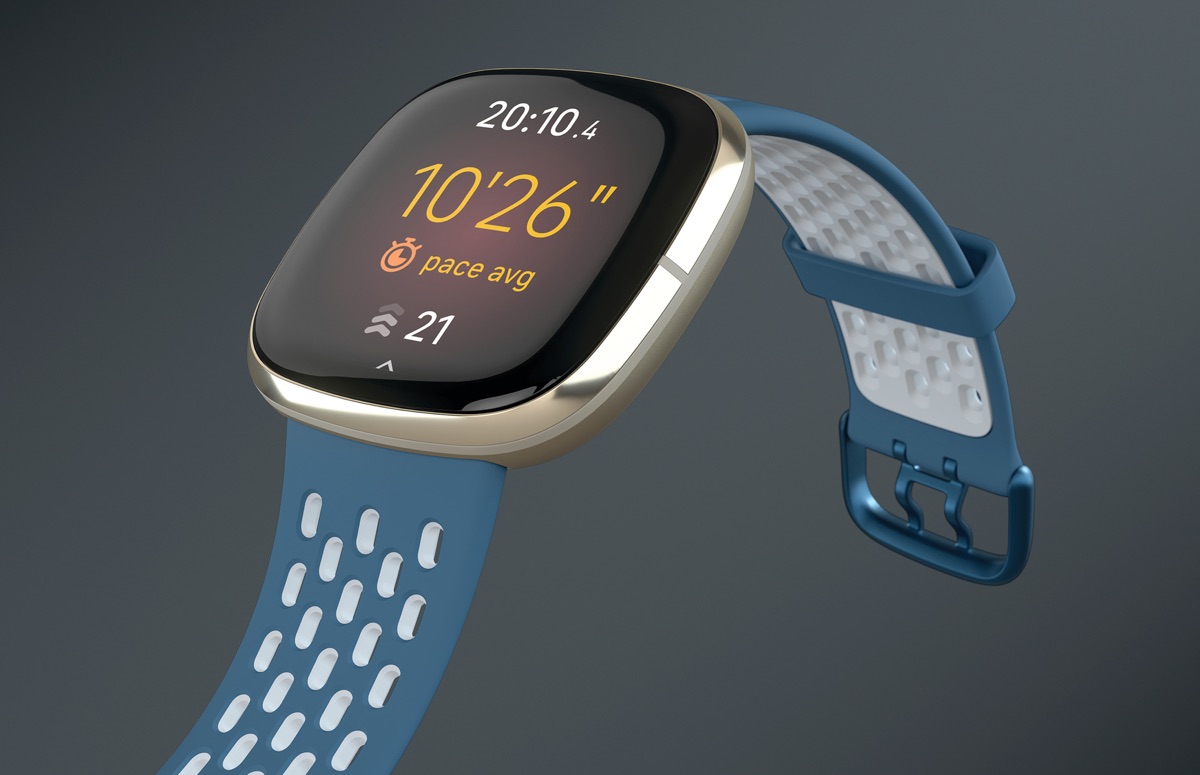
    Much like 2019’s Samsung Galaxy Watch Active 2, the Fitbit Sense went official with a dormant ECG monitor. This is the same exact feature that made its debut on the Apple Watch Series 4 two years ago, saving countless lives between then and now in conjunction with fall detection capabilities and Cupertino’s all-around impressive heart rate sensor.

    While Fitbit needed a lot of time to catch up to the heavyweight champion of the wearable device world, it looks like the company will be able to miraculously beat Samsung to the commercial ECG punch. That’s because the potentially life-saving technology has already received clearance from the US Food and Drug Administration (FDA) ahead of public October 2020 availability on the recently announced Sense.

    The aptly named Fitbit ECG App will be enabled stateside sometime next month, as well as in a host of European countries including Austria, Belgium, Czech Republic, France, Germany, Ireland, Italy, Luxembourg, the Netherlands, Poland, Portugal, Romania, Spain, Sweden, Switzerland, and the United Kingdom. That’s right, Fitbit pulled a double, obtaining both FDA approval and Conformité Européenne (CE) marking in the European Union.

    Last but certainly not least, early Fitbit Sense adopters in Hong Kong and India are also slated to get access to the Apple-matching ECG app in October. That makes for a pretty remarkable list of supported countries straight off the bat, mind you, but in case you’re wondering, Apple’s list is unsurprisingly even longer.

    Meanwhile, Galaxy Watch Active 2 and Galaxy Watch 3 owners can still measure their ECG exclusively in South Korea, although for what it’s worth, Samsung has at least made a big step recently towards finally spreading the love to the US at some point by the end of the year. This time for real.

    In a nutshell, this is what separates the serious health-tracking smartwatches from the casual fashion-centric wearable devices. As explained by Fitbit, the main purpose is to detect atrial fibrillation (AFib), a condition that affects more than 33.5 million people (!!!) globally, increasing the risk of complications like stroke.

    A large chunk of those suffering from AFib is unlikely to become aware of their problem until it’s too late to keep it in check, which is where the Apple Watch lineup and now the Fitbit Sense comes in, assessing a user’s heart rhythm for early signs of atrial fibrillation so you can receive the necessary medical attention to live a long and normal life.

    Obviously, the ECG monitor built into a $330 commercial device also featuring a bunch of other sensors may not prove as reliable as a medical-grade system typically found in a hospital, but Fitbit claims the multi-site clinical trial is conducted as part of the submission process to regulatory agencies yielded a stellar 98.7 percent sensitivity score and a perfect 100 percent specificity rating.

    In other words, you should absolutely consider the Fitbit Sense as an alternative to the Apple Watch Series 5 or the soon-to-be-released Series 6 if you have heart problems, trouble sleeping, or even if you need help managing day-to-day stress. Keep in mind that the Android and iOS-compatible smartwatch is still up for pre-order ahead of an actual September 25 release. And no, we’re afraid Amazon’s early discount is no longer available.
  • Prada reports China sales growing at a fast pace

    Prada reports China sales growing at a fast pace

    Sales of luxury Prada items in China have exceeded last year’s levels since the brand’s physical stores reopened following the coronavirus pandemic.

    The Chinese appetite for luxury items has rebounded strongly despite the impact of Covid-19, even as global sales are hit with a decline of 35 percent.

    “To date, the Prada Group’s sales in China have already largely exceeded the levels of 2019, showing double-digit growth since the beginning of the year,” said Prada CEO Patrizio Bertelli.

    Prada’s growth within China has exceeded more than 60 percent since March, with a sales record hit on August 25, this year’s Chinese Valentine’s Day.

    The firm’s projections suggest the trend will continue in the coming months, according to Bertelli.

  • Popeyes may immediately stop all operations in South Korea

    Popeyes may immediately stop all operations in South Korea

    American fast-food chain Popeyes said it is to withdraw business from South Korea, however, the local franchisee TS Corporation has denied the report.

    According to The Korea Times, reports of the exit began when a memo was written by a Popeyes’ employee headed “Popeyes brand will no longer pursue business in Korea as of November” went viral on social media. The employee’s memo went into detail, to the point of stating that the chain’s Gwangjin-gu branch would be the last to close before the brand ceases its operations in South Korea.

    A spokesperson from TS Corporation confirmed that some of the restaurants will shut down – but not all of them. The person didn’t share any further information except to state that the company will continue to operate the brand there.

    The struggling fast-food chain has been attempting to turn its fortunes around for two years, however, the process has not gone smoothly.

    Having entered South Korea with TS Food & System in 1993, the company recorded an impaired equity ratio of 40 percent, and last year it was in negative equity.

    Local media said Popeyes has recently been in negotiations with another operator to increase the brand’s value. That company is believed to be SPC Group, which operates Shake Shack and Eggslut in the country, but that has not been confirmed.

  • Bamboo Airways poised to expand international services

    Bamboo Airways poised to expand international services

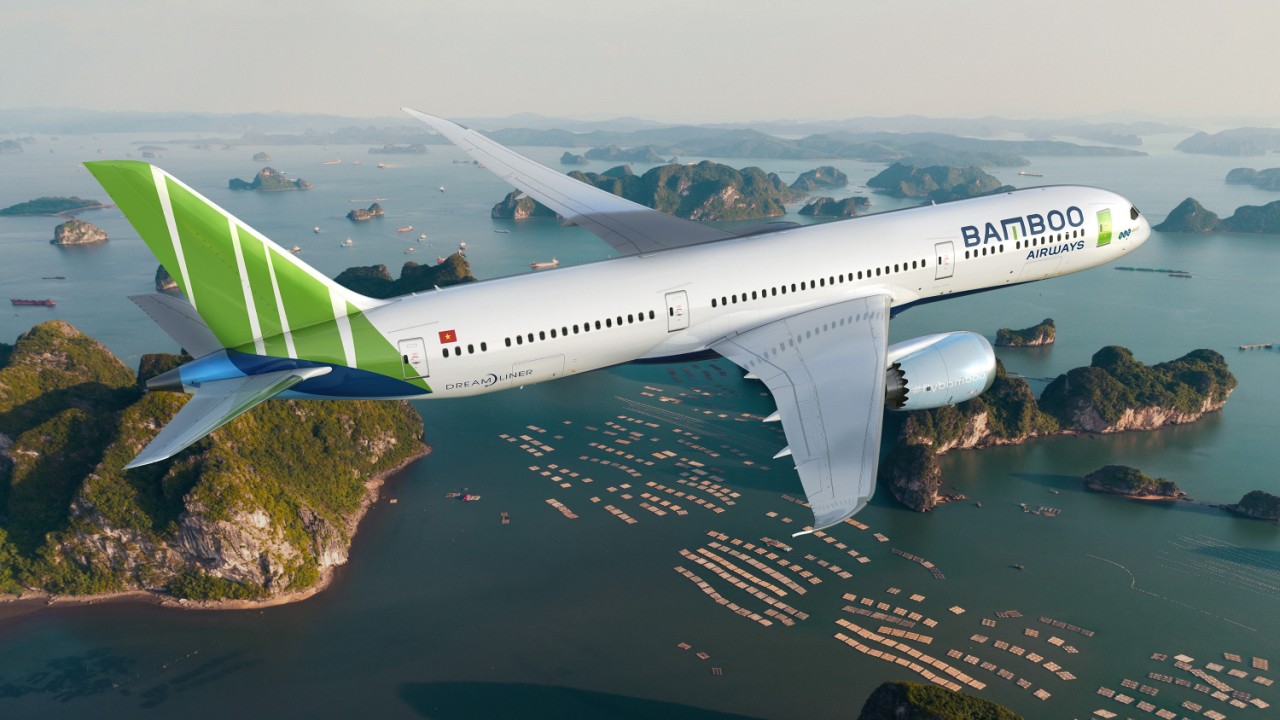
    Bamboo Airways plans to launch more new routes to Asian destinations like Japan, Singapore, and Australia besides resuming services to Taiwan and South Korea.

    It will resume flights from Hanoi to Taipei in Taiwan on September 29 and Seoul in South Korea on October 7. There will be one weekly round trip to begin with.

    The airline will begin to fly on the HCMC-Tokyo sector from November 1 and the Hanoi-Tokyo sector from December.

    It will also begin service between the northern port city of Hai Phong and Singapore besides direct flights from Hanoi and HCMC to Melbourne, Australia, in the fourth quarter.

    A spokesperson for the airline said wide-body Boeing 787-9 Dreamliner aircraft would be used for long-haul flights, adding preparations are underway to fly to Europe once Covid-19 is contained globally.

    It is scheduled to start services from Hanoi and HCMC to London in the U.K. and Munich/Frankfurt in Germany in the first quarter of 2021 and is awaiting approval.

    Nguyen Ngoc Trong, the deputy CEO of Bamboo Airways, said there are long-term plans to fly to 27 European destinations. Vietnam suspended all international flights on March 25.

    Bamboo Airways, launched in January last year, was operating on 40 domestic and international routes before the pandemic struck in January. It reported a pre-tax profit of VND303 billion ($13 million) in 2019.

  • Alibaba eyeing cornerstone stake in Grab

    Alibaba eyeing cornerstone stake in Grab

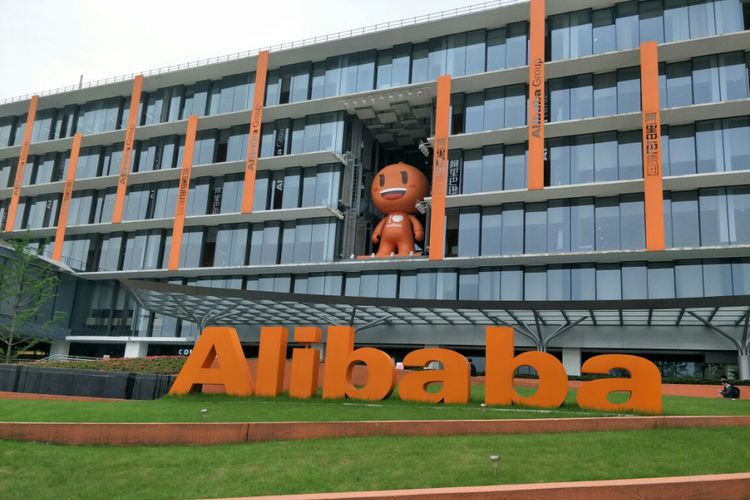
    Attracted by a massive database of customer behavior spanning eight countries, Chinese tech giant Alibaba is said to be on the brink of investing US$3 billion into Grab Holdings.

    With its origins as a ride-hailing company Grab has expanded into an app-anchored ecosystem covering food delivery, payments, courier services, and wealth management. It also operates cloud kitchens in several markets.

    In Southeast Asia, where the vast majority of Grab’s business is conducted, there would be potential synergies with Alibaba’s Lazada online marketplace, not just through marketing alliances and cross-promotions, but in last-mile delivery solutions.

    Citing “people familiar with the matter,” Bloomberg has reported that Alibaba will deploy some of the funds to acquiring part of Uber’s stake in Grab, the result of a merger deal in March 2018 which saw Uber’s regional operations and brand name disappear leaving Grab in a market-dominating position.

    Grab currently has a market valuation of $14 billion which means Alibaba’s investment would equate to about 20 percent of its value.

    The negotiations come at a time when Grab and its archrival GoJek are under increasing pressure to explore merger opportunities which would reduce intense competition between the two companies, most likely raising fares and fees and thus creating a more viable long-term business model.

    As Bloomberg put it, existing investors in Grab have been frustrated by what they see as value-destroying competition with GoJek. But negotiations of a merger “are hampered by a hostile relationship between the two companies and the complexity of coordinating between so many investors,” Bloomberg reported, citing sources.

    Any attempt at a merger between Grab and GoJek would spark a tortuous path of negotiations with regulatory bodies in the region given in most of the countries in which the two operate, they are the dominant players leading to market dominance concerns.