Blog

  • Don Don Donki lifting off in Taiwan

    Don Don Donki lifting off in Taiwan

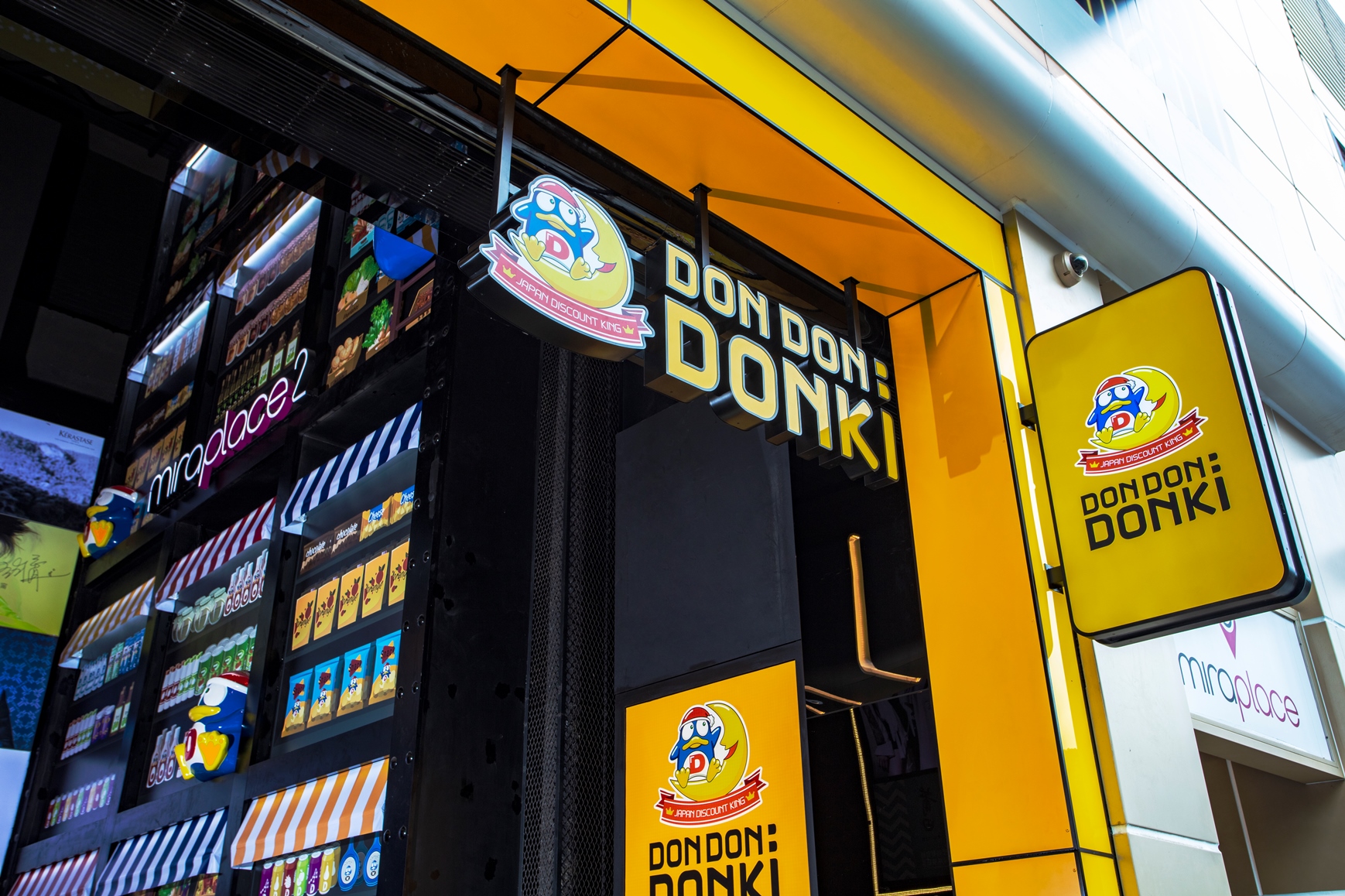
    Japanese discount retailer Don Don Donki is set to make its debut in Taipei. As yet, the company has not revealed any details regarding the location or opening date, however, various sources have confirmed the store will trade 24-seven in the popular shopping destination of Ximendeng.

    New of the company’s Taiwanese debut spread quickly after advertising was spotted to recruit around 400 employees.

    With over 160 branches in Japan, Hong Kong, Singapore, Thailand, and Hawaii, this will be Don Don Donki’s first venture in Taiwan.

    Don Don Donki is a favorite destination for Taiwanese visitors to Japan. The discounter had previously launched a free international shipping promotion on its e-commerce platform last year, proving the brand’s appeal to Taiwanese fans.

    Meanwhile, Don Don Donki’s fifth Hong Kong outlet of the year is expected to open in Central next month in October. Its owner, Japanese group Pan Pacific, has been aggressively expanding within the Asian region in the past year, from Thailand to Malaysia.

  • Auto sales down with 25 percent

    Auto sales down with 25 percent

    Auto sales fell 25 percent year-on-year in the first eight months to 151,903 units due to the continuing impacts of the Covid-19 pandemic. Passenger cars accounted for 109,694 units, followed by commercial vehicles and special-purpose vehicles, according to the Vietnam Automobile Manufacturers Association (VAMA).

    Sales in August, when Vietnam saw a fresh eruption of Covid-19 linked to central Da Nang City, fell 14 percent from July to 20,655 vehicles. This ended a rise in sales for three consecutive months from May. April sales had plummeted after the government imposed social distancing.

    Local brand Truong Hai Auto (Thaco) retained the top spot even as its year-to-date sales fell 16 percent to 49,940 units for a 34.3 percent market share.

    It was followed by Toyota with 34,743 units and Honda with 14,850 units, both down nearly 30 percent. Mitsubishi and Ford rounded off the top five. On June 28 the government cut first-time registration fees by half for locally made vehicles to foster sales amid the pandemic. The reduction will last through this year before returning to old levels on January 1, 2021. Auto sales had risen 11.7 percent year-on-year to 322,322 units last year.

  • YouTube Music introduces assistive playlists on Android and iOS

    YouTube Music introduces assistive playlists on Android and iOS

    YouTube Music has added a lot of new features and improvements in the last couple of months, but the most recent one is quite useful for those who’d like to listen to similar songs that made it their favorite playlists.

    As the title says, YouTube Music now features so-called “assistive playlists,” an easy way to provide users with suggestions of relevant songs based on playlist name, existing songs in the playlists, and listening history.

    Google’s algorithm will now know what music you like and suggests songs that are not on your playlists but you might like. The new feature offers up to seven suggestions when editing playlists, but you can add even more when you hit the Refresh button.

    If you missed any of the previous new features introduced by YouTube Music in recent months, here is a quick rundown of the most important ones. First off, we have collaborative playlists that let you create and modify playlists with other YouTube Music users.

    Then, there are the profile page playlists that allow you to browse other listener’s public music playlists and uploaded music videos from their profile page on the music streaming service.

    With the new “Mixed for You” section in the YouTube Music home feed, users can easily find playlists created by Google including Discover mix, New release mix, Your mix, and Liked songs playlists.

    Last but not least, YouTube Music has been improved with programmed mood and genre playlists for those who want to listen to specific tunes. All the new YouTube Music features are now available worldwide on Android and iOS devices.

  • Previous Starbucks executive taking over as Sephora CEO

    Previous Starbucks executive taking over as Sephora CEO

    LVMH has appointed ex Starbuck executive Martin Brok as president and CEO of Sephora. Brok will start his new role on Monday, succeeding Chris de la Puente. Chris will remain a member of the LVMH executive committee and “take on additional responsibilities at a later date.”

    Under Chris’ leadership, Sephora wholesales have tripled and achieved a strong omnichannel presence, according to the company.

    “The appointment of Martin Brok marks a new era for the company as a period of transformation begins for the beauty retail industry, in particular with the rise of online sales.”

    Brok had worked at Starbucks Corporation as president of Europe, the Middle East and Africa since 2016, after holding general management roles at Nike.

  • Burberry launches global Animal Kingdom popups

    Burberry launches global Animal Kingdom popups

    Luxury fashion house Burberry is launching Animal Kingdom popups globally to celebrate its signature bags and accessories.

    The pop-ups will feature large-scale sculptures of monkeys, gorillas, and birds of paradise inspired by “the power and symbolism of animals” according to the label’s chief creative officer Riccardo Tisci.

    The product range features exclusive editions of signature Burberry leather goods, including the Pocket Bag and the TB Bag with a distinctive clasp featuring his initials. The exclusive pieces also include silk scarves, card cases, and jewelry.

    To celebrate the launch, Burberry has teamed with Snapchat to introduce an in-store gamified experience. Users will experience Burberry’s Animal Kingdom world by scanning the Snapcodes embedded in the pop-ups.

    Burberry has also partnered with Wildlife Works to make the pop-ups carbon neutral.

    “Aligned with UN Sustainable Development Goals, the initiative focuses on agroforestry, sustainable farming, and conservation techniques to relieve deforestation,” the company said in a statement.

  • Tesla Launches Fast Electric Car Charging In Berlin

    Tesla Launches Fast Electric Car Charging In Berlin

    Managers at electric carmaker Tesla Inc on Thursday demonstrated new supercharger equipment on a Berlin research campus, saying they were looking at more target cities to attract potential buyers worried about access to charging.

    “Now, as part of our commitment to make Tesla ownership easy and convenient for everyone including those without immediate access to home or workplace charging, we are expanding out supercharging network into city centers,” said Jeroen van Tilburg, manager Europe of charging infrastructure at Tesla.

    A company spokesman told reporters Tesla would open at least one more inner-city fast-charging site in Germany in 2020, possibly more.

    He stressed that Tesla still believed in the slow workplace and residential charging as the main way to charge vehicles but wanted to offer a quicker option.

    The so-called V3 charger allows Tesla Model 3 cars to charge within five minutes enough to travel 120 kilometers (75 miles). Older Tesla models would receive relevant software upgrades. German policymakers aim to boost the demand for electric cars to cut emissions.

    “We have a lot to make up for in terms of charging infrastructure,” said Germany’s Economy Minister Peter Altmaier at the event.

    He reiterated pledges to speed the roll-out of public charging points and permits for private charging which had hampered sales in the past.

    The latest legislation for a green-led recovery after the coronavirus crisis offers buyers incentives and helps bump up power grids.

    Tesla has chosen a site near Berlin for a new factory due to start operating next year.

    Separately to the event, the Frankfurter Allgemeine Zeitung newspaper said on Thursday the factory had the potential to create 40,000 jobs, citing the economy minister of Brandenburg state.

  • Vietnamese publisher sues Lazada for allowing sales of pirated books

    Vietnamese publisher sues Lazada for allowing sales of pirated books

    Publisher First News has sued the e-commerce platform Lazada, charging it with repeatedly abetting the sales of pirated books and ignoring its warnings. The Ho Chi Minh City-based company announced on Wednesday that it had filed a suit in the District 1 People’s Court against the e-commerce company for allowing merchants to sell fake copies of its bestsellers.

    Its CEO, Nguyen Van Phuoc, said the issue had been raised with Lazada for the last 12 months by sending it documents and evidence of counterfeiting. But the subsidiary of the Chinese e-commerce giant Alibaba did not make any effort to stop the selling of the pirated books, and the issue had in fact worsened, he said.

    The fakes sold on Lazada cost half the original prices, and his company has received hundreds of complaint letters from customers about them, he said. Some of the fake titles include the self-help classic “How to Win Friends and Influence People” by American writer Dale Carnegie and the “Chicken Soup for the Soul” series.

    First News allows customers to trade their fake books for originals, but “we cannot keep doing that forever,” Phuoc said.

    Lazada Vietnam said in a statement on Wednesday that all merchants on its platform are required to comply with local laws and piracy would be punished according to the law. But it did not make any reference to First News’ allegations. In the suit, the publisher has demanded that Lazada remove all fake books and stop allowing their sale in the future.

    First News said last year 686 of its titles were counterfeited and sold on e-commerce platforms. It had organized two public events last year just to furnish evidence against book piracy. It has not revealed its losses due to piracy, but Phuoc said without it the company’s revenues could have been dozens of times higher in the last 15 years.

    First News was established in 1994, and has published or distributed over 2,000 titles so far. Vietnamese publishers have in recent years been grappling with widespread illegal reproduction of books. HCMC-based Tre Publishing House last year discovered a pirated version of its book, “Japanese For Everyone,” being sold on Tiki, a Vietnamese e-commerce platform. The website later suspended the account of the fake bookseller.

    Publishers lament that e-commerce platforms often deny their involvement in the selling of pirated books, claiming they are merely intermediaries who provide trading space and do not store the goods themselves. The Ministry of Industry and Trade requires e-commerce sites to remove all information related to counterfeit goods if they receive complaints backed by evidence.

  • Starbucks China opens first coffee outlet made of containers

    Starbucks China opens first coffee outlet made of containers

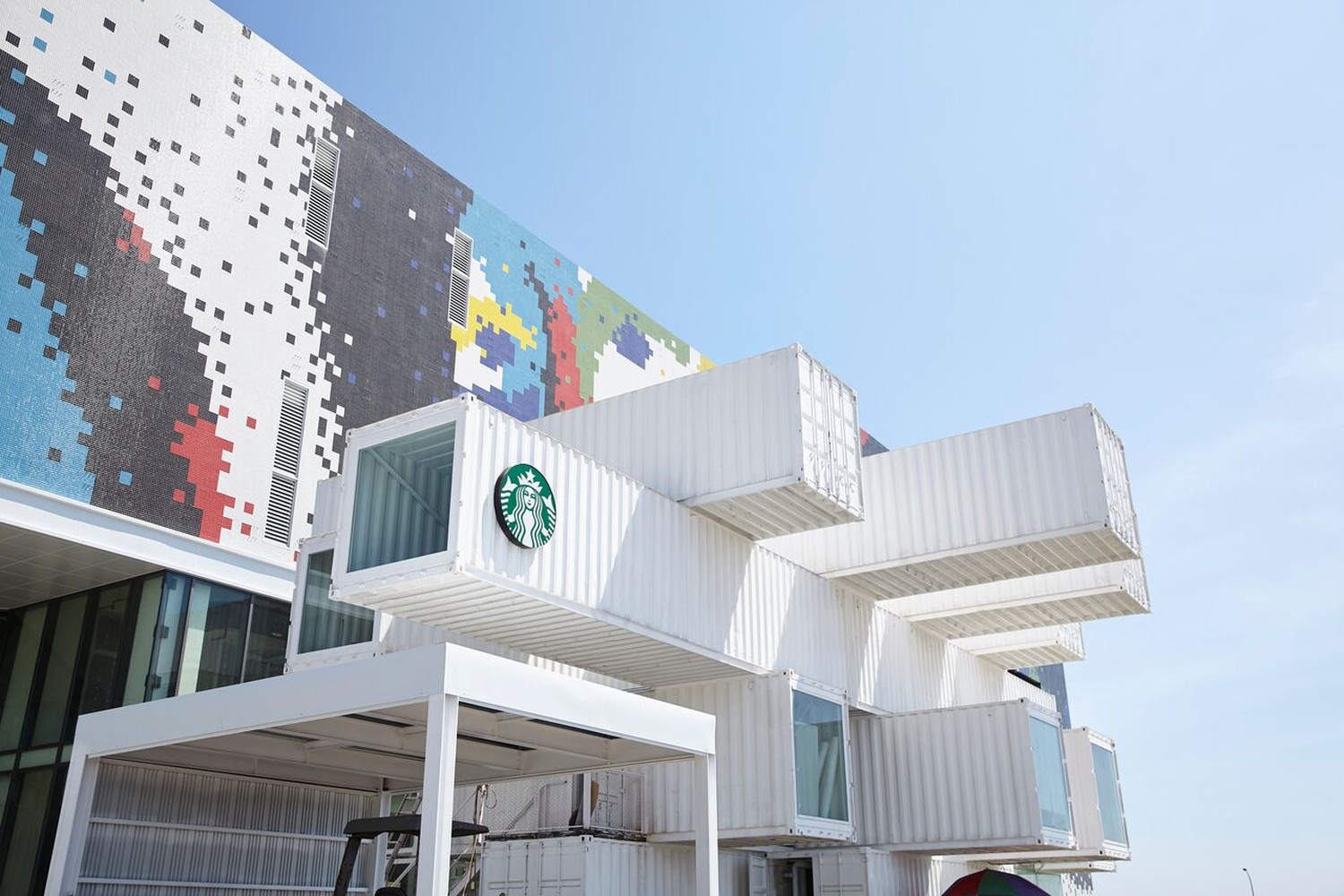
    Starbucks has just unveiled a new concept store in China created inside six repurposed shipping containers.

    An identical concept, created by Japanese architect Kengo Kuma, first appeared in Taiwan. As the 800th store in Shanghai, the Starbucks container store helped set a new record for the city – it has more Starbucks stores than any other city in the world.

    The cafe is located at Shanghai’s Wisdom Bay Science Innovation Park, on space which was formerly home to warehouses and container storage yards.

    Today, the area has been gentrified, converting abandoned cargo containers into office spaces as well has housed the nation’s first museum of 3D printing.

    Elements of the Silicon Valley-esque structure have also been replicated inside the store to create ‘cultural coffee experiences’, an art gallery and a wall installation art piece created by a 3D printer.

  • Apple’s patent application could fix a major problem with Siri

    Apple’s patent application could fix a major problem with Siri

    Some Apple iPhone users find themselves struggling with Siri. Besides some of the usual things that we’ve brought up in the past, such as Siri’s inability to understand the questions we’ve asked her, or the incorrect answers that she comes up with (especially when they are related to an inquiry about Apple devices-a category that she should know about), Siri also has a habit of activating accidentally. Last year, we told you that these accidental activations were more likely to occur on the Apple Watch and the HomePod smart speaker.

    According to a new patent application that Apple filed with the U.S. Patent and Trademark Office, the company is working on technology that will keep accidental Siri activations to a minimum. The patent application, titled “Attention Aware Virtual Assistant Dismissal,” uses criteria to determine how interested you are in receiving a response from the digital assistant. To do this, Siri could use cameras to check your gaze when calling out for the digital assistant.

    For example, if you’re looking exactly at your iPhone when calling out for Siri, the iPhone will realize that you did indeed mean to activate the digital assistant by using the “Hey Siri” hotword. At the same time, it increases the odds that you did mean to say “Hey Siri” and not “Tom and Jerry,” or “Very Hairy.” Some claim that the sound of a zipper opening causes Siri to accidentally open, but we’re not sure that the technology expressed in the patent application can determine the motive of a zipper.

    Besides staring at the phone when activating Siri, the length of the stare also plays a part in determining whether an iPhone user really wants help from Siri. For example, let’s say that you’re staring at your phone, execute the “Hey Siri” hotword, and then get distracted by someone before you give Siri a question or task to do. If the iPhone can determine that your intention was indeed to give your digital assistant a task, Siri could be told by the system not to deactivate so that you can give the assistant the task you want her to handle.

    Besides being annoying, accidental Siri activations can also negatively affect the battery running an iPhone. Siri will be more efficient if it deactivates when the user is not engaged with it, if it doesn’t deactivate while being used, or if a task has to be repeated because Siri was accidentally deactivated. Apple notes that by using Siri more quickly and efficiently, power usage is reduced and battery life is improved.

    Apple expressed this in the patent by saying, “Determining, based on data obtained using one or more sensors of the electronic device, whether one or more criteria representing expressed user disinterest are satisfied (and/or whether one or more criteria representing expressed user engagement are satisfied) allows determination of whether a user is engaged with a virtual assistant session. Knowing whether a user is engaged allows intelligent decision making about whether to deactivate the virtual assistant session.

    For example, if the user is not engaged, a device can deactivate the virtual assistant session to save battery and processing power. As another example, if the user is engaged, the device can forgo deactivating the virtual assistant session so the user can continue interacting with the virtual assistant session (and so the virtual assistant session does not deactivate while the user is still interacting with it). In this manner, the user-device interface is made more efficient which additionally, reduces power usage and improves the battery life of the device by enabling the user to use the device more quickly and efficiently.”

    Some will say that Siri has many more issues to work on. In iOS 14, Siri will take up much less of the screen when employed by a user and the assistant will be able to send voice messages. If the patent is approved, at least one annoying and inefficient tendency of Safari could be ended.

  • 7-Eleven Japan to start home delivery from stores

    7-Eleven Japan to start home delivery from stores

    Japanese convenience-store operator 7-Eleven is launching a home-delivery service from its outlets to meet continued demand sparked by the Covid-19 outbreak.

    The service will commence this year initially with 100 Tokyo stores, to be expanded to 1000 from next year. The service will take on other e-commerce operators in the territory such as Amazon with a 30-minutes target delivery time and by accepting late-night ordering, partnering with Seino Group to handle logistics.

    Tests of the service are already being conducted at 39 stores in the Tokyo area within a limited delivery radius. Observers say a full rollout of the service may depend on 7-Eleven’s ability to secure the necessary workforce at a time of labor shortage in the market.

    The news comes as the firm deals with what may be a growth ceiling on its 50,000-store network, while e-commerce continues to blossom in Japan.

  • Gambling Development and the Best Land Based Casinos in Singapore

    Gambling Development and the Best Land Based Casinos in Singapore

    Gambling is popular all over Asia, with Macau being the traditional centre for glamorous casinos and high stakes rollers. But Singapore has risen in popularity as a casino destination as well. Singapore is famous for having stringent laws affecting such things as chewing gum and e-cigarettes – possession of either of these things will land you a hefty fine, and possible jail time. So it comes as no surprise that gambling is heavily regulated – in fact it has only been legal for a few years. The authorities have realised that regulated gambling is safer gambling, and also a lucrative, taxable part of the industry. Singapore may only have two active, licensed casinos – Resort World Casino and Marina Bay Sands – but it turns over multiple billions every year.

    History of gambling in Singapore

    Singapore’s rank as the second-largest Asian gambling zone after Macau may seem a little unlikely, especially when you consider that the Casino Regulatory Authority of Singapore was only set up in 2008, and casinos -just two of them- only opened in 2010. But of course, legal or otherwise, gambling has always been a popular pursuit in the city-state. In the early 1800s, the British rulers of Singapore banned cockfights and outlawed gambling dens, bringing in a system of regulation by 1820. In the 20th century, a series of legislative measures were introduced, including the Private Lotteries Act of 1952 and the Common Gaming House Act of 1961. Common gaming houses are illegal operations under Singaporean law. In 2006 the Casino Control Act was passed, lifting a 40-year ban on gambling, and allowing the city to grant special licenses for legal gambling venues. There are only two casinos in Singapore, but they are both enormous and among the two most expensive built in the world.

    Legal status

    There are only two licensed land-based casinos in Singapore. It is illegal to place bets in any other land-based establishment, and as these places are unregulated they put punters at risk. Online casinos were outlawed by the Remote Gambling Bill of 2014, but two companies were given an exemption to operate. A shakeup next year looks likely to define the rules more clearly. Currently, online casinos operating out of other countries are not technically illegal in Singapore. But it makes sense to do some research and find casinos that don’t have restrictions for Singaporeans making withdrawals and accessing special prizes.

    Resort World Casino

    The world looked on in shock as the Resort World Casino opened in 2010. First, the Singaporean government had allowed dancing in bars. Then they had a Formula One Grand Prix. And now a casino! Famously averse to vice, the moralistic government seems to want to limit the revelry to foreigners – admission price for Singaporeans is an eye-watering $100. Built on Sentosa Island, a mere ten minutes journey from the central business district, Resort World is a vast place, featuring more than just a casino. There are restaurants serving food from all over the globe, but with emphasis on the unique culinary makeup of Singapore itself – Indian flavours mingling with Chinese and Malay influences. There is a beautiful aquarium and an amazing waterpark. But the casino itself is something to behold – 15,000 square metres of glamour and glitz, with no expense spared. Featuring thousands of cutting edge slot machines, with various themes lifted from all facets of popular culture, card tables offering baccarat, blackjack and poker, and roulette wheels aplenty, there is something for everyone in the casino. It cost a massive $4.5 billion to build this gambling colossus, and the results speak for themselves.

    Marina Bay Sands

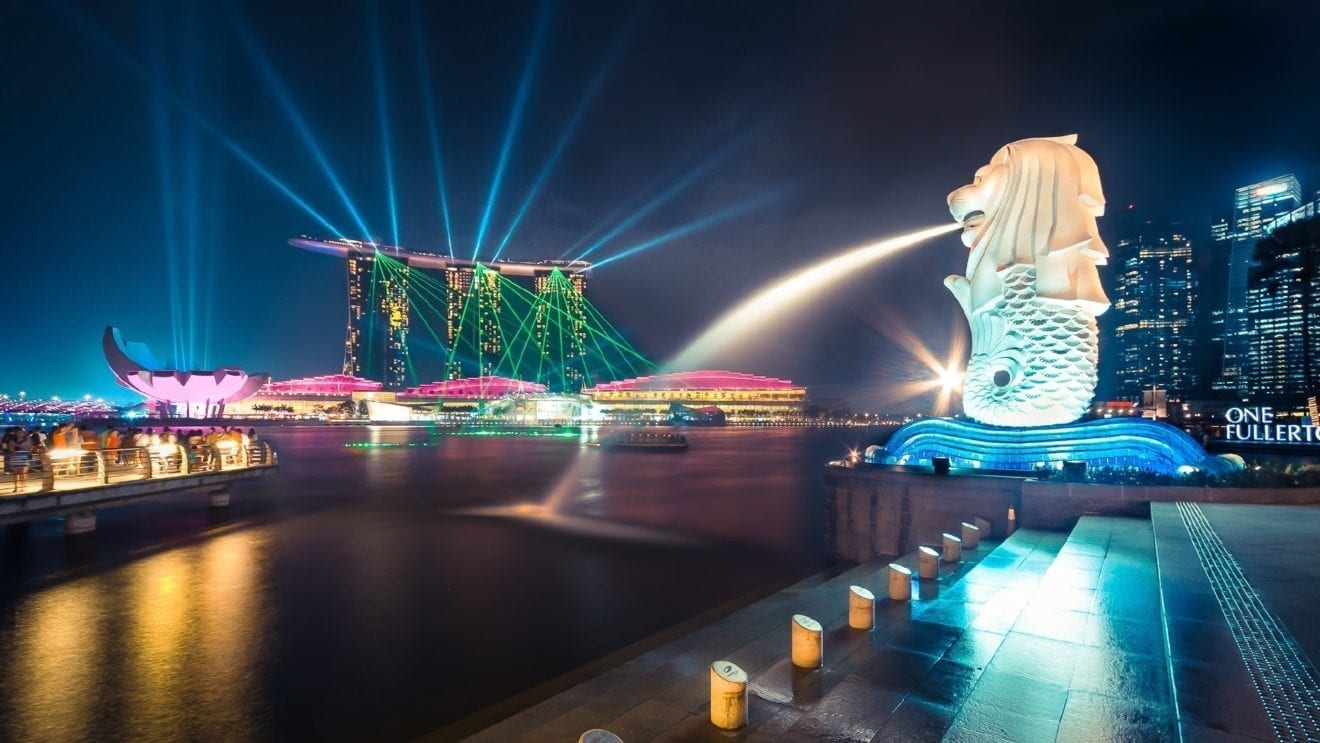
    Opened mere months after Resort World Casino, Marina Bay Sands will be recognised by all Formula One fans, imposing itself magnificently on the Singapore skyline. Three vast towers, linked together by the iconic ‘Skypark’ – a rooftop deck 200 metres above the marina below. As well as the casino and hotel complex, Marina Bay Sands offers a vast array of other distractions, including the ArtScience museum featuring major exhibitions that blend art, science, culture and technology – recently with an emphasis on conservation and sustainability. Cinemas are dotted about the complex, there is an extensive retail space, and plenty of places to eat. And don’t forget about the famous infinity pool on the deck! As for the casino, well, it is even more monied than its nearby rival, costing $5.5 billion to build. Set over four floors, punters can enjoy the usual range of card games, slot machines, crap tables and roulette wheels, with variants and tournaments available. The casino boasts 2,400 state of the art slot machines, VIP table areas for celebrities and high-rollers, and three noodle bars in case your poker makes you peckish. Free (soft) drinks are available throughout.

    Singapore’s gambling industry adds another feather in its cap as far as tourism goes. But it has also cemented itself as a serious destination for jet-setting casino players, and may usurp Macau in revenue (and appeal) in the years to come.


  • HCMC requests tax incentives for Samsung subsidiary

    HCMC requests tax incentives for Samsung subsidiary

    HCMC has proposed that a subsidiary of Samsung be defined as an export processing enterprise to enjoy zero import and export duties.

    The city said in a recent proposal to Prime Minister Nguyen Xuan Phuc that switching the label of TV screen producer Samsung Electronics HCMC CE Complex (SEHC) from a manufacturing enterprise to an export processing one will fulfill the city’s commitment to creating a favorable investment environment for the South Korean conglomerate.

    This will place Vietnam as an export base for Samsung to the global market and in turn benefit local suppliers to the South Korean giant, it said.

    Vietnam allows export processing enterprises to enjoy zero import and export duties and other tax incentives, but a company needs to have 90 percent of its revenue coming from exports to be able to achieve this status.

    SEHC forecasts its revenue from exports to reach $4.4 billion this year out of the total $4.9 billion, a ratio of 90 percent.

    In 2018, the management board of the Saigon Hi-Tech Park in District 9, where SEHC is based, had made the same proposal. However, this was denied by the Ministry of Finance because the export revenue ratio of SEHC between January 2016 and June 2018 was 75 percent.

    Another reason for the rejection was that SEHC operated in a hi-tech industrial park, not an export processing zone or an industrial or economic zone.

    SEHC, which began operations in June 2016, produces and assembles smart TVs and LED screens.

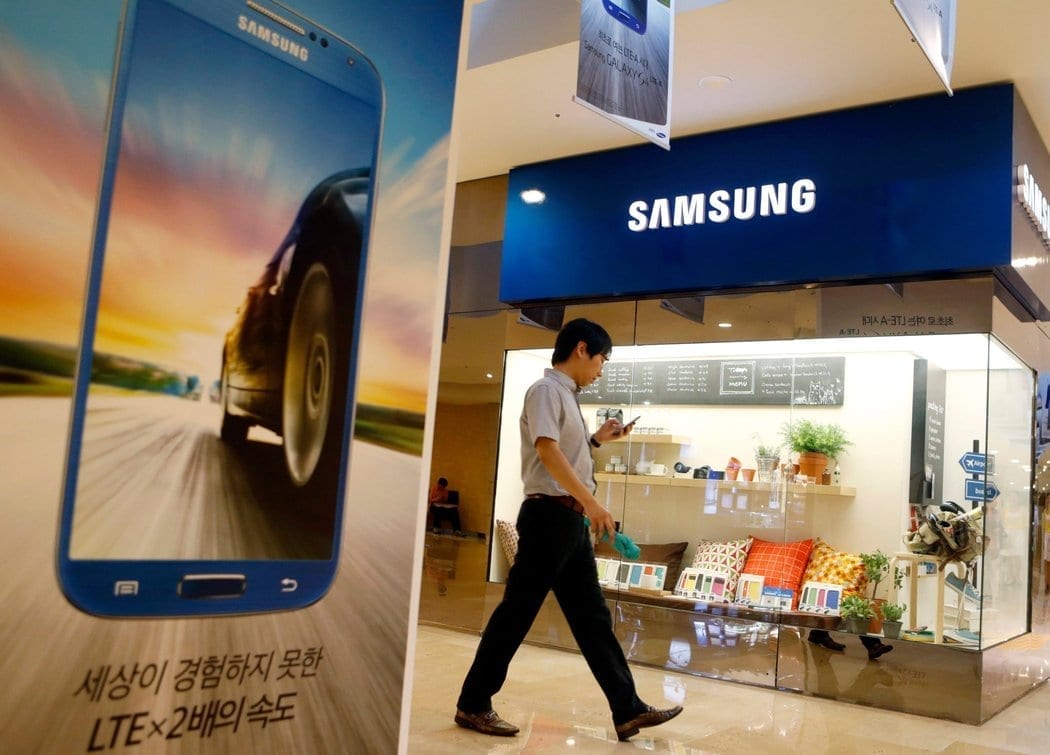
    Samsung is a major foreign direct investment company in Vietnam. About half of its smartphones are produced in the country, where it has invested over $17 billion so far. Its first plant in the country was built in 2008.

  • UOB’s Private Equity Arm Achieves Impact Milestone

    UOB’s Private Equity Arm Achieves Impact Milestone

    The firm has also obtained verification from Ernst & Young for its Asia Impact Investment Fund’s alignment with the World Bank’s impact investing principles.

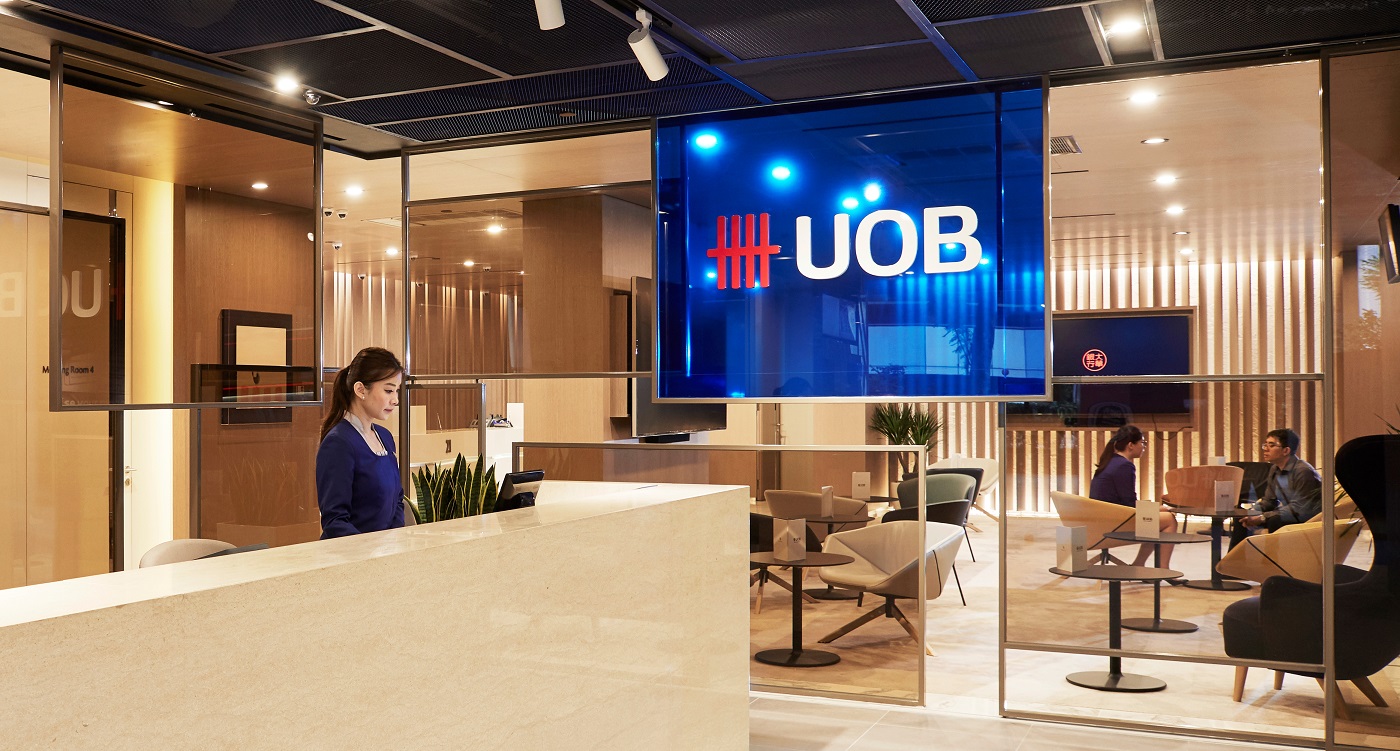
    UOB Venture Management (UOBVM) has issued its disclosure statement on the Operating Principles for Impact Management, becoming the first signatory of the Impact Principles in Southeast Asia to do so, the bank announced in a statement on Tuesday.

    UOBVM’s disclosure statement demonstrates how it upholds the Impact Principles through its impact investing strategy and approach, in particular for its Asia Impact Investment Fund (AIIF), ensuring that impact considerations are purposefully integrated into key stages of the investment process.

    Launched in 2015 together with Credit Suisse, the $55-million fund invests in high-growth companies from the education, healthcare, and agriculture sectors in Southeast Asia and China. It also focuses on investments that will help to improve financial inclusion, affordable housing, sanitation, clean energy, and water for the region’s low-income communities.

    The Impact Principles provide a clear market standard for investors looking to achieve social, economic or environmental impact alongside financial returns. With this disclosure statement and independent verification, UOBVM enters a new era of transparency for the benefit of impact investors, Nicolas Marquier, Singapore country manager of IFC, said.

    UOB has also opened its second impact fund for subscriptions. The fund has a target fund size range of $100 million and is expected to make equity investments of about $1 million to $15 million each, the announcement said.

    The need for impact investments is even more pressing now with the COVID-19 pandemic disproportionately impacting low-income communities in Asia and pushing more people below the poverty line, Seah Kian Wee, chief executive officer of UOBVM, said.

  • Vietnam electronics tycoon sets up new investment group

    Vietnam electronics tycoon sets up new investment group

    Pham Van Tam, the founder of electronics firm Asanzo, has set up the Winsan Group, a $43 million enterprise to invest in electronics, dental, and food ventures.

    Tam recently announced a new role as chairman of the Winsan Group Investment Joint Stock Company, which will function as a financial investment company for small and medium enterprises (SMEs).

    Winsan is like a ‘power pump’ for businesses that have great potential for scaling but lack financial resources and management experience, he said.

    Unlike the model launched by Asanzo last year with a focus on electronics and hardware startups, Winsan expands the portfolio to other areas including dentistry, consumables, and food and beverages.

    In addition to funding, the group will also support SMEs to recruit talented employees and leading experts for senior positions, facilitating breakthroughs and reducing the failure rate in a competitive market.

    Tam said that Winsan was a step towards expanding the ecosystem out of household electronics. The name Winsan is inspired by the term win-win concept in modern business, hoping to bring victory for both sides when cooperating, he explained.

    The company’s initial capital is estimated at VND1 trillion ($43 million), 70 percent of which will be invested in technology – electronics businesses.

    In the first phase, we will select SMEs with products serving the majority of average consumers, low-income employees. This tight criterion will help optimize capital investments, Tam said.

    Industrial real estate and logistics are also important investment portfolios that Winsan will promote in the near future, he added.

    E-commerce presents great opportunities amid the ongoing Covid-19 pandemic, creating added momentum for industrial real estate and logistics to meet the need to lease factories and warehouses. The shift by multinationals to produce in Vietnam is another positive sign, he said.

    The Asanzo founder said that he’d been covering the investment group model for about three years as he witnessed the increase in business efficiency when empowering young directors to manage production.

    Many of these people are trained abroad in the corporate governance of developed industries with the capacity to formulate medium and long-term strategies. In addition to capable personnel, market data analysis helps accurately forecast business situations, reduce inventory lines, and cut costs while ensuring a proactive supply of goods corresponding to market demand.

    At first traditional distributors complained about challenging import regulations when applying new quality and processes. But after a while, they found that these adjustments bring positive effects. The goods are shipped quickly and meet customers’ taste, creating satisfaction on both sides, Tam said.

    Tam also appreciated young talents when interacting with them through start-up projects, like the Startup Viet competition organized by VnExpress, which urged him to establish this investment model instead of concentrating on just one enterprise.

    Tam also aims to draw in foreign partners who have worked with Asanzo for several years, thereby creating a large-scale investment fund, accessing and supporting a variety of business models.

    With a strong capital base, we will enhance the search for suitable products with local elements, understanding local consumers, then create new brands that make a real mark on the market.

  • Crypto Finance Opens Singapore Branch

    Crypto Finance Opens Singapore Branch

    Swiss digital investment specialist Crypto Finance has opened a branch in the Lion City. The company sees itself as a provider of services to the banking industry.

    Crypto Finance’s representative office in Singapore opens this month and will be led by the head of Asia, Alisher Tashpulatov, according to a media release on Wednesday.

    Tashpulatov previously worked in the crypto fund business of the firm and was involved in getting a license from the Swiss regulator as a crypto wealth manager. He then opened its Hong Kong office. He is being backed up by the crypto finance team, which has several team members with Asian experience, for instance, CEO and founder Jan Brzezek.

    The Zurich-based group will serve the demand for digital asset products and services, and attempt to bridge the gap between traditional banks and the crypto market.

    I believe that the Singaporean and Swiss business environment and orientation share many characteristics, including respect for diverse cultures and a work ethic that values merit, excellence, self-reliance, and hard work. The two countries share a great rapport, and it is almost intuitive for us as a Swiss business to establish ourselves in a like-minded and innovative country like Singapore, Tashpulatov said.

    Having spent years conquering new frontiers and climbing new peaks within the Swiss market, I am now happy to make a transition into a new, yet familiar, land, he added.

    Crypto Finance’s current activities in Singapore are focused on the areas of business that do not require regulatory supervision, and the firm plans to launch best-fit models of its offering in other Asian business hubs in the near future.