Blog

  • Citi Promotes APAC Head of Private Banking Ops

    Citi Promotes APAC Head of Private Banking Ops

    Citi has promoted its private banking head of operations and technology in Asia Pacific to an even larger role covering the same area for the broader group.

    Stacey N. Lacy has been named as APAC head of operations and technology for Citi, effective immediately, according to a statement from the bank. In her new Singapore-based role, Lacy reports to Mike Whitaker, Citi’s global head of enterprise infrastructure, operations, and technology as well as Peter Babej, APAC chief executive.

    Her responsibilities include «delivery of client-focused initiatives, operations, and technology and shared services deployment» for the bank across the institutional clients’ group and global consumer banking businesses in the region.

    Citi’s shared service centers in the region are located in India, Singapore, Malaysia, and China.

    Lacy joined Citi in Hong Kong as a global consumer bank management associate over 23 years ago in 1996 and has since then has taken on various ops and tech roles within the bank. She was previously Citi’s ASEAN head of ops and tech for four years and China head of ops and tech and shared services for another four years.

    In her most recent role as Citi Private Bank’s head of ops and tech, she as credited with «expanding the business’ transaction capabilities, driving digital adoption by clients and revamping key operations processes and products».

    Banking accomplishments aside, the statement also highlighted Lacy’s role as a «champion» for diversity and inclusion initiatives such as active mentorship and development of global female talent internally.

  • TikTok in talks to avoid a full sale of its U.S. operations

    TikTok in talks to avoid a full sale of its U.S. operations

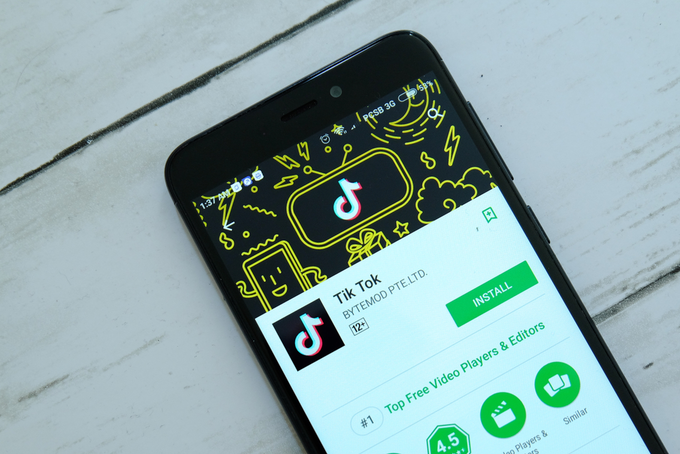
    TikTok parent ByteDance has to divest itself of the app’s U.S. operations by September 15th or else the popular short-form video app will be banned in the states. The U.S. is concerned that because of perceived ties to the Communist Chinese government, TikTok users could have their personal information obtained by the Chinese. Thus, President Donald Trump issued an executive order forcing TikTok’s parent to get rid of the app. Still, ByteDance denies that the security of American TikTok users is at risk. In fact, ByteDance says that the only servers used by TikTok for its U.S. subscribers are in the U.S. and Singapore.

    Over two billion times TikTok has been installed from the App Store and the Google Play Store. 100 million users in the states and 800 million globally use the app to create 15 to 60-second videos featuring lip-syncing, pranks, dancing, DIY clips, and more. Microsoft was one of the leading candidates to buy TikTok and other possible buyers include Twitter, Oracle, and Walmart. As recently as two weeks ago, ByteDance said that a deal was close to being announced and Kevin Mayer gave up his position as CEO. Mayer came to TikTok from Disney where he worked on the Disney+ streaming service. At the time, the move was seen as an attempt by ByteDance to inject some Americana into the app.

    But things have apparently changed and the U.S. government and ByteDance are having discussions about an alternative that would allow ByteDance to avoid a full divesture of TikTok’s U.S. operations. The U.S. had to rethink its demands after China put restrictions on the export of its AI technology; this could have a negative impact on the sale of the app because it might not allow TikTok to include its important algorithms in any deal with a U.S. firm. If the algorithms are not included, the purchase of TikTok becomes less attractive.

    ByteDance has been trying to convince President Trump that he would be taking a huge political risk if the app is shut down. That’s because TikTok users-surprisingly-are more conservative than thought. Thus, forcing the app to shut down could be upsetting to voters that the president is counting on. But that view of TikTok seems out of touch with reality. After all, a large number of teenage subscribers ordered tickets to the president’s rally in Tulsa, Oklahoma, and didn’t show up in an effort to embarrass him with a plethora of empty seats.

    Regardless of which political party favors TikTok, time is running out. The bottom line is that if no deal can be salvaged in less than five days, the president might be forced to accept a deal that would be a far cry short of what he was hoping for. For example, one option could be a restructuring of TikTok that would have it take on an American partner to keep its data secure and to take a minority stake in the company. Still, the president doesn’t back down easily and with his current hatred of China because of the coronavirus, Trump might still hold out for a divestiture of the app. His base would surely see a partial victory as a critical victory against China nonetheless.

    For now, the Treasury Department “is focused solely at this time on discussions associated with the sale of TikTok in accordance with the August 14 divestiture order signed by the President.”

  • Google Maps returns to the Apple Watch

    Google Maps returns to the Apple Watch

    Back in 2017, Google Maps no longer worked with the Apple Watch. The reason why Google pulled it from the Apple Watch reportedly had something to do with the app’s limited capabilities on the watch compared to the iPhone app. At the time that Google made this announcement, it promised that Maps would return to the Apple Watch. And that apparently is what is happening. After a new update, Google Maps is once again available for Apple Watch wearers providing them with directions and the estimated time of arrival.

    Users cannot input a new destination directly on the watch and Google directs wearers to enter a location using the phone app and then moving to Apple Watch. Using Google Maps on Apple Watch will allow those walking, driving, taking public transportation, or riding a bicycle from point “A” to point “B” to receive step-by-step directions and show the Estimated Time of Arrival. The primary screen on the Apple Watch shows the user’s current trip with travel times to other destinations such as work and home. Icons show when a turn needs to be made and also identify the current mode of transportation being used. Haptics help users know when they need to make a turn and there is a complication on the Apple Watch that shows the Google Maps icon and opens the app.

    Live Google Maps are not available on the Apple Watch (although live Apple Maps are). Version 5.5.2 of Google Maps is available for the Apple Watch through the App Store.

  • Companies Carmaker VinFast posts $284 mln loss

    Companies Carmaker VinFast posts $284 mln loss

    Vietnamese automaker VinFast posted a loss of nearly VND6.6 trillion ($284 million) in the first half, up four times year-on-year.

    The subsidiary of Vietnam’s largest private conglomerate Vingroup saw owner’s equity rising 10.8 percent year-on-year to VND28.1 trillion ($1.2 billion) by the end of June. Its asset value by the same date was over VND100 trillion.

    Pham Nhat Vuong, chairman of Vingroup, had earlier said that losses were expected for both automaker VinFast and smartphone producer VinSmart over the next three to five years as they work to increase their market share.

    Vingroup recorded H1 revenues of VND6.58 trillion from cars, electric bikes and smartphone sales, triple that of last year.

    VinFast has recently entered the luxury market with its new SUV, VinFast President. The company sold over 5,100 cars in the first quarter to rank fifth among auto brands in Vietnam.

  • Bamboo Airways announces first ever Hanoi-Con Dao Island direct service

    Bamboo Airways announces first ever Hanoi-Con Dao Island direct service

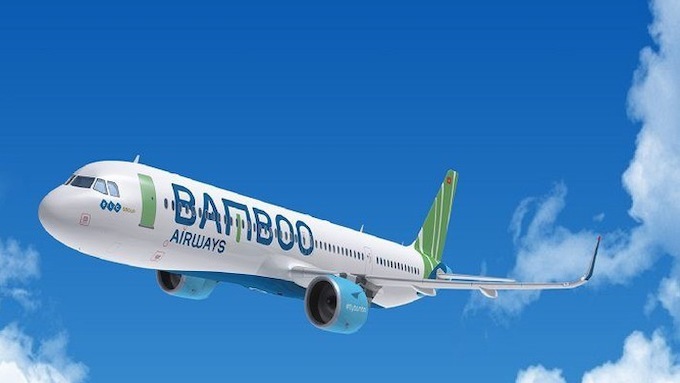
    Bamboo Airways will launch the first-ever direct flight from Hanoi to Con Dao Island, a tourism hotspot off the southern Ba Ria-Vung Tau Province, on September 29. There will be two round trips daily.

    The airline will also begin daily flights to Con Dao from the northern port city of Hai Phong and central Vinh Town from September 29. It will use twin-engine Embraer jets with 120 seats on all three routes.

    Nguyen Ngoc Trong, deputy director of Bamboo Airways, said the airline would carry a maximum of 100 passengers on a flight to ensure safety amid the Covid-19 pandemic.

    Vietnam Air Services Company, commonly known as VASCO, a subsidiary of Vietnam Airlines, is the only airline currently operating regular flights to the island, flying from Ho Chi Minh City and the southern city of Can Tho.

    Con Dao has a 3C classification, meaning it can only receive ATR 72 and other similar aircraft. It closes at night since it lacks a runway lighting system.

    Property developer FLC, the parent company of Bamboo Airways, has sought to invest in a lighting system so that the airport could operate at night.

    Con Dao received 400,000 visitors last year.

  • LVMH whitdrawing Tiffany deal

    LVMH whitdrawing Tiffany deal

    French luxury-goods group LVMH has dropped its plan to take over Tiffany & Co, prompting the  New York jeweler to announce it will file a lawsuit to enforce the deal.

    The US$16.2 billion takeovers was agreed to before the advent of the Covid-19 pandemic and the jeweler’s share price had dropped well below the price LVMH had agreed to pay.

    However, LVMH’s board is using geopolitical and taxation factors to defend its position with the board issuing a brief statement late Wednesday Asian time after a board meeting confirming it would “not be able to complete the acquisition of Tiffany & Co”.

    The statement referred to a letter from the French European and Foreign Affairs Minister which directed LVMH to “differ” (sic) – thought to mean defer – the acquisition until after January 6 next year in “reaction to the threat of taxes on French products by the US”.

    Tiffany & Co had earlier requested LVMH to extend the closing date for the deal from the current expiry date of November 24 to December 31.

    LVMH’s board, having taken legal advice from advisors to its teams, said it resolved to comply with the merger agreement signed by the two companies in November last year, which stipulated the November 2020 closing date.

    “As it stands, the Group LVMH will therefore not be able to complete the acquisition of Tiffany & Co.”

    Tiffany & Co meanwhile, is alleging that LVMH has deliberately stalled the takeover to force a renegotiation of the price.

    The company will file a lawsuit with the Delaware Court of Chancery Wednesday US time seeking to force LVMH to close the transaction by the November deadline.

    “Tiffany alleges that LVMH has delayed the EU regulatory process to avoid closing before a mandated deadline, and threatened to walk away from the takeover unless the price tag is reduced,” the FT reported, citing “people briefed about the matter”.

    The Tiffany & Co sale has been the subject of considerable ongoing speculation since the impact of Covid-19 on luxury retailing and international travel.

    At one point, analysts were speculating that LVMH might begin acquiring shares on the open market at a price lower than the company had agreed to pay under the merger agreement. However, after a board meeting in June, LVMH issued a statement reiterating it would not buy shares on the market and was sticking to the deal.

    Reuters reported back then, however, that LVMH CEO Bernard Arnault was exploring ways to reopen negotiations in an attempt to reduce the price.

    “While Arnault now has concerns about overpaying for Tiffany, he still believes in the deal’s strategic rationale, according to the sources,” reported Reuters. “Tiffany will give LVMH a bigger share of the lucrative US market and expand its offerings in jewelry, the fastest-growing sector in the luxury goods industry.”

  • Social distancing sparks flurry of in-car accessory sales

    Social distancing sparks flurry of in-car accessory sales

    Car accessory sales are increasing in South Korea as the coronavirus pandemic continues to rage on and people spend more time in their vehicles to avoid physical contact.

    Online shopping giant 11St reported that over the past two weeks, sales of laptop/book stands for cars and multipurpose seat pockets jumped by 27 percent following the spike in confirmed coronavirus infections between August 18 and 30.

    Cup-holder sales jumped by 19 percent over the same period. Do-it-yourself car wash kits also gained popularity among consumers and car shampoo sales jumped by 53 percent, while washing tools and towels sales increased by 16 percent and 27 percent, respectively.

    Sales of other indoor car-cleaning tools jumped as well: portable vacuum cleaners by 24 percent, air purifiers for cars by 38 percent and car air fresheners by 21 percent.

    The majority of the increase in car accessory sales appears to be via online platforms.

  • Hermes re-opens renovated and extended retail space in Sendai

    Hermes re-opens renovated and extended retail space in Sendai

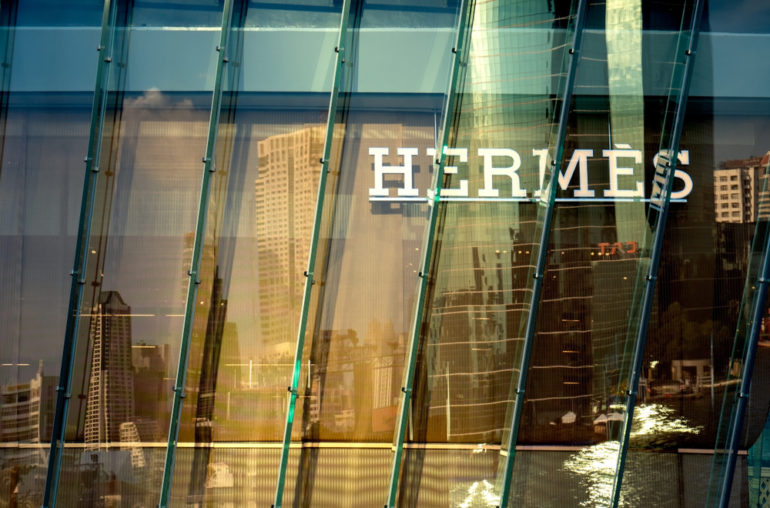
    Luxury Maison Hermes has unveiled its refurbished store in the Fujisaki Department Store in Sendai, Japan.

    “This reopening marks a new chapter for Hermes in this Northern city of Japan, where it has been present since 2004,” the company said in a statement.

    The store’s new design is inspired by Sendai’s natural environment – the city is known as “The City of Trees” – and the floor space has been expanded to 144sqm.

    The store’s facade features floor-to-ceiling glass windows and copper-colored steel, offering a clear view of the interior from the outside.

    Designed by Parisian architecture agency RDAI, the interior was divided into two open-plan spaces. At the entrance, the floor features mosaic tiles “in subdued Havana-and chocolate-brown hues, complete with iridescent cabochons”.

    Hermes Fujisaki offers a wide selection of products, including silk collections, fragrances, and fashion accessories. The collections for the home, featuring homeware and tableware, including the new Hermes Passifolia service, complete the displays in this initial area. The store also houses a VIP lounge for “enhanced privacy”.

    “While the entrance area is characterized by mineral, airy and bright accents, the second section creates a more muted atmosphere with carefully selected fabrics and carpets,” the company said.

    “This renovated address showcases the house’s craftsmanship and freedom of creation through its exceptional objects and the enhanced experience it offers its customers and new visitors

  • AirAsia Seeks Up to $600 Million Cash Injection to whitstand Crisis

    AirAsia Seeks Up to $600 Million Cash Injection to whitstand Crisis

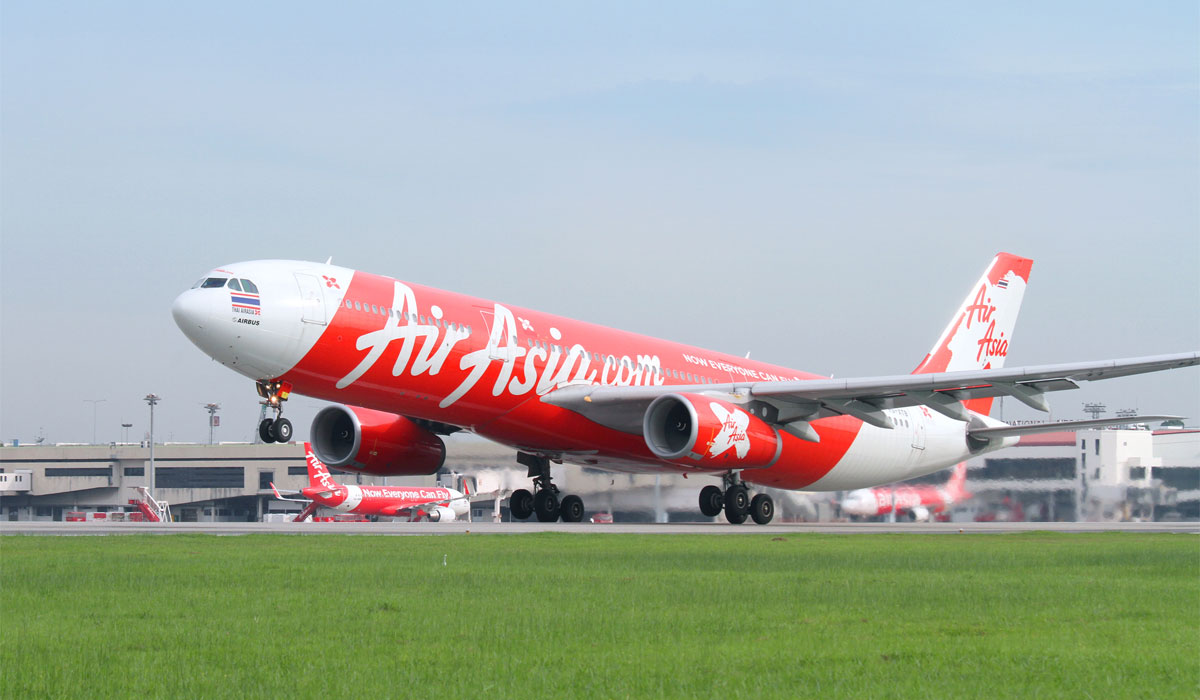
    AirAsia Group is seeking to raise as much as 2.5 billion ringgit ($600 million) by the end of the year as it tries to survive a business slump exacerbated by the coronavirus pandemic.

    The Subang, Malaysia-based budget carrier may borrow up to 1.5 billion ringgit from banks and another 1 billion ringgit from investors, a spokeswoman said Tuesday. AirAsia is also in talks with local and foreign investors including private equity firms, strategic partners, and conglomerates, she said, confirming an earlier report that cited Group Chief Executive Officer Tony Fernandes.

    Airlines around the world are losing money after grounding thousands of planes as countries shut borders and restrict people’s movements. AirAsia, which last month posted its largest quarterly loss on record, resumed domestic operations in late April but its long-haul unit, AirAsia X Bhd., still isn’t flying. Auditor Ernst & Young said in July their ability to continue as going concerns may be in “significant doubt.”

    South Korea’s SK Group said in June that it was in talks to buy a small stake in AirAsia, without providing further details. AirAsia has also cut the salaries of management, trimmed jobs, and deferred plane deliveries in an attempt to shave costs by 30% this year.

    AirAsia is also evaluating its operations in Japan and will make a decision very soon, the company’s spokeswoman said Tuesday. Its India venture remains as is, she said without elaborating. The airline is looking to consolidate and strengthen its business in Southeast Asia, even if that means exiting Japan and India, Reuters reported earlier.

    AirAsia said last month that it needs to reach agreements with major creditors to restructure outstanding debt because it faces “severe liquidity constraints” that threaten its ability to resume flying and continue as a going concern.

    The long-haul budget unit and its AAX Leasing Two Ltd. have received a claim from BOC Aviation Ltd. regarding $23 million of outstanding amounts due under lease agreements, according to an exchange filing Friday. AirAsia X, which said it is seeking legal advice, leases four aircraft from BOC.

    AirAsia is one of Airbus SE’s major customers for A320s while AirAsia X is the world’s biggest customer of Airbus A330neo planes. AirAsia X has 78 of the aircraft on order, according to Airbus’s website, and has already deferred the delivery of some A330neos.

  • Costa sliming down Chinese cafe network

    Costa sliming down Chinese cafe network

    British coffee franchise Costa will pull back further from the China market by early next year.

    In response to a dip in consumer demand, the Coca-Cola-owned firm reduced its physical stores within the territory by around 10 percent last month, half of which were located in the capital, Beijing. It has also shuttered its entire network in the coastal city of Qingdao.

    The brand’s long-standing aspirations for China have been frustrated during the Covid-19 pandemic, caused by rising unemployment and other economic factors hit by the outbreak. The firm’s operations have also been strongly impacted by the virus within its home market, with 1650 staff dropped off the payroll in the UK

    Costa has had significant difficulties facing the competitive Chinese coffee shop market, having launched just a sixth of its 2500-store target network since opening in 2006. Despite this, recent statements by the firm reaffirm its commitment to the market.

  • Vietnam currency to remain stable throughout the year

    Vietnam currency to remain stable throughout the year

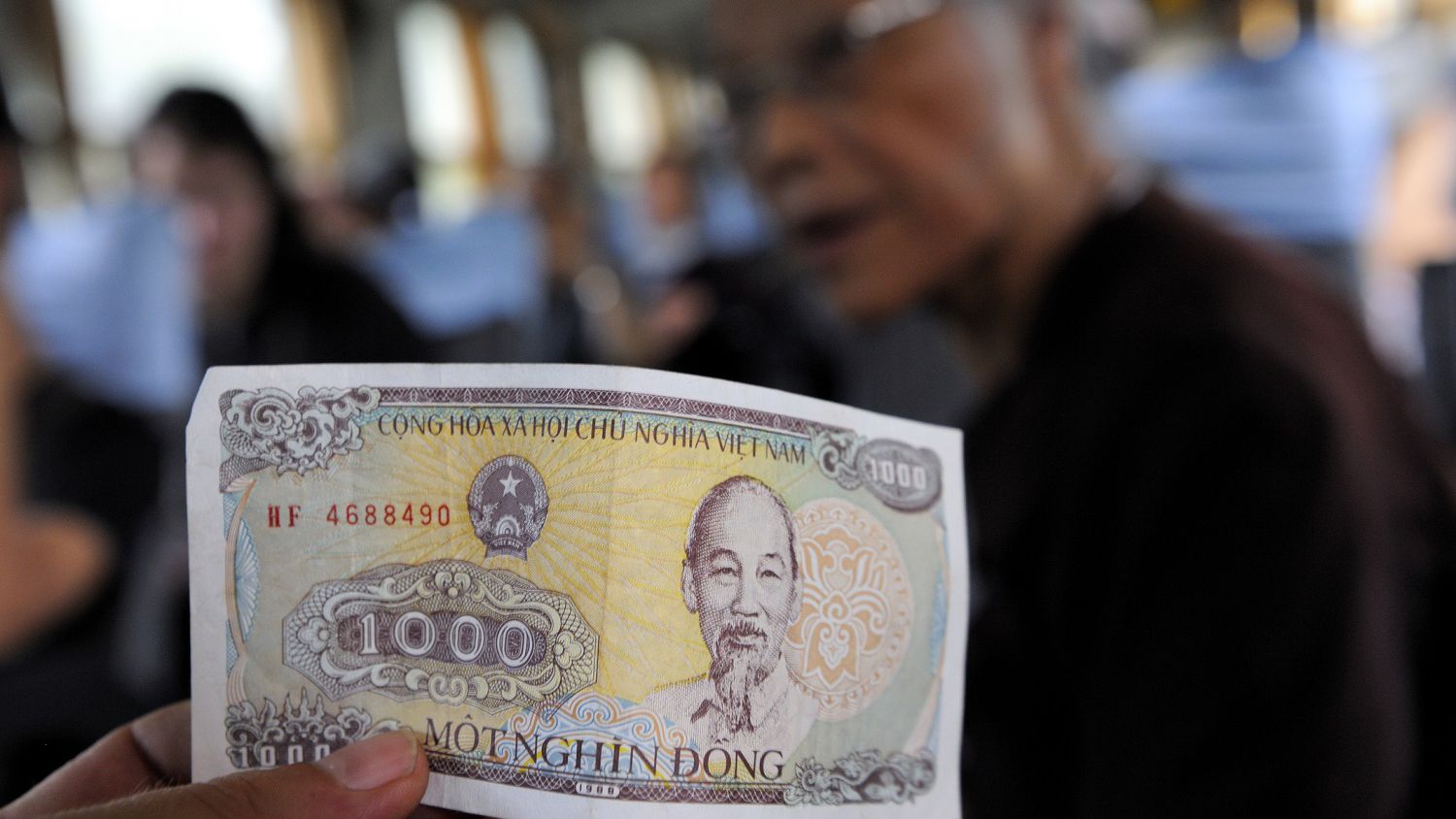
    Vietnam’s currency will likely remain stable this year as the greenback weakens and foreign exchange reserves rise, experts say. The reference rate set by the State Bank of Vietnam (SBV) has remained mostly stable this year and was at VND23,205 Tuesday.

    Rates at commercial banks for the last two months have also been stable. Vietcombank was selling the dollar for VND23,270 Tuesday morning. Ngo Dang Khoa, head of global markets at HSBC Vietnam, said that the VND/USD exchange rate will remain stable for the last four months thanks to a weakened dollar, Vietnam’s record-high trade surplus in the first eight months, and the record-high currency exchange reserves of the SBV.

    A poll of 75 foreign exchange strategists showed that 45 of them, or 60 percent, said the dollar would weaken slightly over the coming year. Analysts said the U.S. Federal Reserve’s policies have been the main reason for the dollar weakening sharply over the last four or five months. The Fed announced last week that it would tolerate periods of higher inflation and focus on employment.

    “So they’ve basically slashed rates to zero, that yield differential in America over the rest of the world is compressed and that obviously helped keep the dollar at such strong levels in previous years, which is no longer the case,”  quoted currency economist Lee Hardman as saying.

    Vietnam’s trade surplus climbed to a new peak of $11.9 billion in the first eight months as imports declined due to the fallout of the novel coronavirus pandemic, according to the General Statistics Office. A trade surplus increases the country’s supply of foreign currency.

    Prime Minister Nguyen Xuan Phuc on September 4 said that Vietnam’s foreign exchange reserves were at nearly $92 billion and could reach $100 billion by the end of the year.

    However, analysts from brokerage Bao Viet Securities said the SBV could slightly weaken the dong in the upcoming months amid the U.S. watching several countries, including Vietnam, for currency manipulation, or the use of unfair currency practices to gain trade advantages.

    A Vietnamese currency expert who asked not to be identified said that although Vietnam’s currency reserves have been increasing, it was still lower than other countries.

    The government has also been working closely with American authorities to prove that Vietnam is not intentionally using currency as a tool to boost exports, he added.

    Vietnamese authorities have repeatedly affirmed that the country does not use monetary policies to unfairly compete with trading partners.

  • StanChart Fined for 2007 Takeover Blunder in India

    StanChart Fined for 2007 Takeover Blunder in India

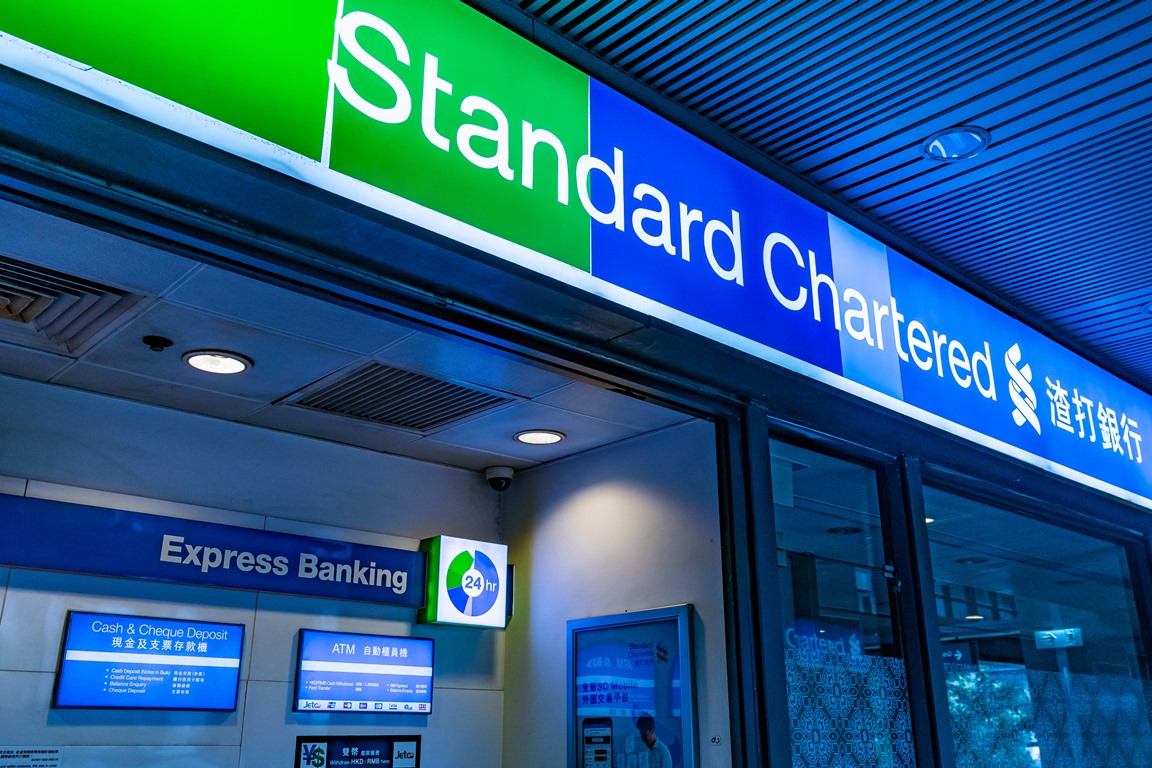
    India’s regulator fined Standard Chartered one billion rupees over violation of foreign exchange rules during a takeover of a local bank in 2007. India’s anti-money laundering agency slapped one of the country’s largest fines on a foreign bank in history following an 8-year probe that found it in violation of the foreign exchange management act which monitors offshore financial transactions.

    According to a report citing an order from India’s enforcement agency, Standard Chartered – the country’s largest foreign bank by branches – acted as a dealmaker and custodian for the transferal of Tamilnad Mercantile Bank (TMB) shares to a group of overseas investors 13 years ago without seeking permission from the local central bank.

    Senior officials at Standard Chartered saw an investment in TMB shares as an opportunity that might ripen into eventually larger ownership for the bank,» Sushil Kumar, the enforcement agency’s special director, said in the order.

    46,862 shares were transferred to foreign investors including GHI, Swiss Re Investors, FI Investments, Cuna Group and Sub-Continental Equities, an affiliate of Standard Chartered in April 2008. The transfers were made through escrow accounts with Standard Chartered, which acted as both a transaction agent and a lender to one of the investors on the deal.

    Standard Chartered through its affiliate Subcontinental was a proposed and eventually an actual investor in TMB shares to be purchased through the escrow agreement arrangements, Kumar added.

    Separately, TMB was fined almost 170 million rupees ($2.3 million) for similar charges.

  • AS Watson Group entering Middle East in partnership with Al-Futtaim

    AS Watson Group entering Middle East in partnership with Al-Futtaim

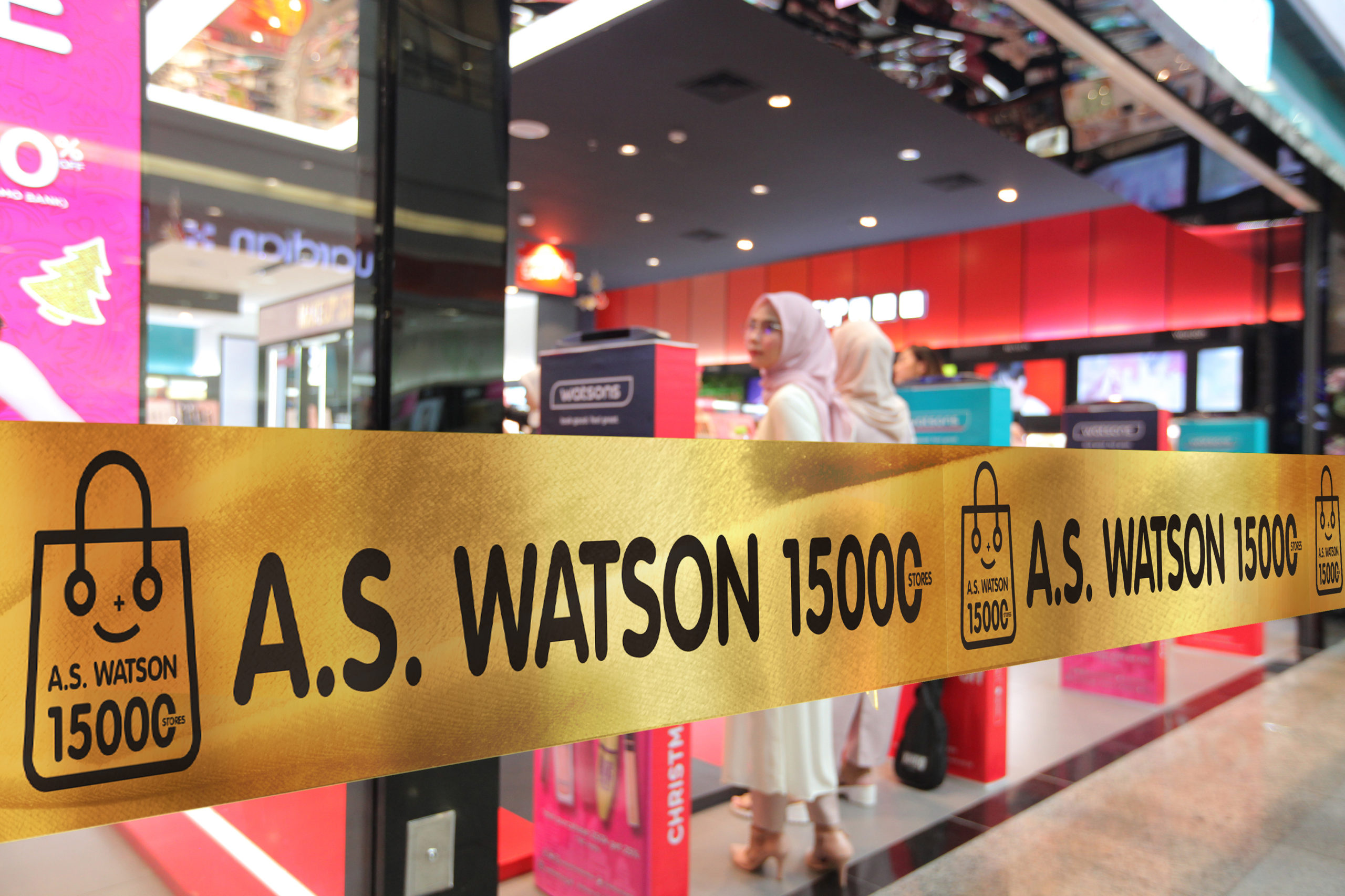
    Middle Eastern retail conglomerate Al-Futtaim is bringing Asian beauty retail brand Watsons to the Gulf in a partnership with AS Watson Group.

    The partnership marks AS Watson Group’s first franchise agreement in its almost 180-year of history and its first venture into the Middle East.

    The first Watsons flagship will launch in Dubai Mall on October 1 together with its e-commerce store and mobile app. Al-Futtaim said it plans to open 100 stores by the end of 2025.

    “As a local business operating across the globe, it is our duty to support and contribute to the economic growth of the region we belong to while bringing quality and customer-oriented brands to our retail network,” said Omar Al Futtaim, vice chairman at Al-Futtaim Group.

    “Our partnership with A.S. Watson Group is another milestone in our journey to further enhance both the UAE and the Middle East’s position in the world’s top retail destinations map,” he said

    Al-Futtaim will roll out two more Watsons outlets in Dubai Festival City Center and The Mall of the Emirates by the end of this year. The beauty retailer will make its debut in the Kingdom of Saudi Arabia next year.

    “Al-Futtaim has impressed us with its proven experience and track record in quality management of retail brands,” said Dominic Lai, MD at AS Watson Group.

    “We are excited to partner with them to bring new offline and online beauty experiences as well as numerous trendy brands to customers in the region.”

  • Samsung’s Galaxy Z Fold 2 5G is proving even more popular than expected

    Samsung’s Galaxy Z Fold 2 5G is proving even more popular than expected

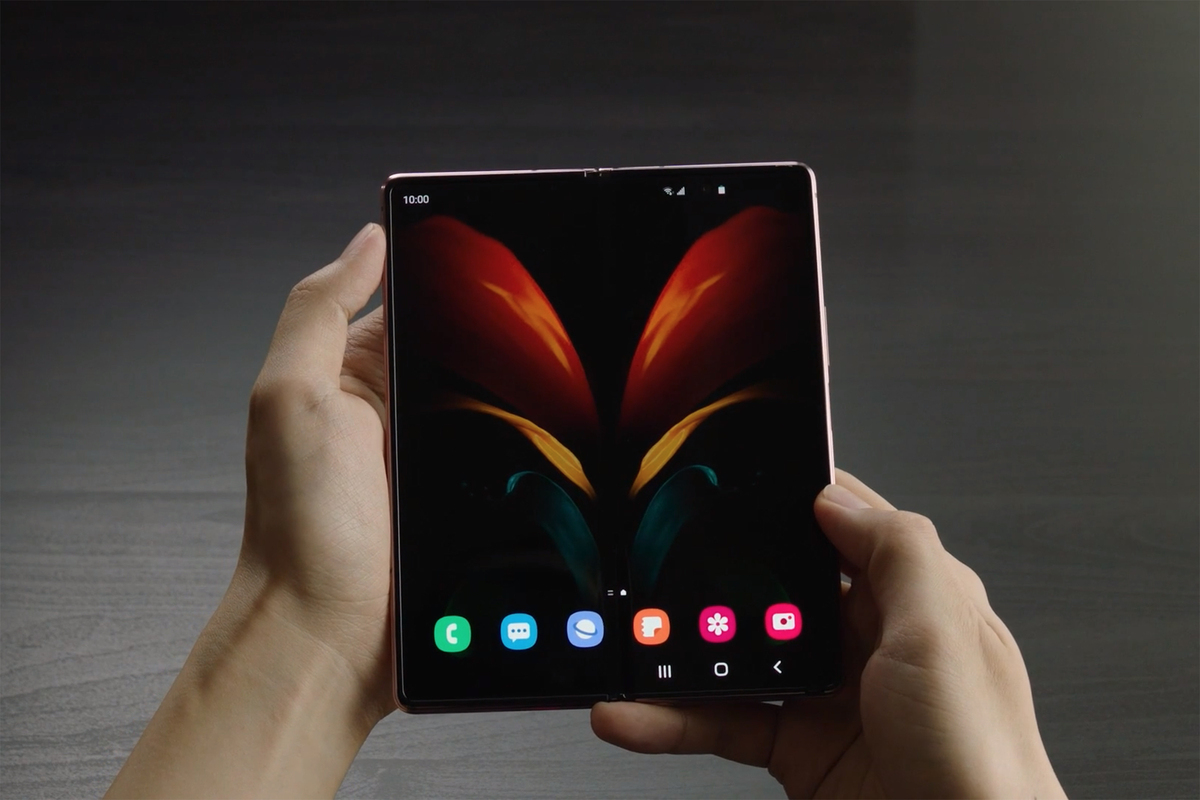
    Priced at $2,000 in the US, the 5G-enabled Galaxy Z Fold 2 is not what we’d call widely accessible to the masses. But even though 2020 has been a tough year for high-end, high-priced smartphones in general and Samsung flagships in particular, this foldable beaut is sure shaping up to be a smash hit, at least by early foldable market standards.

    Forecasted ahead of its official announcement to rack up around 500,000 unit sales by the end of 2020 and tipped to cross 800,000 units manufactured in that same timeframe just last week, the Galaxy Z Fold 2 5G is today estimated to reach an “initial volume” of 10,000 copies or so in South Korea.

    That may not sound like an impressive number by itself, not to mention when you compare it to the other two figures above, but apparently, it’s triple the initial regional volume of the original Galaxy Fold last year. It’s also important to keep in mind that while Samsung cares a lot about its domestic market, this is only one of many major countries where the Galaxy Z Fold 2 5G could sell like hotcakes compared to its predecessor.

    In other markets, starting with the US, show a similarly “positive reaction” as the one reported in the tech giant’s homeland, the foldable device may well exceed 500,000 or even 800,000 shipments this year. More importantly, Samsung is proving by allotting three times as many second-gen Z Folds than OG Galaxy Folds to major South Korean carriers and independent stores that it can produce a significantly higher number of foldable smartphones during these challenging times for the mobile industry, contrary to rampant speculation from a few months back.

    At least for now, there are no reasons to expect substantial delays or particularly long shipping times for early adopters. That is, as long as you’re not looking to buy the luxury Thom Browne Edition.

    Believe it or not, around 230,000 people in Samsung’s homeland applied for a bank-breaking purchase in just two days, which means a lot of potential buyers will end up feeling terribly disappointed at missing their chance to spend the rough equivalent of $3,330 on, well, a phone.

    There are only 5,000 copies of this thing prepared to be distributed worldwide, mind you, including a measly 1,000 in South Korea. The Galaxy Z Fold 2 Thom Browne Edition is not up for grabs stateside yet, but as far as the standard version is concerned, you still have until September 18 to pre-order your copy in a Mystic Black or Mystic Bronze color.

  • Online platform ready to recover lost Malaysia Airports retail earnings

    Online platform ready to recover lost Malaysia Airports retail earnings

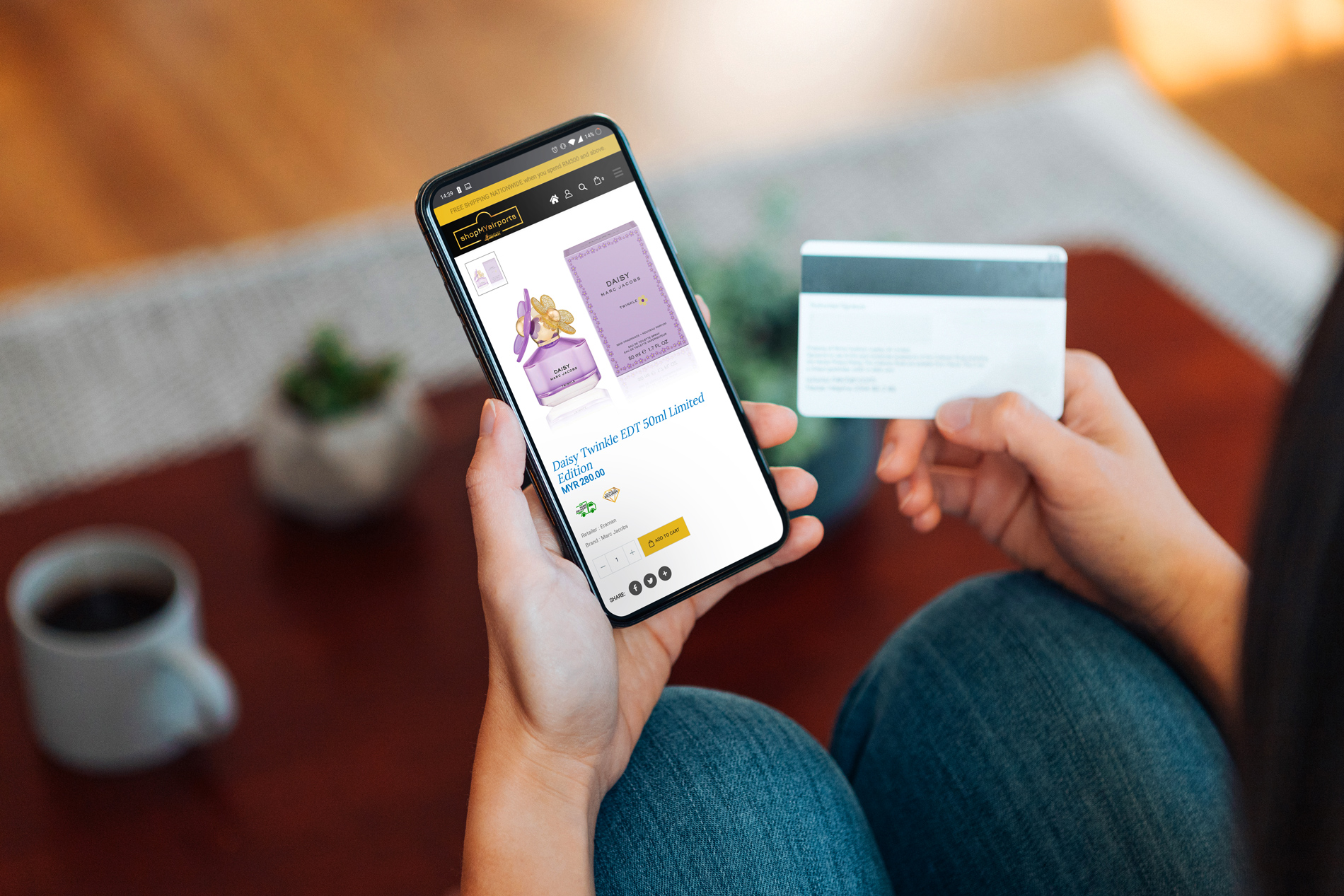
    Malaysia Airports Holdings has launched a travel retail e-commerce platform shopMYairports, aiming to recover some US$67 million from sales lost through its airport network due to passenger volumes plummeting.

    Still smarting from the loss of $671 million in revenues from retail in the year prior to the advent of Covid-19, the airport operator is hoping for significant potential growth from the initiative, which is part of a broader Airports 4.0 plan for digital transformation to enhance passenger retail experiences and support the recovery of its airport retail tenants.

    The move serves to allow consumers to buy travel-exclusive and duty-absorbed products online, having purchases delivered directly to their homes.

    “The launch of shopMYairports is an important step in our journey to make our airports future-ready,” said group CEO Datuk Mohd Shukrie Mohd Salleh.

    “As Malaysia’s main airport operator, we have to ensure that we remain agile and relevant while navigating within a fast-changing consumer landscape.”

    Future services available on the platform are expected to include click-and-collect services, allowing travelers to pick up purchases at designated airport counters, and concierge services to deliver products to passengers’ boarding gate or aircraft seat.