Tag: 11street

  • SK Telecom’s 11Street to let shoppers buy from Amazon

    SK Telecom’s 11Street to let shoppers buy from Amazon

    SK Telecom Co., South Korea’s largest mobile carrier, said Monday it is partnering with Amazon.com, Inc. to allow South Koreans to have easier access to products on the U.S. e-commerce giant’s platform.

    The carrier said users of its e-commerce unit 11Street Co. can directly purchase the U.S. company’s products on its platform. It did not provide a specific time frame for the service’s launch.

    SK Telecom said it has also made an agreement with Amazon so that the U.S. tech giant has the right to acquire a stake in 11Street based on the South Korean e-commerce company’s progress in the local market.

    The announcement comes as SK Telecom is currently planning an initial public offering (IPO) for 11Street.

    The carrier said in its third-quarter conference call that the e-commerce unit is among its list of subsidiaries, such as new mobility spinoff T map Mobility Co., that will pursue IPOs.

    The e-commerce unit’s sales reached 135.7 billion won (US$122.7 million) in the third quarter, up 8 percent from a year earlier, according to SK Telecom.

  • How to deal with centennials

    How to deal with centennials

    All eyes are on Southeast Asia as the world’s next consumer powerhouse, with its young population and increasing purchasing power. Almost 280 million centennials – those born since 1995, also known as Generation Z, currently call this region home. While the size of this new generation alone makes them attractive prospects for retailers, their distinct behaviours set them apart as the ones to watch to crack Asia’s hyper-competitive retail landscape during the next few decades.

    Born into the digital age and mobile natives, centennials will soon be one of the world’s most demanding consumer groups with high standards and expectations of the online-shopping experience.

    Here’s what we know about the centennials….

    Webrooming vs showrooming

    Almost all centennials in Southeast Asia use the internet as part of their buying journeys, but their route is much more converged than other generations. Latest research commissioned by Dentsu Aegis Network, Here Comes the Centennial reveals that centennials like to use both online and offline channels – 97 per cent browse for products online before purchasing online (‘webrooming’) and 90 per cent look for products in store before buying online (‘showrooming’). Detailed research is a key part of their buying decisions – whether online or offline – to ensure they get the best price, as well as the best quality by going into stores to experience the product. Some 70 per cent browse online to find the best price, while 67 per cent use the internet for checking out product details and specifications and 65 per cent are checking out reviews.

    Smartphones have also created an environment where centennials can browse products wherever they are, whatever they are doing – multi-tasking to the extreme. For example, 52 per cent look at products online while eating, watching TV or hanging out with friends or family, while 38 per cent do so while commuting, and 34 per cent browse products while at school or college.

    Centennials use social-media platforms differently to previous generations, as an important and intimate touchpoint in their purchase and decision-making journey.  Social media applications (47 per cent) such as Facebook and Instagram are the second most popular place for them to shop in, while 49 per cent turn to such platforms for research on their future purchases, rather than asking friends (45 per cent) or family (27 per cent). Even a good reputation with friends and family does not feature highly as a motivator to purchase – just 15 per cent choose this as an option.

    Digital natives

    As digital natives, centennials expect technology to be an integral part of the experience, and are highly optimistic about the use of technology.

    Eighty-two per cent of centennials are excited about futuristic shopping technology such as virtual reality. They demand fast-and-easy experiences that allow them to research and buy products with minimal frustration.

    To this audience, commerce has moved beyond “buying something on a website” to a series of interactions, from enticing them to view a product to providing a personalised purchase experience, to where and when the product should be delivered. In this context, online retailers need to focus on understanding the centennial customer journey, specific to the category being sold. This can be done by incorporating relevant technologies which seamlessly enhance engagement along the path to purchase. For example, the research showed that “Good customer service/reliability” ranks third among qualities of an online store with this audience, with delivering a superior and excellent customer service option using chatbots rather than call centres a more significant differentiator than low prices and free/fast delivery that every other marketplace claims to offer.

    Brand irrelevance

    Brand name and image are no longer a priority of centennials. Only 11 per cent of centennials cite having a prestigious or famous brand as one of their top three attributes when choosing where to shop online. Instead, personalisation and convenience are key, as 76 per cent of respondents are happy to share data with websites, if it makes more relevant recommendations.

    E-commerce payments provide a unique example of this; despite being digital natives, the concept of a cashless society has yet to fully take off for centennials in the six countries surveyed, with 56 per cent of respondents still preferring to pay cash on delivery for their purchases. Whilst preferring digital shopping experiences, the next generation of online shoppers enjoy having a variety of payment methods to choose from, and 43 per cent of centennials will readily abandon their purchases because their preferred payment option is not available.

    This is also accompanied by a shift towards values-based purchasing, with 82 per cent agreeing that they “prefer to buy products from ethical or sustainable brands,” while 70 per cent express a preference for local brands.

    With centennials less responsive to traditional campaign and brand-based purchasing, and increasingly influenced by disparate sources of dynamic information and opinions, retailers can no longer just rely on well-designed stores or brand campaigns to drive sales. Instead, driving a unified brand experience across multiple touchpoints will be key to unlocking the centennial consumer opportunity.

    This year

    So what does this all mean for retail this year and beyond?

    Southeast Asia’s internet economy is expected to exceed US$240 billion by 2025, according to research from Google and Temasek. One in two of centennials surveyed are already spending more than $30 per month online. Nine per cent indicated that they spend more than $100 a month – and as the centennial generation comes of age and joins the workforce, their disposable incomes will increase further.

    This combination of large populations, high connectivity and smartphone penetration rates, and increasing online spending power means the centennial opportunity in Asia is large and growing. We will increasingly see e-commerce technology accelerating this year to help create innovative and memorable brand experiences of the consumer.

    Centennials represent tomorrow’s consumer. They are looking for integrated solutions and a seamless experience that will allow them to purchase anywhere, anytime, and on their own terms. As this new group of consumers become increasingly elusive and multi-channel savvy, retailers need to harness creativity and technology in new ways. Combining new media and technology to deliver innovative and memorable brand experiences is the key to success – and brands are learning quickly in order to tap the huge centennial opportunity here in Asia.

    For example, in Thailand, Cotton USA worked with Vizeum and Isobar to launch the Cotton USA online store through an experiential shopping campaign “Shop the Runway”, partnering e-commerce marketplace 11Street.

    Targeted at the Centennial audience, Shop the Runway was the first real-time online shopping fashion show in Thailand which streamed the live programme on 11Street, while clothes from the catwalk were displayed in real time – within the same page – so viewers could purchase their favourite looks direct from the runway.

    At the heart of the campaign was a unique offline-to-online (O2O) feature within the 11Street mobile application which allowed fashion-show attendees to simultaneously view and shop the runway outfits.

    Shopping coupons were also given to all customers who downloaded and registered their details on the app to further encourage conversions. The campaign drew close to 500,000 campaign visitors, a 13 per cent increase in 11Street app downloads following the campaign, and ultimately boosted Cotton USA sales and brand awareness amongst the target centennial audience.

    Shop the Runway is one example demonstrating how brands can leverage technology and O2O features in innovative ways to reach consumers in today’s competitive e-commerce environment. Combined with a seamless shopping experience, and varied account and purchase options to suit different consumers, moments like these will attract tomorrow’s consumers on their terms, arrest their attention in a hyper-competitive commerce landscape, and allow brands to win in Asia’s digital-led retail landscape.


  • Lazada, Shopee, 11Street top e-commerce ranking in Malaysia

    Lazada, Shopee, 11Street top e-commerce ranking in Malaysia

    Lazada, Shopee and 11Street have been ranked the top three companies in terms of the most visited website in Malaysia in the second quarter (Q2) of 2018, according to iPrice Group’s Map of E-Commerce (MoE) list.

    Based in KL, iPrice Group is a privately owned online shopping aggregator. According to its portal, the MoE ranks Malaysia’s top 50 e-commerce players based on their average quarterly traffic, mobile application ranking, social media followers and number of staff. The data was collected in July 2018.

    Lazada came out top in traffic ranking with 27.99 million visitors and the number of Facebook followers with 25.5 million followers. It took second place for app downloads and Twitter with 31,035 followers.

    Shopee took second place in traffic ranking with 12.3 million visitors, while 11Street came in third place with 6.4 million visitors.

    However, iPrice said that Shopee inched closer to Lazada’s monthly traffic by two fifths in Q2 2018. In Q1 2018, Shopee’s was one over five to Lazada’s monthly average visitors.

    Fashion Valet and CJ Wow Shop entered the top five most visited Malaysian-based e-commerce platform in Q2 2018, while Lelong remained as the most visited Malaysian-based e-commerce platform with 5.2 million visitors.

    The top three most visited Malaysian-based e-commerce platforms were Lelong, GoShop (818,000 visitors) and Hermo (758,000 visitors).

    In the fashion, health and beauty category, Hermo, Fashion Valet, Poplook, Babydash and Naelofar Hijab are the five most visited Malaysian-based e-commerce platforms as of Q2 2018.

  • 11street Malaysia will take advantage of the new partnership

    11street Malaysia will take advantage of the new partnership

    Online marketplace 11street Malaysia is being overhauled following a partnership with PUC Ventures.

    The e-commerce retailer says the changes will enhance the user experience and further contribute to the Malaysian digital economy.

    The revamp will involve improved payment options and shopper experience; better logistics systems; a new mobile app; an influencer and celebrity store, as well as a platform for micro-influencers and convenient e-voucher sales management for sellers.

    The platform aims to offer new advantages to sellers by bringing together overseas buying and selling channels to encourage SME growth.

    11street CEO Cheong Chia Chou said: “As everything in our world becomes digitised, there is a need for a stronger e-commerce ecosystem where a customer’s physical digital journey can be fully integrated. Businesses are pushed to ride the wave of this rapid industry expansion to ultimately grow their businesses at a larger scale for better profitability and presence.”

    The partnership was made to expand integration and interoperability across platforms involved in Malaysian e-commerce. A statement released by the firm noted that the Malaysian digital economy has grown exponentially with 15.2 million online shoppers in Malaysia spending an average of RM321.15 (US$78.35) per year.

    The e-commerce industry revenue is expected to show a compound annual growth rate of 17.9 per cent over the next four years.

  • 11Street Shopping Mall to get US$449 million investment

    11Street Shopping Mall to get US$449 million investment

    South Korean mobile carrier SK Telecom has announced a US$449 million investment into a subsidiary’s e-commerce platform, 11Street Shopping Mall.

    In a decision yet to be approved by shareholders, SK will use the investment, sourced from the H&Q Korea private equity fund, to establish a new business entity. An SK spokesperson said that further reshuffling among its subsidiary firms will be aimed at seeking a new growth engine with a view to expanding its presence in the country’s online retail market.

    The move directly follows a joint venture set up earlier this month between an SK subsidiary and the country’s largest convenience store chain, CU.

    The improvements to 11Street’s operations will draw on artificial intelligence technologies, among other information and communications developments, to build new services – including improvements to its mobile payment system.

    A representative from SK Telecom said that the company’s new business structure is ready to promptly and flexibly respond to the fourth industrial revolution.

  • Massive Power switch in Celcom Planet deal

    Massive Power switch in Celcom Planet deal

    Malaysian investment holding company PUC will invest RM90 million (US$23 million) in Celcom Planet (CPSB), which owns and runs e-commerce platform 11Street Malaysia.

    PUC, which provides integrated media, e-commerce and technology services, says the deal will give it management control of 11Street Malaysia.

    Meanwhile, CPSB claims to be one of the largest e-commerce companies in Malaysia.

    It is a JV between Axiata Digital Services and Korean-owned SK Planet Global Holdings

    “The investment paves the way for the company to increase potential revenue streams in advertising and media, and financial services from the synergistic collaboration for the company and its subsidiaries,” PUC says in a Bursa Malaysia filing.

    As part of the terms of the deal, PUC will have the right to nominate and appoint the CEO and chief marketing officer of 11Street Malaysia.

    For last year, 11Street Malaysia recorded a GMV of about RM427 million, selling more than 13 million products from 40,000-plus sellers.

  • Online sales bring cheers to online retailers

    Online sales bring cheers to online retailers

    To technology, retailers have and are moving out from brick-and-mortar stores to join the cyber world. As a result, street retail sales are accelerating on the Internet, offering shoppers better deals because they do not have to worry about the overhead expenses which traditional stores have to deal with.

    Christy Ng Sdn Bhd founder Christy Ng, who started her business in her mother’s living room years back, now owns five brick-and-mortar stores that delivers to 30 different countries.

    She decided to open her own physical store after her loyal customers, who rather try out the shoes before buying them, nudged her into it.

    “During the recent MyCybersale blow-out frenzy which ran from Oct 9 to 13 last year, we achieved 10-fold more sales than our physical stores,” she said.

    “We also witnessed a 35% increase in sales, specifically during the Alibaba Single’s Day 11.11 and 12.12 mega sale bash.”

    She added that 60% of her customer base comes from the online store, whereas the remaining 40% of customer base are from our physical outlets.

    MyCybersale is a five-day online sales festival organised by the National ICT Association of Malaysia along with the Malaysia Digital Economy Corp.

    MyCybersale 2017 managed to rack in a gross merchandise value (GMV) of RM311 million, exceeding the RM300 million target set for the year.

    RM39 million of the RM311 million GMV were derived from international shoppers which surpassed the export revenue target of RM20 million.

    It was a phenomenal growth of over 254% from the 2016 export revenue of RM11 million.

    Bagman Corp Sdn Bhd group CEO Datuk Liew said his online retail business also witnessed some positive numbers during the online mega sale frenzy.

    “Bagman didn’t do all that well during last year’s MyCybersale. However, during the 11.11 and 12.12 deals, we saw a 20%-30% increase in sales.

    “It is an improvement from the previous year and I believe online retail is the future,” Liew said.

    Liew, who used to sell his designed bags in major marketplaces, however, added that it is hard to do branding on those marketplaces since shoppers mainly go on these sites to search for “affordable” things.

    Previously reported that ShopBack Malaysia country GM Alvin Gill revealed the average spending per customer surged more than threefold during the recent the 12.12 online shopping celebration compared to the Single’s Day 11.11.

    “The average spending per customer during the 12.12 was RM485, whereas for 11.11 it was US$76 (RM302.04).

    “This is due to the increase in travel bookings made for the year-end holidays along with Christmas gift purchases, as well as apparels purchases for the New Year,” said Gill.

    ShopBack Malaysia collaborated with more than 30 online partners during 12.12, among them were Lazada, Zalora, 11street as well as Booking.com.

  • E-commerce players feel the heat as bargain hunters call shots

    E-commerce players feel the heat as bargain hunters call shots

    Buyers have become more price sensitive and less loyal to the online platforms in a trend that has prompted an intense “pricing game”, the event heard. Consumers are switching over to the e-commerce operators that offer better promotions and prices.

    The seminar also heard that so-called social commerce (s-commerce) has become another competitor, under a model where sellers and buyers can make shopping transactions directly.

    Pawoot Pongvitayapanu, founder and managing director of Tarad.com, said the platform was launched about 10 years ago as the first e-marketplace in Thailand.

    “Today, we are adjusting the positioning of Tarad.com to cope with more intense competition in the e-marketplace model. Without the new positioning, we would not be able to compete against other marketplaces,” he said.

    Speaking at the e-marketplace forum held on Sunday at Thailand e-Commerce Week 2017, Pawoot said that nowadays competition in the e-marketplace has become more of a pricing game. Consumers have become more price sensitive and have less loyalty as they follow the bargains.

    “Today, the actual competitors in the e-marketplaces are not other e-marketplace players, but s-commerce operators, such as Facebook and Instagram, where sellers and buyers can make their own transactions directly,” said Pawoot.

    Thanida Suiwatana, chief financial officer – Thailand, Lazada Group, said that that Thai consumers have become more confident about online purchases.

    “We spent a lot of money in doing marketing campaigns. both offline and online, to generate traffic,” said Thanida, adding that Lazada is now a top 10 e-marketplace in Thailand in terms of traffic.

    “Having good traffic is one of the most important factors for both bricks and mortar stores and online marketplaces. Any online platforms that can generate good traffic will have more chances to sell products.”

    Nuttawit Pholwattanasuk, managing director and co-founder of LnwShop, said that the platform serves individual vendors, enabling them to have their own website and space. It is similar to the idea of a developer of a market or shophouse allowing individual merchants or retailers to do business within their own retail space.

    Eric Bui, head of operation, Shopee Thailand, said that online marketplaces now go beyond the transactional, with a focus on the engagement between buyers and sellers as part of an ongoing relationship.

    “The way we do our listings and provide services to the sellers, everything is free, with no commissions or listing fees,” he said. “The shipping fee has been subsidised by Shopee. There is no reason why the listings on Shopee should not be the cheapest in the country.”

    Haejin Pyun, general manager, marketing strategy, 11street Thailand, said the company started the Thai operation in February.

    “We consider sellers and buyers alike to be very important. While other e-commerce players care about the buyers only, we care about the sellers sometimes more than the buyers,” said Pyun.

    “In Thailand, more than 50 per cent of the transactions come cash on delivery. At 11street, more than 70 per cent of the transactions come from credit cards. We see a big potential to grow in the Thai e-commerce.

    “However, to grow the e-commerce business in Thailand, the payment method is very important. In South Korea, credit card penetration is more than 90 per cent, compared to only 10 per cent in Thailand. Even though they have credit cards, Thai shoppers are still hesitant to put their credit card numbers on an e-commerce site.”

    Thananan Arunragtichai, assistant director of Ascend Commerce, said that the company has operated the weloveshopping.com for 15 years as a store front. For its website, the e-marketplace model was introduced three to four years ago.

    “Today, Thai consumers have greater expectation for marketplace services, such as cheap prices and high quality, as well as good after-sales service. As an e-marketplace operator, we need to manage their expectations properly,” he said.

  • True Shopping to set partnership with 11street

    True Shopping to set partnership with 11street

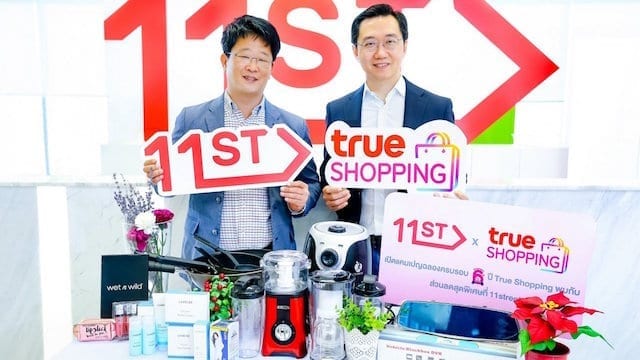
    Thai home-shopping retailer True Shopping has launched an online store on marketplace 11street.

    To mark its sixth anniversary, True Shopping and 11street are running a promotion this month with discounts and bonus coupons.

    “One of our key strategies for next year is to win new customer groups,” says CEO Ongard Prapakamol of True Shopping owner True GS. “That’s why we think 11street is a strong partner to allow us to gain a strong foothold in e-commerce.”

    Selling on 11street on a trial basis since October, True Shopping has had great feedback, says Prapakamol. “We found that our buyers from 11street are totally different from our home-shopping buyers: they are younger, have a taste for trendier products and are price sensitive.”

    “We are delighted True Shopping trusts us to be another channel for its products,” says 11street Thailand CEO Hong Cheol Jeon. “True Shopping’s wealth of low-priced products and services, more than 400 SKUs, will help increase our product portfolio to meet the demands of our more than 700,000 shoppers.”

    The anniversary promotion runs until December 24.

  • Opposing suitors lining up for 11street Malaysia

    Opposing suitors lining up for 11street Malaysia

    Alibaba Group and JD.com are both competing to try to take over e-commerce company 11street Malaysia, a partnership between Celcom Axiata and Korea’s SK Planet, called Celcom Planet.

    The Chinese rivals are both discussing deals with 11street Malaysia.

    Running second to Lazada in terms of monthly visits and apps installed, 11street is an online marketplace for fashion, electronics, groceries, health and beauty, children’s and baby products, leisure and sports, home and living, books and services, and deal offerings such as e-vouchers.

    In late August, Celcom Planet CEO Hoseok Kim said the company was confident about its long-term growth prospects, but appeared to concede a change of ownership was on the cards, at least in part.

    “We are very pleased with the success and progress that 11street Malaysia has made in less than three years since its launch and we are confident that we will be the number one marketplace in Malaysia within the next three years”, said Kim.

    He added that the company was looking at various strategic options including funding from strategic partners to prepare for the next phase of accelerated growth.

    Alibaba has already invested more than $2 billion in Lazada, and has led a $1.1 billion investment in Indonesia’s Tokopedia.

    SK Planet launched 11street in Thailand this year. It launched in Malaysia in 2015 and a year earlier in Indonesia as Elevenia (now taken over by Salim Group).

    Meanwhile,  JD.com has announced a $500 million joint venture with Thailand’s Central Group focused on e-commerce and financial technology.

    Chairman/CEO Richard Liu says he plans to make Indonesia the centre for the island area of Southeast Asia, and Thailand the hub for mainland Southeast Asia.

  • 11street Thailand eyes top spot

    11street Thailand eyes top spot

    Korean-owned 11street may be exiting Indonesia, but the e-commerce platform remains bullish about its opportunities in Thailand.

    Yun Chang-sung, 11street Thailand VP of sales, says the company is working towards being the largest e-commerce player in the nation by 2022.

    A week ago, 11street parent SK Planet, a subsidiary of SK Telecom, announced it was selling its half stake in Indonesian website Elevenia to fellow Korean corporation Lotte, with whom it is in discussions over an e-commerce joint venture at home.

    “SK Planet decided it was best to close down money-losing operations overseas to focus on propping up the domestic business,” wrote Pulse News. “After Indonesia, the next to go could be Malaysia among the three overseas markets including Thailand and Turkey.”

    First, 11street Malaysia dismissed such speculation, saying it was committed to the long term., 11Street Malaysia is operated by Celcom Planet, a joint venture between Celcom Axiata Berhad and SK Planet.

    11street Thailand says it has more than 580,000 shoppers buying from 18,000 sellers on its platform, just seven months after its launch.

    “We have become number two in the market in just a few months, and we are sure we can become number one in less than five years,” Yun said.

    He said Thailand’s e-commerce size is comparatively small at present, relative to mature markets like South Korea and the US.

    “Competition in Thailand is not that aggressive compared with other countries such as South Korea,” he said. “There are great opportunities to grow. The more dynamic logistics and payment industries in Thailand also contribute to the growth of e-commerce.”

    Thai and international brands including as Nestle, Samsung, Mahajak, Cotton USA, Watsons, FBT and Grand Sport list goods on 11street Thailand.

  • 11street Malaysia commits to long term after parent’s Indonesian exit

    11street Malaysia commits to long term after parent’s Indonesian exit

    Just days after its parent company announced an exit from Indonesia, 11street Malaysia says it is confident of its long-term growth prospects.

    11street is effectively the online business unit of giant Korean telco SK Telecom, which last week said it was selling its 50 per cent stake in Indonesian e-commerce venture Elevenia to Lotte, a company it is pursuing a joint venture opportunity with in their home market.

    In Malaysia, 11Street is operated by Celcom Planet, a joint venture between Celcom Axiata Berhad and SK Planet. Celcom Planet CEO Hoseok Kim (pictured) says since its launch in April 2015, 11Street Malaysia has rapidly grown into a first tier e-commerce provider of an open-market platform with 40 thousand listed sellers, 13 million registered products for sale and 16 million monthly visits.

    “We are very pleased with the success and progress that 11street Malaysia has made in less than three years since its launch and we are confident that we will be the number one marketplace in Malaysia within the next three years”, said Kim.

    He added that the company is currently looking at various strategic options including funding from strategic partners to prepare for the next phase of accelerated growth.

    Sungwon Suh, CEO of SK Planet, backed up Kim’s comments.

    “Recently, SK Planet has made a strategic decision to pick and choose battlegrounds where we can win and Malaysia is [one of] the battlegrounds, one of the fastest-growing and infrastructure-ready e-commerce markets in Southeast Asia,” said Suh.

  • 11street Thailand launched by SK Planet

    11street Thailand launched by SK Planet

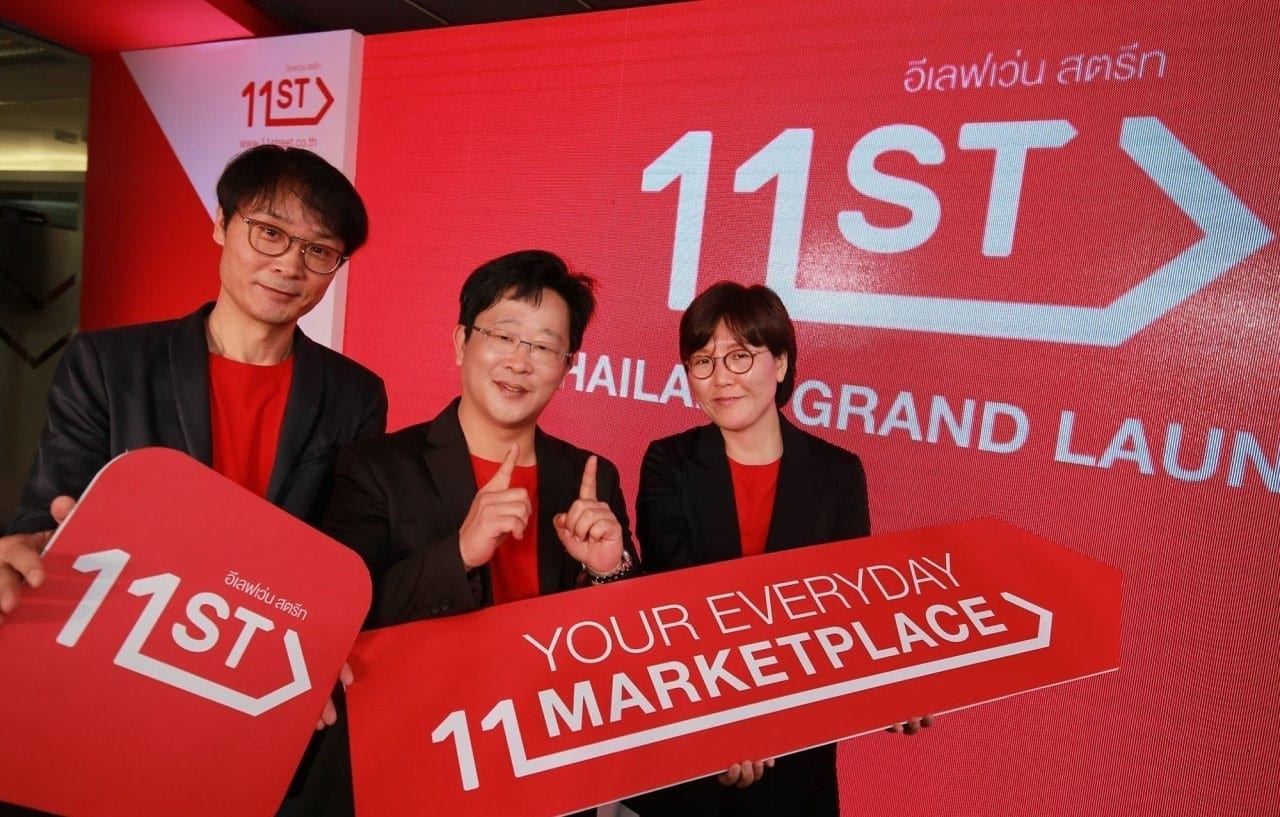
    Korean-headquartered online marketplace 11street has launched in Thailand.

    Parent company SK Planet says 11street Thailand is the first Korean-owned eCommerce marketplace to open in the Southeast Asian nation.

    An opening ceremony was held at Bangkok’s CentralWorld shopping centre this week, and prominent advertising livery has appeared on BTS stations to promote the brand.

    Korean actor Song Joong-ki and Thai actress Mew Nittha, who feature in marketing for the business, attended the launch event.

    Thailand is the fourth overseas market for SK Planet, a division of SK Telecom. It follows Turkey, Indonesia and Malaysia.

    11Street Thailand will offer “millions of trendy high-quality products at competitive prices,” the company said.

    “11Street will be a leading eCommerce firm that promotes the Korean wave in retail industry,” 11Street Thailand CEO Jeon Hong-cheol said. “We expect our entrance to Thailand will stimulate Korean manufacturers and ICT firms to make their presence felt in Southeast Asian markets.”

  • 11street launches online marketplace

    11street launches online marketplace

    The South Korean e-commerce leader 11street has opened an online marketplace in Thailand during the festive season to capitalise on rapid growth in online shopping. The wholly owned subsidiary of the mobile operator SK Telecom aims to become Thailand’s biggest e-commerce player by 2020.

    Hong Cheol-jeon, chief executive of 11street (Thailand), said he was excited about giving Thai shoppers the chance to experience the innovative platform from Korea. On its soft opening day last Weddnesday, 11street beat its target with more than 10 million baht in transactions.

    More than 600,000 customers have experienced the platform so far. The 11street platform has attracted more than 6,000 local sellers and aims to have 20,000 by the end of 2017.

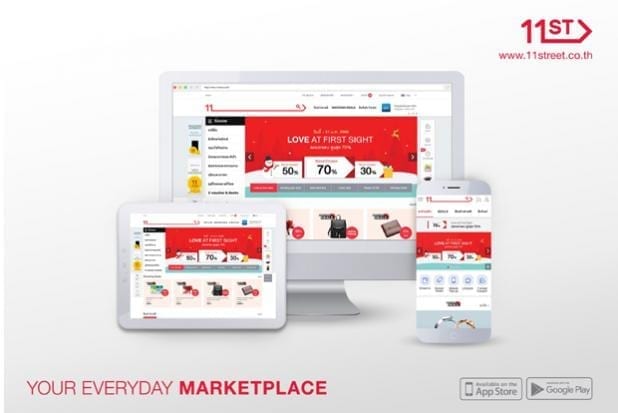
    Earlier in August, the company opened its first “sellers’ campus” to train Thai entrepreneurs interested in conducting business online. The 11street platform is designed to work across different operating systems with a seamless experience from desktops to tablets and mobile devices. One feature is a Korea Street, offering products from Korea for sale in Thailand at competitive prices.

    Mr Hong said that in the digital era where data and people are connected, security is one of the most important elements for the platform developer. “Our platform is equipped with latest technology for escrow to ensure the security of online transactions,” he said. Online sales account for lees than 2% of the total retail market in Thailand, meaning there is still huge potential room for growth.

    “Compare that with South Korea where the e-commerce market is worth approximately US$47 billion, which is 18% of the $252-billion retail market,” he said.

  • Rakuten opens flagship store on South Korea’s e-marketplace 11STREET

    Rakuten opens flagship store on South Korea’s e-marketplace 11STREET

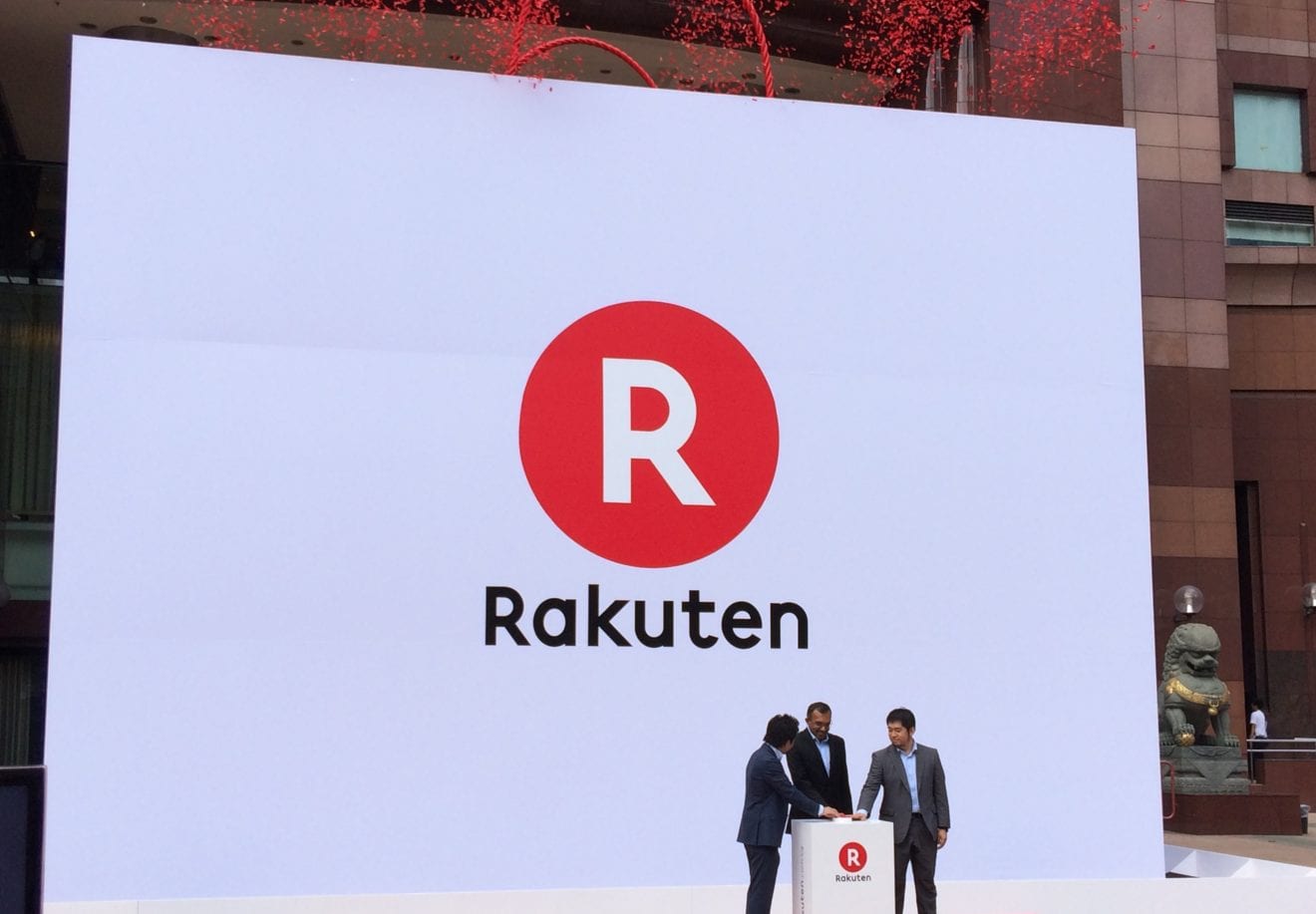
    Japan’s e-commerce giant Rakuten Inc. has opened an online flagship store on 11STREET, one of South Korea’s leading online marketplaces.

    It said store aims to provide South Korean consumers with popular Japanese merchandise and
    will feature a variety of fashion goods, beauty, and sports products.

    “11STREET is a vibrant and innovative online marketplace and we’re excited to be partnering with them on this new cross-border initiative,” said Ryoji Yasutome, Vice Senior Manager Cross Border Trading at Rakuten.

    The South Korean e-marketplace has a global network of 260,000 sellers, small merchants, brand names, department stores and supermarket chains serving 23 million registered members in the home market and abroad.

    Shoppers reportedly spend $6 billion annually on its sites.

    “Korean consumer demand for high quality Japanese and international goods continues to grow at a double figure rate,” said Joon Young Park, Senior VP at 11STREET. “Through our partnership with Rakuten, we are able to offer our customers a more exciting cross-border shopping experience with a larger selection of popular products from Japan.”

    Moving forward, Rakuten will introduce products to 11STREET customers from categories such as health, living, kitchen, and hobby items and will continue to expand the product line-up over the coming months.

    The two companies said they will also jointly provide support services to participating merchants such as translation, listings, merchandising advice, shipping and customer support.