Tag: 7-Eleven

  • 7-Eleven Takes Nike to Court over Air Max Design: The Battle of the Tri-Color Stripe

    7-Eleven Takes Nike to Court over Air Max Design: The Battle of the Tri-Color Stripe

    The popular convenience store chain, 7-Eleven, has filed a lawsuit against sportswear behemoth Nike, alleging that their upcoming sneaker design infringes upon 7-Eleven’s iconic tri-color branding. This legal action comes in response to the striking resemblance between the orange, green, and red stripe pattern of Nike’s soon-to-be-launched Air Max 95 shoe and 7-Eleven’s company branding.

    Accusations of Brand Infringement

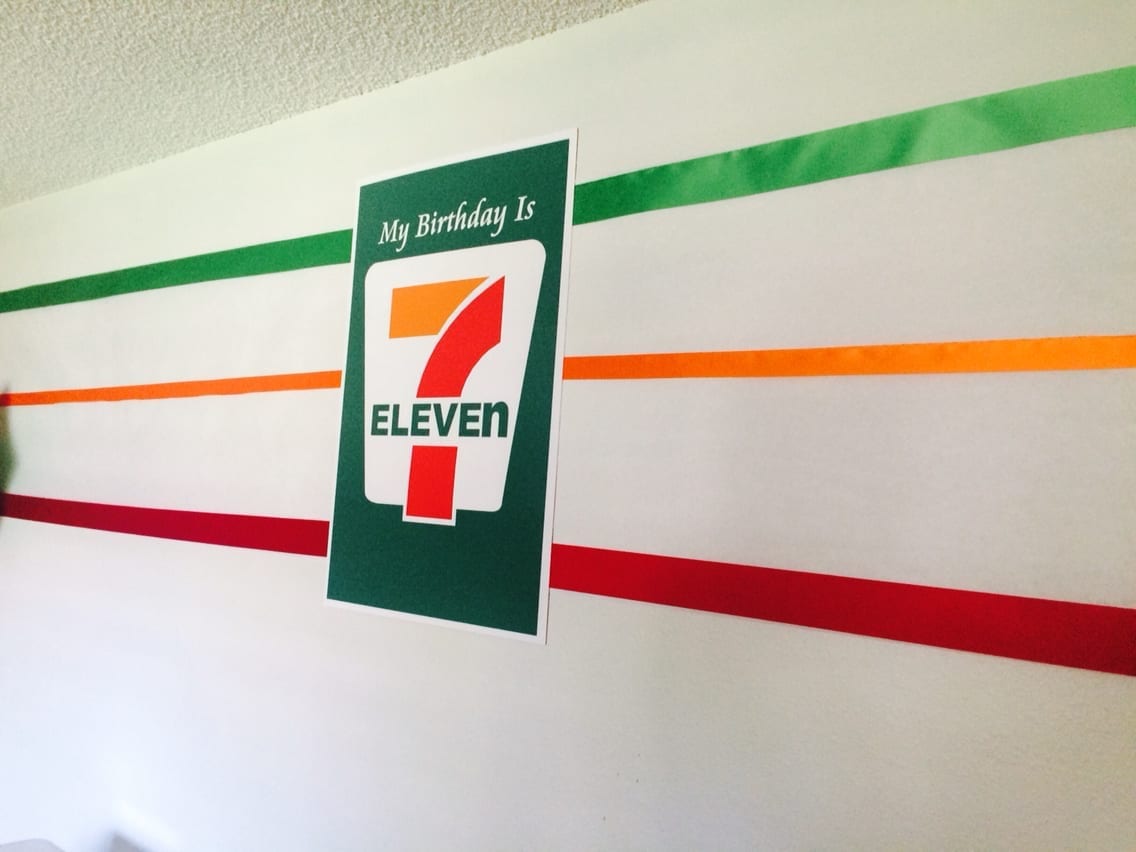
    The lawsuit, lodged in a federal court in Dallas, accuses Nike of creating a “confusingly similar imitation” of 7-Eleven’s tri-color stripe motif. 7-Eleven argues that this design is integral to its brand identity, and is universally recognized as being representative of their stores. Nike’s decision to schedule the shoe release for July 11, a date known for 7-Eleven’s annual “7-Eleven Day” celebration and Free Slurpee Day, further aggravated the dispute.

    The lawsuit alleges that Nike has shown a “callous and malicious disregard” for 7-Eleven’s brand rights. The convenience store chain has expressed concern that the unauthorized use of their brand, coupled with the shoe’s launch on their company’s “birthday”, necessitated this legal action to safeguard their brand identity.

    7-Eleven asserts that they made numerous attempts to amicably resolve the issue prior to filing the lawsuit, but were met with Nike’s resolve to proceed with the shoe’s launch and continued promotion.

    Seeking Resolution and Retribution

    The chain contends it has used the orange, green, and red color scheme for many years across various platforms including store signage, advertising, merchandise, and footwear. It claims ownership of multiple trademark registrations for this design.

    The lawsuit argues that Nike deliberately designed the shoe to conjure associations with 7-Eleven, thus profiting from their established brand recognition. The suit suggests that consumers are likely to incorrectly presume an endorsement or sponsorship from 7-Eleven, even though no such partnership exists.

    7-Eleven is pursuing a court order to halt Nike’s sales of the shoe, as well as a recall of any distributed products. The company is also seeking financial compensation and all profits from the sales of the controversial footwear.

    Questions & Answers

    What is the cause of the dispute between 7-Eleven and Nike?
    7-Eleven has accused Nike of infringing upon their tri-color stripe branding in their upcoming Air Max 95 shoe design.

    What resolution is 7-Eleven seeking in the lawsuit?
    7-Eleven is seeking a court order to stop the sale of the shoe, a recall of any distributed products, financial compensation, and all profits from the sales of the footwear.

    Did 7-Eleven attempt to resolve the dispute before filing the lawsuit?
    According to their statements, 7-Eleven tried multiple times to resolve the issue amicably but were met with Nike’s insistence on proceeding with the launch, leading them to take legal action.

  • Experience the Future of Retail: 7-Eleven Opens Innovative Concept Store in Hong Kong’s Kai Tak Sports Park

    Experience the Future of Retail: 7-Eleven Opens Innovative Concept Store in Hong Kong’s Kai Tak Sports Park

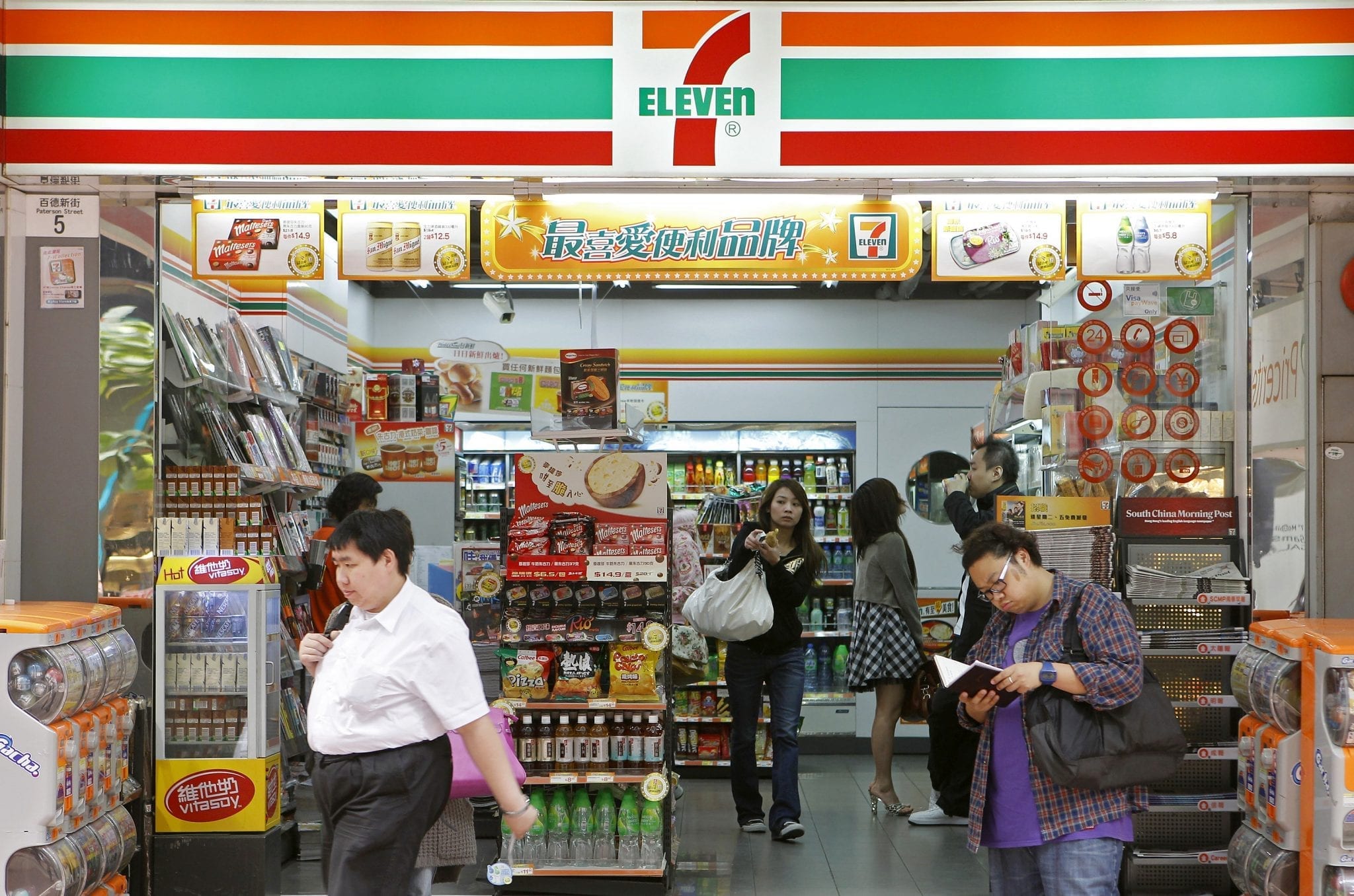
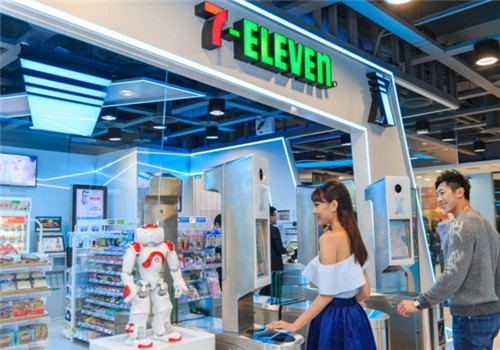
    7-Eleven Hong Kong has recently unveiled an innovative concept store within the boundaries of the burgeoning lifestyle and sports center, Kai Tak Sports Park. This modernized store model breaks the mold of traditional convenience store layouts and aims to offer a unique experience to its patrons.

    Creating a Unique Customer Experience

    The new 7-Eleven store, with a larger floor space, is designed to serve both the local residents and tourists visiting the Sports Park. It retains the essential convenience aspect that 7-Eleven is known for, while incorporating new features to encourage shoppers to spend more time exploring the store.

    The store is pushing the boundaries of its traditional merchandise range, now featuring stylish collectibles, toys, and the increasingly popular blind boxes, in addition to its standard ready-to-eat hot food and 7Cafe items.

    Themed Zones: A New Addition

    In an effort to diversify the shopping experience, the store layout incorporates a series of themed zones. One such zone is the Fun Zone, which caters specifically to K-pop enthusiasts with a selection of idol merchandise and collectible card machines. Another noteworthy addition is the Pet Zone, which offers a variety of pet accessories, snacks, and even a chilled gourmet pet cake line from Lifetastic Petisserie.

    Patrick Lui, Managing Director of 7-Eleven Hong Kong and Macau at DFI Retail Group, spoke enthusiastically about the new store format: “This new opening represents another progressive step for 7-Eleven Hong Kong in our ongoing quest to remain on trend, relevant, and closely engaged with our customers. We’re extremely grateful to our entire team for helping bring this concept to fruition. For those who haven’t yet visited, we invite you to come and experience it for yourself!”

    Aligning with Broader Business Strategy

    The launch of this concept store aligns with 7-Eleven Hong Kong’s broader business strategy to combine everyday convenience with an expanded product range and an experiential retail environment, in response to the changing consumer expectations.

    Looking beyond the borders of Hong Kong, 7-Eleven in the United States is also advancing at a rapid pace. The company has plans to open 1300 new stores by 2030, reinforcing foodservice as a key area for future development.

    Questions & Answers

    What is unique about the concept store that 7-Eleven Hong Kong has opened?
    The new store offers an enhanced shopping experience with expanded merchandise categories, introducing themed zones like the Fun Zone and Pet Zone for a more engaging customer experience.

    How does the concept store align with 7-Eleven’s broader strategy?
    The concept store is part of 7-Eleven Hong Kong’s broader strategy to meet evolving consumer expectations by blending usual convenience with a wider product mix and incorporating experiential retail elements.

    What are 7-Eleven’s growth plans in the United States?
    In the United States, 7-Eleven plans to open 1300 new stores by the year 2030, with a strong emphasis on expanding its foodservice offerings.

  • Celsius Debuts Sparkling Raspberry Peach: An Exclusive 7-Eleven Flavor Revolutionizing the Australian Beverage Scene

    Celsius Debuts Sparkling Raspberry Peach: An Exclusive 7-Eleven Flavor Revolutionizing the Australian Beverage Scene

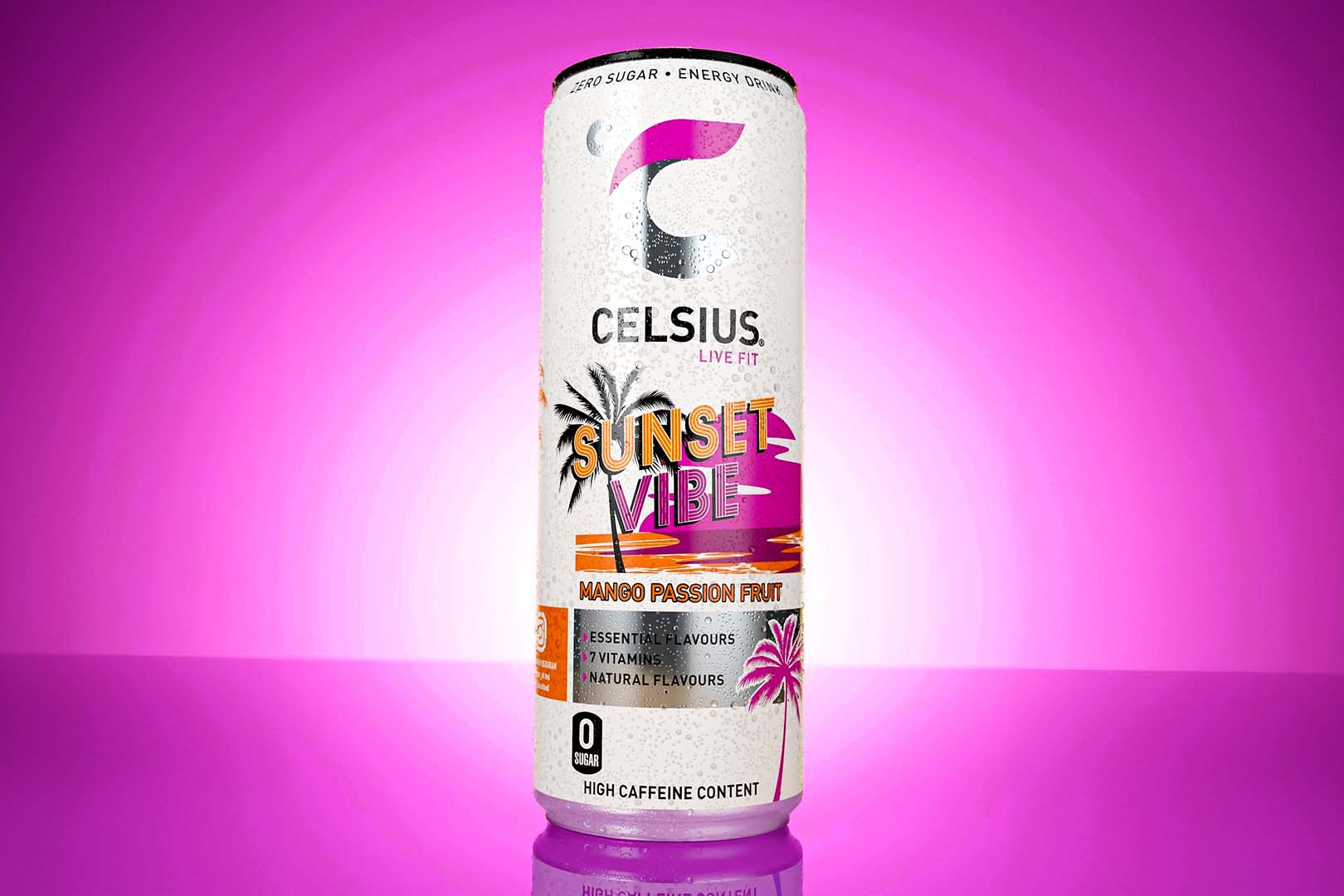
    Celsius, a renowned US energy drink brand, is introducing a flavour that will be exclusively available at 7-Eleven stores across Australia. This beverage, Sparkling Raspberry Peach, will be presented via the brand’s first-ever pop-up at the popular convenience store chain.

    The Sparkling Raspberry Peach flavour offers a delightful mix of succulent peach and a touch of zesty raspberry. A representative for Celsius anticipates that this new beverage will be popular among Australian consumers and could potentially become the preferred non-alcoholic drink of choice. This prediction comes on the back of a recent study which reported that roughly 40% of drinkers are seeking to reduce their alcohol consumption, creating an opportunity for non-alcoholic beverages like Celsius to fill the gap.

    The Sparkling Raspberry Peach flavour is currently available at 7-Eleven stores across the nation at a suggested retail price of $4.

    To commemorate the launch, a pop-up event was organised featuring Australian DJ and producer, DJ Cyril. Entry tickets were priced at $7.11 each, with limited availability.

    Adam Jacka, the General Manager of Marketing at 7-Eleven Australia, stated that their stores have consistently been a go-to spot for Australians to kickstart their day. Whether it’s a comforting oat latte, a chilly iced coffee, or a refreshing energy boost like Celsius, they cater to all preferences. Expressing his excitement about the partnership with Celsius, he added that the morning rave event was unconventional yet fitting. According to him, it encapsulates the spirit of 7-Eleven in its local, fun, and community-oriented approach.

    Celsius has recently broadened its product offerings in Australia.

    Questions & Answers

    What is the new Celsius flavor that is launching in Australia?
    The new flavor is Sparkling Raspberry Peach, a blend of sweet peach and tangy raspberry.

    Where will this new Celsius flavour be available?
    The Sparkling Raspberry Peach flavor will be exclusively available at 7-Eleven stores across Australia.

    What was the special event organised to celebrate the launch of the new flavor?
    A pop-up event featuring Australian DJ and producer, DJ Cyril, was organised to celebrate the launch.

  • Messi’s Healthy Hydration Beverage, Más+, Debuts In Australia Exclusively At 7-eleven

    Messi’s Healthy Hydration Beverage, Más+, Debuts In Australia Exclusively At 7-eleven

    Lionel Messi’s hydration beverage, Más+ by Messi, has recently made its debut in the Australian market following its successful reception in the United States. The exclusive distributor for this product in Australia is 7-Eleven.

    Más+ by Messi boasts natural sweeteners and flavors and does not contain any artificial colors or preservatives. Additionally, it is rich in essential nutrients with six vitamins and four electrolytes included in its recipe.

    Uniquely Delicious and Healthy

    Ben Gibson, General Manager at Mark Anthony Brands Australia, expressed his delight over the introduction of the drink. He emphasized the remarkable achievement of creating a delectable beverage containing only 1g of sugar and 10 calories per 500ml bottle, without any artificial sweeteners or colors. Gibson added that this drink empowers individuals to hydrate like a champion each day.

    He further stated, “This introduction signifies more than just a product launch. It marks the beginning of a new phase for hydration beverages in Australia.”

    Inspired Flavours

    The product line features four distinct flavors, each inspired by and named after significant milestones in Messi’s life.

    The Miami Punch flavor derives its inspiration from Messi’s current city of residence. It combines a variety of berry flavors with a hint of pineapple.

    Berry Copa Crush is another flavor that blends blueberries, raspberries, cherries, and acai. The inspiration behind this flavor is the numerous trophies Messi has won over his illustrious career.

    Más+ Orange d’Or is a flavor that celebrates Messi’s record-breaking eight Ballon d’Or victories. This flavor incorporates the taste of oranges and tangerines.

    Lastly, the brand presents Limon Lime League, a flavor that balances sweetness with a fruity and zesty taste. The UEFA Champions League, which Messi won four times, served as the inspiration behind this flavor.

    Questions & Answers

    What is unique about Más+ by Messi hydration drink?
    The drink is made with natural flavors and sweeteners, and it does not contain any artificial colors or preservatives. It also has six vitamins and four electrolytes.

    Where is Más+ by Messi available in Australia?
    The drink is available exclusively at 7-Eleven stores in Australia.

    What are the flavors of Más+ by Messi and what do they represent?
    Más+ by Messi has four flavors: Miami Punch, Berry Copa Crush, Más+ Orange d’Or, and Limon Lime League. Each flavor represents a significant milestone in Messi’s life.

  • 7-eleven’s Bold $1.2b Acquisition: Aiming For Retail Dominance In Taiwan

    7-eleven’s Bold $1.2b Acquisition: Aiming For Retail Dominance In Taiwan

    In a bold move signaling the strength of the retail sector, Japanese retail giant 7-Eleven has struck a deal to acquire approximately 3,200 stores in Taiwan. This acquisition, worth a staggering $1.2 billion, is not just a strategic expansion but also a reflection of 7-Eleven’s ambition to dominate the Asian market. Currently, the brand commands a formidable presence in Taiwan, boasting over 6,000 stores. With this new endeavor, they intend to enhance distribution channels and grow their footprint across the island.

    Strategic Expansion in a Competitive Market

    The transaction is set to reshape the competitive landscape of convenience stores in Taiwan. Presently, the local market is a battleground, dominated by major players such as FamilyMart and Hi Life. Analysts are already speculating about how this merger will redefine customer loyalty, pricing strategies, and inventory management across the sector. It’s as if the comfort of picking up a midnight snack is suddenly caught in a high-stakes chess game.

    7-Eleven’s acquisition follows a series of strategic maneuvers aimed at revitalizing its brand and operations in Asia. Previously, the company has made headlines with its innovative retail approaches, integrating technology and customer experience into its neighborhood stores. This has set a high bar for convenience shopping, and it’s clear that 7-Eleven is not merely following trends; it’s establishing them.

    Boosting Local Networks

    The company has expressed intentions to retain current management and regional operational identity after the acquisition to maintain a sense of continuity for shoppers. This is a crucial move; blending 7-Eleven’s global prowess with existing local insights is expected to drive growth while remaining sensitive to Taiwan’s unique consumer culture.

    The Broader Impact on Industry Dynamics

    With Taiwan’s retail environment evolving rapidly, experts predict that this acquisition could catalyze further consolidations in the convenience store sector. Rivals may have to rethink their positioning and services, particularly as consumer behavior continues to trend towards convenience and immediacy.

    In an industry where every little detail counts—whether that’s snack availability or the size of a coffee cup—7-Eleven’s latest move could change the game entirely. Imagine the excitement of buying your favorite late-night snacks from a store freshly stocked by a retail powerhouse!

    Questions & Answers

    What is the significance of 7-Eleven’s acquisition of stores in Taiwan?
    This acquisition signals 7-Eleven’s intent to solidify its dominance in the Taiwanese market amidst growing competition from local chains like FamilyMart and Hi Life.

    How many stores will 7-Eleven operate in Taiwan post-acquisition?
    After the acquisition, 7-Eleven will operate over 9,200 stores across Taiwan, enhancing its distribution and customer reach significantly.

    What strategies might competitors employ in response to this acquisition?
    Competitors may need to rethink their pricing strategies, improve customer loyalty programs, and enhance inventory management to keep pace with 7-Eleven’s expected innovations.

  • 7-Eleven Operator Sets Ambitious Goal to More Than Double Share Price by 2030!

    7-Eleven Operator Sets Ambitious Goal to More Than Double Share Price by 2030!

    Seven & i Holdings is charting a bold course towards a 44% profit increase by fiscal 2030, which translates to an annual growth rate of 7%. The operator behind the ubiquitous 7-Eleven convenience stores announced its plans on Wednesday, seeking to strengthen its performance in the wake of a narrow escape from a takeover attempt by Canada’s Alimentation Couche-Tard last month.

    In a landscape where convenience is king, the company is focusing on several key initiatives to enhance profitability. This includes investing heavily in store upgrades, introducing new locations, and expanding delivery services. The strategy reflects a clear recognition that convenience retail is evolving, and Seven & i is determined not to lag behind.

    The sweeping plans come as leadership at Seven & i faces scrutiny; CEO Stephen Hayes Dacus addressed investors during a press conference, emphasizing the need for change in the company’s strategic approach. “We’re not just here to survive; we aim to thrive in an increasingly competitive market,” he stated, underscoring a commitment to rejuvenate the brand and bolster shareholder confidence.

    The Convenience Store Renaissance

    The company’s future-focused strategy comes at a time when convenience stores are experiencing a renaissance in Japan and across Asia. With a new emphasis on fresh food offerings and seamless delivery options, Seven & i aims to keep pace with changing consumer preferences. In a wry nod to the industry’s evolution, one could say that traditional convenience has gone “next level,” as companies innovate to keep shoppers engaged and returning for more.

    In an effort to cement its presence within local communities, Seven & i plans to prioritize neighborhood needs in its expansion plans, tailoring product offerings to meet the diverse tastes of its customer base. This commitment to local engagement suggests an understanding that the key to success lies not just in sales figures, but in genuine connections with consumers.

    Questions & Answers

    How does Seven & i plan to achieve its profit increase by 2030?
    The company aims for a 44% profit increase through strategic investments in store upgrades, new locations, and enhanced delivery services.

    What recent event prompted Seven & i to refine its strategic approach?
    The company narrowly avoided a takeover attempt by Canada’s Alimentation Couche-Tard, prompting it to take decisive measures to stabilize and grow its share price.

    What changes are being made to meet evolving consumer preferences?
    Seven & i is focusing on expanding fresh food offerings and enhancing delivery options to better cater to shifting consumer demands in the convenience retail sector.

  • 7-Eleven Philippines targets 5000 stores by next year

    7-Eleven Philippines targets 5000 stores by next year

    Philippine Seven Corporation (PSC), the entity managing 7-Eleven stores in the Philippines, has its sights set on bolstering its network to a landmark 5000 stores across the nation by the next year.

    On Track for Expansion

    Providing an update at a press briefing, PSC Chairman Jose Victor Paterno voiced the company’s confidence about achieving this ambitious target. He indicated that it is a reasonable assumption to expect the 5000-store mark to be realized within the upcoming year.

    At the conclusion of last year, PSC had a total of 4130 7-Eleven locations strewn across the Philippines. The organization is planning to inaugurate between 450 and 500 additional stores throughout the current year.

    Financial Support for Rollout

    To aid the rollout of these new locations, a capital expenditure program worth PHP5.5 billion (US$97 million) has been established. This fund represents a marginal decrease from the previous allocation of PHP6 billion.

    Aiming to Serve Underserved Markets

    This planned expansion forms a crucial element of PSC’s wider strategy. The company aims to cater to underserved markets and react to the escalating demand for easily accessible and convenient retail options in every corner of the nation.

    Questions & Answers

    What is the expansion target set by Philippine Seven Corporation?
    The company is planning to expand its network to a total of 5000 stores nationwide by the next year.

    How many new 7-Eleven stores does PSC plan to open this year?
    PSC aims to inaugurate between 450 and 500 new locations in the current year.

    What is the objective of PSC’s expansion strategy?
    The strategy aims to reach and serve underserved markets and respond to the increasing demand for accessible and convenient retail options across the nation.

  • 7-eleven Eyes Nationwide Expansion: 5000 Stores In Philippines By Next Year

    7-eleven Eyes Nationwide Expansion: 5000 Stores In Philippines By Next Year

    Philippine Seven Corp (PSC), the company that operates 7-Eleven stores domestically, has plans to significantly increase the number of outlets across the country by next year. The ambitious goal is to expand their current network to an impressive 5000 branch total.

    Ambition for Expansion

    During a recent press briefing, PSC Chairman Jose Victor P Paterno confirmed that the company is well on its way to reaching this considerable goal. He expressed confidence by stating it was “safe to say” that the 5,000-store landmark will be achieved by next year.

    As it stood at the close of last year, PSC was operating 4,130 7-Eleven stores throughout the Philippines. This indicates an intent to open between 450 and 500 new outlets over the course of this year.

    Funding the Growth

    The expansion will be facilitated by a PHP5.5-billion (US$97 million) capital expenditure program. Although this is somewhat less than the previous PHP6-billion allocation, it is by no means a small investment.

    Strategic Expansion

    The planned growth of 7-Eleven outlets is not just about increasing numbers. PSC’s strategy is to target areas that are currently underserved in terms of retail, responding to the growing nationwide demand for retail options that are both accessible and convenient.

    Questions & Answers

    What is the goal of Philippine Seven Corp (PSC) for their 7-Eleven outlets by next year?
    The company aims to expand its current network to a total of 5000 stores nationwide.

    How many new 7-Eleven stores does PSC plan to open this year?
    PSC plans to open between 450 and 500 new outlets over the course of this year.

    What is the strategy behind PSC’s expansion of 7-Eleven outlets?
    The expansion is part of a broader strategy to reach underserved markets and respond to increasing demand for accessible and convenient retail options nationwide.

  • Japan’s 7-Eleven Parent Responds Boldly to Criticism from Couche-Tard

    Japan’s 7-Eleven Parent Responds Boldly to Criticism from Couche-Tard

    Alimentation Couche-Tard, the Canadian retail giant, has found itself at the center of a heated dispute with Seven & i, the Japanese company that operates the iconic 7-Eleven convenience store chain. In a recent statement, Seven & i pointed out that Couche-Tard had not successfully identified a suitable strategic buyer for its U.S. outlets, a necessary step to alleviate antitrust concerns linked to their proposed merger. This revelation has added fuel to an already simmering clash between the two retail powerhouses.

    Miscommunication and Misinterpretations

    The tension escalated as Seven & i accused Couche-Tard of misrepresenting the challenges inherent in their merger agreement. In a pointed response, the Japanese retailer claimed that its Canadian counterpart showed a lack of commitment to overcoming the various significant hurdles associated with the proposed deal. As blame shifts back and forth like a retail ping-pong match, the prospect of a fruitful partnership increasingly appears to be fading away.

    Antitrust Obstacles Remain

    At the core of the dispute is the complexity of antitrust regulations that are designed to maintain competitive markets. Seven & i positioned itself as a defender of market integrity, suggesting that Couche-Tard’s failure to find a buyer for its U.S. assets exhibits a deeper problem rather than just a mere ‘misunderstanding’ of the situation. With both companies digging in their heels, the future of the proposed merger hangs in the balance like a pair of high-stakes dice.

    What Comes Next?

    As the legal and strategic battles unfold, the retail landscape in Asia watches keenly. Industry analysts are now pondering the potential ramifications for both companies if they cannot find common ground. Can two titans of retail, each with robust operations and loyal followings, navigate their way through this quagmire, or will their aspirations fizzle like an over-enthusiastic soda pop? Only time will tell.

    Questions & Answers

    What is the central issue between Alimentation Couche-Tard and Seven & i?
    The main issue revolves around Couche-Tard’s failure to identify a strategic buyer for its U.S. outlets, a necessary step to mitigate antitrust concerns regarding their proposed merger.

    How has Seven & i responded to Couche-Tard’s claims?
    Seven & i has accused Couche-Tard of mischaracterizing the challenges of the deal and lacking commitment to resolving them, escalating the blame game between the two companies.

    What are the implications of this dispute for the retail industry in Asia?
    The ongoing tensions could have significant repercussions for both companies and the wider retail landscape in Asia, as observers speculate on potential impacts should they fail to reach a resolution.

  • Seven & I Reports Soaring Profits Driven by International Convenience Store Expansion

    Seven & I Reports Soaring Profits Driven by International Convenience Store Expansion

    In a significant financial update, Japan’s Seven & i Holdings reported a 9.7% rise in operating profit for the quarter spanning March to May, surpassing analysts’ expectations due to stronger results from its international convenience store operations. The company, best known for its 7-Eleven franchise, is navigating a challenging landscape as it comes under scrutiny following a $47 billion takeover bid from Canada’s Alimentation Couche-Tard.

    The first-quarter profit hit 65.1 billion yen ($445.19 million), which was markedly higher than the 58 billion yen anticipated by a poll of six analysts conducted by LSEG.

    Recently, Seven & i has implemented a strategic share buyback, divested non-core assets, and is preparing to float its North American convenience store segment. However, the domestic 7-Eleven stores have seen a downturn in profits, although the overall net profit was bolstered by the asset sales from subsidiary Ito-Yokado.

    In the competitive U.S. market, the company credited enhanced gross profit margins to the successful rollout of private-label products and improved labor cost management. But it wasn’t all good news; Seven & i shares slipped by 1.6% on the day of the earnings announcement, contributing to a 13% decline this year. Perhaps it’s a case of “no news is good news,” but in the volatile world of retail, even the smallest hiccup can set off alarm bells.

    As an indicator of its proactive measures, the retailer reported spending around 156 billion yen on share repurchases by the end of last month, while maintaining its earnings forecast amid these turbulent times.

    Questions & Answers

    What contributed to the rise in Seven & i Holdings’ operating profit?
    The increase in operating profit was primarily attributed to improved performance from its overseas convenience stores, particularly in the U.S., where the company benefited from enhanced gross profit margins and optimized labor costs.

    How is Seven & i responding to the pressure from Alimentation Couche-Tard’s takeover bid?
    To bolster its financial standing amid the takeover bid, Seven & i has initiated a share buyback program, sold off non-core assets, and is planning to list its North American convenience store business.

    What recent financial actions has Seven & i taken to strengthen its position?
    The company has reported spending approximately 156 billion yen on share repurchases and has maintained its earnings forecast, signaling confidence in its strategic plans despite recent challenges.

  • 7-Eleven upcycles uniforms in textile waste initiative

    7-Eleven upcycles uniforms in textile waste initiative

    7-Eleven Australia’s latest initiative to reduce textile waste going to landfill focuses on recycling old uniforms.

    The convenience chain is working with Loop Upcycling (Loop) to turn textiles into stretch fabric beanies.

    Julie Laycock, general manager – customer at 7-Eleven, said “Having identified old uniforms and other textiles, and learning from Loop Upcycling what the fabrics could be turned into, we collaborated with our community partners The Salvation Army and AMES Australia to determine what would be most useful for their clients.”

    The beanies were donated to people experiencing homelessness, winter power bill challenges, as well as new migrants and refugees facing a cold Melbourne winter.

    This collaboration has saved more than 143kg of clothing from landfill.

    Franco Randazzo, Loop Upcycling CEO, said “Many of the participants who produced the beanies have themselves been supported by organisations like The Salvation Army or AMES Australia.

    “For them to have the chance to work on a project that not only benefits the environment and helps them learn new skills, but also provides them the chance to give back to organisations who have been there for them in times of struggle has been really extraordinary.”

    Laycock said 7-Eleven Australia continues to seek opportunities for waste reduction.

    “Being able to support those in need and redirect waste from landfill is something we are trying to do more of. Loop, in addition to recycling textiles, provides workplace and skills training for vulnerable people.

    “This project has created some extraordinary moments for connection and caring in our communities and we are looking forward to continuing to trial ways to reduce waste across our business,” she said.

  • 7-Eleven eyes 100,000 stores globally by 2030

    7-Eleven eyes 100,000 stores globally by 2030

    Japanese retail giant Seven & I Holdings said on Tuesday it wanted to see huge growth for its 7-Eleven convenience store chain globally, and would be accelerating its entry into Europe, Latin America, the Middle East and Africa.

    It is aiming to boost the global number of 7-Eleven stores 18 per cent to about 100,000 by 2030 and for the chain to be in 30 countries and regions, up from 20 now.

    The plan is part of a large-scale restructuring that involves selling off lower-performing supermarket assets – a strategy pursued after pressure from activist investors.

    Since last year, the company has announced the closure of dozens of Ito-Yokado supermarkets, exited its apparel business, and completed the sale of its Sogo & Seibu department store unit. It also agreed to spend more than $2 billion to scoop up convenience stores in Australia and the United States.

    7-Eleven North America chief Michael DePinto said the group will “continue to aggressively pursue opportunities” in mergers and acquisitions in the region.

    ValueAct Capital, a US-based investor that has harshly criticised the company’s asset allocation and tried to expel its president, last week praised the group’s restructuring plan, saying it would vote in favour of its board nominees.

  • 7-Eleven opens its first store in Laos

    7-Eleven opens its first store in Laos

    In a press release, CP ALL Laos, a master franchisee of 7-Eleven International, which is a joint venture between 7-Eleven, Inc. and Seven-Eleven Japan, opened its first 7-Eleven store in Laos. The store is located in the capital city of Vientiane.

    “CP ALL Laos is excited to serve the community of Vientiane as it experiences significant economic growth and surge in tourism following the opening of the Laos-China Railway high-speed train,” according to the release.

    The store features 7-Eleven’s signature retail model and serves a variety of internationally-popular products and beverages–including bean-to-cup coffee and Slurpee and Big Gulp drinks. Customers can enjoy hamburgers, toasted sandwiches and freshly baked bread. CP ALL Laos is looking into opportunities to offer Laotian meals.

    “With its thriving economy and growing population, Laos offers an excellent environment for 7‑Eleven’s first retail venture in the region,” said 7-Eleven International Co-CEOs Shin Abe and Ken Wakabayashi. “Our entrance into the country brings Laotian customers a one-stop-shop solution with quality fresh food and convenience needs, via a store format not currently prevalent in the market. The store opening in Laos marks the 20th country and region for 7-Eleven. We are excited to continue providing citizens and tourists with world-class convenience.”

    Meanwhile, in China’s Guangdong province, WeChat Pay announced that its palm payment service is now available at over 1,500 7-Eleven convenience stores. Currently, users wanting to use the payment method can activate it on WeChat’s digital payment devices in offline 7-Eleven stores. Once activated, users will be able to pay by simply placing their palms above a palm-reading device in the participating stores.

    Panera Bread began testing Amazon’s palm-scanning technology in two locations earlier this year. The identification technology, dubbed Amazon One, is already used in dozens of Amazon-owned Whole Foods locations, Amazon Go stores and some stadiums and arenas.

  • Berjaya Corp acquires more shares in 7-Eleven Malaysia

    Berjaya Corp acquires more shares in 7-Eleven Malaysia

    Berjaya Corporation Bhd’s subsidiary, Inter-Pacific Securities Sdn Bhd (IPS), acquired 16.80 million ordinary shares (equivalent to 1.51% equity interest) in 7-Eleven Malaysia Holdings Bhd (SEM) through direct transactions, for a cash consideration of approximately RM30.77 million.

    This brings the combined equity interest of BCorp and its subsidiaries in SEM to about 14.37%.

    The acquisitions were funded internally by IPS and have no expected material impact on BCorp group’s financials for the current fiscal year.

  • 7-Eleven Australia owners ready to sell

    7-Eleven Australia owners ready to sell

    The entire 7-Eleven business is for sale in Australia – just months after the iconic convenience store increased the price of its famous $1 coffee.

    Chairman of 7-Eleven Holdings Michael Smith said that on Monday shareholders decided the business was ready for new ownership.

    ‘The business has great momentum and a compelling strategy for growth across convenient food, the continued transformation of our total merchandise offer, digital and format innovation, and new stores,’ Mr Smith said.

    The entire 7-Eleven business in Australia, which comprises of about 750 stores nationwide, is up for sale (pictured, 7-Eleven store in St Kilda, Melbourne)

    Mr Smith reassured 7-Eleven customers claiming business is as ‘usual’ as the sale process is in its early stage and is expected to take several months.

    ‘Across our network of stores, it’s business as usual, and our focus is on our customers and being the first choice in convenience retailing in Australia’.

    Majority owner Russell Withers commented on behalf of 7-Eleven shareholders explaining the business started in 1977 with one store in suburban Melbourne.

    Mr Withers said the chain now boasts around 750 stores across Victoria, New South Wales, ACT, Queensland and Australia.

    He added that the chain processes 250 million transactions annually and employs more than 9,000 people across its corporate and franchise network.

    Chairman of 7-Eleven Holdings Michael Smith (left) said shareholders decided the business was ready for new ownership. Majority owner Russell Withers (right) said 7-Eleven has an ‘exciting outlook for growth

    However, the Withers and Barlow families decided the time was right to sell the chain to new owners with a view to future growth and success.

    ‘The company has made significant progress in recent years on a number of fronts and is performing well under a highly credentialed management team, with an exciting outlook for growth,’ Mr Withers said.

    The sale comes just months after the iconic convenience store increased the price of its famous $1 coffees and Slurpees. From October 4 last year, the price of a regular 7-Eleven coffee doubled to $2 and the stores large Slurpees increased to $1.50.

    A spokesperson from 7-Eleven confirmed the price of Australia’s favorite service station drinks rose due to inflated operational costs.

    ‘The changes are a result of increasing input costs for our products,’ 7-Eleven told Daily Mail Australia.

    The affected coffee varieties included the shop’s standard $1 coffee and its hot chocolates, iced coffees and ice cream coffee melts. The first 7-Eleven store opened in Melbourne’s Oakleigh in 1977, and opened the business’s first 24 hour store in 1978.

    The sale comes just months after the iconic convenience store increased the price of its famous $1 coffees (left) and Slurpees (right). From October 4 last year, price of a regular coffee doubled to $2 while Slurpees increased to $1.50

    7-Eleven is the largest convenience retailer on the eastern seaboard of Australia, with an estimated market share of about 38.5 percent.

    The business also claims to be the largest independent fuel retailer on the eastern seaboard, selling Mobil-branded fuel. he Withers and Barlow families brought the 7-Eleven brand to Australia after signing an area license agreement in 1976.

    The Withers Group also secured the Australian rights to Starbucks, bringing the coffee chain back to Aussie shores in 2014.