Tag: 7-Eleven

  • Zuum Adds Strawberry Energy Gum in Ten-Product Expansion Push

    Zuum Adds Strawberry Energy Gum in Ten-Product Expansion Push

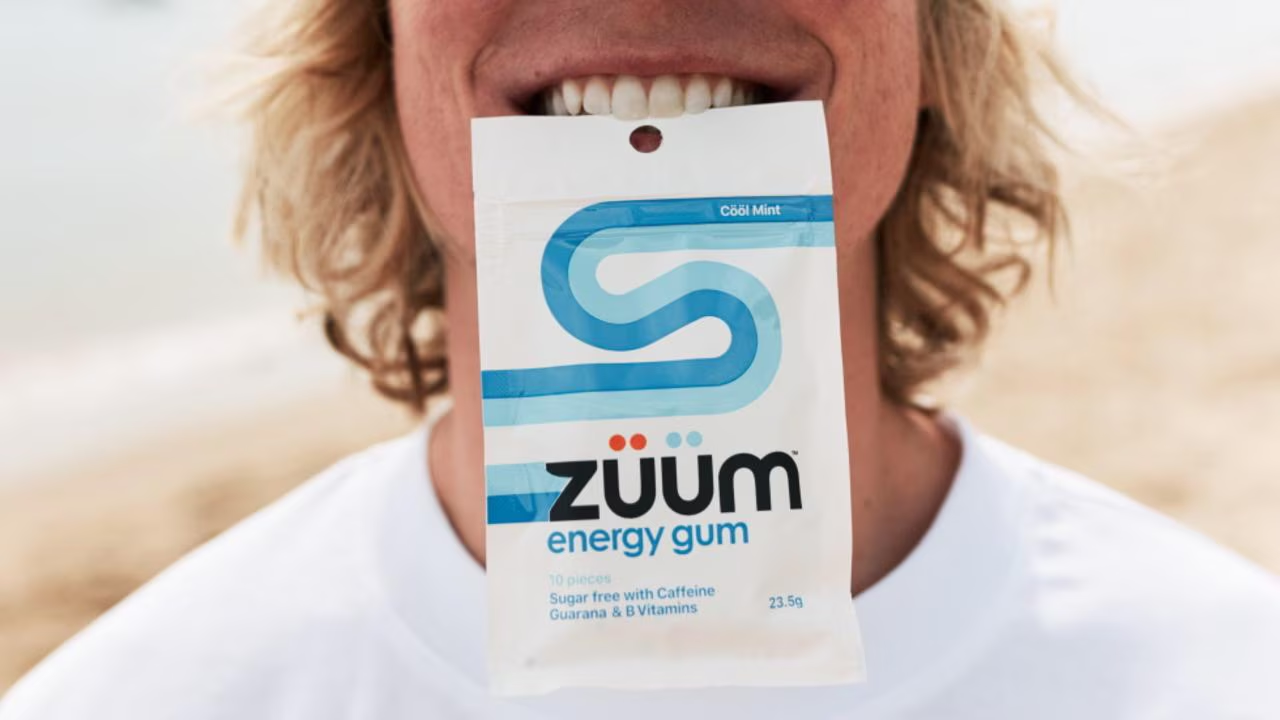
    Australian functional consumer brand Zuum launched an extra-strength strawberry energy gum in September 2026. The release kicks off a planned 10-product rollout across domestic and overseas retail networks.

    The new variant expands the core Performance Energy Gum line. Zuum is targeting wider shelf space in convenience chains, pharmacies and online direct-to-consumer channels.

    Expanding the functional gum lineup

    Cool Mint, Extra Strength Arctic Mint, Spearmint and Watermelon already sit in the range. The strawberry gum sells through Zuum’s website alongside physical retail stockists.

    Functional chewing gums deliver active ingredients like caffeine and vitamins through oral absorption. That format provides faster uptake without liquid volume, giving shoppers an alternative to ready-to-drink energy beverages and traditional confectionery.

    Convenience and pharmacy distribution

    Convenience stores and pharmacy banners serve as the primary distribution ground for impulse functional products across Australia. Checkout placement captures commuters and workers seeking quick alertness fixes.

    For retailers, high-margin functional confectionery delivers strong sales density per square centimetre at front registers. The products challenge conventional mints and sugary gums, which face steady volume pressure from health-conscious consumers.

    Competitive pressure in energy alternatives

    Energy gum competes directly with canned energy drinks, caffeine pouches and functional tablets. While canned drinks dominate total volume, portable formats win on pocket-sized convenience and zero-sugar recipes.

    Survival in functional confectionery requires steady sales velocity after opening promotional campaigns fade. Retail buyers routinely clear counter space of slow-moving stock keeping units.

    Retail rollout timeline

    Zuum established its mainstream retail footprint in 2024 when convenience operator 7-Eleven introduced the gum line to Australian stores. That partnership gave the brand national visibility across high-traffic urban and roadside locations.

    Nine additional products will arrive before the end of the second half of 2026. The company is now negotiating broader listings in domestic pharmacy chains and selected international markets.
  • 7-Eleven Malaysia Launches Four Michelin-Crafted Ready Meals at RM15.90

    7-Eleven Malaysia Launches Four Michelin-Crafted Ready Meals at RM15.90

    In September 2026, 7-Eleven Malaysia rolled out a four-dish ready-to-eat meal range developed with Michelin Guide chefs. Each counter-served rice dish costs RM15.90.

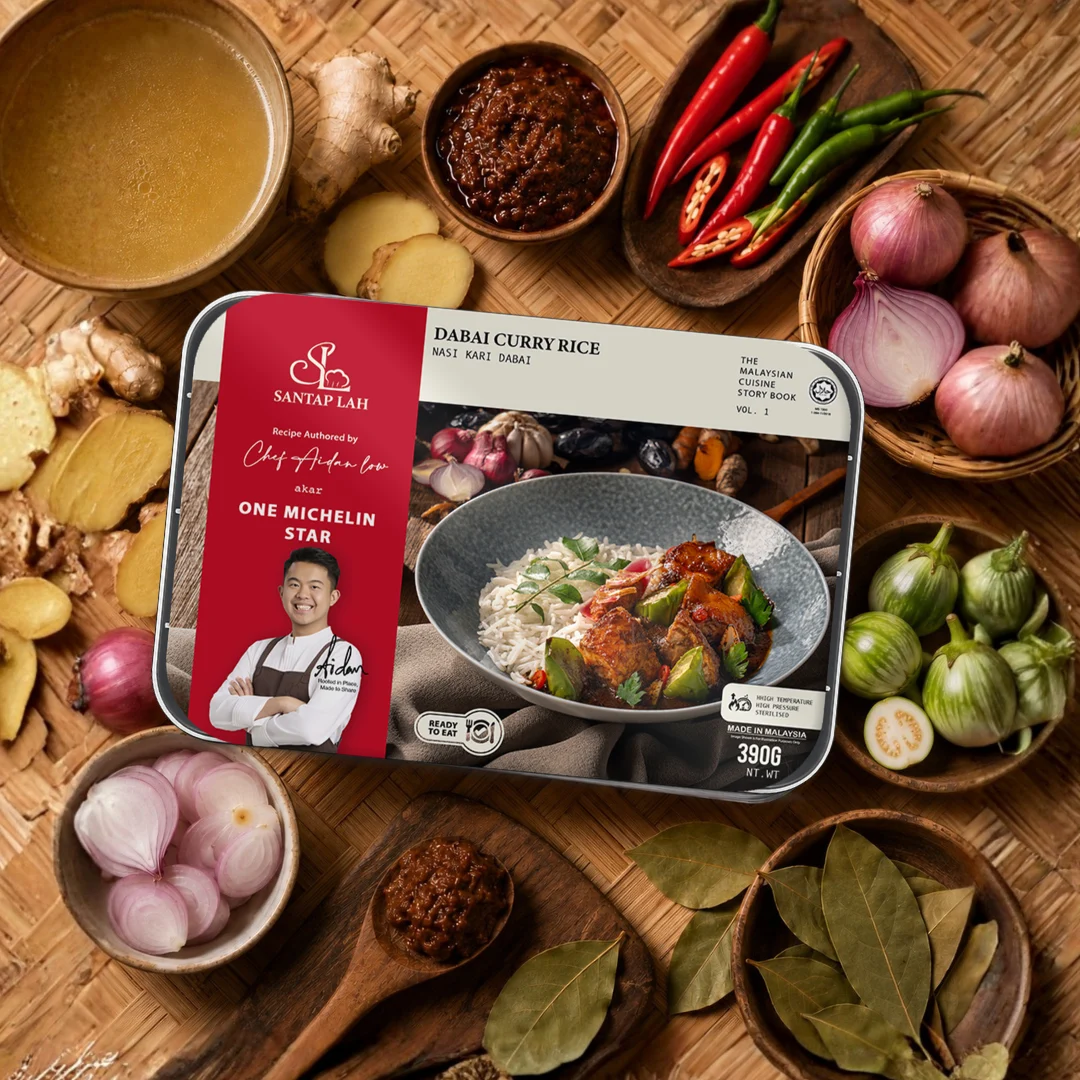
    Branded as Santap Lah, the collection is available exclusively across the chain’s CAFÉ by 7-Eleven store format in Malaysia. Every meal is halal-certified and made without preservatives. Staff heat each portion directly at the service counter.

    Star chefs take to the convenience counter

    The lineup pulls recipes directly from high-end kitchens in Kuala Lumpur and Penang. Raymond Tham, chef at one-star Beta KL, developed the Kadok Chicken Rice. Aidan Low of one-star akar contributed the Dabai Curry Rice. Penang-based Kim Hock Su from one-star Restaurant au Jardin created a vegan option, Hericium Mushroom Rendang with Rose Water Rice. A fourth dish, Rose Chicken with Buttered Rice, comes from Nurilkarim of Michelin-selected Jawi House.

    Selling fine-dining recipes in plastic trays requires rigid cold-chain controls and tight commissary standardisation. The retailer is using shelf-stable heating techniques and preservative-free recipes to tackle the quality drop common in mass-produced convenience food.

    The margin fight in fresh food

    Convenience operators across Southeast Asia are leaning heavily on proprietary ready meals to defend gross margins against grocery discounters and food delivery platforms. Ready-to-eat lines yield higher gross margins than packaged consumer goods. However, they carry sharp inventory risks if off-peak sales drop.

    In Malaysia, 7-Eleven faces stiff competition in fresh food from FamilyMart. That rival built its local market share on hot snacks, oden, and chilled lunch boxes. By putting Michelin-starred names on its menu, 7-Eleven aims to capture office workers looking for quality lunches without paying full restaurant table rates.

    Expanding the cafe footprint

    This rollout ties into the chain’s broader conversion of standard convenience outlets into the larger CAFÉ by 7-Eleven format. These stores dedicate more floor space to seating, barista coffee, and ready-to-eat meals.

    Customer uptake across suburban locations outside central Kuala Lumpur will test the Santap Lah range next. Spending power is tighter in these areas, where standard hawker meals still sell well below the RM15 mark.

  • Chinese Shoppers Ditch Supermarkets for Small Community Stores

    Chinese Shoppers Ditch Supermarkets for Small Community Stores

    Chinese consumers are ditching traditional supermarkets in favour of small neighbourhood community stores that offer low prices and instant delivery services.

    In Guangzhou, 20-something shopper Cindy Wang now stops by a local community store after work, finding it cheaper than a standard supermarket and better stocked than convenience chains like 7-Eleven.

    Discount Pricing at the Doorstep

    On an early September evening, Wang bought a bottle of milk for 7 yuan (US$1), a beer for 2.5 yuan, and mangoes priced at 10 yuan per kilogram at the newly opened outlet near her home.

    These residential outposts carry a wider assortment of fresh produce and pantry goods than traditional convenience chains like 7-Eleven. They also eliminate the commute and layout friction associated with sprawling edge-of-town hypermarkets.

    Pressure Mounts on Hypermarket Operators

    Traditional big-box chains across mainland China face structural headwinds from this shift. Large hypermarkets built on multi-tier lease models and high supplier listing fees cannot easily match the ultra-lean operating costs of ground-floor residential shops. For commercial real estate landlords, shrinking footfall at anchor supermarket tenants weakens foot traffic across entire suburban retail developments.

    Instant-delivery networks also shift bargaining use toward smaller operators. Neighbourhood storefronts function simultaneously as walk-in retail units and micro-fulfilment hubs, cutting last-mile delivery times down to minutes without the capital expense of dedicated dark stores.

    The Next Front in Grocery Competition

    The transition follows years of aggressive online penetration by instant grocery apps and group-buying platforms across major metropolitan areas. As consumer spending turns more value-conscious, physical proximity and clear price transparency carry greater weight than brand loyalty.

    Retail operators now race to secure high-density residential leases across southern China to protect market share before legacy grocery chains can reconfigure their floor space.

  • Waterdrop Rolls Out Hydration Cubes Across 150 7-Eleven Stores

    Waterdrop Rolls Out Hydration Cubes Across 150 7-Eleven Stores

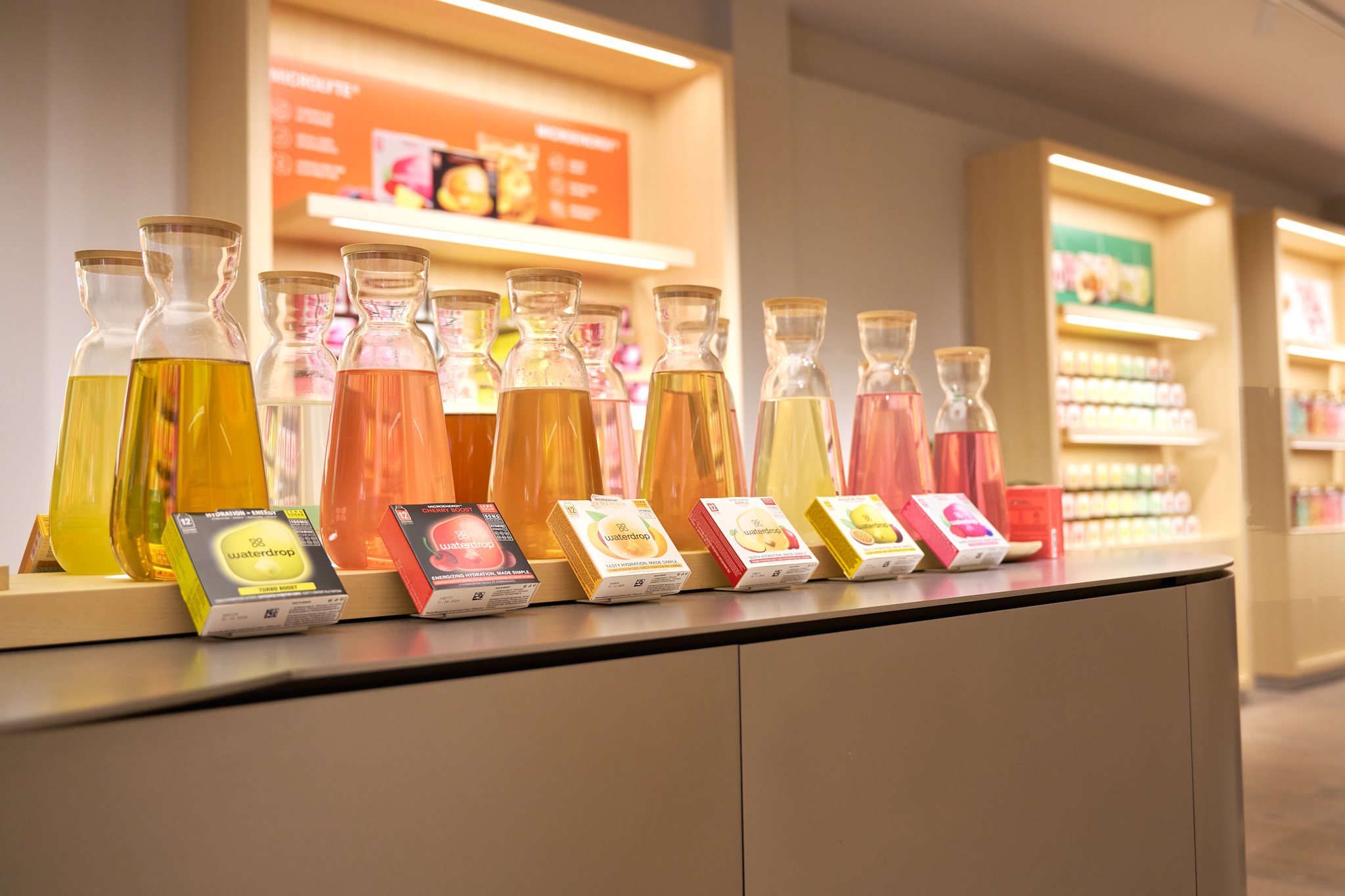
    Vienna-based hydration brand Waterdrop expanded its functional beverage line into 150 7-Eleven stores nationwide in September 2026.

    The rollout features three-pack units of Berry Recharge and Vitamin Apple priced at $7. Berry Recharge provides essential electrolytes and vitamins for rapid rehydration, while Vitamin Apple is formulated with natural fruit and plant extracts.

    Convenience Formats Challenge Bottled Drinks

    Convenience stores typically dedicate cold vaults to heavy ready-to-drink plastic bottles and energy cans. Placing lightweight, ambient dissolvable cubes on front-of-counter shelves alters the revenue math per square centimetre for franchise operators.

    A three-pack footprint takes up less than a tenth of the shelf space required by three 600ml beverage bottles. For 7-Eleven, the compact format delivers higher gross margins per unit while appealing to urban commuters who carry reusable bottles to avoid single-use plastics.

    Pricing and Channel Strategy

    At $7 for three servings, Waterdrop costs roughly $2.33 per prepared drink. That price point undercuts imported sports drinks and functional sodas in Australian convenience fridges, which regularly retail between $4.50 and $6.00 per bottle.

    Consumer habit presents the primary obstacle. Selling dissolvable cubes in convenience retail requires shoppers to plan ahead rather than grabbing a cold drink for instant thirst. Competitors in sports hydration have largely stuck to ready-to-drink bottles or multi-serving tubs sold through grocery chains and specialty supplement shops.

    Expanding Beyond Direct-to-Consumer Channels

    Waterdrop built its initial business through direct-to-consumer online sales and dedicated brand kiosks in European and North American transit hubs. The push into Australian convenience stores shifts the company toward everyday impulse foot traffic in the Asia-Pacific region.

    Early sales will test whether convenience shoppers adopt compact cube formats without extensive educational marketing at the counter. Performance across these first 150 7-Eleven sites will decide whether the brand expands into the retailer’s wider network of more than 750 stores nationwide.

  • Ice Cream and Food Drive 45 Percent Surge in Philippine Convenience Store Sales

    Ice Cream and Food Drive 45 Percent Surge in Philippine Convenience Store Sales

    Philippine convenience store sales jumped 45 percent year on year in January, propelled by heavy consumer spending on food and packaged goods, according to Kantar Worldpanel data.

    Food purchases accounted for 59.3 percent of all fast-moving consumer goods transactions across the format, up from 58.8 percent in the previous year.

    Ice cream retained the top spot among individual product categories, followed by milk, packaged snacks, and alcoholic beverages. Beverages accounted for 23.8 percent of overall basket value, dipping from 25.6 percent in 2014. Personal care items captured 13.5 percent of sales, marking the largest category share expansion with a 2.2 percentage point gain. Household care products took a 4.3 percent share, up from 3.5 percent.

    Shifting Baskets and Fast Growth

    Consumer baskets also showed new priorities during the tracking period. Diapers, bottled water, and fabric cleaners entered the top ten bestselling categories by sales value, while coffee and hair care products dropped out of the list. Diapers climbed straight into fifth place, sitting just behind alcoholic beverages and ahead of biscuits, soft drinks, bottled water, fabric cleaners, and fruit juice.

    The convenience channel outpaced every competing modern trade format in the country over the 12-month period. Convenience store sales growth reached 45 percent, compared with 31 percent for direct sales and 11 percent for drugstores.

    Regional Shopper Divergence

    Household penetration widened alongside value growth. Kantar tracked 3,000 urban and rural households and found that 18.5 percent bought goods from convenience stores, up from 16.1 percent a year earlier. That shift brought an estimated 566,991 new families into 24-hour retail chains such as 7-Eleven, Ministop, and FamilyMart.

    Shopper behaviour varies sharply by geography. The National Capital Region accounts for the highest shopper volume, with 34 percent of homes using convenience stores, but residents there visit only five times a year on average. Mindanao holds fewer total convenience shoppers, yet those households visit nine times annually, making them the most frequent spenders in the country.

    Format Expansion Pressures

    Operators face higher inventory management demands as convenience stores shift from late-night snack stops into daily grocery replenishment hubs. Stocking bulky items like diapers and laundry detergents requires tighter shelf space allocation in stores that average only one to two checkout counters. Chains that fail to optimize their stock mix risk losing margin to traditional sari-sari neighbourhood stores that hold lower overheads.

    Philippine operators are matching this shift by accelerating store expansion beyond Metro Manila into secondary cities in South Luzon and Mindanao. Kantar new business development head Lourdes Deocareza attributed the channel expansion to faster consumer lifestyle routines across urban centers.

    Store counts across the major three chains continue to rise toward regional footprint targets, with full-year channel penetration and repeat trip frequency serving as the key benchmarks to watch.

  • Seven & I Fends Off 47 Billion Dollar Couche-Tard Takeover

    Seven & I Fends Off 47 Billion Dollar Couche-Tard Takeover

    Seven & I Holdings fended off a 47 billion dollar takeover bid from Canada’s Alimentation Couche-Tard after buyout negotiations collapsed in Tokyo. The withdrawal leaves the Japanese retail group in control of more than 60,000 convenience stores operating primarily across Asia and North America.

    How the buyout talks fell apart

    Couche-Tard launched its pursuit in August 2024 with an initial 38 billion dollar offer, later sweetening the bid to 47 billion dollars before abandoning the deal in July 2025. The Canadian suitor blamed the breakdown on what it called a calculated campaign of obfuscation and delay by the Seven & I board. Seven & I defended its board governance, rejected the characterization, and responded to the takeover pressure by appointing Stephen Hayes Dacus as chief executive officer.

    The Tokyo-headquartered parent company, formed by Ito-Yokado in 2005 to absorb 7-Eleven, has built its balance sheet through major retail purchases over several decades. That expansion includes the May 2021 purchase of 3,800 Speedway outlets from Marathon Petroleum and an April 2024 deal worth 1 billion dollars to acquire additional Stripes convenience stores and Laredo Taco Company locations.

    Portfolio pressure across key markets

    Asian retail conglomerates have historically pushed back against North American suitors seeking to consolidate fragmented convenience and fuel distribution networks. Seven & I’s resistance protects an operating model built around dense store clustering and localized food offerings, shielding core Asian operations from external ownership while preserving control over its Dallas-based subsidiary.

    Dacus now takes direct oversight of a retail network that generated 8.54 trillion dollars in annual revenue against a market capitalization of 28.61 billion dollars. Investor attention turns to the standalone turnaround plan as management prepares its next operational review.

  • Japan Convenience Store Chains Cut Onigiri Base Prices

    Japan Convenience Store Chains Cut Onigiri Base Prices

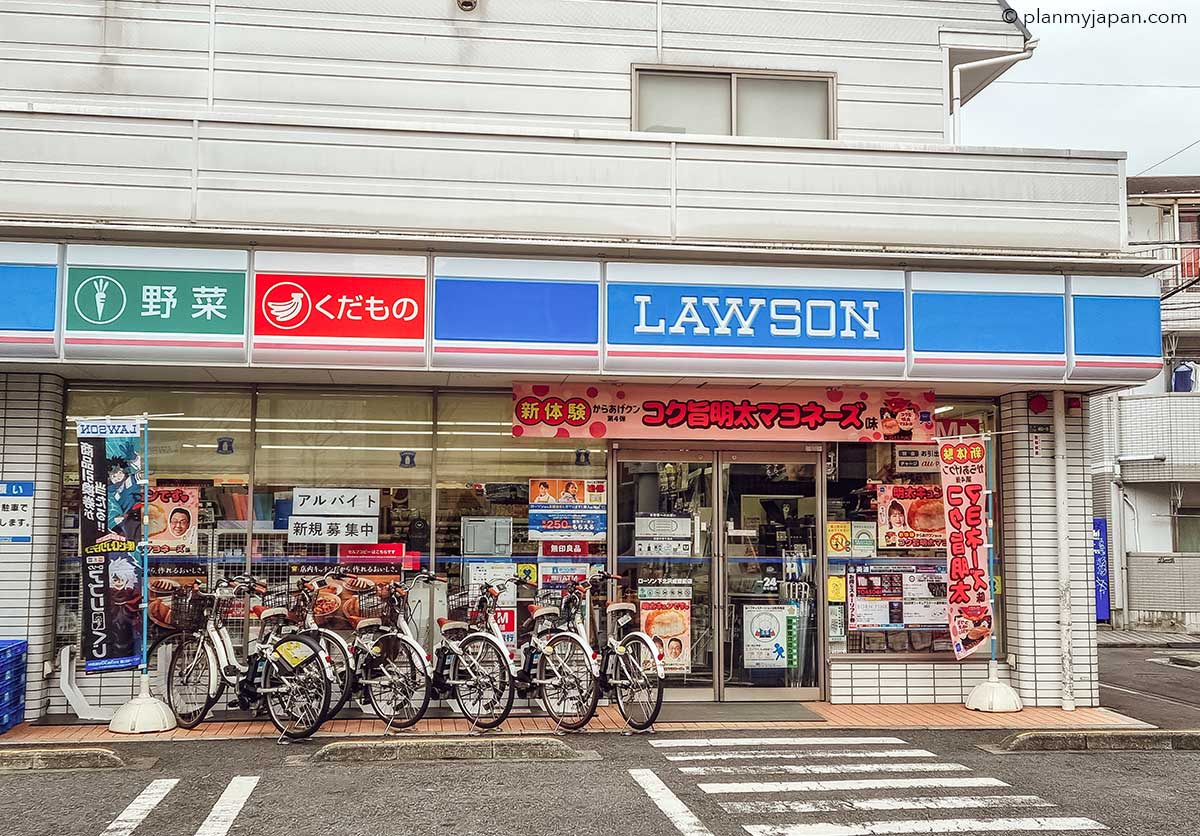
    Japan’s three largest convenience store operators, 7-Eleven, FamilyMart and Lawson, have cut base retail prices on onigiri rice balls after years of inflation doubled shelf prices for the staple snack.

    The reductions mark a permanent reset of baseline pricing rather than temporary sales promotions, targeting everyday basket affordability across thousands of urban outlets.

    Price Cuts Across Major Chains

    Lawson will reduce after-tax prices by 10 yen across all 20 varieties in its Temaki Onigiri lineup on September 29. Its Sea Chicken Mayonnaise drops from 181 yen to 171 yen, grilled salmon falls from 221 yen to 211 yen, and spicy cod roe mentaiko drops from 235 yen to 225 yen. Plum, kombu, and okaka variants will each decline from 194 yen to 184 yen.

    7-Eleven Japan is lowering prices on its core salmon and mentaiko rice balls by 19 yen, reducing both from 214 yen after tax. FamilyMart initiated its adjustments on August 24, cutting the price of its Kombu and Tuna Mayonnaise Big Musubi from 320 yen to 298 yen.

    Wholesale Relief and Volume Recovery

    Data from Japan’s Ministry of Agriculture, Forestry and Fisheries shows the average supermarket retail price for a five-kilogram bag of rice dropped 27.7 per cent between early this year and mid-August. Falling raw grain costs have given convenience chains room to adjust procurement and restore unit volumes that slowed when onigiri crossed historical psychological price barriers.

    For Japanese convenience operators, rice balls serve as primary foot-traffic drivers alongside canned coffee and ready-to-eat lunches. Chains spent two years passing input costs directly to shoppers, but price resistance pushed consumers to trim daily spend, prompting this coordinated push to protect store traffic.

    The repricing rollout will test whether lower shelf prices can restore transaction counts before quarterly sales figures reveal the impact on gross retail margins.

  • DFI Retail Group Tests Experiential 7-Eleven Formats Across Hong Kong

    DFI Retail Group Tests Experiential 7-Eleven Formats Across Hong Kong

    DFI Retail Group rolled out two distinct format concepts across its 7-Eleven network in Hong Kong, targeting airport transit traffic and young mall shoppers.

    The deployment includes a compact food-first site under 100 square metres at Hong Kong International Airport Terminal 2 and an entertainment-focused store at Kai Tak Retail Mall 3. Both formats shift floor space away from traditional packaged goods to generate higher footfall and basket values.

    Hot Food and Collectibles at Kai Tak

    At the airport location, DFI deployed its Hong Kong Taste cafe concept. The layout combines a fresh local hot-food counter, chilled ready-to-eat meals, self-checkout kiosks, and coffee counters within a compact sub-100-square-metre unit designed to compete directly with quick-service restaurants.

    The Kai Tak store focuses entirely on youth merchandise and interactive displays. Shoppers find collectible card vending machines alongside a dedicated K-pop merchandise section requiring staff assistance for access, concert light sticks, Tamagotchi devices, and miniature double-decker bus models. The branch also stocks exclusive collaboration apparel, including Gundam socks and 45th-anniversary branded merchandise, alongside an interactive mechanical keyboard sound wall.

    Yoep Man leads the format trials as chief executive officer of 7-Eleven for South China, Hong Kong, Macau, and Singapore at DFI Retail Group.

    Asian Convenience Chains Pivot to Experience

    Convenience operators across North and Southeast Asia are redesigning store footprints to defend operating margins against rising rents and saturated packaged-goods categories. Regional competitors in Japan, Taiwan, and South Korea have pursued similar split strategies, turning transit units into fast hot-food hubs while transforming suburban mall branches into lifestyle destinations with licensed character goods. DFI’s two concepts test how far a traditional convenience banner can push into quick-service dining and collectible retail within dense commercial districts.

    DFI Retail Group plans to present operational insights and format findings from the Hong Kong pilot during the NACS retail conference taking place from October 6 to October 9.

  • Philippine Seven Corp to Open 5,000Th 7-Eleven Store in Cebu

    Philippine Seven Corp to Open 5,000Th 7-Eleven Store in Cebu

    Philippine Seven Corp will open its 5,000th 7-Eleven store in Lapu-Lapu City, Cebu on Dec. 3, completing an expansion of 1,000 outlets in two years.

    The convenience chain closed June with 4,650 branches nationwide after net profit climbed 3.8 per cent to 1.84 billion pesos in the first half. System-wide sales rose 15.1 per cent over the same six months, with locations opened within the period generating more than 6 per cent of total turnover.

    Franchise Split and Store Economics

    Half of the 350 outlets needed to hit the year-end target will be company-owned, with franchisees taking the remainder. The rapid buildout follows the opening of store number 4,000 in 2024, four decades after 7-Eleven entered the Philippine market.

    PSC chair Victor Paterno told reporters that unit economics improved despite rising electricity, fuel and labor expenses. Cashless checkout terminals installed across tourist destinations and higher-income districts lifted average spend by enabling credit card transactions.

    The operator is also adjusting its merchandise mix to attract younger shoppers while brushing off competition from fast-spreading hard discounters. Paterno noted that discount grocers stock minimal immediate-consumption items, leaving local convenience formats largely insulated from their price pressure.

    Next Targets in Mindanao

    Across Southeast Asia, convenience store chains are racing to build dense logistics networks outside capital cities to capture rising provincial purchasing power before regional competitors establish dominance. PSC is mirroring strategies used by convenience operators in Thailand and Indonesia, where rural expansion delivers higher sales gains than saturated tier-one metros.

    PSC plans to open approximately 600 additional stores in 2027, subject to broader macroeconomic conditions. Distribution routes will push deeper into Western Mindanao, with Zamboanga City designated as a key focal point for logistics development.

  • Café Amazon Rolls Out Canned Sparkling Coffee Across 7-Eleven Thailand

    Café Amazon Rolls Out Canned Sparkling Coffee Across 7-Eleven Thailand

    Café Amazon has launched Amazon Fizzpresso across 7-Eleven stores in Thailand. The product brings zero-sugar sparkling ready-to-drink coffee to convenience shelves nationwide.

    Two fruit flavours lead the debut: Yuzu and Peach. Both combine carbonated water with instant coffee notes to mimic a coffee soda. Earlier sparkling coffees in Thailand stayed in specialty grocers at premium prices. 7-Eleven’s retail footprint will test whether the drink works as an everyday convenience purchase.

    Formulation and convenience distribution

    The Peach variant contains water, 0.53 per cent concentrated peach juice, and 0.38 per cent coffee powder. Sucralose and acesulfame potassium replace sugar to keep the drink low-calorie. Acidity regulators and standard preservatives round out the shelf-stable formulation.

    Selling through 7-Eleven gives the chain immediate access to thousands of high-traffic locations across Bangkok and provincial hubs. In grab-and-go coolers, the product competes directly against carbonated soft drinks, energy drinks, and traditional canned milk coffees.

    Regional push into fizzy brews

    Sparkling coffee has seen mixed consumer reception across Southeast Asia, though regional chains continue to back the format. Malaysian operator ZUS Coffee introduced its canned Coffizz line in Original and Zesty Lime variants in 2024. Those cans remain on retail shelves despite polarized early feedback.

    Independent roasters and smaller regional players have treated sparkling coffee as a novelty drink. Café Amazon brings the manufacturing scale of parent group PTT Oil and Retail Business. The real test is whether repeat purchases hold up in convenience chillers once initial curiosity fades.

  • Taiwan Convenience Chains Expand Southeast Asian Goods as Migrant Numbers Double

    Taiwan Convenience Chains Expand Southeast Asian Goods as Migrant Numbers Double

    Taiwan convenience operators FamilyMart and 7-Eleven are rewiring hundreds of store layouts to target more than 870,000 Southeast Asian migrant workers now living on the island. FamilyMart has installed dedicated import sections across 1,200 outlets, roughly 30 percent of its total network, after sales in the category jumped 70 percent last year.

    Government labour data shows the island’s migrant workforce expanded from 390,000 in 2011 to over 870,000 this year. When including international students, spouses, and undocumented workers, the consumer cohort reaches an estimated 1.2 million people. A study by non-profit group One-Forty found these residents visit convenience stores every two days on average, relying on them for food, parcel pick-ups, and cross-border remittances.

    Halal hot food and bilingual shelves

    FamilyMart began testing dedicated shelves in residential and manufacturing districts in 2020. Those sections stock roughly 100 packaged items from Indonesia, Vietnam, Thailand, and the Philippines, supported by dual-language Chinese and English labelling alongside halal marks. The chain introduced pork-free hot food stations across 220 locations near transport hubs, hospitals, and industrial zones in 2024, and now distributes halal-certified ready-to-eat meals to 700 stores.

    Rival operator 7-Eleven has rolled out Southeast Asian merchandise fixtures to 400 branches. Its inventory focuses on high-turnover staples such as Indonesian instant noodles and sambal, Philippine dried mangoes, Thai roasted peanuts, canned coconut water, and energy drinks placed near universities and factory zones.

    Supermarkets tailor fresh produce

    Supermarket chain PX Mart is adjusting its own assortments in response to heavy footfall around manufacturing clusters. At its branches near the Hukou Industrial Park in Hsinchu County, one quarter of migrant worker shoppers visit more than once a week. PX Mart has divided its foreign range into four core groups: packaged groceries, instant meals, household goods, and fresh produce tailored by nationality, adding specific herbs for Vietnamese cooks and personal care lines imported from Indonesia.

    Convenience retailers across East Asia frequently tweak shelf space to protect store yields as domestic populations age and shrink. In Taiwan, where convenience store density is among the highest in the world, shifting floor space toward Southeast Asian staples allows operators to extract higher basket sizes from a daily captive audience without adding physical square footage.

    Store planners are now watching whether 7-Eleven expands its 400 dedicated sections deeper into residential neighbourhoods, while FamilyMart continues rollouts of halal-certified hot food counters across remaining transit-hub locations.

  • 7-Eleven Singapore Adds 1,500 Products and Expands Digital App Across 460 Stores

    7-Eleven Singapore Adds 1,500 Products and Expands Digital App Across 460 Stores

    7-Eleven Singapore added more than 1,500 exclusive products over the past 24 months and linked its digital app across more than 460 outlets nationwide.

    The convenience chain expanded its footprint beyond traditional impulse snacks, shifting square footage toward hot meals, private-label beverages, and licensed merchandise to build daily basket values.

    Self-Checkout and Hospital Automation

    Operational upgrades centered on store throughput. The chain installed dual self-checkout systems in more than 300 stores, giving staff the ability to toggle cashier stations to automated mode during morning and evening rush hours. At Singapore General Hospital, the operator opened a fully unmanned location using overhead computer vision and frictionless exit gates to process payments without cashier intervention.

    Physical refits also introduced dedicated sit-down dining counters and modular food prep stations. These spaces support branded ready-to-eat partnerships, including baked goods, personal-sized pizzas, and regional food collaborations with local operators such as Old Chang Kee and Andes by Astons.

    Omnichannel Ordering and App Metrics

    Digital ordering operations scaled through the dedicated 7-Eleven Singapore mobile platform, which accumulated 300,000 downloads within ten months of its February 2025 rollout. The app integrates three core transactional functions: EasyCollect, which routes click-and-collect fulfillment to neighborhood branches within 15 minutes, a digital stamp loyalty tracker, and prepaid product bundles called ValuePacks.

    Convenience operators across Southeast Asia face intense competition from instant-delivery platforms and specialty coffee chains, forcing traditional corner shops to emulate the Japanese konbini model. By building out prepared food counters, private-label collaborations, and in-app pickup, 7-Eleven is defending store margins against rising labor costs and higher urban commercial rents.

    The retailer is now tracking pickup adoption rates and repeat transaction frequencies through the app as it evaluates further autonomous store deployments in transport and healthcare facilities.

  • Prolonged Rains Slow Philippine Retail, Construction, and Logistics Sector

    Prolonged Rains Slow Philippine Retail, Construction, and Logistics Sector

    Extended monsoon rains are anticipated to negatively affect the third-quarter operations of consumer-facing companies and the construction sector in the Philippines. Logistics and mining firms may also experience higher costs and delays due to the persistent wet weather.

    Toby Allan C. Arce, head of sales trading at Globalinks Securities and Stocks, Inc., noted that the prolonged monsoon is likely to exert a moderate but discernible drag on corporate activity during the third quarter. The severity of the impact will depend on how long the challenging weather conditions last and if they cause significant damage to infrastructure or supply chains.

    Recent heavy rainfall and widespread flooding have disrupted transportation in Metro Manila and Luzon, leading to road closures and suspensions of work and classes.

    Retailers Face Reduced Foot Traffic

    Retailers, mall operators, and restaurants are likely to see a decrease in customer traffic as heavy rains discourage travel and discretionary spending. Companies like SM Prime Holdings, Inc., Robinsons Land Corp., Ayala Land, Inc., SM Investments Corp., Robinsons Retail Holdings, Inc., and Puregold Price Club, Inc. Are among those that could experience softer physical sales.

    Large destination malls and retailers selling non-essential goods are more susceptible to consumers postponing visits. Supermarkets and essential retailers, however, tend to be more resilient as purchases are necessities and consumers can adjust their shopping times rather than cancel them entirely.

    John Tristan D. Reyes, President of BDO Securities Corp., confirmed that retailers could face weaker foot traffic and sales. Transportation issues could also disrupt store operations. Philippine Seven Corp. (PSC) reported that same-store sales at some 7-Eleven branches dropped by up to 20% on particularly rainy days recently, though overall sales momentum for July remained strong, partly thanks to the 7-Eleven Day promotion. The geographic diversity of 7-Eleven stores helped cushion the impact, with reduced traffic in some areas offset by activity in residential locations.

    Restaurants might see fewer dine-in customers, although delivery and takeout services could offer some mitigation. Food manufacturers are less exposed in the short term, as consumers continue to buy staple products. However, prolonged heavy rainfall could affect agricultural output, potentially leading to higher raw material costs and impacting food manufacturers and restaurant operators.

    Construction And Logistics Suffer Delays

    The construction and property development sectors are facing more direct operational challenges. Persistent rainfall reduces the number of workable days, which can delay project completion and property turnover. Outdoor activities like excavation and concrete work are particularly affected, and flooding can hinder worker access and material deliveries.

    Companies such as Ayala Land, SM Prime, Megaworld Corp., Filinvest Land, Inc., and Vista Land & Lifescapes, Inc. Could experience project delays. While this might not result in permanent revenue loss, it could shift revenue recognition to later periods. Infrastructure contractors and construction material suppliers face similar timing risks, with fewer workable days impacting project progress and third-quarter billings. Extended delays could strain companies that still incur fixed costs despite slower construction activity. In the long run, severe weather might also create demand for repairs, drainage, and flood-control projects.

    Logistics companies are also seeing increased operating expenses. Flooding and traffic congestion prolong delivery times and boost fuel consumption. Disruptions at ports and airports can also temporarily delay the movement of goods. For retailers and consumers across Asia, such weather-related disruptions highlight the critical need for resilient supply chains and diversified retail strategies to mitigate the impacts of increasingly unpredictable climate patterns.

  • 7-Eleven Unveils First Concept Store in Macau, Emphasizing Experiential Retail

    7-Eleven Unveils First Concept Store in Macau, Emphasizing Experiential Retail

    7-Eleven has opened its first concept store in Macau, bringing an experience-focused retail format that combines a broader shopping experience with traditional convenience offerings. This expansion follows similar successful concept store launches by the brand in Hong Kong and signals a strategic move to differentiate its presence in the region.

    The new Macau store aims to serve both residents and visitors, positioning itself as a destination for exploring trend culture, unique products, and diverse food options. RetailNews Asia has observed a growing trend among convenience store operators in Asia to evolve their formats, moving beyond basic transactions to offer enhanced consumer experiences, particularly in competitive urban markets.

    Expanding The Retail Experience

    The new 7-Eleven outlet is structured around three core pillars: an innovative retail design, an exploratory shopping journey, and an expanded selection of ready-to-eat food. Its product mix includes a variety of trendy toys, collectibles, and specialty items, alongside the usual food and beverages.

    The store features 7-Eleven’s signature green tones, complemented by soft, natural lighting. An open layout is created by shelving positioned along both side walls, designed to guide customers through different product zones. This deliberate design aims to encourage discovery and longer dwell times.

    Specialty Products And Food Offerings

    A key highlight of the Macau concept store is a dedicated section for collectibles and blind boxes. This zone shows collectible toys, trading cards, and trending accessories, including popular brands like Beyblade X, JOGUMAN, and Sanrio blind boxes. The store also carries exclusive items such as the “7-Eleven meets niko and …” collaboration collection. Also, it will launch Macau-themed clicker toys styled after mahjong tiles, with plans to introduce limited-edition products periodically.

    The food and beverage selection includes 7CAFÉ and Tsat Jai Sik Dong, offering local favorites such as siu mai, fish balls, stirred noodles, and milk tea. Patrick Lui, managing director of 7-Eleven Hong Kong & Macau, indicated that the company sees significant potential in Macau for this elevated retail approach. This strategy mirrors 7-Eleven’s earlier concept store openings in Causeway Bay, Kai Tak, and Tseung Kwan O, which have successfully established themselves as neighborhood attractions.

  • 7-Eleven Takes Nike to Court over Air Max Design: The Battle of the Tri-Color Stripe

    7-Eleven Takes Nike to Court over Air Max Design: The Battle of the Tri-Color Stripe

    The popular convenience store chain, 7-Eleven, has filed a lawsuit against sportswear behemoth Nike, alleging that their upcoming sneaker design infringes upon 7-Eleven’s iconic tri-color branding. This legal action comes in response to the striking resemblance between the orange, green, and red stripe pattern of Nike’s soon-to-be-launched Air Max 95 shoe and 7-Eleven’s company branding.

    Accusations of Brand Infringement

    The lawsuit, lodged in a federal court in Dallas, accuses Nike of creating a “confusingly similar imitation” of 7-Eleven’s tri-color stripe motif. 7-Eleven argues that this design is integral to its brand identity, and is universally recognized as being representative of their stores. Nike’s decision to schedule the shoe release for July 11, a date known for 7-Eleven’s annual “7-Eleven Day” celebration and Free Slurpee Day, further aggravated the dispute.

    The lawsuit alleges that Nike has shown a “callous and malicious disregard” for 7-Eleven’s brand rights. The convenience store chain has expressed concern that the unauthorized use of their brand, coupled with the shoe’s launch on their company’s “birthday”, necessitated this legal action to safeguard their brand identity.

    7-Eleven asserts that they made numerous attempts to amicably resolve the issue prior to filing the lawsuit, but were met with Nike’s resolve to proceed with the shoe’s launch and continued promotion.

    Seeking Resolution and Retribution

    The chain contends it has used the orange, green, and red color scheme for many years across various platforms including store signage, advertising, merchandise, and footwear. It claims ownership of multiple trademark registrations for this design.

    The lawsuit argues that Nike deliberately designed the shoe to conjure associations with 7-Eleven, thus profiting from their established brand recognition. The suit suggests that consumers are likely to incorrectly presume an endorsement or sponsorship from 7-Eleven, even though no such partnership exists.

    7-Eleven is pursuing a court order to halt Nike’s sales of the shoe, as well as a recall of any distributed products. The company is also seeking financial compensation and all profits from the sales of the controversial footwear.

    Questions & Answers

    What is the cause of the dispute between 7-Eleven and Nike?
    7-Eleven has accused Nike of infringing upon their tri-color stripe branding in their upcoming Air Max 95 shoe design.

    What resolution is 7-Eleven seeking in the lawsuit?
    7-Eleven is seeking a court order to stop the sale of the shoe, a recall of any distributed products, financial compensation, and all profits from the sales of the footwear.

    Did 7-Eleven attempt to resolve the dispute before filing the lawsuit?
    According to their statements, 7-Eleven tried multiple times to resolve the issue amicably but were met with Nike’s insistence on proceeding with the launch, leading them to take legal action.