Retail News CRM

Tag: adidas

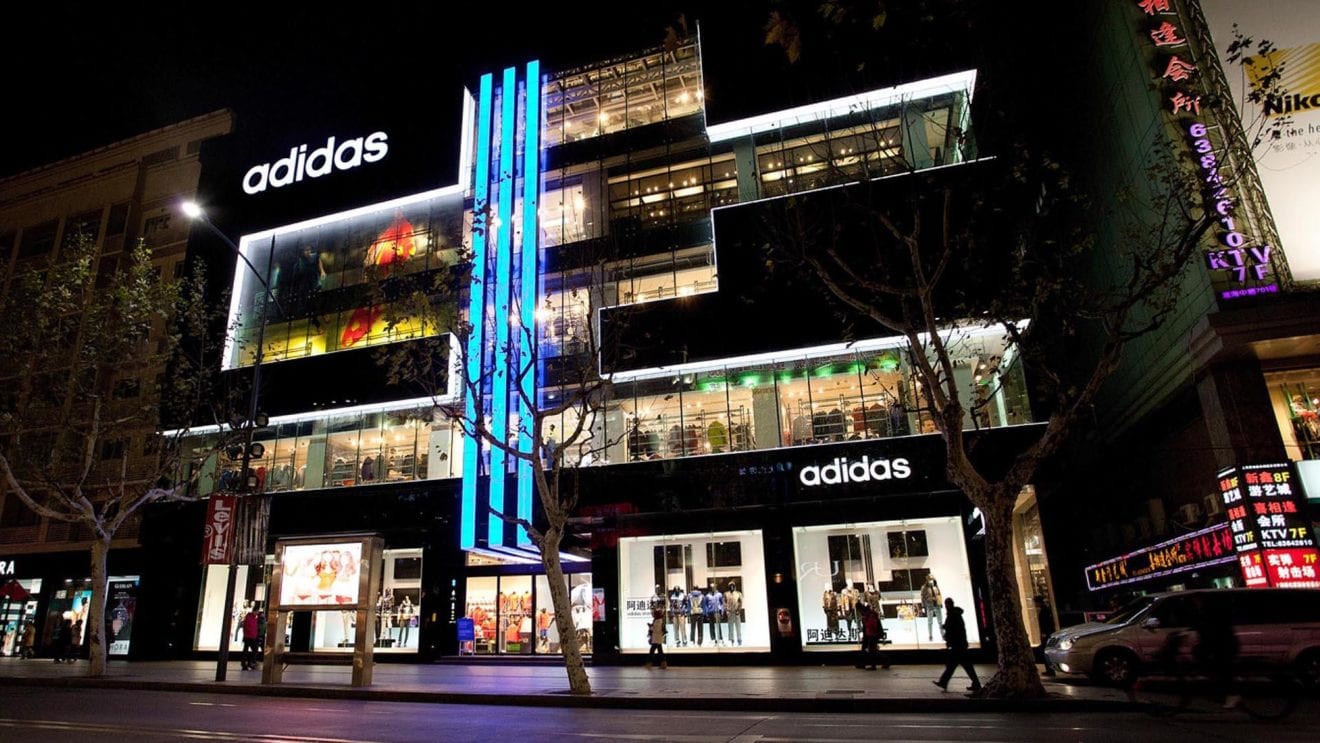
  • Adidas to open 3000 stores in China by 2020

    Adidas to open 3000 stores in China by 2020

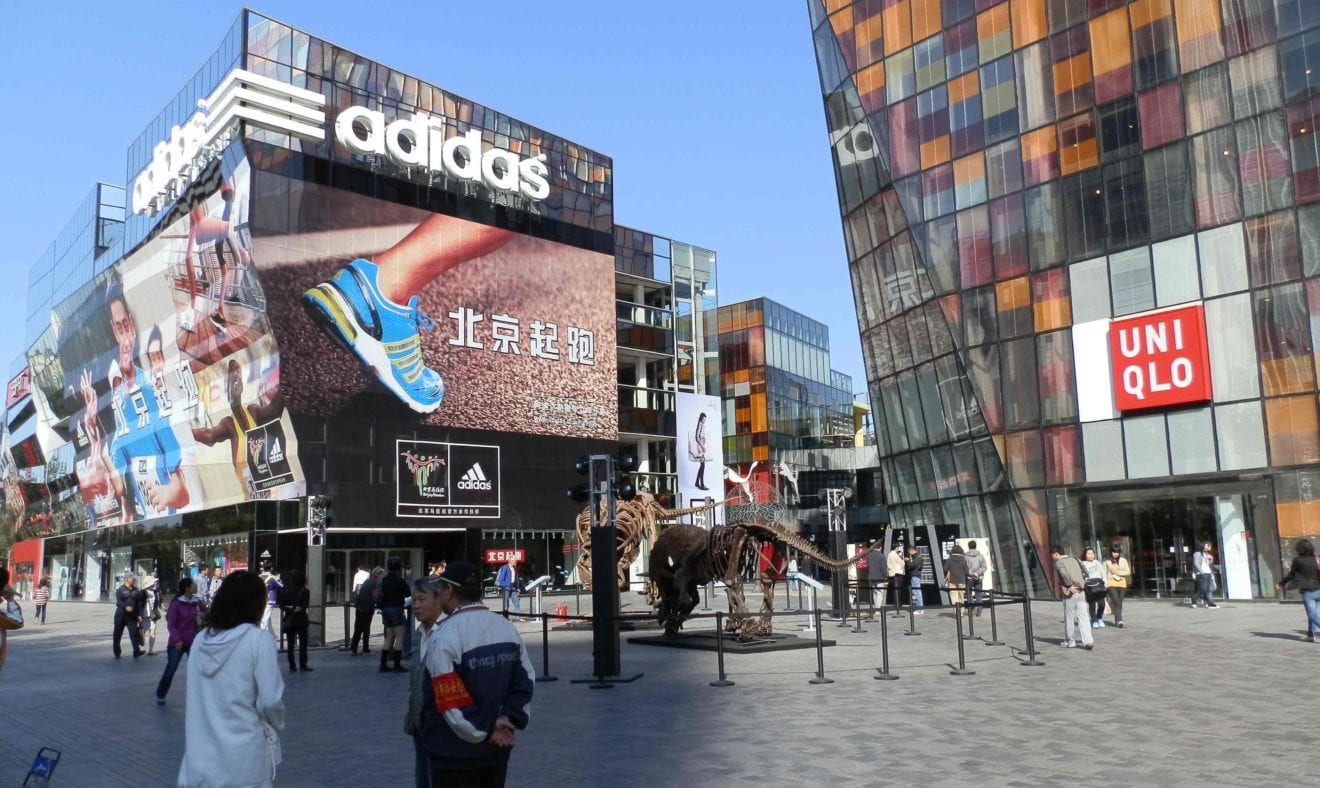
    German sporting goods giant Adidas Group has revealed plans to open 3,000 new stores in China by 2020 as it looks to become the ‘best sports brand’ in the region.

    The company, which has around 9,000 stores in its second largest market, the vast majority of them being franchise stores, announced the plans on Friday (4 March) in Shanghai.

    In a statement sent to just-style, the group said: “China is Adidas Group’s second largest market globally and we still see a lot of potential in this market.”

    The news comes less than two months after Adidas said its Greater China subsidiary achieved sales of EUR2.5bn (US$2.74bn) in 2015 – the company’s highest ever annual sales in the region.

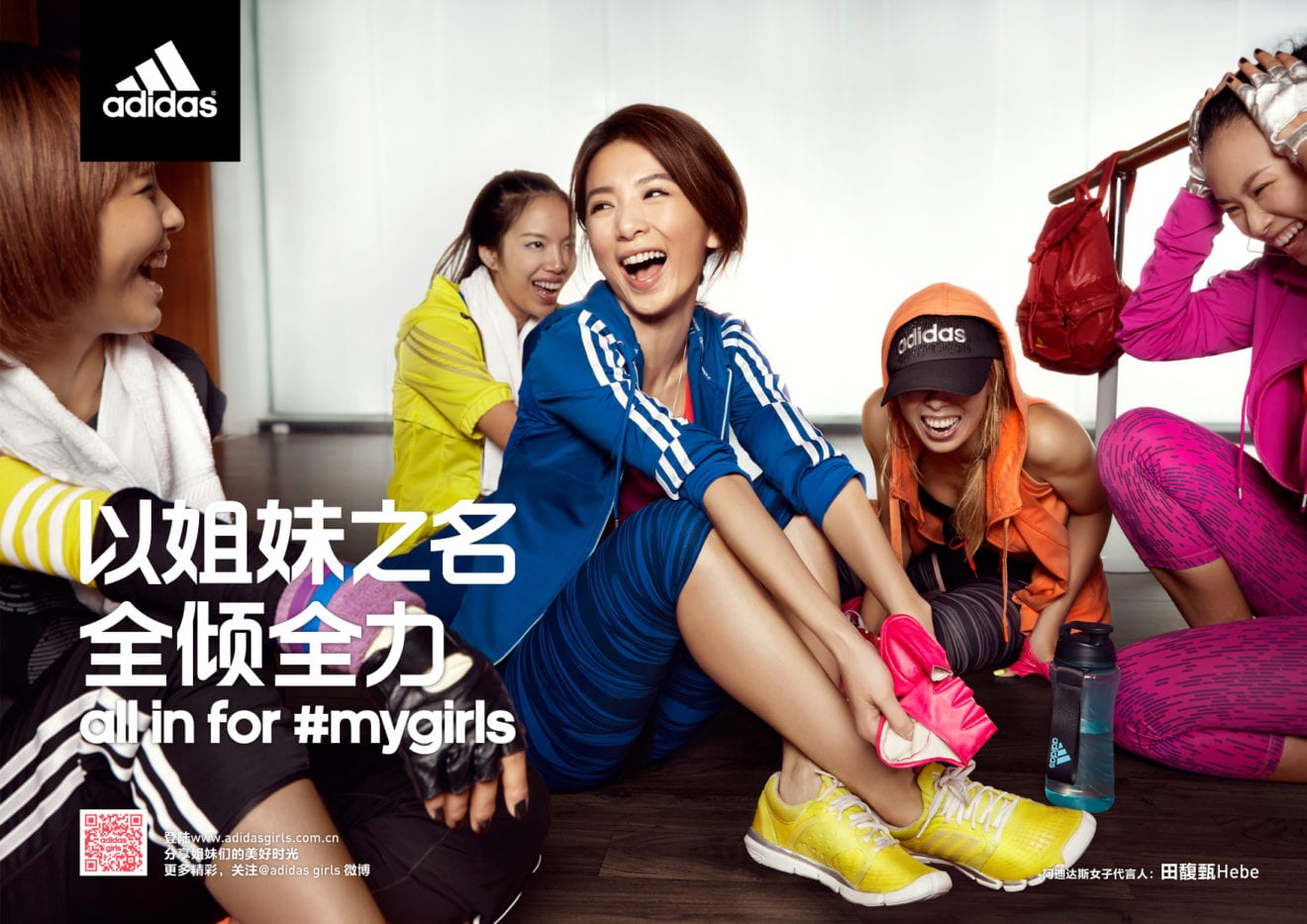
    Adidas has strengthened its position across all key sports categories in the region over the last few years, and launched new segmented retail stores such as women’s, sportswear collective and basketball.

    The group’s new strategy themed ‘Creating the New’ aims to propel Adidas to become the ‘best sports brand’ in Greater China by 2020. The company’s new five-year game plan will serve as a blueprint to seize further growth opportunities.

    Adidas has said the plan will chart the path of the company’s continued growth as it seeks to meet the demands of China’s burgeoning middle class who are placing a higher emphasis on quality of life experiences, and the needs of a nation with an ignited interest in sports.

    The company added: “With ‘Creating the New’, our new strategic business plan, we’ll continue to focus on strengthening our position in key categories and expanding our retail footprint in both lower tier and upper tier markets.”

    Last month, Adidas raised its earnings and sales forecasts for this year, after it exceeded its targets in 2015, thanks to increased marketing investments.
  • Retail closures add to Wing Tai woes

    Retail closures add to Wing Tai woes

    Costs related to the closure of retail stores were among the factors contributing to reduced second-quarter earnings for Singapore’s Wing Tai Holdings.

    Store closures caused a 12 per cent rise to S$23.8 million in administrative and other expenses quarter-on-quarter, according to a stock exchange filing by the company.

    Lower rental income and depreciation from its Singapore retail outlets also resulted in a 20 per cent fall in distribution expenses to S$22.2 million from S$27.7 million. No dividend was declared for the quarter.

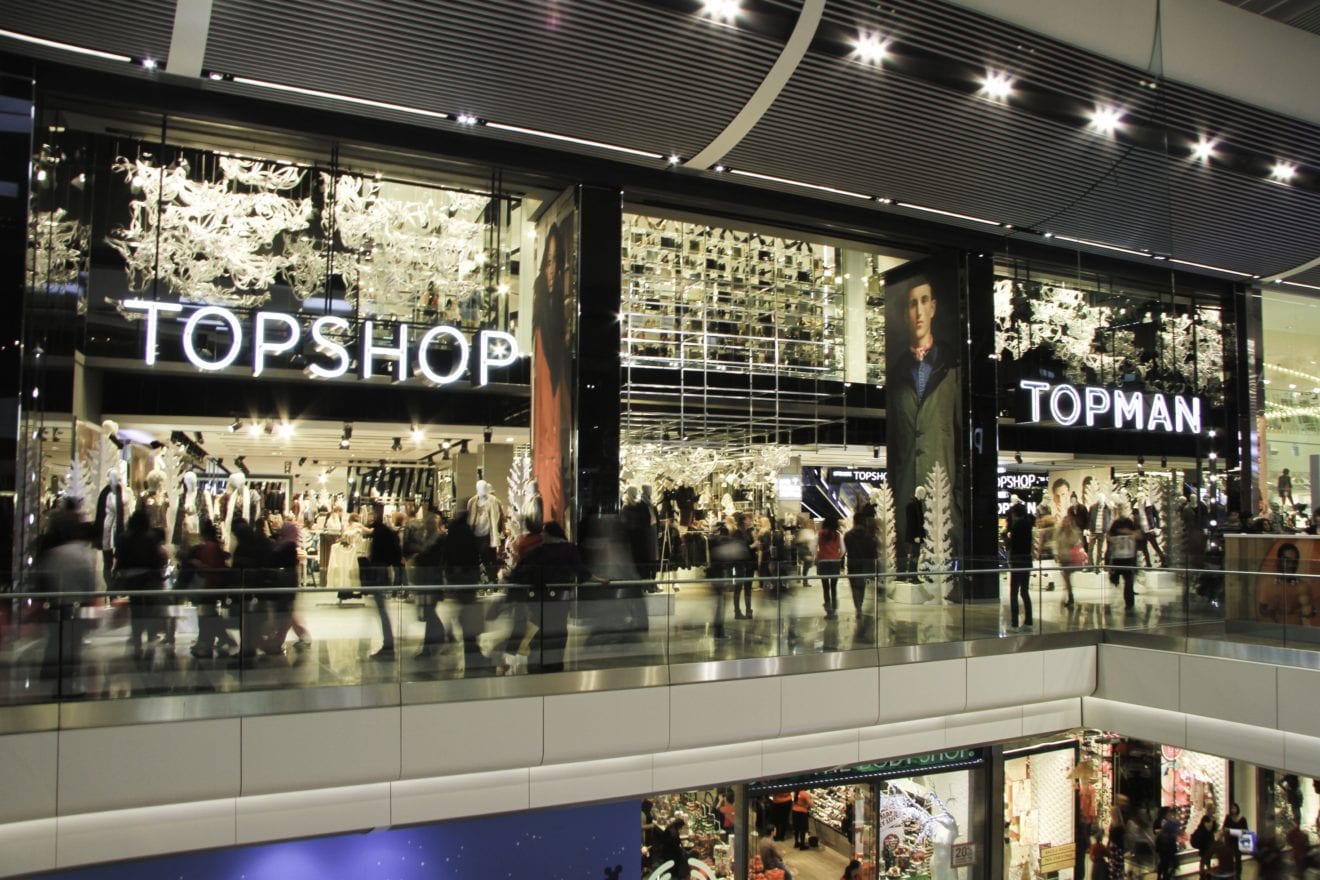
    Wing Tai’s retail division represents the brands Adidas, Fox Kids and Baby, Topshop, BCBGMaxazria, G2000, Topman, Burton Menswear London, I.T., Uniqlo, Dorothy Perkins, Karen Millen, Warehouse, Etam, Pumpkin Patch and Yoshinoya. The company also has hospitality, residential and commercial property interests.

    Also contributing to the second-quarter net profit fall of 85 per cent year-on-year to S$1.08 million were lower contributions from the property development segment and a higher tax rate. These were partially offset by a stronger share of profits from associates/JVs, and lower distribution expenses.

    Overall, the group said earnings had come in below expectations as its operating and sales environment had proved tougher than anticipated. However, it is confident it is well-positioned to ride out the current down-cycle with its portfolio of prime residential and investment assets.

    Cooling measures will continue to weigh on market sentiment in Singapore this year, the group expects, while economic conditions in Malaysia will probably keep sales soft.

  • Adidas Plans New Super Brand Center In Hong Kong In 2016

    Adidas Plans New Super Brand Center In Hong Kong In 2016

    International sportswear provider Adidas announced that they will open their sixth Adidas Brand Center in the world in Hong Kong’s Central district during the first half of 2016.

    In addition, the company will open their first Hong Kong Sport Performance flagship store in Causeway Bay and the second is expected to open in Tsim Sha Tsui.

    Located at No.36 Queen’s Road Central, the new Adidas Brand Center has an area of about 1,600 square meters. This site was formerly rented by Coach and closed due to the declining luxury market prospects in Hong Kong. However, Adidas said they are optimistic about Hong Kong’s sports fashion market and this location. The company hopes the new Adidas Brand Center, along with the two Sport Performance flagship stores, can be Hong Kong’s new vigorous sports landmarks.

    Prior to this, Adidas’ chief executive officer Herbert Hainer said the year of 2016 would become the brand’s record setting year.

    Financial details of Adidas’ investment in Hong Kong were not released.

  • The World’s Biggest Fashion Retailer is Betting Big on China

    The World’s Biggest Fashion Retailer is Betting Big on China

    Spain’s Inditex, owner of the Zara chain and the world’s biggest fashion retailer, is optimistic about long-term growth in China despite the slowing economy, as demand for its affordable fashion stays robust.

    Inditex, whose Zara brand has lured shoppers this season with a minimalist straight-cut look, teaming muted colors with ankle boots and trousers, makes about 7 percent of its sales in China, analysts estimate.

    Western luxury brands like Burberry and Hugo Boss are suffering from cooling Chinese demand, but mid-market names like Adidas and Zara are faring better.

    “We have no doubt that in China the fashion appetite is large, our brands are better and better known and we are still feeling very optimistic (over a five-year view),” Chief Executive Pablo Isla told analysts on Thursday.

    The group made a sprightly start to the Christmas season as its on-trend offerings allowed it to adapt better than rivals.

    Sales from Nov. 1 to Dec. 3 rose 15% in local currencies, suggesting a slight slowdown in same-store sales from the previous three months. But analysts said it was still a strong performance given rivals like Top Shop have had a slow start to Christmas trading due to mild weather.

    “We can say that Inditex is trading just as strongly in the fourth quarter to date as it did in the third,” Societe Generale analyst Anne Critchlow said.

    In the nine months to end October, net profit rose by a fifth to 2.02 billion euros ($2.2 billion) on sales up 16% to 14.7 billion.

    Isla said newer brands like Zara Home, Bershka and Stradivarius had performed particularly well.

    Gross margin, a closely-watched measure of profitability, slipped slightly to 58.8%, as the strong dollar pushed up prices of garments sourced in Asia, though this affects Inditex less than its peers.

    Inditex sources more goods in or near Europe, helping it adapt more quickly to fashion tastes and speedily deliver new ranges.

    Inditex shares, up 37% this year, were down 1.5% by 1037 GMT, versus a 0.7% fall in the European retail sector.

    Many market watchers have flagged the rich valuation of the stock, trading at around 34 times 2016 projected earnings, according to Reuters data, versus 24 times for rival Hennes & Mauritz hmrzf .

  • Fashion brands targeted in Cambodian minimum wage push

    Fashion brands targeted in Cambodian minimum wage push

    Lobby group the Clean Clothes Campaign aims to shame the world’s large fashion brands into supporting a Cambodian minimum wage rise.

    The CCC says it is lobbying on behalf of a coalition of Cambodian unions that the multinational brands must ensure a minimum wage of US $177. Thousands of women and men in Cambodia and around the world, have worn stickers saying “brands must provide a living wage for workers!” in factories which produce apparel for major global brands such as H&M, Inditex, Levi’s and Gap.

    The campaign is co-ordinating ongoing action in Asia, the US and Europe.

    In October, the Labour Advisory Council (LAC), a tripartite wage-setting body, voted to approve a new minimum wage of $140, to be implemented in January 2016 for Cambodia’s 700,000 garment workers, despite objections from a number of unions.

    “This insufficient $12 wage increase is a slap in the face to workers who have been organising for over a year to demand a fair minimum wage of $177,” said the CCC.

    A coalition of Cambodian unions are joining together to demand that the brands immediately ensure a minimum wage of US $177 is paid in their Cambodian suppliers and negotiate directly with Cambodian unions a binding agreement to achieve living wages, decent purchasing practices, stable employment, and union rights for the long-term.

    “Some brands, such as H&M and Adidas, have made public statements that they support a living wage for workers in their supply chains. However, these assertions ring hollow to workers who often work excessive overtime and still cannot provide for the basic needs of themselves and their families.”

    Athit Kong, VP of C.CAWDU, an independent union in Cambodia, says the $12 increase does not reflect the real basic needs of the workers, “especially in light of the enormous profits of multinational brands”.

    “It is clear that the only solution to poverty wages in the garment industry is genuine collective bargaining between brands, as the principal employers, and the garment unions.”

    A Global Action Day is planned for December 10, International Human Rights Day. Workers and campaigners from all over the world will show support to the Cambodian workers with workplace actions, fashion mobs, catwalks, and other store actions.

    Mirjam van Heugten from CCC, says brands sourcing from Cambodia cannot expect the women and men working in their factories to accept “these bread crumbs”.

    “The workers effectively slave themselves at factories, only for the brands to make huge profits. The targeted brands such as H&M and Inditex must put their leadership claims into practice by making sure all garment workers receive a living wage.”

  • Yue Yuen sales rise on retail rollout

    Yue Yuen sales rise on retail rollout

    The world’s largest branded athletic and casual footwear manufacturer and retailer Yue Yuen Industrial says retail and wholesale sales of sportswear in Greater China rose 19.6 per cent in the first nine months of this year, due to an expanding store network.

    Yue Yuen operates more than 6000 retail stores and concessions across Greater China under its own name as well as the international brands it manufactures for.

    Total sportswear sales reached US$1.7 billion compared to US$1.456 billion in the same period last year. Other factors in the growth were the company’s efforts to increase efficiency and a better merchandise selection.

    Sales of athletic shoes were up by 3.4 per cent and sales of casual shoes were down by 5.6 per cent. The total volume of shoes sold increased by just 1.1 per cent to 231.4 million pairs for the period.

    Hong Kong listed Yue Yuen designs and makes shoes for brands including Nike, Crocs, Adidas, Reebok, Asics, New Balance, Puma, Timberland and Rockport as well as operating its own network of retail stores under the YY Sports brand, through subsidiary Pou Shen.

    The increased athletic shoes and sportswear sales helped boost Yue Yuen’s overall revenue by 5.8 per cent to US$6.3 billion and gross profit by 9.1 per cent to $1.422 billion. Total net profit attributable to owners of the company was $285.6 million, up 36.6 per cent year on year, according to figures filed with the stock exchange.

    Pou Shen, which opened 771 new points of sale during the nine months, increased its gross profit by 32.5 per cent to $566.5 million due to management’s strategy to concentrate on the retail business, improved operating efficiency, and better procurement of inventory.

    YY Sport instore wide

  • Adidas India gets nod to run its own stores

    Adidas India gets nod to run its own stores

    Adidas India has received government approval to own and run its own stores.

    The German headquartered sportswear brand, which also sells Reebok-branded products in India, had submitted an application for 100 per cent foreign owned stores under India’s tough local ownership regulations in July.

    In gaining approval, Adidas has beaten rival Nike, whose application last year was rejected, and so becomes the first sportswear brand to gain the right.

    Dave Thomas, MD of Adidas Group India, confirmed the approval this week.

    The company plans to open flagship stores in key cities, as it does in other international markets, but would continue to supply locally owned, franchised outlets as well.

    “Own retail channel plus eCommerce channel, complemented by our franchise network, will drive growth for our brands and our business in India,” Thomas said.

    Adidas entered India in 1995 and currently has a network of 760 franchised stores, two thirds of which sell only Adidas products.

    “We would like to take this number up to 1000 stores by 2020,” Thomas said.

    “We strongly believe own retail will enable us to take our market leadership position to an even higher level. It will give us additional flexibility to bring in global concepts across all categories in larger stores, thereby enabling us to further enhance the premium experience for our consumers,” he concluded.

    A condition of the approval is that the company must source at least 30 per cent of its products locally.

  • Nike, Muji, Adidas apply for Indian retail rights

    Nike, Adidas and Muji are among eight global companies seeking single brand retailing approval from the Indian government.

    According to a report in The Indian Express the Department of Industrial Policy and Promotion (DIPP) has received eight applications from global brands including Skechers, Kiko International, Ryohin Keikaku (Muji), Nike, Adidas and Swarovski after foreign direct investment rules were relaxed in July.

    Foreign companies can now conduct business through more than one joint venture in India, according to the newspaper.

    Since then, ITaly’s Kiko International has applied to retail beauty and skin care products, apparel, jewellery and handbags. Shoe maker Skechers and glass creator Swarovski followed.

    Swarovski, along with Nike, have previously had applications turned down – in Swarovski’s case because it wanted to sell in both cash-and-carry chains and single brand retail stores. It was told to reapply with separate applications, The Indian Express reports.

    The identity of the other two companies was not revealed.

  • adidas to shift some production from Asia in robot revolution

    adidas to shift some production from Asia in robot revolution

    adidas announced plans to revolutionize the way it manufactures goods to speed up production and allow shoppers to customize more shoes and clothes, to help it accelerate sales and profit growth over the next five years.

    The German sportswear firm, which has been losing ground for years to fast-growing rival Nike, said it was testing automated production units that would allow it to shift manufacturing from Asia closer to consumers and even into stores, where shoppers will be able to personalize their goods.

    “We will bring production back to Europe. We will bring production back to where the main markets are,” said Chief Executive Herbert Hainer, adding the current six weeks it took to ship from Asia to Europe was too long.

  • Under Armour CEO is calling out Nike and Adidas

    Under Armour CEO is calling out Nike and Adidas

    Under Armour is creating the world’s largest digital health and fitness community because the more people exercise, the more shirts and shoes they buy, the sports company founder and CEO Kevin Plank told CNBC on Thursday. He also said he wants Nike and Adidas to know what it feels like to be number two and to “get used to that.”

    Instead trying to play in the highly competitive wearables market, Plank said in a “Squawk Box” interview that he sees value in building a community that users can tap into with any device. “[It’s] a place where we weren’t tied to a consumer electronic but where we could be the destination regardless of what the best ‘widget’ on the market was,” he continued. “Whatever you had, it would plug in and we would read and synthesize that information as easy as possible.”

    Under Armour announced late Wednesday a deal to buy for USD475 million the San Francisco-based fitness app MyFitnessPal, a leading resource for healthy living and nutrition with over 80 million registered users. The company also said it completed in early January its USD85 million acquisition of Denmark-based Endomondo, with about 20 million registered users primarily in Europe.