Tag: adidas

  • Octogenarian new ambassador for Reebok China

    Octogenarian new ambassador for Reebok China

    Octogenarian Wang Deshun, a silver-haired actor known as “China’s hottest grandpa”, is Reebok China’s newest brand ambassador.

    Wang, who was born in Shenyang in 1936, stars in the sports brand’s latest Chinese video campaign “Be More Human” alongside actress Yuan Shanshan and actor Wu Lei.

    The senior citizen first caught attention in 2015 when he strutted bare-chested down the runway for a local designer in Beijing Fashion Week.

    “Only seriously getting into fitness at the age of 70, Wang’s example has helped reshape China’s views on aging and shown you’re never too old to pursue your goals,” says Reebok, which aims to become “China’s best fitness brand”.

    It is expanding its new lifestyle retail concept FitHubs, which integrate retail, fitness and other activities for customers. There are locations already in Hangzhou, Qingdao and Wuhan, with 50 scheduled to open this year. Reebok, owned by Adidas, plans to have 500 FitHubs by 2020.

    Its focus is on three key categories: running, training and classics. This year it is especially promoting its running line.

    “With running in particular experiencing an unprecedented surge in popularity in China in recent years, the category is a key focus for this year,” says the company.

  • Sportswear retailer streamlines trade operations in China

    Sportswear retailer streamlines trade operations in China

    Adidas Group wants to kick off its expansion in China on the right foot. The sportswear brand plans to bolster its retail sales network to 12,000 outlets in China by 2020, with much of the growth slated for smaller cities. However, the company also knows that conducting international trade within China can be difficult and complex due to challenges presented by huge import and export volume, and minimal advance notice of regulatory changes.

    As a result, Adidas began searching for an automated solution to help reduce manual-based operations, minimize clearance delays and compliance risks, and respond to regulatory changes quickly. The company found its solution through the CTM platform from Amber Road.

    Specifically, Amber Road’s CTM InSight function will equip the Adidas China team with self-compliance capabilities, which will help them conduct comprehensive and regular internal audits to proactively identify and resolve non-compliance issues with agencies in a timely fashion. Meanwhile, the CTM Business Intelligence (BI) Dashboard will supply information to centralize management, improve clearance process visibility, and enhance internal controls.

    By implementing Amber Road’s CTM solution, Adidas Group will be well prepared to apply for China Customs Advanced Certified Enterprise (AEO) status, which will enable the company to enjoy international trade facilitation measures, according to Kae-Por Chang, managing director, Amber Road China.

  • China leads Nike sales growth

    China leads Nike sales growth

    Nike boosted earnings by 20.1 per cent in its latest quarter, on sales up a much more modest 5 per cent.

    While the bottom line was impressive – aided by a substantial reduction in costs – the top line growth trailed Adidas’ impressive 18 per cent growth achieved in 2016.

    In the three months to February 28, Nike sales totalled US$8.4 billion, up 7 per cent on a currency-neutral basis. Of that, the Nike brand accounted for $7.9 billion, driven by 15 per cent growth in Greater China, 10 per cent in Western Europe, 12 per cent in emerging markets and 8 per cent in Japan.

    Sales at Converse were up 3 per cent to $498 million.

    “The power of Nike’s diverse, global portfolio delivered another solid quarter of growth and profitability,” said Mark Parker, chairman, president and CEO of Nike.

    “To expand our leadership and ignite Nike’s next phase of growth, we’re delivering a relentless flow of innovation through performance and style, increasing speed throughout the business and creating more direct connections with consumers leveraging digital and membership.”

  • Adidas sales soar on reformation plan

    Adidas sales soar on reformation plan

    Adidas sales have soared 18 per cent last year as the German sportswear brand plays catch-up with America’s Nike.

    For the first time in its history, Adidas’ net income topped euro 1 billion.

    In Greater China, sales soared 28 per cent year-on-year.

    “These results are proof positive that our strategy ‘Creating the New’ is paying off,” said Adidas CEO Kasper Rorsted. “2016 was an exceptional year for Adidas. We have improved the desirability of our brands and products around the globe. Building on our 2016 performance, our momentum continues and we will again achieve strong top- and bottom-line improvements in 2017.”

    Total sales reached euro 19.3 billion with operating margins up 1.3 percentage points to 7.7 per cent. Net income soared 41 per cent to euro 1.019 billion, allowing the company to promises shareholders a two euro per share dividend.

    The company is projecting another sales increase during 2017 ranging from 11 to 13 per cent, another increase in operating margin to between 8.3 and 8.5 per cent and net income up between 18 and 20 per cent to euro 1.225 billion.

    Even the troubled Reebok brand gained ground in 2016, currency-neutral sales up 6 per cent year-on-the-year, reflecting double-digit sales increases in its Classics range as well as mid-single-digit growth in the training and running categories.

    The Adidas group achieved double-digit revenue growth in nearly all market segments. In Western Europe, sales increased by 20 per cent, in North America by 24 per cent, in Russia by 3 per cent, in Latin America by 16 per cent and in Japan by 16 per cent. Revenues in Middle East and Africa also grew 16 per cent on a currency-neutral basis, reflecting double-digit growth in almost all of the region’s countries.

  • First phase of Europark Dalian complete

    First phase of Europark Dalian complete

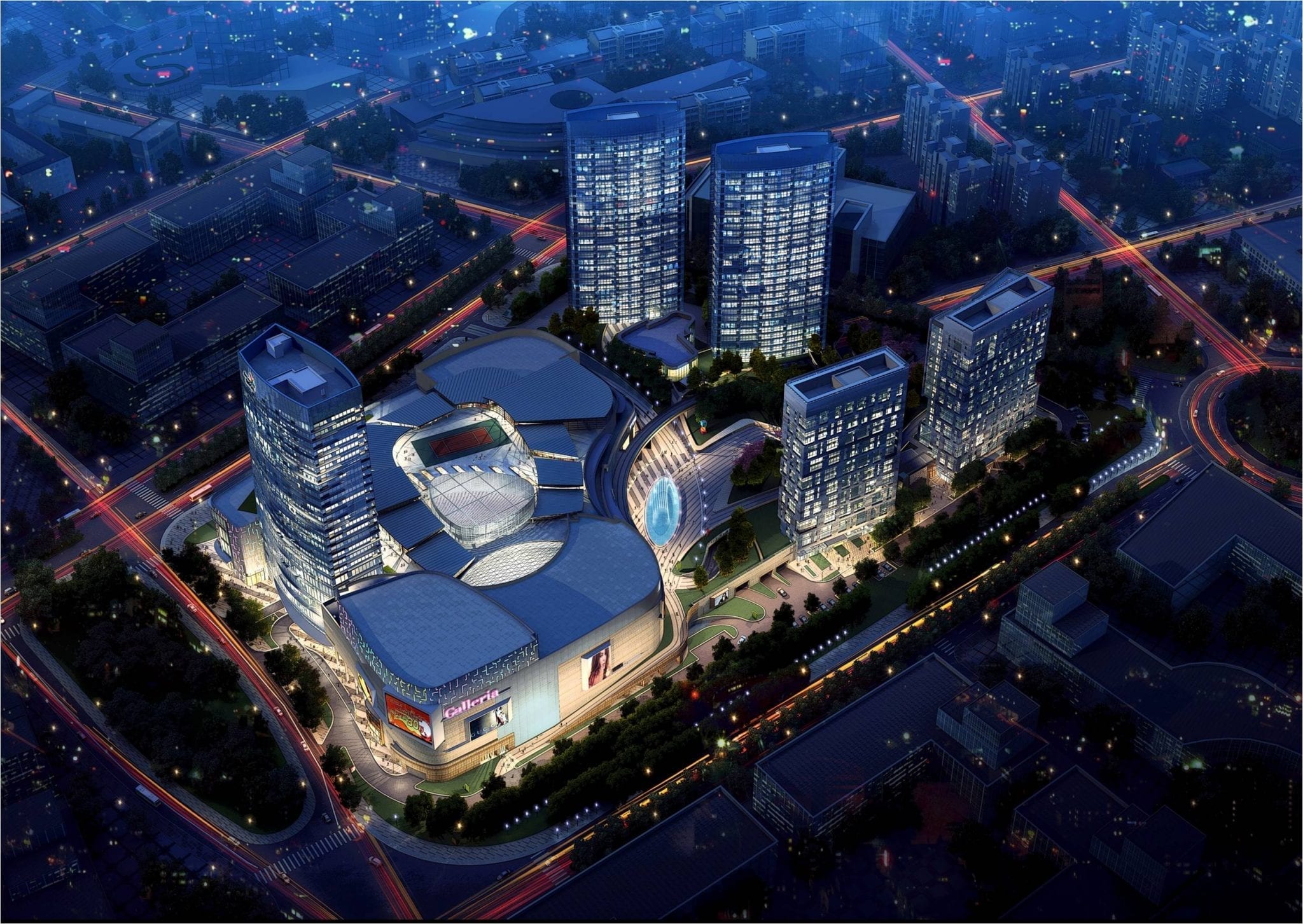
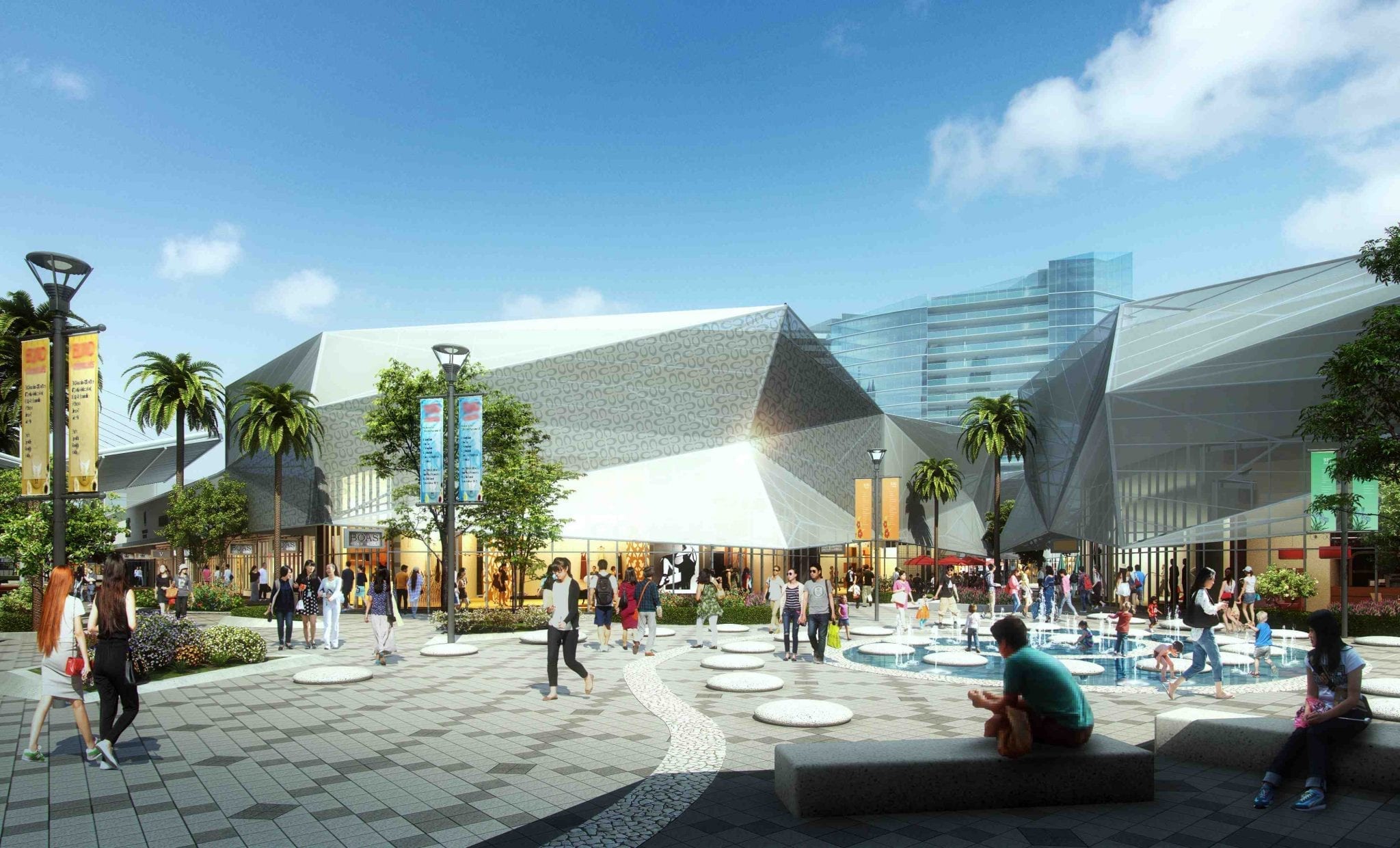
    New York-based architecture and urban planning firm Laguarda.Low Architects has completed the first phase of Europark, a 3 million sqft (280,000 sqm) mixed-use complex in Dalian.

    Set on a landscaped park in the heart of Donggang’s CBD, Europark Dalian comprises the award-winning Galleria Mall, a tower of apartment suites, two SOHO office towers and two residential towers, which are planned for the second phase of construction starting late this year.

    “Now the first phase is complete, we are certain the cutting-edge architectural style, contemporary design and endless retail options in this complex will attract attention throughout the region,” says Laguarda.Low principal John Low.

    Officially opened in August 2015, the Galleria Mall is the first European-style shopping centre in Donggang. It is at the site’s centre, offering four levels of retail, including Adidas, H&M, Nike and Zara stores plus an Imax theatre – all arranged around a central skylight that permeates daylight to all levels.

    The Galleria Mall has won such accolades as the China Building Complex Award in 2011, the Design Innovation Award in 2013, a bronze award for retail development in 2014 and the New Media Service Marketing Award in 2015. Laguarda.Low also designed the mall’s interior.

    In partnership with international landscape design firm SWA, Europark has the biggest green park in Donggang. The development is within walking distance of Dalian Port and the Davos Conference Center.

  • Thai police seize counterfeit items

    Thai police seize counterfeit items

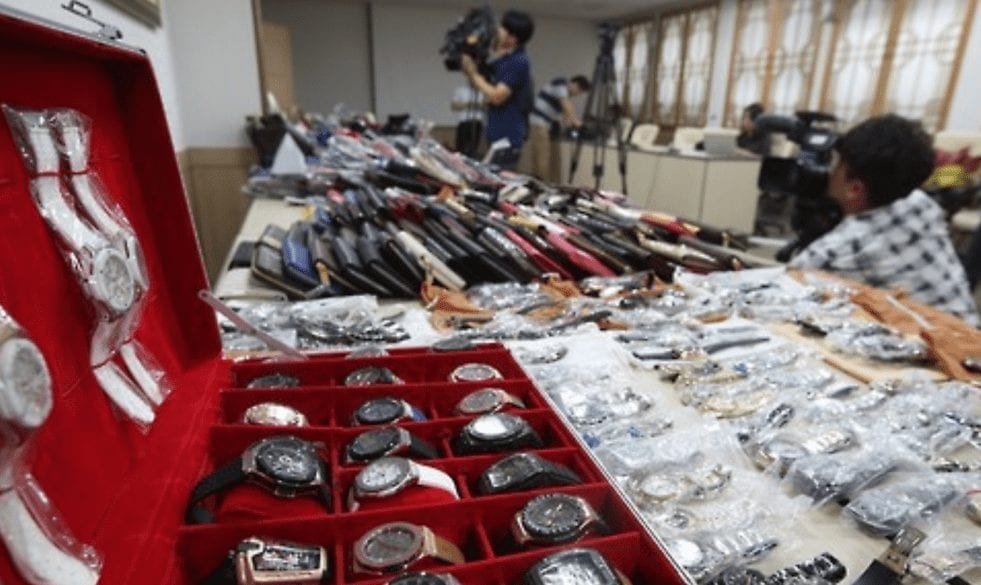
    Police in Bangkok have arrested two drivers who delivered nearly 7000 counterfeit items to Lumpini Park.

    Police chief Sanit Mahathavorn says the two drivers were taken into custody after a routine search of the parked bus.

    Hat Thongbu from Chainat and Niran Damthunghong, from Aranyaprathet, both 47, had hidden the goods in a bus they had driven from the Rong Kleua market in Aranyaprathet, near the border with Cambodia.

    The alleged fake designer goods included bags, watches, clothes, shoes and glasses carrying such labels as Adidas, Casio, Chanel, Chaps and Ekko.

    Mahathavorn says the drivers told officers they had been paid 10,000 baht (US$285) for the delivery and had done this kind of thing many times before over many years.

    Police say the goods were worth around 5 million baht and were set to be delivered to market traders in the capital.

    Some foreigners seemed bemused by the arrests, with one member of Thai Visa Forum saying: “Can’t let Cambodian-made pirated goods compete with Thai-made pirated goods. Excellent police work!”

  • Activewear and F&B driving Hong Kong retail innovation

    Activewear and F&B driving Hong Kong retail innovation

    Food and beverage and lifestyle is driving Hong Kong retail innovation, says property expert Shaun McManus with JLL Hong Kong.

    “The activewear and sports apparel sector has been a front-runner in elevating in-store experiences for shoppers,” McManus, who specialises in lifestyle retail and F&B with the property  company. “Looking to boost their winter sales, Adidas recently added a virtual reality fitting room in their flagship store in Causeway Bay, giving customers the chance to test new products in a training run simulation that mimics winter weather through a temperature control system,” he wrote in a market review.

    Nike’s new 13,000 sqft flagship store on Granville Road in Tsim Sha Tsui offers customised T-shirts and sports bras, as well as a personalised coaching section where customers can test running shoes on a treadmill to see if they are the right fit.

    JLL’s foodservice consulting team forecasts that by 2020, 80 per cent of retailers will have some form of additional entertainment element or other unique offerings, like these within their stores.

    “The progression of omni-channel retailing – through physical and online stores and mobile apps – is another pattern that looks likely to emerge in 2017. Unlike other markets, eCommerce has yet to gain a strong foothold in Hong Kong.

    According to the Hong Kong Trade and Development Council, online sales account for less than 5 per cent of total retail sales among retailers with an omni-channel sales platform within the city.

    “To boost sales, retailers are increasingly turning to social media platforms to sell their goods, and will look to take advantage of apps like Instagram and Snapchat to give customers a behind-the-scenes look at their operations with the aim of building brand engagement and legions of loyal followers,” says McManus.

    “With over 40 million hits per month on Instagram, Facebook and Snapchat combined; it is no wonder popular brands such as watchmaker Daniel Wellington are attributing the largest proportion of their revenue to their social media marketing campaigns.”

    McManus also forecasts that this year promises a further shift away from traditional shopping mall tenant mixes towards an increased focus on entertainment hubs and food courts.

    “Many developers are already starting to reposition their portfolios. Swire Properties – whose shopping mall portfolio in Hong Kong includes Pacific Place Mall, CityPlaza and Citygate Outlets – has been at the forefront of this movement. At Pacific Place Mall, for example, it has increased the F&B footprint by more than 20 per cent in the space of 12 months and totally revamped its cinema complex to include a new VIP House with state-of-the-art sound system technology, higher resolution screens and vibrating seats. These changes have all been made with the aim of increasing and retaining footfall to the mall and attracting new customers.

    “The use of pop-up stores will also continue to be popular in prime malls, enabling landlords to optimise space and minimise void periods; an important consideration given the current challenges facing the city’s retail sector.”

    McManus says that for consumers, revolving pop-up stores freshen the shopping experience and encourage repeat visits.

    “All of the above factors point towards a more balanced and increasingly vibrant retail market for Hong Kong in 2017, and suggests that it is far from all doom and gloom for the sector in the year ahead. Rather, we believe these changes are ushering in a healthier retail climate that drives domestic consumption and is less reliant on tourist spend. Hong Kong must, and will, maintain its status as a shopper’s paradise in Asia for the foreseeable future.”

  • Causeway Bay and Tsim Sha Tsui retain allure for retailers in spite of sluggish times

    Causeway Bay and Tsim Sha Tsui retain allure for retailers in spite of sluggish times

    The prime shopping hubs of Causeway Bay and Tsim Sha Tsui, among the most expensive in Hong Kong in terms of rental costs, remain attractive for retailers amid overall sluggishness in the sector.

    Retail rents in Causeway Bay fell 8 per cent in the rental index in the third quarter and 10 per cent in Tsim Sha Tsui, and they are expected to decline further next year, according to a Colliers International report.

    These declines came amid a 19-month drop in retail spending in the city, with overall sales dropping 9.6 per cent year on year in the first nine months of the year.

    Spending in Hong Kong has been depressed by an 8.7 per cent fall in mainland tourist arrivals during the period.

    The retail industry in the city as a whole is undergoing a consolidation as tourist traffic from the mainland continues to thin, pushing down shop rents in the near term, according to David Ji, the head of research for greater China at Knight Frank.

    In Hong Kong, the four major retail districts of Causeway Bay, Central, Tsim Sha Tsui and Mong Kok had all seen rental corrections, said Terence Chan, the head of Hong Kong retail at JLL.

    While Mong Kok has experienced less pressure from the flight of luxury brands, the property consultancy sees a 15 per cent correction for retail rents in the city as a whole this year.

    The decline was likely to bottom out next year with a correction of about 5 to 10 per cent, Chan added.

    He said that among the four major shopping districts, Tsim Sha Tsui would command the highest average rents in terms of gross floor area, at HK$2,000 per square foot per month. It was followed by Central, with an average monthly rent of HK$1,400 per square foot.

    Causeway Bay ranked third with an average of HK$1,200 per square foot.

    Chan said that while overseas brands would continue to focus on these four districts, established ones might seek to diversify their footprint with outlets in secondary areas such as Yuen Long.

    According to Ji, retailers will continue to favour Causeway Bay and Tsim Sha Tsui, but the trend of high-end luxury brands being ­replaced by sports, lifestyle and food and beverage outlets will continue.

    With Adidas leasing the space formerly occupied by a Coach store in Central and footwear outlet Joy & Mario replacing jewellery store Folli Follie in Causeway Bay, rents will inevitably continue to come under downward pressure.

    “We are now facing a ‘new normal’ trend,” Ji said. “It’s safe to say we are not going to see a drastic improvement. If retailers can hold their ground for the better part of next year, then it’s already a good situation.”

  • Reebok restructure to be fast-tracked

    Reebok restructure to be fast-tracked

    The new CEO of Adidas says he plans to streamline and restructure the ailing Reebok business as a priority under his watch.

    CEO Kasper Rorsted, in a conference call with business media, also promised a completion of the sale of the Adidas TaylorMade golf business by the end of this year, even if that meant booking a loss.

    While its core Adidas brand business is performing well enough to prompt four raises in the company’s financial outlook this year, a Reebok restructure is necessary while the unit continues to struggle.

    “We’ll give Reebok more freedom to operate globally, and more responsibility in the US,” Rorsted said. “We’ll get a more focused organisation, and that will enable us to continue the momentum we have right now of Adidas in the US and it will make Reebok stronger.”

    Rorsted will move Reebok’s headquarters from Canton to new premises in Boston where the team will be 100 per cent Reebok, with about 150 jobs cut. At least one US factory will be closed and the US store network cut back to focus on wholesale. Restructuring is estimated to cost $33 million.

    Adidas has been converting Reebok from a traditional sports shoe maker into a fitness brand. Top-line sales growth has grown for the last 14 quarters, but it still lags its parent.

    “We have to be realistic. Reebok is growing slower than Adidas and our competition, and we have seen no growth in North America in the past three years. And lastly, the profitability is significantly below the group average. It’s time to get back to the gym and redouble our efforts on Reebok.”

    So strong is Adidas performing the costs of restructuring and  a potential loss on the sale of the golf business is unlikely to impact on group profit. And Rorsted indicated there was no sign of any slowing in Adidas’ growth.

    “The consumer centric approach has increased our brand desirability and relevance with the consumers. You can see that not only in our markets or in our revenue numbers, but also in the market share gains in the key categories and markets where we are active.”

  • David Beckham splits with H&M

    David Beckham splits with H&M

    David Beckham has split with fashion retailer H&M – and he’s being upstaged by a Canadian pop star with a hairdo worse than Donald Trump’s…

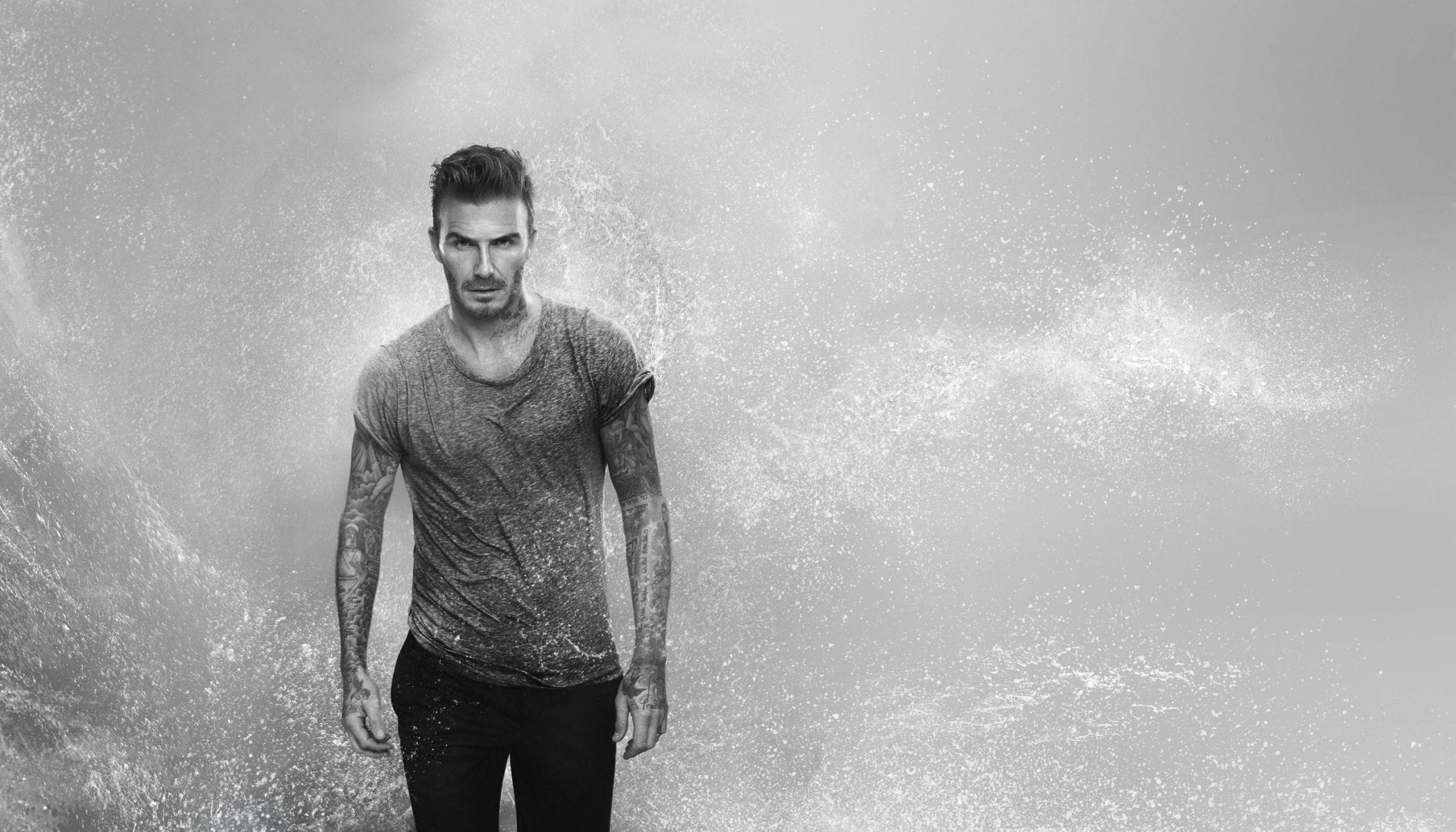
    H&M introduced its first Beckham Bodywear collection featuring form-fitting underwear in 2012 and expanded the partnership to include a broader range of garments including jerseys and light summer suits dubbed Modern Essentials in March 2015. There’s even been a Beckham raincoat.

    But now the brand believes it is time for a change. It has signed up Grammy-winning R&B artist Abel Tesfaye, 26, who performs under the deliberately misspelled name The Weeknd, for a one-off menswear collection which will go on sale from March. The chain believes the new signing will appeal to younger shoppers than Beckham, now 41.

    According to Bloomberg, H&M said it would not rule out future collaborations with Beckham, who also has partnerships with Hong Kong-based Global Brands, endorses Adidas shoes, Breitling watches and Samsung smartphones.

    An H&M spokeswoman told Bloomberg there was no direct link between the end of the Beckham partnership and the signing of Tesfaye.

    The singer will choose his favourite items for an H&M collection to be called Spring Icons Selected by The Weeknd.

    Queuing for Kenzo

    Meanwhile, H&M’s collaboration with fashion label Kenzo launched yesterday, leading to queues outside two stores in Singapore where the collection was on sale – in the Orchard Building and at Ion Orchard.

    The Orchard Building store opened at 8am and by 7.30am about 100 people were lined up outside the store. Some at the front of the queue had reportedly arrived on Tuesday morning, presumably holding the place in shifts.


  • CityOn.Zhengzhou to open fully leased

    CityOn.Zhengzhou to open fully leased

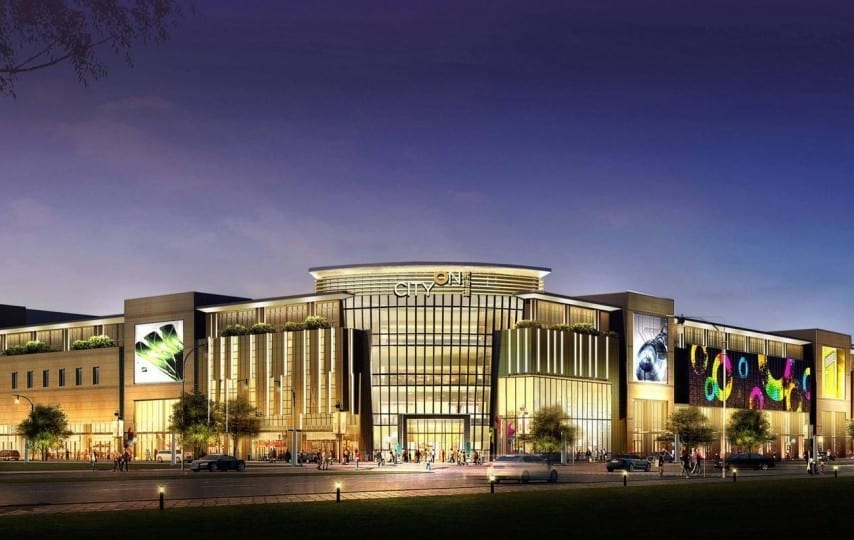
    Taubman Asia, a subsidiary of US shopping centre group Taubman Centers, and China’s Wangfujing Group, have announced the line-up of retailers for its CityOn.Zhengzhou mall in Henan province, set to open on March 16.

    When it opens, the centre will be 100 per cent leased and 90 per cent occupied with nearly 200 stores and restaurants. In the heart of Zhengdong New District, the six-level, 94,000 sqm shopping and dining destination will offer domestic, international and lifestyle brands from fast fashion to accessible luxury, anchored by a four-level Wangfujing department store.

    “We are thrilled to see our second China project coming to life in Zhengzhou,” says Taubman Asia president Rene Tremblay.

    Local, regional and international cuisine at all price points and in both seated restaurants and quick-serve formats will be a feature of the centre, which will also offer family-friendly experiential, educational and entertainment offerings.

    Many international brands will be making their central China debut at the centre, says Taubman Asia group VP Paul Wright.

    Outlets at the mall include…

    Fashion: Adidas, Ajidou, Basic House, Bershka, Charles & Keith, Columbia, Converse, Ecco, Five Plus, Forever 21, H&M, Innisfree, Jack & Jones, KIKC, Kipling, La Chapelle, Lee, Levi’s, Mango, Massimo Dutti, Miniso, Mishka, Mobi Garden, Nike, Pandora, Polo, Sand & Foam, Sephora, Skechers, Stradivarius, The North Face, Uniqlo, Vans, Vero Moda, Westlink and Zara.

    F&B/entertainment/kids/lifestyle/electronics: Acasia Food Village (featuring 14 food vendors), Benfu Sushi, Boat Noodle, Chatime, Chez Choux, Chicken Container, Coco, Dollar Shop, FrozenYo, GB Kids Station, Gong Cha, Grandma’s Kitchen, Guoguo Mutton Soup Restaurant, Guxiang No. 9 Catering, Hallmark Babies, Homao, Huawei, iSpace, La Chapelle Kids, Lenovo, MagicSalad, MM by Haircode, Mr Wish, NaughtyKids, New York Fries, Oscar CityOn Cinema, PapaBubble, Pizza Zone, Rbike, Siwuke Tea, Starbucks, Strawberry Forever, Subway, Teppanyaki Xiang, Toot Science, Udon & Tempura, Uncle, Wan Quan Bu Tong, Xiang Tian Xia Huo Guo, Xiao Liu Jia, Xiao Zhu Zhu Kao Rou, Xue Mi Da, Yang Xiang Dou Pi Shuan Niu Du, YuYuTo, ZBX Fresh Fish Hot Pot, Zheng Shi Yi and Zoo Steak.

  • Penang outlet mall Design Village about to launch

    Penang outlet mall Design Village about to launch

    Penang will gain its first premium outlet mall, Design Village, next month.

    In Batu Kawan in mainland Penang, it will be the biggest outlet mall in Malaysia. It was developed by PE Land, which owns and runs The Spring shopping mall in Kuching.

    The outlet mall is on a mixed-use site that will include a hotel and high-end condominiums. The single-storey mall has a net leasable space of 400,000 sqft (37,161 sqm) for 150 stores.

    There are more than 80 brands already committed to the mall, which is aiming for up to 100, says Savills Malaysia MD Allan Soo. The company is the international leasing and retail development adviser for Design Village.

    Design Village Malaysia 1

    The mall’s retail mix will be 20 per cent large-format stores, 15 per cent F&B, 7 per cent sports outlets and 5 per cent children’s stores, with 25 per cent new tenants and 28 per cent others.

    It will include the biggest Adidas outlet in Malaysia, plus the first outlet stores for Aldo and Bata. Other retailers include Banana Republic, Guess, Padini Concept Store, Sacoor Brothers, Samsonite and Starbucks.

    The mall will provide daily shuttle services to and from hotels and the airport.

    Design Village GM Aileen Tay says the mall is also working with tour companies to bring in tourists who will be offered rebates through tax-free shopping network Global Blue.

    PE Land is the retail and property development arm of Borneo-based conglomerate Pan Sarawak Holdings.

  • High street brands replace luxury stores that exit HK prime space

    High street brands replace luxury stores that exit HK prime space

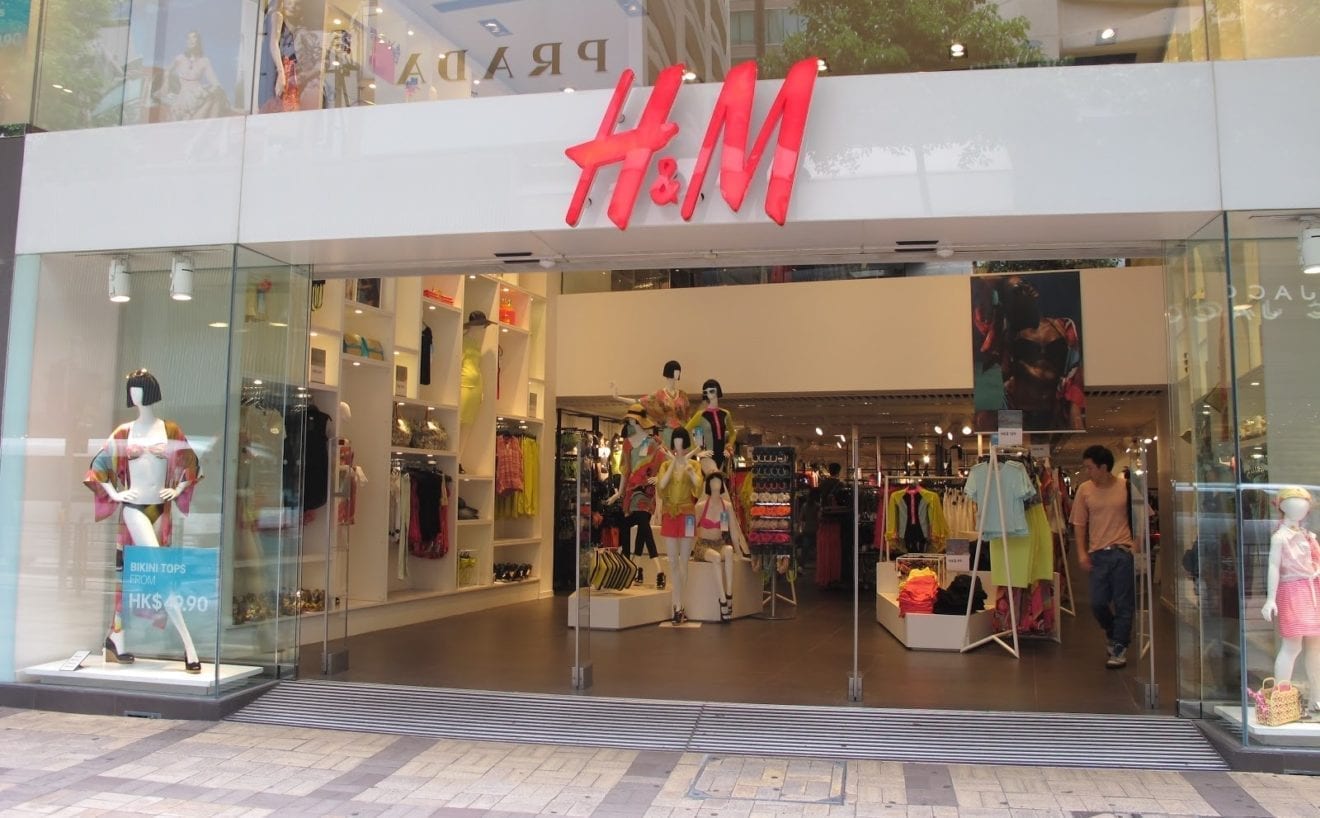
    From fast-fashion chain H&M to lifestyle brand Maison Kitsune and cosmetics firm Innisfree, mass-market retailers are setting up shop in premises previously occupied by luxury brands in Hong Kong’s prime shopping districts.

    Aided by falling rents in top locations, accessory, sport and lifestyle retailers are emerging as a new driving force of Hong Kong’s US$60-billion (S$80.4-billion) retail industry, part of a major makeover the city is going through amid a slump in retail sales.

    “This trend will continue,” said Mr Joe Lin, executive director at property consultant CBRE. “We are going to see more mass-market brands reappear in prime locations.”

    Weak sales of luxury goods drove Hong Kong to report a 16th straight monthly drop in retail sales on Tuesday.

    Sales of jewellery, watches and valuable gifts tumbled 21 per cent in January to May, driving a 10.8 per cent fall in overall retail sales, while cosmetics and medicines posted a 2.7 per cent sales decline and furniture and fixtures reported a 5.3 per cent drop, government data showed.

    Luxury retail in Hong Kong exploded over the past decade as increasingly wealthy Chinese flocked to the city to buy high-end Western brands, pushing out local jewellers and other shops that once dominated the high street.

    “Back in the day, we used to see only (jewellers) Chow Tai Fook, Luk Fook and pharmacies,” said Ms Cynthia Ng, director of retail services of Colliers International.

    “They (new retailers) are not necessarily local brands, but tend to be cheaper in pricing and younger… Not only does the adjusted rental fit their budget, but at the same time the craze and demand for fitness and sports are also helping them.”

    Still, mass-market brands might struggle to achieve the margins and profitability needed to justify prime rents in a weak retail environment, said Mr Kevin Lai, an economist at Daiwa Capital Markets in Hong Kong.

    “The luxury sector usually has much more value added,” Mr Lai added. “So these guys may not be able to do exactly the same.”

    Retail rents in Hong Kong’s core shopping districts, still among the world’s highest, are likely to fall another 5 to 8 per cent in the second half of this year, bringing the full-year correction to 10 to 15 per cent, said CBRE.

    Those declines are attracting new tenants to shops large and small.

    On Russell Street in the prime Causeway Bay shopping district, the 400 sq ft space that jewellery group Follie Follie occupied has been replaced by footwear outlet Joy & Mario, while Swatch Group’s Jaquet Droz luxury watch shop has gone to South Korean cosmetics brand Innisfree.

    Nearby, H&M opened a flagship store last year.

    “For us, best location is always key, and when opportunities arise, we look at the possibilities for opening new stores,” a spokesman for H&M in Stockholm said.

    Sports brand Adidas last year leased a 13,000 sq ft shop in the city for 22 per cent less than its former occupier, Coach, as the premier American brand closed its fourstorey flagship store in Central amid weak retail sentiment and a drop in tourist arrivals from China.

    Big shopping malls are renovating and offering attractive terms as vacancies grow, and stores on street level have also become more affordable.

    Swire Properties’ Pacific Place, where British fashion house Burberry will halve the size of its store by next year, is reshuffling its tenant mix, bringing in more food and beverage stores.

    Lifestyle store Homeless recently opened a store in CityPlaza shopping mall, after years of effort to secure a place in a prime shopping district, and is planning to relocate its shop in Tsim Sha Tsui this year to a location with much better traffic.

    Retail and property experts see the trend continuing as sales of luxury goods remain weak, despite steep discounts.

    “In the second half of May, many brands kicked off their summer sales much earlier than before, offering much higher discounts than they normally did,” Mr Thomson Cheng, chairman of Hong Kong Retail Management Association. “It failed to significantly boost sales. The situation is worrying.”

    In early June, French fashion house Chanel slashed prices by as much as 70 per cent on selected items, while Coach cut some prices by half, in line with moves by Burberry and French luxury group Kering’s Gucci.

    “The spending pattern of mainland tourists has changed and their consumption power is weakening,” Mr Cheng said.


  • Under Armour China recruits star power

    Under Armour China recruits star power

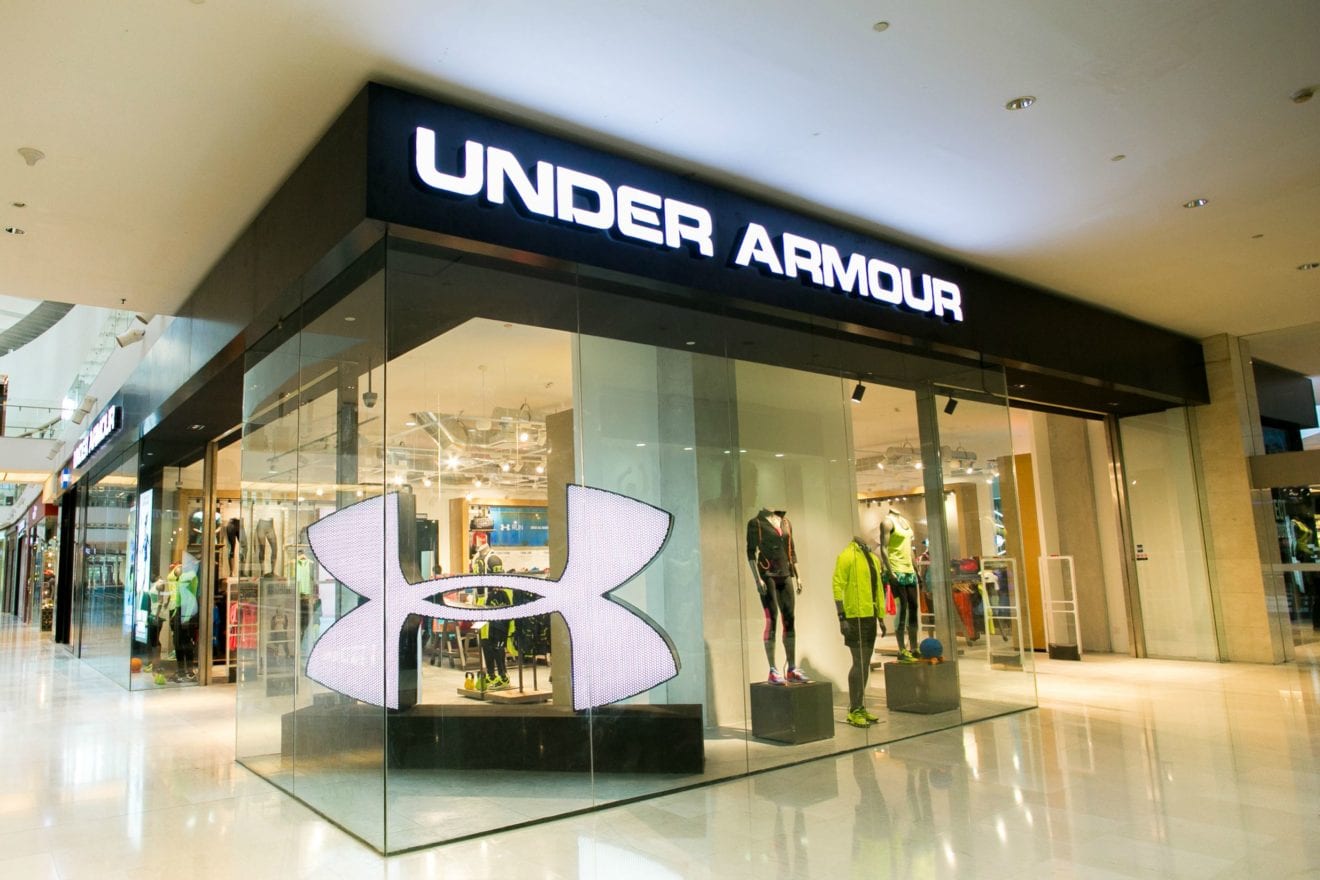
    Star power is being used to connect fast-growing athleisure brand Under Armour with Chinese consumers.

    NBA All-Star Stephen Curry heads back to China next month for another promotional tour for sportswear brand Under Armour China (UA).

    As UA seeks to take market share away from rival Nike, the basketballer will be touring the greater China region, including Taiwan, from September 2 to 6.

    Under Armour CEO Kevin Plank plans to more than double the company’s annual revenue to $10 billion by 2020, identifying three key growth areas: channels, categories and geographies.

    “Our eCommerce in China has basically exploded for us,” he says, “so this is not just a bricks-and-mortar story.” He believes China may actually end up providing the script for the balance between digital and store sales.

    So far this year, UA has reported a 157 per cent increase over the same period last year from its eCommerce initiatives in China. In just 10 years, the company has grown its overseas business exponentially, to $454 million last year from $6 million in 2006.

    Probably trying to catch this wave, low-end Chinese sneaker manufacturer Tingfei Long Sporting Goods introduced its Uncle Martian apparel line in April with a logo similar to UA’s trademark intersecting arches. UA responded by saying it will pursue “all business and legal courses of action.”

    To thrive in China, brand recognition over knockoffs is key for UA, which is why it is sending spokesman Curry into play. Following his first tour two years ago, quarterly revenue in China grew three-fold (Nike had a 23 per cent gain).

    UA plans to open 120 stores in China, more than doubling its presence, by the end of this year. Adidas and Nike have between 8000 and 9000 stores in China already. Nike’s market share grew to 14.3 per cent last year from 11.2 per cent in 2011, while Adidas grew its market share to 13.8 per cent from 8.5 per cent over the same period, according to research company Euromonitor.

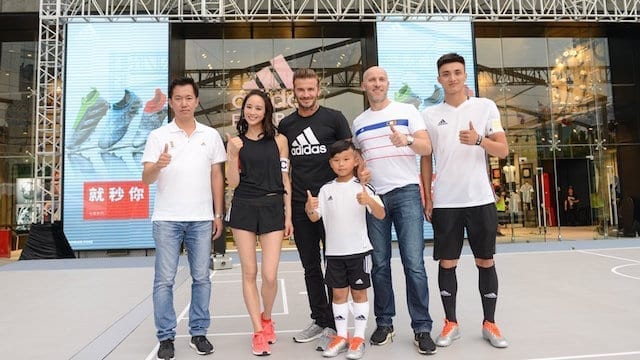
  • Adidas football flagship opens in Guangzhou

    Adidas football flagship opens in Guangzhou

    In a world first, an Adidas football flagship has opened in southern China’s Guangzhou Teemall.

    Adidas Group Greater China MD Colin Currie describes it as an important milestone for both Adidas and Chinese football.

    “At the same time, it emphasises the group’s determination and commitment to promote the development of Chinese football.”

    On the first floor of the northern square of Teemall, the store provides the equipment of such Adidas-sponsored clubs as Associazione Calcio Milan, Bayern Munich, Chelsea, Juventus, Manchester United and Real Madrid, as well as exclusive products of superstar players like Bale, Messi and Pogba.

    Customised name-printing on jerseys is also offered.