Tag: adidas

  • Vietnam footwear exports benefit from US-China trade spat

    Vietnam footwear exports benefit from US-China trade spat

    Vietnamese footwear exporters seem to be benefiting from the ongoing trade war between the U.S. and China. According to customs statistics, Vietnam’s footwear exports in the first nine months of this year were worth $11.74 billion, a 10.2 percent year-on-year increase. Its exports to China in the period have risen by 28.5 percent, to Japan by 14.7 percent, and to the U.S. by 13.5 percent.

    Vietnam is the second biggest exporter of footwear to the U.S. behind China, shipping 404 million pairs of shoes last year.

    The upward trend is likely to continue, too, as rising wages in China increase the cost of goods produced there and the country is thus directing more of its manufacturing resources toward higher-priced goods like electronics, according to the global footwear news outlet Footwearnews.

    Foreign companies are moving to other countries like Vietnam to cut cost.

    Adidas CEO Kasper Rorsted said last May that his company is shifting sourcing of footwear from China to Vietnam.

    Vietnam has in fact overtaken China as its top supplier, with Vietnamese factories producing 44 percent of its shoes by volume last year and Chinese manufacturers supplying 19 percent, according to Adidas.

    This would help shield the company from potential tariffs or supply chain disruptions if President Donald Trump’s trade war with China continues to escalate, a fact its competitors also seem to be taking notice of.

    Vietnam may see export orders surging as footwear importers shun China to avoid high U.S. tariffs and choose the Southeast Asian nation instead, local media quoted Diep Thanh Kiet, vice chairman of the Vietnam Leather, Footwear and Handbag Association (Lefaso), as saying.

    “Vietnam’s leather and footwear export can reach $19.5 billion or slightly higher this year depending on the situation,” he said. Vietnam’s footwear exports were worth $14.65 billion last year.

  • Adidas Thailand Enjoys 40% Growth Online Thanks to DHL E-Commerce

    Adidas Thailand Enjoys 40% Growth Online Thanks to DHL E-Commerce

    DHL eCommerce, a division of the world’s leading logistics company Deustche Post DHL Group, has facilitated growth of over 40% for adidas Thailand’s retail revenue by enabling deliveries for the adidas.co.th site.

    The e-commerce channel launched in June 2015 and since co-operating with DHL in May 2017, Thai consumers are able to have their purchases delivered same-day or next-day within greater Bangkok and 2-3 days to other remote areas.

    adidas.co.th offers a wide range of adidas products including limited edition items which may not be available in the physical stores. Customers can browse online and shop for unique styles and sizes without having to hop from store to store. With 18 physical stores across Thailand, DHL eCommerce will begin to leverage adidas’ retail footprint for e-commerce fulfilment by picking up orders from adidas stores and delivering to customers by Q2 2019.

    Jirot Paowisit, adidas’ Senior Manager of Operations for Thailand said, “E-Commerce is making a true impact not only in the way we sell and deliver our products, but also in how we engage our consumers. We are pleased to make adidas products more easily and conveniently available and we are excited to work with a strong logistics partner like DHL. Besides the excellent delivery service to our customers, their solutions have enabled us to fulfil more orders a day by optimizing our operations for fast e-commerce fulfillment.”

    “E-Commerce is a growing channel for adidas and with Thailand’s increasing e-commerce adoption with the total share of e-commerce expected to more than double in the coming years, we are certain that there will be more adidas fans choosing to shop on our online store. We are pleased with DHL eCommerce’s high quality delivery performance which plays an important role in our e-commerce strategy.” said Suphalada Chalitpattanangkune, E-Commerce Manager for adidas Thailand.

    “Over 57% of shoppers will likely not shop with a retailer again if they had a bad delivery experience, showing how important the quality of delivery is for a retailer’s brand image and customer loyalty. We are proud to enable adidas to deliver quickly and conveniently to their consumers with a successful delivery performance of 99% consistently since we started shipping for them in 2017,” said Kiattichai Pitpreecha, Managing Director, Southeast Asia, DHL eCommerce.

    “With DHL’s fully-owned domestic delivery network with full nationwide coverage across Thailand, adidas fans from anywhere in Thailand will be able to shop online easily with the assurance of a great delivery experience.”

  • IconSiam Bangkok due to open November 9

    IconSiam Bangkok due to open November 9

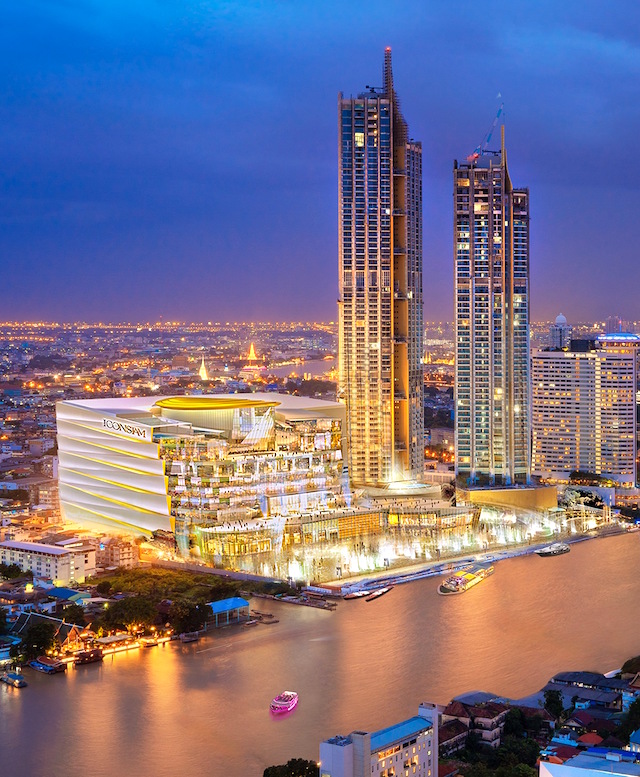
    Bangkok’s massive IconSiam development will open on November 9, its developers have confirmed.

    The US$1.67 billion complex being constructed on a 400-metre-long stretch of the Chao Phraya River will feature 14 flagship stores of internationally renowned brands, many of them taking space in the ultra-luxury 25,000sqm glass pavilion called IconLuxe, located next to the river and featuring the longest pillarless glass facade in the world.

    The development will be home to two shopping centres, whose tenants will include 188 brands and store concepts from around the world making their debut in Thailand, including duplex maisons for luxury brands.

    IconSiam CEO Supoj Chaiwatsirikul says IconSiam will represent “a completely new business model for destination development” in Thailand.

    “We are committed to making IconSiam a new national landmark and an exciting global destination. We have therefore placed particular emphasis on becoming the location of choice for the flagship stores of the world’s finest brands as well as introducing many firsts and innovations at the various outlets.”

    The development will comprise a 750,000sqm mega-destination featuring not only two shopping precincts, but theme parks, a museum, hotel and apartment towers.

    “IconSiam will excite visitors with a rich diversity of offerings, including art and culture, in addition to extraordinary dining and shopping possibilities,” said Chaiwatsirikul. “The project is co-designed and co-activated in collaboration with enterprises of all sizes and with people from all walks of life, and the benefits of the project are shared among all parties.

    “We have made every participant in IconSiam – whether they be outlets selling products, or designers and artists showcasing their creations, or even neighborhood communities helping in our operations – an inseparable part of our business model and they play a part in shaping our development.”

    Flagships line up

    Flagship stores at IconSiam will include the largest Adidas Original store in Asia, H&M-owned fashion label Cos, an Aland lifestyle concept store from Korea, and local accessories brand Naraya. H&M will open a three-level store.

    UK retailer JD Sports will open its first Thai store at the development and Nike’s store will be the first in Asia with a Kicks Lounge.

    The retail development is anchored by Thailand’s first Takashimaya department store from Japan which plans to introduce 170 brands into the market for the first time.

    Details have yet to be released about world-class restaurants and a rooftop bar planned for the complex. Besides those, IconSiam will feature seven food and beverage zones, each with a different atmosphere and concept. Tenants will include Singapore’s Jumbo seafood restaurant and Taiwan’s Harbour restaurant.

    Fitness First will open its largest Thai venue yet.

    Opening festival

    Chaiwatsirikul says IconSiam has budgeted THB1 billion (US$31 million) on an opening and launch festival, including extensive international communications.

    “Because IconSiam will be a showcase for the very best that Thailand has to offer and serve as a platform to propel Thai brands, products, artists, artisans and Thai culture onto the global stage, we are investing heavily to make IconSiam globally visible. We want IconSiam to be a magnet for the country, capable of drawing hundreds of thousands of international and local visitors a day, and to bring honour to Thailand,” he said.

    Meanwhile, the development’s two luxury residential towers remain under construction. The 70-floor, luxury Magnolia Waterfront Residences with 379 residential units is 90 per cent complete, while the 52-floor, super luxury The Residences at Mandarin Oriental Bangkok with 146 units is 80 per cent complete.

    IconSiam is being developed by three Thailand companies: shopping centre operator Siam Piwat, which owns Siam Center, Siam Paragon and Siam Discovery; residential developer Magnolia Quality Development Corporation; and multinational conglomerate Charoen Pokphand Group.

  • Adidas likely to lose over trademark dispute

    Adidas likely to lose over trademark dispute

    Sportswear retailer Adidas has failed in its bid to prevent a Taiwanese business from registering a visually similar trademark in Singapore.

    The Intellectual Property Office of Singapore (IPOS) rejected an Adidas lawsuit against Lutong Enterprise Corp, dismissing the claim that the similarities could potentially cause confusion in the market and allowing Lutong to carry on with registration.

    Both logos feature three sloping lines, although the Lutong logo includes a circle and has lines sloping in the opposite direction to the Adidas logo.

    The principal assistant registrar wrote: “A triangle whose right angle points upwards may give the visual impression of a mountain, or at least of something grounded. A triangle whose right angle points downwards gives a significantly different visual impression, that of something en pointe, perched or being balanced.”

    The brand marks were thus judged to be more different than similar.

    Lutong’s logo was designed around eight years earlier than the Adidas logo.

    Germany, South Korea and Hong Kong have blocked Lutong from using the logo.

  • Adidas Settles for $8 Million in Rockport Dispute

    Adidas Settles for $8 Million in Rockport Dispute

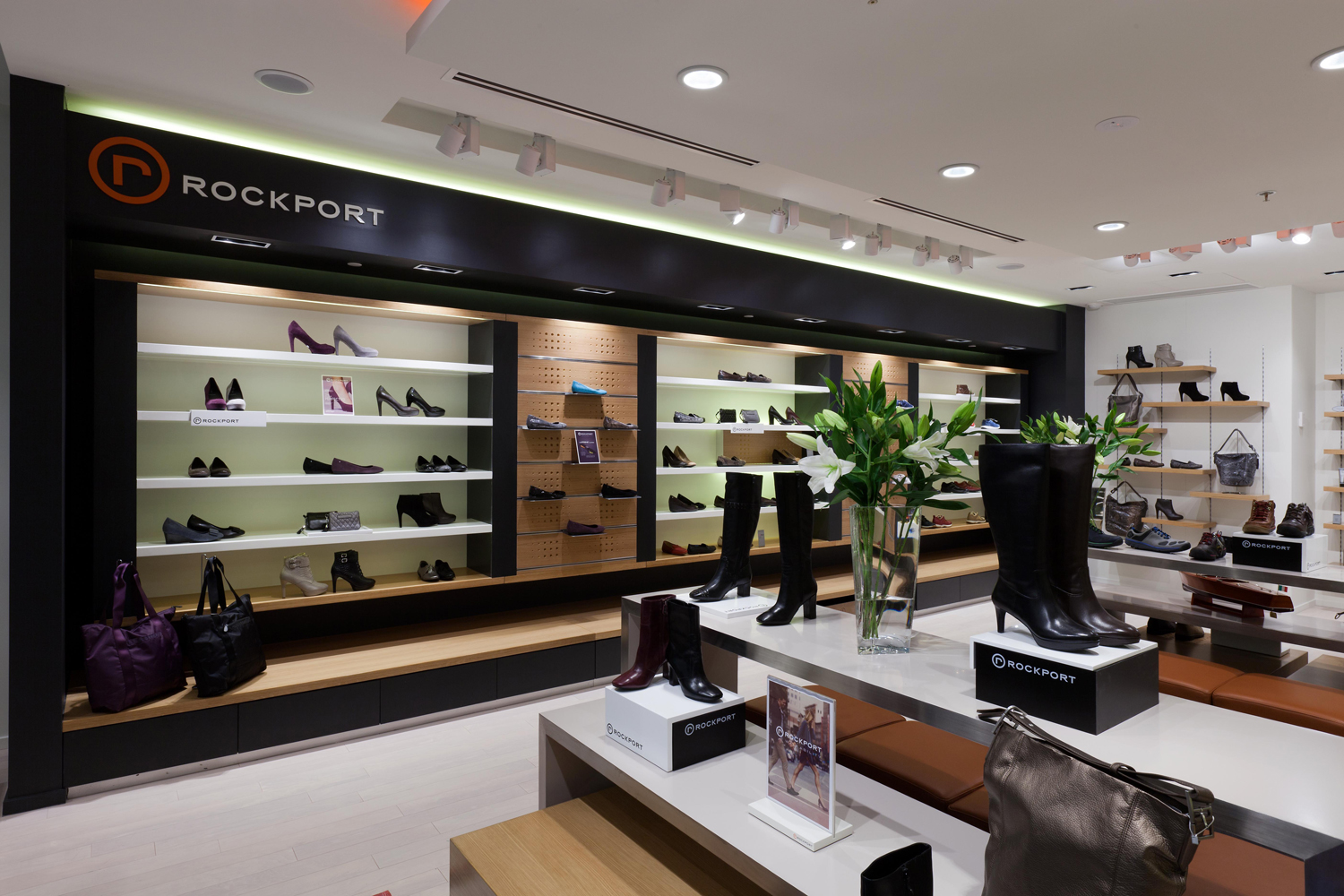
    German-headquartered Adidas AG has agreed to a settlement in its Rockport bankruptcy dispute.

    Adidas bought Rockport as part of its takeover of Reebok in 2005 and sold the brand a decade later.

    Rockport was placed in Chapter 11 bankruptcy protection in May of this year, and in July a rescue plan was lodged by CB Marathon, an affiliate of Charlesbank Capital Partners, to take over the ailing business.

    However Adidas and Reebok challenged that, lodging a claim for more than $70 million to recover unsecured claims from Rockport.

    According to a news, Adidas agreed to a payout of $8 million from its $54 claim, a settlement approved by a Delaware bankruptcy judge on Monday, clearing the way for the same to CB Marathon, subject to final approval from the courts.

  • Vincom Centre Landmark 81 launched

    Vincom Centre Landmark 81 launched

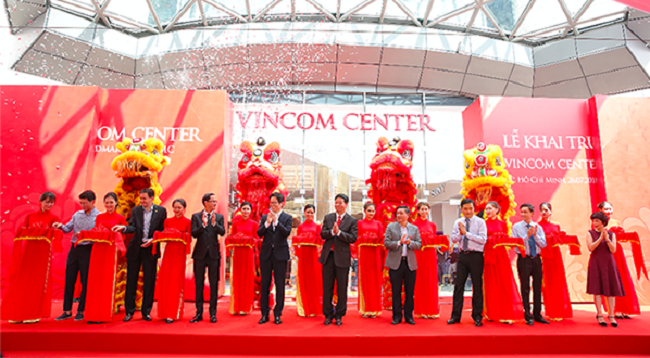
    Vingroup has opened its 55th shopping centre, The Vincom Center Landmark 81 mall, in Ho Chi Minh City’s Binh Thanh district.

    The 50,000sqm shopping centre occupies six of the skyscraper’s 81 storeys, housing 100 domestic and international brands in cosmetics, fashion, F&B, and entertainment.

    Fashion brands include Versace Jeans, Calvin Klein, Adidas, Tommy Hilfiger, Lacoste, French Connection, Kimmay, Superdry, H:Connect; Cole Haan, Ecco, Dune London, Parfois, Aldo, Pandora, Longines, OWL and Nike.

    The 7000sqm food and beverage area features 30 restaurants, including China’s Peach Garden, Japan’s Dozo Sushi, Vietnamese restaurants Delights, Di Mai, and coffee shops including Starbucks’ largest Vietnam outlet and Highlands Coffee.

    In the entertainment area, there is a 2000sqm Vincom Ice Rink, Vietnam’s largest, and a CGV cinema complex including an Imax screen, as well as a tiNiWorld entertainment complex and an indoor games centre.

    Vingroup’s food arm VinMart operates a supermarket there.

  • Adidas pledges to use only recycled plastic by 2024

    Adidas pledges to use only recycled plastic by 2024

    Global sportswear maker adidas announced that it has committed to using only recycled plastic by 2024. The pledge to eliminate the use of virgin plastic includes using polyester, a popular material in sportswear for its sweat resistant properties and because it weighs less.

    adidas said on Monday that it would stop using virgin plastic in its offices, retail outlets, warehouses and distribution centres, a move that would save an estimated 40 tonnes of plastic per year, starting from 2018.

    It also said its apparel line for the spring and summer of 2019 will contain around 4 percent recycled polyester.

    adidas is the latest in a series of global companies that have pledged to reduce plastic use.

    In 2016, the brand had completely done away with the use of plastic bags in all its stores.

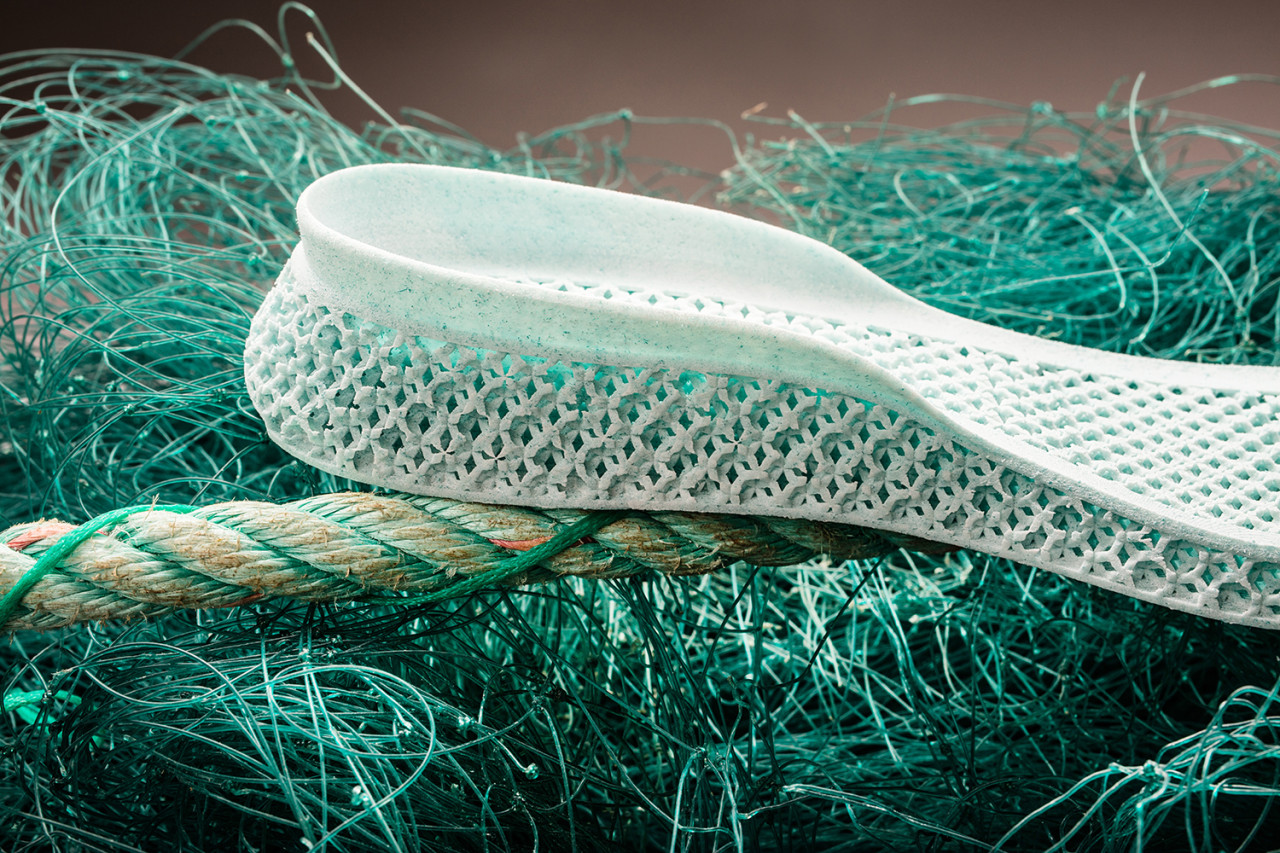
    In the same year adidas collaborated with environmental group Parley and decided to lead the way with an ‘eco-innovative’ design. They mass produced shoes made from recycled water bottles found in the world’s oceans. The shoe was named UltraBOOST Uncaged Parley, but is more popularly known as Ocean Plastic Shoe.

    This year, with awareness growing, the German company is expecting a sharp increase in sales of its Parley shoes, which are made with plastic waste that has been intercepted before it reaches the ocean.

    While still a small share of its global sales, adidas expects purchases to jump to 5 million pairs this year compared to 1 million in 2017.

    Coffee retail giant Starbucks also plans to eliminate plastic straws from its stores, and McDonald’s is trialing a similar programme in the UK and Ireland.

    Swedish furniture major IKEA is also phasing out single use plastic from its stores and restaurants.

    Global use of plastic has increased 20-fold over the past 50 years and is expected to double again in the next 20 years.

    The material is cheap and versatile, but governments and consumers are increasingly aware of its huge environmental costs.

    Research shows there will be more plastic than fish by weight in the world’s oceans by 2050. On a global basis, only 14 percent of plastic is collected for recycling.

  • VivoCity mall extension start operating

    VivoCity mall extension start operating

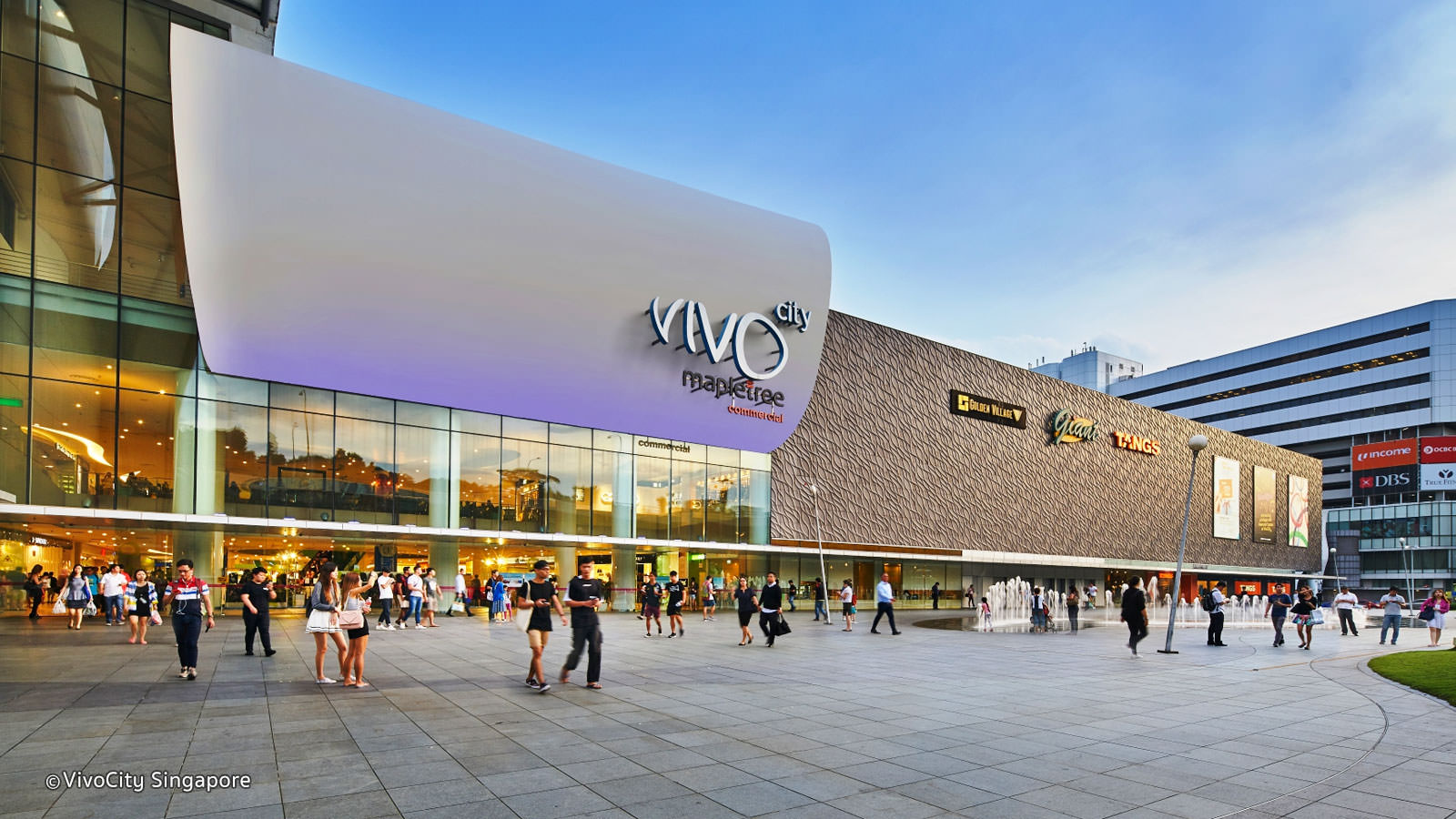
    Singapore’s VivoCity mall has opened a new 3000sqm basement extension housing 10 fashion, athleisure and lifestyle brands.

    Mapletree Commercial Property Management VP for marketing communications Gwen Au said the new extension will allow shoppers to discover new retail concepts and expanded fashion and lifestyle collections.

    A new escalator lobby has been constructed leading through the extension to improve access to and from the Harbourfront MRT station.

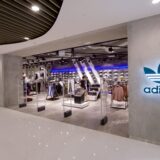
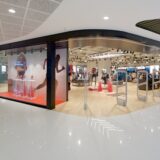
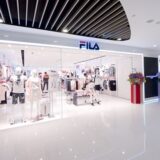
    One of the new tenants in VivoCity B1 is Fila, which is launching three concepts under the one roof – Fila, Fila Kids, and Fila Fusion – offering buyers a range of performance, sport couture, and lifestyle collections. Adidas will also present multiple store formats in the extension, unveiling its stadium concept store (featuring performance wear) next to a new Adidas Originals flagship (offering street style fashion trends).

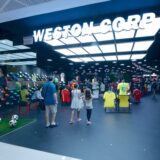
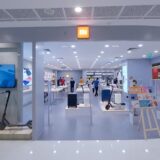
    Other brands opening in the extension include New Era, Nike, L.E. Underground, Weston Corp and Xiaomi.

    Images of the retail stores open can be viewed below :


  • Adidas Originals launches new Personalisation System

    Adidas Originals launches new Personalisation System

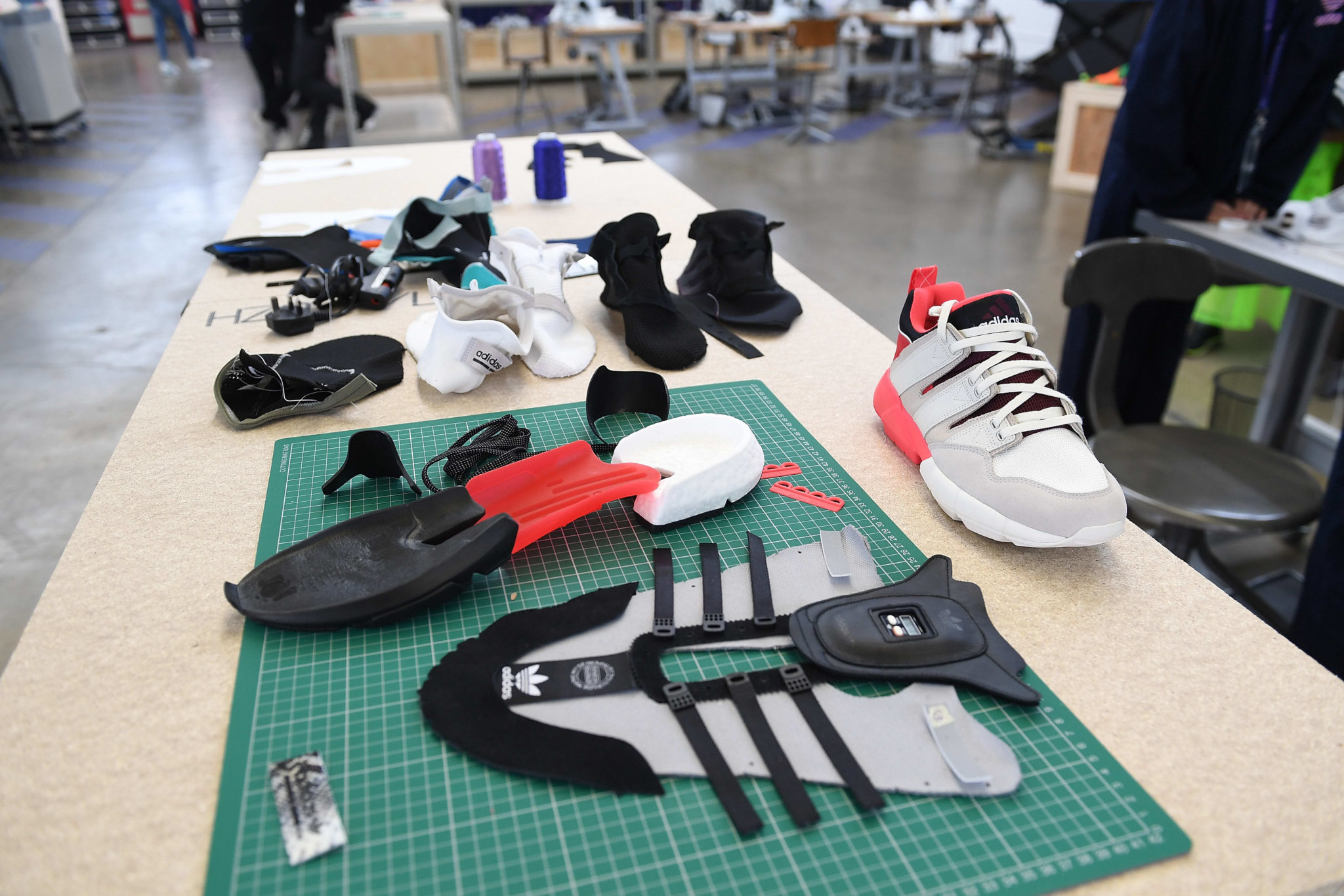
    Adidas Originals has launched its newest silhouette ‘Point of Deflection System’, which allows customers to create their own sneakers.

    Inspired by Adidas’ iconic 90s ‘POD System’ technology and engineered with a podular sole unit, the new silhouette is built to create natural motion, flexibility and comfort.

    To celebrate the launch, global creators including Cali Thornhill DeWitt, DJ Clark Kent and Victor Ma were invited to the PODS Maker Lab in London’s Shoreditch neighbourhood.

    With assistance from Adidas Originals creators including Pharrell Williams, guests created their one-of-a-kind pair of shoes in a full footwear experience by mixing and matching PODS components with classic Originals elements.

    At night, musicians such as Migos, Suspect OTB and DJ Benji B, brought live performances.

    The POD System is available globally both online and offline at Adidas Originals.

  • Footwear giants shift outsourcing from China to Vietnam

    Footwear giants shift outsourcing from China to Vietnam

    Major brands in the footwear industry are shifting their outsourced work to Vietnam instead of China, but experts doubt this will be a good thing in the long run.

    Sneaker giant Adidas last year had 44 percent of its footwear produced in Vietnam, more than double the 19 percent made by suppliers in China. This figure also marked a 31 percent increase from 2012 for Vietnam and a 30 plus percent decrease for China.

    A similar move can also be seen at Adidas’ rival Nike, which had 46 percent of its footwear made in Vietnam last year, against just 27 percent in China.

    While China remains the top supplier in the fashion industry, Vietnam is now seen by major brands as a solid and critically important supplier in second place, according to survey results released by the United States Fashion Industry Association.

    “We are reporting a change in the sourcing trend, from ‘China Plus Many’ to ‘China Plus Vietnam Plus Many,’” the association said.

    The typical sourcing portfolio today is 30-50 percent from China, 11‑30 percent from Vietnam, and the rest from other countries, it added.

    According to experts in the industry, China manufacturing has become more focused on high value, and with workers’ wages rising, low-cost manufacturing is no longer its priority.

    This explains why Vietnam, Indonesia and Bangladesh are producing more shoes and apparel for export.

    However, while this trend can yield short-term benefits to Vietnam, long-term consequences will be severe, Professor Nguyen Van Nam, former director of the Institute of Trade Research under the Ministry of Industry and Trade said.

    Since advanced technology is not widely applied in Vietnam, the manufacturing sector exploits labor and pollutes the environment, he said.

    “Vietnam needs to push for the newest technologies in manufacturing, otherwise we will be a ‘landfill’ of other countries,” he added.

    Nguyen Duc Thuan, president of the Vietnam Leather Footwear and Handbag Association (LEFASO), highlighted another challenging aspect of the shift at a conference earlier this year.

    As workers in other countries are assisted by machines in the production process, each of them can make 1.2 pair of shoes in an hour, while their Vietnam peers can only manage 0.7, he said.

    “Labor productivity obviously increases when technology and high management skills are used, and this is a challenge that Vietnam needs to meet,” Thuan said.

    Vietnam’s footwear export value has been growing in recent years, from $8.4 billion in 2014 to $14.65 billion in 2017, a 42 percent increase. The country contributed a billion pairs of shoes to the 27 billion pairs produced globally last year.

  • Tmall and Intersport launch interactive megastore in Beijing

    Tmall and Intersport launch interactive megastore in Beijing

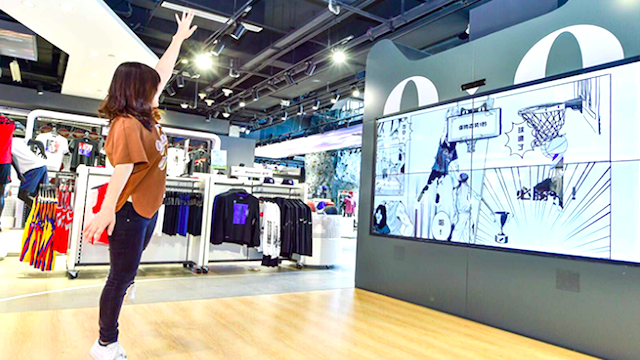
    Tmall and Intersport unveiled a co-branded store in Beijing yesterday, complete with interactive features that offer consumers in China a more engaging and informative shopping experience.

    Under the new name “Tmall x Intersport,” the two-story, 1300sqm space that sits in Beijing’s tourist hotspot Qianmen has been transformed into a futuristic megastore. The revamp underscores that more global brands are recognising the power of New Retail—tech-driven retail model pioneered by Alibaba that captures the best of online and offline shopping experiences.
    “We believe Tmall is the ideal partner in our endeavour to further our engagement with Chinese consumers by providing them the best-quality and most-fashionable sports goods in the market,” said Victor Duran, CEO of the Switzerland-based sportsgoods retailer Intersport.

    Established in 1968, Intersport has more than 5000 branches in 44 countries. It sells sports brands such as Nike, Puma, Reebok, Adidas, North Face and Dynatour. Intersport made its foray into China in 2013 and opened its Tmall flagship store in September 2016.

    “These new in-store technologies provide consumers in China an unprecedented shopping experience that is both entertaining and educational so they can have fun while shopping for the exact products that meet their unique demand,” the CEO said.

    Currently, Intersport has 24 stores in China with the goal of expanding to at least 100 – a combination of larger flagship stores in major cities and smaller specialty stores – during the next couple of years. “It makes sense to have Tmall technologies to be the link to connect all the stores together,” Duran said.

    New Retail is the new solution

    Many industry watchers have pointed to New Retail as the solution for brick-and-mortar retailers feeling the squeeze from e-commerce. By harnessing engaging technologies, store owners can attract more customers through both online and offline channels. Moreover, these technologies can generate insights to help businesses gain a more-precise view of China’s market trends and customer preferences.

    “We are excited to see an extensive range of Tmall’s New Retail technologies and features under one roof in Intersport’s store,” said Jessica Liu, president of Tmall Fashion and Luxury. “What’s even more encouraging is to see our merchants embracing the New Retail concept and exploring its potential. When customers try out these features firsthand, we are confident that they will see the convergence of online and offline shopping as the future of retail.”

    The Tmall and Intersport store is the latest example of how Alibaba’s New Retail technology is helping brands build up and reimagine their business in China since the push began in late 2015. To date, Tmall Fashion has collaborated with over 400 brands, including top names such as Burberry and Zara, and upgraded more than 50,000 storefronts all over China. Liu said the goal is to increase the collaboration to 1000 brands and help digitise 200,000 storefronts nationwide in the next year.

    Educate your customers

    At the grand reopening yesterday, customers were welcomed by an array of state-of-the-art technologies and augmented reality-powered interactive games. For example, the Smart Shelf and the Smart Shoe Mirror can instantly tell customers all the information they need about a certain shoe they pull from the shelf. This way, the customer can make a more-informed decision on whether or not the products fit their individual demands.

    Education on how a product suits an individual’s needs is an especially crucial element in the sportswear and gear market in China, said Tom Birtwhistle, director of China digital strategy at PricewaterhouseCoopers.

    With a government-led mandate to become more physically fit, and as China gears up to host the 2020 Summer Olympic and the 2022 Asia Games, Chinese customers are becoming more interested in adopting an active lifestyle, he added.

    “Chinese consumers are massively curious in learning about new brands and products. For new sports they want to be educated on the activity and understand how technical features can enhance their performance,” said Birtwhistle.

    His research indicates growth in the athletic fashion category is outpacing China’s overall fashion market. The segment is forecast to see 9 per cent growth annually in sales between 2017 to 2020, versus just 4 per cent for men’s and women’s fashion.

    At the smart megastore, shoppers can also get wardrobe tips from an AI Shopping Assistant – an interactive mirror that recommends related accessories or items that complement the article of clothing they are trying on.

    Can’t find what you want in the store? No problem. The megastore is equipped with Cloud Shelf technology, a virtual shelf that quadruples the volume and production selection customers can choose by simply tapping on the touchscreens, according to Tmall.

    A 24-hour interactive window display at the store’s main entrance means people can shop at the megastore around the clock. By using motion-sensor technology, the giant screen wall can distinguish the gender and approximate age of the passersby and recommend the best type of shoes for that person.

    Those who don’t want to lug heavy shopping bags or bulky shoe boxes around the streets of Beijing can opt to have their purchases delivered to a designated address anywhere in the country. Cainiao, Alibaba’s logistics service, can make the delivery in as quickly as two hours for locations within 5km of the store. Next-day delivery is also available for locations outside of Beijing.

    By scanning the QR code of a product on their phones, customers of the Tmall and Intersport store can also place the products in their Virtual Shopping Bag, so they can still buy the item online after they leave the store.

  • Adidas India to open 4-5 stadium inspired outlets this year

    Adidas India to open 4-5 stadium inspired outlets this year

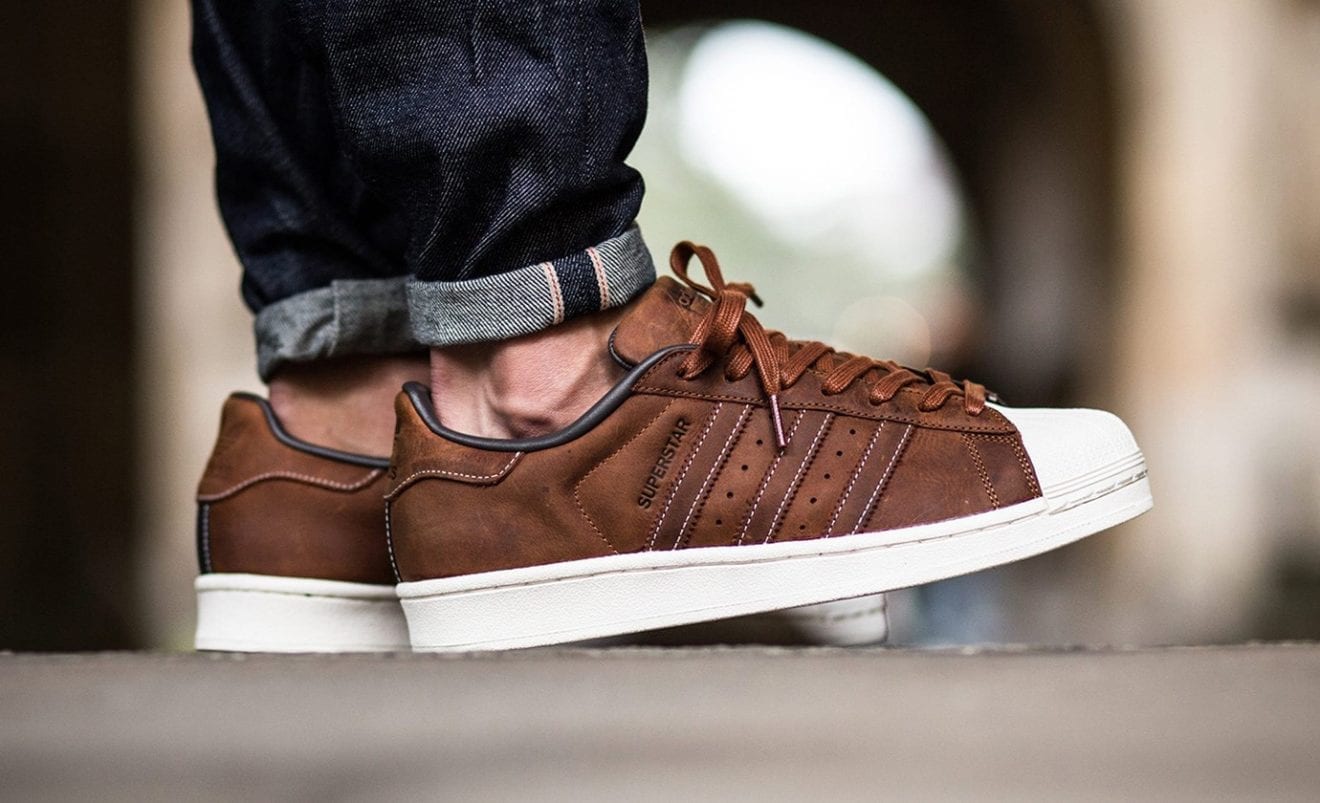
    After opening its first stadium-format store in Delhi, Adidas India plans to roll out four or five more of the outlets this financial year.

    Designed to showcase the brand’s performance wear, the format will become standard in India from next year. Already used in Japan and South Korea, the format features interactive zones for customers to showcase product benefits, says Adidas India senior director for sales and retail Manish Sapra.

  • Adidas sees ongoing shift from China to Vietnam

    Adidas sees ongoing shift from China to Vietnam

    Factories in Vietnam produced 44 percent of Adidas footwear volume in 2017, up from 31 percent in 2012.

    The chief executive of Adidas expects a shift in its sourcing of footwear from China to Vietnam to continue although he shrugged off concerns on Wednesday about the possible imposition of U.S. tariffs on Chinese-made shoe.

    Factories in Vietnam produced 44 percent of Adidas footwear volume in 2017, up from 31 percent in 2012, while Chinese suppliers made 19 percent, down from more than 30 percent in 2012, Kasper Rorsted told a annual meeting of shareholders.

    “I’m not going to rule out that this trend is going to continue,” he said, adding: “China is still an important procurement market, irrespective of trade duties.”

    Rorsted noted that there was still a lot of uncertainty over what sectors could face new U.S. tariffs. “We might be hit by import duties but it will also apply to our competitors.”

    German rival Puma, which makes about a third of its products in China, said last month that it is working on contingency plans to move some production from China to other Asian markets if U.S. tariffs are imposed.

  • Adidas appoints new president

    Adidas appoints new president

    Adidas has appointed a Kiwi as its new president of Adidas North America.

    Former Adidas New Zealand product manager Zion Armstrong will oversee American operations from 1 July, succeeding Mark King, who has decided to step down after a long career with the company.

    Armstrong, who has co-led Adidas North America as general manager together with King since June 2015, will be reporting directly to Roland Auschel, member of the executive board of Adidas AG, responsible for global sales.

    Armstrong first joined Adidas New Zealand as product manager for footwear in 1998 before moving to Adidas headquarters in Germany in 2002. From 2005 to 2014, the Kiwi held various leadership roles in Asia Pacific including managing director for Adidas South Korea.

    Armstrong has served as general manager of Adidas North America since 2015. He competed in the IAAF World Junior Championships and the Commonwealth Games and is a former New Zealand record holder for 400 meter hurdles.

    “We are very excited to promote Zion Armstrong to one of the most important roles in our company,” the sportswear retailer said. “We are convinced that Zion’s leadership will enable us to continue our successful journey in North America.”

    In the coming years, King will continue to serve Adidas North America as an advisor.

  • Adidas, H&M best students of the class in supply chain transparency

    Adidas, H&M best students of the class in supply chain transparency

    Adidas and sister business Reebok have topped a list of 150 of the world’s largest brands and retailers measured on supply chain transparency, according to Fashion Revolution’s 2018 index.

    Released overnight in the UK, the sixth edition of the Fashion Transparency Index has tracked an increase in industry stakeholders disclosing their suppliers, but the average score across all 150 brands and retailers surveyed was just 52 out of a possible 250 points, or 21 per cent.

    Adidas Group scored 58 per cent to top the list, beating the likes of H&M, Gap and Puma – who all scored lower in the 51-60 per cent range.

    The most improved brands on the list were The North Face, Timberland and Wrangler, which saw their scores increase by 22 per cent compared to last year’s index.

    The international transparency findings come less than a week after Baptist World Aid’s local report found that a large portion of Australian retailers are still failing the ethical grade when it comes to supply chain ethics.

    Fashion Revolution, which is partly funded by the charitable arm of global fashion retailer C&A, scores some of the world’s largest retailers and brands on five areas, including governance, policy & commitments, traceability, the ability to spotlight issues and the capacity to identify and address problems.

    Traceability and capacity to identify and address supply chain issues are weighted most heavily, accounting for 64 per cent of total scoring.

    Brands scoring between 51-60 per cent provide detailed supplier lists, including manufacturers and processing facilities.

    The likes of Zara, ASOS, G-Star, Levi Strauss & Co and The North Face all scored in the 41-50 per cent range, which is described as being likely to provide detailed supplier lists, as well as information about policies, procedures and goals.

    Further down the list in the 31-40 per cent category are a myriad of luxury and premium brands, including Gucci, Hugo Boss, Burberry and Hugo Boss, as well as sneaker giant Nike and Target (US).

    At the bottom in the 0-10 per cent range are those who have either not published supplier lists or publish little information, which is by far the largest category on the index at 48 brands.

    Amazon, Neiman Marcus and Forever 21 all scored between 10-5, while Dior and Nine West both scored 0, among others.

    Of the 98 brands and retailers on the list that were scored last year there was a 5 per cent average increase in scores, while 22 brands (or 15 per cent) have increased their traceability score by more than 10 per cent.

    Fashion Revolution said the results indicate that there’s still a “long way to go”, but that an influx of additional brands onto the index had weighed down 2018’s average score.

    “This year, 65 brands and retailers (or 43 per cent) have scored 21 per cent or higher — above the mean average score — compared to 43 brands and retailers (or 43 per cent) in 2017. 42 brands and retailers (or 28 per cent) have scored 31 per cent or higher, compared to 20 brands and retailers (or 20 per cent) in 2017,” it said.

    Overall higher scored were achieved in the areas of governance and policy & commitments than actioned traceability and a demonstrated ability to identify and address problems.

    H&M, which scored 92 per cent in policy & commitments and a 77 per cent in governance scored a much lower 47 per cent in traceability.